Brewing
Gongfu brewing
- Water temperature
- 93 °C
- Tea amount
- 5 g
- Water volume
- 100 ml
- First steep
- 10 s
- Time added per infusion
- 5 s
- Infusions
- 4

měirén hóngchá
Choose a brewing method. Start with the recommended quantities and time, then adjust to taste.
Brewing
Brewing
Taste
Tea encyclopedia
Category: Elite Fujian red tea (black tea) (闽红, Mǐnhóng). Belongs to the group of premium teas of northern Fujian, alongside Jīn Jùn Méi (金骏眉, Jīn Jùn Méi) and Zhěng Shān Xiǎo Zhǒng (正山小种, Zhèngshān Xiǎozhǒng).
Category: Elite Fujian red tea (black tea) (闽红, Mǐnhóng). Belongs to the group of premium teas of northern Fujian, alongside Jīn Jùn Méi (金骏眉, Jīn Jùn Méi) and Zhěng Shān Xiǎo Zhǒng (正山小种, Zhèngshān Xiǎozhǒng).
Coordinates: Wuyi region — approximately 27°45′ N, 118°01′ E.
Origin: China, Fújiàn Province (福建省, Fújiàn shěng), mountainous Wǔyì region (武夷山, Wǔyíshān) and adjacent high-altitude territories of northern Fujian. The Wuyi region is the historical cradle of red tea (black tea) (it was here in the 17th century that the world's first red tea was born — Zheng Shan Xiao Zhong) and simultaneously the birthplace of famous rock oolongs (岩茶, yánchá).
Type: Red tea (black tea) (红茶, hóngchá) — fully fermented (oxidized). According to European classification, corresponds to black tea. Highest grade raw material consisting exclusively of buds (tips).
Cultural Significance: Mei Ren Hong Cha occupies a place among the most refined red teas of Fujian. In the context of the Gōngfū Chá tea ceremony (功夫茶, gōngfū chá), it symbolizes sophistication and delicacy — in contrast to powerful and rich teas. Historically, tip red teas were considered medicinal: in traditional Chinese medicine, «golden buds» were attributed tonic and general strengthening properties. In modern tea culture, Mei Ren Hong Cha is one of the teas used to welcome special guests: its golden liquor and elegant appearance of tips create an atmosphere of solemnity and attention to detail.
History: Fujian is the birthplace of world red tea (black tea). The history of red tea production in the Wuyi Mountains dates back to the late 16th — early 17th century, when in the village of Tóngmùguān (桐木关, Tóngmùguān) the technology of full leaf fermentation was accidentally discovered, giving birth to Zheng Shan Xiao Zhong. Throughout the 17th–19th centuries, Wuyi red teas were exported to Europe, where they were known under the name «Bohea» (from the Fujian pronunciation of «武夷»). Mei Ren Hong Cha as an independent variety is a relatively new product: its standardized recipe was formed after 2000, in line with the general trend toward creating premium tip red teas, inspired by the success of Jin Jun Mei (first produced in 2005). Mei Ren Hong Cha develops the tradition of making red tea from the most tender raw material — exclusively buds abundantly covered with down.
Name Breakdown: Méi Rén (美人) — «beauty, beautiful woman»; Hóng Chá (红茶) — «red tea». The full name «美人红茶» translates as «Beauty Red Tea». The name reflects the aesthetics of the tea: elegant golden tips resemble delicate female fingers or precious jewelry, and the golden liquor is compared to the radiance of pearls.
Cultivar: Small-leaf Chinese variety — Camellia sinensis var. sinensis. Local tea bushes growing in the mountainous conditions of Wuyi and adjacent areas of northern Fujian at altitudes of 800–1200 meters are used. Bushes 1–1.5 m high with obovate leaves 6–8 cm long and weakly serrated edges.
Picking: For the production of Mei Ren Hong Cha, exclusively highest quality raw material is used — unopened terminal buds (tips, 芽头, yátóu) no more than 20 mm long, abundantly covered with tender white or golden down (白毫, báiháo). Picking is conducted by hand in early spring, before the rainy season begins, often in the early morning hours. A strict selection standard known as «Nine Non-Pickables» (九不采, jiǔ bù cǎi) is applied: do not pick buds that are wet with dew, damaged, opened, hollow, deformed, discolored, pest-affected, too short, or too long. This principle guarantees uniformity and highest quality of raw material.
Raw Material: Only whole, undamaged, young buds with abundant down. The presence of opened leaves or broken fragments is unacceptable in the highest grades.
Altitude: 800–1200 meters above sea level.
Climate: Subtropical monsoon. Average annual temperature about +17°C. Characterized by high humidity — more than 60% of days per year are accompanied by fog. Frequent cloudiness and fog provide diffused lighting, slowing bud growth and promoting concentration of aromatic substances and amino acids. Significant diurnal temperature variations stimulate synthesis of monoterpenes (linalool, geraniol, limonene), forming the floral-fruity aroma.
Soil: Predominantly weathered rocks of acidic composition (granite, porphyry, sandstone), characteristic of the Dānxiá landscape (丹霞地貌, Dānxiá dìmào) of Wuyi. Rich in potassium, phosphorus, and trace elements, which contributes to mineral accumulation in tea leaves.
Wuyi mountain massif in northern Fujian — UNESCO World Heritage site (simultaneously natural and cultural heritage, since 1999). The region is famous for its unique combination of geological, climatic, and biological factors creating exceptional conditions for tea cultivation.
Wuyi is one of the most biodiverse regions of southeastern China. Tea bushes grow in gorges, on cliff slopes and terraced areas, where the microclimate of each individual plot (甸, diàn) differs. This diversity of micro-terroirs gives tea from different plots unique nuances. The Wuyi Mountains with their sheer red sandstone cliffs create a system of narrow gorges and canyons where humidity, temperature, and insolation significantly differ from open slopes. Tea bushes rooted in rock crevices receive a rich mineral set from weathered rock, which is reflected in the characteristic mineral note in the tea's taste — that very «rock rhyme (yán yùn)» (岩韵, yányùn), for which teas from this region are so valued.
Hand picking of tender buds in early morning, observing the «Nine Non-Pickables» standard.
Natural withering in shade or in a ventilated room at 22±2°C for approximately 16–18 hours. Buds lose part of their moisture, become soft, primary enzymatic processes begin, floral aroma develops. Temperature and airflow control is critically important — overheating will lead to burning of tender tissues.
Extremely light, delicate rolling — buds must not be damaged. The goal is only to slightly disrupt cellular structure and release cell sap to initiate oxidation while preserving the integrity and elegant form of tips.
Key stage. Conducted under conditions of increased humidity (about 85% RH) and moderate temperature. Duration — from several hours to a day, depending on the tradition of the specific master. Complete oxidation of polyphenols forms theaflavins and thearubigins — compounds that give the liquor its golden-amber color, dense sweet taste, and characteristic honey aroma.
Final drying to stop fermentation and reduce moisture to a safe level (less than 5%). Conducted carefully at controlled temperature to avoid losing delicate aroma. Some producers use infrared drying for more uniform results.
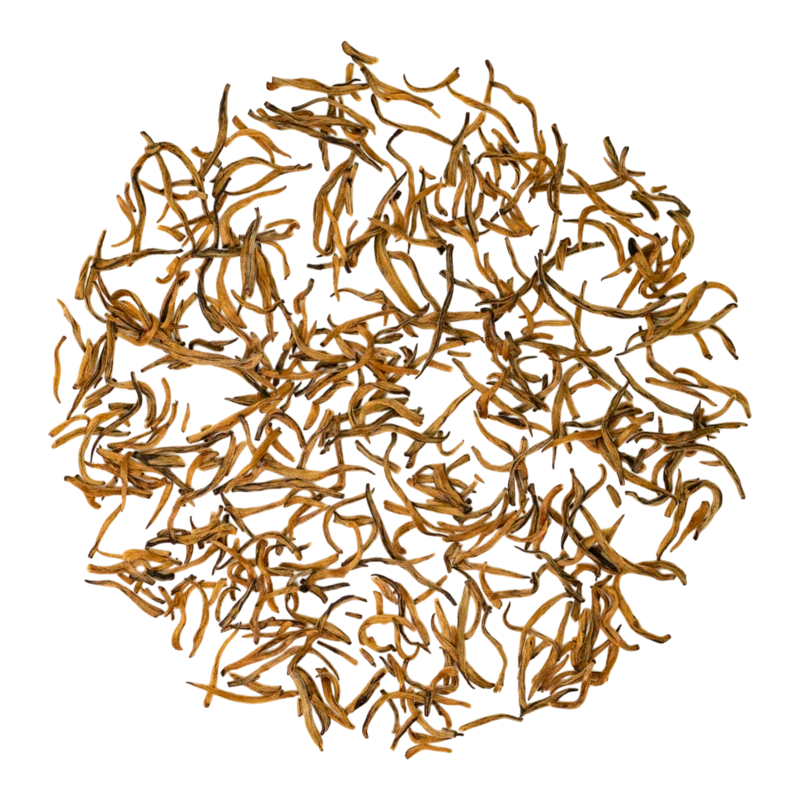
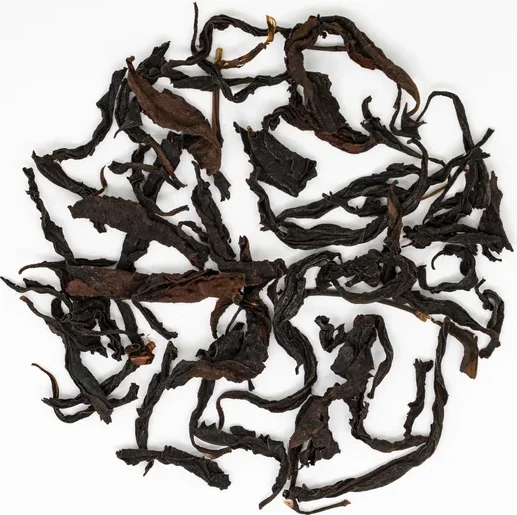
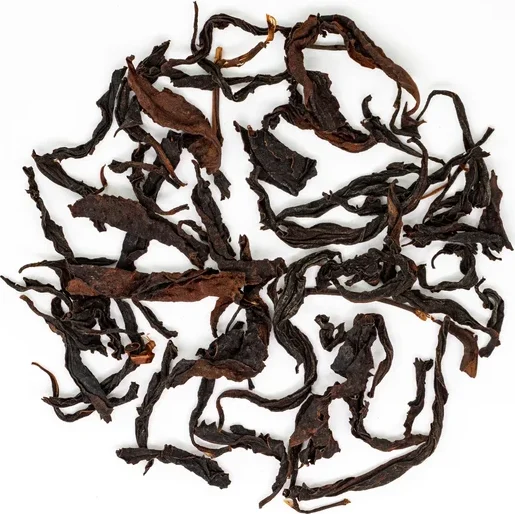
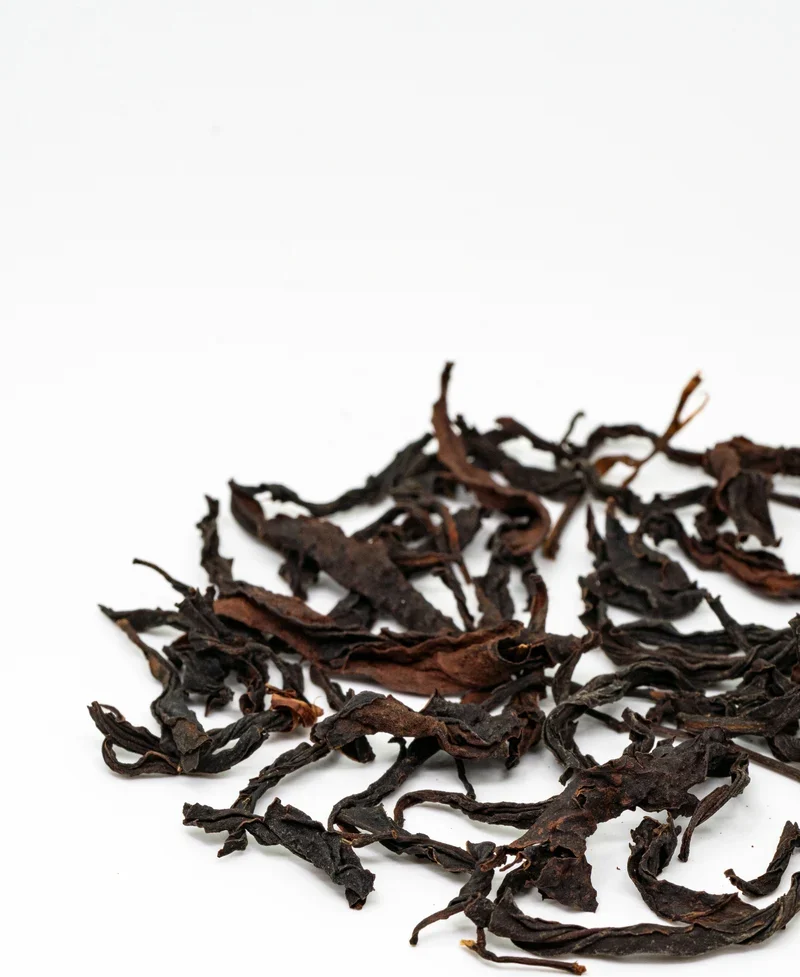
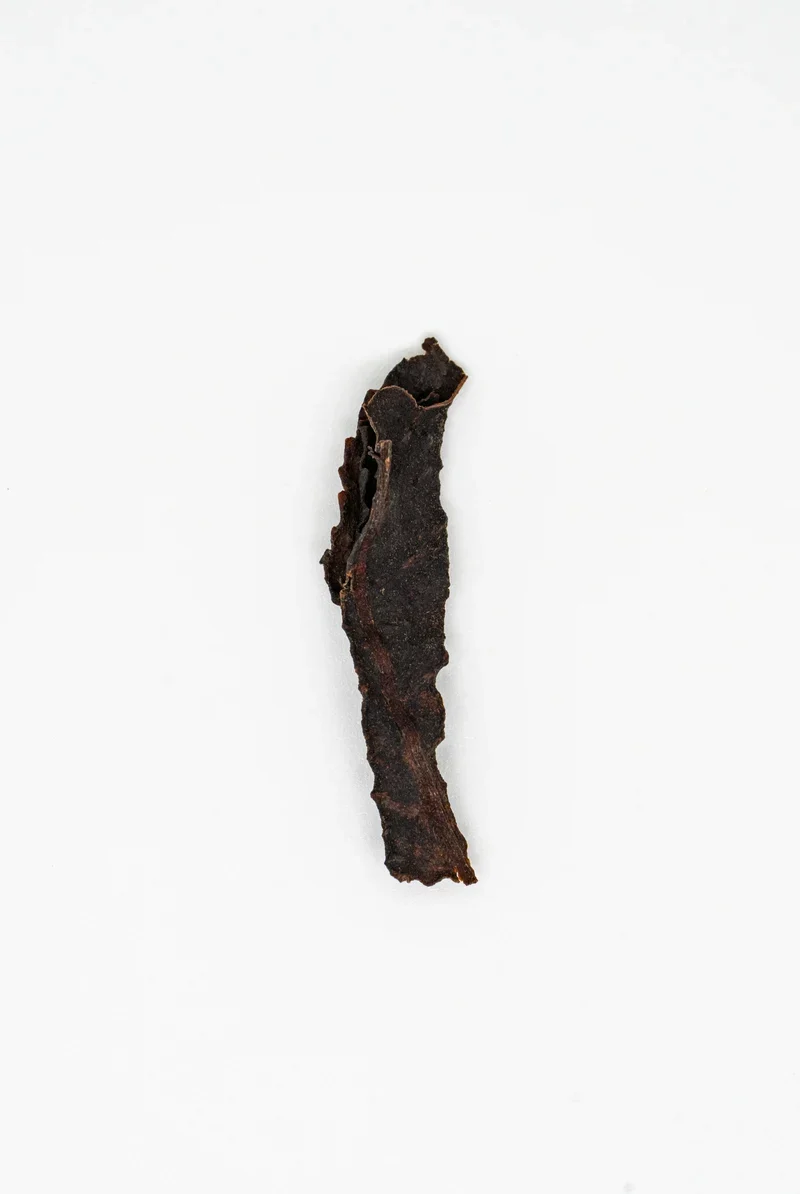
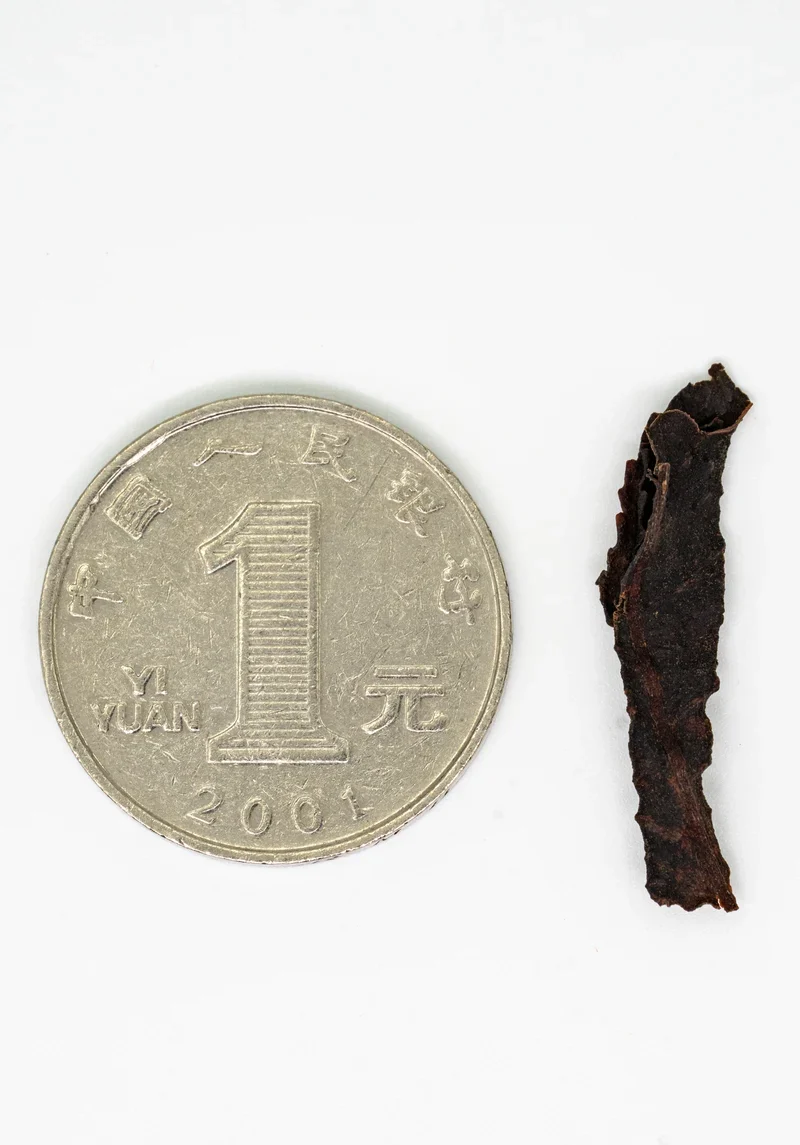
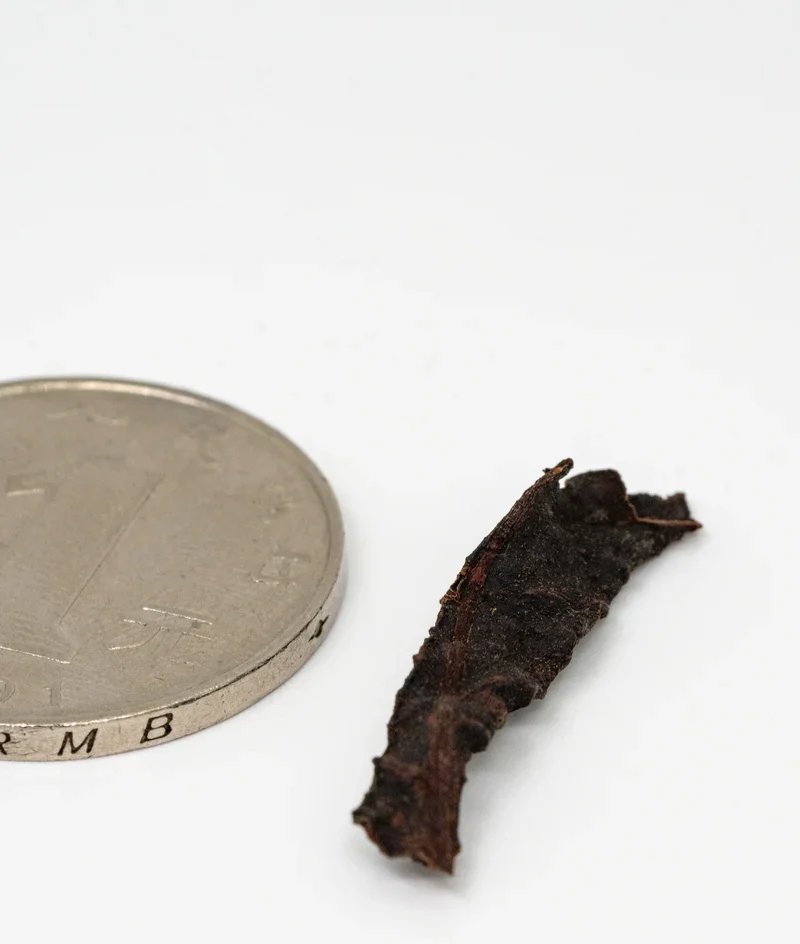
Dry Leaf Appearance: Elegant, thin, slightly twisted buds of golden or dark golden color with abundant down (白毫). Uniform in size — tip length about 15–20 mm. Broken fragments or opened leaves are unacceptable in the highest grades.
Dry Leaf Aroma: Intense, sweet, with dominant notes of vanilla, caramel, and honey. Light floral shades (rose, chrysanthemum). When warming the vessel, notes of roasted almonds and baked goods appear.
Liquor Aroma: Complex, sweet, honey-fruity with vanilla, floral, and caramel nuances. Clean aroma without smoky or earthy notes.
Liquor Color: Bright, clear, golden-orange or amber-red with pronounced gloss. Typical «golden rim» (金圈, jīnquān) on cup walls.
Long, sweet, refreshing, with fruity and honey notes. Characteristic smooth returning sweetness (回甘, huígān).
Spent Leaves: Soft, elastic buds of copper-red color, maintaining their elegant form. Integrity and uniformity of spent leaves is a quality indicator.
Taste: Dense, oily, velvety. Pronounced natural sweetness — honey, caramel, dried fruits. Light pleasant astringency without bitterness. Acidity is gently balanced. Sensation of silky texture on the tongue.
Alkaloids: Caffeine (咖啡碱) — moderate content characteristic of tip raw material. Buds contain caffeine, but thanks to high L-theanine levels, its stimulating effect is softened. Theobromine and theophylline are also present in trace amounts.
Amino Acids: Increased content of free amino acids, characteristic of early spring tip raw material. Key component — L-theanine (L-茶氨酸), responsible for sweet umami-like taste and relaxing effect. It is precisely the high amino acid content that determines the pronounced natural sweetness of the tea.
Essential Oils: Limonene, linalool, geraniol, nerol, and vanillin form the characteristic vanilla-honey aroma. Monoterpene compounds accumulated in buds thanks to temperature inversion of mountain terroir.
Minerals: Potassium, phosphorus, fluorine, manganese — determined by the mineral composition of Wuyi mountain soils.
Polyphenols: Total polyphenol content is significant, however during full fermentation the main part of catechins transforms into theaflavins (茶黄素) and thearubigins (茶红素). Theaflavins give brightness to the liquor and fresh astringency, thearubigins — density, color depth, and velvety texture. The ratio of theaflavins to thearubigins determines red tea quality.
Vitamins: B-group vitamins, vitamin P (rutin). Vitamin C content is reduced as a result of full fermentation.
Moderate caffeine content combined with L-theanine provides calm alertness and improved concentration without sharp spikes and subsequent energy crashes.
Theaflavins and thearubigins — fermentation products of polyphenols — retain pronounced antioxidant activity, contributing to free radical neutralization.
Red tea (black tea) stimulates digestive juice production. Traditionally considered one of the most gentle tea types for the stomach, thanks to low residual astringency.
Polyphenols and rutin (vitamin P) contribute to strengthening blood vessel walls and improving their elasticity.
Complex of antioxidants and trace elements supports the body's defense forces.
High L-theanine content promotes relief of nervous tension and mood improvement without drowsiness. The combination of mild stimulation and relaxation makes the tea suitable for afternoon tea drinking.
In traditional Chinese medicine, red tea (black tea) belongs to «warm» drinks recommended in cold weather and for people with a tendency toward «cold» constitution.
People with insomnia and increased nervous excitability are not recommended to consume tea shortly before sleep.
Moderate consumption due to caffeine content; medical consultation is advisable.
In gastritis with high acidity and peptic ulcer disease in acute stage, should be consumed with caution, as tea stimulates gastric juice production.
Like any tea, may interact with some medications — with regular medication use, consultation with a doctor is recommended.
3–4 g per 200–250 ml, steep 2–4 minutes.
Tea Amount: 5–7 g per 100–150 ml water for flash steeping method; 3–4 g per 200–250 ml for infusion.
Teaware: Porcelain gàiwǎn (盖碗, gàiwǎn) or glass teapot — allow admiring the «dance» of golden buds and liquor color. A small Yixing clay or porcelain teapot is also suitable.
Water Temperature: 85–90°C. Do not use boiling water — too hot water will damage tender buds, introduce bitterness, and destroy delicate aroma.
Container: Airtight, opaque — porcelain tea caddy, tin with tight lid, foil vacuum bag.
Enemies: Moisture, light, oxygen, foreign odors (spices, coffee, perfumes, household chemicals). Tip red tea (black tea) is especially sensitive to foreign aromas due to abundant down actively absorbing odors.
Shelf Life: With proper storage — 2–3 years. Over time, taste may somewhat «round out,» but pronounced improvement with aging does not occur. Best qualities — in the first year after production.
Dry, cool, dark place. Optimal temperature — room temperature, avoid sharp fluctuations.
Closest analog — also Fujian tip red tea (black tea) from Wuyi. Jin Jun Mei is usually slightly stronger and richer, with emphasis on fruity and smoky notes (in traditional versions). Mei Ren Hong Cha is somewhat more delicate, with more pronounced vanilla and caramel shades.
Historical Fujian red tea (black tea). Traditional version has pronounced smoky notes from drying on pine wood. Mei Ren Hong Cha is completely different in character: clean, without smokiness, refined and sweet. Raw material also differs: Xiao Zhong is produced from leaves, while Mei Ren — exclusively from buds.
Famous red tea (black tea) from Anhui. Distinguished by characteristic «qi men xiang» — aroma combining fruity, floral, and light smoky notes. Medium-density body. Mei Ren Hong Cha is more oily, velvety, with more pronounced natural sweetness.
Yunnan golden-bud red tea (black tea) from large-leaf Assam variety. Powerful, malty, dense. Mei Ren Hong Cha — from small-leaf variety — is significantly more delicate, elegant, with more refined and complex aroma, but less powerful body.
Price Category: Elite and super-premium segment. High cost is due to exclusively tip raw material (1 kg of finished tea requires an enormous number of buds), labor-intensive hand picking according to «Nine Non-Pickables» standard, and limited production volume (only early spring picking).
Like other premium tip red teas (primarily Jin Jun Mei), Mei Ren Hong Cha is subject to falsification.
Buy from reputable tea shops and suppliers with transparent origin chain.
Authentic tea consists of uniform, whole golden buds with abundant down. Presence of broken leaves, uneven color, or dull down are signs of counterfeits or low grade.
Characteristic clean vanilla-honey aroma. Weak, flat, or unnatural smell is a warning signal.
Bright, clear, golden-amber with characteristic «golden rim» on cup walls.
Tip red teas cannot be cheap — raw material and labor costs are too high.
Price Factors: Grade and uniformity of tips, exact growing location within Wuyi, picking time (earliest is valued higher), reputation of master producer.
No reviews yet. Tell us what you think of this tea.
Rate this tea and share your impressions. We review each submission before publishing it.