Brewing
Gongfu brewing
- Water temperature
- 93 °C
- Tea amount
- 5 g
- Water volume
- 100 ml
- First steep
- 10 s
- Time added per infusion
- 5 s
- Infusions
- 4

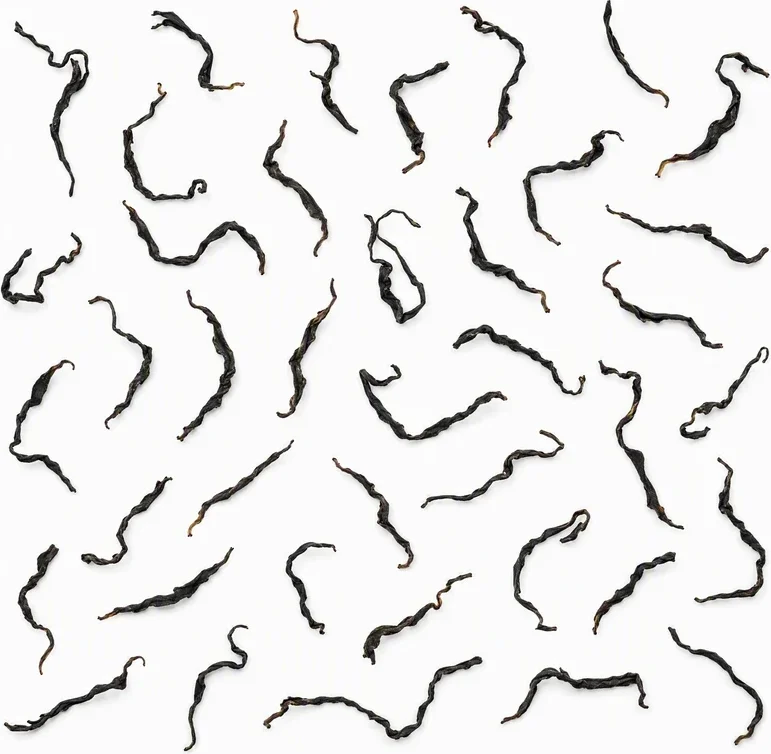
Jiǔcéng shān hóngchá
Choose a brewing method. Start with the recommended quantities and time, then adjust to taste.
Brewing
Brewing
Taste
Tea encyclopedia
Category: Guizhou high-mountain red tea (black tea). Product with geographical indication (国家地理标志产品).
Category: Guizhou high-mountain red tea (black tea). Product with geographical indication (国家地理标志产品).
Products are released under the S9 series (premium), S6 series (mid-range), and "High-Mountain Red" (高山红茶).
Coordinates: Approximately 26° North latitude, 105° East longitude (the "golden tea belt" region at the 26th parallel).
Origin: China, Guìzhōu Province (贵州, Guìzhōu), Liùpánshuǐ Prefecture (六盘水, Liùpánshuǐ), Liùzhī Special District (六枝特区, Liùzhī Tèqū), Zāngkē Township (牂牁镇, Zāngkē Zhèn), Bànpō Village (半坡村). The tea plantation is located on Jiǔcéng Shān (九层山) at an altitude of 1000–1500 meters above sea level.
Type: Fully oxidized tea, belonging to the category of Hóng Chá (红茶, Hóngchá—"red tea"). Degree of oxidation—complete, with an extended oxidation process of up to 48 hours, which is a distinguishing feature of this tea. Production is conducted in accordance with national standard GB/T 13738 (red tea standard).
Jiuceng Shan Hong Cha is one of the few Chinese red teas (black teas) whose technology is directly borrowed from Ceylon and adapted to local raw materials. Extended oxidation (48 hours instead of standard 4–8) is an atypical technique for China that gave amazing results.
Liupanshui Prefecture was historically the "coal capital" of Guizhou. Development of high-mountain tea cultivation is a bright example of "green transformation" of a Chinese city's economy, transition from mineral extraction to ecological agriculture.
Zangke Township, in whose vicinity the tea plantation is located, is named after Zāngkē region (牂牁)—one of the administrative units of the Han era, associated with the legendary Yèláng state (夜郎国). This is one of the most mysterious ancient states of southwestern China.
Use of three different materials (bamboo, wood, stone) for oxidation containers is a technique without analogues among Chinese red teas (black teas). Each material makes a microscopic contribution: bamboo—freshness, wood—softness, stone—minerality.
Passing 481 pesticide residue tests according to European standards is one of the highest indicators among Chinese teas.
Cultural Significance: Jiuceng Shan Hong Cha is a symbol of the modern rise of tea cultivation in Guizhou Province, which for a long time remained in the shadow of "tea giants"—Yunnan, Fujian, Zhejiang. The Liupanshui region, previously known as the "Capital of Coolness" (凉都) and center of the coal industry, is experiencing a "green transformation," in which high-mountain tea plays the role of flagship product. Moreover, the Zāngkē district (牂牁) is a place with ancient history: here during the Hàn era existed the state of Yèláng (夜郎国), and tea cultivation is part of the cultural revival strategy of this territory.
History: Jiuceng Shan Hong Cha is a young but rapidly gaining recognition tea, whose history spans little more than half a century.
An autochthonous population of tea bushes formed on Jiuceng Shan over decades of natural selection. Belongs to Camellia sinensis var. sinensis. Characterized by thick, fleshy leaves with high pectin content, making the variety ideal for deep oxidation. The plantation preserves bushes up to 60 years old—a legacy of the "sent-down youth" era.
A widely known elite cultivar from Fujian, brought to Guizhou during introduction programs. Early spring awakening, high polyphenol content, abundant golden tips (buds). Optimal for producing aromatic red tea of the highest grades.
Cultivar: Two main cultivars are used:
Picking: Spring harvest (March–April) is considered most valuable, though summer and autumn raw materials are also used. Due to high-altitude location, vegetation begins later than in lowland areas, and spring tea from Jiuceng Shan is distinguished by increased amino acid content.
Pluck Standard: For S9 series—exclusively single buds or "one bud + one leaf" (一芽一叶); for S6 series—"one bud + two leaves" (一芽二叶); for mass category—"one bud + two-three leaves" is permitted.
Raw Material: Production is conducted without chemical pesticides and synthetic fertilizers. The plantation uses physical pest control methods—ultraviolet insect traps (灭蚊灯). Raw materials undergo control for compliance with EU standards on 481 indicators.
Altitude: 1000–1500 meters above sea level. This is significantly higher than most Chinese red teas (black teas) (except Taiwanese and some Yunnan varieties). High mountains slow shoot growth, increasing the period of aromatic substance and amino acid accumulation.
Climate: Subtropical mountain with pronounced altitudinal effect. Average annual temperature—about 14°C. Annual precipitation—more than 1200 mm. Cloudy and foggy days—more than 180 per year. Diffused light (散射光) exceeds 70% of total solar radiation. Daily temperature fluctuations—more than 10°C. These conditions form the so-called "high-mountain cool character" (高山冷韵, gāoshān lěng yùn) of tea: slowed growth, rich amino acid composition, refined aromatic profile.
Soil: Acidic yellow mountain soils (微酸性黄壤, wēi suānxìng huángrǎng), pH 5.0–6.5. Organic matter content ≥ 2%. Soils are rich in selenium, zinc, and other microelements. Acidic soil reaction is ideal for tea bushes.
Forest coverage of the territory—78.8%. Water quality corresponds to First Class national standard. Complete absence of industrial pollutants. Tea gardens are surrounded by natural forest, ensuring biodiversity and ecological balance.
Due to high-altitude vegetation slowdown, amino acid content in spring tea reaches 3.5–5.0% (20% higher than analogues from low-mountain areas). Polyphenol content—≥ 40%, significantly higher than the average indicator for red teas (black teas).
Hand-picking of one bud with one-two leaves. Morning time after dew drying is preferable.
Fresh leaves are spread in a thin layer on bamboo trays (竹筛) in a ventilated room. Duration—6–8 hours. Goal—reducing moisture content by 25–30%, increasing leaf plasticity and initiating primary enzymatic processes.
Mechanical rolling aimed at destroying cellular membranes and releasing pectin juice (果胶质, guǒjiāozhì). Due to high pectin content in local raw materials, rolled leaves acquire a characteristic oily luster.
The key stage determining the character of Jiuceng Shan Hong Cha. The concept of prolonged controlled oxidation borrowed from Sri Lanka is adapted to local conditions:
Rolled leaf is placed in shallow bamboo baskets. Temperature—25–28°C. Natural ventilation ensures gentle initiation of oxidation.
Partially oxidized leaf is transferred to wooden boxes where temperature is maintained stable. Layer thickness increases, oxygen access decreases—oxidation slows but deepens.
Final phase on stone trays ensuring even heat distribution. Total oxidation duration reaches 48 hours—significantly longer than most Chinese red teas (usually 4–8 hours). It is precisely this extended oxidation that generates the unique aromatic pair: honey-sugar (蜜糖香, mìtáng xiāng) and orchid (兰花香, lánhuā xiāng).
Drying over burning pine wood (松明火烘焙, sōngmíng huǒ hōngbèi) to moisture content ≤ 6.5%. Use of pine wood introduces the finest resinous note to the aroma, echoing the distant tradition of Fujian Xiao Zhongs.
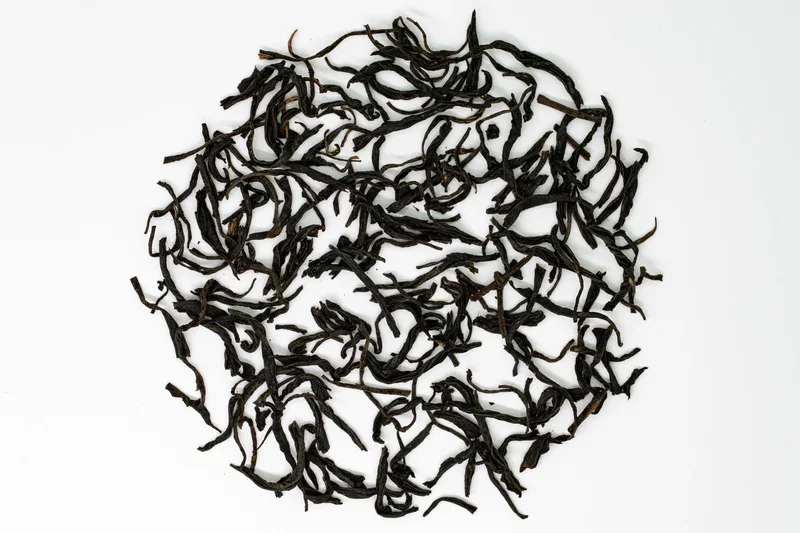
Liquor Aroma: Multi-layered, with dominating honey-sugar tone (蜜糖香) interwoven with elegant orchid note (兰花香). In the aftertaste—warm tones of caramel and roasted chestnut. In deeply oxidized batches, a burnt sugar note (焦糖香) appears. The "cold cup" (冷杯) retains aroma for more than 15 minutes—a rare quality for red tea (black tea).
Liquor Color: Bright red, clear, brilliant (红艳明亮). In the best batches—with a light orange halo under side lighting.
Intense, sweet, with leading notes of honey, caramelized sugar, and fresh orchids. S9 series tea reveals an additional note of fresh caramel toffee.
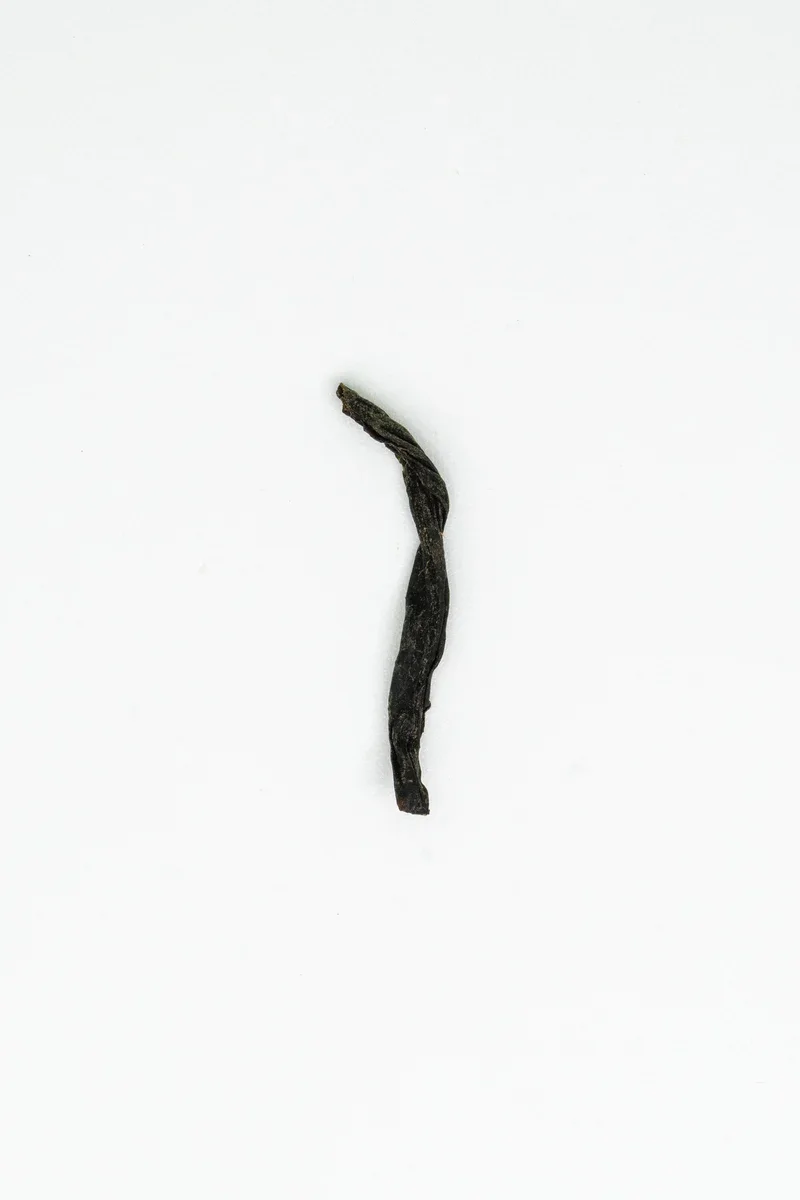
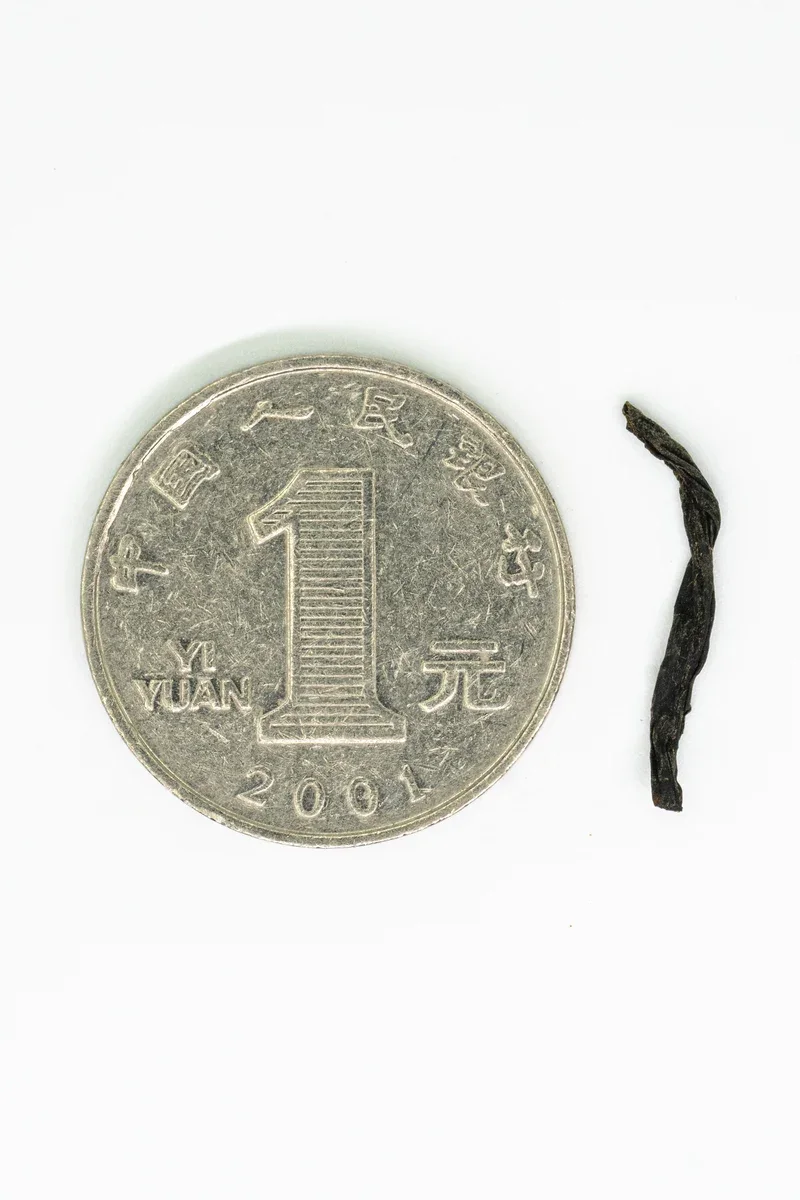
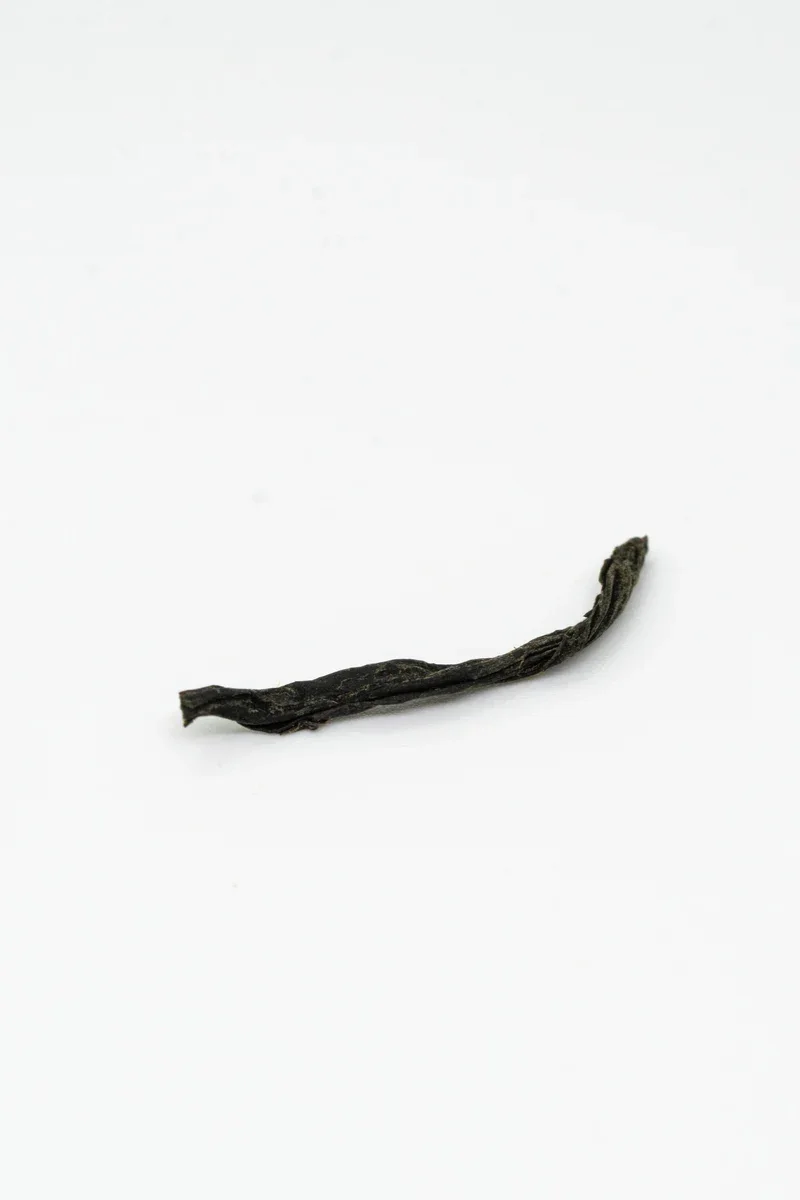
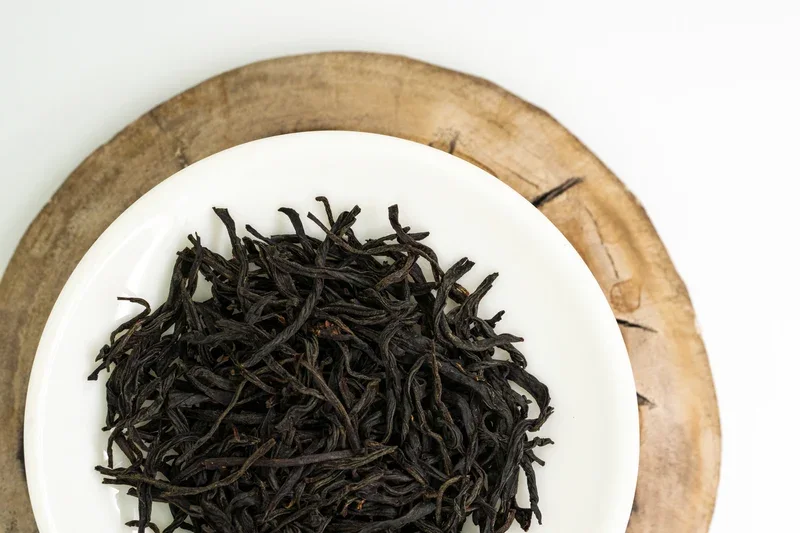
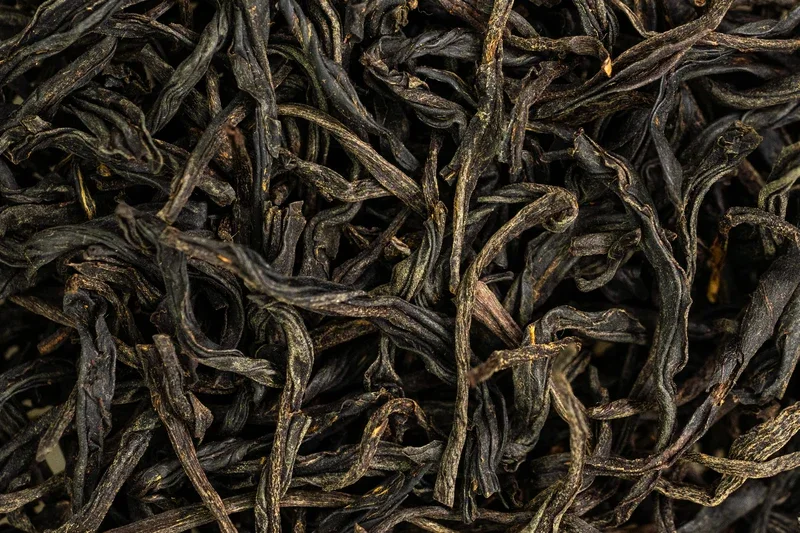
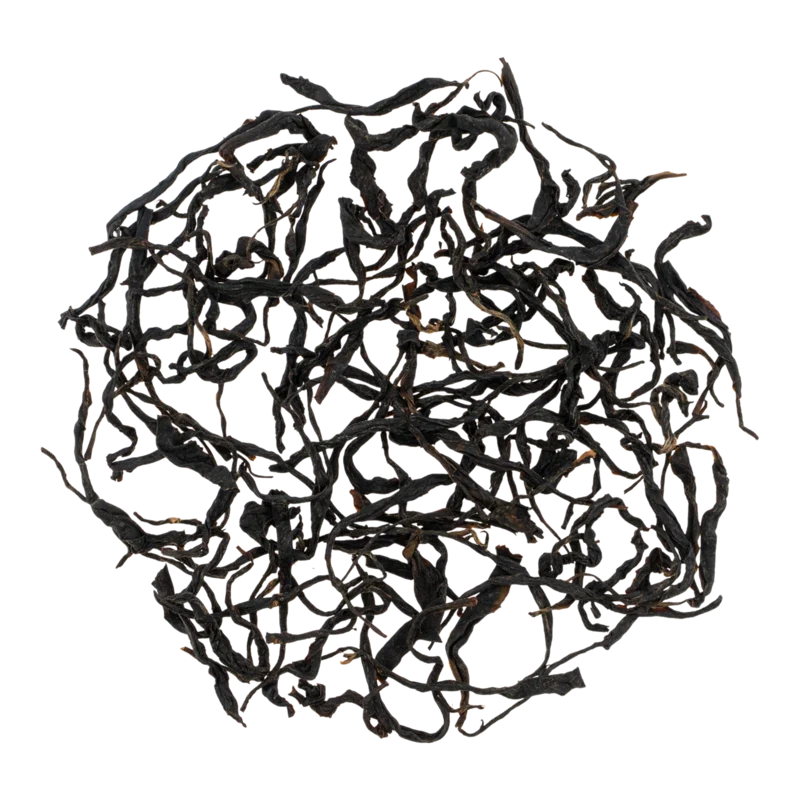
Spent Leaves: Evenly red (红亮匀整), bright. Buds and leaves whole, fleshy, soft. In S9 series—predominance of whole golden buds.
Taste: Body—full, dense, rich (tea polyphenols ≥ 40%). Expressive sweetness with a fresh note (甘鲜, gān xiān), due to high amino acid content. Clear, perceptible returning sweetness (回甘, huí gān)—after a light initial astringent note, the mouth fills with prolonged honey aftertaste. S9 series demonstrates the phenomenon of "seven fragrant infusions" (七泡留香).
Alkaloids: Caffeine, theobromine, theophylline. Caffeine content is moderately high, providing stimulating effect.
Amino Acids: 3.5–5.0%, including high L-theanine content. It is amino acids that give the taste characteristic "fresh sweetness" (鲜甜) and balance polyphenol astringency.
Tea polysaccharides provide long returning sweetness and liquor "thickness."
Organic, naturally occurring (from mountain soils). Specific indicators depend on batch, but overall the tea is rich in microelements.
Increased content due to peculiarities of local cultivars and mountain climate. Pectins are responsible for the oily texture of the liquor.
Minerals: Zinc, manganese, potassium, magnesium, iron.
Polyphenols: ≥ 40%—one of the highest indicators among red teas (black teas). During deep oxidation, catechins actively convert to theaflavins (providing brightness and "liveliness" of liquor) and thearubigins (responsible for body and color depth).
Vitamins: C, E, B group, carotenoids.
High polyphenol content (≥ 40%) stimulates lipase activity, promoting fat breakdown.
Synergy of selenium and polyphenols provides enhanced neutralization of free radicals.
Theaflavins reduce cholesterol deposition on vessel walls, contributing to cardiovascular health maintenance.
Polysaccharides and polyphenols jointly modulate glycemic response.
Caffeine combined with L-theanine provides a "gentle" tonic effect—alertness without nervousness, increased concentration.
Tannins and enzymes stimulate gastric juice secretion and peristalsis.
Polyphenols possess pronounced anti-inflammatory properties.
Manganese and fluorine contained in tea contribute to bone mineralization.
Tea Amount: 3 g per 150 ml water (1:50 ratio).
Water Temperature: 90–95°C for standard series. For special grade (S9)—85°C, to avoid "burning" delicate tips and preserve delicate orchid aroma.
Enemies: Light, moisture, foreign odors, oxygen. Storage near spices, coffee, perfumes is categorically not recommended.
Airtight, light-proof container. Storage temperature—0–5°C (refrigerator). At home, room temperature storage away from heat and light sources is acceptable.
Opened packaging should be used within 6 months to prevent loss of volatile aromatic compounds.
Yunnan red tea (black tea) with golden tips. Dian Hong is generally more "meaty," with notes of honey and chocolate. Jiuceng Shan is distinguished by pronounced orchid tone and longer returning sweetness due to high-altitude vegetation slowdown.
Anhui "Keemun" is famous for rose-fruity aroma (祁门香). Jiuceng Shan is sweeter and denser, with honey-sugar base instead of rose-floral.
Direct "relative" by technological origin. Uva demonstrates sharp, invigorating character with menthol notes. Jiuceng Shan is softer, sweeter, with more pronounced floral profile due to adaptation of Ceylon method to Chinese high-mountain raw materials.
Fujian classic with smoky character. Jiuceng Shan lacks smoked note (though light resinous shade from pine drying is possible) and is more fruity-honey.
Elite Fujian "Golden Eyebrow" from single buds. Jin Jun Mei is more refined and floral; Jiuceng Shan S9 is more powerful and rich, with denser body and pronounced "high-mountain" minerality.
Look for geographical indication mark (地理标志) and EU pesticide residue compliance certificate.
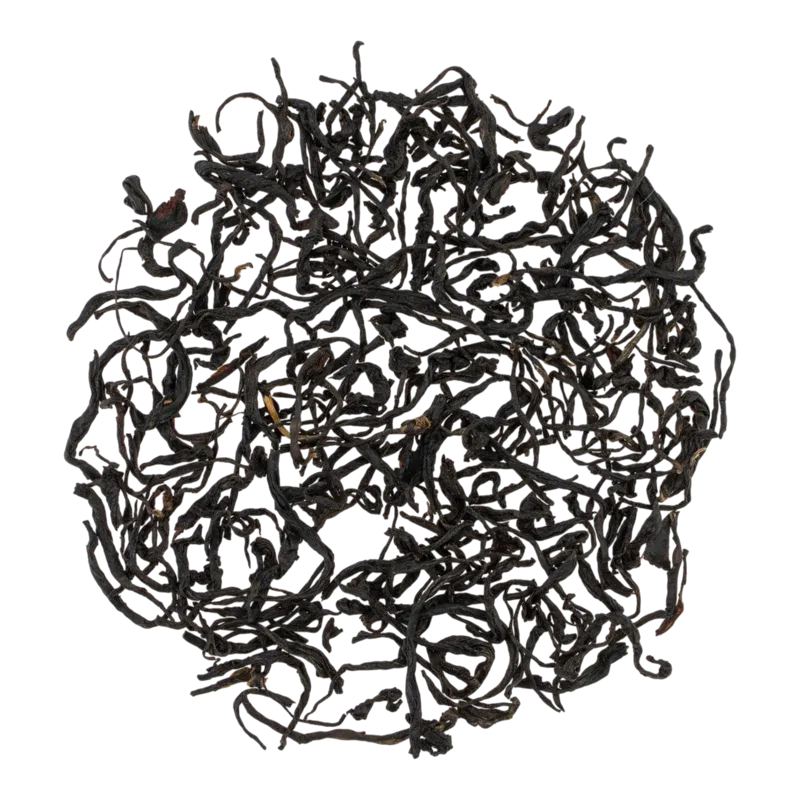
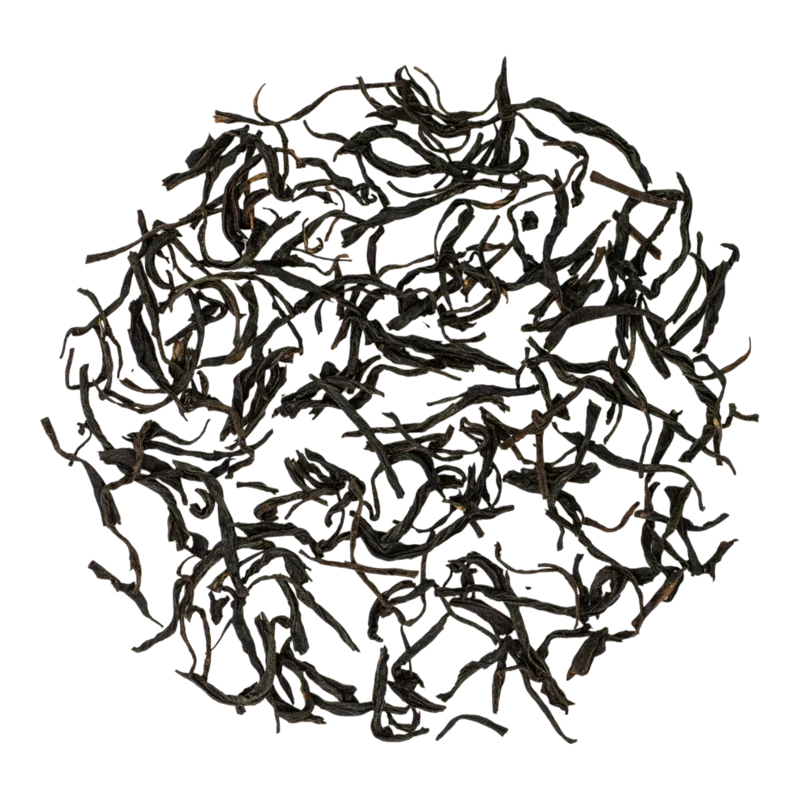
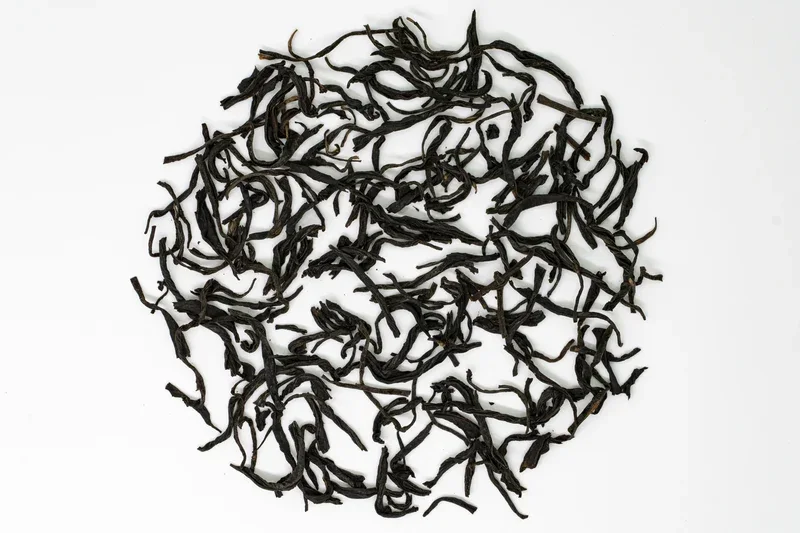
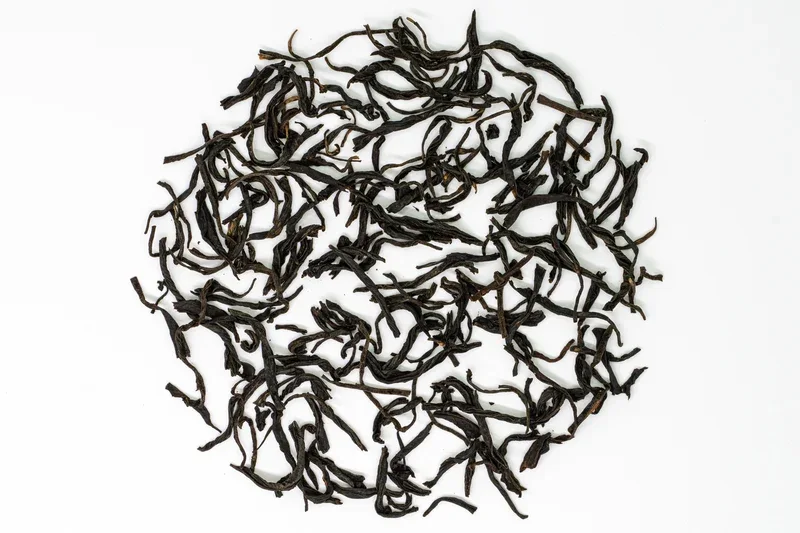
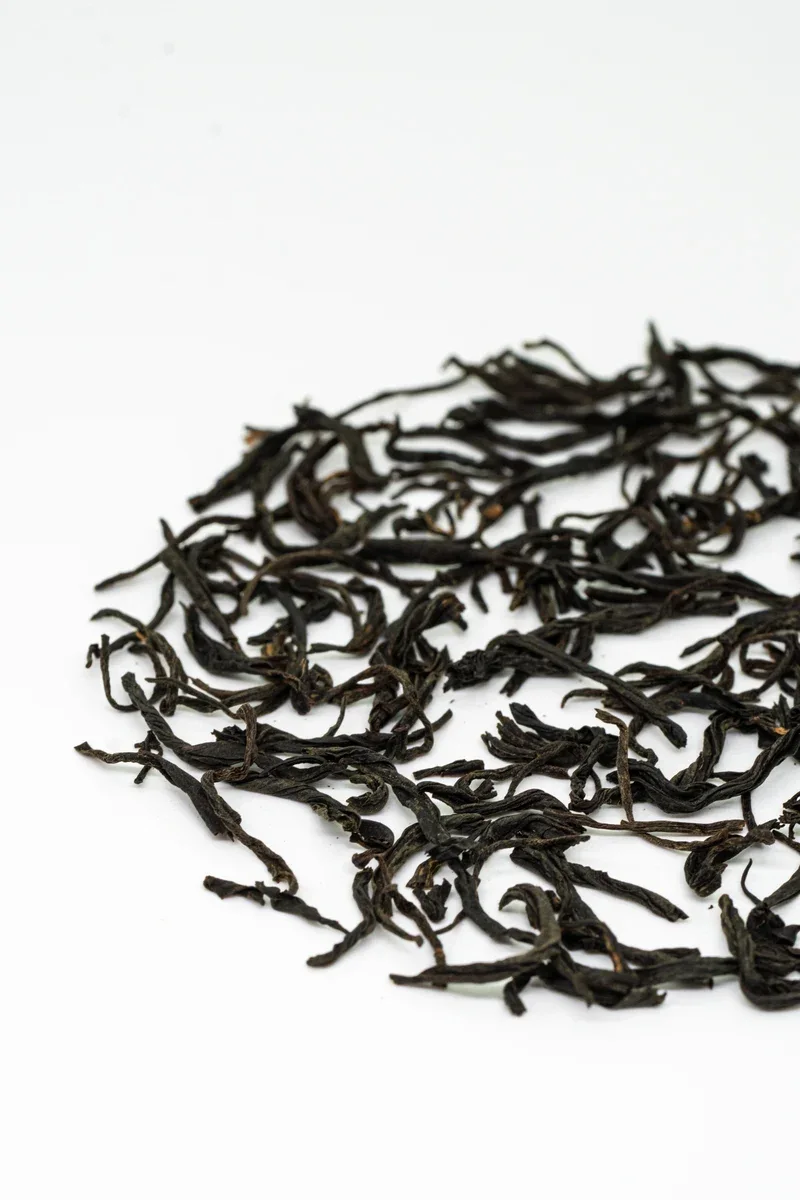
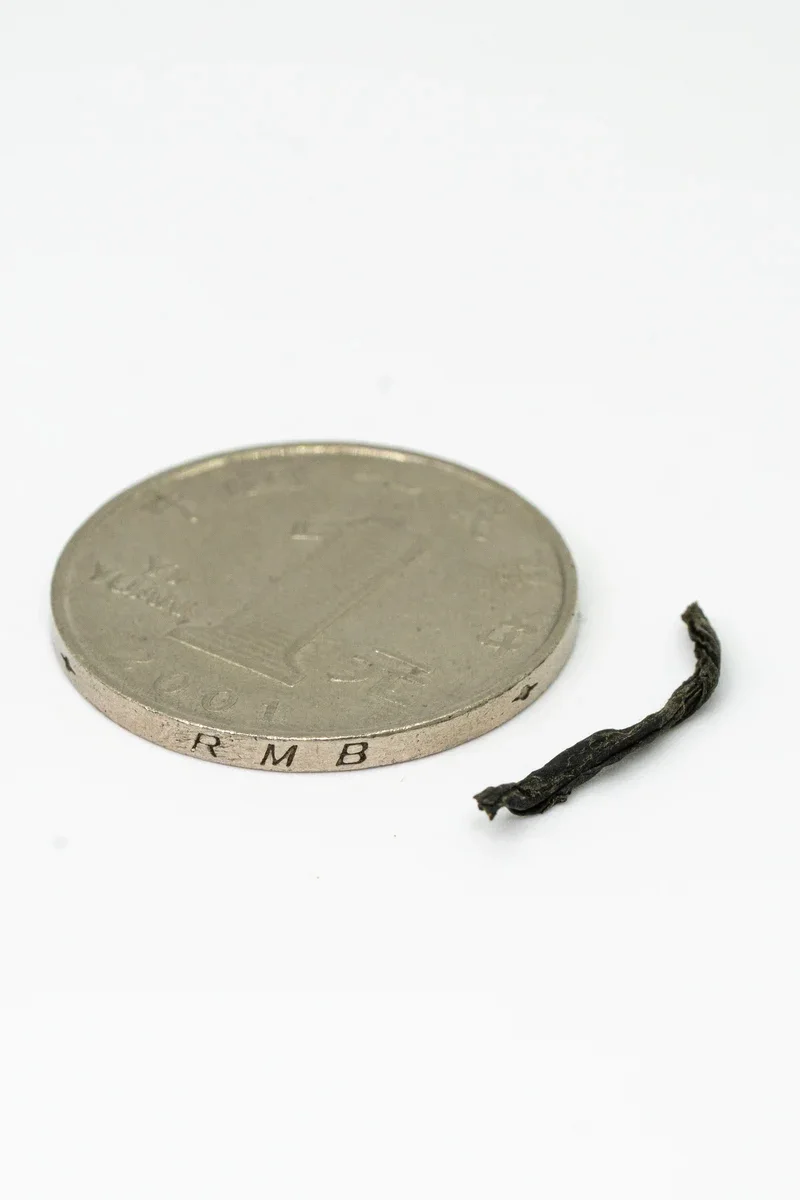
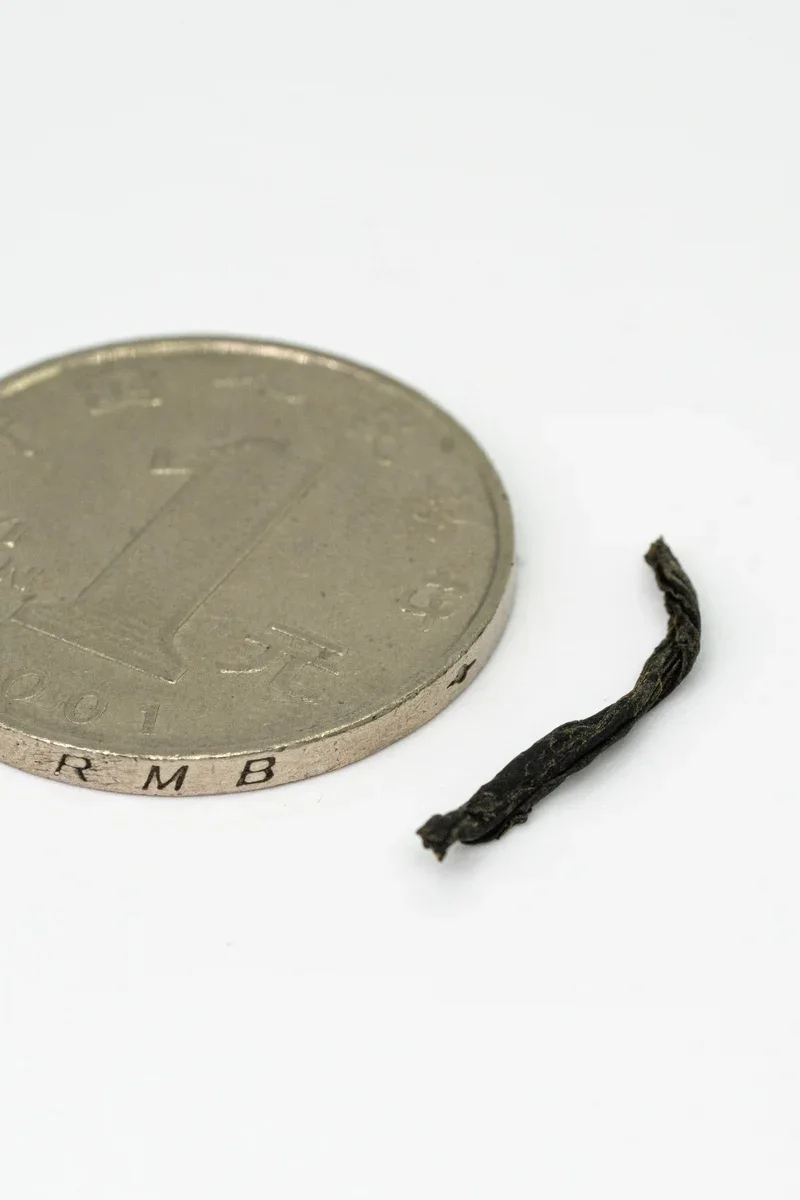
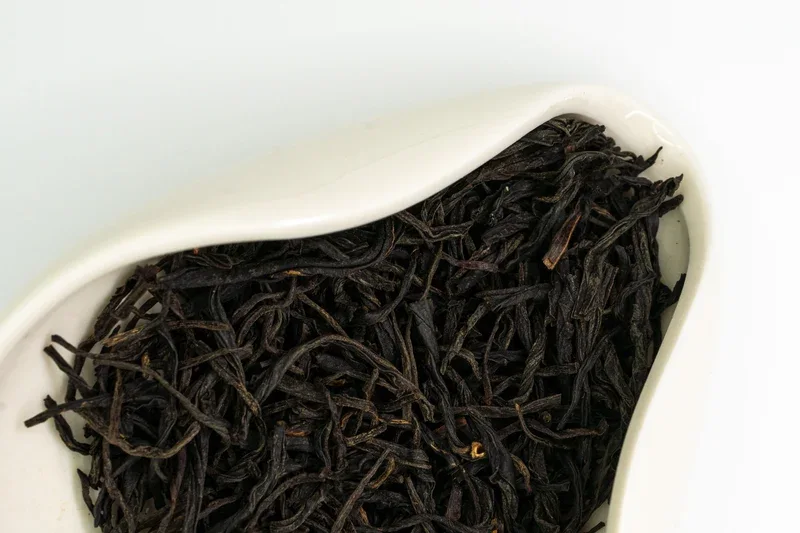
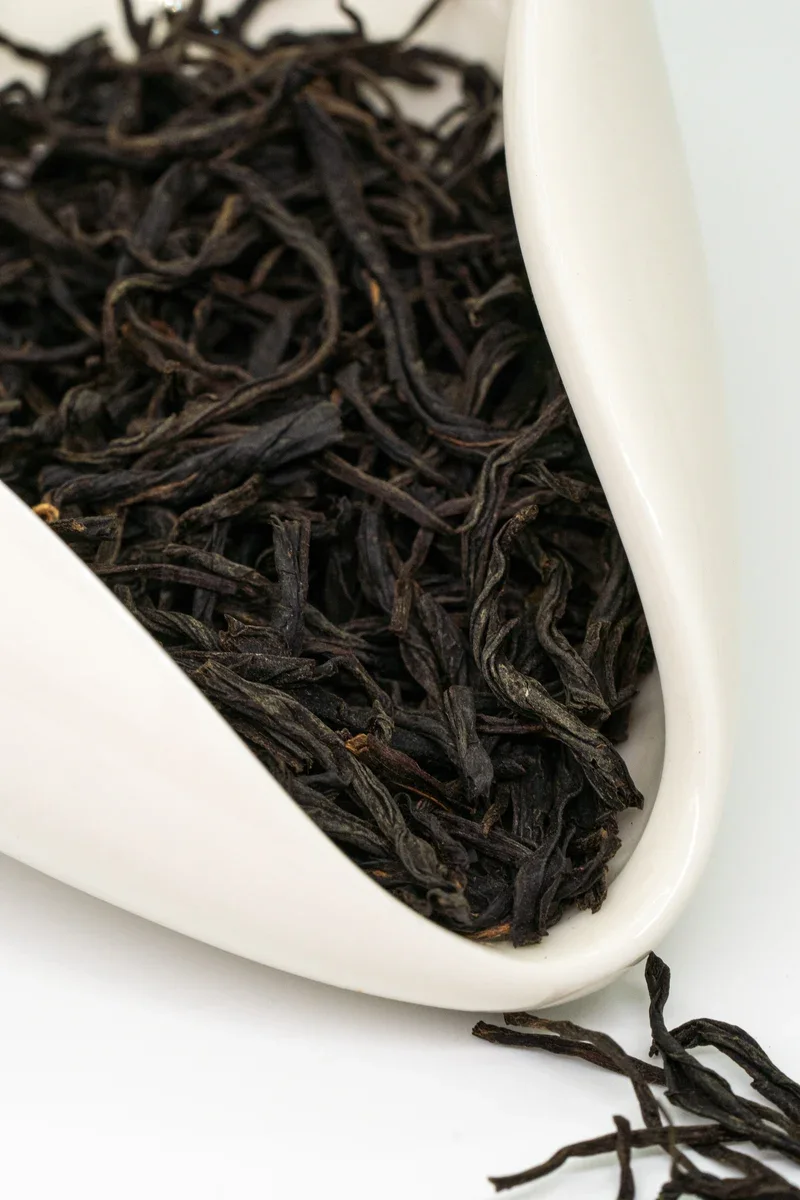
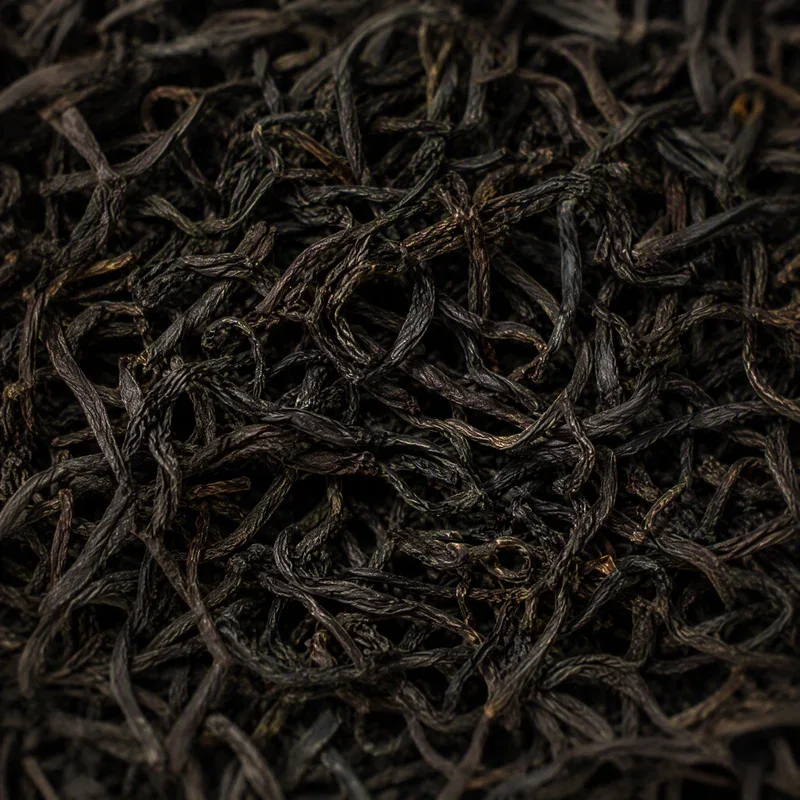
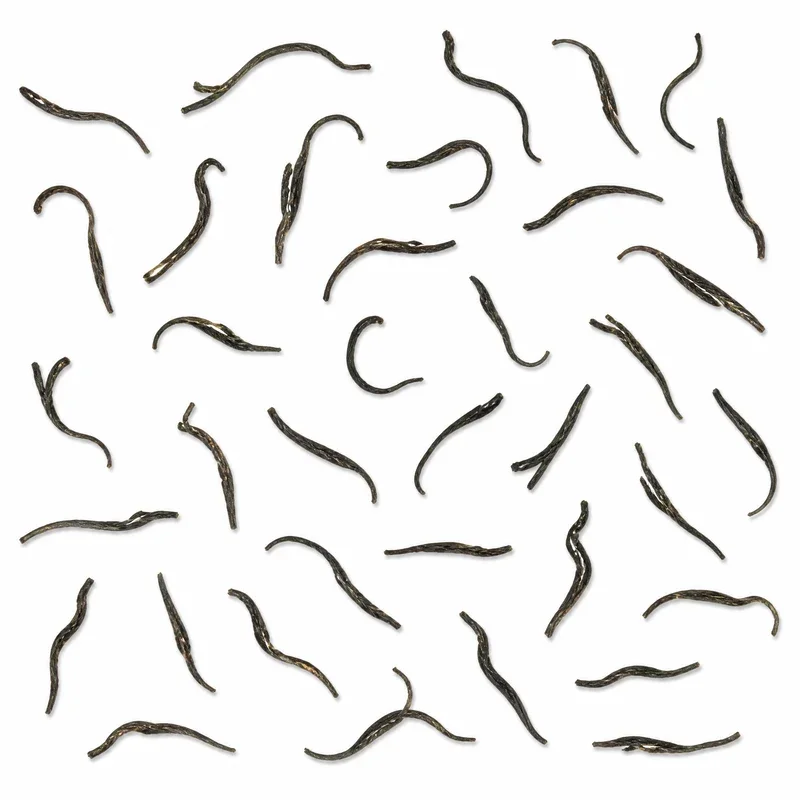
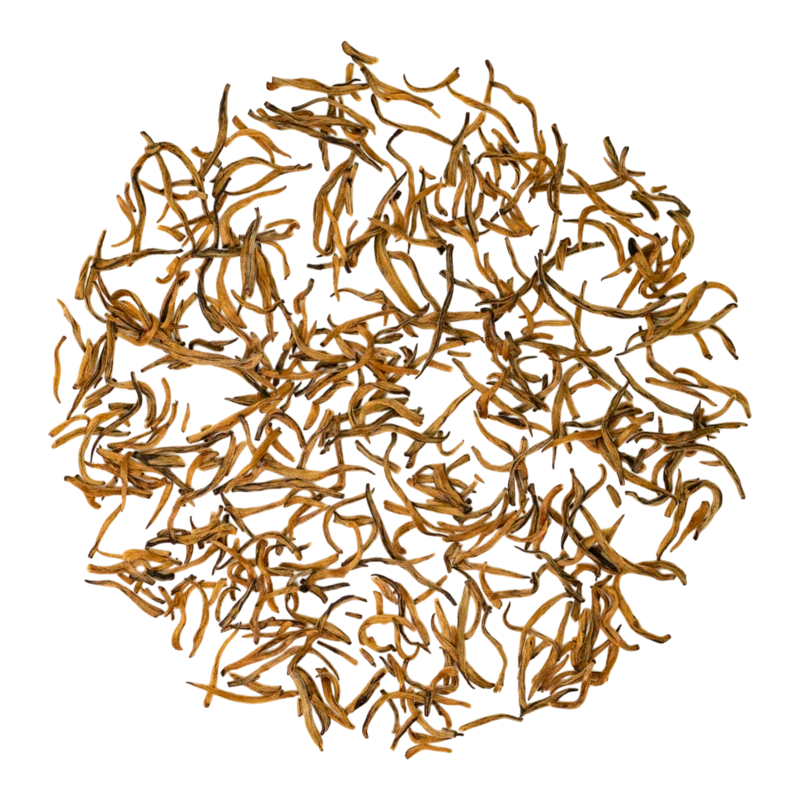
S9 series is characterized by dense, heavy granules with abundant golden tips. Loose, non-uniform mass is a sign of substitution.
Authentic Jiuceng Shan Hong Cha possesses pure honey-orchid aroma without admixtures of acidity, mustiness, or artificial fragrances.
Pour liquor into a cup and let cool. After 15 minutes, aroma should remain perceptible—this is a distinguishing feature of authentic tea.
The production cycle with 48-hour oxidation and hand-picking makes tea objectively expensive.
No reviews yet. Tell us what you think of this tea.
Rate this tea and share your impressions. We review each submission before publishing it.