Brewing
Gongfu brewing
- Water temperature
- 92 °C
- Tea amount
- 6 g
- Water volume
- 100 ml
- First steep
- 10 s
- Time added per infusion
- 5 s
- Infusions
- 8

huáng méiguī
Choose a brewing method. Start with the recommended quantities and time, then adjust to taste.
Brewing
Brewing
Taste
Tea encyclopedia
Category: Premium Wuyi oolongs.
Category: Premium Wuyi oolongs.
Hybrid developed in 2002 by the Tea Research Institute of the Fujian Academy of Agricultural Sciences (jointly with the Wuyi Tea Culture Institute). Parent forms: Huáng Guǎn Yìn (黄观音, huáng guānyīn) × Huáng Dàn (黄旦, huáng dàn). First commercial harvest obtained in 2013 — 11 years after creating the hybrid.
Origin: China, Fújiàn Province (福建), Wǔyí Mountains (武夷山), included in the UNESCO World Heritage List. Main plantations are concentrated in Bànyán village (半岩) and adjacent areas at an altitude of 600–900 m a.s.l.
Type: Oolong (turquoise tea). Rock tea (岩茶, yán chá). Oxidation level — medium (approximately 45%), roasting — light to medium.
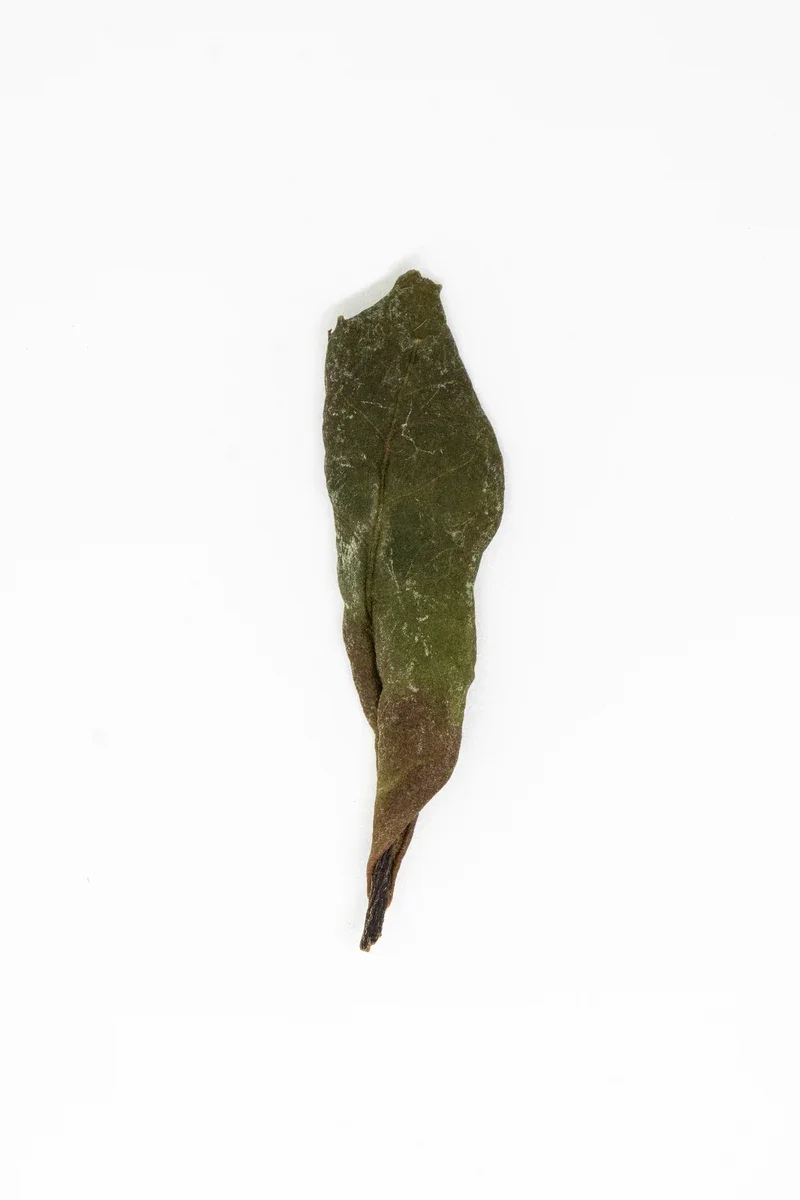
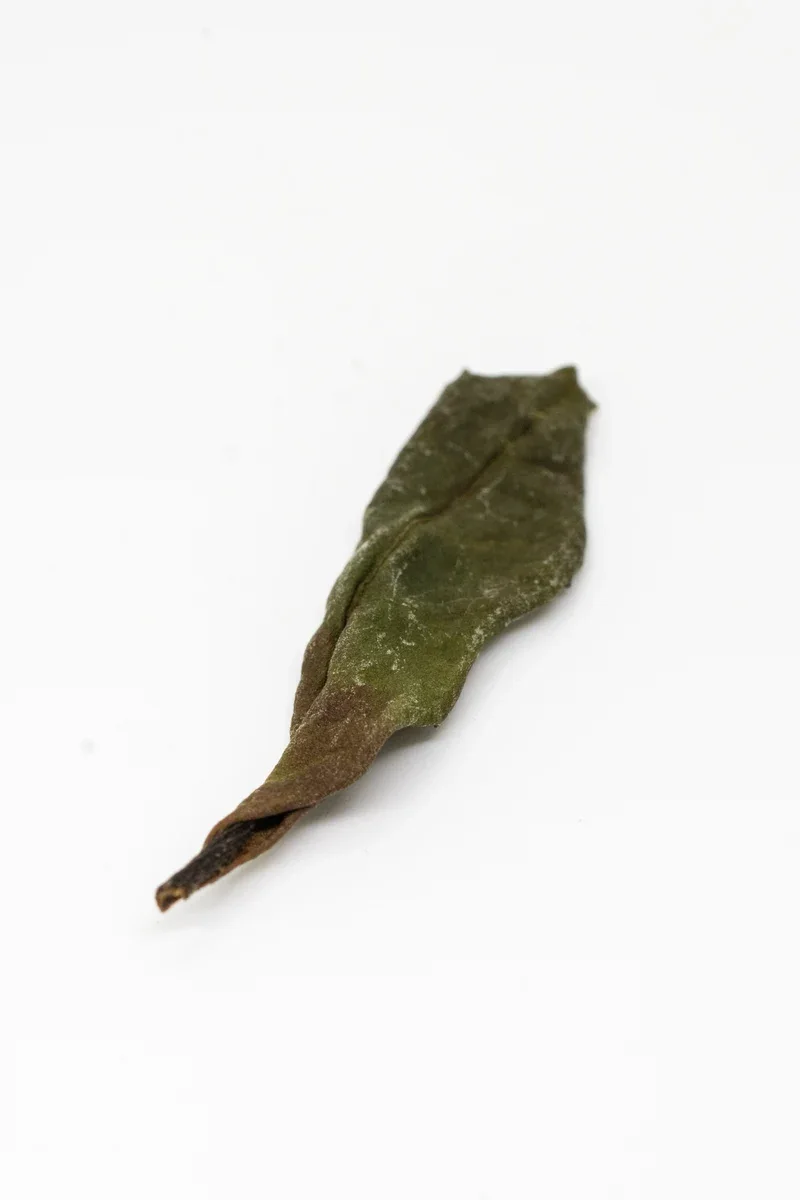
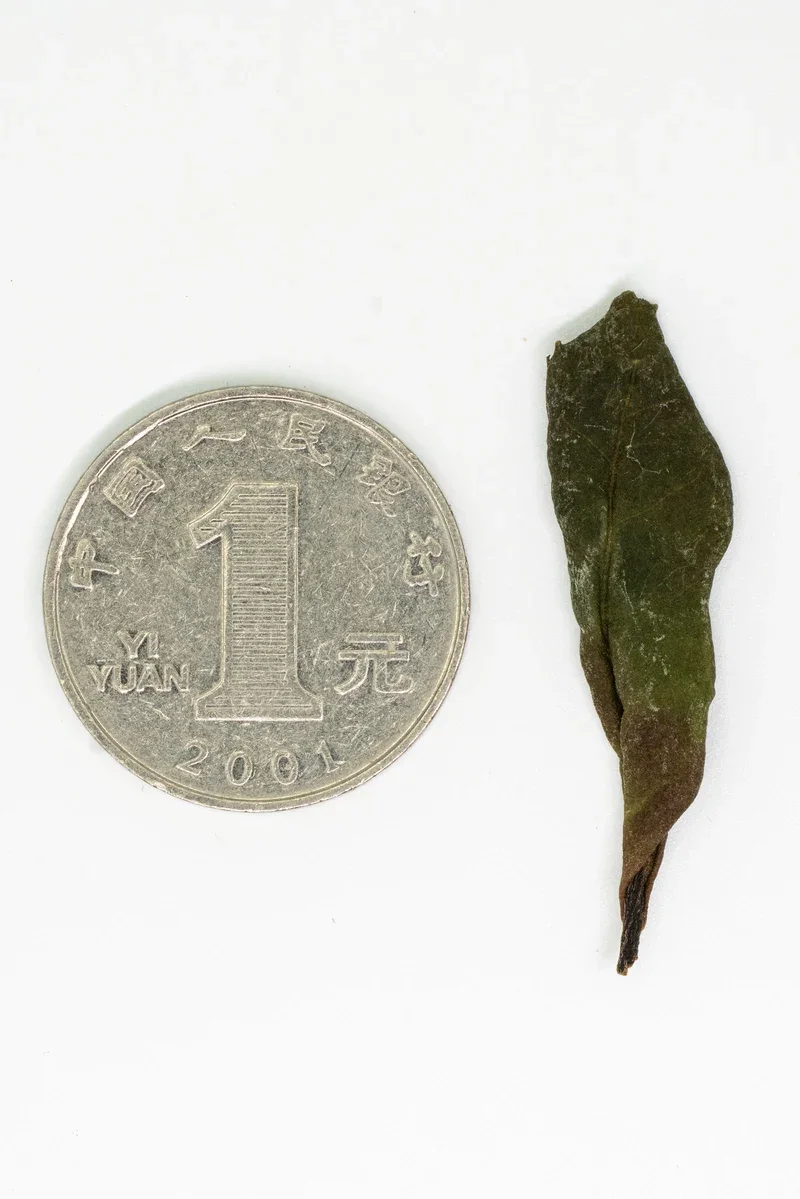
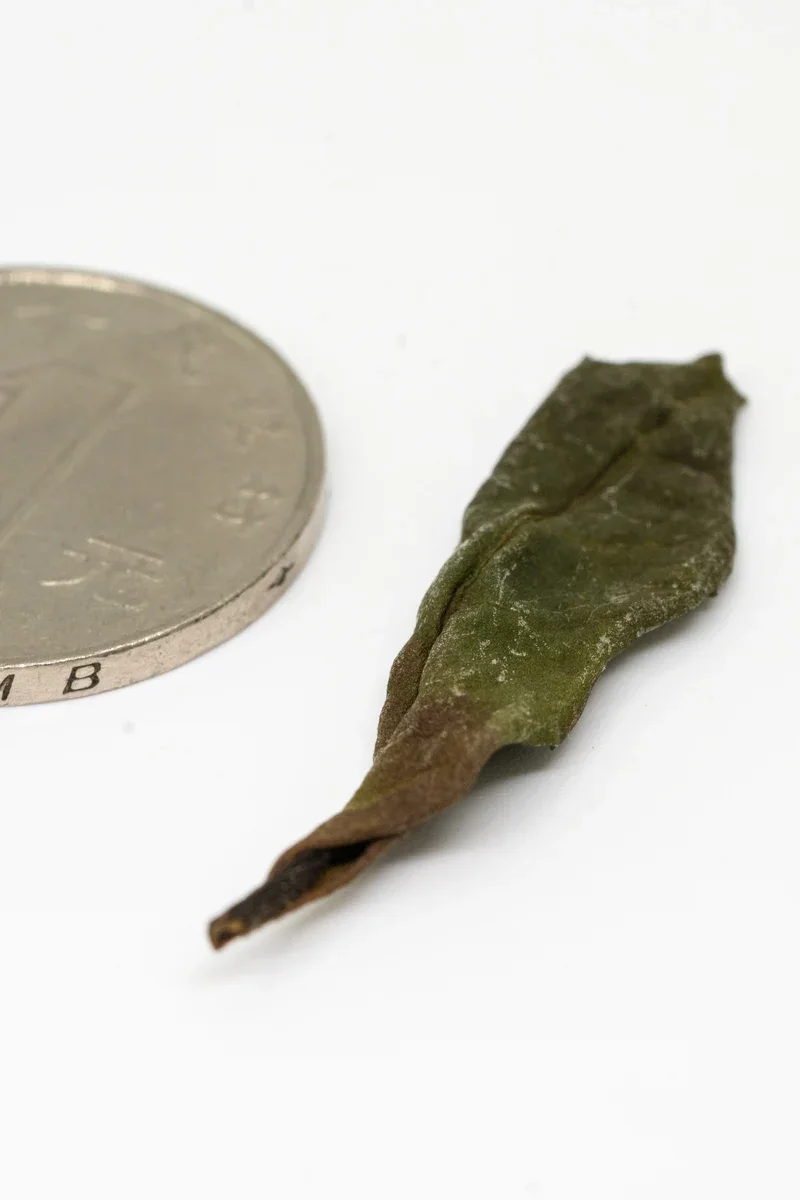
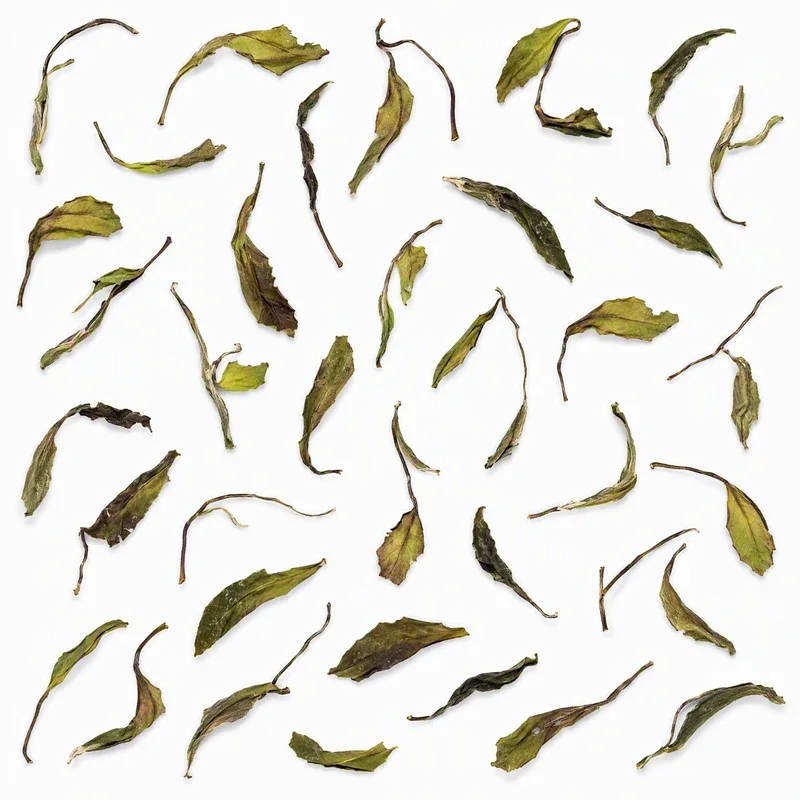
Large, elliptical in shape, 8–12 cm long and 3–4 cm wide, with a glossy dark green surface, pronounced venation and serrated edge.
Cultivar: Camellia sinensis var. sinensis, hybrid Huang Guan Yin × Huang Dan. Medium-height bushes (1–1.8 m) with vertical shoot growth.
Picking: Hand-picked, in April–May. Standard — bud and two upper leaves (一芽二叶). Spring first flush is especially valued. After picking, leaves undergo strict selection by size, color and elasticity.
Raw Material: Only high-quality raw material from certified Wuyi plantations. To strengthen the root system and depth of flavor, old tree-like bushes over 30 years old are sometimes used.
Altitude: 600–900 m a.s.l.
Climate: Subtropical monsoon. Average annual temperature ~18°C, precipitation ~2000 mm/year, daily temperature fluctuations ~10°C. Fog — more than 100–150 days per year, slowing leaf growth and promoting accumulation of aromatic substances.
Wuyi Mountains, northwest Fujian. UNESCO World Heritage Site. Main location — Bànyán village (半岩), terraced plantations between rock formations.
Volcanic-sedimentary rocks, predominantly quartz sandstones rich in iron oxides. Acidic rocky soils with good drainage give the tea its characteristic "rock rhyme" (岩韵, yán yùn).
Plantations are fed by spring water.
Biodynamic principles are often applied; pesticide ban, organic fertilizers. Export batches may have EU Organic, USDA Organic certificates.
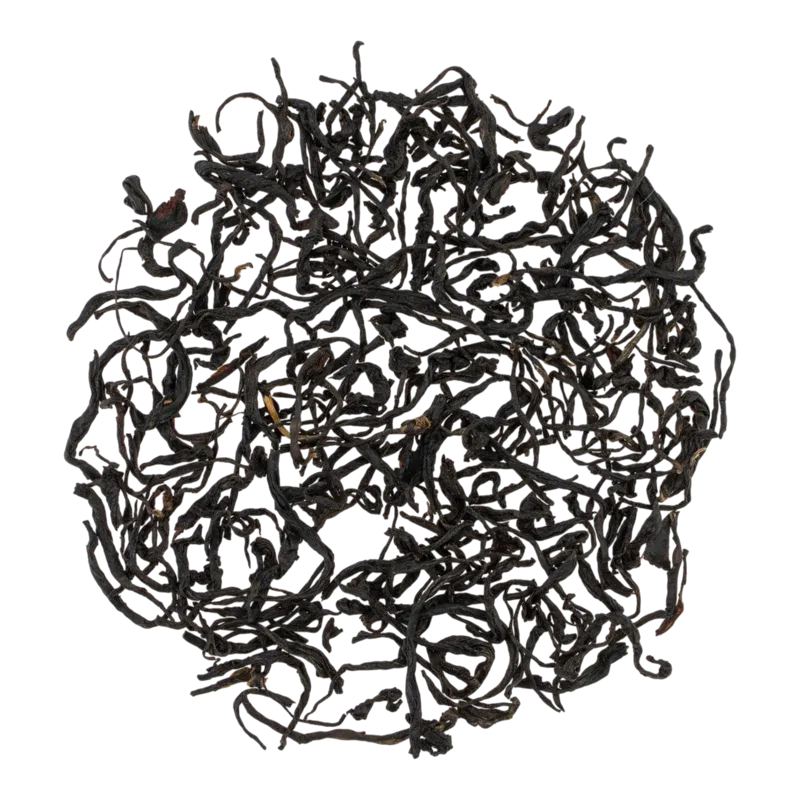
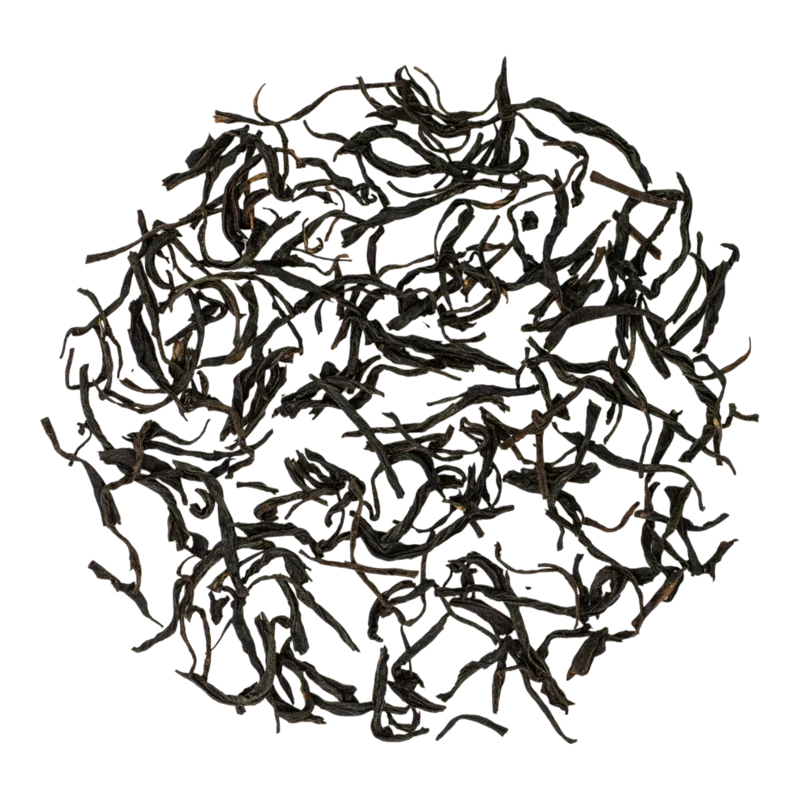
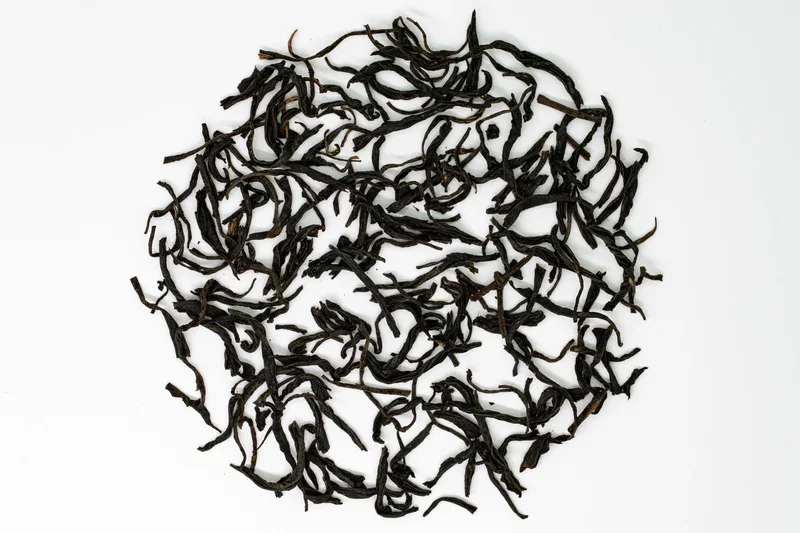
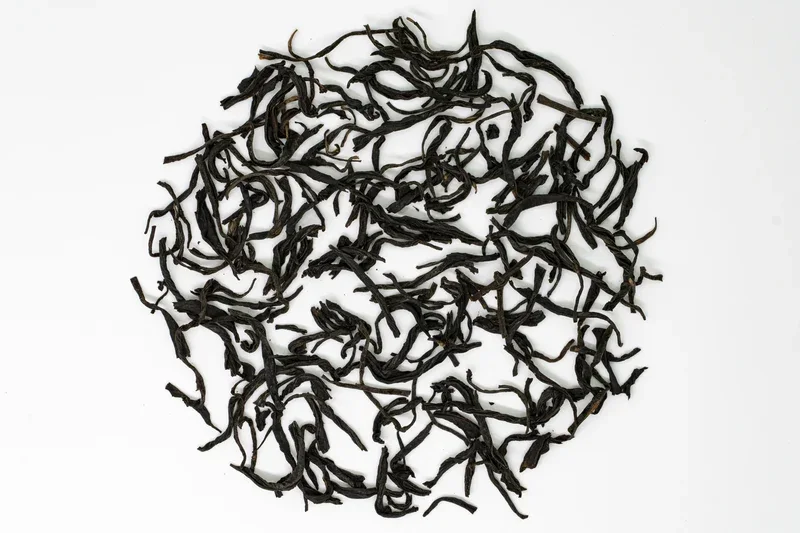
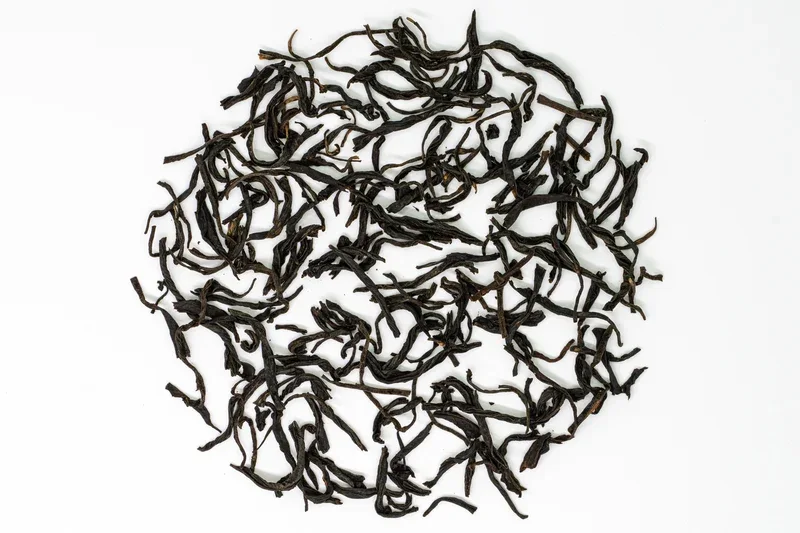
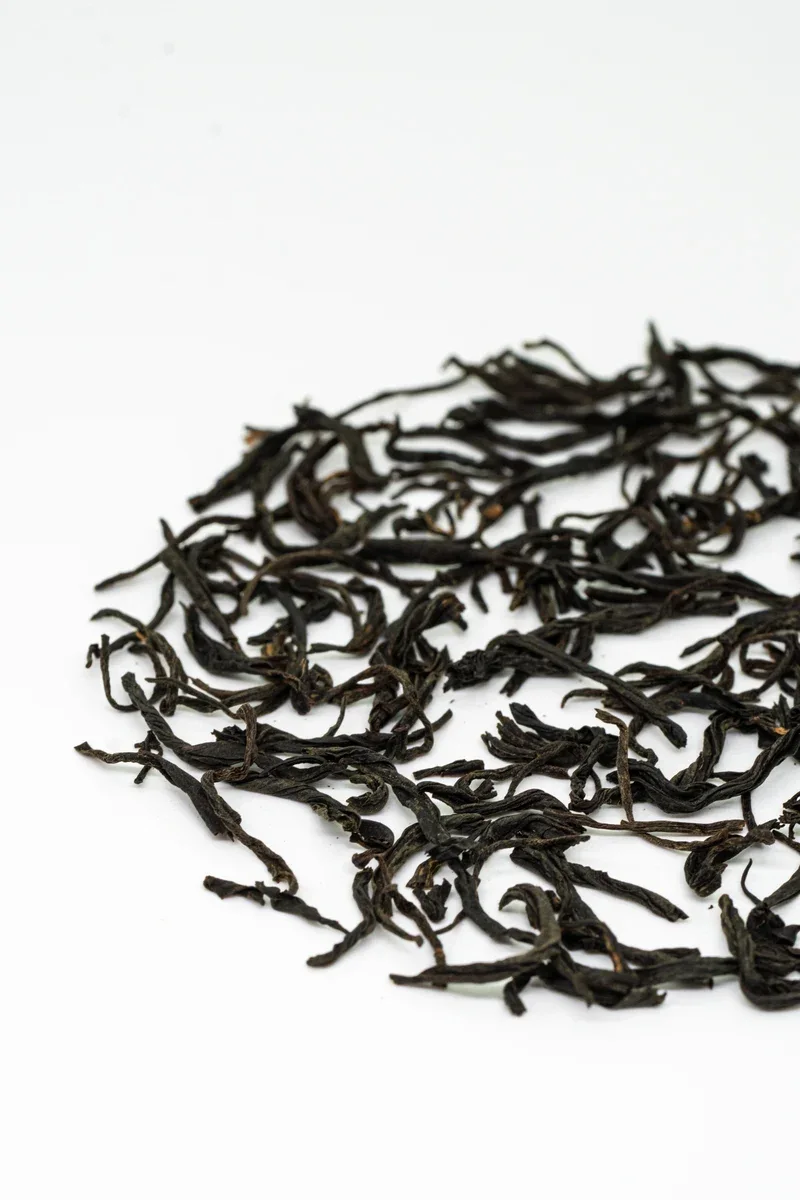
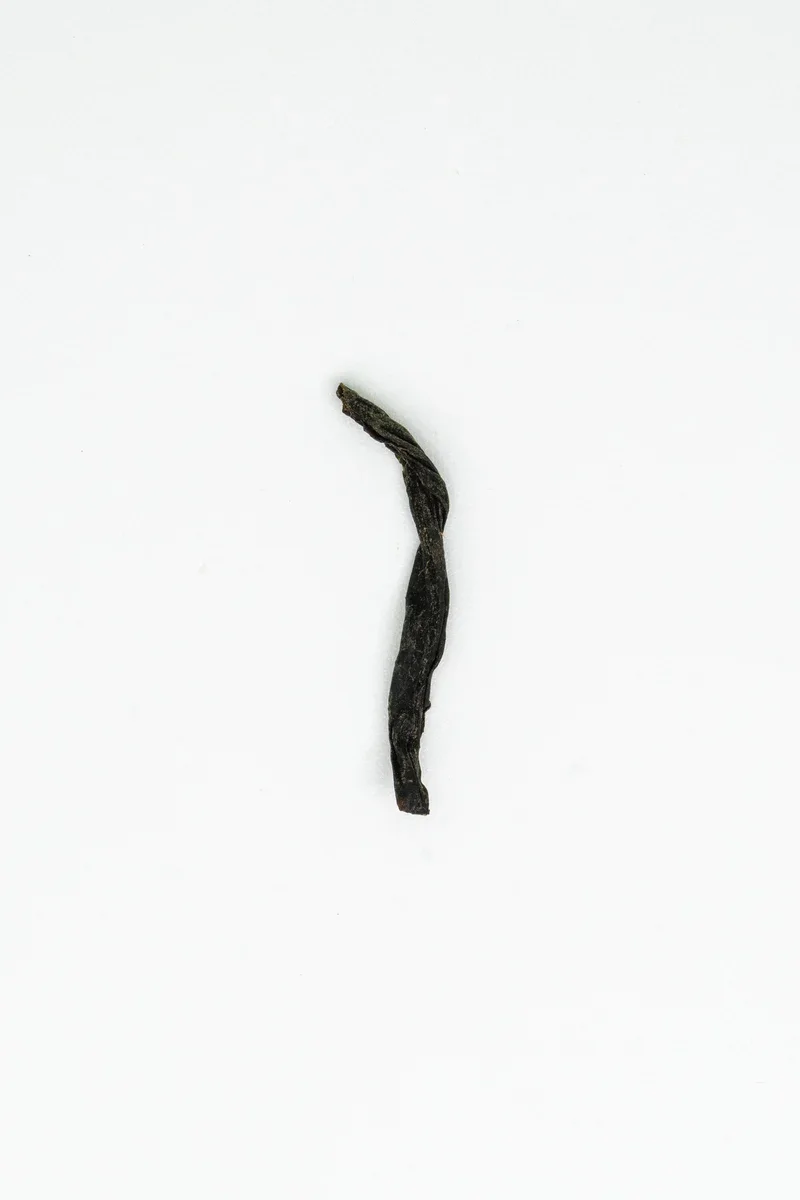
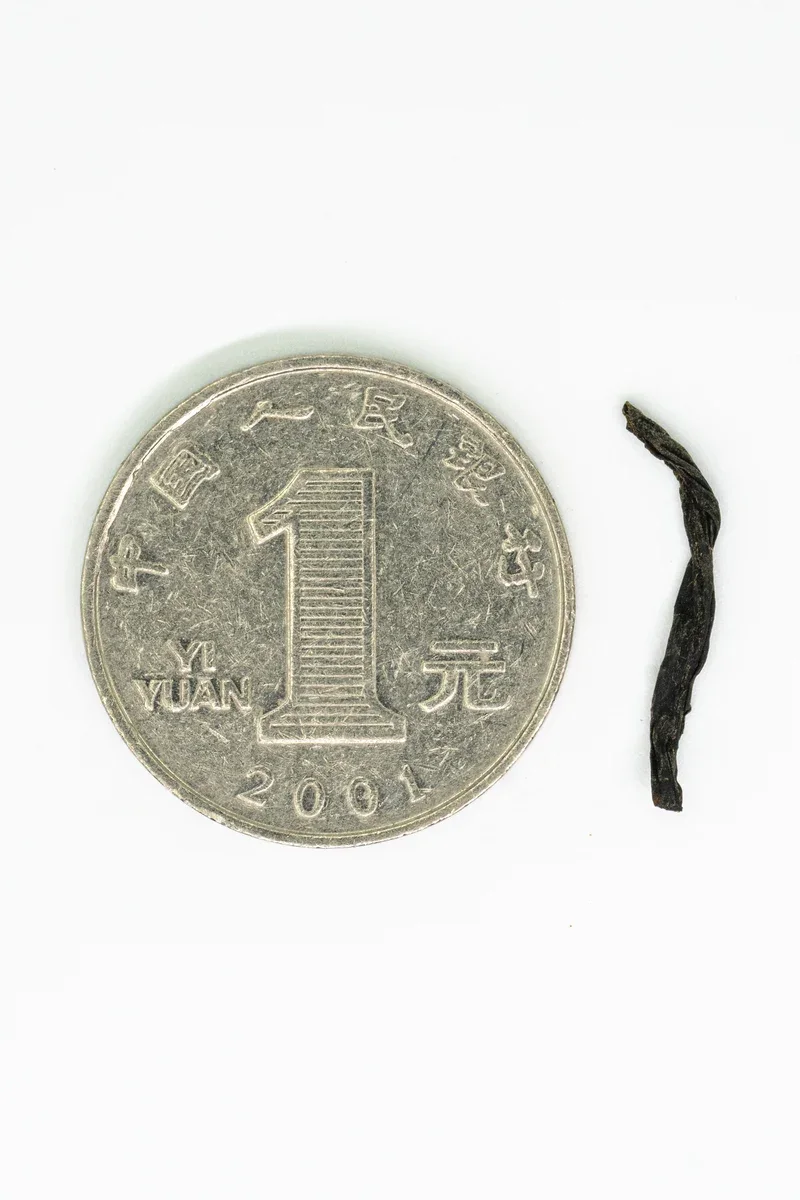
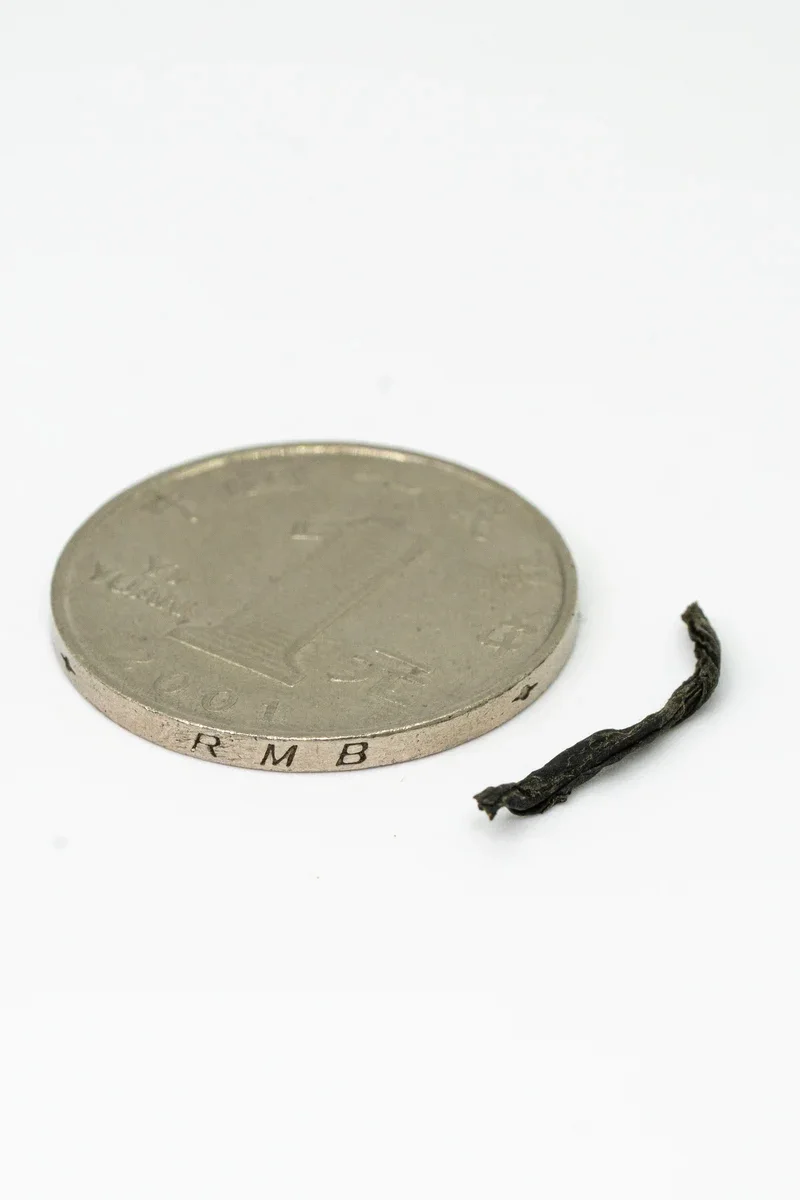
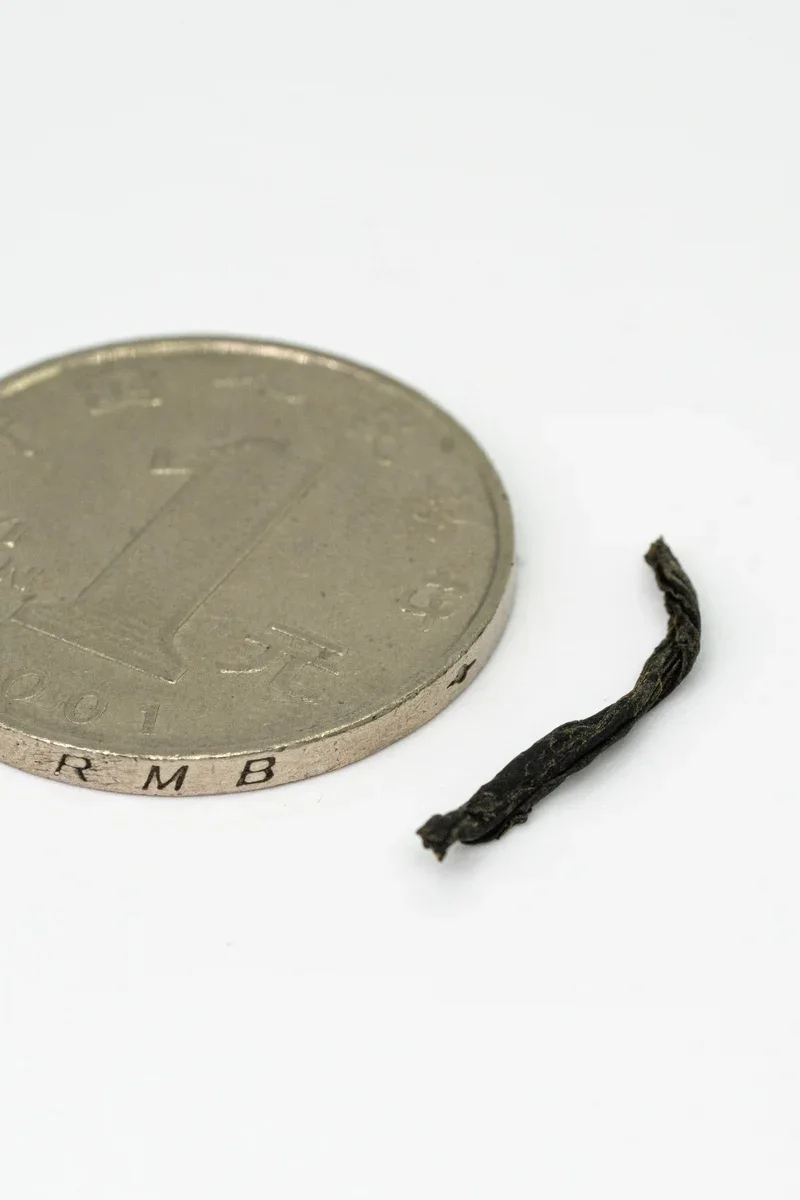
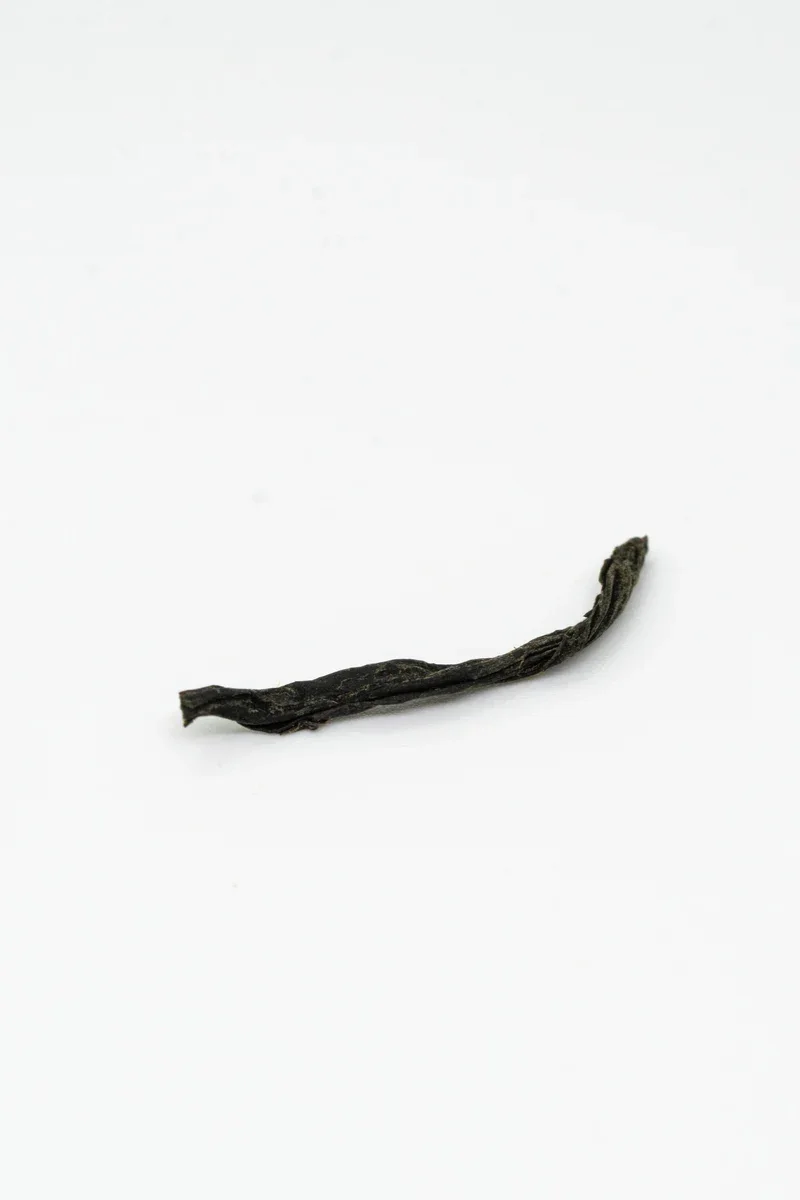
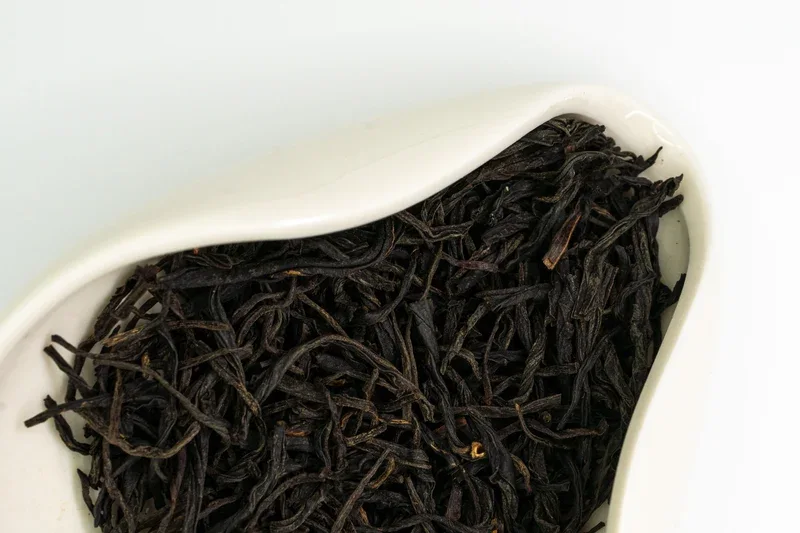
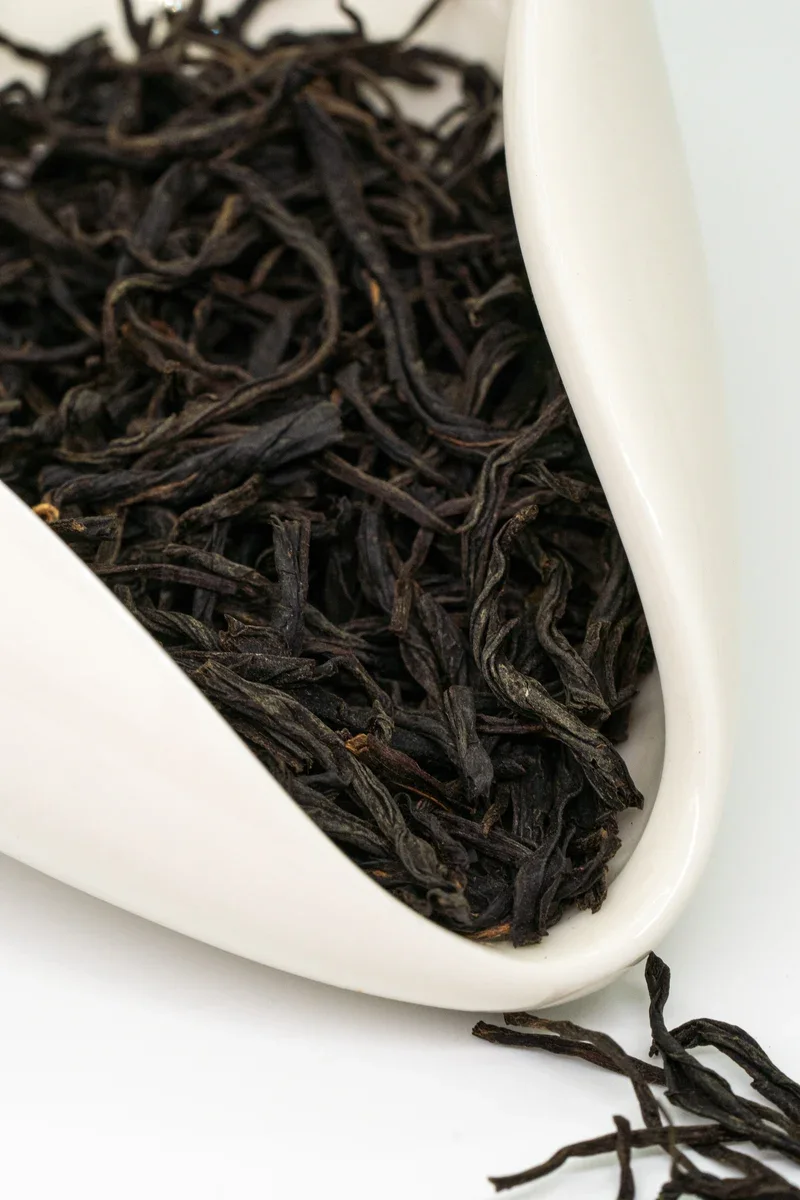
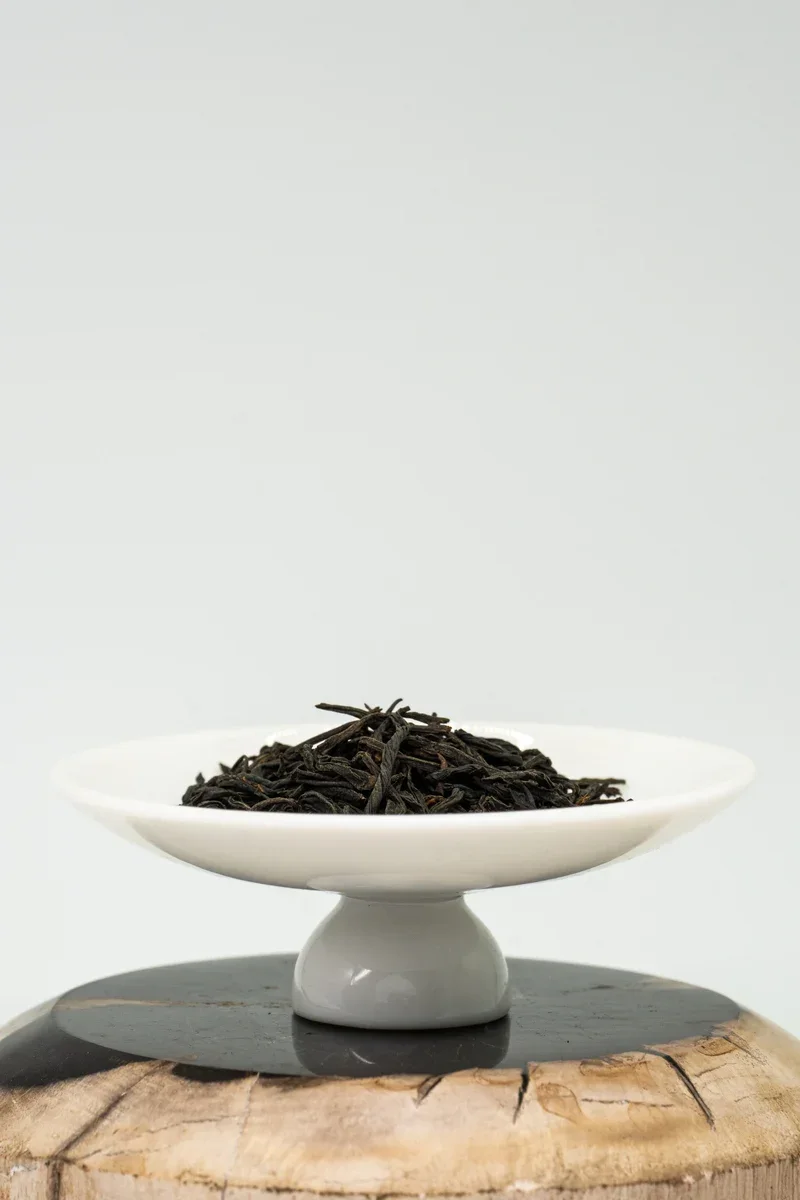
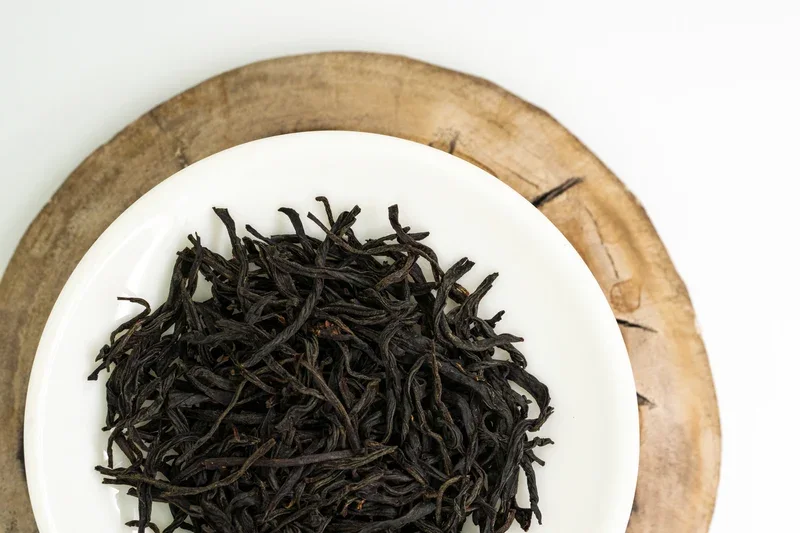
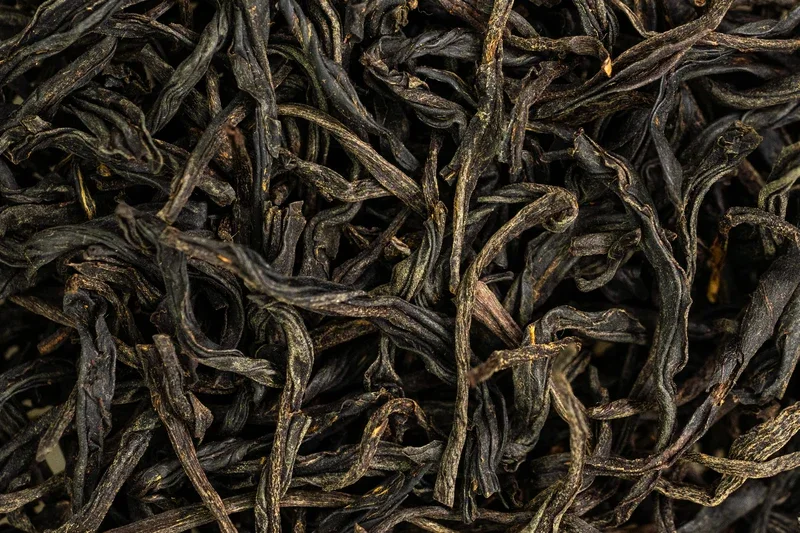
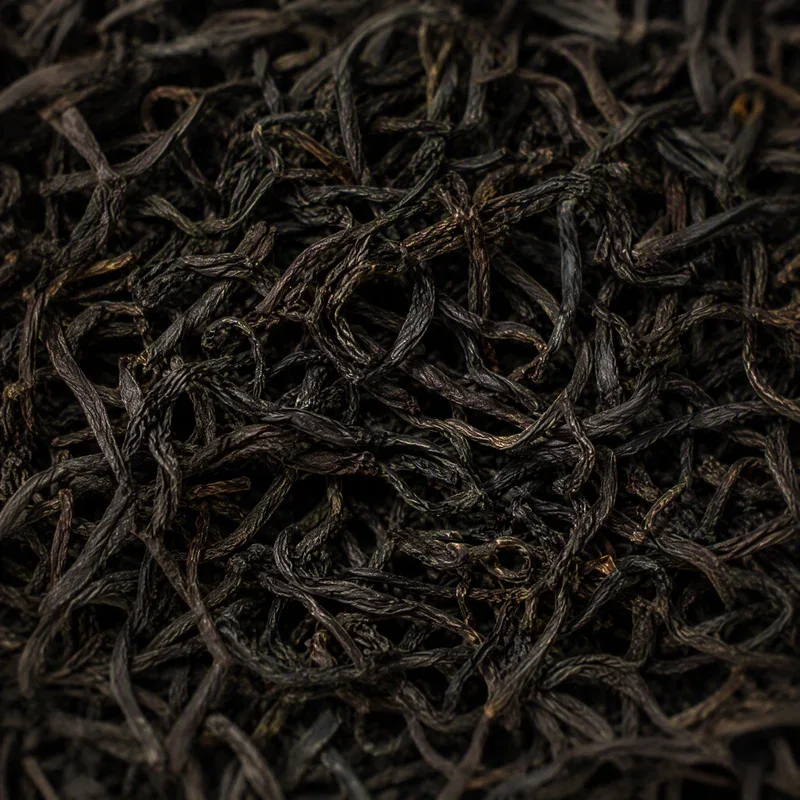
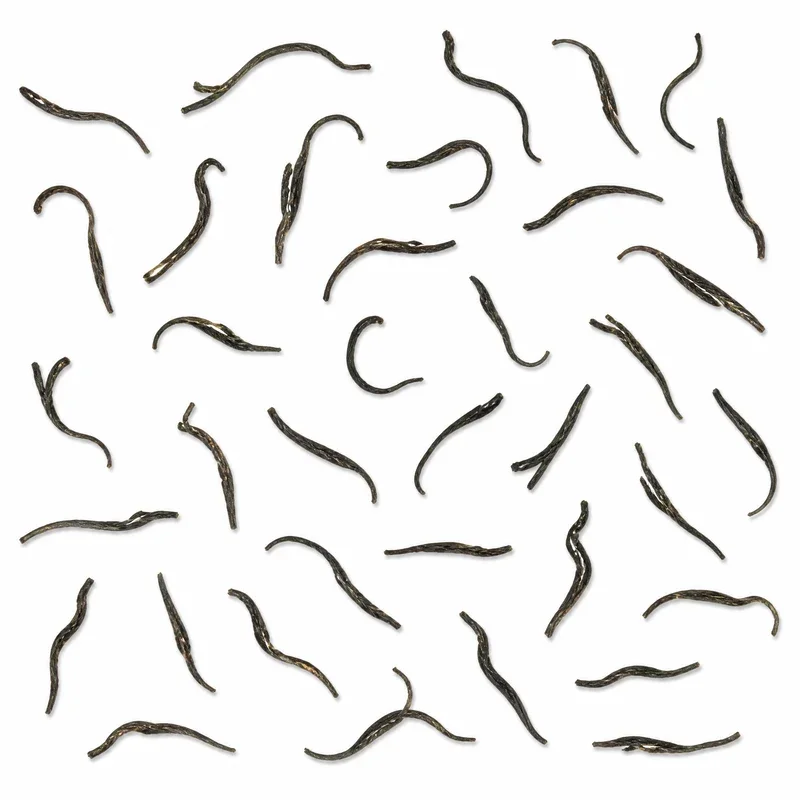
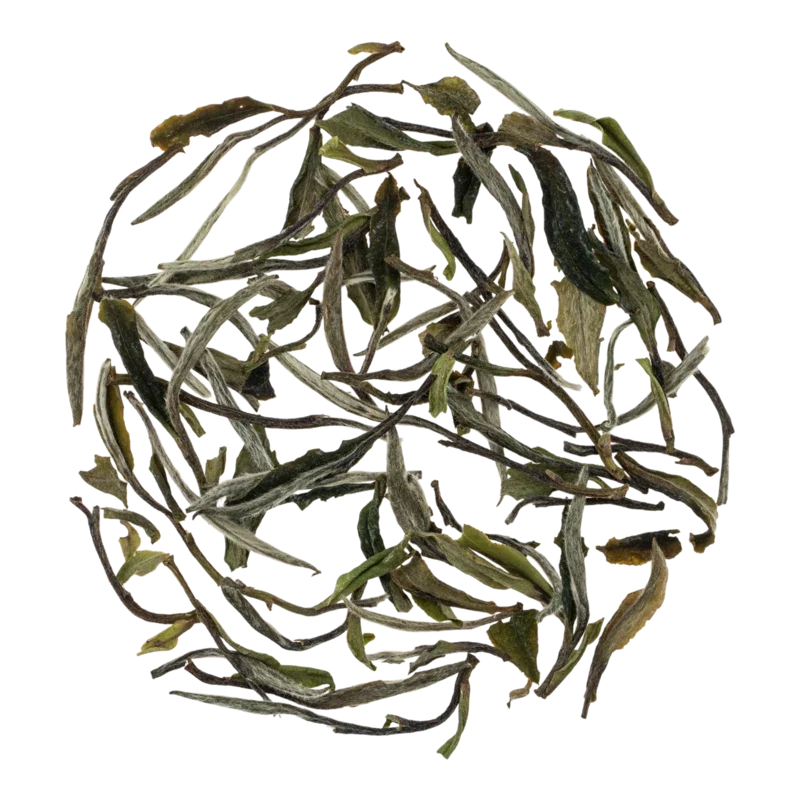
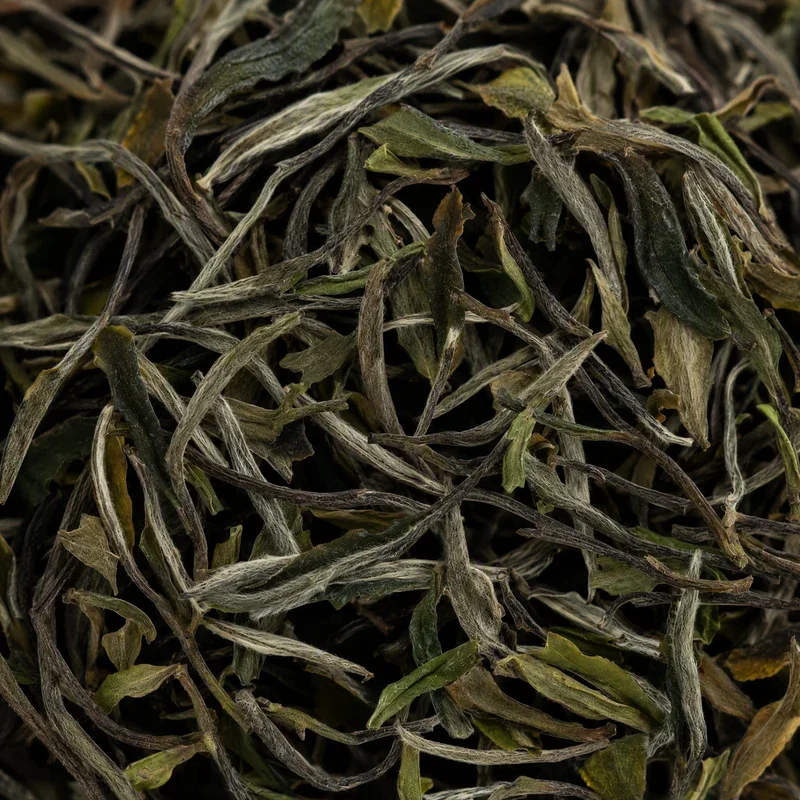
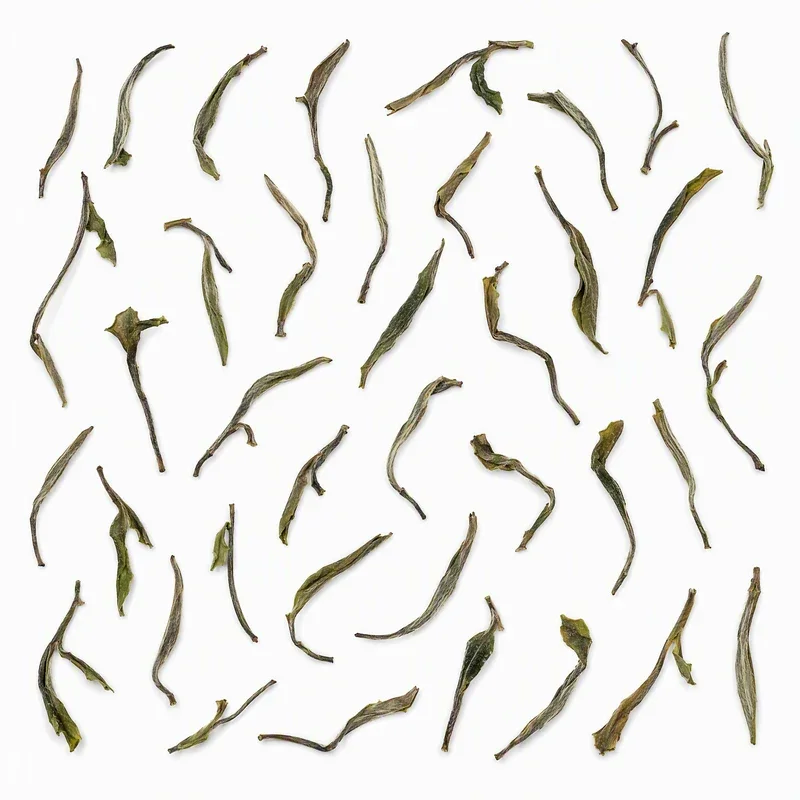
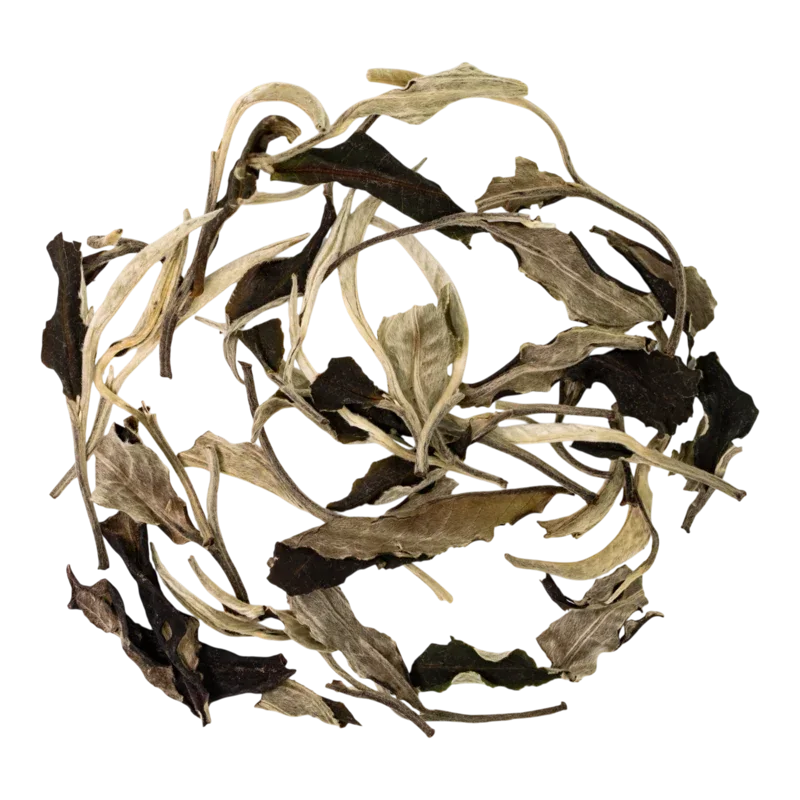
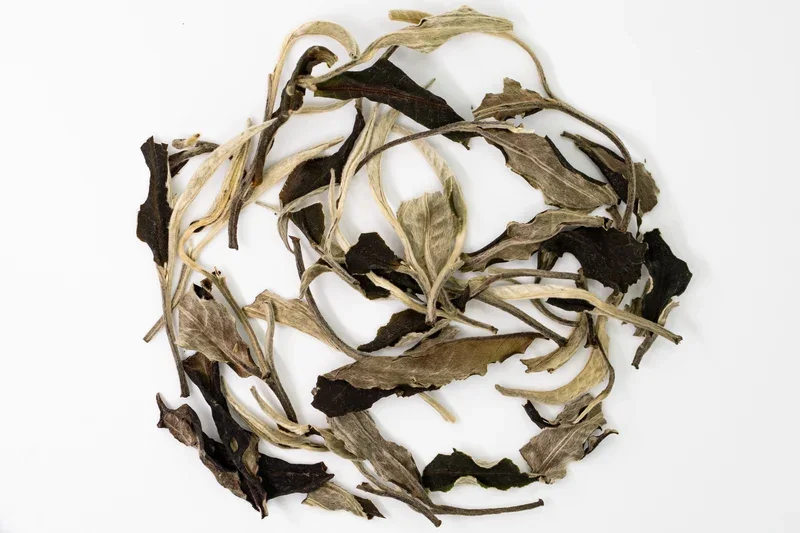
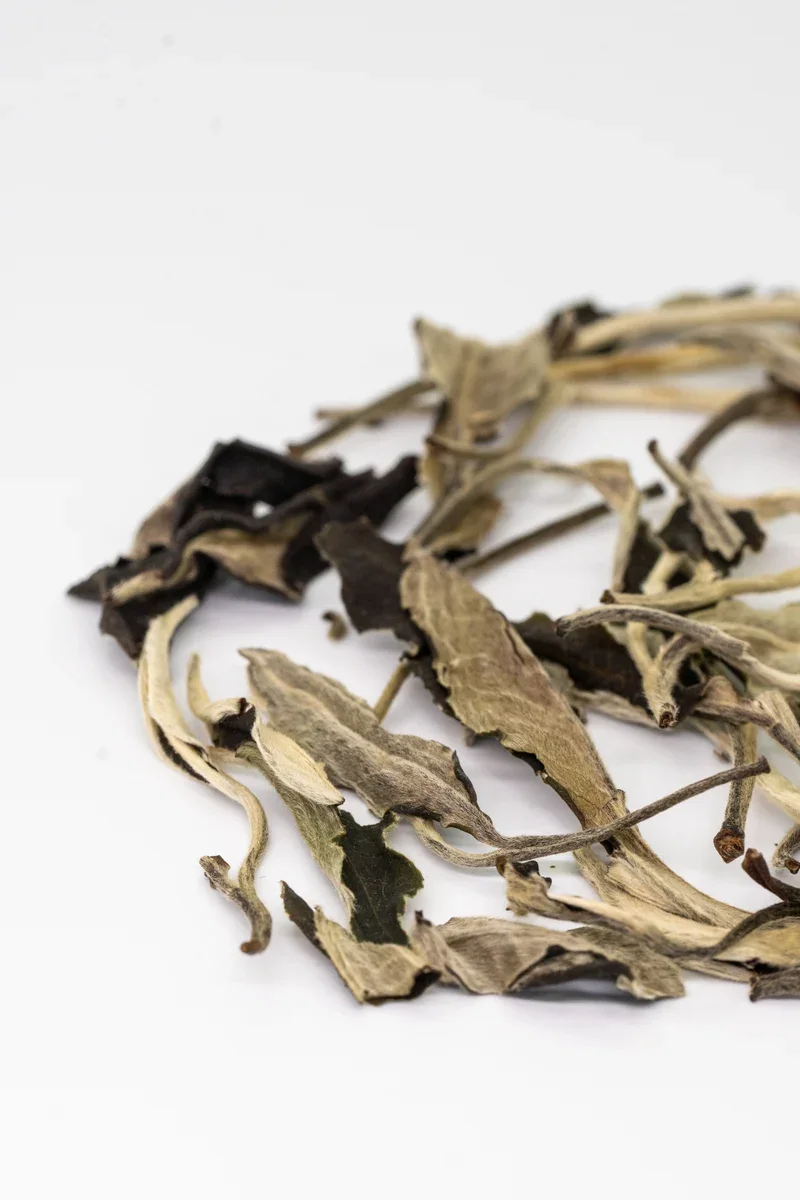
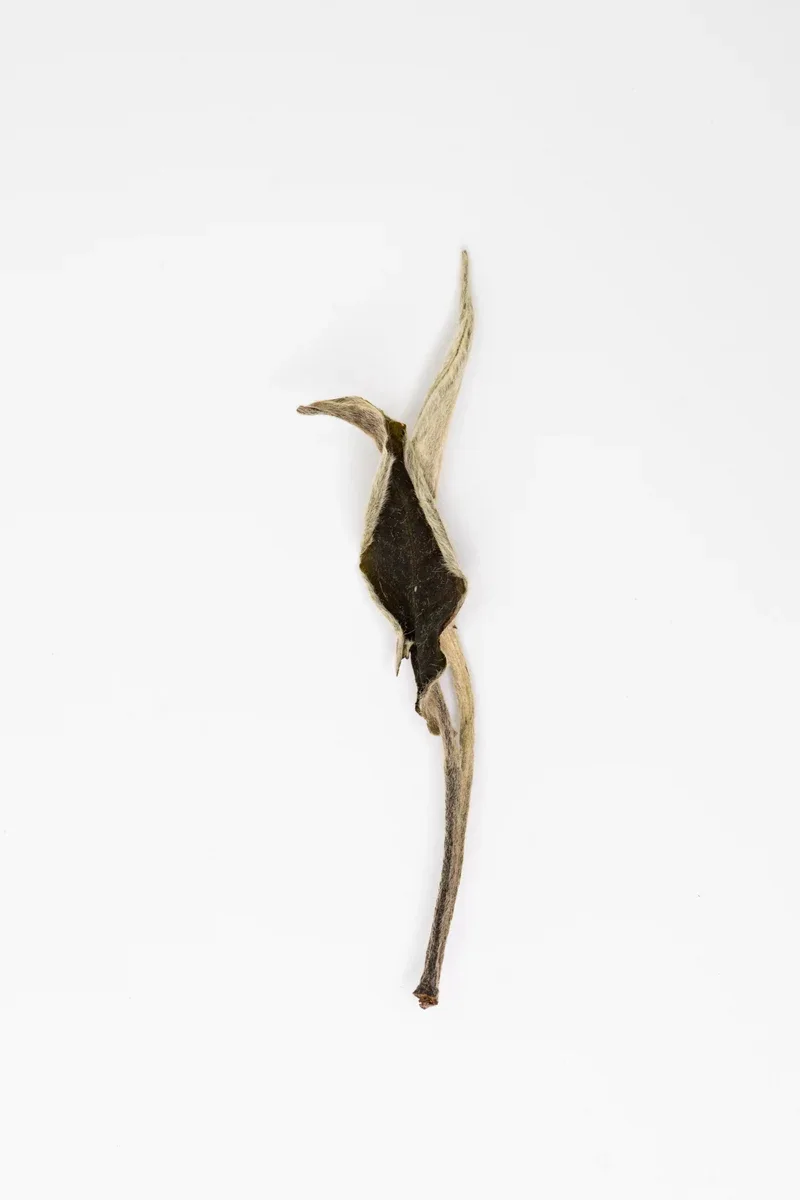
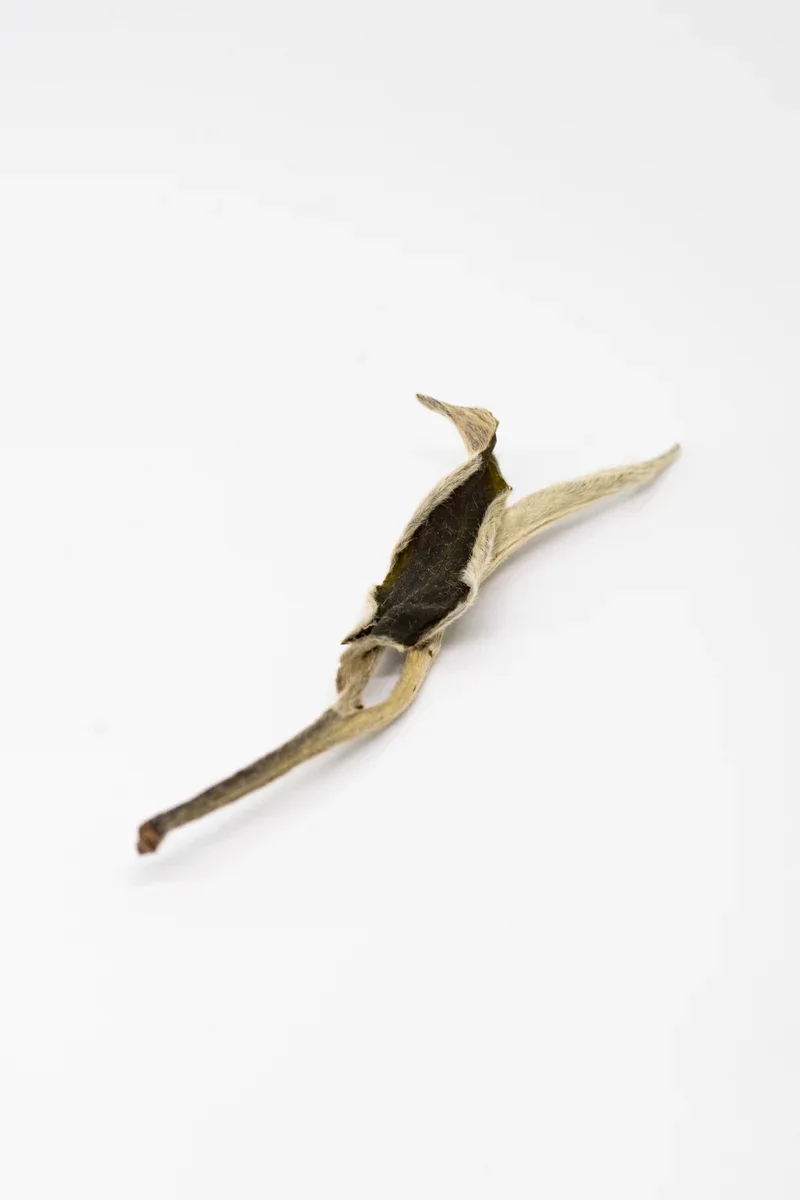
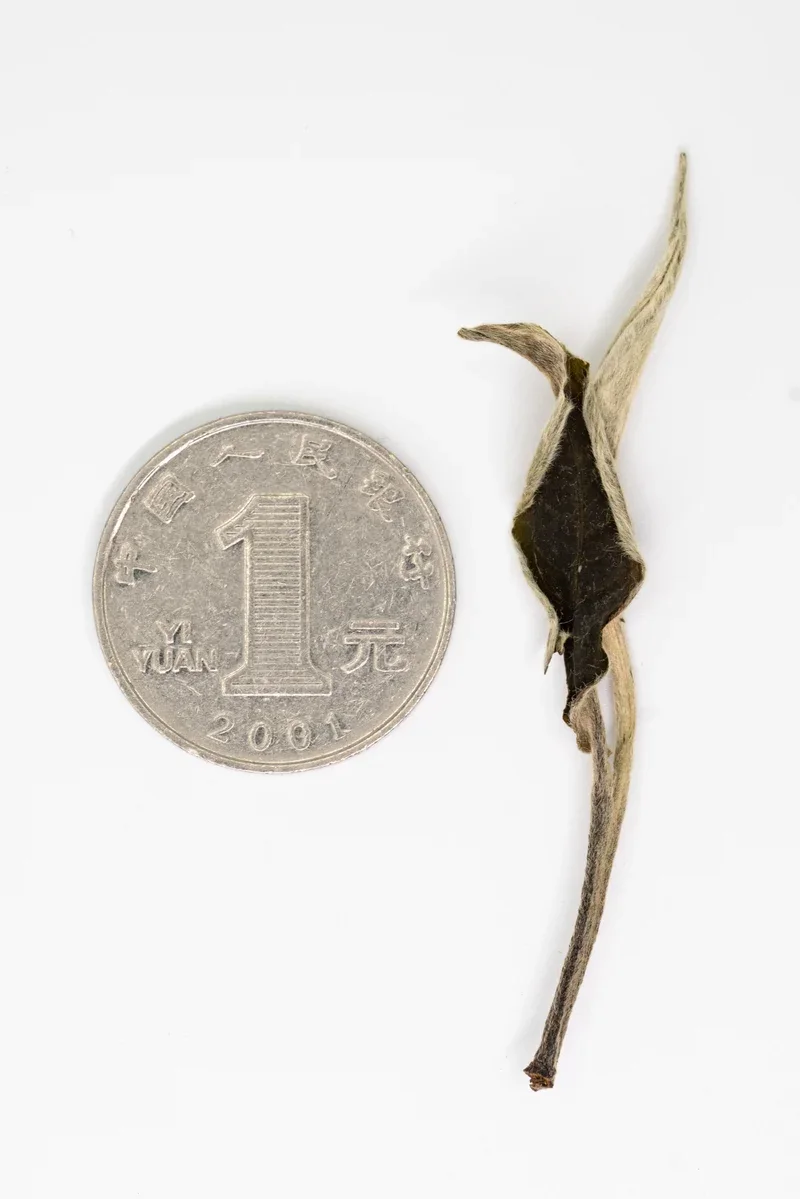
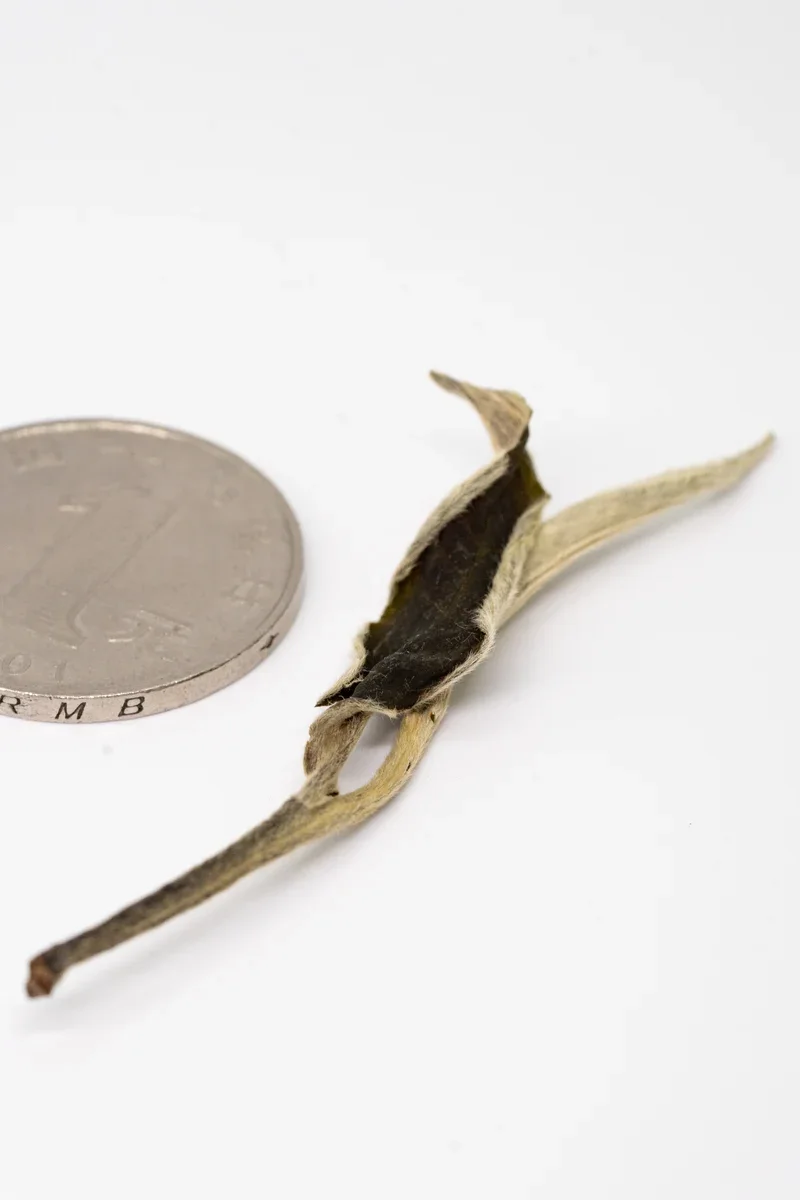
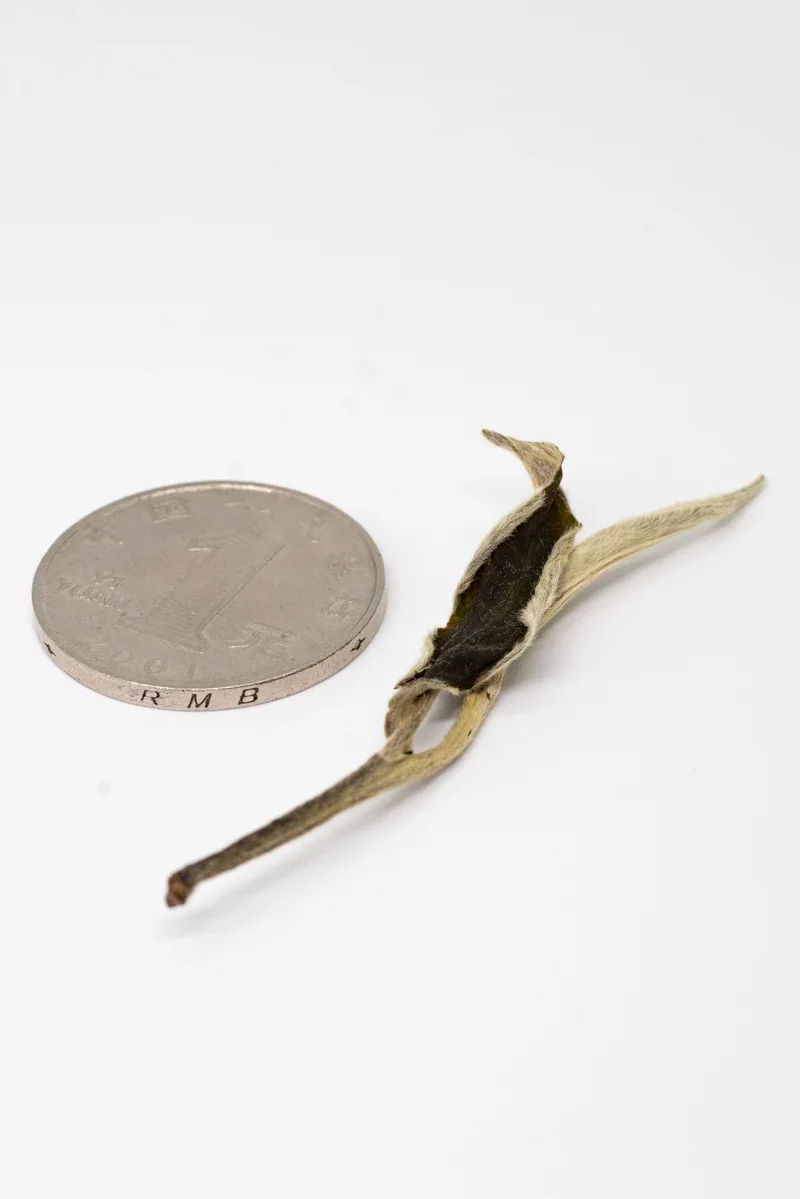
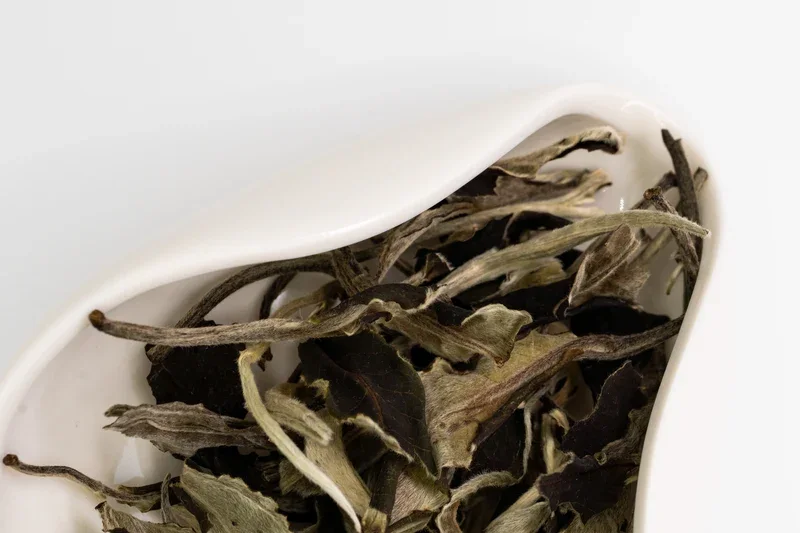
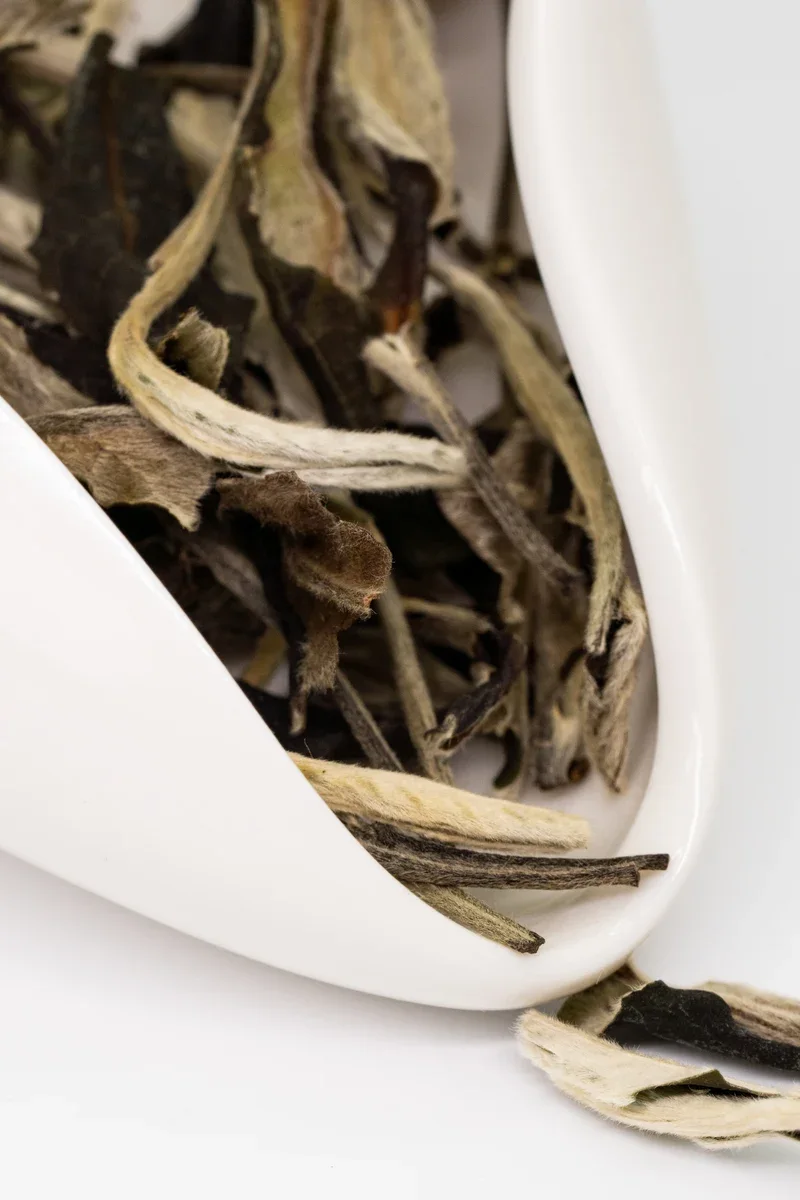
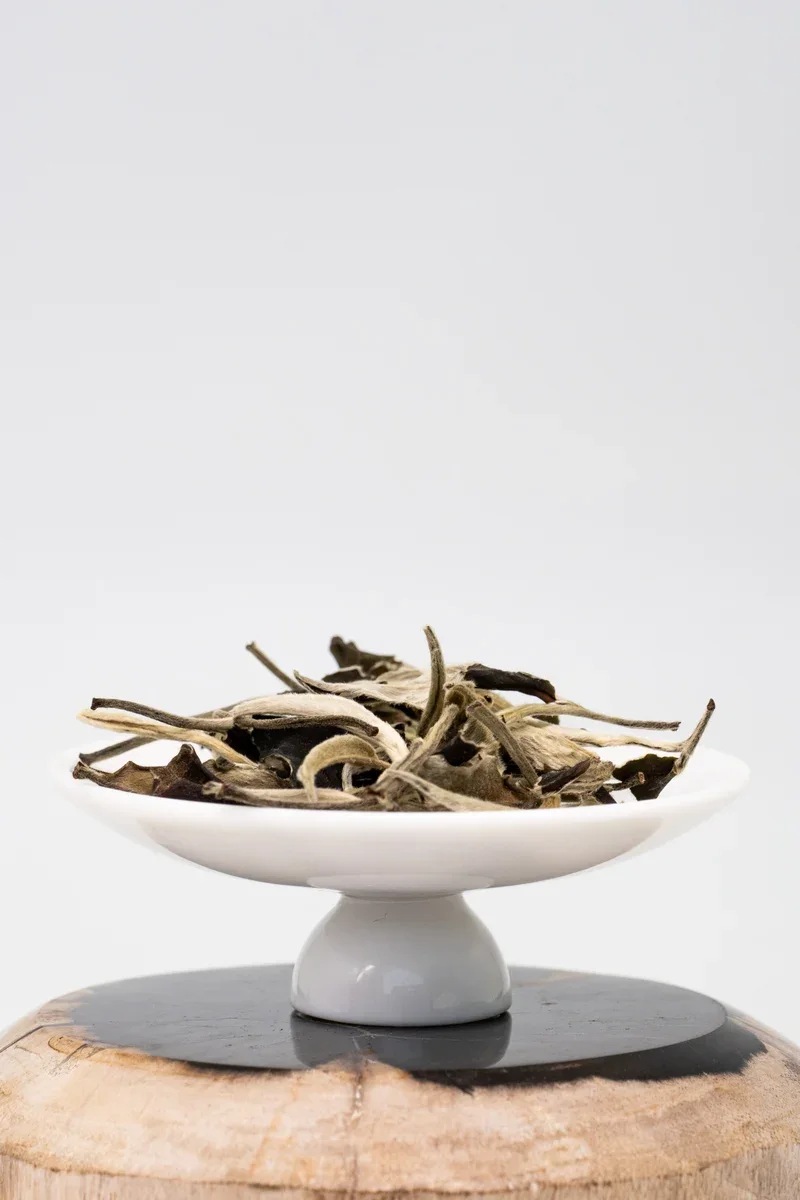
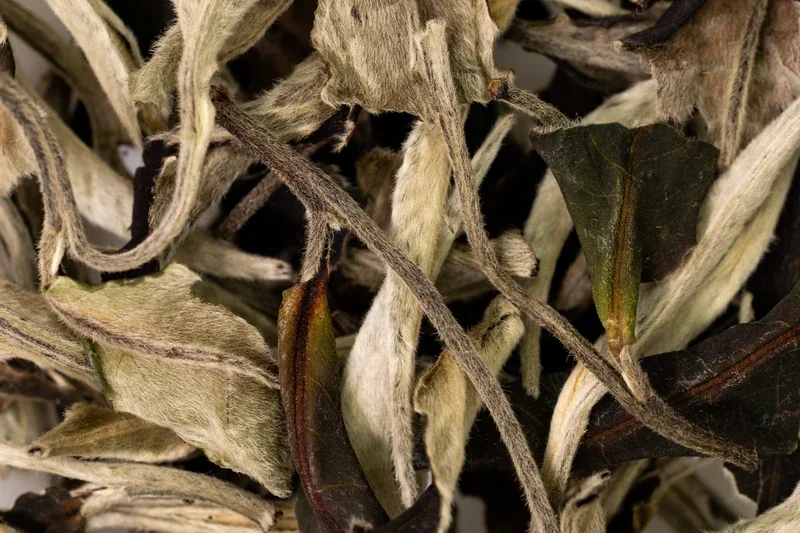
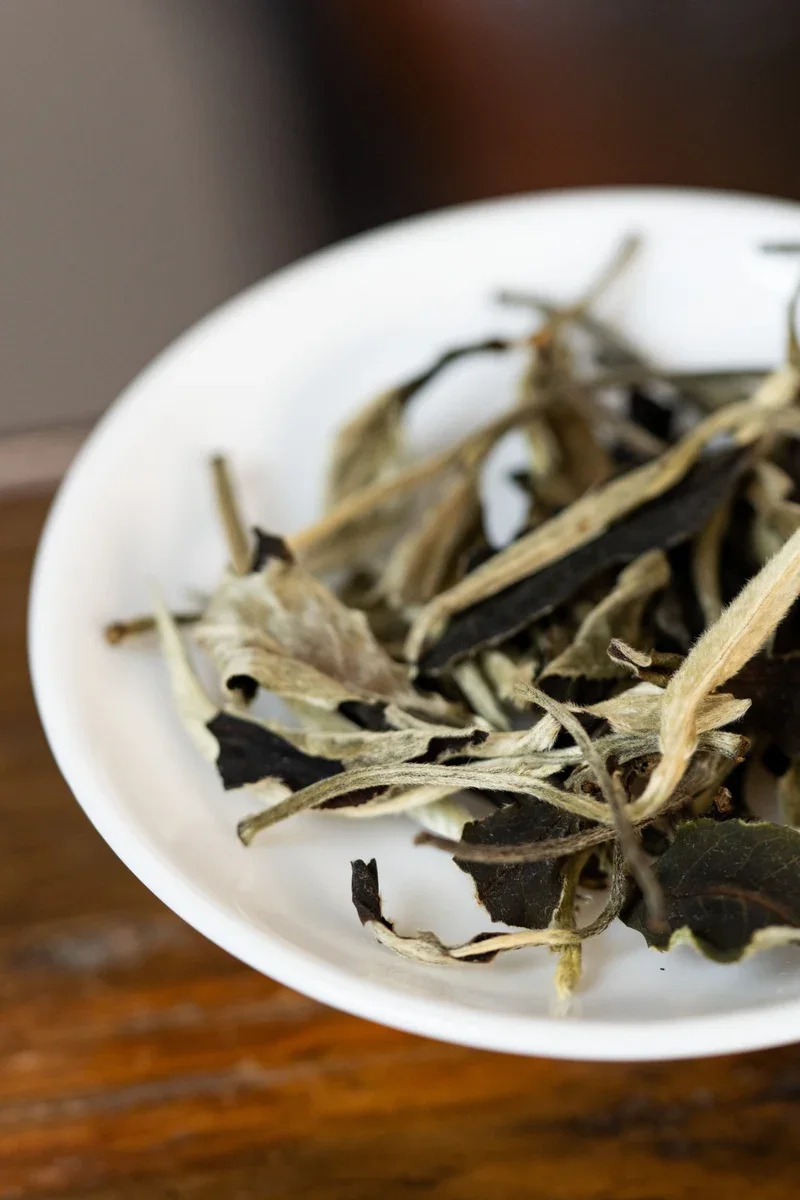
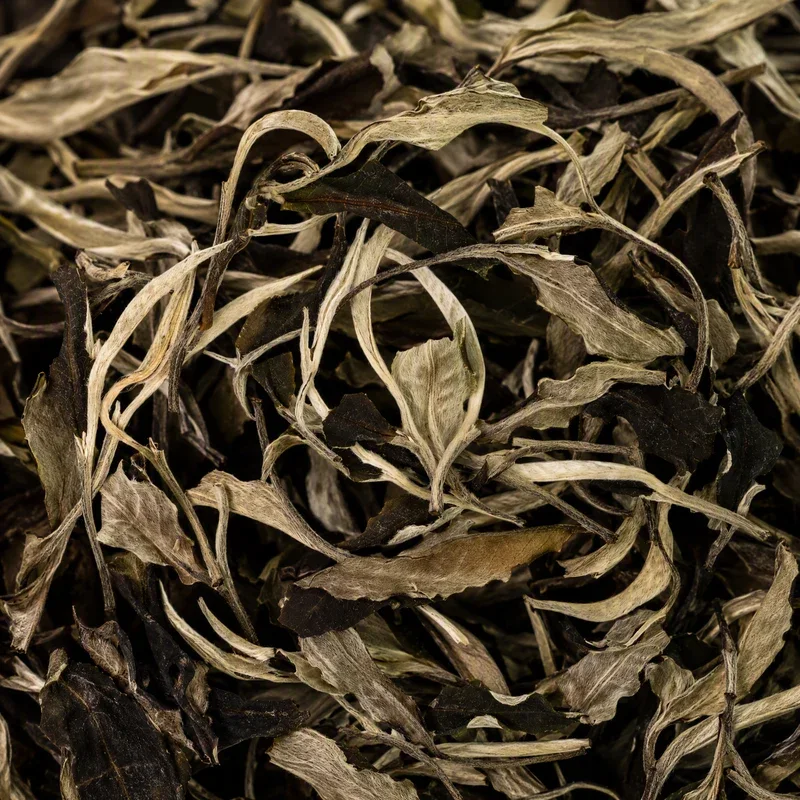
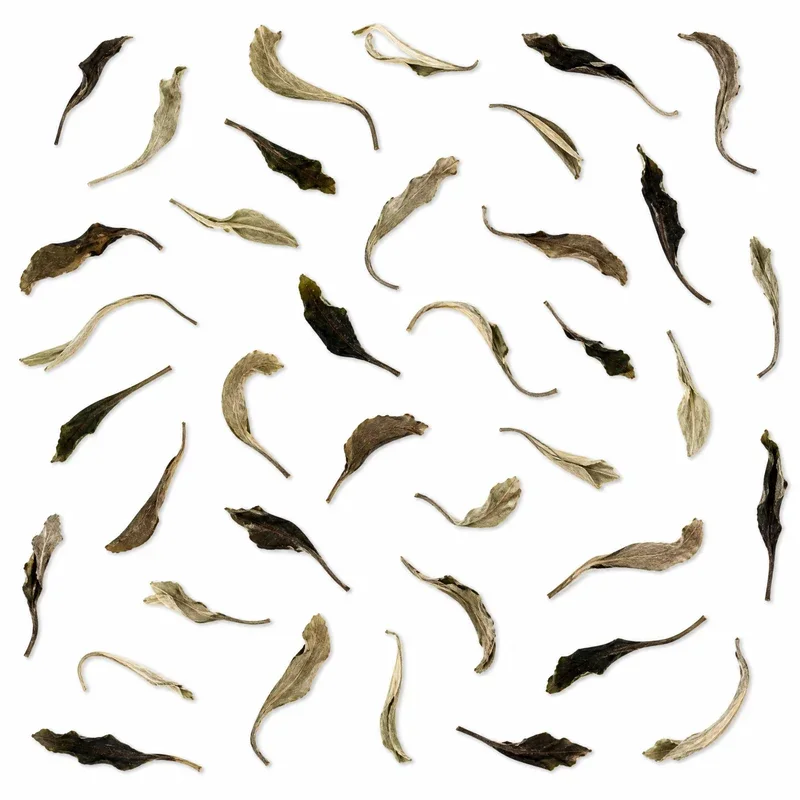
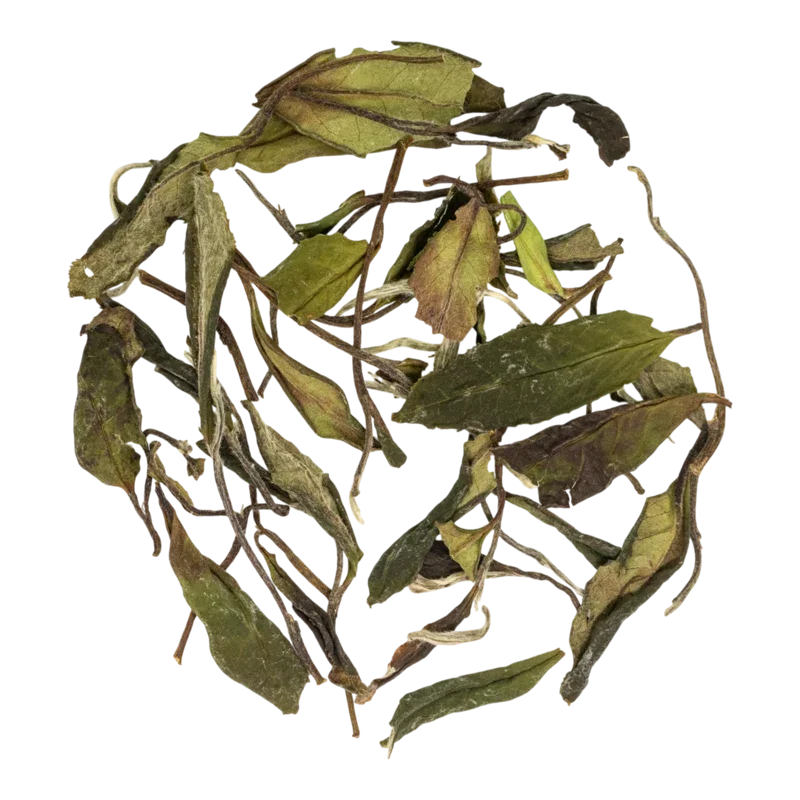
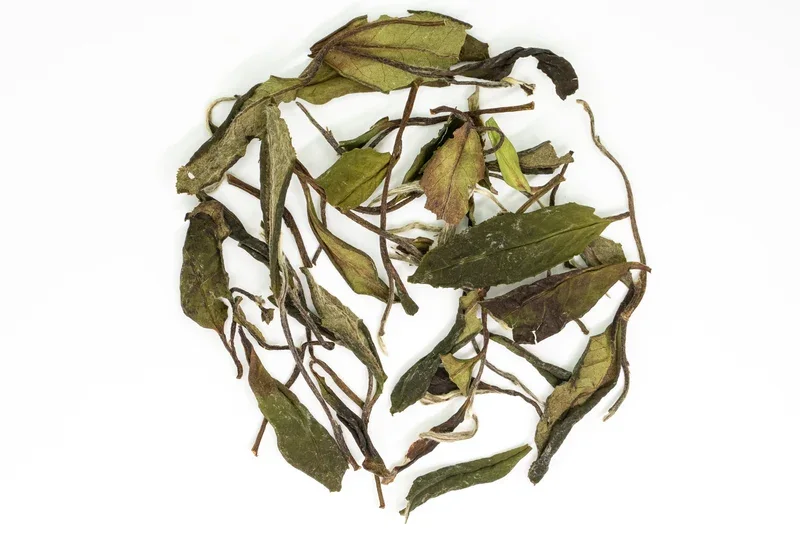
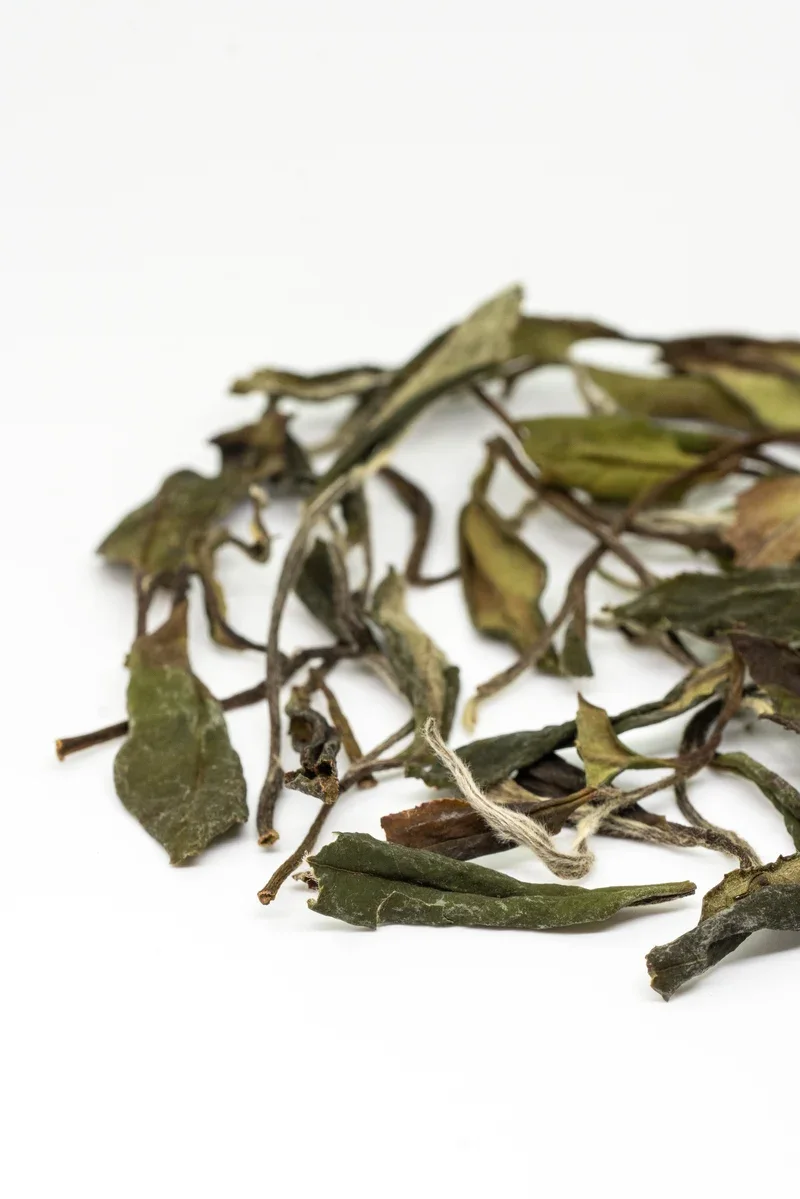
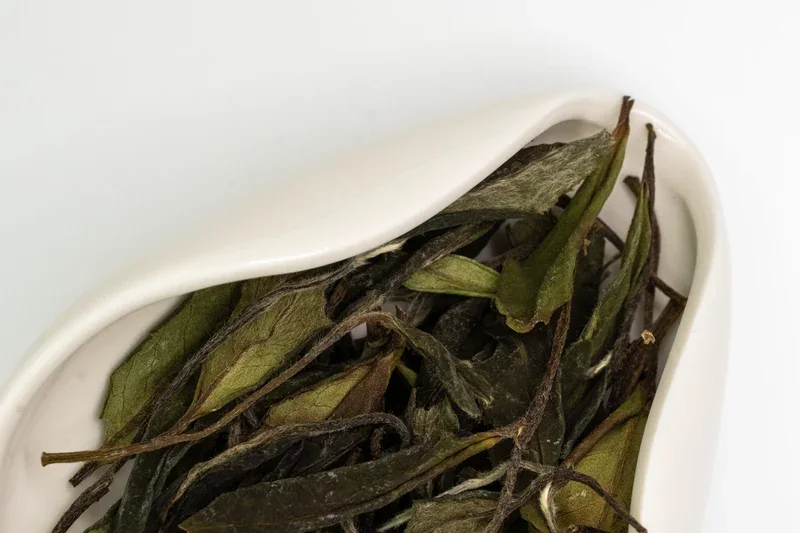
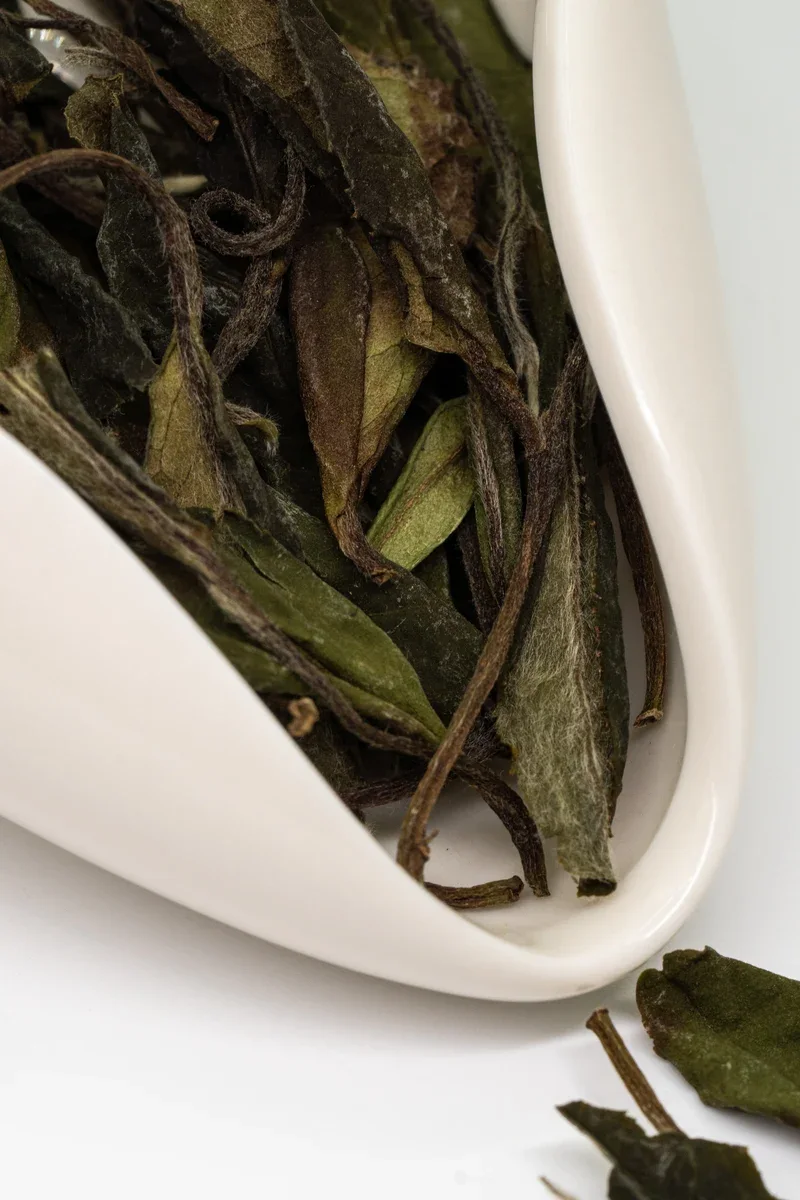
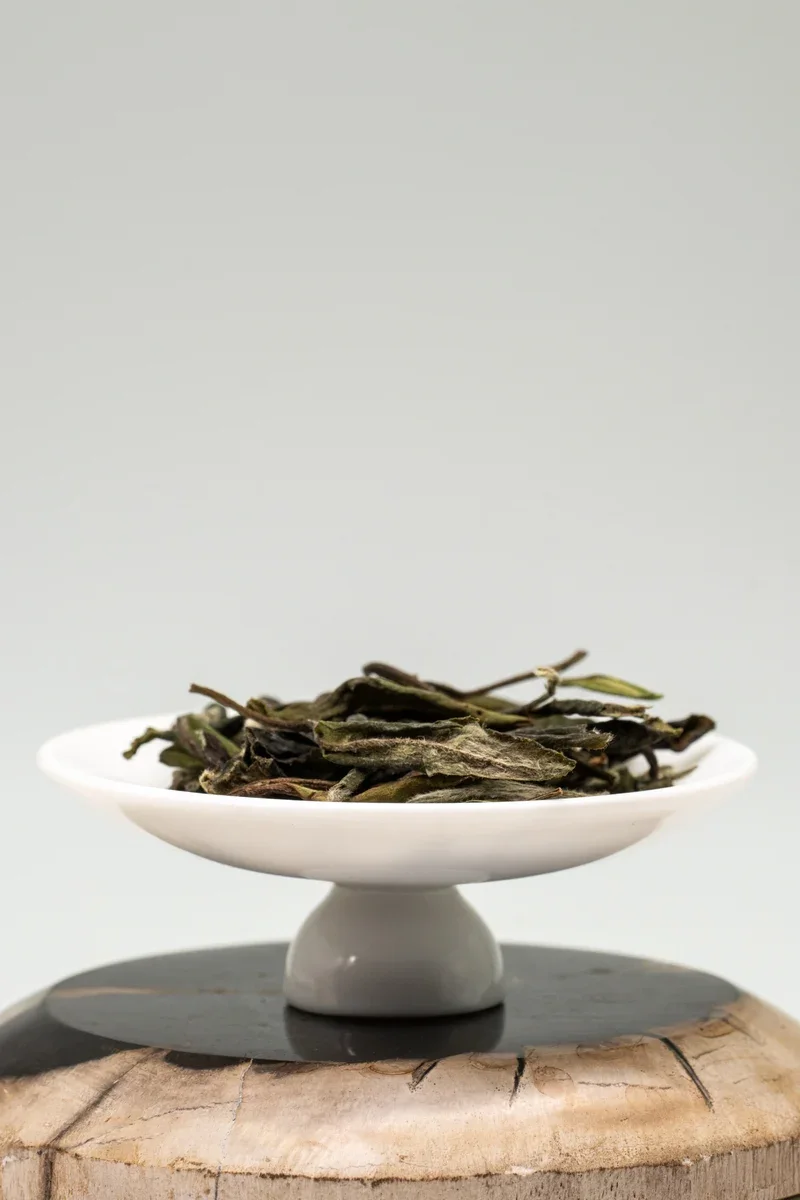
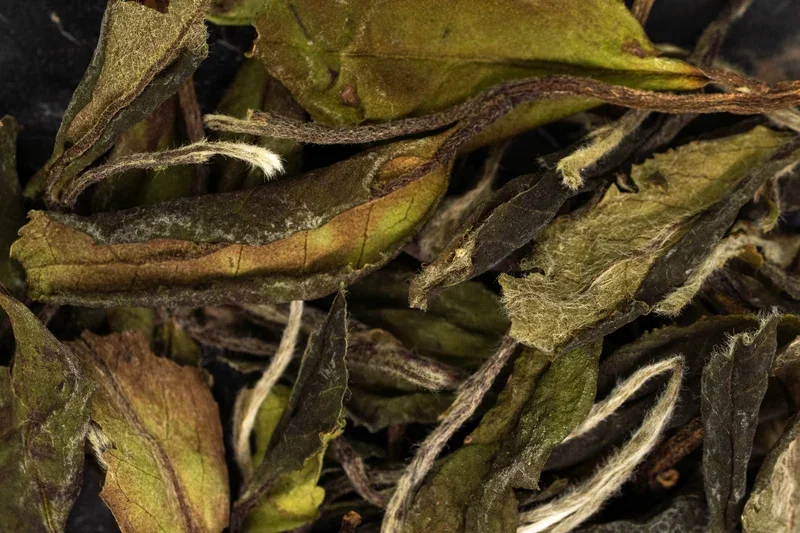
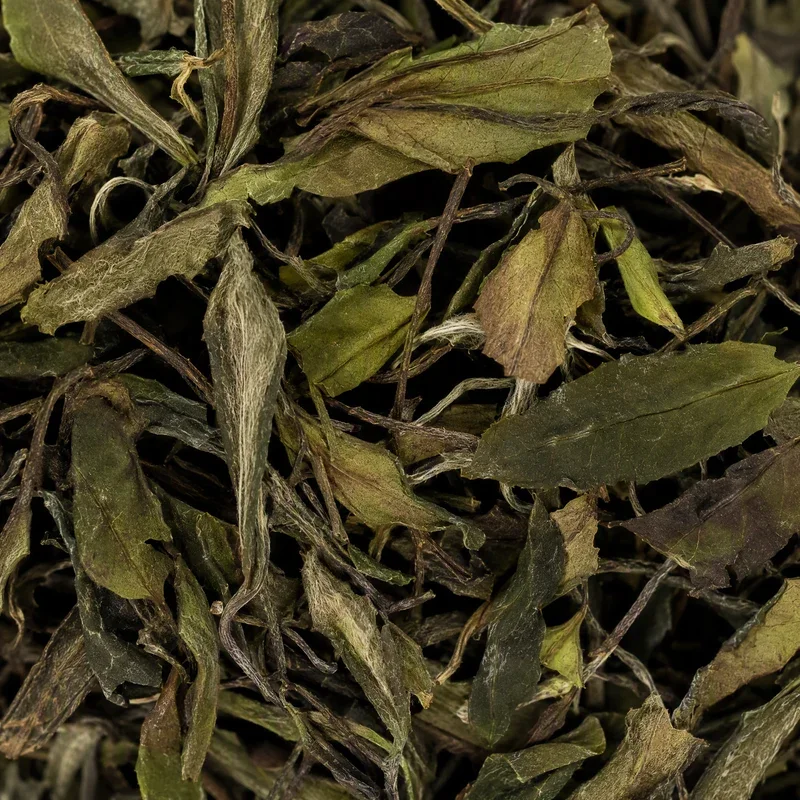
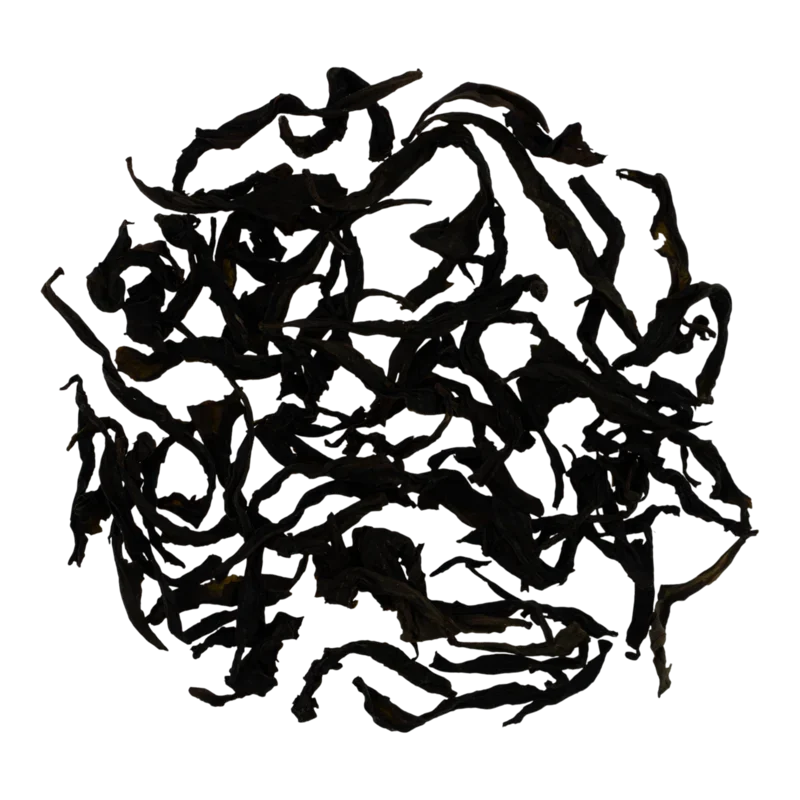
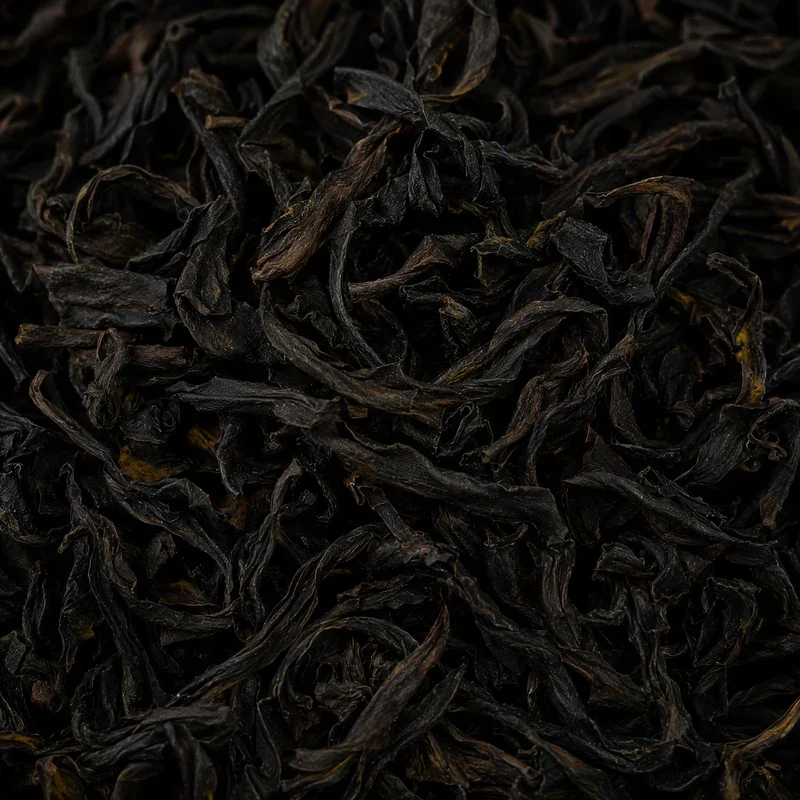
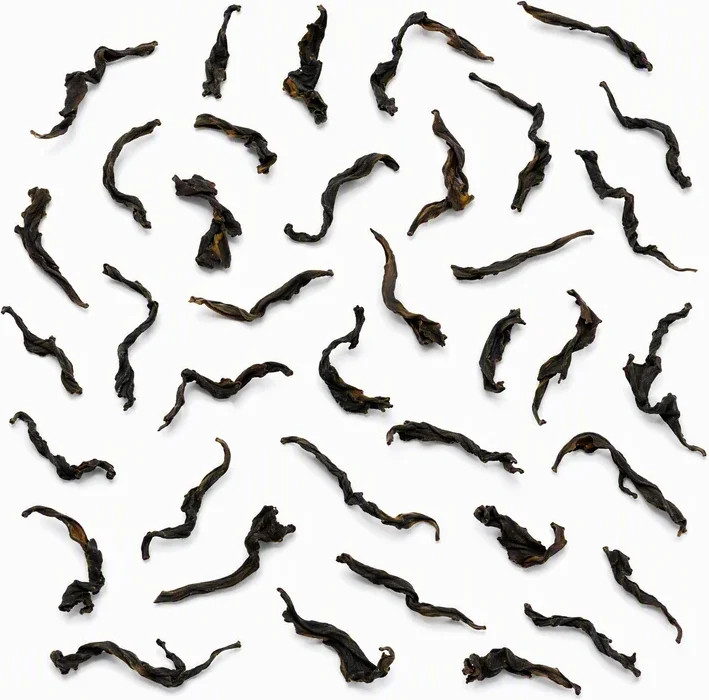
Dry Leaf Appearance: Large longitudinally twisted strands of dark brown or almost charcoal color with golden and reddish streaks. Leaf is dense, heavy.
Dry Leaf Aroma: Bright, complex — rose, orchid, hyacinth; complemented by notes of caramel, honey, cedar resin and light nutty nuances.
Liquor Aroma: Intense, with dominance of rose and orchid (Dendrobium), shades of vanilla caramel and tropical fruits. Persistent throughout many infusions.
Liquor Color: Clear, sparkling, from golden-amber to amber-topaz with pearlescent sheen.
Spent Leaves: Large whole leaves of dark green color with reddish-brown edges, soft and elastic.
Taste: Soft, voluminous, enveloping. Honey and fruit (peach) tones, floral sweetness, pronounced minerality (yán yùn), light astringency. Long refreshing aftertaste with citronella notes. Smooth, oily texture.
Alkaloids: Caffeine (~1.2–3%), theobromine, theophylline.
Amino Acids: L-theanine (~0.8%) — content above average for Wuyi oolongs. Responsible for umami and relaxing effect.
~0.5%, immunomodulating properties.
Essential Oils: Volatile aromatic compounds, including rosocyanin (C₁₅H₁₀O₆), affecting the characteristic aftertaste.
Minerals: Calcium (~120 mg/100 g), magnesium (~85 mg/100 g), potassium (~55 mg/100 g), iron, manganese, fluorine — elevated content from Wuyi soils.
Polyphenols: ~8–15% of dry mass, including catechins (EGCG) and flavonoids. Theaflavins and thearubigins formed during oxidation.
Vitamins: Groups B, C, PP.
Polyphenols neutralize free radicals.
Activation of metabolism, fat metabolism. In TCM — normalization of "damp heat" in the stomach.
Caffeine + L-theanine provide gentle alertness without agitation. Popular as a "cognitive stimulator" among intellectual workers.
Data on xanthine oxidase inhibition, potential reduction of uric acid levels.
Cholesterol level normalization, vessel strengthening.
Complex of vitamins, minerals and saponins.
3–4 g per 200–250 ml, 90–95°C, 2–3 minutes, 2–3 steeps.
Some experts recommend trying the liquor cooled to 35–40°C to perceive special aroma nuances.
Tea Amount: 5–7 g.
Teaware: Porcelain gaiwan (preferable for aroma purity) or Yixing clay teapot, 100–150 ml.
Water Temperature: 90–95°C. Soft filtered water.
No reviews yet. Tell us what you think of this tea.
Rate this tea and share your impressions. We review each submission before publishing it.