Brewing
Gongfu brewing
- Water temperature
- 92 °C
- Tea amount
- 6 g
- Water volume
- 100 ml
- First steep
- 10 s
- Time added per infusion
- 5 s
- Infusions
- 8

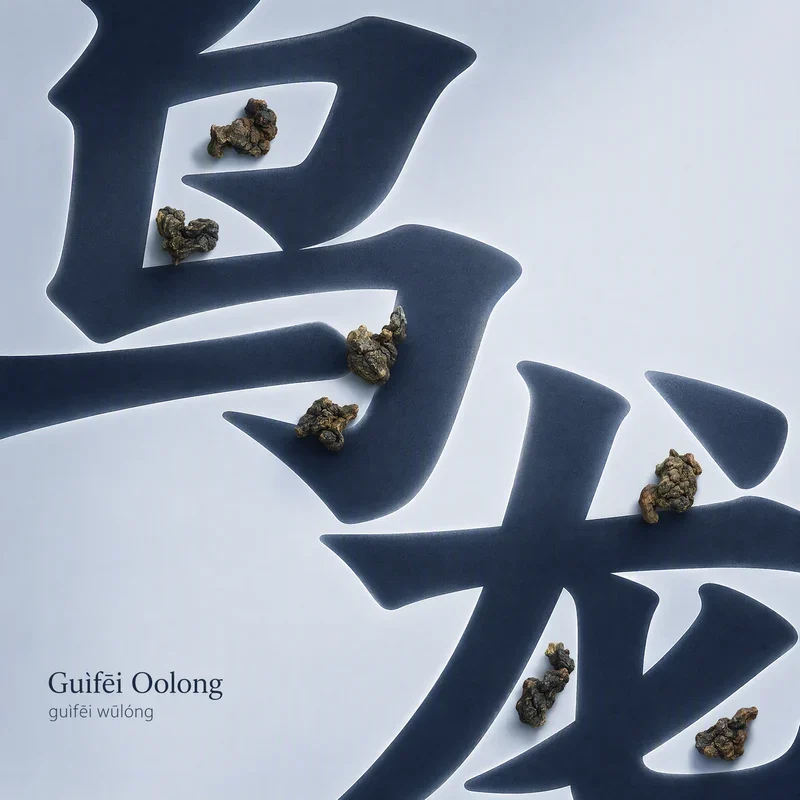
guìfēi wūlóng
Choose a brewing method. Start with the recommended quantities and time, then adjust to taste.
Brewing
Brewing
Taste
Tea encyclopedia
Category: Taiwanese "leafhopper" oolongs (蜜香烏龍, Mìxiāng Wūlóng — "Honey-fragrant Oolongs").
Category: Taiwanese "leafhopper" oolongs (蜜香烏龍, Mìxiāng Wūlóng — "Honey-fragrant Oolongs").
Lùgǔ District (鹿谷, Lùgǔ) — historical birthplace. Míngjiān District (名間, Míngjiān).
Méishān District (梅山, Méishān).
Coordinates: ~23°40'–24°00' N, ~120°40'–121°00' E.
Origin: Taiwan (台湾). Main regions:
Type: Oolong (semi-oxidized tea). Oxidation degree 40–60% — medium, closer to dark oolongs. Light to medium roasting.
Cultural Significance: Guifei Oolong quickly became one of the "designer" Taiwanese teas — a tea with history and character. It is positioned as elite, gift-worthy, and often sold in elegant tubes with images of Yang Guifei.
History: Guifei Oolong appeared in Taiwan in the late 20th century, presumably in the 1990s, when farmers from Lugu District (Nantou) discovered that summer batches of tea damaged by leafhoppers acquired an unexpected honey-fruity aroma — similar to the effect known from Dōngfāng Měirén (東方美人). However, instead of strong oxidation (70–80%, as with Dongfang Meiren), farmers applied medium-oxidized oolong technology with semi-spherical rolling to the "leafhopper" raw material — and obtained a fundamentally new product: more "oolong-like" in structure than Dongfang Meiren, but with the same honey sweetness.
Main ones:
Most common; provides delicate floral background.
Adds light creaminess.
Hardy, aromatic.
Leaves must be damaged by the green leafhopper (Jacobiasca formosana, Chinese 小綠葉蟬, xiǎo lǜ yè chán). The insect pierces cell walls with its proboscis and sucks out sap. In response to stress, the plant triggers a defensive reaction: synthesizes increased amounts of monoterpene alcohols (linalool, geraniol, 2,6-dimethyl-3,7-octadiene-2,6-diol) and volatile esters, which form the characteristic honey-fruity aroma. Without leafhopper bites, the tea is not "Guifei" — it is ordinary oolong.
To attract leafhoppers, pesticides and insecticides are completely prohibited. Therefore, Guifei Oolong is de facto organic tea, even if it lacks formal certification.
Pluck Standard: Bud + 2–3 leaves. Picking — summer (June–August), when leafhoppers are most active. This is a fundamental difference from spring/winter picking of high-mountain oolongs.
Altitude: 400–800 m — lower than Alishan or Li Shan. Relatively low-mountain plantations, which is compensated by summer picking and the "leafhopper" factor.
Climate: Subtropical monsoon. Hot and humid summer — ideal conditions for leafhopper reproduction. Diurnal temperature variations 6–10°C.
Soil: Fertile, well-drained; in Lugu — lateritic red soils.
Absence of pesticides creates a rich ecosystem: spiders, mantises, predatory beetles — natural regulators of pests (except "beneficial" leafhoppers). Biodiversity of Guifei tea gardens is among the highest in Taiwan.
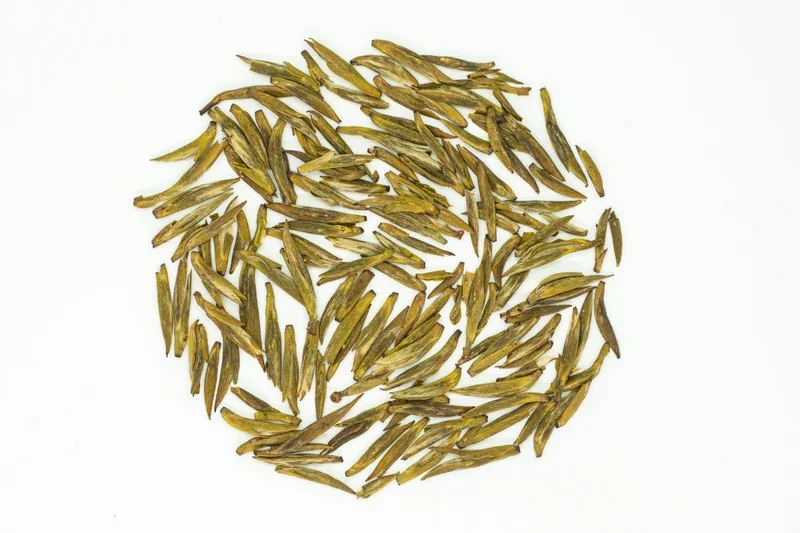
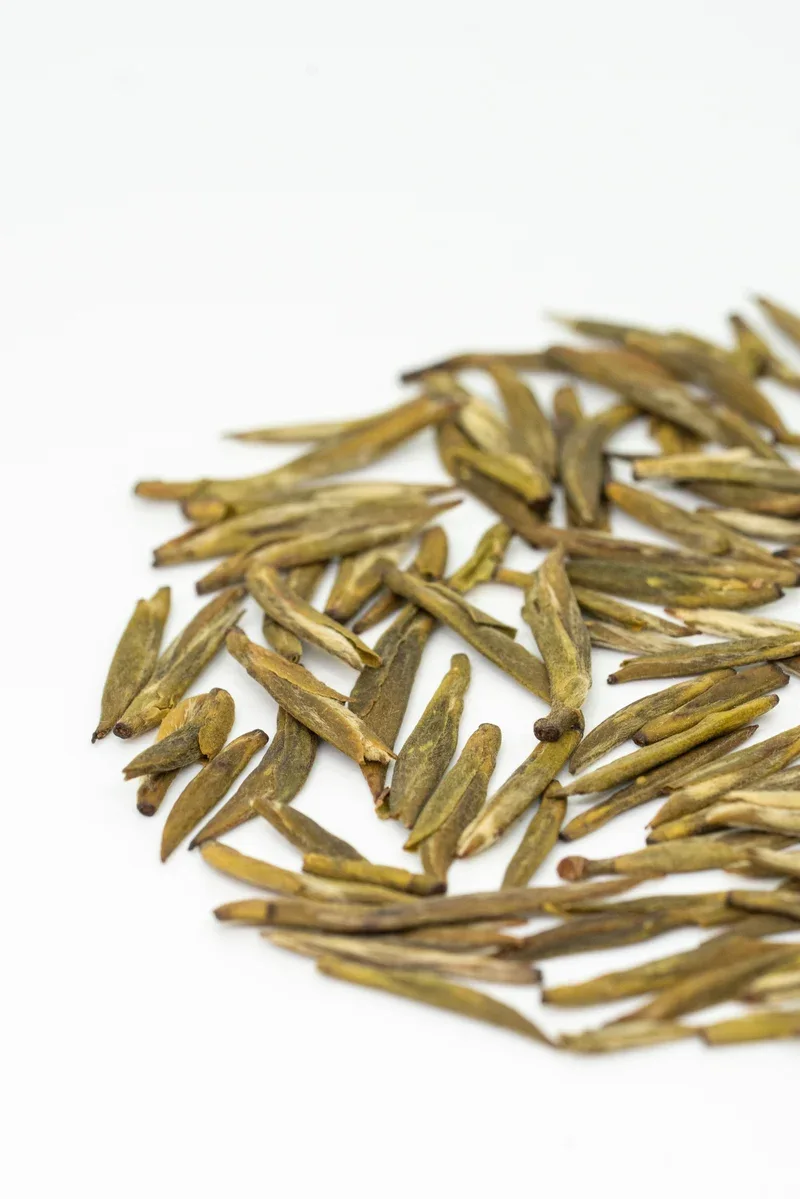
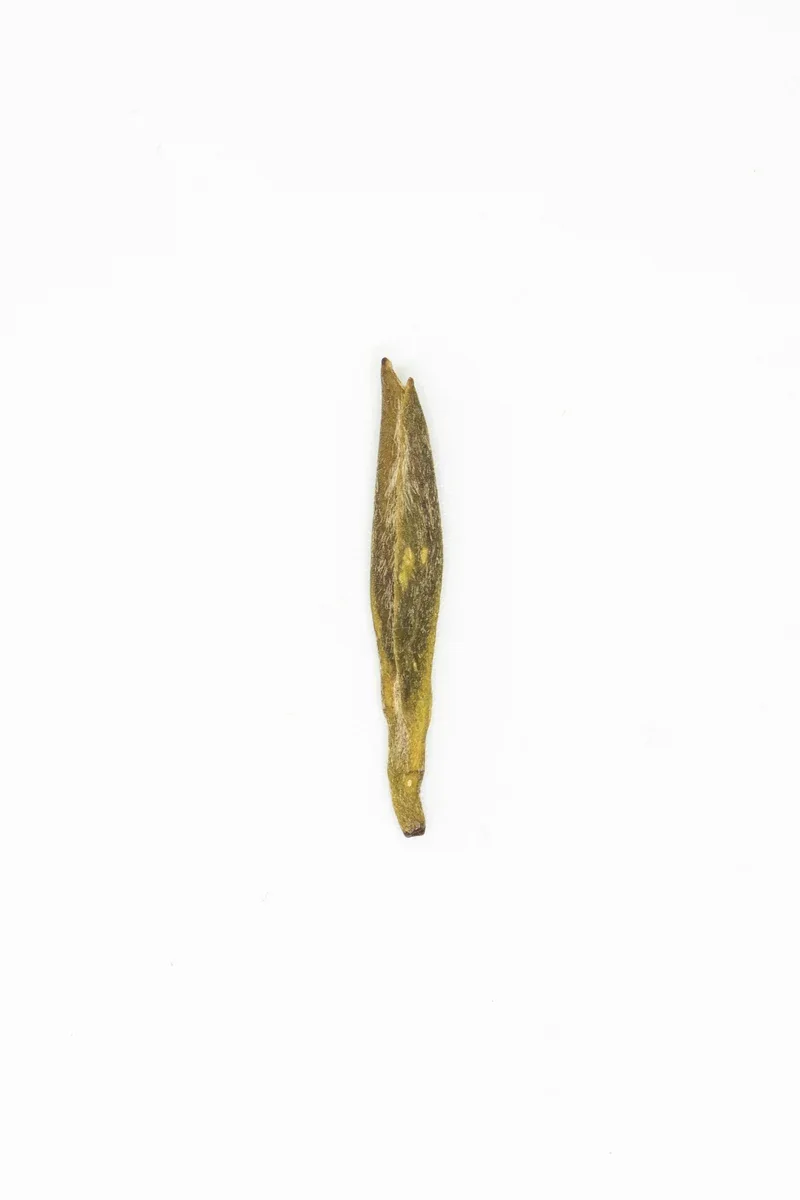
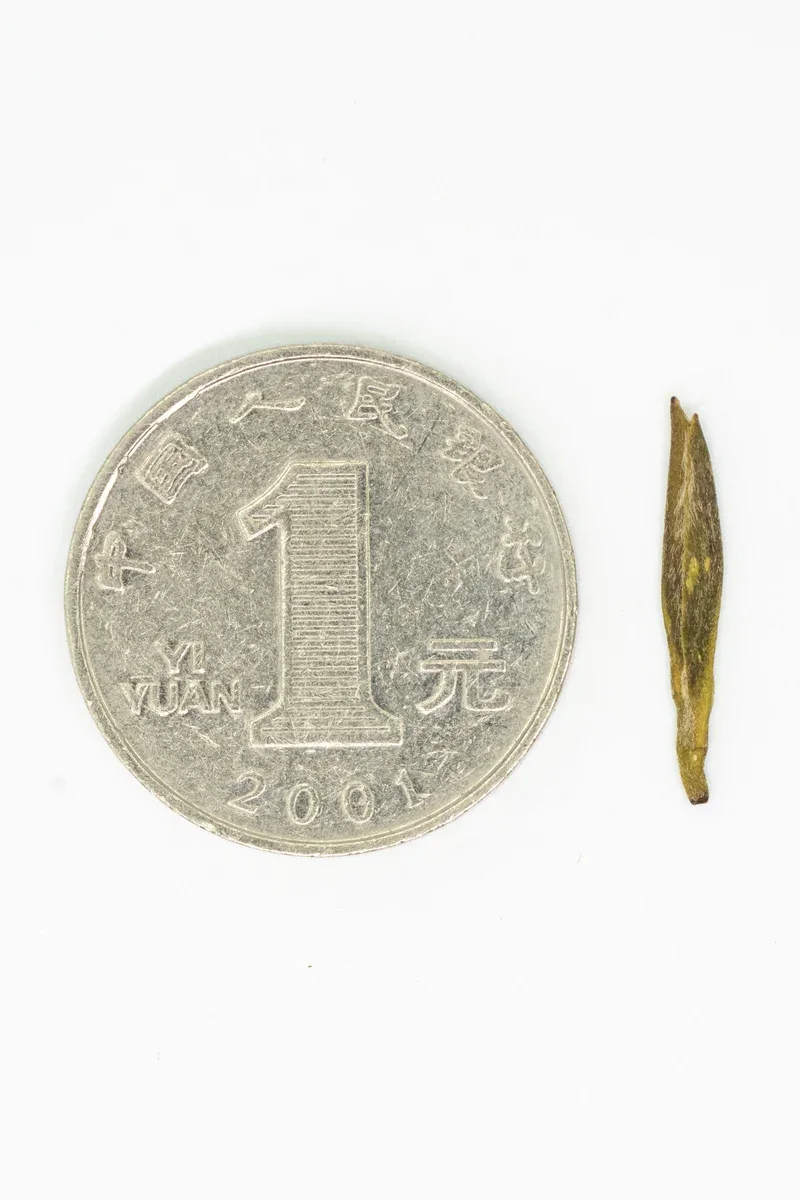
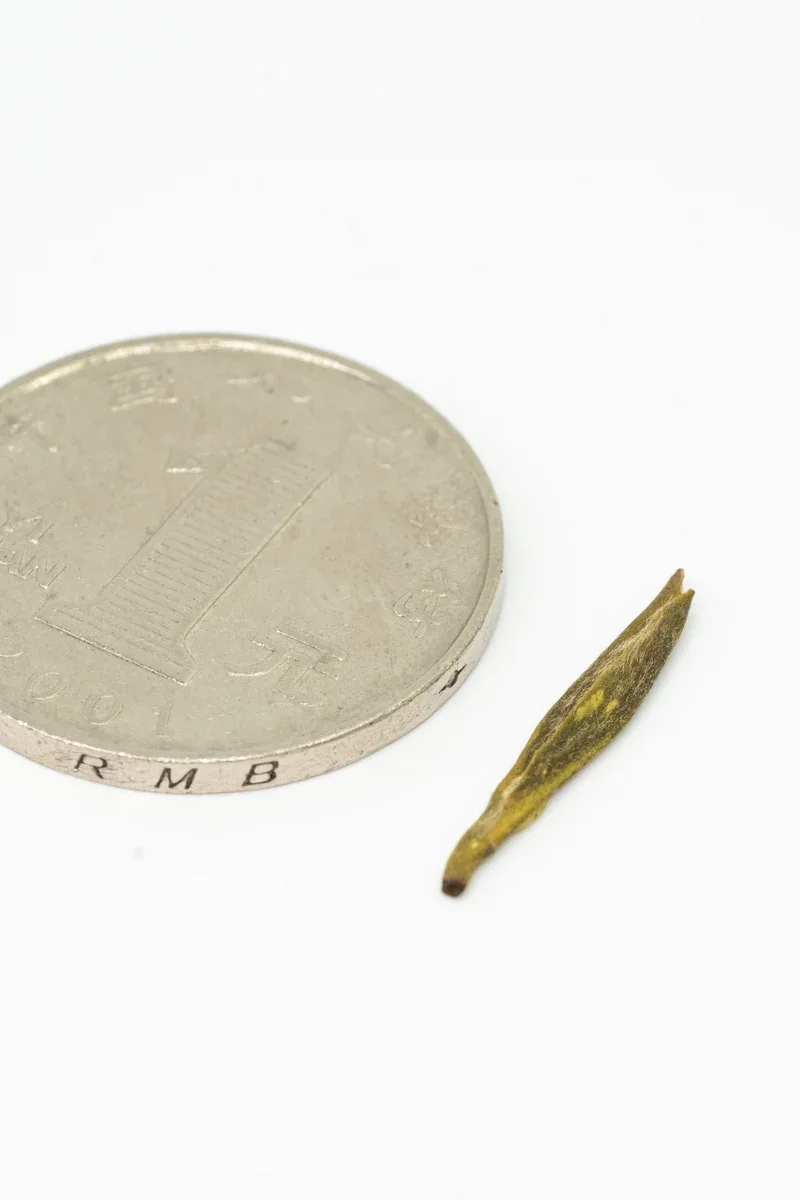
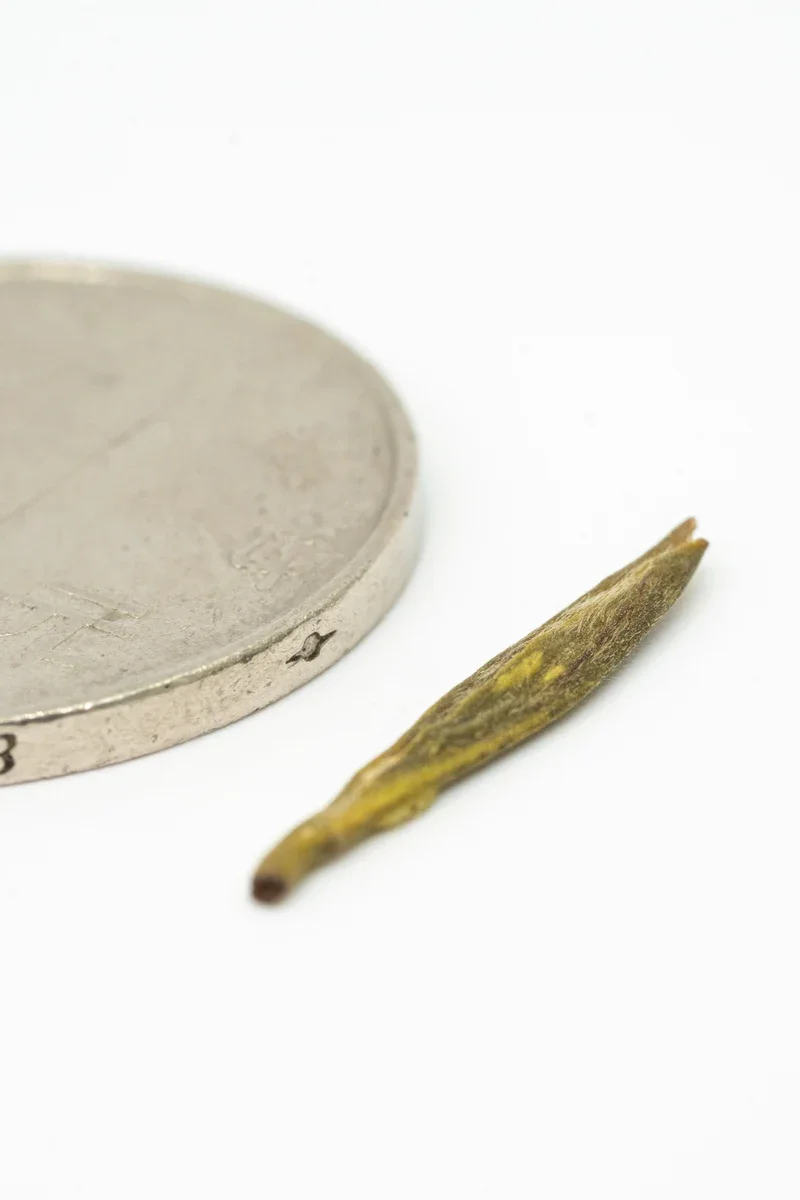
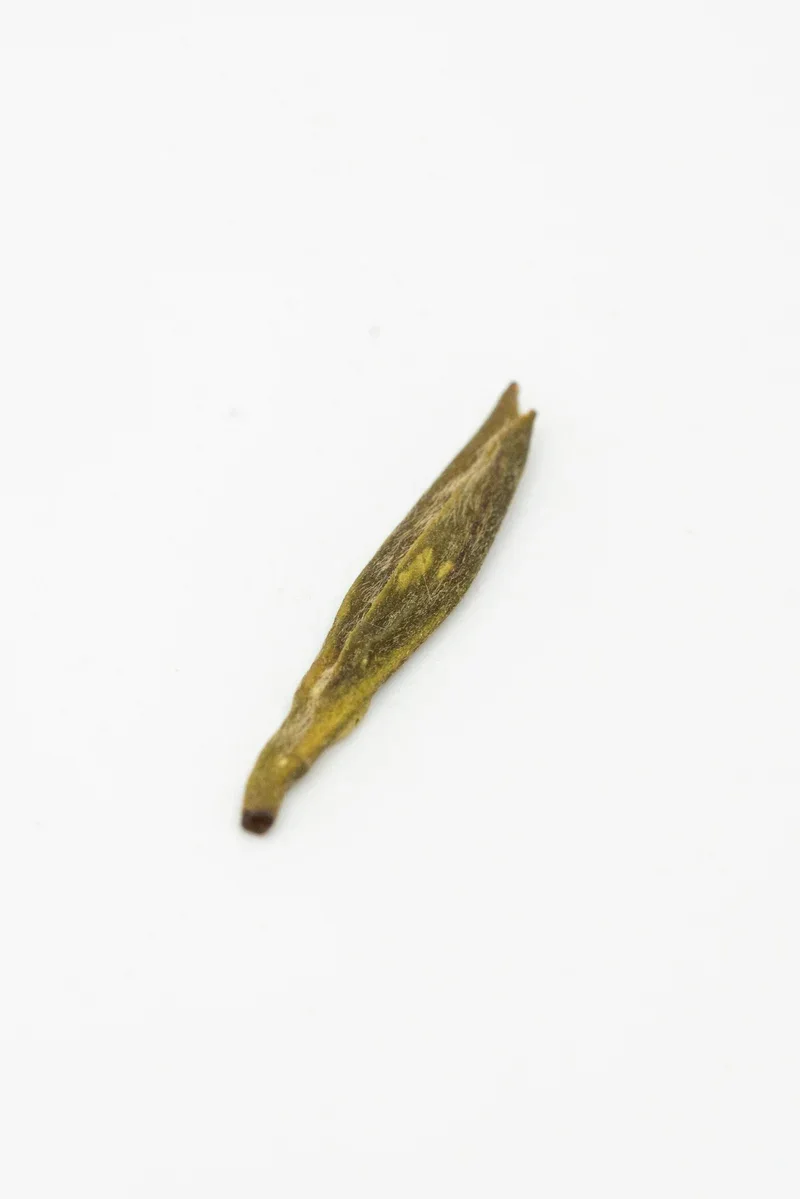
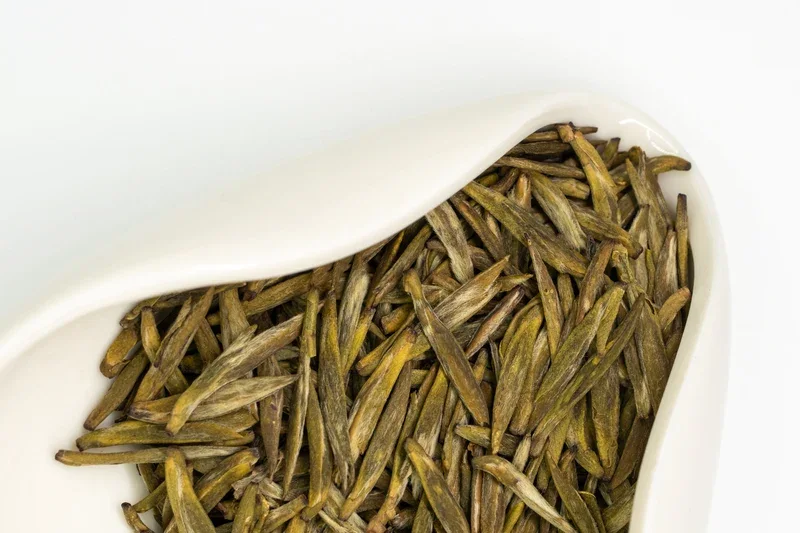
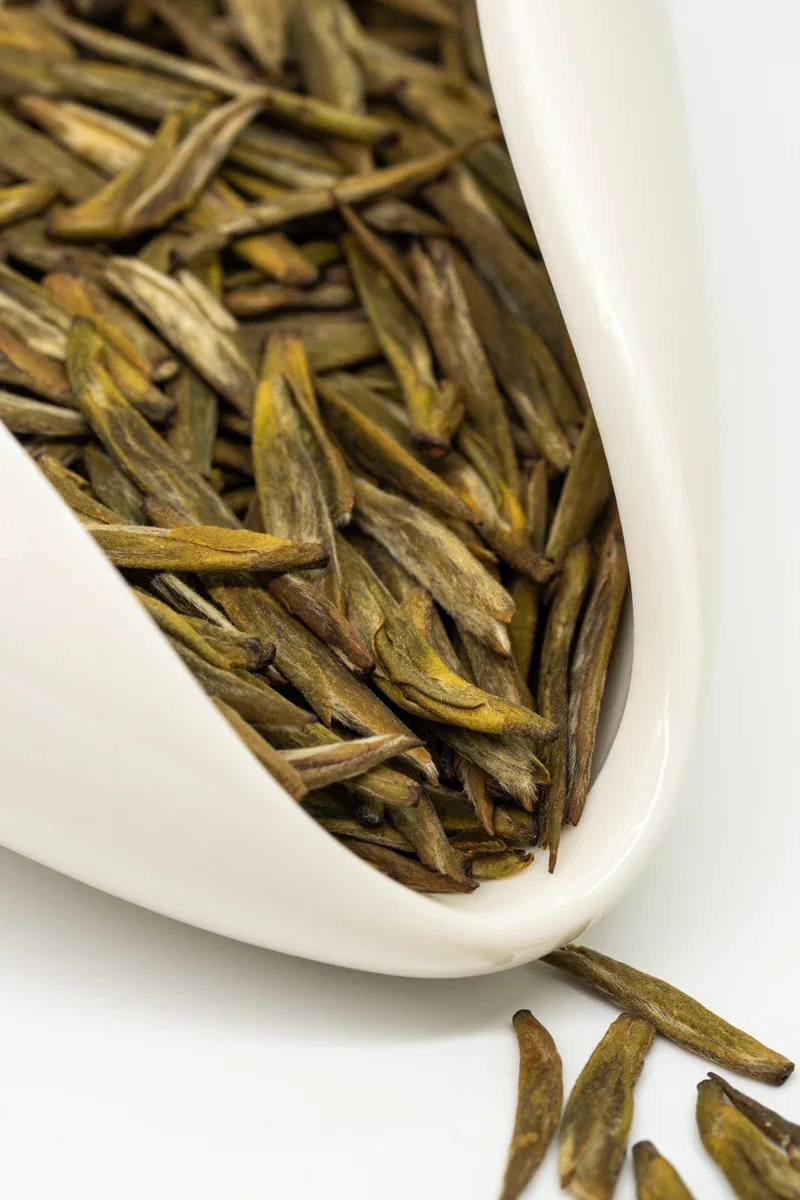
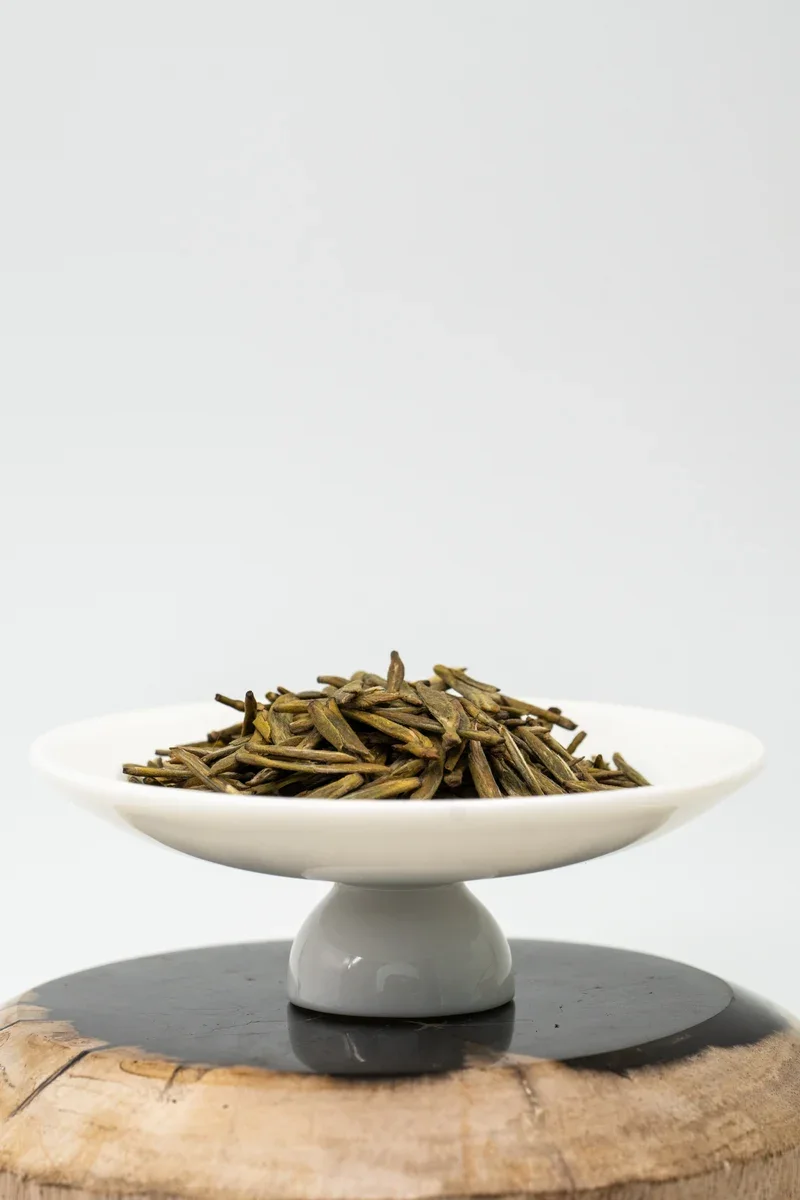
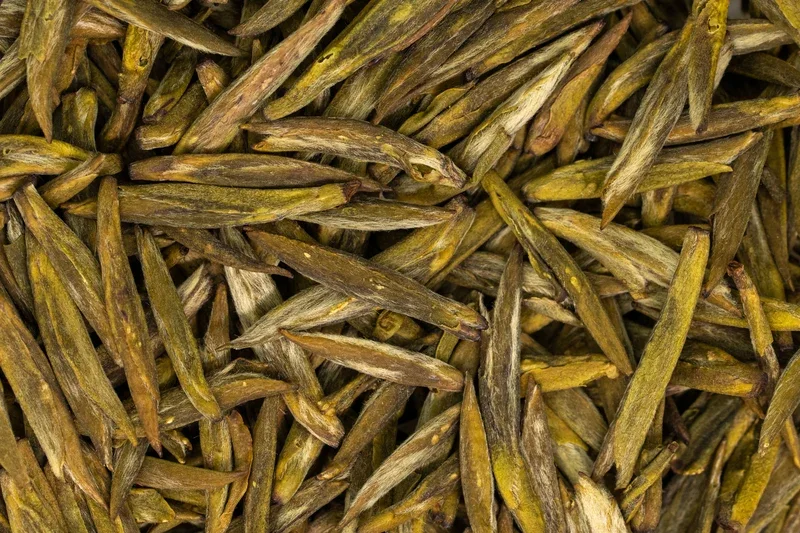
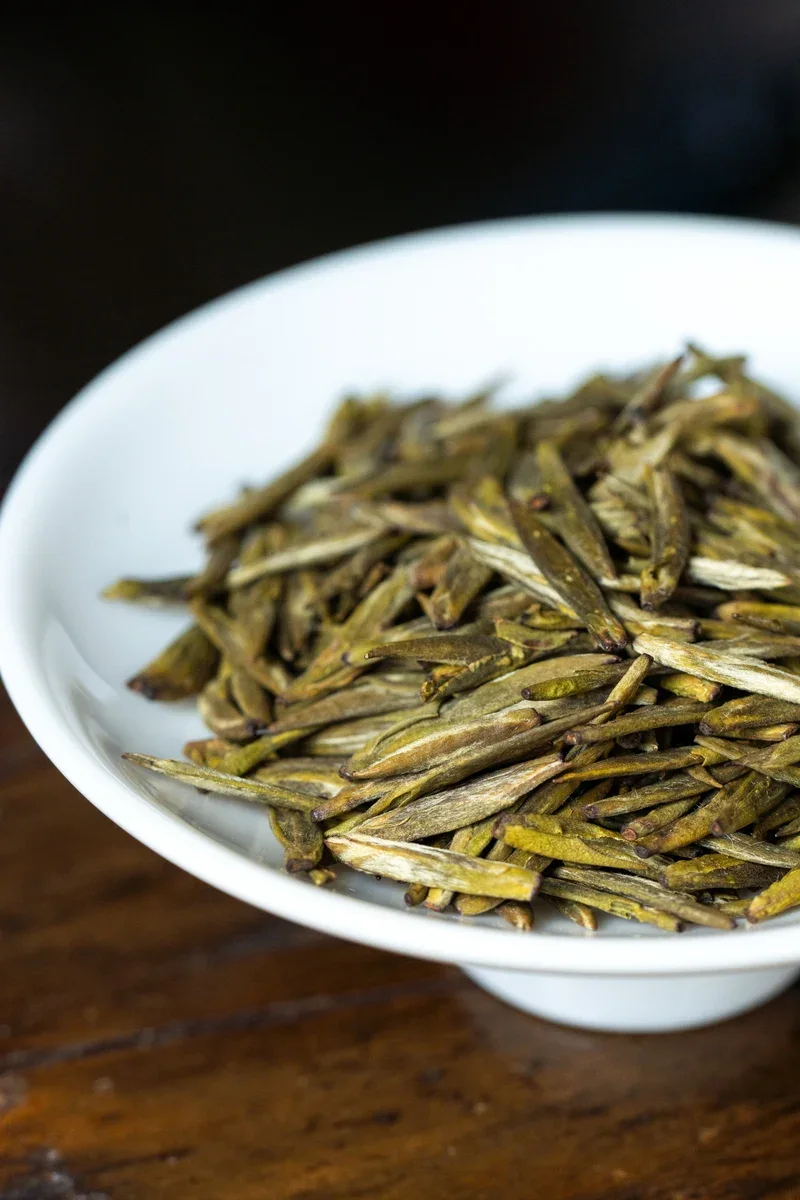
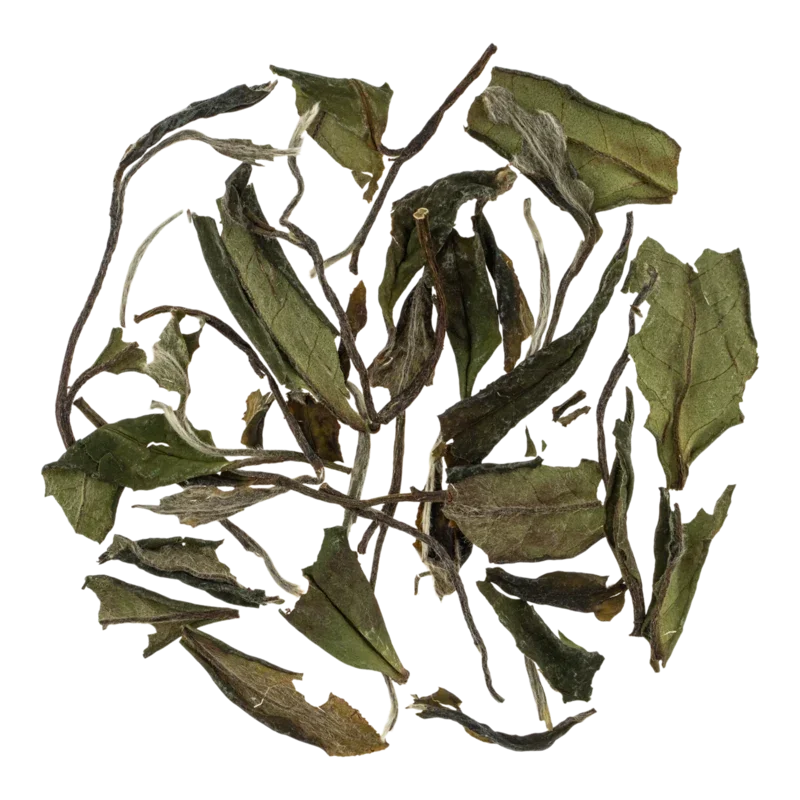
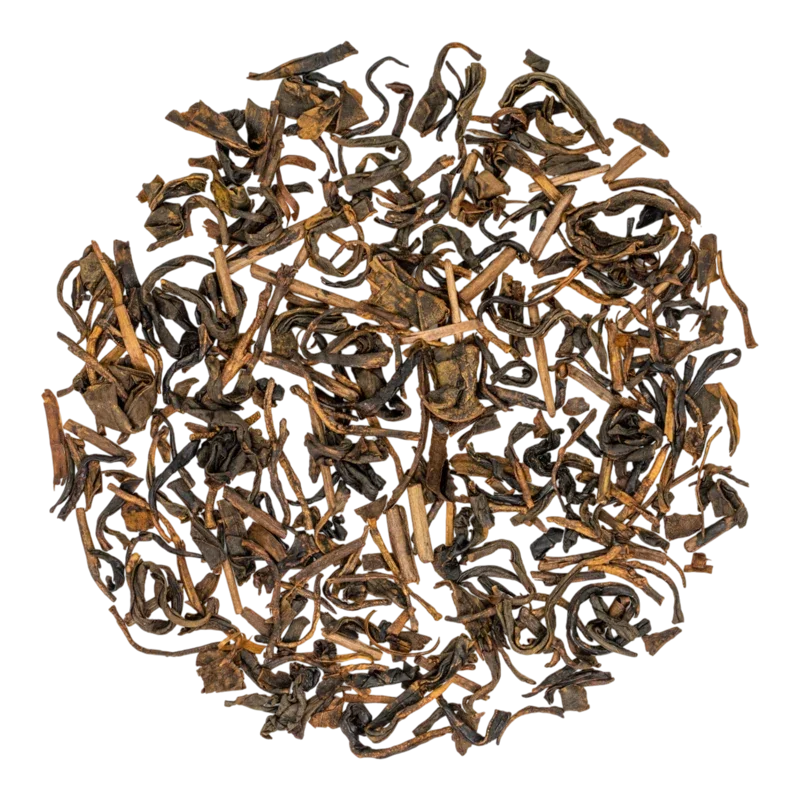
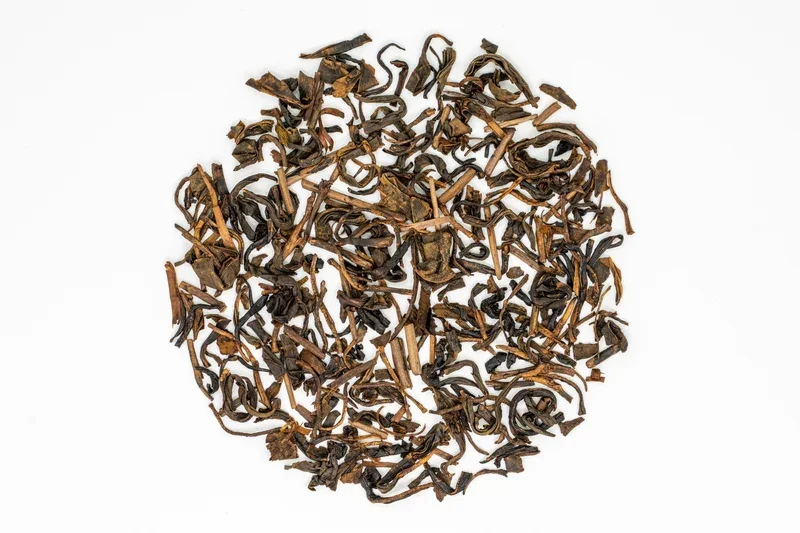
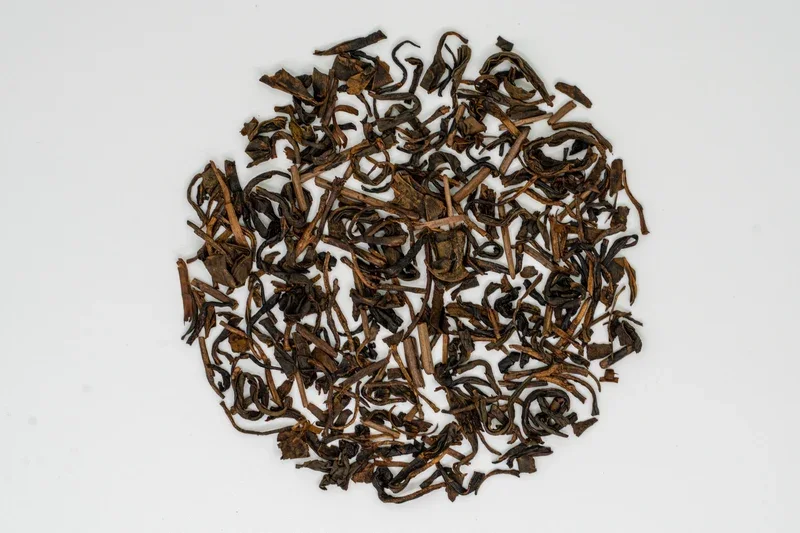
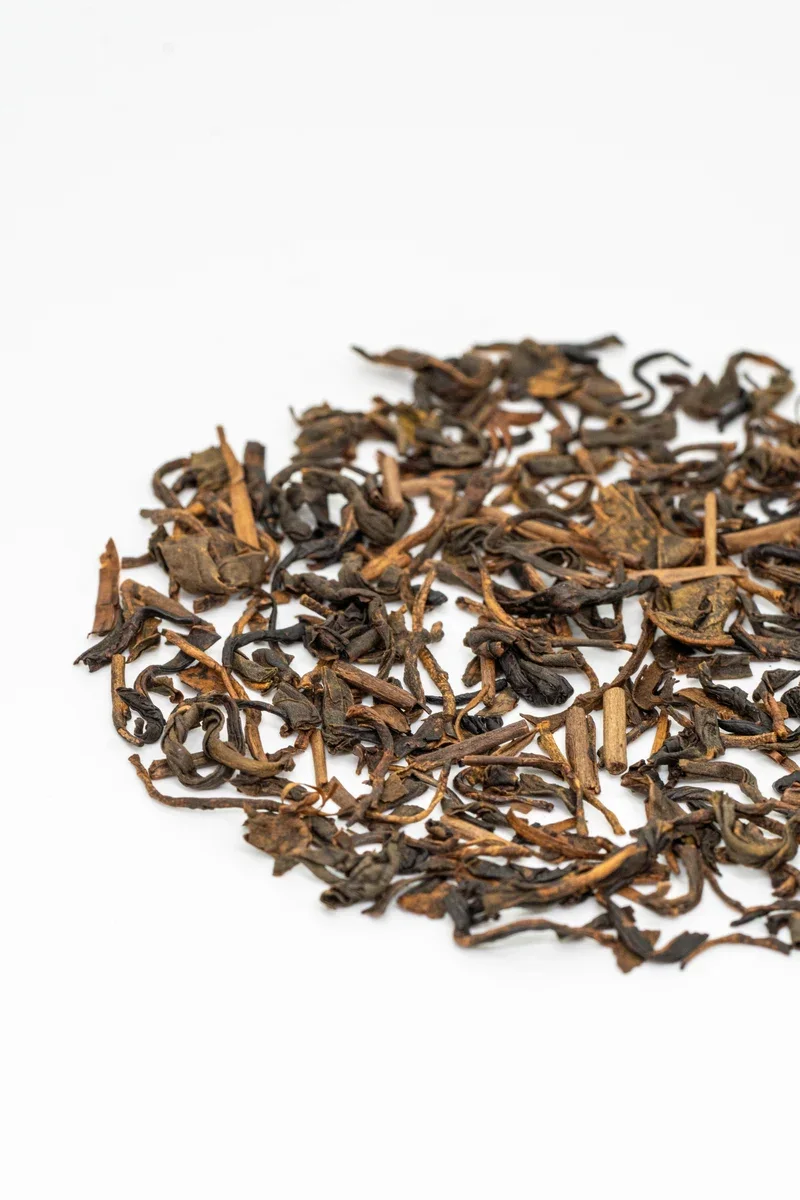
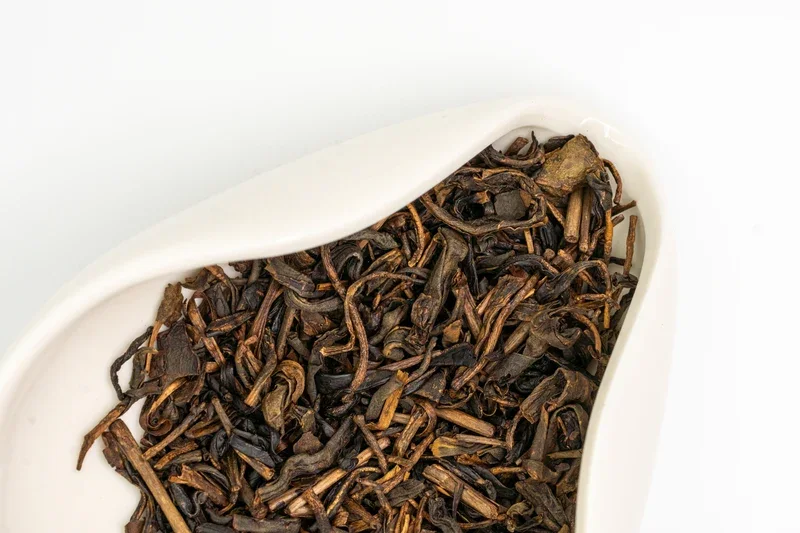
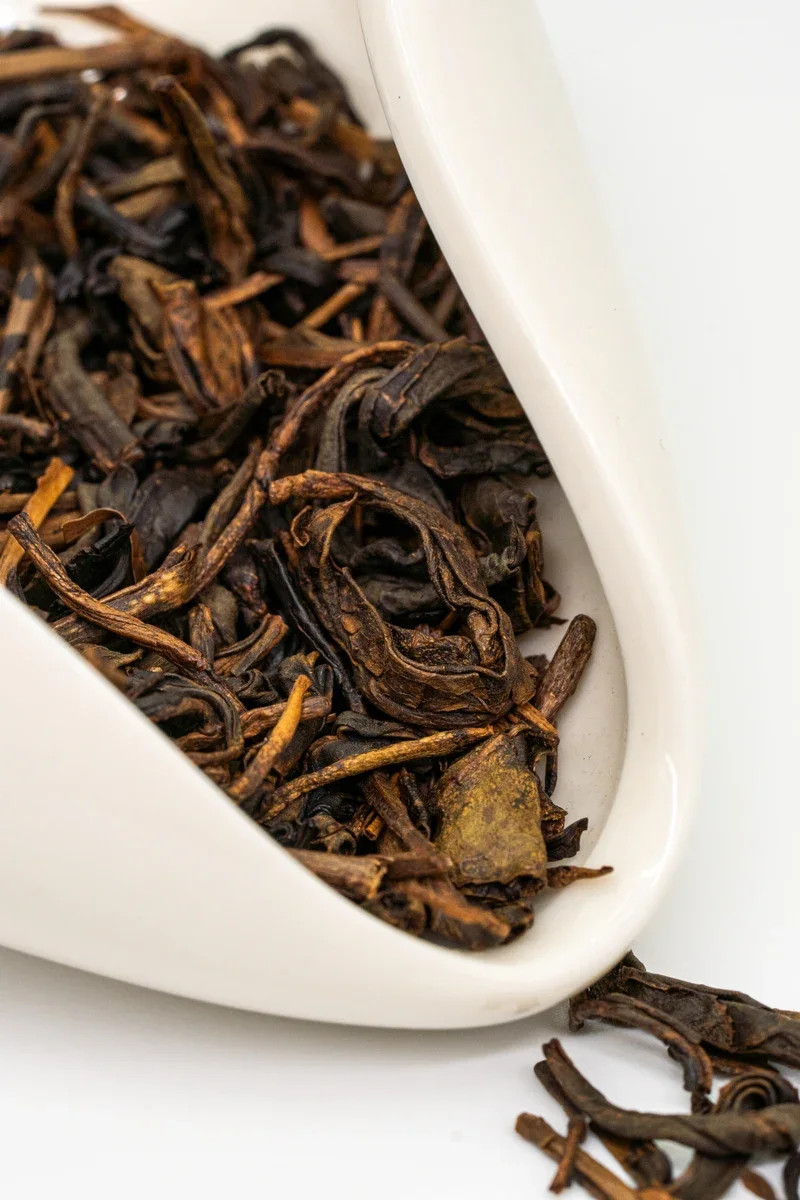
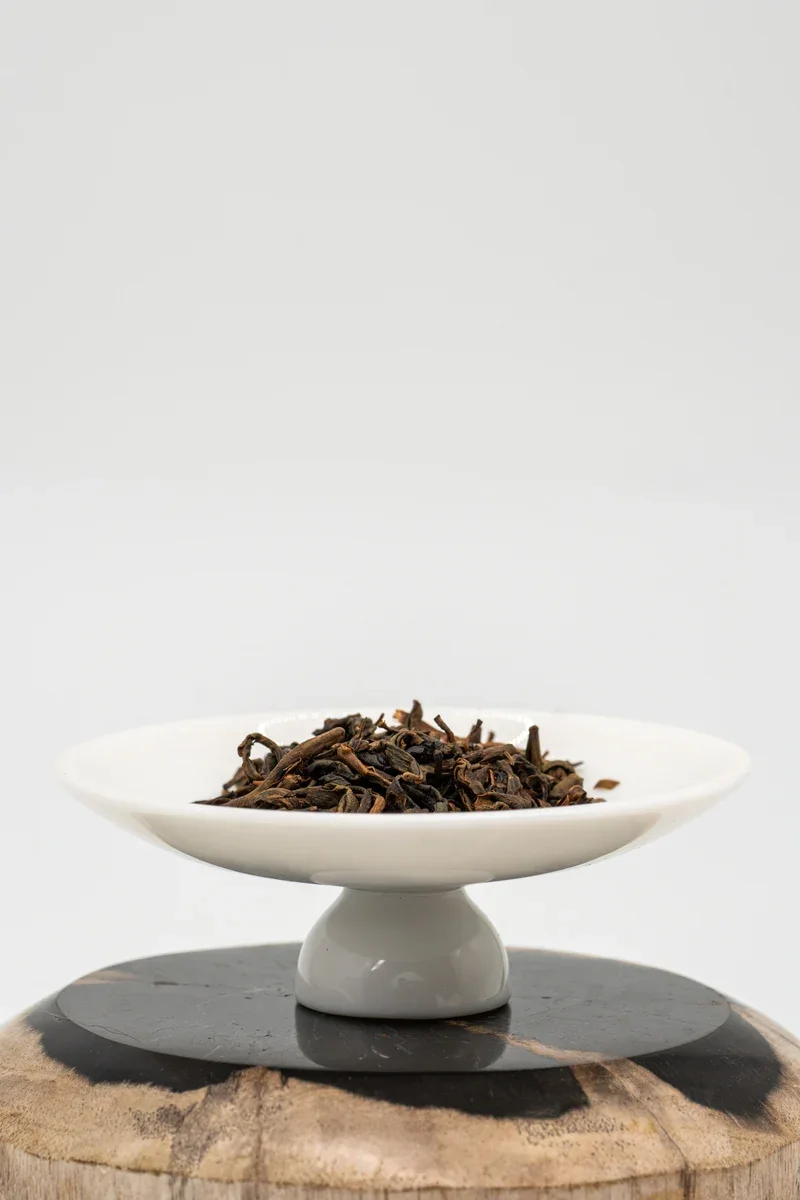
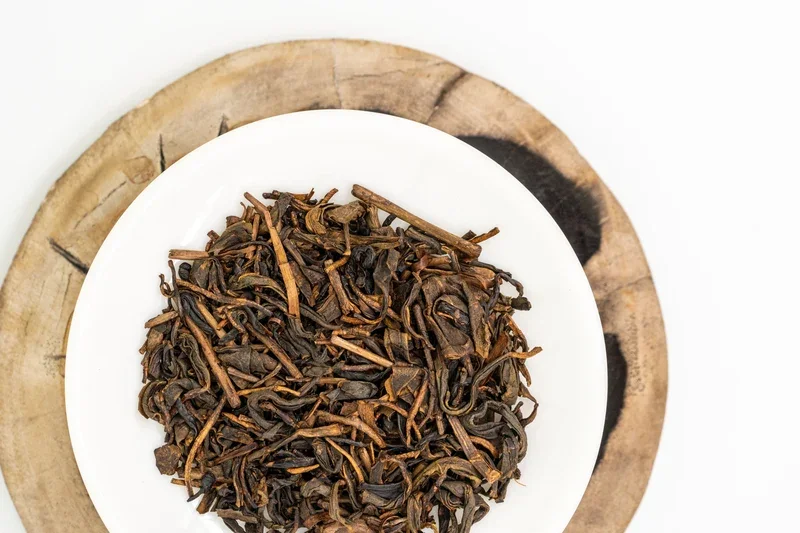
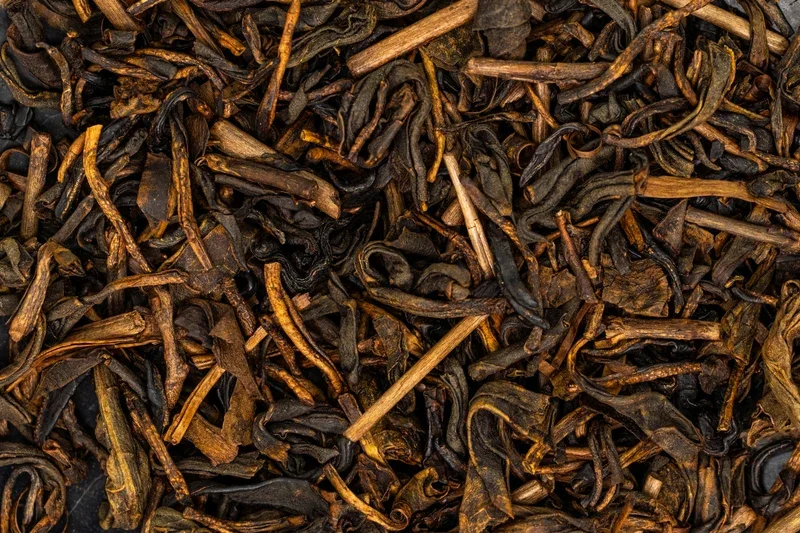
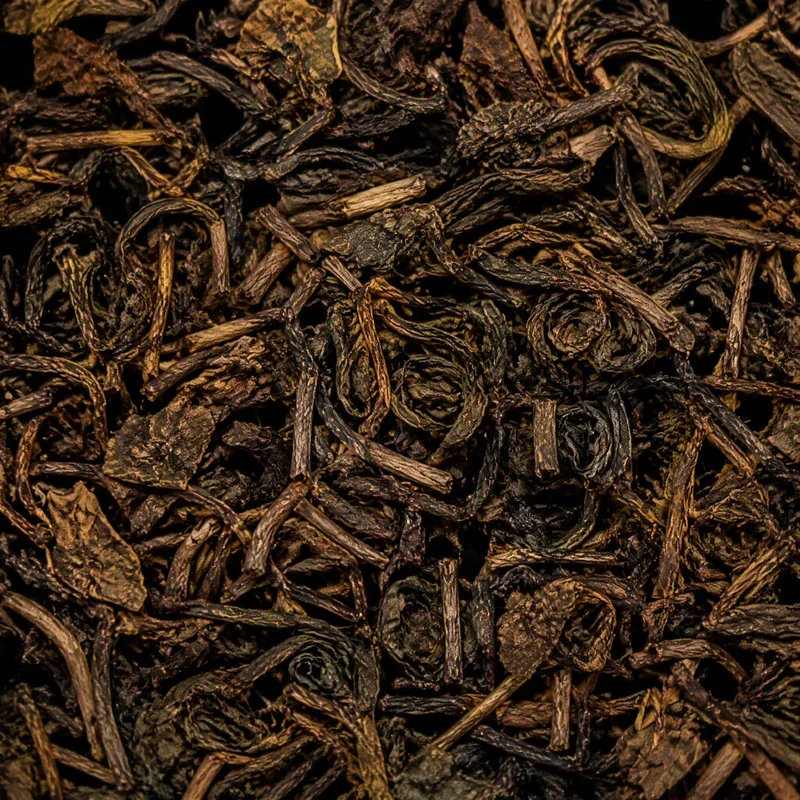
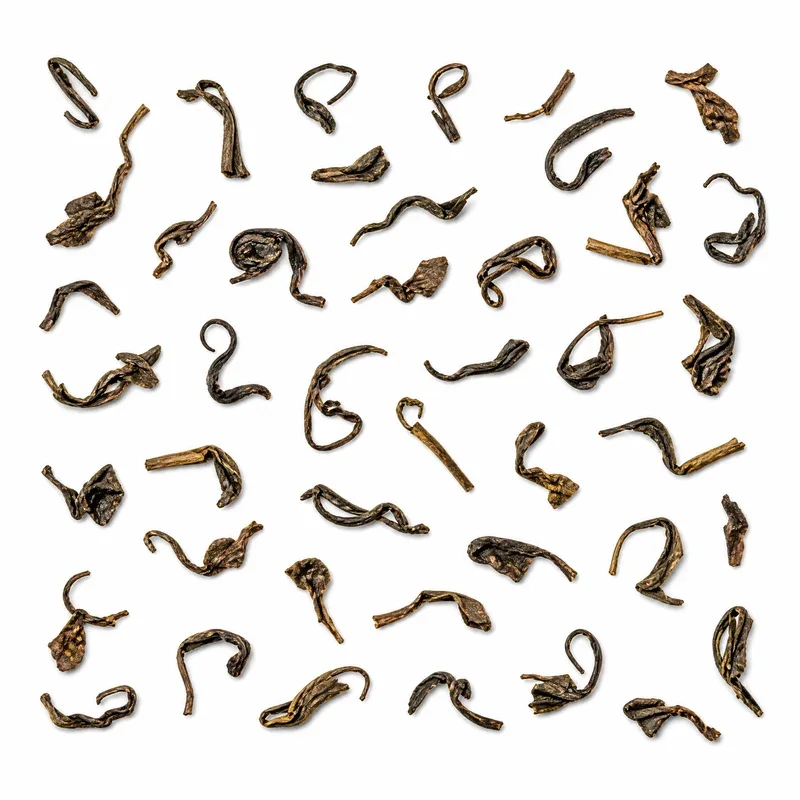
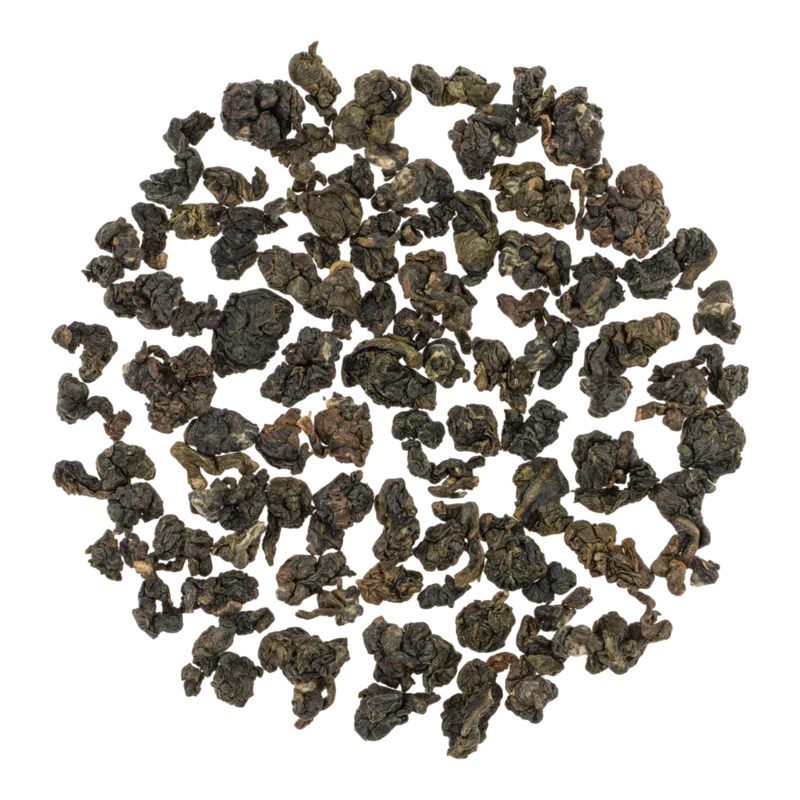
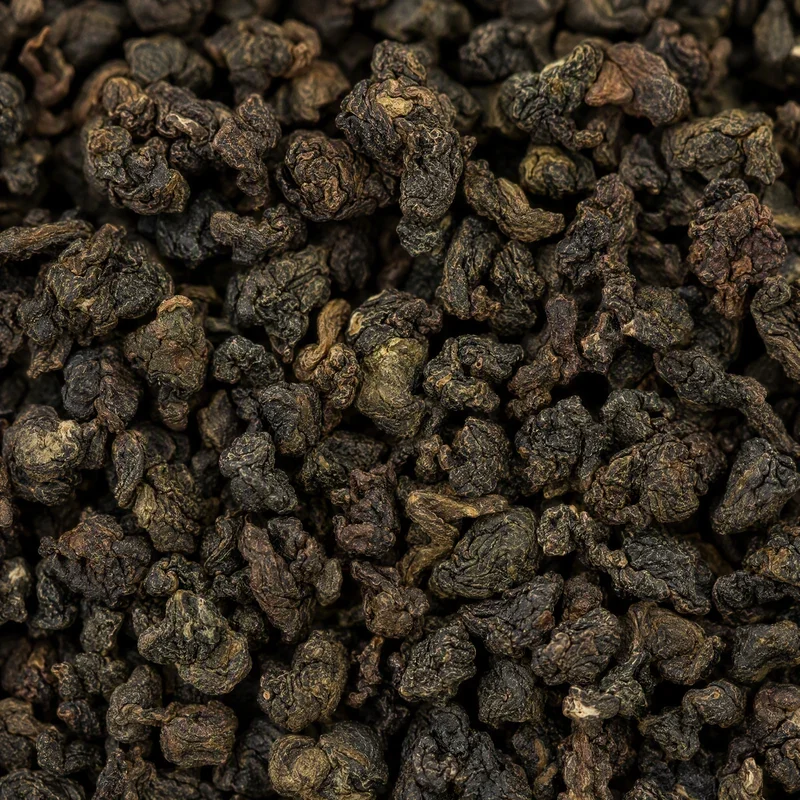
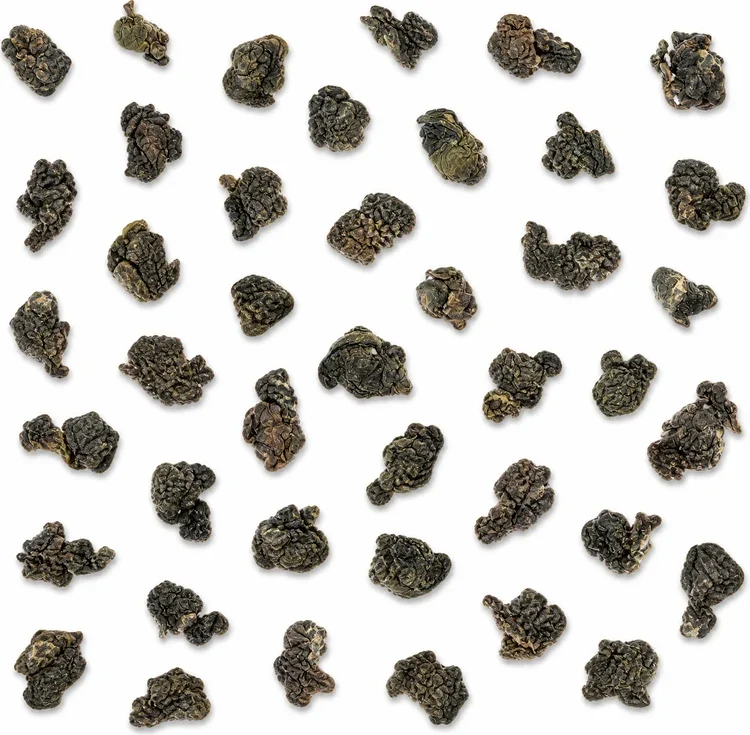
Dry Leaf Appearance: Semi-spherical granules, from dark green to brown with reddish tints. On some leaves, traces of leafhopper bites are visible — small brownish dots. Tips with down may be present.
Dry Leaf Aroma: Bright, rich, sweet. Honey and fruity notes dominate — peach, lychee, grape, mango. Floral overtones (orchid) in the background. Light spicy and caramel nuances.
Liquor Aroma: Intense, enveloping — honey, ripe peach, flowers. "Living" aroma that changes from steeping to steeping: from bright fruity to warm honey-woody.
Liquor Color: Golden-amber to reddish-brown, clear, with honey luster.
Spent Leaves: Whole leaves of brownish-green color with reddish veins and edges. Bite traces are visible on unfolded leaves.
Taste: Rich, full, sweet — without need to add sugar. Honey and fruity notes (peach, lychee, muscat grape). Light astringency that harmoniously complements sweetness. Body — full, oily. Aftertaste — long, enveloping, with honey-floral trail.
Alkaloids: Moderate caffeine (~2–3%).
Amino Acids: L-theanine — sweetness and relaxation.
Linalool, geraniol, 2,6-dimethyloctadienediol — key compounds of "leafhopper" aroma. Their concentration in Guifei is 3–5 times higher than in ordinary oolong, thanks to the plant's stress reaction to bites.
Benzyl acetate, methyl salicylate — fruity and floral notes.
Polyphenols: ~18–22% of dry mass. Theaflavins and thearubigins — products of medium oxidation.
Vitamins: C, B group, E, K. Minerals: Potassium, fluorine, magnesium, manganese.
Catechins + theaflavins.
Caffeine + L-theanine.
Medium oxidation makes tea gentle on stomach; good after meals.
Polyphenols, vitamins.
Catechins.
Intense honey-fruity aroma — proven relaxing and anti-stress action.
85–95°C. Lower (85°C) — for maximum honey notes; higher (95°C) — for warmer, caramel profile.
5 g per 500 ml, 6–8 hours in refrigerator. Perfect summer drink — reveals fruity notes without astringency.
Tea Amount: 5–7 g per 150 ml.
Teaware: Porcelain gaiwan (for pure aroma perception). Yixing teapot also suitable; clay enriches honey notes.
No reviews yet. Tell us what you think of this tea.
Rate this tea and share your impressions. We review each submission before publishing it.