Brewing
Gongfu brewing
- Water temperature
- 93 °C
- Tea amount
- 5 g
- Water volume
- 100 ml
- First steep
- 10 s
- Time added per infusion
- 5 s
- Infusions
- 4

Fànjìngshān hóngchá
Choose a brewing method. Start with the recommended quantities and time, then adjust to taste.
Brewing
Brewing
Taste
Tea encyclopedia
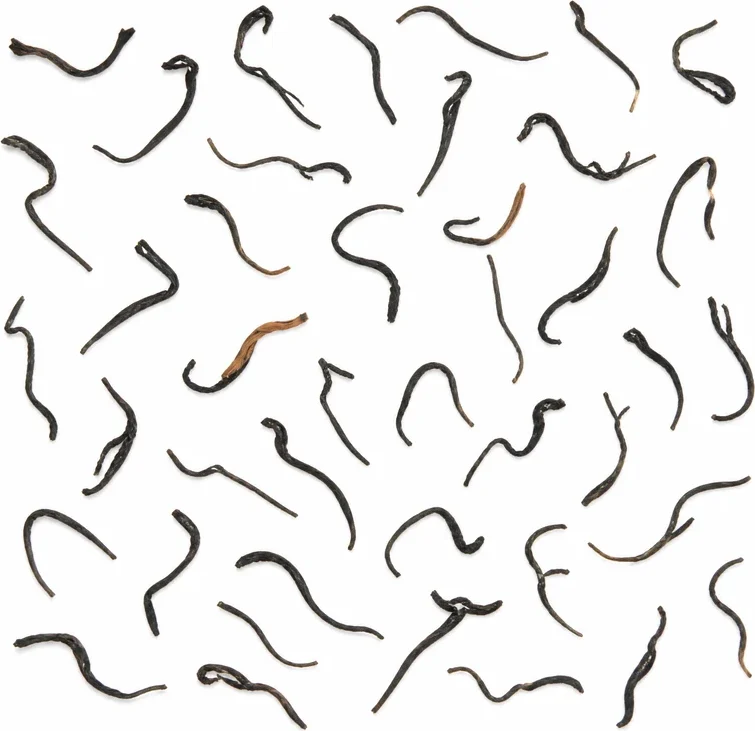
Category: Guizhou high-altitude red tea; produced in several morphological forms—curled (卷曲形, juǎnqū xíng), straight (条形, tiáo xíng), and granulated (颗粒形, kēlì xíng).
Category: Guizhou high-altitude red tea; produced in several morphological forms—curled (卷曲形, juǎnqū xíng), straight (条形, tiáo xíng), and granulated (颗粒形, kēlì xíng).
Coordinates: approximately 27°50′ N, 108°40′ E (Fanjingshan peak—27°54′ N, 108°42′ E).
Origin: China, Guìzhōu Province (贵州省, Guìzhōu Shěng), Tóngrén Prefecture (铜仁市, Tóngrén Shì). Main production zones: Yìnjiāng County (印江土家族苗族自治县, Yìnjiāng Tǔjiāzú Miáozú Zìzhìxiàn), Jiāngkǒu County (江口县, Jiāngkǒu Xiàn), Shíqiān County (石阡县, Shíqiān Xiàn), Songtao County (松桃苗族自治县) and other counties of Tongren Prefecture. All ten counties and districts of Tongren are included in the protected zone of Fanjingshan Cha.
Type: Chinese red tea (black tea) (红茶, hóngchá), fully oxidized.
Cultural Significance: Fanjingshan is a point of intersection of Buddhist spiritual tradition, the culture of the Tujia (土家族) and Miáo (苗族) peoples, and Guizhou's modern ecological policy. Tea here is more than a beverage: it is a symbol of the "purity" of land untouched by industry. Guizhou Province became the first region in China to ban the use of water-soluble pesticides and glyphosate on tea plantations; the list of prohibited preparations was expanded to 128 items (versus 66 at the national level). Tongren also positions itself as the "matcha capital of the world" (世界抹茶之都)—the world's largest center for matcha (抹茶) production based on the same Fanjingshan raw material.
History: The tea tradition of the Fanjingshan area dates back at least to the Ming era. In 1411 (Yongle 9th year, reign of Emperor Chengzu), local tea from Tuánlóng Village (团龙村, Tuánlóng Cūn) in Yinjiang County was accepted as tribute to the court and received the status of "gong cha" (贡茶, gòngchá, "tribute tea"). According to the "Genealogy of the Chai Family" (《柴氏家谱》), the ancestors of Tuanlong Village brought tea cultivation technology from Jiangxi at the turn of the Song and Yuan dynasties (end of 13th century); ancient tea trees planted then have survived to this day—their age is estimated at 450–600 years, and they are recognized as "Zhongguo cha wang shu" (中国茶王树, "Tea King Trees of China"): these are the oldest documented cultivated tea trees in the country. Large-scale development of plantation tea cultivation in Tongren began in the 1980s–1990s. In 1987, Yinjiang County included the tea industry in the list of "pillar industries." In 2005, "Fanjingshan Cuifeng" (梵净山翠峰, green tea) received geographical indication product protection status (地理标志产品). In 2010, the tea garden area of Yinjiang alone reached 21,000 mu, of which 8,500 mu were of productive age. In 2016, the entire umbrella brand "Fanjingshan Cha" (including red tea and green tea) received national geographical indication product status (农产品地理标志) from the Ministry of Agriculture of the PRC. In 2018, Mount Fanjingshan itself was included in the UNESCO World Natural Heritage list, which further strengthened the interna
Name Breakdown: "Fanjingshan" (梵净山)—"Mountain of Brahma Purity"; the name reflects Buddhist tradition: "fan" (梵)—from Sanskrit brahma (pure, sacred), "jing" (净)—"pure, unmuddied." Fànjìngshān is the main peak of the Wǔlíng Mountains (武陵山, Wǔlíng Shān, 2,572 m), one of the four sacred Buddhist mountain ranges of China, associated with the bodhisattva Maitreya. "Hong cha" (红茶)—red tea.
Cultivar: for red tea production, predominantly local population varieties (群体种, qúntǐzhǒng) Camellia sinensis var. sinensis are used, as well as zoned clonal cultivars—Fúdǐng Dàbái Chá (福鼎大白茶, Fúdǐng Dàbái Chá) and its derivatives. Plants belong to the small- and medium-leaf type, bush form. Ancient tea trees of Tuanlong Village represent a special population with heights up to 5 m and trunk diameter "the circumference of a bowl."
Picking: spring harvest (March–April) yields the highest quality raw material; summer and autumn harvests are also practiced. The high-altitude climate delays the beginning of vegetation, ensuring longer accumulation of nutrients in buds.
Pluck Standard: 1 bud + 1–2 leaves for highest grades; 1 bud + 2–3 leaves is acceptable for standard batches.
Raw Material: fresh, whole leaf without mechanical damage and coarse stems; immediate processing after harvest to prevent uncontrolled oxidation.
Altitude: main tea gardens are located at 400–1,300 m elevation; optimal zone for red tea—800–1,300 m, where mountain microclimate influence is most pronounced.
Climate: mid-subtropical monsoon with pronounced vertical zonality. Average annual temperature 13–18°C (in tea zone 16–18°C); annual precipitation 1,100–1,500 mm, in the mountain area—over 1,500 mm. Insolation 1,085–1,324 h/year—characterized by "oligosolar conditions" (寡日照, guǎ rìzhào), typical for Guizhou tea regions: cloudiness filters red and infrared spectrum components, allowing blue and ultraviolet light through, which stimulates chlorophyll b synthesis, accumulation of amino acids and aromatic precursors in leaves. Frost-free period 200–300 days. Pronounced diurnal temperature variation.
Soil: yellow, yellow-brown, and red soils (黄壤、黄棕壤、红壤), acidic (pH 4.5–6.5), with high organic matter content. Acidic zone soils comprise 74.2% of Tongren's territory.
Tongren Prefecture is located in the northeast of the Yunnan-Guizhou Plateau, in the central part of the Wuling Mountains. Characterized by karst relief with alternating mountain ridges, valleys, and basins. Fànjìngshān is the main peak of the range (2, 572 m); forest coverage of the mountain zone reaches 95%, negative ion content—up to 120,000/cm³.
Tongren tea plantations employ an "ecological tea garden" model (生态茶园, shēngtài cháyuán) of the "forest-shrub-grass" type (林-灌-草), where inter-rows are sown with special clover varieties to suppress weeds, retain moisture, and naturally enrich soil with nitrogen. This allows complete abandonment of herbicides while maintaining fertility and leaf purity.
Water: Fànjìngshān is a watershed between the basins of the Yuánshuǐ River (沅水, Yangtze tributary) and Wūjiāng River (乌江). The mountain provides over 2.8 billion m³ of clean water annually. Water resources are exceptionally pure: more than 60% of rivers meet Class III standards and above.
freshly picked leaves are spread in thin layers for preliminary withering and enzyme activation.
controlled reduction of leaf moisture to 60–65%; leaves become elastic, light floral aroma appears.
destruction of cell walls, bringing juice to the surface.
separation of leaves clumped together after rolling for uniform fermentation.
under controlled temperature and humidity conditions; duration determined by the master based on color and aroma of fermenting leaves.
with hot air to stop fermentation.
for curled type—"搓团提毫" (cuōtuán tíháo, rolling and "raising tips"); for granulated—"造粒" (zàolì, granulation).
bringing moisture to ≤7%.
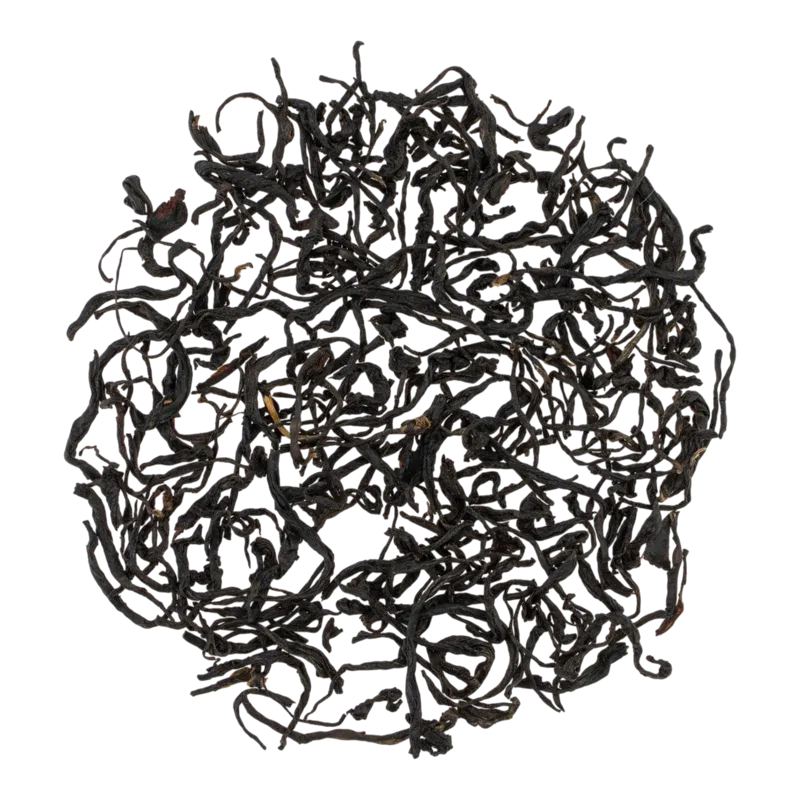
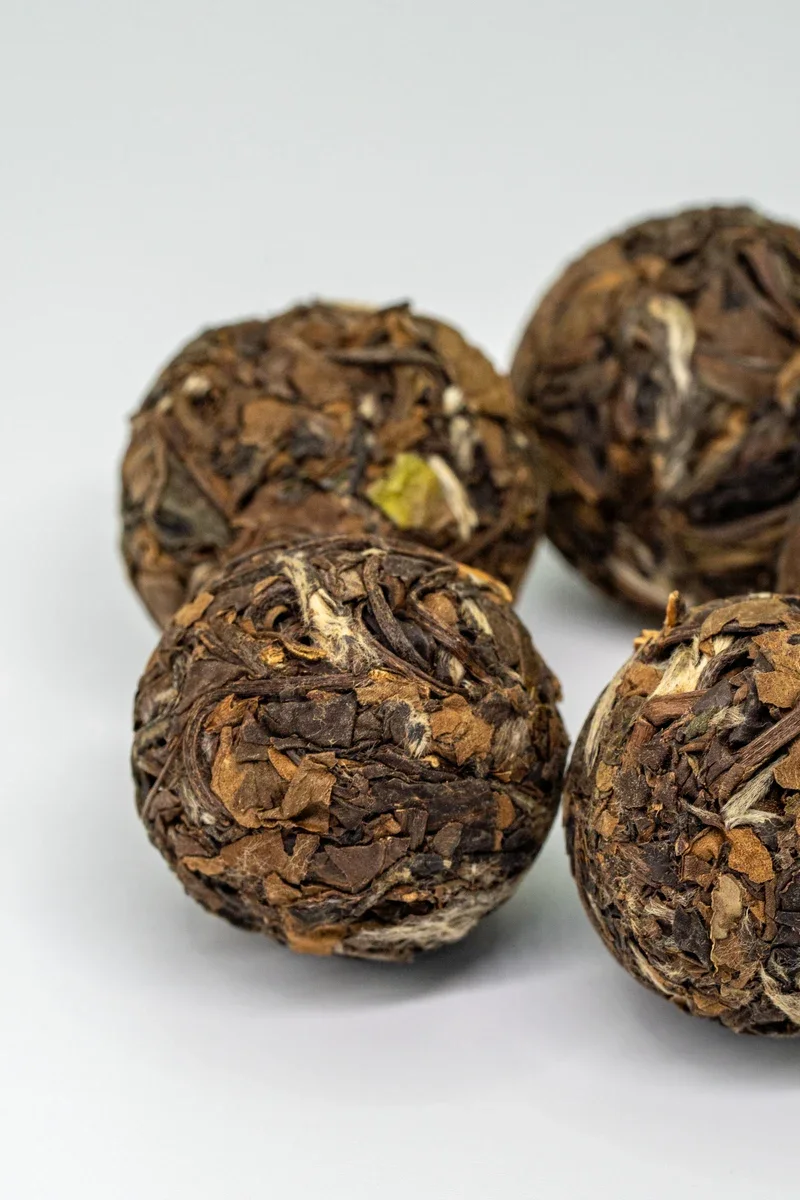
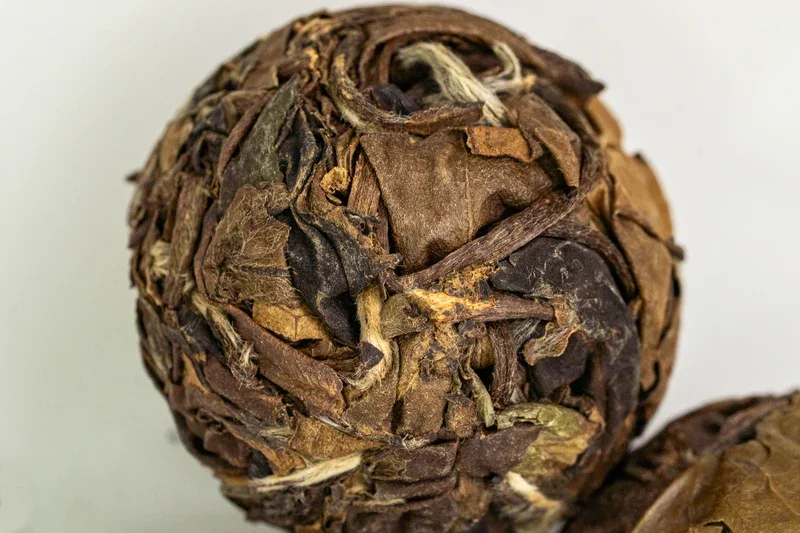
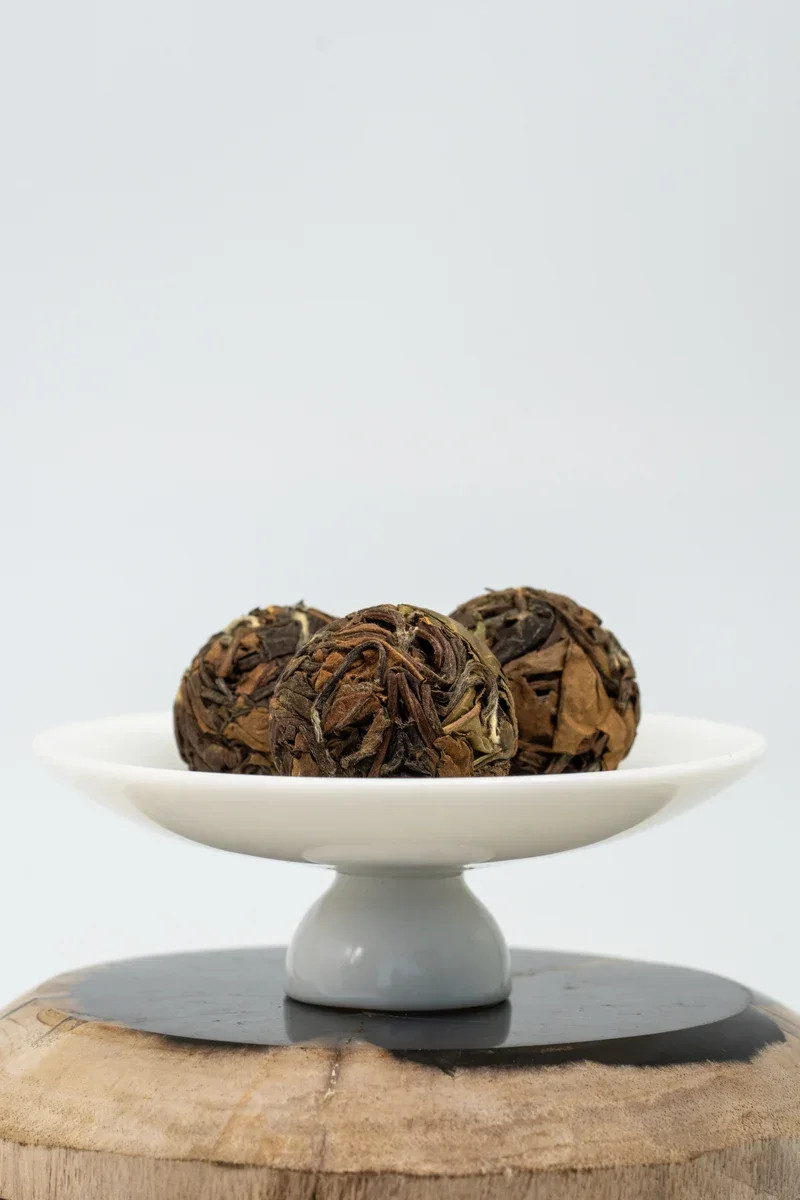
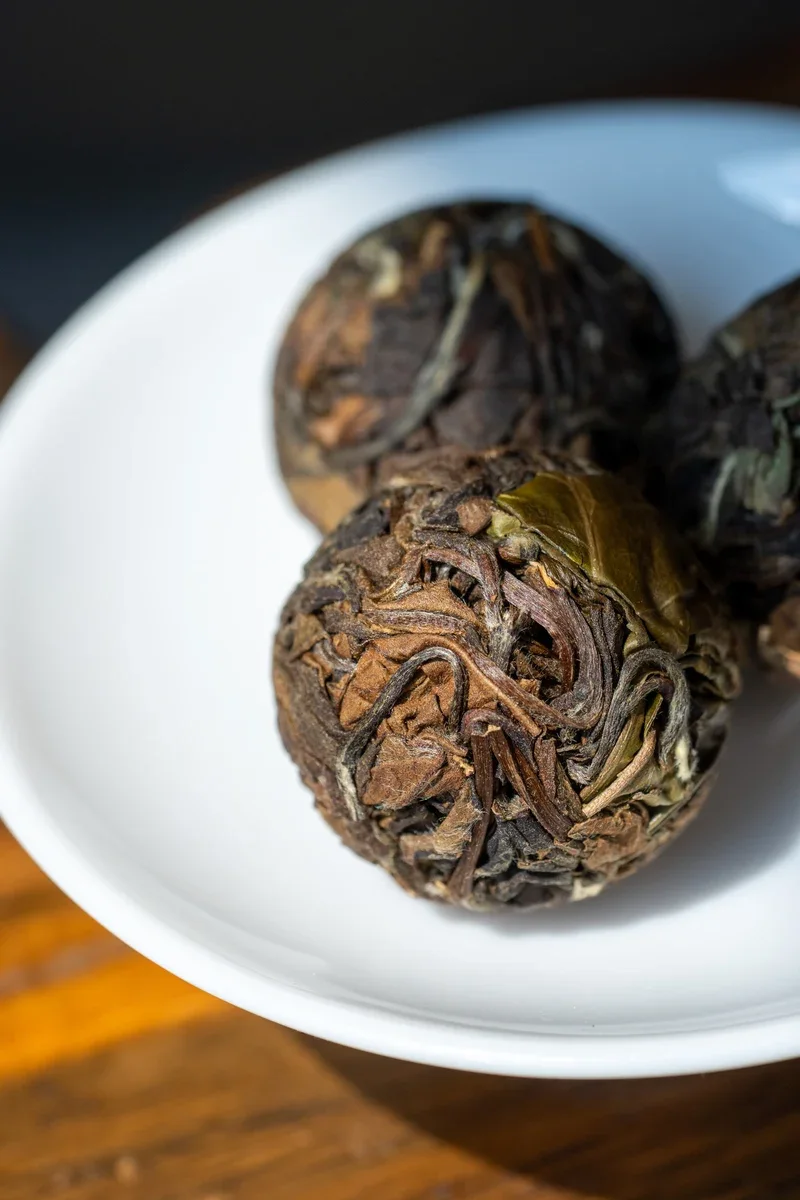
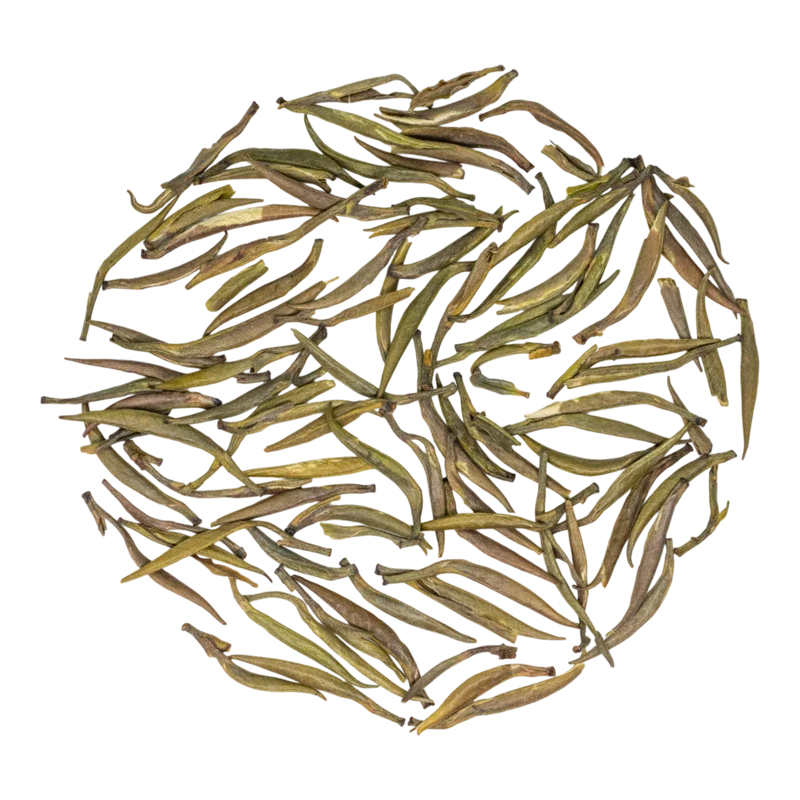
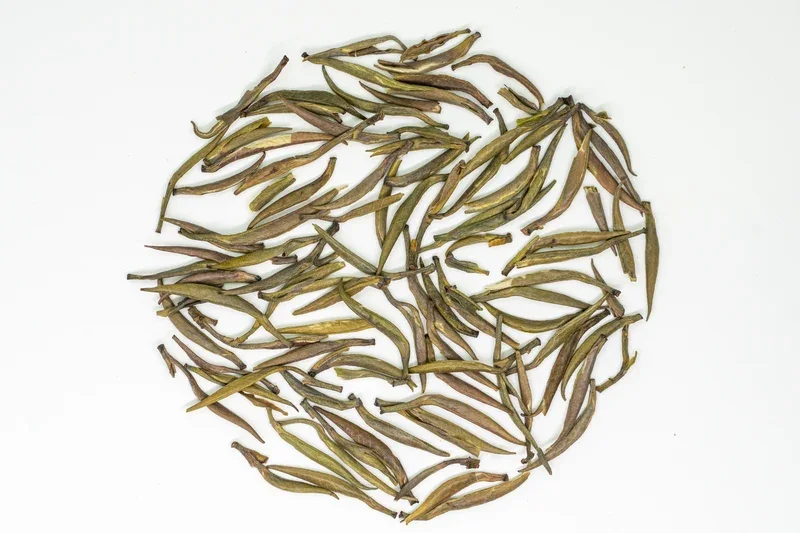
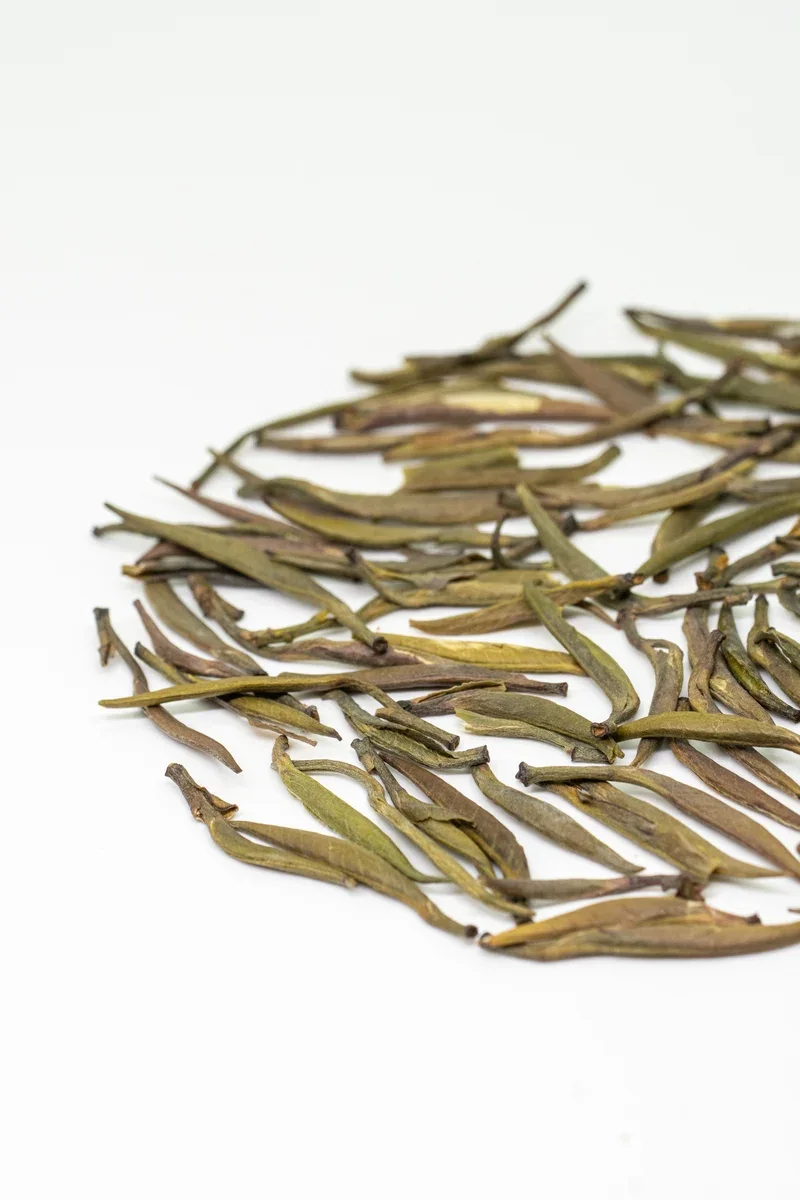
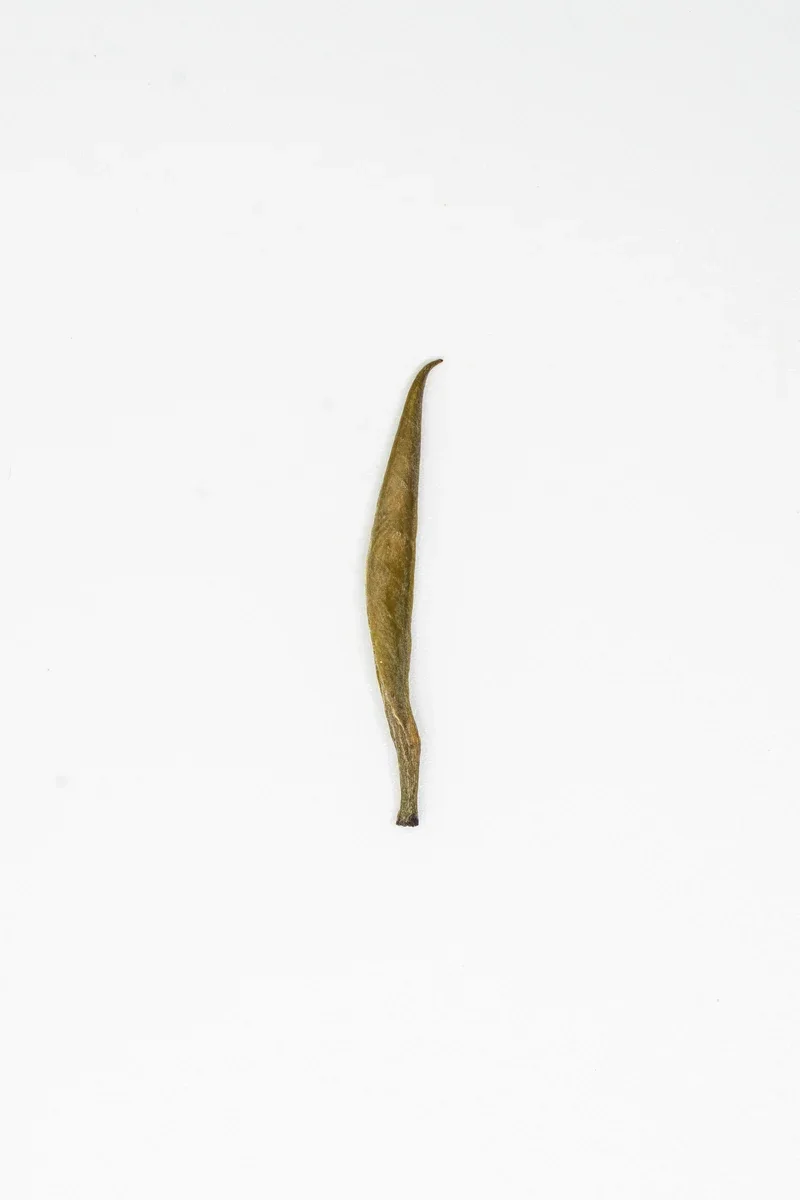
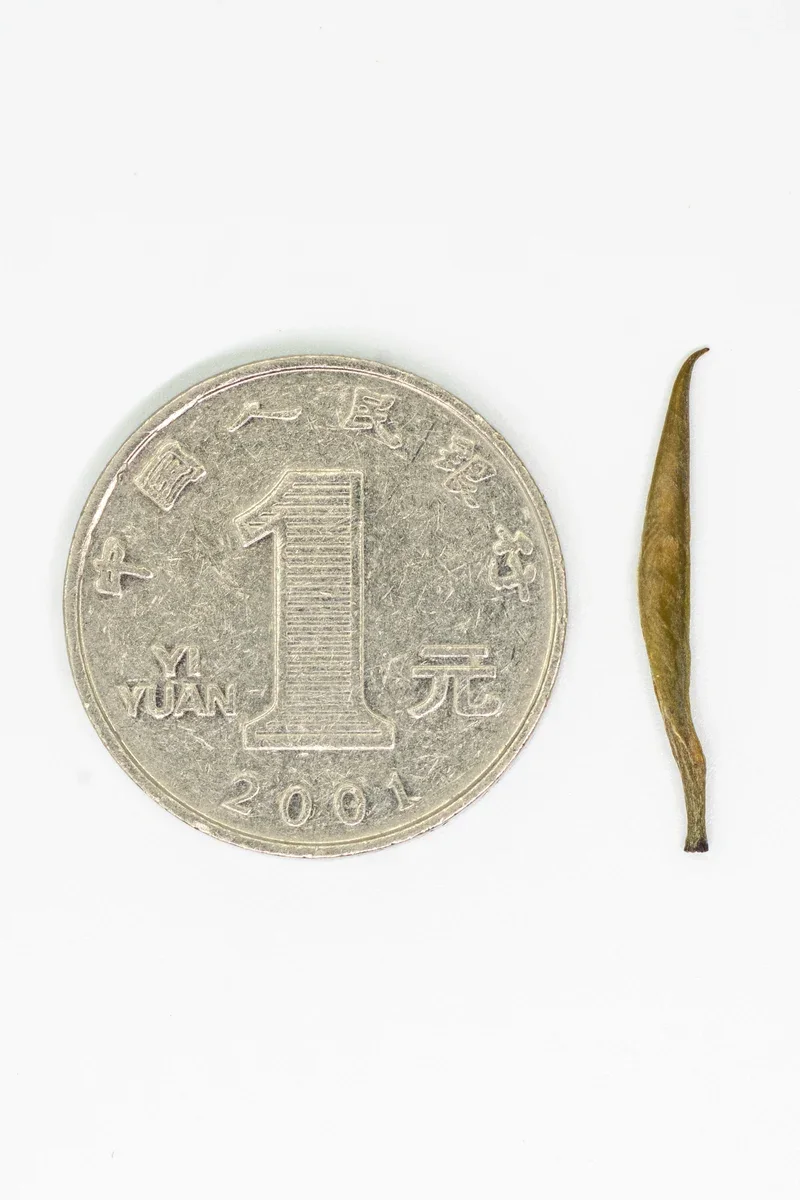
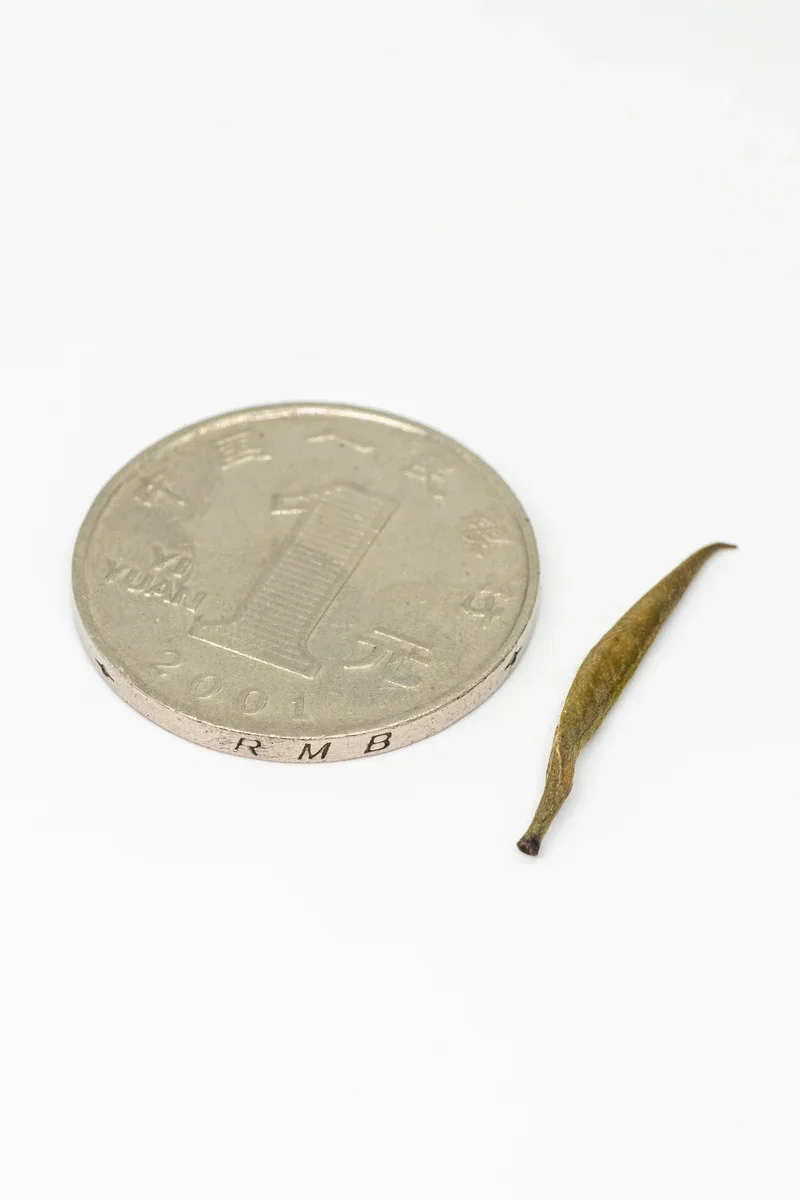
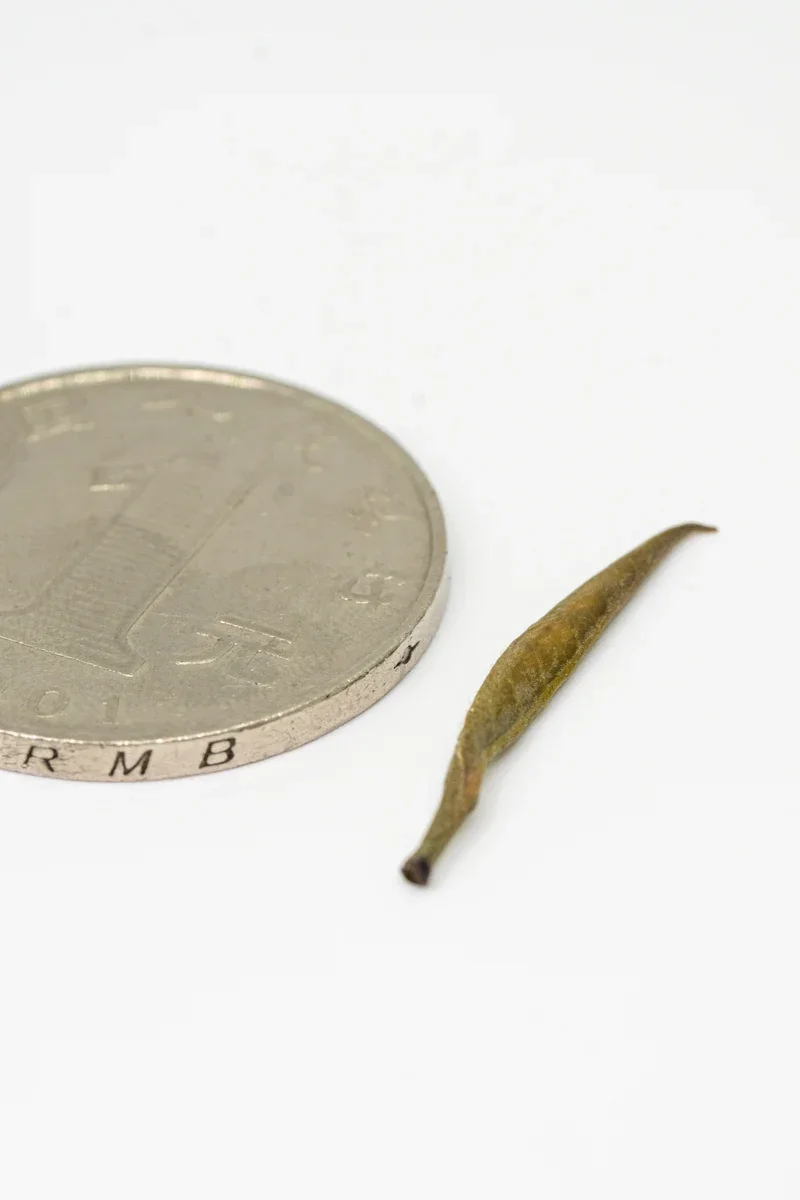
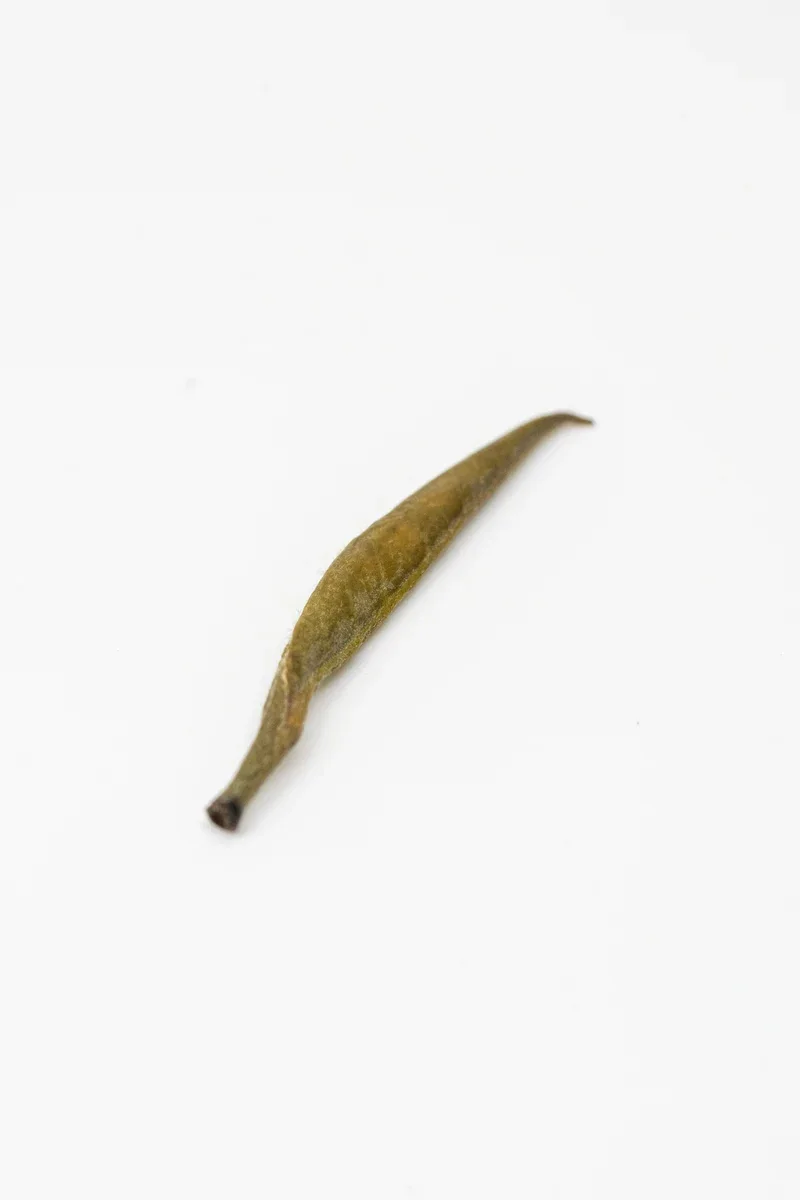
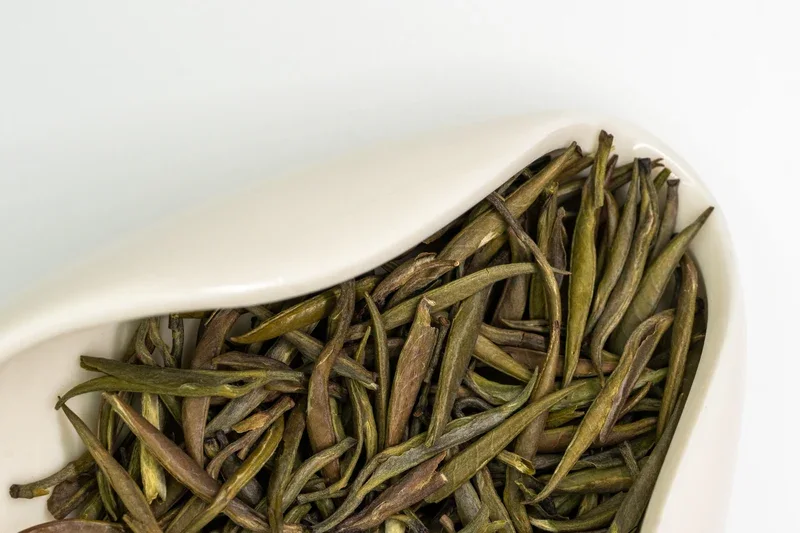
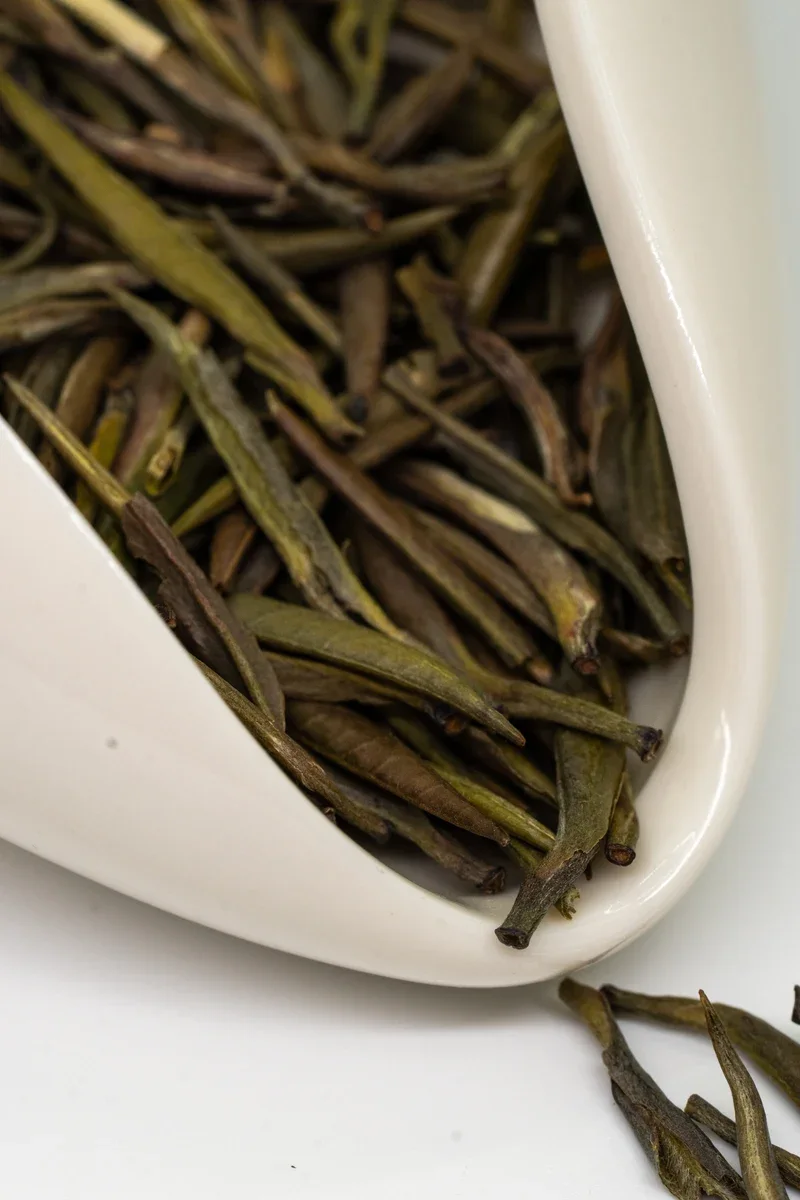
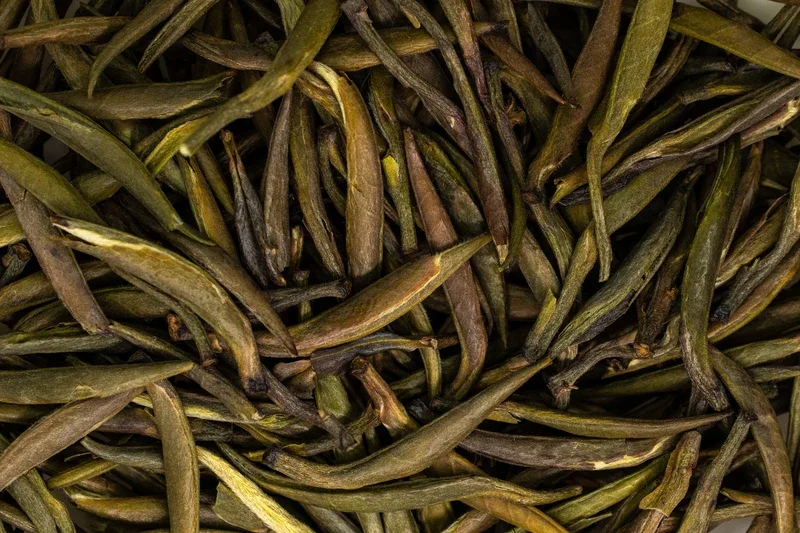
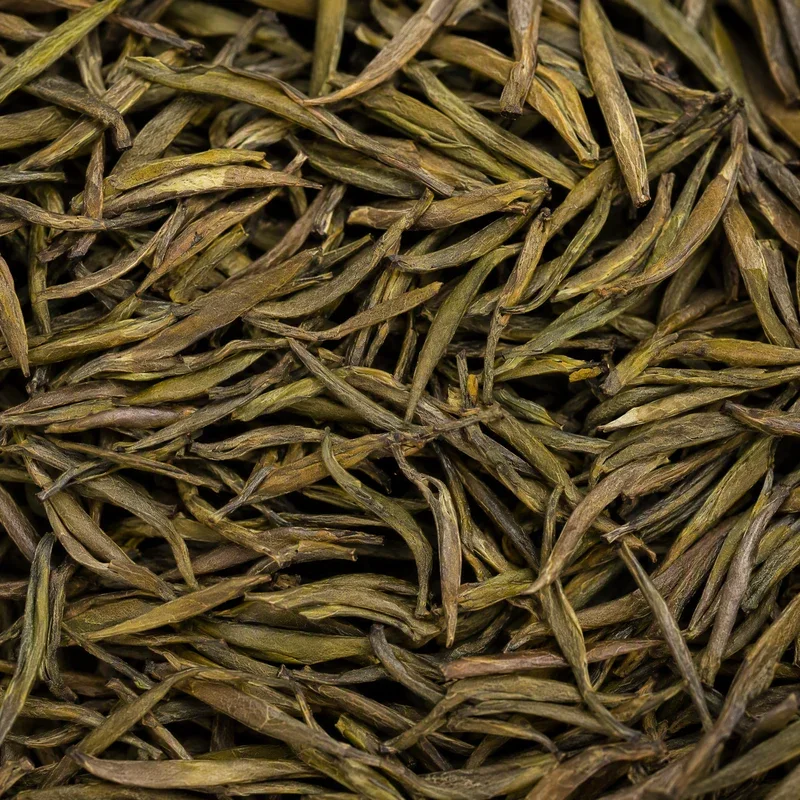
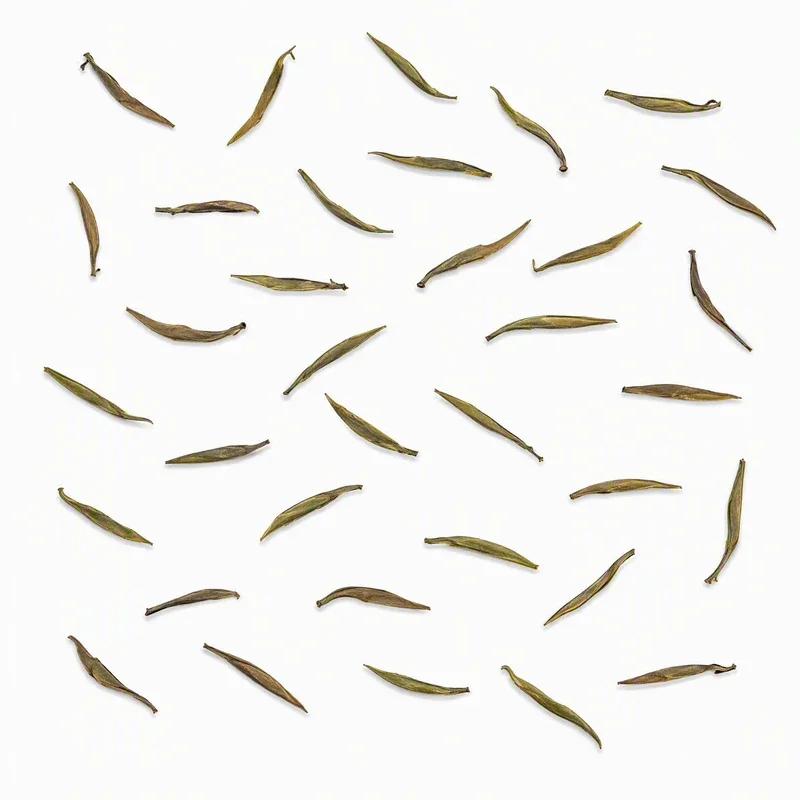
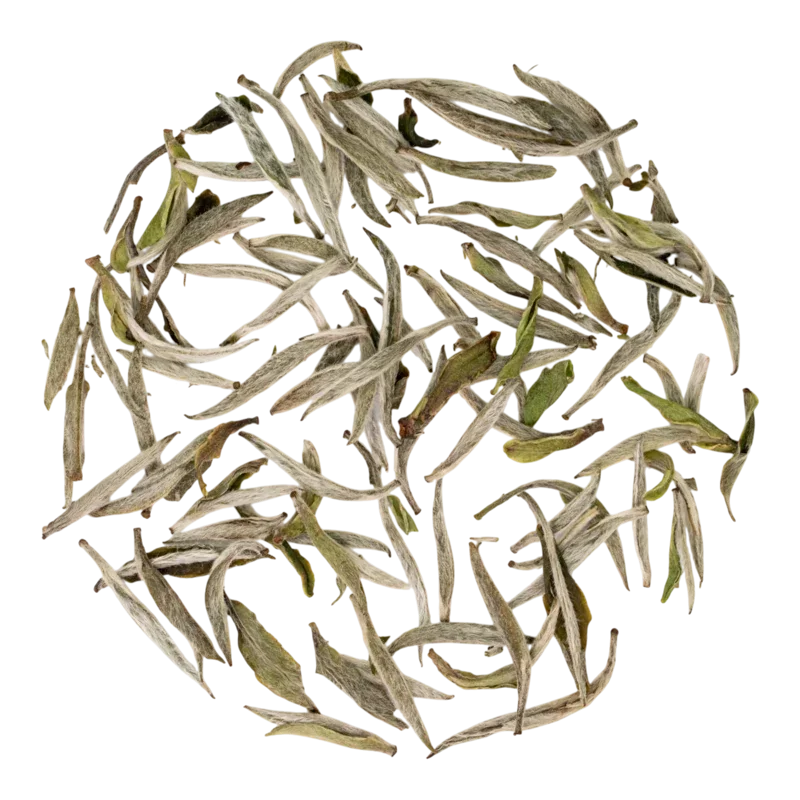
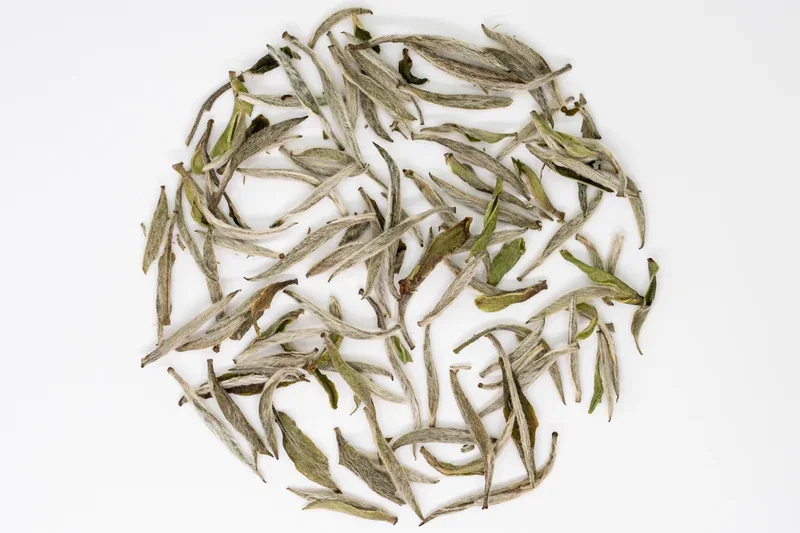
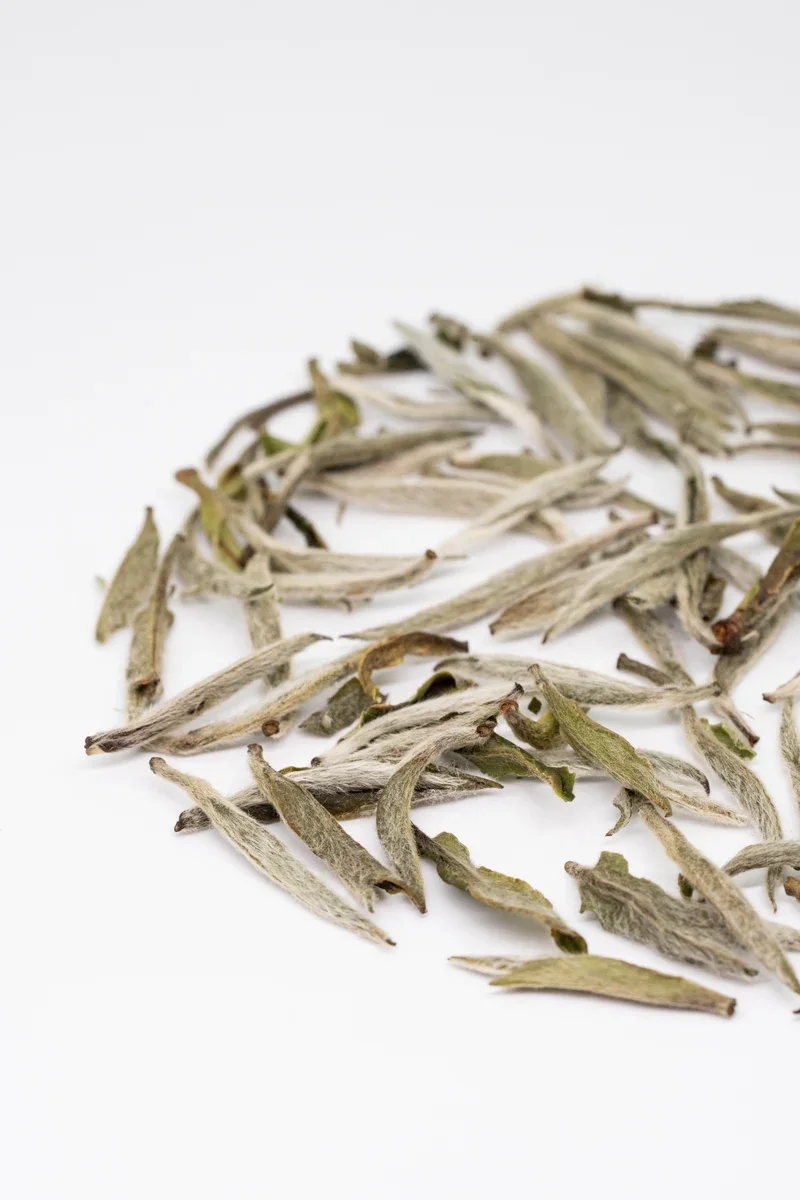
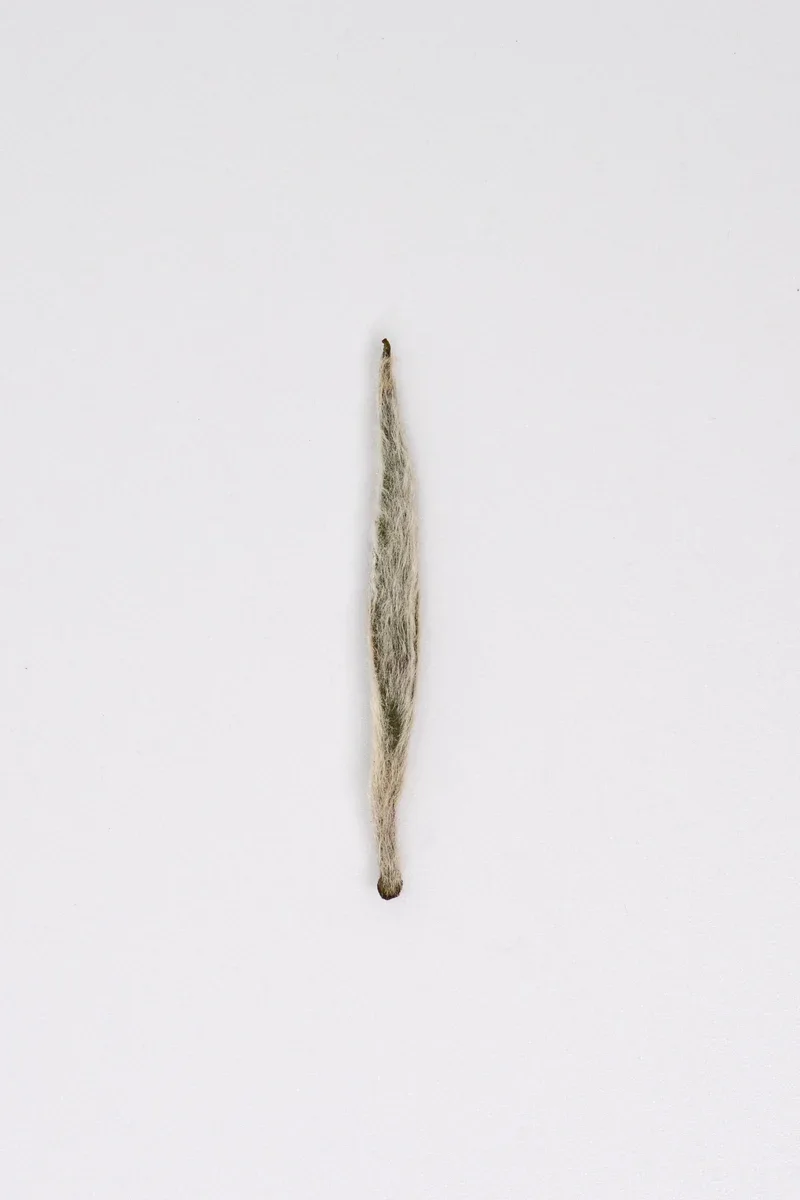
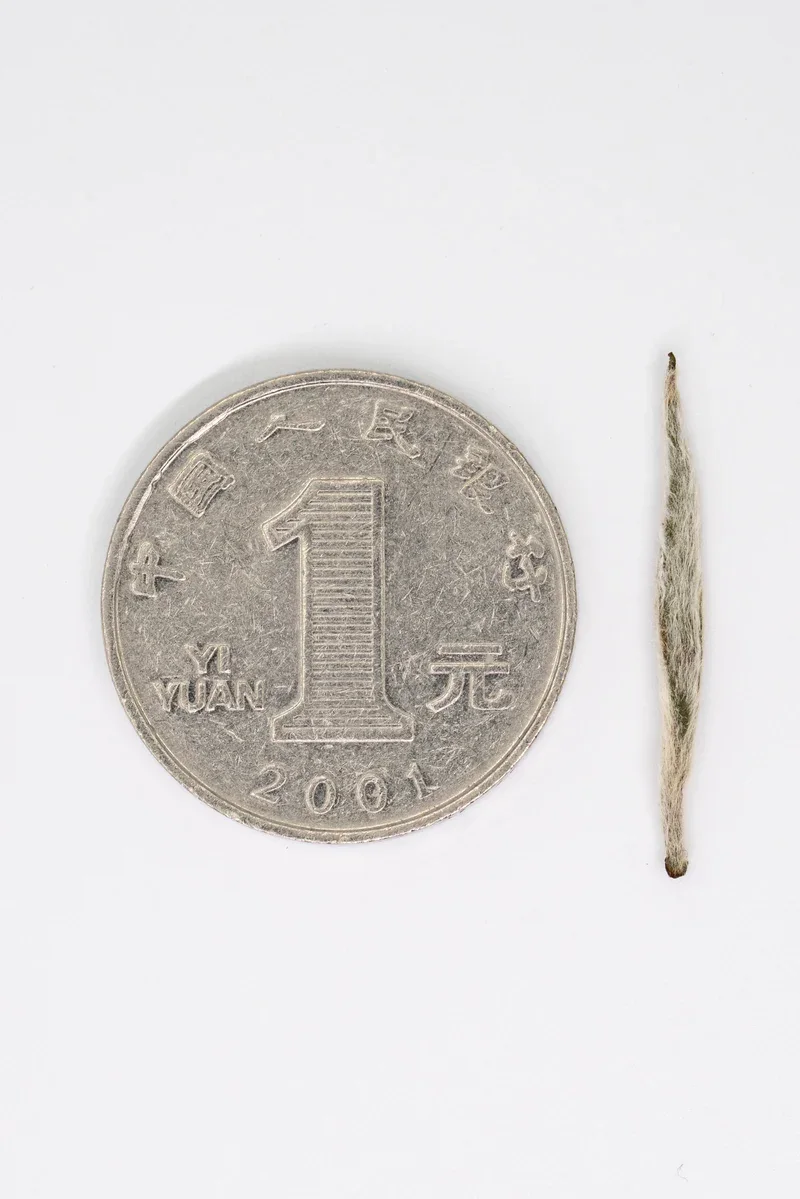
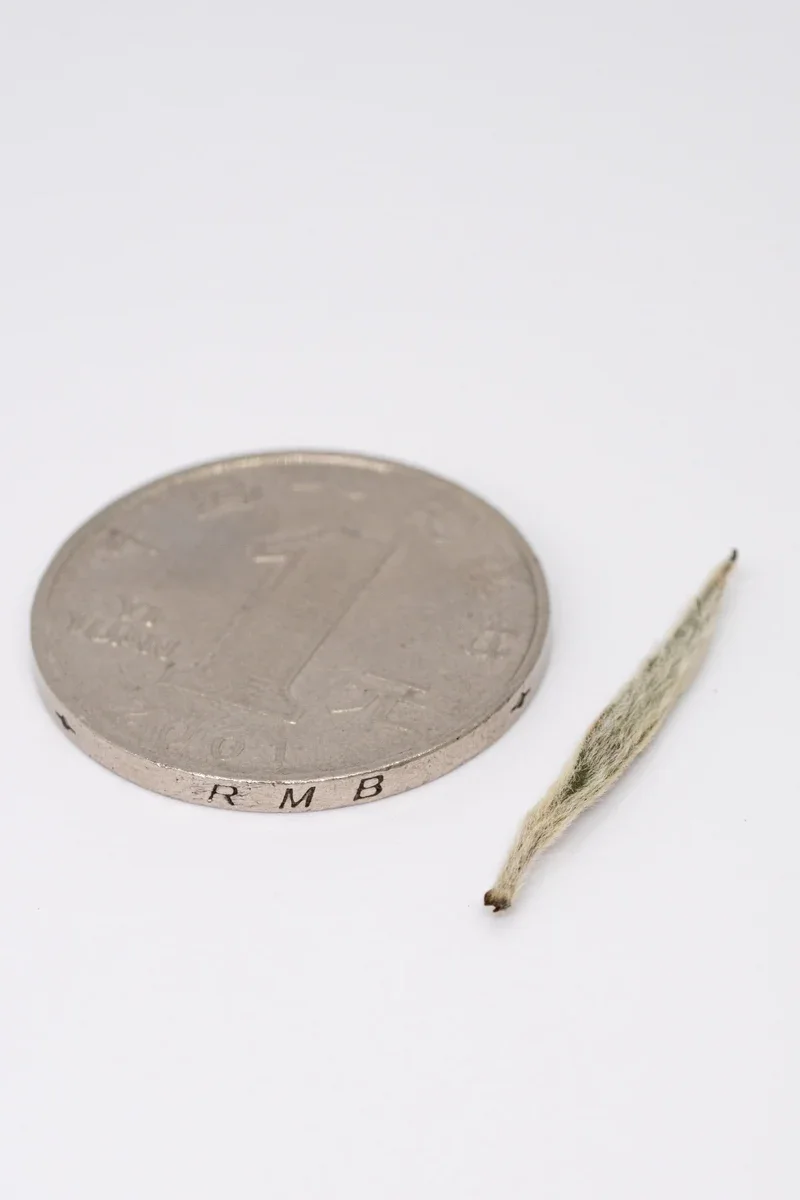
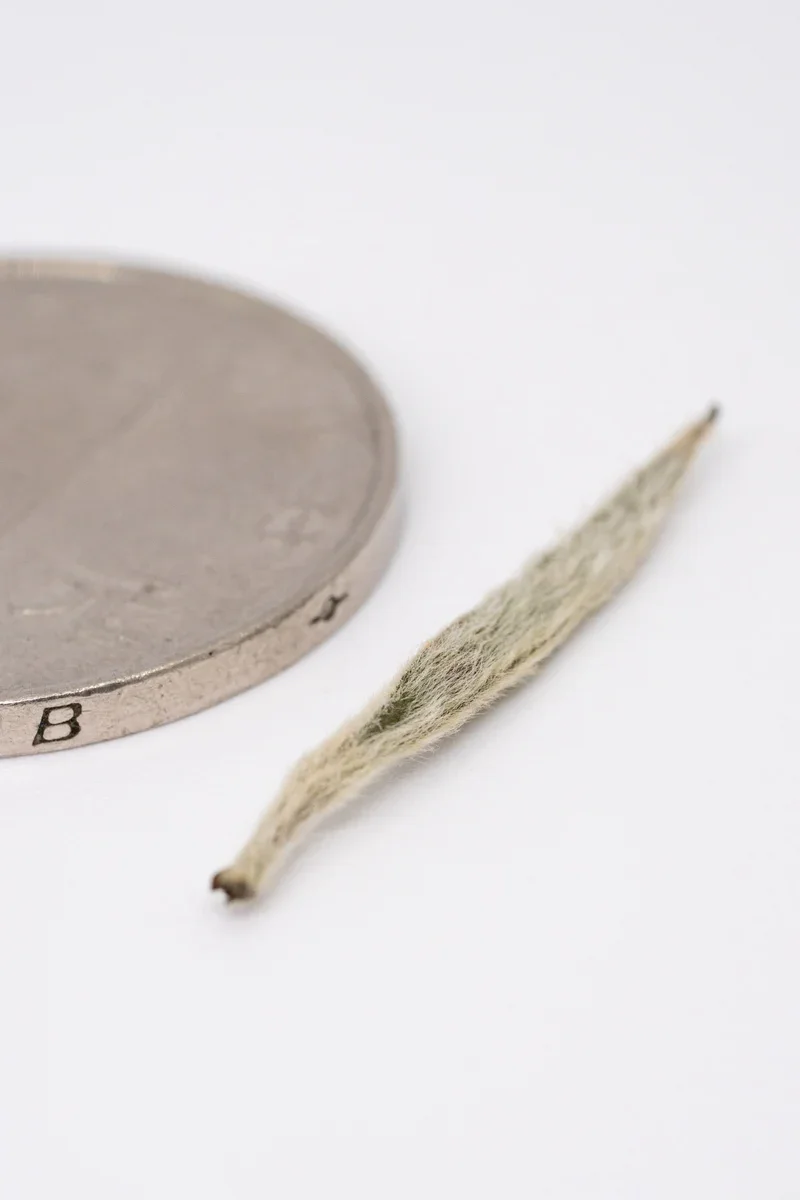
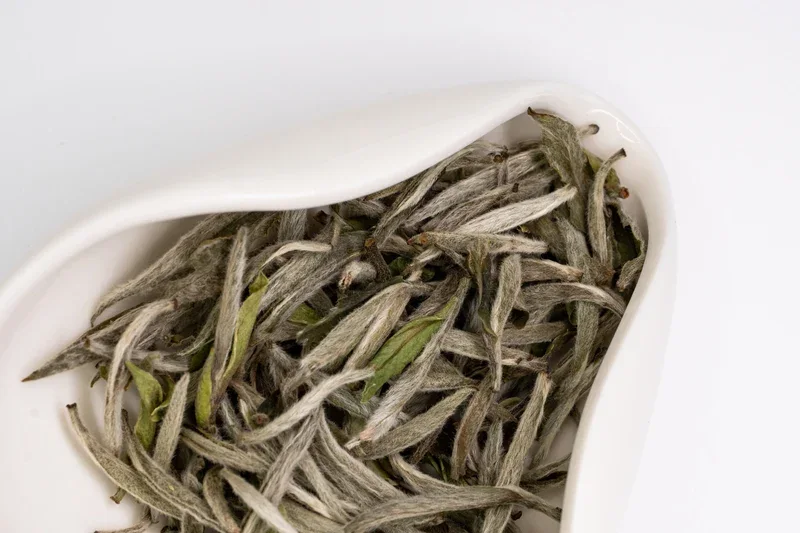
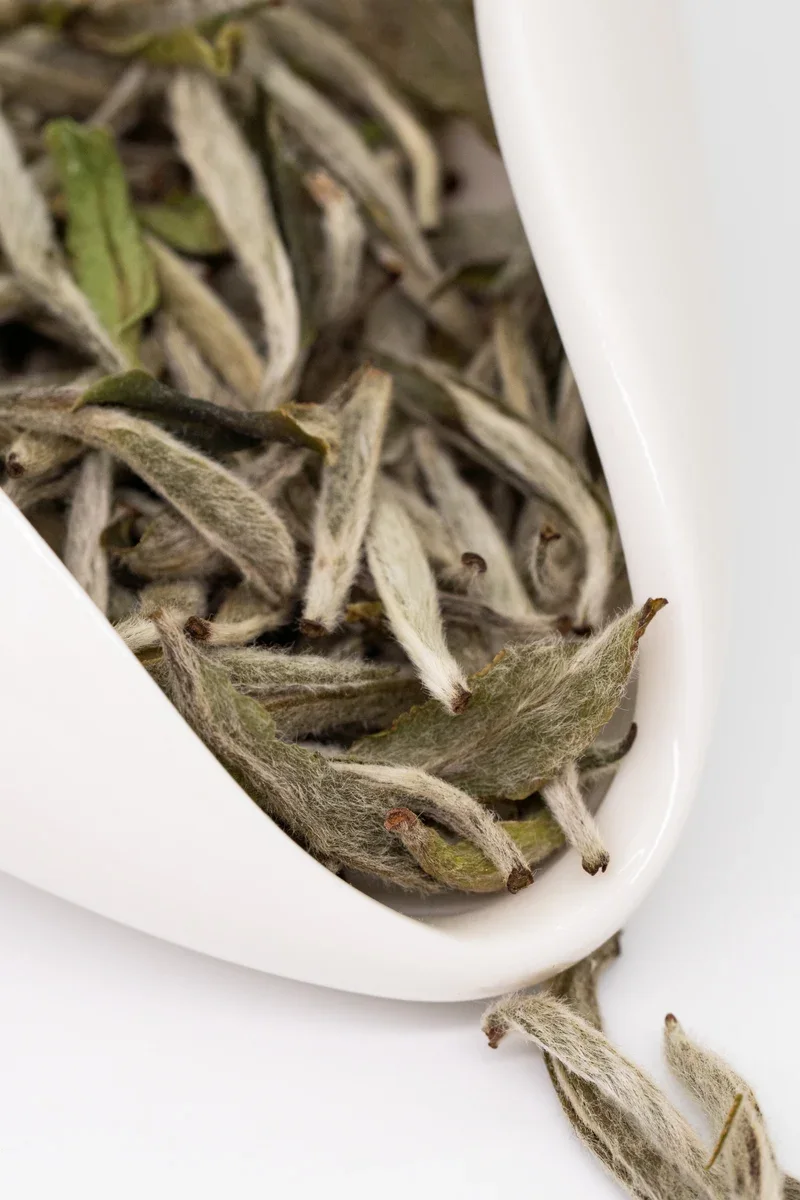
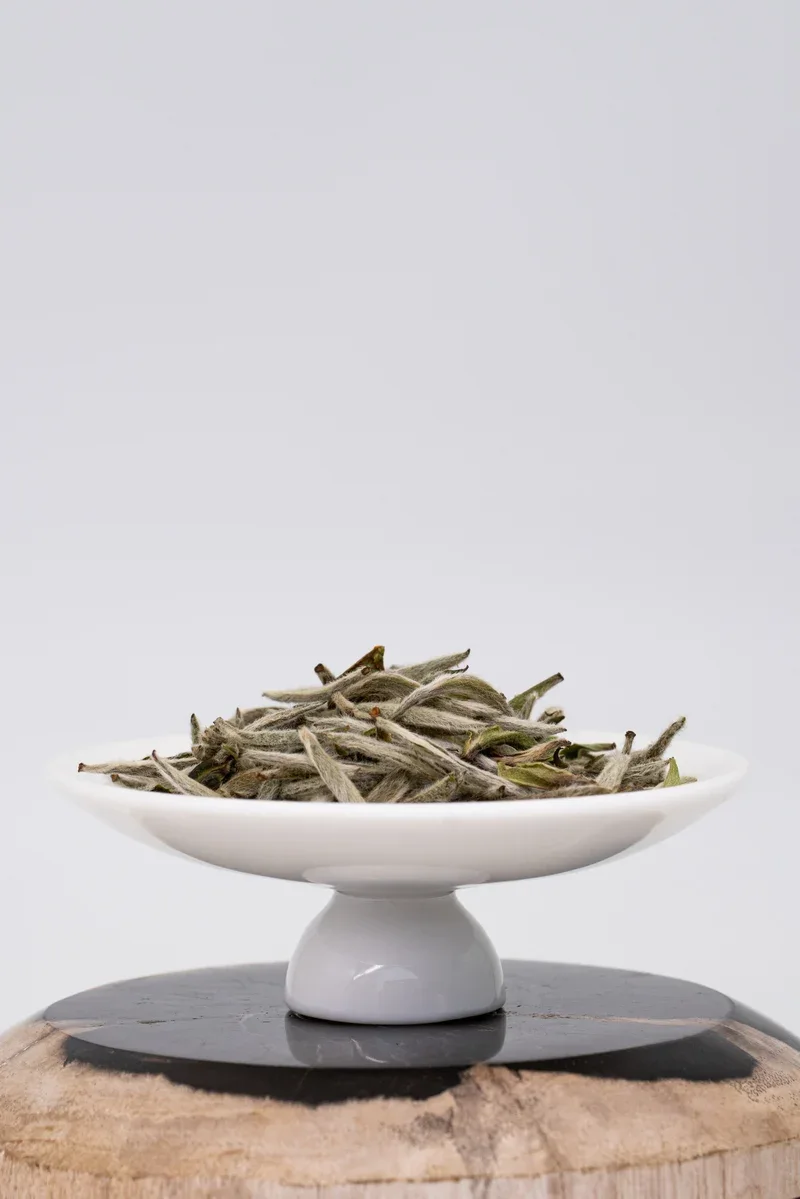
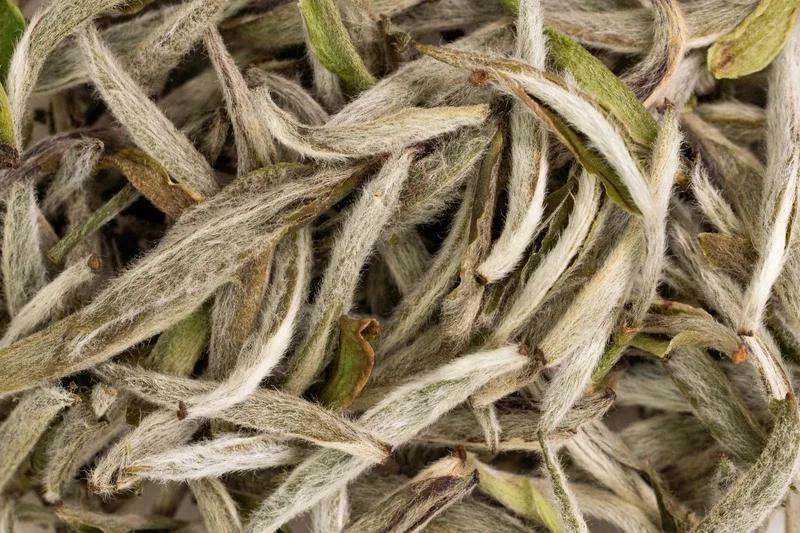
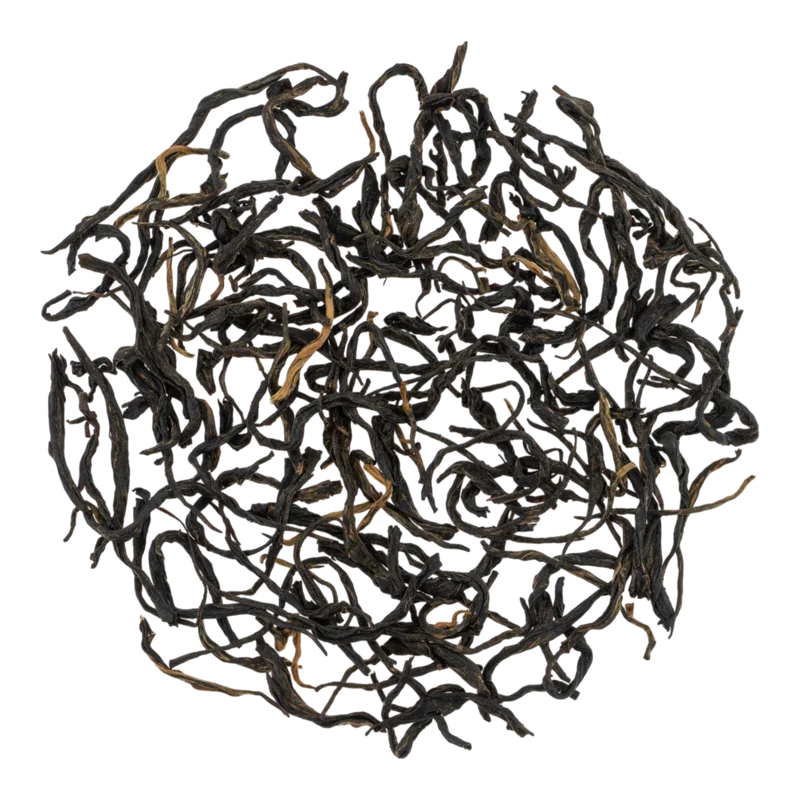
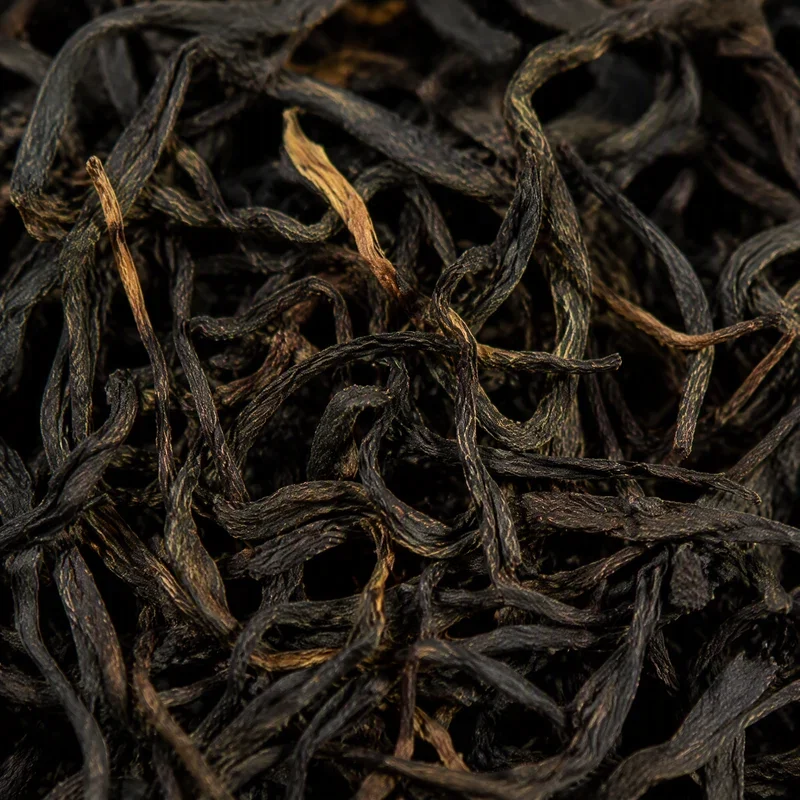
Dry Leaf Appearance: thin, tightly twisted strands (条索细紧, tiáosuǒ xìjǐn); dark color with oily luster (乌润, wūrùn) and pronounced golden tips (显金豪, xiǎn jīnháo).
Dry Leaf Aroma: sweet (甜香, tiánxiāng) with distinct floral undertone (稍带花香, shāo dài huāxiāng); in highest grades—notes of honey and dried fruits.
Liquor Aroma: clean, persistent, sweet-floral; when cooling, tones of ripe fruits and light caramel emerge.
Liquor Color: bright red and clear (红亮, hóngliàng); in highest grades—with distinct golden ring.
Spent Leaves: tender, whole, with distinguishable buds; red-copper and evenly colored (细嫩显芽, xìnèn xiǎn yá).
Taste: sweet and soft (甜醇, tiánchún), with rounded body and clean, prolonged aftertaste. High amino acid content (3.5–4.5%) provides noticeable "umami" depth, atypical for red teas. Pronounced returning sweetness (回甘, huí gān).
Alkaloids: caffeine ~2–4% of dry mass.
Amino Acids: 3.5–4.5%—unusually high indicator, due to combination of altitude, cloudiness, and low insolation. L-theanine dominates among free amino acids.
≥36.0%—indicator significantly higher than average Chinese standard for red teas, evidencing exceptional taste richness. According to Tongren Prefecture quality checks, water extract content in local teas reaches 38–47.8%.
≤6.0%; fiber ≤14.5%; powder fraction content ≤1.0%.
Fanjingshan is located in a zone rich in lithium, strontium, zinc, and selenium; these elements are present in both water and tea leaves.
regional products undergo testing for more than 500 parameters according to EU standards, confirming absence of pesticide residues and heavy metals.
Polyphenols: 20–30% (by brand standard); during fermentation, significant portion transforms into theaflavins and thearubigins.
Vitamins: B group, vitamin C (partially preserved after full fermentation).
caffeine and L-theanine in synergy provide gentle, prolonged concentration without anxiety and "caffeine crash."
high content of polyphenols and their oxidation products (theaflavins, thearubigins) supports cellular health and slows oxidative stress.
gently stimulates secretion of digestive enzymes; traditionally used in the region as a post-meal beverage. Local legend from Tuanlong states that strong tea can "dissolve a copper coin"—a hyperbolic metaphor for its digestive power.
regular moderate consumption is associated with improved lipid profile and maintenance of vascular elasticity.
natural content of selenium, zinc, lithium, and strontium in Fanjingshan soils transfers to tea leaves, helping replenish micronutrient deficiencies.
like all red teas, Fanjingshan Hong Cha belongs to "warm" beverages in Chinese dietetics, comfortable for the stomach.
tea polyphenols possess pronounced bacteriostatic activity, supporting natural immunity.
high L-theanine content (amino acid characteristic of shade-grown and high-altitude teas) promotes generation of brain alpha waves, improving concentration and reducing mental fatigue. This is especially valuable in combination with caffeine, which enhances the effect without coffee's characteristic anxiety.
high water extract content (≥36%) makes Fanjingshan Hong Cha very durable with multiple brewings—liquor remains rich even in late infusions.
Tea Amount: 4–5 g per 100–120 ml (gongfu method); 2–3 g per 200–250 ml (European method).
Teaware: porcelain gaiwan (盖碗) 100–120 ml—optimal choice; glass teapot for visual enjoyment of liquor color; clay teapot for dense batches.
Water Temperature: 90–95°C for standard batches; 85–90°C for delicate tippy grades.
No reviews yet. Tell us what you think of this tea.
Rate this tea and share your impressions. We review each submission before publishing it.