Brewing
Gongfu brewing
- Water temperature
- 93 °C
- Tea amount
- 5 g
- Water volume
- 100 ml
- First steep
- 10 s
- Time added per infusion
- 5 s
- Infusions
- 4

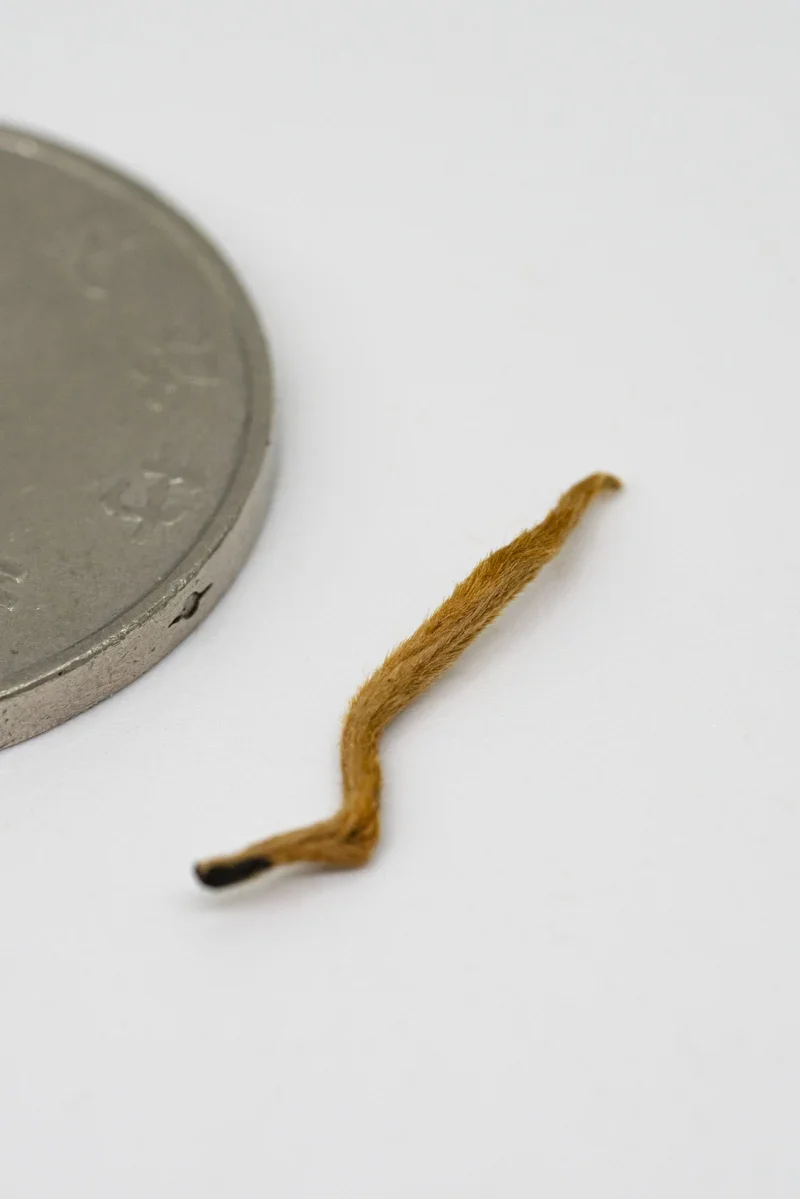
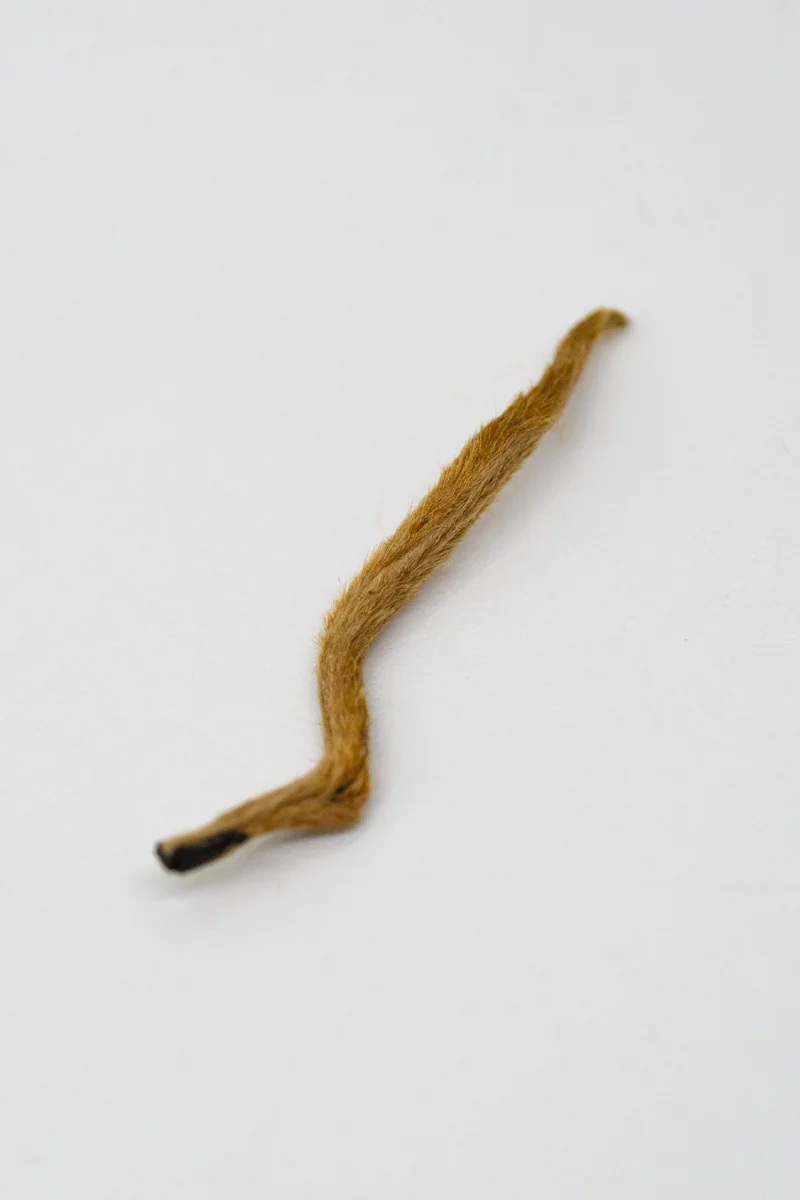
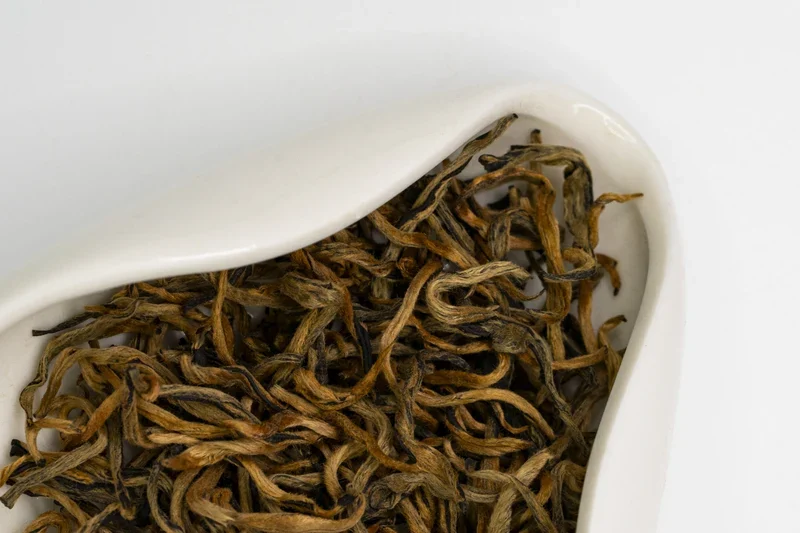
Diānhóng jīn sī
Choose a brewing method. Start with the recommended quantities and time, then adjust to taste.
Brewing
Brewing
Taste
Tea encyclopedia
Category: High-quality Yunnan red tea (black tea), belonging to the Diān Hóng (滇红, Diānhóng) family. Represents one of the premium subtypes of Diān Hóng Gōngfu (滇红工夫, Diānhóng Gōngfu), distinguished by its special rolling form and bud raw material.
Category: High-quality Yunnan red tea (black tea), belonging to the Diān Hóng (滇红, Diānhóng) family. Represents one of the premium subtypes of Diān Hóng Gōngfu (滇红工夫, Diānhóng Gōngfu), distinguished by its special rolling form and bud raw material.
Coordinates: Fengqing — approximately 24°35′ N, 99°55′ E. Tea-producing territories of Yunnan are located predominantly in the belt from 21° to 26° N, near the Tropic of Cancer.
Origin: China (中国, Zhōngguó), Yúnnán Province (云南省, Yúnnán Shěng). Main production areas are concentrated in Líncāng Prefecture (临沧市, Líncāng Shì), primarily in Fèngqìng County (凤庆县, Fèngqìng Xiàn) — the historical center of Yunnan red tea (black tea). Also produced in the areas of Měnghǎi (勐海, Měnghǎi), Yǒngdé (永德, Yǒngdé), Chāngníng (昌宁, Chāngnín) and other tea-producing zones of Yunnan.
Type: Red tea (black tea) (红茶, hóngchá) — fully oxidized (oxidation degree ~90–95%). According to European classification, it belongs to black teas.
Jin Si form is one of the most complex in Dian Hong production. Preserving integrity of delicate buds while rolling into thin threads without damaging down can only be done by experienced master with years of practice.
Bright golden ring around cup edge (金圈, jīn quān) is the calling card of quality Dian Hong. It forms due to theaflavins concentrating at the liquor-air boundary and is considered one of the most reliable visual quality indicators of red tea (black tea).
This is what tea jargon calls the rich red-amber color characteristic of Yunnan red teas (black teas), by analogy with the "healthy" complexion of highland dwellers.
The tradition of giving Dian Hong at state level was not limited to 1986 — Yunnan red tea (black tea) was repeatedly included in protocol gift sets for heads of state, cementing its reputation as one of the world's best red teas (black teas).
500 pence per pound (0.45 kg) on the London market — equivalent to more than 100 pounds sterling in modern prices — became the world price record for tea of that time.
Cultural Significance: Dian Hong Jin Si occupies the position of one of the most prestigious red teas (black teas) of Yunnan. It is valued not only for its taste qualities but also for its aesthetics: abundance of golden tips, elegant thread-like form, and the "dance" of buds in water during brewing create a special visual ritual. Jin Si is traditionally considered an excellent gift tea, emphasizing the refined taste of the giver. In the hierarchy of Dian Hongs, it stands above standard Gōngfū and alongside Jīn Zhèn (金针, Jīn Zhēn — "Golden Needles") belongs to the premium segment.
History: The history of Yunnan red tea (black tea) begins in 1938, when the renowned tea specialist Féng Shàoqiú (冯绍裘, Féng Shàoqiú), forced to leave Japanese-occupied Qimen, arrived in Fengqing. Discovering the outstanding quality of local large-leaf raw material, he produced the first 17.4 tons of red tea (black tea) that same year, which received the name "Dian Hong." The golden buds of Fengqing tea created a real sensation: samples sent to Hong Kong were evaluated as having no analogues among small-leaf red teas (black teas). In 1958, a batch of Yunnan "golden bud tea" (金芽茶, Jīn Yá Chá) set a world price record at the London auction — 500 pence per pound. In 1986, Dian Hong "Golden Buds" was presented as a state gift to Queen Elizabeth II. The designation of Jin Si as an independent variety occurred later, when producers began purposefully working on the rolling form that gave buds the appearance of thin golden threads, which required special skill and select raw material.
Cultivar: Production uses the large-leaf Yúnnán variety Yúnnán Dǎ Yè Zhǒng (云南大叶种, Yúnnán Dàyè Zhǒng) — Camellia sinensis var. assamica. This is the general name for a group of large-leaf cultivars, including several outstanding breeding lines: Fèngqìng Dǎ Yè Zhǒng (凤庆大叶种, Fèngqìng Dàyè Zhǒng), Měngkù Dǎ Yè Zhǒng (勐库大叶种, Měngkù Dàyè Zhǒng), as well as numbered cultivars — Fengqing No. 7, Fengqing No. 9, Yunkang No. 10 (云抗10号). Distinctive features of the Yunnan large-leaf variety: fleshy, large buds and leaves, significantly exceeding the size of small-leaf cultivars from other provinces; high content of polyphenols (up to 30–35% in dry matter) and extractive substances; abundant golden-reddish down on young shoots.
Picking: Main harvest season — spring (March–April), when raw material reaches maximum quality. Summer and autumn harvests are also practiced, however they are inferior to spring in amino acid content and aromatics.
Pluck Standard: Exclusively high — for premium Jin Si, only single buds (单芽, dān yá) or buds with one young leaf (一芽一叶, yī yá yī yè) are used. Harvest is conducted only by hand in early morning hours.
Raw Material: Buds must be whole, undamaged, juicy, densely covered with golden down. Withered, yellowed, and mechanically damaged shoots are rejected.
Altitude: Tea gardens intended for Jin Si are located at altitudes from 1000 to 2000 m above sea level. High-altitude placement ensures slowed growth of shoots and increased accumulation of aromatic compounds.
Climate: Subtropical monsoon, with mountain terrain influence. Average annual temperature 15–22°C, annual precipitation 1200–2000 mm. Characterized by: high relative humidity (75–85%), abundant fogs, significant diurnal temperature variations (up to 10–15°C), mild winters without persistent frosts. The combination of abundant moisture, diffused sunlight, and cool nights creates ideal conditions for slow accumulation of amino acids, sugars, and aromatic compounds in buds.
Soil: Predominantly acidic red soils (红壤, hóng rǎng) and yellow soils (黄壤, huáng rǎng), rich in organic matter, iron, aluminum, and microelements. Soil pH typically ranges from 4.5–5.5, which is optimal for tea bushes.
Hand-picked, exclusively gentle. Single buds or buds with one leaf are collected. Harvest time — early morning hours, before the onset of heat.
Freshly picked raw material is spread in a thin layer on bamboo trays in the open air (sun or shade withering) or in a well-ventilated room. Duration — 12–18 hours or more, depending on air humidity and temperature. Goal — removal of 55–60% moisture, giving leaves elasticity, beginning of enzymatic processes. By the end of this stage, leaves become soft, slightly withered, with intensified aroma.
Key stage forming Jin Si's calling card — the form of "golden threads." Withered buds are carefully rolled in longitudinal direction by hand or using delicately adjusted rollers. Tea leaves are stretched, thinned, acquiring the form of thin threads. The process requires high skill: it is necessary to destroy cell walls to release juice and start oxidation, but at the same time preserve bud integrity and not damage delicate down.
Rolled buds are placed in oxidation rooms with controlled temperature (22–28°C) and humidity (≥90%). Duration — from 3 to 5 hours. During full oxidation, catechins transform into theaflavins and thearubigins, forming the characteristic color, taste, and aroma of red tea (black tea). Buds acquire a reddish-copper shade, aroma is enriched with honey and fruity tones.
Conducted in special drying chambers in two stages: primary drying at 100–110°C to fix oxidation, then final drying at lower temperature (80–90°C) to residual moisture of 5–6%. Two-stage drying allows complete stopping of oxidation, fixing aroma, and ensuring stability during storage.
Finished tea undergoes final sorting by size and quality. For highest grade Jin Si, whole, undamaged buds of perfect thread-like form with maximum down coverage are selected.
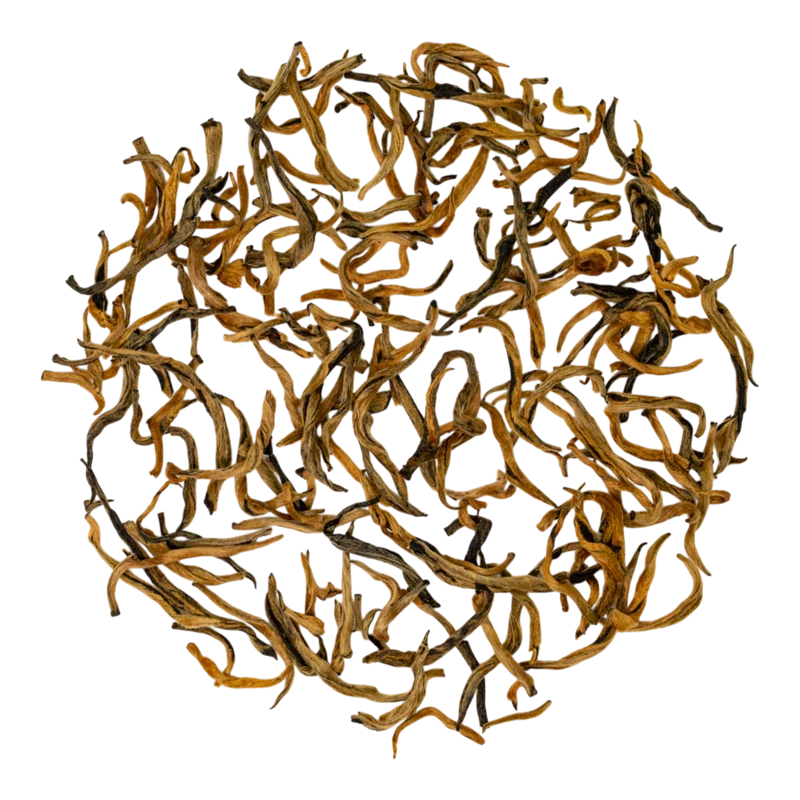
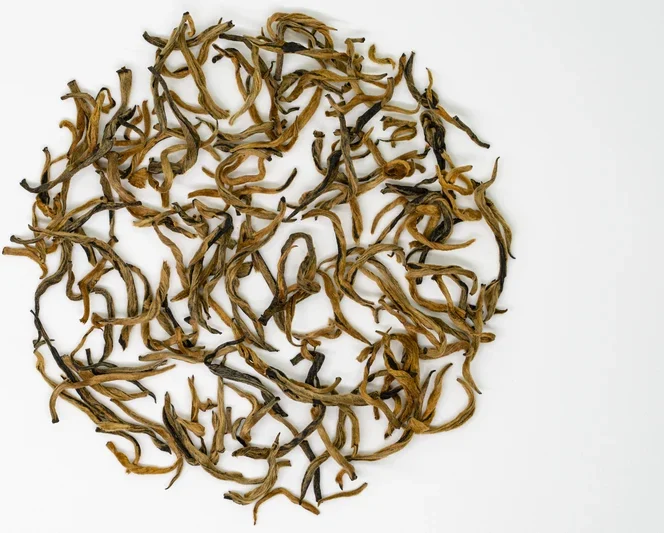
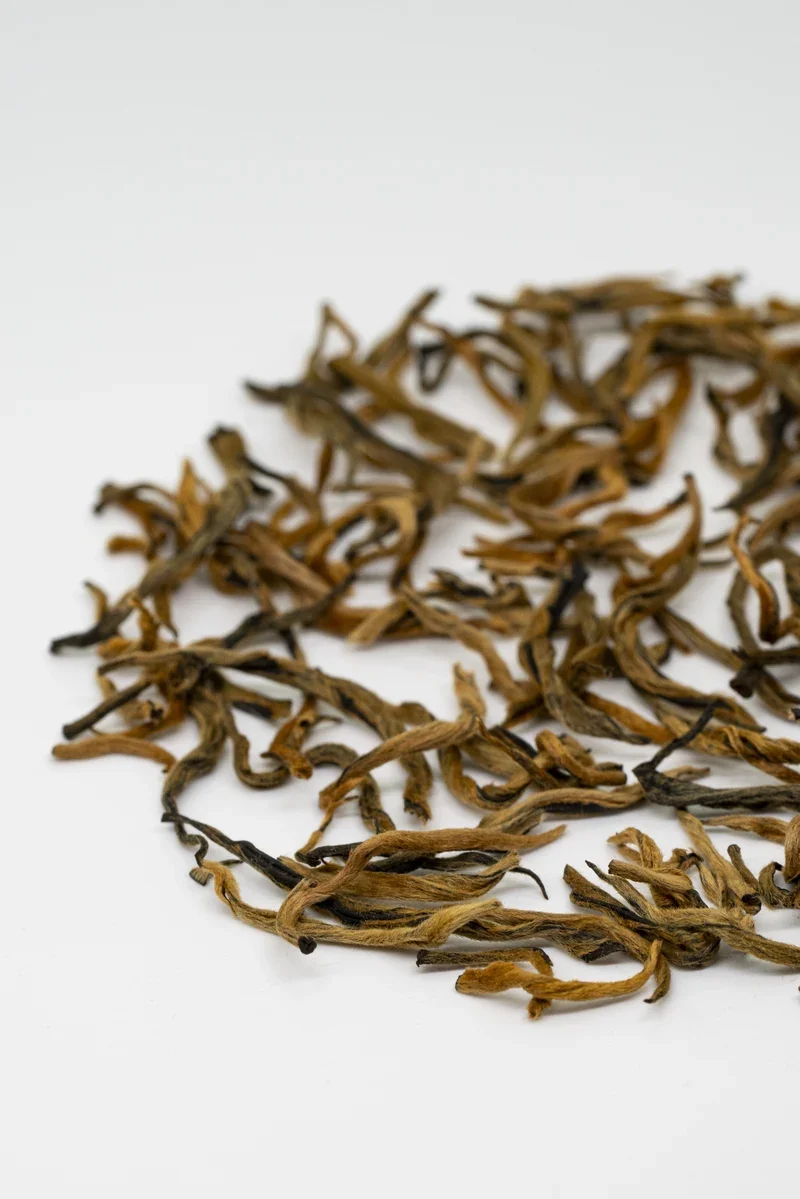
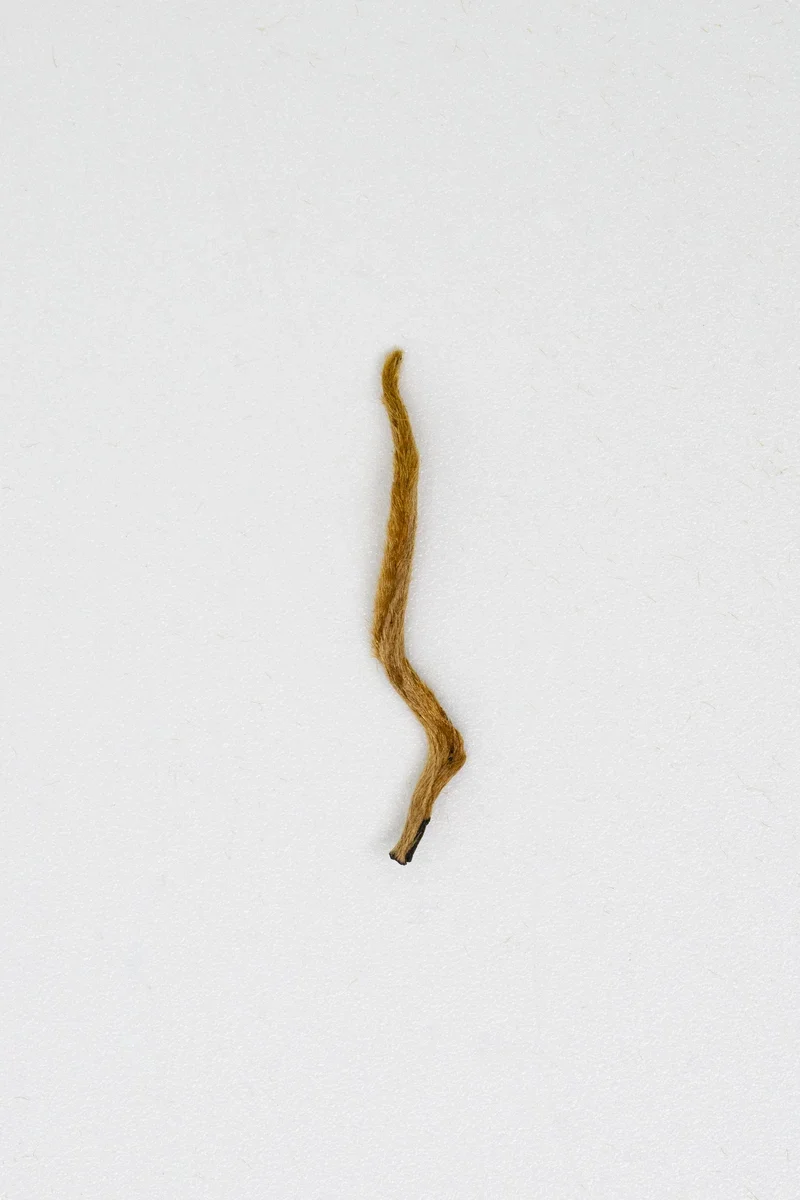
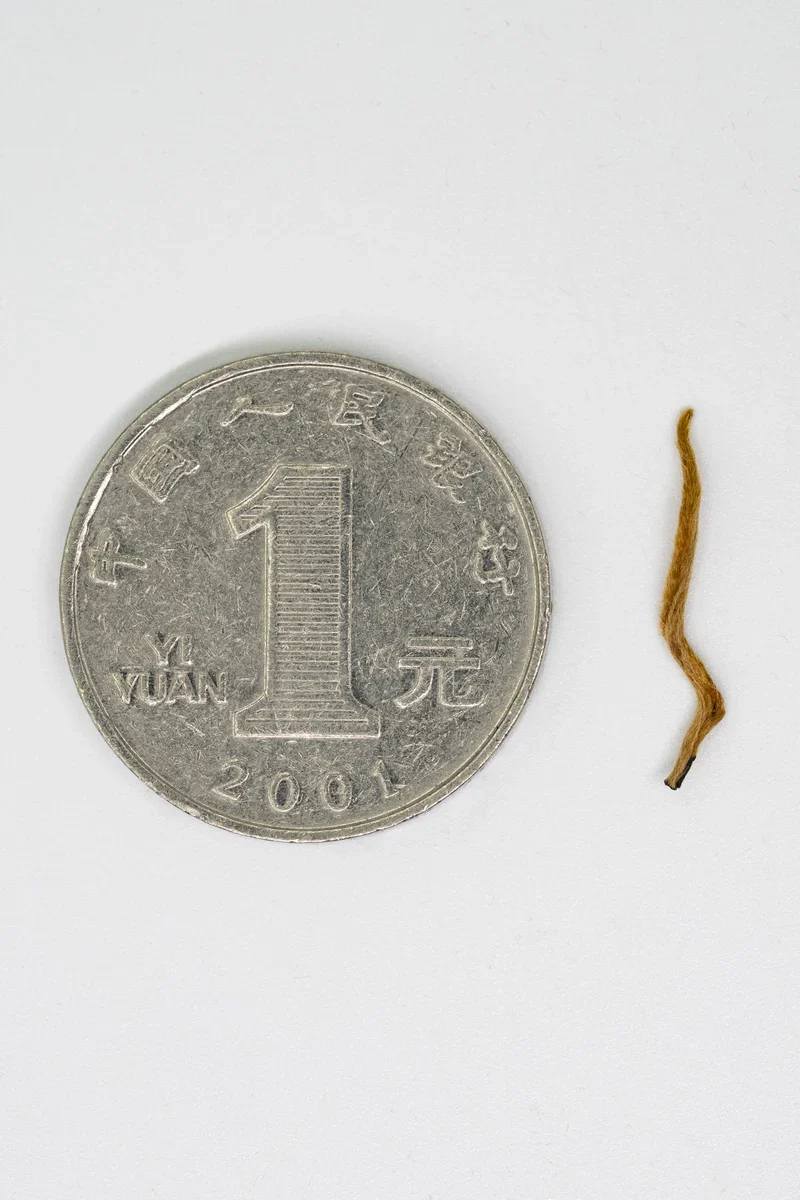
Dry Leaf Appearance: Thin, elegant, tightly rolled tea leaves of correct thread-like form. Color — from dark brown to black with abundant golden and reddish inclusions of tips densely covered with down. Tea leaves are even, uniform in size, with characteristic silky luster. In high-grade Jin Si, the proportion of golden tips predominates.
Dry Leaf Aroma: Rich, multi-layered, with dominating notes of honey and malt. In the background — tones of dried fruits (prunes, dried apricots, raisins), chocolate, and warm spices. Delicate floral and light woody nuances may be present. Aroma is persistent and easily recognizable.
Liquor Aroma: Bright, enveloping, rich. Honey and malt notes dominate, complemented by shades of caramel, dried fruits, flowers, and light spices. Aroma unfolds gradually and becomes more complex as the cup cools.
Liquor Color: From bright amber to deep red-amber. Liquor is transparent, clear, with pronounced golden "ring" (金圈, jīn quān) around the edge of the cup — a sign of high theaflavin content.
Spent Leaves: Predominantly whole, resilient buds that have retained their thread-like form. Color — reddish-copper to reddish-brown. Buds are covered with golden down, soft to the touch, with characteristic sweet aroma.
Taste: Full, velvety, soft, with sweet character and pleasant light astringency. Honey-malt and fruity tones (prunes, dried apricots) predominate, supported by nuances of chocolate and caramel. Bitterness is practically absent. Aftertaste is long, warm, with honey sweetness and light spicy note. Liquor body is dense, "oily."
Alkaloids: Caffeine — 2.5–4.0% of dry matter (approximately 30–50 mg per 200 ml cup). Theobromine and theophylline are present in smaller quantities. Synergy of caffeine and L-theanine provides mild, prolonged tonic effect.
Amino Acids: Total content — 2–4% of dry matter. L-theanine — leading amino acid, giving tea characteristic sweetness and taste "volume," as well as providing relaxing effect without drowsiness. Spring raw material contains maximum amino acid content.
Large-leaf Yunnan variety is characterized by higher content of polyphenols, theaflavins, and extractive substances compared to small-leaf cultivars, which determines the special richness of taste and color of Dian Hongs.
Essential Oils: High content of volatile aromatic compounds — linalool, geraniol, citronellol, β-ionone, as well as Maillard reaction products, forming honey, malt, and fruity notes characteristic of oxidized Yunnan red tea (black tea).
Minerals: Potassium, magnesium, manganese, iron, zinc, fluorine, selenium. Yunnan teas are distinguished by increased selenium content due to local soil characteristics.
Polyphenols: Total polyphenol content in large-leaf Yunnan tea reaches 30–35% in fresh leaf — one of the highest values among tea cultivars worldwide. During full oxidation, catechins oxidize, forming theaflavins (0.5–1.5%) — responsible for liquor brightness and taste "liveliness," and thearubigins (6–12%) — providing color depth and body density.
Vitamins: A (in β-carotene form), C (in small quantities — partially destroyed during oxidation), E, K, B group (B₁, B₂, B₃, B₅).
Combination of caffeine and L-theanine provides prolonged alertness without sharp stimulation, improves concentration and cognitive functions.
In terms of traditional Chinese medicine, red tea (black tea) has "warm" nature (温性, wēn xìng), improves qi and blood circulation, making it especially valuable in cold seasons.
Theaflavins and thearubigins possess pronounced antioxidant activity, neutralizing free radicals and slowing cellular oxidation processes.
Red tea (black tea) polyphenols stimulate digestive enzyme production, promote intestinal microflora normalization, and facilitate heavy food digestion.
Regular red tea (black tea) consumption may contribute to lowering LDL cholesterol levels and normalizing blood pressure due to theaflavin action.
Polyphenolic compounds exhibit anti-inflammatory activity, contributing to reduction of chronic inflammatory processes.
L-theanine stimulates alpha-wave production in the brain, promoting relaxation and anxiety reduction without sedative effect.
Red tea (black tea) polyphenols and amino acids have immunomodulating action, increasing body resistance.
Tea Amount: 3–5 g per 150–200 ml water. Due to small size and high density of bud raw material, it is recommended to use slightly less tea than for leaf red teas (black teas).
Teaware: Optimal choice — porcelain or glass gaiwan (盖碗, gàiwǎn). Glass allows observation of the unfolding and "dance" of golden buds in water — this is a separate aesthetic pleasure. Thin-walled porcelain teapot of small volume is also suitable. Yíxīng teapots from purple clay (紫砂壶, zǐshā hú) are acceptable but may muffle delicate aroma.
Water Temperature: 85–90°C. Higher temperature may lead to excessive astringency and destruction of delicate aromatic compounds.
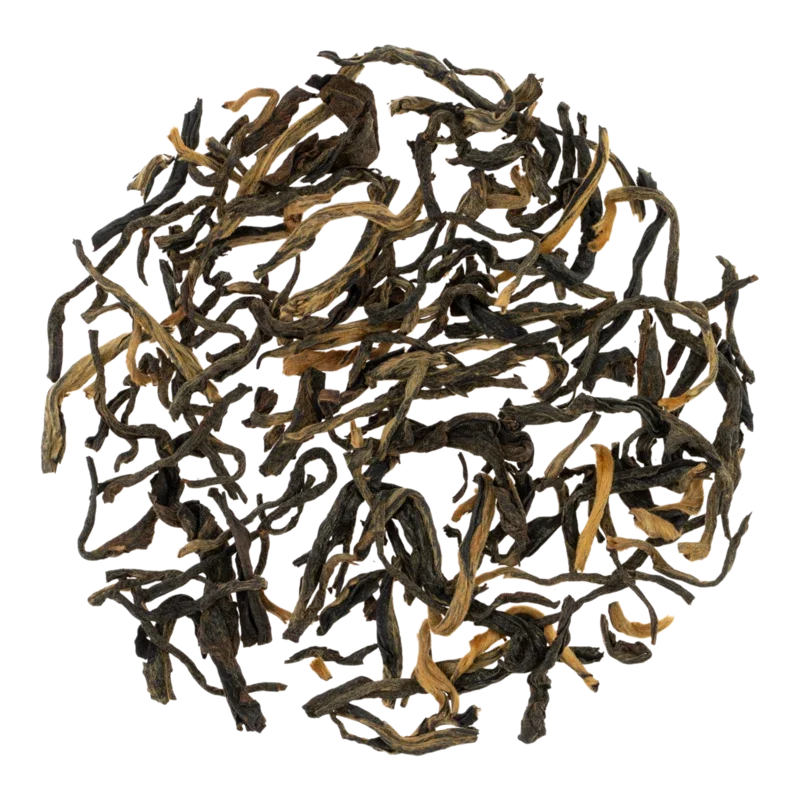
Classic leaf Yunnan red tea (black tea). Uses raw material of "one bud — two leaves" standard and above. More astringent and rich, with pronounced malt and chocolate-spicy tones. Jin Si in comparison — softer, sweeter, with predominance of honey-fruity notes and less astringency.
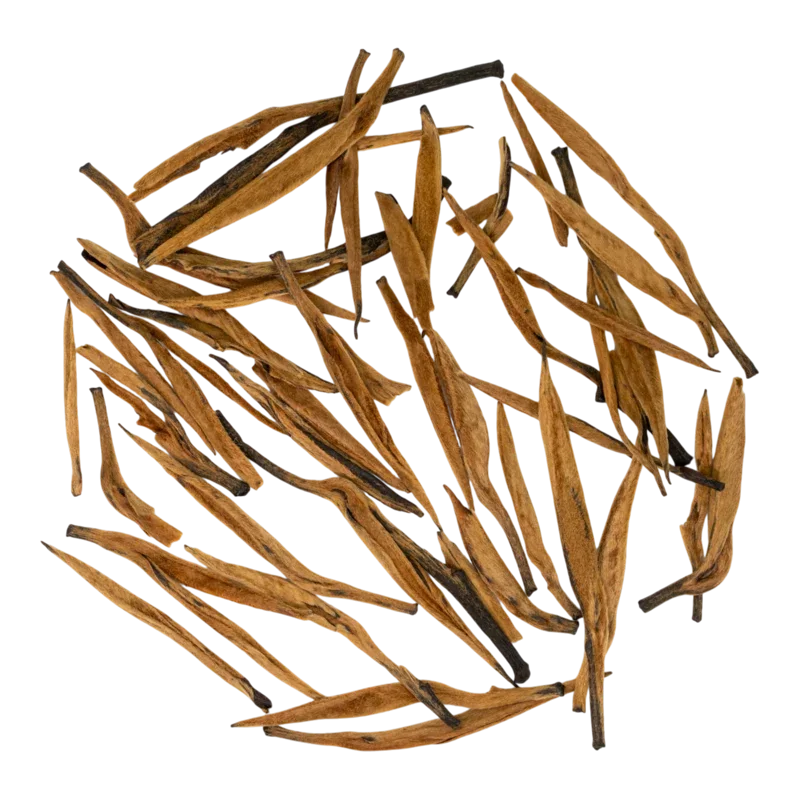
"Golden Needles" — also made from single buds, but rolled into straight needle-like form (unlike thread-like Jin Si). Taste is similar, but Jin Zhen is usually somewhat denser and less delicate. Jin Zhen raw material often comes from cultivars with larger buds (Fengqing No. 7, No. 9), while Jin Si has higher requirements for rolling fineness.
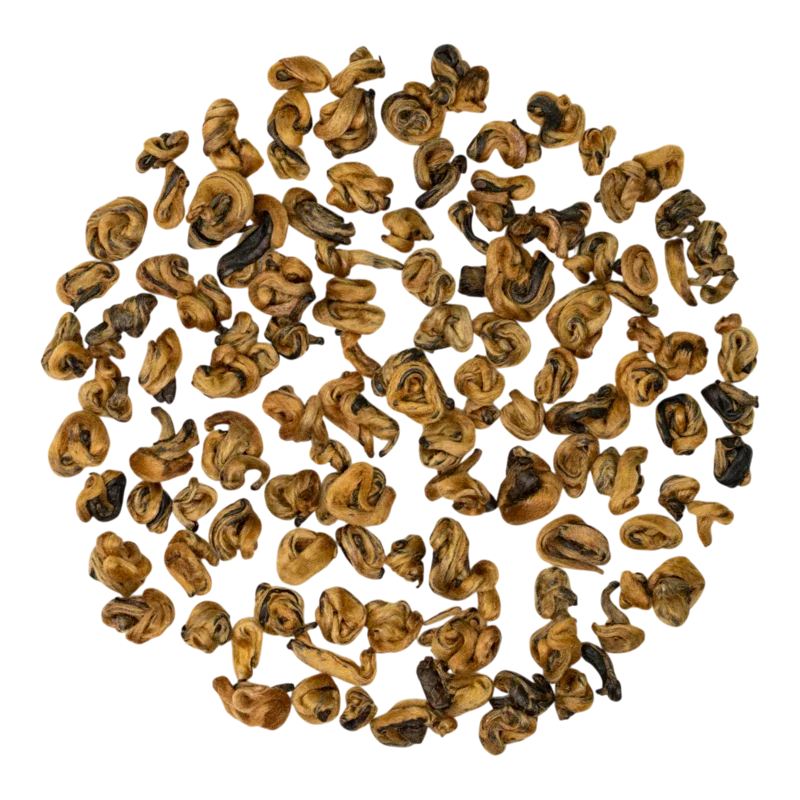
"Golden Spirals" — buds and young leaves rolled into spiral form. More floral aroma, slightly greater astringency compared to Jin Si. Visually easily distinguished by rounded spiral rolling.
"Pine Needles" — from "one bud — one leaf" standard raw material, long straight tea leaves. Most affordable premium Dian Hong variant, but more astringent and less "sweet" than pure bud Jin Si. Visually distinct: dark leaves with golden down along entire length.
"Wild Dian Hong" — from raw material of wild or feral tea trees. Externally less presentable (dark, without abundant down), but possesses special "wild" notes — deeper minerality and powerful aftertaste.
Genuine Jin Si consists of even, uniform-sized thin threads with abundant golden down. Presence of many broken tea leaves, uneven color, and dull down are signs of low-grade product or imitation.
Dry leaf should emit soft, sweet honey-malt aroma. Sharp, artificial, or "screaming" smell is cause for suspicion.
Color — clear amber-golden with pronounced "golden ring." Cloudiness, dullness, brown color indicate low quality.
Genuine bud Dian Hong cannot be cheap. Price significantly below market almost always indicates raw material or origin substitution.
No reviews yet. Tell us what you think of this tea.
Rate this tea and share your impressions. We review each submission before publishing it.