Brewing
Gongfu brewing
- Water temperature
- 75 °C
- Tea amount
- 5 g
- Water volume
- 100 ml
- First steep
- 10 s
- Time added per infusion
- 5 s
- Infusions
- 3

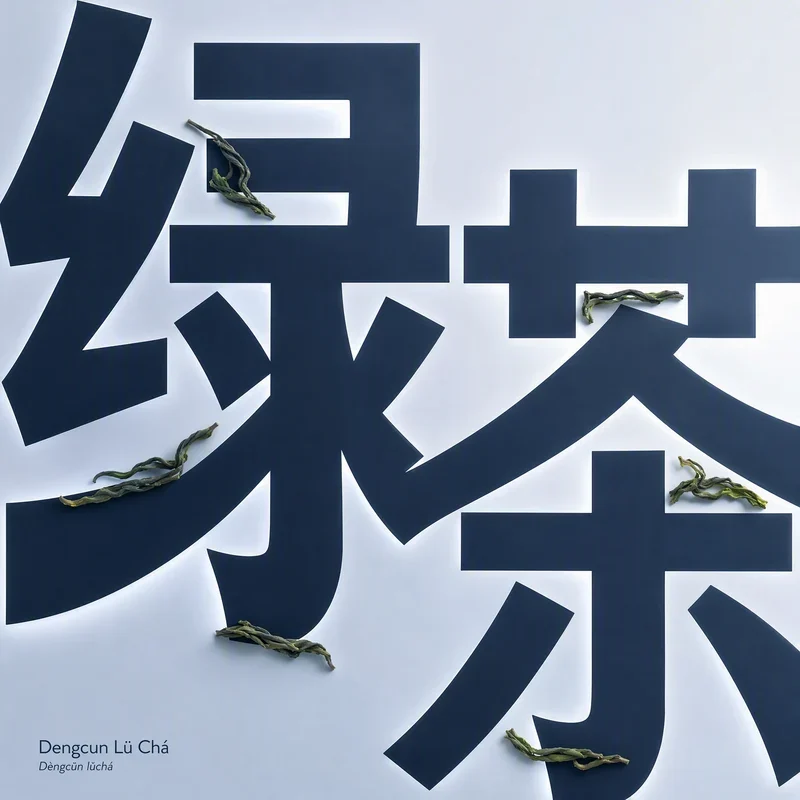
Dèngcūn lǜchá
Choose a brewing method. Start with the recommended quantities and time, then adjust to taste.
Brewing
Brewing
Taste
Tea encyclopedia
Category: Product of Geographical Indication of China (国家地理标志产品, 2006). AA-class green product certification (AA级绿色食品). Passes pesticide residue testing according to EU standards. "Land of Famous Teas of China" (中国名茶之乡) — the only township in the country with such status. "Source of the Great Tea Road" (万里茶道源头). "World's core zone of high-quality green tea" (世界高品质绿茶核心产区) — title conferred by the World Green Tea Association (评议员 Kotomari Shigeyo). "World Tea Tourism Town" (世界茶旅小镇).
Category: Product of Geographical Indication of China (国家地理标志产品, 2006). AA-class green product certification (AA级绿色食品). Passes pesticide residue testing according to EU standards. "Land of Famous Teas of China" (中国名茶之乡) — the only township in the country with such status. "Source of the Great Tea Road" (万里茶道源头). "World's core zone of high-quality green tea" (世界高品质绿茶核心产区) — title conferred by the World Green Tea Association (评议员 Kotomari Shigeyo). "World Tea Tourism Town" (世界茶旅小镇).
Coordinates: 30°57′–31°06′ North latitude — "golden belt for tea trees" (世界茶树生长黄金坐标).
Origin: China, Húběi Province (湖北省, Húběi Shěng), Yíchāng City (宜昌市, Yíchāng Shì), Yílíng District (夷陵区, Yílíng Qū), Dèngcūn Township (邓村乡, Dèngcūn Xiāng). Located on the northern bank of Xīlíng Gorge (西陵峡) — the first of the "Three Gorges of the Yangtze" (长江三峡). To the east of Dengcun — the Three Gorges Dam (三峡大坝); to the north — Dalaoling National Forest Park (大老岭国家森林公园).
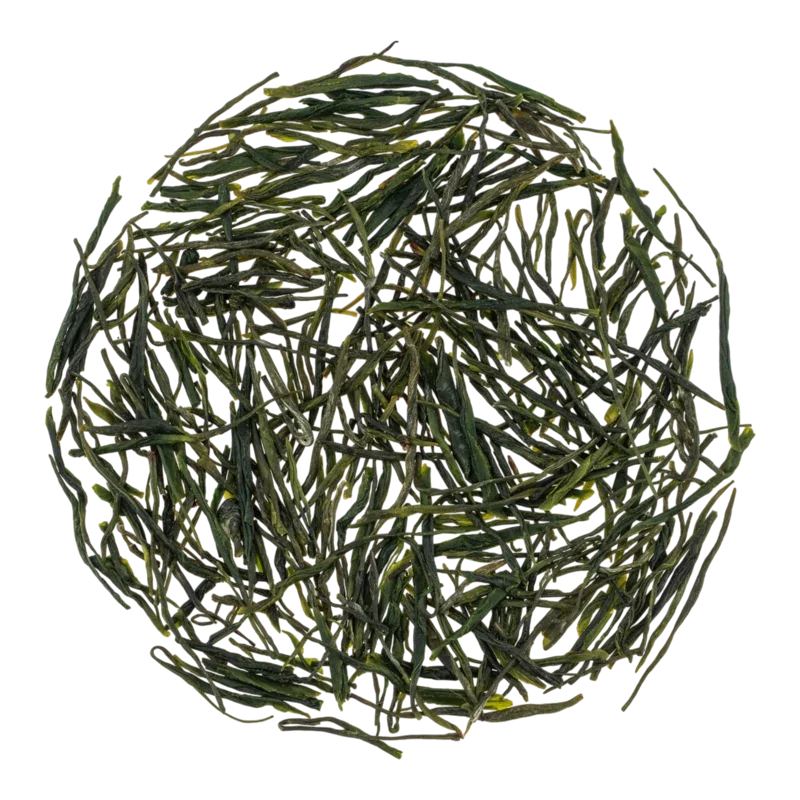
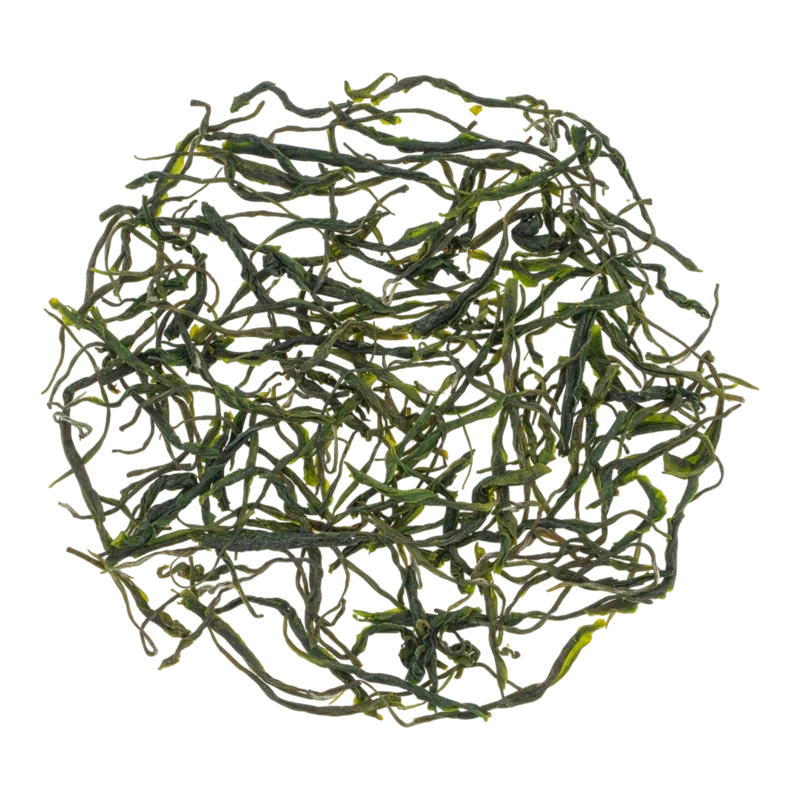
Type: Green tea (绿茶, lǜchá), non-fermented. Produced in several forms: needle-shaped (针形, zhēnxíng, "Dengcun Mao Jian" — main product), spiral (卷曲形, "Huading Yunwu"), flat (扁形, "Danqiu Wuya"). Primary technology — pan-firing + hot air drying (炒烘结合).
Cultural Significance: Dengcun is a place where three great tea narratives intersect: Lu Yu's "Classic of Tea" (8th century), the "Great Tea Road" (万里茶道, 17th–19th centuries), and the "Three Gorges of the Yangtze" — one of China's most recognizable landscape images. A monument to Lu Yu has been erected in the township, and the "Three Gorges Tea Culture and Arts Festival" (三峡茶文化艺术节) is held annually. Dengcun is the only township with a population of ~30,000 people where each resident has 3 mu (~0.2 hectares) of tea gardens.
History: The tea tradition of Dengcun is one of the most ancient and well-documented in China, dating back to the Three Kingdoms period.
Four grades: 特级, 一级, 二级, 三级.
Cultivar: Primary — Yíchāng Dàyè Zhǒng (宜昌大叶种, Yíchāng Dàyè Zhǒng), also known as "Huacha 29" (华茶29号) — one of the first 30 national tea cultivars approved by the state. Type — semi-arboreal (小乔木型). Leaf — elliptical, 14.7 ± 2.4 cm, soft and fleshy. Biochemical profile: polyphenols — 35.8%, amino acids — 1.64%, caffeine — 5.87%. Ideal for producing aromatic, persistent green teas.
Picking: Spring — primary. Highest grade: full bud or one bud with barely opened leaf. Second and third grades: one bud with one-two and two-three leaves respectively.
Altitude: 800–1200 m. Core — Dengcun Township, producing 80% of the district's tea.
Climate: High-mountain subtropical, modified by the hydrometeorological effect of the Three Gorges Reservoir and Xiling Gorge. Average annual temperature — 14–18°C. Precipitation — 1144–1831 mm/year. Cloud cover — more than 180 days of fog per year. Diffused light — more than 70%. Diurnal temperature range — more than 8°C. The length of the Yangtze creates constant evaporation, forming a "high-mountain cloud belt" (高山云雾带).
Soil: Micro-acidic sandy-loam soils on granite base (花岗岩风化微酸性砂壤土, pH 5.5–6.5). Organic matter — ≥1%. Enriched with Se and Zn. Water — first class of national standard.
Forest cover — 70%. Negative ions — 10,000/cm³ (norm for "resort" — 1500+). Complete absence of industrial facilities.
The amino acid content in Dengcun tea is 20% higher than the average for green teas. Water-extractable substances — ≥46.3%. This is due to the combination of "高海拔、多云雾、寡日照" — "high altitude, many clouds, little sun" — the classic formula of Guizhou-Hubei tea terroir.
Hand + mechanized for mass grades.
Bamboo sieves, 4–6 hours. Moisture loss — 4.5–5.5%.
Rotary drum, 180–200°C, 6–8 minutes. Complete enzyme inactivation.
Method "light → heavy → light" (轻—重—轻), 14–20 minutes.
100–120°C to 80% dryness.
Hand shaping — giving needle, spiral, or flat form.
Charcoal drying at 70–80°C. Criterion: "leaf crumbles to powder when rubbed between fingers" (手捻成粉).
Sorting, stem removal.
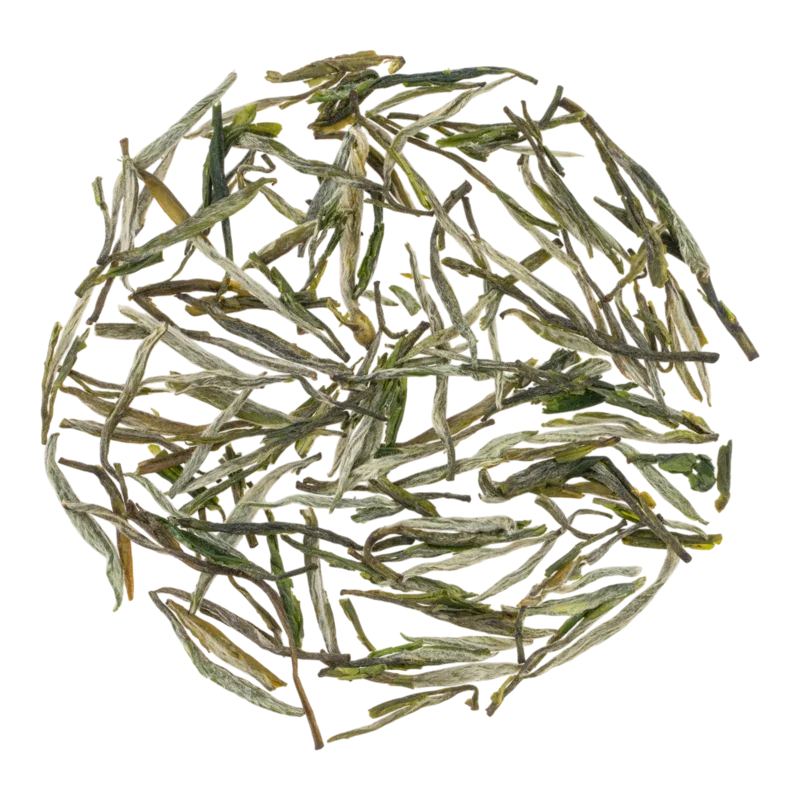
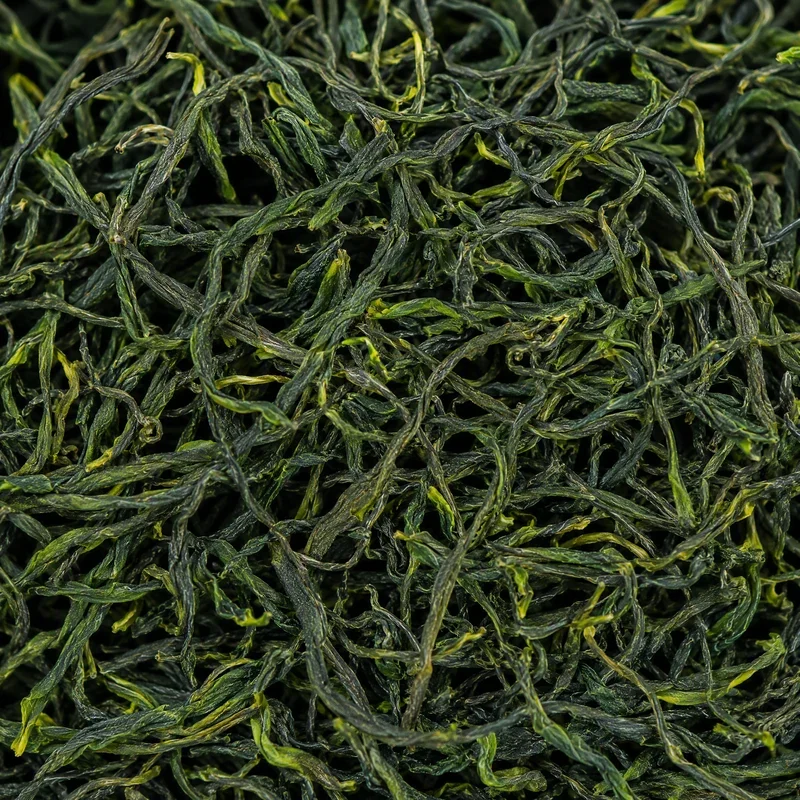
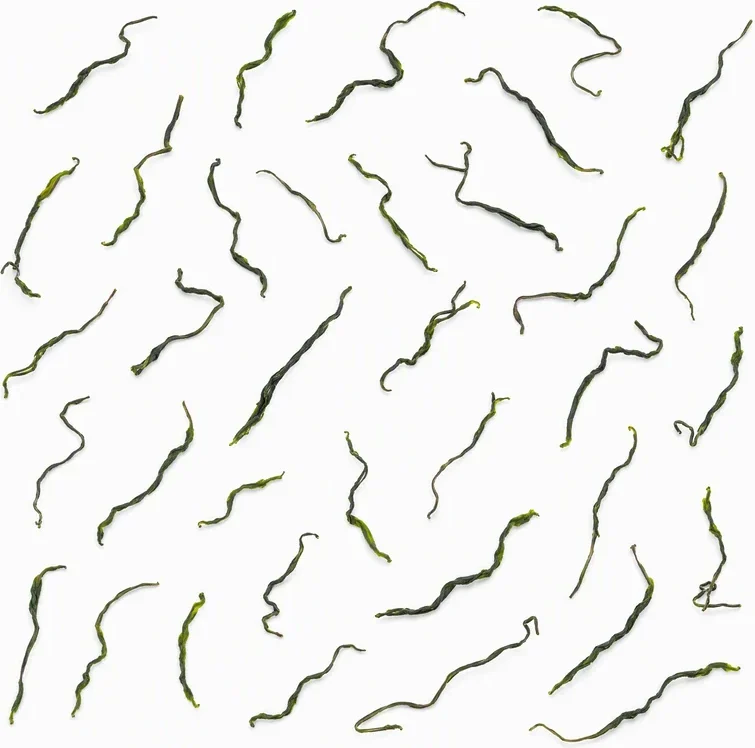
Dry Leaf Appearance: Depends on the line. Máo Jiān (针形): tight, straight "needles" with abundant down. Huádǐng Yúnwù (卷曲形): tight spirals. Danqiu Wuya (扁形): flat "eyebrows," resembling Longjing. General: color — green with oily luster (绿润显毫).
Dry Leaf Aroma: Chestnut (栗香) — primary note. Persistent and deep (幽长持久). In highest grades — delicate "young" note (嫩香). Cold cup — ≥10 minutes.
Liquor Color: Yellow-green, bright and clear (黄绿明亮).
Spent Leaves: Yellow-green, uniform, elastic, with gloss (黄绿匀整、柔韧有光泽).
Taste: Mellow and rich (醇厚, chúnhòu) — result of high polyphenol content (18–23%). Fresh and brisk (鲜爽) — amino acids 3.3–4.68%. Returning sweetness — distinct (回甘明显). High content of soluble sugars enhances "juiciness."
Amino Acids: 3.3–4.68% — 20% higher than average for green teas. Determine freshness and "juiciness."
≥46.3% — one of the highest indicators.
~5.87% (according to Yichang Daye Zhong cultivar). Above average.
Natural enrichment from granite soils.
Polyphenols: 18.18–23%. Moderate-medium range, ensuring balance of body and softness.
Vitamins: C, B-group. Minerals: K, Mg, Zn, Se.
Polyphenols 18–23% + Se.
According to producers, consumption after meals reduces fat absorption by ~30%.
Catechins promote cholesterol normalization and improve endothelial function.
Caffeine ~5.87% — above average; L-theanine provides smoothness.
Se, Zn.
85–90°C. For highest grade — 85°C.
3 g per 150 ml (1:50).
Process: Pour water, steep for 3 minutes. Withstands 3 infusions.
Teaware: Glass tumbler (观赏茶舞, "observing tea dance") or white porcelain gaiwan.
Steam fixation, "marine" taste. Dengcun — pan-firing, chestnut aroma, from the Three Gorges of the Yangtze.
Hubei. Downy "Mao Jian," twisted. Dengcun — strip-shaped, with emphasis on chestnut depth.
Hubei. Similar category, but from another district. Dengcun — from Xiling Gorge with 80,000 mu plantations and history from Lu Yu.
Anti Counterfeit: Purchase products with geographical indication marking "邓村绿茶". Check for chestnut aroma — persistent and deep. Liquor — clear, yellow-green.
Price Category: Middle and upper segment of Hubei green teas. Highest grade — from 600 yuan per 500 g. First grade — 300–500 yuan. Third grade — mass market.
No reviews yet. Tell us what you think of this tea.
Rate this tea and share your impressions. We review each submission before publishing it.