Brewing
Gongfu brewing
- Water temperature
- 92 °C
- Tea amount
- 6 g
- Water volume
- 100 ml
- First steep
- 10 s
- Time added per infusion
- 5 s
- Infusions
- 8


dāncóng bái ruìxiāng
Choose a brewing method. Start with the recommended quantities and time, then adjust to taste.
Brewing
Brewing
Taste
Tea encyclopedia
Category: Guǎngdōng oolong (广东乌龙, Guǎngdōng wūlóng), subcategory Fēng Huáng Dàn Cóng (凤凰单丛, Fènghuáng Dāncóng) — "Solitary bushes from Phoenix Mountain." Belongs to the rare aromatic types not included in the standard classification of ten main fragrance types (香型, xiāngtíng).
Category: Guǎngdōng oolong (广东乌龙, Guǎngdōng wūlóng), subcategory Fēng Huáng Dàn Cóng (凤凰单丛, Fènghuáng Dāncóng) — "Solitary bushes from Phoenix Mountain." Belongs to the rare aromatic types not included in the standard classification of ten main fragrance types (香型, xiāngtíng).
Coordinates: approximately 23°55′ N, 116°40′ E.
Origin: China, Guǎngdōng Province (广东省, Guǎngdōng shěng), Cháozhōu City (潮州市, Cháozhōu shì), Fēng Huáng Shān mountain region (凤凰山, Fènghuáng Shān) — Phoenix Mountains. Main growing zones are located in Fènghuáng town (凤凰镇, Fènghuáng zhèn) and on Wūdǒng peak (乌岽, Wūdǒng).
Type: Oolong (乌龙茶, wūlóngchá) — semi-oxidized tea. Degree of oxidation — medium, usually 20–40%, which is characteristic of Guangdong Dan Congs.
Cultural Significance: Dan Congs are an integral part of Chaozhou tea culture, the central element of which is the Gōngfū Chá ceremony (工夫茶, Gōngfū chá) — a specific Chaozhou brewing tradition included in the Second List of National Intangible Cultural Heritage of the PRC (2008). Bai Rui Xiang, thanks to its auspicious name, is traditionally considered a fortunate gift: the character 瑞 symbolizes happiness and good omens. Among Dan Cong enthusiasts there is an expression: "入门靠蜜兰, 进阶品百香" (rùmén kào Mìlán, jìnjiē pǐn bǎi xiāng) — "begin with Honey Orchid, advance by tasting a hundred fragrances," and Bai Rui Xiang is one of those rare "hundred fragrances" that reveal the full depth of Fenghuang terroir.
History: The tea cultivation tradition in the Fènghuáng mountains dates back to the Southern Sòng era (南宋, Nán Sòng, 1127–1279), when, according to legend, Emperor Zhào Bǐng (赵昺, Zhào Bǐng), fleeing from Mongol pursuit, tasted local tea on Wudong mountain. Systematic selection of individual tea bushes with outstanding aromatic characteristics began in the Míng era (明, Míng, 1368–1644), when masters began practicing the principle of "single plant picking and processing" (单株采制, 单株加工, dān zhū cǎi zhì, dān zhū jiā gōng). It was during this period that the philosophy of Dan Congs was formed: each tree is a unique "personality" with an unrepeatable aromatic portrait. Bai Rui Xiang as a separate cultivar was established in the 20th century through intensive selection. In 1985, Guangdong Dan Congs were included in the list of sixteen best teas of China, and in 2010 Feng Huang Dan Cong received the status of "National Product with Geographic Indication" (国家地理标志产品, Guójiā dìlǐ biāozhì chǎnpǐn).
Name Breakdown: "Bai Rui Xiang" (白瑞香, Bái Ruìxiāng) — a three-character name, each character carrying independent meaning:
Cultivar: Camellia sinensis var. sinensis. Bai Rui Xiang belongs to the white-leaf (white) group (白叶类, bái yè lèi) of Fenghuang Dan Congs, which distinguishes it from the more common dark-leaf (乌叶类, wū yè lèi) cultivars. White-leaf type bushes, according to the classification of the Chinese Academy of Agricultural Sciences (1964), are characterized by lighter coloration of shoots, delicate floral aroma and milder taste of the finished tea. Many mother bushes are old trees (老丛, lǎo cóng) of semi-arboreal (小乔木型, xiǎo qiáomù xíng) or shrub type, some over 100 years old.
Picking: Optimal harvest time is spring, typically from late March to mid-April (before the start of the "Grain Rain" season, 谷雨). Belongs to medium-late varieties by vegetation timing (中芽种, zhōng yá zhǒng).
Pluck Standard: Flush consisting of bud and 2–3 upper leaves (一芽二三叶, yī yá èr sān yè). The "horseback picking" method (骑马采, qímǎ cǎi) is used — careful grasping of the shoot between index finger and thumb with gentle breaking. Harvest is strictly manual.
Raw Material: Traditional Fenghuang harvest rules apply: do not pick in bright scorching sun, do not pick in rain, do not pick dewy leaves (雾水茶不采, wùshuǐ chá bù cǎi). Afternoon picking (around 13:00) is preferred so that processing falls on nighttime hours — it is believed that tea made "overnight" (过夜, guòyè) has better quality due to lower temperature and higher humidity.
Altitude: Bai Rui Xiang plantations are located at altitudes from 800 to 1,200 m a.s.l. The most valuable raw material is obtained from Wūdǒng peak (乌岽, ~1,150 m) and adjacent high-altitude areas.
Climate: Subtropical monsoon with pronounced high-altitude effect. Average annual temperature — about 20–22°C. Annual precipitation — about 1,800 mm. Frequent fogs, diffused sunlight and significant day-night temperature differences are characteristic — precisely such conditions slow the growth of tea bushes and promote accumulation of aromatic substances, amino acids and polyphenols in leaves.
Soil: Acidic (pH 4.5–5.5) rocky soils formed by weathering of granite rocks. Rich in minerals, especially iron, manganese and zinc. Excellent natural drainage due to mountainous terrain.
The Fènghuáng Mountains (凤凰山) are located in northeastern Guangdong Province and adjoin the South China Sea coast. The Fenghuang tea region is one of the most ancient in China: it concentrates over 4,600 ancient tea trees over 200 years old. The region's greening level reaches 96.4%, forest coverage — 85.1%, ensuring exceptional ecological purity.
Many farms in the high-altitude Fenghuang zone adhere to organic farming principles. The biodiversity of mountain forest creates a natural barrier against pests, reducing the need for pesticides.
Manual picking of flushes, typically in afternoon time (around 13:00). Leaves are carefully placed in bamboo baskets; compaction is not allowed to avoid premature heating and red coloration.
Picked leaves are spread in a thin layer under open sun for 40–60 minutes. Goal — remove primary moisture (up to 10–15% weight loss), initiate initial enzymatic processes and partially destroy chlorophyll. This is the first key stage in forming the future aroma.
Leaves are transferred to a cool room with controlled temperature (~25°C) and humidity (~80%). Spread in a thin layer to equalize moisture distribution between stem and leaf blade (the process of "returning green," 回青, huí qīng).
The most critical stage for oolongs. Includes alternating shaking (摇青, yáo qīng) and rest (静置, jìng zhì). Leaves are placed in bamboo drums or processed by hand: tossed, mixed, lightly struck against each other (碰青, pèng qīng). Mechanical damage to leaf edges initiates oxidative processes, while the central part of the leaf remains undamaged — thus forming the classic pattern of "green leaf with red edge" (绿叶红镶边, lǜ yè hóng xiāng biān). The process lasts 8–10 hours with 4–5 cycles of increasing intensity (from gentle to vigorous). The master is guided by aroma changes: from grassy (青草气) → to green-fresh (青香) → to floral (花香) → to the characteristic natural aroma of the given cultivar. For Bai Rui Xiang, the target moment is the appearance of delicate, sweetish floral aroma reminiscent of daphne.
Rapid heating of leaves in heated cast iron woks at temperature ~200°C. Inactivates enzymes and stops oxidation at 20–40% level. For Bai Rui Xiang, the master aims for moderate oxidation degree, preserving floral delicacy without transition to heavy tones.
Leaves are given the characteristic longitudinally twisted (strip-like) shape of Guangdong Dan Congs — tiao suo (条索, tiáo suǒ). Rolling squeezes cellular juice onto the leaf surface, enriching the future liquor.
Multi-stage drying: primary — to moisture content less than 15%, final drying — to ~5%. Fixes shape and prepares leaf for roasting.
Traditional and defining stage for Dan Congs. Charcoal from Lyonia ovalifolia or longan wood is often used. Slow heating at controlled temperature for 6–12 hours gives the tea characteristic "fire notes" (火韵, huǒ yùn), stabilizes aroma and ensures longevity in storage. Roasting intensity for Bái Ruì Xiāng is typically light or medium (清香–中火, qīngxiāng – zhōng huǒ) to avoid darkening the natural floral delicacy.
Removal of stems, damaged leaves, stalks. Finished tea is divided by quality.
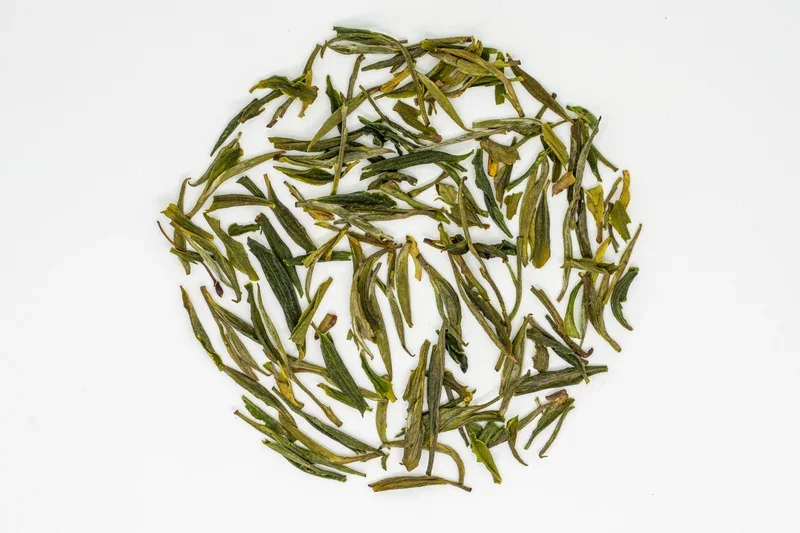
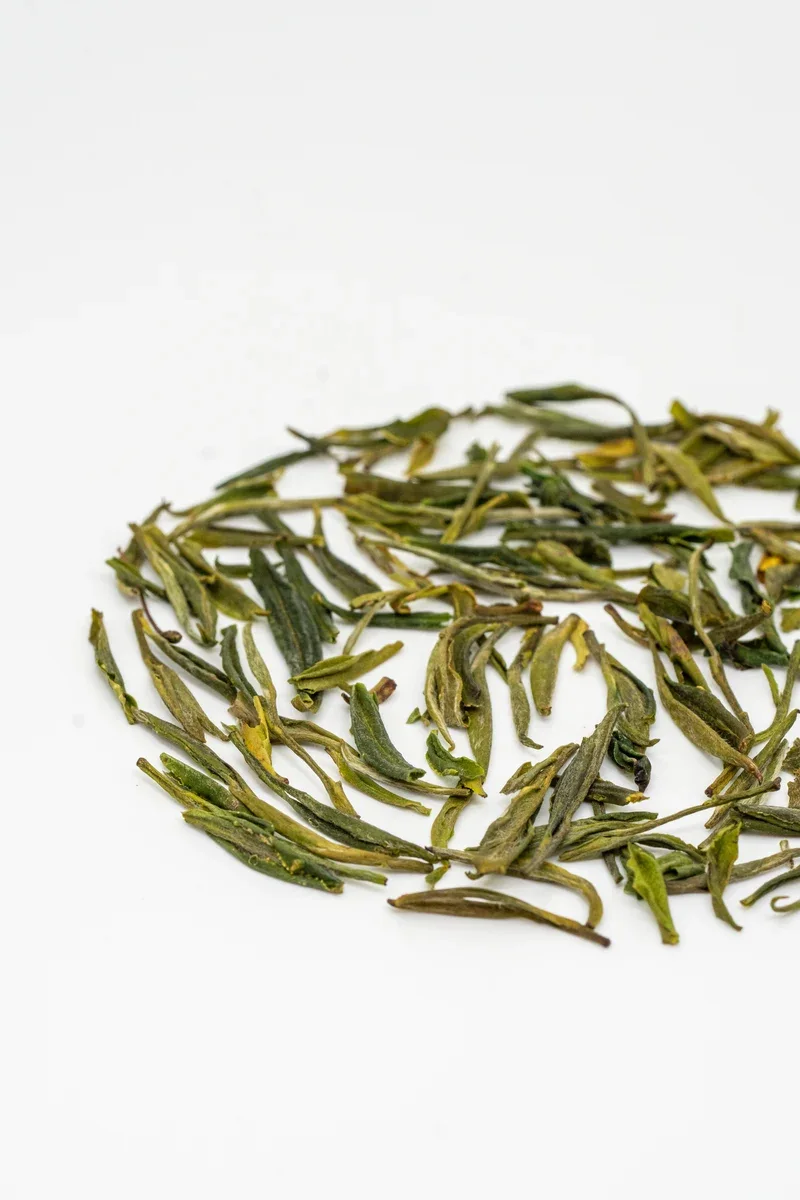
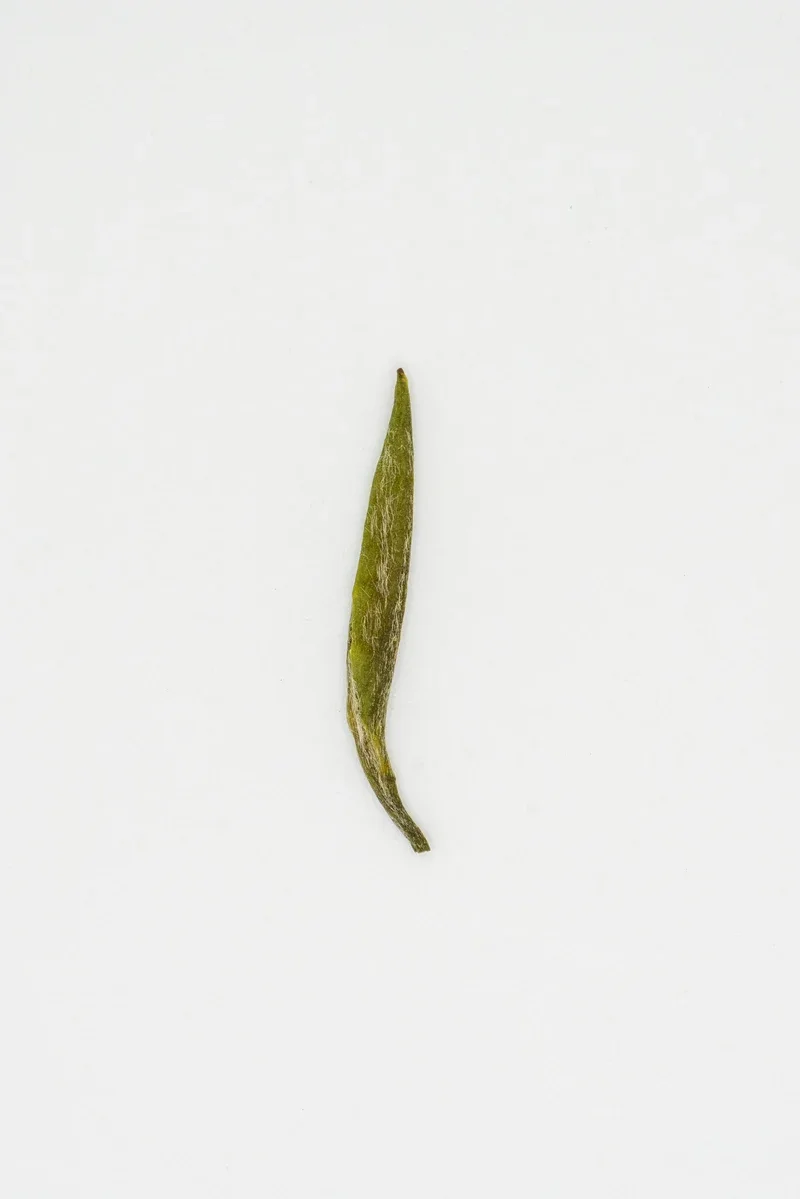
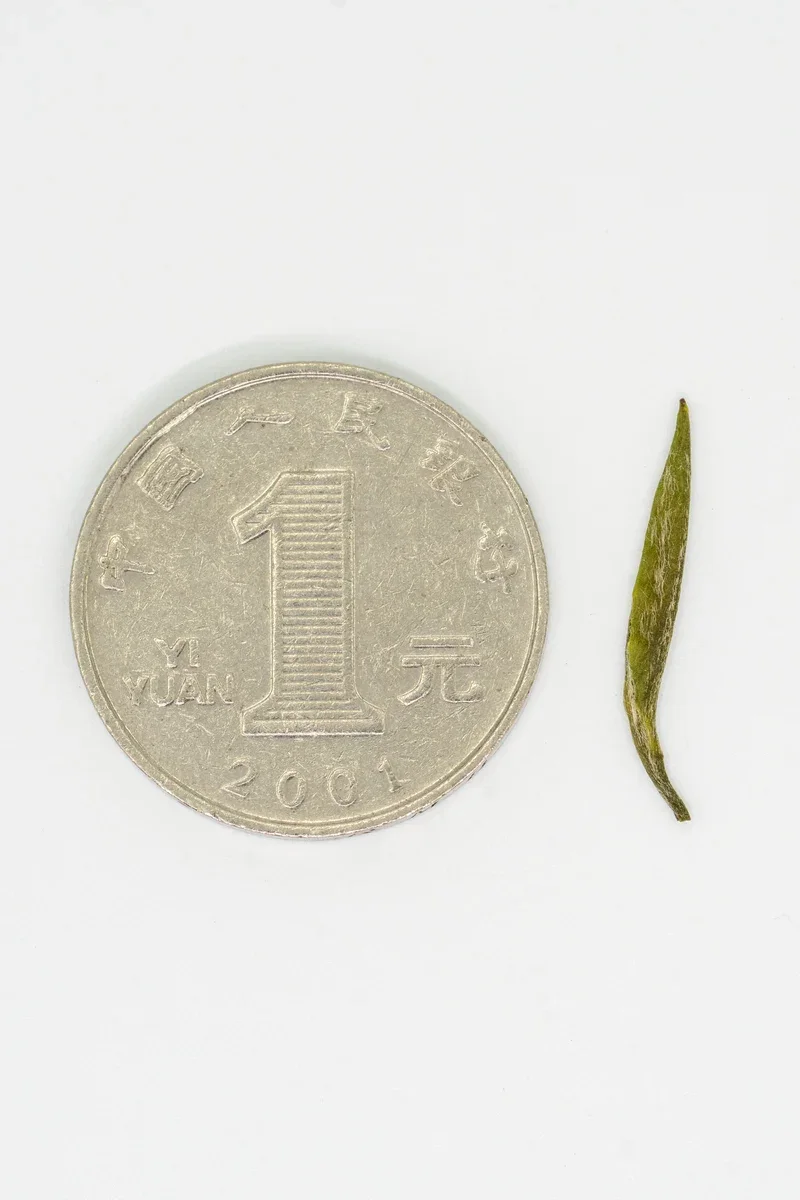
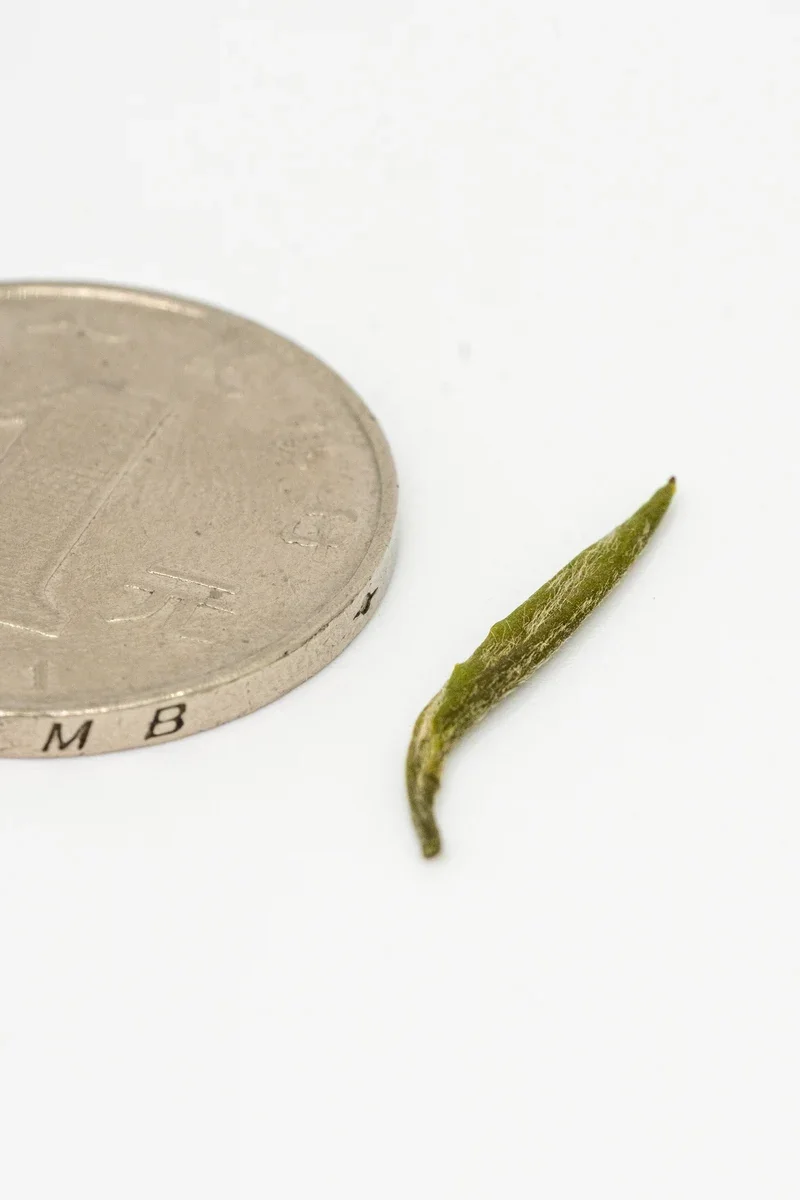
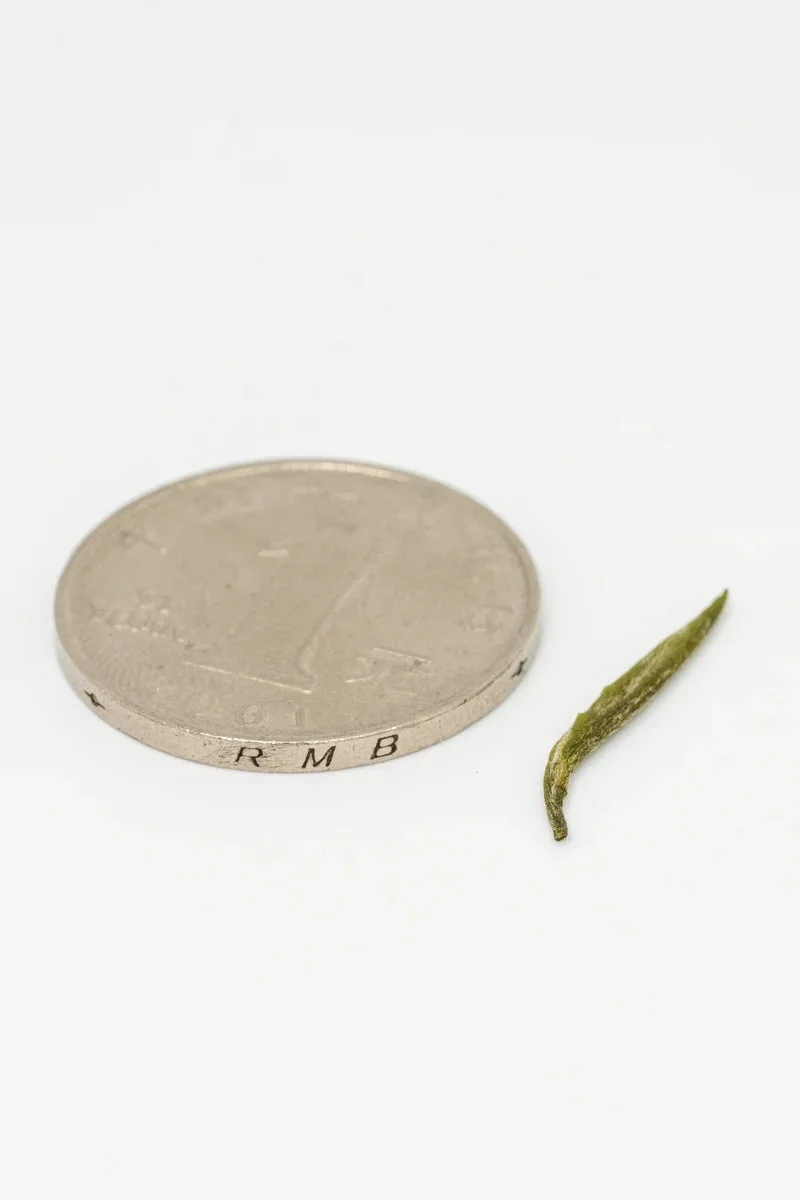
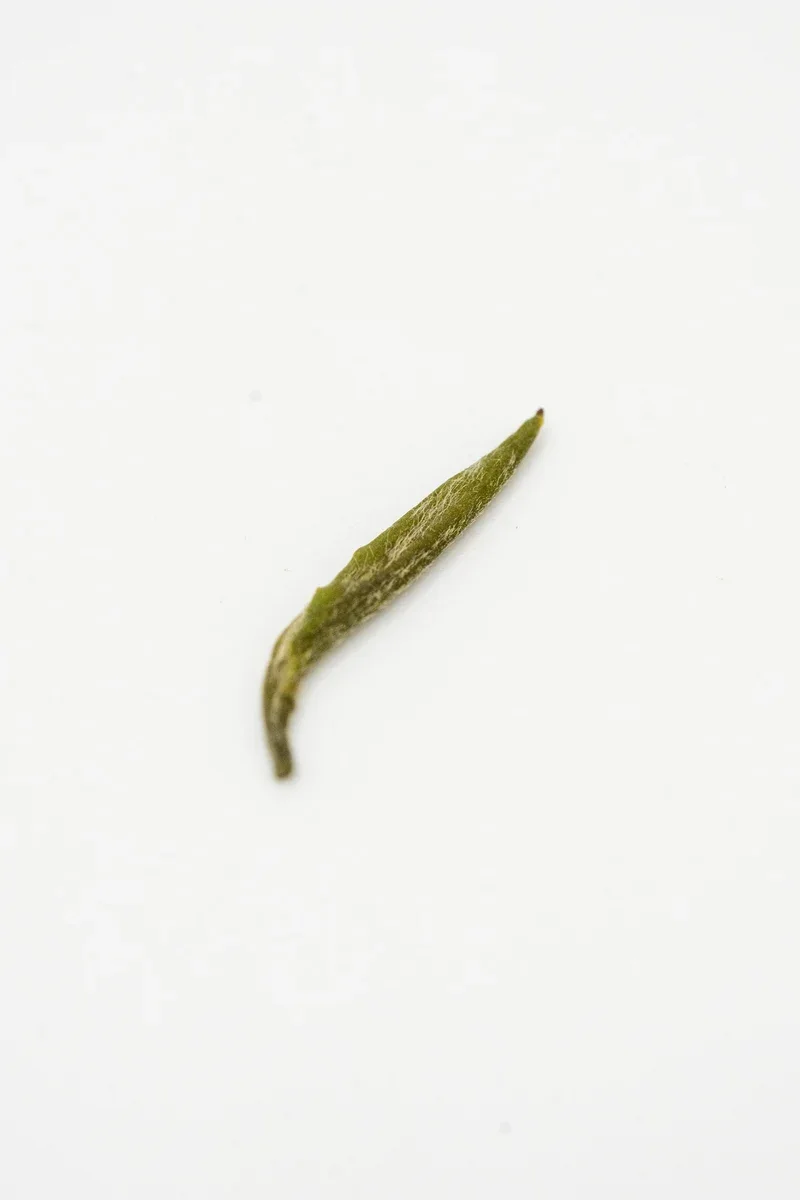
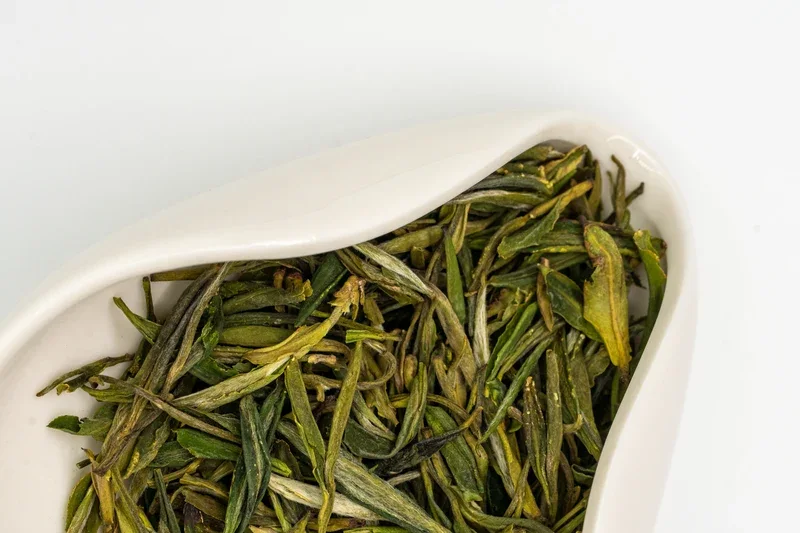
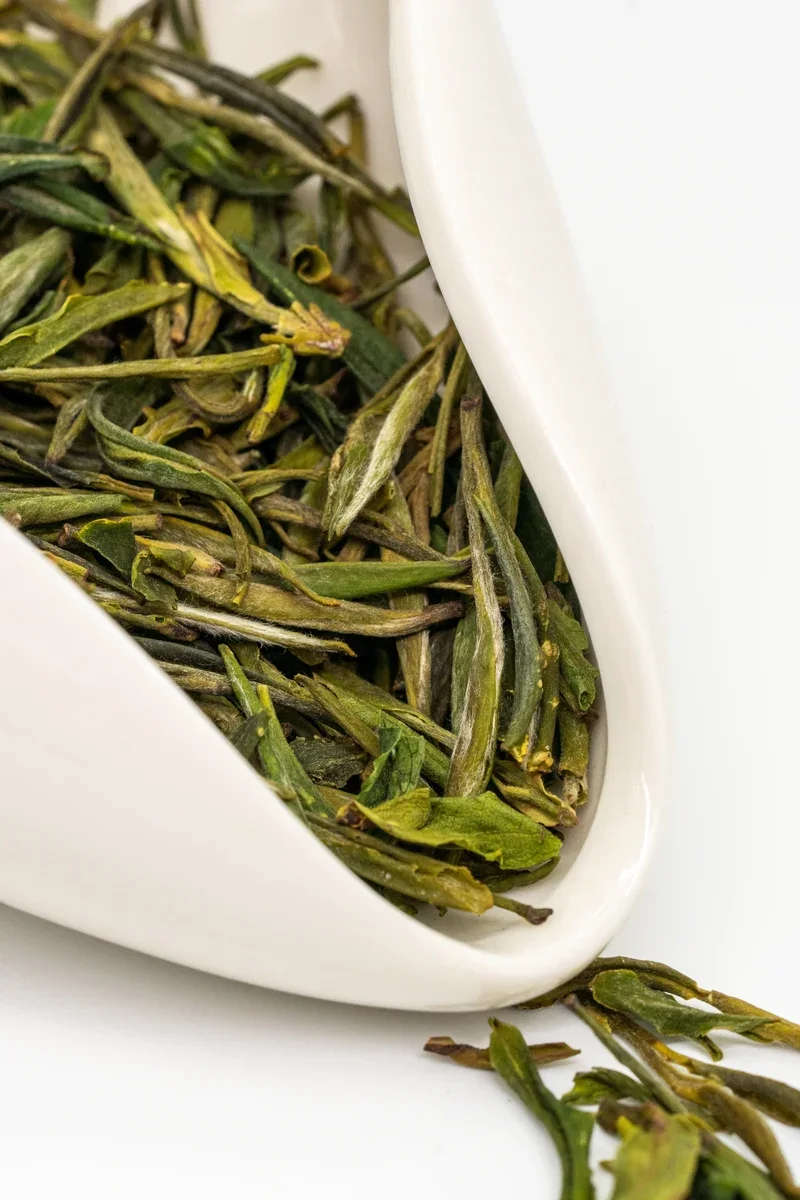
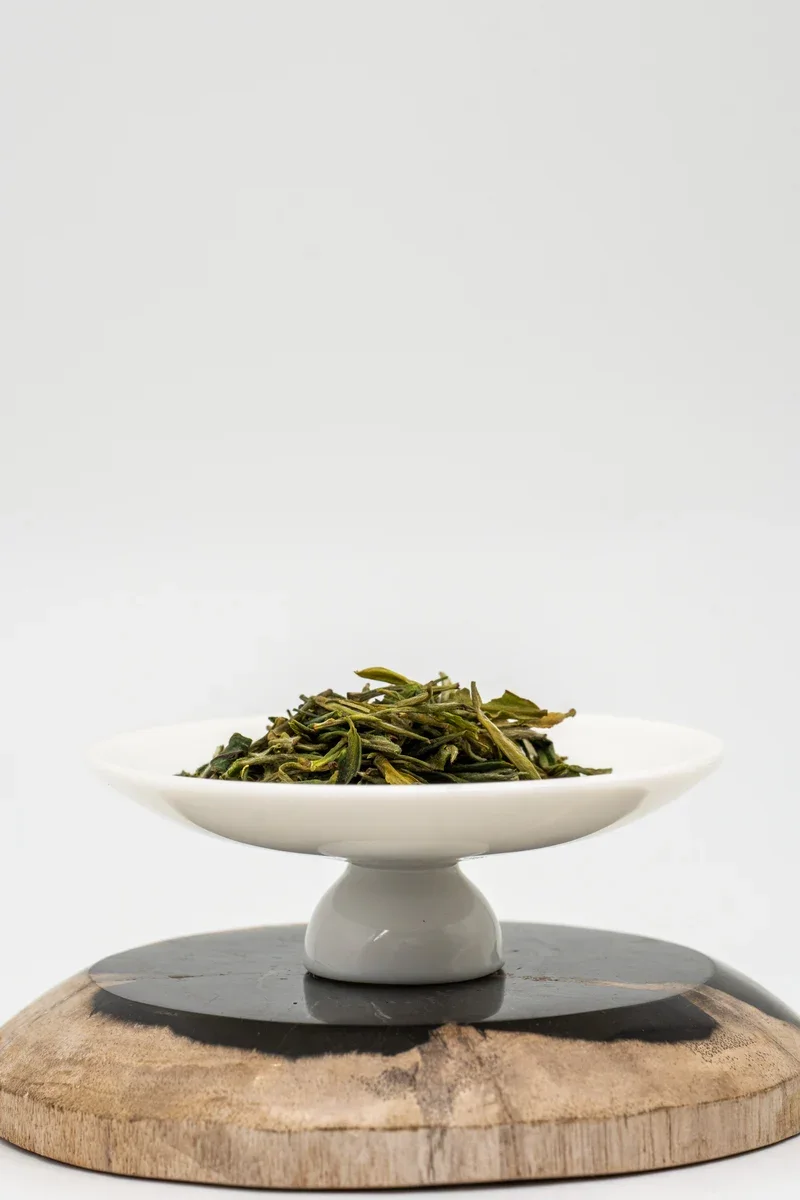
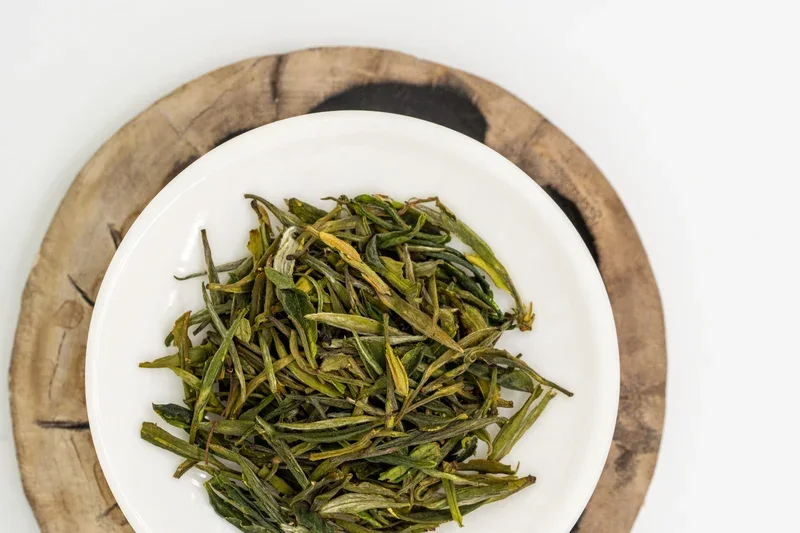
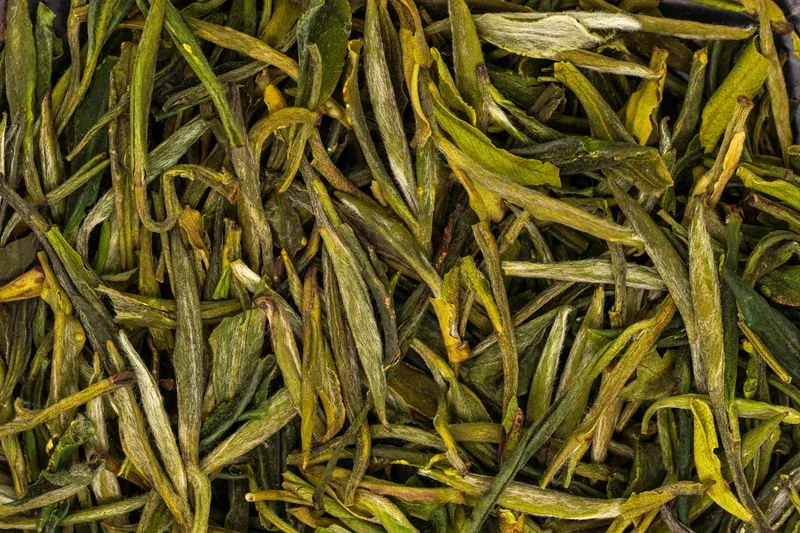
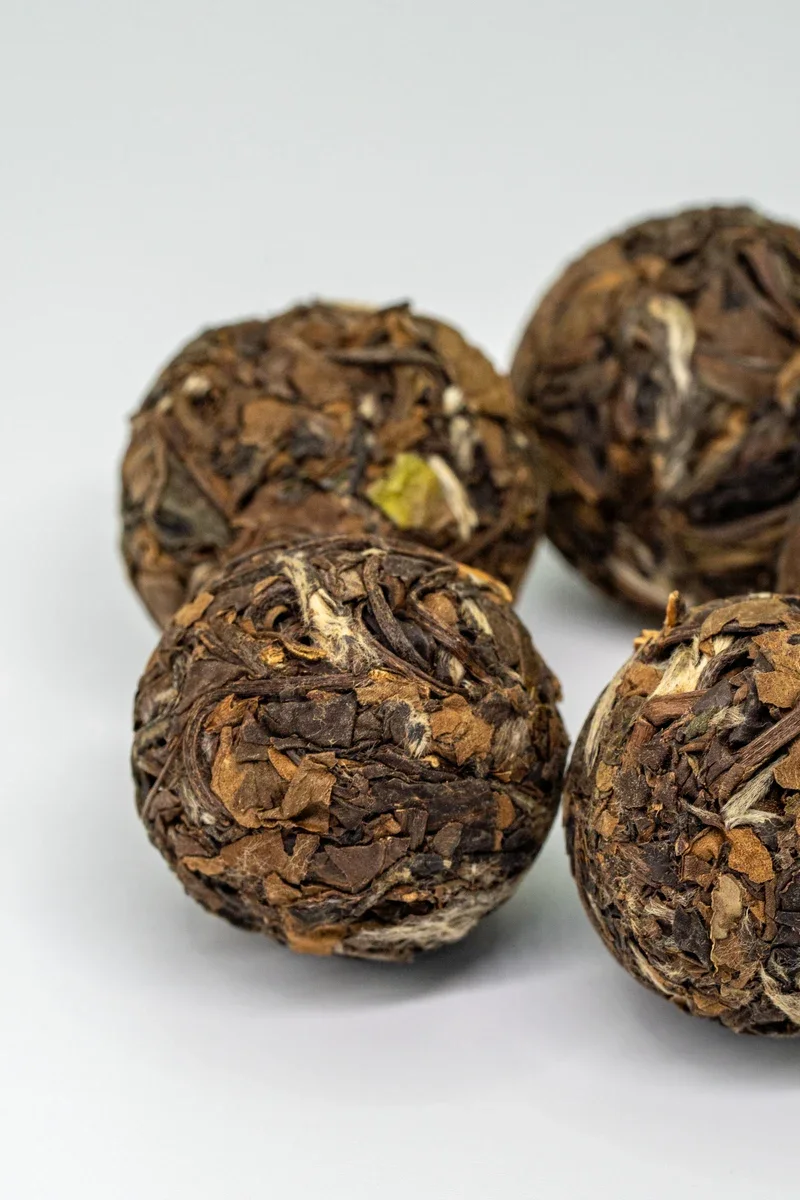
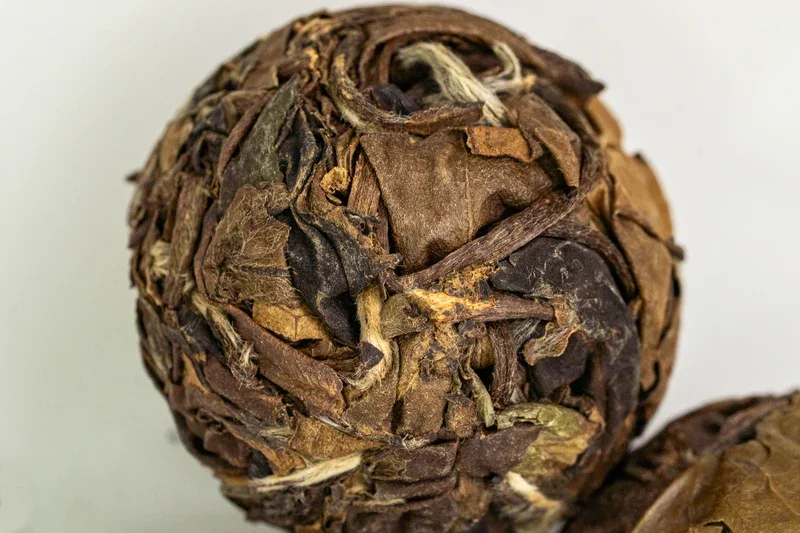
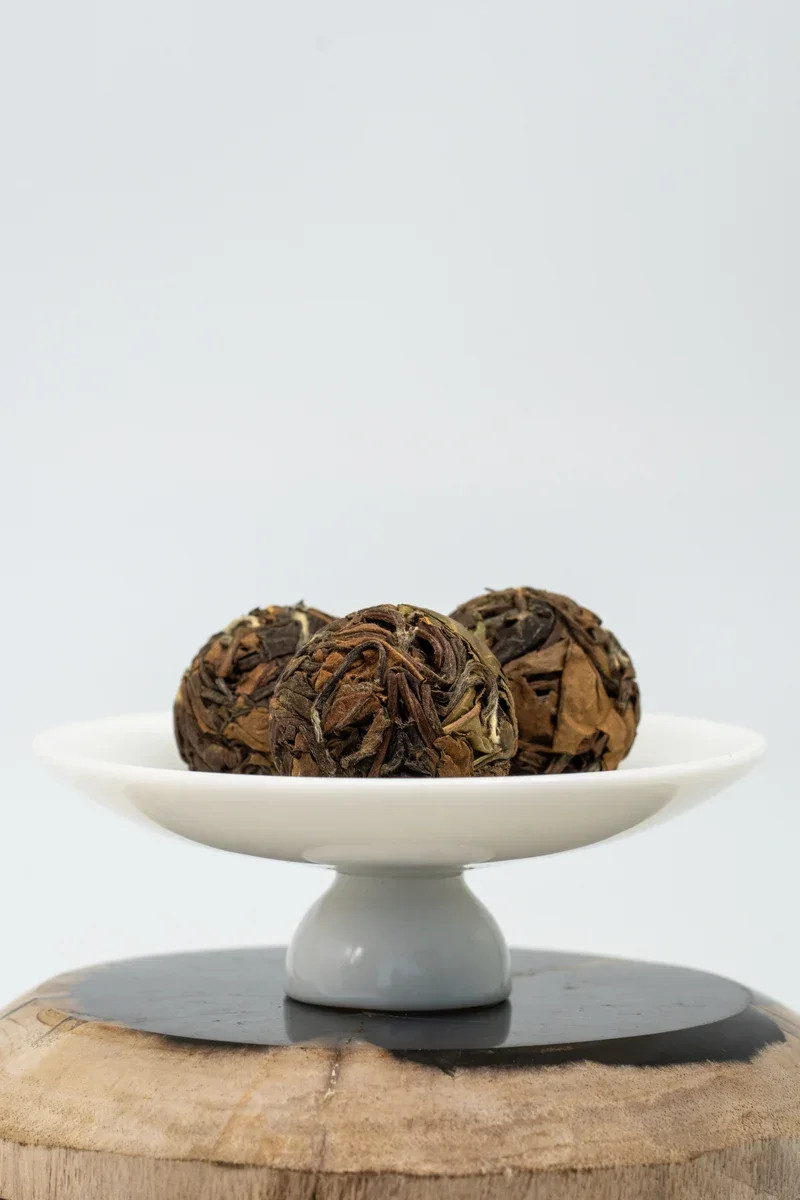
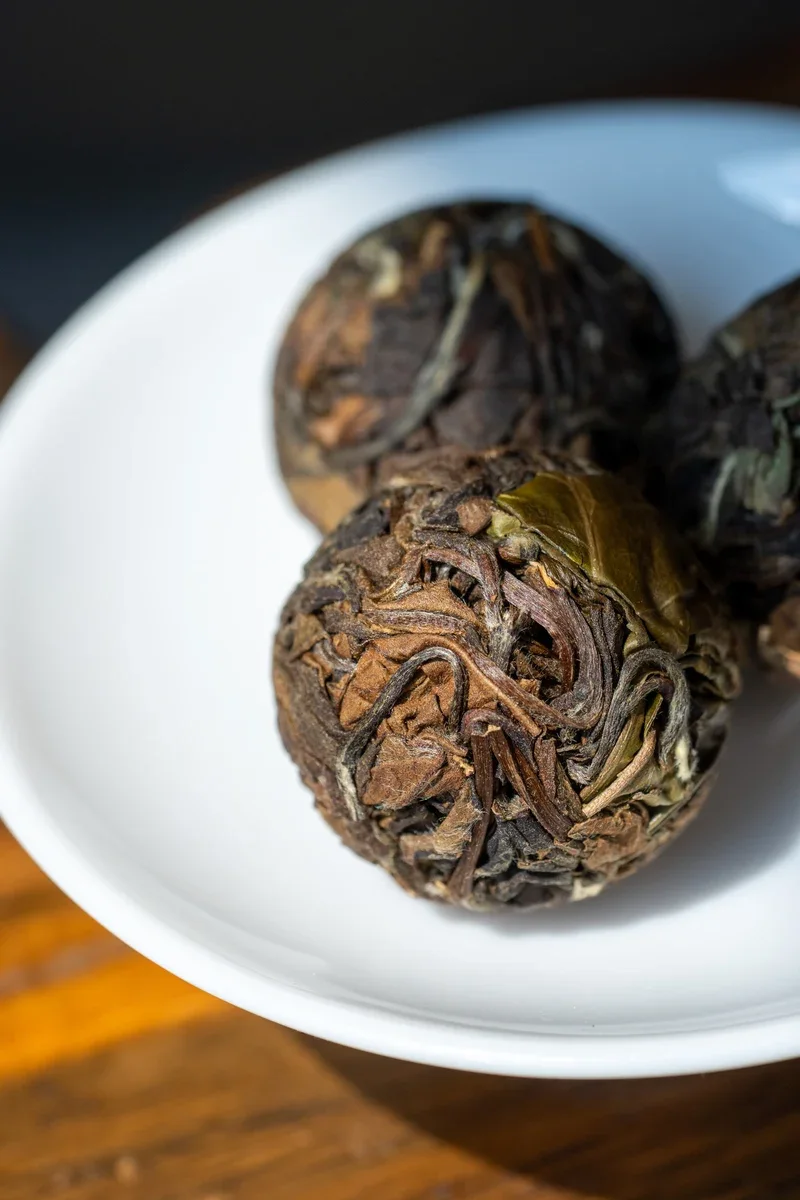
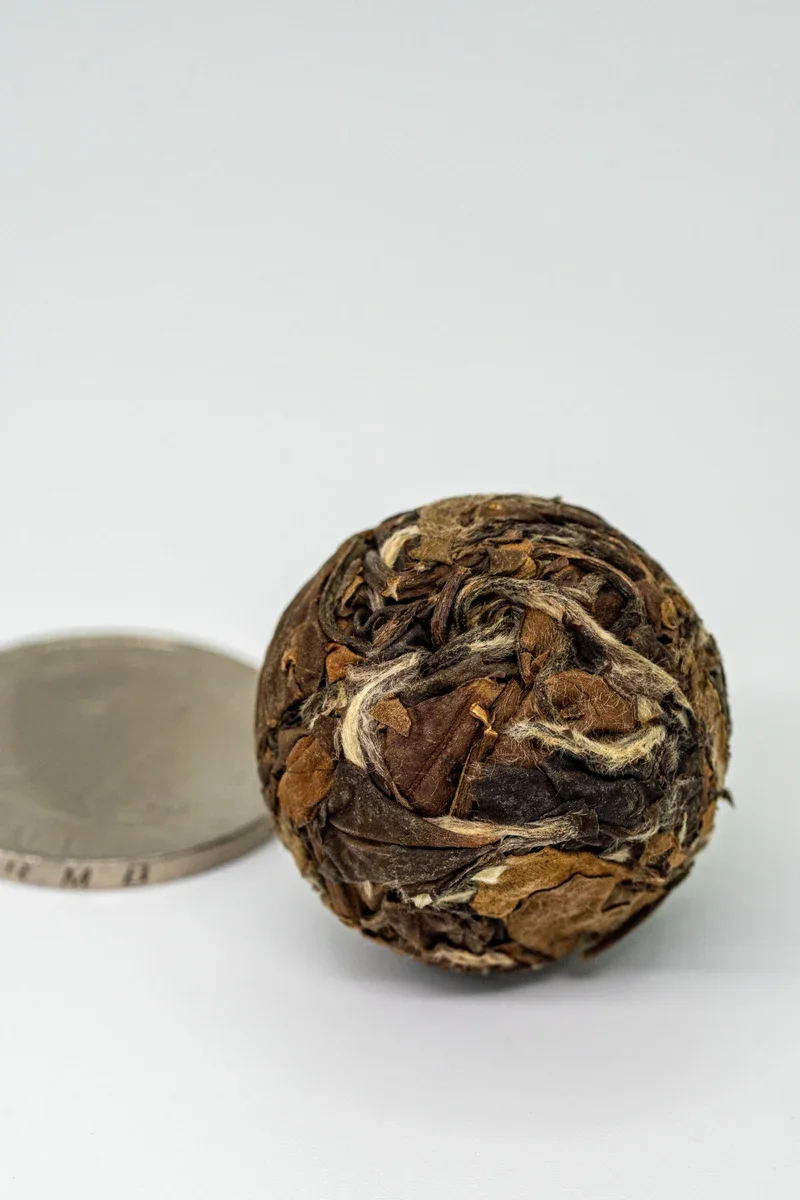
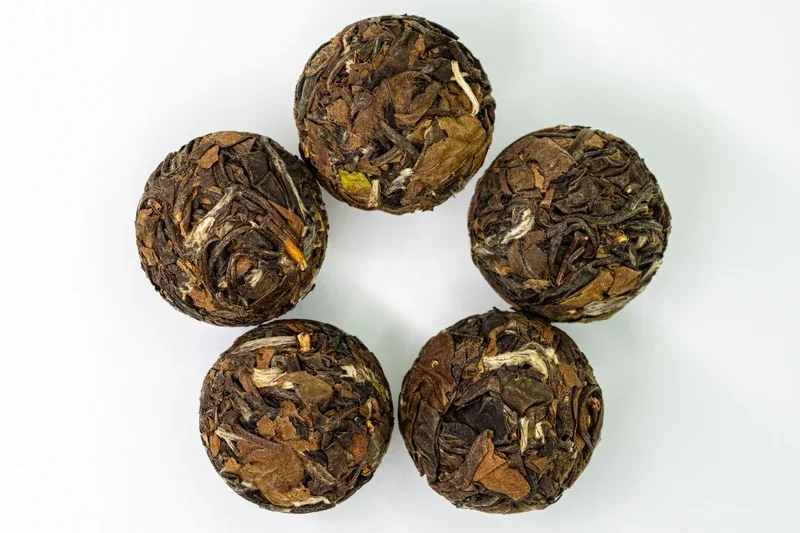
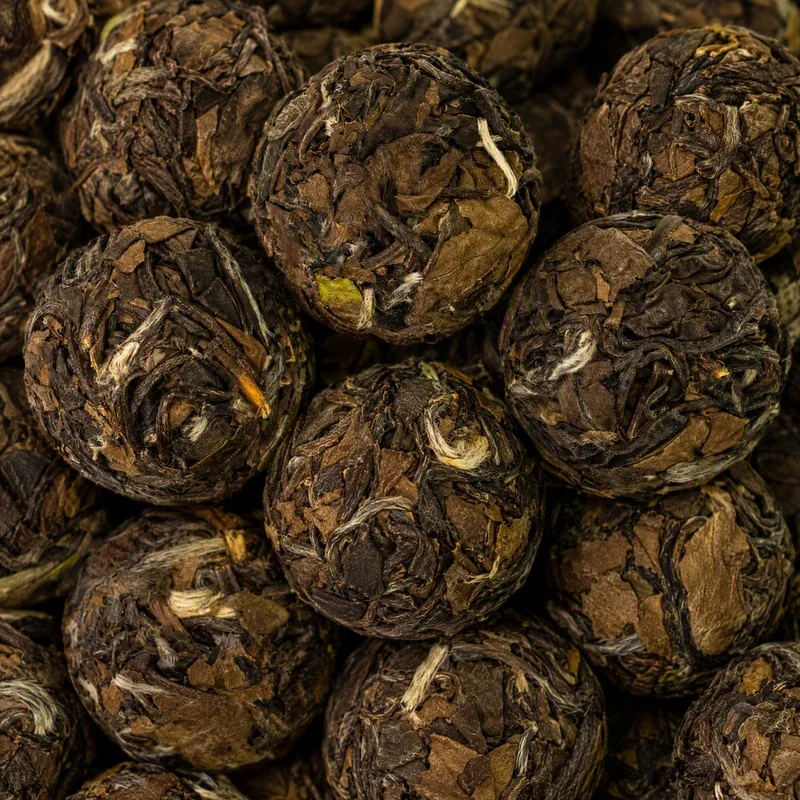
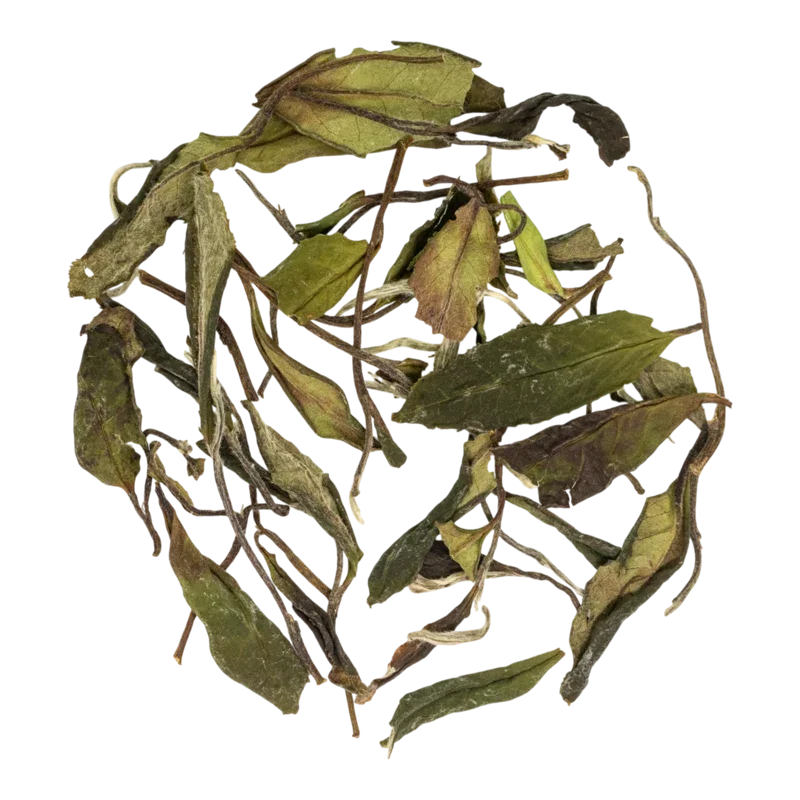
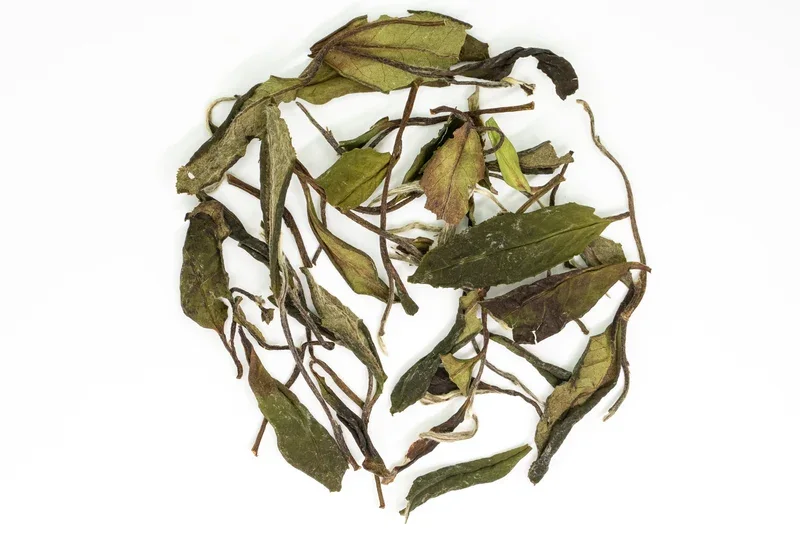
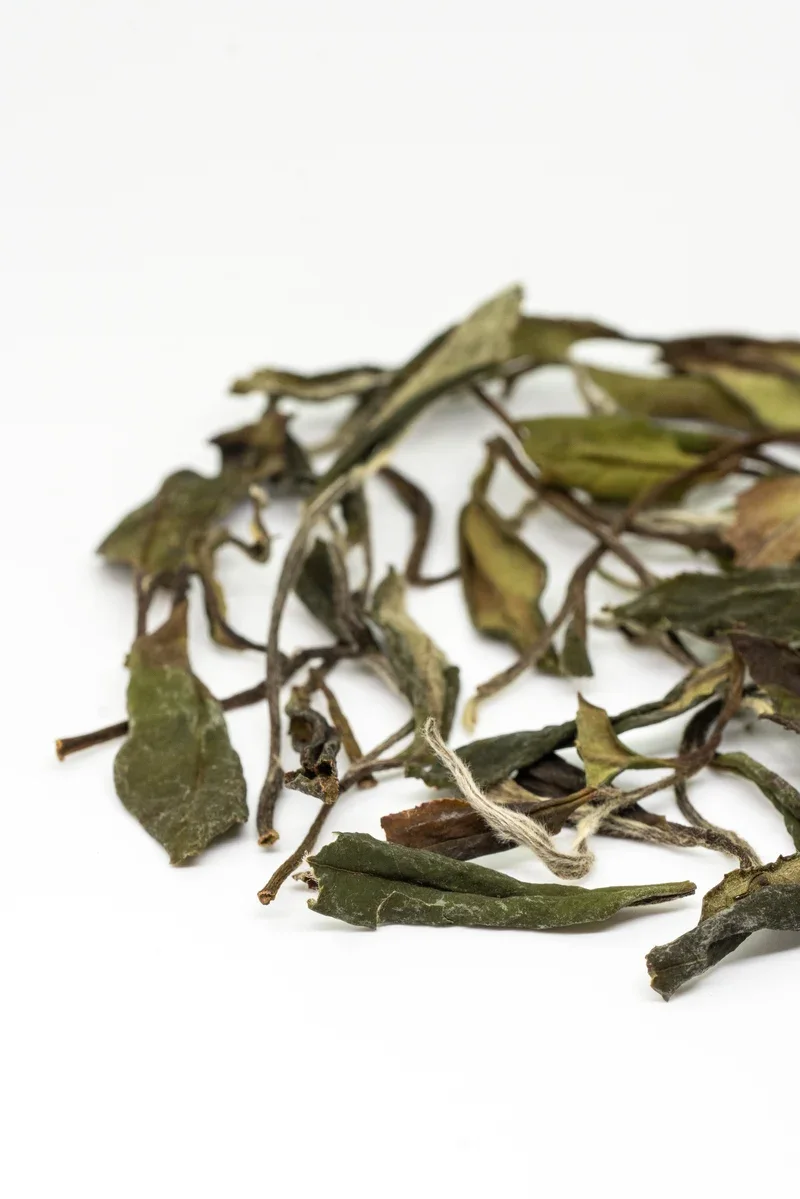
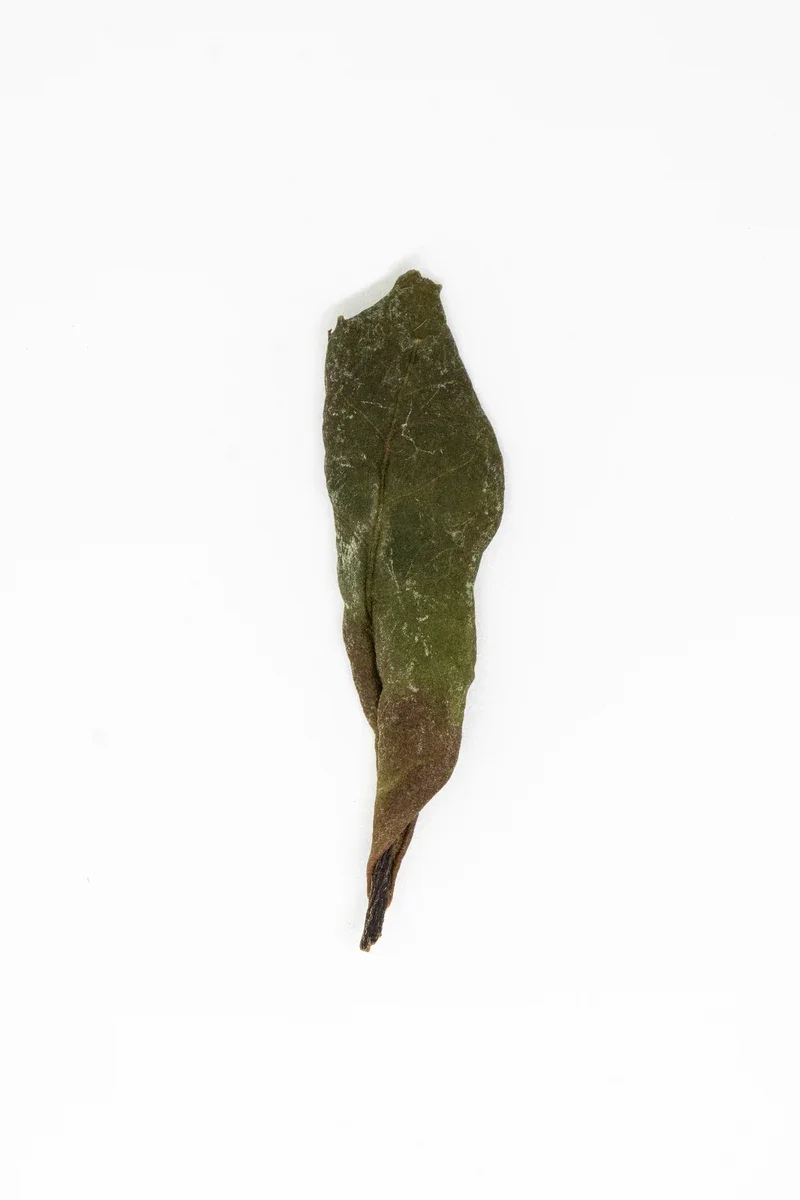
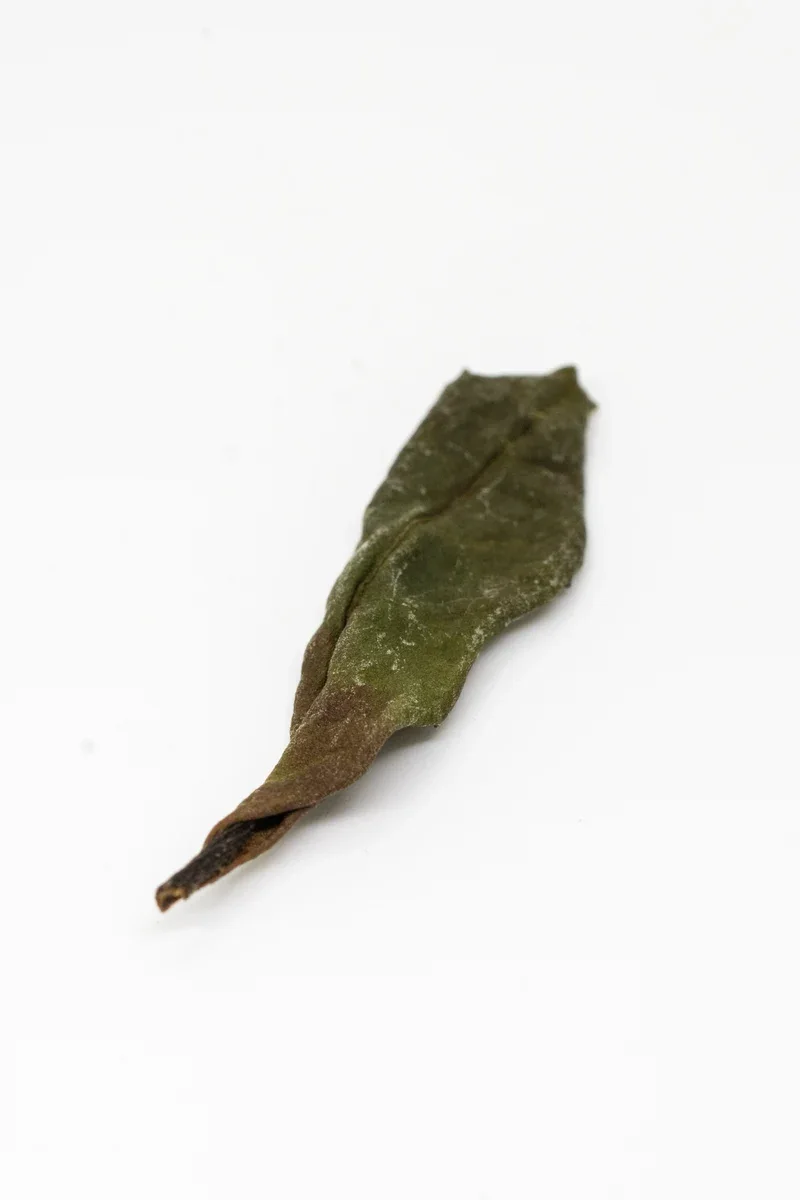
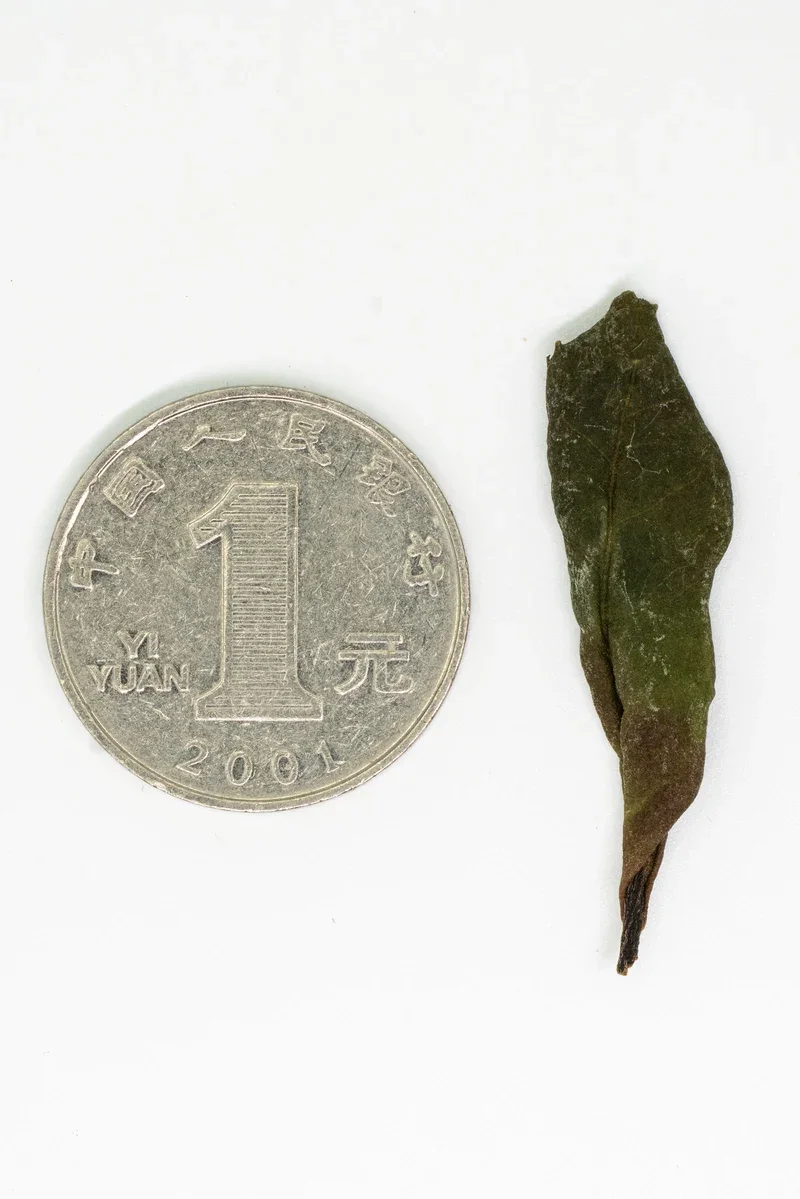
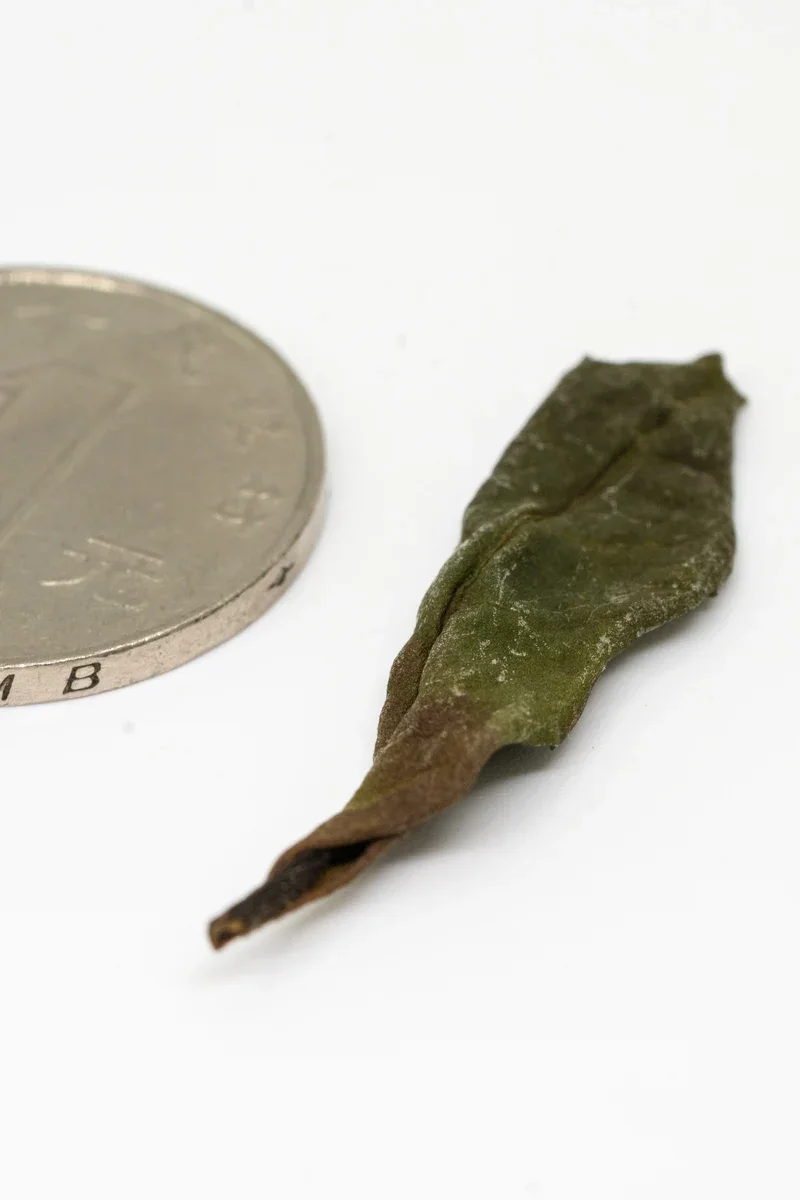
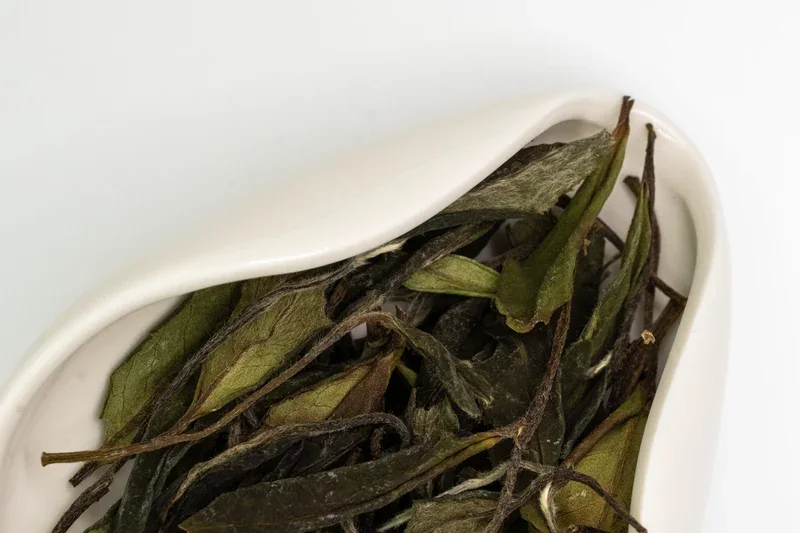
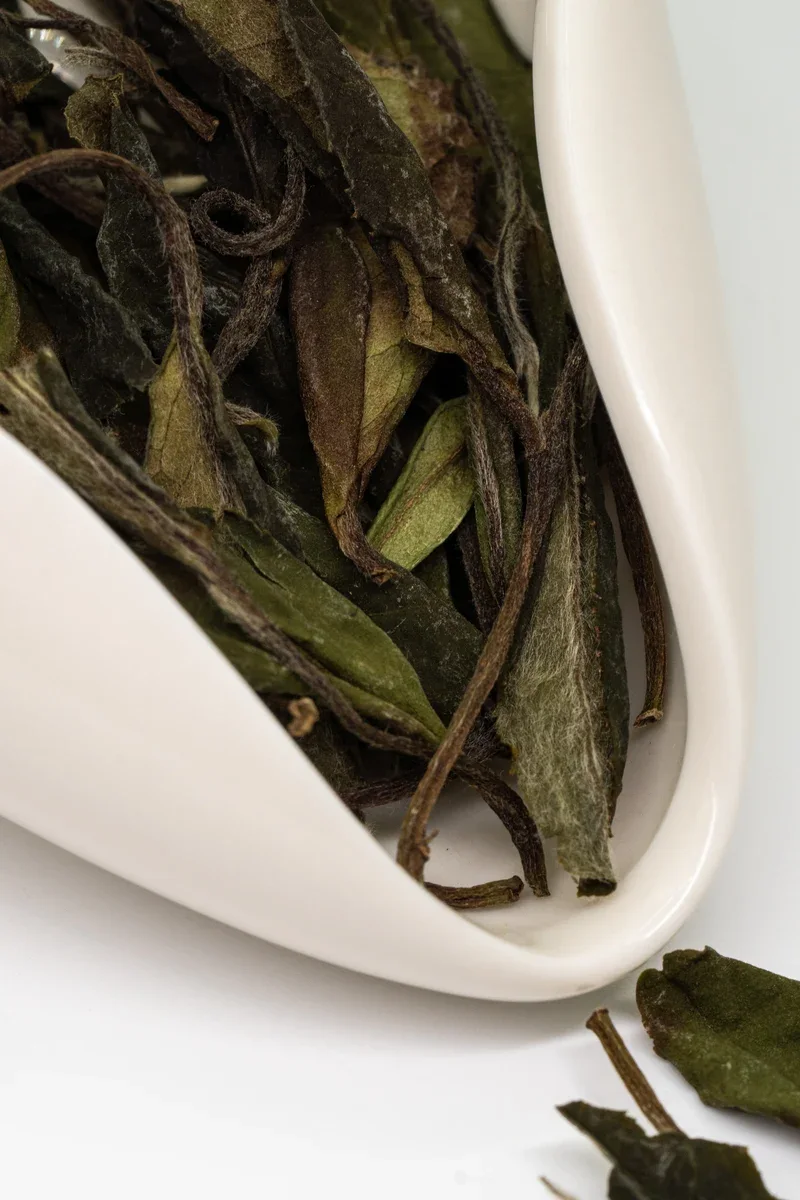
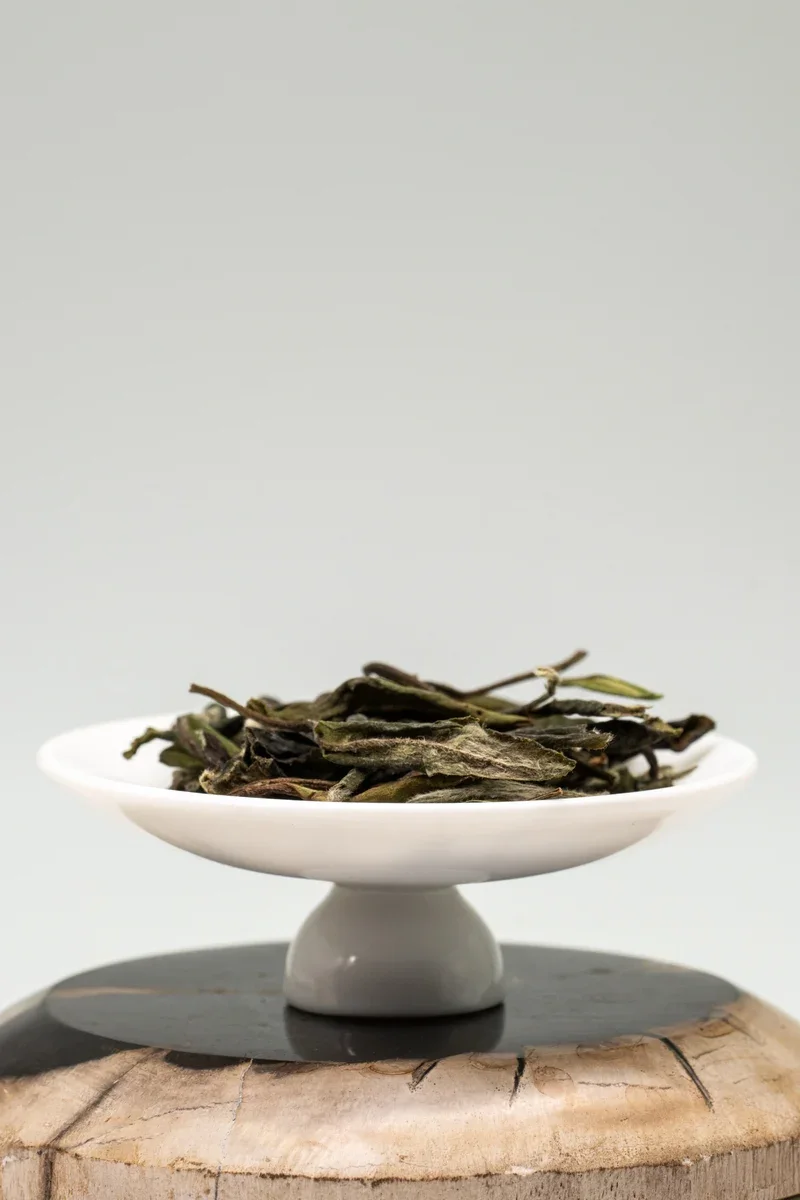
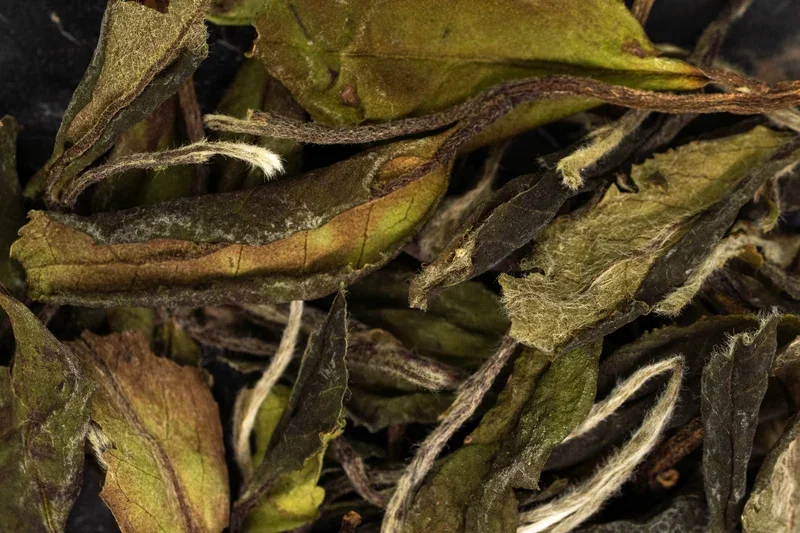
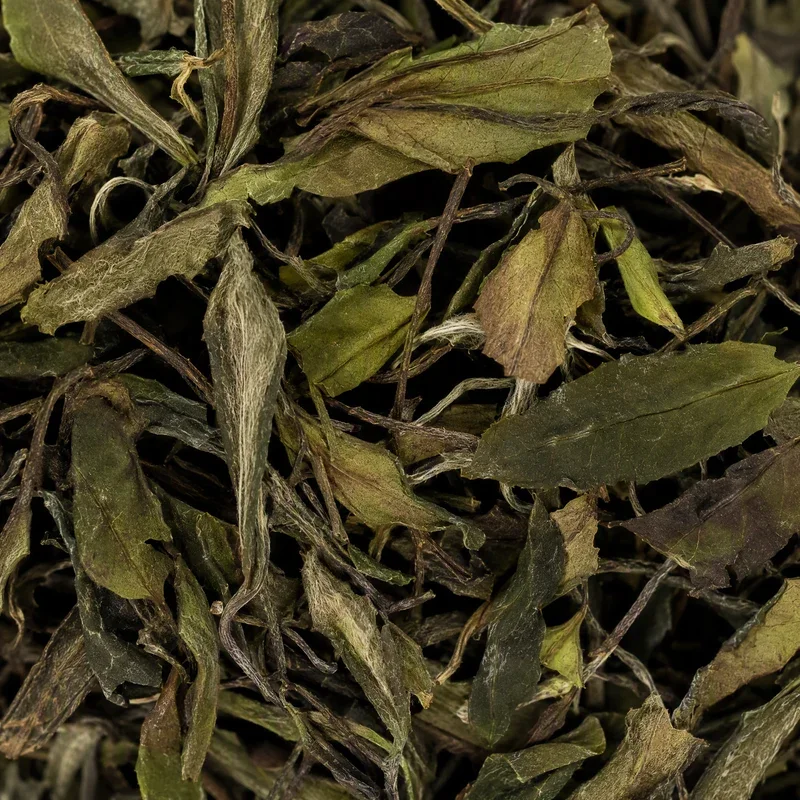
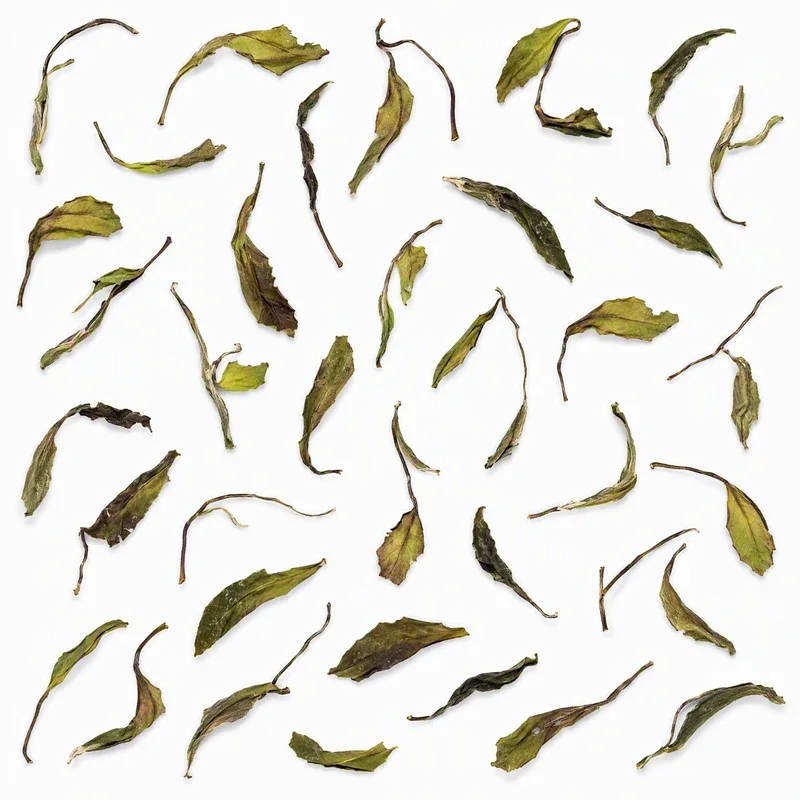
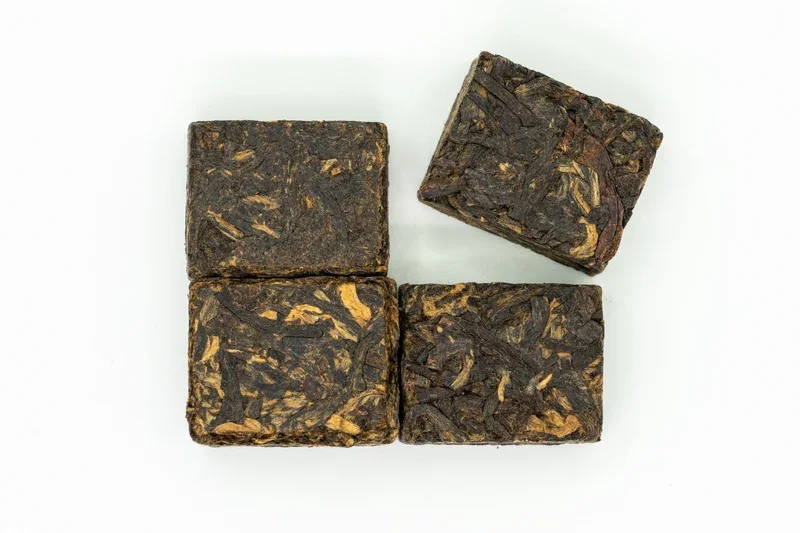
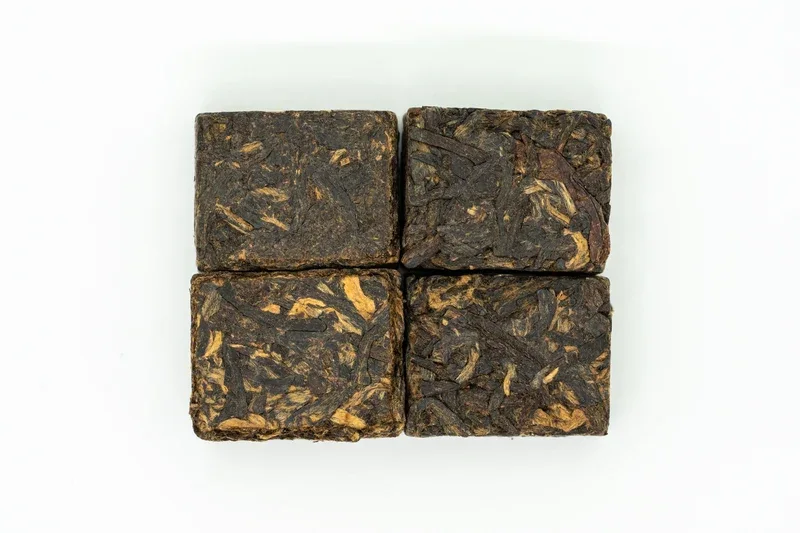
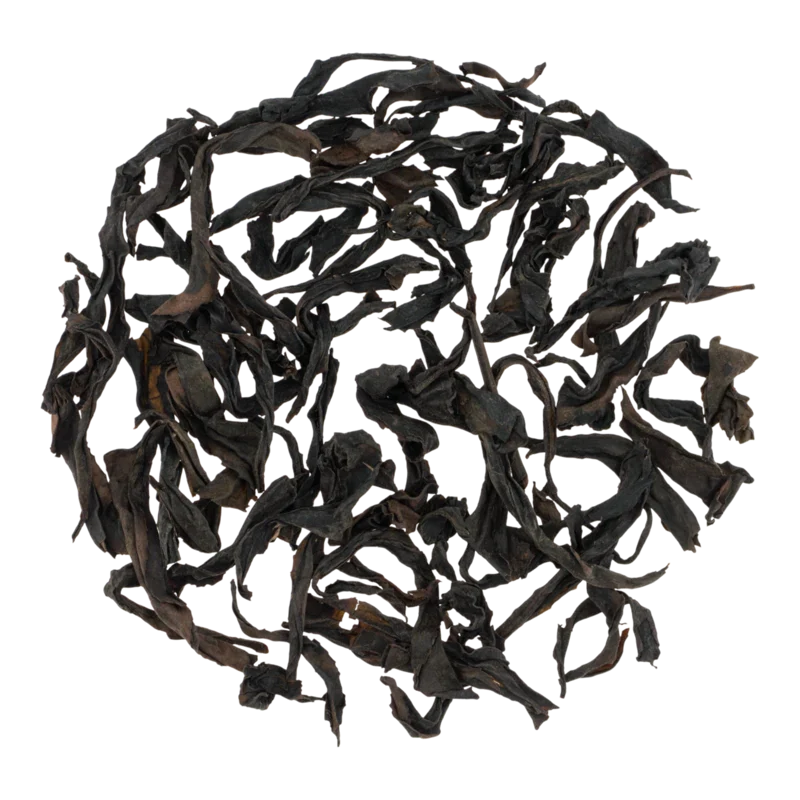
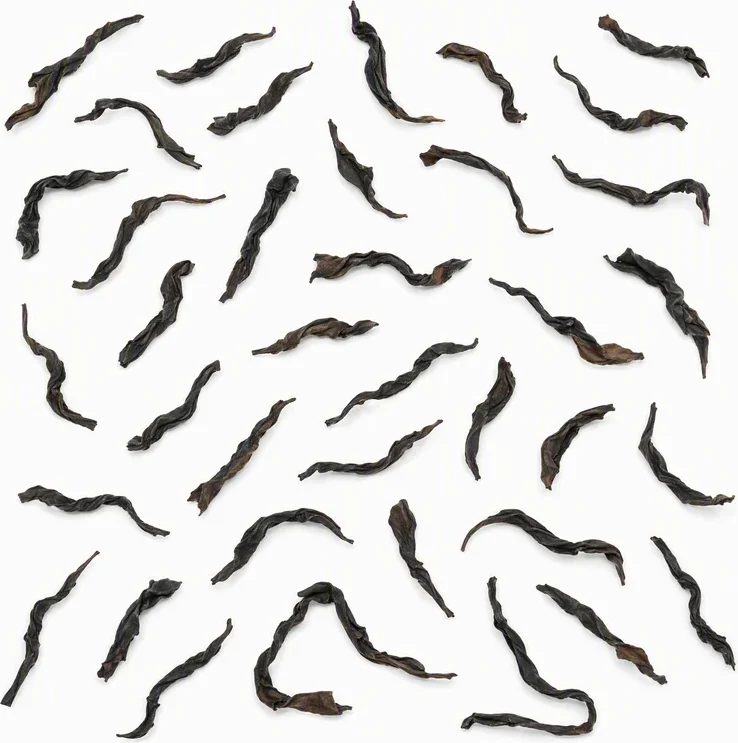
Dry Leaf Appearance: Large, longitudinally twisted leaves (tiao suo) of dark brown or chocolate-olive color with characteristic longitudinal folds. Leaf is whole, fairly large, with oily luster. Compared to dark-leaf Dan Congs, Bai Rui Xiang dry leaf may have a slightly lighter shade.
Dry Leaf Aroma: Complex and attractive. Floral notes dominate, reminiscent of daphne aroma — sweetly spicy, slightly powdery, with hints of orchid and jasmine. Light tones of baked fruits (pear, quince), vanilla and barely perceptible "fire" note from roasting are present.
Liquor Aroma: Bright, multi-layered and developing from steeping to steeping. In first infusions, high floral notes dominate (daphne, orchid, white jasmine). In middle steepings, fruity and confectionery tones unfold — biscuit, baked pear, light honey. In late infusions, woody and mineral nuances appear.
Liquor Color: From light golden to rich amber, depending on roasting degree and steeping number. Liquor is clear, with oily luster.
Spent Leaves: Whole, elastic leaves with classic pattern: green (olive) center and reddish-brown edge — characteristic trace of controlled oxidation. Leaves are large, elastic, with pronounced aroma.
Taste: Rich, voluminous yet elegantly structured. Entry is soft, sweetish, with honey and floral nuances. In the middle, moderate pleasant astringency and refreshing acidity unfold. Aftertaste (回甘, huígān) — prolonged, sweetly cool, with honey and floral overtones rising from the throat's depth. High-quality Bai Rui Xiang possesses pronounced "shan yun" (山韵, shān yùn) — special "mountain rhyme," mineral depth that distinguishes authentic Fenghuang terroir.
Alkaloids: Caffeine — 2.35–5.33% of dry mass, theobromine, theophylline. Provide gentle but prolonged tonic effect characteristic of oolongs.
Amino Acids: Total content — 1.15–2.96%. Key amino acid — L-theanine, providing "umami" sensation and meditative relaxation. In Dan Congs, amino acid content is typically higher than in ordinary Fenghuang Shuixian, confirmed by research from South China Agricultural University (华南农业大学).
Give the liquor characteristic fine foam when poured.
High content of ether extract (醚浸出物, mí jìnchūwù) — an indicator in direct correlation with tea aromaticity; in Dan Congs it consistently exceeds Fenghuang Shuixian indicators.
Essential Oils: Research led by Professor Dài Sùxián (戴素贤) from South China Agricultural University in 1996 identified 104 volatile aromatic compounds in Dan Congs — a record number among Chinese teas, for which they are called "tea perfumes" (茶中香水, chá zhōng xiāng shuǐ). Main components: linalool and its oxides, geraniol, nerol, farnesol, α- and β-farnesene, indole, nerolidol (橙花叔醇). Precisely the composition and proportions of essential oils determine the specific "daphne" aroma of Bai Rui Xiang.
Minerals: Potassium, calcium, magnesium, manganese, zinc, fluorine — conditioned by granite soils of high-altitude terroir.
Polyphenols: Tea polyphenol content in Dan Congs reaches 22.64–39.12% of dry mass (data from Chinese Tea Science Society). Their composition includes: catechins (EGCG, EGC, ECG — 8.91–17.39%), theaflavins and thearubigins (partial oxidation products), flavonoids (8.27–14.05%). Provide astringency, antioxidant activity and taste structure.
Vitamins: Vitamin C, B-group vitamins (B₁, B₃).
Balanced combination of caffeine and L-theanine provides gentle, prolonged alertness without sharp peaks — the effect of "calm concentration."
Polyphenols and flavonoids neutralize free radicals, slowing oxidative stress and cellular aging processes.
Stimulates peristalsis and digestive enzyme production; traditionally in Chaozhou, Dan Cong is drunk after heavy meals.
Regular moderate consumption of oolongs may contribute to normalizing cholesterol levels and blood pressure (data from several epidemiological studies in Guangdong and Fujian).
Vitamins C, B₁, B₃ and minerals support immune functions.
Antioxidant and anti-inflammatory effect of polyphenols.
L-theanine promotes production of brain α-waves associated with relaxation and good mood.
Oolongs are known for their ability to activate lipid metabolism, which may be useful as part of a comprehensive approach to weight management.
Spring (春茶, chūnchá) — most valuable, with maximum aromatic intensity and amino acid content. Autumn (秋茶, qiūchá) — more "dense" in body, with pronounced astringency, less aromatic, but with good structure.
Tea Amount: 5–7 g per 100–150 ml water (when brewing gongfu style); 3–4 g per 200 ml (when brewing in large cup or teapot).
Teaware: Gàiwǎn (盖碗, gàiwǎn) of porcelain or thin-walled ceramics — ideal choice for evaluating aroma and visual control of leaf opening. Yíxīng clay teapot (宜兴紫砂壶, Yíxīng zǐshā hú) dedicated specifically to Guangdong oolongs is acceptable, as well as Cháozhōu clay teapot (潮州朱泥壶, Cháozhōu zhūní hú) — traditional teaware for Gongfu Cha.
Water Temperature: 90–95°C. Single boiling of soft filtered water with subsequent cooling to required temperature is recommended.
With proper storage and adequate roasting, Dan Congs not only maintain quality for several years but may improve over time. Periodic re-roasting (复焙, fù bèi) once every 1–2 years extends tea life and deepens its taste.
The most popular and widespread Dan Cong. The aroma is sweet, rich, with pronounced honey and orchid notes. The taste is denser, more "thick" compared to Bai Rui Xiang. Bai Rui Xiang is more elegant, more refined, with emphasis on powdery florality, while Mi Lan Xiang is brighter and more honey-sweet.
Delicate, restrained, with noble orchid aroma and characteristic presence of isoeugenol in the aromatic profile. Close to Bai Rui Xiang in refinement, but differs in its more "cold," mineral character.
Intense, sensual, "sultry" aroma reminiscent of tuberose and night jasmine. Substantially different from Bai Rui Xiang: if the latter is morning coolness and white flowers, then Ye Lai Xiang is a warm southern evening.
High, clean, somewhat "lacy" magnolia aroma. More airy than Bai Rui Xiang, but inferior to it in depth and complexity.
Price Category: Bai Rui Xiang belongs to the medium-expensive and expensive Dan Cong segment. Price is determined by bush age (tea from Lao Cong trees, 老丛, is significantly more expensive), growing altitude, harvest season (spring is most valuable), producer skill and roasting degree. Bai Rui Xiang from old trees in the Wudong zone can cost significantly more than ordinary grade.
No reviews yet. Tell us what you think of this tea.
Rate this tea and share your impressions. We review each submission before publishing it.