Brewing
Gongfu brewing
- Water temperature
- 92 °C
- Tea amount
- 6 g
- Water volume
- 100 ml
- First steep
- 10 s
- Time added per infusion
- 5 s
- Infusions
- 8

běi dǒu
Choose a brewing method. Start with the recommended quantities and time, then adjust to taste.
Brewing
Brewing
Taste
Tea encyclopedia
Category: Wǔyí rock oolongs (武夷岩茶, Wǔyí Yán Chá). Included among the "famous cultivars" (名枞, Míngcōng) alongside Da Hong Pao, Tie Luohan, Bai Ji Guan, and Shui Jin Gui.
Category: Wǔyí rock oolongs (武夷岩茶, Wǔyí Yán Chá). Included among the "famous cultivars" (名枞, Míngcōng) alongside Da Hong Pao, Tie Luohan, Bai Ji Guan, and Shui Jin Gui.
Coordinates: ~27°43' N, ~117°41' E.
Origin: China, Fújiàn Province (福建, Fújiàn), Wǔyí Mountains (武夷山, Wǔyí Shān), within the nature reserve territory. Plantations are concentrated in inter-rocky valleys (坑涧, kēngjiàn) at altitudes of 500–700 m. The original mother bushes of Beidou No. 1 (北斗一号, Běi Dǒu Yī Hào) are located on Běidǒu Peak (北斗峰).
Type: Oolong, rock tea (岩茶, Yán Chá). Medium to heavily oxidized, oxidation level ~40–50%. Medium or heavy charcoal roasting.
Cultural Significance: Beidou holds a special place among rock oolongs as the "living heir" of the original Da Hong Pao. For yancha connoisseurs, this is the closest approximation to the taste of the legendary mother bushes. In 2019, a batch of Beidou from the 2010 harvest (200 g) was sold at a Sotheby's auction for 24,000 euros — a price record for this cultivar.
History: The Beidou cultivar is the result of many years of breeding work with genetic material from the original Da Hong Pao bushes. In the 1980s, scientist Yáo Yuèmíng (姚月明, Yáo Yuèmíng) from the Wuyi Tea Culture Institute conducted vegetative propagation (cutting) of old Da Hong Pao bushes, obtaining two lines: Beidou No. 1 (北斗一号) and Qi Dan (奇丹, Qí Dān, also known as "Beidou No. 2"). Beidou No. 1 preserved the most pronounced minerality and density of the original material.
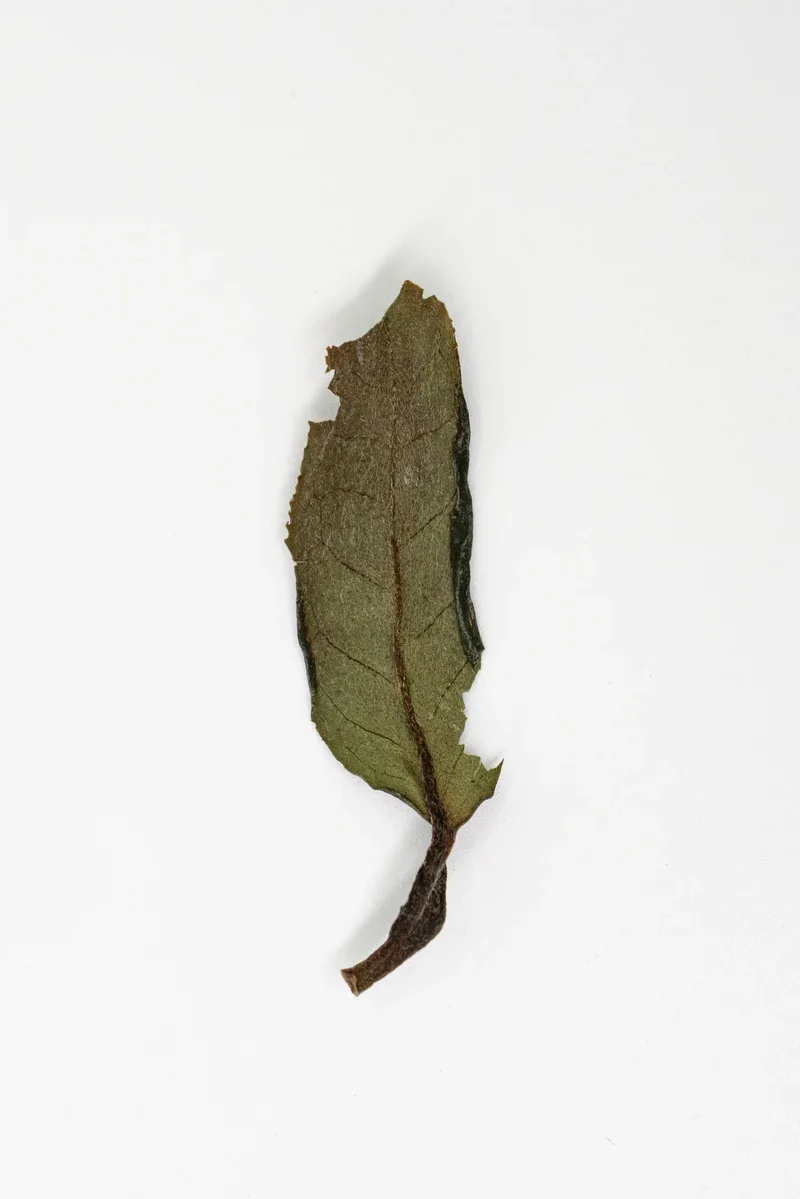
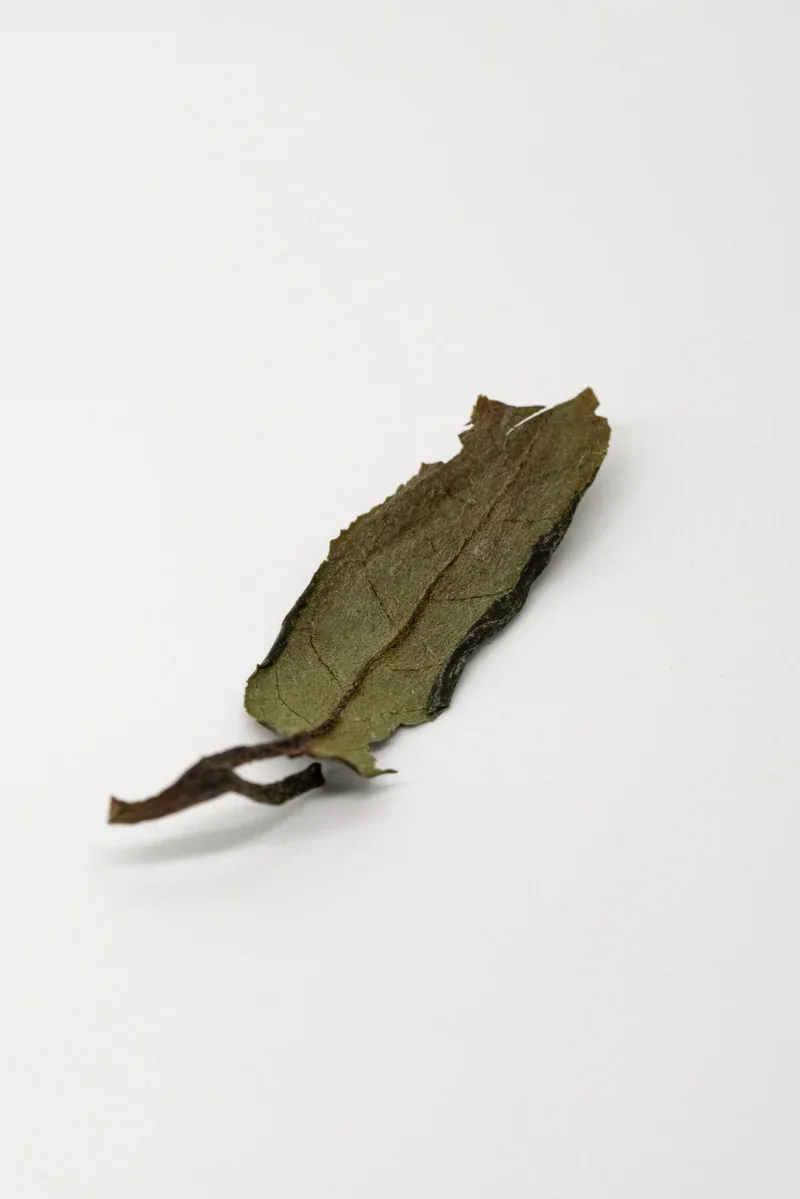
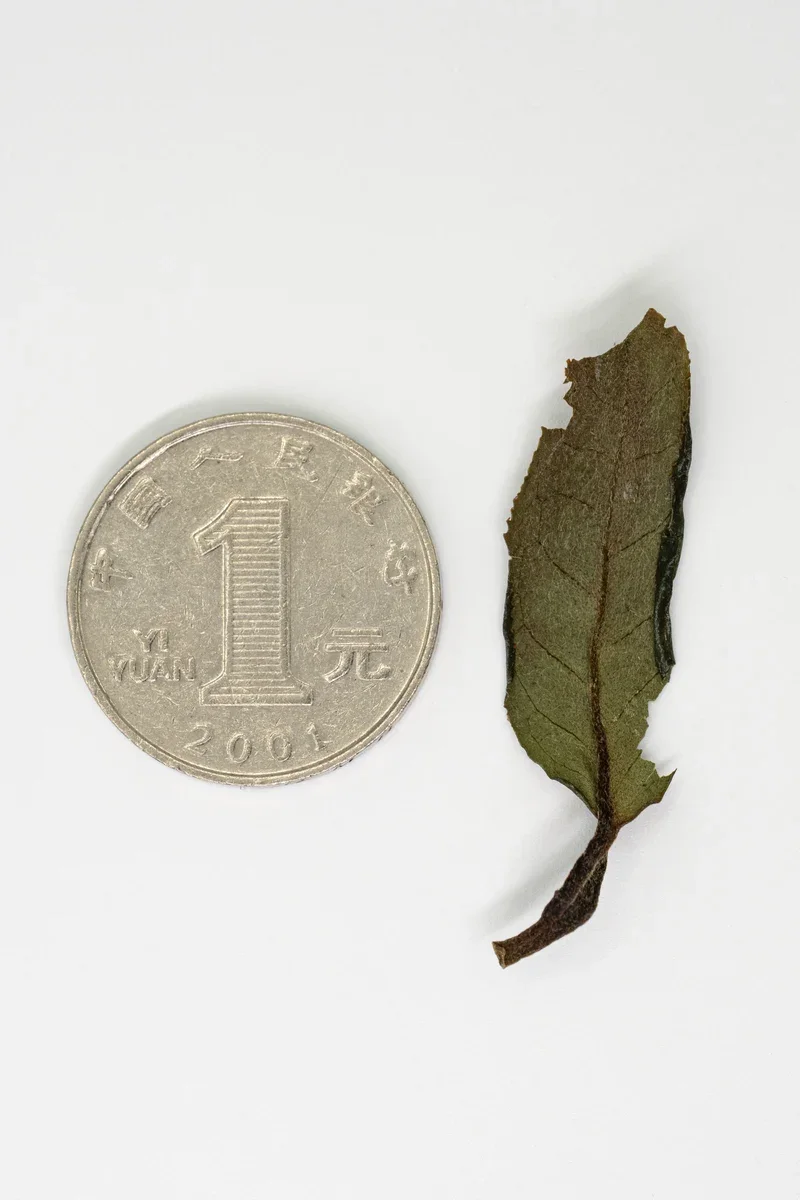
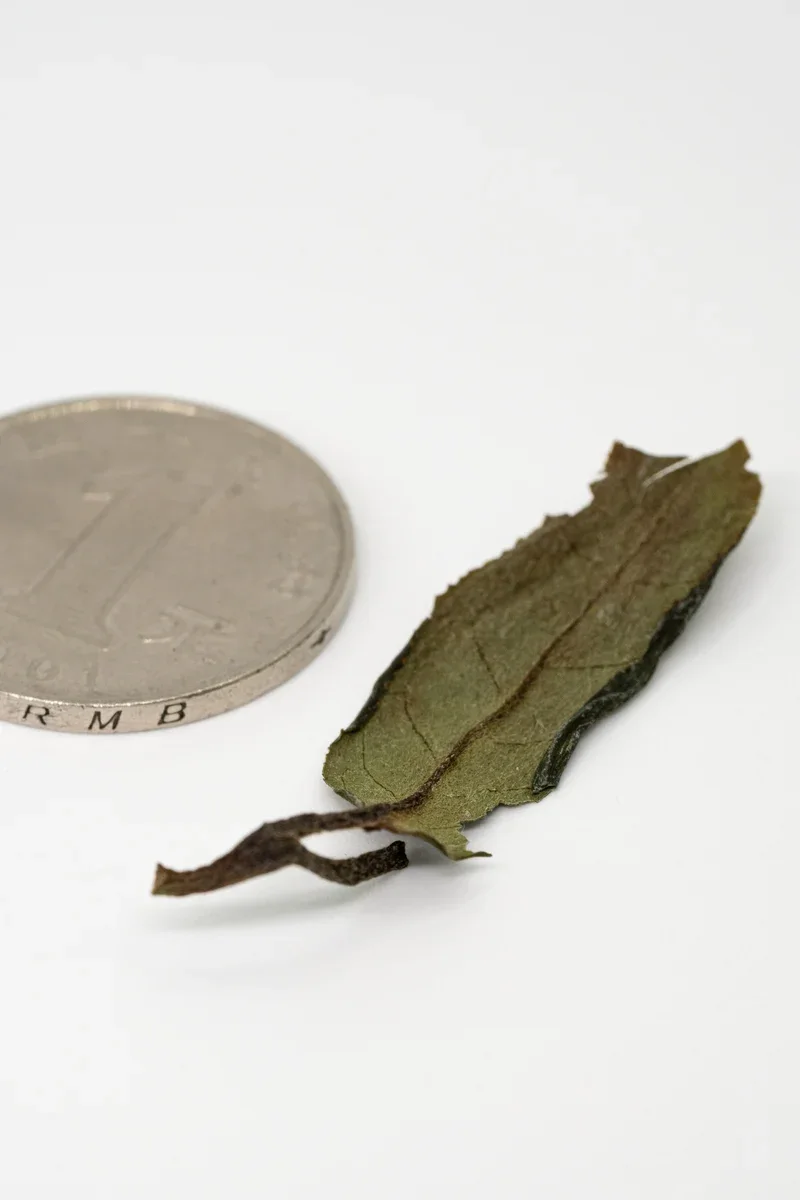
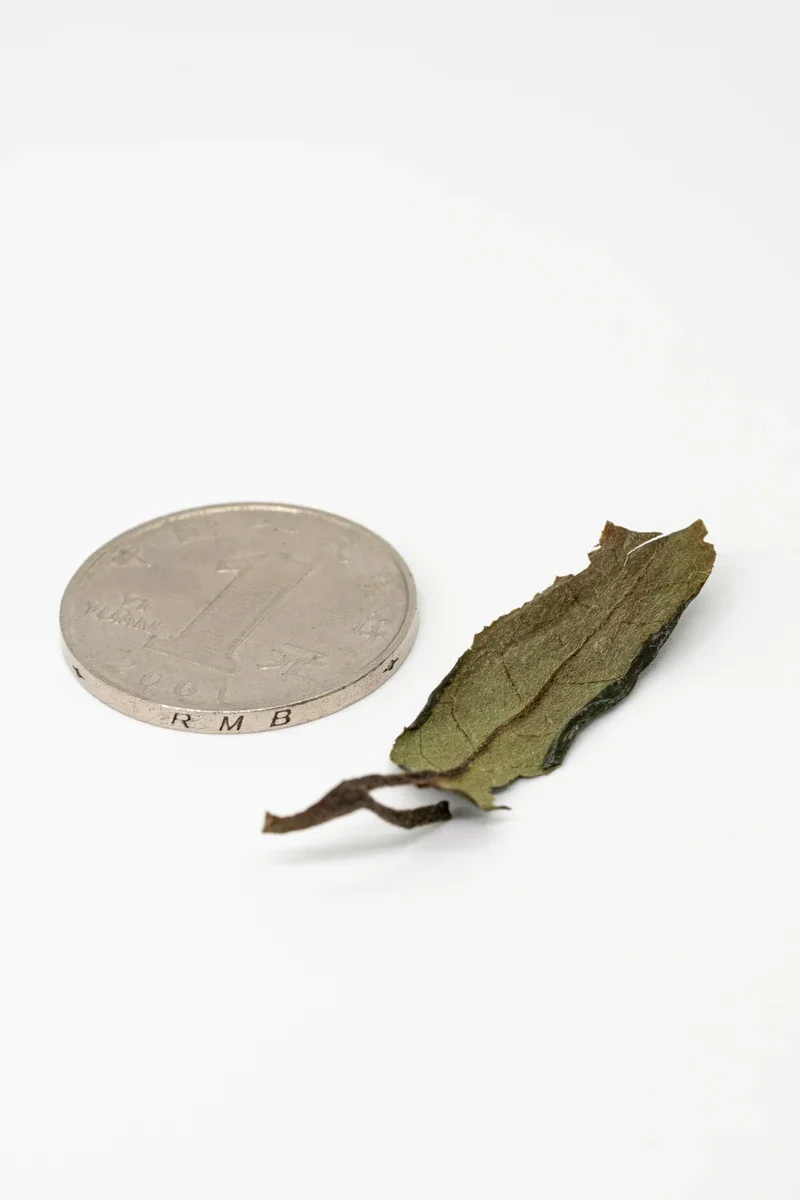
Large, up to 12–15 cm long, dense, leathery, with high cellulose content (~22%), ensuring resistance to intensive thermal processing. Dark green with pronounced veins. Young shoots are purple-red (anthocyanins).
Cultivar: Beidou No. 1 (北斗一号) — Camellia sinensis var. sinensis, a vegetatively propagated clone of Da Hong Pao mother bushes. Medium-sized shrub with a powerful root system capable of penetrating volcanic rock cracks and extracting minerals from basaltic rocks.
Pluck Standard: Bud + 3–4 upper leaves (一芽三四叶, yī yá sān-sì yè). Picking is predominantly spring (mid-April to early May). Hand-picked.
Raw Material: Only certified farms within the Wuyi Nature Reserve. Leaves must be whole, without mechanical damage.
Altitude: 500–700 m.
Climate: Average annual temperature ~19°C, humidity >80%, frequent fogs. Rocky outcrops create diffused lighting, stimulating synthesis of flavonoids and L-theanine. Daily temperature fluctuations 8–12°C.
Soil: Weathering products of igneous rocks — rich in iron oxides (Fe₂O₃), manganese, and zinc. Slightly acidic reaction (pH 4.5–5.5). Stoniness and good drainage force roots to deepen into rock cracks.
Inter-rocky valleys (坑涧, kēngjiàn) of Wuyi — narrow gorges between rocky massifs of red quartz andesitic basalt. Tea bushes grow in rock crevices on tiny plots of land protected from wind and direct sunlight.
The combination of minerality, body density, and long aftertaste formed specifically by Wuyi's rocky terroir. Beidou is considered one of the best expressors of yan yun.
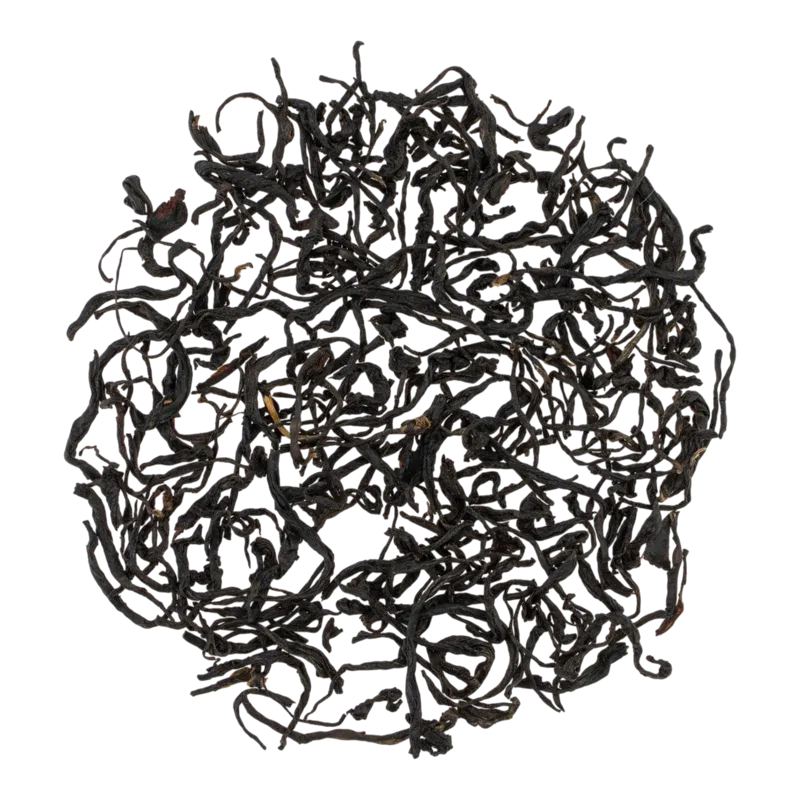
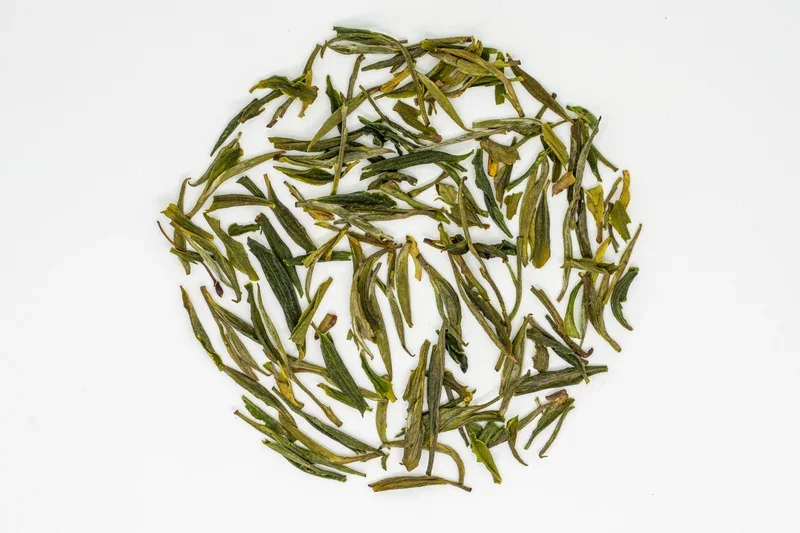
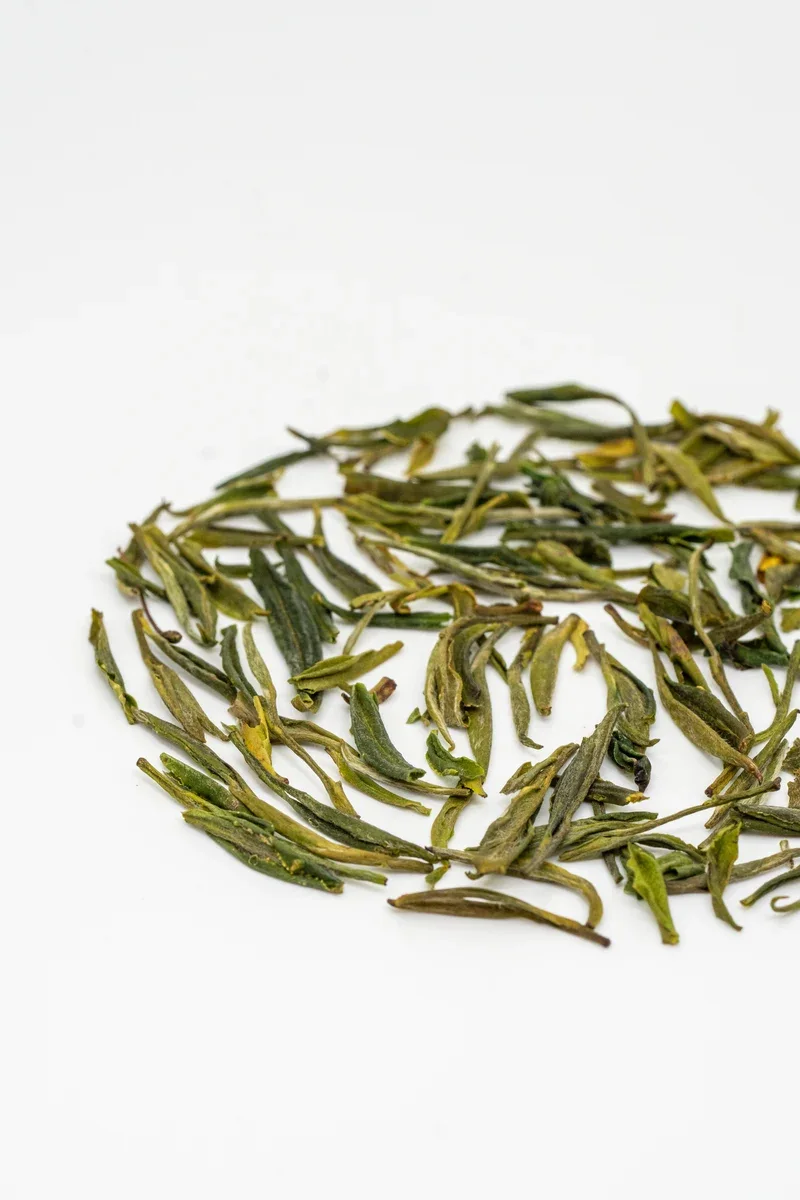
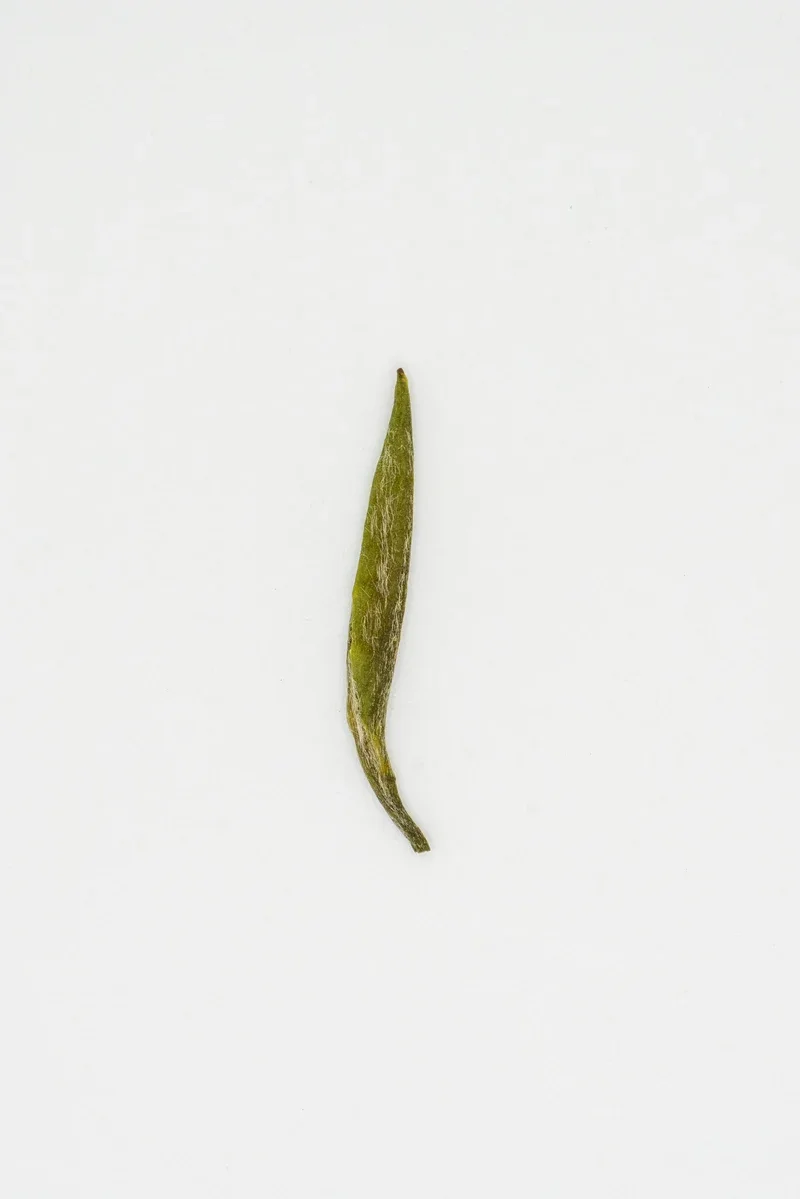
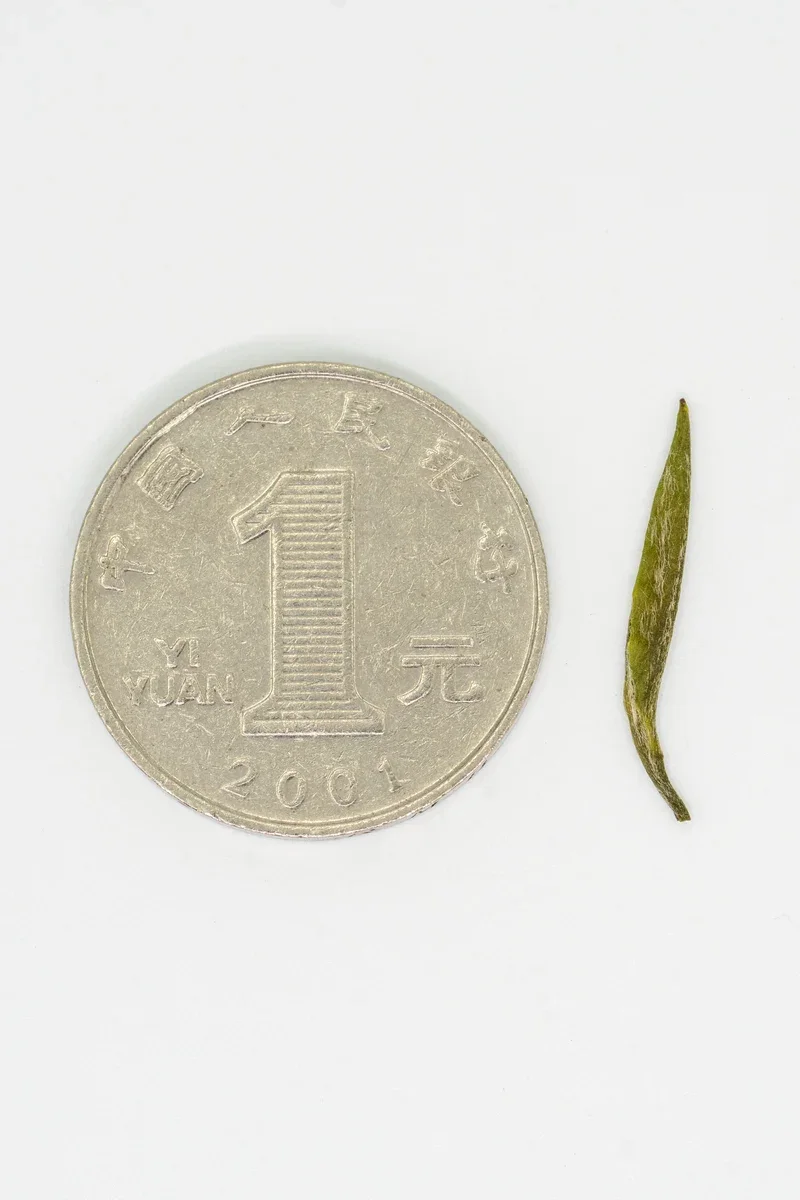
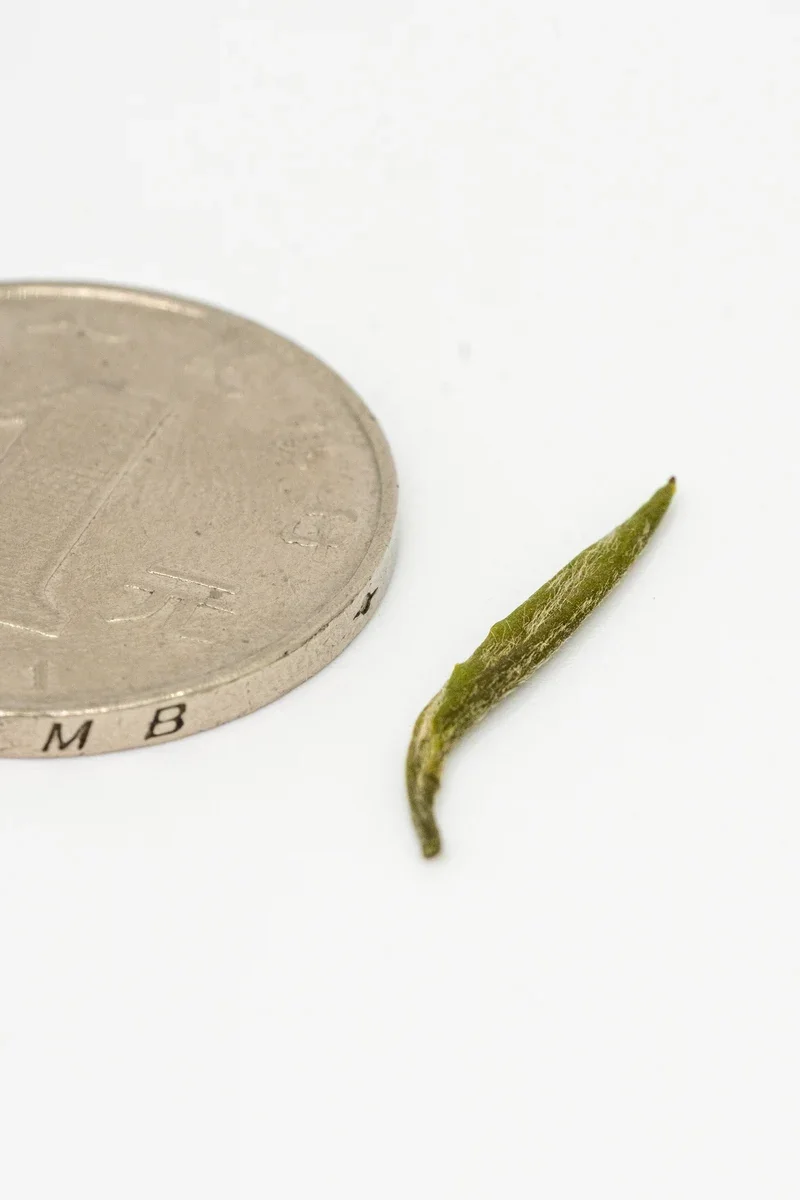
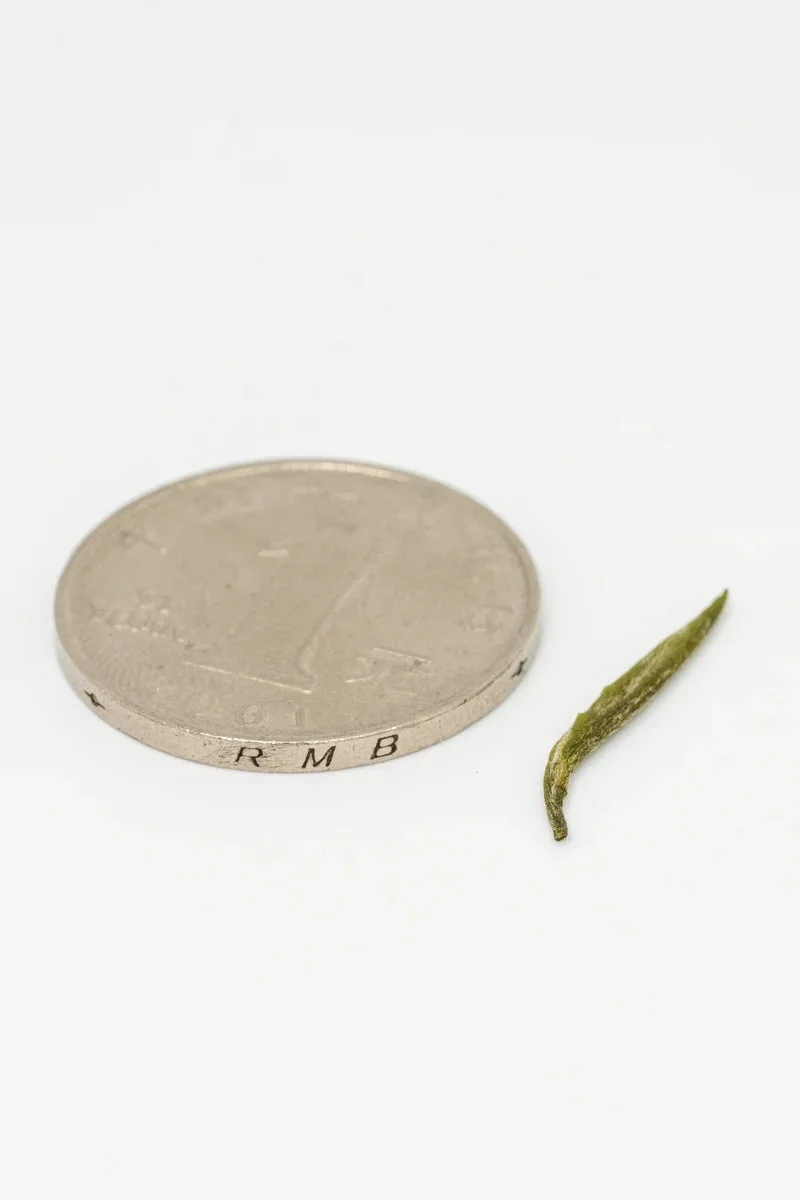
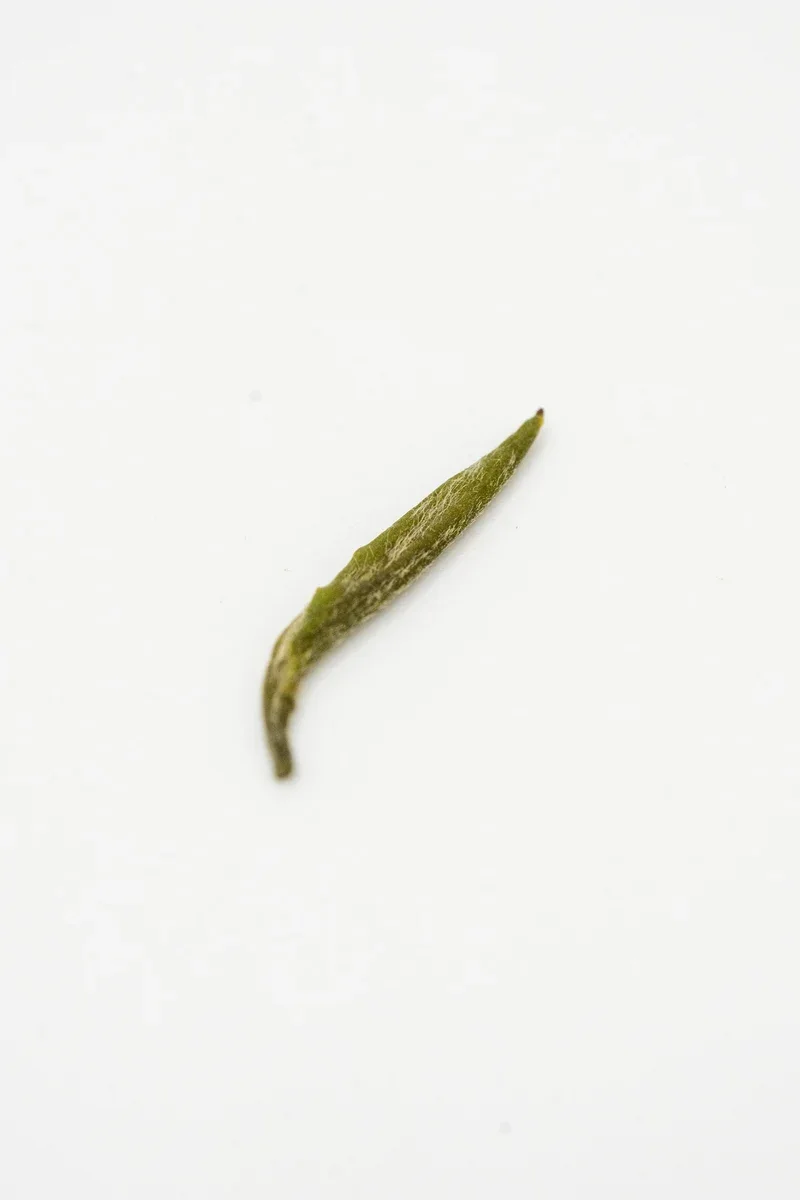
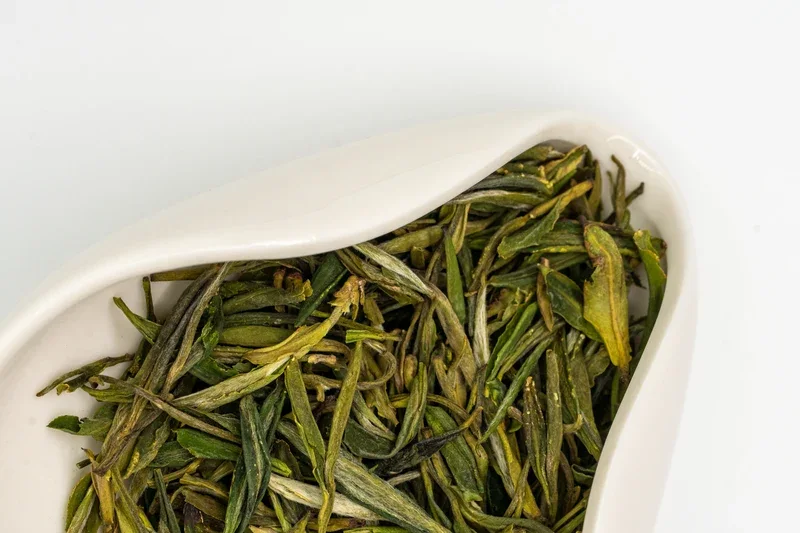
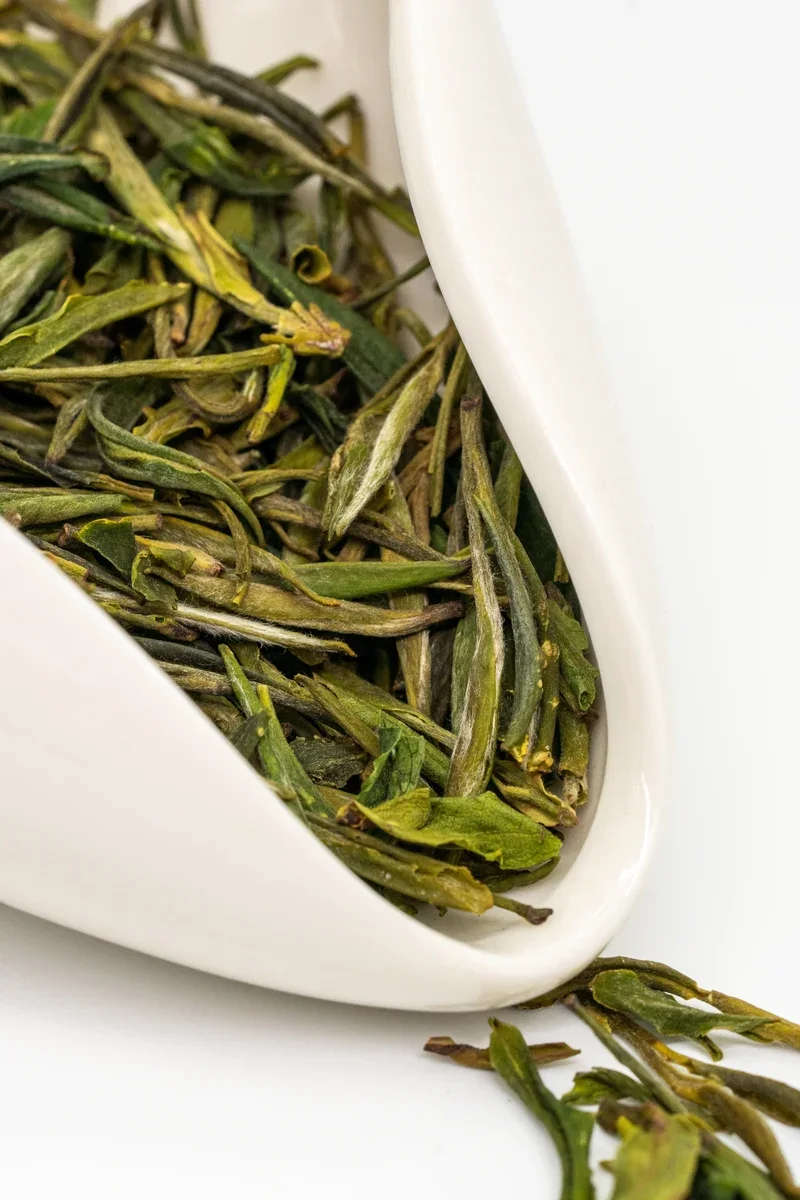
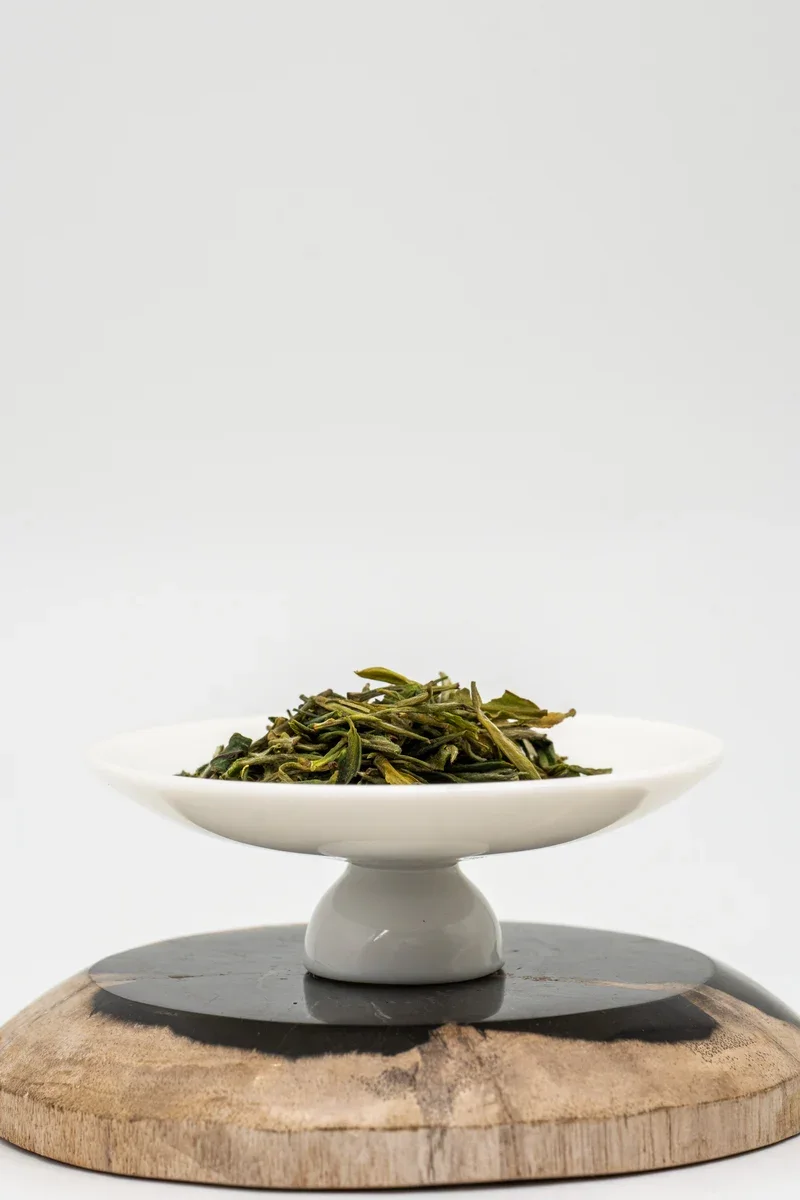
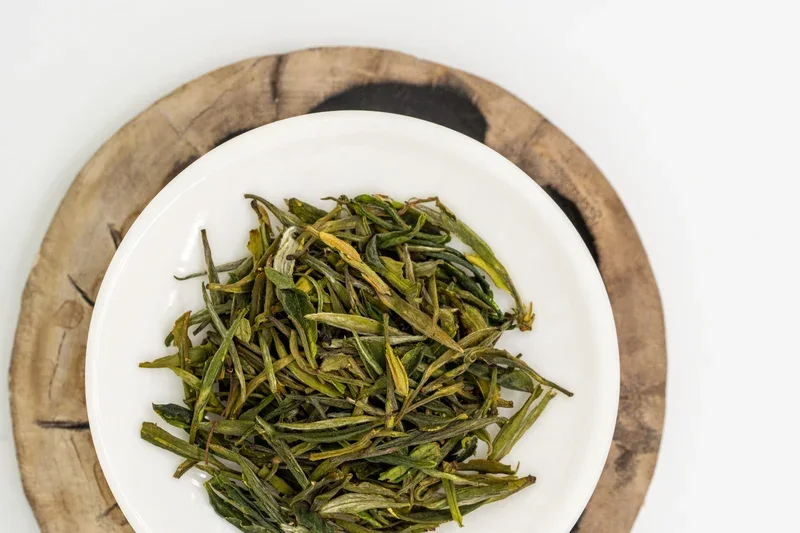
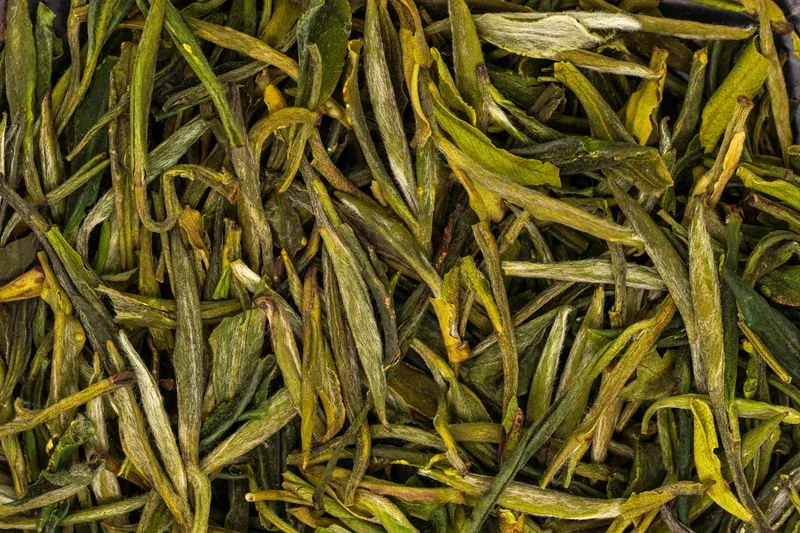
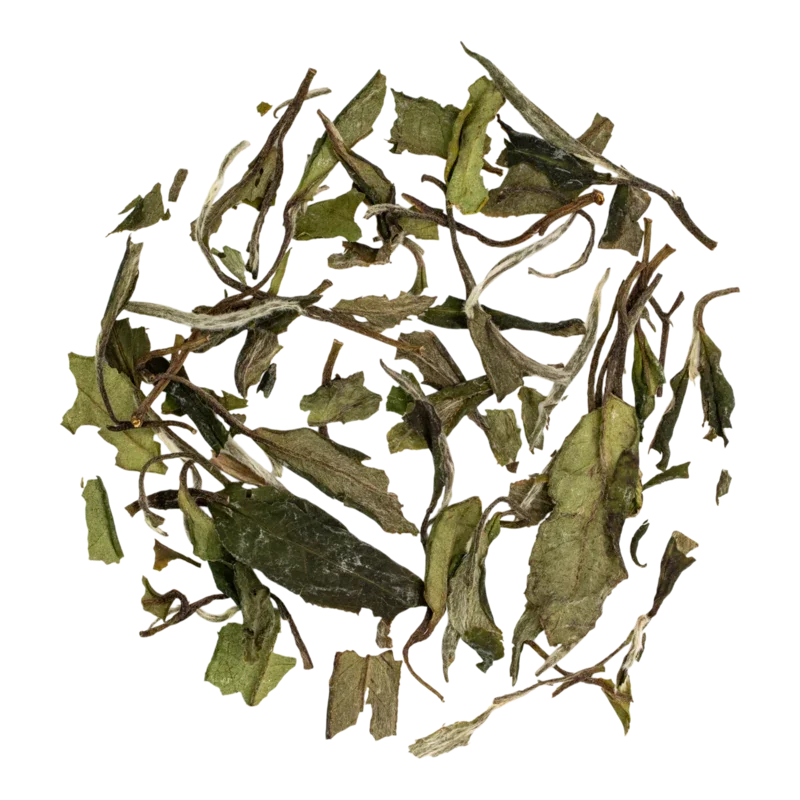
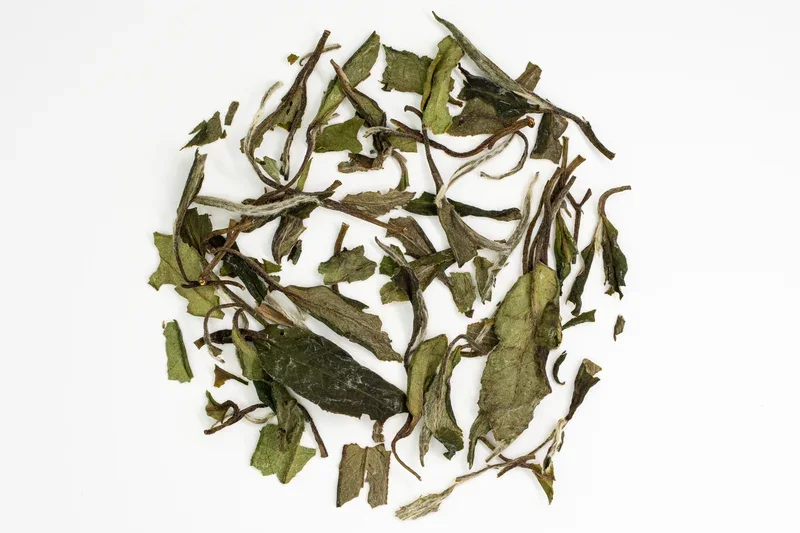
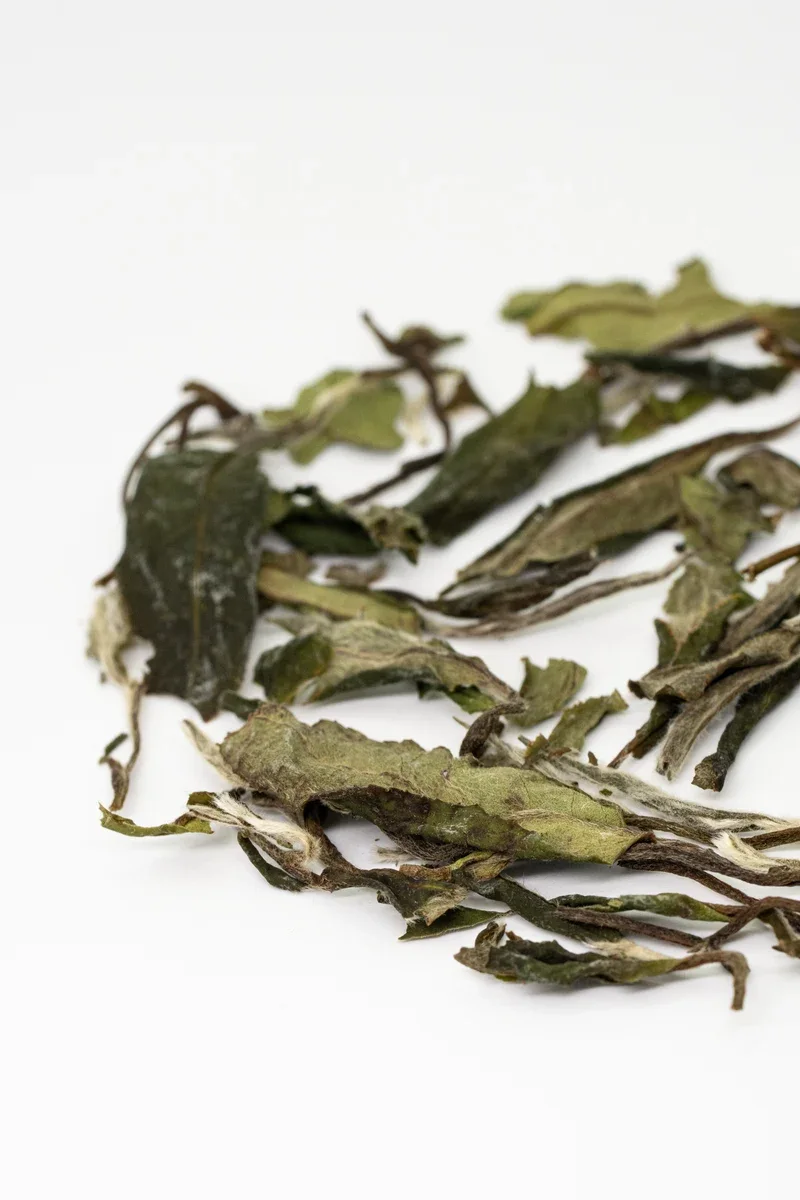
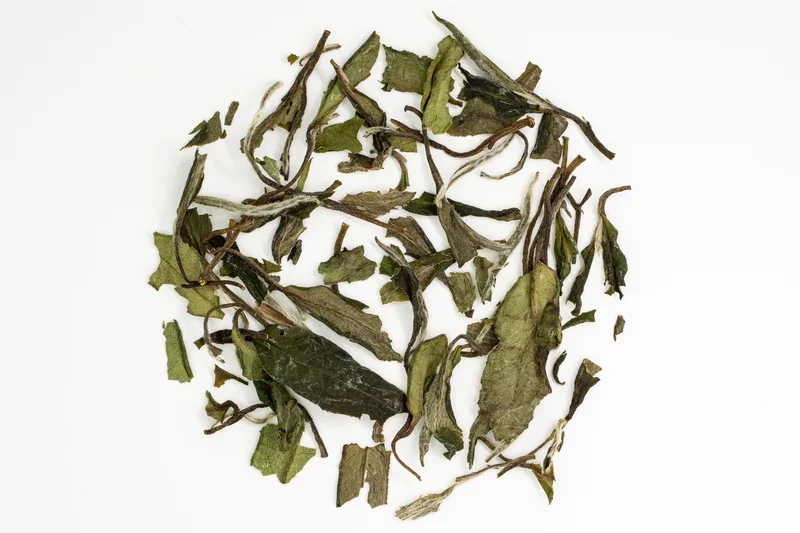
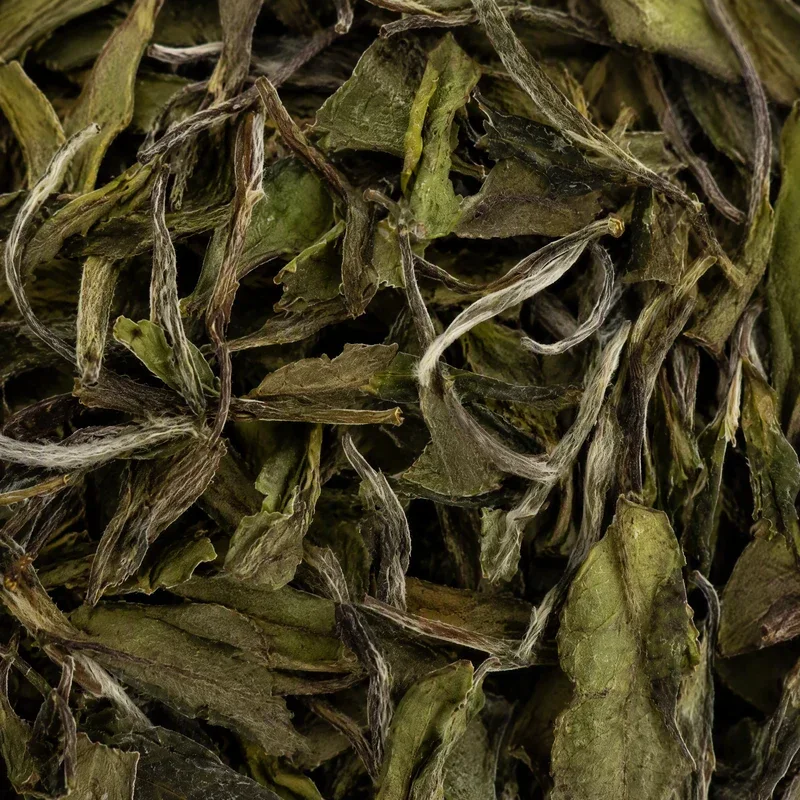
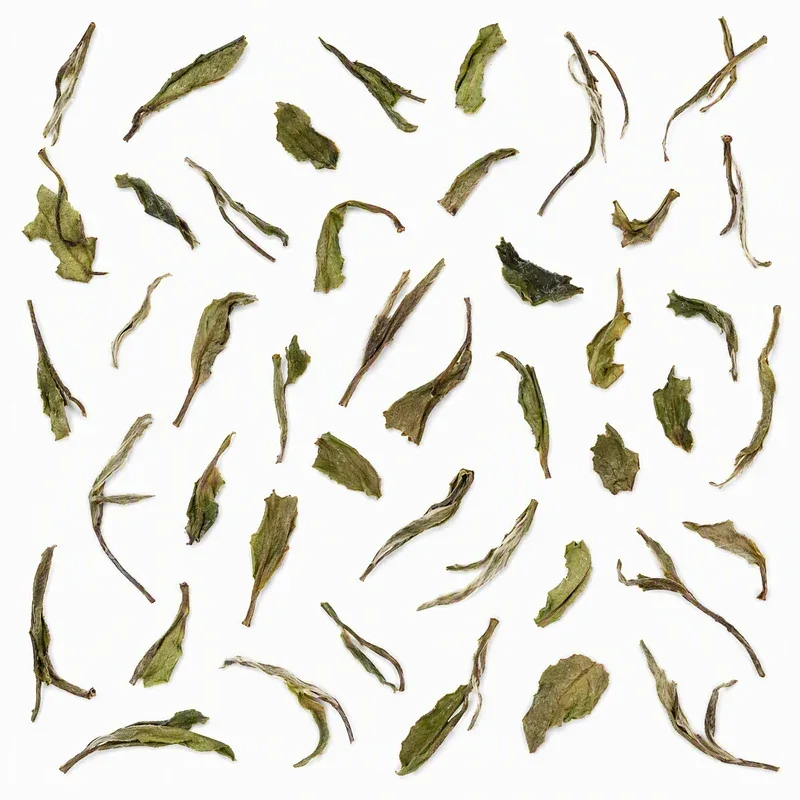
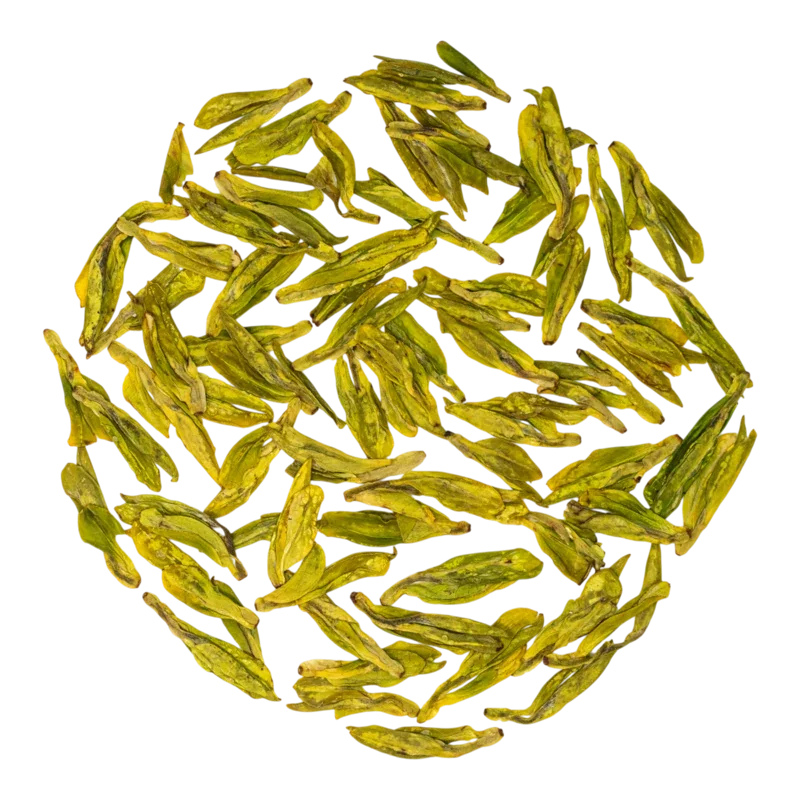
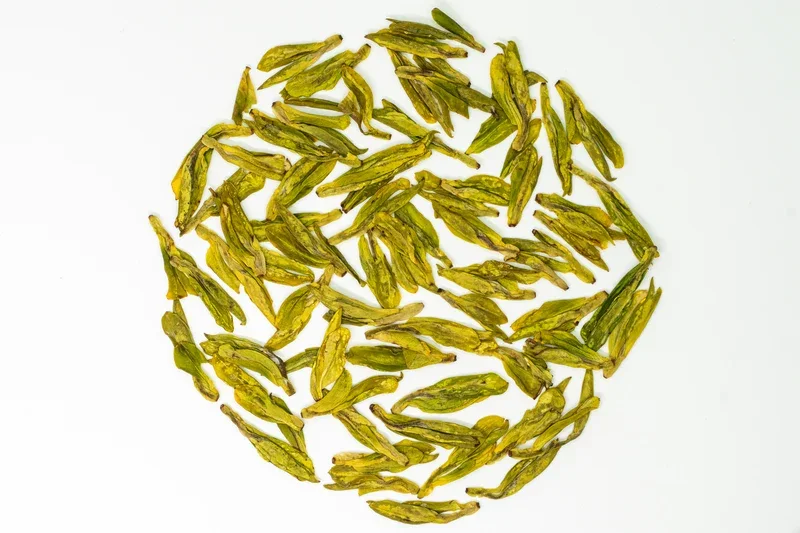
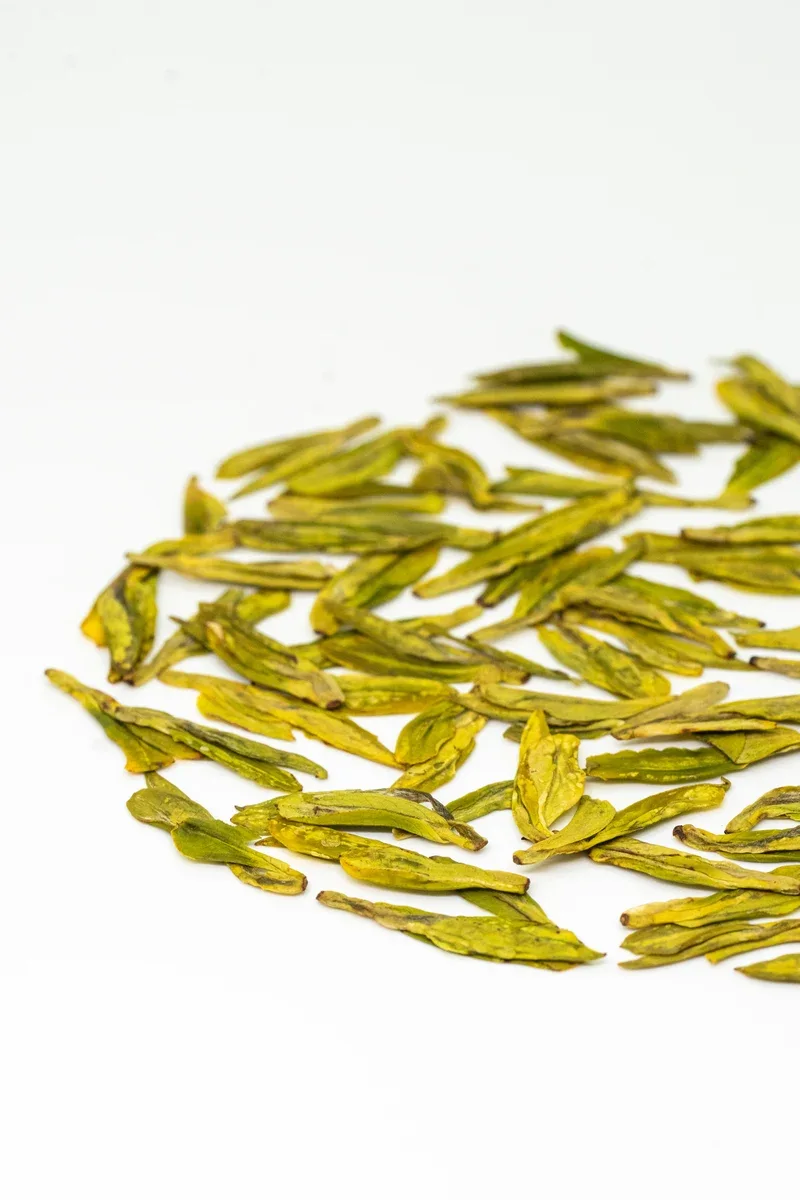
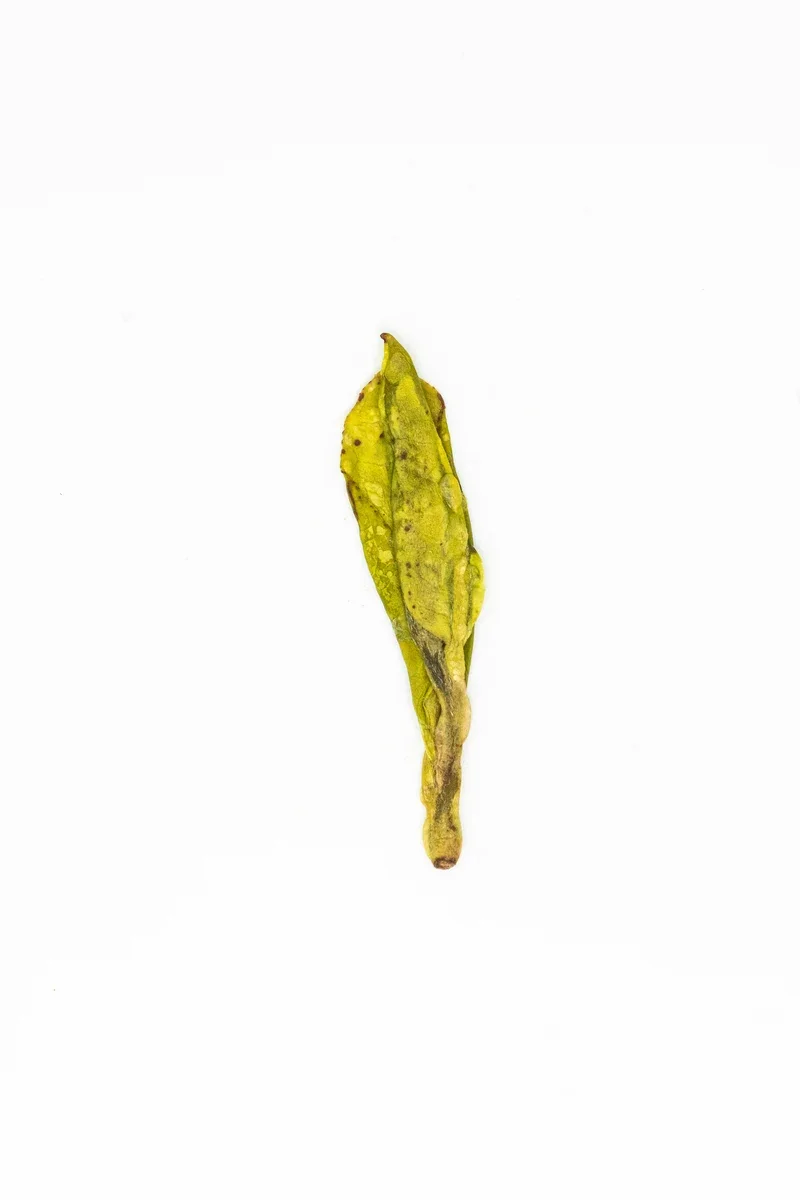
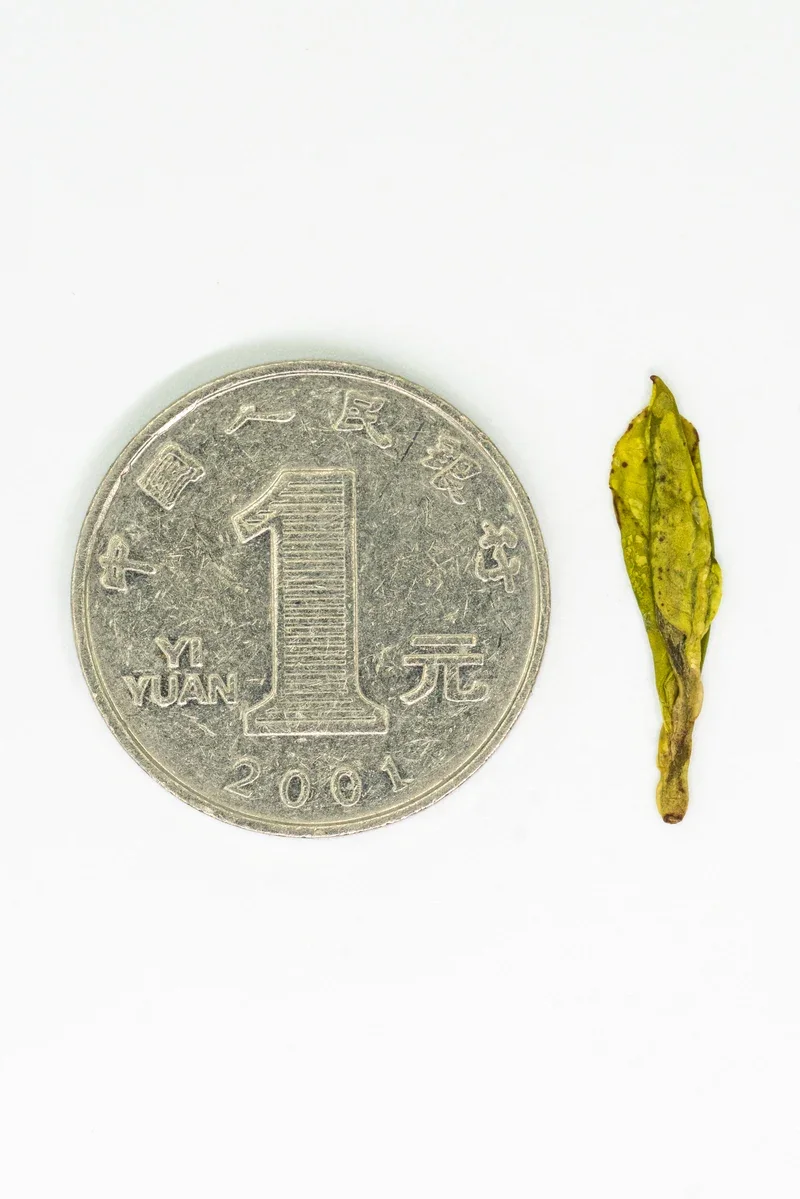
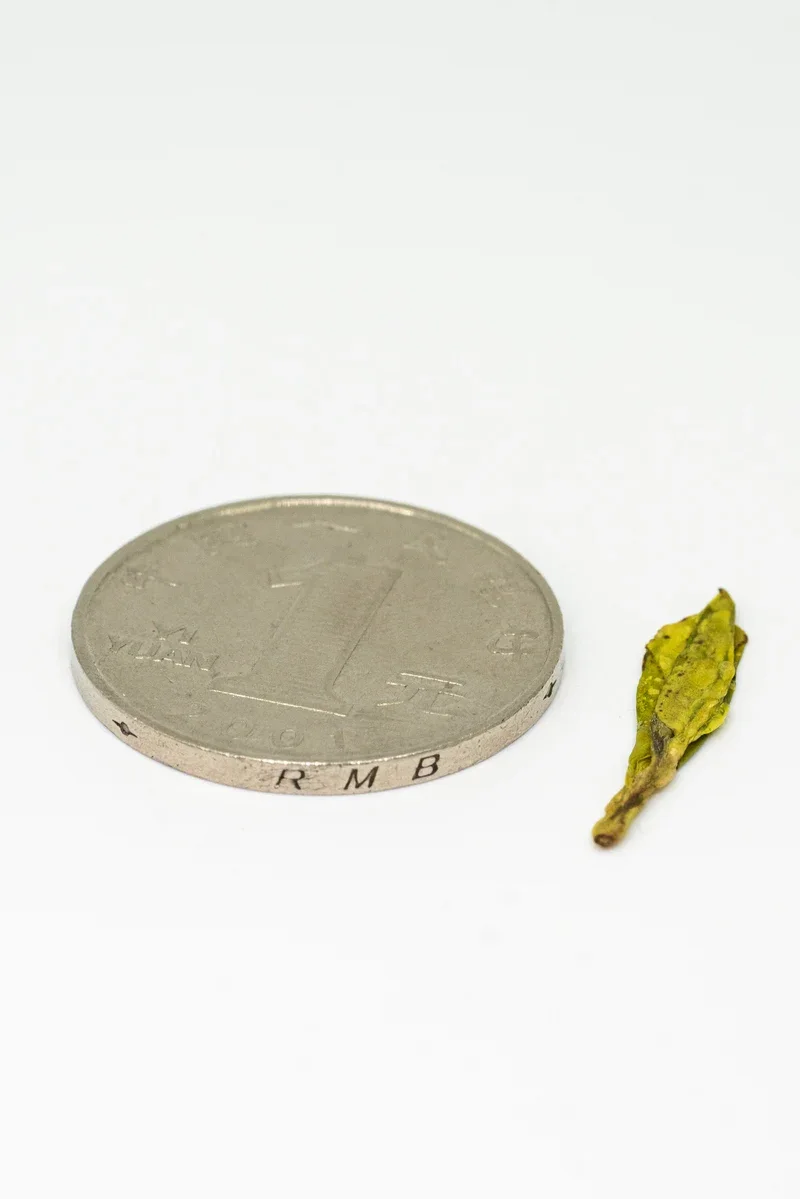
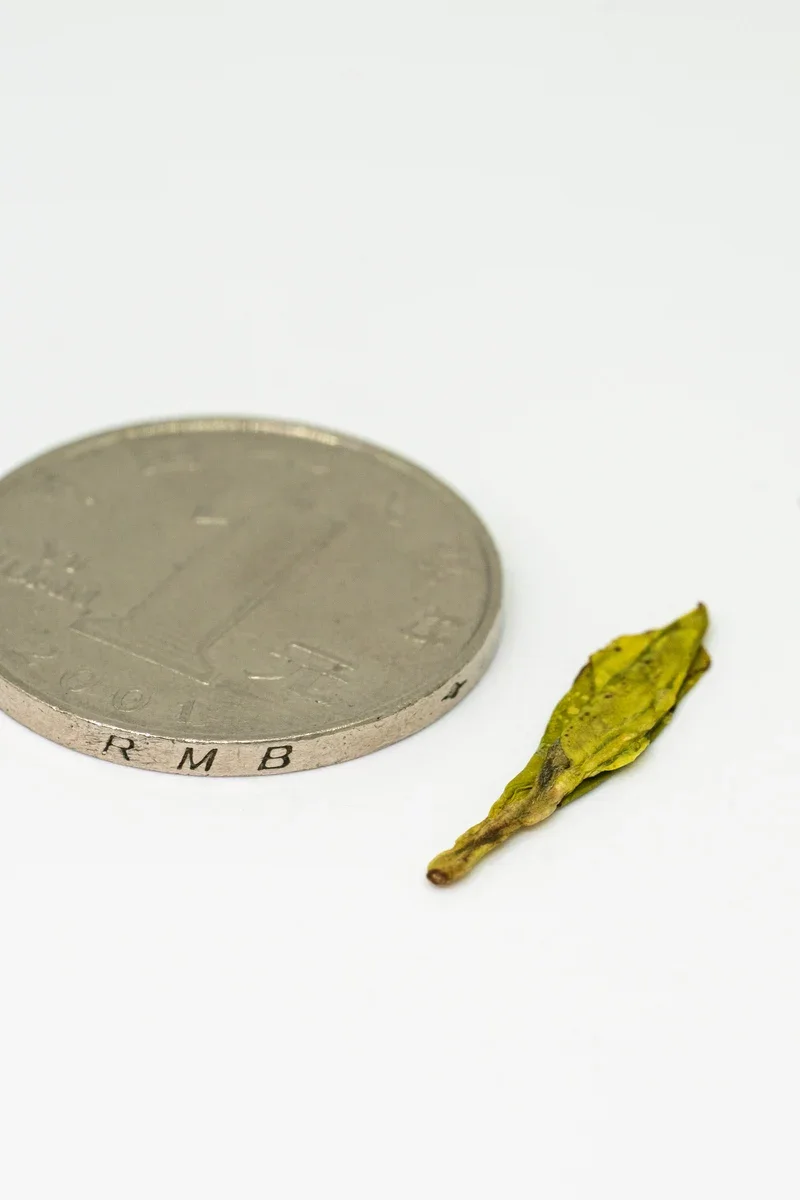
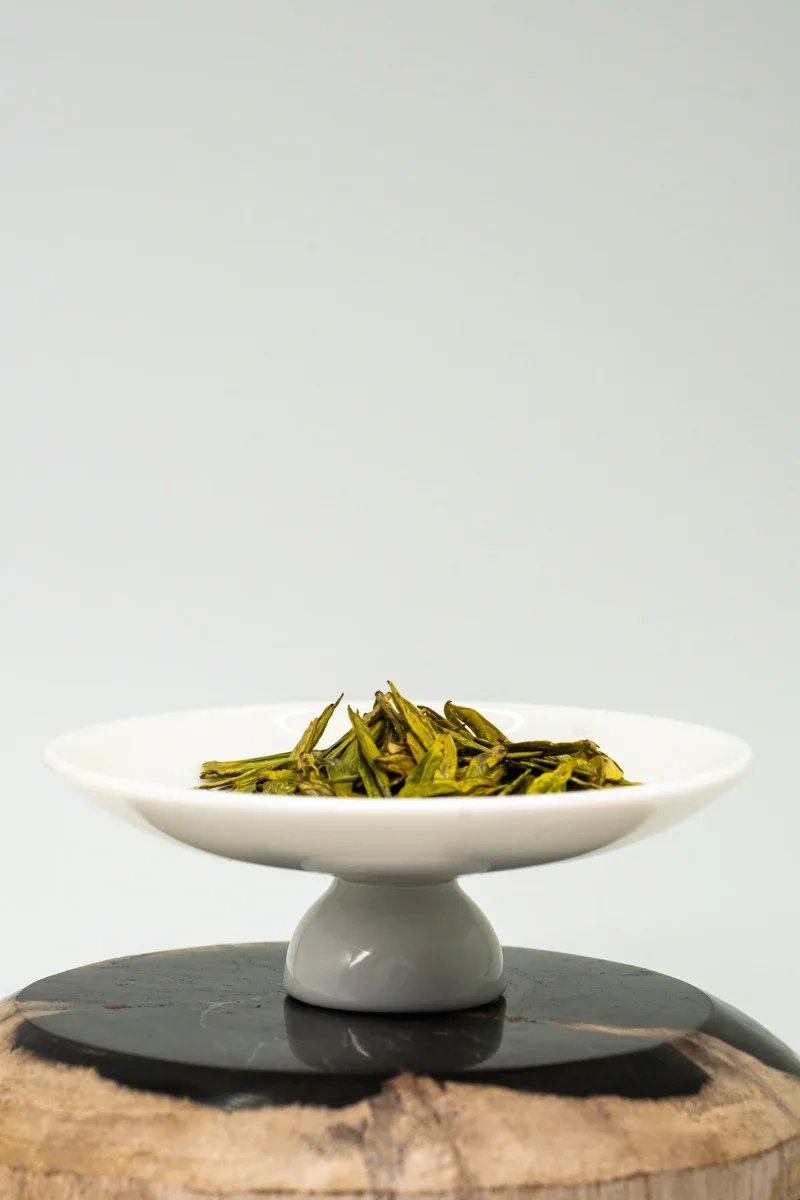
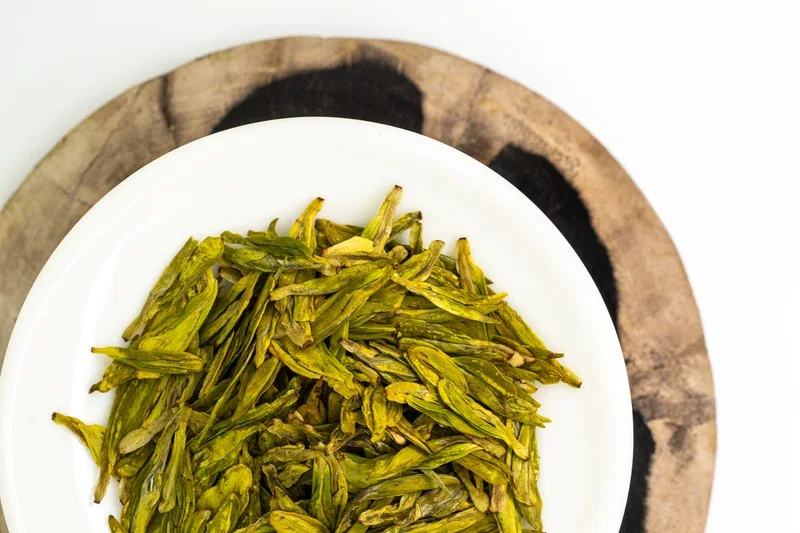
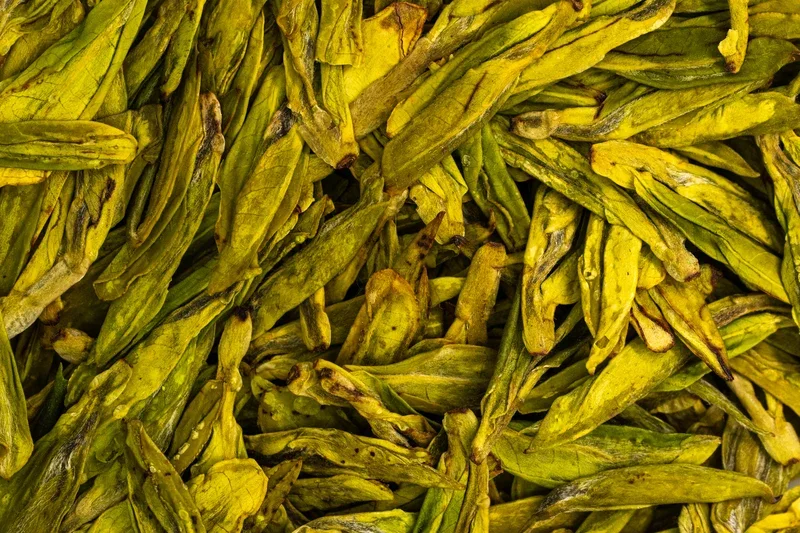
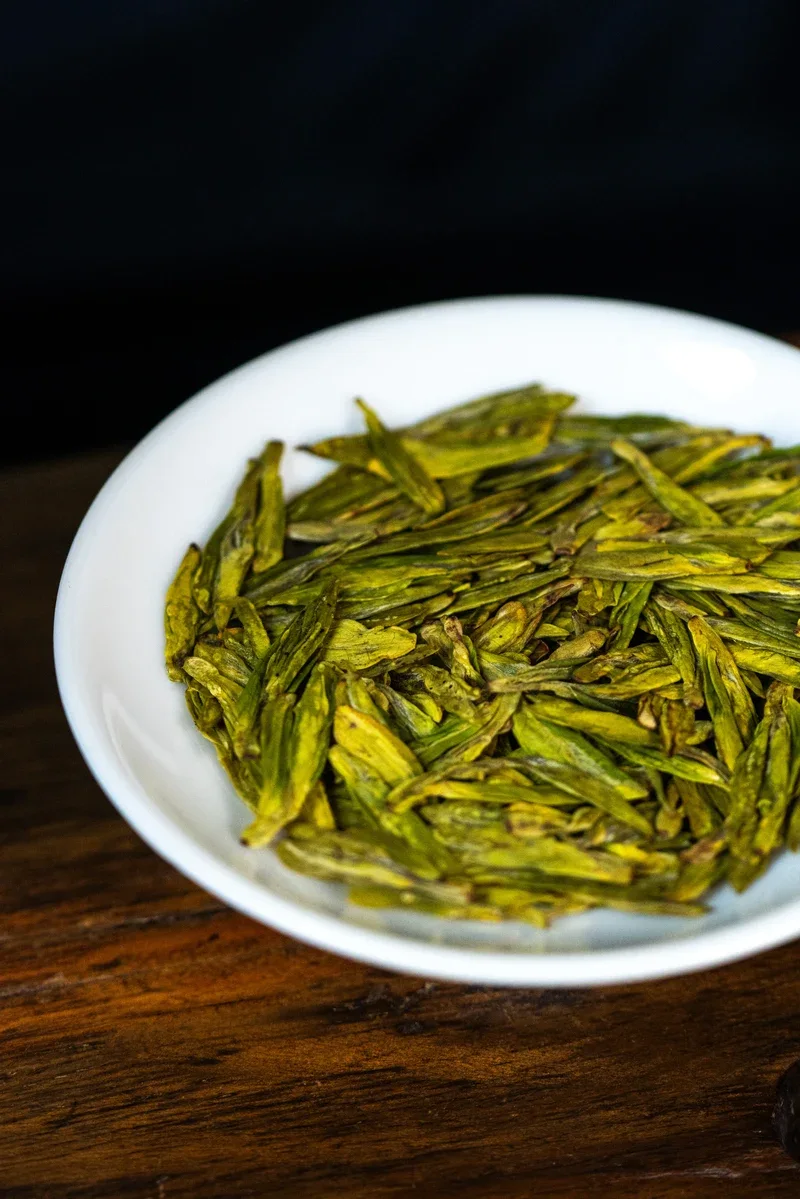
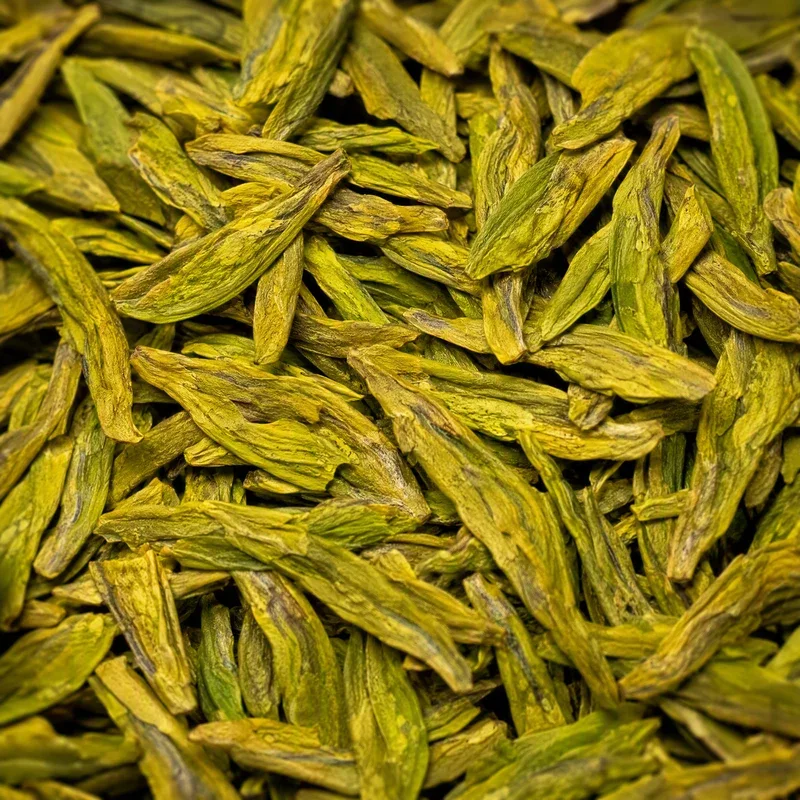
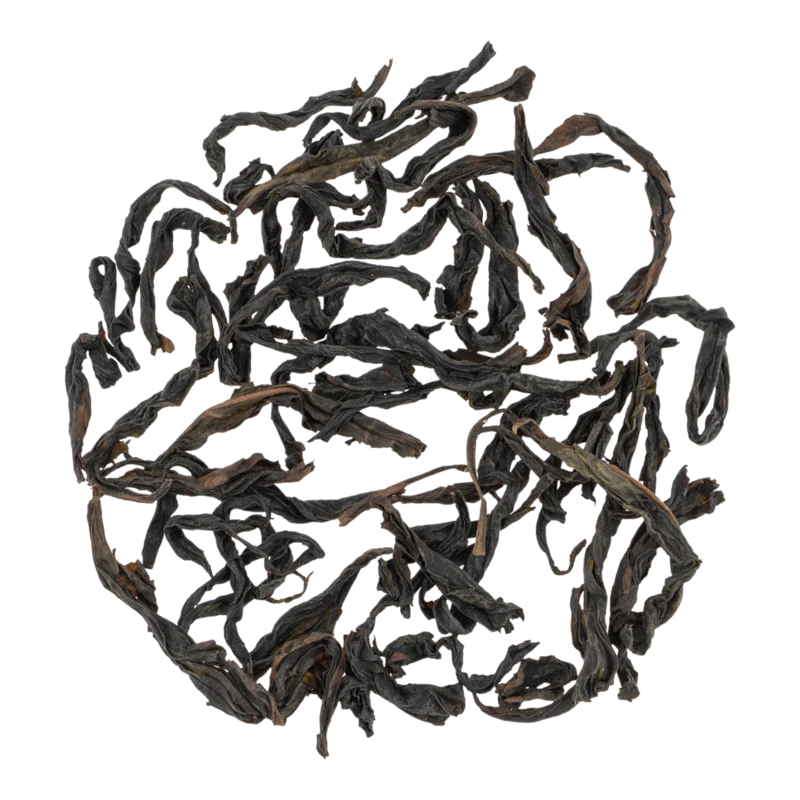
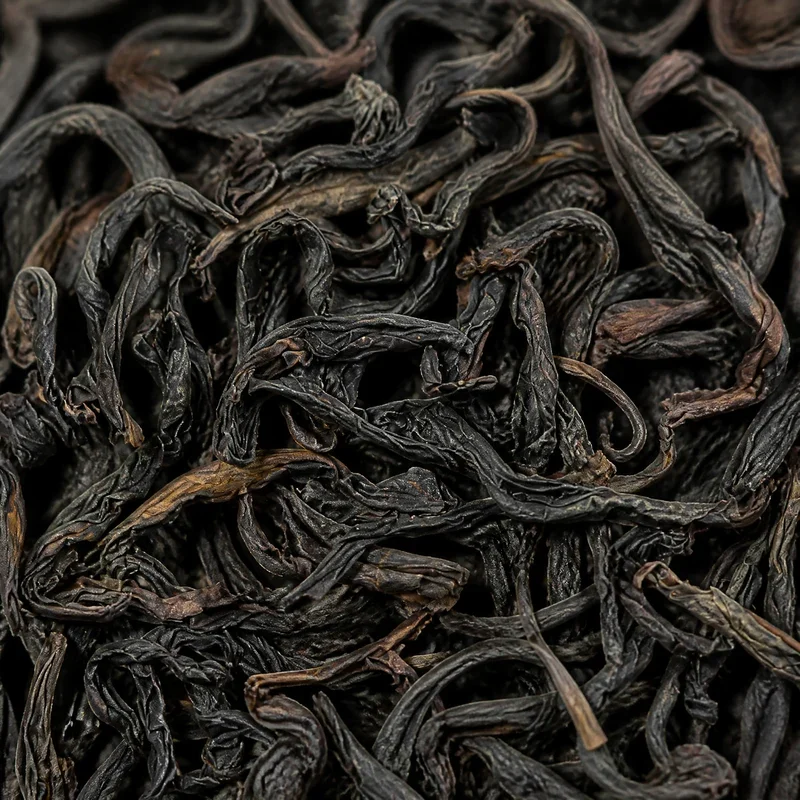
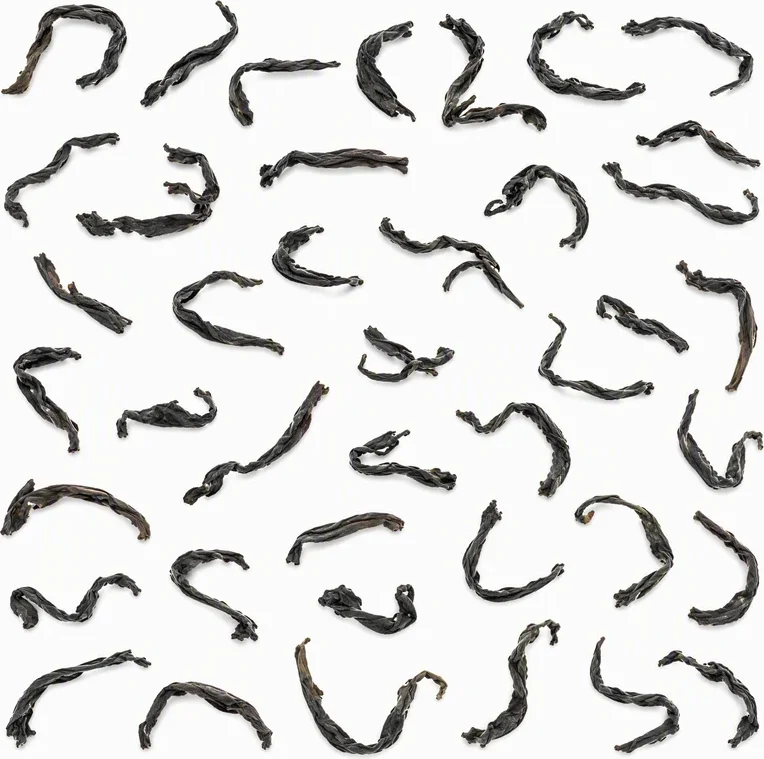
Dry Leaf Appearance: Tightly twisted longitudinal spirals ~1 cm long. Color — dark emerald with reddish-burgundy edges (traces of oxidation). Surface matte or with slight oily sheen (trace of charcoal roasting).
Dry Leaf Aroma: Complex, warm — roasting, dried fruits (prunes, apricots), deep minerality of heated stone. Nutty nuances (chestnut, walnut).
Liquor Aroma: Multi-layered, unfolds from infusion to infusion. First infusions — burnt sugar, chestnut molasses. Middle — vanilla, milk chocolate, floral notes (lily of the valley, violet). Final — subtle mineral coolness.
Liquor Color: Rich amber, golden-cognac, clear, with brilliance.
Spent Leaves: Large whole leaves with distinct reddish edges. Dense, elastic. Leaf integrity is an indicator of processing quality.
Taste: Dense, oily, enveloping. Delicate astringency, characteristic mineral note (岩韵, Yán Yùn). Development: mineral bitterness → burnt sugar caramel → long, sweetish aftertaste with refreshing menthol trail. Astringency well balanced.
Alkaloids: Caffeine ≤2% (~20 mg/g). Theobromine, theophylline — trace amounts.
Amino Acids: Free amino acids ≥5%; L-theanine ≥2%. High L-theanine content due to shading by rocky outcrops.
Essential Oils: Linalyl acetate, nerol, geraniol, citronellol + >50 other volatile compounds. Charcoal roasting adds pyrazines and furfural ("baked" notes).
Minerals: Iron ~120 mg/kg, zinc ~45 mg/kg, manganese ~85 mg/kg — elevated levels due to basaltic soils.
Polyphenols: ≥23% of dry mass. EGCG ≥9%. Theaflavins ≥3% (oxidation products giving amber color and "body" to the liquor).
High polyphenol content (EGCG + theaflavins) neutralizes free radicals.
Caffeine + L-theanine (≥2%) — "alert concentration." High theanine content makes Beidou less "jittery" than many teas with similar caffeine content.
Moderate astringency and tannins stimulate digestive juices. Traditionally consumed after fatty foods.
Catechins and theaflavins contribute to LDL reduction.
Polyphenols support vascular wall elasticity.
Oolong extracts suppress growth of various pathogens, including Helicobacter pylori.
Elevated iron, zinc, and manganese content from Wuyi soils.
90–95°C.
3–4 g per 250–300 ml, 90°C, 3 min. 2–3 steepings.
Tea Amount: 5–7 g per 120–150 ml.
Teaware: Yíxīng purple clay teapot (紫砂壶, zǐshā hú) — ideal for rock oolongs; clay enriches mineral notes. Porcelain gaiwan also suitable.
No reviews yet. Tell us what you think of this tea.
Rate this tea and share your impressions. We review each submission before publishing it.