Brewing
Gongfu brewing
- Water temperature
- 75 °C
- Tea amount
- 5 g
- Water volume
- 100 ml
- First steep
- 10 s
- Time added per infusion
- 5 s
- Infusions
- 3

báimǎ lǐng lǜchá
Choose a brewing method. Start with the recommended quantities and time, then adjust to taste.
Brewing
Brewing
Taste
Tea encyclopedia
Category: Regional famous tea of Hainan. Product with registered geographical indication (核心区 — Qiongzhong Li and Miao Autonomous County). Holder of "Green Food" (绿色食品), "Famous Agricultural Product of Hainan Province" (海南名牌农产品), "Famous Trademark of Hainan Province" (海南省著名商标) statuses. Special Gold Award of the "Hua Ming Bei" (华茗杯特别金奖, 2017) competition. Passed GAP certification and EU standard residual pesticide testing.
Category: Regional famous tea of Hainan. Product with registered geographical indication (核心区 — Qiongzhong Li and Miao Autonomous County). Holder of "Green Food" (绿色食品), "Famous Agricultural Product of Hainan Province" (海南名牌农产品), "Famous Trademark of Hainan Province" (海南省著名商标) statuses. Special Gold Award of the "Hua Ming Bei" (华茗杯特别金奖, 2017) competition. Passed GAP certification and EU standard residual pesticide testing.
Coordinates: Approximately 19°10′ North latitude, 109°50′ East longitude.
Origin: China, Hǎinán Province (海南省, Hǎinán Shěng), Qióngzhōng Lì and Miáo Autonomous County (琼中黎族苗族自治县, Qióngzhōng Lízú Miáozú Zìzhìxiàn). The tea is produced on the slopes of Baimalin Ridge (白马岭, Báimǎ Lǐng), located in the depths of the Wuzhishan mountain massif — the highest point of Hainan (1867 m). Production base — State Agricultural Enterprise "Wushi" (国营乌石农场, Guóyíng Wūshí Nóngchǎng), now — "Hainan Nongken Wushi Baimalin Tea Industry" (海南农垦乌石白马岭茶业有限公司).
Type: Green tea (绿茶, lǜchá), unfermented. Belongs to pan-fired green teas (炒青绿茶, chǎoqīng lǜchá). The flagship "Baima Wuzhu" line represents pearl-shaped (珠形, zhūxíng) rolling; the "Yunwu Lücha" line — classic strip-shaped (条形, tiáoxíng) form.
Cultural Significance: For the indigenous Lì (黎族) and Miáo (苗族) peoples — the autochthonous population of mountainous Hainan — tea is an integral part of daily life, folk medicine, and hospitality rituals. Qiongzhong — one of three key tea regions of Hainan (along with Baisha and Wuzhishan) — is positioned as the center of "rainforest tea" (雨林茶). The "Baima Ling" brand became one of two flagship tea brands of Qiongzhong County (the second — "Xinwei," 新伟牌). Annually in Qiongzhong, the "Early Spring Tea Festival" (早春茶文化节) is held, where "Baima Ling" invariably attracts attention from buyers from mainland China.
History: The tea history of Baimalin goes back a thousand years — to times when the ancestors of the Lì people (黎族, Lízú) collected wild tea in the Wuzhishan mountains for medicinal and daily consumption.
Cultivar: Several varieties of Camellia sinensis are used for production:
Picking: Thanks to Hainan's tropical climate (average annual temperature ~22°C), the growing season is substantially longer than on the mainland. Early spring picking can begin as early as December-January — Qiongzhong rightfully takes pride in the title of one of the earliest "spring tea regions" (早春茶产区) in China.
Raw Material: Shoots uniform, tender, whole. Hand-picked. Freshly picked material is processed the same day.
Altitude: Up to 1,264 meters above sea level — for a tropical island this is exceptional height. The combination of tropical latitude (19° N) with altitude over 1,000 m creates a microclimate without analogues among China's tea regions.
Climate: Baimalin Ridge is located in a zone of tropical monsoon climate, modified by mountain topography. Average annual temperature — about 22°C. Annual precipitation — about 2,500 mm. Key uniqueness — more than 260 days of fog per year — one of the highest indicators among tea regions worldwide. Diffused light (散射光) comprises more than 75% of total illumination. Daily temperature variation — more than 7°C. These conditions create an ideal environment for slowed shoot growth and intensive accumulation of amino acids and aromatic compounds.
Soil: Red soils of volcanic origin (火山灰发育的红壤, huǒshānhuī fāyù de hóng rǎng) with pH 4.5–6.0. Organic matter content — ≥15 g/kg. Unique feature — natural selenium enrichment: Se content in soils — 3 times higher than the Chinese average. Waters meet first-class state standards.
Forest coverage — 86%. Negative ion content in air — more than 23,000 per cubic centimeter (with the norm for "forest resorts" — 1,500+). Complete absence of industrial enterprises. Tea gardens are surrounded by tropical forest of Hǎinán Tropical Rainforest National Park (海南热带雨林国家公园).
Tea region of Wūshí farm (乌石农场白马岭茶区) in Yáchá town (牙叉镇), southwestern part of Qiongzhong County. Here 90% of supreme grade production is concentrated.
Picked shoots are spread in a thin layer for 2–4 hours for gentle withering and beginning of aroma formation.
Processing in rotary drum at temperature 120–140°C. Enzyme inactivation, green color fixation.
Light pressing into strips (轻压成条) — formation of basic tea leaf structure.
Stage determining final product:
Pearl rolling — tea is rolled into tight balls at pan temperature ~80°C through repeated "rubbing and rolling" (搓揉做形). This process "seals" volatile aromatic compounds inside the pearl — hence the technology is called "pearl aroma locking" (珠形锁香).
Leaf is shaped into straight tight strips (条索紧直) by standard method.
Low-temperature drying at ~50°C for gentle removal of residual moisture and aroma fixation.
The principle of "富硒转化" — "selenium transformation" is applied: complete exclusion of chemical fertilizers, reliance on natural selenium enrichment from volcanic soils. Tea passed GAP (Global Good Agricultural Practices) certification and EU standard residual pesticide testing.
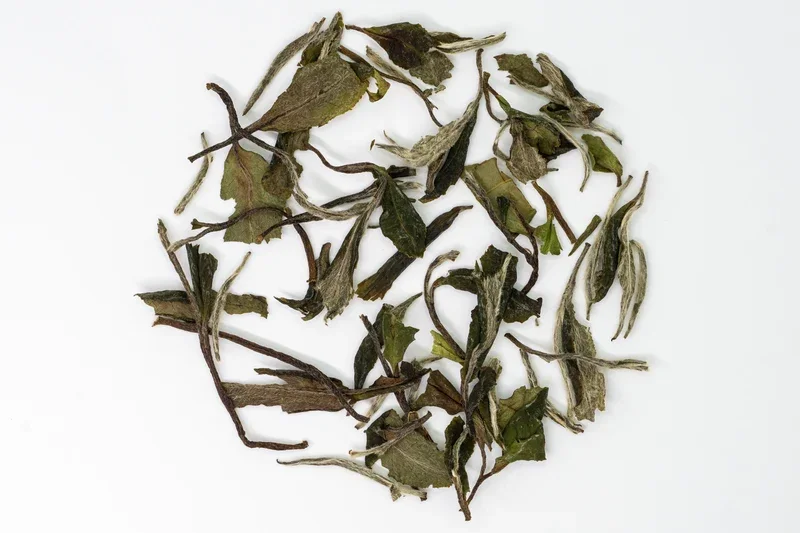
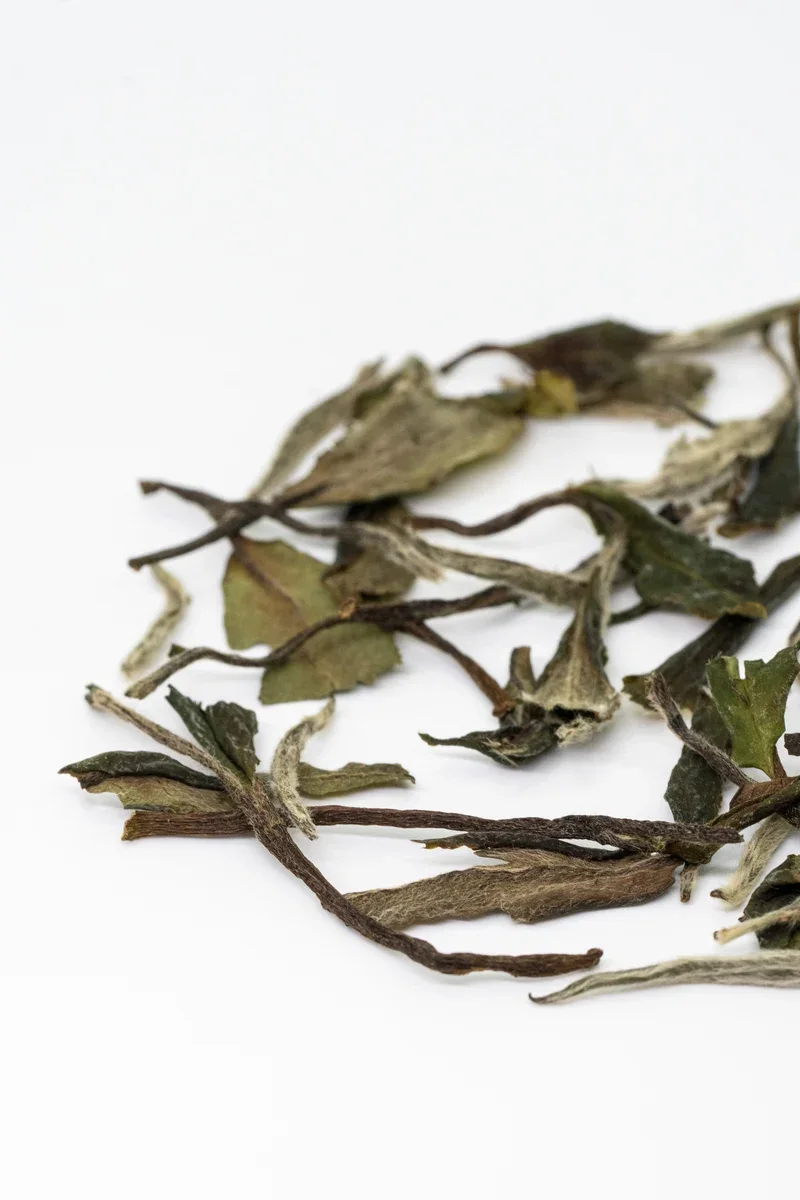
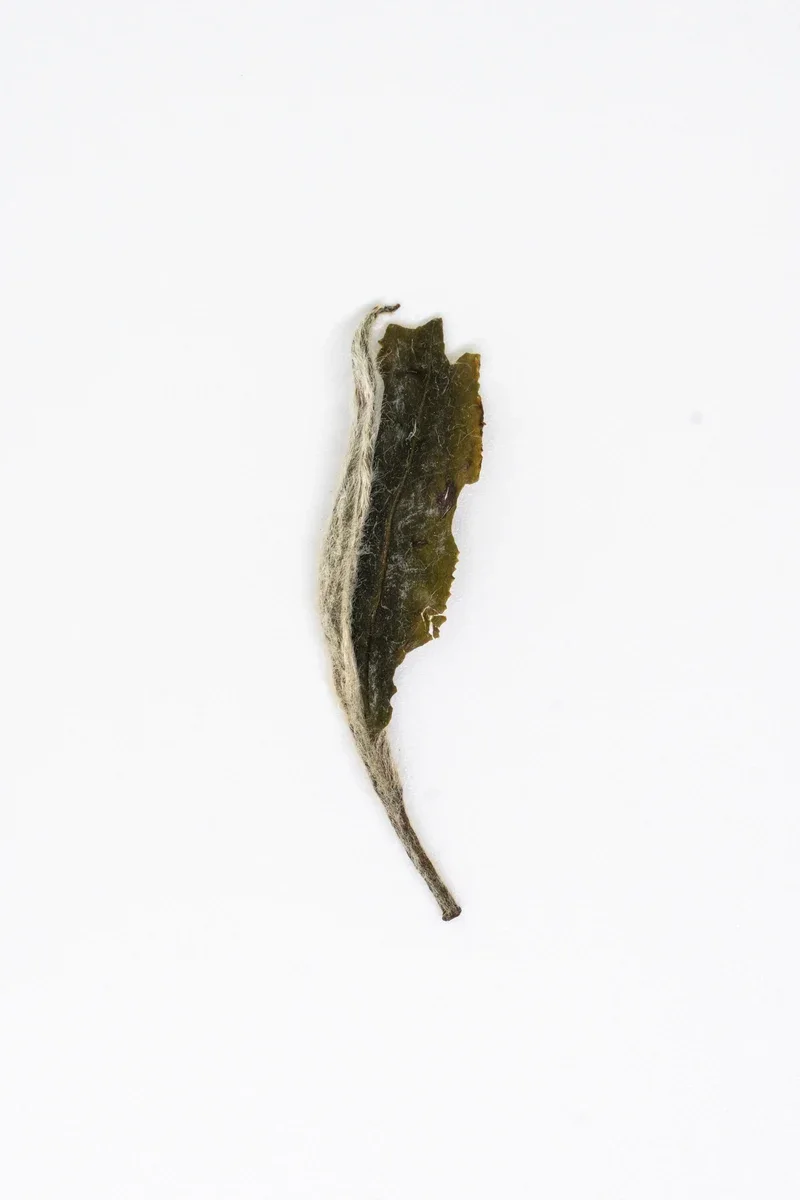
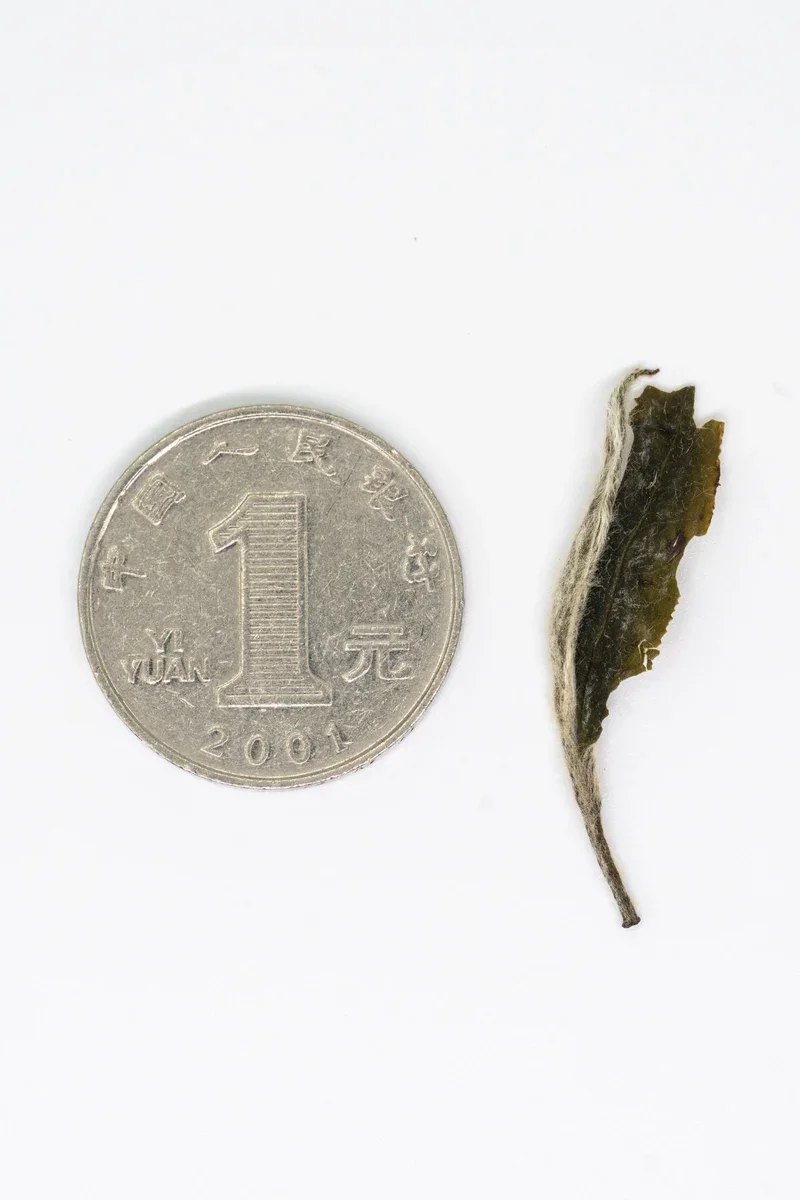
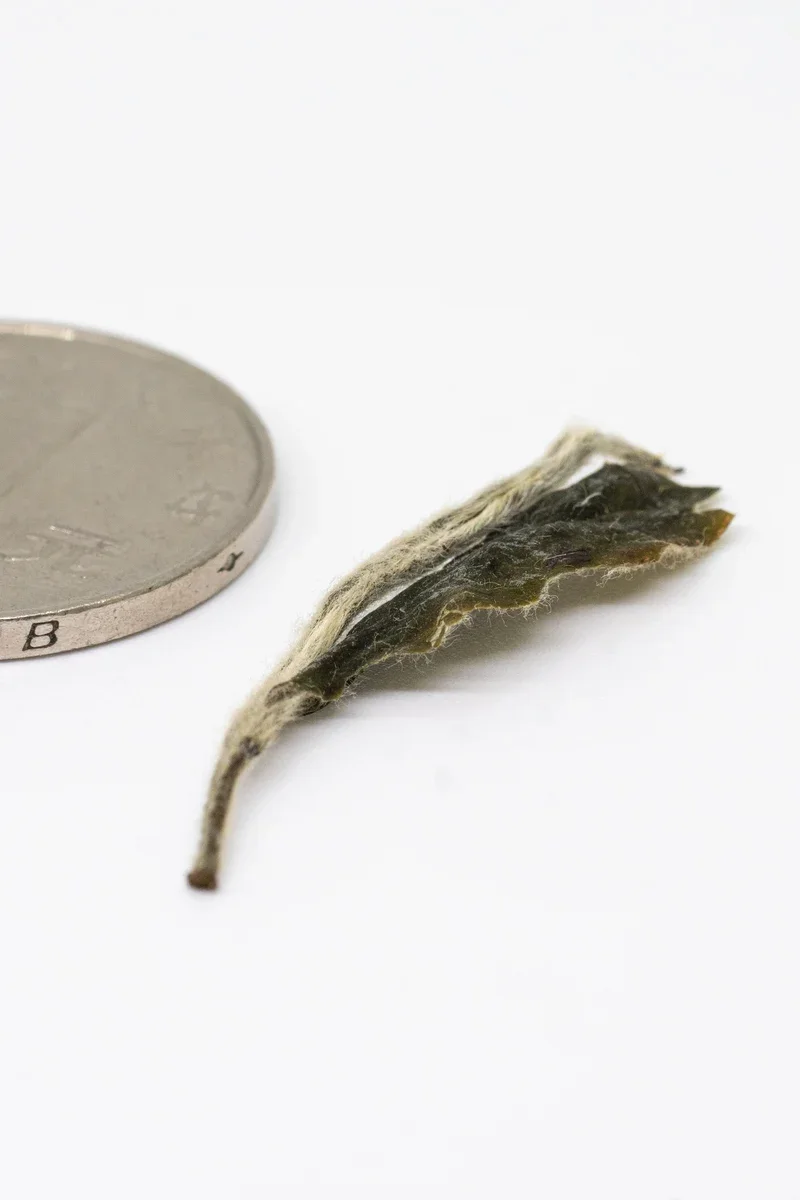
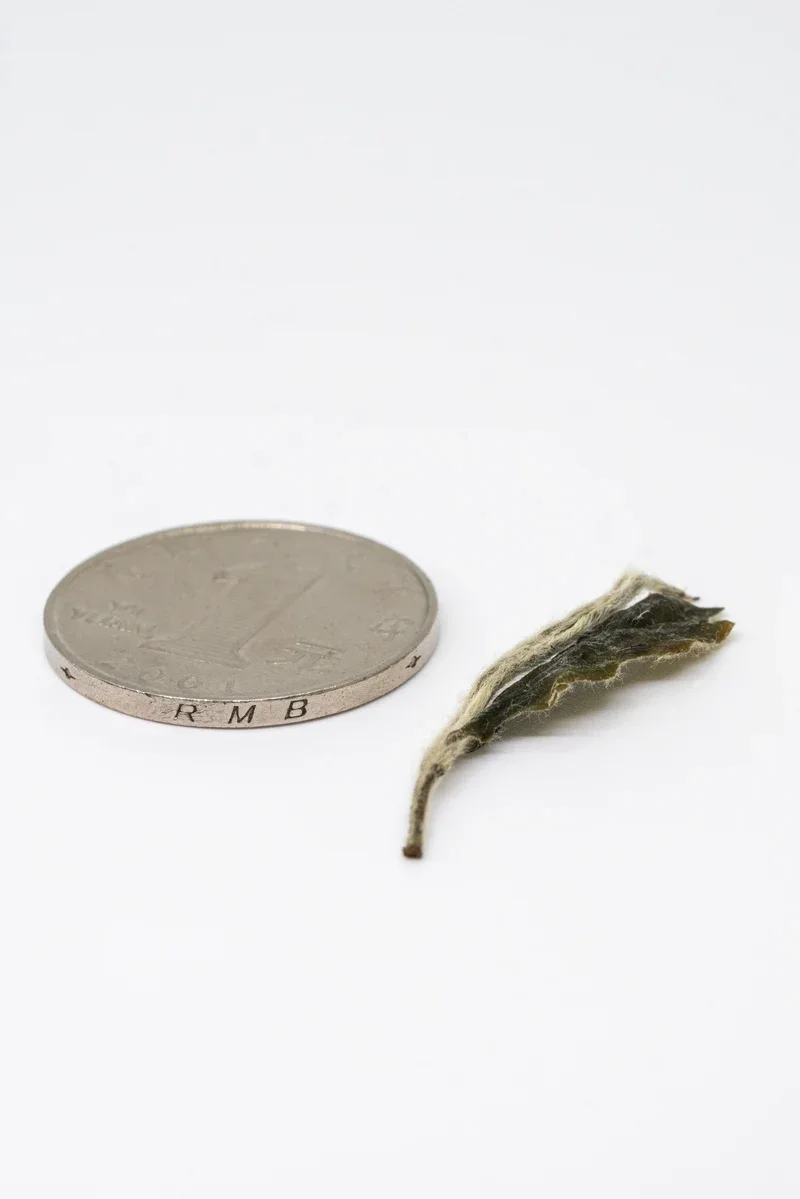
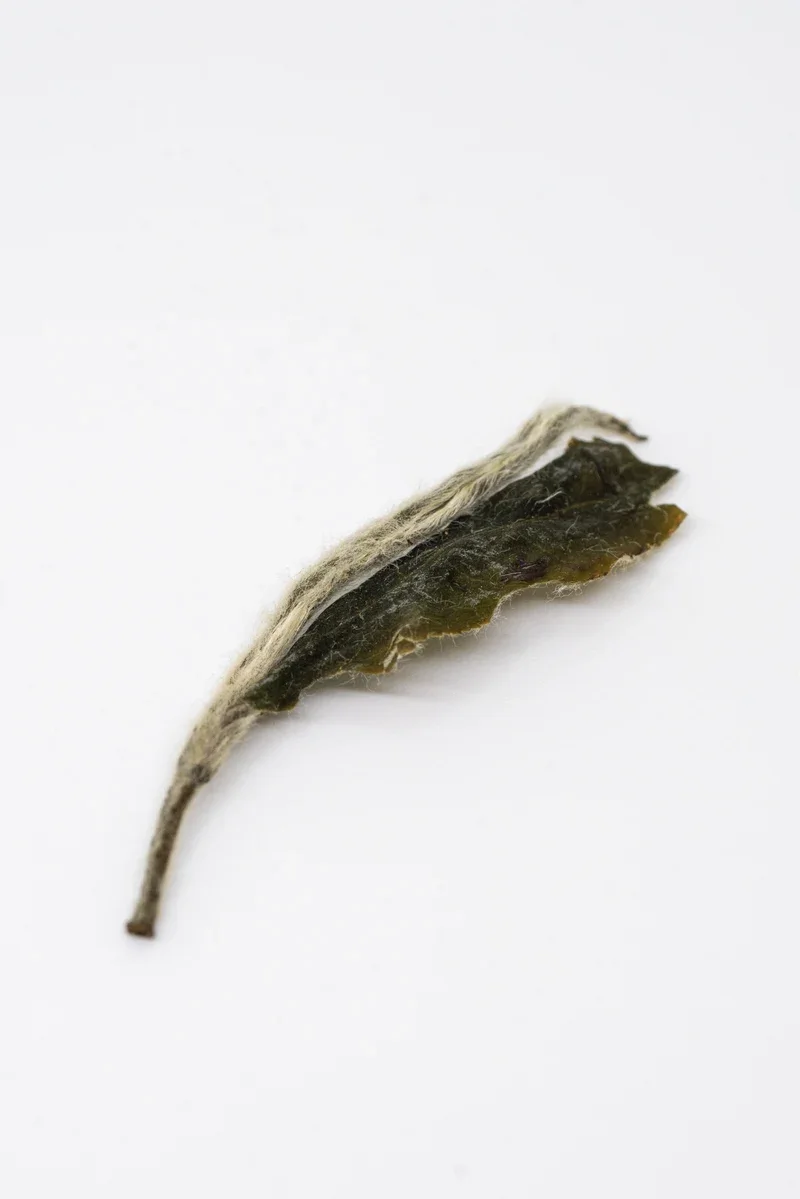
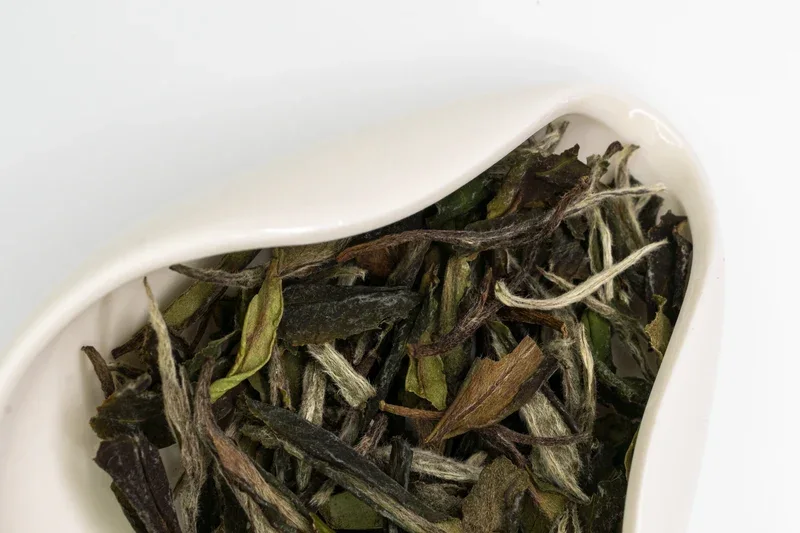
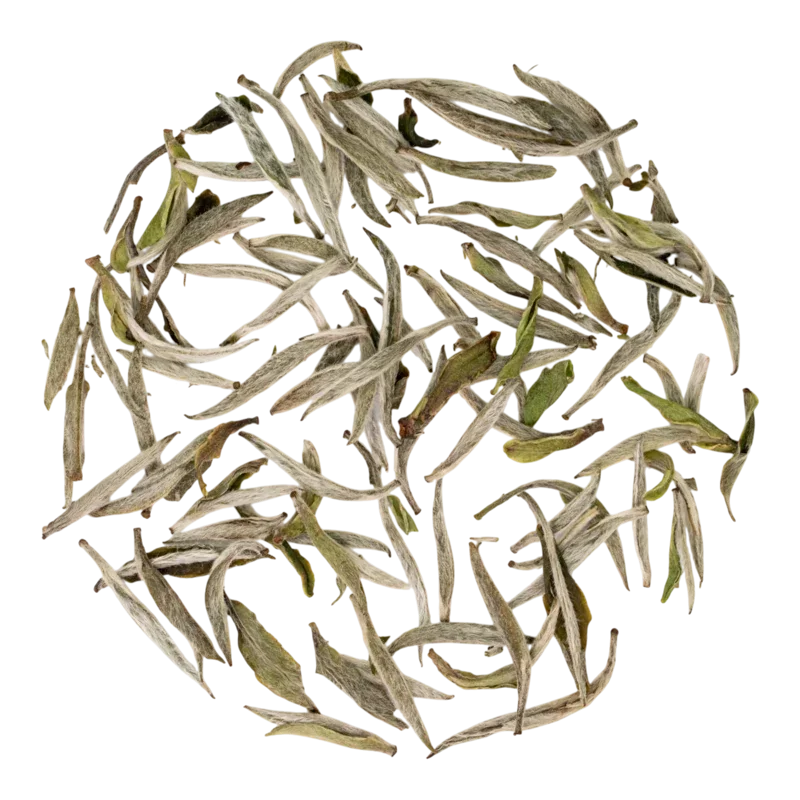
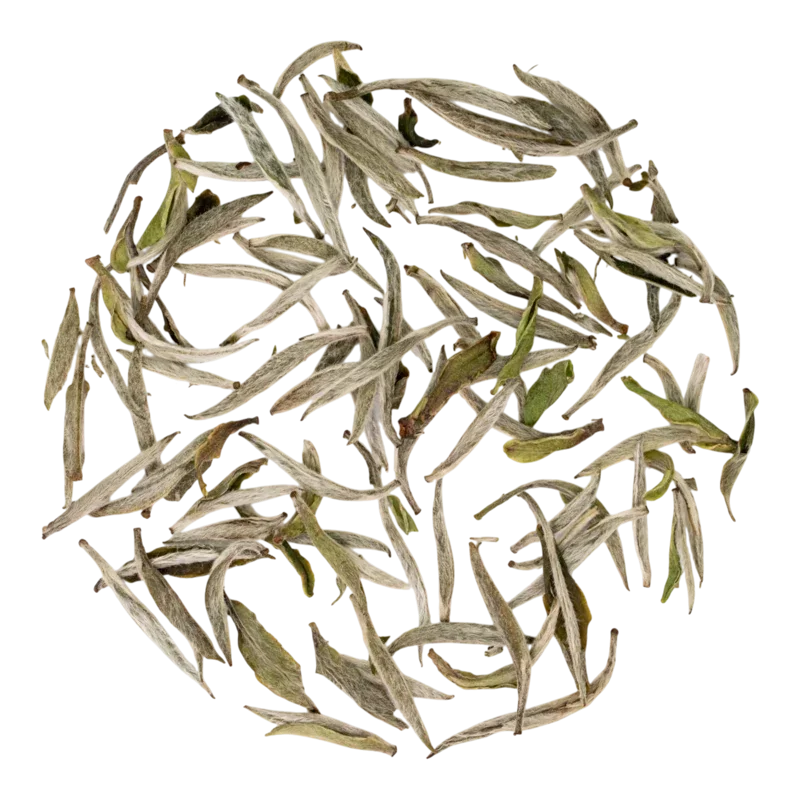
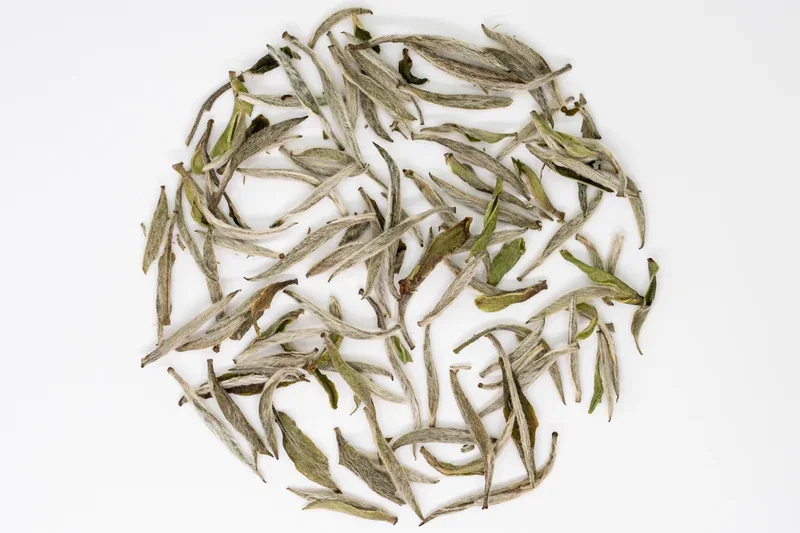
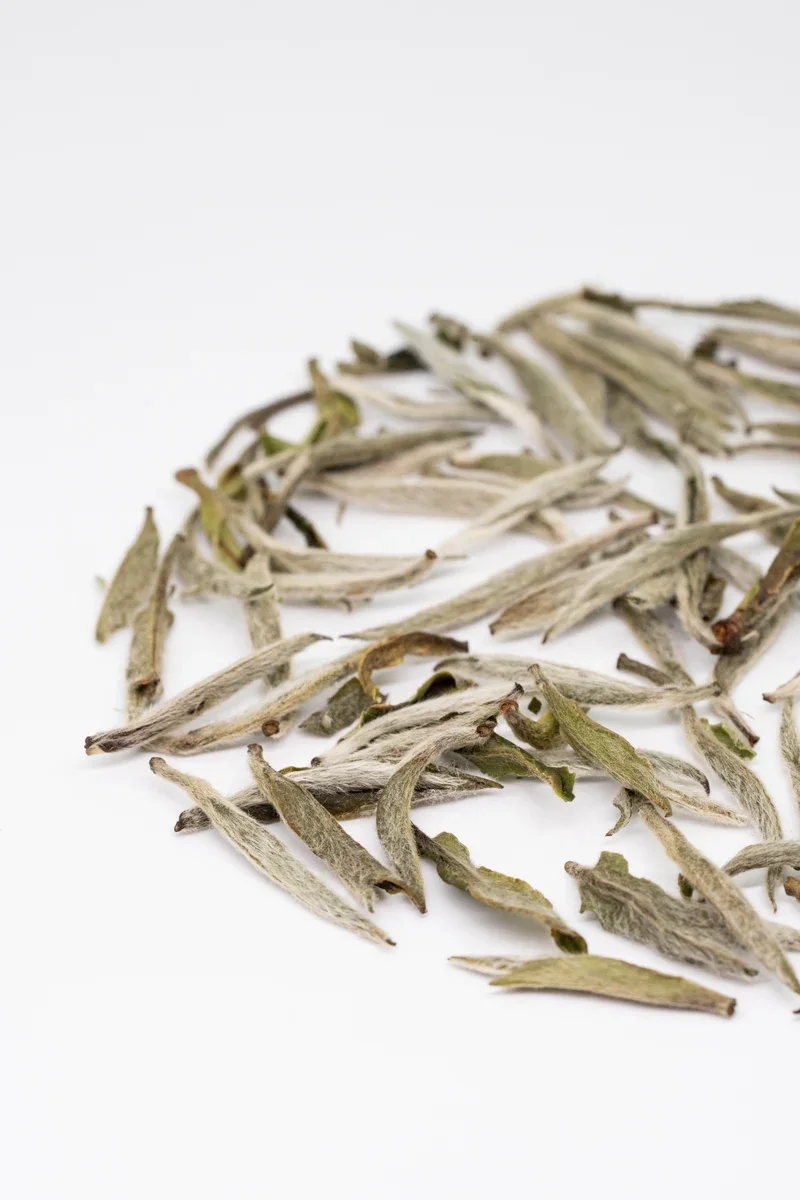
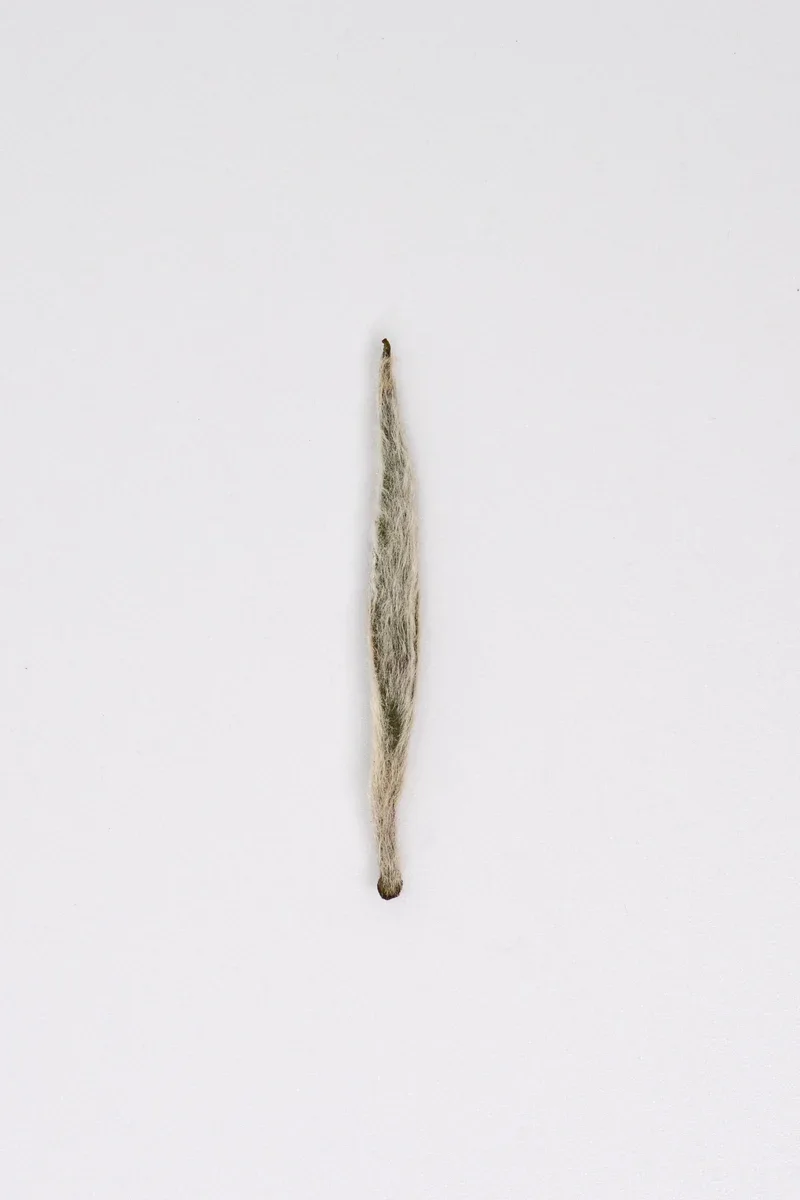
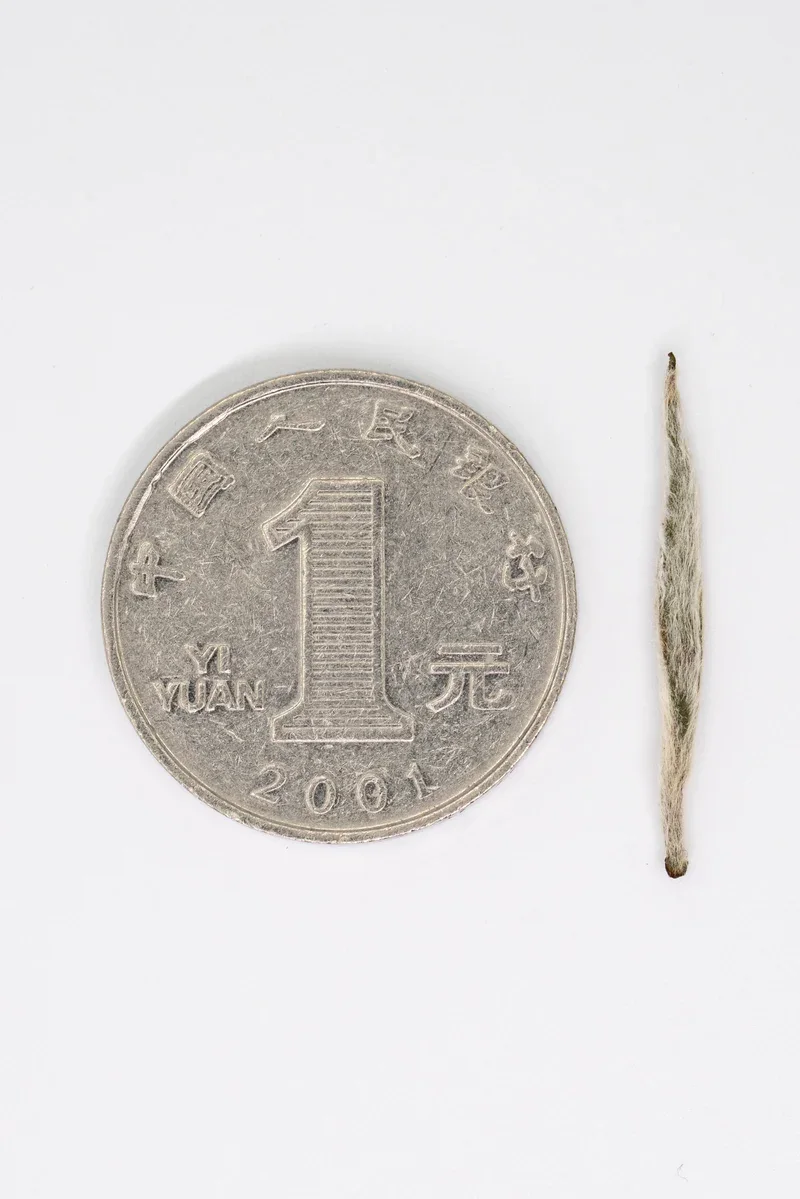
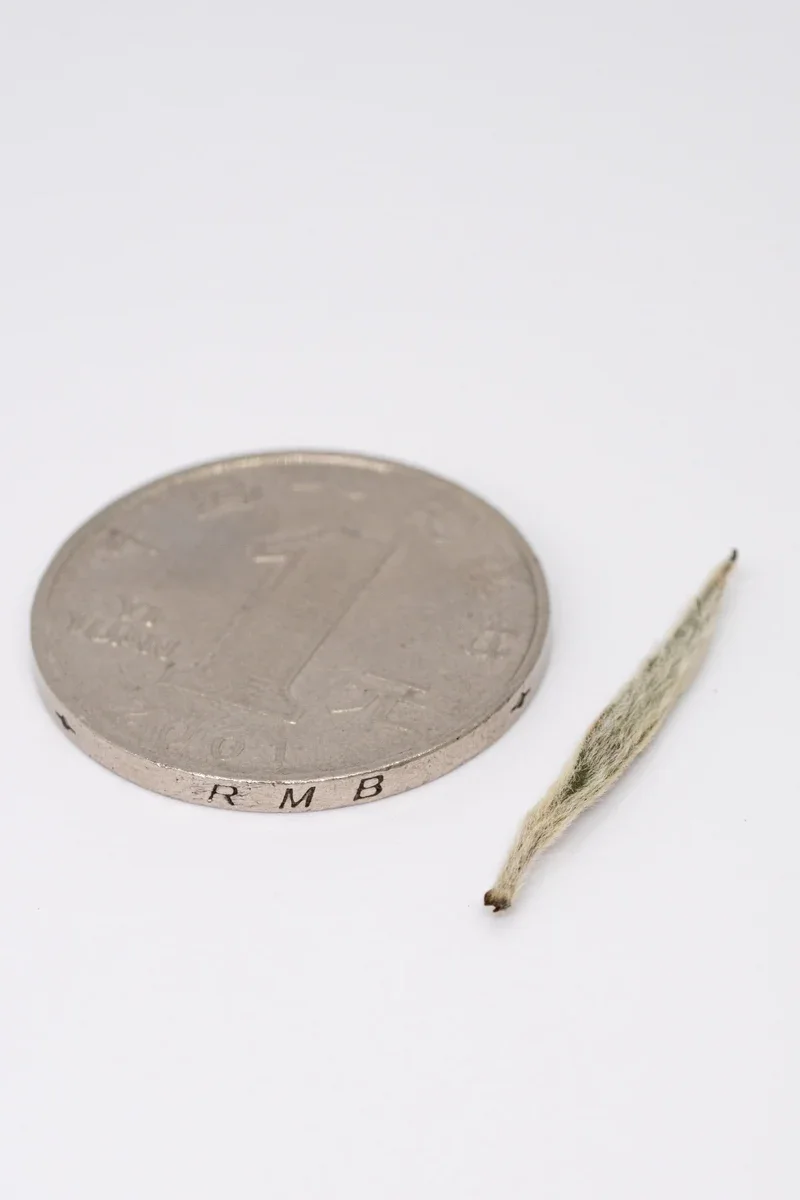
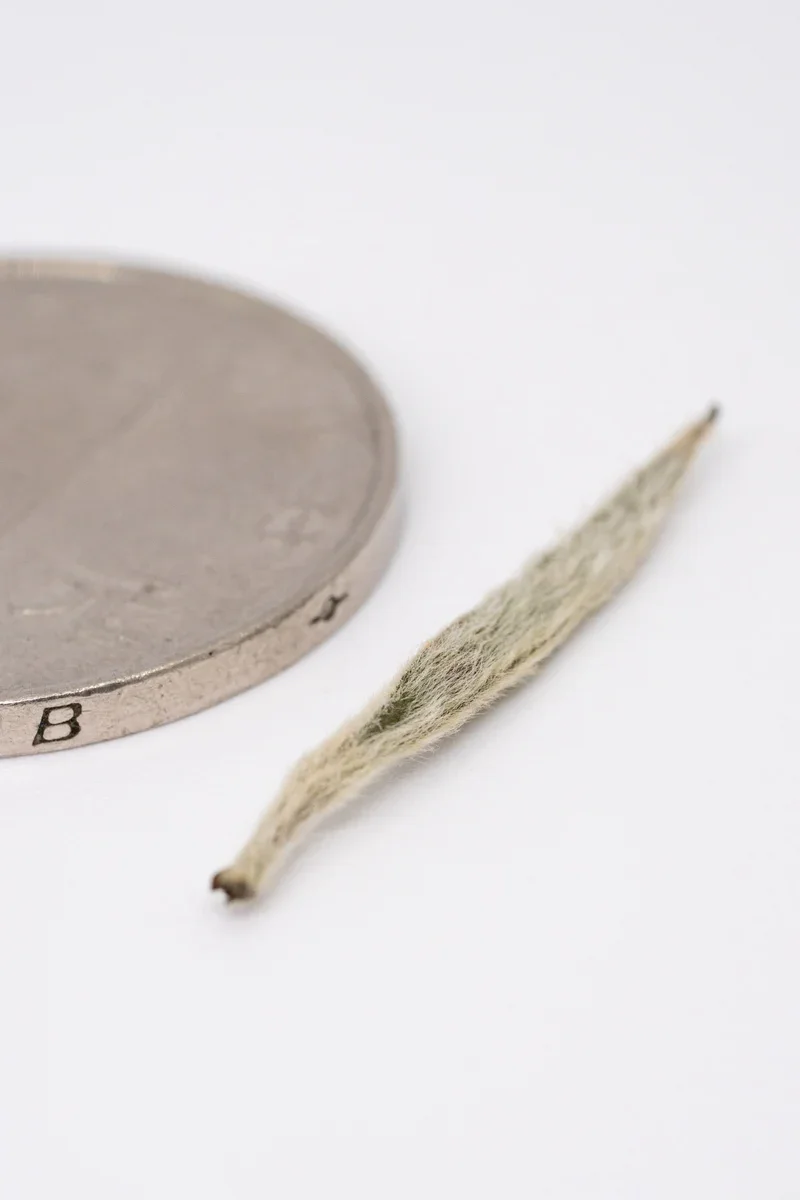
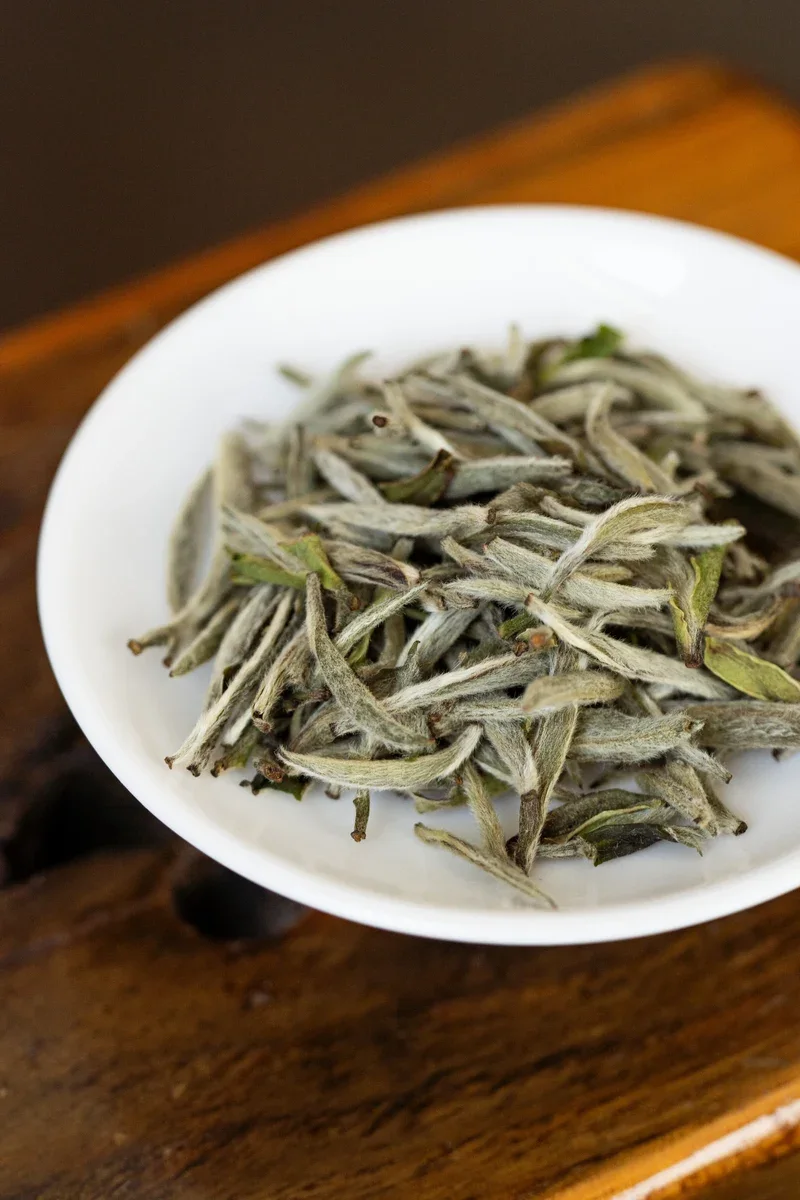
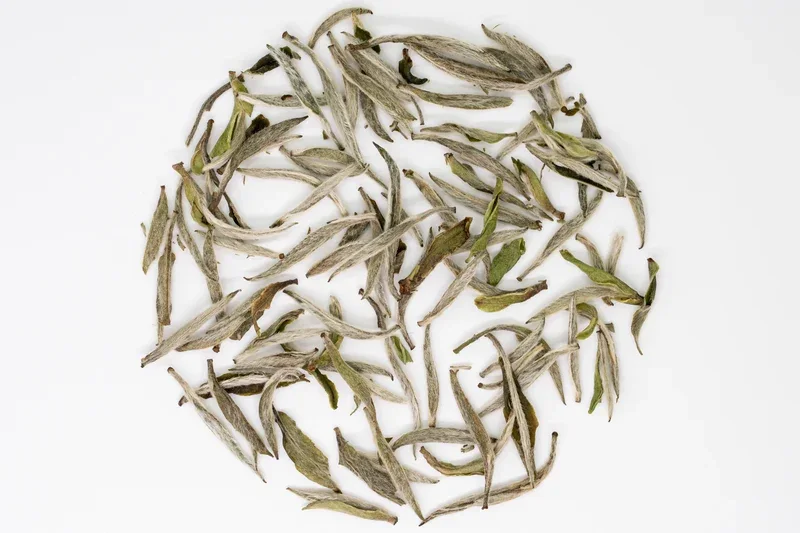
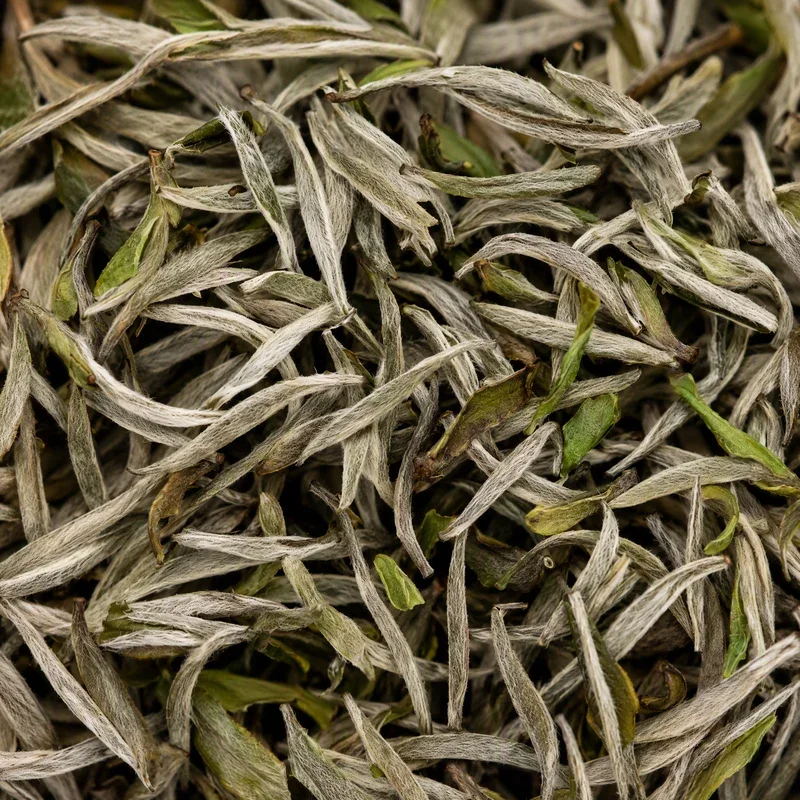
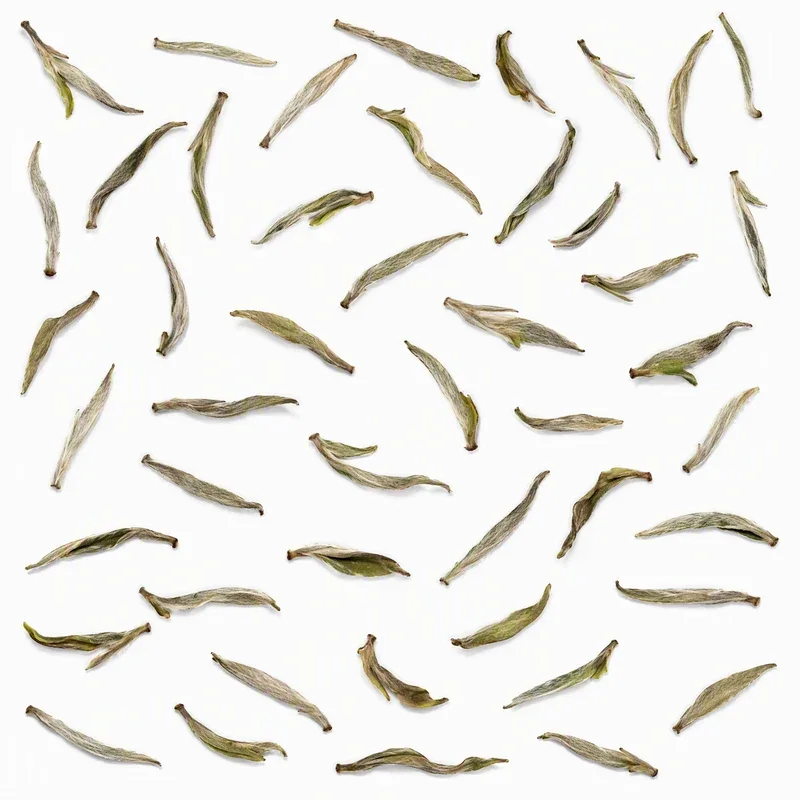
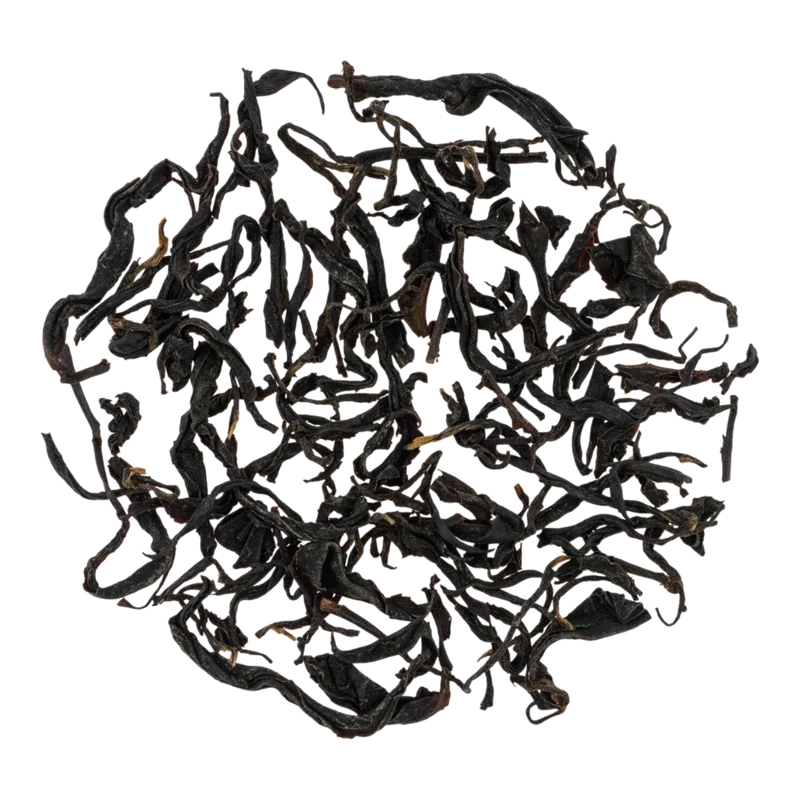
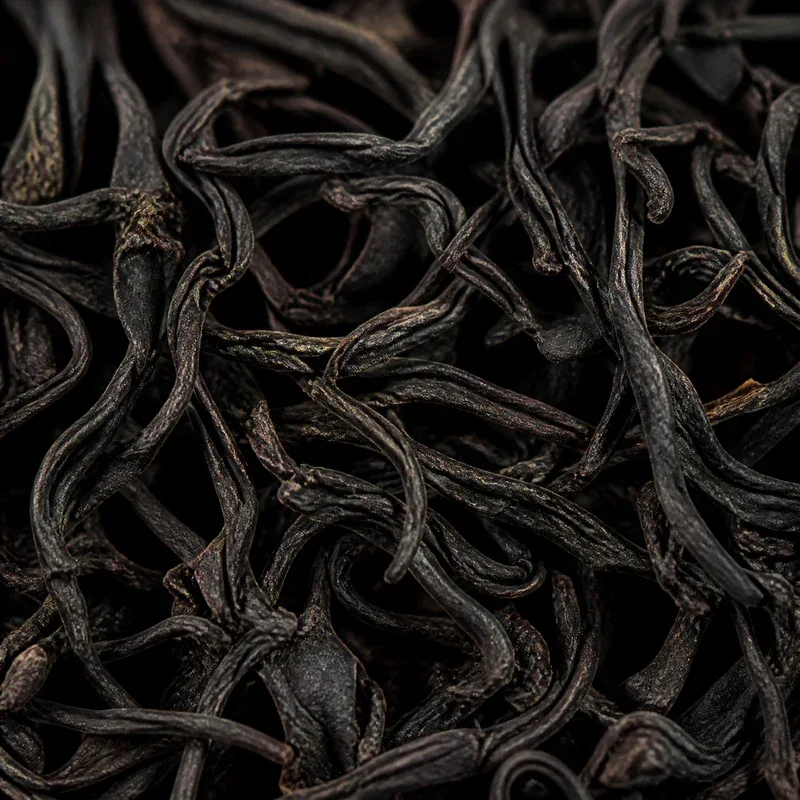
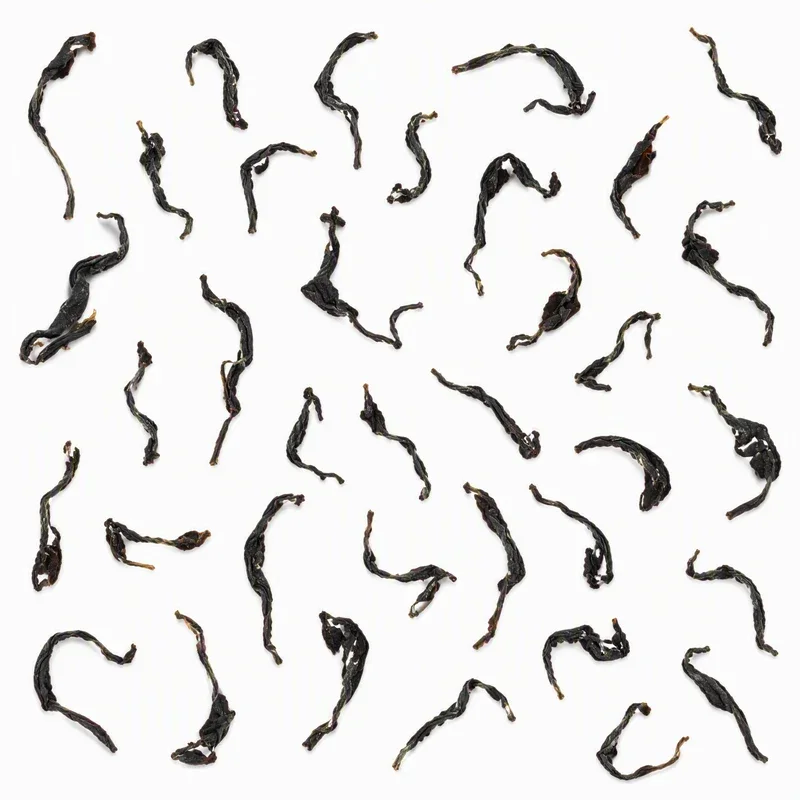
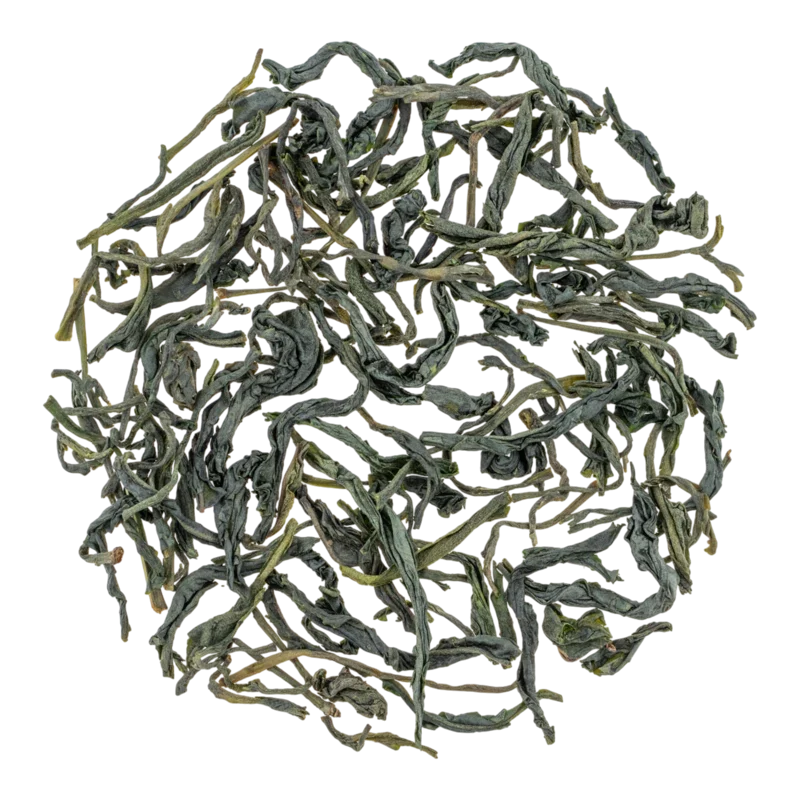
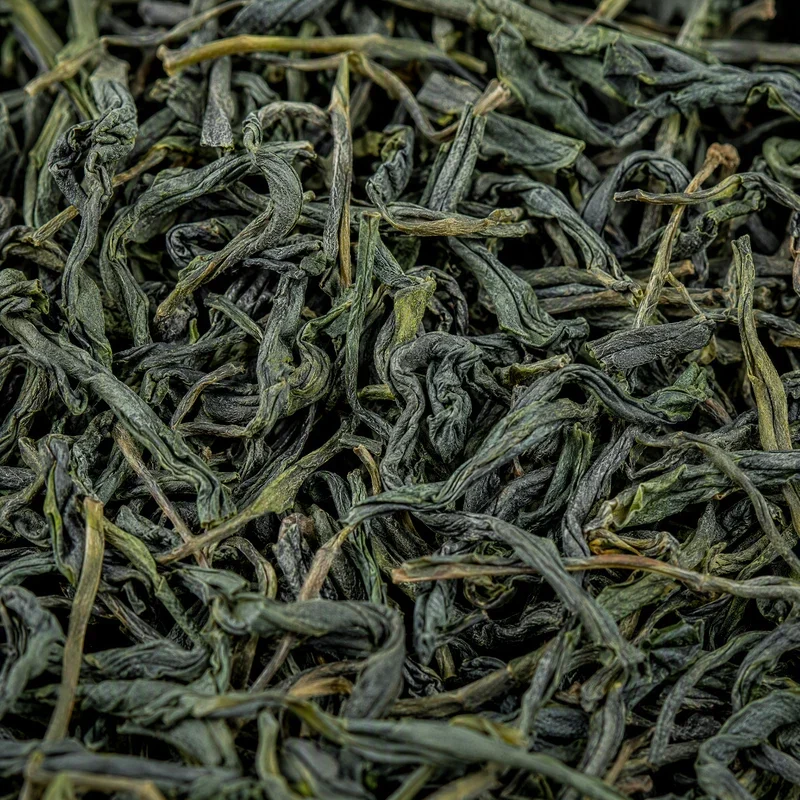
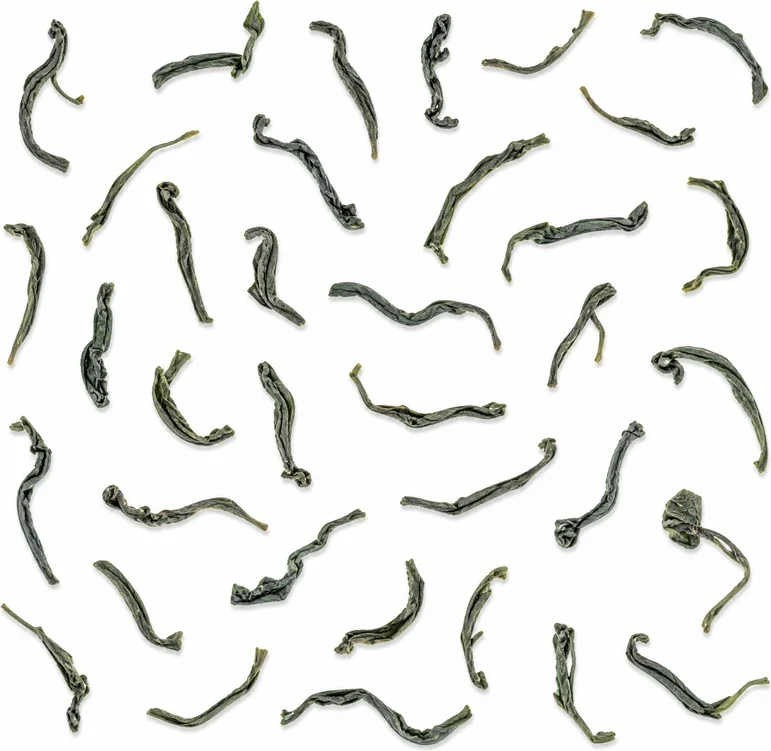
Dry Leaf Appearance: Wuzhu: tight, even pearls of dark green color with oily luster (深绿油润) and light down. Yunwu Lücha: straight, tight strips of dark green color with pronounced down.
Dry Leaf Aroma: Clean, high (清香), with dominating chestnut note (栗香) in spring tea. In supreme grades — additional zongye note (粽叶香, "bamboo leaf aroma"). Cold cup retains aroma for more than 8 minutes.
Liquor Aroma: Clean, persistent, with chestnut core and fresh green overtones. Elegant and "long-lasting."
Liquor Color: Tender green, clean and clear (嫩绿清澈). In "Wuzhu" — with light golden tint.
Spent Leaves: Tender green, uniform (嫩匀成朵), lively (黄绿鲜活). In pearl tea — pearls completely unfold into whole shoots, demonstrating raw material quality.
Taste: Fresh (鲜爽) thanks to high amino acid content. Gently sweet (甘醇, gānchún) with minimal astringency (涩感微弱). Returning sweetness (回甘) — distinct and prolonged. Body moderately dense, "juicy."
Alkaloids: Caffeine (moderate content), theobromine, theophylline.
Amino Acids: Elevated content thanks to exceptional cloudiness (260+ days of fog) and abundance of diffused light. Amino acids determine characteristic "freshness" and gentle sweetness.
≥0.8 mg/kg — key uniqueness. For comparison: average selenium content in ordinary green tea — ≤0.3 mg/kg. Selenium is in organic (bioavailable) form, easily absorbed by the body.
According to producer claims, content 40% higher than in ordinary green teas — prebiotic component stimulating beneficial intestinal microflora growth.
Minerals: Potassium, magnesium, zinc, manganese — due to volcanic soil origin.
Polyphenols: ≥25%. Hainan large-leaf variety naturally contains more polyphenols than medium-leaf varieties of the mainland, providing pronounced antioxidant potential.
Vitamins: Vitamin C, B-group vitamins.
Se content (≥0.8 mg/kg) — 2.5+ times higher than average. Selenium — essential microelement for immune system, thyroid gland, and antioxidant protection.
Synergy of polyphenols (≥25%) and organic selenium.
Combination of caffeine and L-theanine provides gentle balanced alertness.
Catechins + elevated low oligosaccharide content — double prebiotic effect.
Especially valuable in Hainan's hot tropical climate. In Li people tradition, green tea is used precisely in this capacity.
Polyphenols promote lipid metabolism normalization.
Complex of vitamins (C, B), minerals (K, Mg, Zn) and microelement Se.
Tea Amount: 3 g per 150 ml (glass cup, 1:50 ratio).
Teaware: Glass cup — best choice for "Baima Wuzhu": allows observing the "dance of pearls" slowly unfolding in water. White porcelain gàiwǎn (白瓷盖碗) — optimal for aroma concentration.
Water Temperature: 80°C (cool boiling water ~90 seconds). For supreme grade, reduction to 75°C is acceptable.
Pearl rolling (珠形). Tight balls unfolding in water like blooming flowers. Aroma — high chestnut with zongye note. Flagship product, gift position. Created in 2011.
Classic strip form (条形). Straight, tight leaves of dark green color. Taste — denser and more "masculine" than "Wuzhu." Suitable for daily consumption and mass market.
Price Category: Middle and upper segment of Hainan green teas. Approximate prices: supreme grade (特级) — from 800 yuan per 500 g and higher (gift "spring limited series" — substantially more expensive); first grade (一级) — 300–500 yuan; second grade — more affordable, used including as raw material for bagged tea.
No reviews yet. Tell us what you think of this tea.
Rate this tea and share your impressions. We review each submission before publishing it.