Brewing
Gongfu brewing
- Water temperature
- 93 °C
- Tea amount
- 5 g
- Water volume
- 100 ml
- First steep
- 10 s
- Time added per infusion
- 5 s
- Infusions
- 4

Bái lín gōngfū
Choose a brewing method. Start with the recommended quantities and time, then adjust to taste.
Brewing
Brewing
Taste
Tea encyclopedia
Alt Names: Júhóng (桔红, Júhóng — "orange-red," historical trade name for premium version); Fúdǐng Gōngfū (福鼎工夫).
Alt Names: Júhóng (桔红, Júhóng — "orange-red," historical trade name for premium version); Fúdǐng Gōngfū (福鼎工夫).
Category: One of the "Three Great Gongfu of Fujian" (闽红三大工夫). Historical export red tea (black tea). Tradition spans more than 250 years.
Coordinates: approximately 27°12′ N, 120°12′ E.
Origin: China, Fújiàn Province (福建省, Fújiàn Shěng), Níngdé Prefecture (宁德市, Níngdé Shì), Fuding County-level City (福鼎市, Fúdǐng Shì). Main production zones: Báilín Township (白琳镇, Báilín Zhèn), as well as Diǎntóu (点头), Pánxī (磻溪), Hulin (湖林), Cuijiao (翠郊), Huánggāng (黄岗) and adjacent territories. Fuding is simultaneously the birthplace of famous white teas (Baihao Yinzhen, Baimudan).
Type: Red tea (black tea) (红茶, hóngchá), fully oxidized. By European classification — black tea. Belongs to the category of gōngfū hóngchá (工夫红茶) — "red tea of masterful work."
Direct from tea gardens in Bailin, Diantou, Panxi townships.
With historical connections to Bailin region.
Focusing on traditional Fujian teas.
Opportunity to taste before purchasing.
With authenticity guarantees and return policies.
Cultural Significance: Bailin Gongfu is one of the "Three Great Gongfu of Fujian" (闽红三大工夫), alongside Tǎnyáng Gōngfū (坦洋工夫, from Fu'an) and Zhènghé Gōngfū (政和工夫, from Zhenghe). This trio is the pride of Fujian red tea (black tea) cultivation, historically forming the foundation of Chinese red tea (black tea) exports. The uniqueness of Bailin Gongfu lies in its "white pedigree": it is made from the same raw material and on the same land as Baihao Yinzhen, which gives it the characteristic "毫香" — "aroma of down," atypical for red tea (black tea).
History: Bailin Gongfu is one of the oldest Fujian red teas (black teas) with a history of more than 250 years. The earliest mention of Bailin as a tea region appears in the "Records of Funing Prefecture" (《福宁府志》, compiled by the famous official Li Ba, 李拔) from 1759 (乾隆己卯年): "Tea is produced everywhere in the prefecture; the best comes from Fuding Bailin." The flourishing of Bailin Gongfu occurred in the 1850s: Fújiàn and Guǎngdōng tea merchants (闽、广茶商) made Bailin the main collection point for red tea (black tea) from an extensive region — from Bailin and Cuijiao to Huanggang, Hulin and even Pingyang and Taishun in Zhejiang Province. Tea was refined in Báilín and exported through Houqi Port (后岐) in Shacheng (沙埕).
Cultivar: Two main variants:
Picking: Spring (most valuable), summer, autumn. Best batches — early spring, before Gǔyǔ (谷雨).
Pluck Standard: One bud with one-two leaves (一芽一二叶) for highest grades; one bud with two-three leaves — for standard. Traditionally Bailin Gongfu is "especially demanding regarding the tenderness of harvest" (十分讲究鲜叶原料的采摘嫩度) — "harvest early, harvest tender" (早采嫩采).
Raw Material: Whole, undamaged buds and leaves. Without coarse stems. Rapid processing.
Altitude: 200–800 m above sea level.
Climate: Subtropical monsoon, maritime. Average annual temperature ~18–20°C. Precipitation — 1600–2000 mm/year. High humidity. Frequent fogs. Warm winters, mild summers. Proximity to the sea moderates temperature fluctuations.
Soil: Red and yellow mountain soils, rich in organics and minerals. Slightly acidic, well-drained.
Located in the northeastern part of Fujian, on the coast of the East China Sea, at the foot of Tàimǔ Mountain (太姥山, Tàimǔ Shān). Hilly terrain, tea gardens on mountain slopes among forests.
Early, tender, manual.
Especially careful, with degree control — "moderate withering to enhance fresh acidity and briskness" (控制适度萎凋, 以提高鲜酸爽度). Duration — 12–20 hours, depending on weather.
Combination of light and intensive rolling (轻重揉结合, qīng zhòng róu jiéhé). Key moment — "timely extraction of already formed buds" (及时提取成形的芽叶) to preserve down (毫芽). Over-rolling destroys hao and gives coarse taste.
Separation of leaves stuck together after rolling.
Under controlled temperature and humidity. Fermented leaf "goes first to drying" (发酵叶先上烘) — another feature of the technology.
Unique to Bailin Gongfu stage — two consecutive roastings with intermediate cooling. Goal — to reveal "毫香" (aroma of down) while preserving freshness. Fire control is critical: too strong — will destroy haoxiang; too weak — will not fix the aroma.
Manual final sorting by grades.
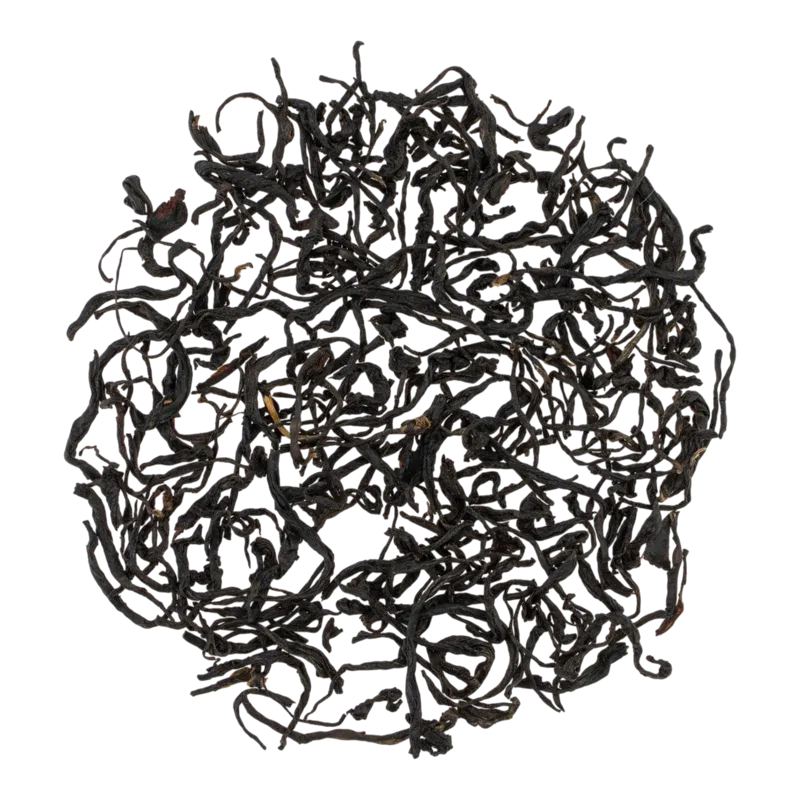
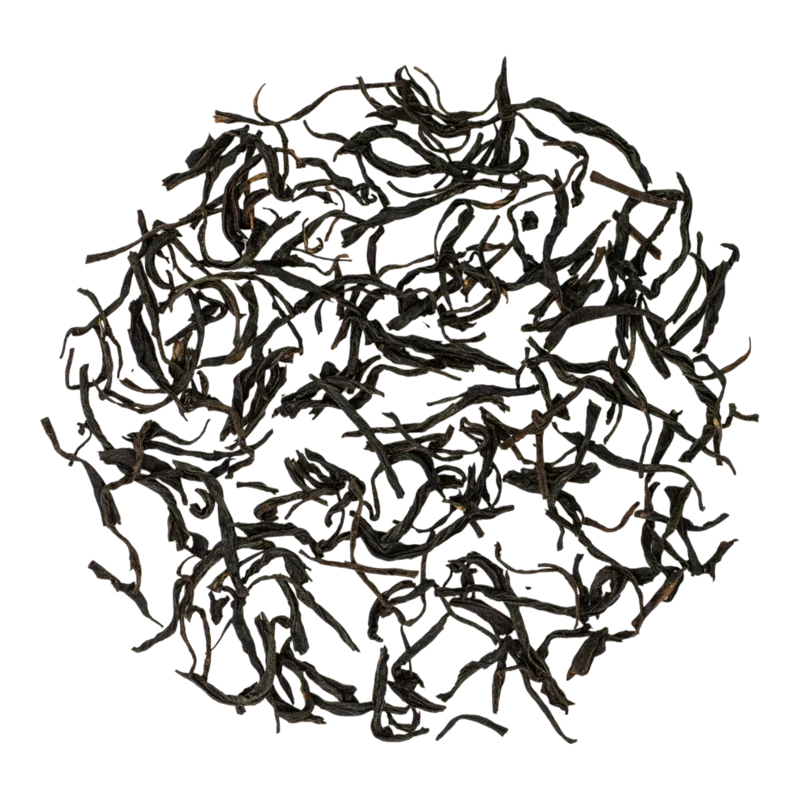
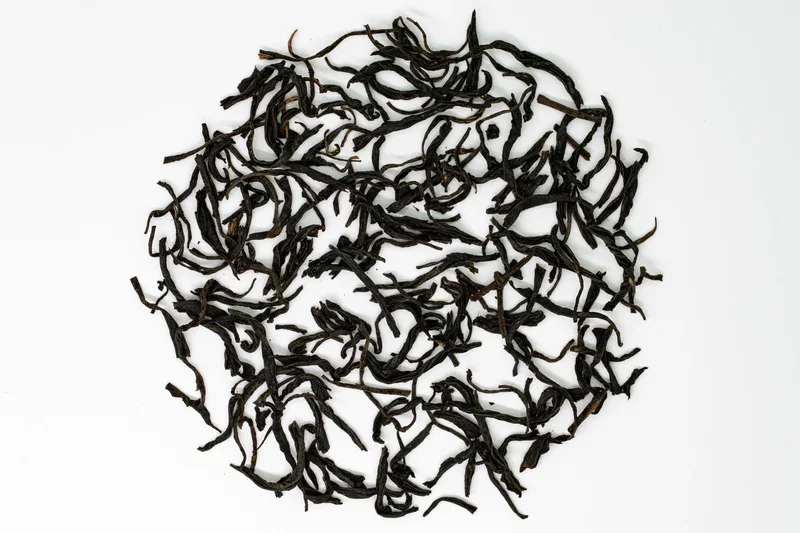
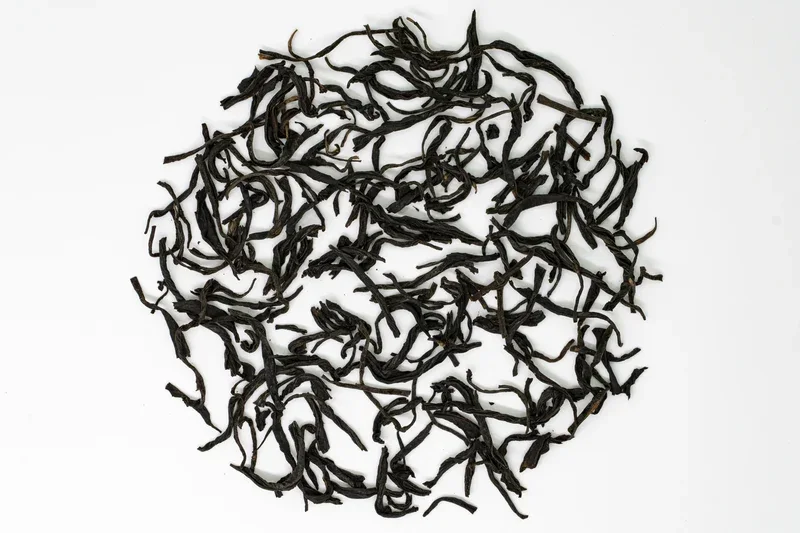
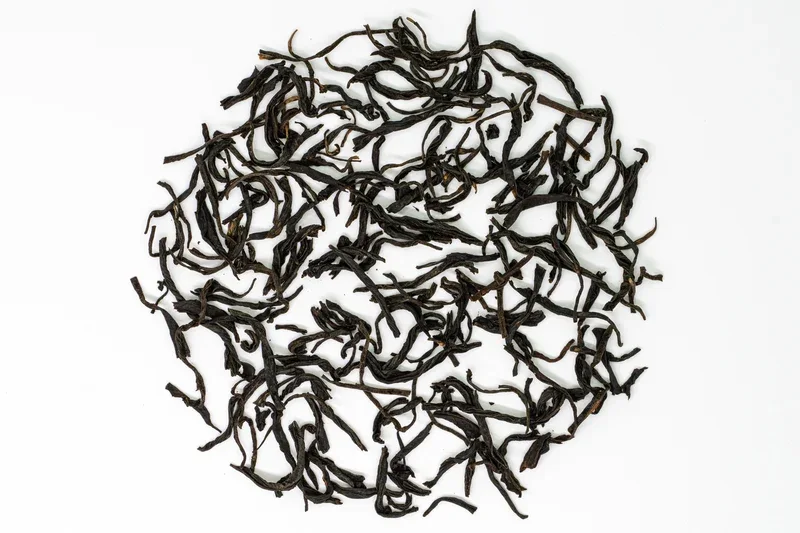
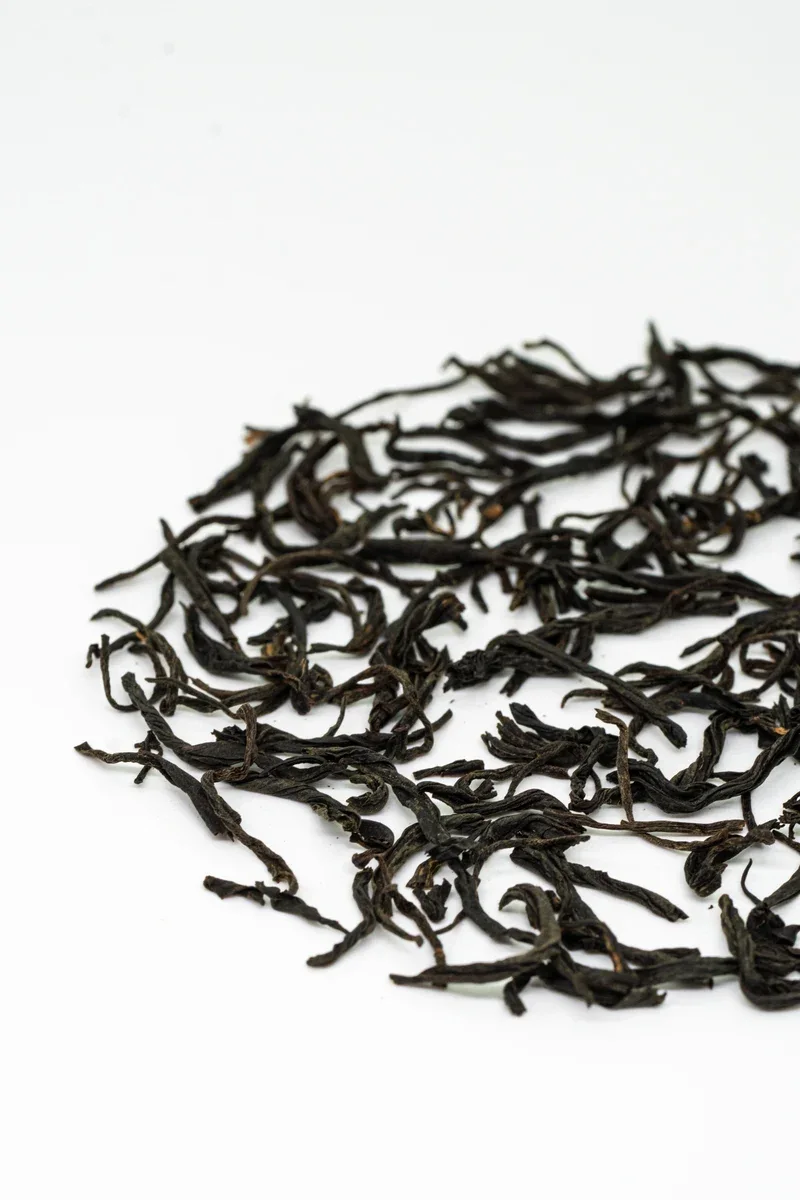
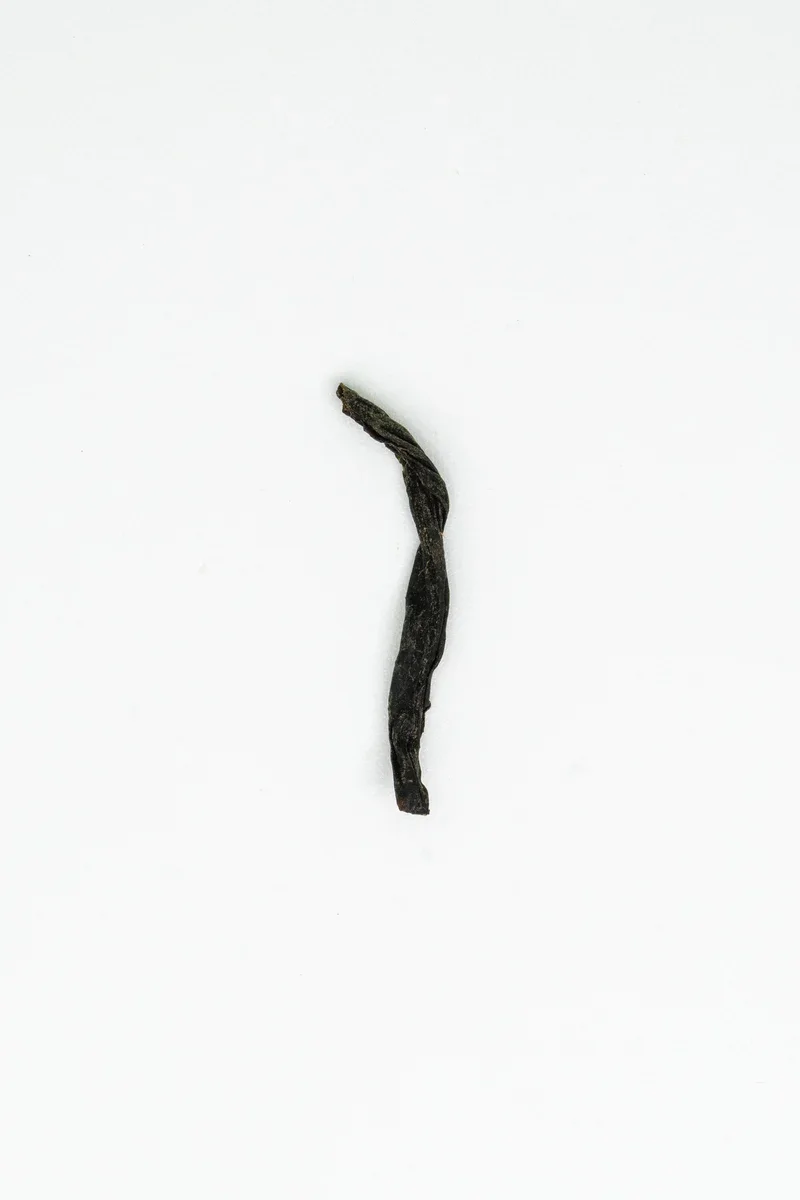
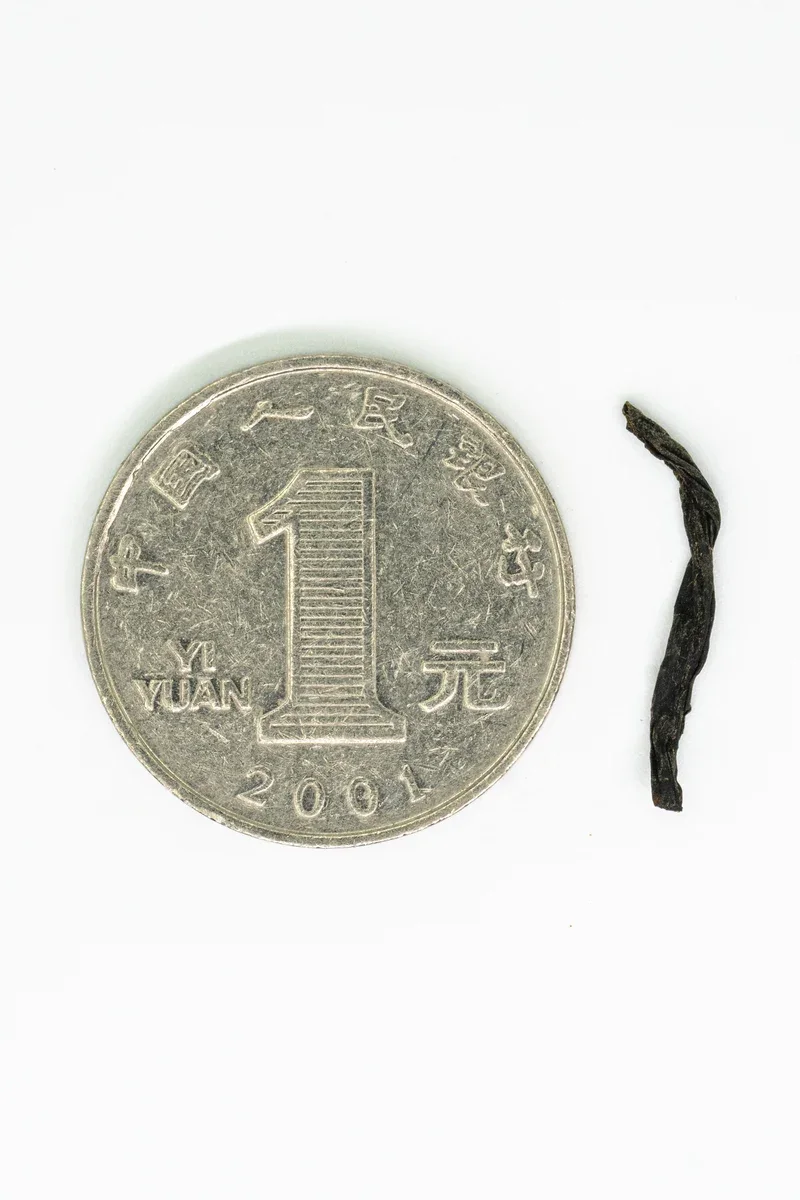
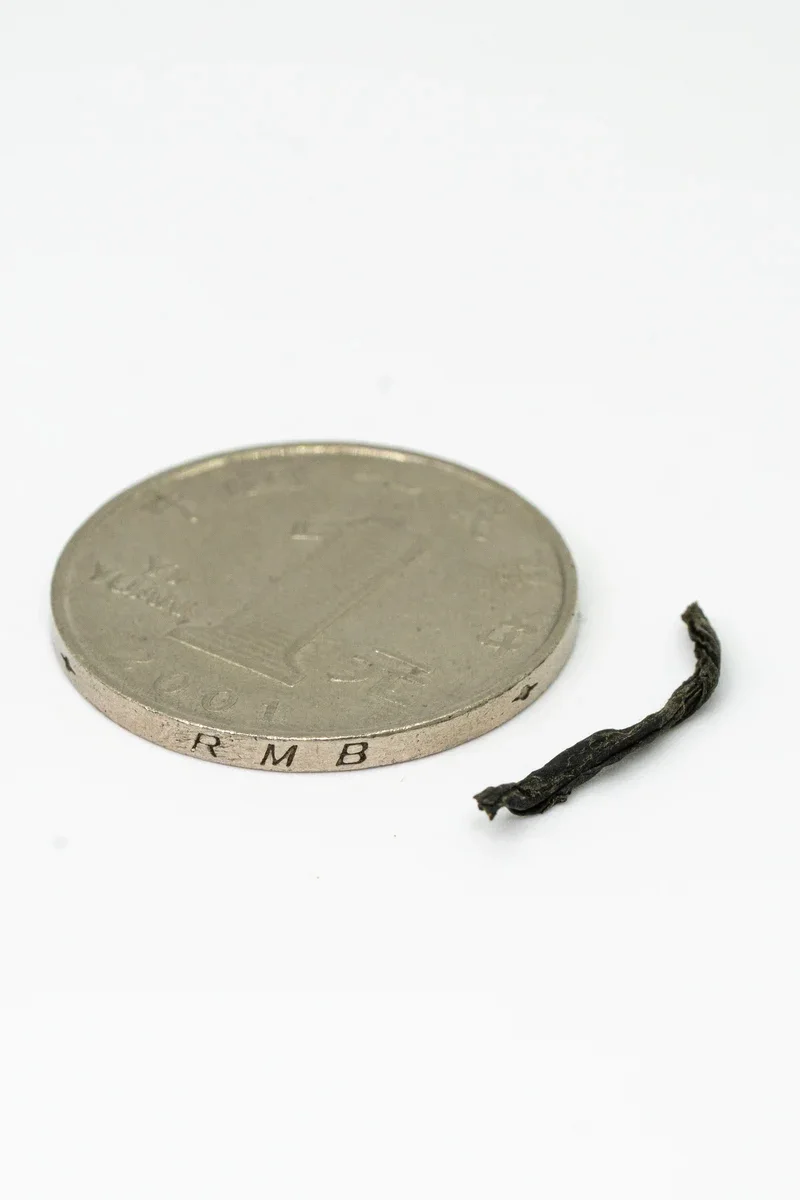
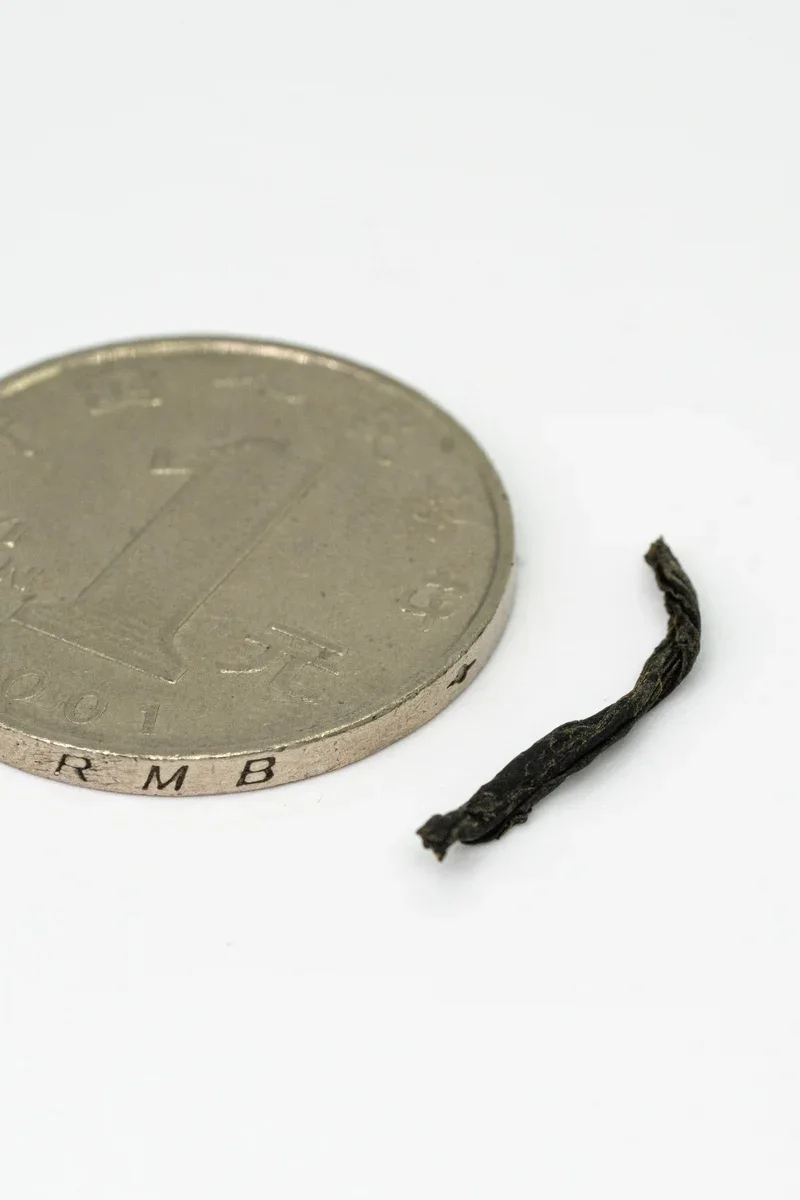
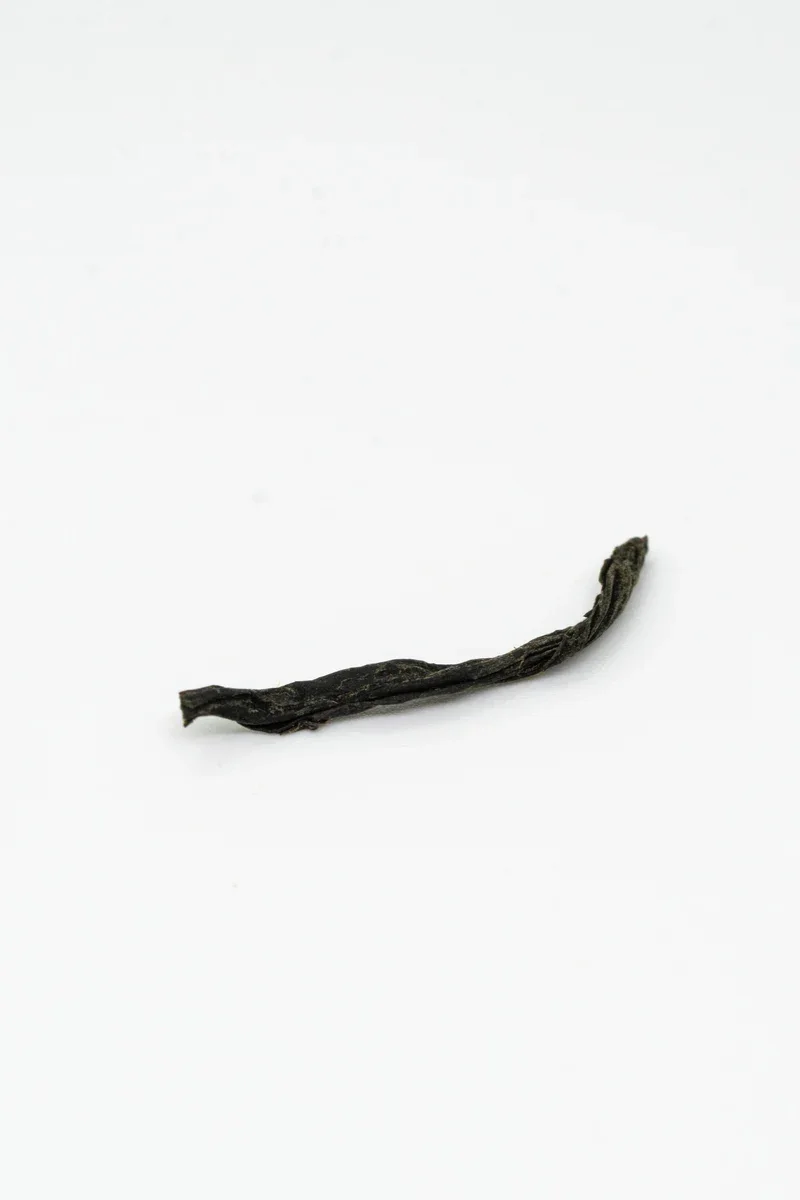
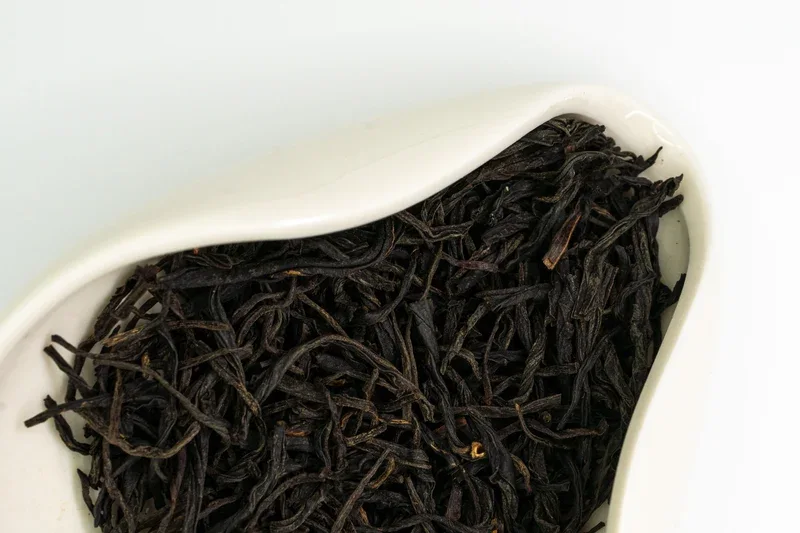
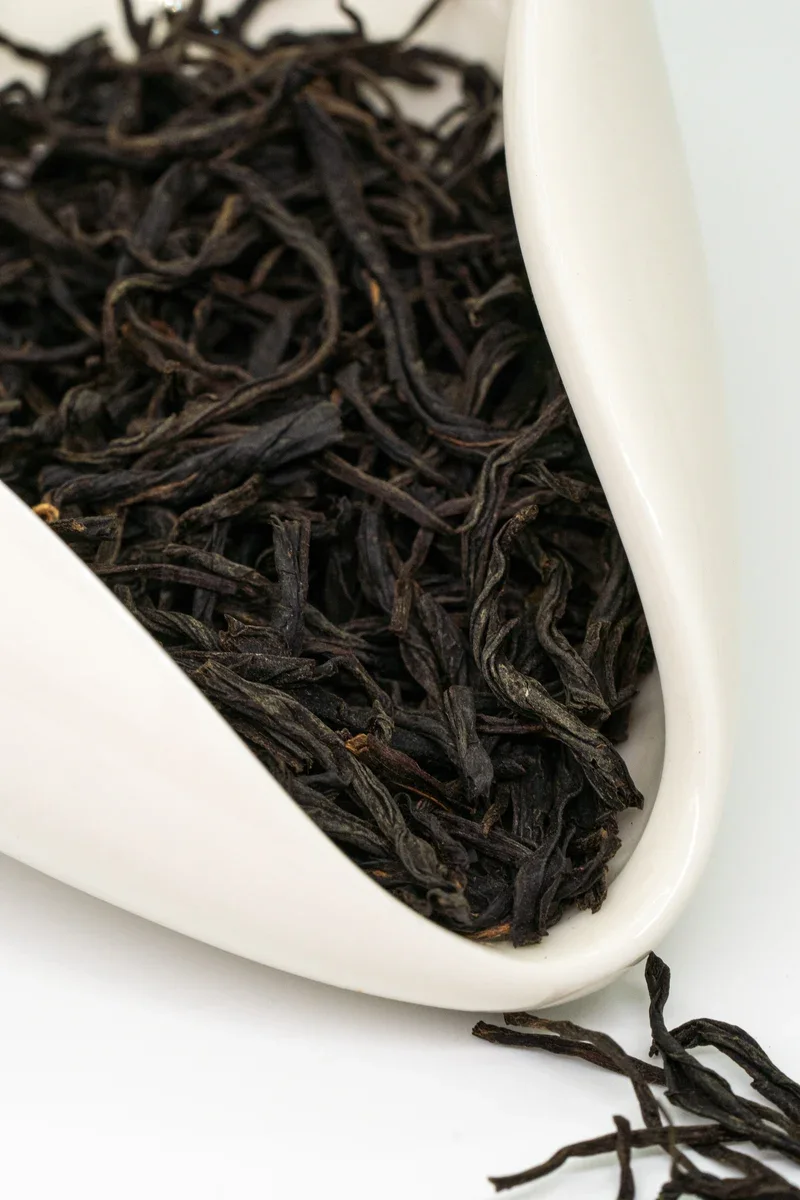
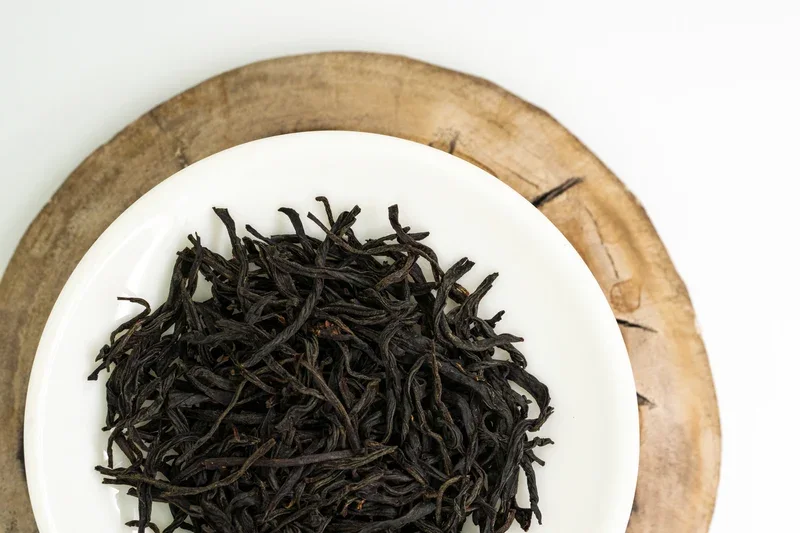
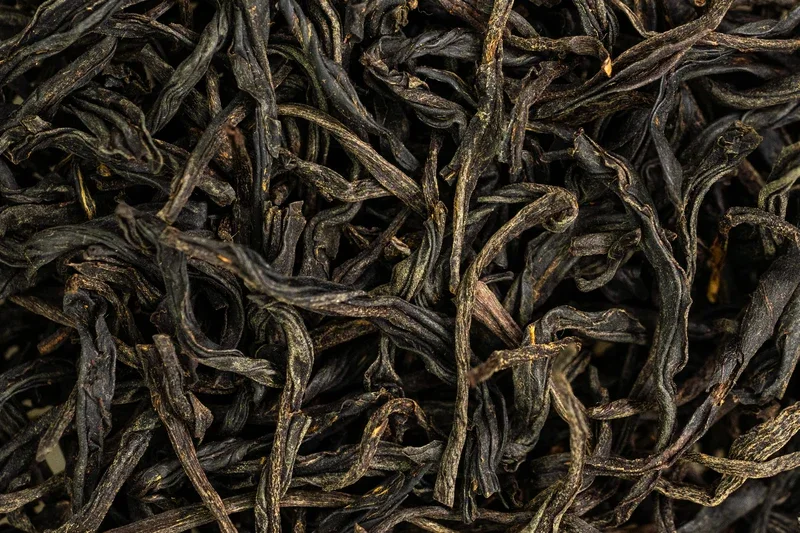
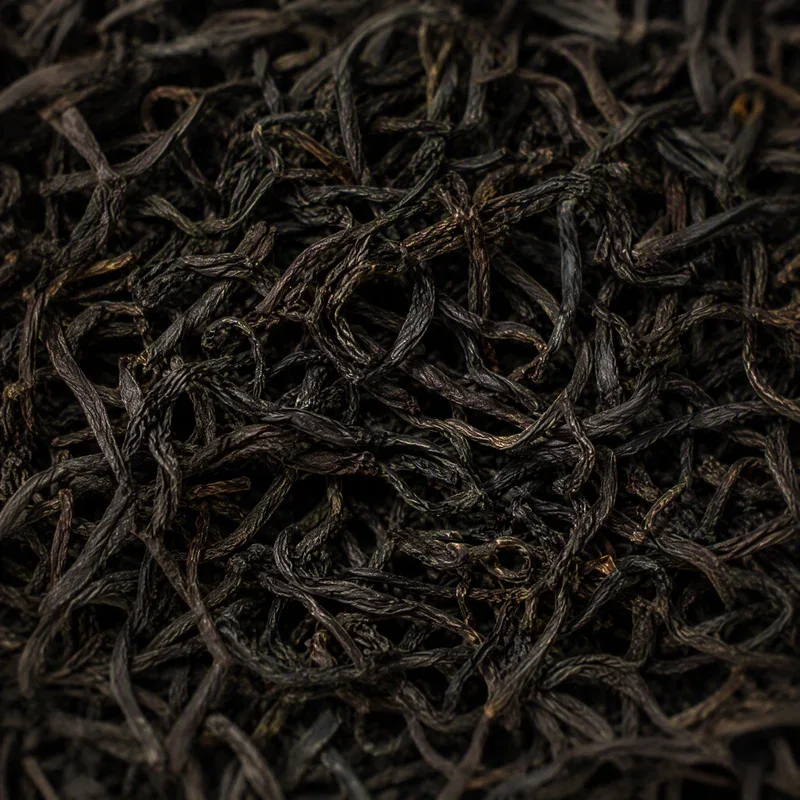
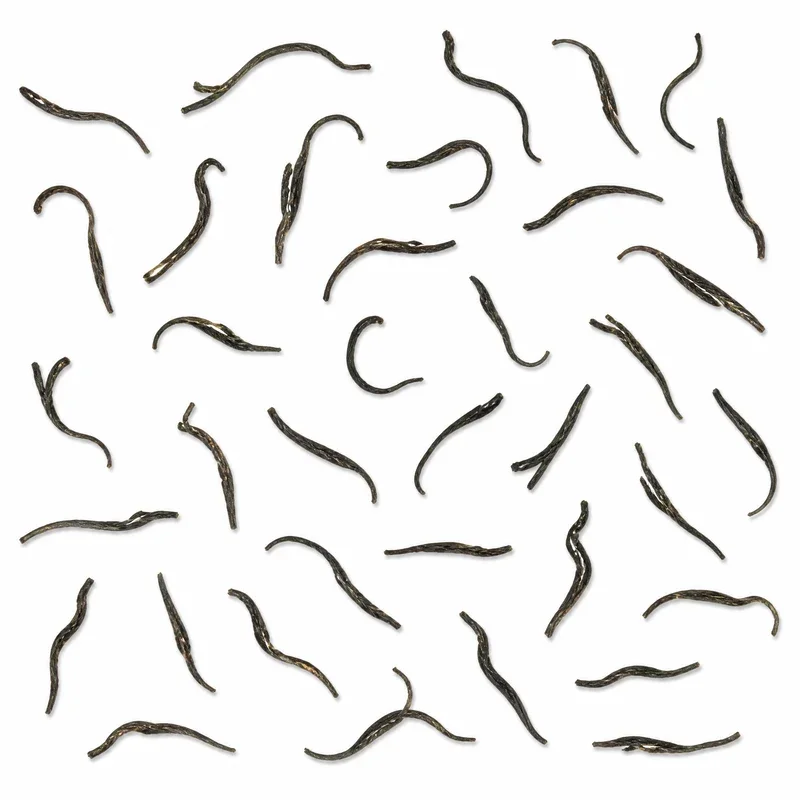
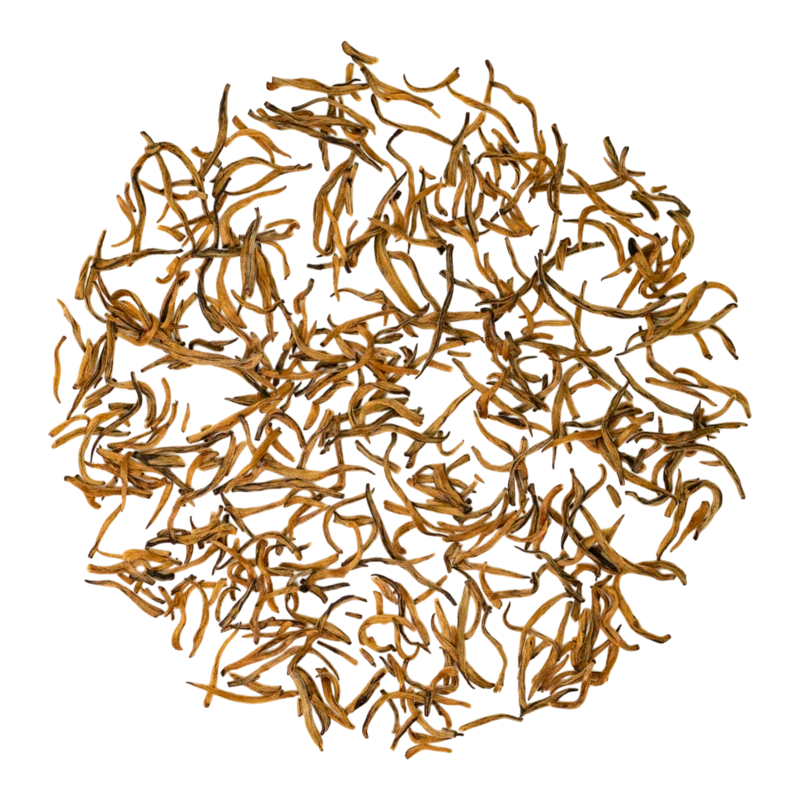
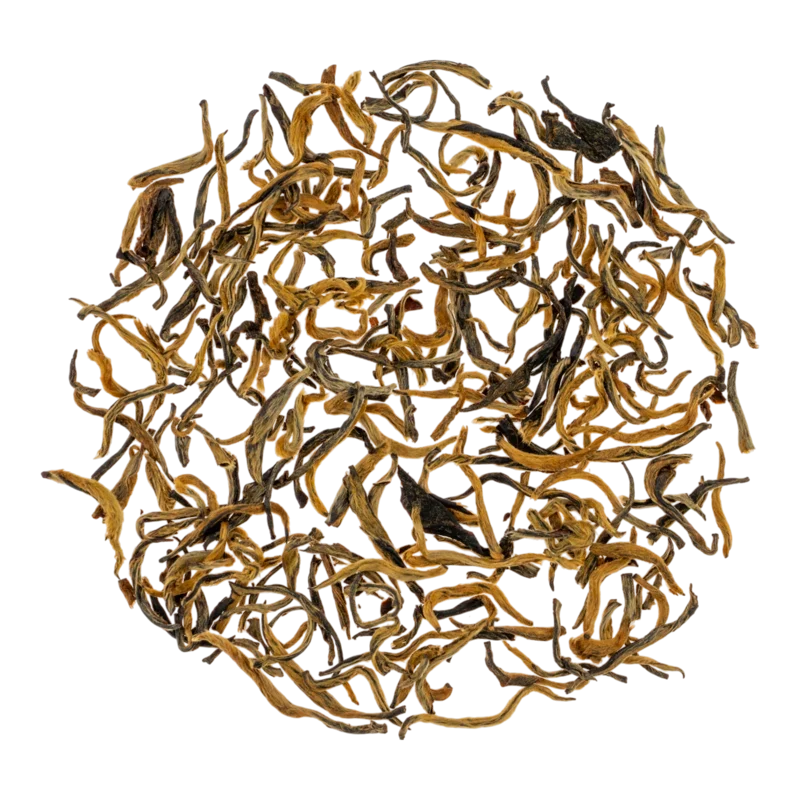
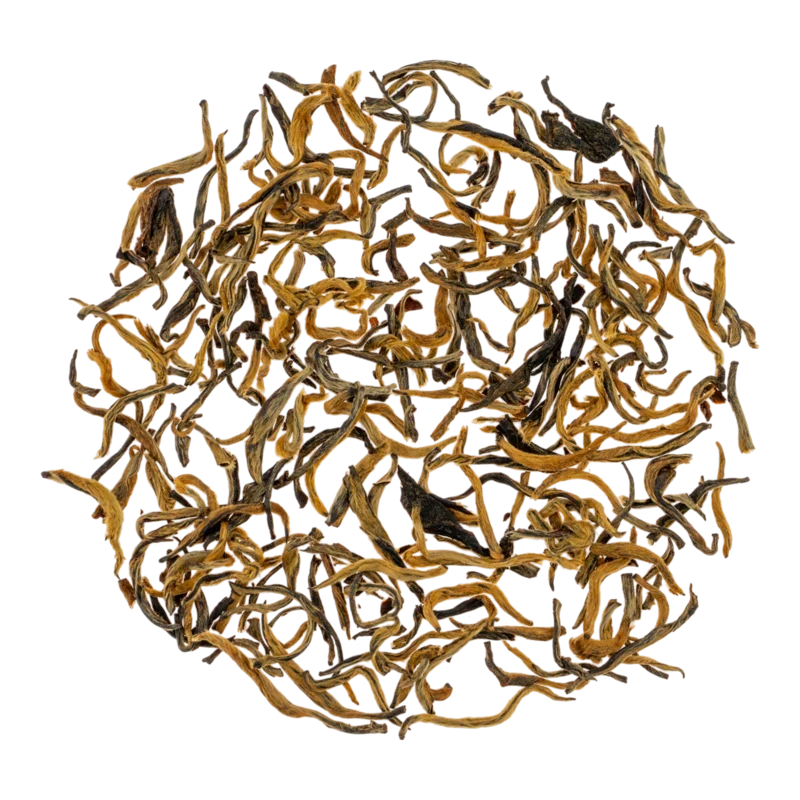
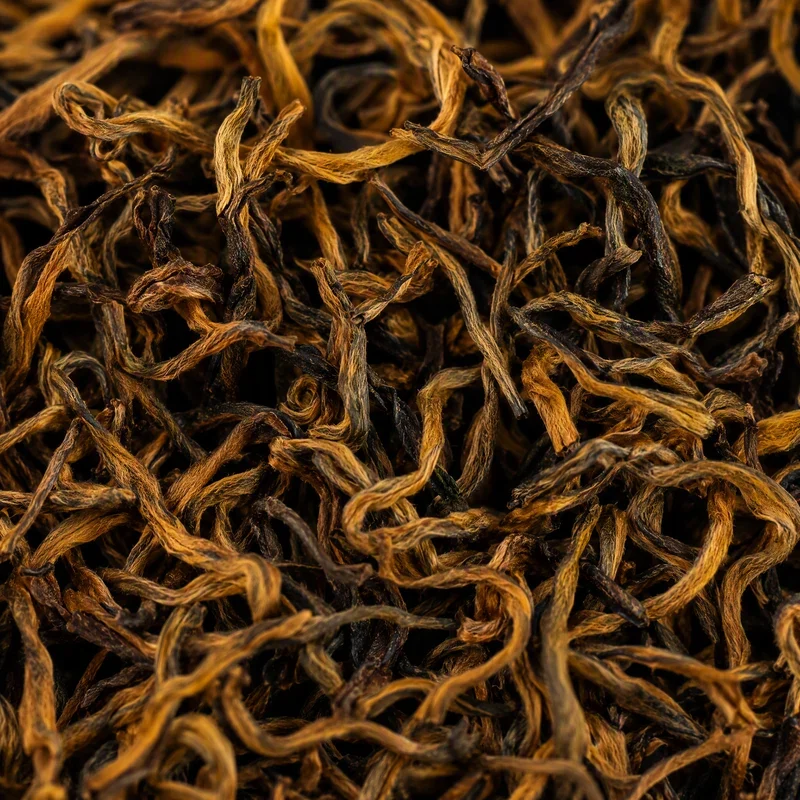
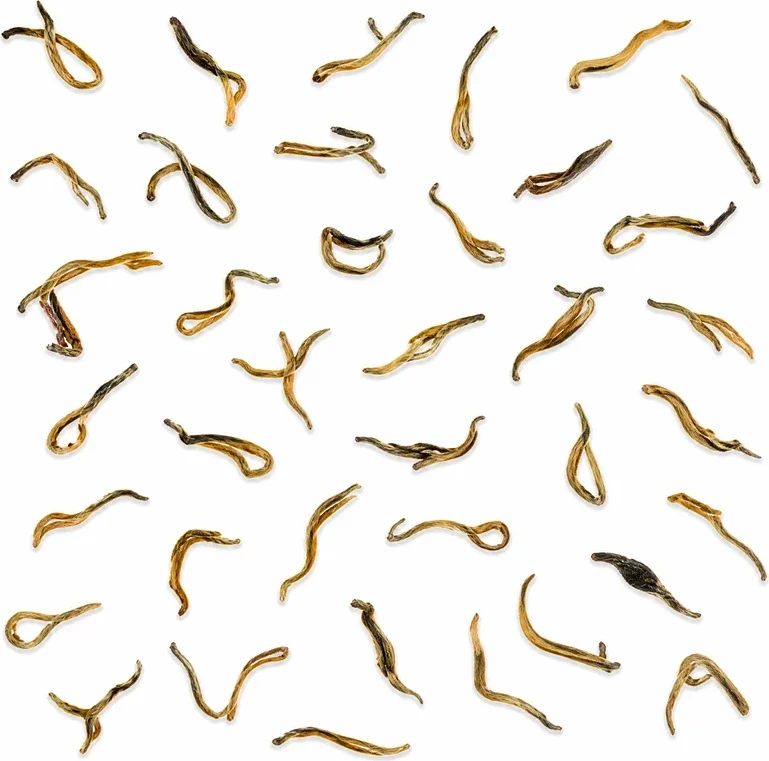
Dry Leaf Appearance: Fine, tightly twisted longitudinal strips (条索细长弯曲). Abundance of orange-golden and white down (橙黄白毫), in highest grades down may gather into small "granule-balls" (颗粒绒球状). Color — yellow-black (色泽黄黑) with oily luster. In "Juhong" style — especially pronounced tips, leaves finer and more elegant.
Dry Leaf Aroma: Clean, fresh, with characteristic "毫香" (haoxiang — "aroma of down," fresh, creamy-floral), notes of dried fruits (prunes, apricots), honey, malt. In "Juhong" — additionally sweet, "orange" undertone.
Liquor Aroma: Fresh, bright, with pronounced haoxiang. Honey-fruity complex (honey, dried fruits, apricots), light floral and caramel notes. Aroma "pleasant and joyful" (鲜爽愉快的毫香).
Liquor Color: Bright, red-amber; in "Juhong" — dazzlingly bright, "orange-red like a mandarin" (艳丽红亮). Transparent, clear.
Spent Leaves: Red-orange, bright, elastic leaves with visible golden buds. Uniformity — sign of quality.
Taste: Soft, clean, sweet and harmonious (清鲜甜和). Body — medium, but "smooth." Light astringency balances sweetness. Notes of dried fruits, honey, caramel. Aftertaste — clean, long, with honey-downy undertone. In best batches — sensation of "silkiness."
Alkaloids: Caffeine — 3–4%. Theobromine, theophylline.
Amino Acids: Increased content (due to Fuding Dabaicha cultivar — one of the record holders for amino acids among tea varieties). L-theanine provides soft sweetness and "freshness."
Essential Oils: Linalool, geraniol and other components forming "毫香" — delicate, creamy-floral, characteristic precisely of downy cultivars.
Minerals: Potassium, phosphorus, calcium, magnesium, iron, manganese, fluorine.
Polyphenols: 10–18% of dry weight. Theaflavins and thearubigins — main fermentation products forming color and "body" of liquor.
Vitamins: C, B₁, B₂, E, K.
Combination of caffeine and increased L-theanine content provides steady energy without anxiety.
Theaflavins and thearubigins neutralize free radicals.
Gently stimulates gastric juice secretion.
Polyphenols improve vascular elasticity.
"Warm" nature according to TCM. Ideal for cold seasons.
Tannins suppress pathogenic microflora.
L-theanine promotes relaxed concentration.
Tea Amount: 4–5 g per 100–120 ml (gongfu); 3 g per 200–250 ml (European method).
Teaware: Porcelain gàiwǎn (盖碗) — ideal option: reveals "毫香," doesn't absorb aroma. Glass teapot allows admiring "Juhong" color. Yixing teapot — acceptable, but may "muffle" delicate haoxiang.
Water Temperature: 90–95°C. For highest grades with abundant tips — 85–90°C.
Container: Airtight, opaque — tin can, foil bag, ceramic vessel.
Dry, cool, dark place, away from foreign odors. 10–25°C, humidity up to 60%.
12–18 months for optimal taste. Fresh tea preferable — haoxiang most bright in first months.
A "sibling" from the "Three Great Gongfu of Fujian," produced in Fu'an County (福安). More dense, with pronounced caramel-malty notes and noticeable astringency. Bai Lin Gongfu is more delicate, more "airy," with characteristic haoxiang, which is less pronounced in Tanyang Gongfu.
The third member of the "Trinity." Produced from the Zhènghé Dà Bái Chá (政和大白茶) cultivar in Zhenghe County. Stylistically closer to Bai Lin Gongfu (also "white lineage"), but with more pronounced "body" and malty depth. The tea leaves are larger.
The historical "ancestor" of all Fujian red teas. More dense, with characteristic longan notes and (in smoked versions) pine smoke. Bai Lin Gongfu is significantly more "fresh" and "downy."
A purely bud red tea from Tongmu — maximally sweet, honeyed, without astringency. Bai Lin Gongfu is slightly more "structured," with characteristic haoxiang instead of the honey-fruit dominance of Jin Jun Mei. Both teas are from Fujian, but from completely different terroirs and cultivars.
Authentic Bailin Gongfu — from Fúdǐng (福鼎), Bailin district and surroundings.
Characteristic feature — abundance of orange-golden or white down. Tea without visible tips — likely not from Fuding Dabaicha.
Specific creamy-floral, "downy" aroma — authenticity marker. Coarse or "flat" smell — sign of different raw material.
Bright, red-amber, transparent. For "Juhong" — dazzlingly bright, orange-red.
Getting authentic Bailin Gongfu for 50–100 yuan unlikely.
No reviews yet. Tell us what you think of this tea.
Rate this tea and share your impressions. We review each submission before publishing it.