Classification and Origin
Category: Selective oolongs of Fujian. Official designation: Mincha No. 105 (闽茶105, Mǐnchá 105). Used both as an independent product and as base material for blends.
Minnan style — semi-spherical rolling, light roasting, floral character.
Yancha style — longitudinal rolling, charcoal roasting, minerality.
Local adaptations.
Coordinates: ~25° N, ~118° E (Anxi); ~27°43' N, ~117°41' E (Wuyi).
Origin: Developed at the Tea Research Institute of Fujian Academy of Agricultural Sciences (福建省农业科学院茶叶研究所, Fújiàn Shěng Nóngyè Kēxuéyuàn Cháyè Yánjiūsuǒ). Parent forms: Huáng Jìn Guì (黄金桂, Huángjīn Guì) × Tiěguānyīn (铁观音, Tiě Guānyīn). Registered in the 1990s.
Type: Oolong (semi-oxidized tea). Oxidation level 25–50% — from light to dark style, depending on region and master.
History and Culture
Cultural Significance: Huang Guan Yin is perceived by the tea community as a "bridge tea" between two great traditions: Minnan (southern Fujian) and Minbei (Wuyi). Its ability to "play" in both styles makes it a valuable tool for experimental masters and an object of comparative tastings.
History: Huang Guan Yin is a product of purposeful breeding from the 1980s–1990s, when the Fujian Tea Institute actively crossed promising cultivars to create varieties with increased yield, disease resistance, and pronounced aromatics. Crossing Huang Jin Gui (known for early ripening and intense floral aroma) with Tieguanyin (possessing deep, oily flavor and complex bouquet) produced a hybrid that inherited the best from both parents. The cultivar underwent years of field trials and was officially registered under number Mincha No. 105.
Botany and Raw Material
Medium size, oval-elliptical, with pointed tip. Young shoots and buds have characteristic yellowish-green tint (heritage of Huang Jin Gui). Leaf blade is dense, fleshy, but thinner than Tieguanyin.
Significantly more productive than pure Tieguanyin.
Heritage of Huang Jin Gui — ripens 5–7 days earlier than Tieguanyin, giving farmers a valuable "window" before the main season.
Well adapts to various terroirs — from red soils of Anxi to rocky soils of Wuyi.
High content of essential oils (linalool, nerol, geraniol) — brighter than Tieguanyin.
Cultivar: Huáng Guān Yín (黄观音, Mincha No. 105) — Camellia sinensis var. sinensis. Hybrid of Huang Jin Gui × Tieguanyin. Medium-sized shrub with well-developed root system.
Pluck Standard: Bud + 2–3 top leaves. Spring picking is most valuable.
Terroir
Altitude: 300–700 m a.s.l. Red quartzite sandstone, inter-rock valleys (坑涧, kēngjiàn). Soils rich in iron oxides and manganese.
Climate: ~18°C average annual, humidity >80%, diffused light due to rock outcrops.
Floral-fruity profile, light–medium body, refreshing sweetness.
Mineral base (岩韵, Yán Yùn), nutty and caramel notes from charcoal roasting, denser body.
Organoleptic Profile
Dense semi-spheres, emerald to dark green with yellowish tint.
Bright, explosive — orchid, osmanthus, gardenia. More intense florality than Tieguanyin; less "sharp" than pure Huang Jin Gui. Fruity (peach, lychee) and honey nuances.
Golden-yellow, clear, with shine.
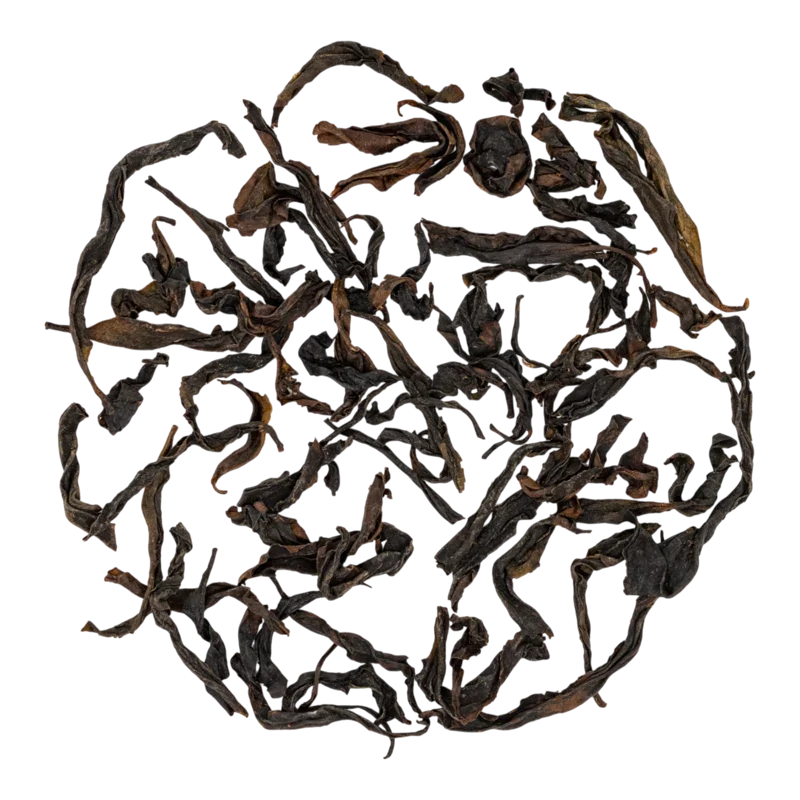
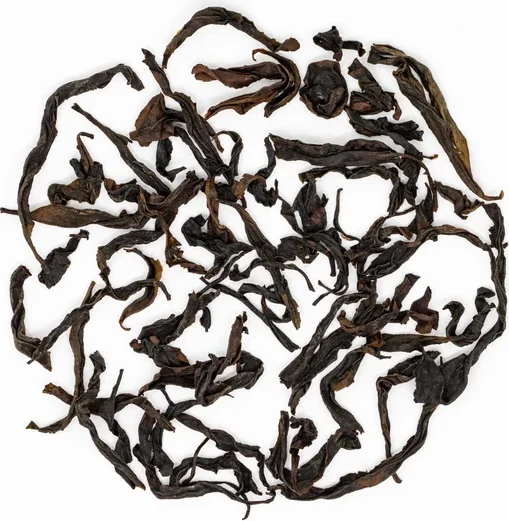
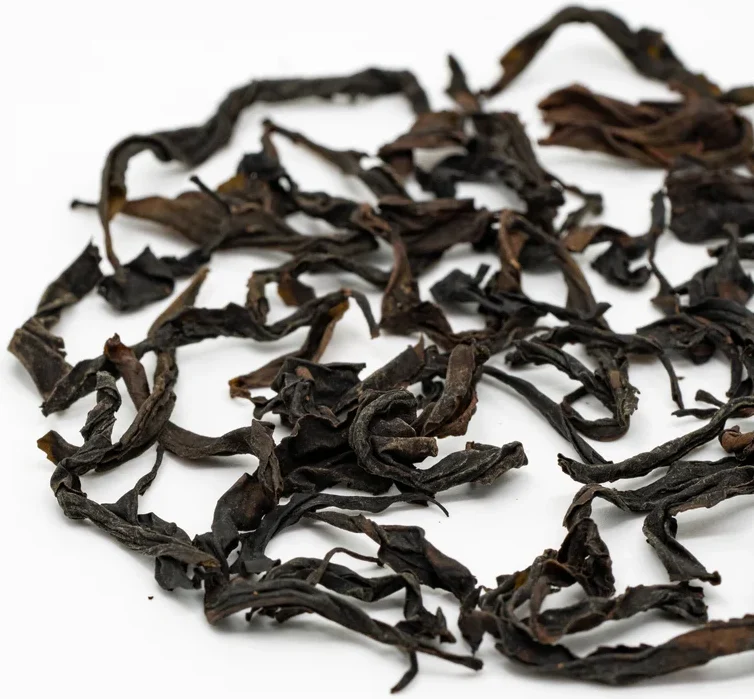
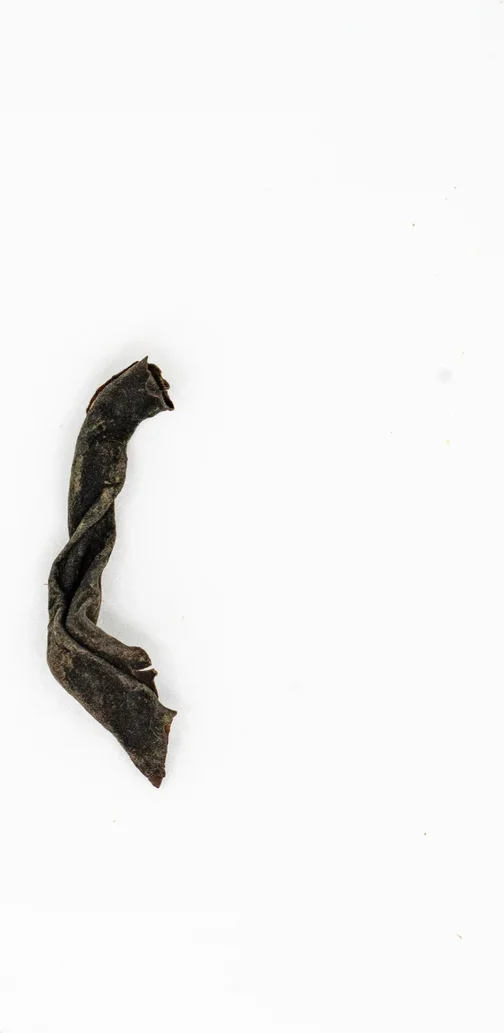
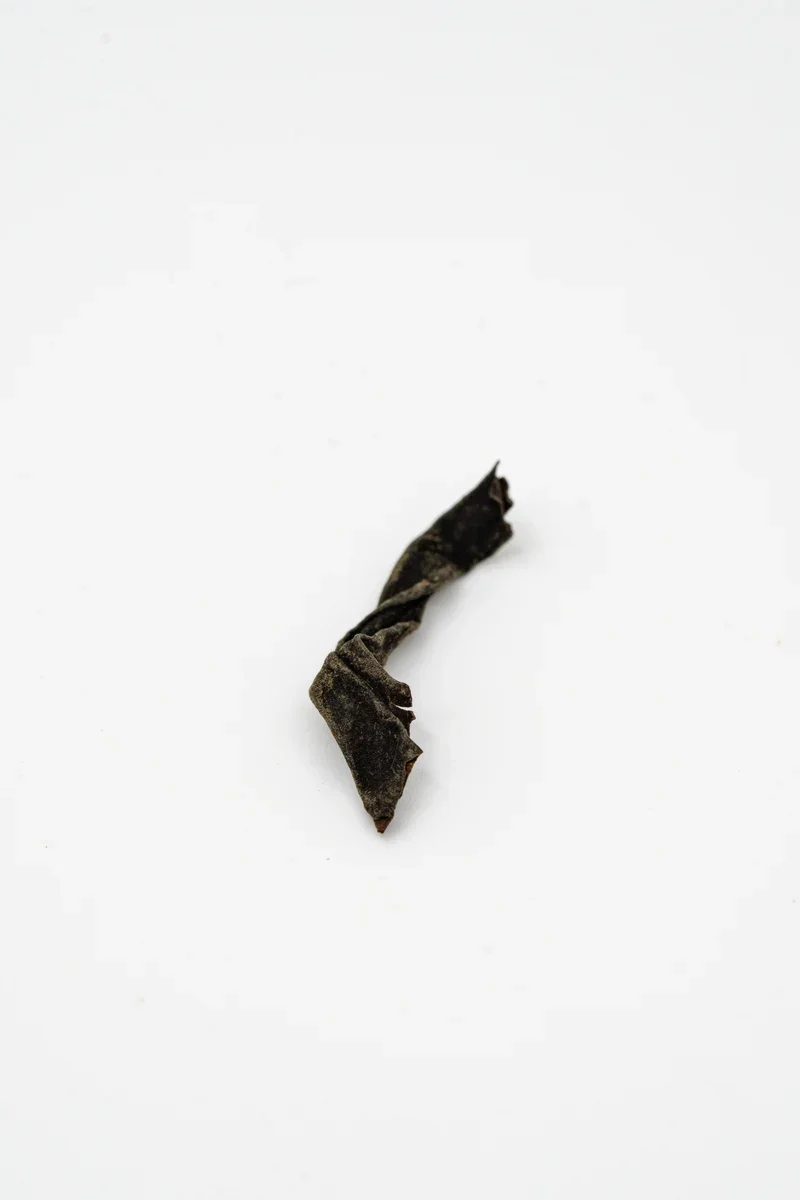
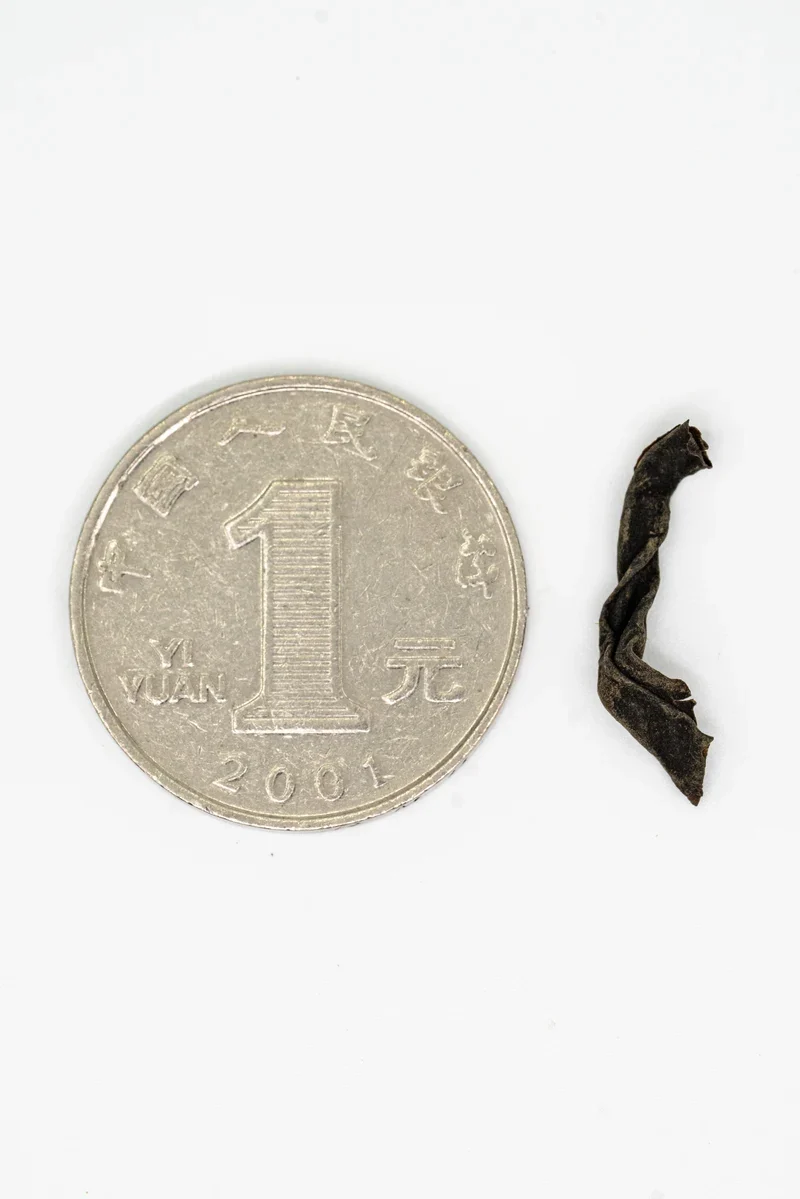
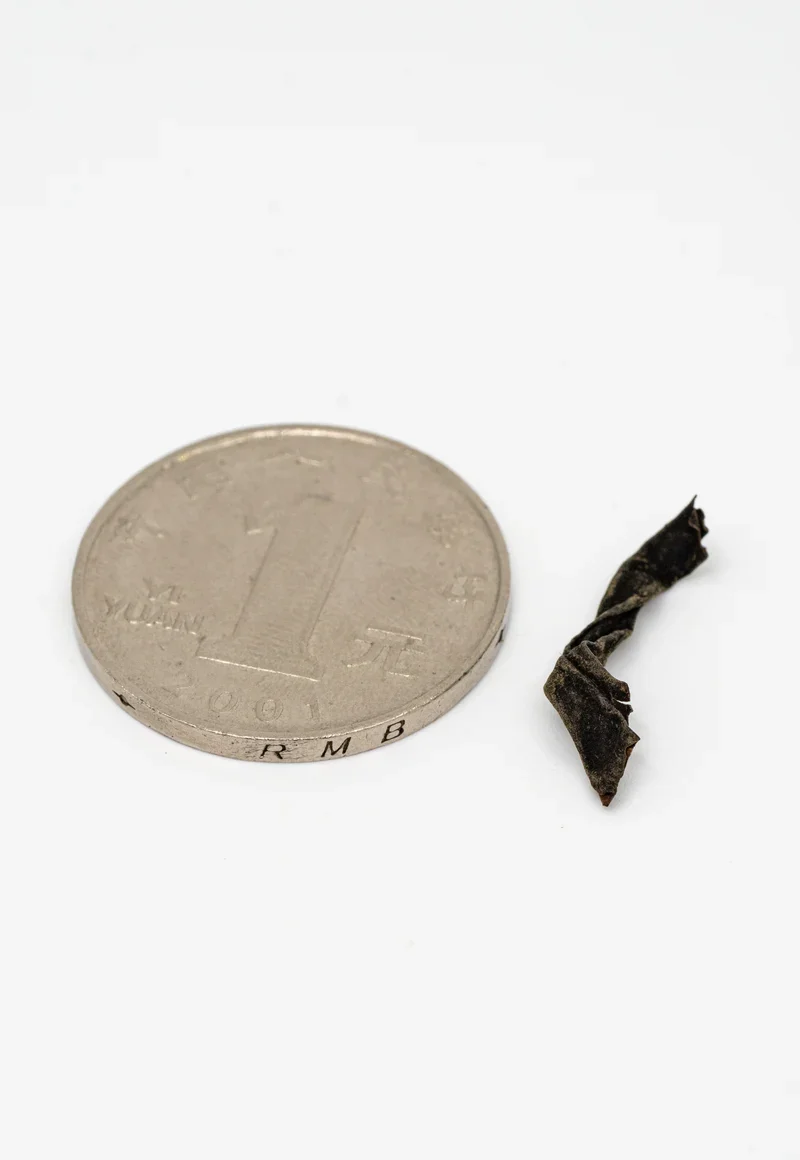
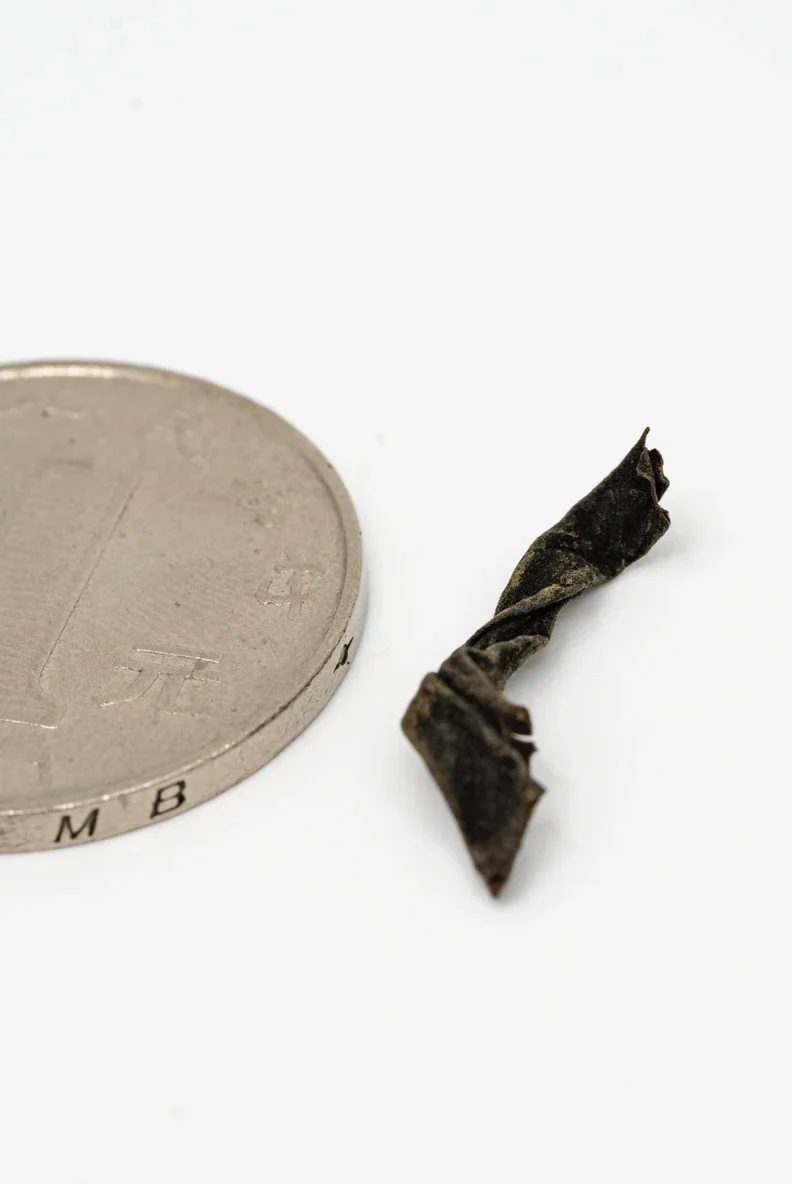
Longitudinally twisted "strips," dark brown with reddish tints.
Orchid and osmanthus against minerality background, nutty and caramel notes of roasting. Light smokiness.
Amber, golden-red.
Taste: Dense, oily, with mineral base (岩韵). Nuts, caramel, flowers. Aftertaste — mineral, long, with menthol coolness.
Chemical Composition
Alkaloids: Caffeine ~2.5–3% (moderate).
Amino Acids: L-theanine. Content comparable to Tieguanyin — sweetness, umami, relaxation.
Essential Oils: High content — the cultivar's calling card. Linalool, geraniol, nerol (floral notes); methyl salicylate (freshness). Content of volatile aromatic compounds higher than Tieguanyin — heritage of Huang Jin Gui.
Minerals: Potassium, fluorine, magnesium, manganese, iron (in Wuyi version — elevated).
Polyphenols: ~20–25% of dry mass. EGCG — main antioxidant. In Wuyi version — more theaflavins due to higher oxidation.
Vitamins: C, B group, E, K.
Health Notes
Catechins + theaflavins neutralize free radicals.
Caffeine + L-theanine — gentle alertness.
Gentle stimulation; Wuyi version good after fatty food.
Polyphenols strengthen vessels, reduce LDL.
Intense floral aroma — proven relaxing action.
Wuyi version with charcoal roasting — good in cold weather.
Storage
Airtight container, in refrigerator (separate compartment). 6–12 months.
Airtight opaque container, cool dark place. 12–24 months.