Brewing
Gongfu brewing
- Water temperature
- 92 °C
- Tea amount
- 6 g
- Water volume
- 100 ml
- First steep
- 10 s
- Time added per infusion
- 5 s
- Infusions
- 8

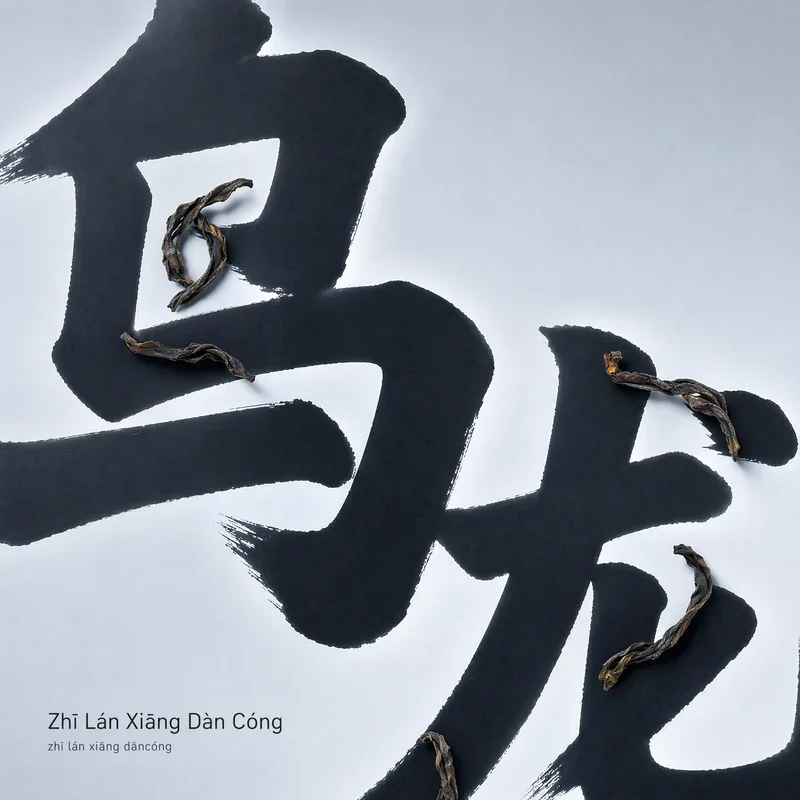
zhī lán xiāng dāncóng
Choose a brewing method. Start with the recommended quantities and time, then adjust to taste.
Brewing
Brewing
Taste
Tea encyclopedia
Category: Fēng Huáng Dàn Cóng (凤凰单丛, Fènghuáng Dāncóng) — Phoenix Single Bush. Belongs to the ten classic aromatic types (十大香型, Shí Dà Xiāng Xíng), approved in 1996.
Category: Fēng Huáng Dàn Cóng (凤凰单丛, Fènghuáng Dāncóng) — Phoenix Single Bush. Belongs to the ten classic aromatic types (十大香型, Shí Dà Xiāng Xíng), approved in 1996.
National standard GB/T 30357.6–2017 "Oolong. Part 6: Dan Cong"; regional standard DB4451/T 1–2021 "Product with geographical indication — Fēng Huáng Dān Cóng (枞) Cha". Geographical indication status was granted in 2010 by public notice No. 30 of the State Administration for Quality Supervision.
Coordinates: Approximate center of the region: 23°57′ N, 116°40′ E.
Origin: Phoenix Mountains (凤凰山, Fènghuáng Shān), Chao'an District (潮安区, Cháo'ān Qū), Cháozhōu City (潮州市, Cháozhōu Shì), Guǎngdōng Province (广东省, Guǎngdōng Shěng), China. Main production zones: Wūdòng Village (乌岽, Wūdòng) — historical center of elite production with the highest concentration of old trees; Fèngxī (凤西, Fèngxī) — location of the most ancient mother trees; Daan (大庵, Dà'ān) — zone with young plantations.
Type: Medium-oxidation oolong, oxidation degree approximately 20–40%. According to the Chinese six-color classification, it belongs to semi-oxidized teas.
Tree-type plant (乔木型, qiāomù xíng), large leaves: length 10–14 cm, elongated-lanceolate form, leathery surface with light gloss. The underside of young leaves is covered with silvery trichomes. Tea trees reach 3–5 m in height; the oldest specimens aged 300–600 years have formed powerful trunks and wide crowns.
Cultivar: Produced from Camellia sinensis var. sinensis (L.) Kuntze, cultivar Fēng Huáng Shuǐ Xiàn (凤凰水仙, Fènghuáng Shuǐxiān, "Phoenix Narcissus"), also known as national registry number Hua Cha No. 17 (华茶17号). From this original gene pool, through centuries of selection, numerous strain lines have been isolated, each translating the botanical characteristics of the mother cultivar in its own way. Main strain lines of Zhi Lan Xiang type — Bǎ Xiān (八仙, Bāxiān), Sōng Zhǒng Zhī Lán Xiāng (宋种芝兰香), Jí Long Kàn (鸡笼刊), Wǔ Yè Zhī Lán (乌叶芝兰), Zhú Yè Zhī Lán Xiāng (竹叶芝兰香) and others.
Picking: Exclusively hand-picked. Picking standard for high-quality Dan Cong — "one bud and two-three upper leaves" (一芽二三叶). Main season — spring (March — April); winter picking (冬片, dōngpiàn) is also practiced, yielding a softer infusion. Spring tea from high-mountain gardens is considered best for concentration of aromatic compounds.
Altitude: 800–1500 m above sea level. The best Zhī Lán Xiāng teas come from Wūdǒng (乌岽, ~1391 m) and Fèngxī (凤西, ~1000–1200 m) villages. Large diurnal temperature variations slow metabolic processes in leaves, promoting accumulation of aromatic precursors — terpenol glycosides.
Climate: Subtropical monsoon, average annual temperature about 18°C, annual precipitation about 2200 mm, more than 100 foggy days per year. Constant cloud cover softens direct solar exposure, slowing shoot growth and increasing concentration of L-theanine and aromatic precursors.
Soil: Formed on granite base, slightly acidic (pH 4.5–5.5), rich in iron, manganese, zinc and trace elements. It is believed that the mineral profile of soils gives Dan Congs their characteristic "mountain rhyme" — Yán Yùn (岩韵, yán yùn) — in the aftertaste.
Phoenix Mountain Range (凤凰山脉, Fènghuáng Shānmài), Guangdong Province.
For old trees, semi-wild cultivation is practiced without fertilizers and pesticides: periodic root pruning for growth control, soil mulching with rice husks. Modern certified producers work in accordance with DB4451/T 1–2021 requirements for organic and environmentally clean production. The region has about 1,500 tea trees older than 100 years, of which more than 3,500 exceed 200 years of age.
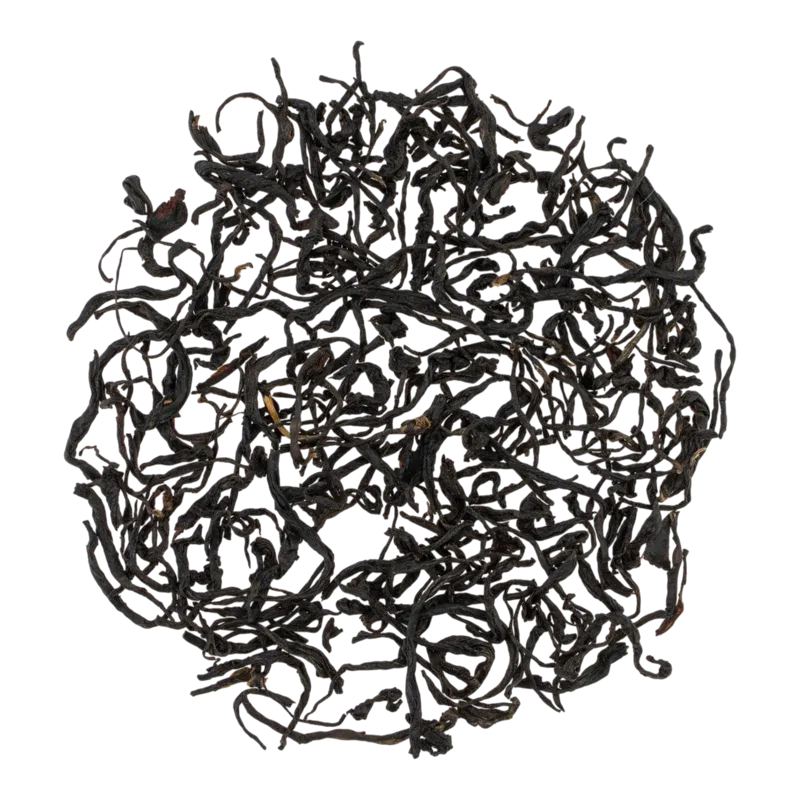
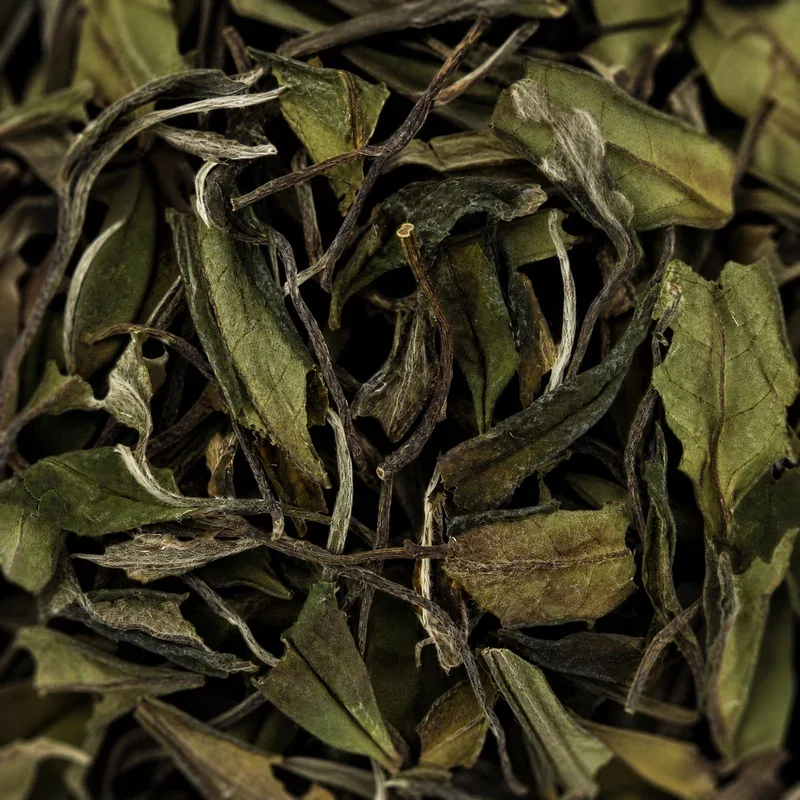
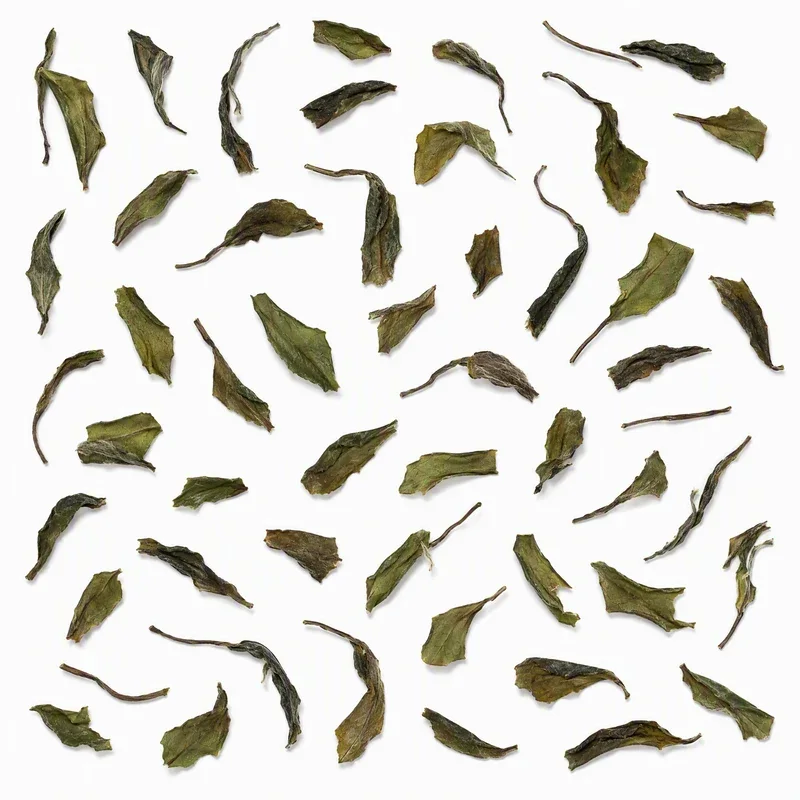
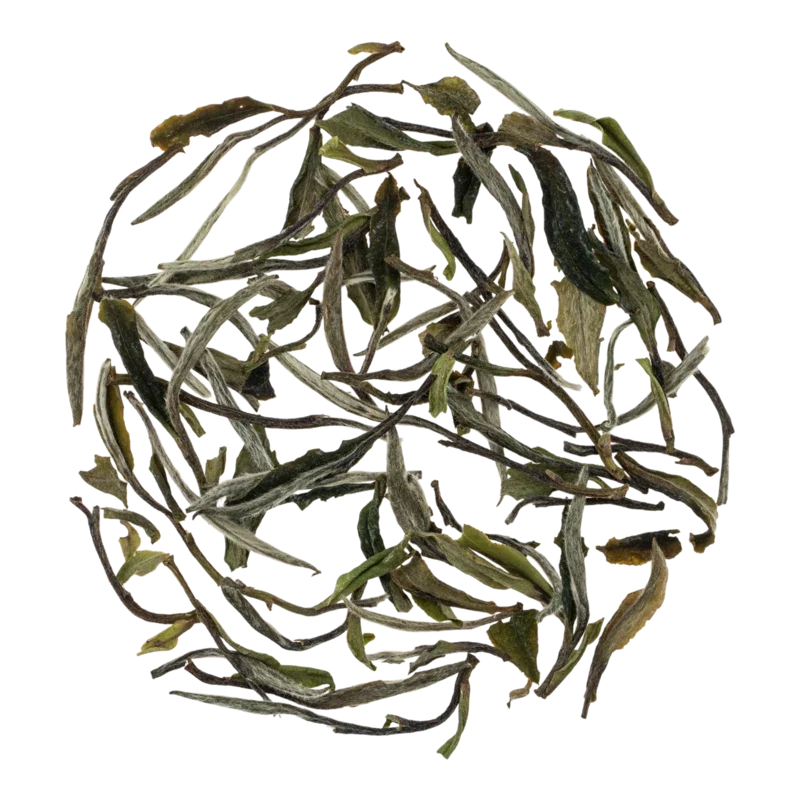
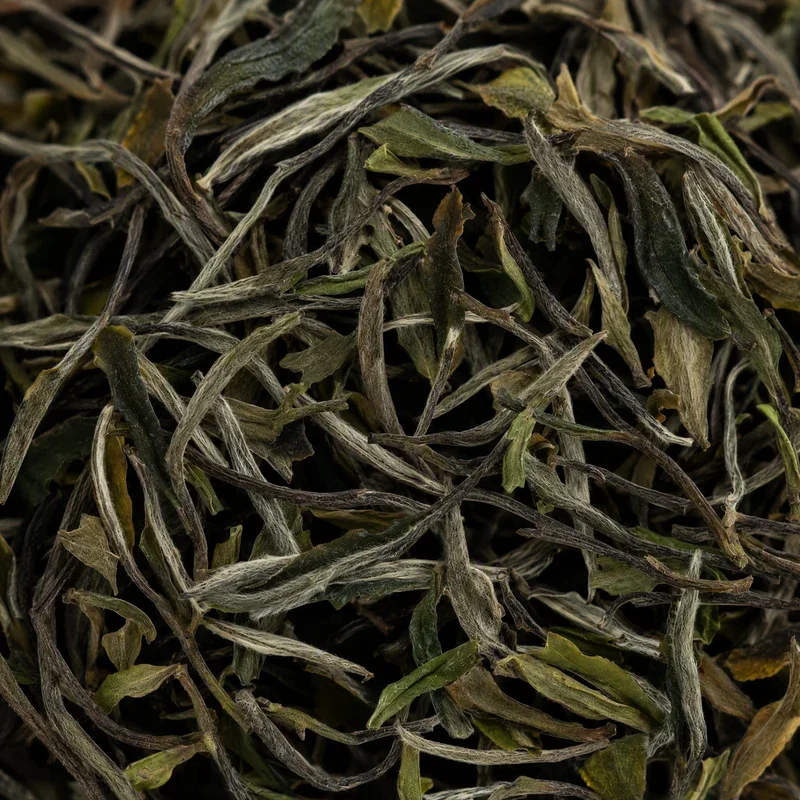
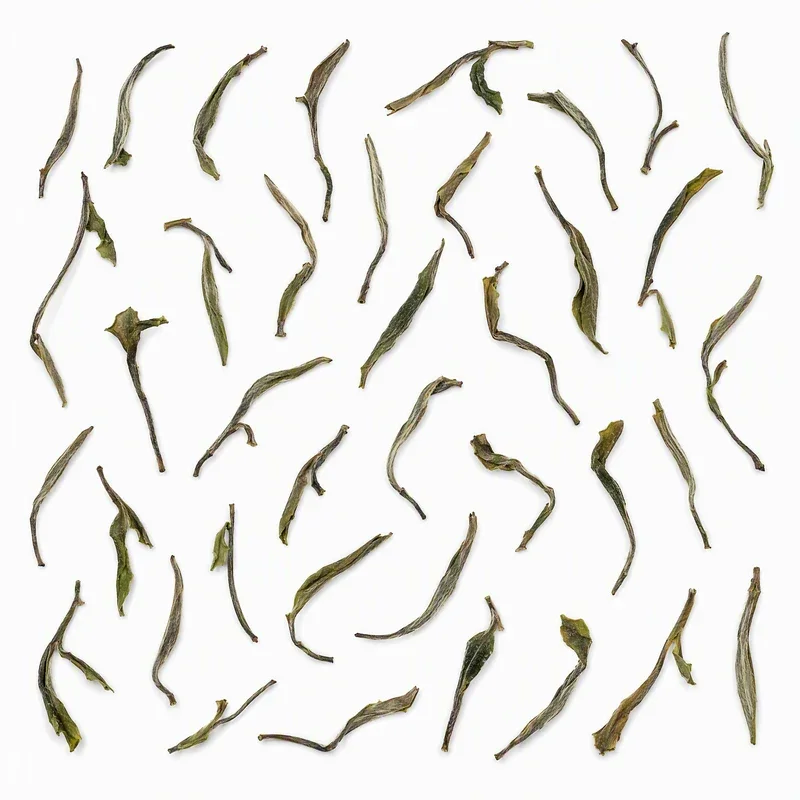
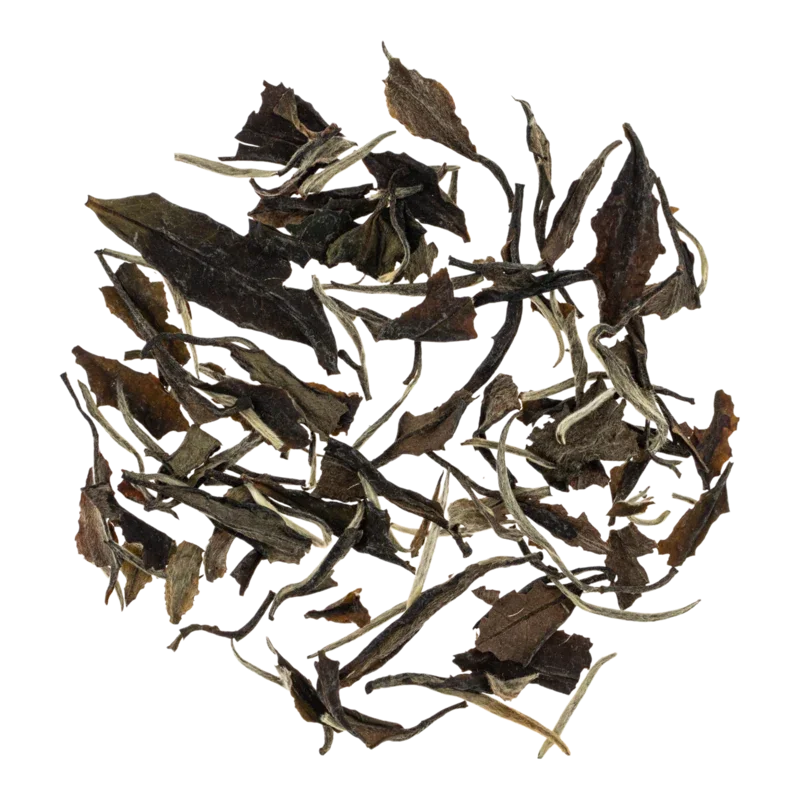
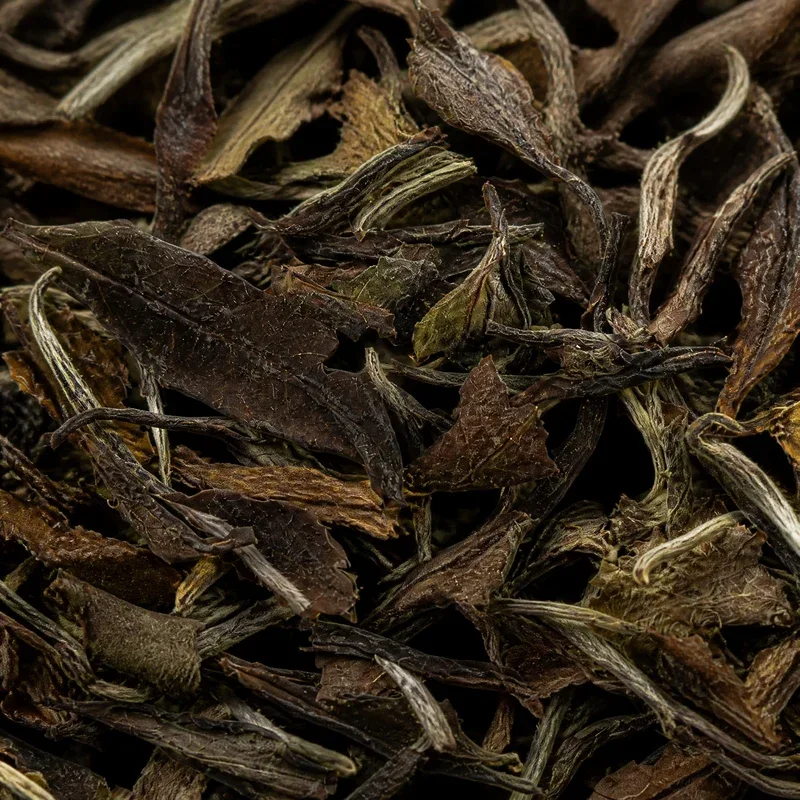
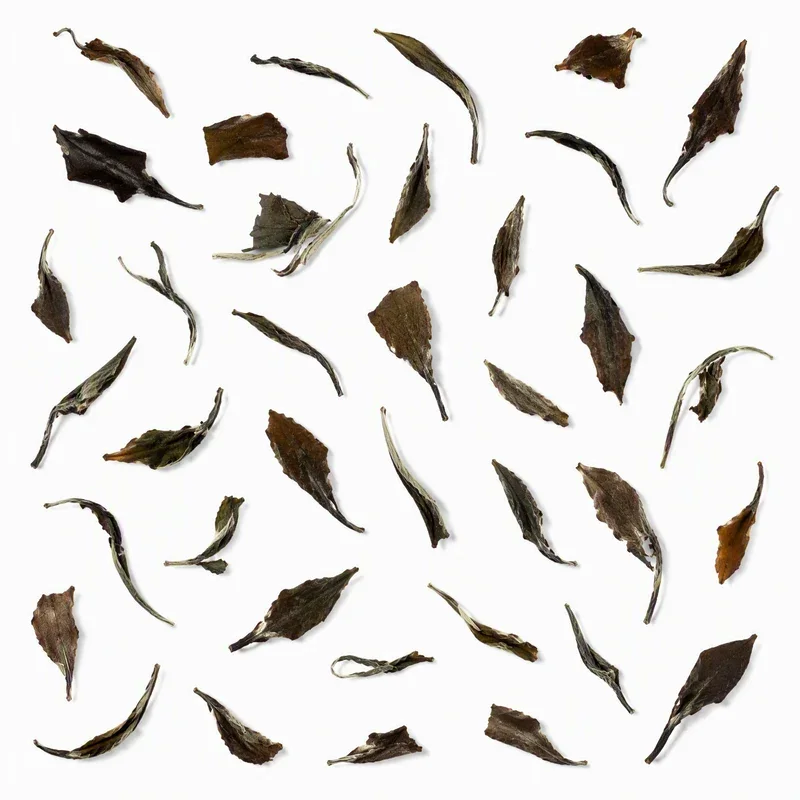
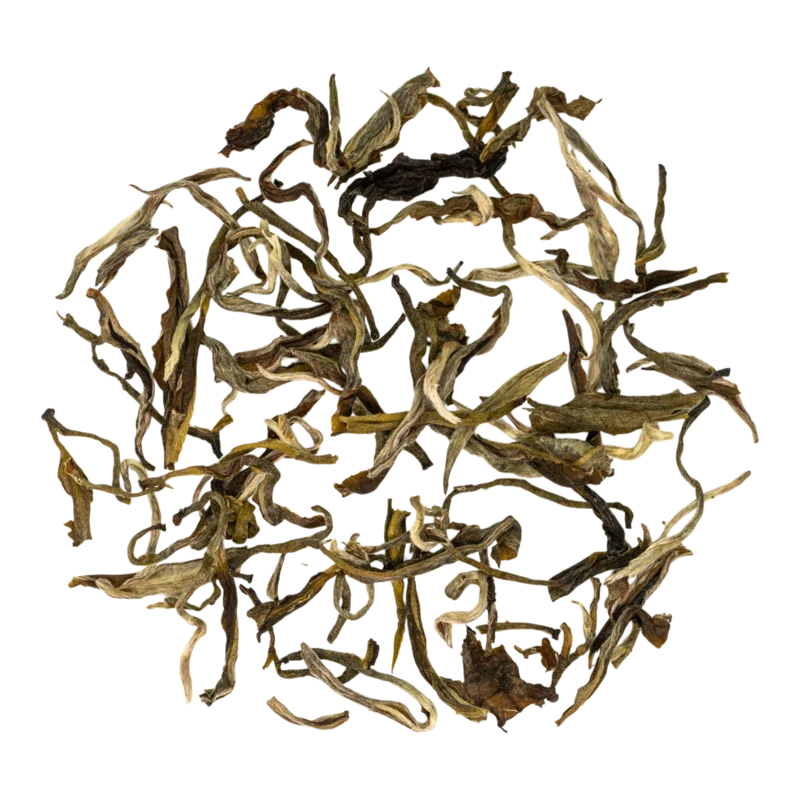
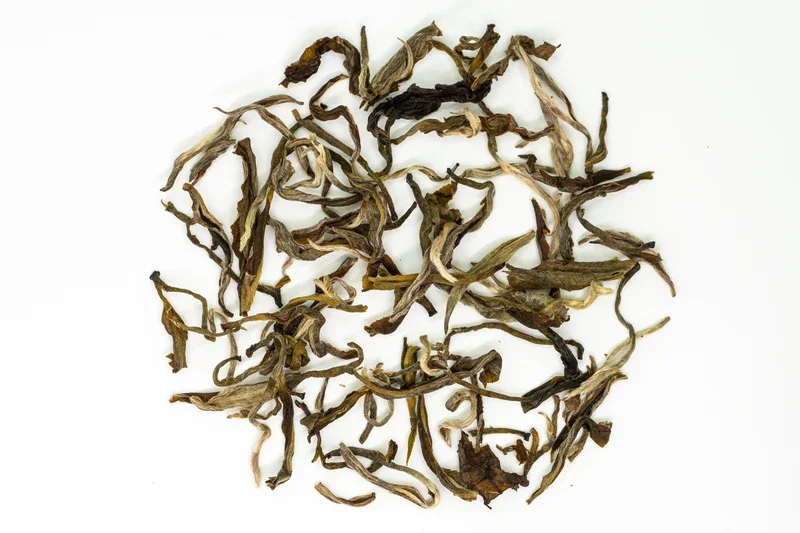
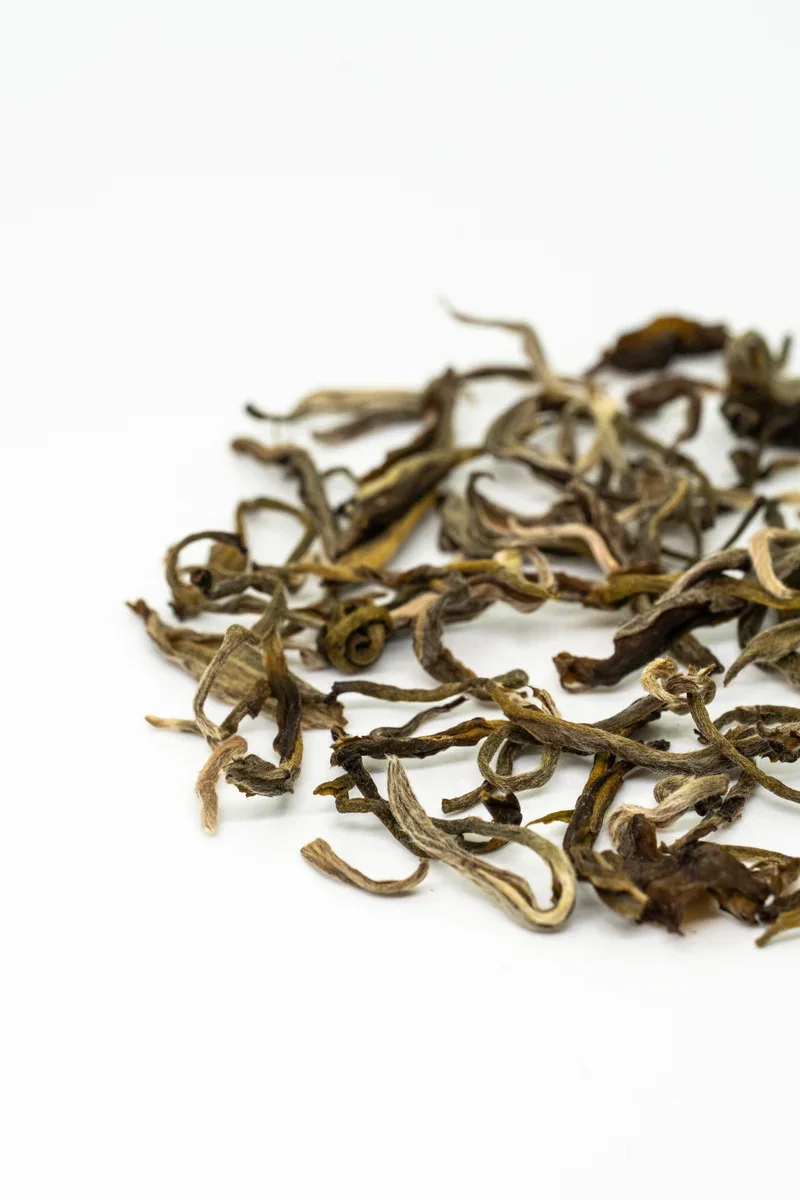
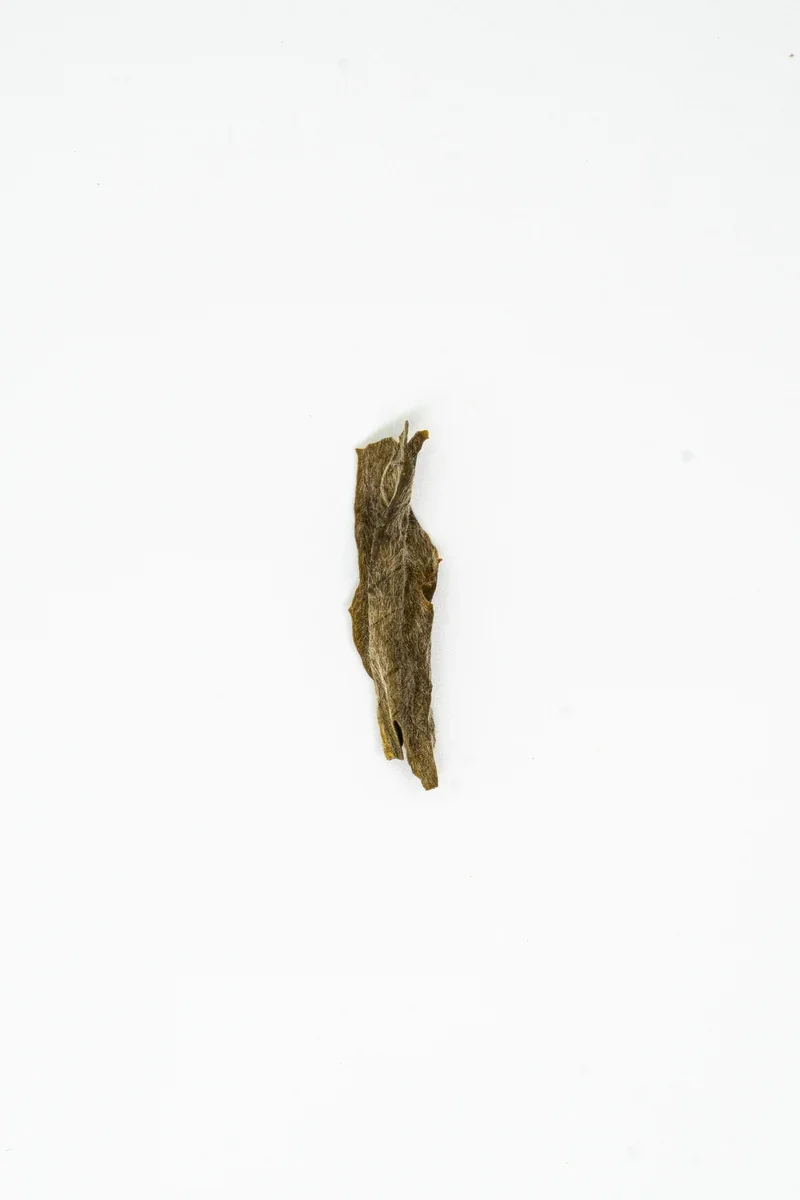
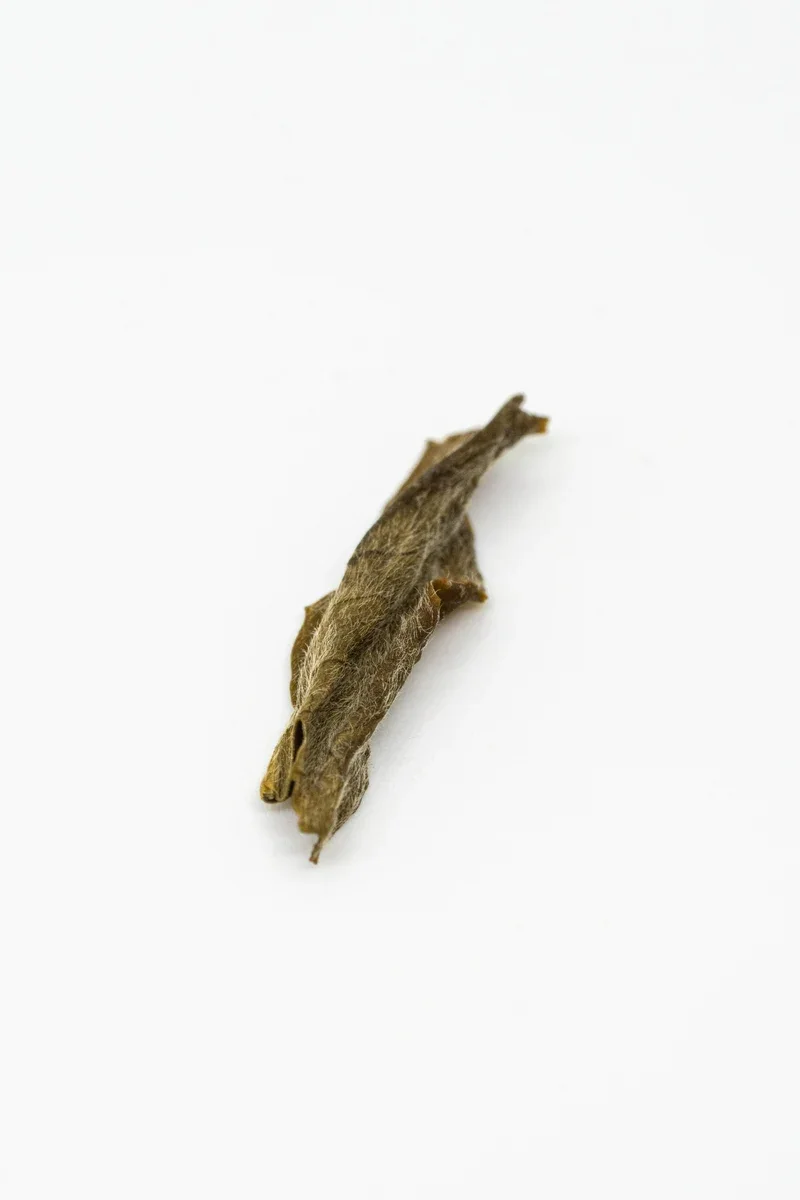
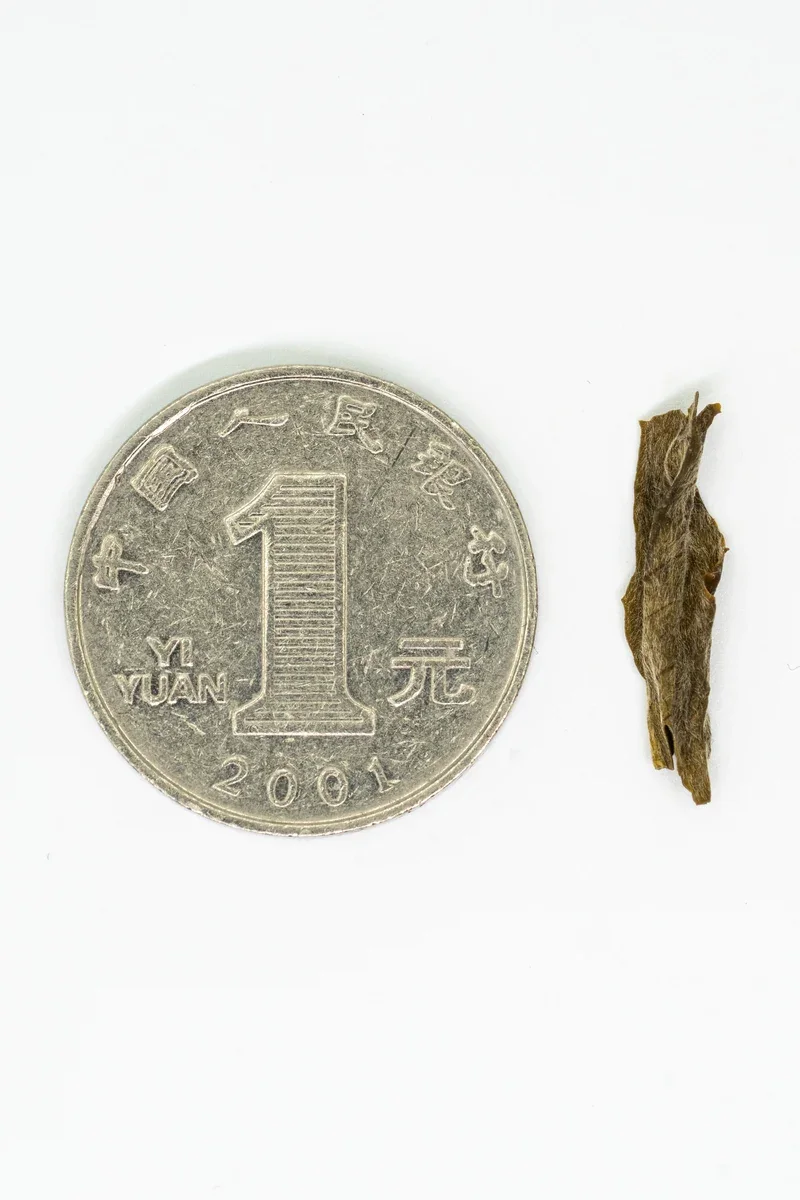
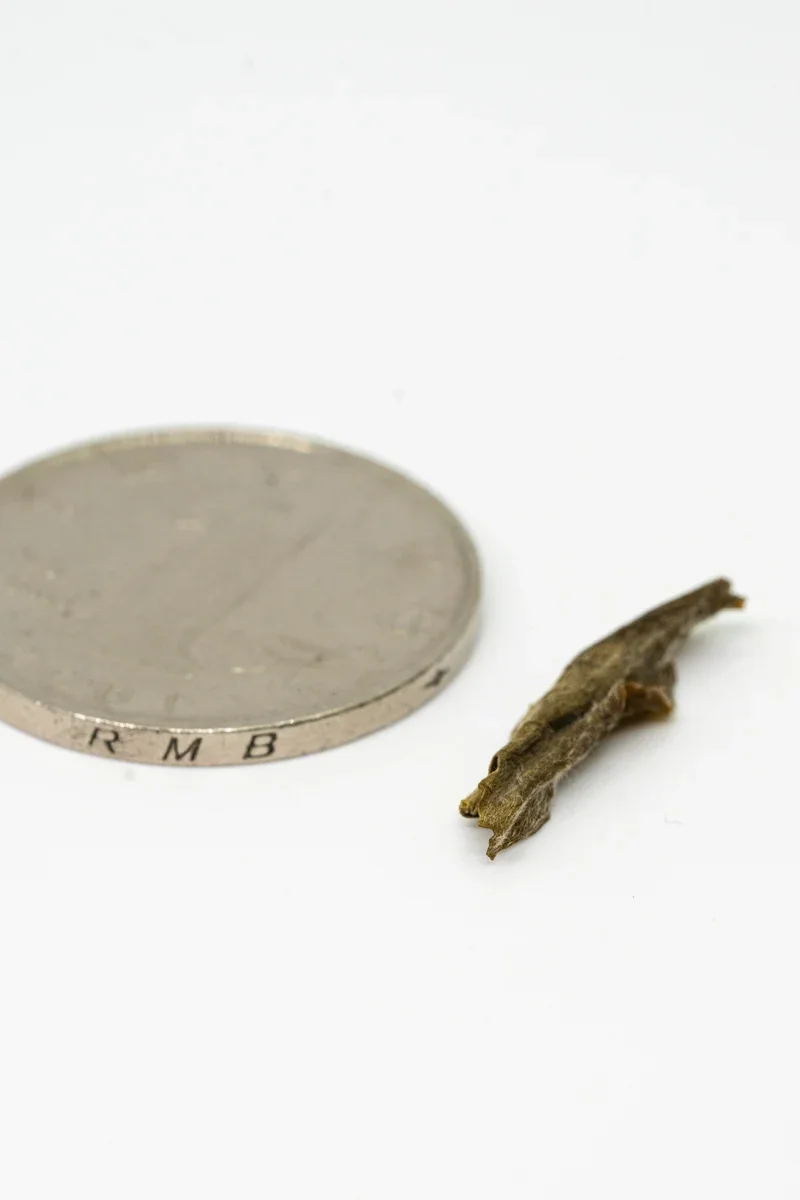
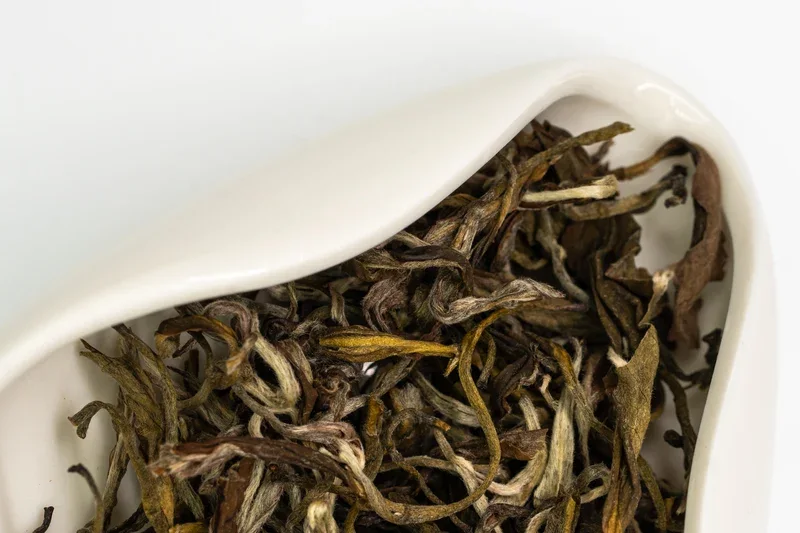
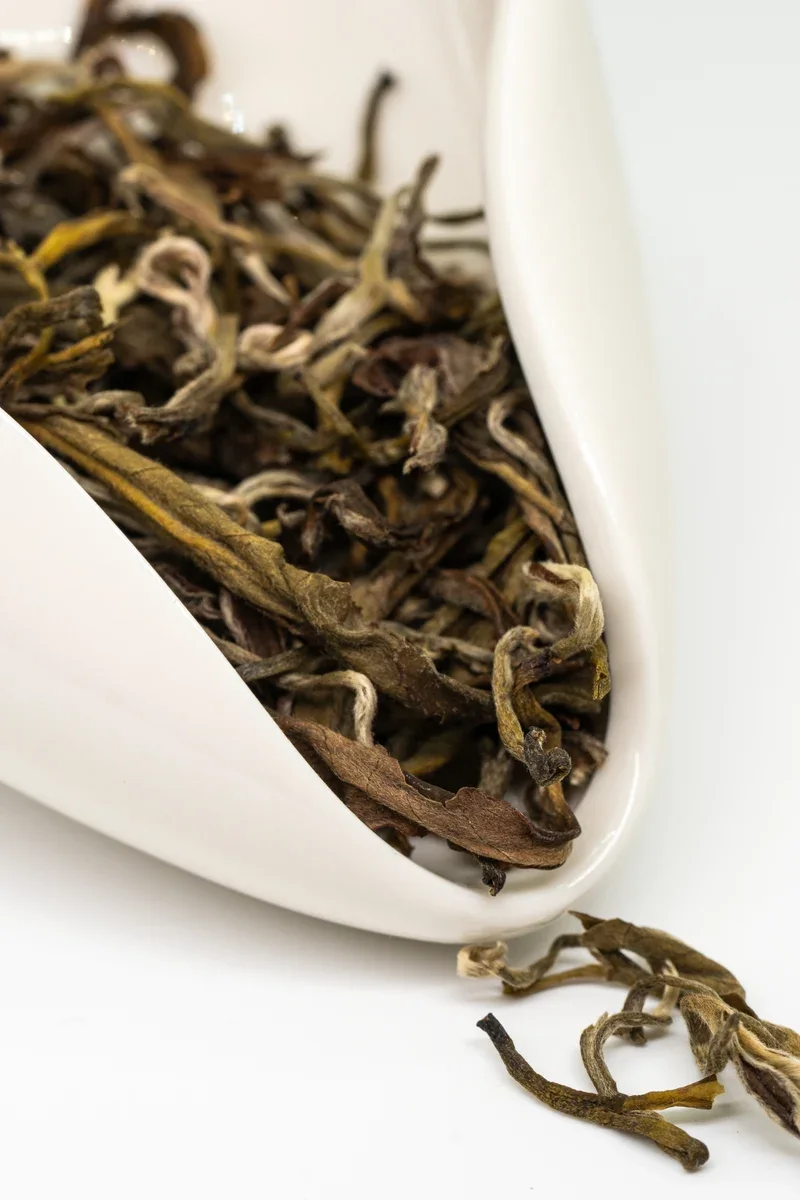
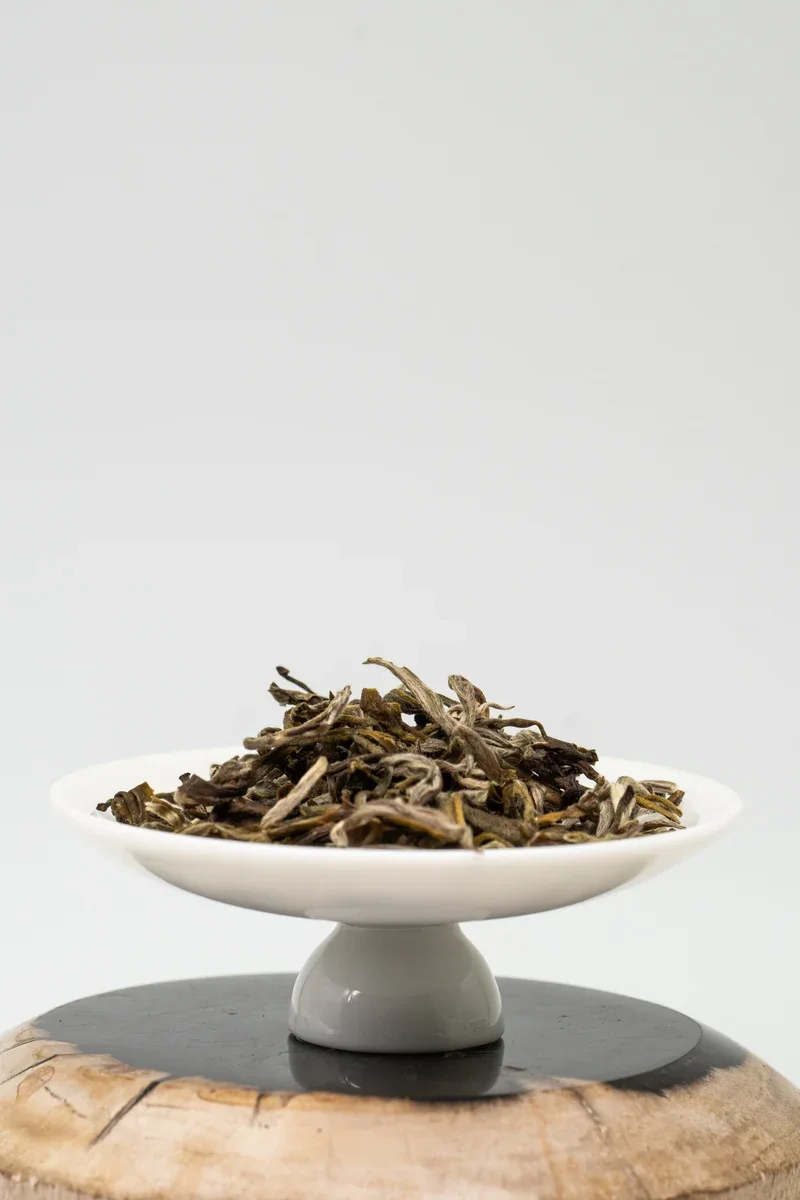
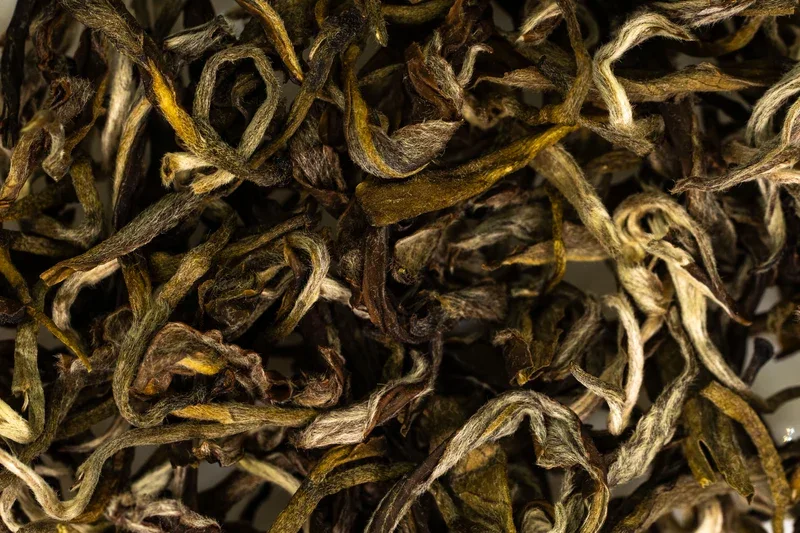
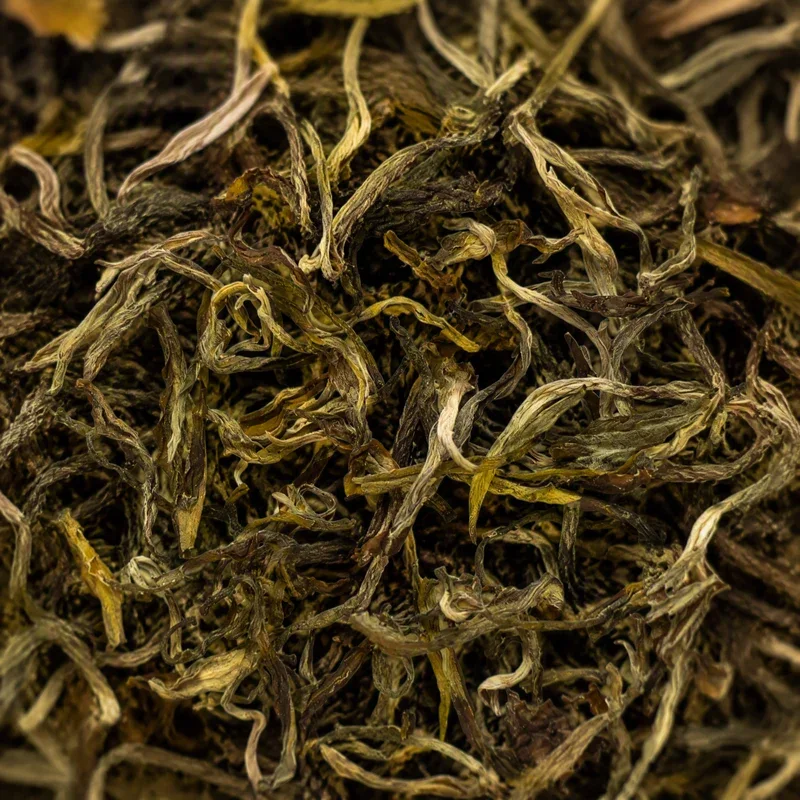
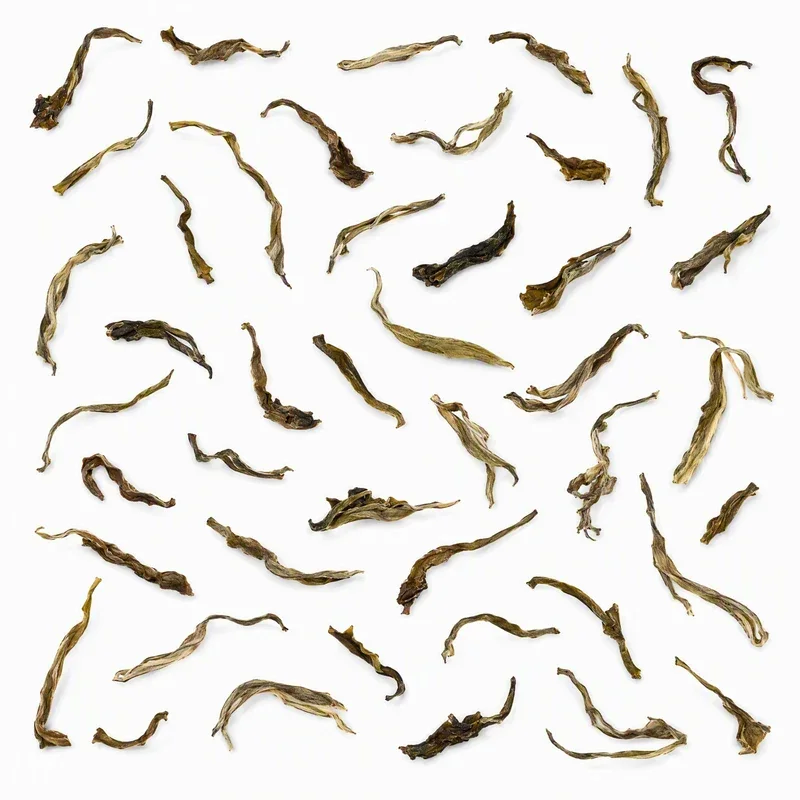
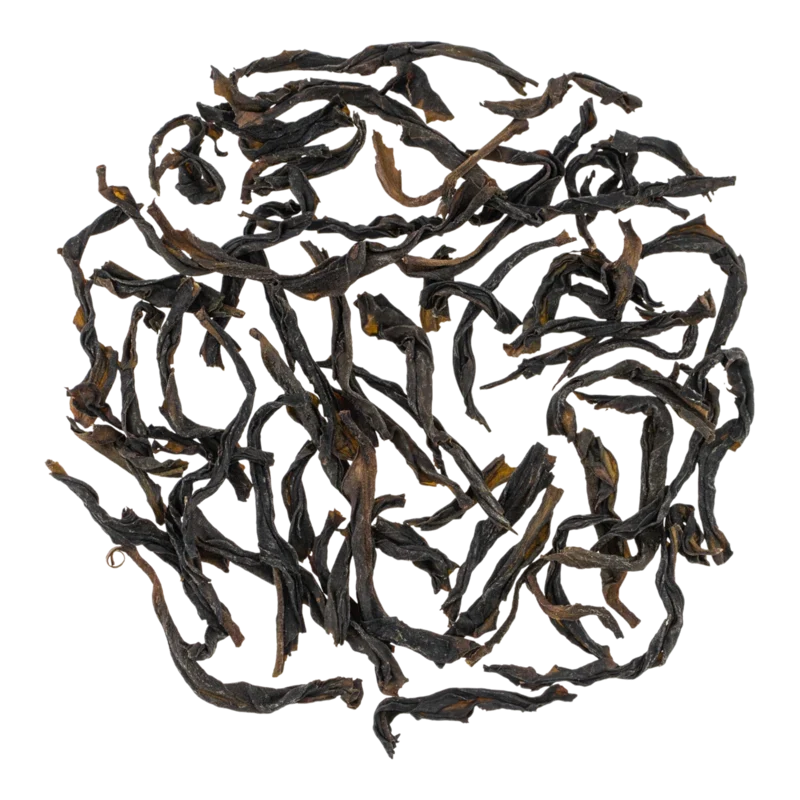
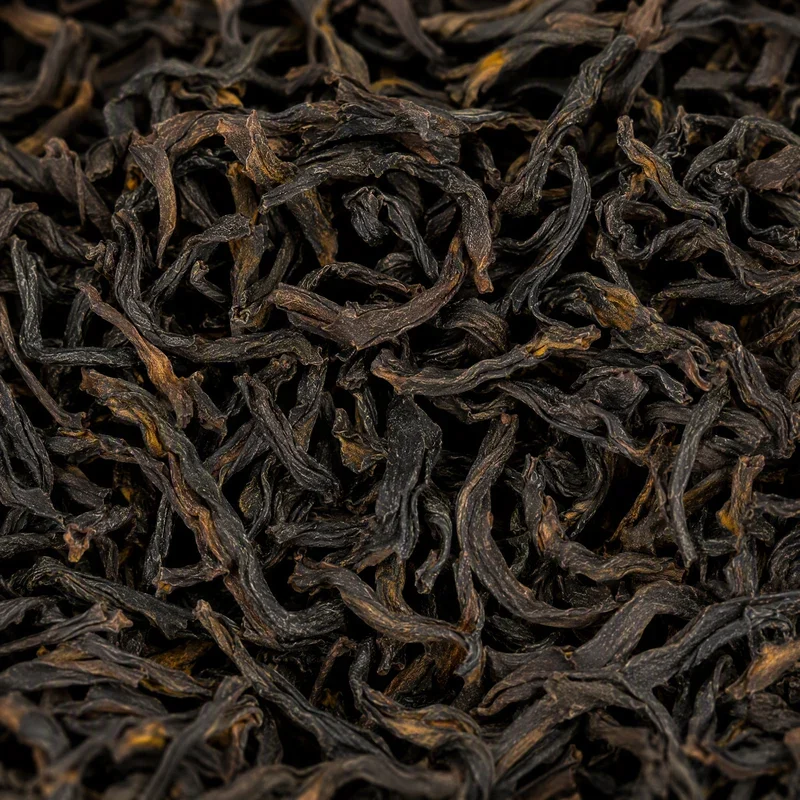
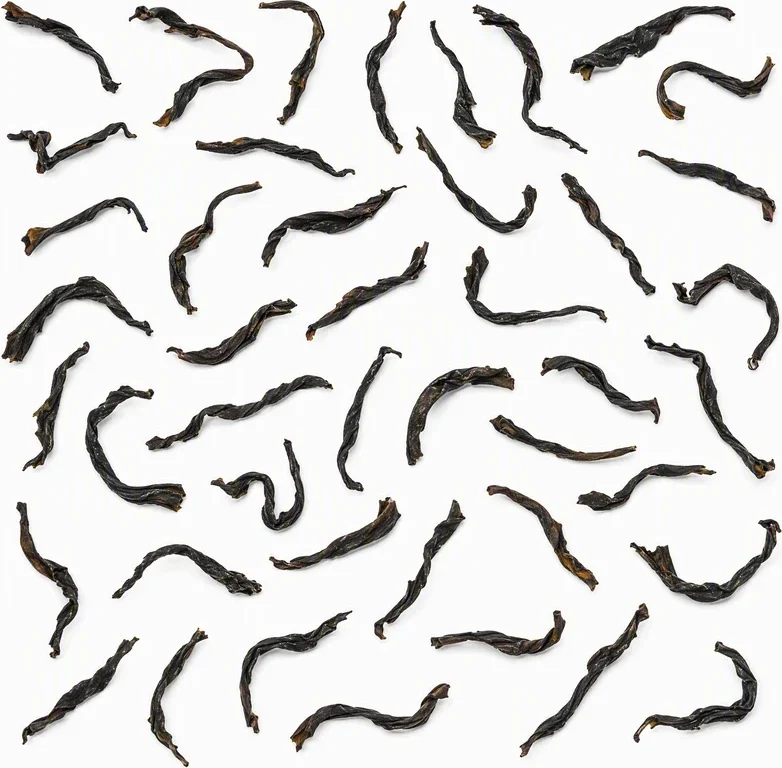
Dry Leaf Appearance: Large, long (5–8 cm), lightly twisted leaves of dark brown or brownish-olive color with characteristic oily luster. Leaves are dense, elastic, whole, with distinct central vein. Quality standard describes appearance as "tiao suo jin jie" (条索紧结) — "tightly twisted cord."
Dry Leaf Aroma: Bright, complex, persistent. High floral notes of orchid and gardenia dominate with light fruity undertones. When warming the leaf in warm vessels, the aroma becomes more intense, revealing subtle creamy and honey nuances.
Liquor Aroma: Intense, floral, sweetish, with characteristic "penetration" (高锐, gāo ruì). First infusions give pure orchid aroma; with subsequent infusions it transforms, enriched with tones of exotic fruits, honey and warm wood.
Liquor Color: From light golden to rich amber, clear and brilliant. With each subsequent infusion, the color gradually lightens.
Spent Leaves: Leaves fully unfold, demonstrating wholeness, elasticity and the characteristic oolong feature — "green belly in red border" (红边绿腹): the center of the leaf remains green, edges — reddish-brown, reflecting the selective nature of oxidation.
Taste: Dense, smooth, oily, without bitterness and rough astringency. Taste is described as "chun shuang" (醇爽) — mellow-fresh. The taste sequentially reveals: floral sweetness, refreshing light astringency, creaminess, spicy undertones. Aftertaste (韵, yùn) is long, sweet, with characteristic mineral note of mountain stone — "Yan Yun" (岩韵, yán yùn), leaving pleasant coolness in the throat.
Alkaloids: Caffeine 2.349–5.334% (per dry matter), theobromine, theophylline in smaller amounts.
Amino Acids: 1.15–2.96%, including L-theanine (L-theanine, 茶氨酸, Chá ānjīsuān). Amino acid content in Feng Huang Dan Cong is relatively low compared to green or white teas; the ratio of polyphenols to amino acids (酚氨比) is high, which determines the rich "strong" taste.
35.63–49.41%, indicating exceptional richness of the infusion.
The most thoroughly studied aspect of composition. According to GC/MS analysis results (周春娟 et al.), the specific marker compound of Zhi Lan Xiang type aroma is isoeugenol (异丁香酚, yì dīngxiāng fēn) — a phenylpropanoid with clove and orchid scent. Additionally present are linalool (芳樟醇, fāng zhāng chún) and its oxides, dehydrolinalool, geraniol, nerol, neryl acetate, farnesol, β-ionone, γ-nonalactone. Aroma is formed as a result of enzymatic hydrolysis of glycosides and cascade oxidative reactions triggered during leaf shaking.
Minerals: Increased content of Fe, Mn, Zn, Cu; Se (in individual clones), F (fluorine) are present. Se content in leaves of some old trees reaches 0.056–0.353 mg/kg, in "Song Zhong Mi Lan Xiang" — up to 0.299 mg/kg.
Polyphenols: Total content 22.64–39.12% (per dry matter). Catechins 8.91–17.39%, including EGCG (epigallocatechin-3-gallate) as main component; flavonoids 8.27–14.05%.
Vitamins: C, B1, B2, PP, E in moderate amounts.
Tea Amount: 5–7 g per 100–150 ml water. For more concentrated infusion, 7–8 g can be used.
Teaware: Gàiwǎn (盖碗, gàiwǎn) of white porcelain with volume 80–120 ml — allows observation of liquor color and aroma without distorting them. Alternative — small Yíxīng clay teapot (宜兴紫砂壶, Yíxīng zǐshā hú) with volume 80–150 ml; nilunshan or hongli clay pairs well with oolong aromatics.
Water Temperature: 90–95°C. Boiling water directly from kettle (100°C) may "burn" delicate aromatic notes, especially of spring light batches. Use soft water with mineralization no more than 100 mg/l.
Container: Airtight, light-proof: ceramic jars with tight lids, tin containers, multi-layer foil bags with clips. Tea easily absorbs foreign odors — do not store near coffee, spices, perfumery.
Shelf Life: With proper storage, tea maintains high qualities for 1–2 years for "fresh" style (清香型). Teas in "nong xiang" style (浓香型) — having undergone deeper roasting — are more stable and can be stored 2–3 years.
Cool (10–20°C), dry (relative humidity no higher than 60%), dark place. Direct sunlight destroys polyphenols and volatile aromatic compounds.
Some high-quality Dan Congs under controlled storage (low humidity, stable temperature) additionally mature and acquire deeper character. However, this is a specific practice, atypical for most commercial samples.
Tea from "Lao Cong" trees (老丛, lǎo cóng, 50–100+ years) and "Gu Shu" (古树/古丛, gǔ shù, 200–600 years) is valued incomparably higher than product from young plantations; price can differ by 10–50 times.
Tea from Wūdǒng village (乌岽) — recognized quality center at altitude 1000–1391 m — costs more than from flatland gardens.
Spring tea is traditionally valued higher than summer and autumn.
Traditional charcoal roasting by hand adds cost.
Leaves should be large, long, whole, elastic, without breakage and dust, with characteristic oily dark brown luster.
Natural Zhi Lan Xiang aroma is complex, multifaceted, without chemical, artificially floral or sour notes. Chemical aromatization is often felt as "flat" or "alcoholic."
Authentic tea gives clear, brilliant infusion with pure long aftertaste and correct leaf pattern in spent leaves. Leaves should unfold, demonstrating "red edges, green center."
No reviews yet. Tell us what you think of this tea.
Rate this tea and share your impressions. We review each submission before publishing it.