Brewing
Gongfu brewing
- Water temperature
- 75 °C
- Tea amount
- 5 g
- Water volume
- 100 ml
- First steep
- 10 s
- Time added per infusion
- 5 s
- Infusions
- 3

Zhāopíng lǜchá
Choose a brewing method. Start with the recommended quantities and time, then adjust to taste.
Brewing
Brewing
Taste
Tea encyclopedia
Category: Chinese regional green teas; product with protected geographical indication (国家地理标志产品, Guójiā Dìlǐ Biāozhì Chǎnpǐn). Zhaopin County is designated as "Home of Chinese Organic Tea" (中国有机茶之乡, Zhōngguó Yǒujī Chá zhī Xiāng), "Home of Chinese Famous Tea" (中国名茶之乡, Zhōngguó Míngchá zhī Xiāng), and "Key Green Tea Production Area of China" (全国绿茶重点产区, Quánguó Lǜchá Zhòngdiǎn Chǎnqū, title awarded in 2024).
Category: Chinese regional green teas; product with protected geographical indication (国家地理标志产品, Guójiā Dìlǐ Biāozhì Chǎnpǐn). Zhaopin County is designated as "Home of Chinese Organic Tea" (中国有机茶之乡, Zhōngguó Yǒujī Chá zhī Xiāng), "Home of Chinese Famous Tea" (中国名茶之乡, Zhōngguó Míngchá zhī Xiāng), and "Key Green Tea Production Area of China" (全国绿茶重点产区, Quánguó Lǜchá Zhòngdiǎn Chǎnqū, title awarded in 2024).
Coordinates: Approximately 23°40′–24°24′ N, 110°34′–111°19′ E.
Origin: China (中国, Zhōngguó), Guǎngxī Zhuāng Autonomous Region (广西壮族自治区, Guǎngxī Zhuàngzú Zìzhìqū), Hèzhōu City (贺州市, Hèzhōu Shì), Zhaopin County (昭平县, Zhāopíng Xiàn). The protected zone covers the entire county — 11 townships and towns, 118 administrative villages.
Type: Green tea (绿茶, lǜchá), unfermented, combined processing type (combining pan-firing and hot-air drying). Oxidation degree — less than 5%.
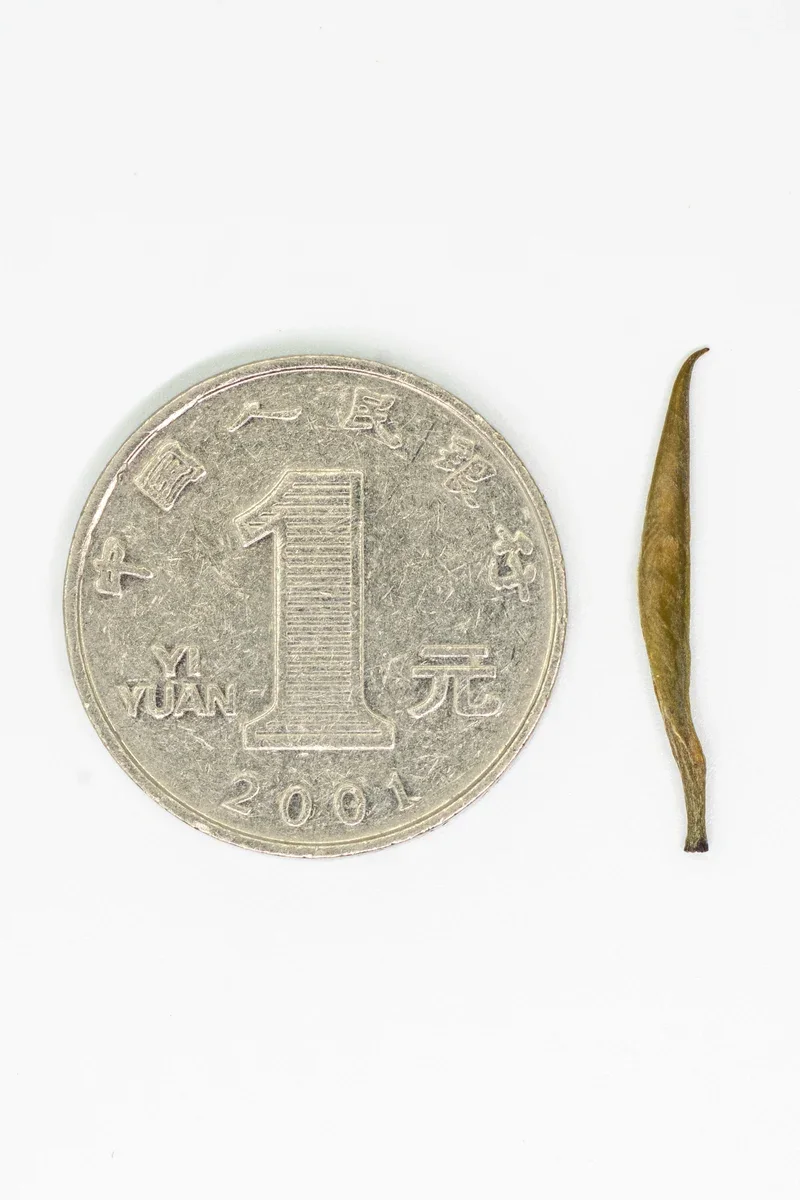
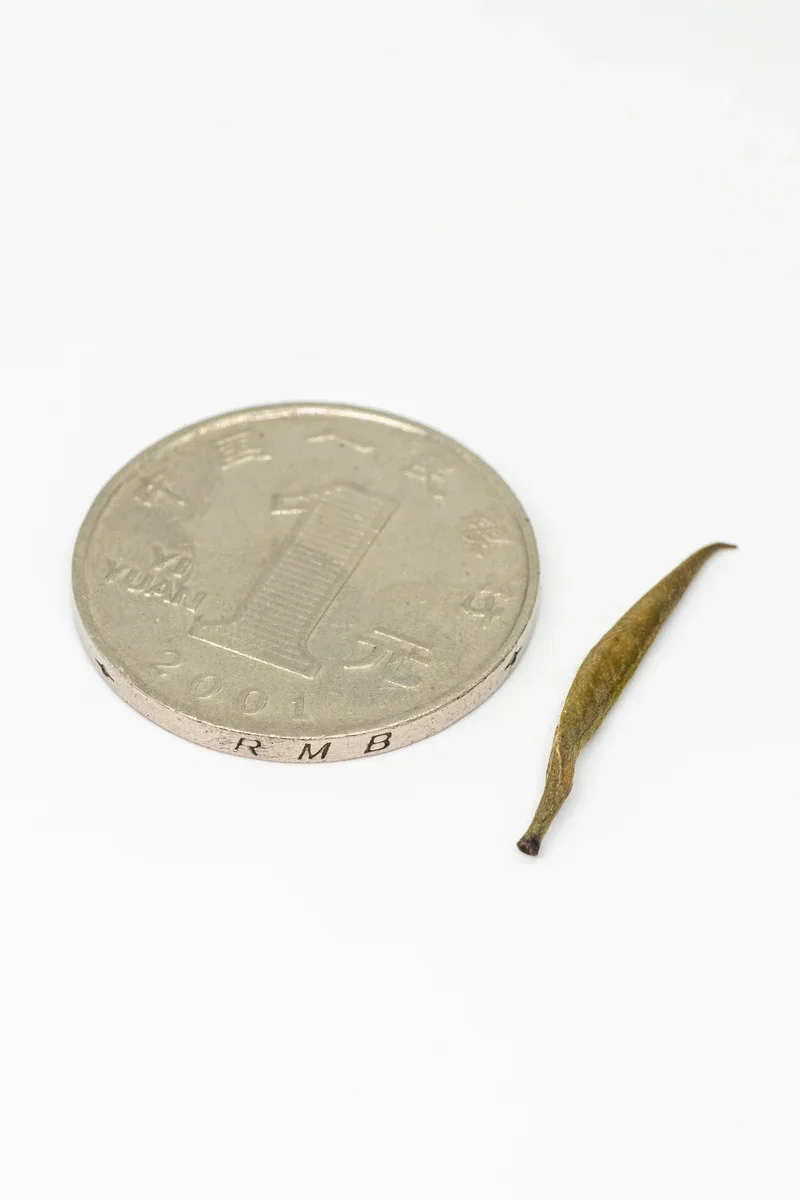
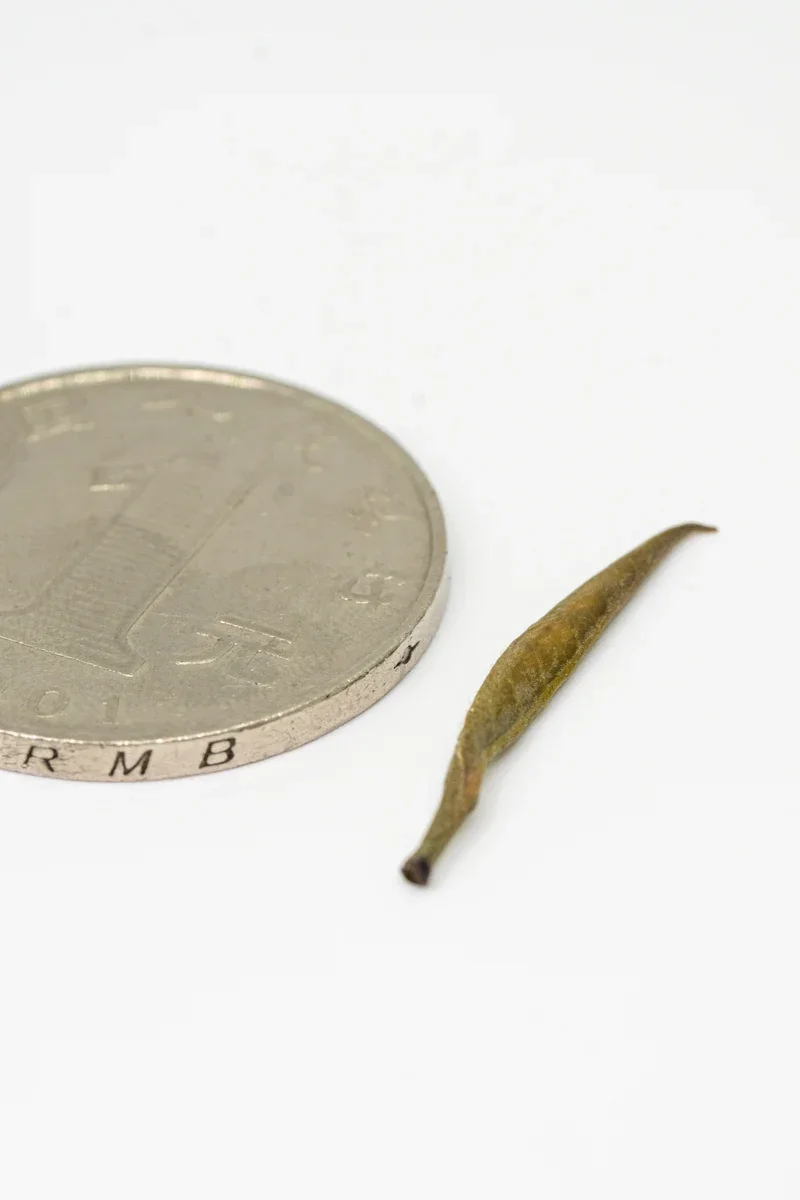
Highest grade — unopened buds or bud with one beginning-to-open leaf. First grade — bud with one to two leaves. Second grade — bud with two to three leaves.
Cultivar: Main planting (approximately 60%) — Fuyun 6 (福云6号, Fúyún 6 Hào), an ultra-early small-leaf cultivar Camellia sinensis var. sinensis, specially bred for flat teas of the "silver fir" type. Harvesting begins in mid-February, ensuring Zhaopin's status as one of the earliest tea regions of mainland China. Also planted are Wūniú Zào (乌牛早, Wūniúzǎo) and Longjing 43 (龙井43, Lóngjǐng 43). For rolled teas (象棋云雾, Xiàngqí Yúnwù), local populations of medium-leaf trees of arbor type (乔木型中叶种, qiáomù xíng zhōngyè zhǒng) are used, producing a denser and more "bodied" liquor.
Picking: Early spring harvesting begins from mid-February (single buds — highest grade raw material). The main spring season lasts until the end of April. Summer-autumn harvesting (May–October) — bud with two leaves — is directed toward mass grades with increased resistance to multiple infusions.
Raw Material: Uniform, fresh, without mechanical damage, harvested in dry weather. Raw material from Xiangqi Mountain, where century-old trees grow, is especially valued.
Soil: Mountain red-yellow soils (山地红黄壤, shāndì hónghuáng rǎng), pH 5.0–6.5, organic matter content ≥ 2.5%, enriched with selenium. Forest coverage of the county — 85.5%, first place in Guangxi, ensuring natural protection from pests (biological control 50% more effective) and complete absence of industrial pollutants.
Zhaopin County is located in the subtropical monsoon belt at the junction of 23°–24° N. Average annual temperature — 19.9–21.2 °C, ensuring a frost-free period of more than 310 days. Annual precipitation — 1,650–2,046 mm (one of the wettest areas in Guangxi). Foggy days — more than 180 per year, daily temperature variation — more than 10 °C, proportion of diffused sunlight — approximately 70%. Topography — mountainous-hilly: 87.6% of the territory is occupied by mountains, and Zhaopin is colloquially called "Zhaopin bu ping" (昭平不平, "Zhaopin is not level"). Elevations range from 50 to 1,100 m; main plantations are located at elevations of 300–967 m.
High-altitude location and abundant cloudiness slow shoot growth, increasing amino acid concentration in spring leaves to ≥ 5.2% — 15% higher than flatland teas. Many farms have organic certification; the largest producer — "Jiangjunfeng" company (将军峰茶业, Jiāngjūnfēng Cháyè), whose plantations in Jiāngkǒu village (江口村) provide up to 60% of the county's production volume.
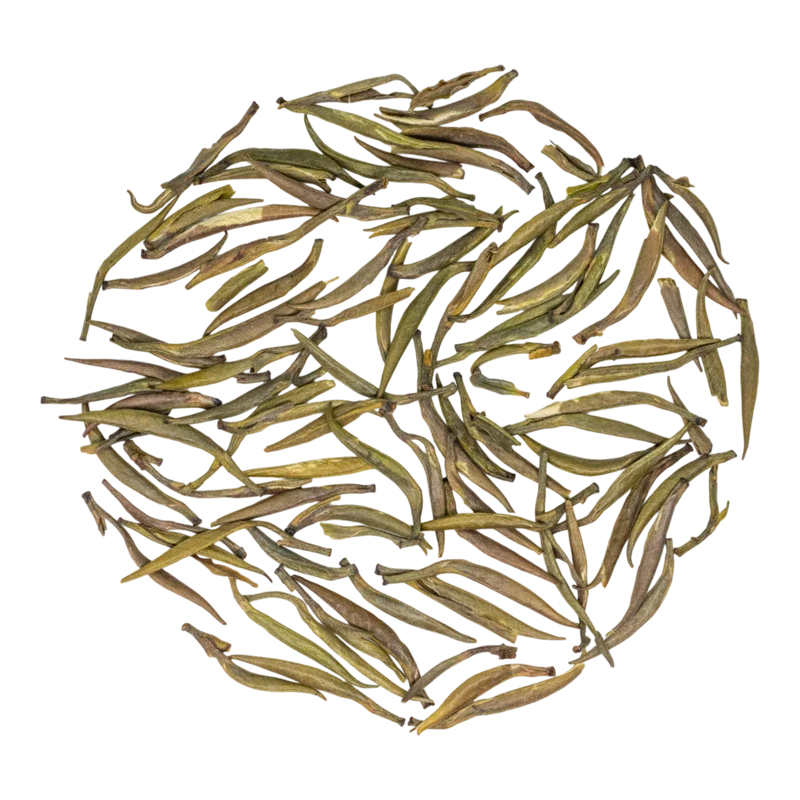
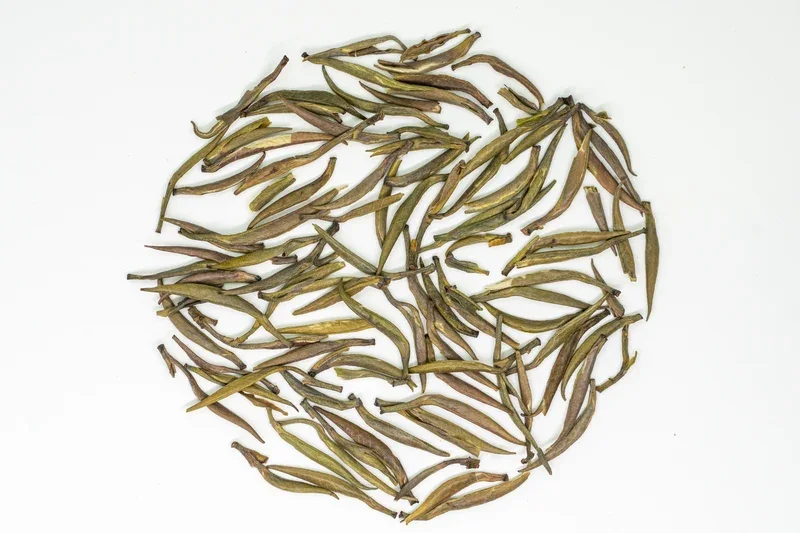
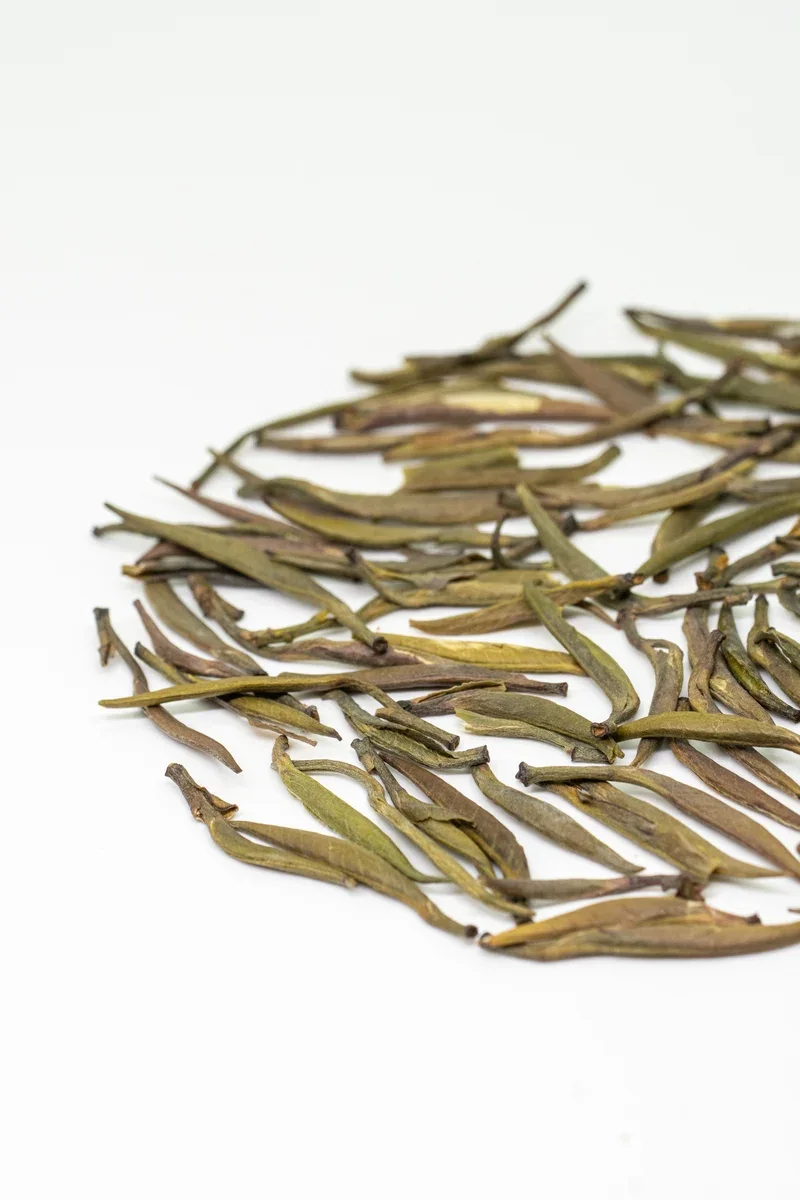
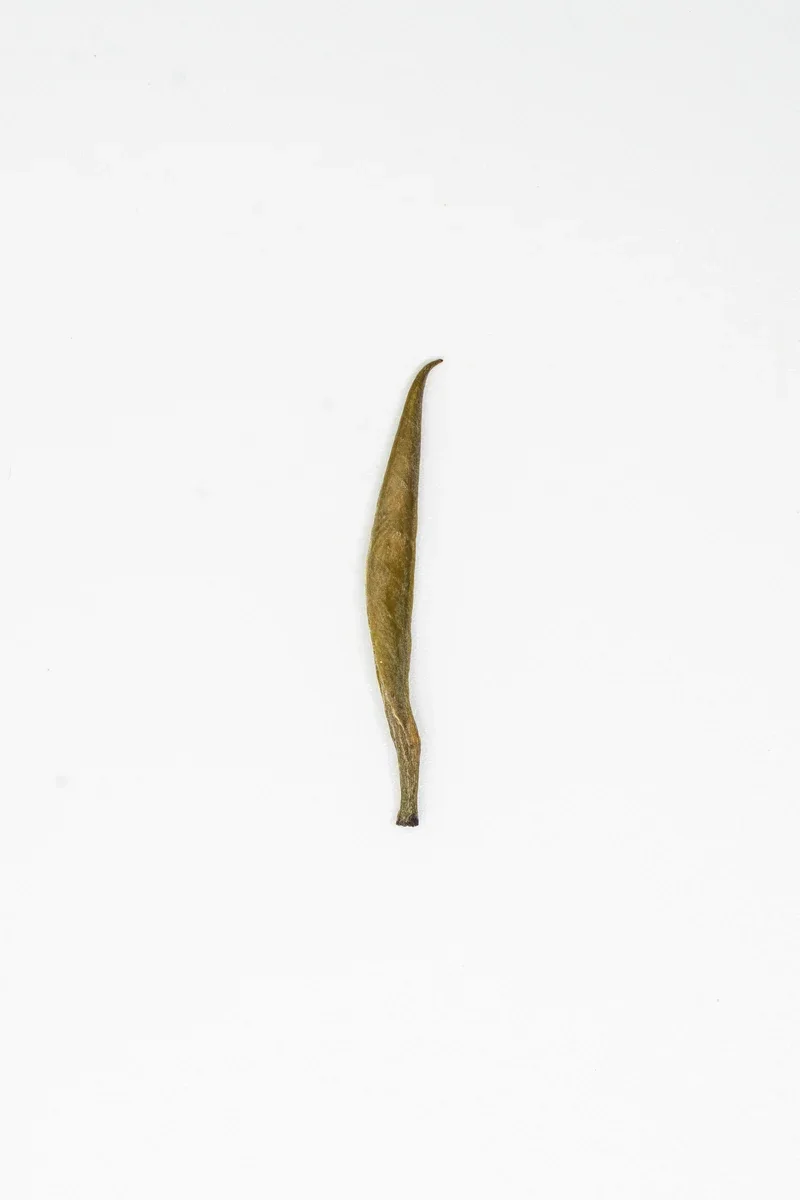
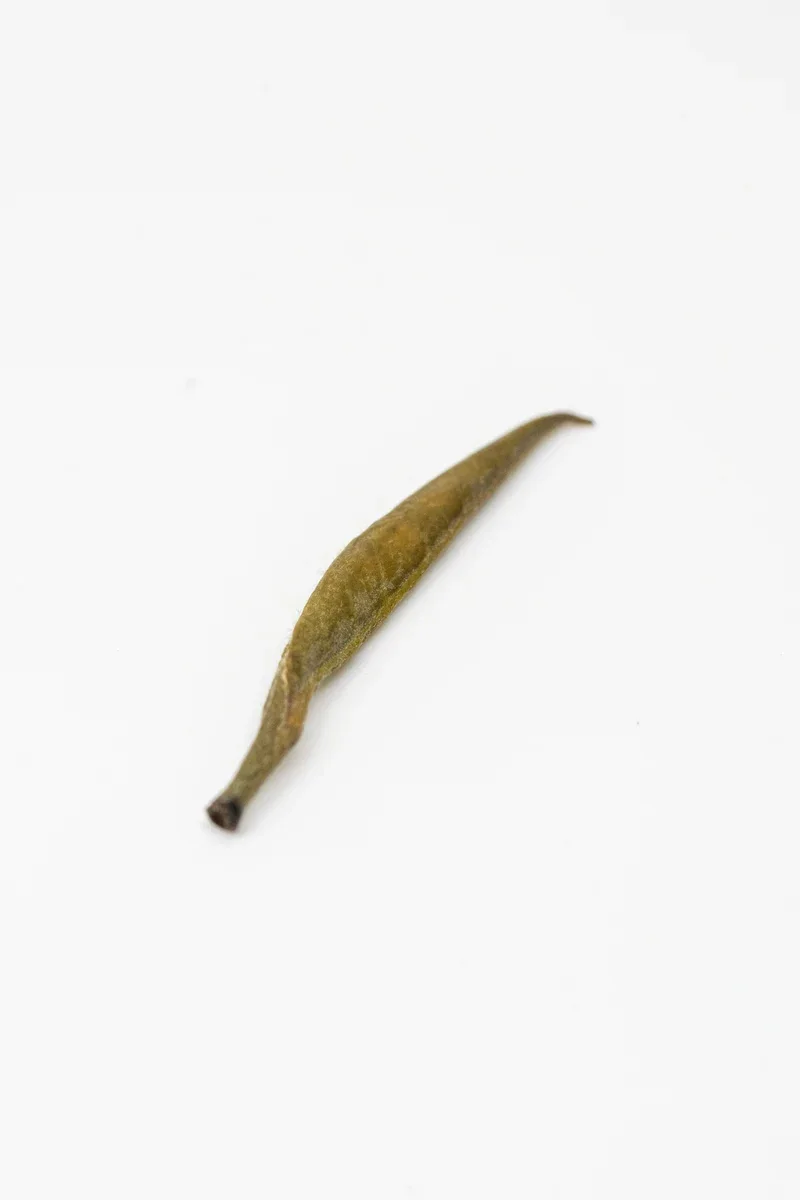
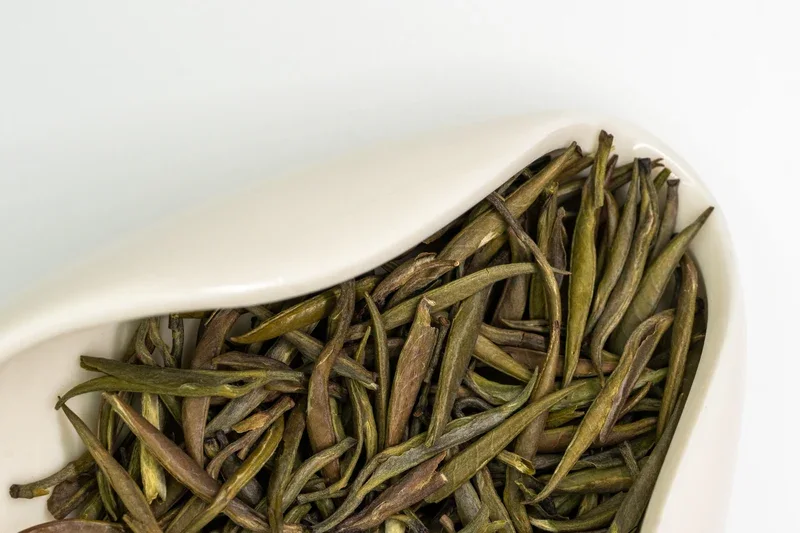
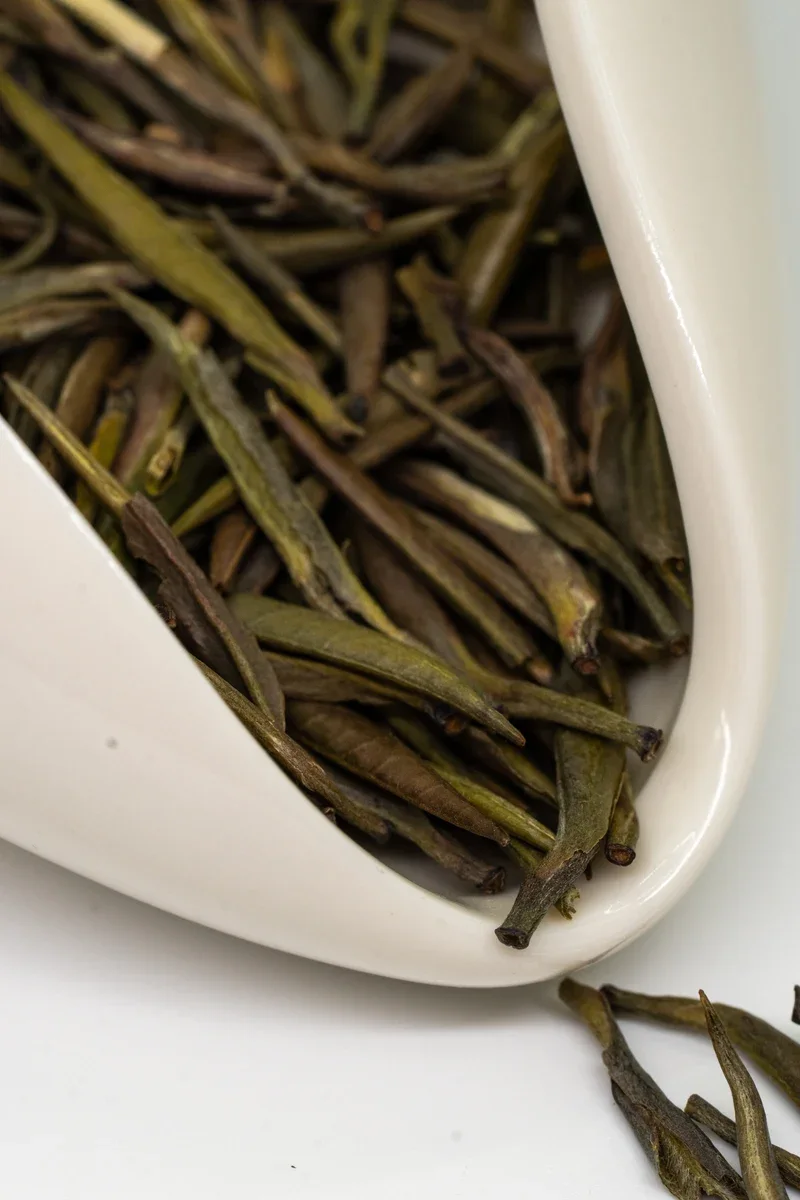
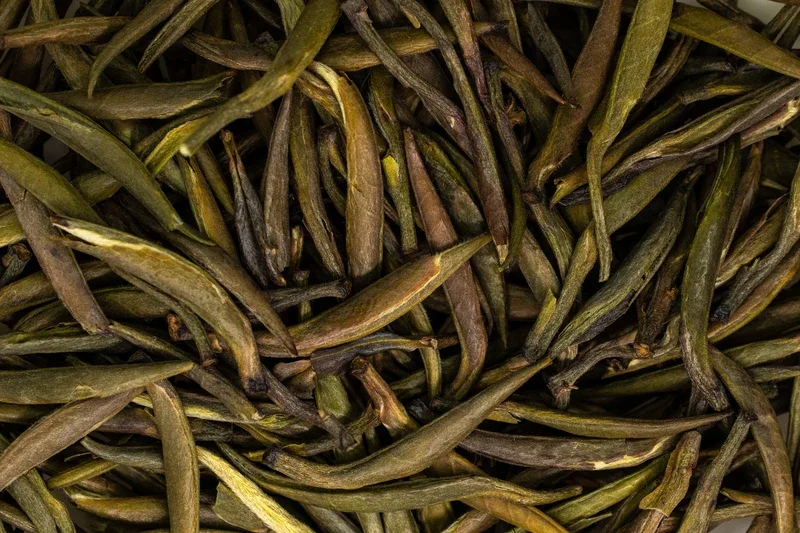
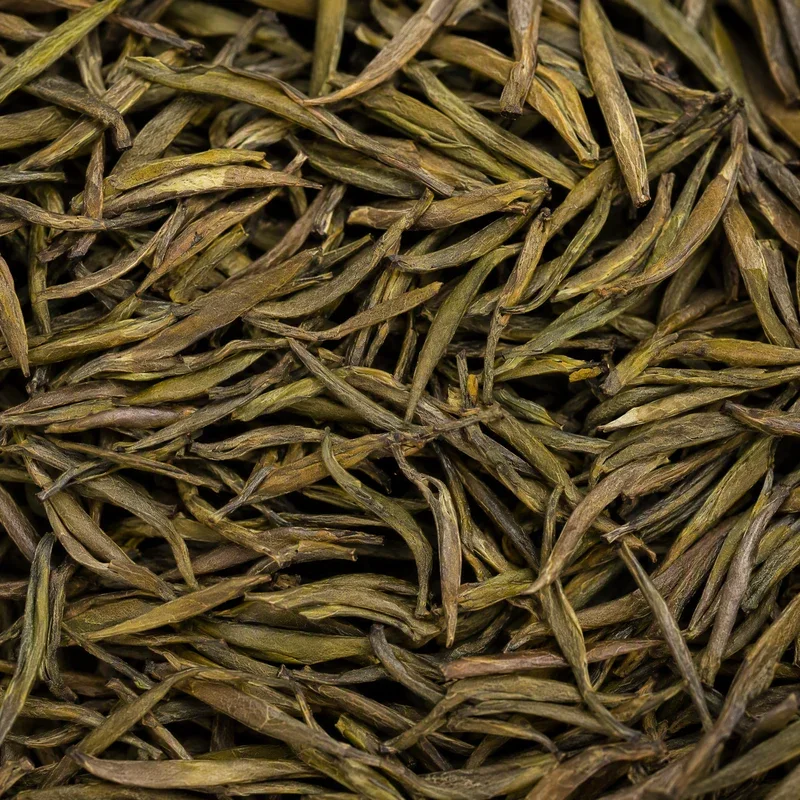
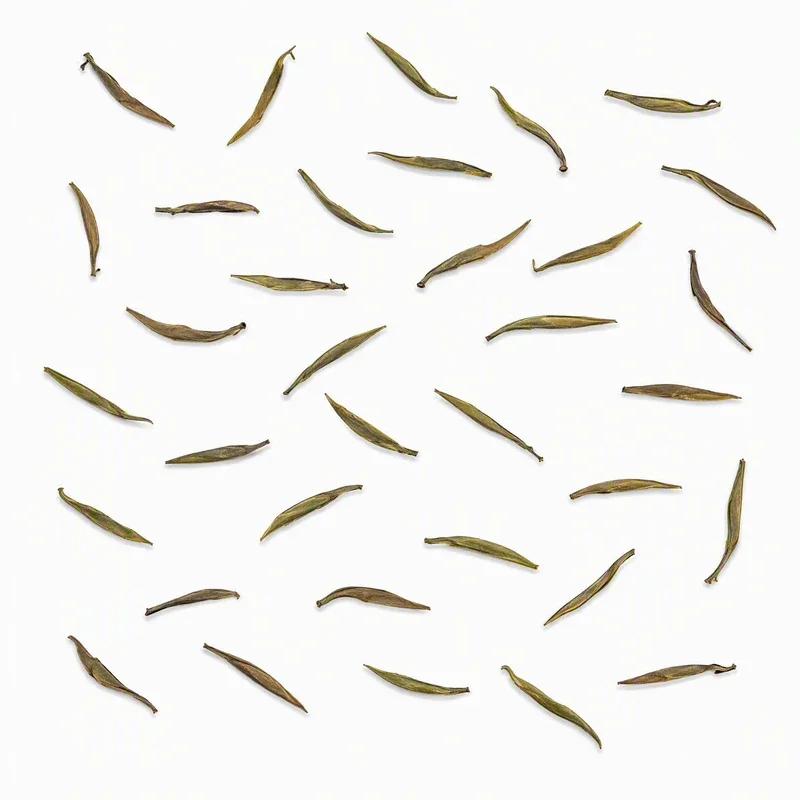
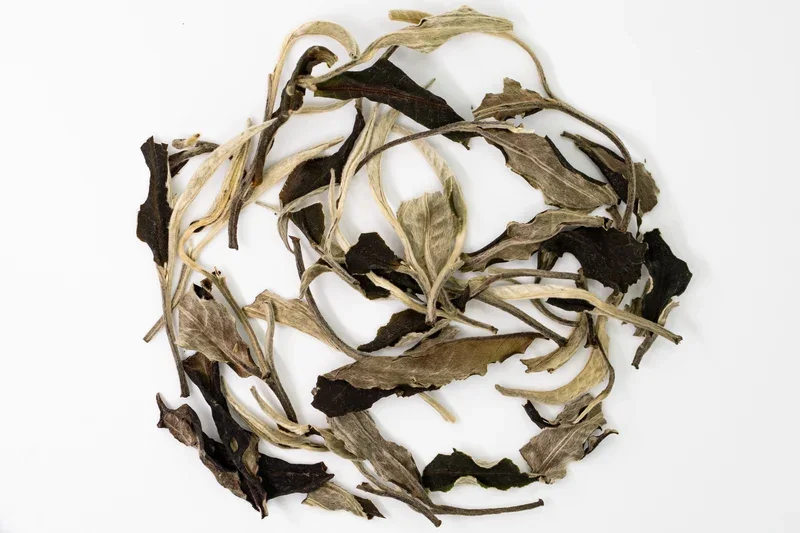
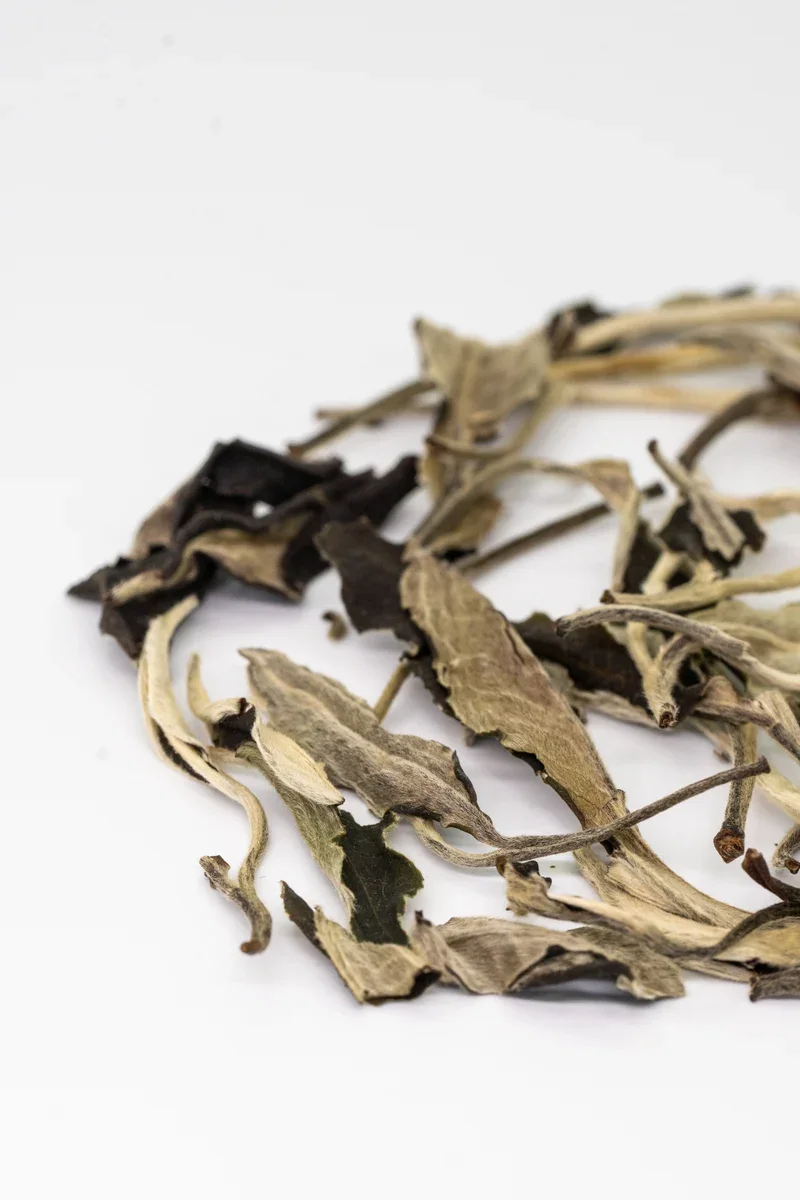
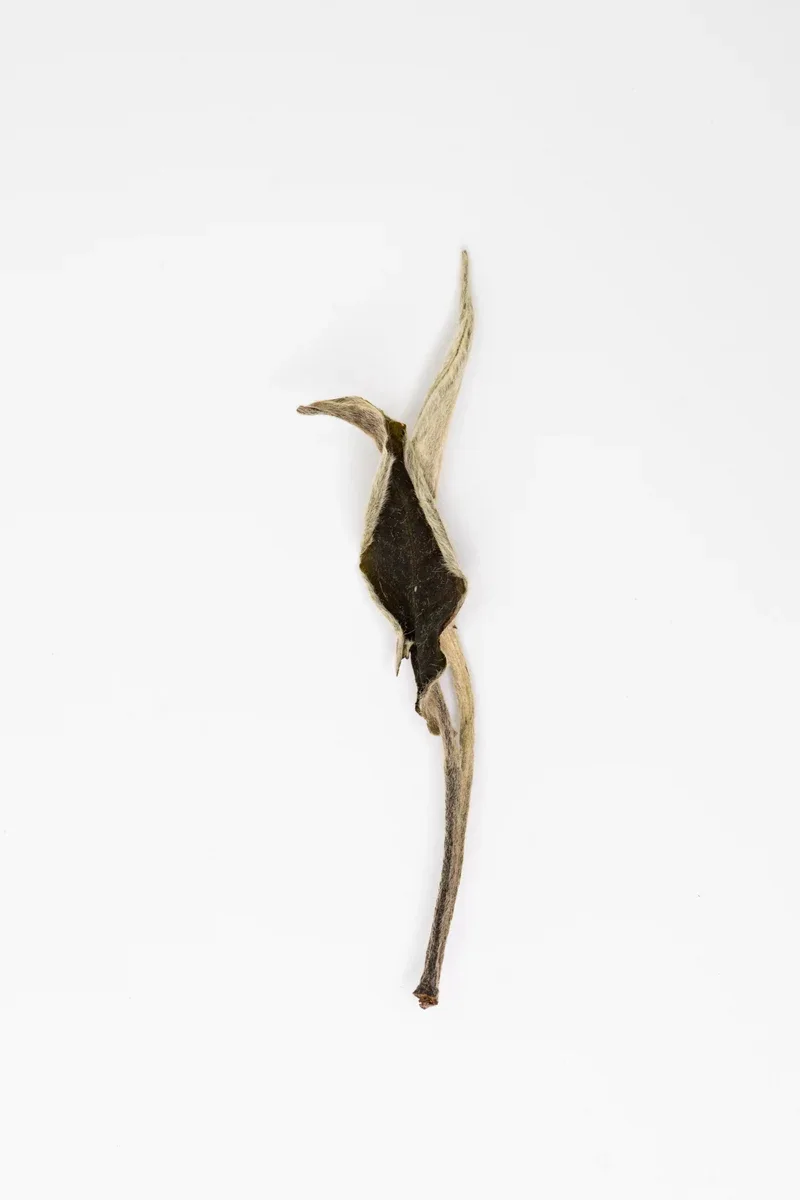
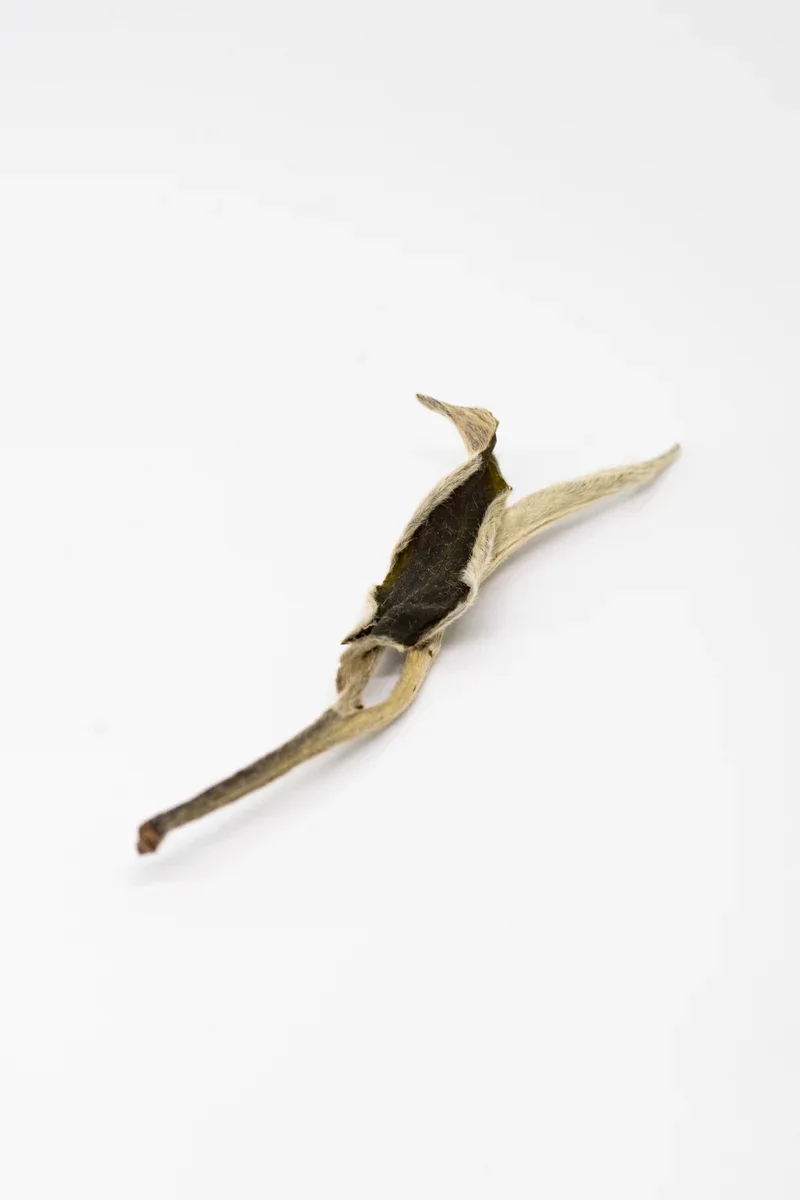
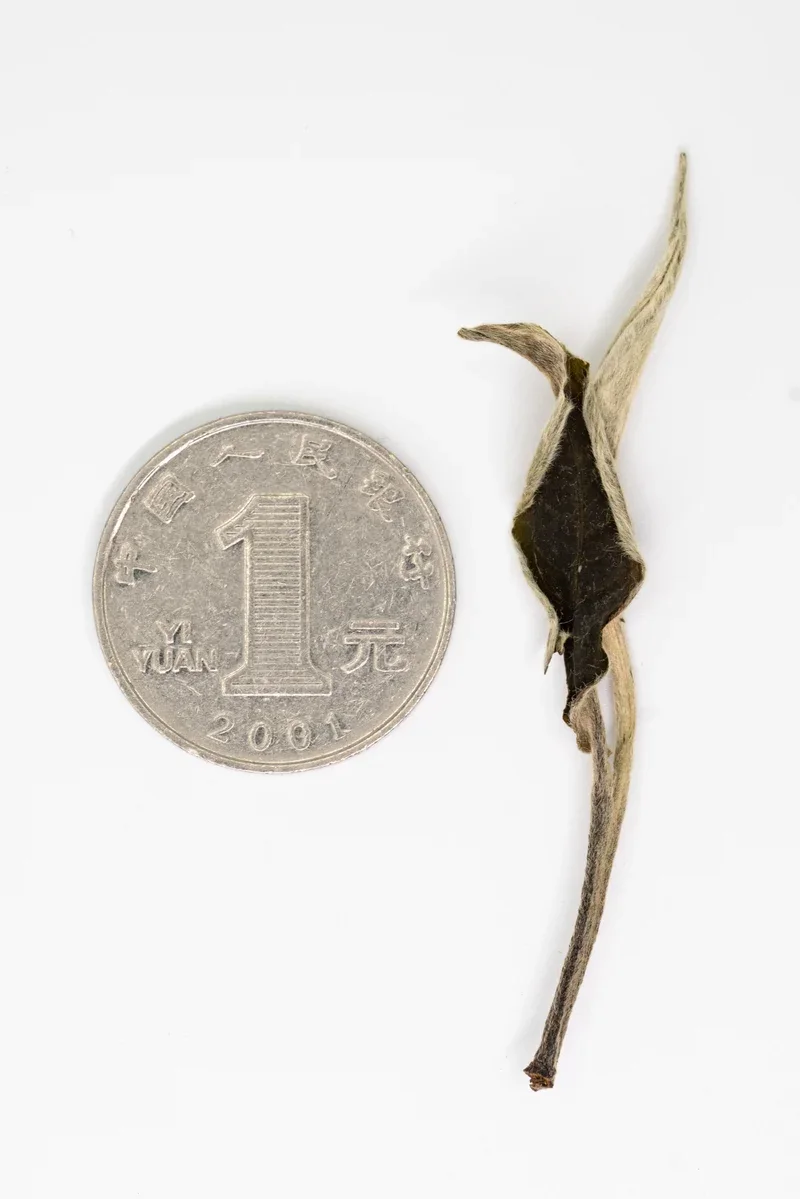
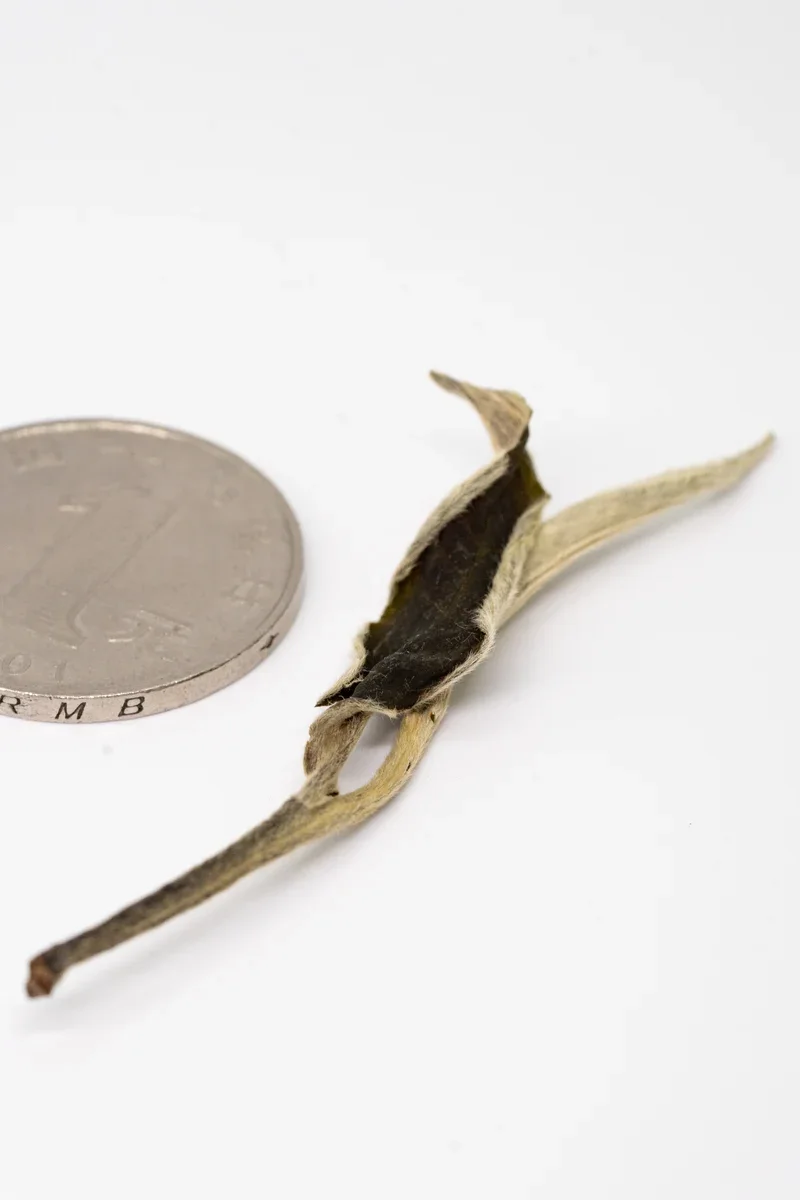
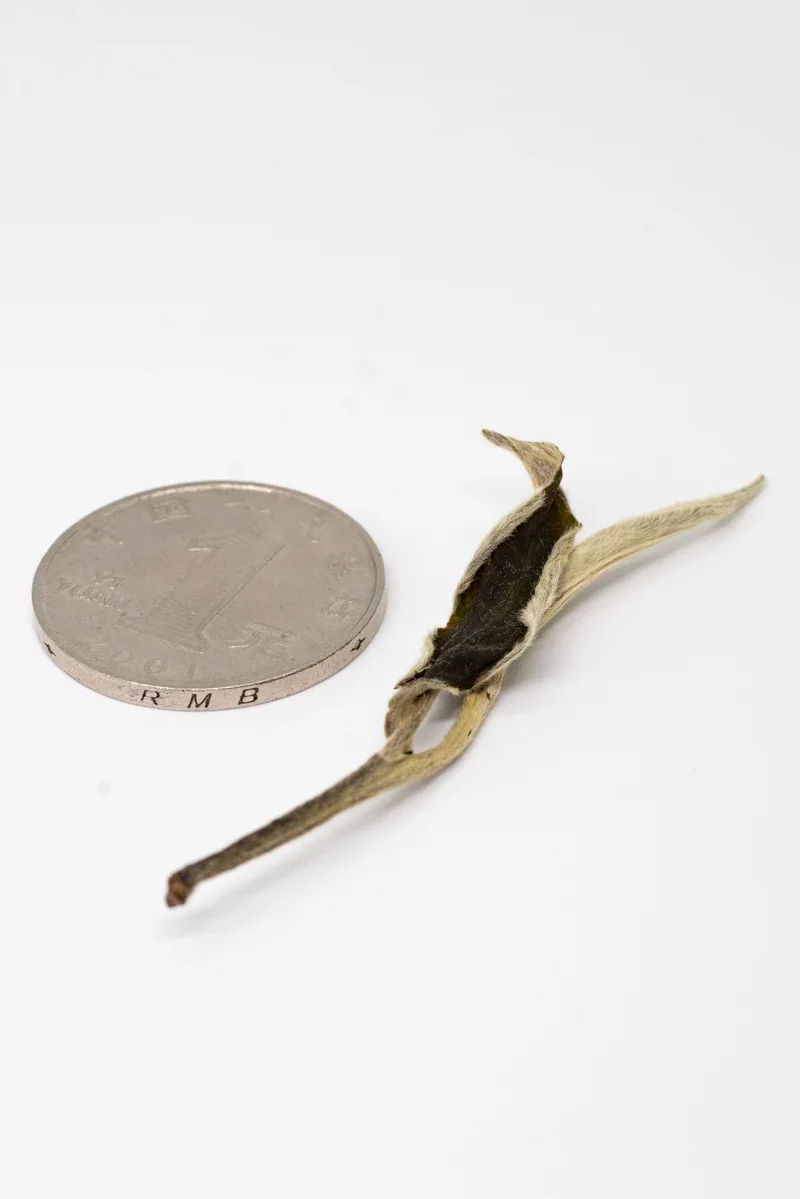
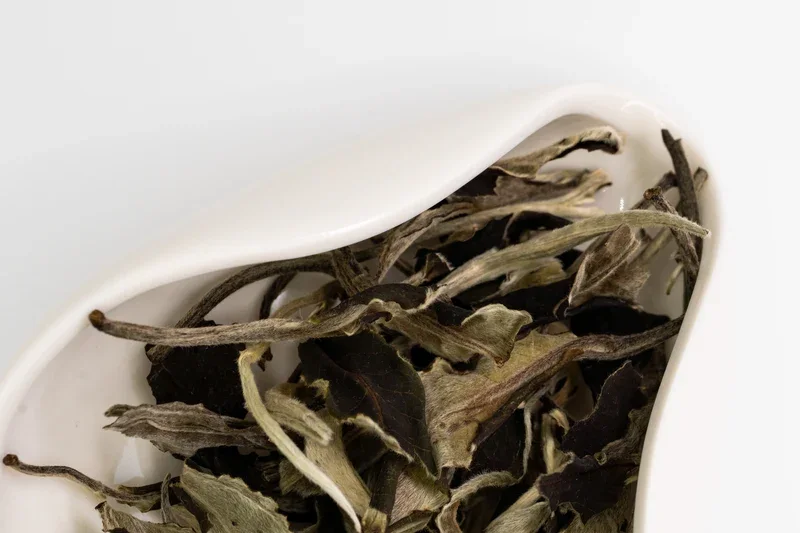
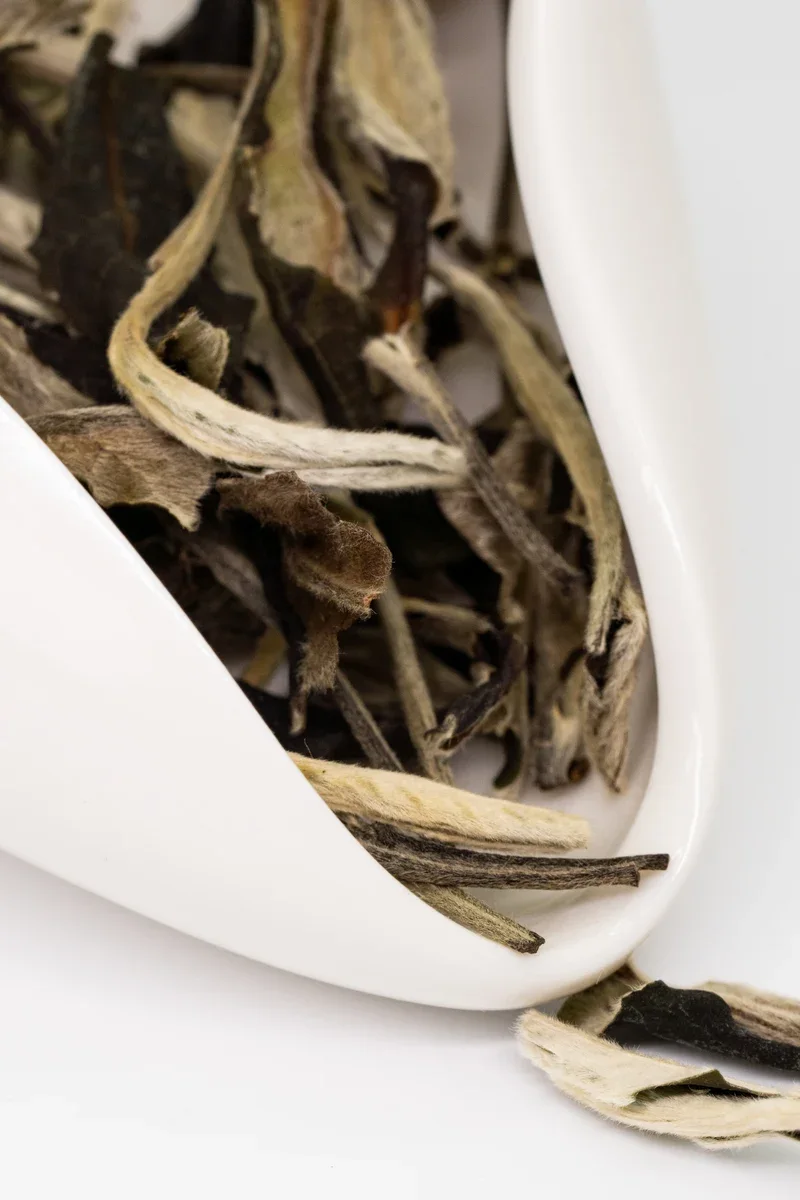
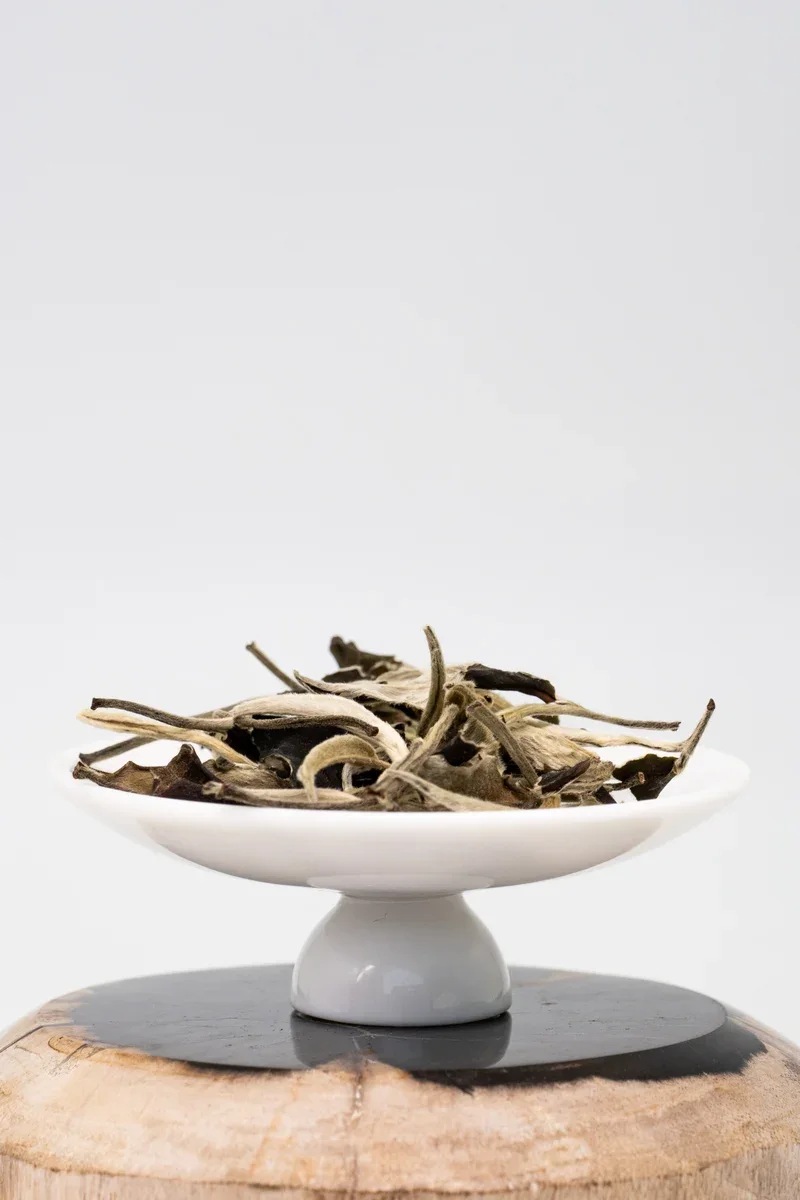
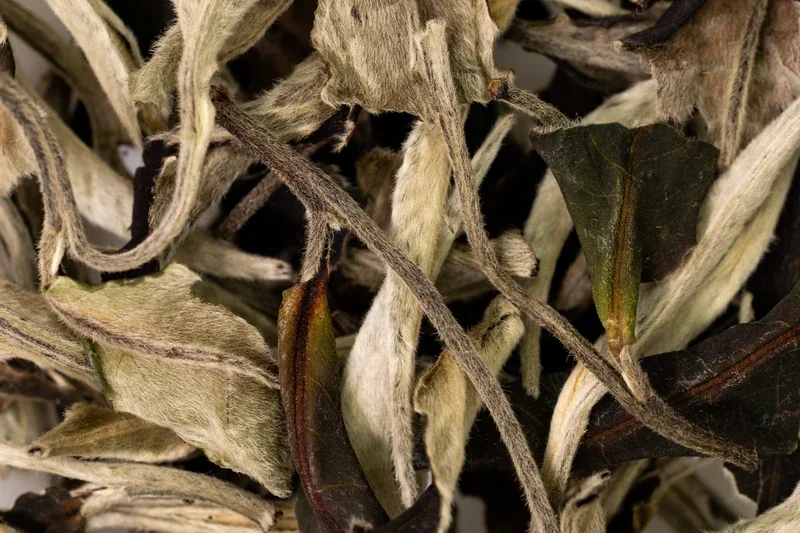
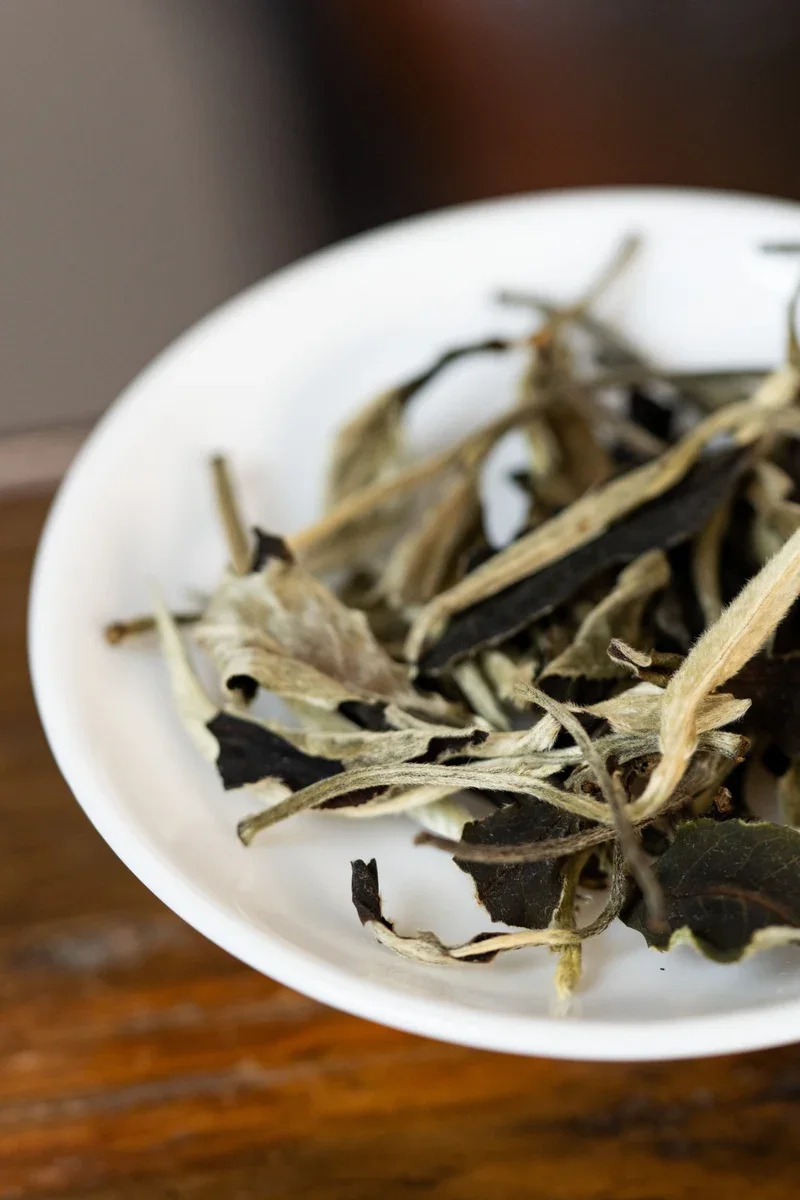
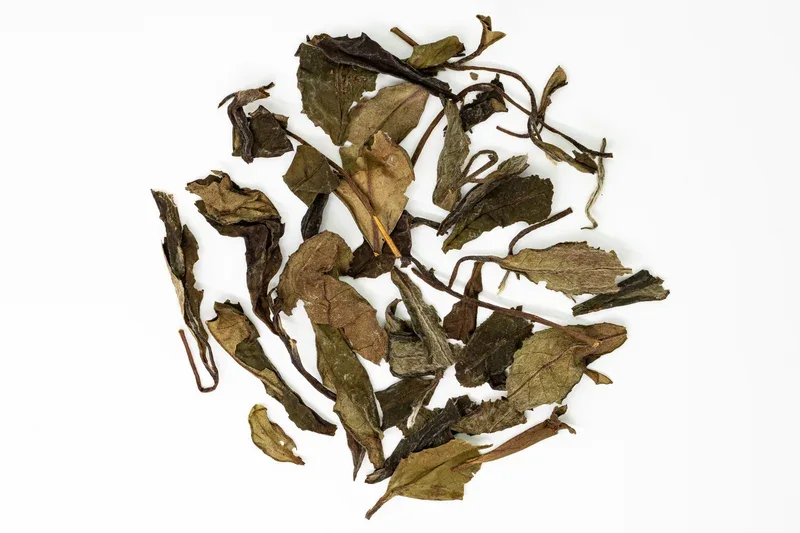
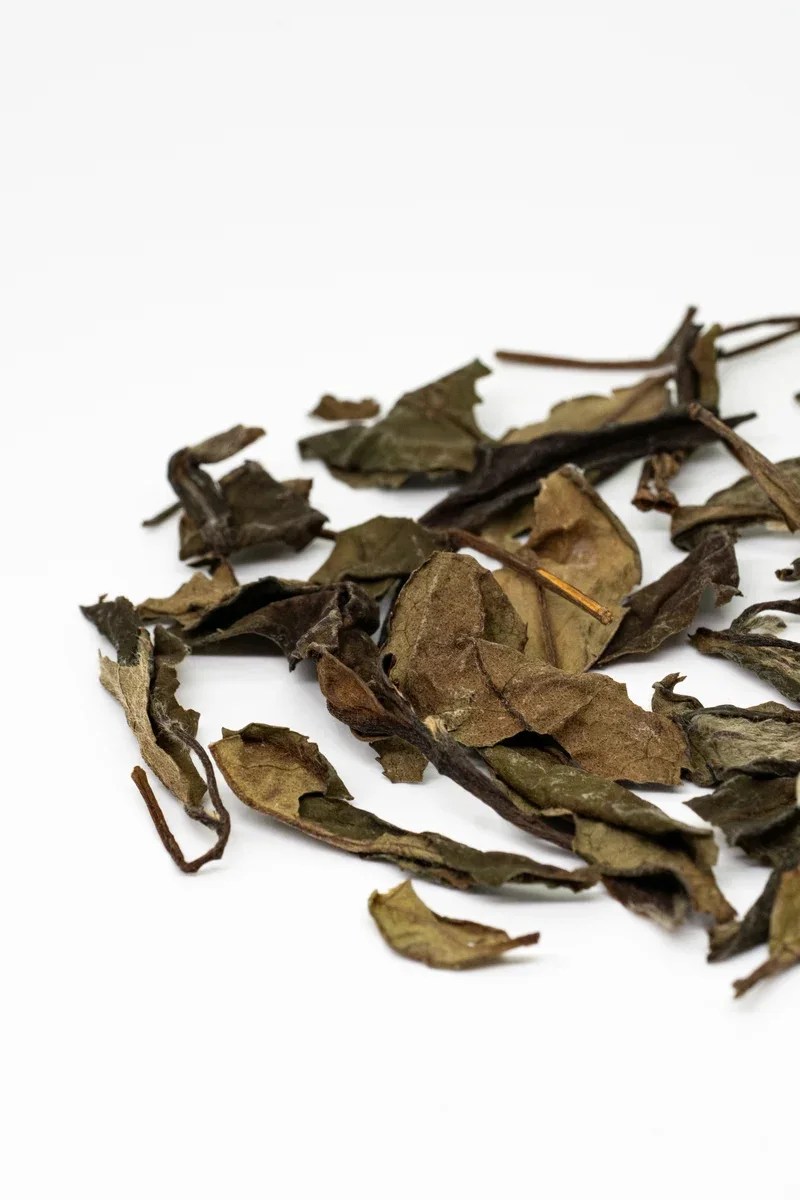
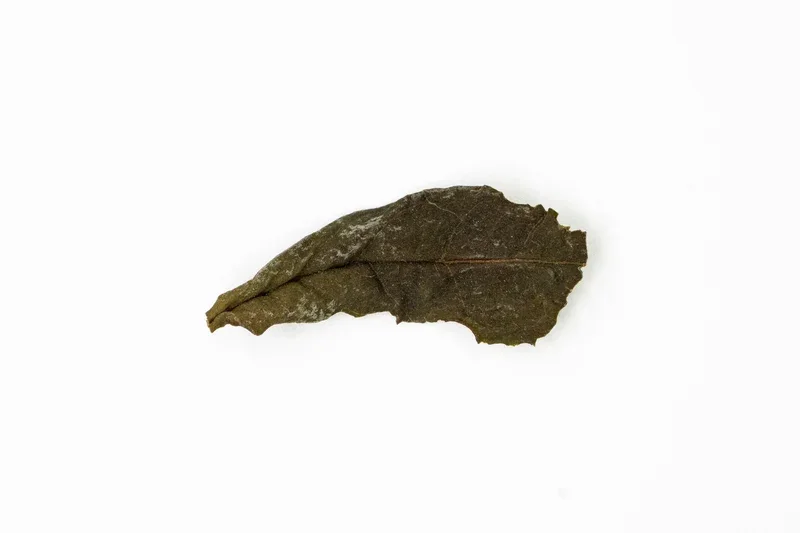
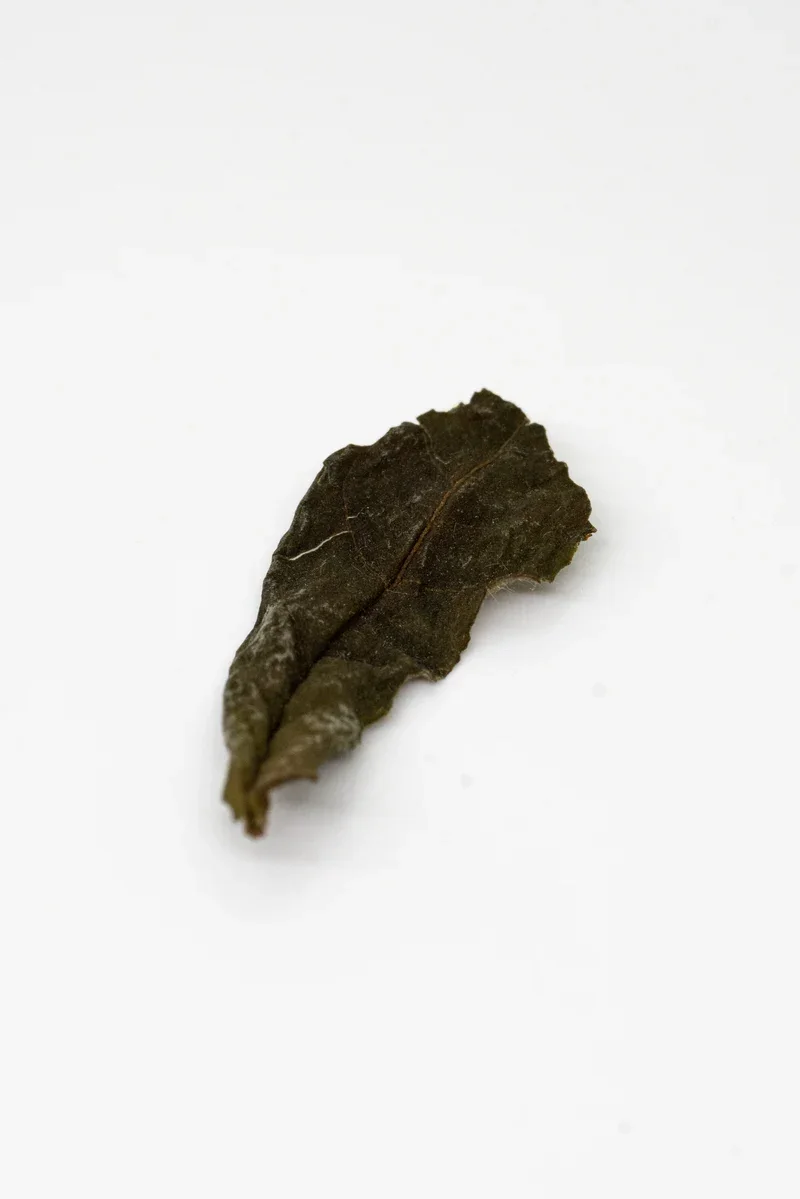
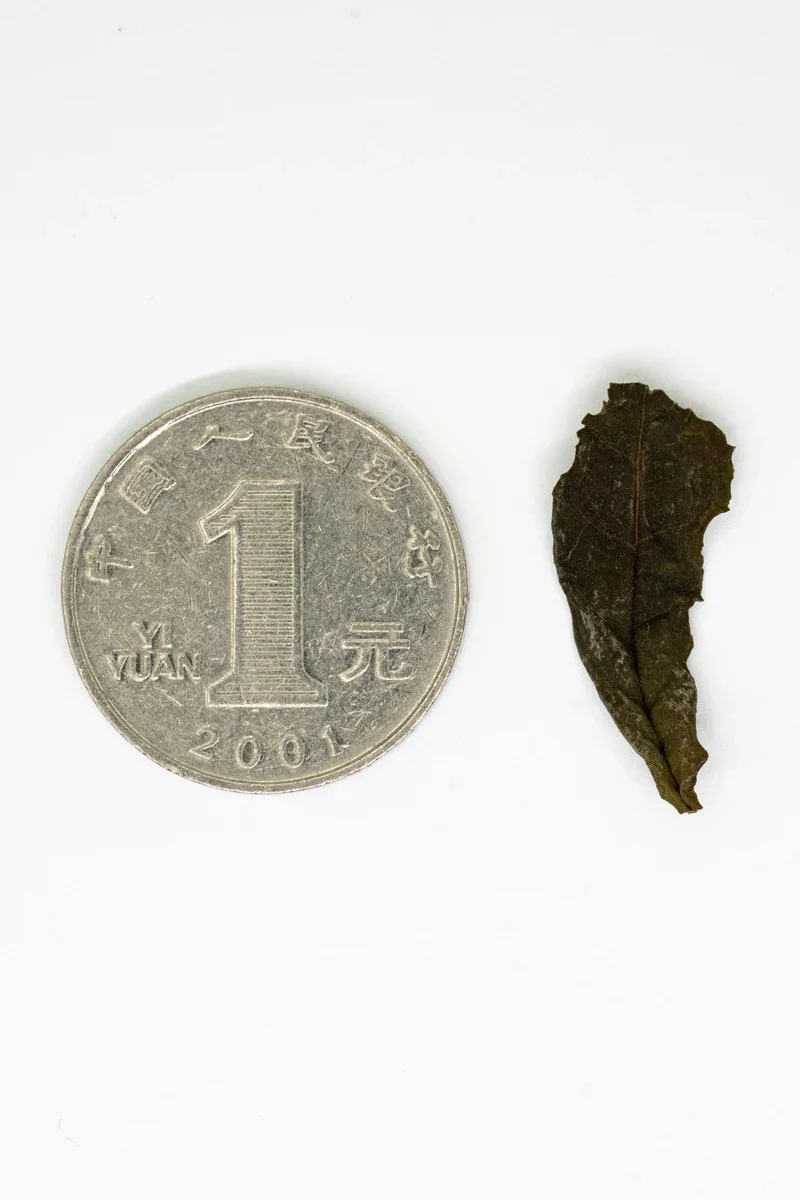
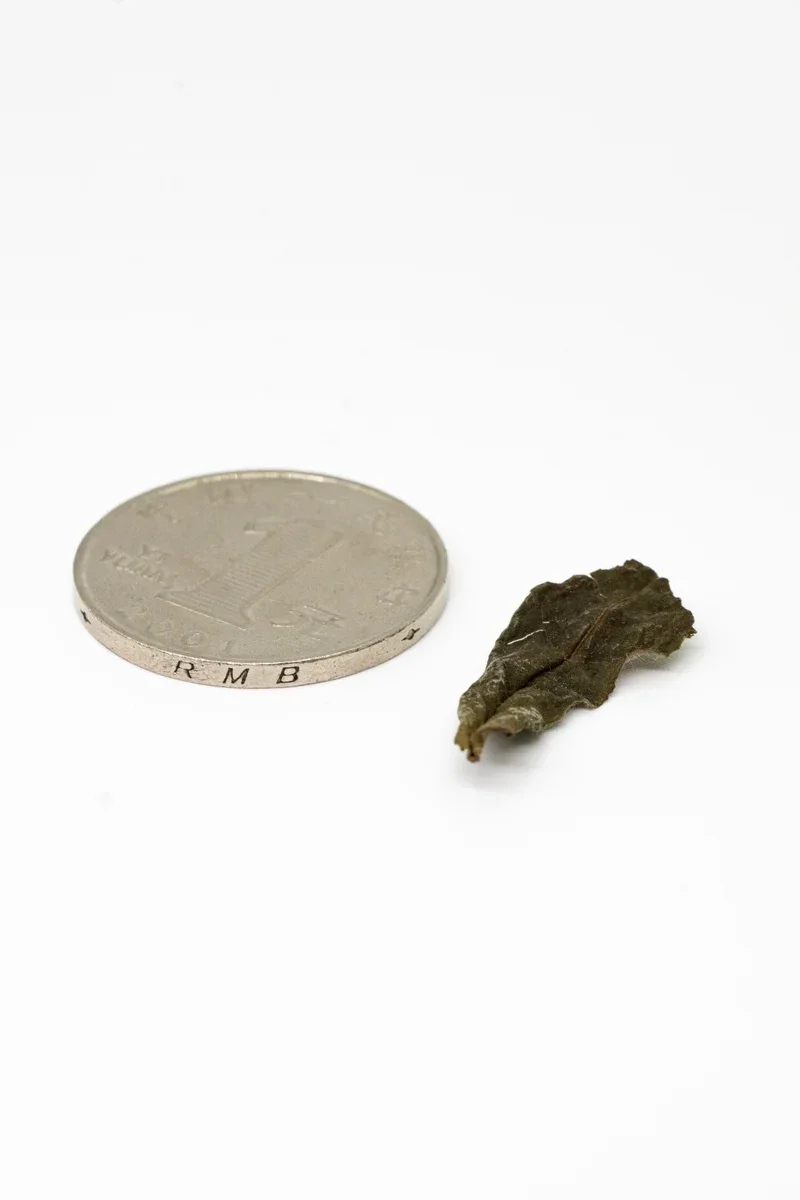
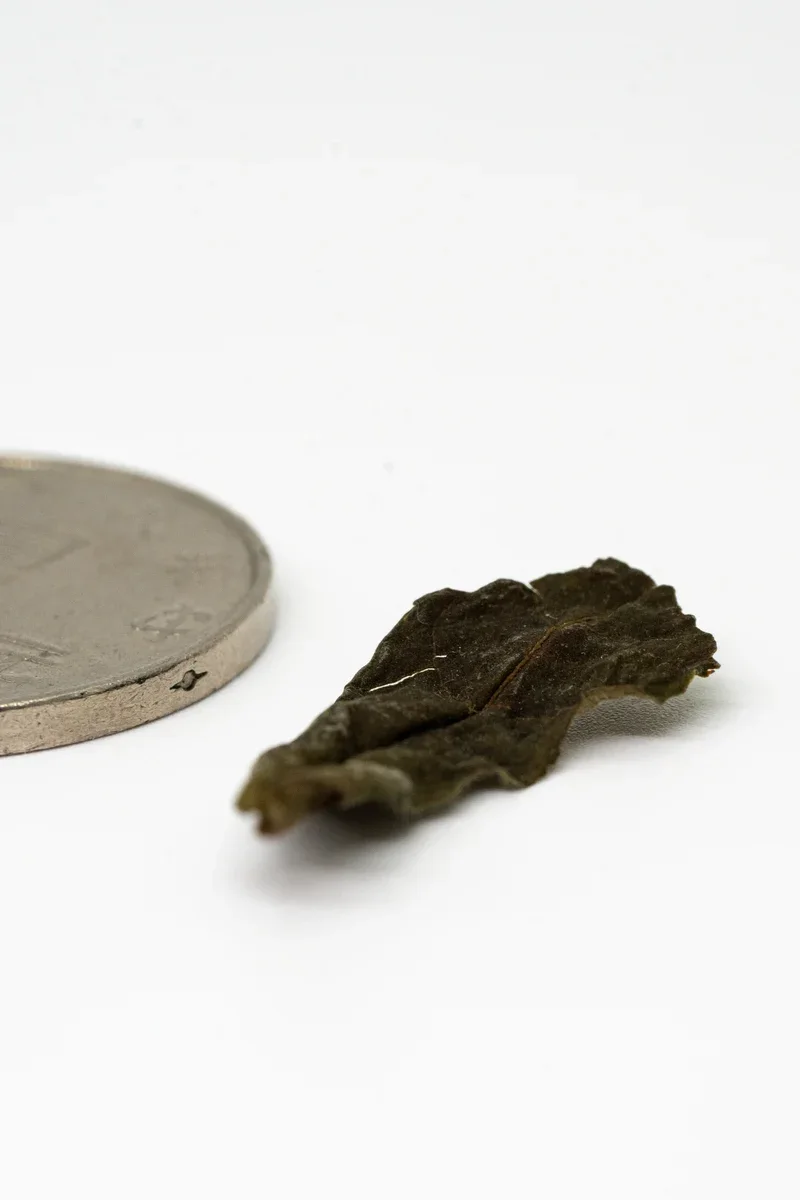
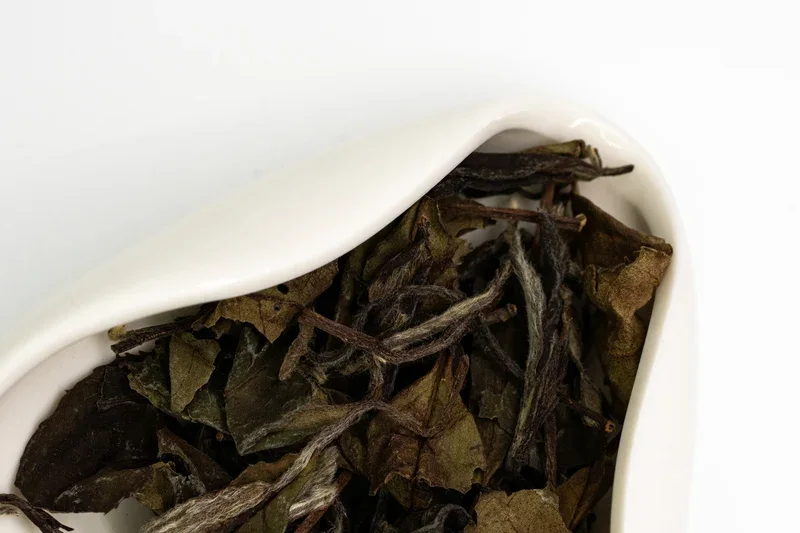
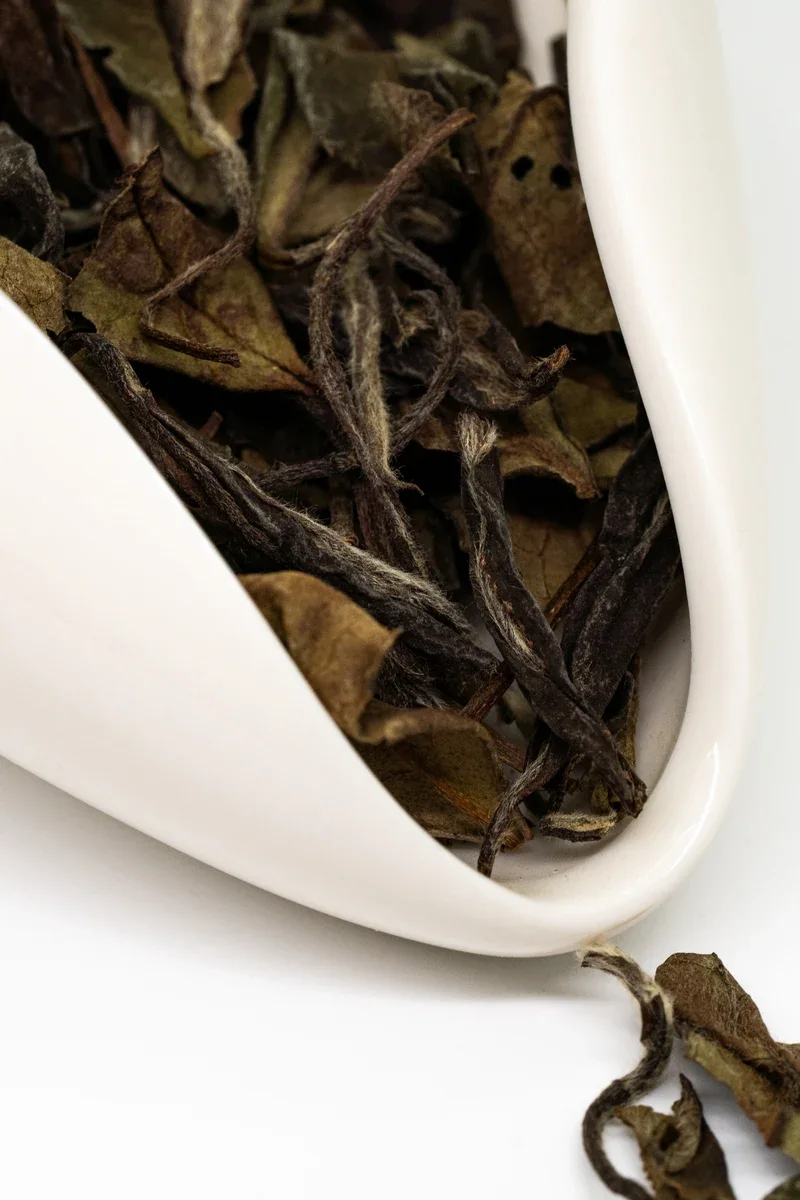
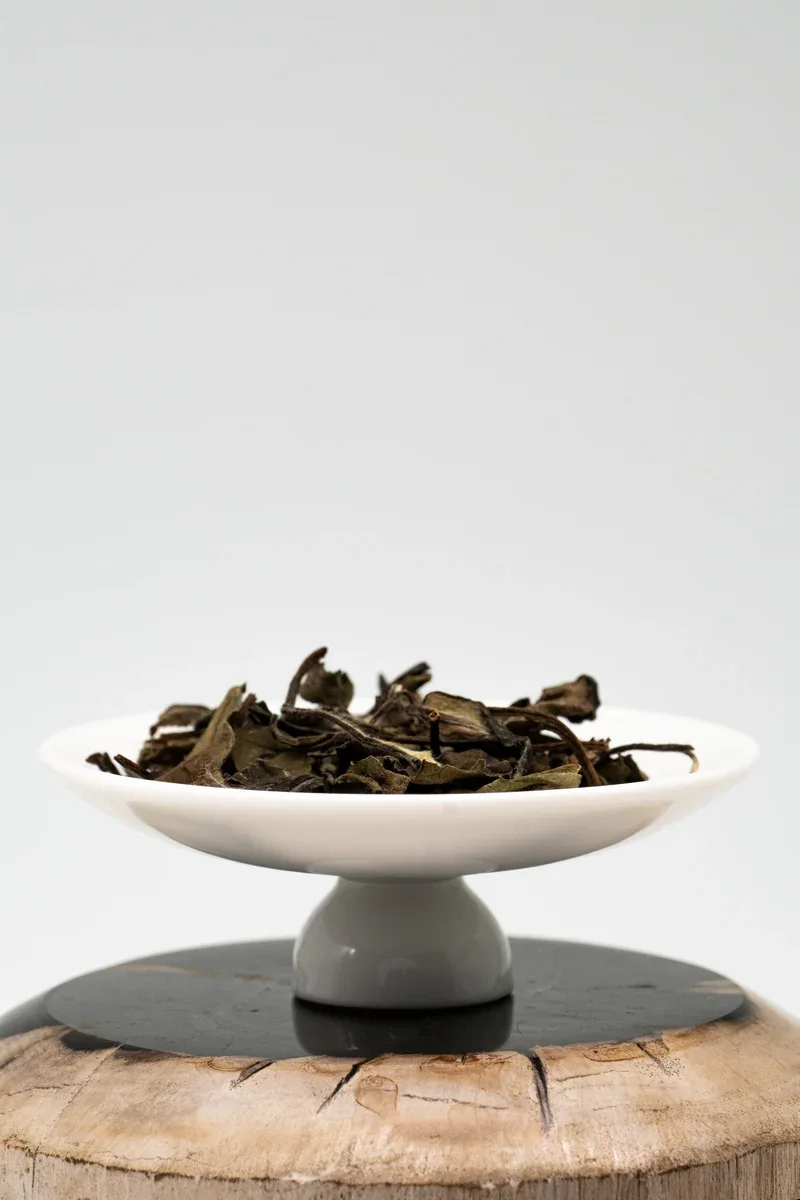
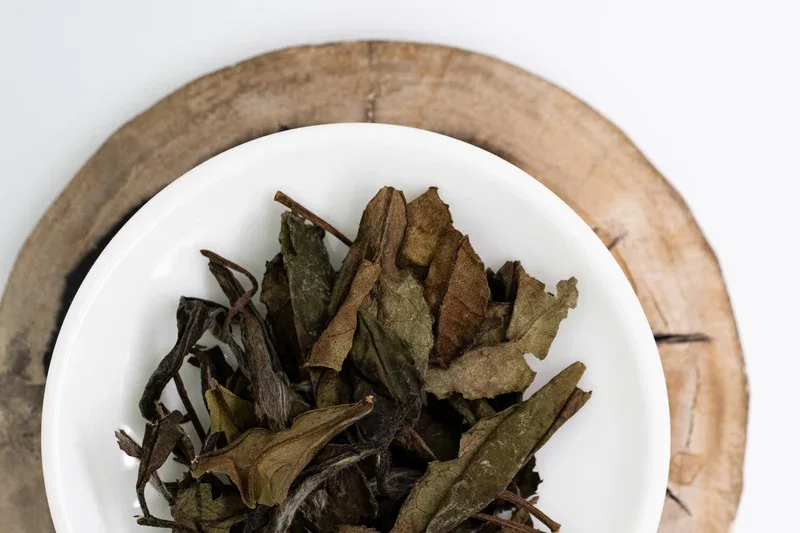
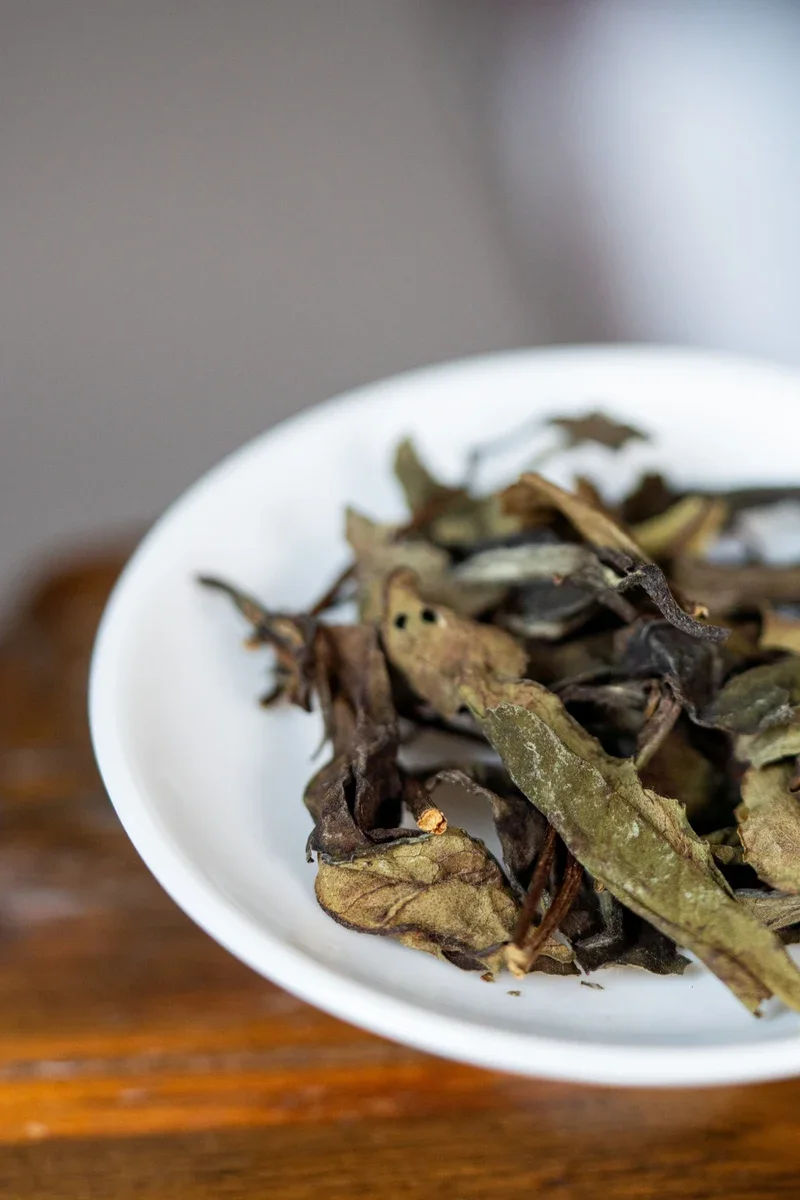
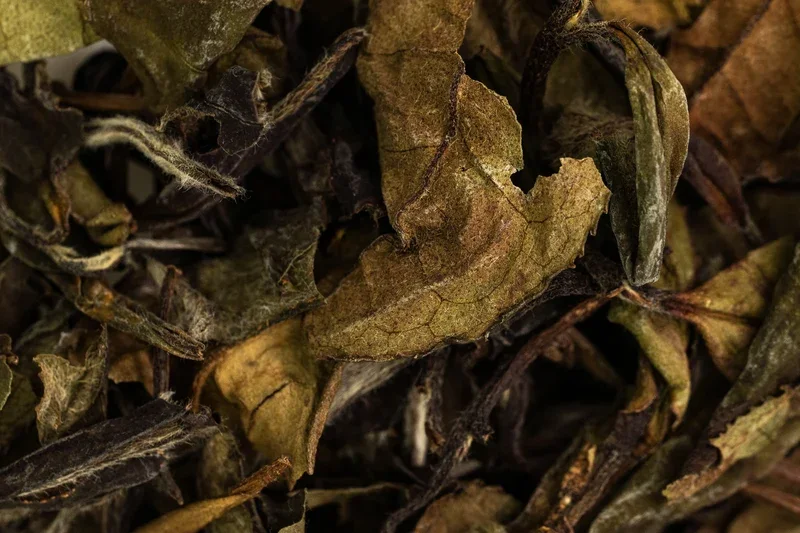
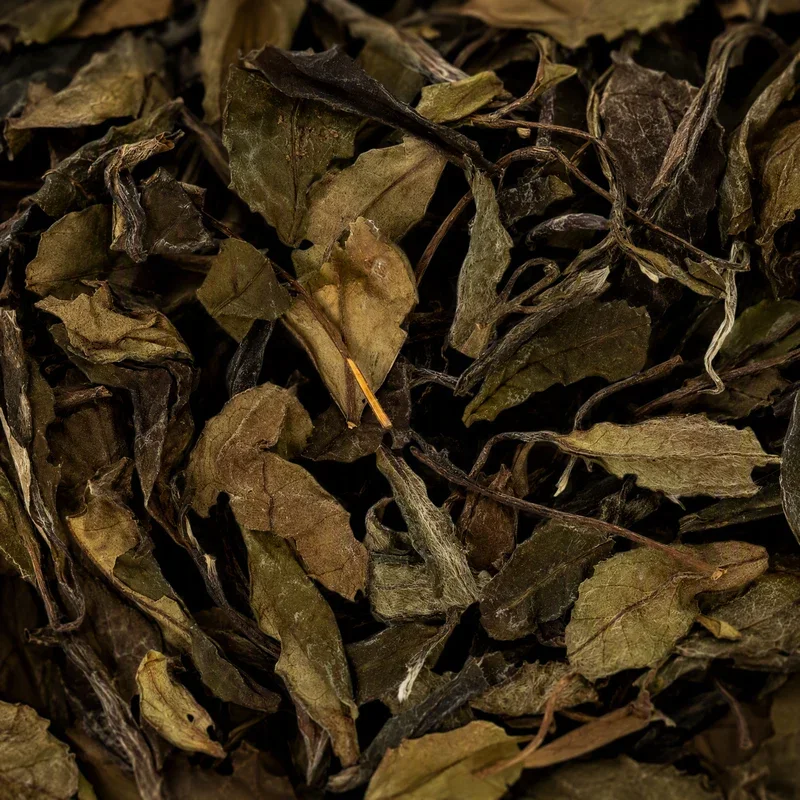
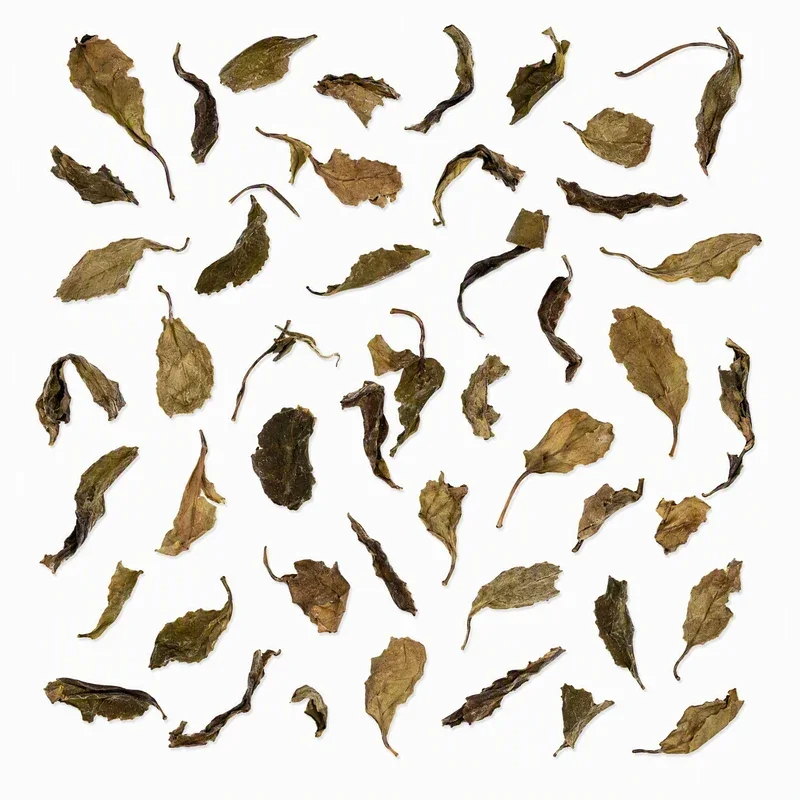
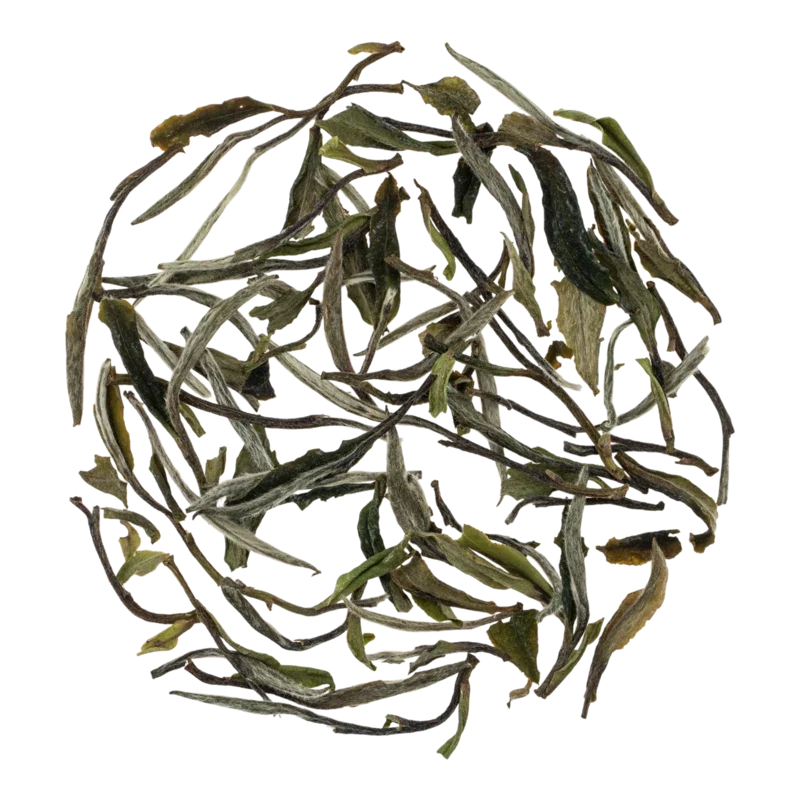
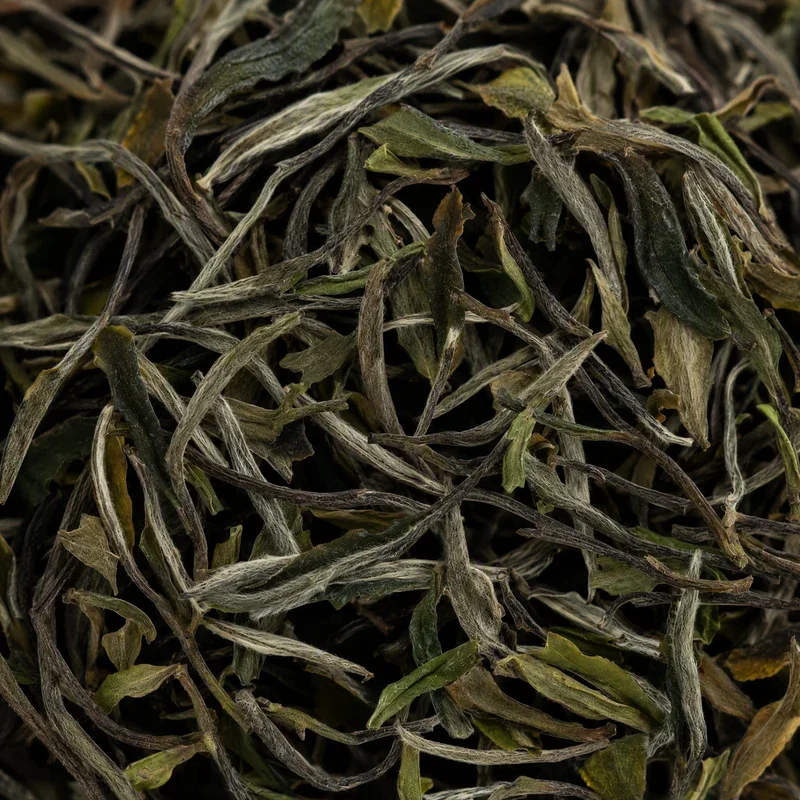
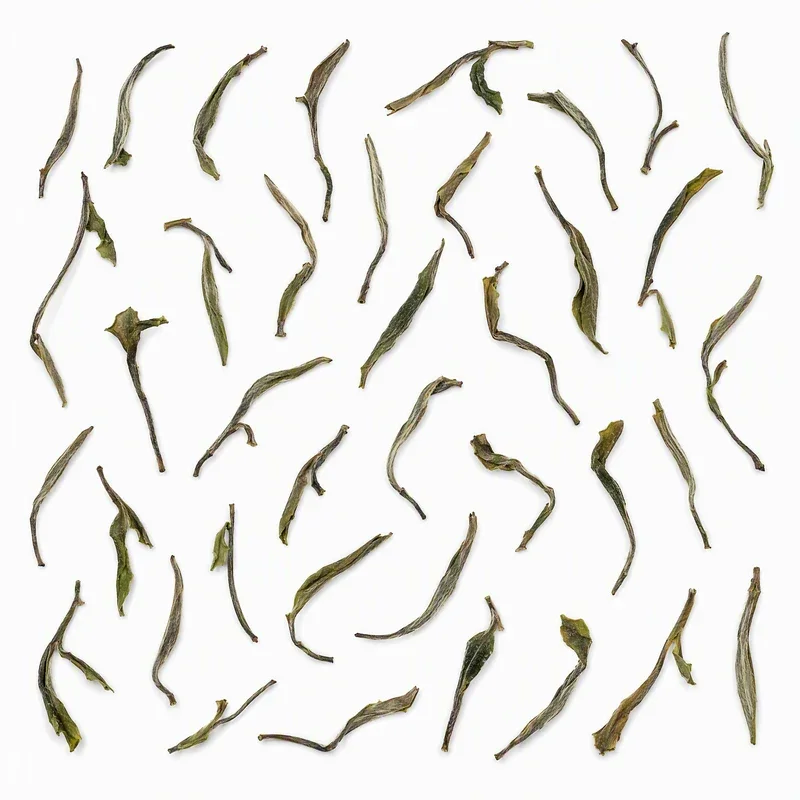
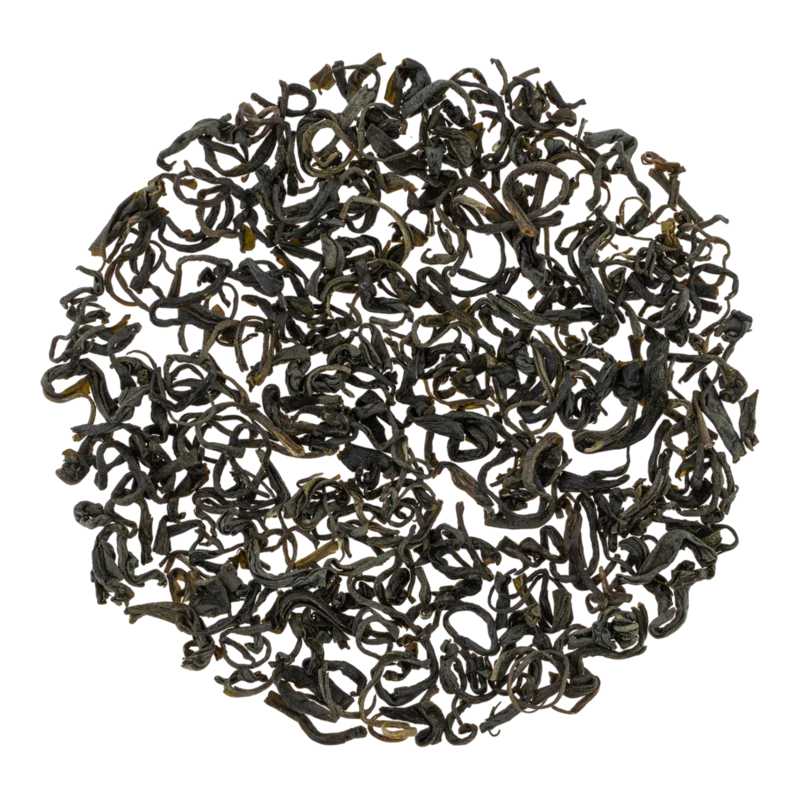
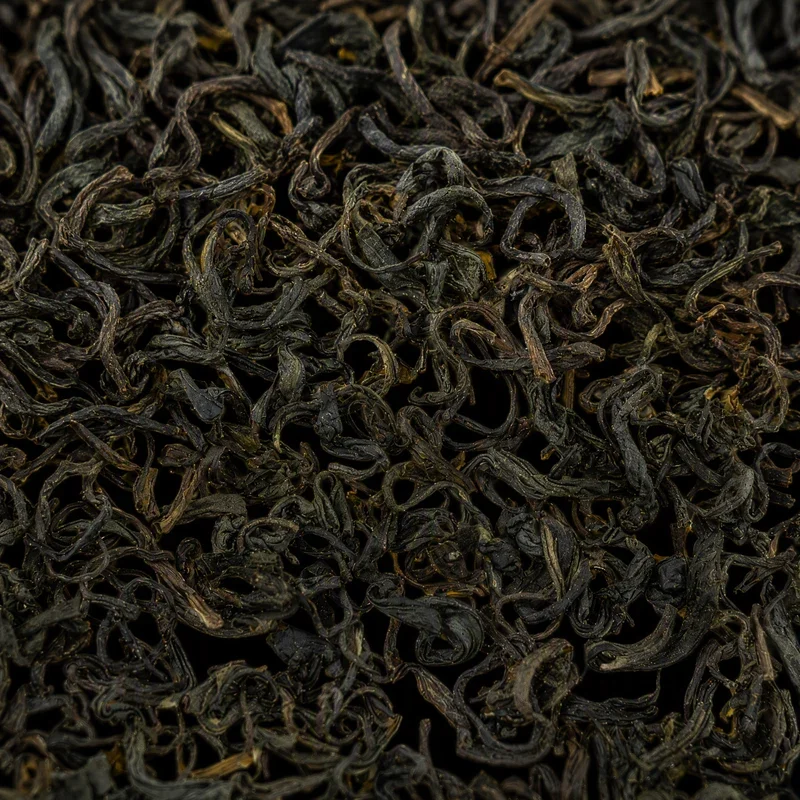
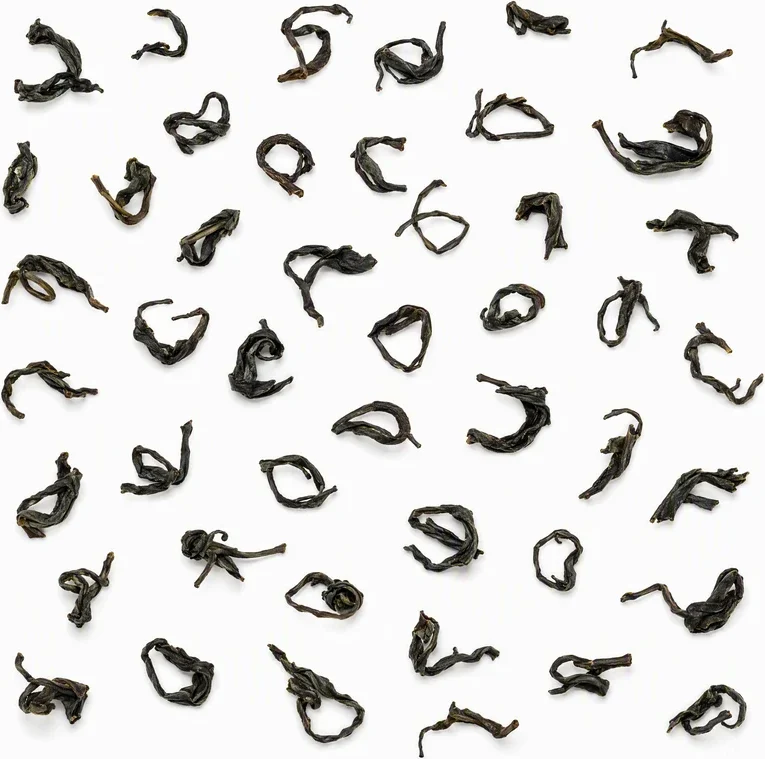
Dry Leaf Appearance: Depends on processing form: "silver fir" — straight, slightly flat shoots with white down hidden under the green surface (白毫隐绿, báiháo yǐnlǜ); "Xiangqi Yunwu" — tight, finely twisted, slightly curved "spirals" of emerald-green color with oily luster; maojian — miniature "sparrow tongues" (雀舌形, quèshé xíng) with golden-green hue.
Dry Leaf Aroma: Multi-layered: chestnut base (栗香, lìxiāng) — main tone for first-grade tea; pure high aroma (清香, qīngxiāng) — in highest grades of "silver fir"; honey-floral (蜜糖花香, mìtáng huāxiāng) — signature of "Xiangqi Yunwu"; under particularly favorable terroir conditions, orchid notes emerge (兰花香, lánhuā xiāng).
Liquor Aroma: Bright, high and persistent, with chestnut or sweet bean dominance, complemented by floral aftertones.
Liquor Color: Tender-green, bright and clear (嫩绿明亮, nènlǜ míngliàng) in highest grades; yellow-green — in mass grades.
Spent Leaves: Tender-green, even, glossy, fleshy leaves, gathering in "bouquets" (肥壮成朵, féizhuàng chéngduǒ) — sign of high harvesting quality.
Taste: Fresh, lively (鲜爽, xiānshuǎng) — marker of early spring raw material with high amino acid content. Liquor body — moderately dense and oily (甘醇, gānchún), with distinct returning sweetness (回甘, huígān). Polyphenol base (≥ 28.3%) provides sufficient structure and endurance for multiple infusions: tea unfolds gradually, without sharp taste weakening.
Alkaloids: Caffeine — 3.8%, which in combination with polyphenols provides prolonged tonic effect, assessed as 1.2 times more lasting compared to green teas from Zhejiang and Jiangsu.
Amino Acids: ≥ 5.2% in early spring raw material, including L-theanine as the dominant fraction. The ratio of polyphenols to amino acids indicates good balance of freshness and structure.
≥ 45% — high extractability, indicating richness and "body" of the liquor.
Essential Oils: Responsible for aromatic profile diversity: chestnut, floral, and honey notes form during kill-green and drying stages.
Minerals: Potassium, manganese, fluorine, selenium (enrichment due to soil background).
Polyphenols: ≥ 28.3% — significantly higher than average for green teas, due to subtropical sun and large leaf blade of local cultivars. Main fractions — EGCG, ECG, and EGC, providing high antioxidant activity.
Vitamins: C (especially in early spring raw material), B group, K.
High catechin content (≥ 28.3%) and selenium provide pronounced antioxidant effect, assessed 20% higher than flatland green teas.
Combination of caffeine (3.8%) and polyphenols gives sustained alertness without characteristic "caffeine crash."
Catechins slow glucose absorption, supporting blood sugar level control; water extract (≥ 45%) ensures high bioavailability of active substances.
Fluorine content 30% above norm for green teas, enhancing enamel acid resistance.
Polyphenols and amino acids stimulate secretory function; tea is recommended one hour after meals.
Regular consumption may support LDL cholesterol reduction and maintenance of vascular wall elasticity.
L-theanine improves concentration and emotional balance without causing drowsiness.
Tea Amount: 3 g per 150 ml (European method, 1:50 ratio); 5–6 g per 100–120 ml (gongfu method).
Teaware: Glass tumbler or cup — for observing the "tea dance" (茶舞, chá wǔ); white porcelain gaiwan (盖碗, gàiwǎn) — for concentrating aroma.
Water Temperature: 80–85 °C for first–second grade tea; 75 °C for highest grade (防烫伤嫩芽, preventing "burning" of tender buds).
"Silver Fir from Zhaopin" — straight, slightly flat shoots with white down hidden under emerald surface. Liquor — tender-green and bright, aroma — pure, high, with young pea note. Has its own geographical indication from the Ministry of Agriculture (农业部地理标志产品).
"Cloud Mist of Xiangqi Mountain" — tightly twisted, thin "spirals" of emerald-green color with oily luster. Distinguished by unique honey-floral aroma (蜜糖花香馥郁, mìtáng huāxiāng fùyù). Recognized as "Special Famous Tea of Guangxi" (广西特种名茶). Raw material is harvested at approximately 700 m elevation, in the old tree zone.
Miniature "sparrow tongues," yellow-green transparent liquor, chestnut aroma with floral undertone. Gold laureate of "Zhongcha Bei" competition (中茶杯).
"Green Tea of Guijiang River" — twisted form, pronounced chestnut aroma, suitable for mass production. Resistant to multiple infusions.
Harvest from mid-February, single buds, maximum freshness — raw material for highest grades.
May–October, bud with two leaves, stronger and more enduring — basis for mass grades.
Price Category: Highest grade (特级, tèjí) — whole buds or bud with one leaf, flat glossy surface, young pea aroma — over 600 yuan per jin (500 g). First grade (一级, yījí) — bud with one to two leaves, chestnut aroma, 200–400 yuan per jin. Second grade (二级, èrjí) — mass tea for daily consumption.
Price Factors: Harvesting time (early spring — more expensive), growing altitude, manual labor, organic certification presence.
No reviews yet. Tell us what you think of this tea.
Rate this tea and share your impressions. We review each submission before publishing it.