Brewing
Gongfu brewing
- Water temperature
- 92 °C
- Tea amount
- 6 g
- Water volume
- 100 ml
- First steep
- 10 s
- Time added per infusion
- 5 s
- Infusions
- 8

Zhāngzhōu liú xiāng
Choose a brewing method. Start with the recommended quantities and time, then adjust to taste.
Brewing
Brewing
Taste
Tea encyclopedia
Category: Southern Fújiàn oolongs (闽南乌龙, Mǐnnán wūlóng) by place of refinement. However, the primary raw material is of Northern Fújiàn (闽北, Mǐnběi) origin, making Liu Xiang a unique "bridge" between northern and southern Fujian oolong traditions. Belongs to the category "Traditional Teas of Zhangzhou."
Category: Southern Fújiàn oolongs (闽南乌龙, Mǐnnán wūlóng) by place of refinement. However, the primary raw material is of Northern Fújiàn (闽北, Mǐnběi) origin, making Liu Xiang a unique "bridge" between northern and southern Fujian oolong traditions. Belongs to the category "Traditional Teas of Zhangzhou."
Coordinates: Zhangzhou: approximately 24°31′ N, 117°39′ E. Raw material area (Wuyishan, core): approximately 27°43′ N, 117°57′ E.
Origin: China (中国, Zhōngguó), Fújiàn Province (福建省, Fújiàn shěng). Refinement and blending — Zhāngzhōu City (漳州市, Zhāngzhōu shì), Xiāngchéng District (芗城区, Xiāngchéng qū), Xiǎokēngtóu production base (小坑头, Xiǎokēngtóu). Raw material zones — Wǔyíshān (武夷山, Wǔyíshān), Ānxī (安溪, Ānxī) and other oolong districts of northern and southern Fujian.
Type: Oolong (semi-oxidized tea, 烏龍茶, wūlóngchá). Style — heavy oxidation (重发酵, zhòng fājiào), heavy shaking (重摇, zhòng yáo), charcoal roasting (炭焙, tànbèi). Oxidation degree approximately 40–60%.
Cultivar: Primary cultivar — Fújiàn Shuǐxiān (福建水仙, Fújiàn Shuǐxiān), also known as Shuǐjí Shuǐxiān (水吉水仙) or Wǔyí Shuǐxiān (武夷水仙). This is a semi-arboreal (小乔木型, xiǎo qiáomù xíng) large-leaf (大叶类, dàyè lèi) late-maturing variety that is a natural triploid. Included in the registry of National Tea Varieties of the PRC (国家级茶树良种), registration number GS13009-1985, "Hua Cha 9 hao" (华茶9号). Latin name: Camellia sinensis cv. Fujian-shuixian. Auxiliary cultivars — Ròuguì (肉桂, Ròuguì) and Northern Fújiàn collective populations Càichá (菜茶, càichá).
Picking: Spring harvest (春茶, chūnchá) — primary, providing the highest concentration of amino acids and depth of aroma. Spring raw material is used predominantly for higher grades.
Pluck Standard: One bud and two to three leaves (一芽二至三叶, yī yá èr zhì sān yè), mature, without mechanical damage.
Raw Material: Tea polyphenol content in fresh leaf — not less than 25%, amino acids — not less than 4.0% (according to factory specifications). Leaf must be whole, evenly matured, without foreign odors.
Altitude: 600–800 m above sea level (core raw material zone of Wuyishan).
Climate: Humid subtropical. Average annual temperature in harvest zone 16–20°C, relative humidity ≥ 75%, more than 200 foggy days per year. Significant difference between day and night temperatures. Abundance of diffused light (漫射光, mànshèguāng) promotes accumulation of amino acids and aromatic precursors in the leaf.
Soil: Acidic red soils (红壤, hóng rǎng) on Danxia sandstone-conglomerate base, pH 4.5–6.0. Rich in minerals and organic matter. Tea gardens in the core rock zone belong to water conservation territories where use of chemical fertilizers and pesticides is prohibited, ecological farming is practiced.
Primary raw material originates from the high-mountain rock zone of Wǔyíshān (武夷山, Wǔyíshān) — the famous Dānxiá landform massif (丹霞地貌, Dānxiá dìmào), with steep gorges, rock walls and narrow valleys, creating a unique microclimate for tea bushes. Additional raw material comes from southern Fujian oolong districts (Anxi and others).
Harvest of upper shoots in standard "one bud + two-three leaves." Harvested raw material is quickly delivered to the workshop.
More intensive than for light oolongs (较重, jiào zhòng). Leaf loses significant moisture, cell walls soften, aromatic base formation begins.
Leaf "rests" in cool room, moisture redistributes from stem to leaf edges.
Alternating cycles of shaking and rest. Heavy shaking and heavy oxidation (重摇重发酵, zhòng yáo zhòng fājiào) trigger intensive oxidation at leaf edge and form floral-fruity profile, characteristic "red rim" (红边, hóng biān).
Heat treatment stops enzymatic processes and fixes achieved oxidation degree.
Formation of appearance and destruction of cellular structure to improve extraction during brewing.
Stabilization of rough tea (毛茶, máochá) moisture.
Master manually forms control sample determining batch style.
Separation of leaf by size and shape.
Removal of stems, veins and defective fragments.
Key stage. Master mixes raw material from different mountains, seasons, varieties and processing degrees into unified harmonious blend. Blending recipes are passed from master to student across five generations.
Multiple slow roasting on charcoal at temperature not exceeding 60°C. Precisely this stage forms the signature "fire note" (火香, huǒxiāng) — Liu Xiang's calling card.
Final mixing for batch uniformity.
Traditionally — hand packaging in white bamboo paper (inner layer) and kraft paper with signature ornament (outer layer). Red ornament — "Hong Liu Xiang" (红流香, Hóng Liú Xiāng), higher rank; dark ornament — "Hei Liu Xiang" (黑流香, Hēi Liú Xiāng).
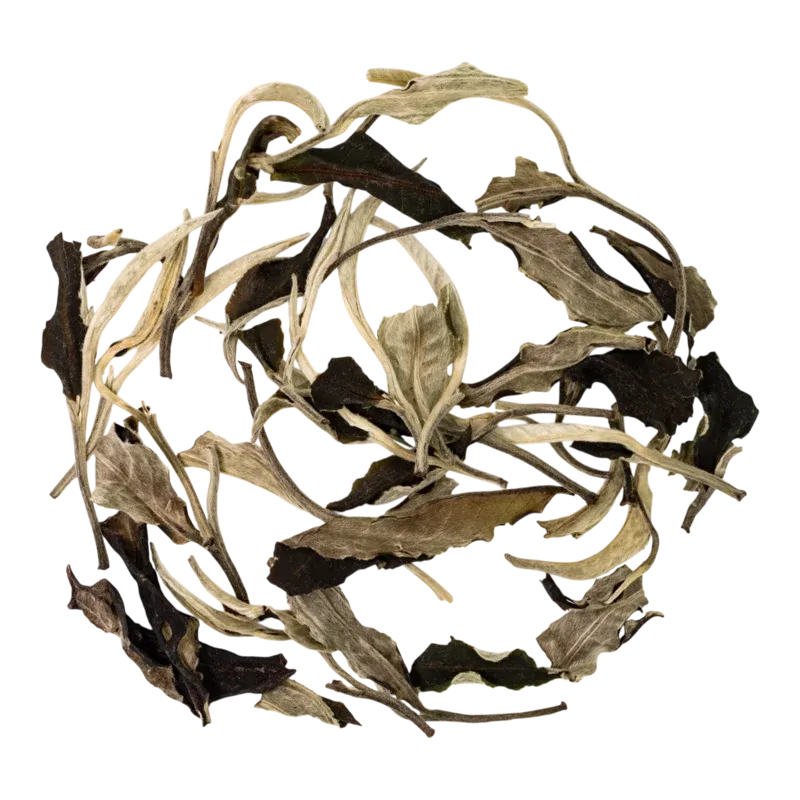
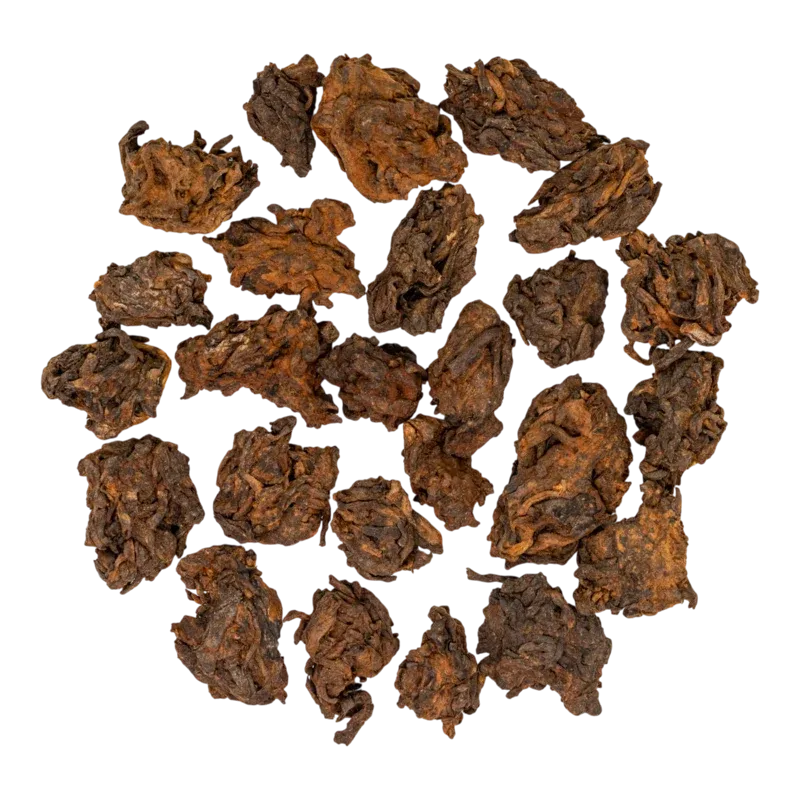
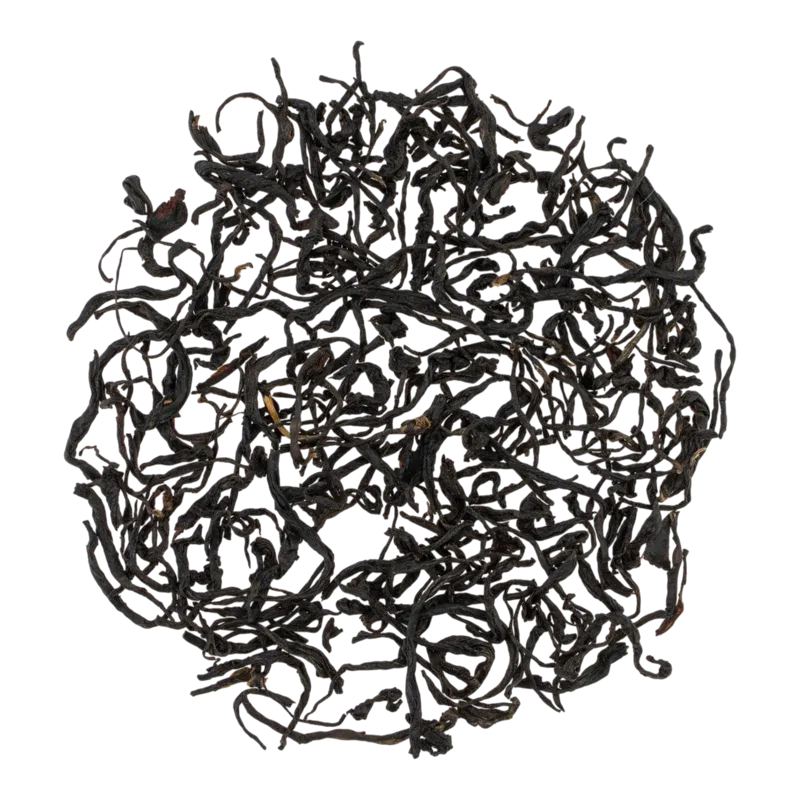
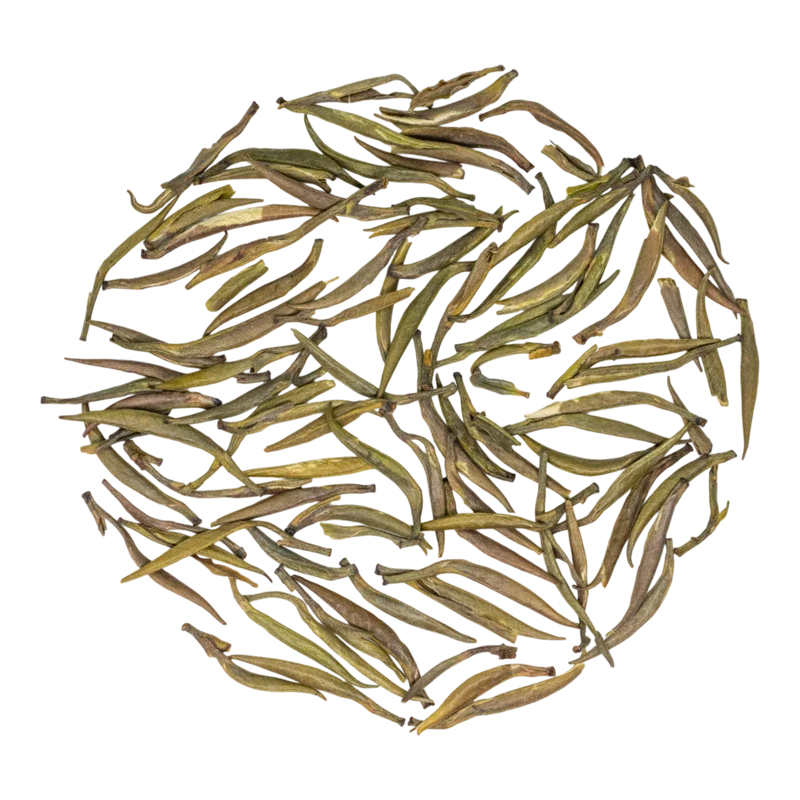
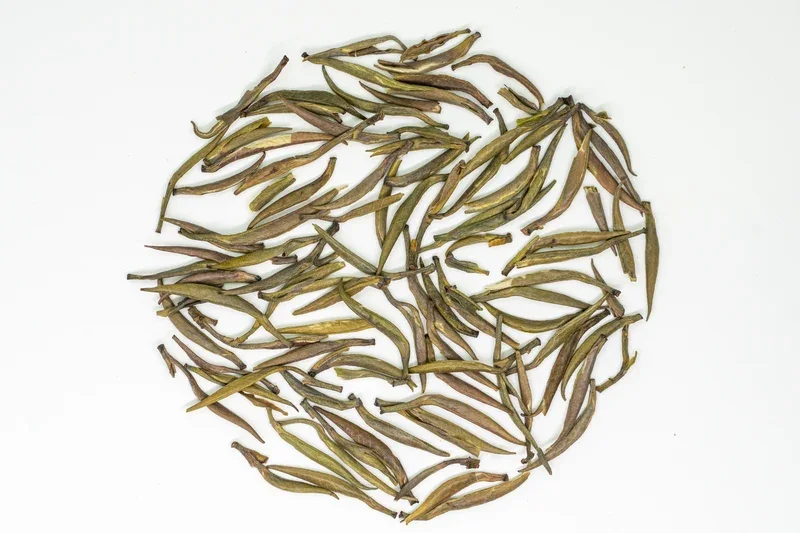
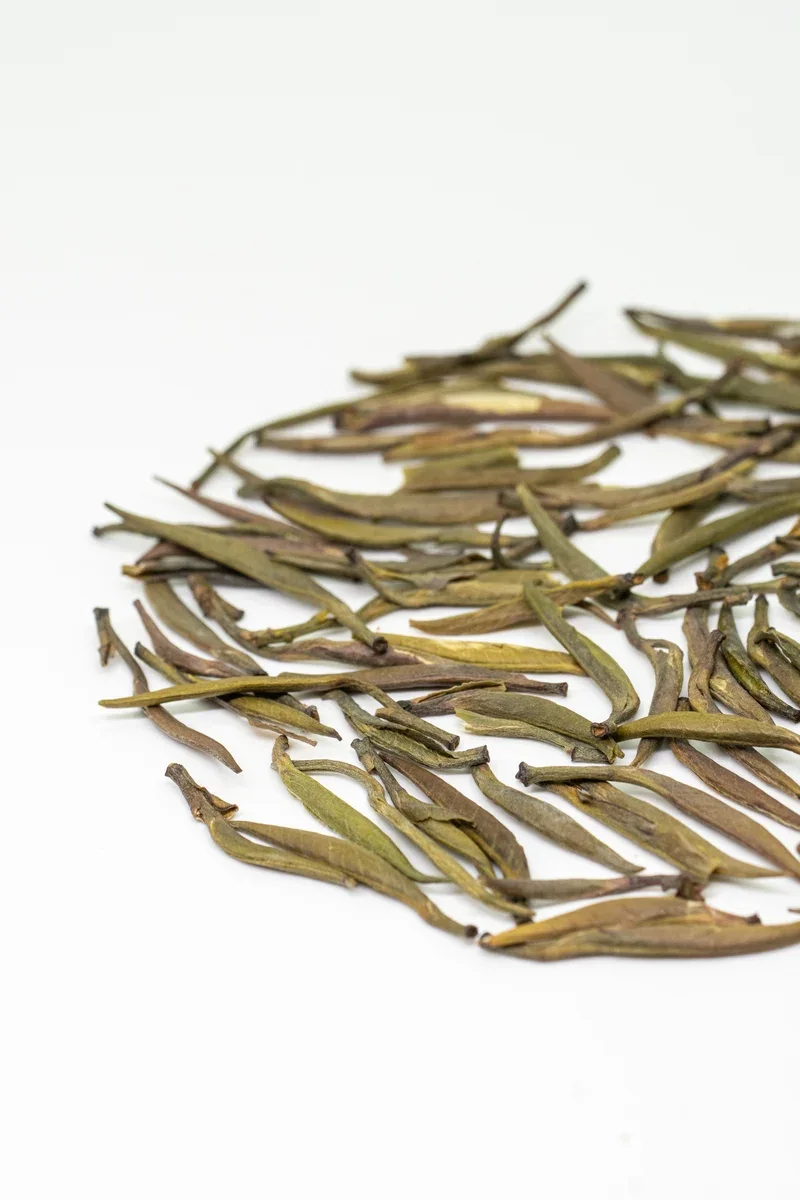
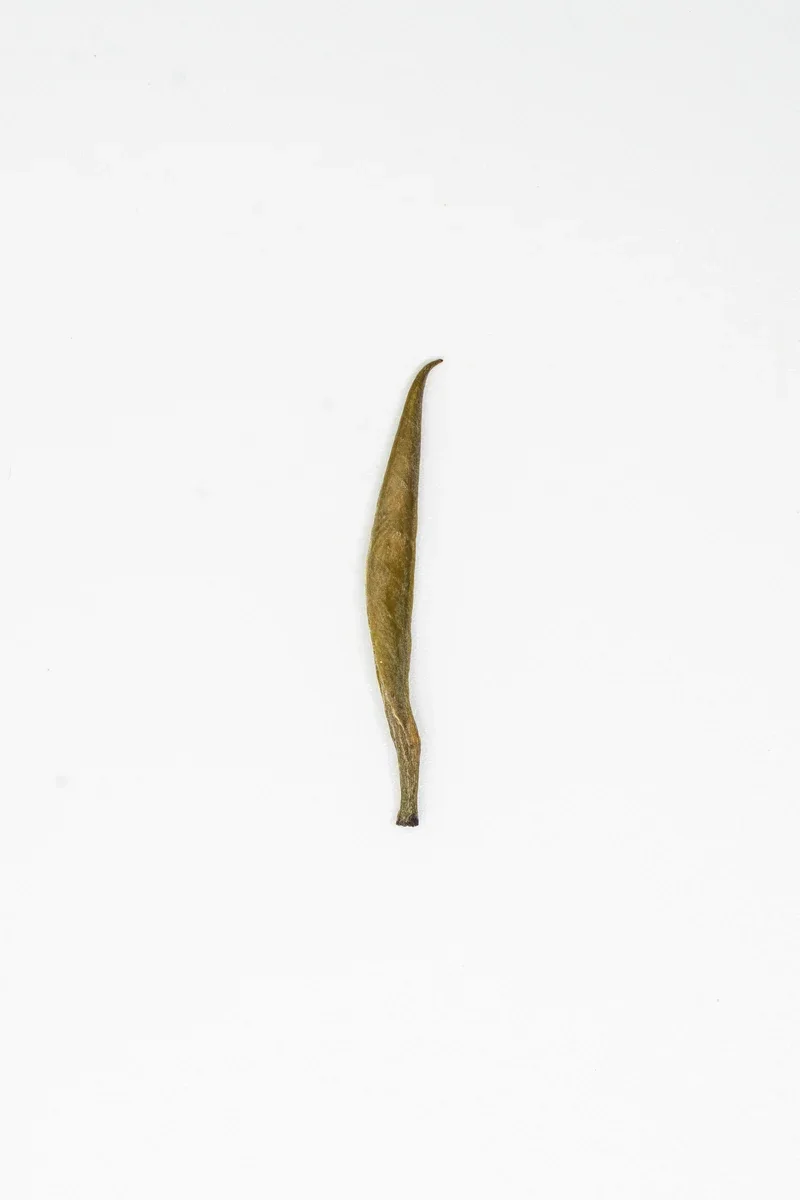
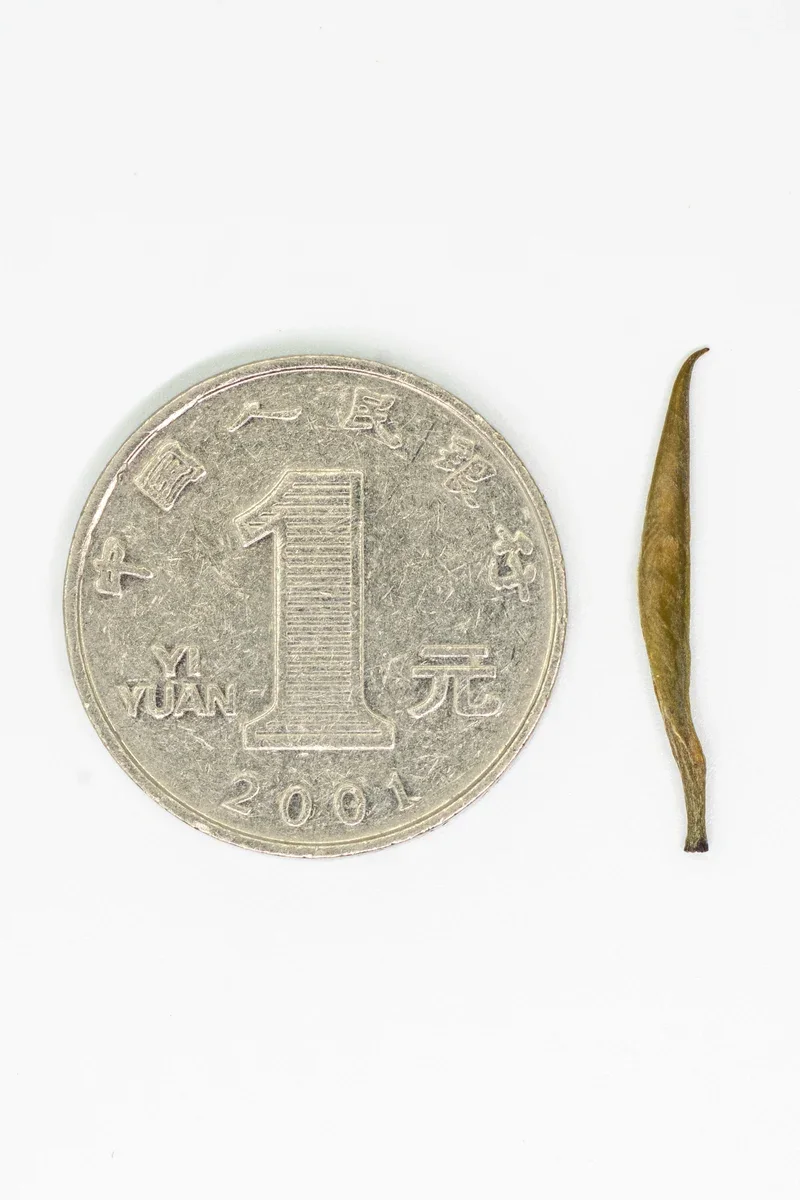
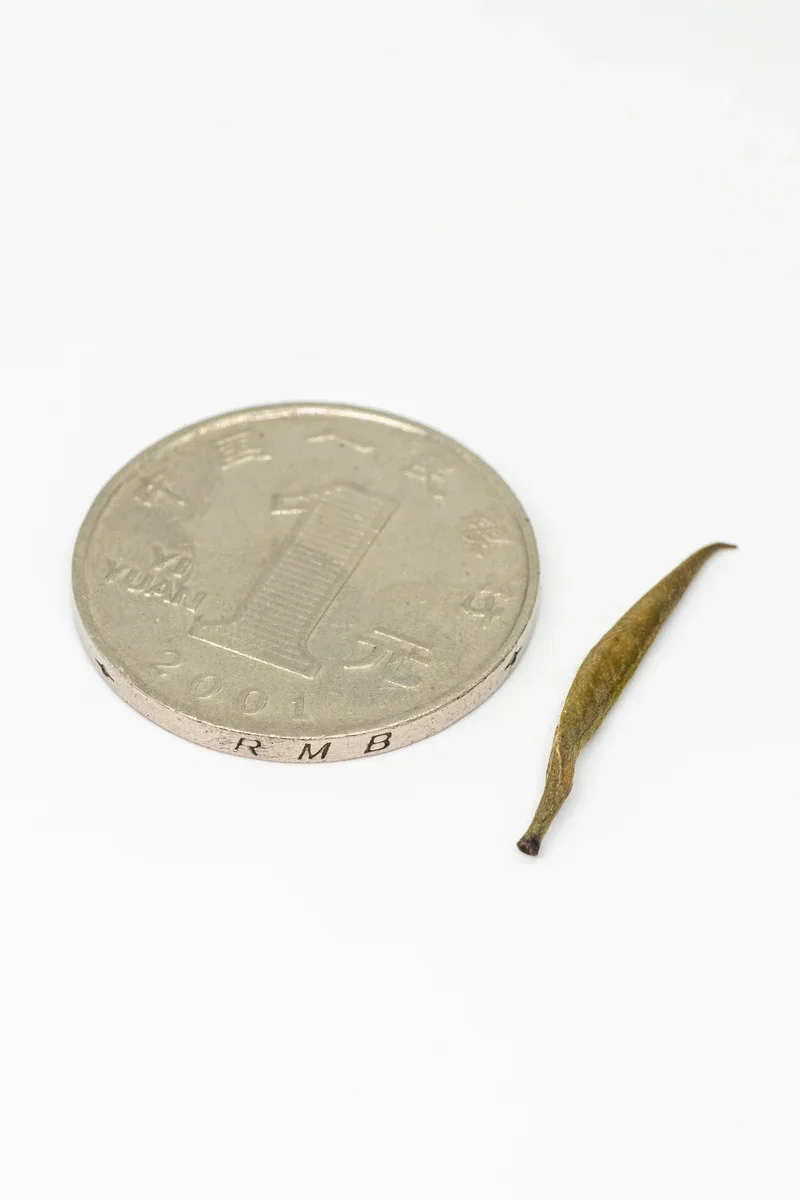
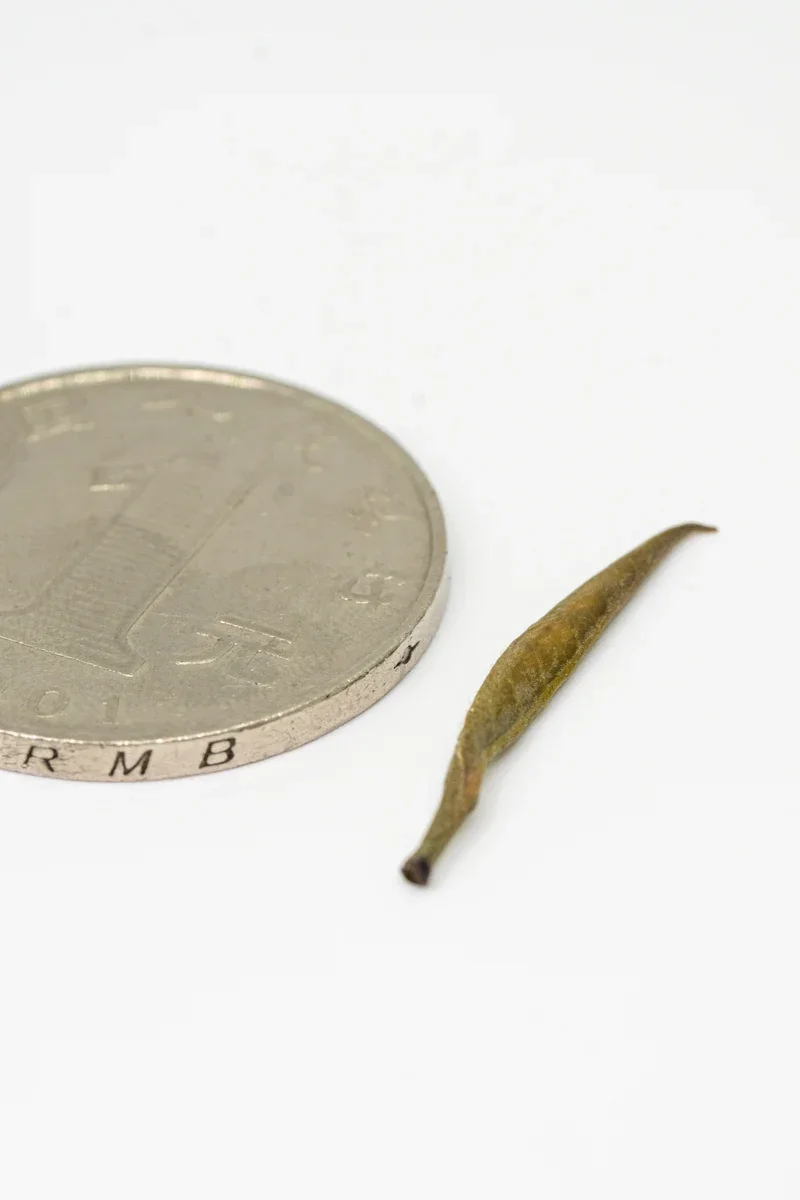
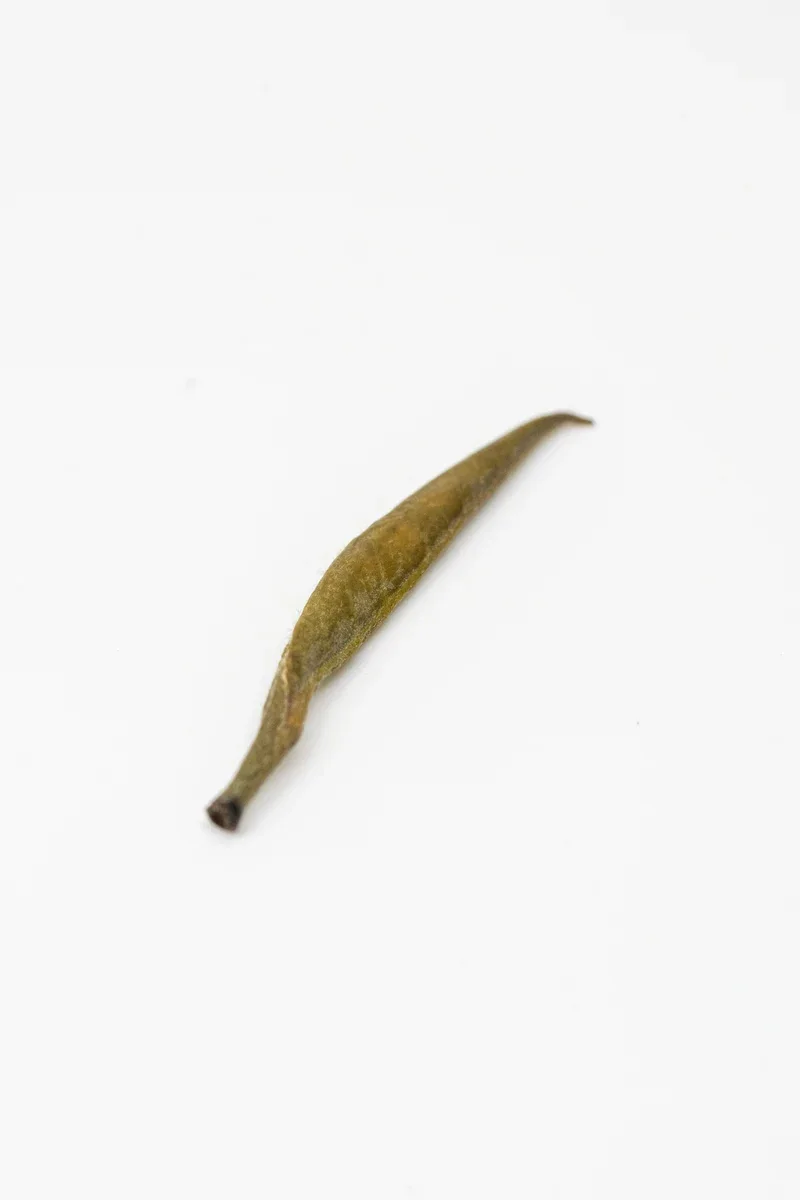
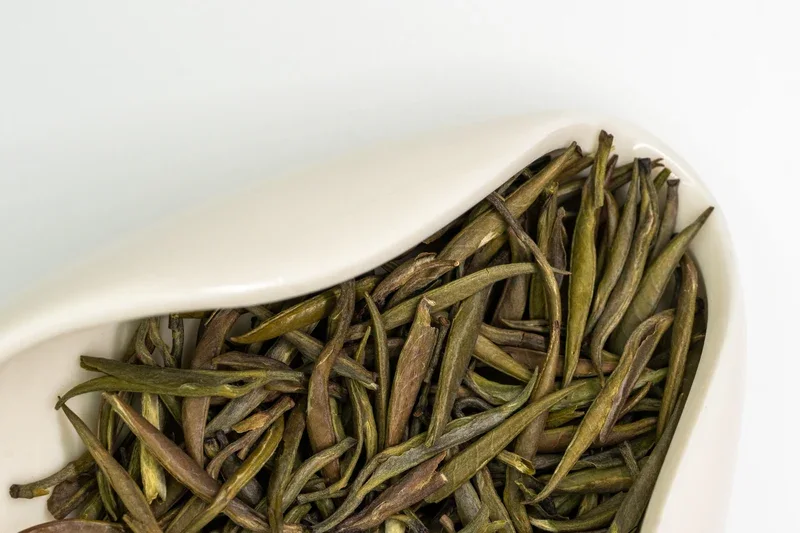
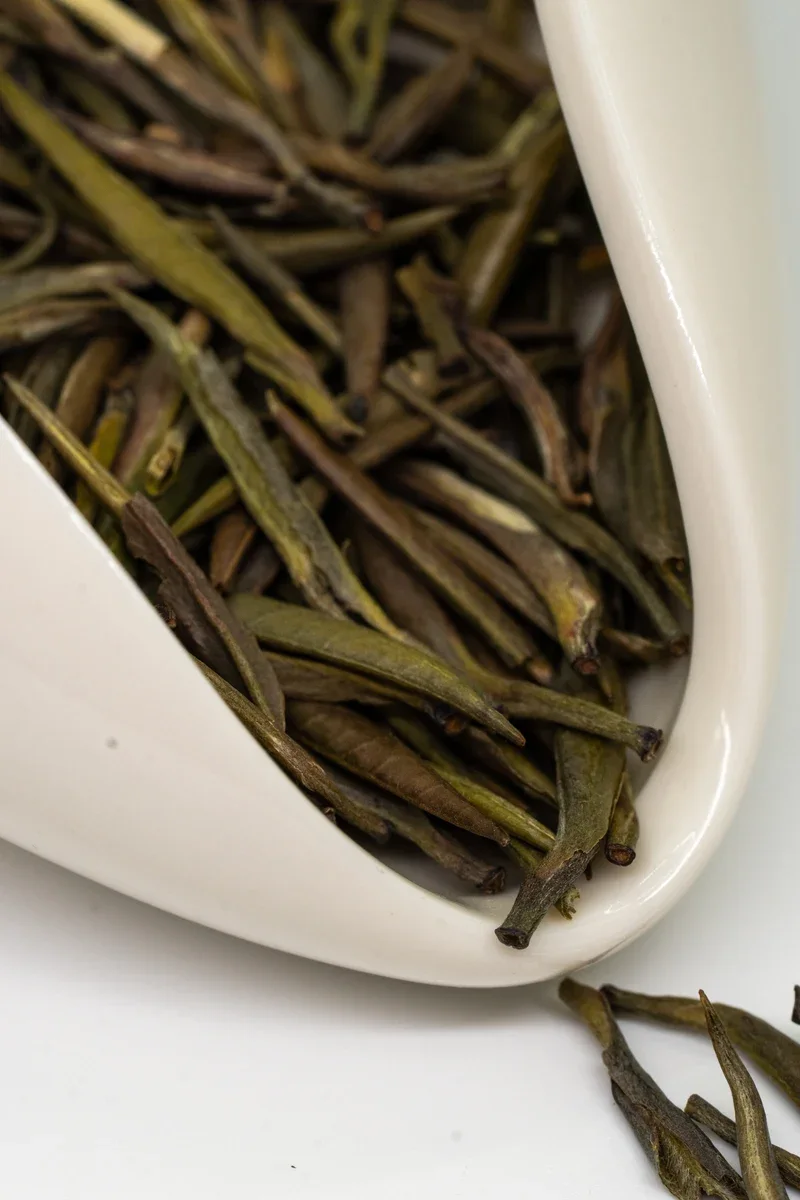
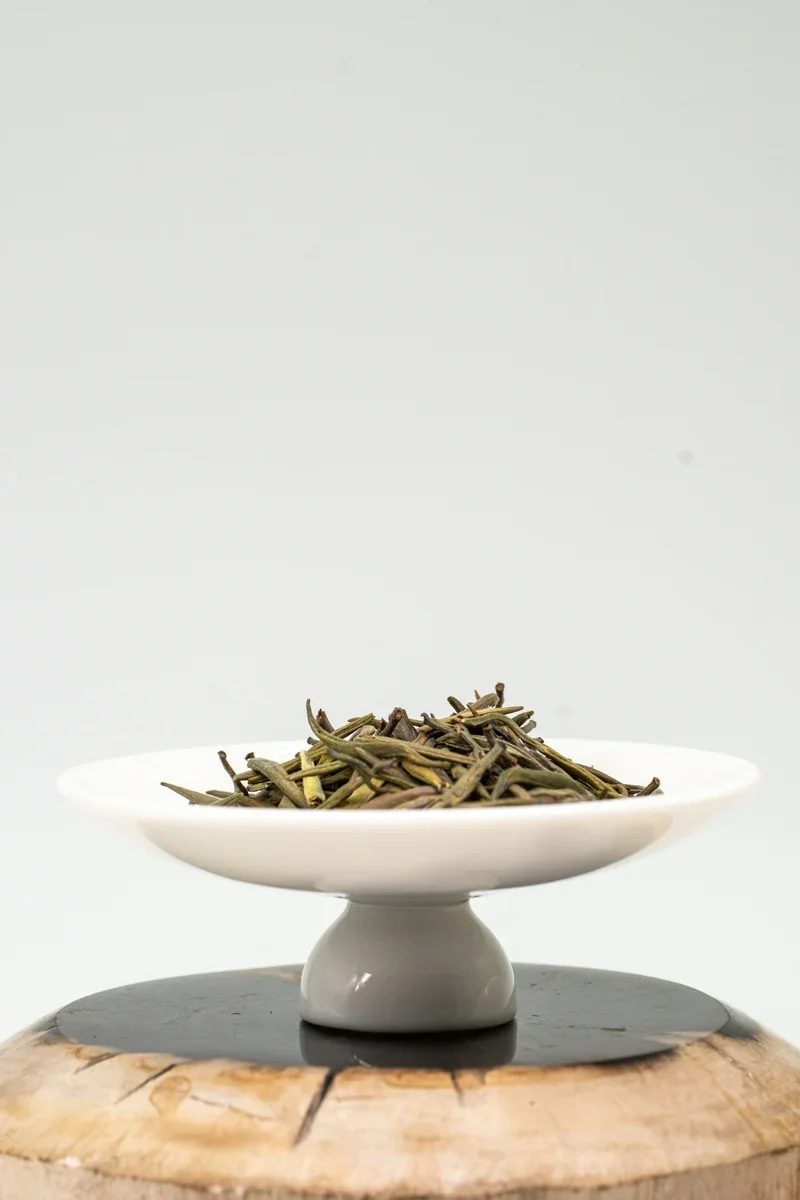
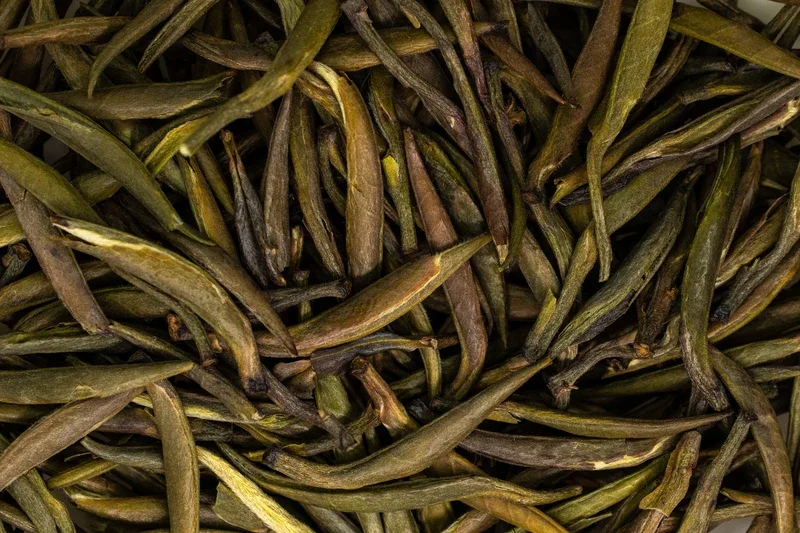
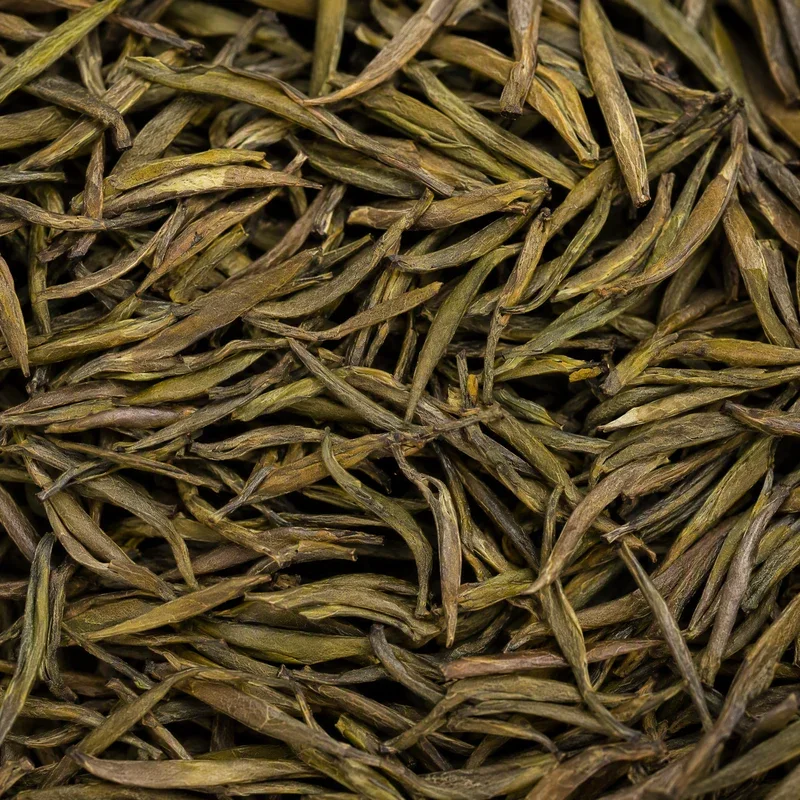
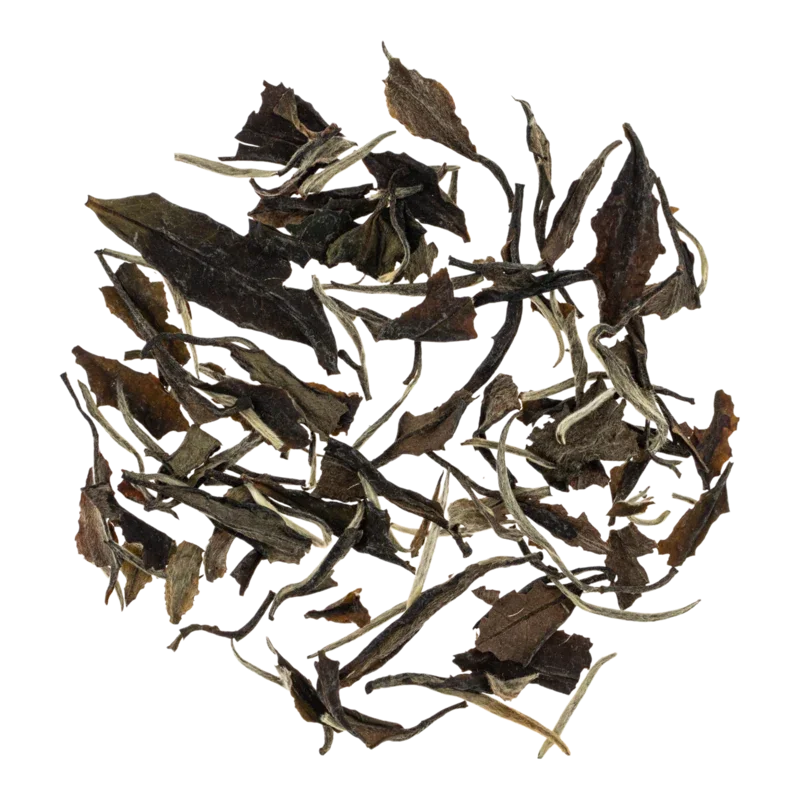
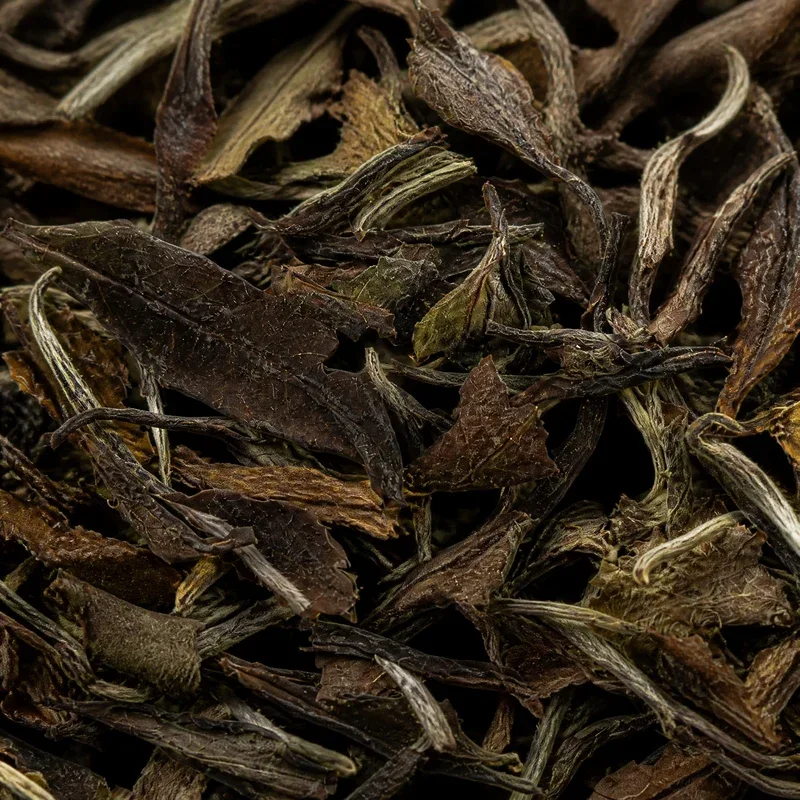
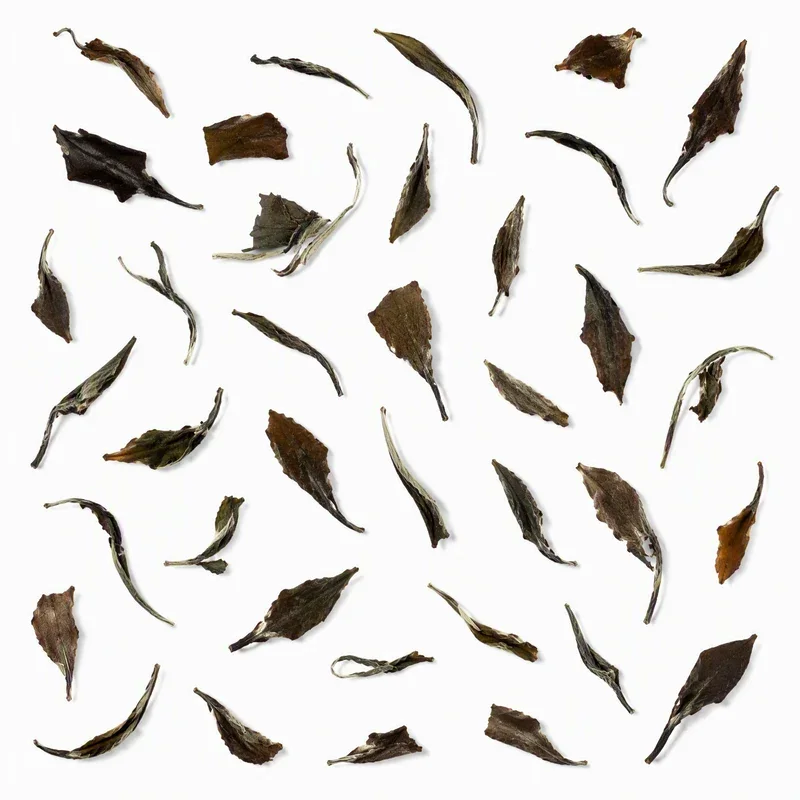
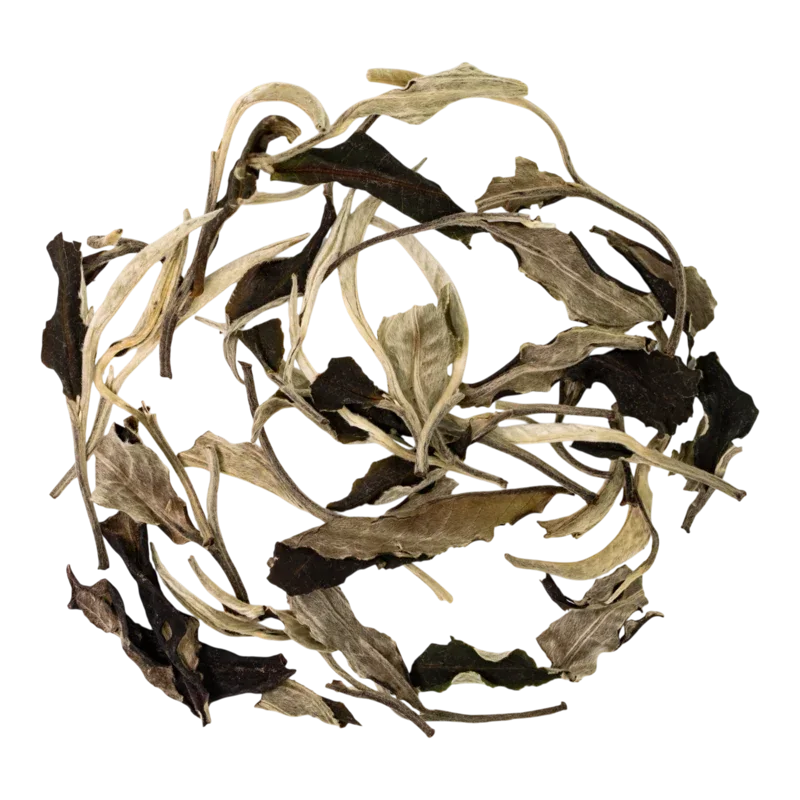
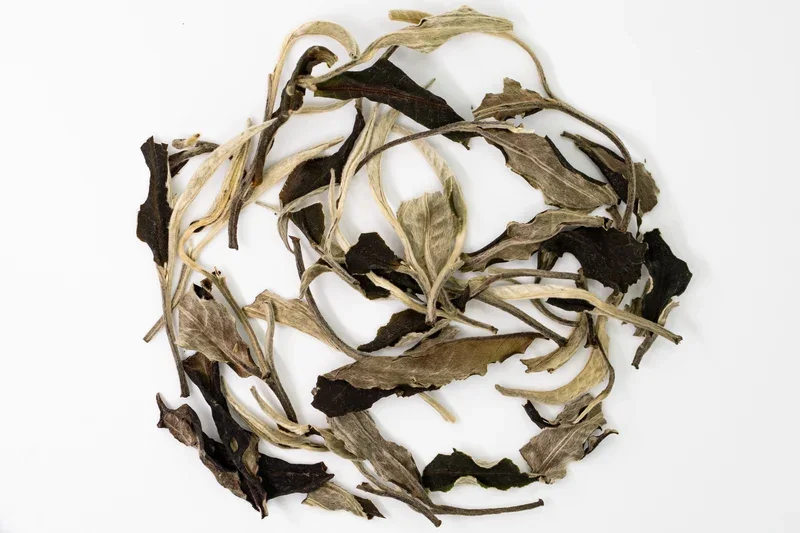
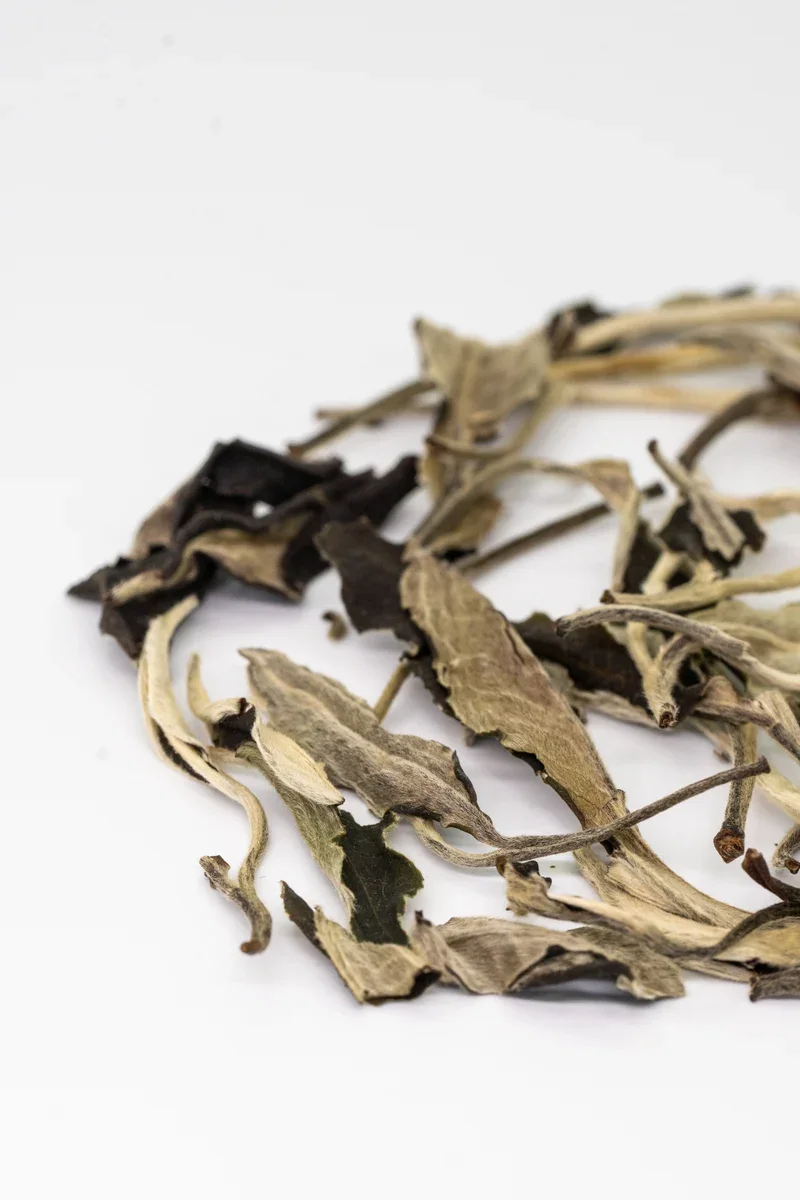
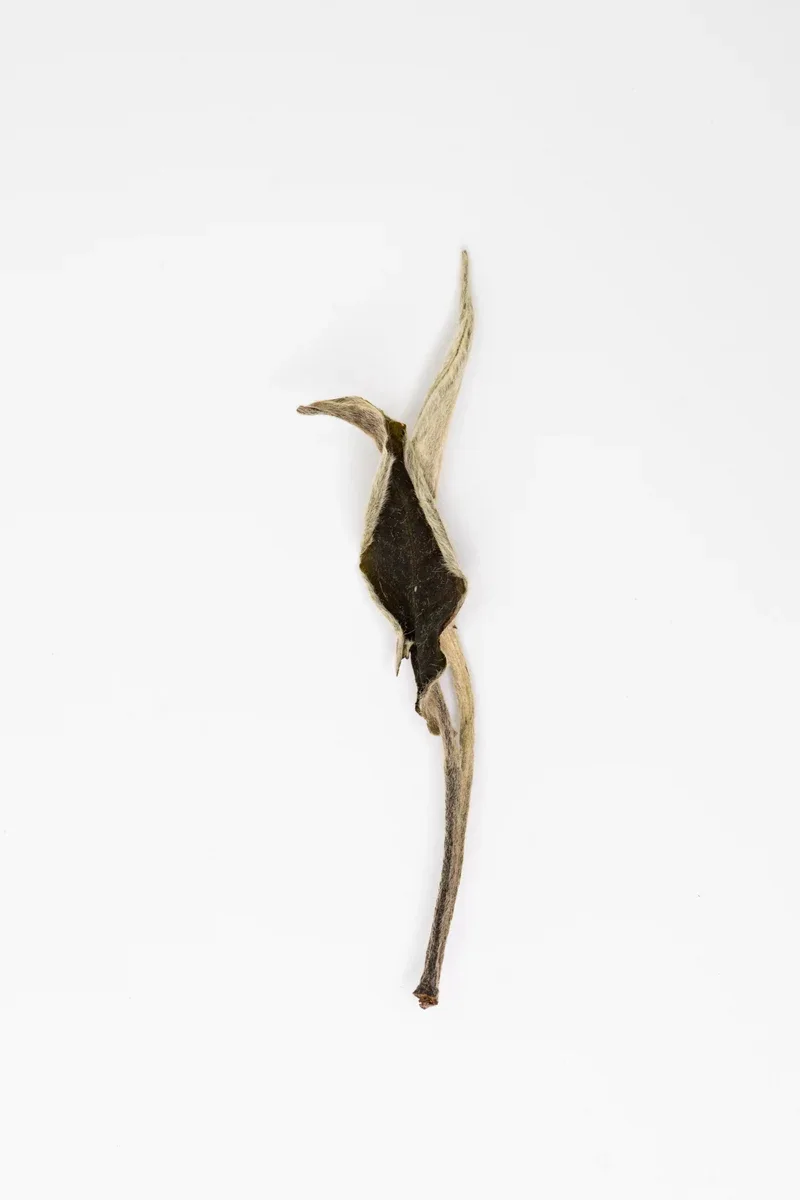
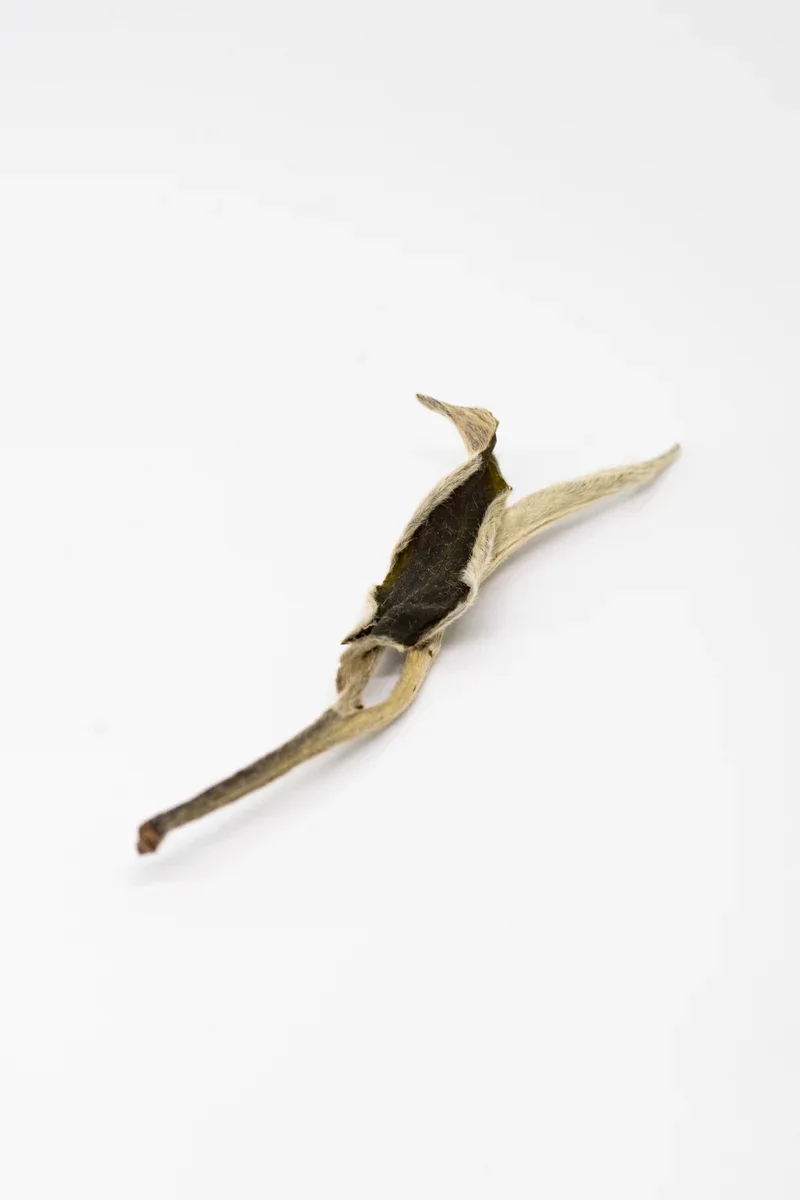
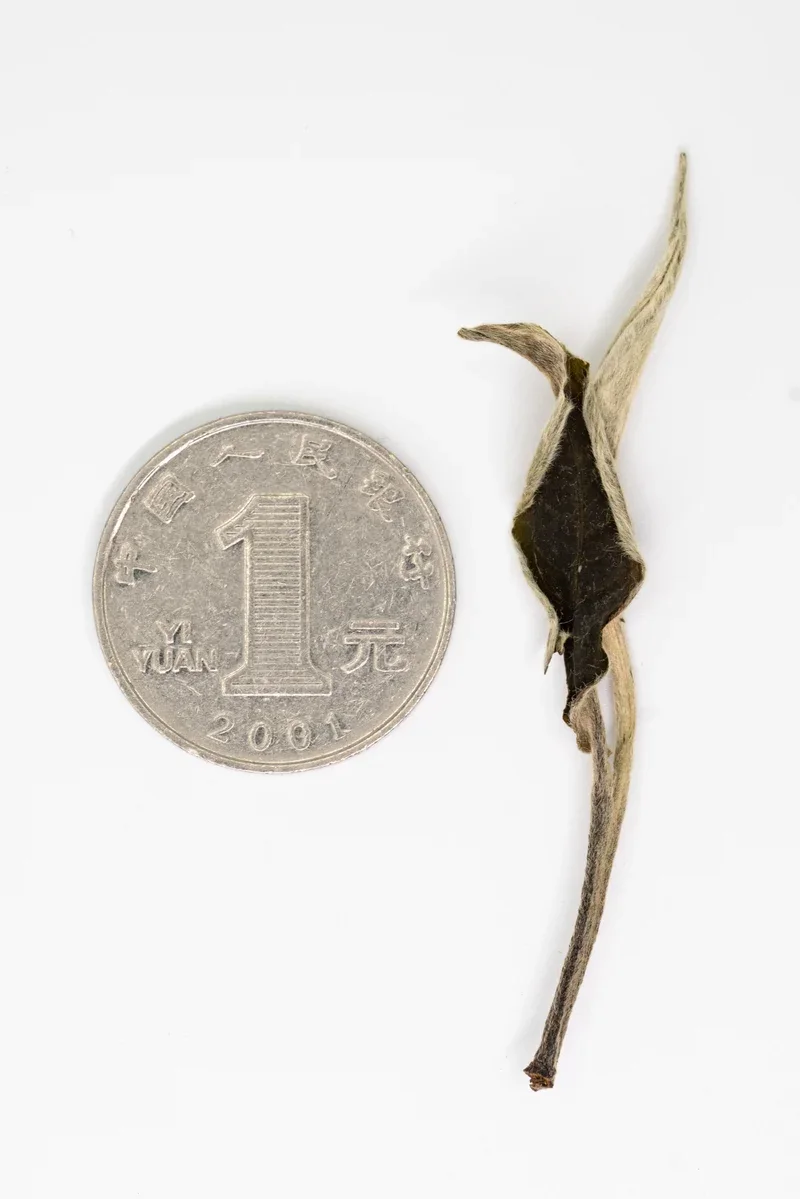
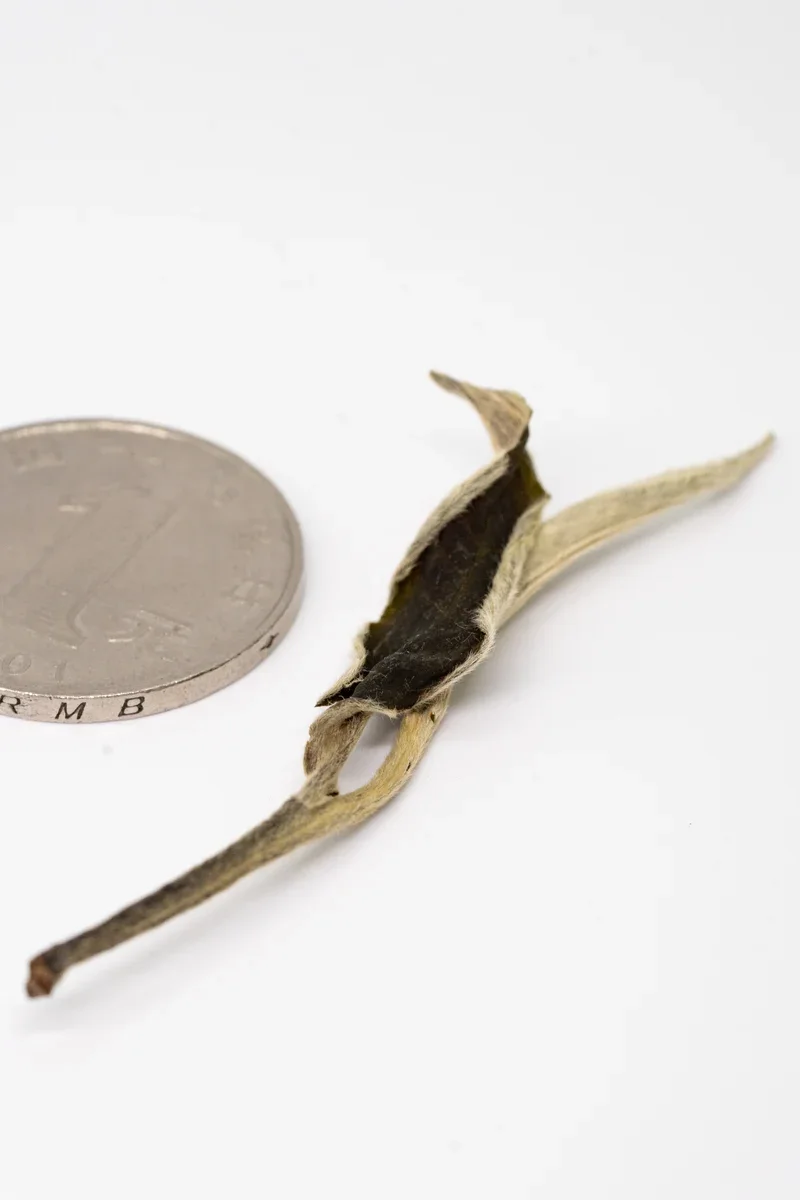
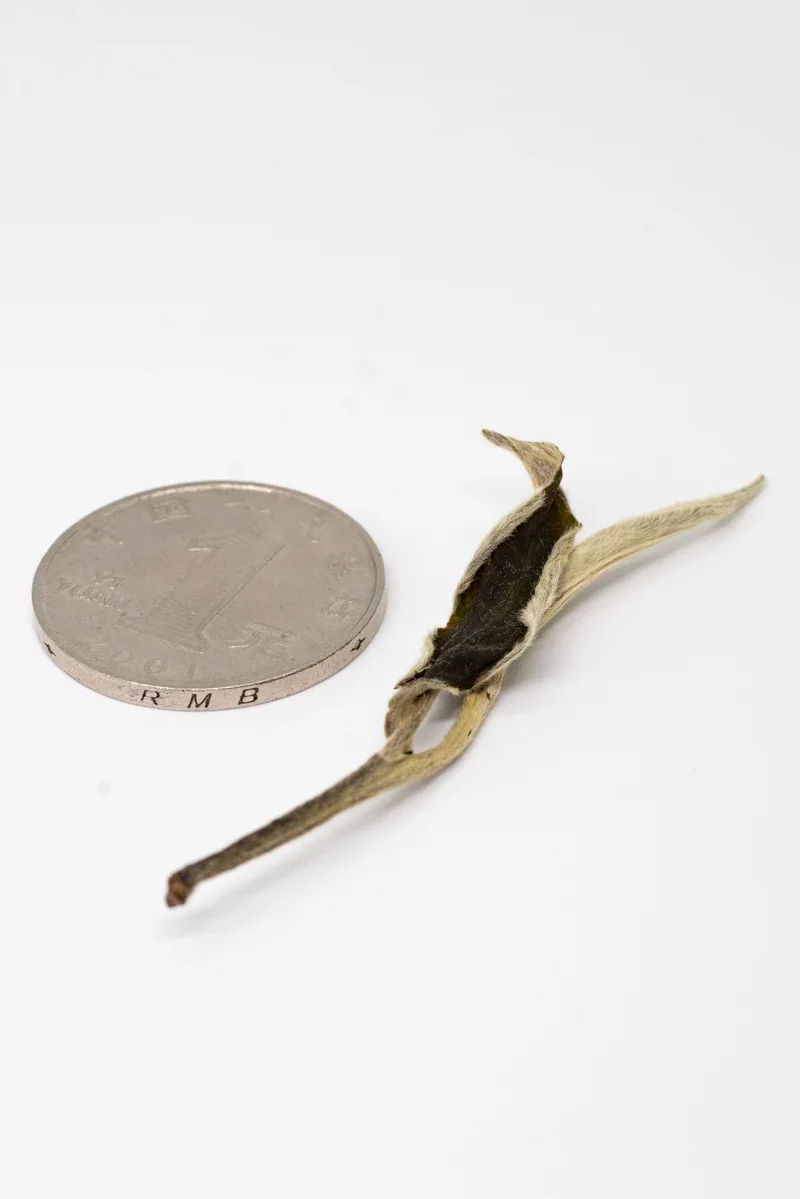
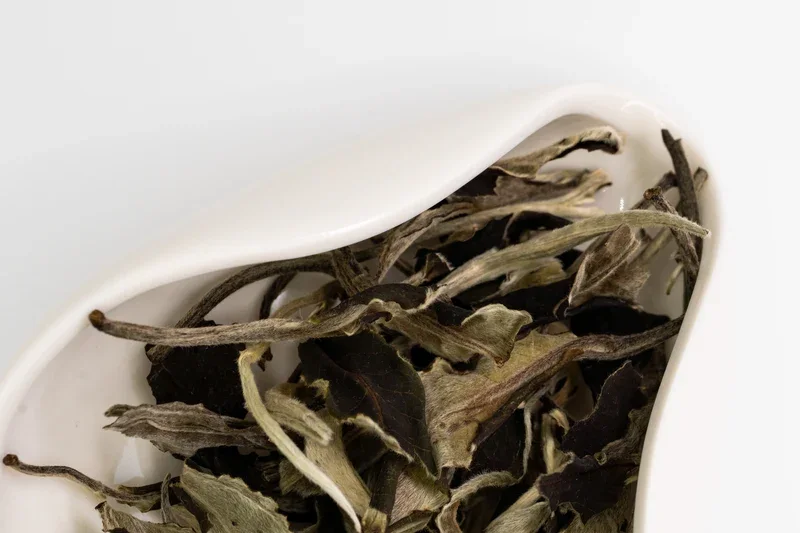
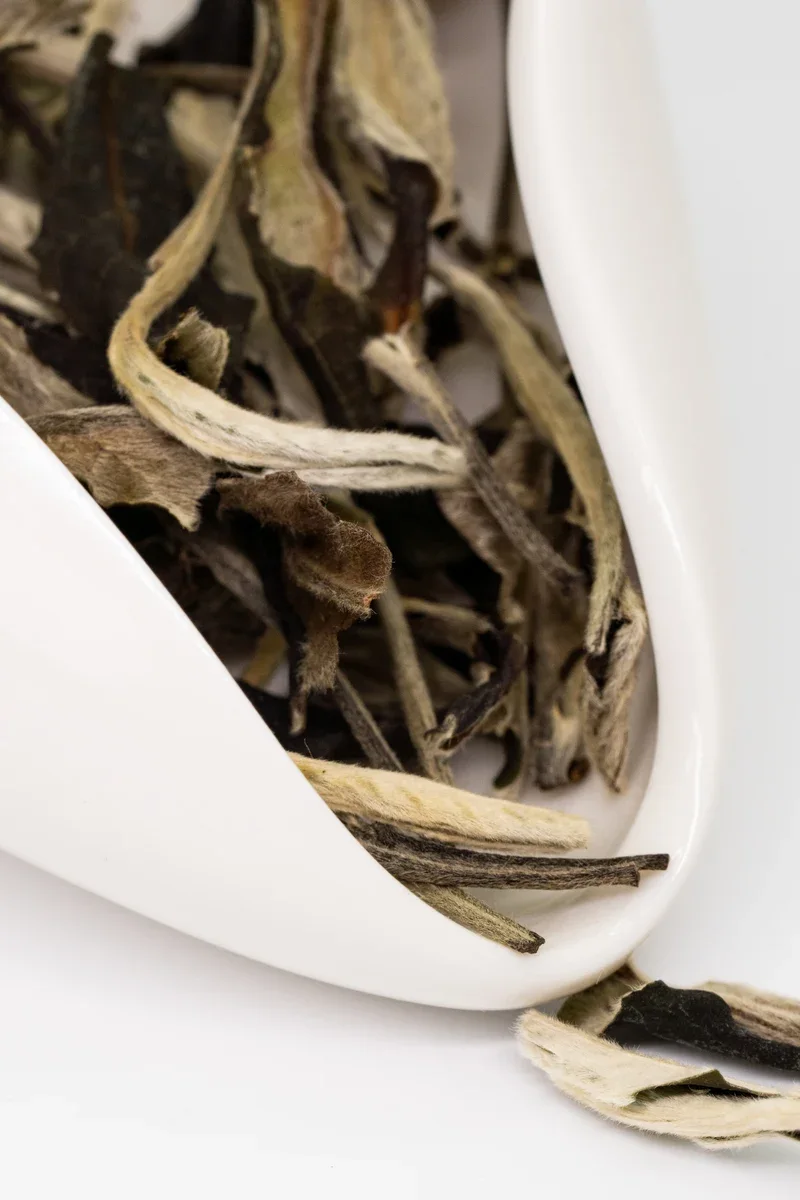
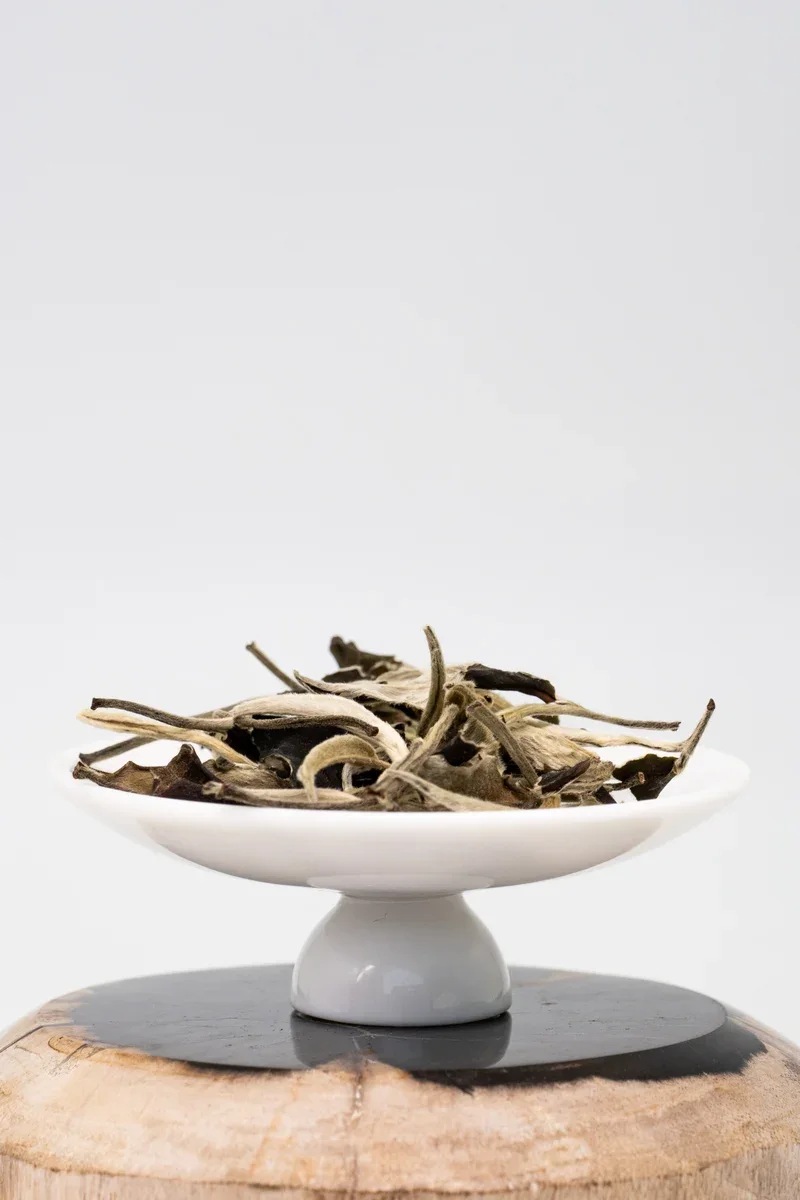
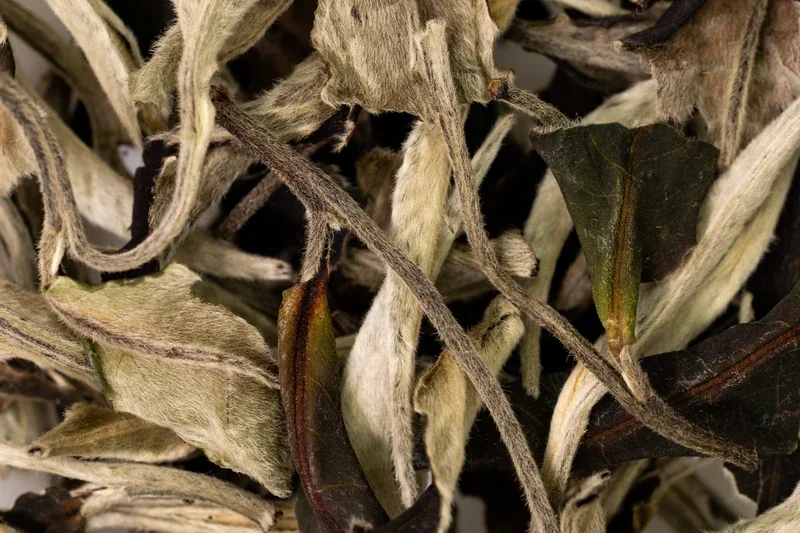
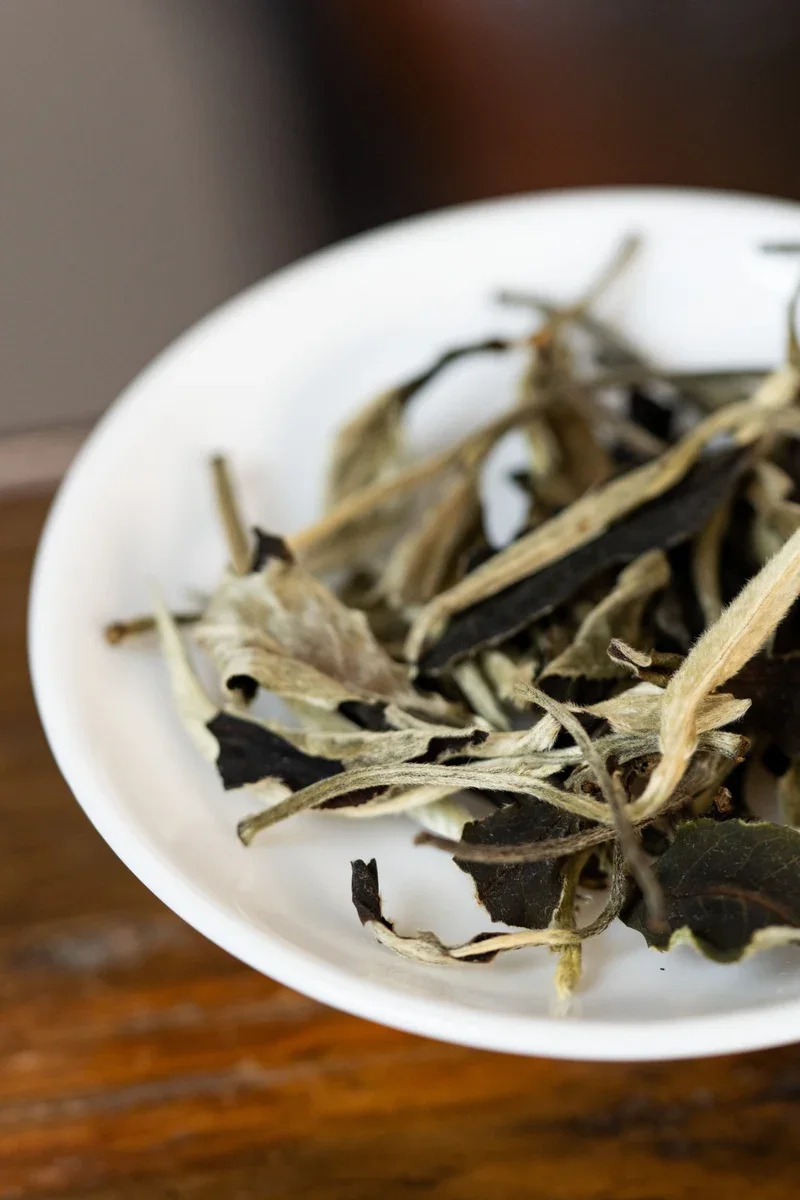
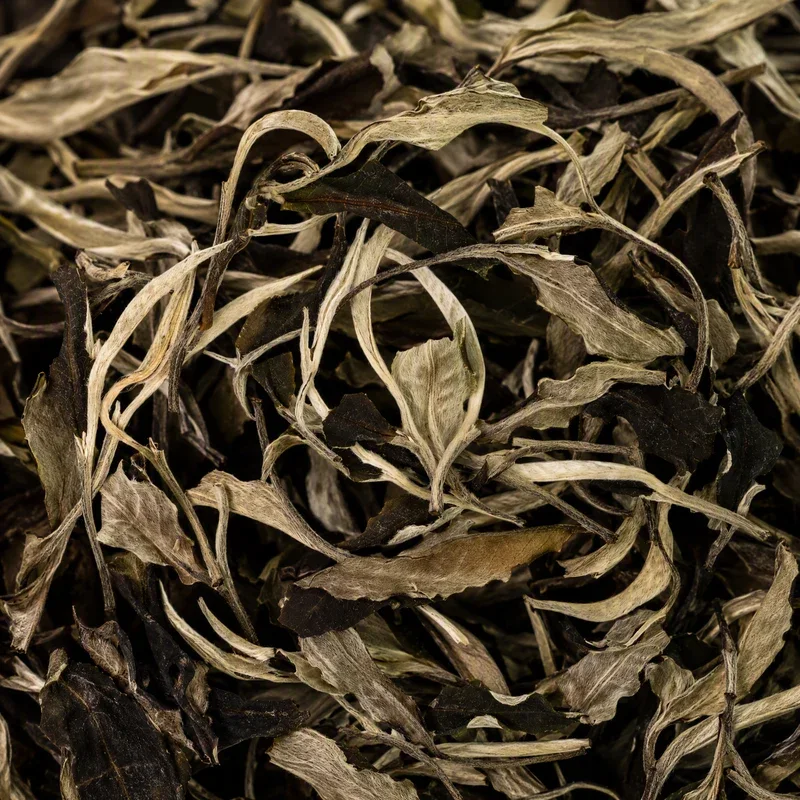
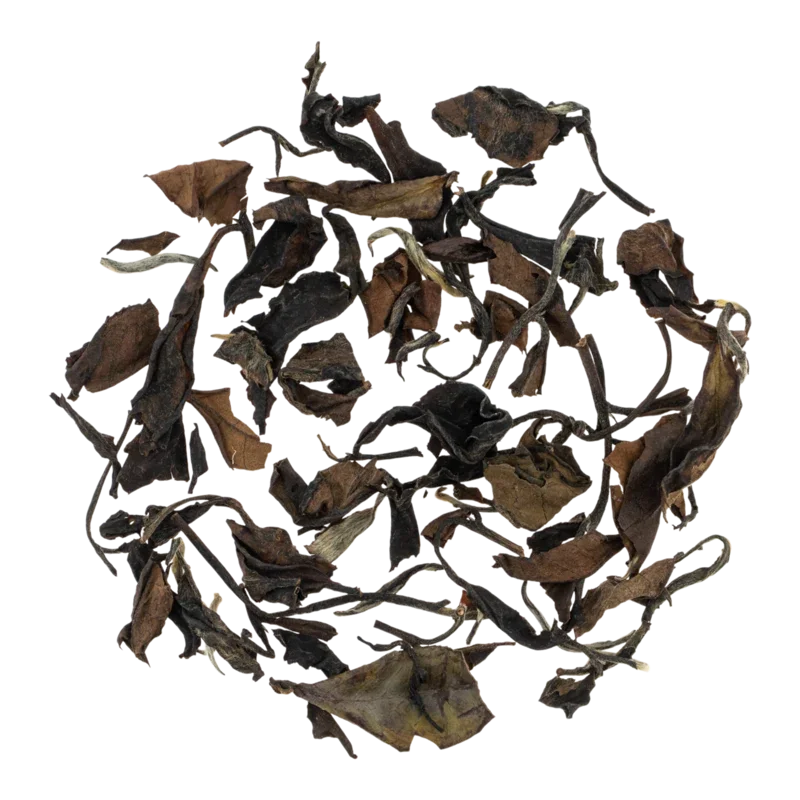
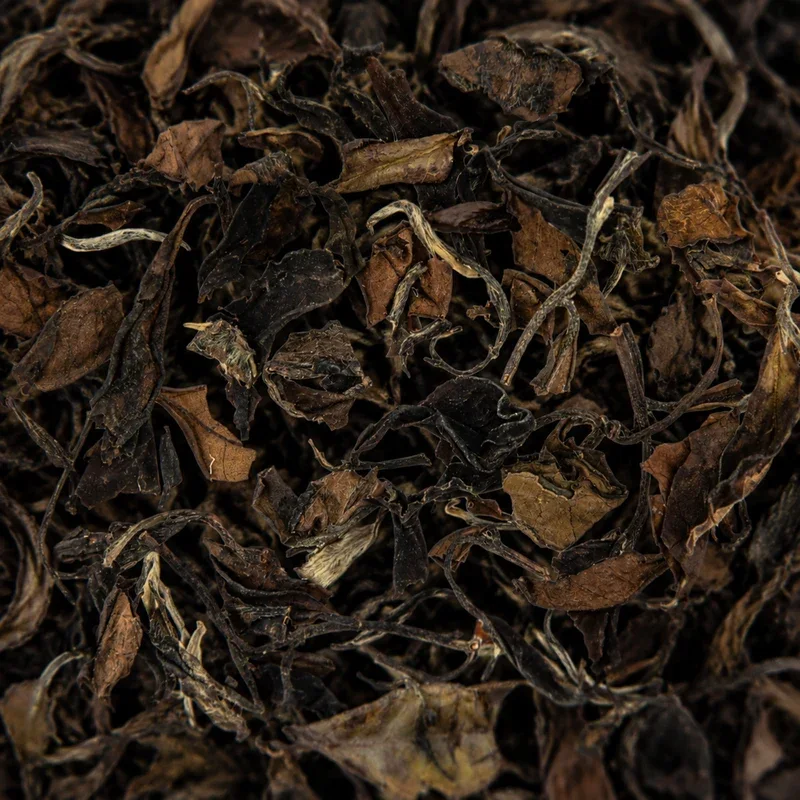
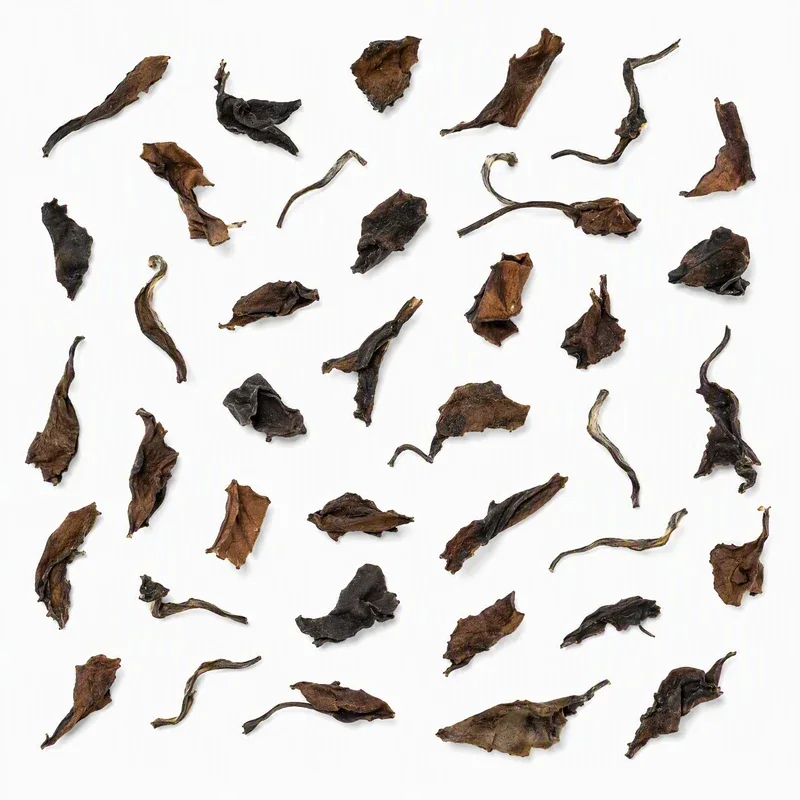
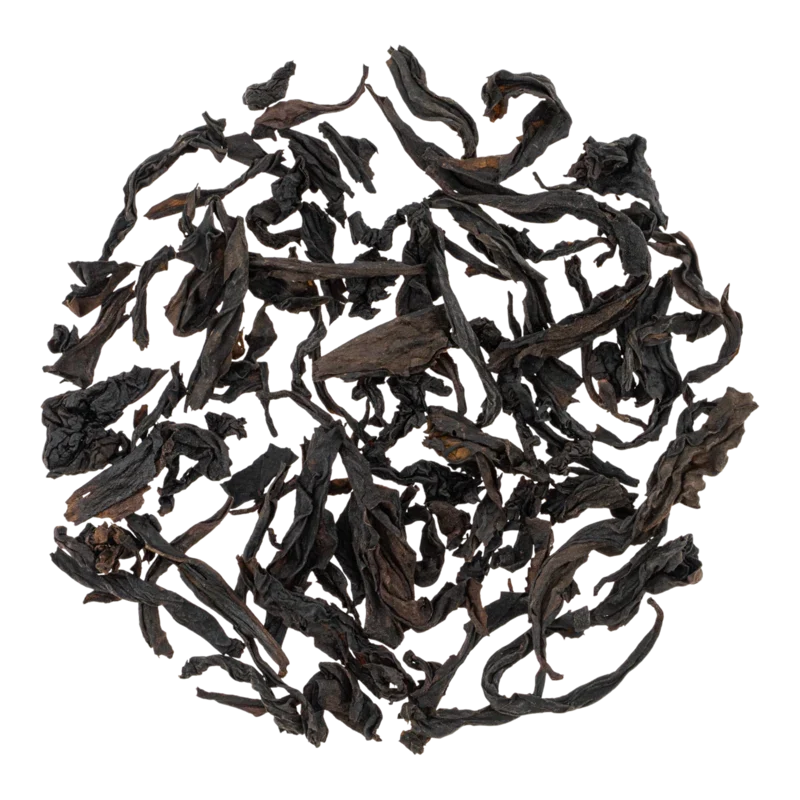
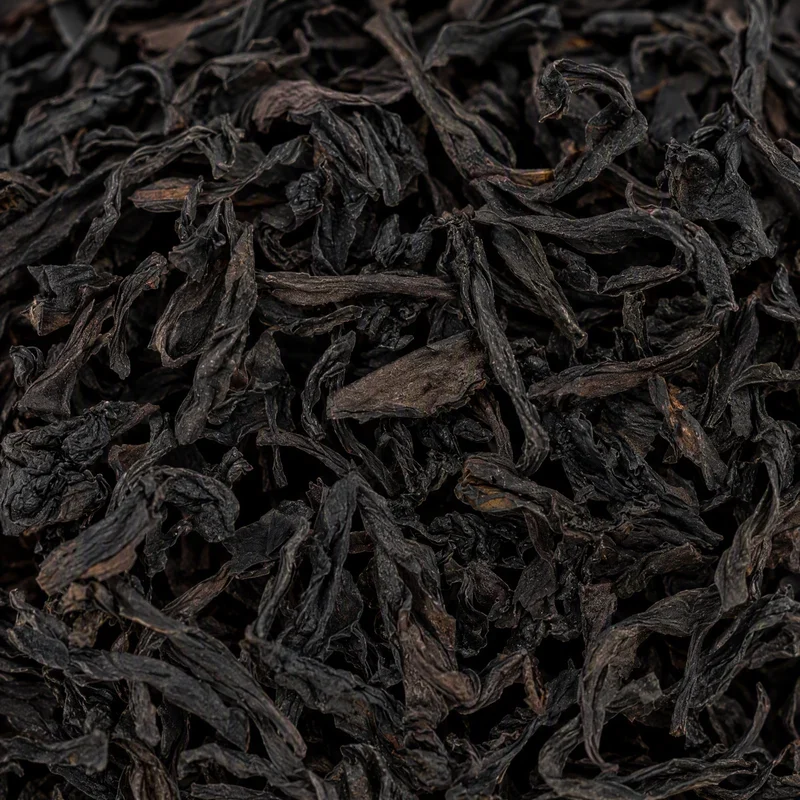
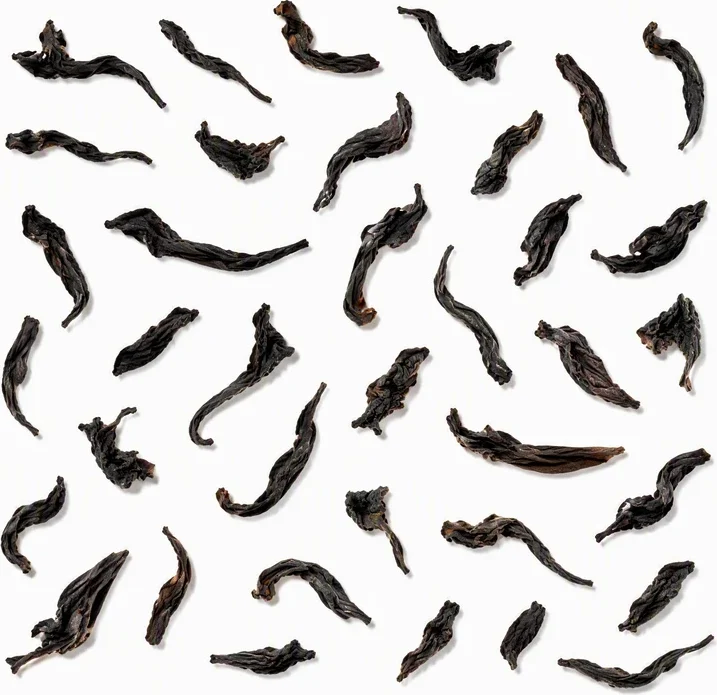
Dry Leaf Appearance: Tightly rolled dense strips (条索紧结卷曲, tiáosuǒ jǐnjié juǎnqū), quite heavy and full-bodied. Color — dark brown with yellowish tint resembling banana coloring (乌褐带黄似香蕉色). Surface oily, with moderate luster. Higher grades show noticeable golden tips (金毫, jīnháo).
Dry Leaf Aroma: Deep, rich "fire" aroma (火香, huǒxiāng) with notes of charcoal and burnt sugar. Aged versions show nuances of "old aroma" (陈香, chénxiāng). In background — subtle orchid notes (兰香, lánxiāng), especially in special versions.
Liquor Aroma: Powerful, warm, multi-layered. Dominant — caramelized, nutty, roasted tones; in development reveals fruity-floral overtones. Aroma is persistent and long-lasting, remains on empty cup walls.
Liquor Color: Orange-yellow (橙黄, chénghuáng) to red-orange (红橙, hóngchéng), clear and bright, with good depth.
Spent Leaves: Brown-reddish, fleshy leaves (棕褐肥壮), elastic, with clearly visible red rim (红边显, hóng biān xiǎn), evidencing heavy oxidation. Central vein distinct.
Taste: Dense and rich (醇厚, chúnhòu), balance between concentration and softness. In mouth — enveloping sweetness reminiscent of cane sugar (蔗糖甜感), transitioning to long returning aftertaste (回甘, huígān). Present is refreshing note (鲜爽, xiānshuǎng), due to high amino acid content. Astringency minimal, bitterness absent. Taste well-balanced: "rich but not heavy" (浓淡适中).
Alkaloids: Caffeine — ~4.0% in fresh leaf (data for Shuixian from Fu'an). Content in finished tea after roasting somewhat decreases. Also present are theobromine and theophylline in trace amounts.
Amino Acids: ≥ 4.0% in fresh leaf (factory specification). L-theanine — dominant fraction (over 50% of total amino acid content). Precisely it provides freshness note (鲜爽) and mild sweetness, and also modulates caffeine action, providing calm alertness.
Up to 50.5% for Shuixian cultivar — exceptionally high indicator explaining density and richness of liquor.
Form complex aromatic profile. Charcoal roasting promotes Maillard reactions and caramelization, generating furan, pyrazine and pyrrole compounds responsible for "fire" note. Preserved terpene alcohols (linalool, nerol, geraniol) provide floral background.
Minerals: Potassium, magnesium, manganese, fluorine, zinc, selenium in trace amounts. Danxia red soil of Wuyishan enriches leaf with additional microelements.
Polyphenols: Content in fresh leaf ≥ 25% (according to factory specifications). In finished tea, part of catechins is converted to theaflavins, thearubigins and more complex polymers during oxidation and heat treatment. According to research, for Fujian Shuixian cultivar (samples from Fu'an, Fujian) polyphenol content in fresh leaf one bud + two leaves is ~17.6%, which is below factory norm and explained by lower altitude of sample collection; mountain raw material from Wuyishan typically demonstrates higher values.
Vitamins: B-group vitamins (B₁, B₂), vitamin C (largely destroyed during roasting), vitamin E, vitamin K.
Combination of caffeine and L-theanine provides alertness without sharp peaks and drops. L-theanine stimulates α-wave brain production, promoting focused calm.
Tea polyphenols (catechins and their oxidation products — theaflavins and thearubigins) effectively neutralize free radicals, helping protect cells from oxidative stress.
Catechins and their transformation products promote acceleration of fat metabolism. According to sources, this effect is more pronounced in heavily oxidized oolongs compared to light oolongs.
Roasted oolongs are traditionally considered "warm" teas, beneficially affecting peristalsis and gently stimulating digestion. Especially recommended after abundant and fatty food.
Caffeine and mineral components promote mild diuretic effect, helping remove excess fluid.
Regular moderate consumption of polyphenolic teas is associated with lowering "bad" cholesterol (LDL) levels and supporting vascular elasticity.
Fluorine contained in tea leaf promotes enamel remineralization; polyphenols suppress growth of cariogenic bacteria.
The ritual of gongfu brewing Liu Xiang, with its numerous infusions and observation of aroma unfolding, is a practice promoting relaxation and emotional relief.
Freshly roasted tea is recommended to be stored in dark place about 15 days before consumption, so excess "fire heat" (火气, huǒqì) dissipates. After opening package, preferably consume within 7 days to not lose aromatics. Not recommended to drink on empty stomach — tannins may irritate gastric mucosa; optimal — one hour after meal.
Tea Amount: 5–8 g per 100 ml (gongfu method), or 3–4 g per 200–250 ml (European method).
Teaware: Porcelain gàiwǎn (盖碗, gàiwǎn) or Yíxīng clay teapot (紫砂壶, zǐshā hú). Clay teapot especially recommended for aged (陈年, chénnián) versions of Liu Xiang — porous clay structure enhances "old aroma" expression and gives liquor additional velvety texture.
Water Temperature: 95–100°C. Hot water is necessary for full revelation of "fire" aroma and dense body of roasted oolong. Rolling boil over 100°C not recommended — this can destroy subtle overtones of charcoal roasting.
Container: Tin can with tight lid, vacuum bag or original factory paper packaging. Clay vessels (陶罐, táoguàn) also suitable.
Enemies: Moisture, high temperature, foreign odors, direct light, oxygen.
Airtight packaging, dry and dark place, away from heat sources and foreign odors. Ideal storage temperature — 15–25°C, humidity — not more than 60%.
Roasted oolongs — one of the most stable tea types. With proper storage Liu Xiang maintains quality 2–3 years, and aged versions (陈年, chénnián) acquire additional "old aroma" nuances over years, provided periodic re-roasting.
Single-component rock oolong from the same cultivar, but without blending and southern Fujian additions. Usually more pronounced "rock melody" (岩韵, yányùn) and minerality. Liu Xiang, thanks to blending, has a softer, more "rounded" profile.
Bright, spicy, with characteristic "cinnamon" notes and more pronounced sharpness. Liu Xiang is calmer, deeper and sweeter.
Traditional heavily roasted Tieguanyin from Anxi — the closest southern Fujian analog in style. However, Tieguanyin is made from the cultivar of the same name and has a more floral-honey profile, while Liu Xiang is built on Shuixian and differs in greater body density.
Southern Fujian oolong from the same cultivar, produced in the form of pressed tiles. Lighter style, floral-creamy character. Liu Xiang is significantly more "fiery" and concentrated.
Guangdong oolong with pronounced floral-fruity mono-aromatics. Dancong is "tea from one tree," while Liu Xiang is "tea of blending"; their philosophies are diametrically opposite, but both are valued in the gongfu tea culture of Chaoshan.
Price Category: Depends on raw material grade, harvest season, blending mastery and production year. Reference prices (according to factory data): Special Grade (特级, highest grade) — from 700 yuan/jin (500 g) and higher; First Grade (一级) — medium price segment; Second Grade (二级) — 160–240 yuan/jin, optimal price-quality ratio. Anniversary and limited versions may cost significantly more.
No reviews yet. Tell us what you think of this tea.
Rate this tea and share your impressions. We review each submission before publishing it.