Brewing
Gongfu brewing
- Water temperature
- 75 °C
- Tea amount
- 5 g
- Water volume
- 100 ml
- First steep
- 10 s
- Time added per infusion
- 5 s
- Infusions
- 3

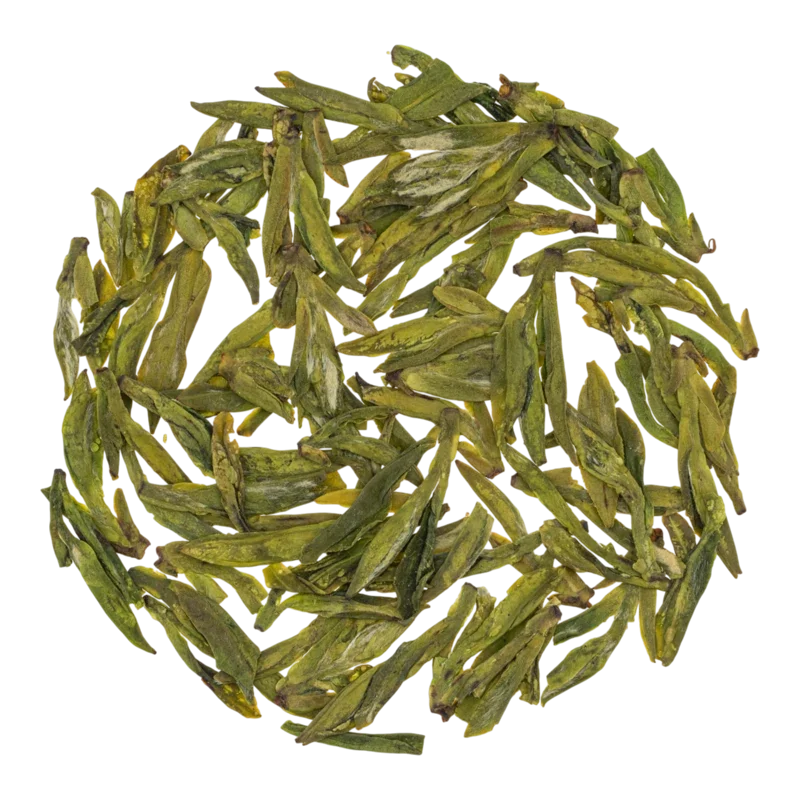
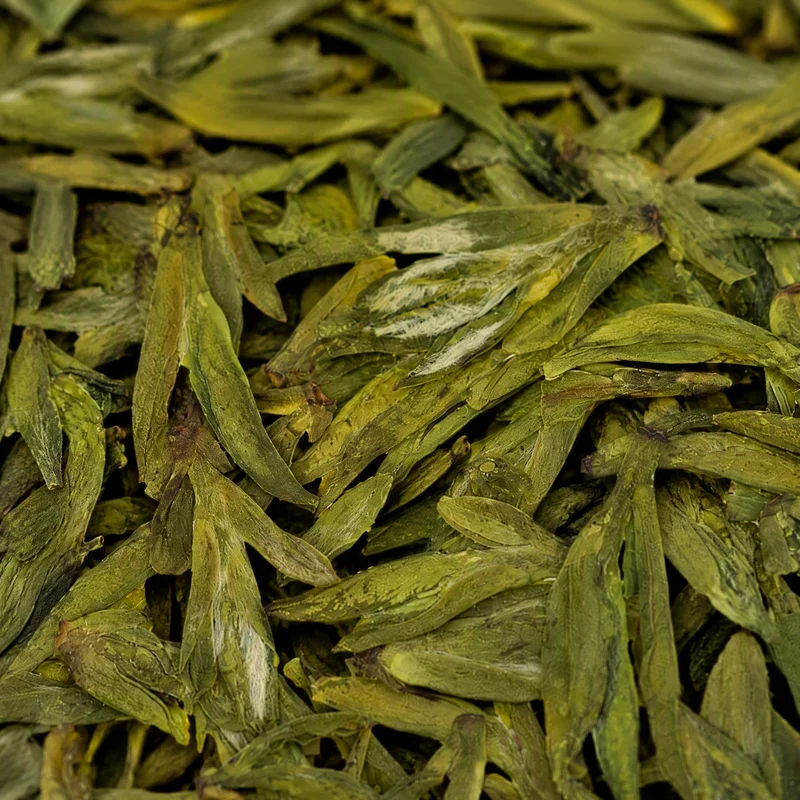
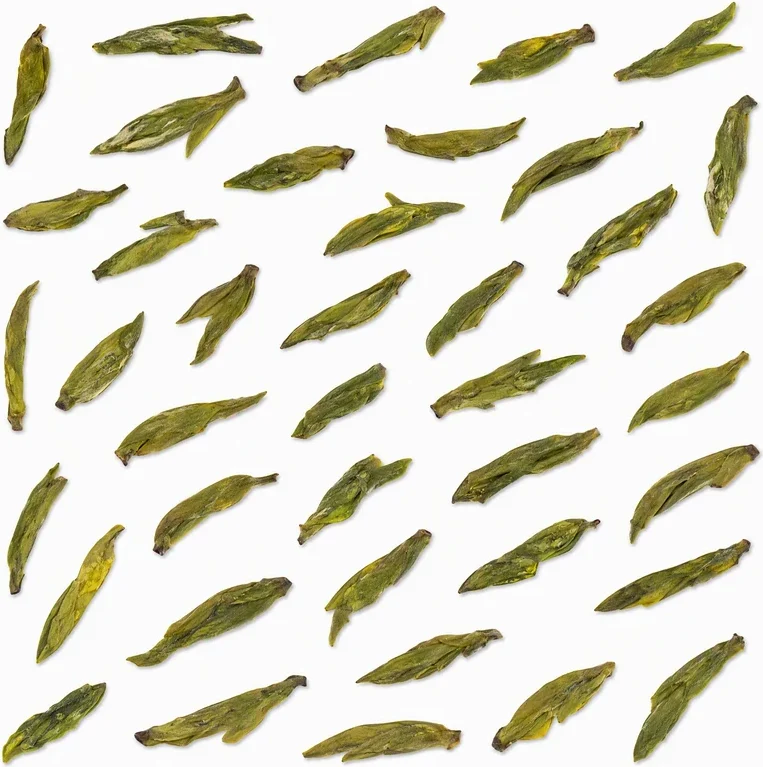

Yíbīn zǎochá
Choose a brewing method. Start with the recommended quantities and time, then adjust to taste.
Brewing
Brewing
Taste
Tea encyclopedia
Category: China's Geographical Indication Product (全国农产品地理标志产品, 2010). "Hometown of China's Early Tea" (中国早茶之乡). Brand value — 48.25 billion yuan (2024), ranks in top-20 regional tea brands in China. Under the umbrella brand "Yibin Zaocha," several named teas are produced: "Xufu Longya" (叙府龙芽, Xùfǔ Lóngyá, "Dragon Bud from Xufu"), "Linhu Queshe" (林湖雀舌, Línhú Quèshé, "Sparrow's Tongue from Linhu"). Gold medal at Lisbon World Food Expo (里斯本世界食品博览会金奖, 1985 — for "Chuanhong Gongfu," red tea from...
Category: China's Geographical Indication Product (全国农产品地理标志产品, 2010). "Hometown of China's Early Tea" (中国早茶之乡). Brand value — 48.25 billion yuan (2024), ranks in top-20 regional tea brands in China. Under the umbrella brand "Yibin Zaocha," several named teas are produced: "Xufu Longya" (叙府龙芽, Xùfǔ Lóngyá, "Dragon Bud from Xufu"), "Linhu Queshe" (林湖雀舌, Línhú Quèshé, "Sparrow's Tongue from Linhu"). Gold medal at Lisbon World Food Expo (里斯本世界食品博览会金奖, 1985 — for "Chuanhong Gongfu," red tea from the same region).
Coordinates: Approximately 28°45′ N, 104°37′ E (city center). Production zone: 103°36′–105°20′ E, 27°50′–29°16′ N.
Origin: China, Sìchuān Province (四川省, Sìchuān Shěng), Yíbīn City (宜宾市, Yíbīn Shì). Yibin is located at the confluence of the Jinsha River, Min River and Yangtze River — the so-called "Three Rivers Confluence" (三江交汇, sānjiāng jiāohuì). Tea gardens are distributed across 10 districts and counties, 93 townships. Core production area — Cuìpíng District (翠屏区), Gāo County (高县) and Jūnlián County (筠连县).
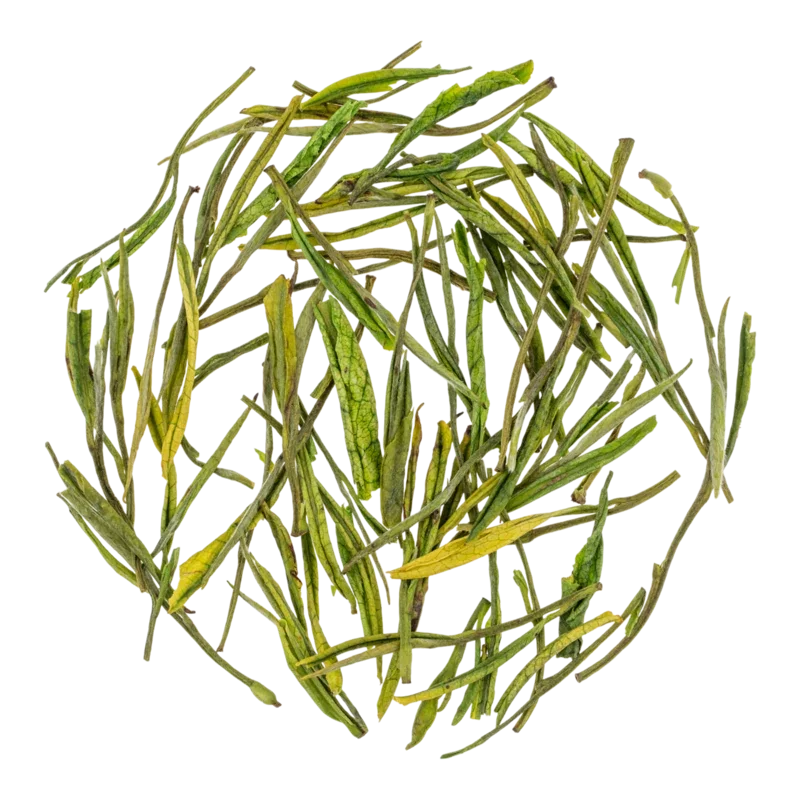
Type: Green tea (绿茶, lǜchá), unoxidized. Produced primarily in two forms: flat (扁形, biǎn xíng) — premium grade, resembling bamboo leaves, and straight strip (紧直形, jǐnzhí xíng) — first and second grade. Technology — pan-firing with final charcoal drying.
Cultural Significance: Yibin is a city where they "drink tea with both hands": left — green "Zaocha," right — the famous baijiu "Wuliangye" (五粮液, Wǔliángyè, "Five Grains"), one of the most expensive and prestigious liquors in China. Tea and liquor are the two pillars of Yibin's economy and identity, two shores of one culture. The "Three Rivers Confluence" (三江交汇) — where the Jinsha River and Min River merge into the Yangtze right within the city — is a symbol of both geographical uniqueness and the "confluence" of tea and alcohol traditions.
History: Yibin is one of the world's oldest documented tea regions, with a continuous tea tradition spanning more than three millennia.
Cultivar: Main cultivars selected for ultra-early vegetation:
Picking: Late January — early February — absolute record for early maturity among Chinese green teas. For comparison: Longjing from Zhejiang begins harvest in mid-to-late March, Biluochun — in early March. When snow still lies in Jiangnan, Yibin is already harvesting the first buds. The reason — frost-free period of more than 300 days and influence of warm Indian Ocean air masses penetrating through the mountain "gates" of the Sichuan basin. Spring harvest continues until mid-April. Summer and autumn harvests are less valuable, used for mass-market grades.
Climate: Subtropical humid monsoon (亚热带湿润季风气候). Average annual temperature — 17.5–18°C — significantly higher than in Jiangnan (15–16°C) at the same latitude. Frost-free period — more than 300 days — Yibin's key advantage. Winters are mild thanks to the influence of Indian Ocean air masses penetrating through the Yunnan-Guizhou Plateau: tea trees "sleep" very briefly, awakening as early as mid-January. High fog frequency — evaporation from three rivers creates an almost constant veil. Daily temperature variation — more than 10°C — promotes accumulation of aromatic compounds and amino acids.
Soil: Weakly acidic red soils (弱酸性红壤, ruò suānxìng hóng rǎng), pH 4.5–6.5. Rich in organic matter (consequence of subtropical vegetation). Forest cover — 46%.
400–1000 m. Core production — zones below 600 m (65.3% of area), where early maturity is maximized: precisely at low elevations warm air masses show the greatest effect. Mountain zones 600–1000 m produce tea later, but with higher amino acid content.
Confluence of three great rivers — Jinsha River, Min River and Yangtze — "三江交汇" (sānjiāng jiāohuì) — creates a unique aquatic microclimate: constant evaporation from huge water surface, frequent fogs, high air humidity, clean water for irrigation. River fogs act as natural "diffusers" of sunlight, stimulating L-theanine synthesis in shoots.
Dry Leaf Appearance: Two main forms. Flat (特级): straight, slender, flat tea leaves of emerald-green color, resembling miniature bamboo leaves (形似竹叶, xíng sì zhúyè) — aesthetic standard of Yibin tea. Straight (一级): tight strips with abundant white down, even and uniform.
Dry Leaf Aroma: Chestnut (栗香, lìxiāng) — main note, high and persistent, with clean "roasted" sweetness. Premium grade has additional "tender" young note (嫩香, nèn xiāng), indicating ultra-early buds.
Liquor Aroma: Chestnut foundation with spring freshness. First infusion — bright "green" freshness; second — chestnut warmth comes to the foreground; third — light floral sweetness. Aroma is persistent, remains in empty cup.
Liquor Color: Tender green, bright and clear (嫩绿明亮, nèn lǜ míngliàng). Clean, without turbidity. Warm yellow-green tint appears by 3rd–4th infusion.
Spent Leaves: Tender green, shoots open in "bouquets" (芽叶成朵, yáyè chéng duǒ) — sign of high-quality raw material and gentle processing.
Taste: Fresh (鲜爽, xiān shuǎng) — amino acids ≥4.3% — one of the highest indicators among Chinese green teas (for comparison: Longjing — about 4.0–4.5%, Anji Bai Cha — 5–7%). Mellow (醇厚, chúnhòu) — polyphenols 30.35% provide "body" and structure. Returning sweetness (回甘, huígān) — persistent, with chestnut aftertaste. Traditional formula: "早、嫩、鲜、醇" (zǎo, nèn, xiān, chún) — "early, tender, fresh, mellow."
Amino Acids: ≥4.3% — exceptionally high indicator, one of the best among Chinese green teas. L-theanine comprises the main portion (up to 50–60% of total free amino acid content). High content is due to ultra-early harvest (late January — February) — during this period the ratio of amino acids to polyphenols is maximal. Provides pronounced freshness, "juiciness" of taste and "umami" undertone.
≥35% — average indicator, compensated by high amino acid content providing taste richness.
Moderate content — about 2.5–3.5% of dry mass. In combination with L-theanine creates balance of alertness and calm.
Essential Oils: Chestnut aroma is formed by complex of pyrazines and furans, formed during charcoal drying. Ultra-early buds contain increased amounts of aromatic compound precursors — linalool and geraniol.
Minerals: Potassium (K), magnesium (Mg) — from red soils of Yangtze basin. Potassium promotes maintenance of water-salt balance, magnesium — nervous function.
Polyphenols: 30.35% — high indicator, atypical for tea with such high amino acids. Usually high amino acids correlate with reduced polyphenols (as with Anji Bai Cha), but Yibin cultivars and terroir allow "retaining" both indicators. Main catechins — EGCG, EGC, ECG.
Vitamins: C (ascorbic acid, preserved thanks to gentle kill-green regime at 130°C), B-group vitamins (B1, B2).
Polyphenols 30.35% provide powerful antioxidant protection. EGCG — main "working" catechin — neutralizes free radicals and reduces oxidative stress.
Amino acids ≥4.3% combined with moderate caffeine — ideal combination for "calm concentration." L-theanine modulates caffeine action, preventing nervousness and anxiety.
Traditional term in Traditional Chinese Medicine. High amino acid content stimulates salivation and moistening of mucous membranes — sensation of "refreshment" and "juiciness" in mouth. Especially valuable in dry winter climate.
Green tea catechins promote reduction of LDL cholesterol, improvement of vascular elasticity and normalization of blood pressure.
Polyphenols stimulate production of digestive enzymes. Moderate astringency of green tea has mild astringent action, beneficial for GI disorders.
L-theanine improves working memory, concentration ability and sleep quality (by enhancing alpha-wave brain activity).
Potassium and magnesium from red soils support electrolyte balance and neuromuscular function.
Soft filtered or mountain spring water. Soft water minerals enhance chestnut aroma. Avoid hard and alkaline water.
Tea Amount: 3 g per 150 ml water (1:50 ratio).
Teaware: Glass tumbler — ideal for observing "bamboo leaves" opening in water (one of the main aesthetic pleasures of this tea). White porcelain gàiwǎn (盖碗) — for aroma evaluation. For multiple infusions — small teapot of thin porcelain.
Water Temperature: 80–85°C for first and second grade. For premium grade (特级, single buds) — 75°C — minimal temperature to avoid "scalding" the most tender January raw material.
Container: Airtight, light-proof packaging. Foil pouch with zip closure or tin can with tight lid. Remove maximum air.
Enemies: Moisture, light, foreign odors, heat. Especially important to protect from moisture — tender buds are hygroscopic.
1–2 weeks for dissipation of "fire energy" (火气) from charcoal drying. This period is slightly longer than for most green teas — due to intensive final drying.
1–2 months in refrigerator. Without refrigerator — no more than 3 weeks.
Temperature: Refrigerator, 0–5°C. Yibin Zaocha — ultra-early tea from most tender buds; at room temperature it loses freshness faster than most green teas.
Famous Sìchuān green tea from Méngdǐng Mountains (蒙顶山) in Ya'an. One of China's most ancient teas with history of more than 2000 years. Shape — spiral, with down. Profile — more "floral" and delicate, with pronounced sweetness. Yibin Zaocha — denser, with chestnut base instead of floral; Mengding Gan Lu — finer, more elegant. Main difference — harvest time: Mengding begins harvest in March, Yibin — in January–February.
Another renowned Sichuan green tea, from Mount Éméi (峨眉山). Flat shape, "bamboo leaves" — visually similar to flat grade Yibin Zaocha. Profile — more "jade-like," with pronounced "umami" and minimal astringency. Zhuyeqing is more expensive and positioned as "premium." Yibin Zaocha — more accessible, with more pronounced chestnut tone.
Standard of Chinese flat green teas, from Zhejiang. Harvest — mid-to-late March. Profile — "bean-chestnut," with pronounced sweetness and long aftertaste. Yibin Zaocha yields to Longjing in fame and price, but exceeds in amino acid content (≥4.3% vs. ~4.0–4.5% for Longjing). Main advantage — timing: Yibin on market 40–60 days earlier.
Green tea with anomalously high amino acids (up to 6–7%), from Zhejiang. Profile — ultra-fresh, "jade-like." Yibin Zaocha — denser, with more pronounced "body" (polyphenols 30.35% vs. ~14–16% for Anji), chestnut tone and greater persistence. Anji — finer and more delicate; Yibin — more structured.
Price Category: Middle and upper segment of Sichuan green teas.
No reviews yet. Tell us what you think of this tea.
Rate this tea and share your impressions. We review each submission before publishing it.