Brewing
Gongfu brewing
- Water temperature
- 75 °C
- Tea amount
- 5 g
- Water volume
- 100 ml
- First steep
- 10 s
- Time added per infusion
- 5 s
- Infusions
- 3


xiāngcǎo lán lǜchá
Choose a brewing method. Start with the recommended quantities and time, then adjust to taste.
Brewing
Brewing
Taste
Tea encyclopedia
Category: Scientifically developed new-type tea (1993). Intangible cultural heritage of Wànníng City (万宁市级非遗, 2024). Winner of world tea competitions (gold at World Red Tea Competition, 2022 — for red version "Yulin Chunya" 雨林春芽).
Category: Scientifically developed new-type tea (1993). Intangible cultural heritage of Wànníng City (万宁市级非遗, 2024). Winner of world tea competitions (gold at World Red Tea Competition, 2022 — for red version "Yulin Chunya" 雨林春芽).
Coordinates: 18°44′ N, 110°11′ E (Xinglong, Wanning).
Origin: China; Hǎinán Province (海南, Hǎinán); Wànníng City (万宁市, Wànníng Shì). Production core — Xīnglóng Tropical Botanical Garden (兴隆热带植物园, Xīnglóng Rèdài Zhíwùyuán), located at the Institute of Tropical Spices and Beverages (18°44′ N, 110°11′ E). Xinglong is a historic settlement of repatriated Chinese emigrants from Southeast Asia, who brought tropical crops including vanilla.
Type: Scented green tea (添香型绿茶, tiān xiāng xíng lǜchá). Base tea — green tea from Hainan large-leaf variety. Scenting agent — natural fermented vanilla orchid pods (Vanilla planifolia). Scenting method — "flowerless yin-zhi" (免花窨制, miǎn huā yìnzhì) — low-temperature adsorption at 25–45 °C, unlike classical jasmine "yin-zhi" with petals.
No other tea culture — neither in China, Japan, India, nor Sri Lanka — has an analogue to Xiangcao Lan Lü Cha. This is a direct consequence of Hainan's unique geographical position: China's only tropical island where vanilla grows in open ground.
Traditional Chinese "yin-zhi" (窨制) is scenting with flowers: jasmine, rose, osmanthus. Xiangcao Lan is the first and only case of "fruit" yin-zhi: scenting with fermented pods, not petals. This required complete technology revision: instead of 6–8 hour floral "aroma release" — 5–30 days of slow low-temperature adsorption.
Vanilla pod is one of the world's most "labor-intensive" aromatic products. Each flower is hand-pollinated (in the morning, within 4–6 hours after opening); pod ripens for 9 months; fermentation lasts 120 days. For one batch of Xiangcao Lan, pods are used whose "biography" began more than a year ago.
Xinglong was founded in the 1950s to resettle Chinese emigrants returning from Southeast Asia (Malaysia, Indonesia, Vietnam). They brought tropical agriculture culture: coffee, cocoa, pepper, vanilla. This "melting pot" of cultures gave birth to the idea of combining vanilla and tea.
Vanilla-chocolate aroma opens even brighter with cold brewing than hot — while caffeine extracts minimally (about 30% of hot brewing). This makes cold Xiangcao Lan an ideal summer drink for tropical Hainan — and, broadly, for the entire Southeast Asian region, where cold tea culture is developed significantly stronger than in mainland China.
One promising method of growing vanilla in Hǎinán is intercropping (间作, jiānzuò) with areca palm (槟榔, bīnglang): vanilla is a vine needing support and shade; areca palm is a tall tree providing both. Thus, two "signature" Hainan products — areca nut and vanilla — grow on one plantation, saving land and resources.
Cultural Significance: Xiangcao Lan Lü Cha is a product of the unique intersection of tropical agriculture and tea industry, possible only in Hainan — China's only tropical island. Xinglong, founded by Chinese repatriated from Southeast Asia in the 1950s, became a "melting pot" of tropical crops: coffee, cocoa, pepper, vanilla — and precisely this cultural environment gave birth to the idea of combining vanilla and tea. Xinglong Botanical Garden is one of China's most visited tropical gardens (42 hectares, more than 3,000 plant species). The Institute of Tropical Spices is China's only scientific institution specializing in tropical aromatic and beverage crops; vanilla research has been conducted here since 1983. Hainan is included in the "China Free Trade Zone" program (中国自由贸易港), opening prospects for Xiangcao Lan export to the international market.
Name Breakdown: 香草兰 (Xiāngcǎo Lán) — "vanilla orchid" — Chinese name for Vanilla planifolia, a tropical vine of the orchid family whose fermented pods are the source of natural vanillin; 绿茶 (Lǜchá) — "green tea". Full meaning: "Green tea with vanilla orchid".
Camellia sinensis var. assamica, indigenous Hainan variety — one of China's southernmost tea cultivars (18° N). Leaves are large and fleshy, polyphenols ≥28%, providing a "strong" base capable of "carrying" powerful vanilla aroma without losing tea character. Grown at altitudes up to 400 m in tropical forest conditions. Additionally, for separate batches, Qílán cultivar (奇兰) is used, contributing floral-fruity notes.
There exists a version "Xianglan Nuomixiang" (香兰糯米香) with addition of wild "glutinous rice leaf" (糯米香叶, nuòmǐ xiāng yè) from Xishuangbanna — creates double aroma "vanilla + glutinous rice".
Year-round (tropical climate allows up to 10 harvests per year — significantly more than in subtropical zones). Highest grade — single buds or bud + one leaf, hand-picked. Mass grade — bud + two-three leaves, machine picking allowed. Hainan tropical tea differs from mainland analogues in higher polyphenol content and lower amino acids, making it an ideal "strong" base for scenting.
Climate: Tropical monsoon. Average annual temperature >25 °C; precipitation 2200 mm/year; cloudy-foggy days >200 per year; forest coverage 86%. For vanilla, temperature ≥25 °C and shading ≥50% are critical.
Soil: Slightly acidic red soils (pH 5.0–6.5), enriched with selenium. Organic matter ≥15 g/kg.
Vanilla is one of the world's most labor-intensive agricultural crops: each flower is hand-pollinated within 4–6 hours after opening (in nature vanilla is pollinated by a single species of melipon bees, endemic to Mexico — they don't exist in Hainan); pods ripen for 9 months; fermentation lasts 120 days. This makes natural vanilla one of the most expensive spices (250–560 USD/kg dry pods). The Chinese institute in Hainan developed "single-chamber hot air fermentation technology" (单元式热空气发酵生香法), allowing achievement of ISO-quality vanilla pods, and first in the country created national standards for vanilla seedlings and products (《香荚兰种苗》, 《香荚兰》). Productivity of Hainan vanilla plantations exceeds the world average level thanks to unique artificial shading canopy technology.
Standard Hainan technology: picking → withering → fixation (kill-green, pan-firing) → rolling → drying. Base tea must be "strong" (polyphenols ≥28%) — to withstand scenting without losing its own character.
Green pods are harvested, treated with hot water (杀青, "blanching"), then fermented at 40–50 °C for ~120 days. β-glucosidase breaks down glucovanillin → vanillin + glucose. Fermented pods are cut into fragments.
Jasmine tea is scented with fresh flowers that "give off" aroma during wilting; vanilla — with fermented pods (fruits) whose aroma is formed by 120-day fermentation process. This is not "floral" but "fruit" scenting — a fundamentally different mechanism.
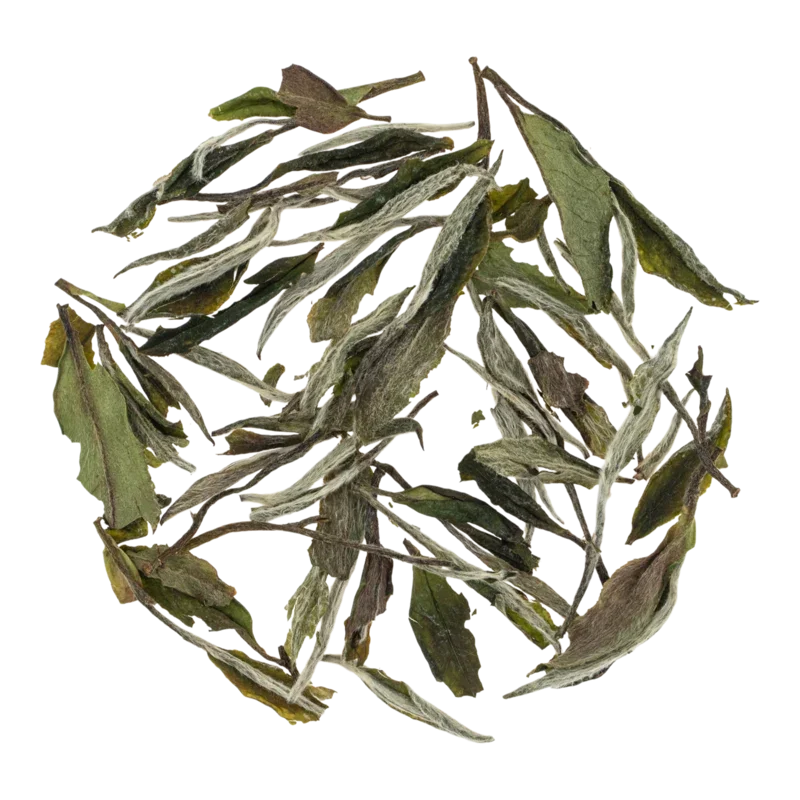
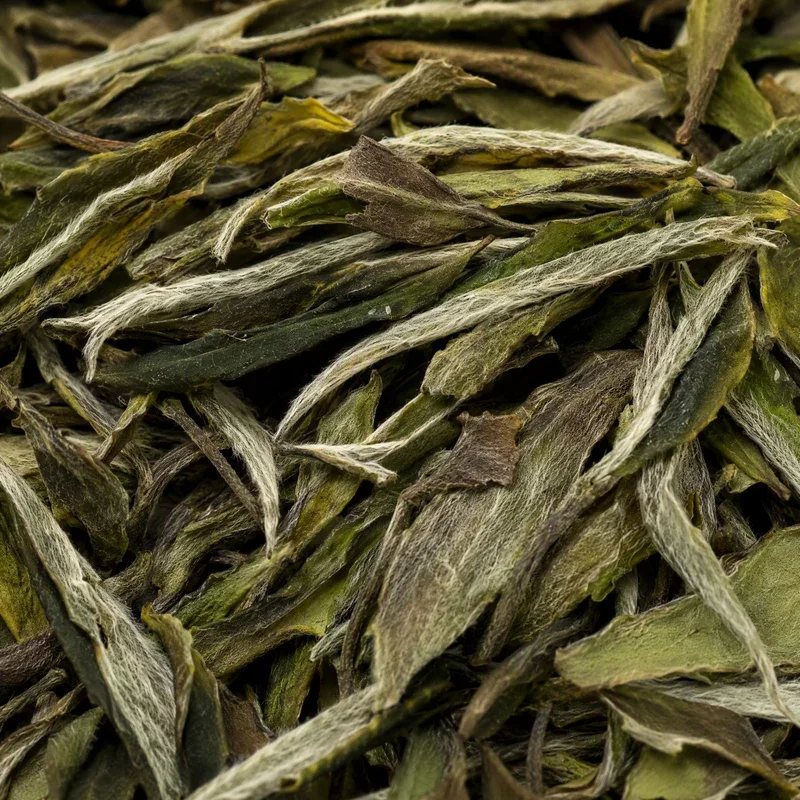
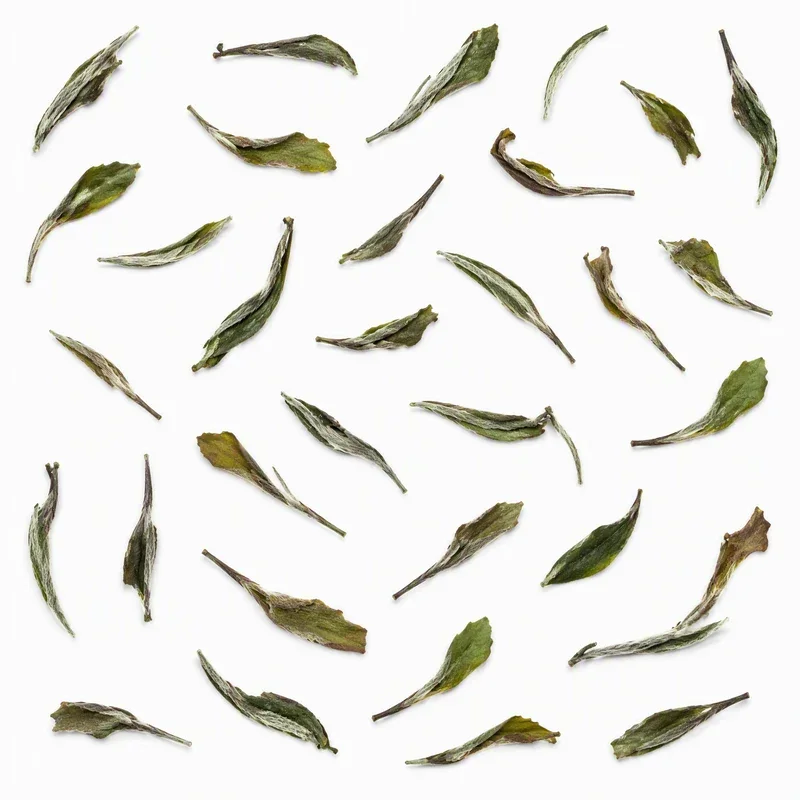
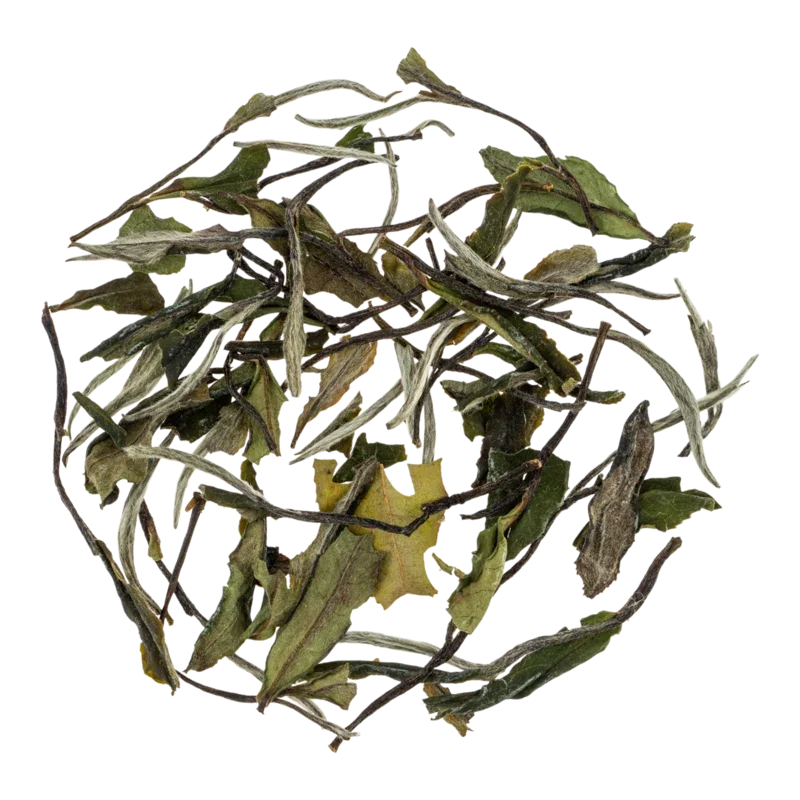
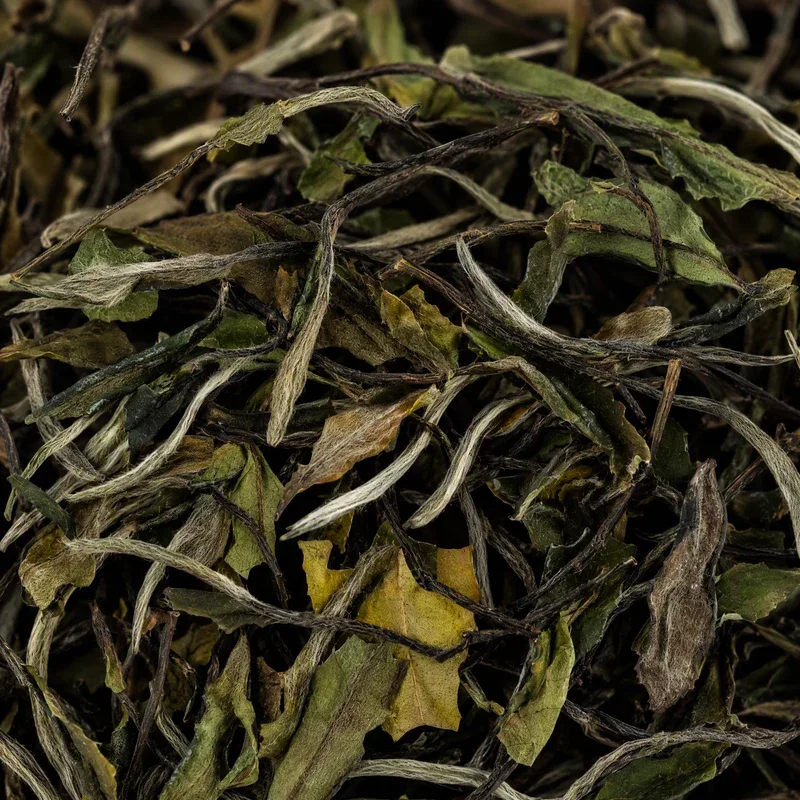
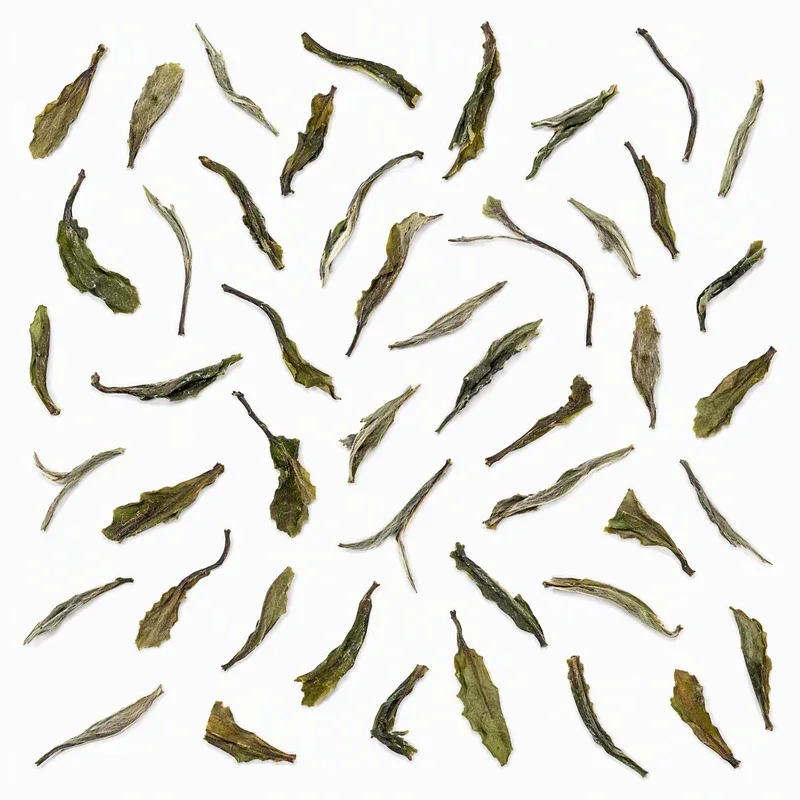
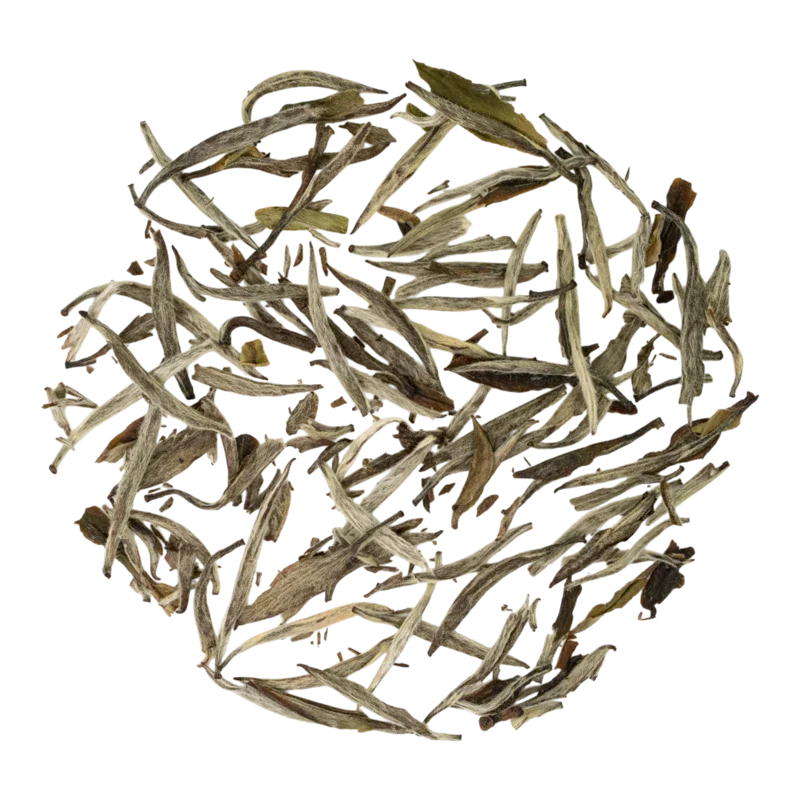
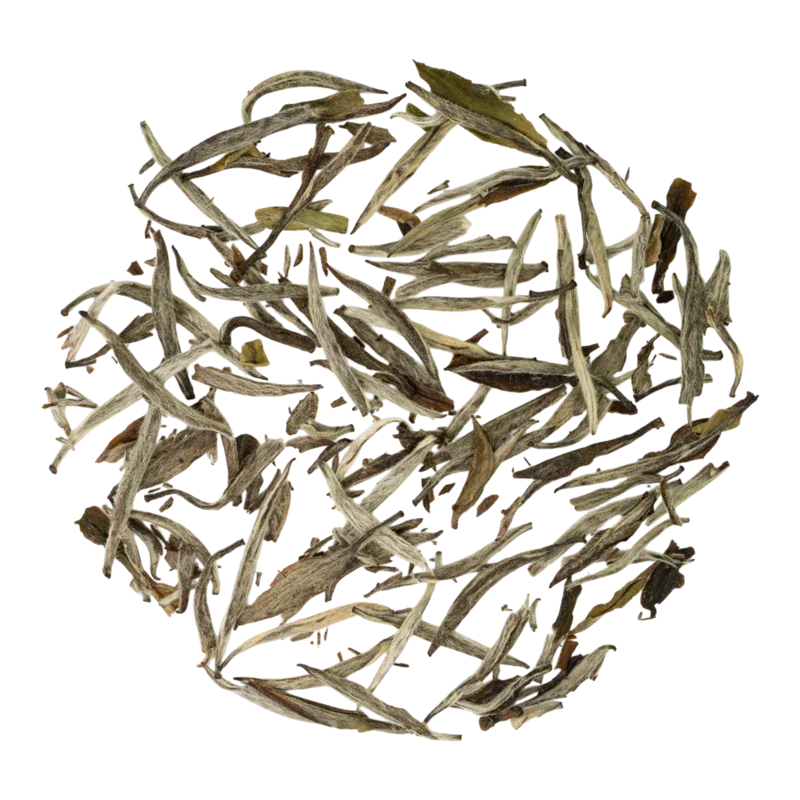
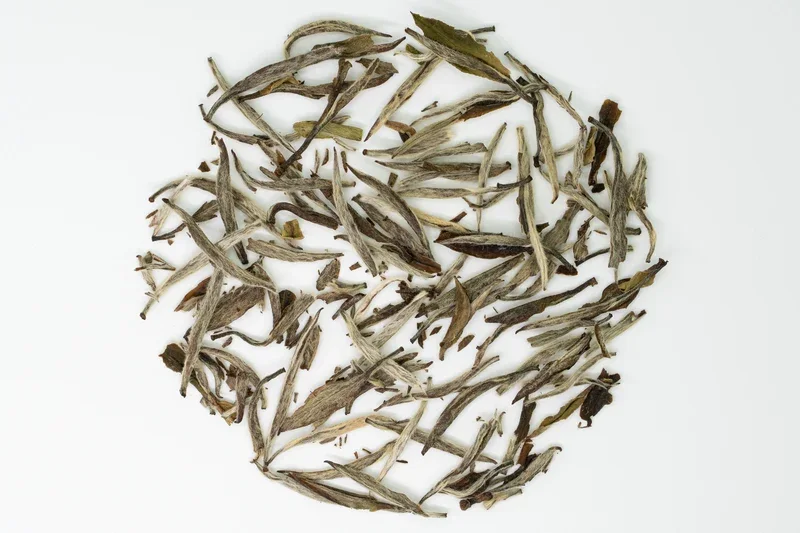
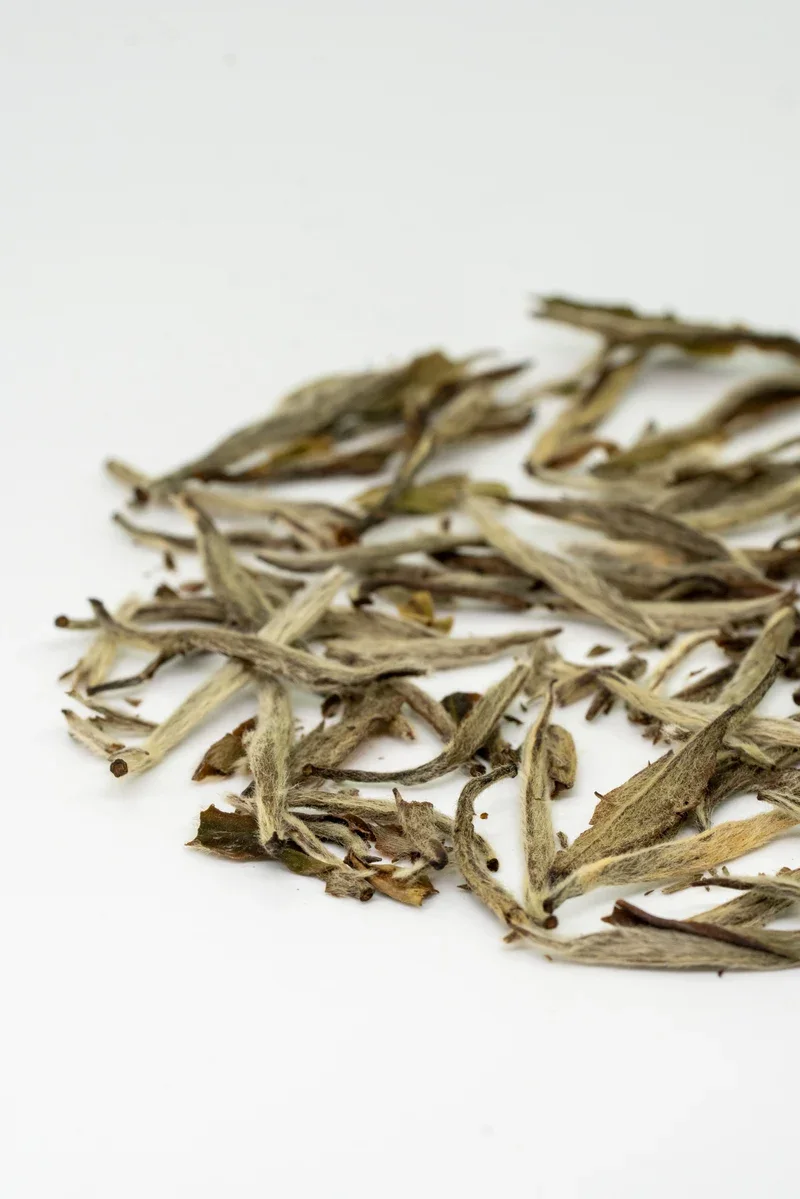
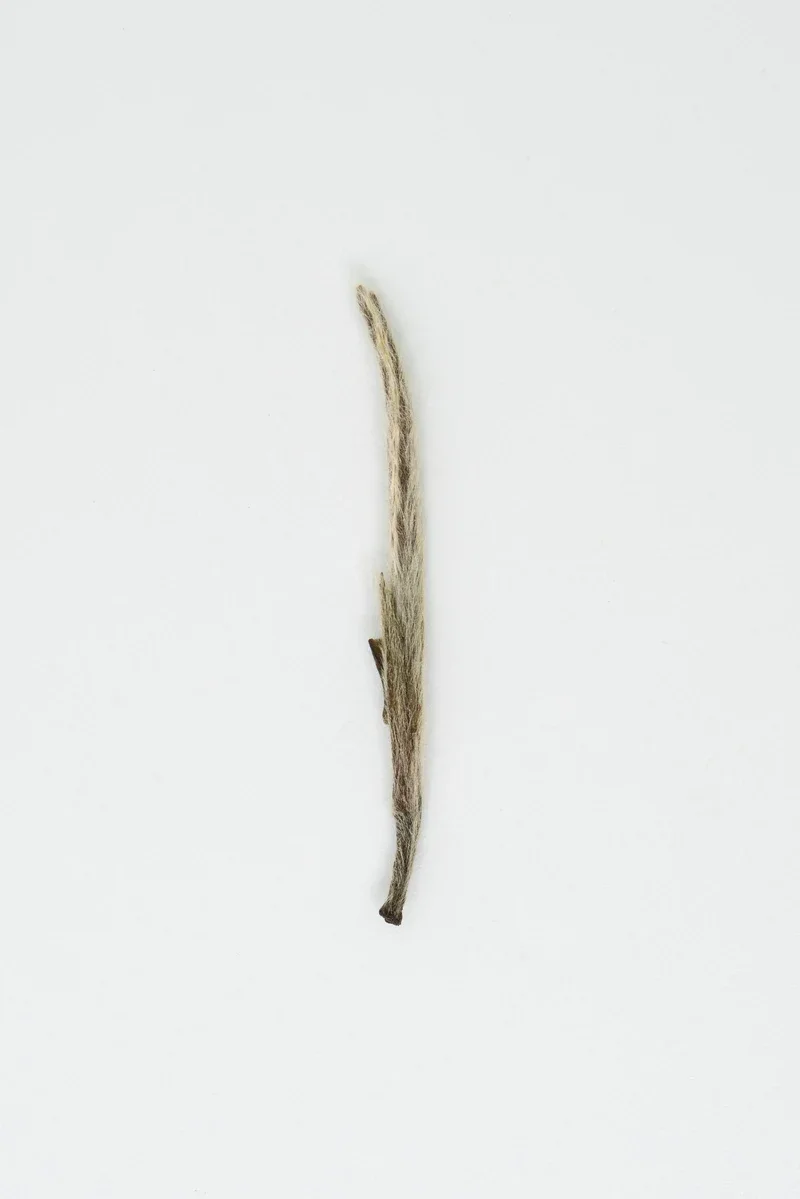
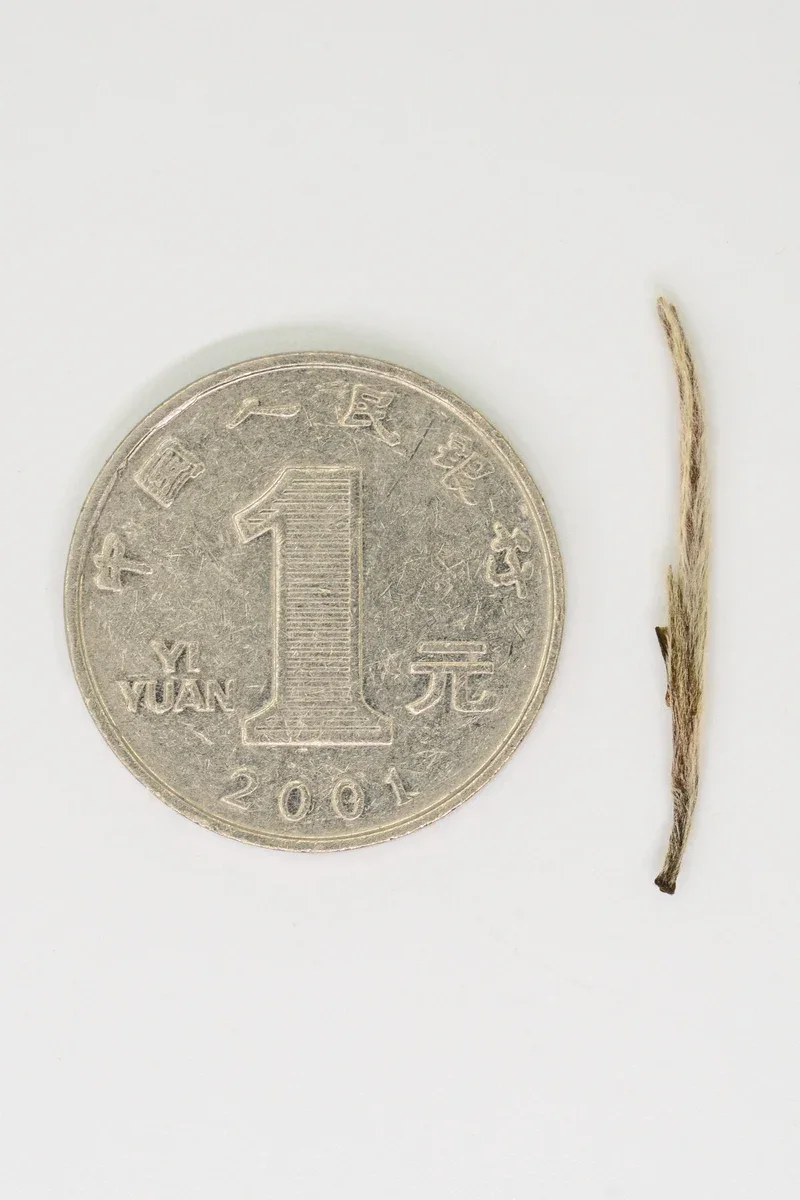
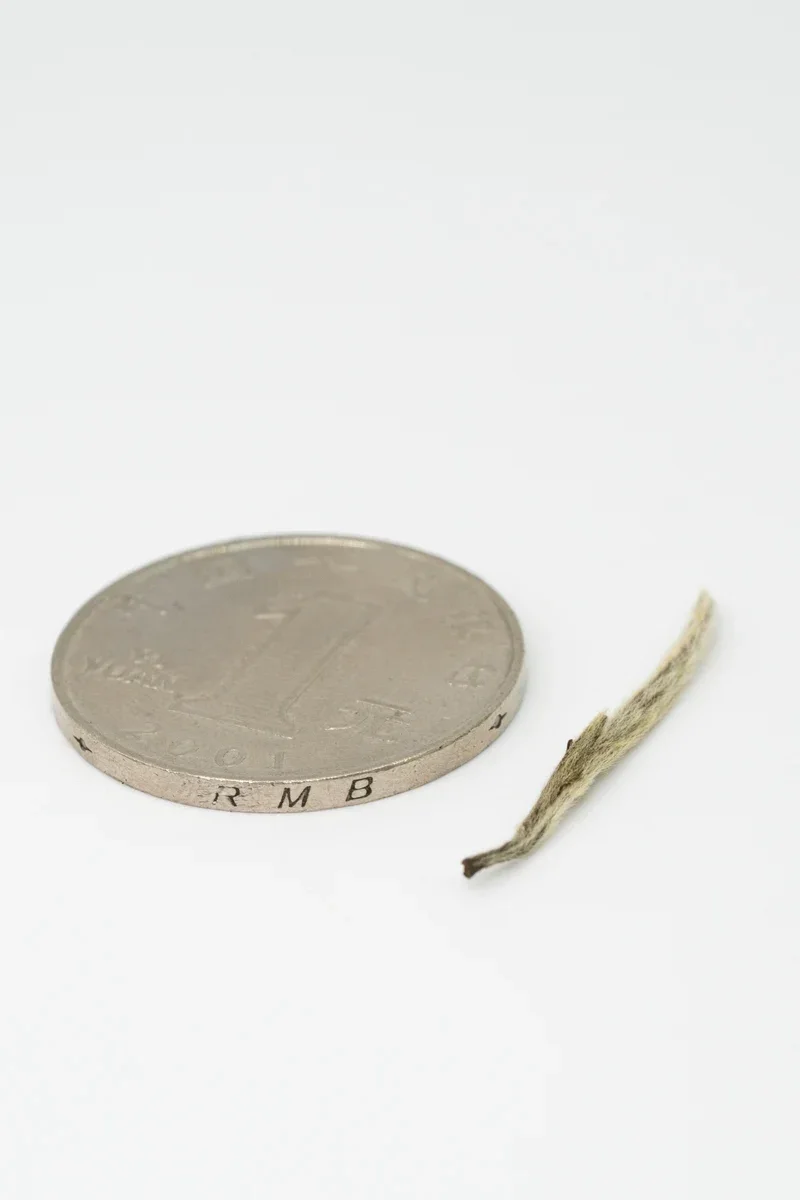
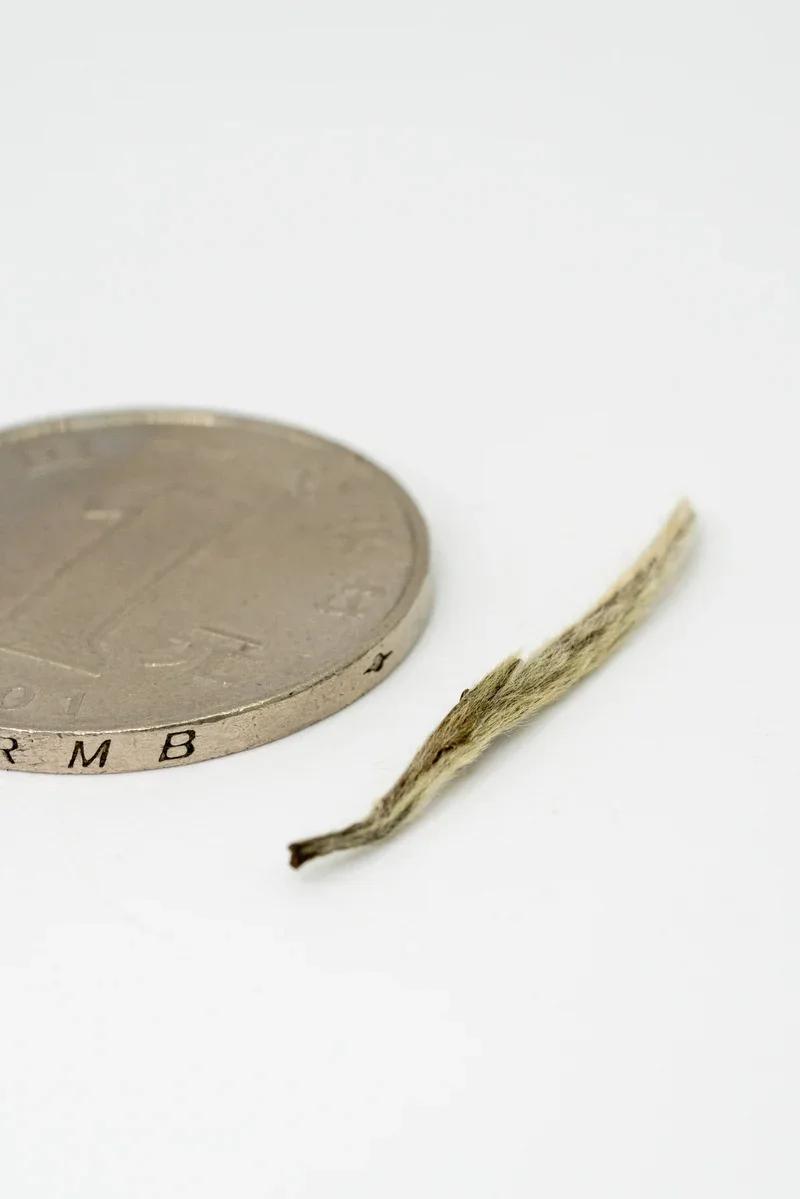
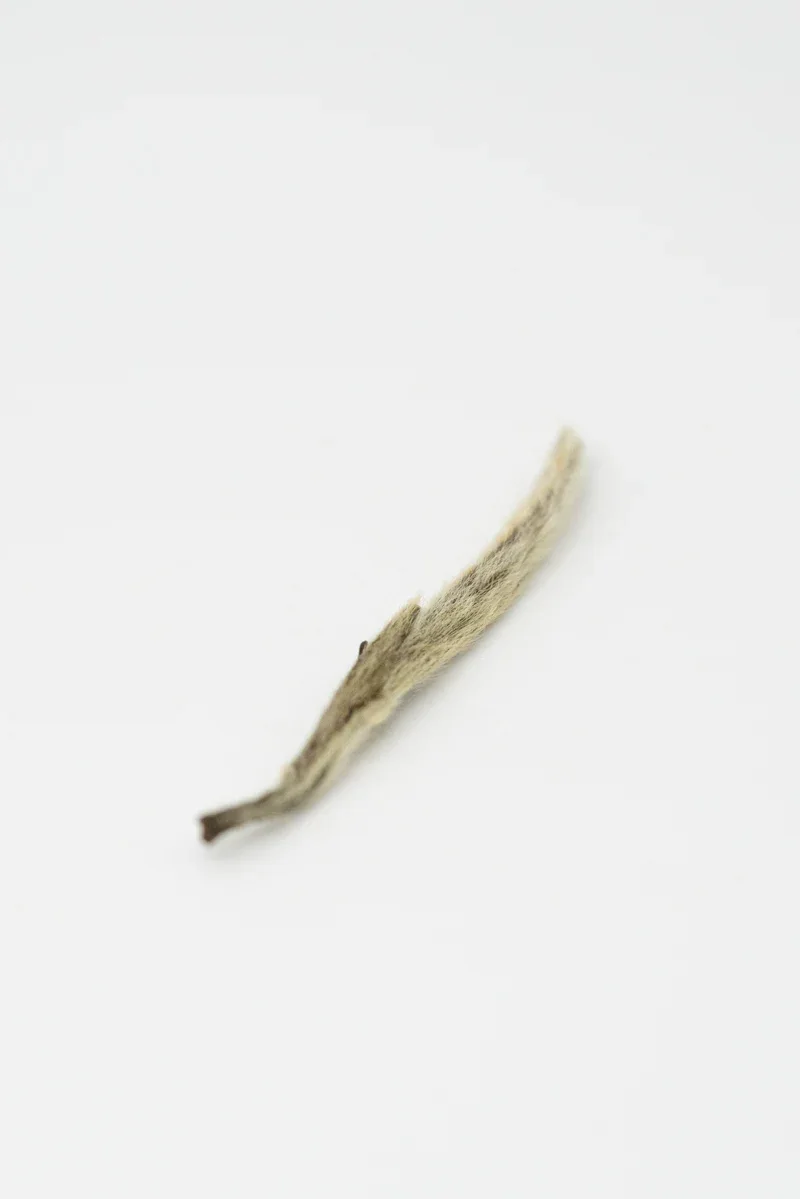
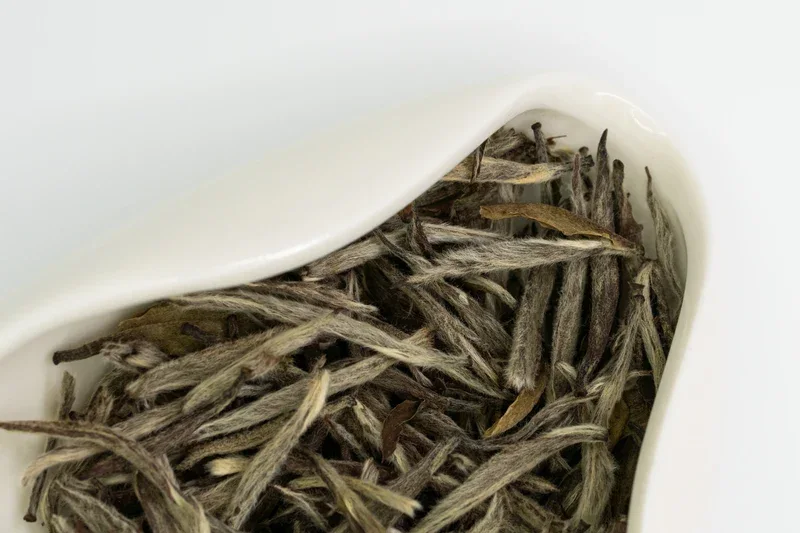
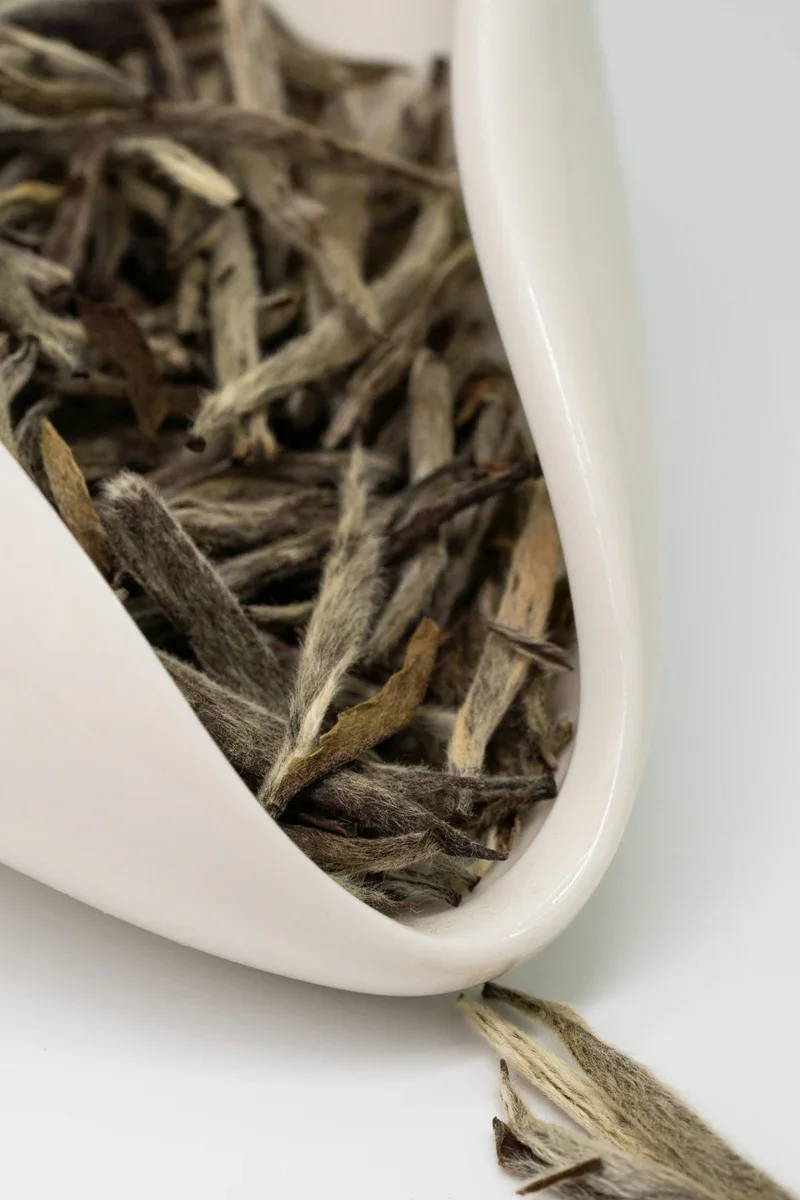
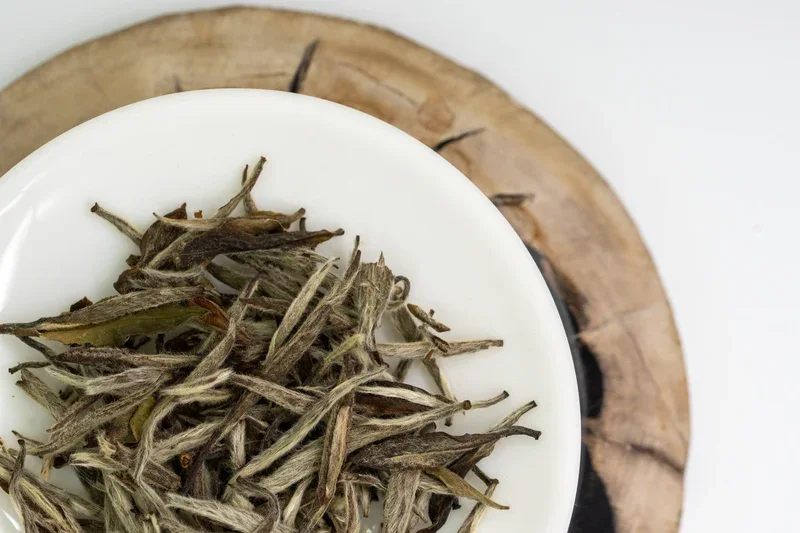
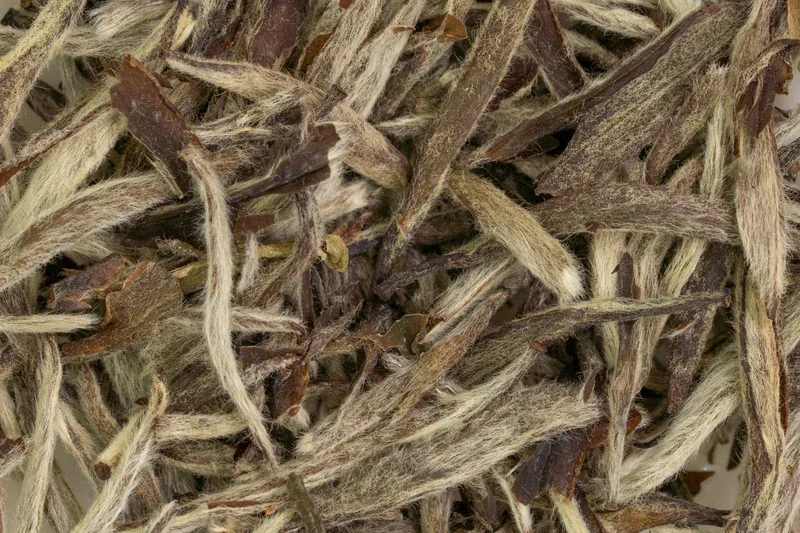
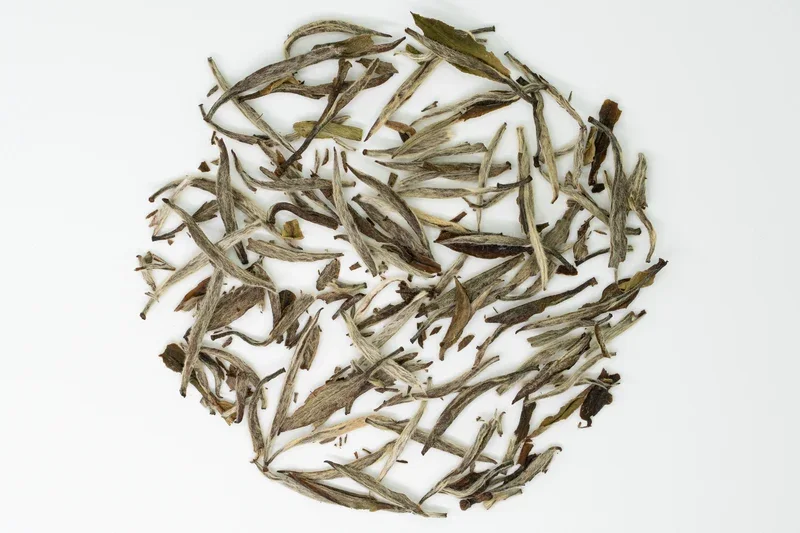
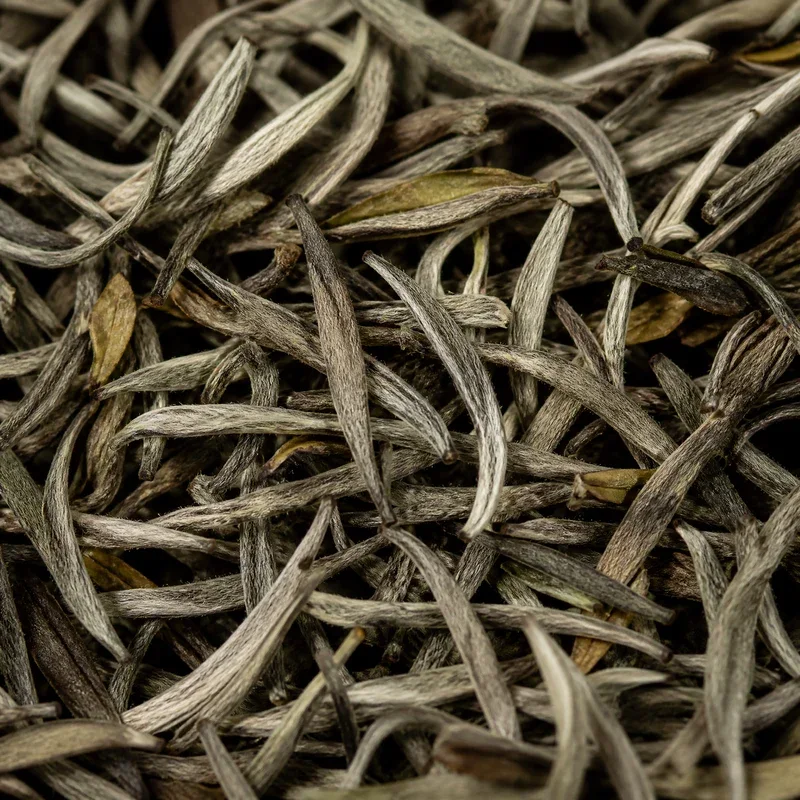
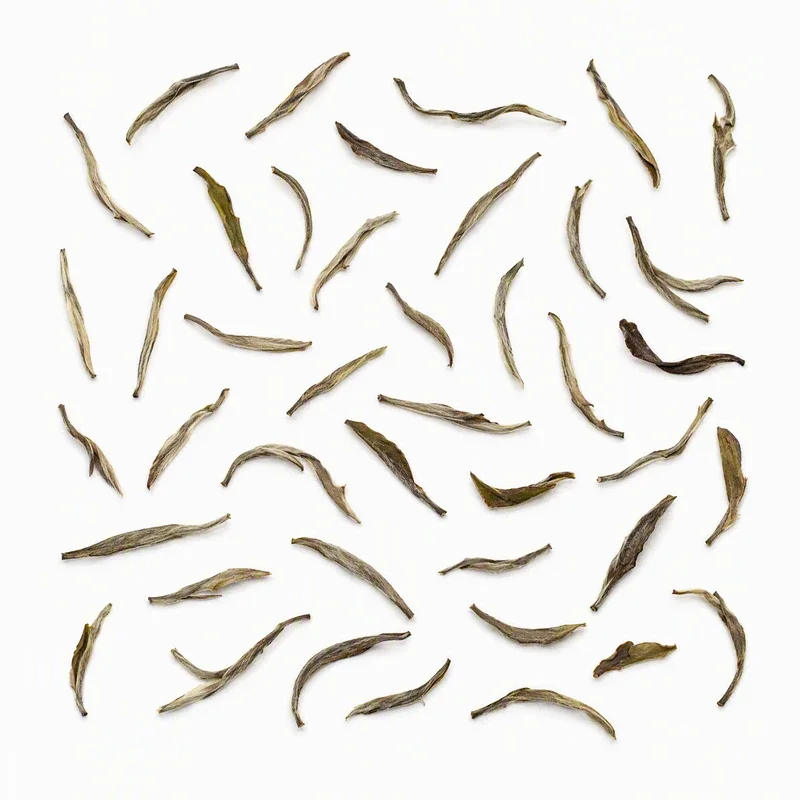
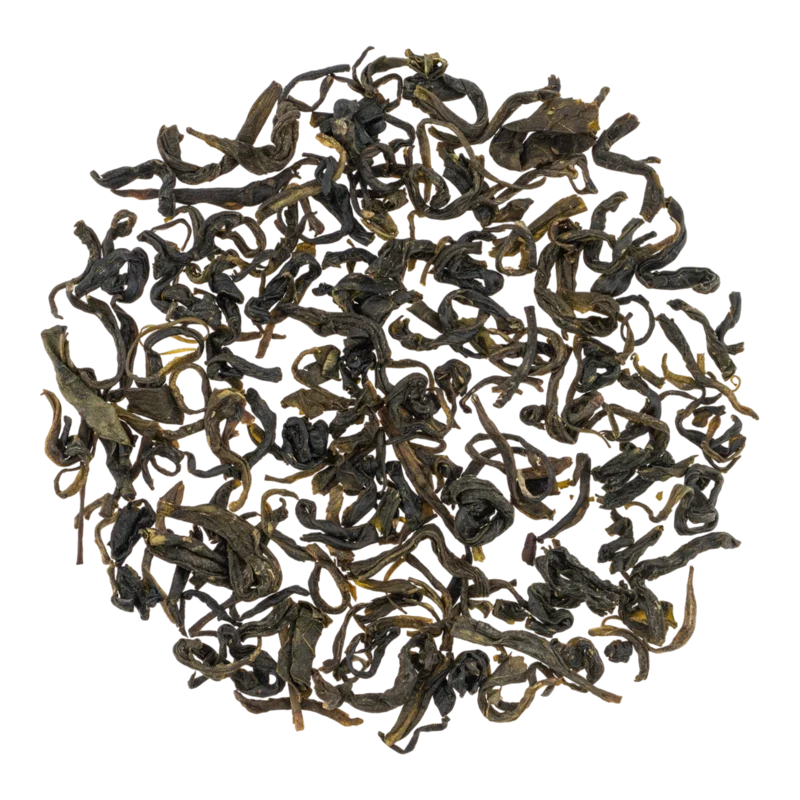
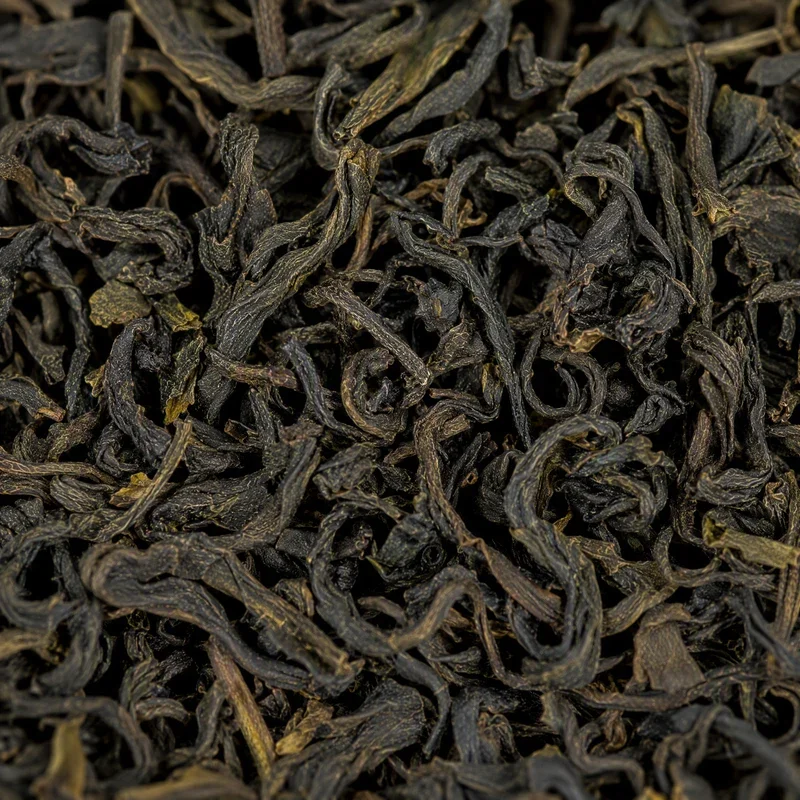
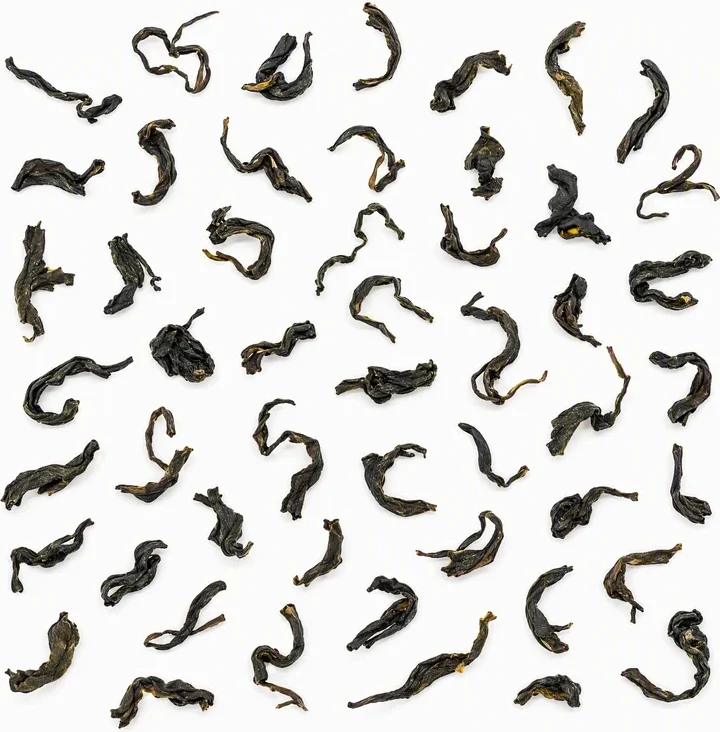
Dry Leaf Appearance: Dense, twisted strands (条索紧结卷曲), green-glossy with light "bloom" (色泽绿润显霜). Sometimes small vanilla pod fragments are visible (brown-black inclusions).
Dry Leaf Aroma: Chocolate-vanilla tone dominates (巧克力香, qiǎokèlì xiāng) — the calling card of Vanilla planifolia. Second layer — "orchid" floral (兰花香) and grassy green (草本清香). Aroma is persistent: cold cup retains scent >5 minutes.
Liquor Aroma: Intense, "confectionery": vanilla + chocolate + light green freshness. Nothing similar exists in any other green tea — the nearest (quite distant) analogue is jasmine tea, but the profile is completely different. When cooling, "creamy" and "caramel" notes appear — result of vanillin interaction with tea amino acids at temperature below 50 °C.
Liquor Color: Yellow-green, bright and clear (黄绿明亮).
Spent Leaves: Tender green with yellowish tint (嫩匀黄绿); sometimes vanilla pod pieces are visible.
Taste: Rich and mellow (醇厚, chúnhòu) — result of high polyphenols in base (≥28%). Returning sweetness (回甘) with vanilla sweetness. Smooth and oily mouthfeel (润滑, rùnhuá). Astringency is minimal — vanillin masks tannin bitterness.
Amino Acids: Present in base tea, providing freshness.
Main aromatic compound from vanilla pods (3-methoxy-4-hydroxybenzaldehyde). In complex with 250+ accompanying aromatic molecules creates "natural vanilla bouquet" not reproducible by synthetic vanillin.
Standard level for green tea.
Minerals: Selenium (from Hainan soils), potassium, manganese.
Polyphenols: ≥28% (base tea) — high level providing "strong" foundation.
Vitamins: Vitamin C, B-group vitamins.
Vanillin stimulates γ-aminobutyric acid (GABA) activity — the main inhibitory neurotransmitter. According to sources, anxiety reduction effectiveness is 40% higher than ordinary green tea.
Vanilla aromatic compounds enhance pepsin activity in gastric juice.
Polyphenols (≥28%) in base tea provide standard antioxidant activity for green tea.
Caffeine + L-theanine — gentle alertness.
Vanilla essential oils have mild sedative effect on the central nervous system — when consumed in the afternoon (without caffeine — in cold brew format).
Listed properties are based on general data and are not medical recommendations. Not recommended on empty stomach. Daily dose — no more than 600 ml (to avoid excess caffeine).
4 g tea + 500 ml cold water → refrigerator, 4 hours. Cold Xiangcao Lan is one of China's best cold teas: vanilla-chocolate aroma opens more brightly, while caffeine extracts minimally.
Process: Pour water at 80 °C, steep for 3 minutes. Allows 3 infusions.
Tea Amount: 3 g per 150 ml (1:50 ratio).
Teaware: Glass cup (for observing liquor color) or white porcelain gaiwan (for concentrating aroma).
Water Temperature: 80 °C (for highest grade — 75 °C). Do not use boiling water — destroys vanillin and gives bitterness.
Container: Airtight, dark.
Light: Complete isolation — vanillin is light-sensitive.
Shelf Life: Up to 18 months.
Temperature: Room temperature. Do not store in refrigerator! (exception among green teas) — refrigerator condensation destroys vanilla aroma, and foreign food odors are instantly adsorbed by tea. This is a fundamental difference from most green teas that require cold storage.
Classic jasmine green tea. Scenting — with fresh jasmine petals (floral "yin-zhi", 6–8 hours × 3–7 cycles). Aroma — floral, "white"; taste — fresh, "airy". Xiangcao Lan — "dark", chocolate-vanilla; taste — more "dense" and "confectionery". Technologies are fundamentally different: floral vs fruit scenting.
Green tea with osmanthus. Aroma — "apricot-honey". More "warm" than jasmine, but without chocolate depth of Xiangcao Lan.
Western parallel — red tea (black tea) scented with bergamot oil. Both are "scented teas with exotic profile", but mechanism is completely different: Earl Grey uses essential oil (extract); Xiangcao Lan — whole fermented pods (natural adsorption). Result — Xiangcao Lan has more complex and "deeper" aroma thanks to 250+ aromatic compounds of pod vs one dominant linalool of bergamot. Additionally, Xiangcao Lan is green tea, while Earl Grey is red tea (black tea), giving fundamentally different "background" taste profile: freshness and vegetal character vs maltiness and tannins.
No reviews yet. Tell us what you think of this tea.
Rate this tea and share your impressions. We review each submission before publishing it.