Brewing
Gongfu brewing
- Water temperature
- 75 °C
- Tea amount
- 5 g
- Water volume
- 100 ml
- First steep
- 10 s
- Time added per infusion
- 5 s
- Infusions
- 3


Tàihú cuì zhú
Choose a brewing method. Start with the recommended quantities and time, then adjust to taste.
Brewing
Brewing
Taste
Tea encyclopedia
Category: Local famous tea (名茶, míngchá) of Jiangsu Province. The registered geographical indication "Doushan Taihu Cui Zhu" (斗山太湖翠竹) received certification trademark status (地理标志证明商标) in 2011 (application filed in 2006). Multiple competition laureate: eight consecutive first places at the provincial "Lu Yu Cup" competition (陆羽杯), first place at the national "China Cup" competition (中国杯), two-time gold medalist at the International Famous Tea Competition, twice recognized as "National Famous...
Category: Local famous tea (名茶, míngchá) of Jiangsu Province. The registered geographical indication "Doushan Taihu Cui Zhu" (斗山太湖翠竹) received certification trademark status (地理标志证明商标) in 2011 (application filed in 2006). Multiple competition laureate: eight consecutive first places at the provincial "Lu Yu Cup" competition (陆羽杯), first place at the national "China Cup" competition (中国杯), two-time gold medalist at the International Famous Tea Competition, twice recognized as "National Famous Product" at Chinese Agricultural Exhibitions.
Coordinates: Approximately 31.49° N, 120.31° E (reference point Wuxi city). Doushan district — approximately 31.55° N, 120.37° E.
Origin: China, Jiāngsū Province (江苏, Jiāngsū), Wúxī City (无锡市, Wúxī shì). Main production zone — Dǒushān district (斗山, Dǒushān) in Xīběi town (锡北镇), as well as farms in Bashi (八士), Xuělàng (雪浪), Outang (藕塘), Zhangjing (张泾), Hudai (胡埭) and other districts. Tea plantations are located in hilly terrain on the northwestern shore of Lake Tàihú (太湖).
Type: Green tea (non-oxidized, 绿茶, lǜchá).
Cultural Significance: The Doushan district, where this tea was born, has deep mythological and ecological roots. According to legend, it was here that the legendary Emperor Shùn (舜帝, Shùn Dì) cultivated the land, preaching the principle of "天人协和,万物共荣" — "harmony of heaven and man, prosperity of all living things." The Doushan district is one of China's oldest nature conservation territories: prohibitions on hunting, fishing and forest cutting were introduced under Emperor Kāngxī (康熙, ruled 1661–1722), that is, more than 300 years ago. Today Doushan is part of Jiangsu's provincial natural ecological zone, and "Taihu Cui Zhu" has become a symbol of high-quality local agricultural products of Wuxi, promoted as an element of tea tourism on the Taihu coast — alongside Yuantouzhu (鼋头渚), Lingshan Dàfó (灵山大佛) and other attractions.
History: Taihu Cui Zhu is a relatively young tea: it was created in 1984–1989 by tea industry specialists in Wuxi. The project began in 1984, when cultivars Fu'an Dà Bái Chá (福安大白茶) and Fúdǐng Dà Háo Chá (福鼎大毫茶) were introduced from Fujian Province, as well as Ānjí Bái Chá (安吉白茶) from Zhejiang, for trial plantings and development of a new famous tea. Initially the product was called "Doushan Qingfeng" (斗山青峰) and "Liangxi Langjian" (梁溪浪尖, where "Liangxi" is the historical name of Wuxi); in 1989 the current poetic name "Taihu Cui Zhu" was approved.
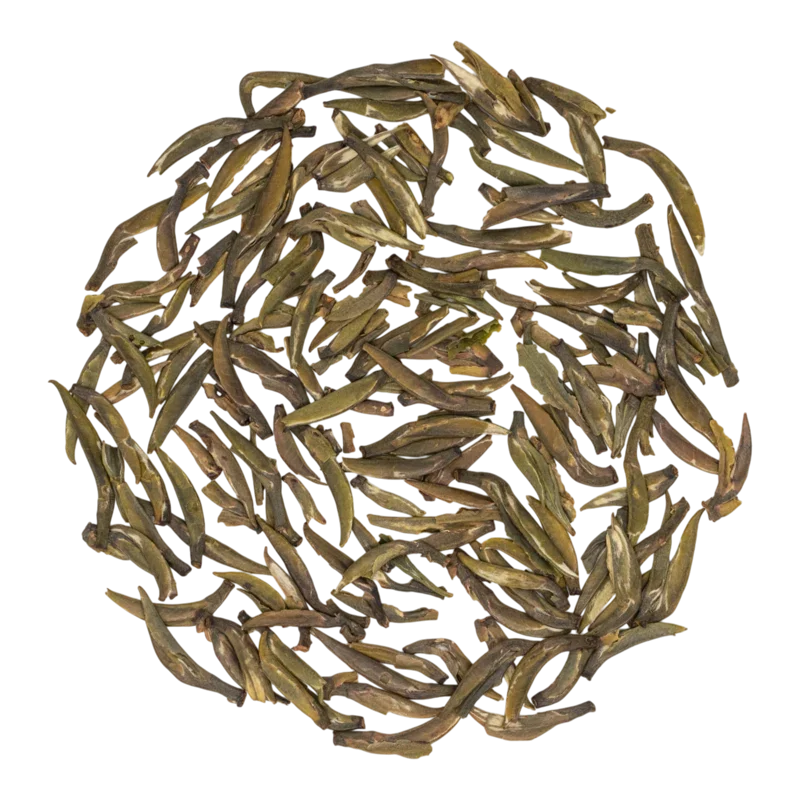
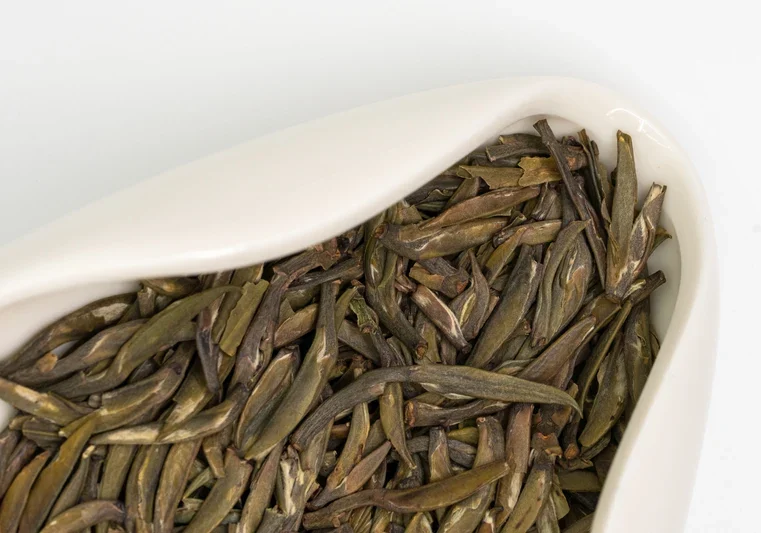
Name Breakdown: Tàihú (太湖, Tàihú) — "Great Lake," China's third-largest freshwater lake, on whose shores the tea plantations are located. Cuì (翠, cuì) — "jade-green, emerald." Zhú (竹, zhú) — "bamboo." The full name — "Jade Bamboo of Lake Taihu" — precisely conveys both the geographic origin and appearance: flat, slightly curved tea leaves of tender green color resembling young bamboo leaves.
Cultivar: Main cultivars specially introduced for Taihu Cui Zhu production: Fu'an Dà Bái Chá (福安大白茶, Fú'ān Dà Bái Chá) — large-leaf line from Fujian Province, producing even, well-shapeable buds; Fúdǐng Dà Háo Chá (福鼎大毫茶, Fúdǐng Dà Háo Chá) — line with large, densely pubescent buds, providing pronounced down and increased amino acid content. Also used are Ānjí Bái Chá (安吉白茶), Lóngjǐng (龙井) lines and local adaptations of the Míngshān (名山) series.
Picking: Spring, predominantly during the "Qingming" period (清明, early April) and several days after. Premium batches (明前茶) are harvested before Qingming — in late March.
Pluck Standard: One bud and one leaf at initial opening stage (一芽一叶初展, yì yá yì yè chūzhǎn). Production of 500 g of finished tea requires more than 30,000 tender shoots.
Raw Material: Shoots tender, whole, uniform in size, without mechanical damage and pest traces. Freshly harvested raw material is immediately delivered for processing.
Altitude: 30–191 m above sea level. Maximum height of Doushan Mountain — 191 m. These are low elevations by tea standards, however the proximity of the huge water mirror of Lake Taihu (area ~2,400 km²) compensates for the lack of altitude, creating a "lake highland effect": consistently high humidity, frequent fogs and diffused light.
Climate: Northern subtropical monsoon humid (北亚热带季风湿润性气候). Average annual temperature — 15.4 °C. Abundant precipitation, prolonged frost-free period. Air humidity is elevated due to proximity to Taihu. Frequent morning and evening fogs provide diffused light, favorable for accumulation of amino acids and chlorophyll in tea leaves.
Soil: Acidic and weakly acidic (pH 4.5–6.0), loamy, with high organic content. Fertility is maintained by centuries-old forest litter — the Doushan district preserves dense forest cover since the conservation decree of the Kangxi era.
Tea plantations are located on gentle slopes of low hills (丘陵) on the northwestern shore of Lake Taihu, in the Doushan Mountain area — "a mountain massif stretching for several li" (斗山雄峙,绵亘数里). The terrain — three sides surrounded by mountains, open to the lake, creating natural circulation of humid air. Plantations are removed from urban territories and industrial zones.
Since 2011, all farms in the Doushan district apply the "five uniformities" system (五统一) in pest protection: unified monitoring, unified approved preparations (only biological, harmless to humans), unified treatment timing, unified training, unified technical regulations. Number of treatments reduced from 13–14 to 6–7 per year. Some gardens have organic certification.
Freshly harvested shoots are spread in a thin layer in a ventilated room for 3–5 hours to equalize moisture and begin aroma formation.
Light controlled withering to reduce humidity and increase leaf plasticity before fixation. For Taihu Cui Zhu this stage is brief — the leaf must not lose freshness.
Pan-firing in a wok or on a mechanized line at high temperature. Goal — enzyme inactivation, fixation of green character and formation of aroma base. Criterion: leaf soft, color — dark green, aroma — clean, fresh.
Key stage determining the "bamboo" appearance of the tea. Leaf is pressed and straightened, acquiring a flat, slightly curved shape resembling a bamboo leaf (扁似竹叶). Shaping is done by hand or on multifunctional machines under controlled pressure and temperature.
Hot air reduces humidity to intermediate level, stabilizing shape and color.
Finishing brief pan-firing at moderate temperature. Leaf acquires characteristic oily luster (油润) and enhanced chestnut tone of aroma. This stage distinguishes Taihu Cui Zhu from purely dried green teas and gives it a "warm" note.
Removal of broken particles and batch equalization.
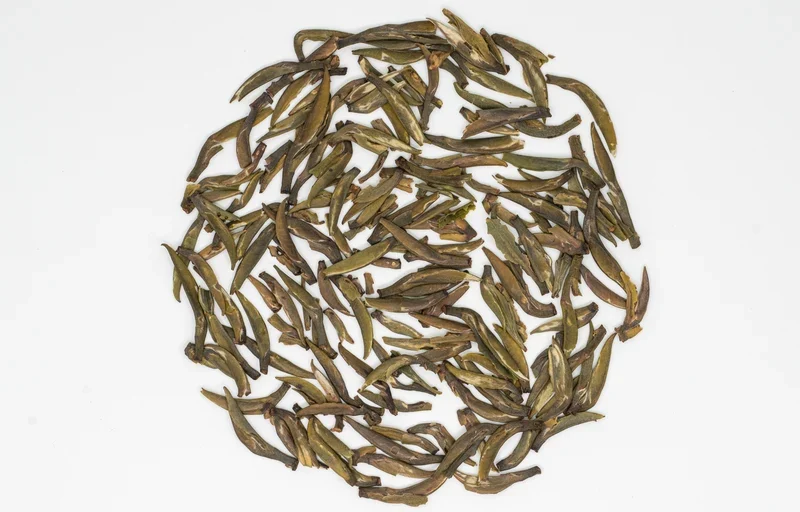
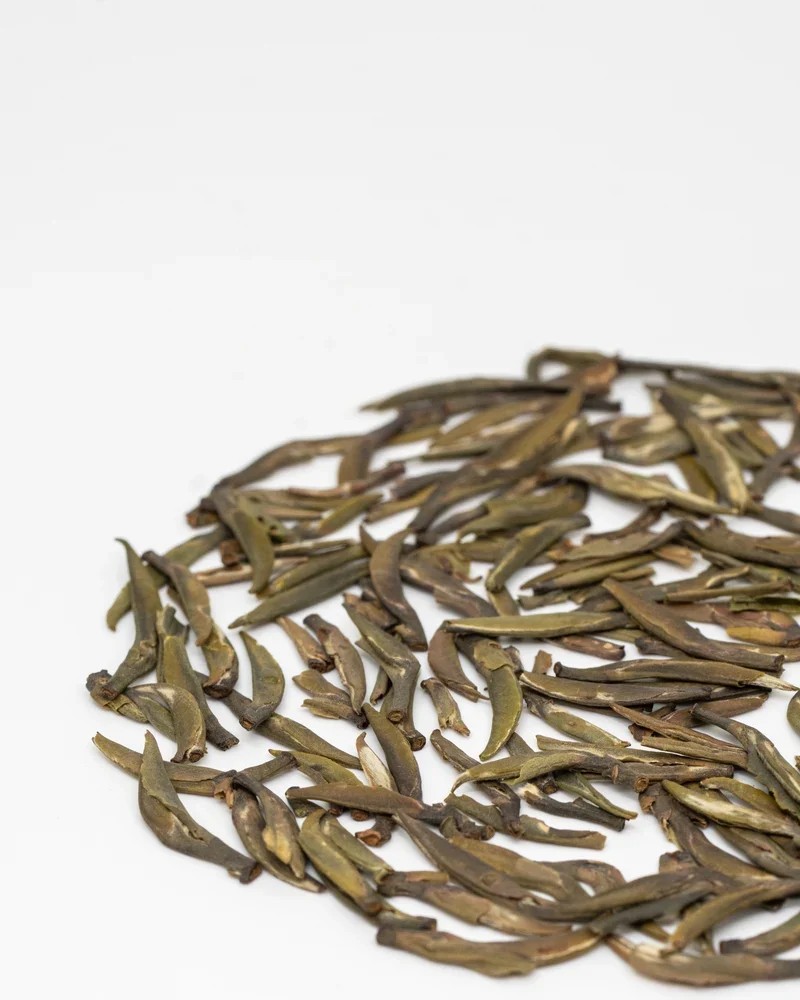
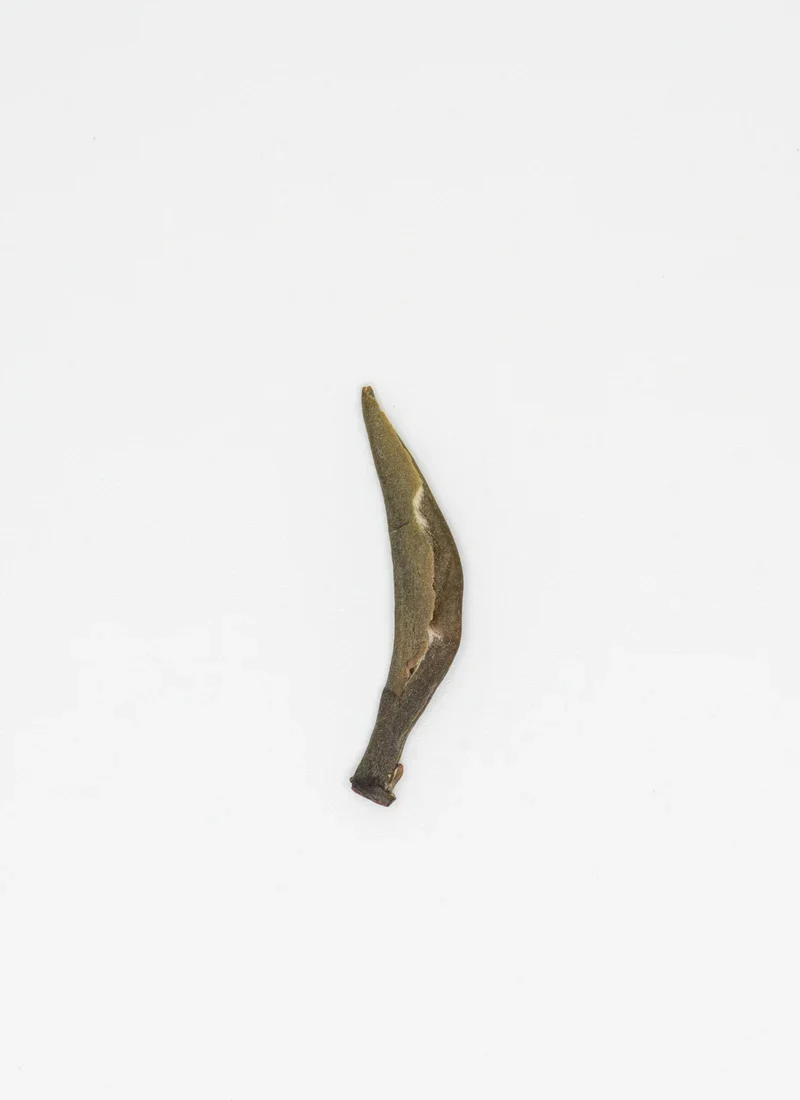
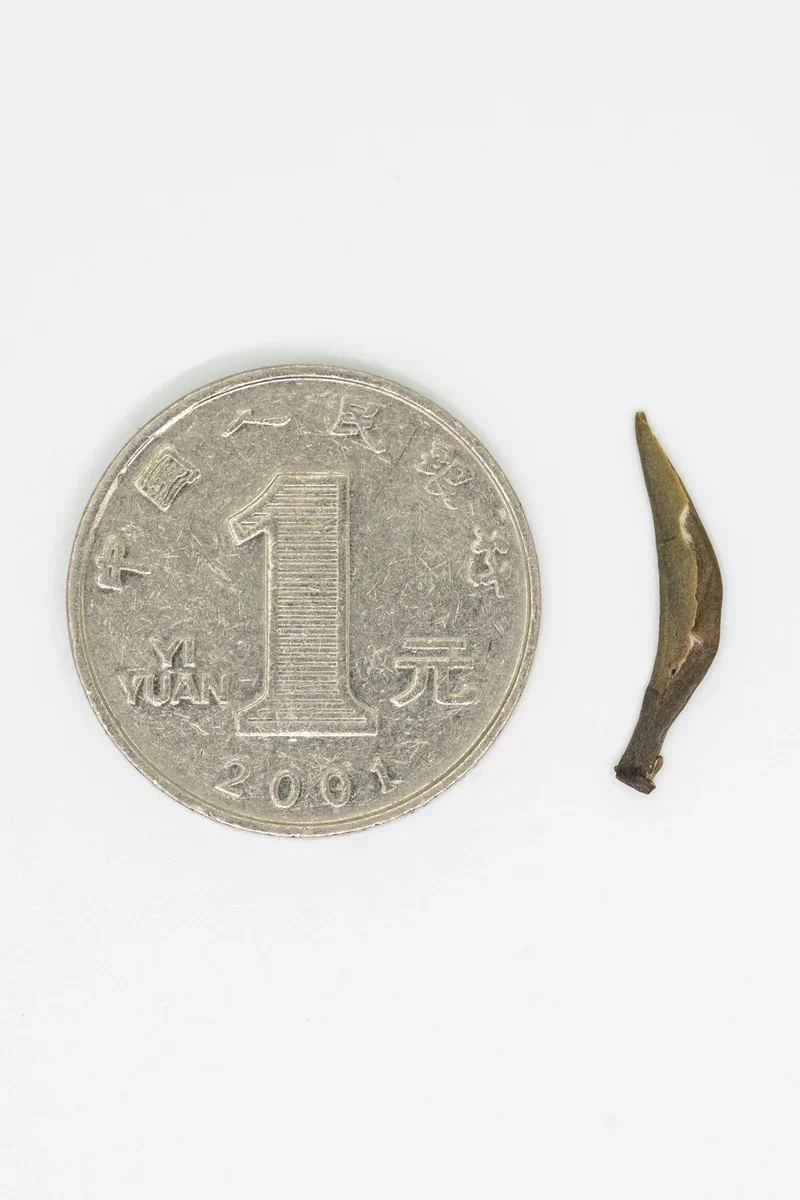
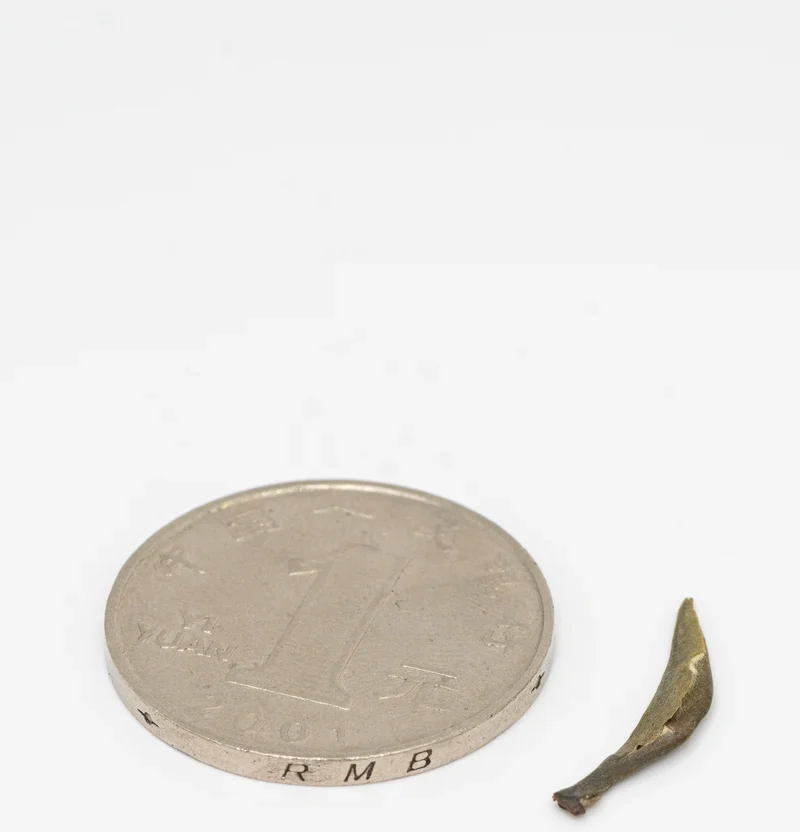
Dry Leaf Appearance: Flat tea leaves resembling bamboo leaves (扁似竹叶), slightly curved, smooth, with oily luster. Color — jade-green (翠绿油润). Shoots uniform in size, tender buds visible. In special grade — tea leaves even, "as if by ruler," smooth and slightly lustrous (扁平挺秀、平整光滑、稍弯曲).
Dry Leaf Aroma: Clean, fresh, with chestnut notes (栗香) and light floral undertones. Aroma persistent, without "raw" grassiness.
Liquor Aroma: High, clean and lasting (清香持久 / 清高持久). Chestnut tones are complemented by fresh vegetal and delicate floral notes. Aroma is delicate — this is "quiet" beauty, characteristic of Jiangnan teas, not powerful, "shouting" aromatics.
Liquor Color: Transparent, clear, bright (清澈明亮), tender green or greenish-yellow shade.
Spent Leaves: Tender green, uniform, resilient and "alive" (嫩绿匀整). Shoots open completely, demonstrating wholeness of bud and leaf. Special visual effect when brewing in glass: shoots stand vertically, slowly swaying — "like a bamboo grove in the wind" (似群山竹林).
Taste: Fresh, clean, moderately brisk (鲜醇爽口). Body light and elegant — without heaviness and roughness. Sweetness unobtrusive, with soft returning note. Overall impression — "清雅甘醇" (clean, elegant, slightly sweet fullness) — quintessence of "Jiangnan" style.
Alkaloids: Caffeine — moderate content (approximately 3–4%), providing gentle stimulation.
Amino Acids: Elevated content due to use of Fu'an Da Bai and Fuding Da Hao cultivars, as well as favorable growing conditions (diffused light, humidity). L-theanine — dominant amino acid, responsible for freshness (鲜) and gentle relaxation.
Essential Oils: Complex of volatile compounds, including furan derivatives and pyrazines (formed during finishing pan-firing), responsible for chestnut-nutty tone.
Minerals: Potassium, magnesium, phosphorus, manganese, fluoride, zinc (in moderate amounts).
Polyphenols: Typical content for quality green teas of Jiangsu — 18–25%. Main catechins — EGCG, EGC, ECG. Moderate polyphenol content (lower than southern teas) provides softness and absence of excessive astringency.
Vitamins: Vitamin C (ascorbic acid), B vitamins, vitamin E.
Catechins (EGCG) neutralize free radicals, slowing oxidative cell damage. Regular green tea consumption is associated with reduction of oxidative stress markers.
Combination of caffeine and L-theanine provides "soft" alertness — without anxiety and sharp crashes. Theanine promotes improved concentration and memory.
Polyphenols contribute to lipid profile optimization and maintenance of vascular elasticity.
Catechins suppress growth of various pathogenic bacteria, including cariogenic streptococci. Tea promotes breath freshness.
Green tea antioxidants reduce skin damage from ultraviolet radiation, slowing photoaging.
Moderate polyphenol content stimulates peristalsis and secretion without mucosal irritation.
Caffeine and catechins promote fatty acid mobilization and thermogenesis — moderate contribution to maintaining healthy weight.
People with caffeine sensitivity, GI exacerbations, and those taking anticoagulants are recommended moderate consumption.
Tea Amount: 3 g per 150–200 ml.
Teaware: Tall glass (玻璃杯) — strongly recommended for first acquaintance: the "dance" of opening shoots standing vertically — "bamboo grove in a cup" — is the main aesthetic pleasure of this tea. Porcelain gaiwan — for more precise extraction control and aroma preservation.
Water Temperature: 75–85 °C. For special grade (嫩芽) — 75–80 °C; for first-second grade — up to 85 °C.
Container: Vacuum aluminum bags, tin cans with tight lids. Protection from light and foreign odors mandatory.
Enemies: Light, moisture, high temperature, oxygen, foreign odors. Taihu Cui Zhu is a delicate tea with subtle aroma; when storage conditions are violated it loses "green" freshness and oily luster faster than coarser varieties.
6–12 months from production date. Spring tea is best consumed before autumn of the same year.
Temperature: Optimal — 0–5 °C (refrigerator, in airtight packaging). For room storage — in cool, dark place (not above 10 °C).
The standard of flat green tea. Longjing is absolutely flat, with a pronounced "bean-chestnut" aroma and oily body. Taihu Cui Zhu is also flat, but with a characteristic curve ("bamboo leaf"), more delicate and light in body, with a less pronounced roasted note and more "green" character.
Famous twisted green tea from Suzhou—a region neighboring Wuxi on the shore of the same Taihu. Bi Luo Chun is spirally twisted, with a floral-fruity profile (thanks to intercropping with fruit trees). Taihu Cui Zhu is flat, with a chestnut tone, less "fruity," more "bamboo-like" in character.
Another famous green tea from Jiangsu—from Yixing (Yíxīng, also part of Wuxi). Yangxian Xue Ya is twisted, with higher down content and more "mountainous" character (Yixing is higher than Doushan). Taihu Cui Zhu is plain-hilly, more "lacustrine," softer and more tender.
Needle-shaped green tea from the capital of Jiangsu. Yuhua Cha consists of tight, straight needles with pine aroma; Taihu Cui Zhu has flat "bamboo leaves" with chestnut tone. Two completely different styles united by their belonging to the Jiangsu tea school.
Flat green tea from Zhejiang with record amino acid content. Taihu Cui Zhu uses the same Anji Bai Cha cultivar as one of its components, but the overall profile is softer, more "lacustrine" and less "amino acid-sweet" than the original Anji.
Price Category: Medium and above medium. Spring tea extra grade (明前特级) — 1,000–1,500 yuan per 500 g (2009–2011 data), placing it alongside quality Jiangnan green teas, but below top positions of Longjing or Biluochun. Accessible first and second grades — significantly cheaper.
No reviews yet. Tell us what you think of this tea.
Rate this tea and share your impressions. We review each submission before publishing it.