Brewing
Gongfu brewing
- Water temperature
- 75 °C
- Tea amount
- 5 g
- Water volume
- 100 ml
- First steep
- 10 s
- Time added per infusion
- 5 s
- Infusions
- 3

Rénhuà yín háo
Choose a brewing method. Start with the recommended quantities and time, then adjust to taste.
Brewing
Brewing
Taste
Tea encyclopedia
Category: Chinese Geographical Indication Product (国家农产品地理标志产品). Local standard DB4402/T 10-2021 (Shaoguan City). Intangible cultural heritage — 28-operation technology. One of the "Three Treasures of Renhua" (仁化三宝). "Famous Tea of Guangdong" (广东省优质名茶, 1988). Green product of the Beijing Asian Games (北京亚运会指定绿色食品, 1990). Gold medal at the National Forest and Special Products Exhibition (全国林业特优新产品博览会金奖, 1994). Gold medal at the "Guangdong Ming Cha" competition (广东省名茶金奖, 2002). First among China...
Category: Chinese Geographical Indication Product (国家农产品地理标志产品). Local standard DB4402/T 10-2021 (Shaoguan City). Intangible cultural heritage — 28-operation technology. One of the "Three Treasures of Renhua" (仁化三宝). "Famous Tea of Guangdong" (广东省优质名茶, 1988). Green product of the Beijing Asian Games (北京亚运会指定绿色食品, 1990). Gold medal at the National Forest and Special Products Exhibition (全国林业特优新产品博览会金奖, 1994). Gold medal at the "Guangdong Ming Cha" competition (广东省名茶金奖, 2002). First among China's white hair teas (中国三大白毛茶之首).
Coordinates: Approximately 25°05′ N, 113°45′ E (Mount Danxiashan area: 24°51′–25°04′ N, 113°36′–113°48′ E).
Origin: China, Guǎngdōng Province (广东省, Guǎngdōng Shěng), Sháoguān City (韶关市, Sháoguān Shì), Rénhuà County (仁化县, Rénhuà Xiàn). Core production area — Hóngshān Town (红山镇, Hóngshān Zhèn), which received the title "Hometown of China's White Hair Tea" (中国白毛茶之乡), on the Huanglingzhang ridge (黄岭嶂, 800–1000 m), as well as Chengkou Town (城口镇) and the cloud belt around Mount Danxiashan.
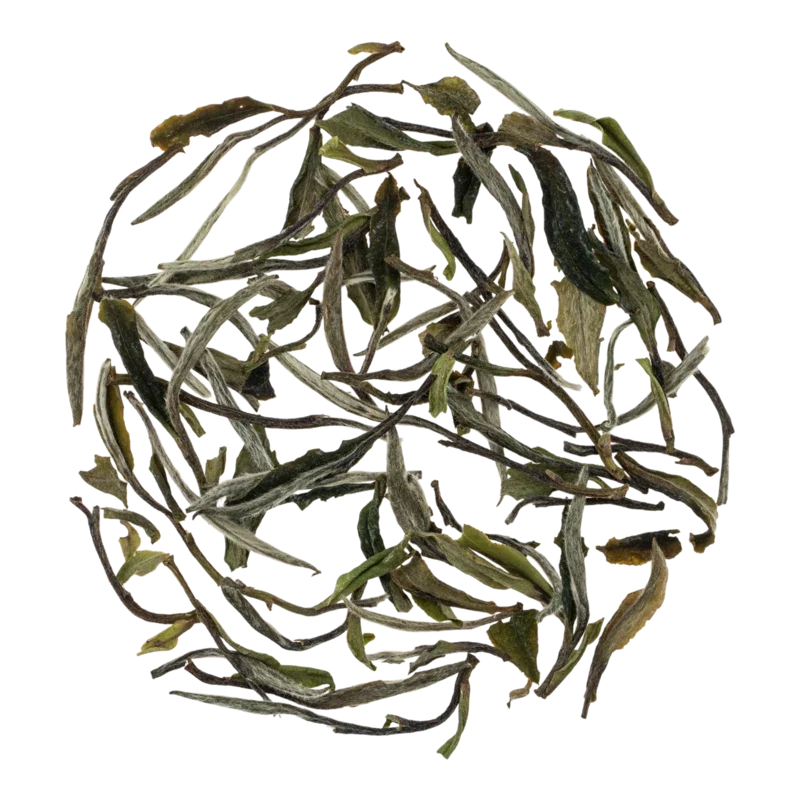
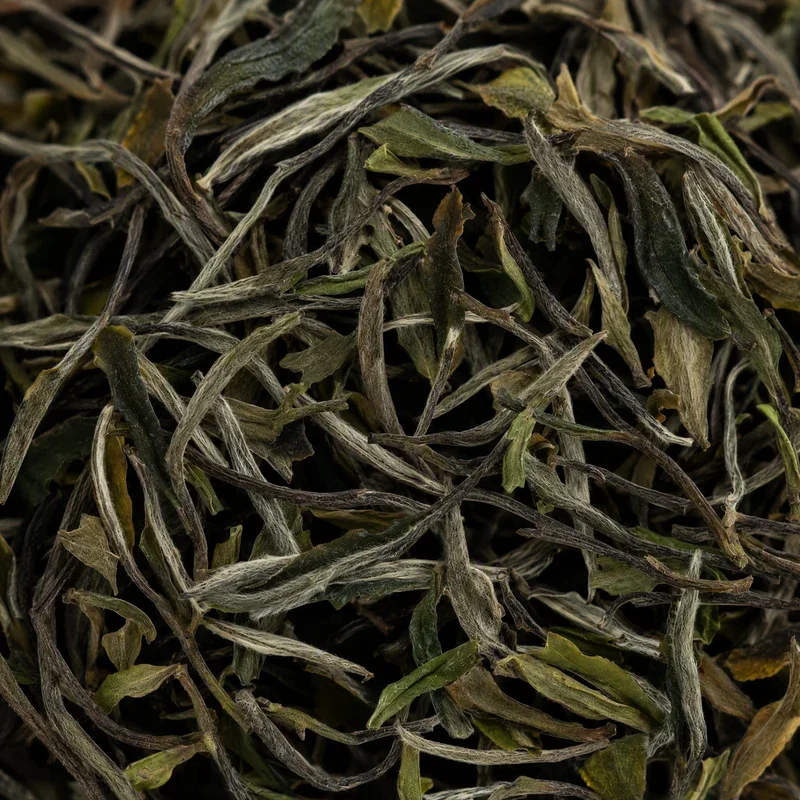
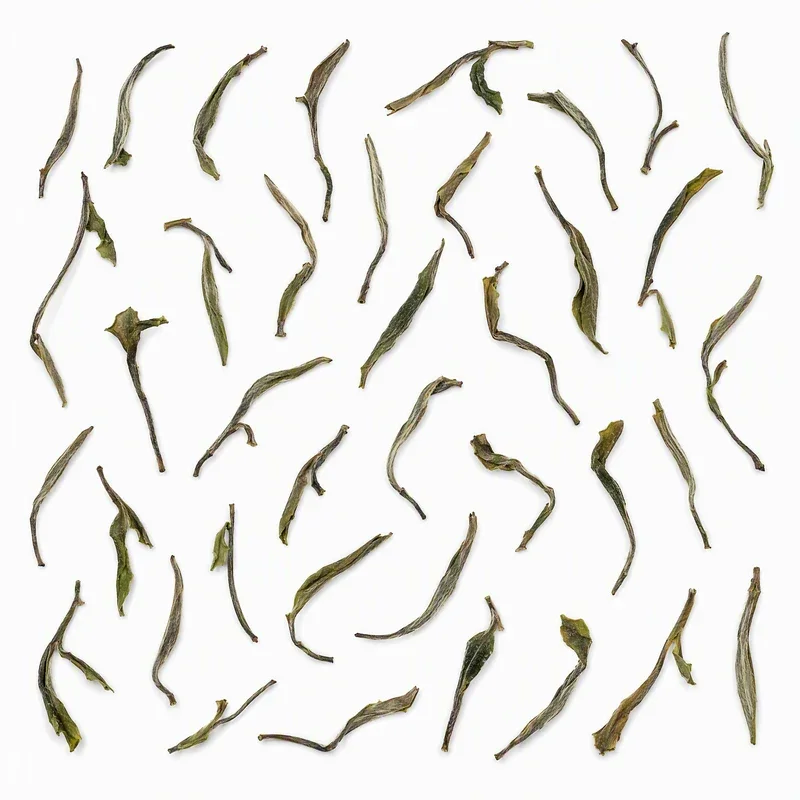
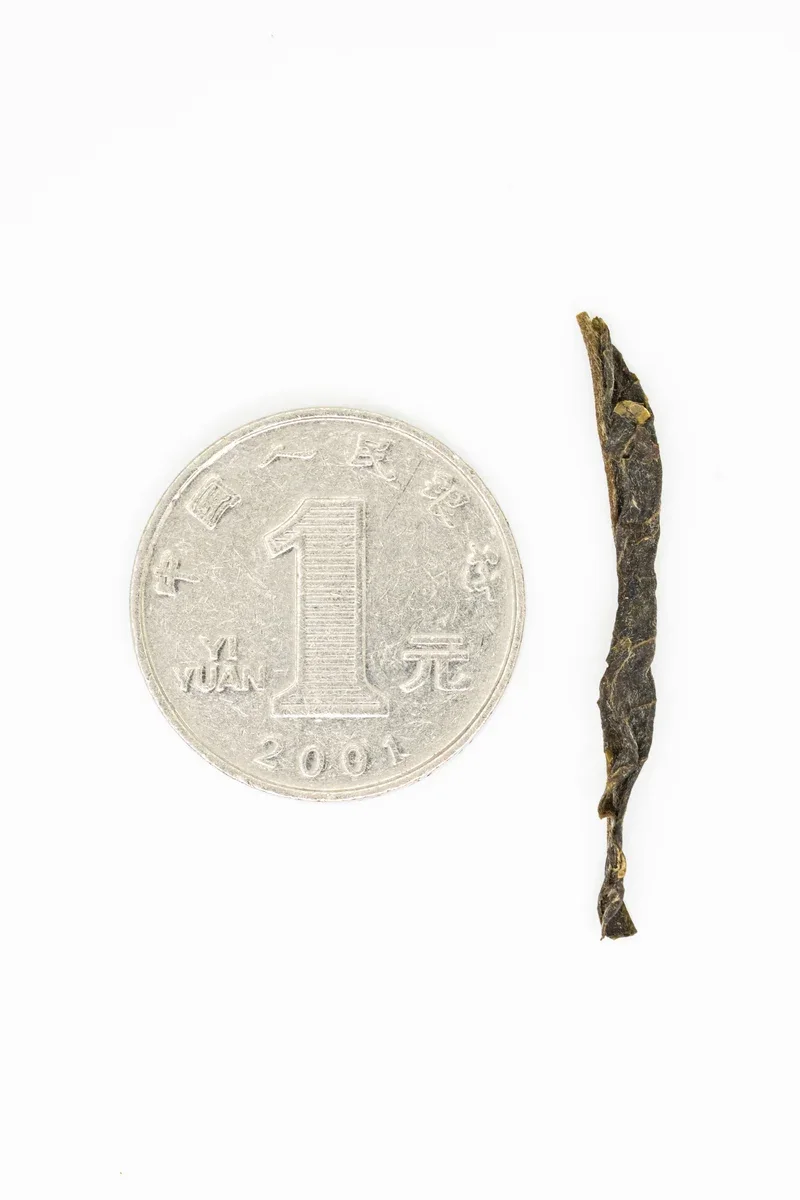
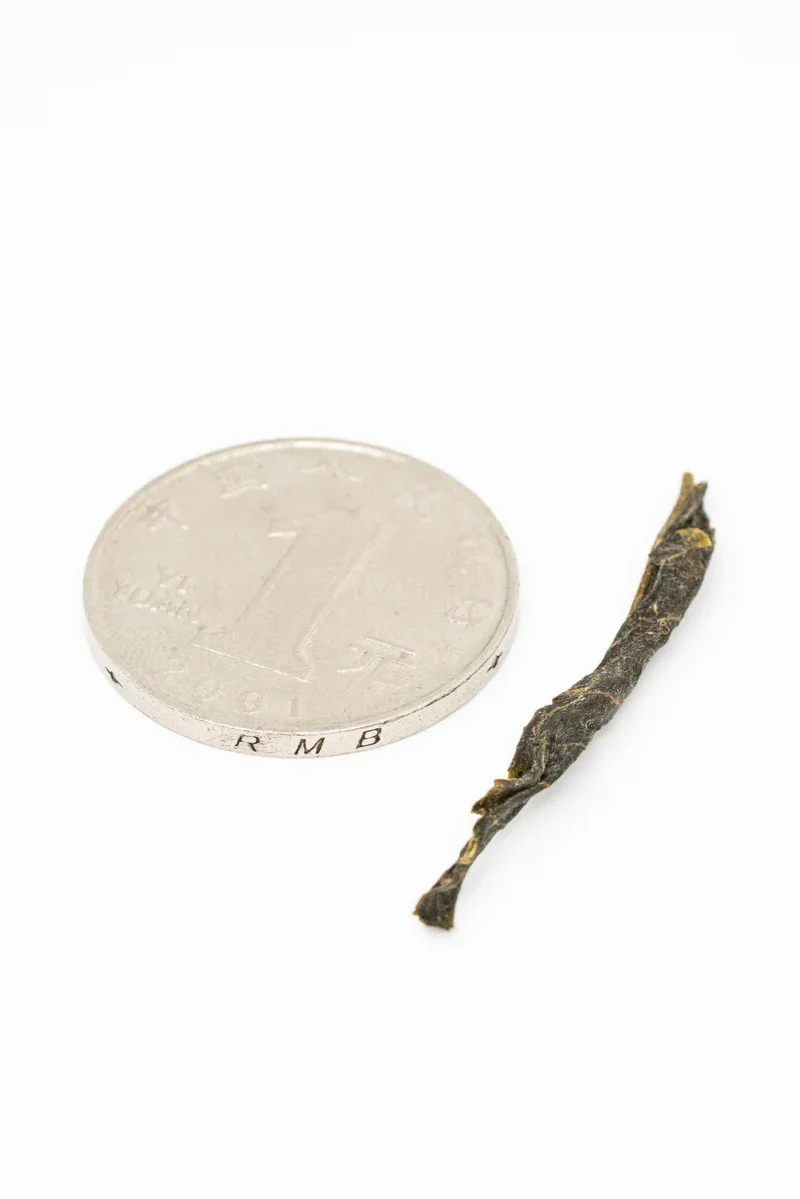
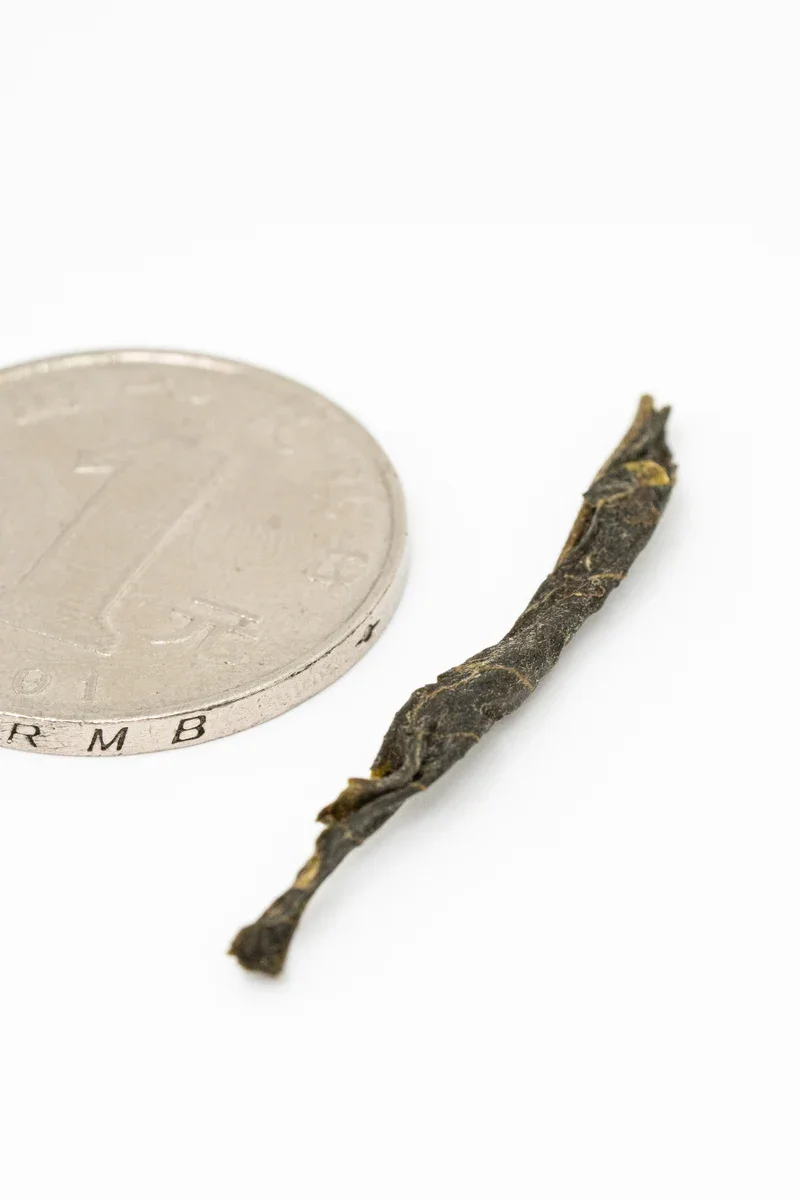
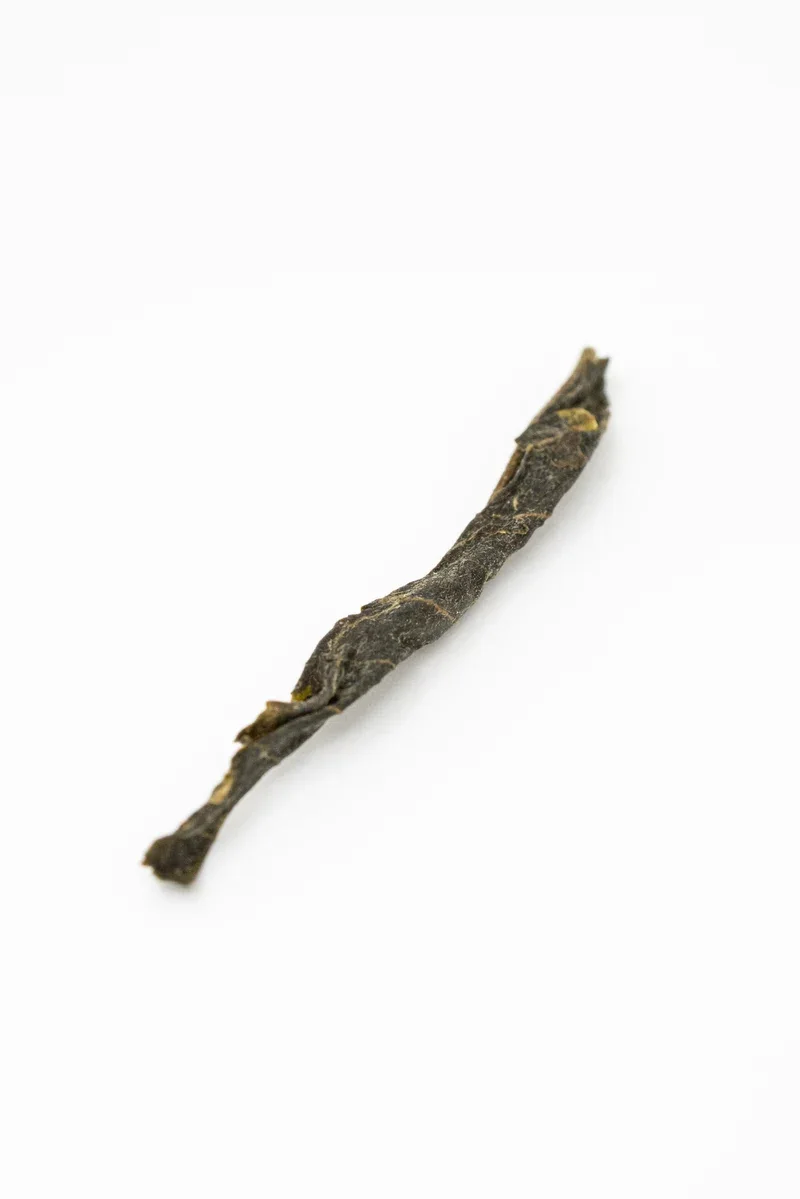
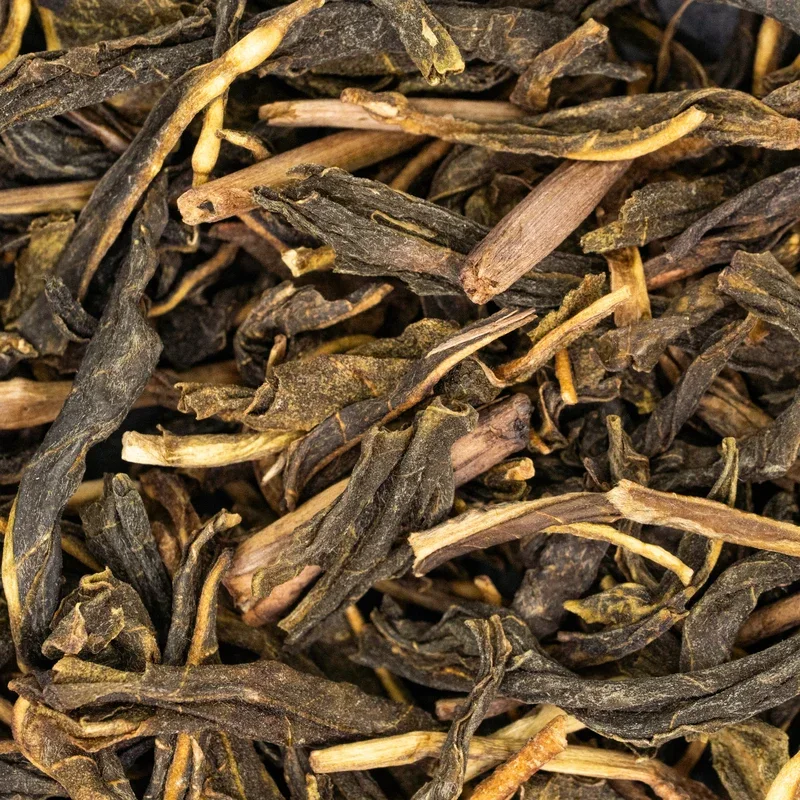
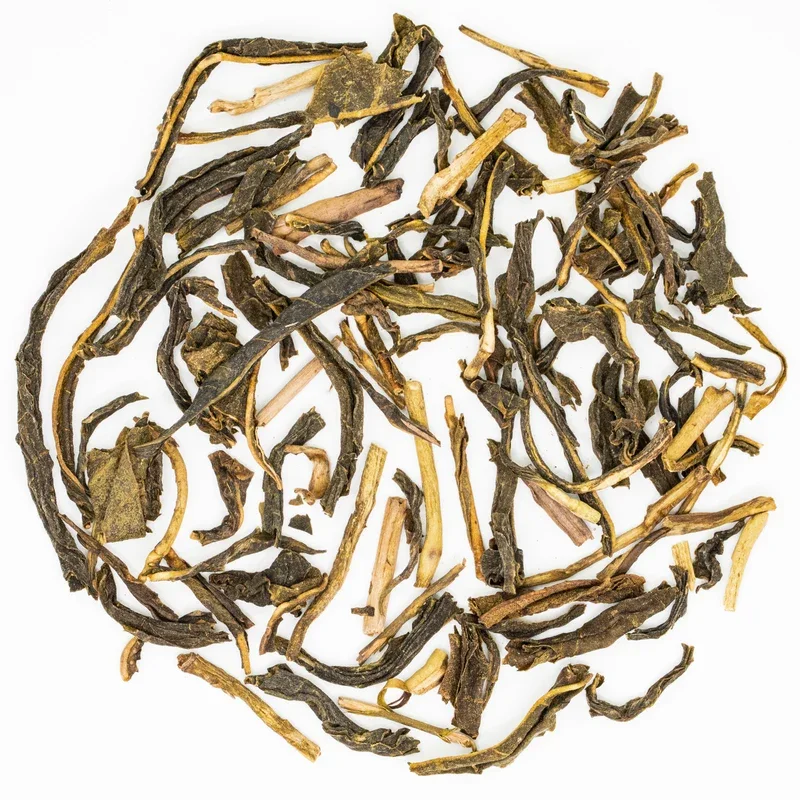
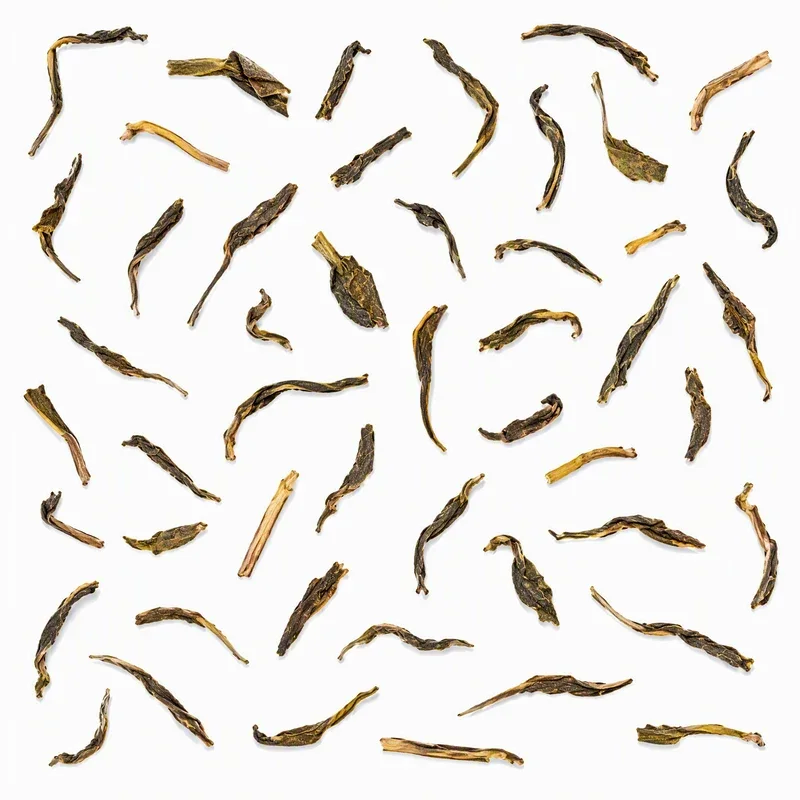
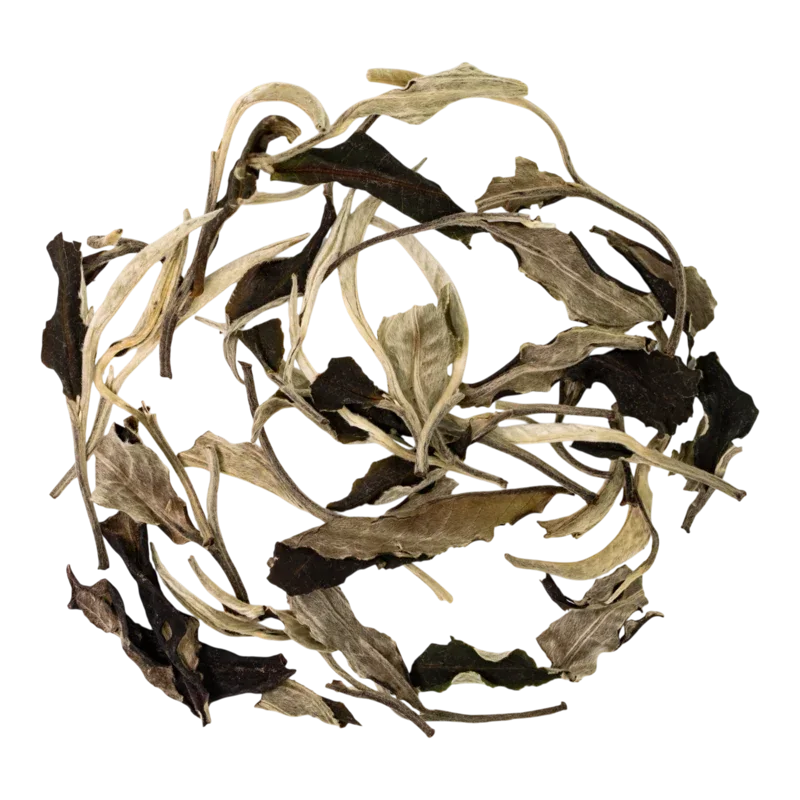
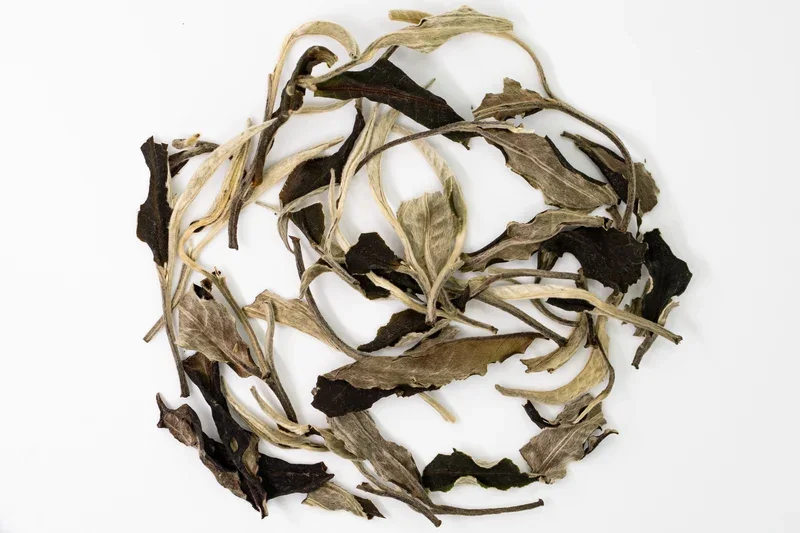
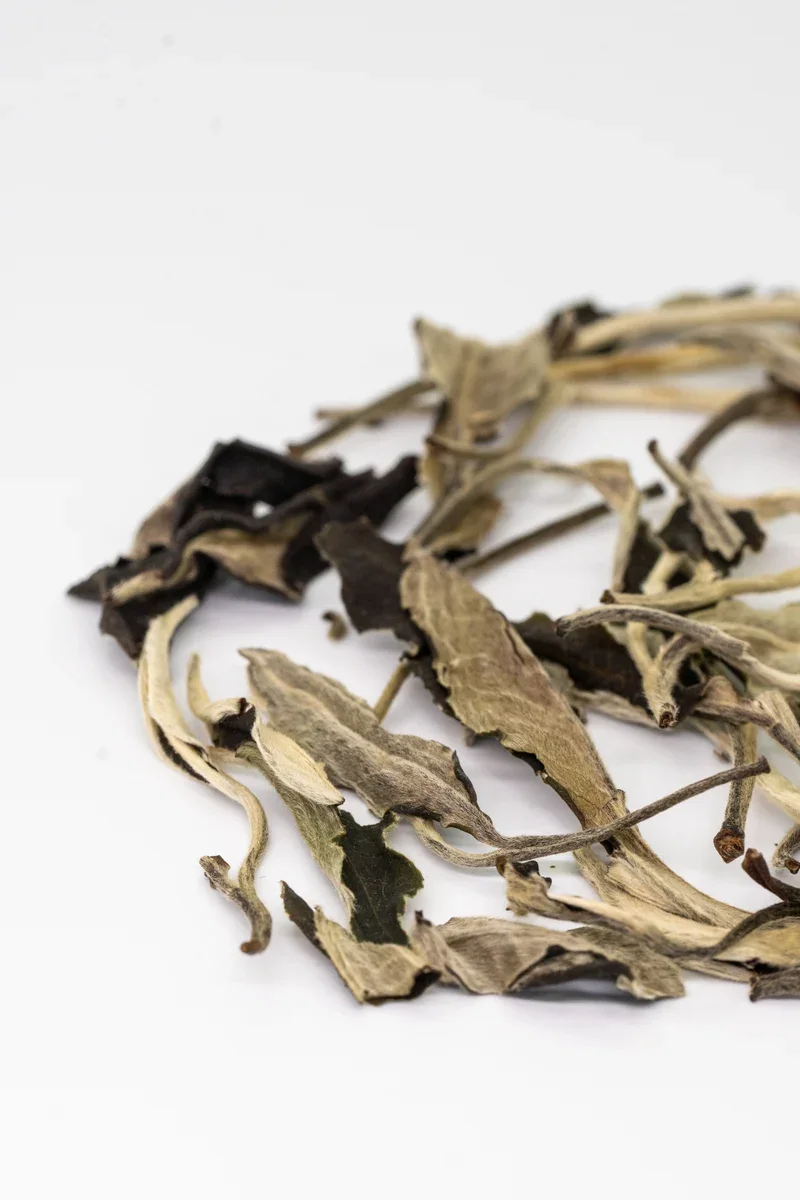
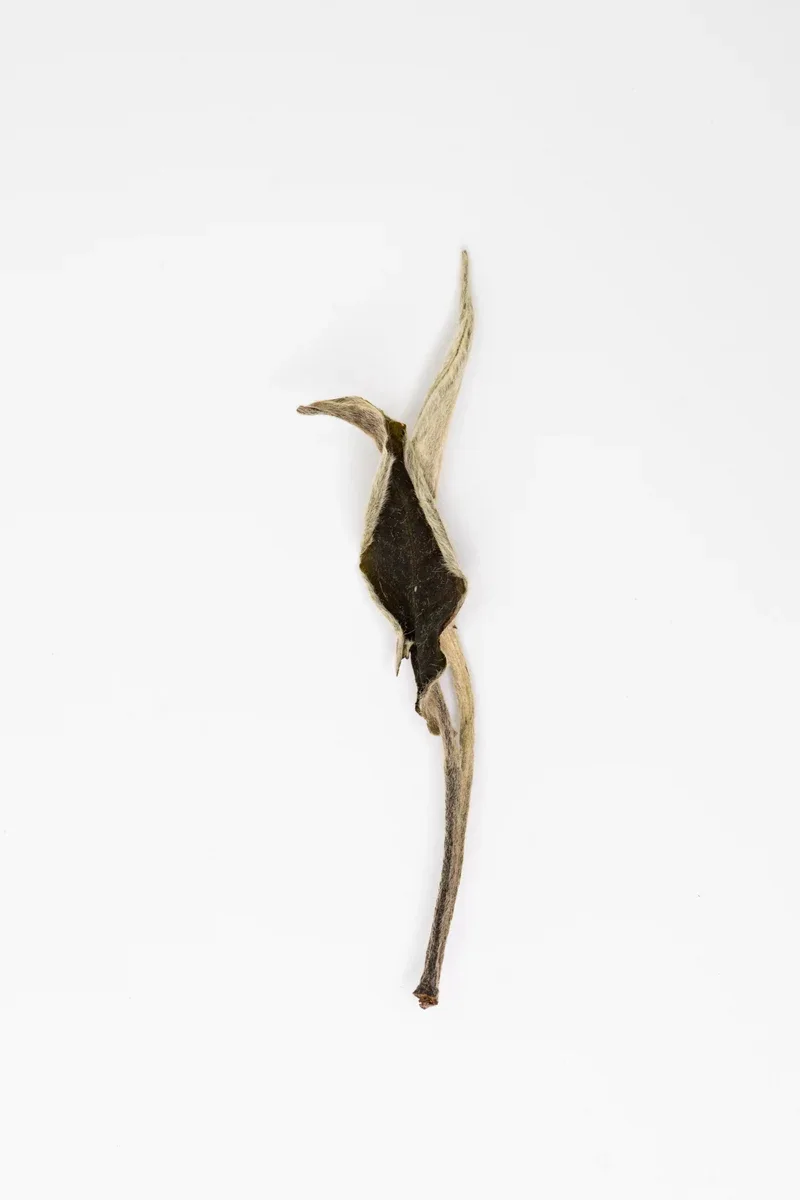
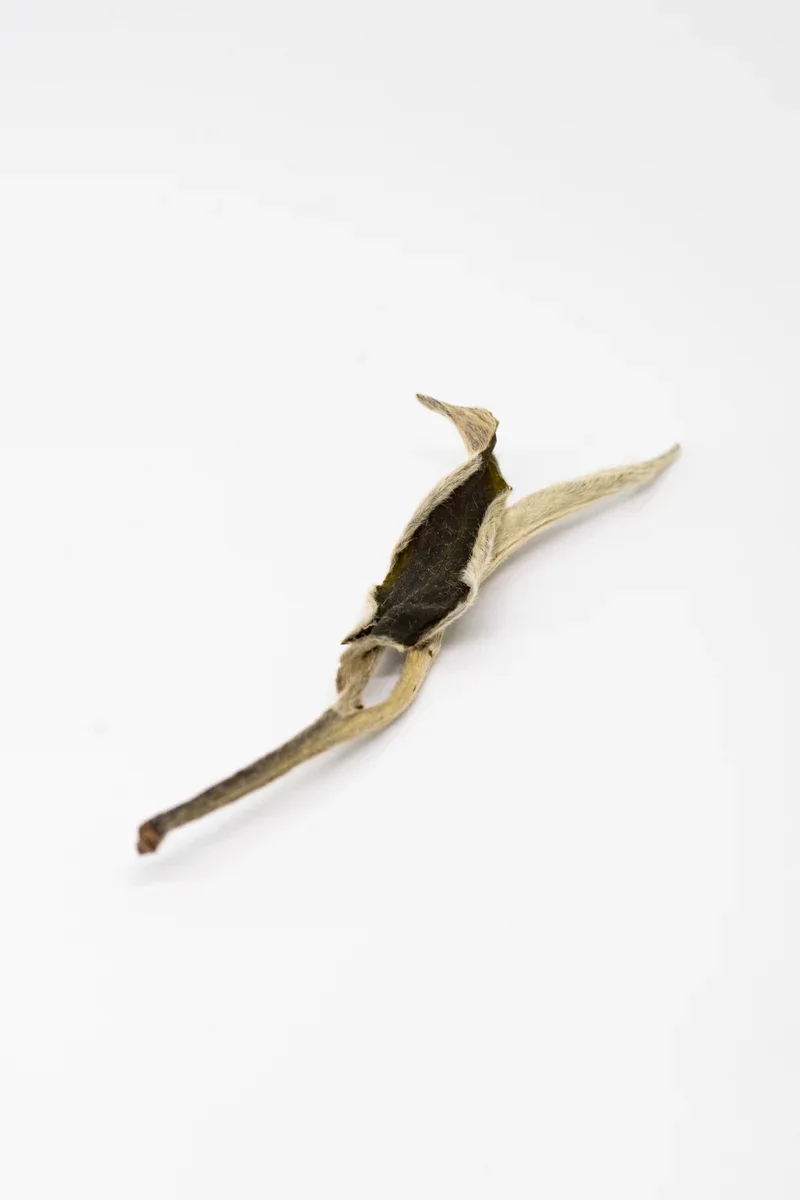
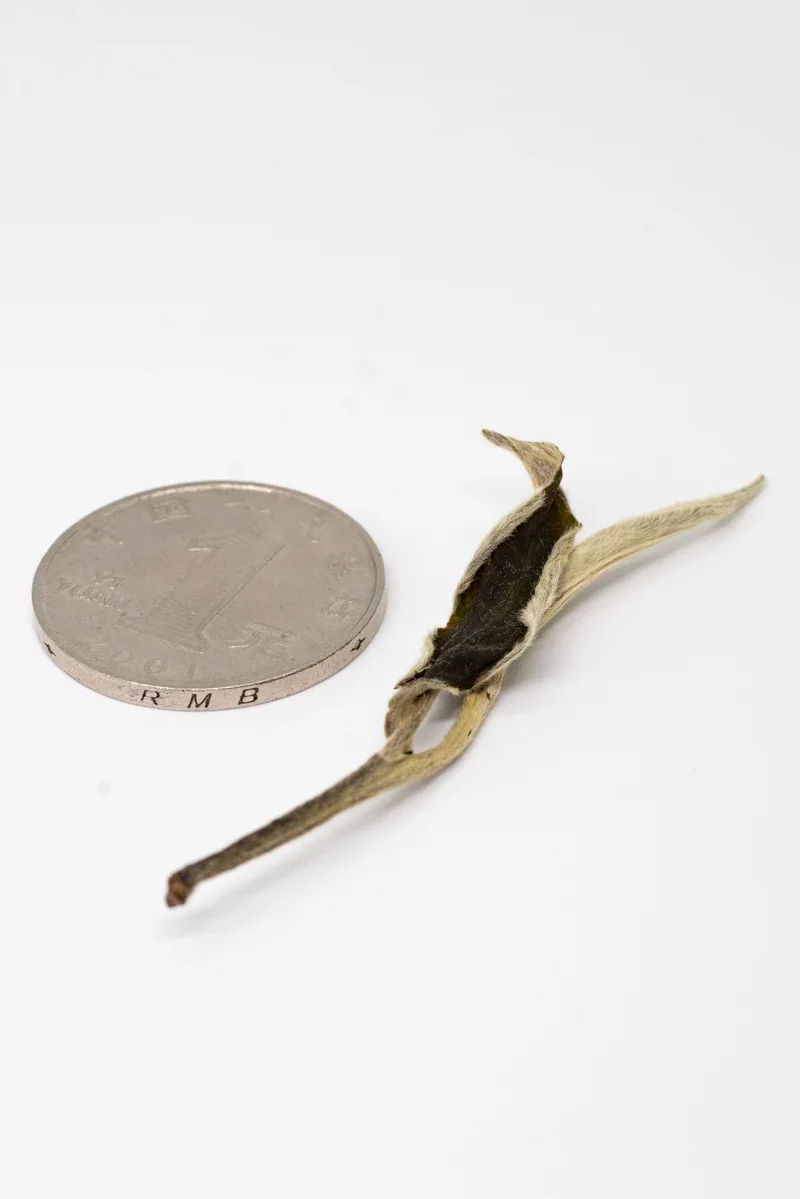
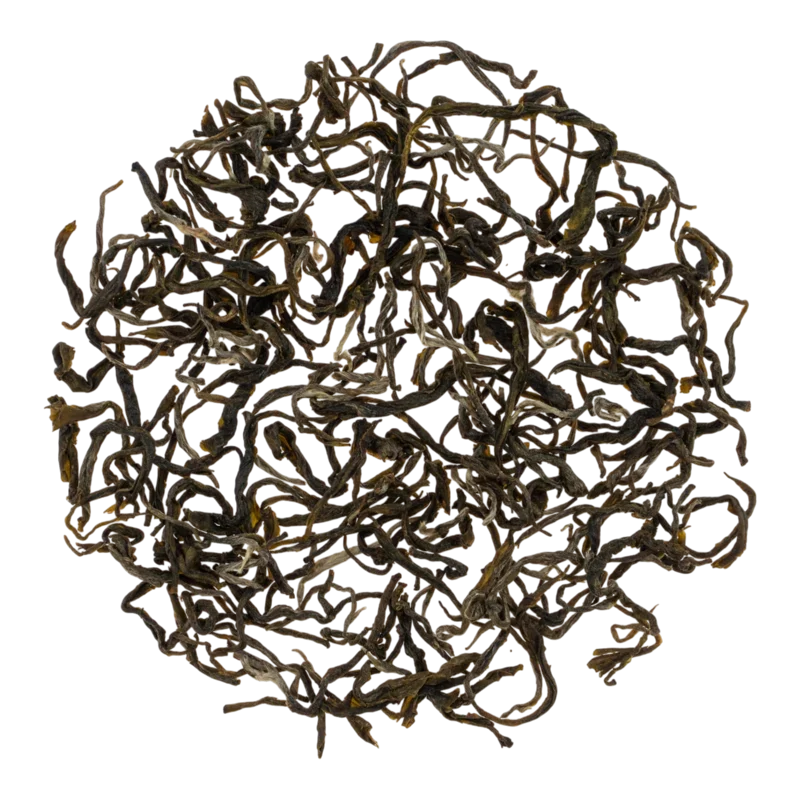
Type: Green tea (绿茶, lǜchá), unfermented. Belongs to teas dried with hot air (烘青绿茶, hōngqīng lǜchá). Form — needle-shaped (针芽状, zhēnyá zhuàng): straight, slender, covered with silvery hair.
Cultural Significance: Rénhuà Yín Háo is inseparably connected with Mount Danxiashan (丹霞山) — the reference example of the "Danxia" geomorphological type (red sedimentary rocks), which received its name precisely from this mountain. Danxiashan has been a UNESCO World Heritage site since 2010 and the world's first UNESCO geopark since 2004. Tea gardens in the cloud belt of Danxiashan are one of the most picturesque tea locations in Guangdong. The name "丹霞" ("Red Dawn") itself goes back to a poetic image: "色如渥丹,灿若明霞" — "color like saturated cinnabar, shining like bright dawn."
Single bud or one bud + one leaf. Hair covers ≥90% of surface. Orchid aroma — highest. Price — from 800 yuan per 500 g.
One bud + two leaves. Hair — 70–90%.
One bud + two-three leaves. Hair — 50–70%. Taste denser, more "masculine," with more pronounced astringency.
Mature leaf. Hair ≤50%. Mass grade for everyday consumption.
Cultivar: Rénhuà Baimaoca Quntichong (仁化白毛茶群体种) — local population variety of Camellia sinensis var. pubilimba (Hung T. Chang). Type — arborescent / semi-arborescent (乔木/半乔木型), large-leaf. Tree height in natural conditions — 5–6 m. Young shoots are densely covered with silvery-gray hairs. Leaves — thin-leathery, oblong, 12–21 cm long, 4–5.5 cm wide. Includes subtypes: large-leaf baimao (大叶白毛) and medium-leaf baimao (中叶白毛). Biochemical profile: polyphenols (tea) — 33.83–42.84%, amino acids — 3.68–3.92%, caffeine — 4.66–5.5%, water-extractable substances — ≥45.03% — exceptionally high indicators ensuring both dense body and pronounced freshness.
Picking: From the Spring Equinox (春分, Chūnfēn, ~March 21) to Qīngmíng (清明, Qīngmíng, ~April 5). Hand-picked. Tea picked before Qingming — "Qingmingcha" (清明茶) — is considered most valuable.
Altitude: Core — 700–1000 m above sea level. Huanglingzhang ridge (黄岭嶂, 800–1000 m) is covered with primary subtropical forest. Tea gardens are located in the "cloud belt" (云雾带), where fog persists almost daily.
Climate: Subtropical monsoon. Average annual temperature — 19.6°C. Precipitation — 1665 mm/year. Number of foggy days — more than 200 per year. Daily temperature range — significant, which promotes accumulation of aromatic compounds. Diffused light stimulates accumulation of amino acids (≥3.10% in spring tea) and suppresses formation of catechins, reducing bitterness.
Soil: Yellow and red soils (黄壤、红壤, pH 4.5–6.0), developed on Danxia (red sedimentary) rocks. Rich in organic matter. Enriched with selenium — Se 0.15–0.35 mg/kg — natural selenium zone. Tea gardens are located in water resource protection zone, without chemical fertilizers and pesticides — ecologically clean production.
Territory is part of the buffer zone of Danxiashan Geopark. Forest cover — more than 80%. Proximity of Danxia red rocks creates unique microclimate: rocks accumulate heat during the day and release it at night, moderating daily fluctuations and retaining humidity.
4–8 hours in shade. Leaves lose part of moisture and begin to develop aromatic precursors.
Cast iron wok, temperature — 180°C. Method "tossing + steaming combination" (扬焖结合, yáng mèn jiéhé) — alternating "open" tossing of leaf for moisture evaporation and "closed" steaming under lid for even heating of thick large-leaf raw material. This combined method ensures complete enzyme inactivation without "burning" the delicate hair.
"Ball rolling + pushing rolling alternation" (团揉推揉交替, tuánróu tuīróu jiāotì) — forming dense "needle" from leaf.
Central operation of entire technology — hand shaping: leaf is rolled into straight "needle," while silvery hair is "raised" to surface, creating characteristic "silver" shine. Performed exclusively by hand — master controls finger pressure to avoid breaking hair.
Bamboo basket (竹焙笼, zhú bèi lǒng), temperature — 90–95°C. Entire process from picking to final drying is performed only with bamboo and wooden tools — no metal — to avoid catalytic oxidation, which destroys fragile essential oils responsible for orchid aroma.
To moisture content ≤5%.
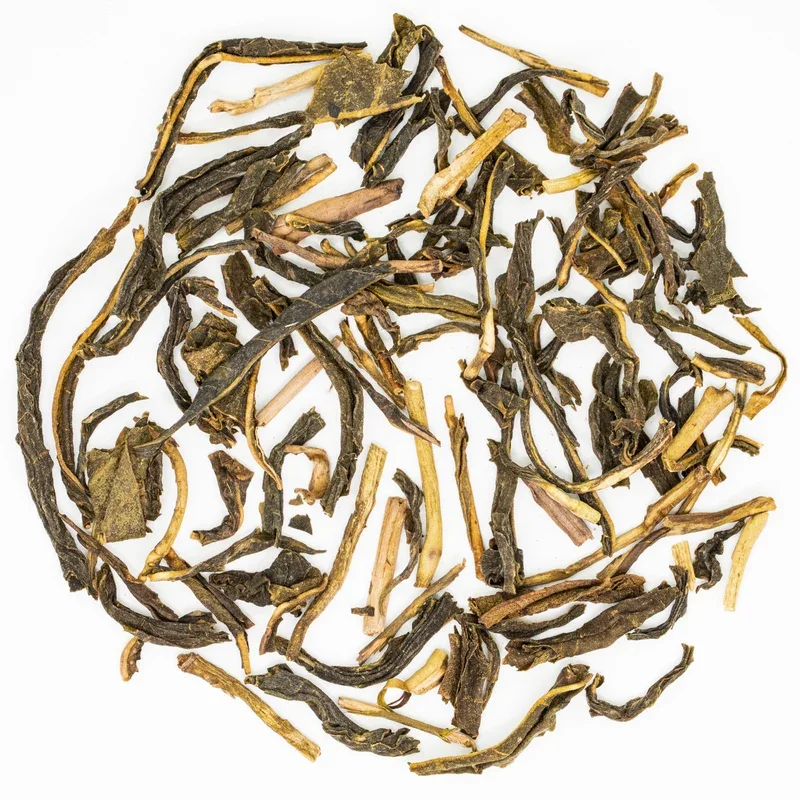
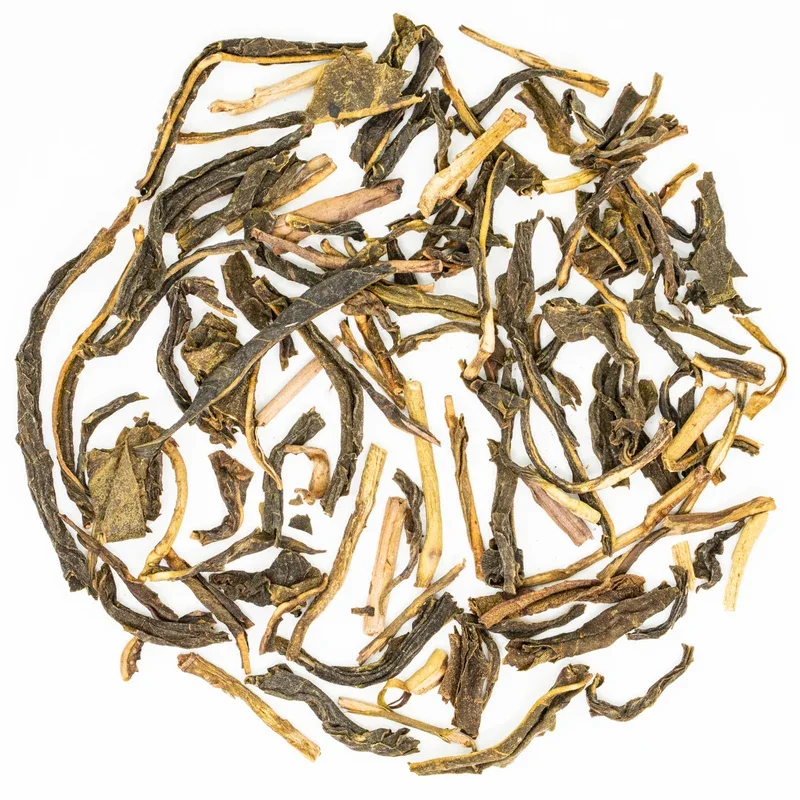
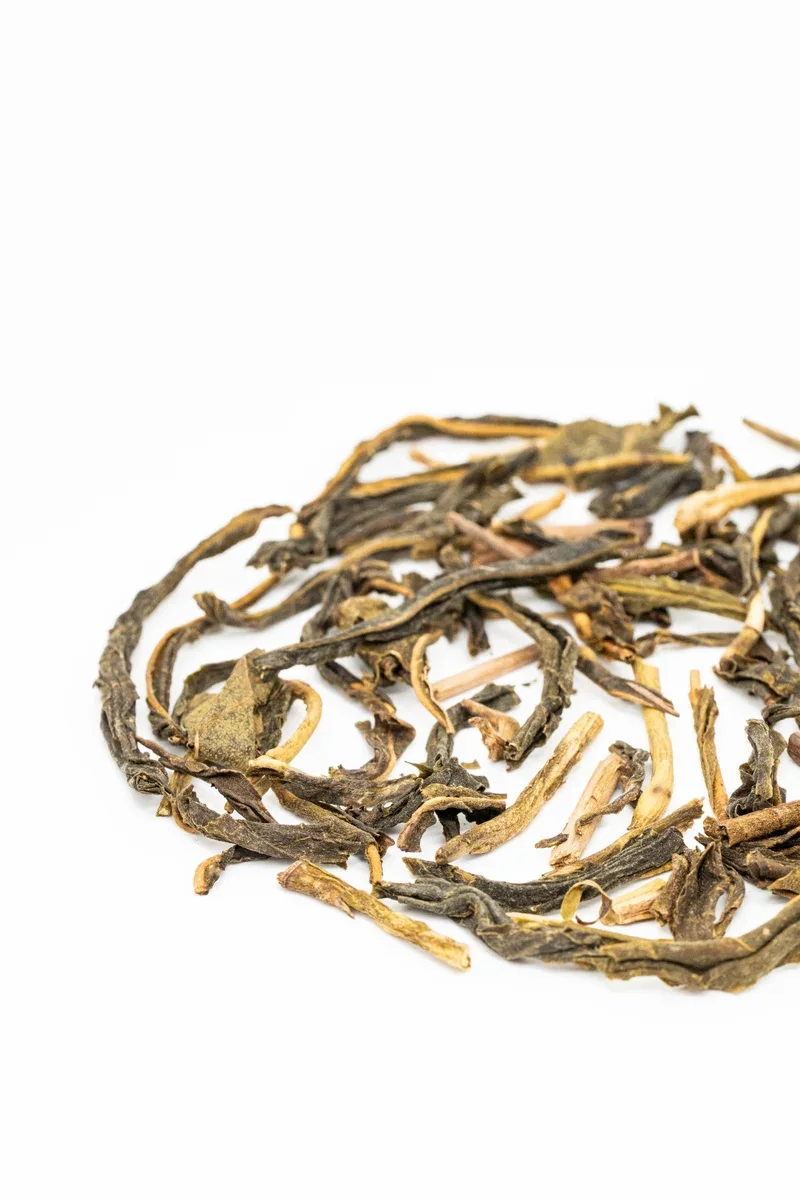
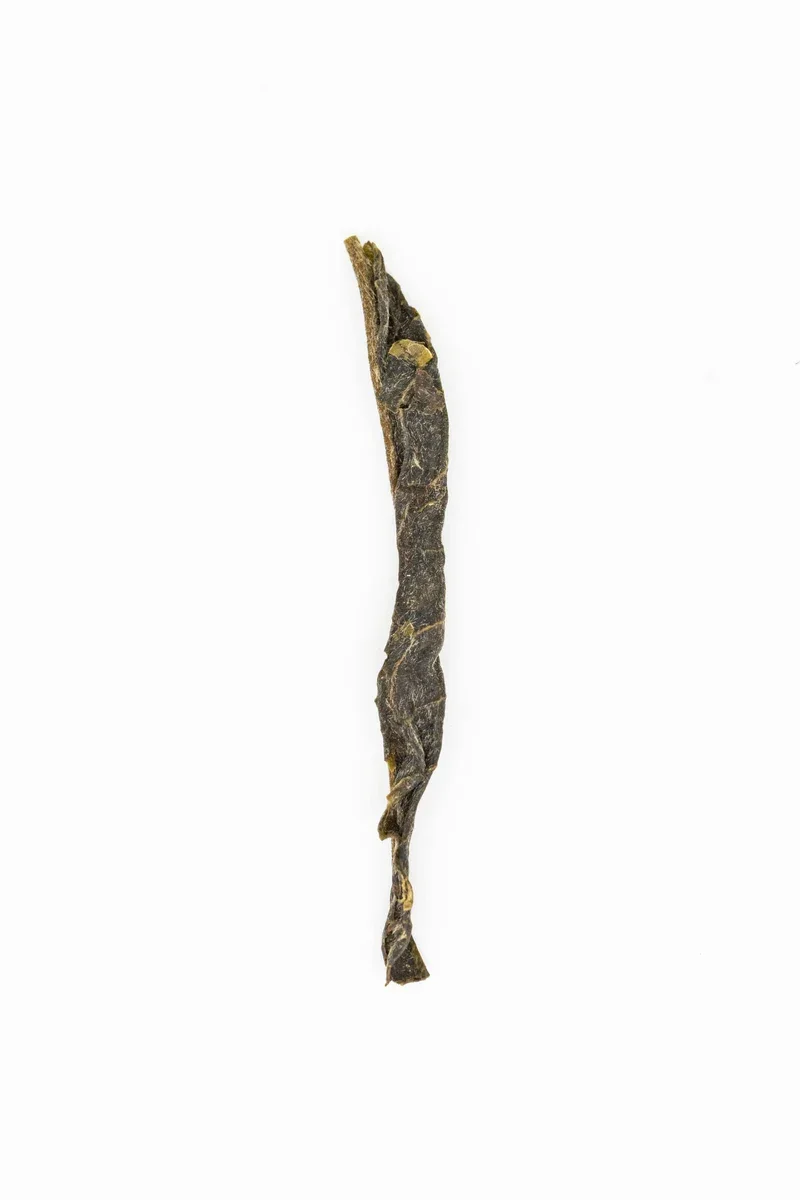
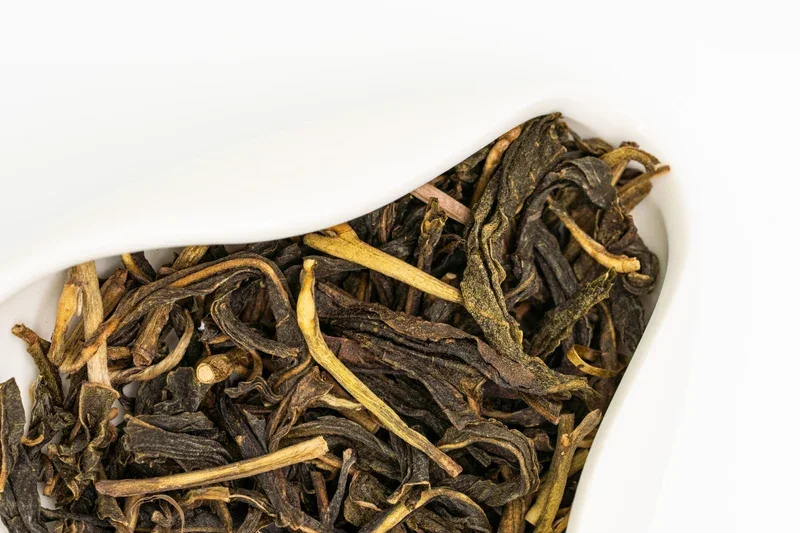
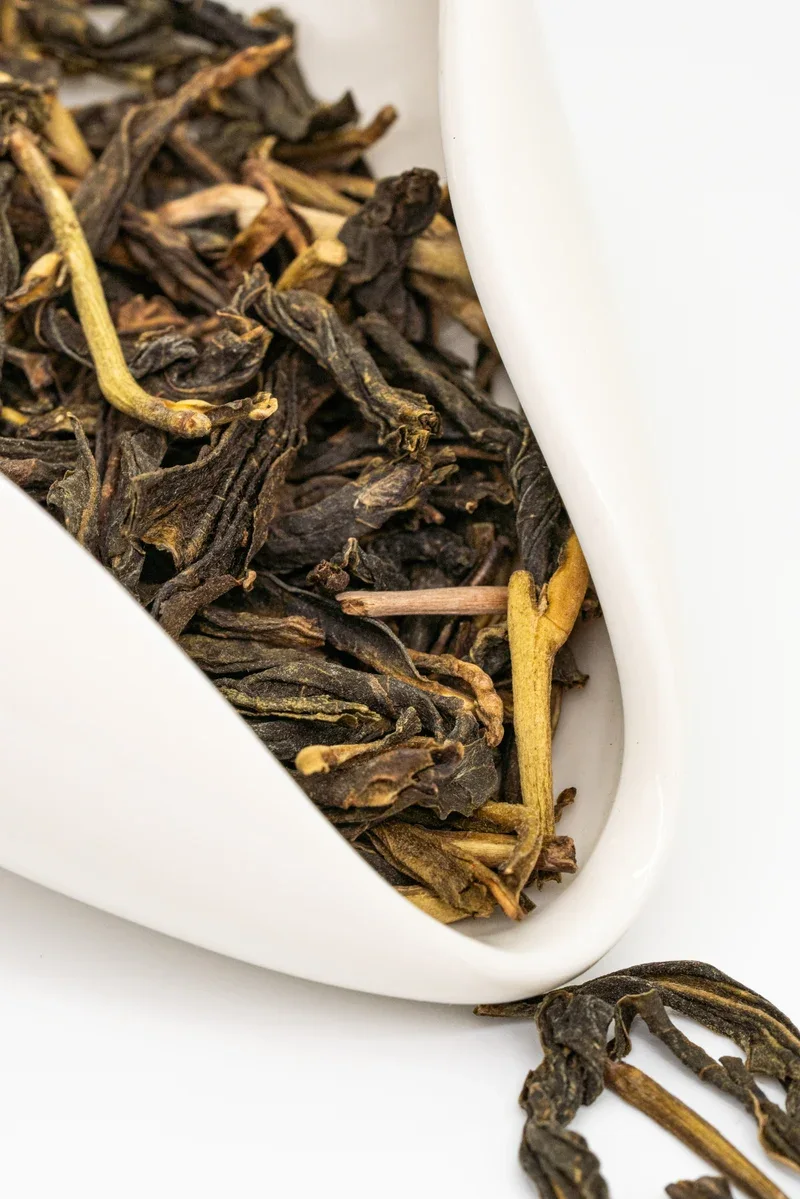
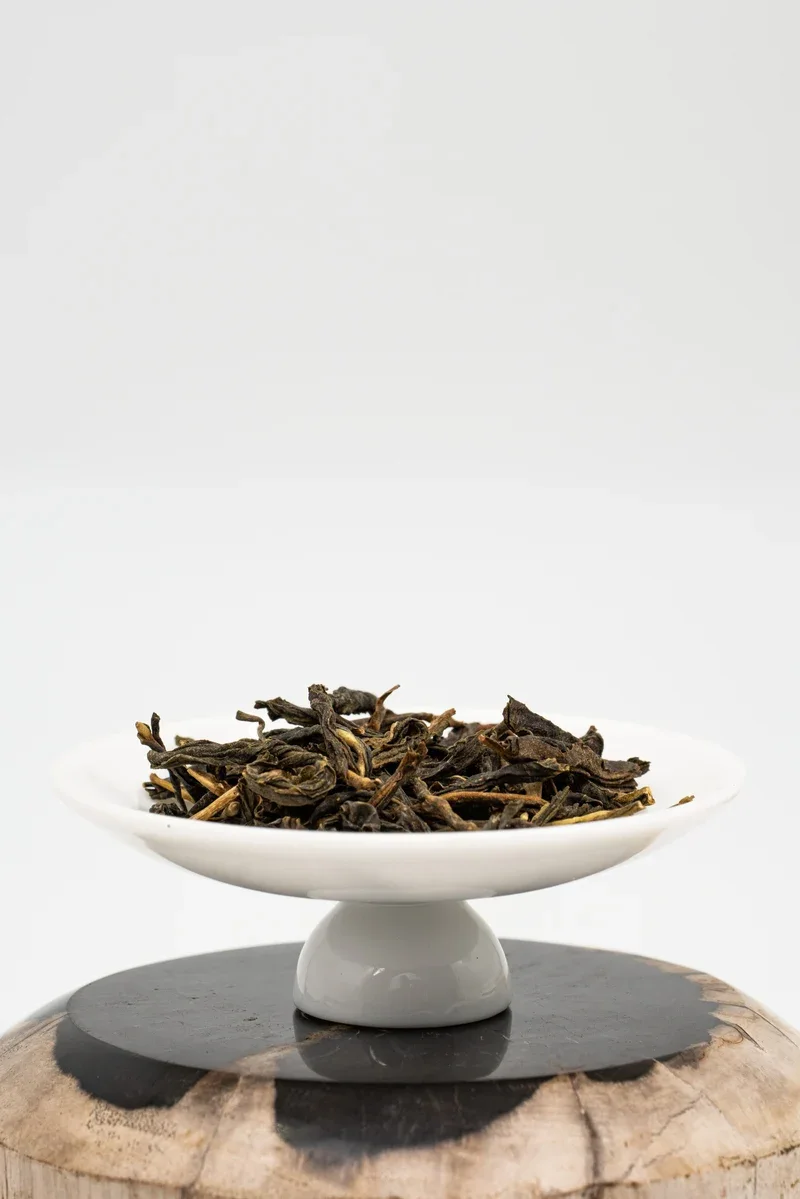
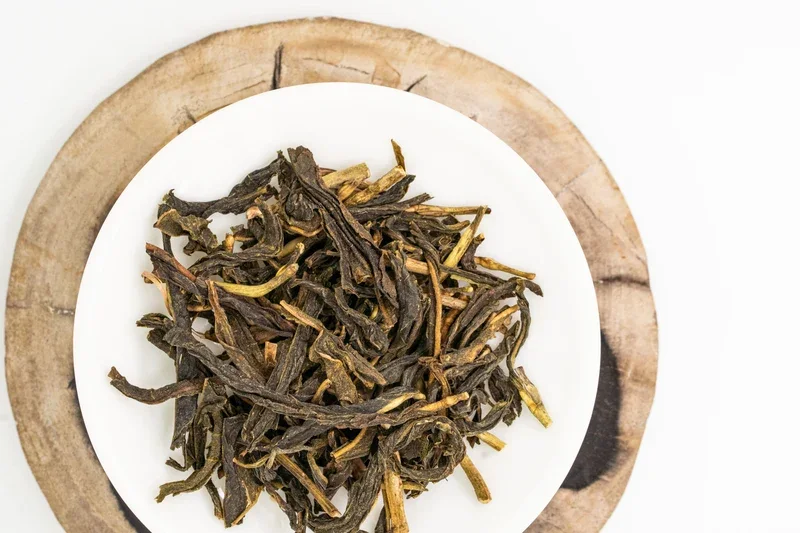
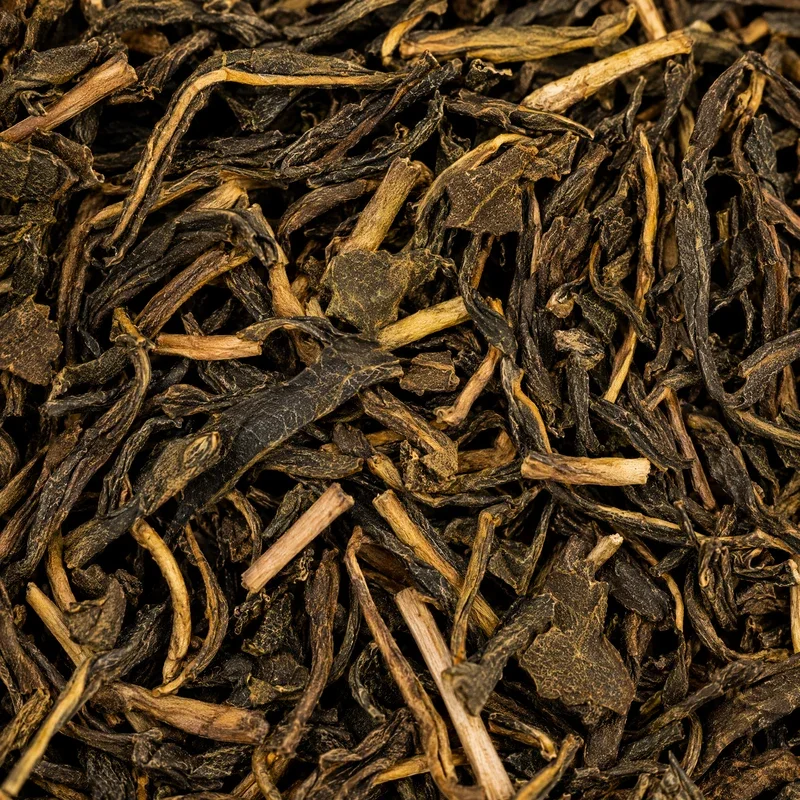
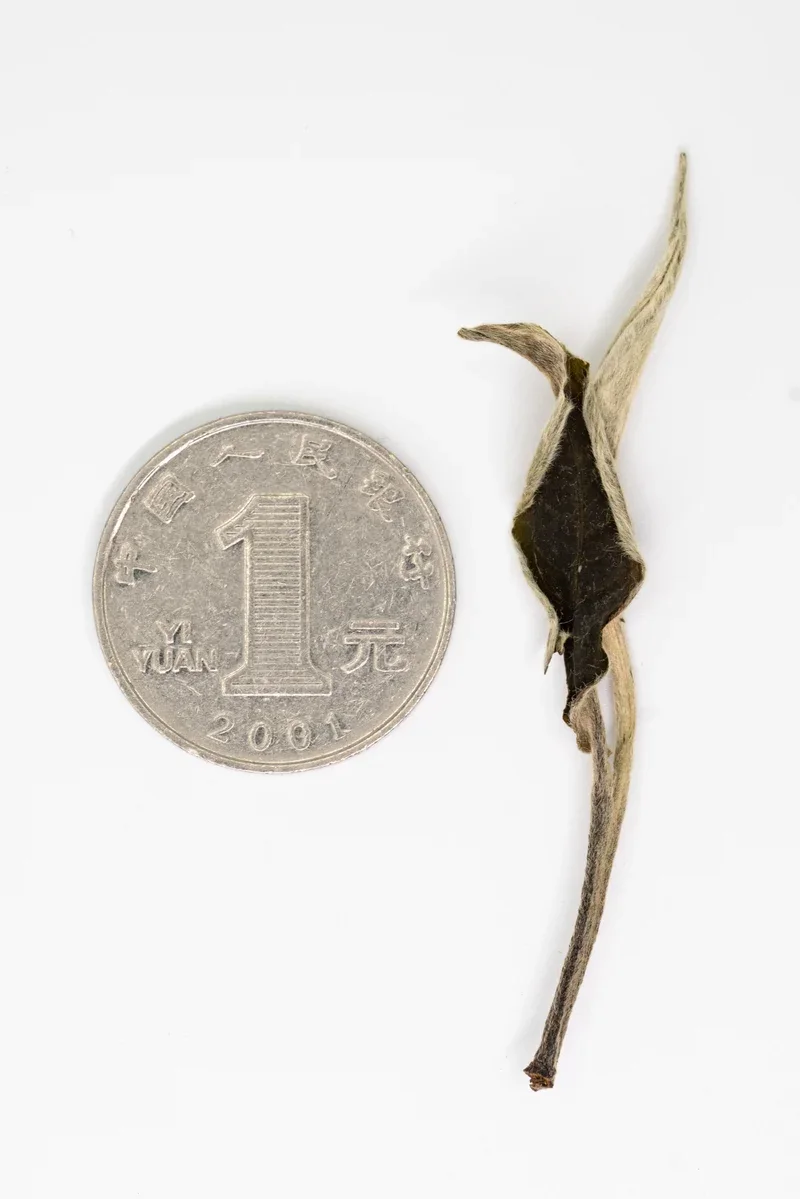
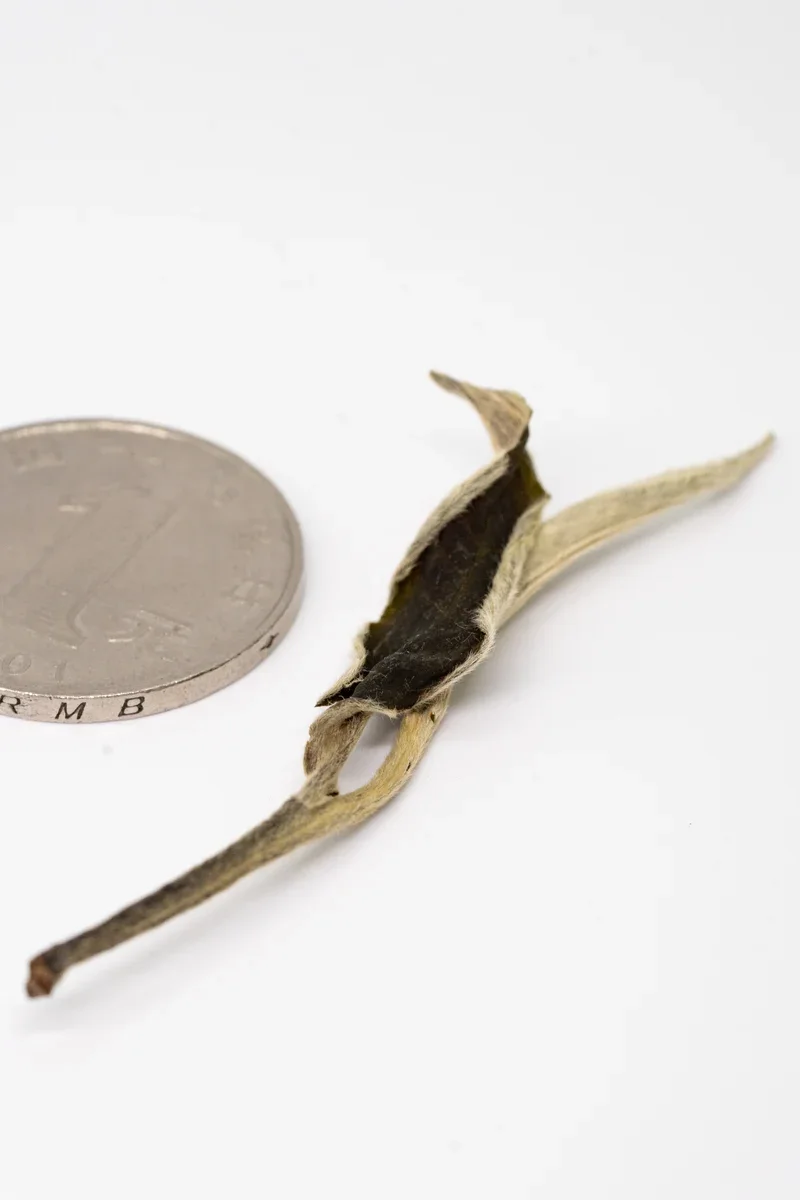
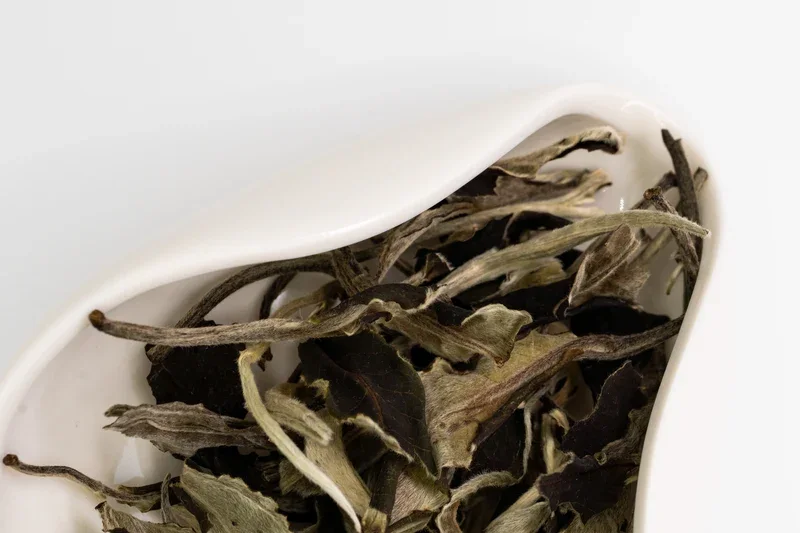
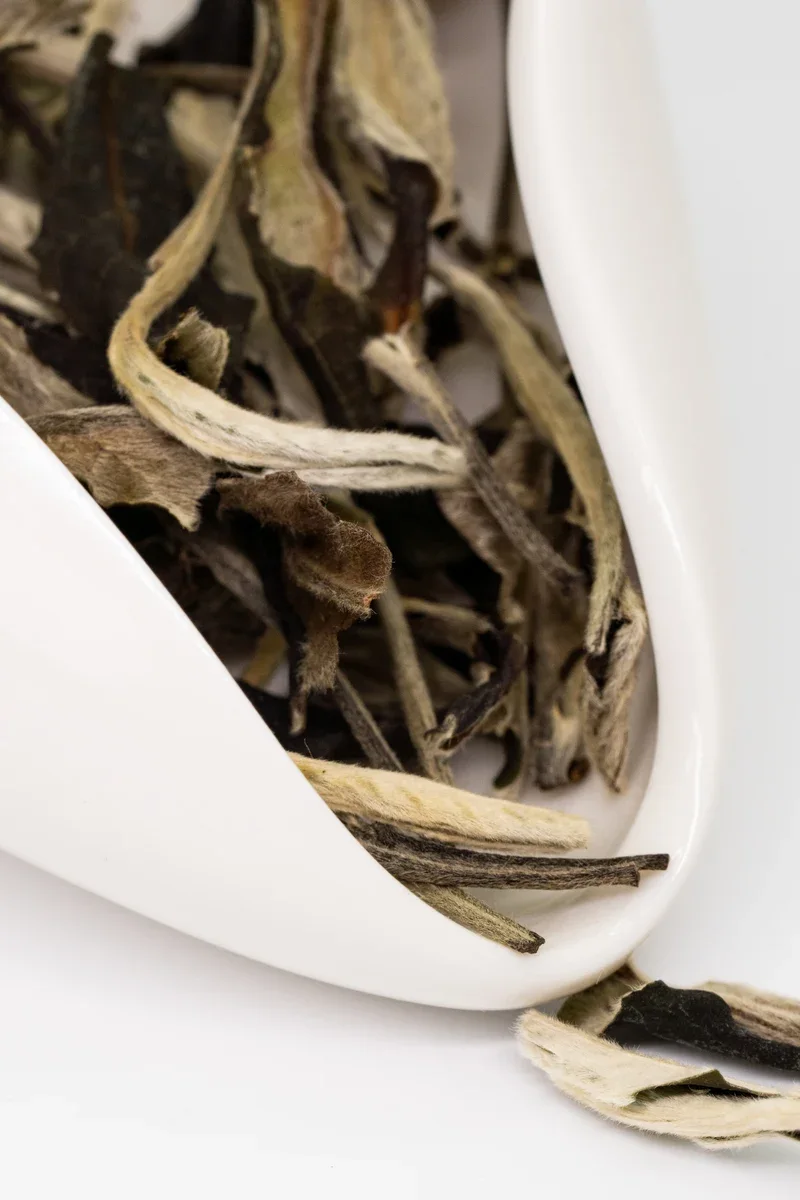
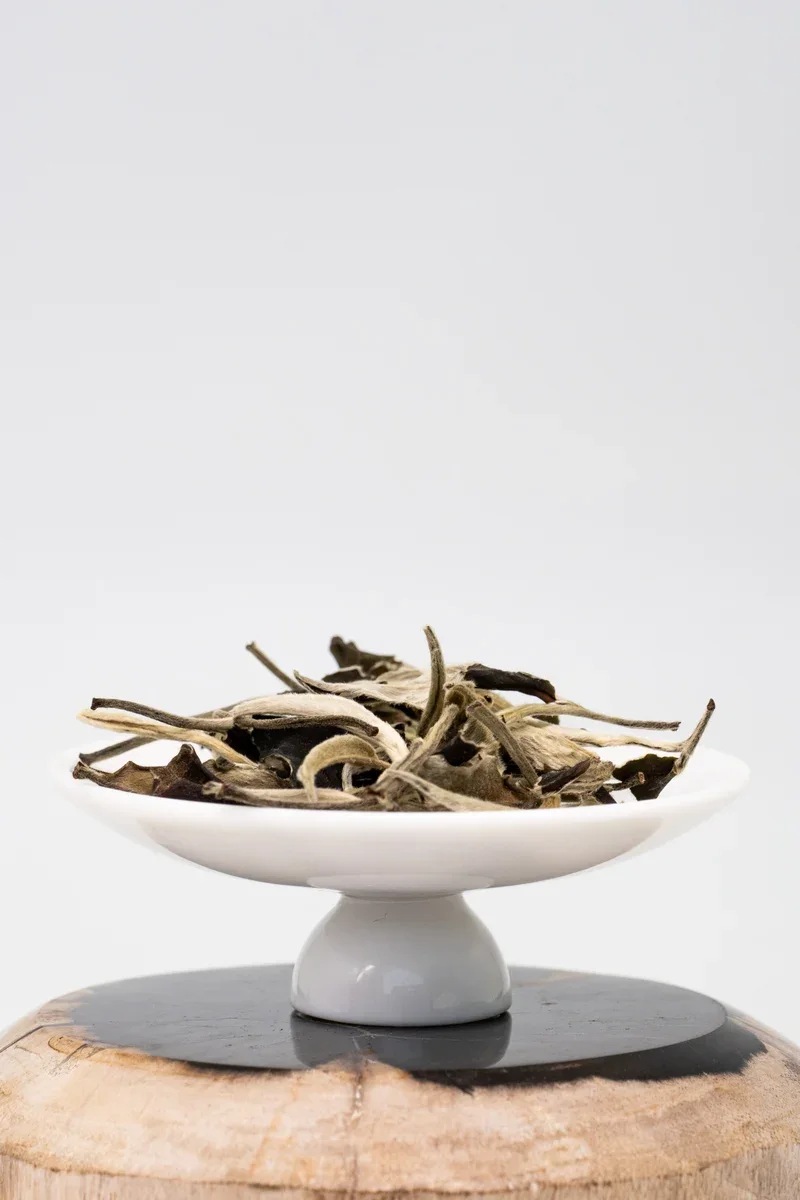
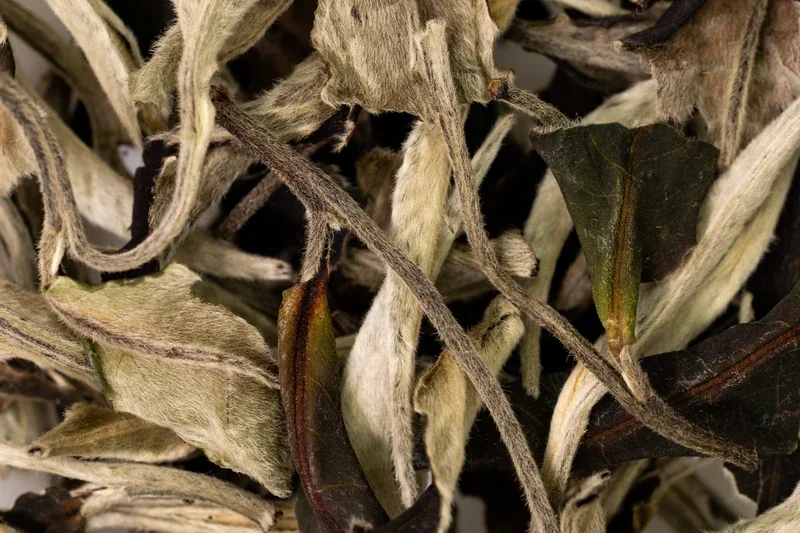
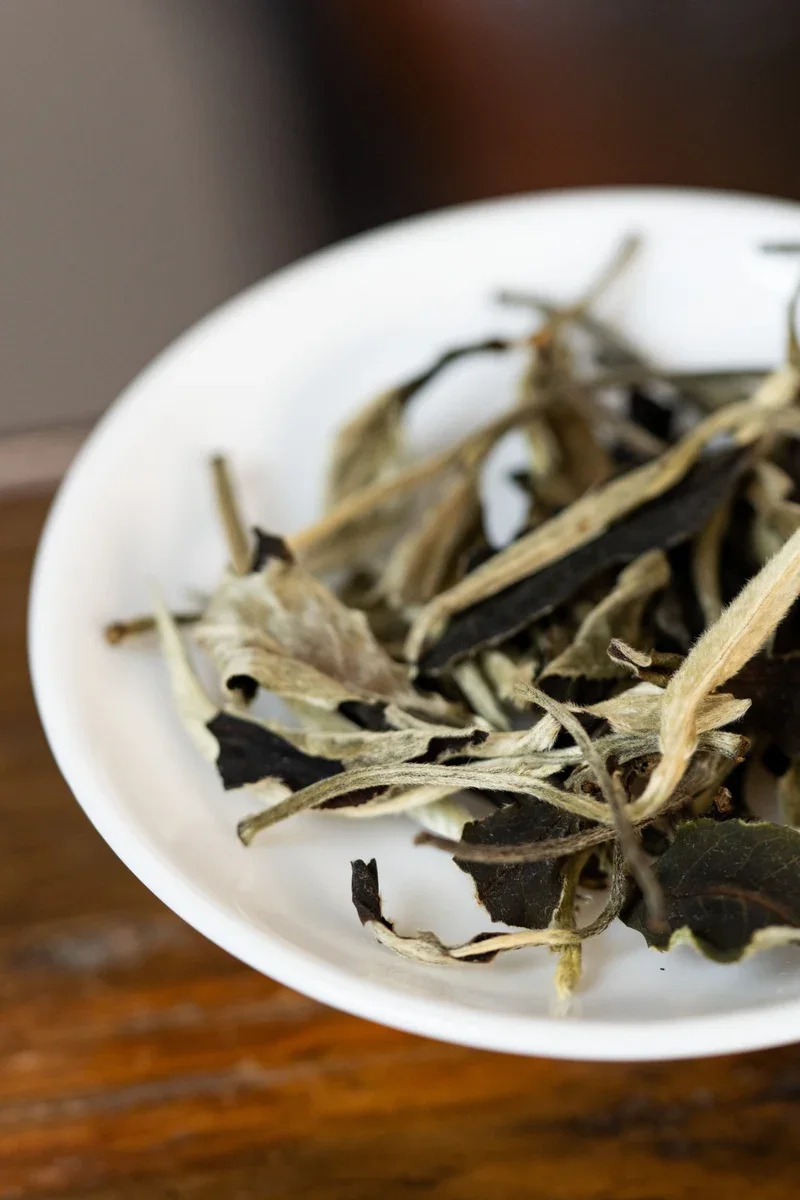
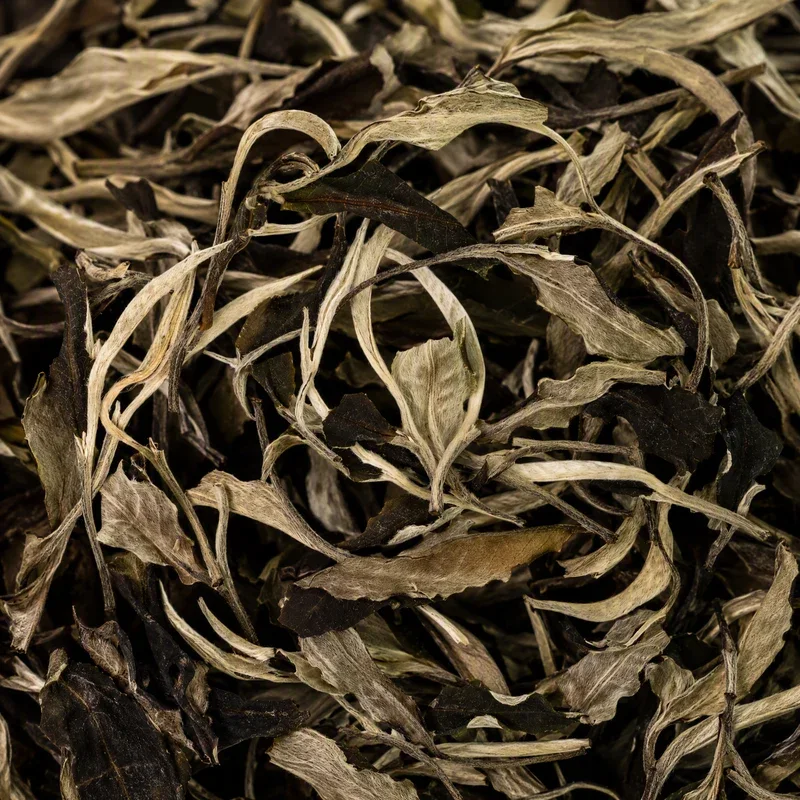
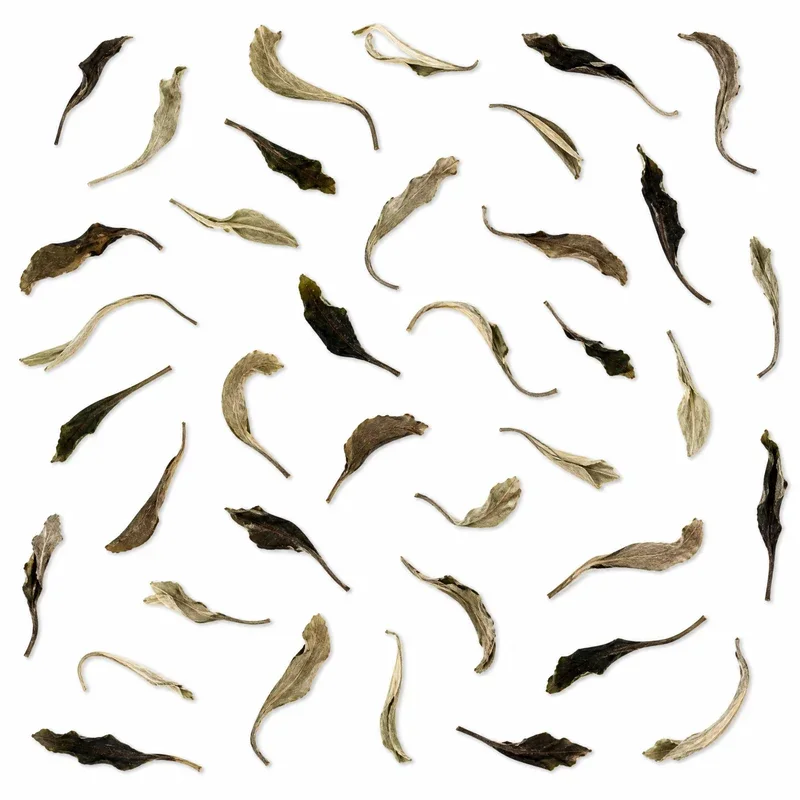
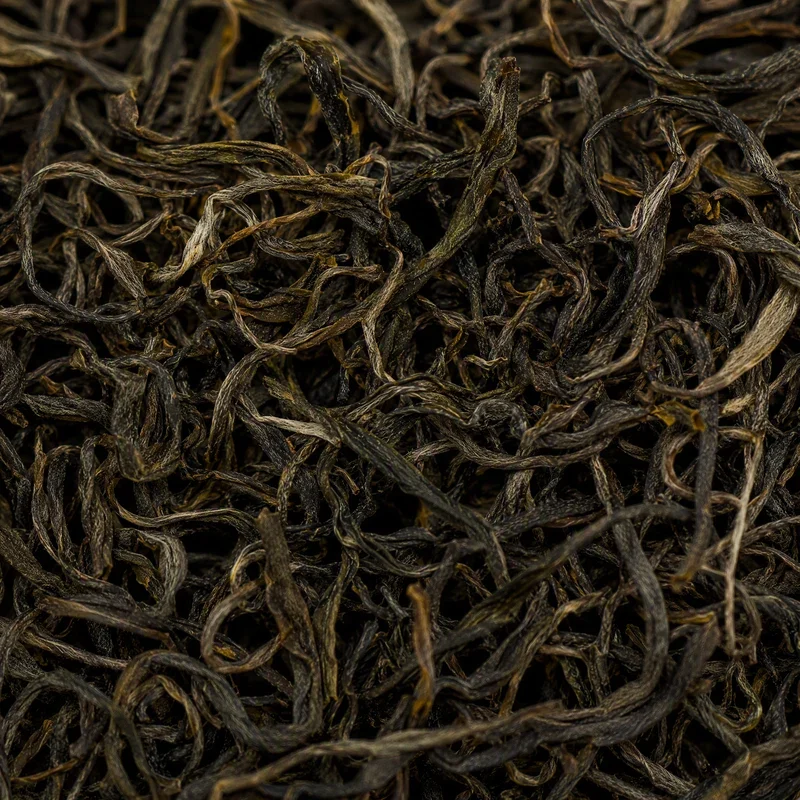
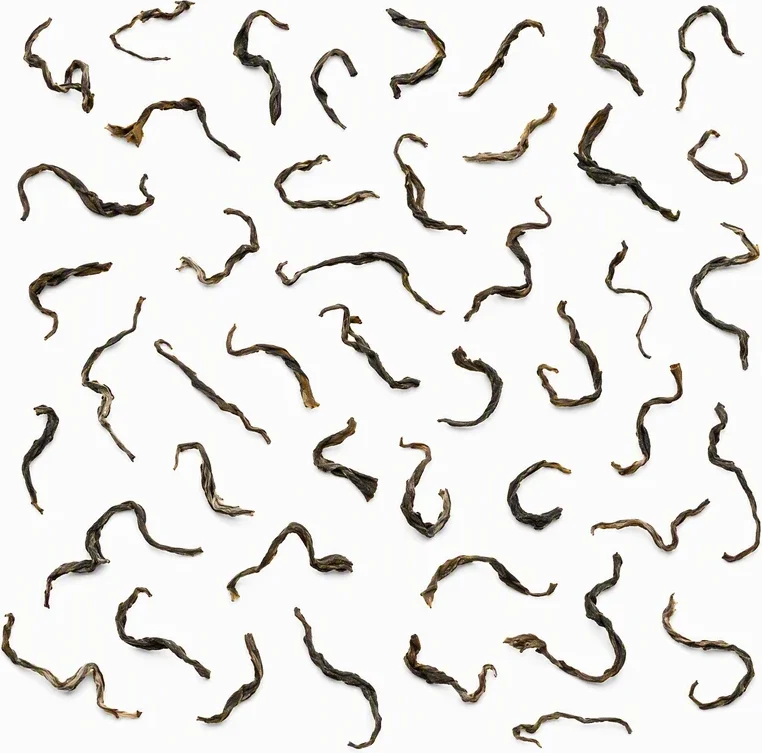
Dry Leaf Appearance: Straight, slender "needles" (挺直似针), covered with abundant silvery hair (绿润披银毫). Color — fresh green with "dewy" shine (鲜润). Size uniform — from 1.5 to 2.5 cm.
Dry Leaf Aroma: Clean, high, with distinct floral note. Orchid tone is already discernible in dry form.
Liquor Aroma: Orchid (兰花香, lánhuā xiāng) — visiting card of the tea, "signature" of traditional 28-operation technology. Clean, persistent, "quiet" (清幽带兰花香). In young, fresh tea — with additional note of fresh-cut greenery (清香). Aroma delicate, not aggressive — "floats" rather than "hits the nose."
Liquor Color: Clean, transparent, yellow-green (明净清澈, 黄绿透亮). Light "honey" shade in highest grade.
Spent Leaves: Tender green, uniform. Buds — whole, "alive" (芽尖鲜活), with well-preserved hair. When brewed in glass "needles" stand vertically — spectacular visual effect (芽叶竖立).
Taste: Fresh (鲜爽), sweetish-soft (甘醇). Light astringency, quickly transforming into persistent sweetness (微涩速化). Body — medium, "silky," enveloping. Aftertaste — long, with note of orchid sweetness. High amino acid content (≥3.92%) ensures pronounced "juiciness" (鲜味).
Amino Acids: 3.68–3.92% — significantly above average for green teas (standard value ~2%). L-theanine — main amino acid, ensuring fresh, sweetish taste and relaxing effect.
4.66–5.5% — elevated content, characteristic of large-leaf varieties. Ensures pronounced tonic effect.
≥45.03% — high "richness" of infusion.
0.15–0.35 mg/kg — from soils of Danxia selenium zone. Natural enrichment without artificial additives.
Essential Oils: 2.78% — elevated content, basis of orchid aroma.
Minerals: K (potassium), Mg (magnesium), Zn (zinc), F (fluorine), Mn (manganese).
Polyphenols: 33.83–42.84% (according to Guangdong Tea Research Institute, 1996; depending on grade and measurement method — dry sample / fresh sample). This is one of the highest indicators among Chinese green teas, comparable to some Yunnan large-leaf teas. EGCG (epigallocatechin-3-gallate) content — up to 141 mg/g — outstanding antioxidant activity indicator.
Vitamins: C (ascorbic acid), B group (B₁, B₂), carotenoids.
Polyphenols up to 42.84% with record EGCG content (141 mg/g) — one of the strongest natural antioxidants. Neutralizes free radicals, slows cellular aging processes.
Caffeine (4.66–5.5%) combined with L-theanine provides gentle, prolonged alertness without sharp peaks and "crashes" — so-called "clear energy."
Natural selenium (0.15–0.35 mg/kg) — important microelement for thyroid function and immune system. Zinc supports tissue regeneration and immunity.
Catechins, especially EGCG, promote normalization of cholesterol levels and maintenance of healthy fat metabolism.
Polyphenols stimulate peristalsis, while caffeine increases gastric juice secretion, promoting digestion after fatty food.
Fluorine strengthens tooth enamel, while polyphenols have antibacterial action, suppressing bacteria causing caries.
L-theanine stimulates production of brain α-waves, improves concentration and learning ability while reducing anxiety.
Catechins promote vascular elasticity and blood pressure normalization.
Preferably soft mineral or filtered water with TDS 50–150 mg/l.
Tea Amount: 3 g per 150 ml (ratio 1:50).
Teaware: Glass tumbler (recommended for highest grade — observing "standing needles," 芽叶竖立, — one of aesthetic pleasures) or white porcelain gaiwan (盖碗). Yixing clay not recommended — it absorbs delicate orchid aroma.
Water Temperature: 85–90°C. Not above 90°C — overheating destroys orchid tone and damages delicate hair, making infusion cloudy.
Container: Airtight packaging — vacuum bags or jars with double lid. Aluminum foil inside — additional barrier from light and moisture.
Enemies: Humidity (>60%), foreign odors, direct sunlight, temperature above 10°C. Do not store near products with strong smell.
Shelf Life: New tea — "rest" (退火, tuìhuǒ) 7–15 days after production before consumption. After opening airtight packaging — consume within 10 days (!). Orchid aroma is extremely volatile and degrades upon contact with air faster than most green teas.
Temperature: Refrigerator, 0–5°C — mandatory for preserving orchid aroma.
Price Factors: Raw material grade (bud vs. leaf), growing altitude (Huanglingzhang ridge — more expensive), hand vs. machine picking, picking date (before Qingming — premium).
No reviews yet. Tell us what you think of this tea.
Rate this tea and share your impressions. We review each submission before publishing it.