Brewing
Gongfu brewing
- Water temperature
- 92 °C
- Tea amount
- 6 g
- Water volume
- 100 ml
- First steep
- 10 s
- Time added per infusion
- 5 s
- Infusions
- 8


nǎi xiāng wūlóng
Choose a brewing method. Start with the recommended quantities and time, then adjust to taste.
Brewing
Brewing
Taste
Tea encyclopedia
Category: Flavored teas (majority of commercial batches); natural Taiwanese oolongs (for pure Jin Xuan without flavoring).
Category: Flavored teas (majority of commercial batches); natural Taiwanese oolongs (for pure Jin Xuan without flavoring).
Coordinates: ~23°30'–24°00' N lat., ~120°30'–121°00' E long. (Taiwan, main regions); ~25° N lat., ~118° E long. (Anxi, Fujian — for flavored versions).
Origin: Originally — Taiwan (台湾); currently mass production of flavored versions is concentrated in Fújiàn Province (福建) of mainland China, as well as in Vietnam and Thailand. Natural Jin Xuan with natural creamy notes is produced only in Taiwan — in Nántóu (南投), Chiayi (嘉义) and Taitung (台东) counties.
Type: Oolong (semi-oxidized tea). Degree of oxidation — light, usually 15–25% for base material.
Cultural Significance: Milk oolong became an "entry ticket" into the world of tea for millions of people: its softness, sweetness and comprehensible aroma make it an ideal tea for beginners. In Taiwan, natural Jin Xuan is valued significantly higher, while flavored versions are considered a mass market product and are not used in traditional tea ceremonies.
History: The Jin Xuan cultivar (Taiwan Tea No. 12, 台茶12號) was developed in 1981 by Dr. Wú Zhènduó (吴振铎, Wú Zhènduó) at the Taiwan Tea Research and Extension Station (TRES). It represents a hybrid of Tainong No. 8 (台农8号) and Yīng Shān Hóng Xīn (硬枝红心) varieties, selected from a nursery under experimental code 2027 (hence the folk nickname "27 zi", 27仔). The natural light creamy aroma of Jin Xuan quickly attracted market attention, and by the 1990s the idea of "milk oolong" was picked up by mass producers, who began flavoring cheaper oolongs with food-grade milk-caramel additives. It was this flavored version that became worldwide known as "Nai Xiang Oolong" or "Milk Oolong".
Due to genetic characteristics of the cultivar — a specific set of volatile esters (methyl butyrate, γ-nonalactone), formed during light oxidation. Manifests only under certain growing conditions (altitude >600 m, sharp diurnal temperature fluctuations) and proper processing. Not all Jin Xuan batches possess milky notes — this is a rarity.
Various oolong cultivars — Tiěguānyīn (铁观音), Běn Shān (本山), Máo Xiè (毛蟹), as well as Vietnamese and Thai mass-produced oolongs. Raw material quality varies greatly.
Cultivar: Taiwan Tea No. 12 (台茶12號), Camellia sinensis var. sinensis. Compact bush up to 1.2 m high. Leaves are dense, oval, medium-sized, with characteristic gloss and waxy cuticle. Shoots are light green with a slight golden tint. High resistance to diseases and pests. Very productive — up to 5–6 harvests per year.
Pluck Standard: Bud and 2–3 upper leaves. Harvesting throughout the year; for flavored versions season is less critical.
Climate: Subtropical monsoon, warmer and more humid, which ensures high productivity but less intensive accumulation of aromatic substances.
Soil: Lateritic red soils, rich in iron oxides. Good drainage.
Nantou County (Mingjian, Lugu, Shanlinxi), Chiayi (Alishan), Taitung. Altitude 600–1600 m.
Anxi and Zhangzhou (Fujian), Lam Dong Province (Vietnam), Chiang Rai (Thailand). Altitude 200–800 m.
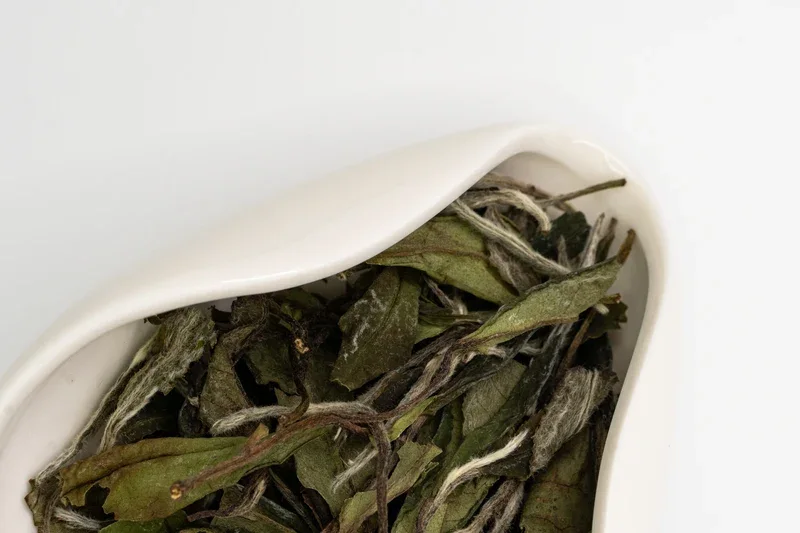
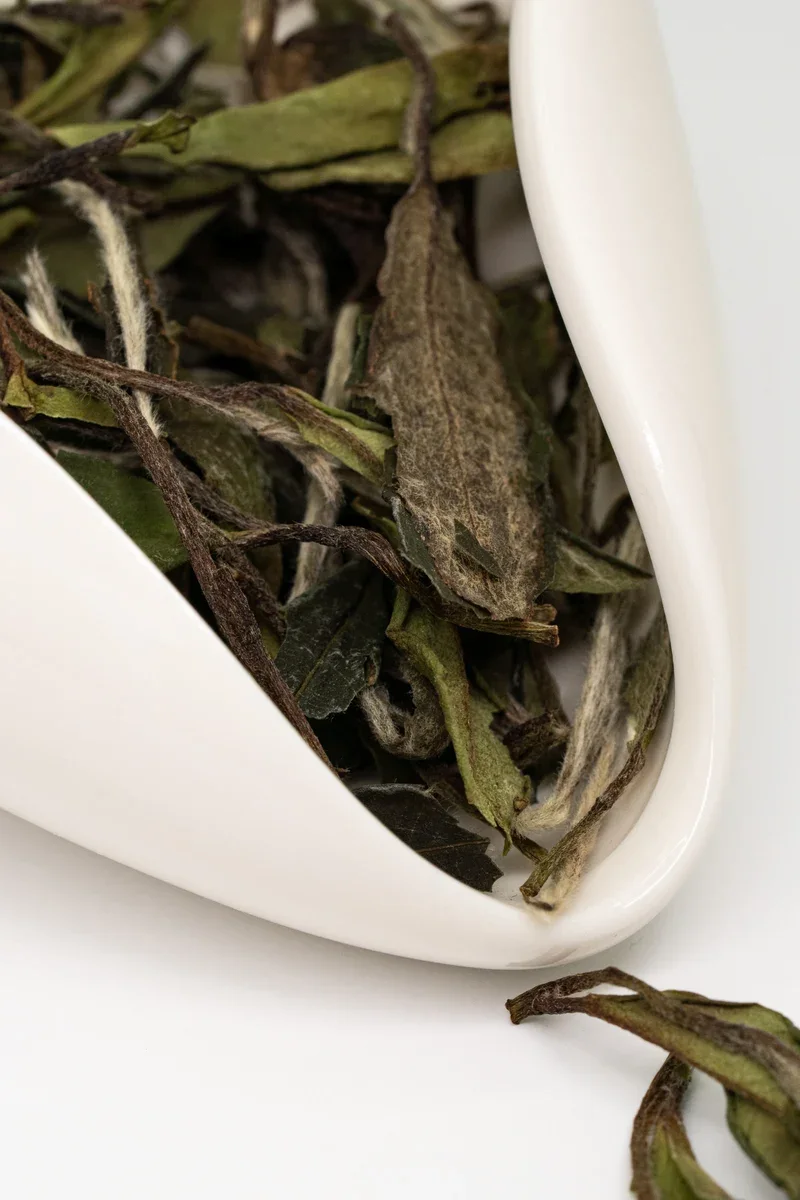
Dry Leaf Aroma: Bright, pronounced, intensely creamy-caramel. Vanilla, condensed milk. Significantly stronger than natural.
Liquor Aroma: Rich, sweet, "candy-like". Milk, caramel, vanilla. With repeated brewings the aroma quickly weakens — a sign of flavoring.
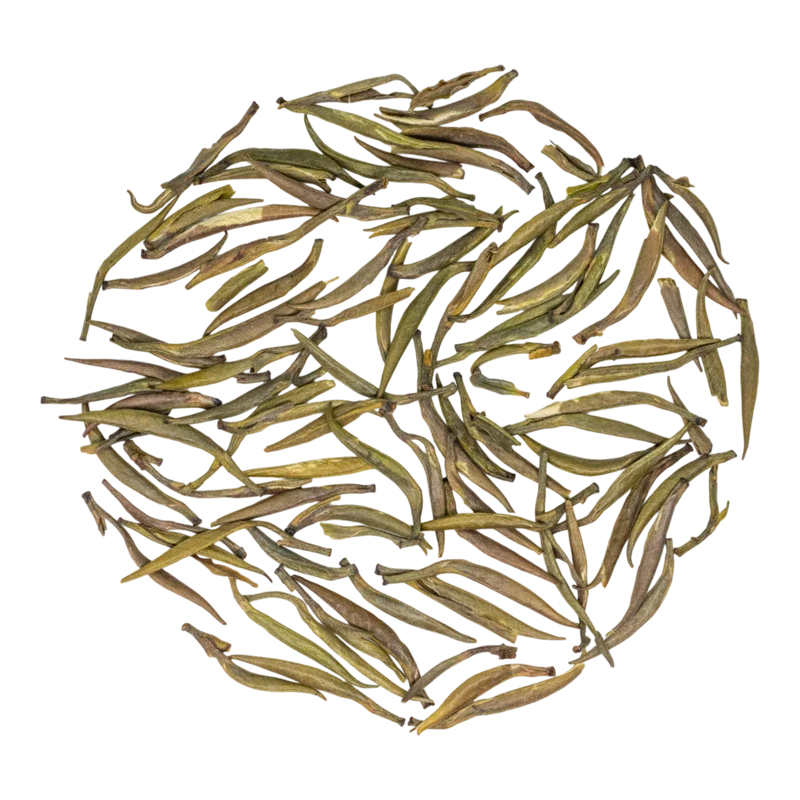
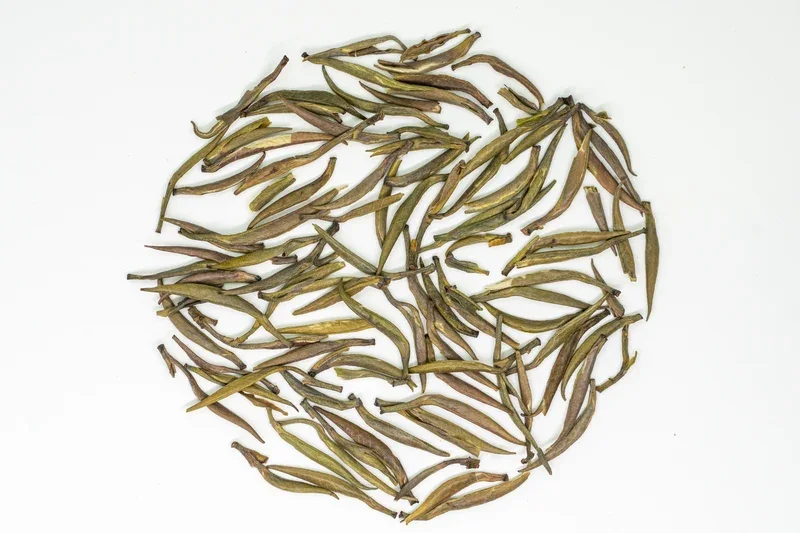
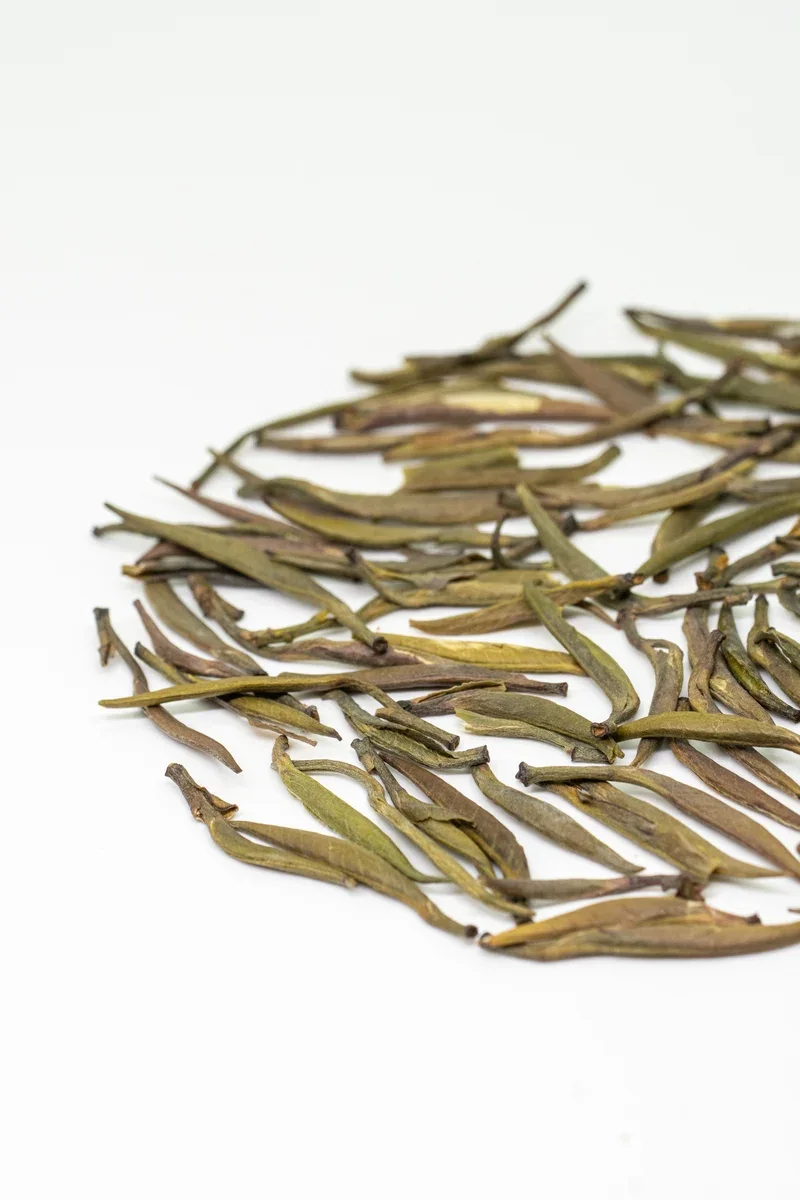
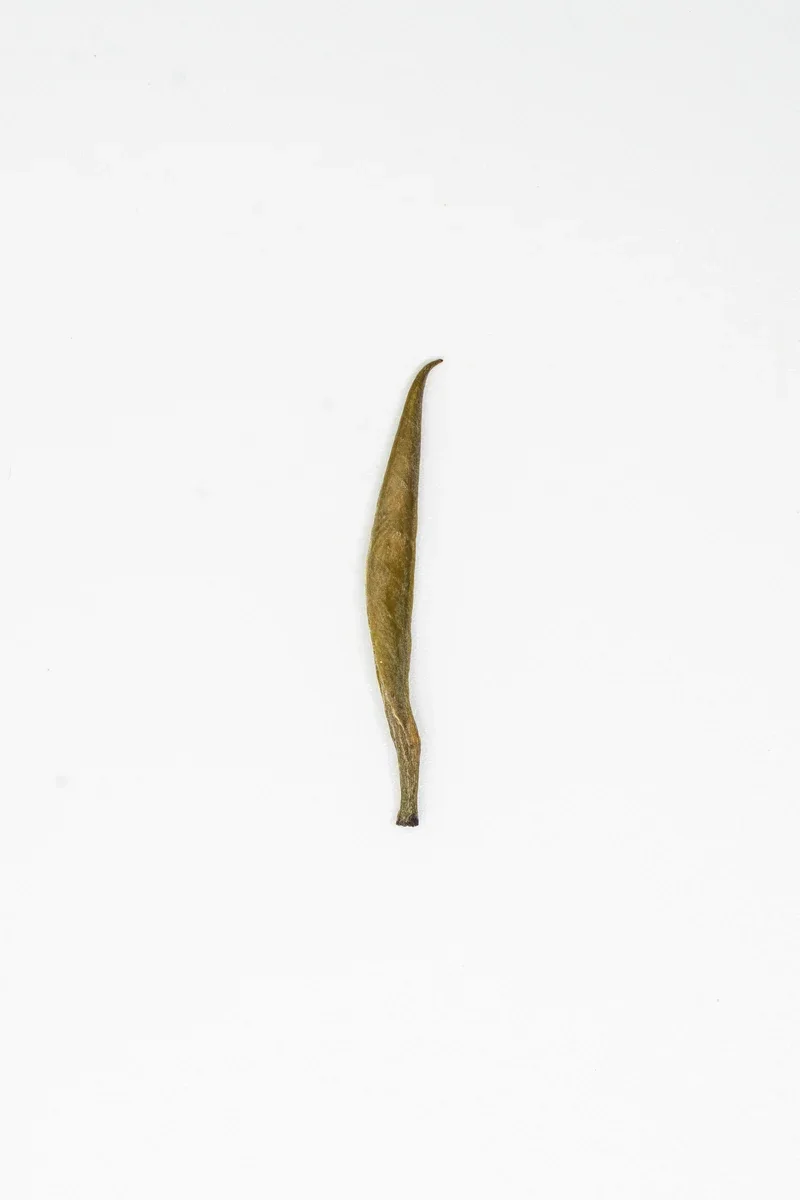
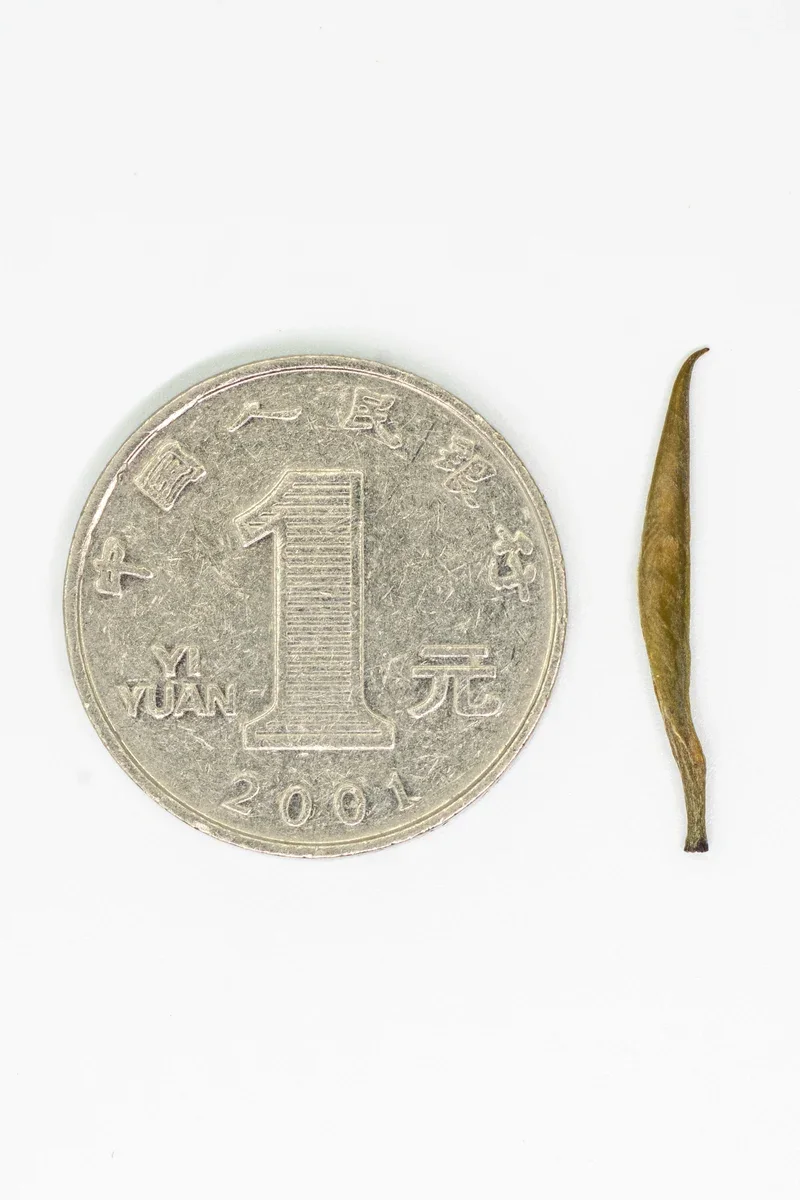
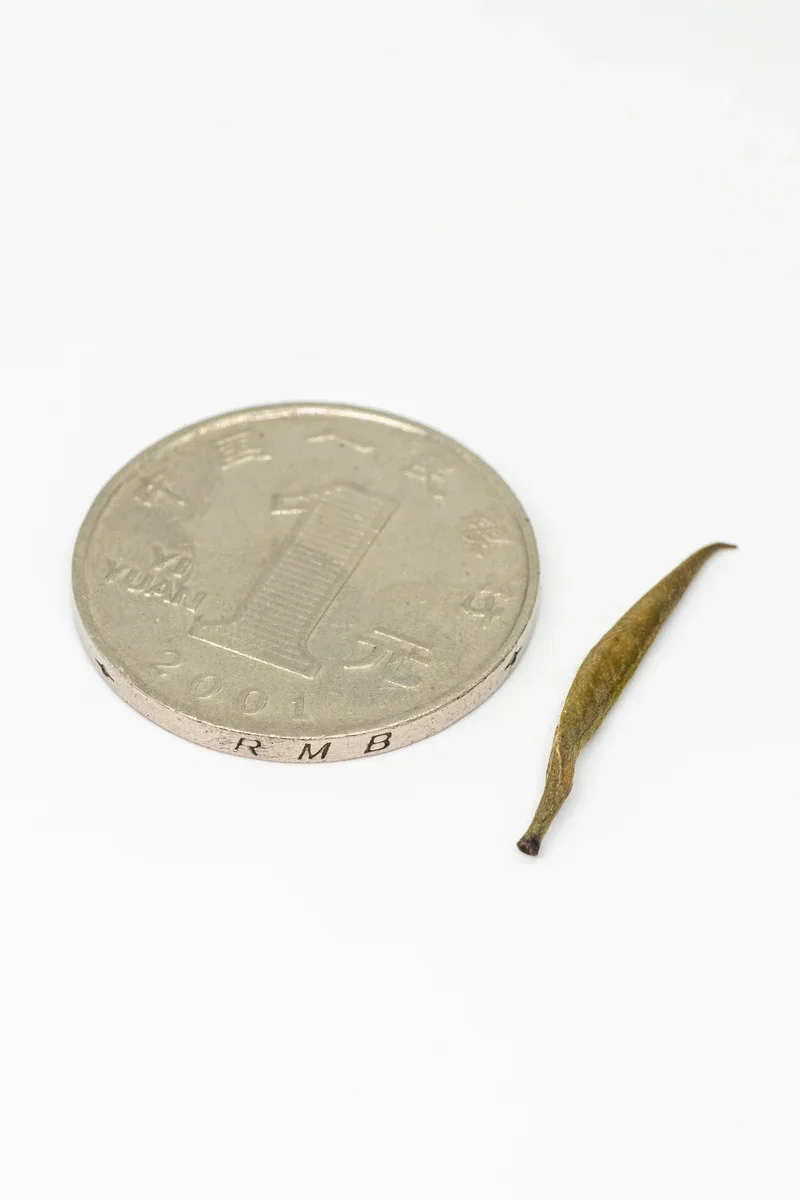
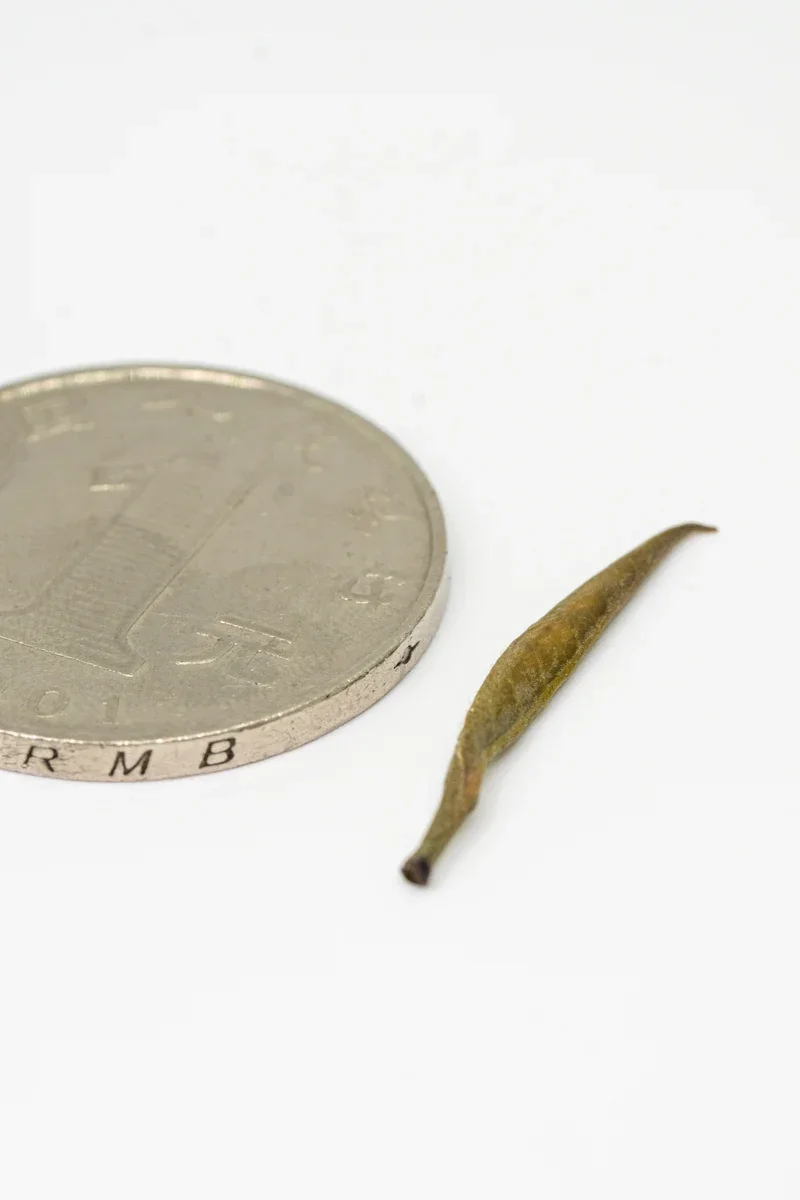
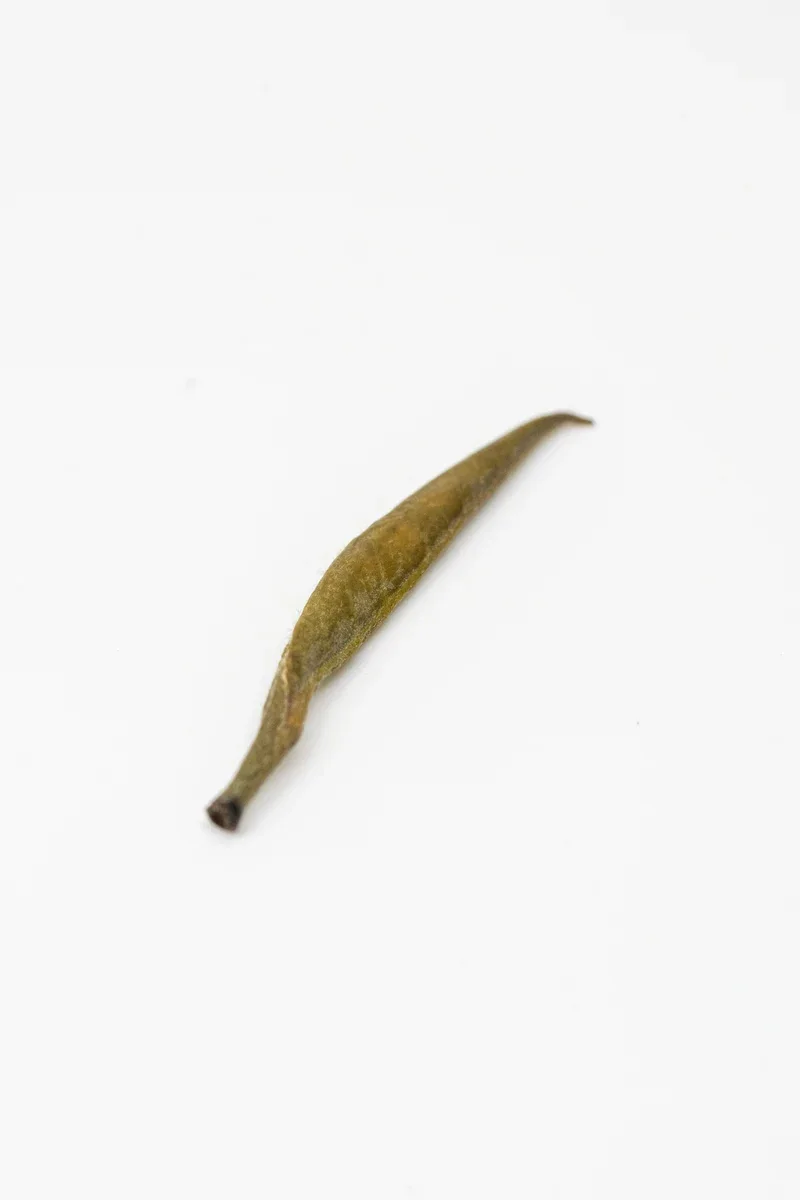
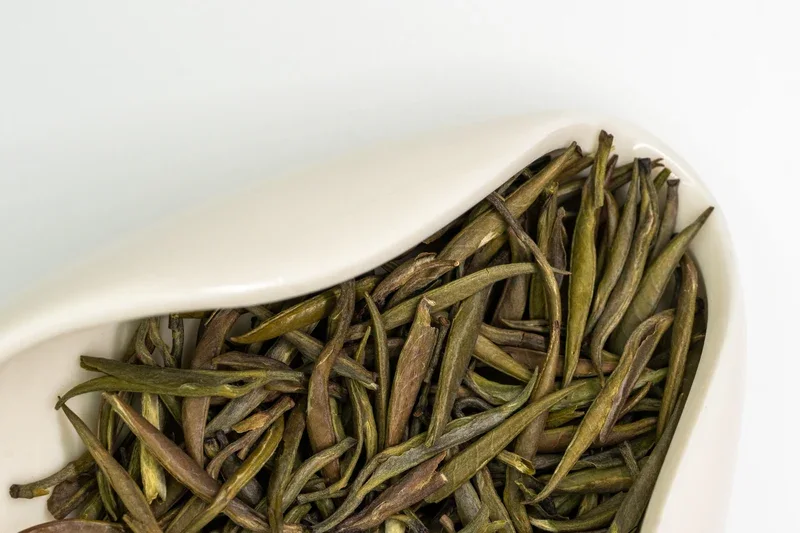
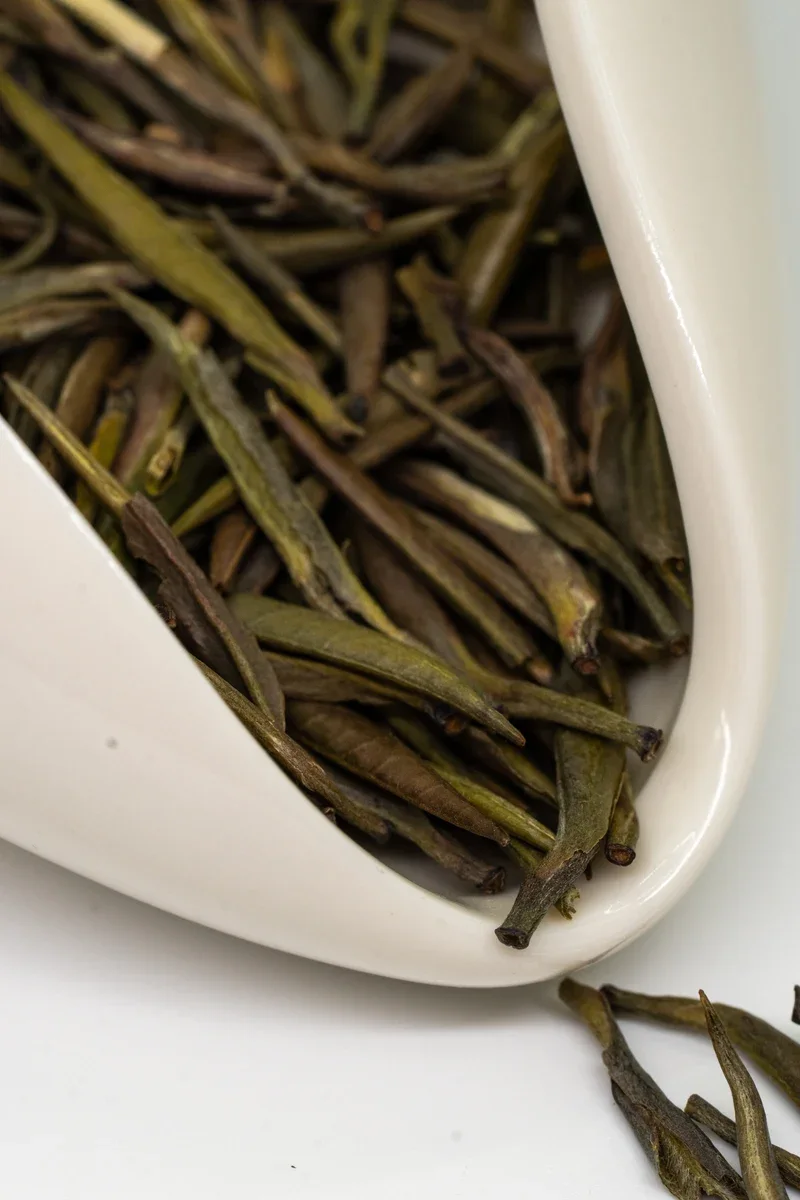
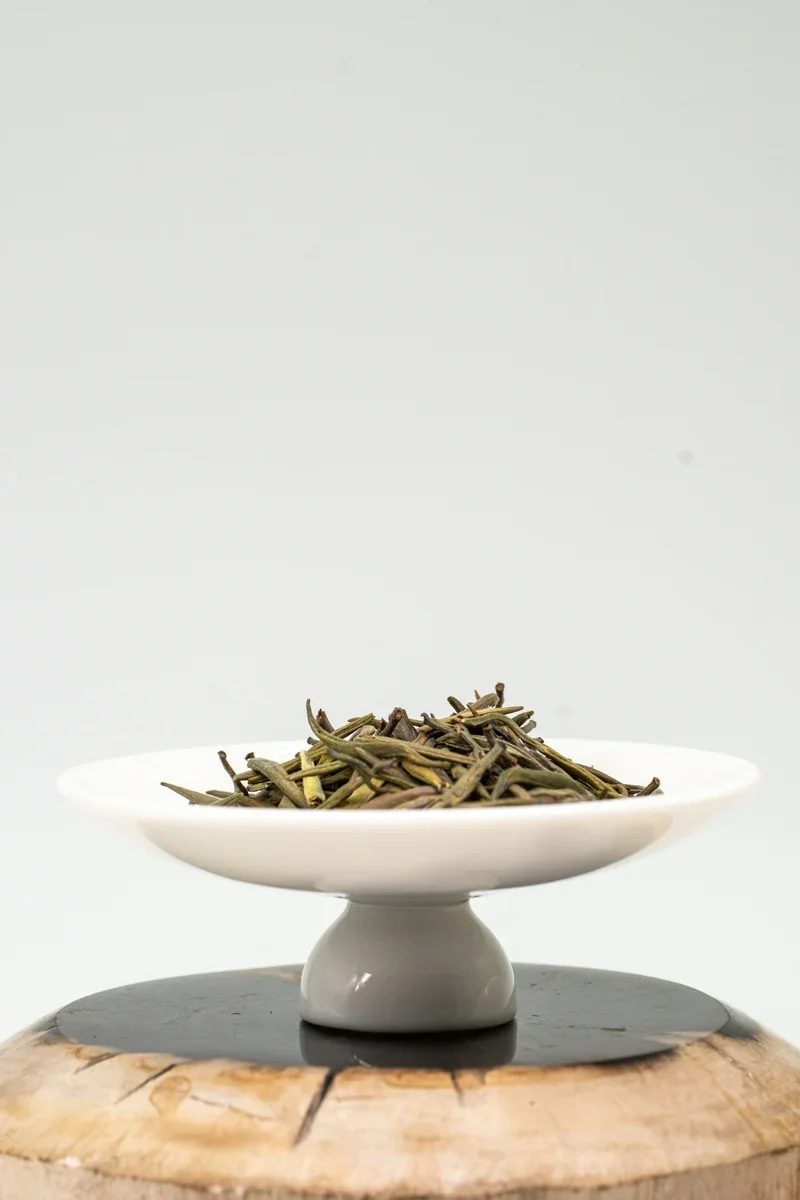
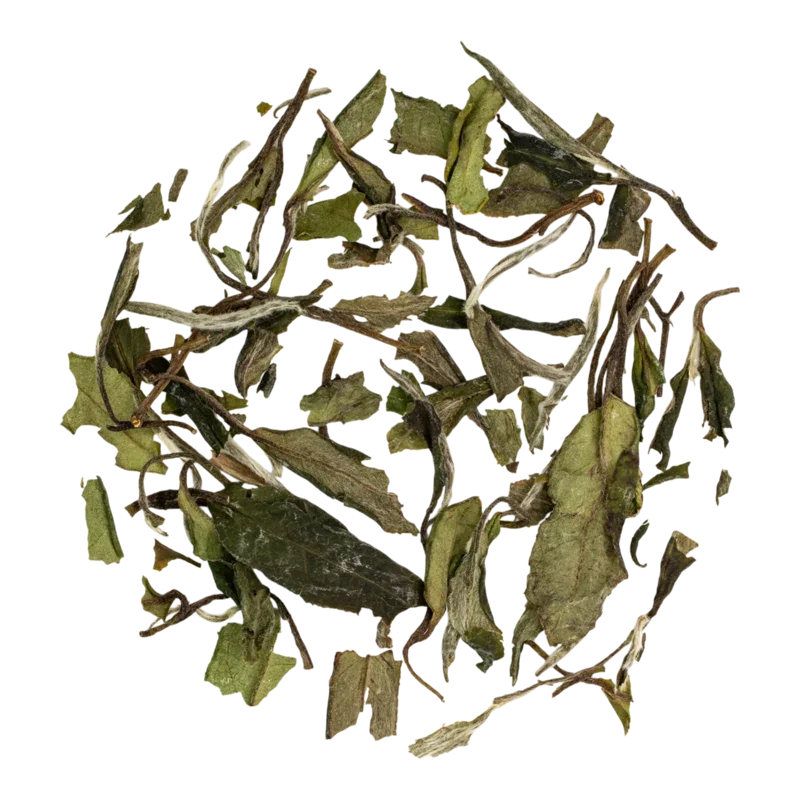
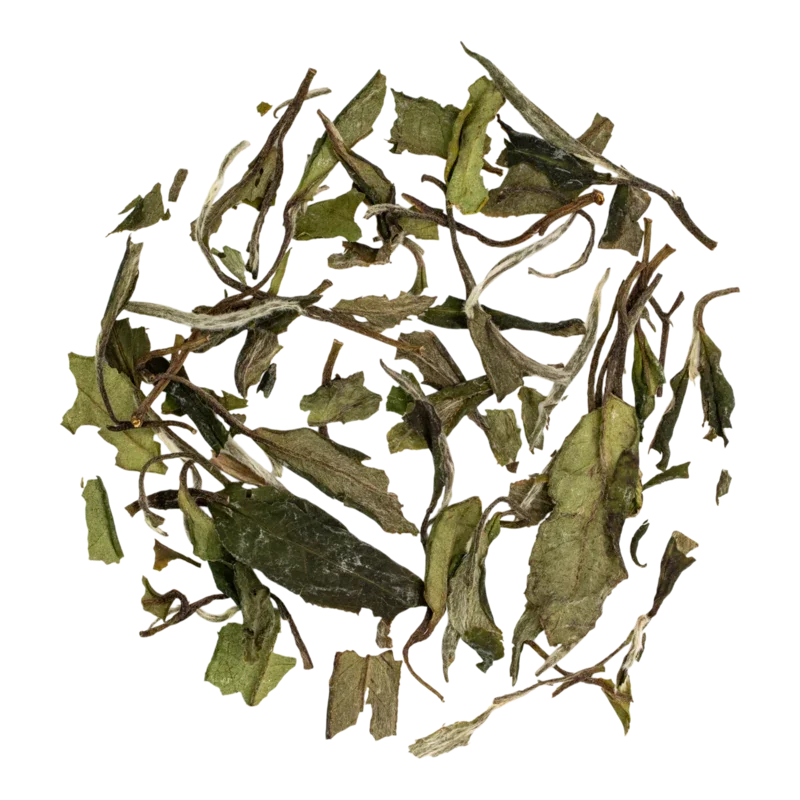
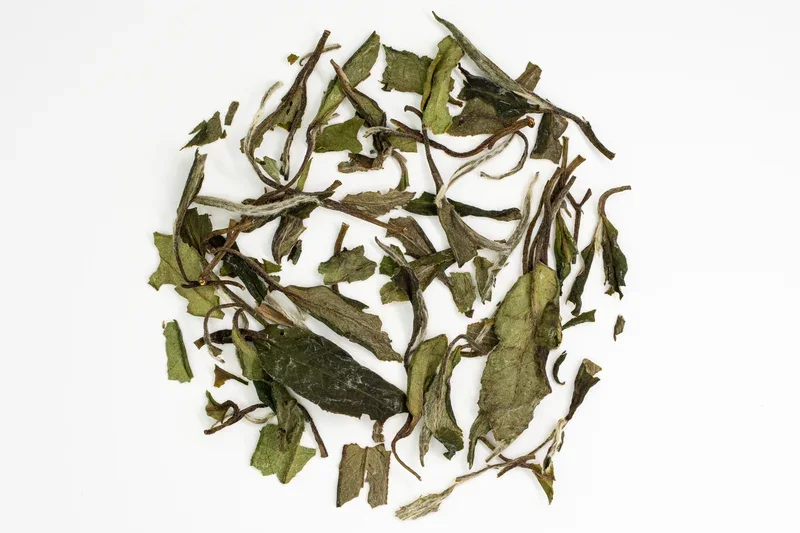
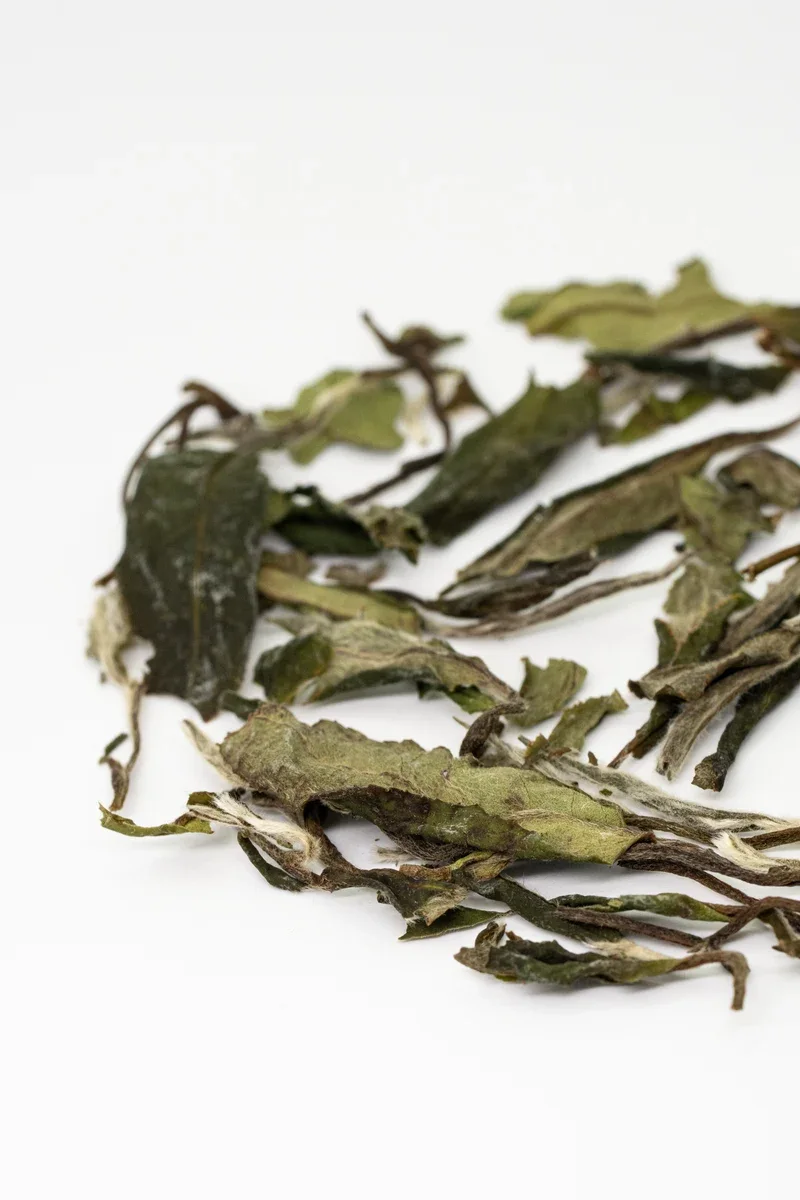
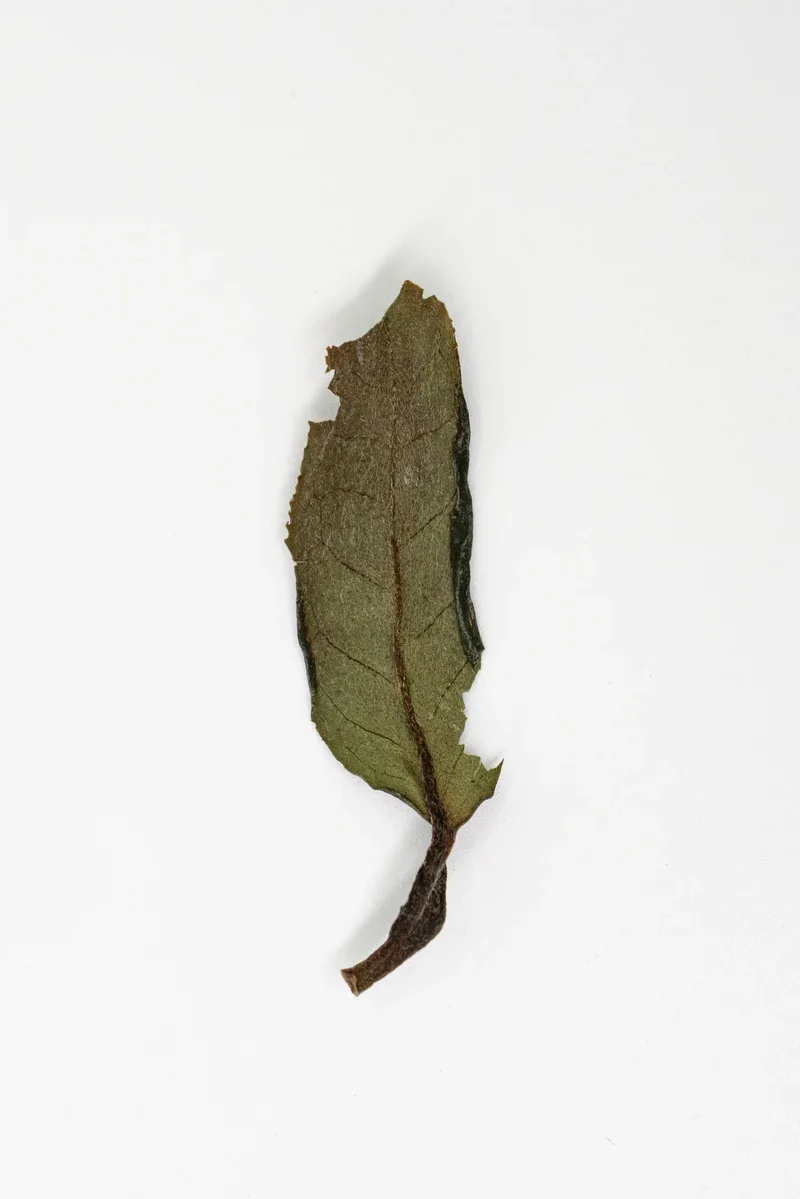
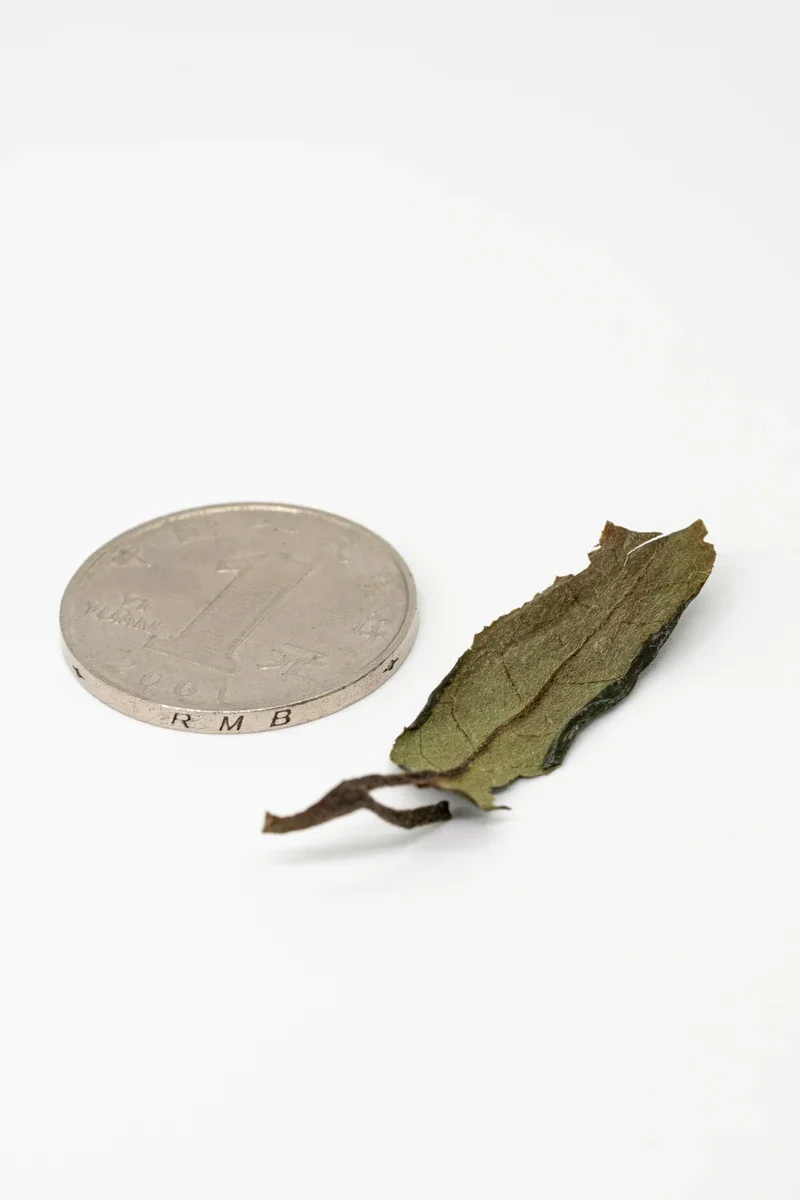
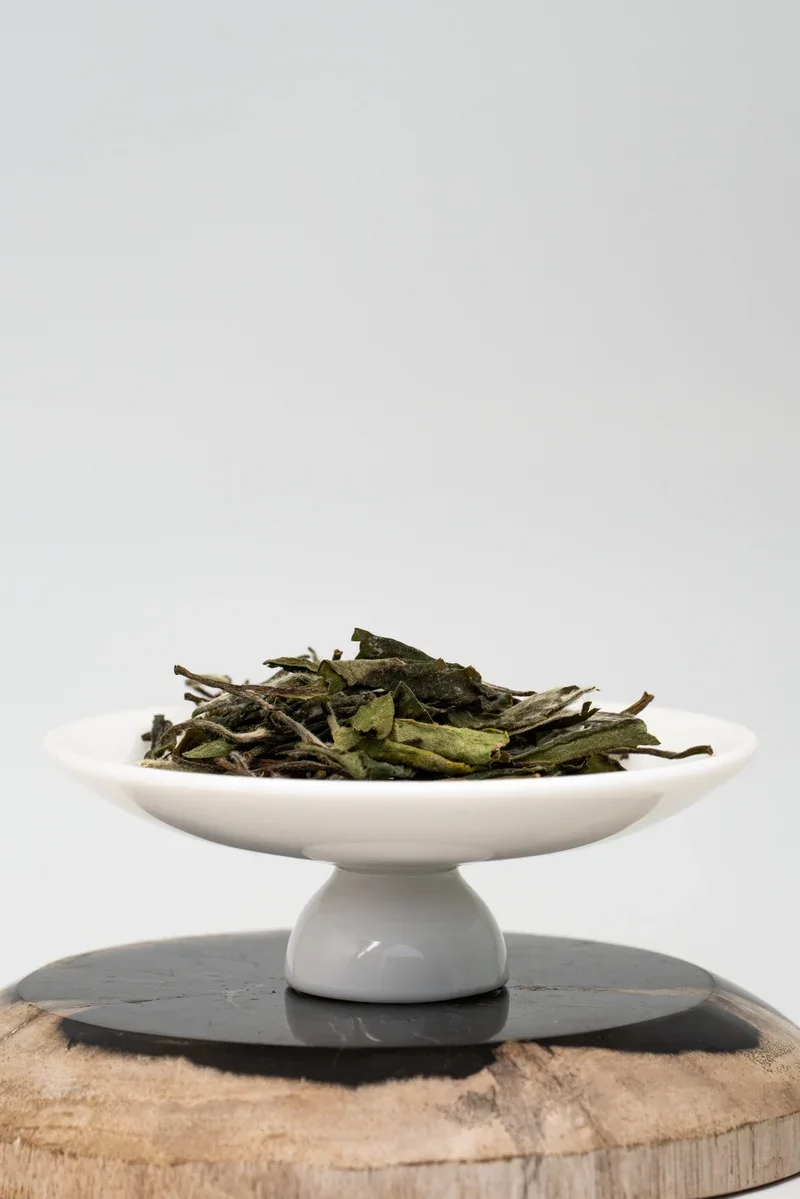
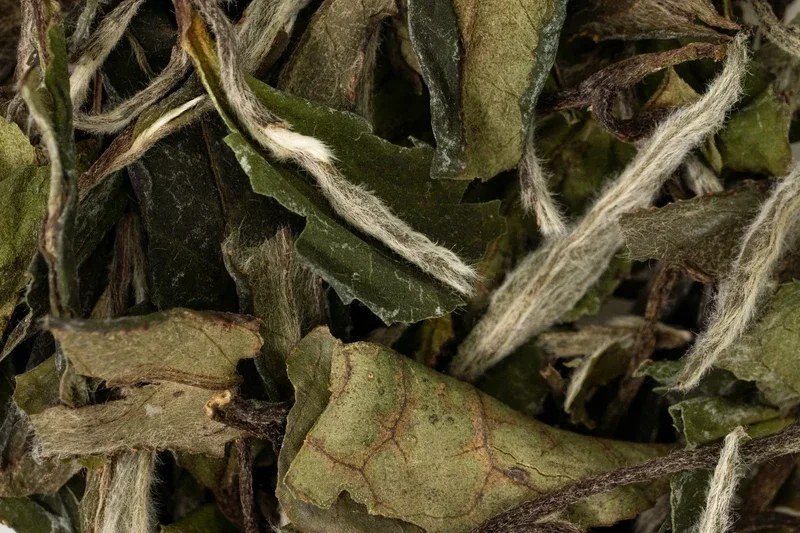
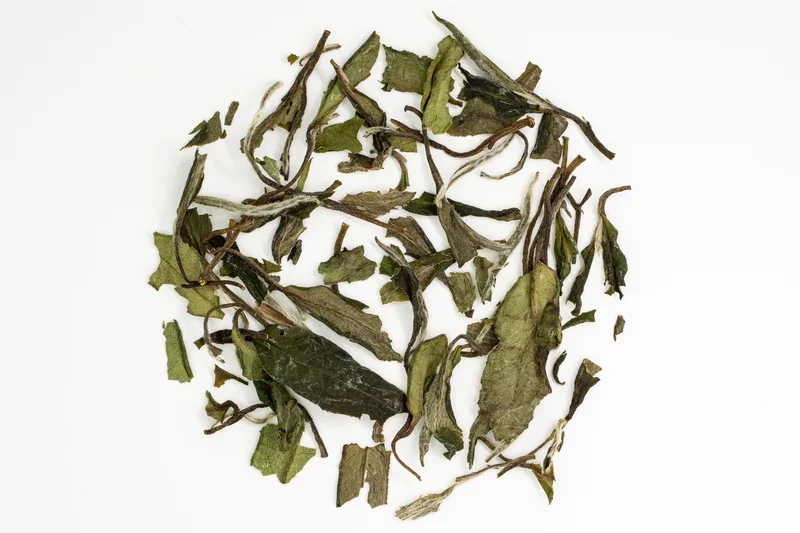
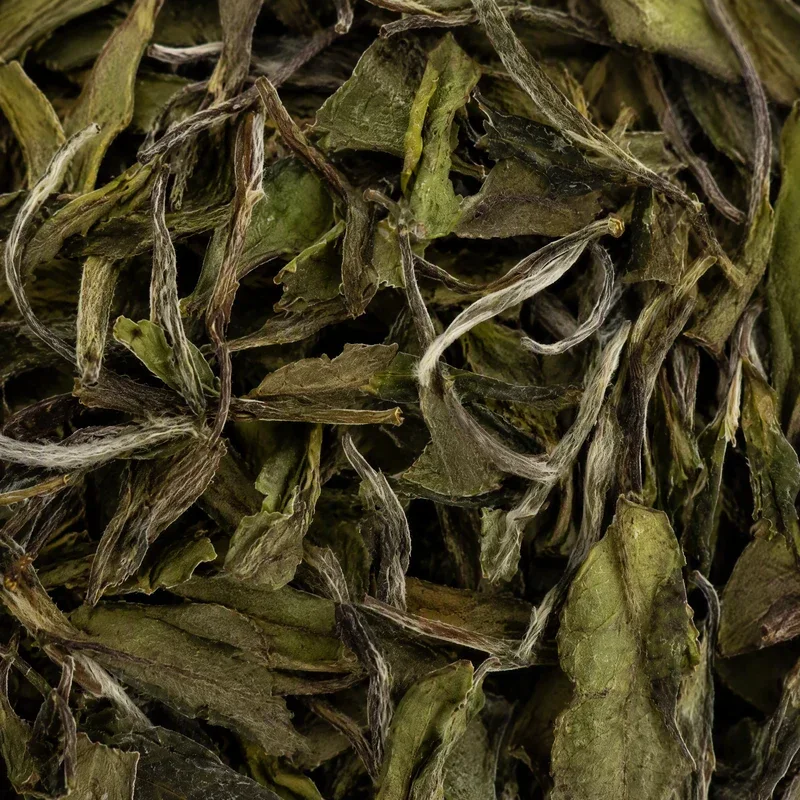
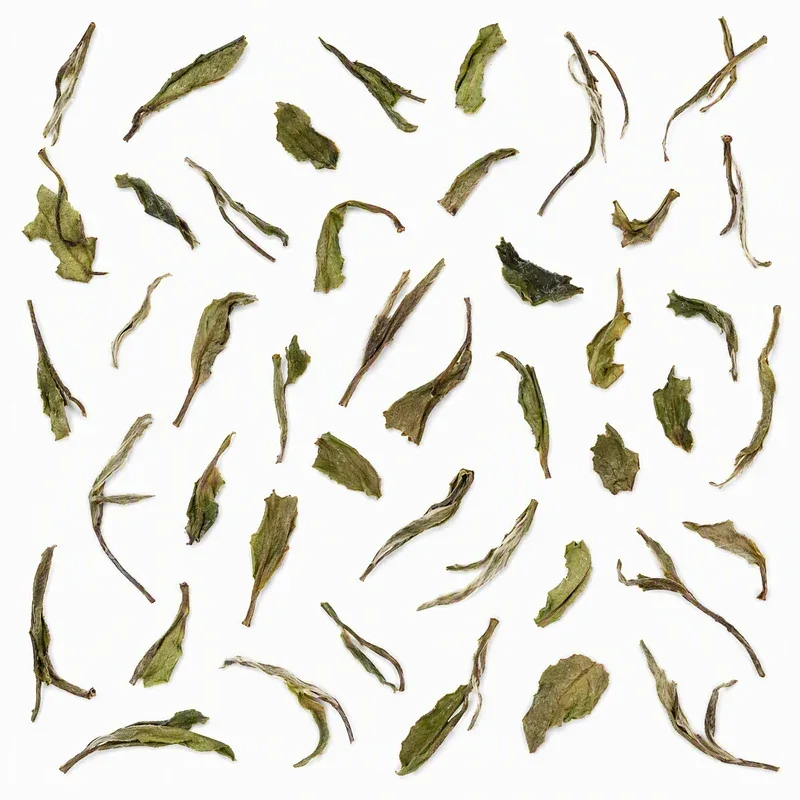
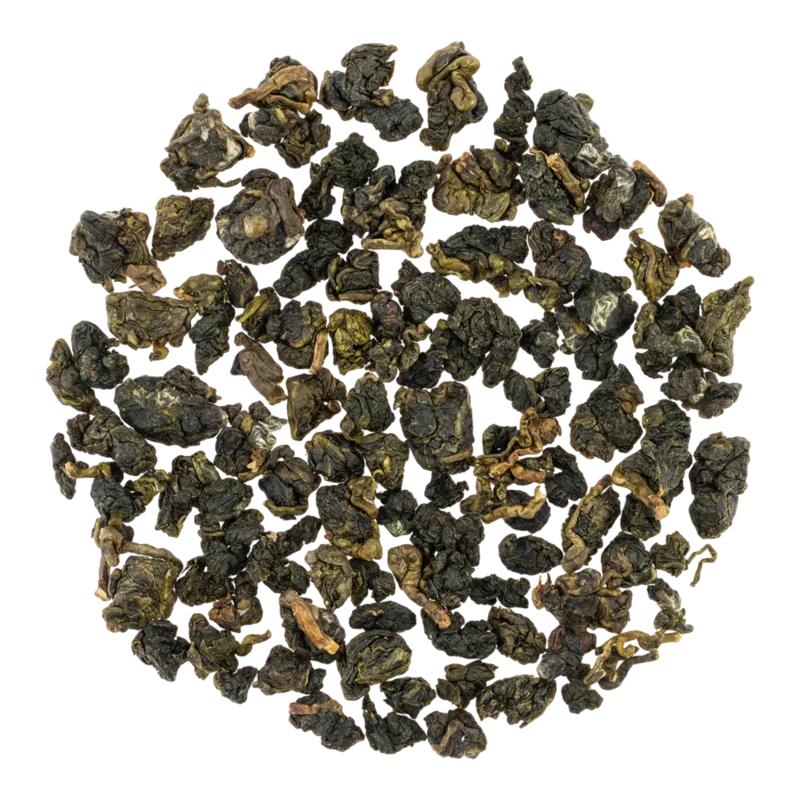
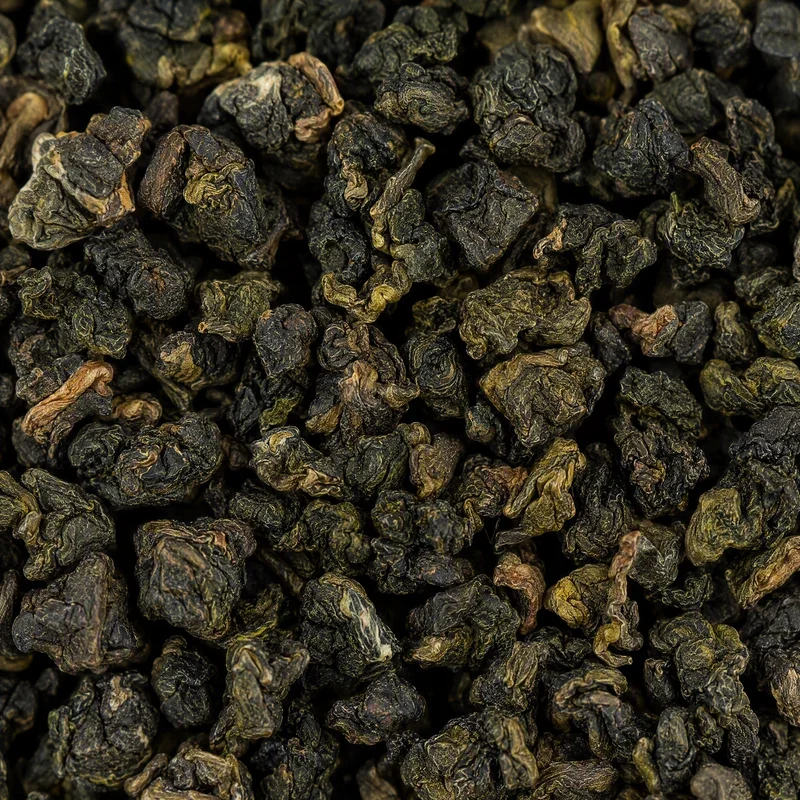
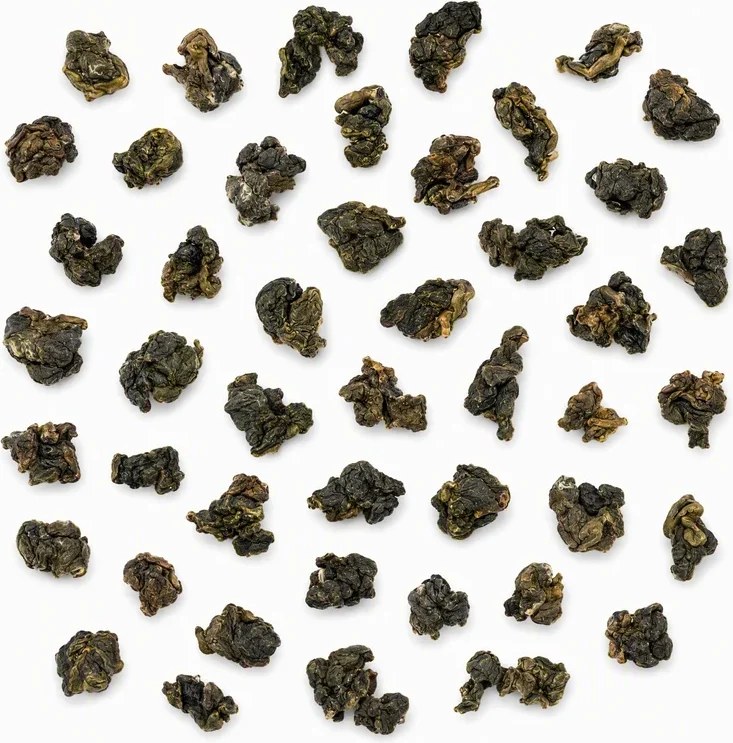
Dense semi-spheres of emerald-green color with light gloss. Sometimes golden tips are noticeable.
Light yellow, golden-green, transparent, with shine.
Green semi-spheres, sometimes with oily shine from flavoring.
Light yellow, golden.
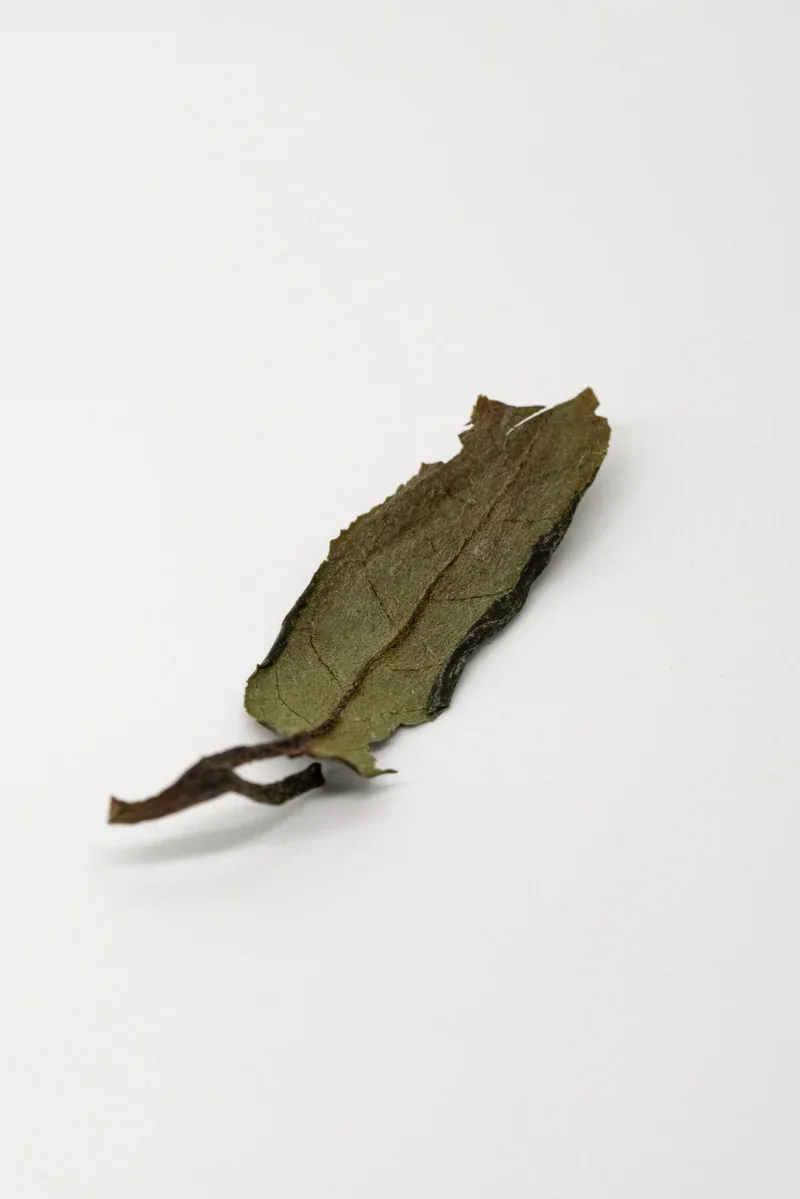
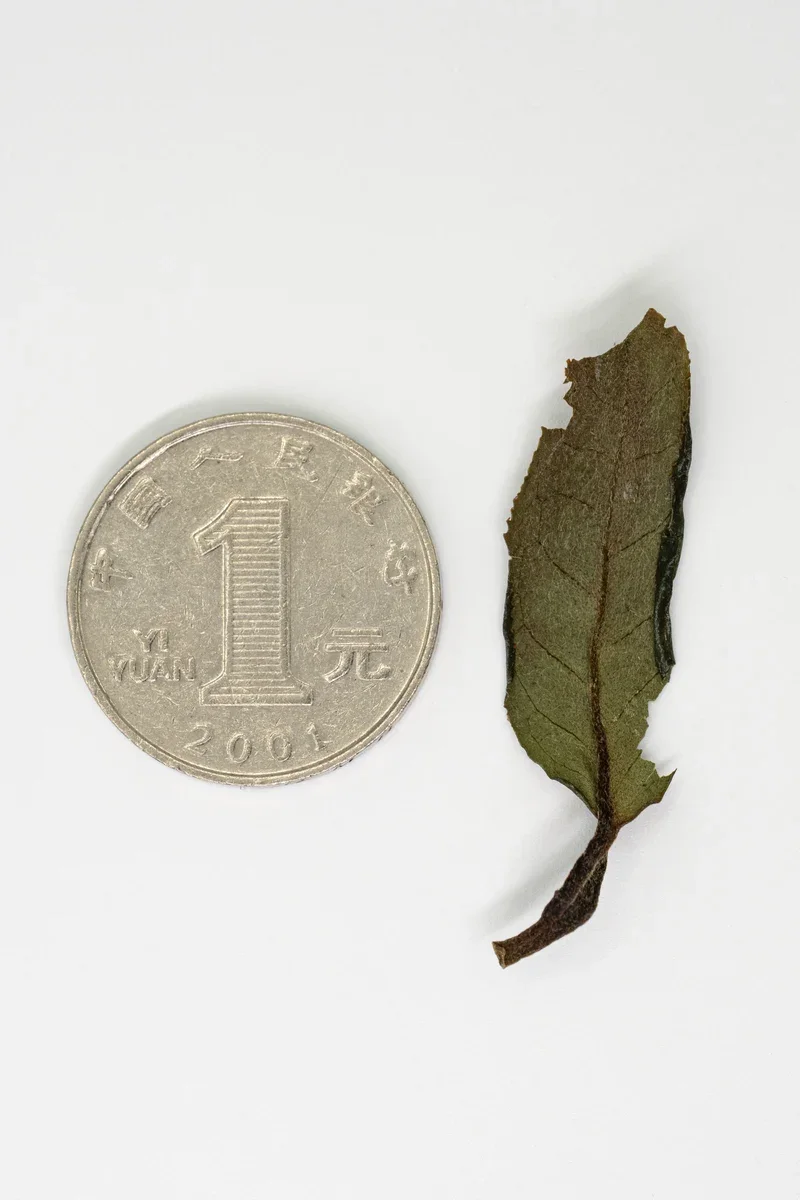
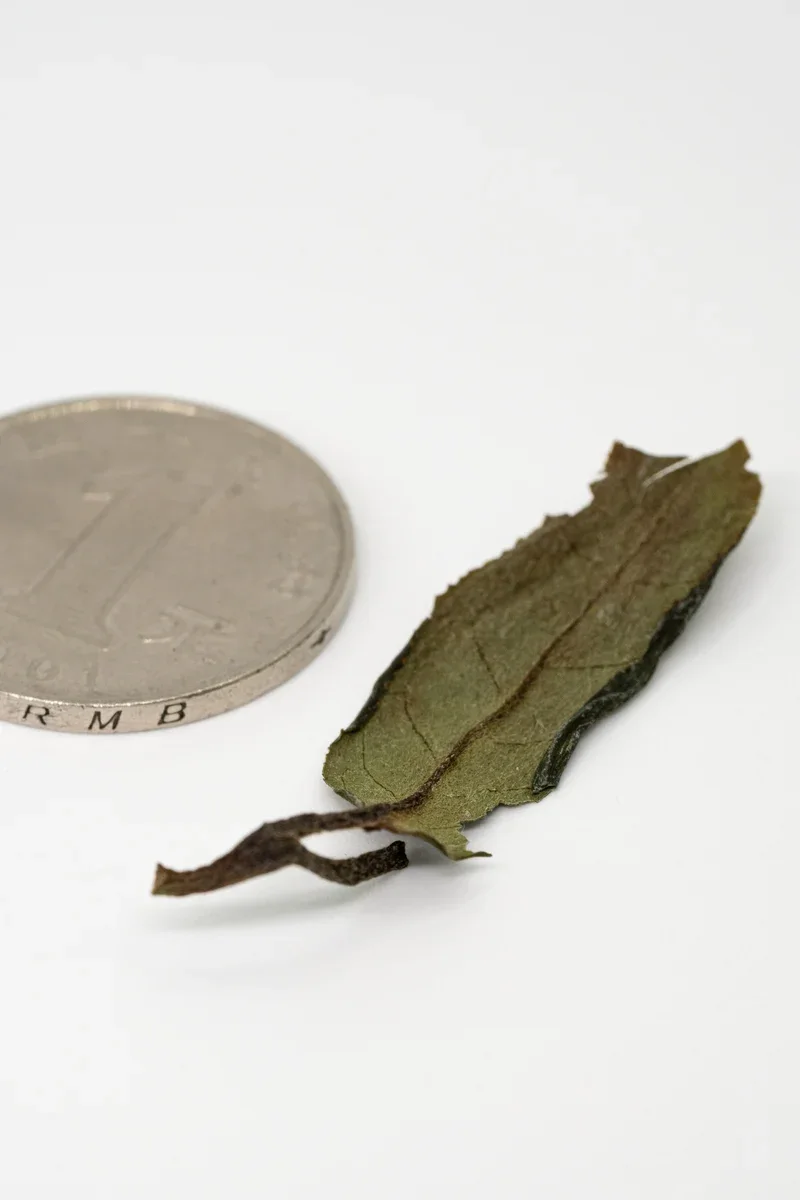
Spent Leaves: Whole leaves, but often less uniform.
Taste: Soft, smooth, sweetish, with minimal astringency. Caramel, vanilla, milky tones. Aftertaste shorter than natural.
Alkaloids: Caffeine — moderate content (~20–30 mg/g); theobromine, theophylline in trace amounts.
Amino Acids: L-theanine — sweet taste and relaxing effect. Content in Jin Xuan — about 1.2–1.5% of dry mass, above average for Taiwanese oolongs.
Flavored versions additionally contain food flavoring. Flavoring quality varies greatly: from natural to synthetic.
Essential Oils: In natural Jin Xuan — methyl butyrate, γ-nonalactone (milky-coconut note), linalool, nerol, geraniol (floral notes). In flavored versions — added γ-nonalactone or analogues.
Minerals: Potassium, fluorine, magnesium, manganese.
Polyphenols: Antioxidants; content lower than strongly oxidized oolongs due to light oxidation.
Vitamins: C, B group.
Catechins neutralize free radicals. Effectiveness depends on base oolong quality, not on flavoring.
Caffeine + L-theanine — gentle vigor without nervousness.
Mild stimulation; tea is good after meals.
Quenches thirst.
Pleasant aroma has aromatherapeutic effect.
80–90°C. Boiling water destroys delicate creamy notes and enhances bitterness.
5 g per 500 ml cold water, 6–8 hours in refrigerator. Especially good for natural Jin Xuan — reveals subtle creamy notes.
Tea Amount: 5–7 g per 150–200 ml.
Teaware: Porcelain gaiwan (preferable — neutral material doesn't absorb flavoring). Yixing teapot not recommended for flavored versions — clay absorbs synthetic aroma.
Price Category: If "milk oolong from Taiwan" costs $5 per 100 g — it's flavored tea.
Natural — subtle, delicate, buttery-floral; flavored — bright, "candy-like", hits the nose.
Natural Jin Xuan unfolds 5–7 steeps, aroma evolves; flavored loses milky note by 3rd steep — "bare" base material remains.
Natural — uniform whole leaves; flavored — often non-uniform, with oily shine.
If empty teapot smells like "candy" an hour after draining — it's flavoring.
No reviews yet. Tell us what you think of this tea.
Rate this tea and share your impressions. We review each submission before publishing it.