Brewing
Gongfu brewing
- Water temperature
- 75 °C
- Tea amount
- 5 g
- Water volume
- 100 ml
- First steep
- 10 s
- Time added per infusion
- 5 s
- Infusions
- 3

Mòtuō lǜchá
Choose a brewing method. Start with the recommended quantities and time, then adjust to taste.
Brewing
Brewing
Taste
Tea encyclopedia
Category: Regional high-altitude organic tea of Tibet Autonomous Region. Product with registered geographical indication trademark "Motuo Tea" (墨脱茶叶). Holder of organic product certification from China Organic Food Development Center (中国OFDC有机认证). Multiple winner of China International Tea Expo (中国国际茶博会) — more than 12 gold awards in total. In 2018, it took first place in blind tasting at the Seventh Sichuan International Tea Expo.
Category: Regional high-altitude organic tea of Tibet Autonomous Region. Product with registered geographical indication trademark "Motuo Tea" (墨脱茶叶). Holder of organic product certification from China Organic Food Development Center (中国OFDC有机认证). Multiple winner of China International Tea Expo (中国国际茶博会) — more than 12 gold awards in total. In 2018, it took first place in blind tasting at the Seventh Sichuan International Tea Expo.
Coordinates: 29°–30° North latitude, 94°–96° East longitude.
Origin: China, Tibet Autonomous Region (西藏自治区, Xīzàng Zìzhìqū), Nyingchi City (林芝市, Línzhī Shì), Mòtuō County (墨脱县, Mòtuō Xiàn). The production territory covers all seven townships and one town of Motuo County, located in the gorge of the lower reaches of the Yarlung Tsangpo River (雅鲁藏布江, Yǎlǔzàngbù Jiāng).
Type: Green tea (绿茶, lǜchá), non-fermented. Belongs to the category of hot-air dried green teas (烘青绿茶, hōngqīng lǜchá).
Cultural Significance: For the indigenous peoples of Motuo County — the Monpa (门巴族) and Lhoba (珞巴族) — tea has historically been the most important item of exchange and daily consumption. A Tibetan proverb states: "Better three days without food than one day without tea" (宁可三日无饭,不可一日无茶). For centuries, tea entered Tibet from the "mainland" via the Chamagudao — the "Ancient Tea Horse Road" (茶马古道, Chámǎ Gǔdào). The emergence of indigenous tea production in Motuo became a symbol of overcoming the county's centuries-old isolation and a new stage in its development. Today, tea gardens on the slopes of the Yarlung Tsangpo gorge are a key element of the "tea-tourism integration" strategy (茶旅融合) — in Gélín Village (格林村) tea workshops for tourists, guesthouses and tasting halls are already operating.
History: The history of Motuo Lü Cha can be divided into three periods.
Cultivar: Several Camellia sinensis cultivars introduced from Fujian and Sichuan provinces are used for Motuo Lü Cha production:
Picking: Thanks to the influence of warm monsoon flows from the Indian Ocean, the growing season in Motuo is longer than in most tea regions of mainland China. The most valuable is considered the spring harvest: "mingqiancha" (明前茶, Míngqián chá) — before Qingming (~April 5), and "yuqiancha" (雨前茶, Yǔqián chá) — before Guyu (~April 20). Summer-autumn harvest is also produced and gives a stronger liquor.
Pluck Standard: For supreme (特级) grade — one bud with barely opened leaf (一芽一叶初展, yī yá yī yè chū zhǎn), content of such shoots — not less than 90%. For first grade — one bud with one opened leaf (一芽一叶开展), not less than 80%. For second grade — one bud with two leaves.
Raw Material: Young, undamaged shoots of uniform size. Shoot length for highest grades — no more than 2.5 cm. Freshly picked raw material is processed the same day according to the principle of "production without ground contact" (不落地生产, bù luòdì shēngchǎn).
Altitude: 800–2200 meters above sea level. The core of production — at altitudes of 1100–1200 m on gentle slopes near the river.
Climate: Motuo County is located in the gorge of the lower reaches of the Yarlung Tsangpo River — the largest and deepest canyon on Earth — through which warm and humid air masses from the Indian Ocean penetrate far north into the Tibetan Plateau. This creates a unique microclimate: average annual temperature — 16–18°C, annual precipitation — over 2300 mm, number of days with clouds and fog — more than 200 per year. Abundant diffused light (散射光, sǎnshè guāng) — more than 75% of total illumination — promotes amino acid accumulation in tea leaves. Amino acid content in spring tea reaches 2.8% and higher — an indicator comparable to the best green teas of Zhejiang and Anhui.
Soil: Weakly acidic yellow-brown soils (黄棕壤, huáng zōng rǎng) with pH 5.0–6.0. Humus layer thickness — up to 1.2 m, organic matter content — more than 2%. Soils are irrigated by glacial meltwater from surrounding Himalayan peaks, providing a rich mineral profile.
Forest coverage of the county — 78.5%. Complete absence of industrial enterprises on the county territory. Chemical fertilizers and pesticides are prohibited; ecological methods are used for pest control (including spraying with hot pepper solution). Tea gardens are certified according to OFDC organic production standard (中国有机产品认证).
Hand picking of young shoots in morning hours. Raw material is strictly selected according to grade standard.
Picked shoots are spread in a thin layer in a ventilated room for 2–3 hours. During this time, excess moisture partially leaves, aroma development begins, leaves become more elastic for rolling.
Conducted in rotary drums at temperature ~200°C. High-temperature treatment quickly inactivates oxidative enzymes, fixes fresh green color of leaves and lays the foundation for chestnut aromatics.
Two-phase process. First phase — light rolling (轻揉, qīng róu) lasting about 40 minutes, forming the basic structure of tea particles without excessive cell damage. Second phase — medium rolling (中揉, zhōng róu) about 10 minutes to give a denser form and release cell juice to the leaf surface.
Gradient drying with hot air at temperature 60–80°C. Temperature decreases stepwise for uniform moisture removal without over-firing. Final moisture content in finished tea — no more than 6%.
The entire process is carried out according to the principle of "not touching the ground" (不落地生产) — raw material and semi-finished product do not contact open soil at all stages. Chemical fertilizers and pesticides are completely excluded at all stages, from cultivation to packaging.
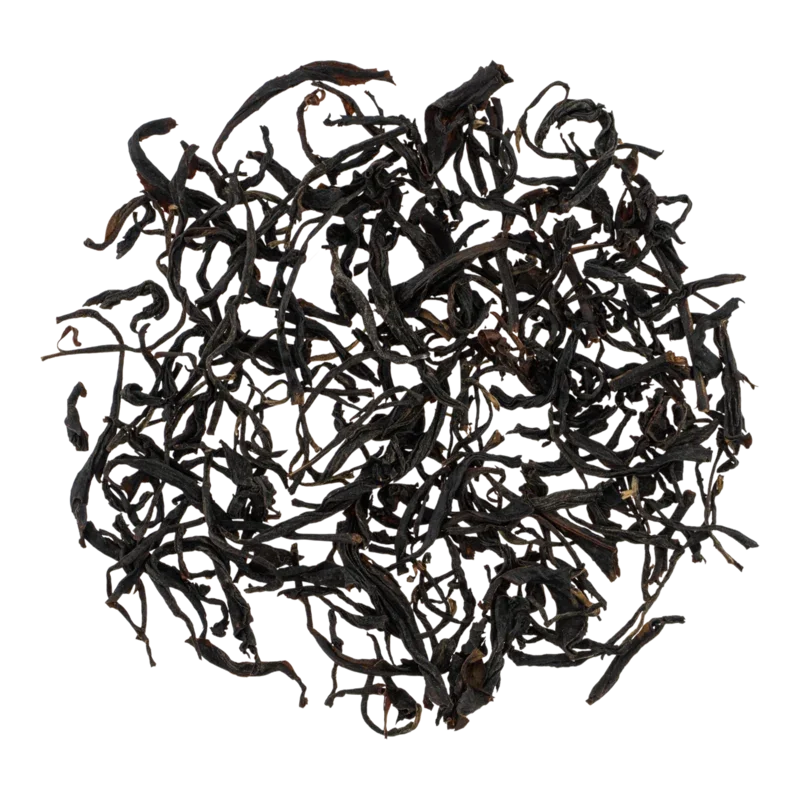
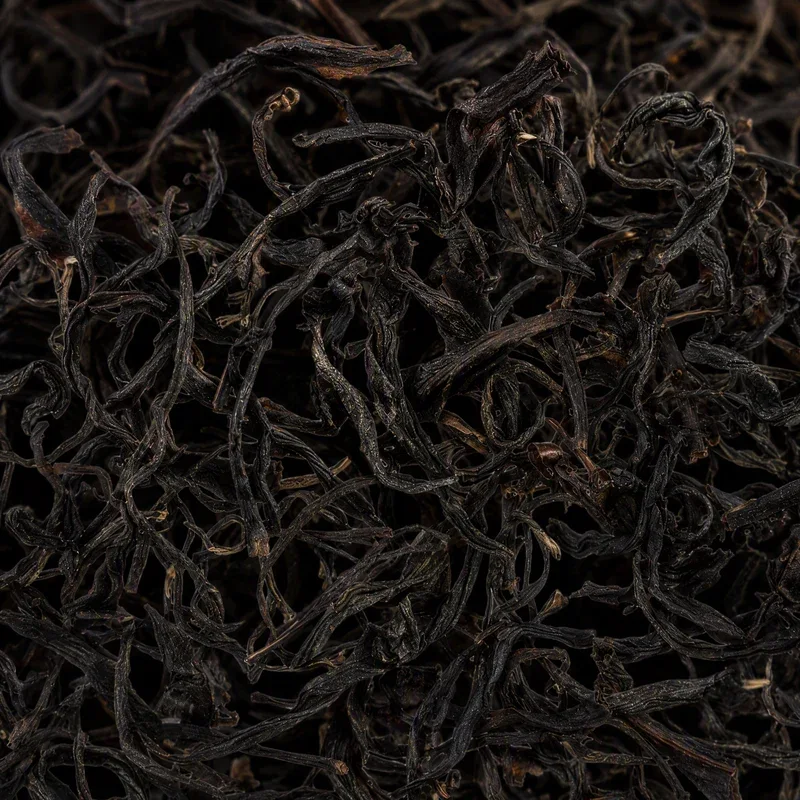
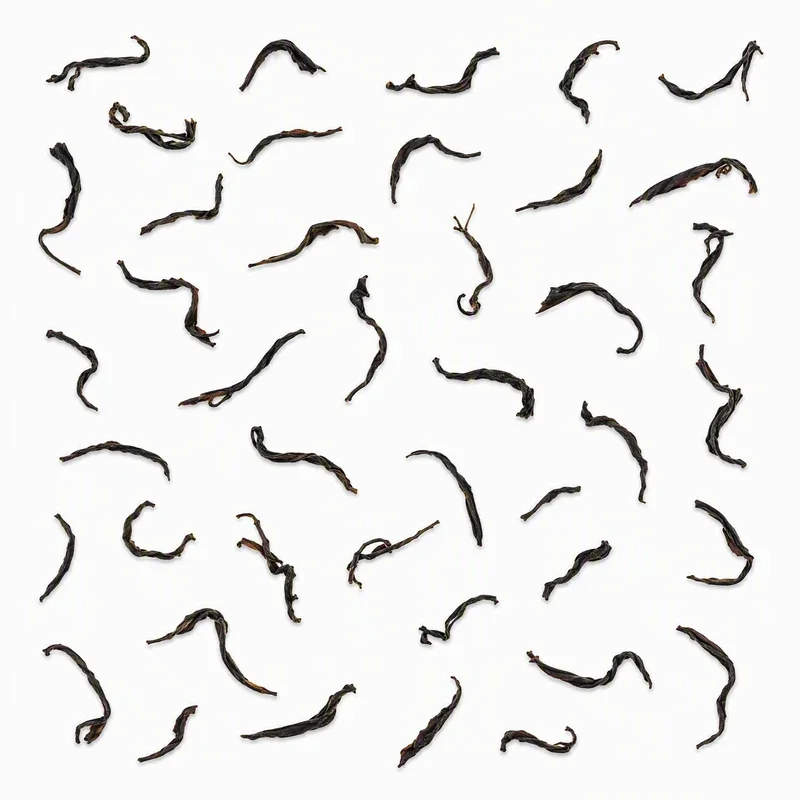
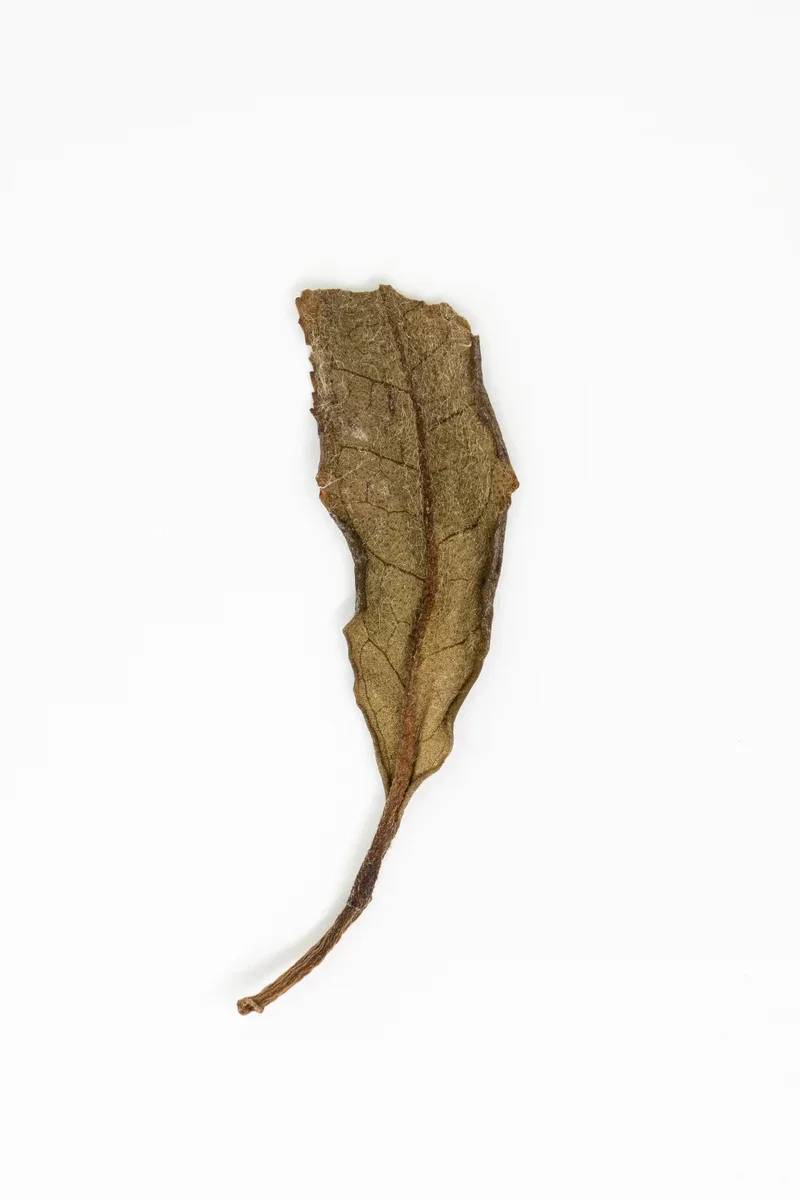
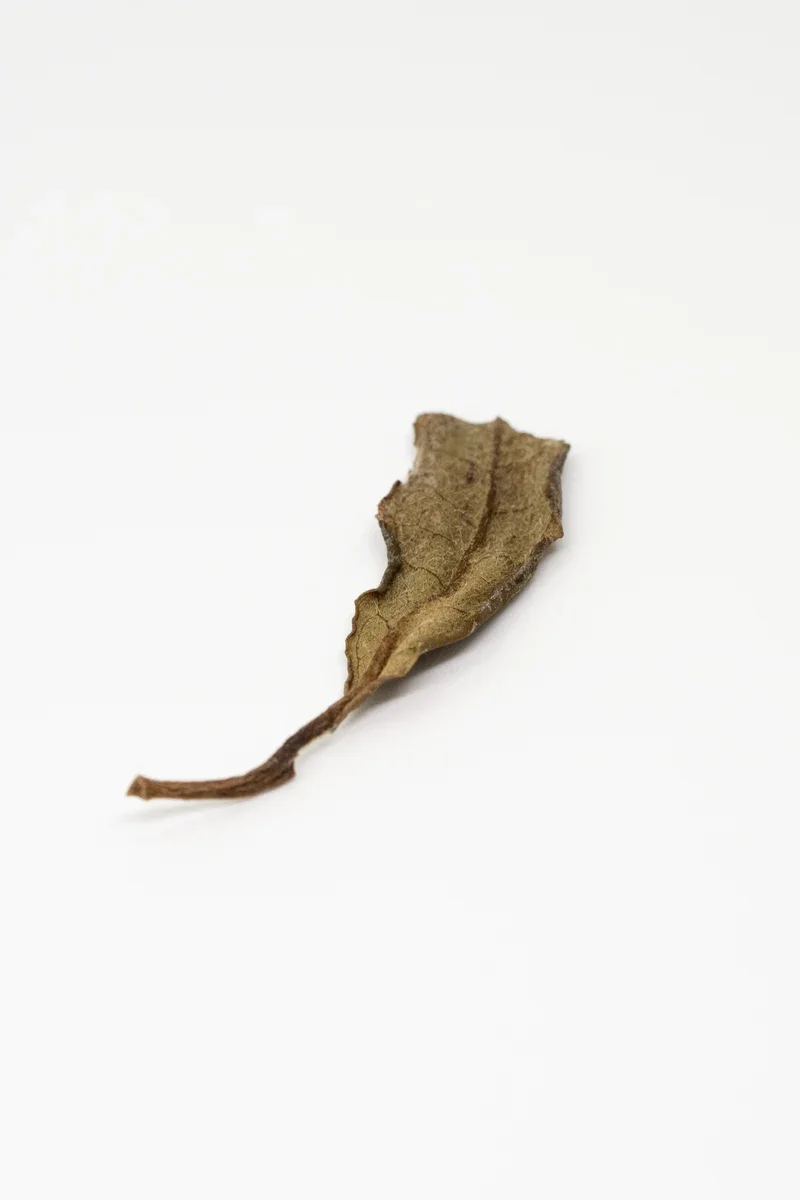
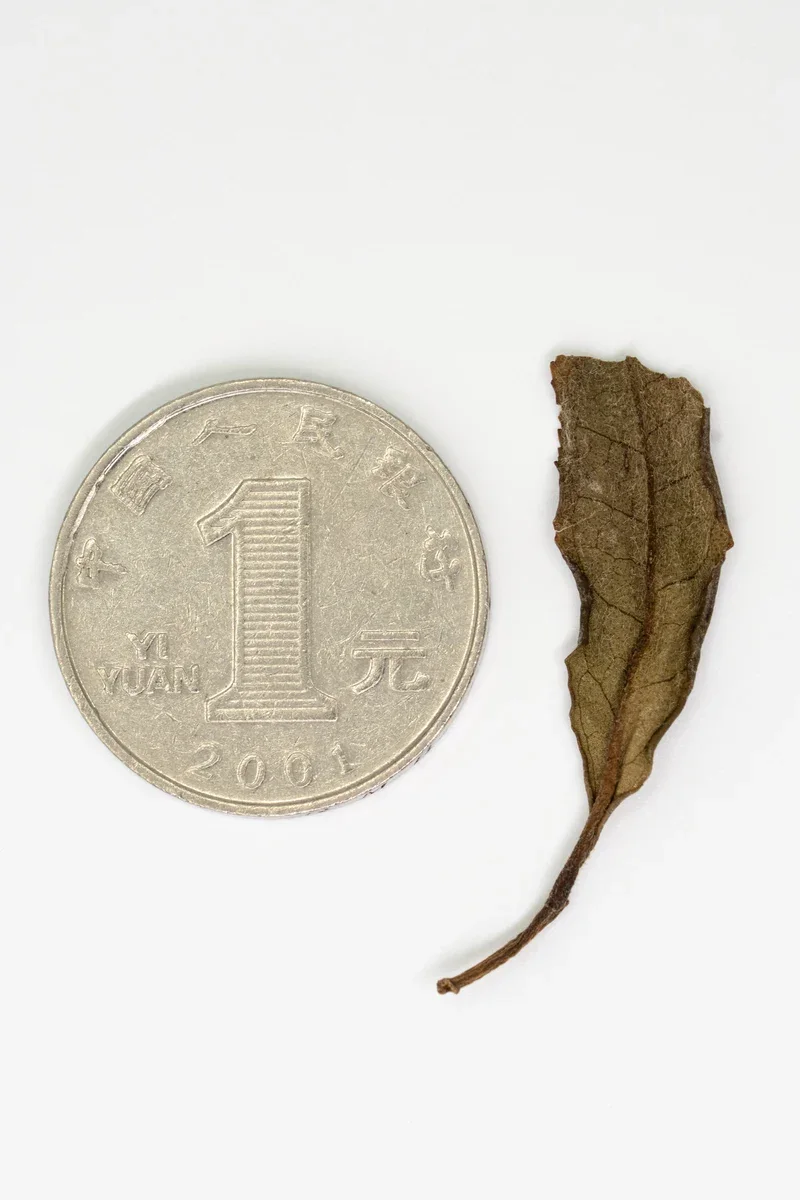
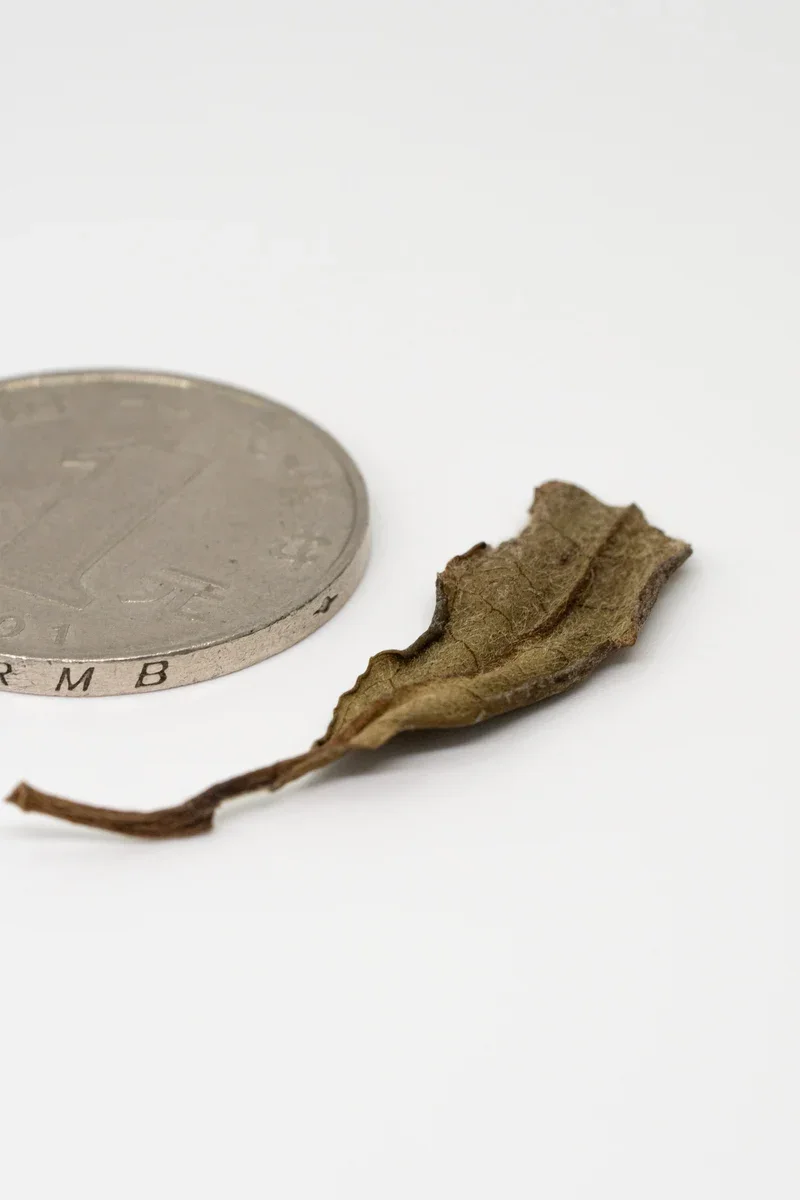
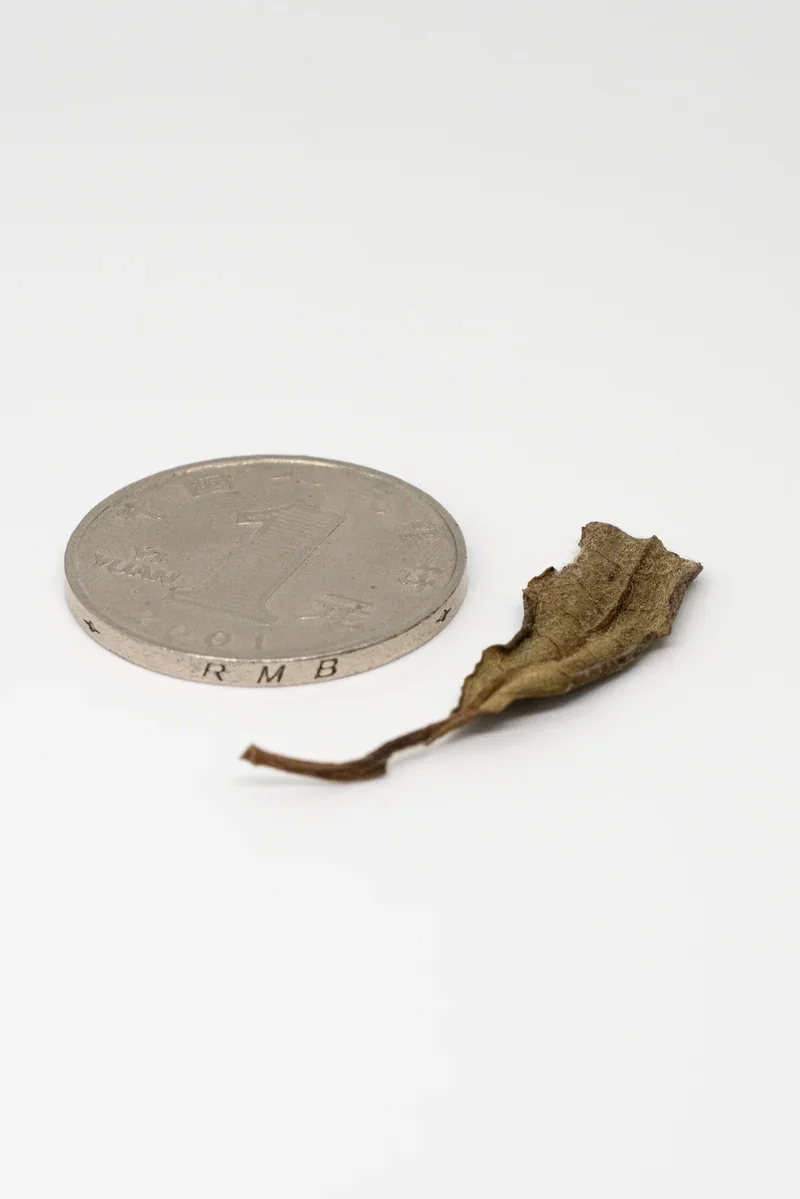
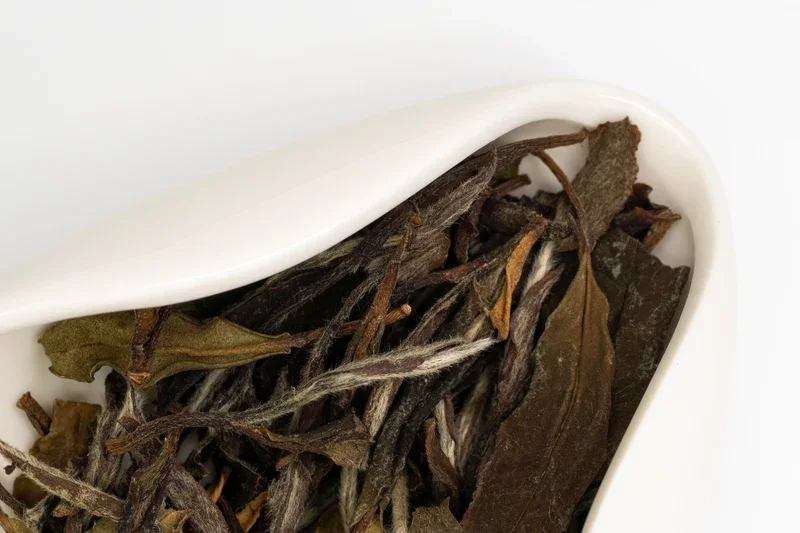
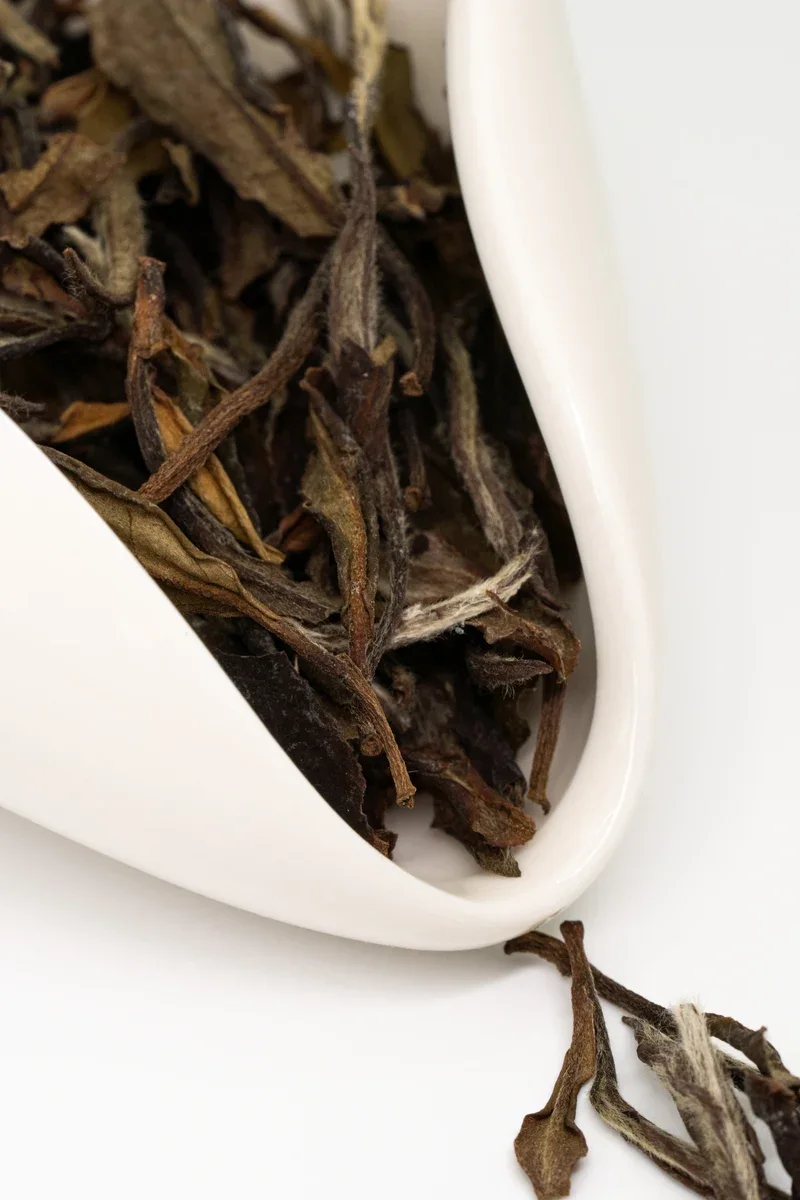
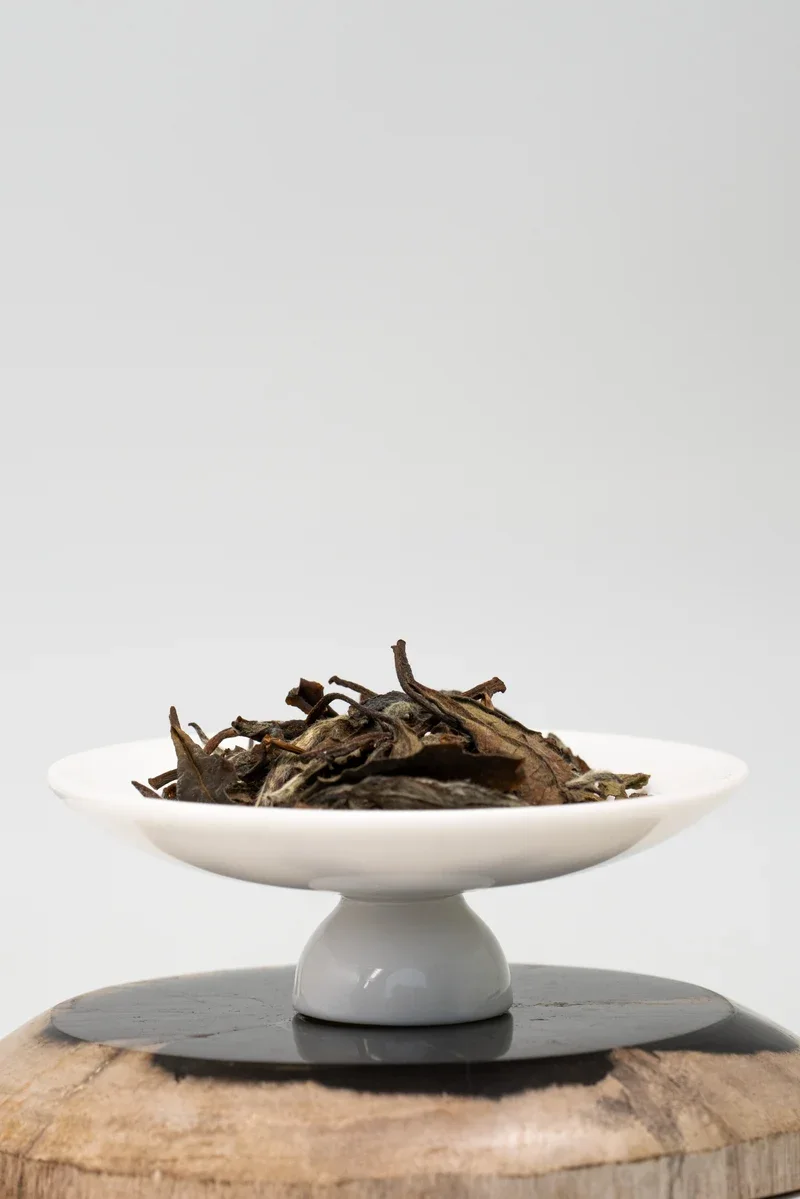
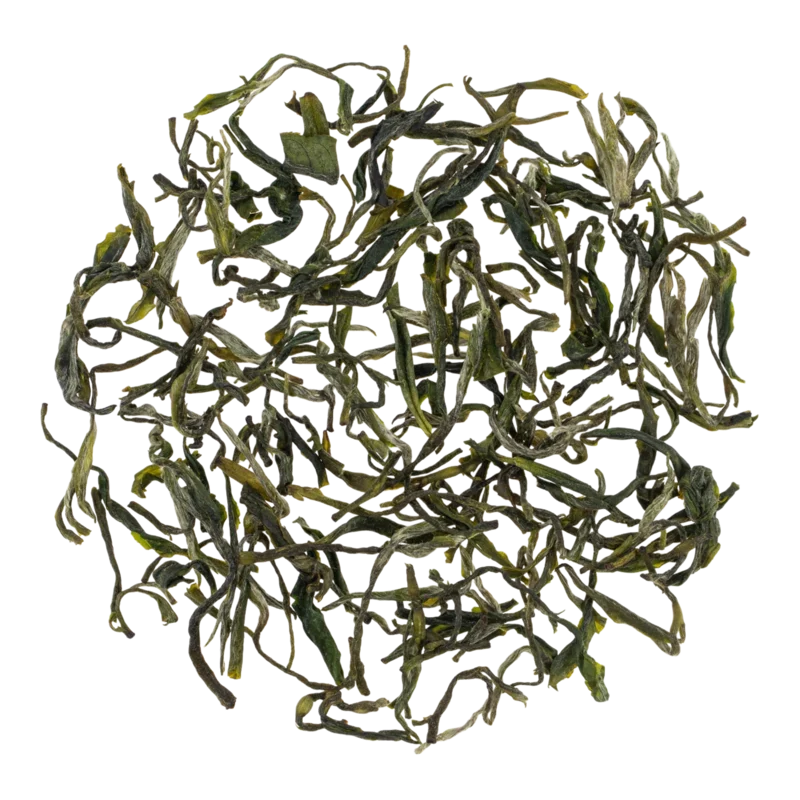
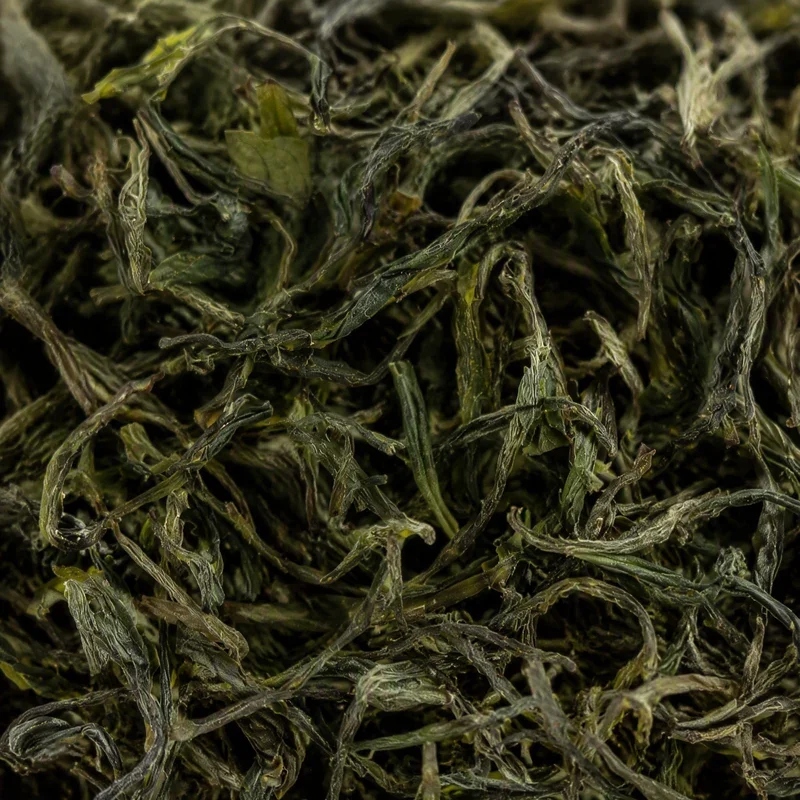
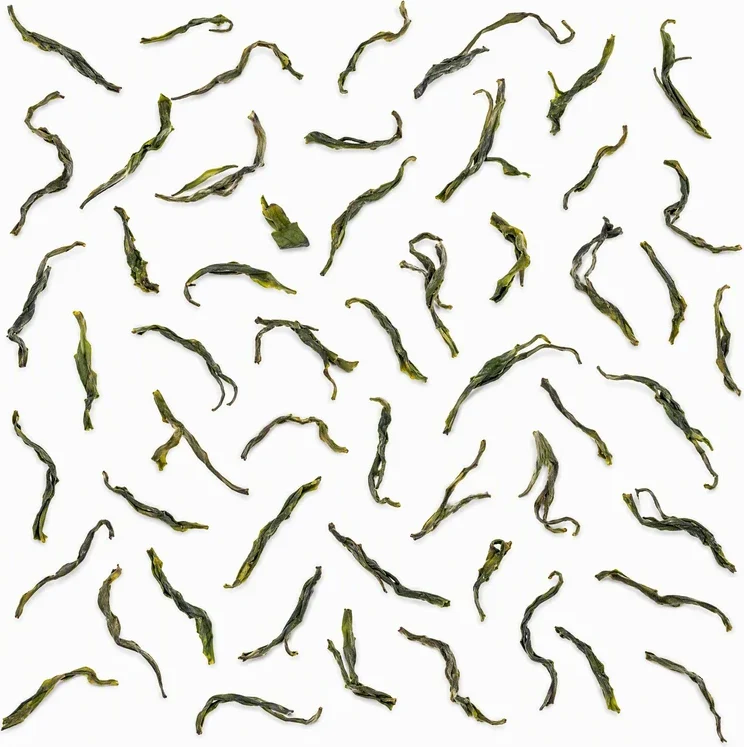
Dry Leaf Appearance: Tea particles are tightly rolled (卷曲形, juǎnqū xíng), dark green color with well-expressed luster (绿润, lǜ rùn) and noticeable white down (显毫, xiǎn háo). Leaf is uniform, compact.
Dry Leaf Aroma: Clean, fresh, with distinct note of young chestnut — the main aromatic profile of Motuo Lü Cha.
Liquor Aroma: Bright chestnut aroma (嫩栗香, nèn lìxiāng) — the main quality marker. Accompanied by persistent clean note of fresh greenery (清香, qīngxiāng), which persists from first to last steeping.
Liquor Color: Tender yellow-green, bright and clear (嫩黄明亮, nèn huáng míngliàng).
Spent Leaves: Tender green, uniform (嫩绿匀整), buds and leaves open in "bouquets" (芽叶成朵, yá yè chéng duǒ) — a sign of careful processing.
Taste: Pronounced freshness (鲜爽, xiānshuǎng) thanks to high amino acid content, distinct sweetness (甘, gān), moderate body density (醇厚, chúnhòu) without heaviness. Astringency is minimal. Aftertaste — long-lasting, with sweet return (回甘, huígān).
Alkaloids: Caffeine — moderate content (typical for hongshao lücha — approximately 25–35 mg/g), theobromine, theophylline.
Amino Acids: ≥2.8% in spring tea, for first grade — ≥2.5%. High amino acid content — result of abundant diffused lighting, moderate temperatures and pure glacial waters. L-theanine is a key component responsible for characteristic freshness and mouthfeel softness.
Essential Oils: Responsible for characteristic chestnut aroma. Content of volatile aromatic compounds in Motuo Lü Cha is elevated due to long daylight hours and significant daily temperature fluctuations.
Minerals: Potassium, magnesium, zinc, manganese. Glacial meltwater and volcanic minerals of humus layer provide rich microelement profile.
Polyphenols: 22–25% (calculated on dry leaf). Sufficiently high indicator for green tea, providing pronounced antioxidant action. For supreme grade, water-extractable substances content — not less than 42%, polyphenol content — not less than 20%.
Vitamins: Vitamin C (ascorbic acid), B vitamins (B1, B2), vitamin E.
Polyphenol content of 22–25% provides high activity in neutralizing free radicals.
Combination of caffeine and L-theanine gives mild, balanced energy boost without sharp spikes — state of "calm concentration."
Catechins promote normalization of intestinal microflora and improvement of digestive processes.
In traditional Tibetan and Chinese practice, green tea is used for "dispersing internal heat" (清热, qīng rè), especially effective in hot weather.
Tea polyphenols promote vascular elasticity and cholesterol level normalization.
L-theanine improves concentration and cognitive flexibility.
Complete absence of pesticides and chemical fertilizers, confirmed by OFDC organic certification, minimizes chemical load on the body.
Tea Amount: 3–5 g per 200 ml (European method, glass cup) or 5–6 g per 100–120 ml (gaiwan, flash steeping method).
Teaware: Glass cup (玻璃杯, bōli bēi) — preferred vessel: allows observing the unfolding of rolled tea particles and "dance" of leaves in water. Porcelain gaiwan or porcelain teapot are also suitable.
Water Temperature: 80–85°C. Overheating (boiling water) leads to yellowing of liquor and appearance of bitterness.
Tibet. Also from the Himalayas, but from another district (Nyingchi, 2600+ m). Motuo — from the deepest canyon on the planet, with unique "triple rolling" technology.
Yunnan. From ancient tea trees. Motuo — from young plantations, but with unparalleled ecology (zero pesticides, pepper solution instead of chemicals).
Guizhou. High-altitude, misty, mild. Motuo — even more isolated, with unique chestnut profile from "triple drying."
Price Category: Motuo Lü Cha belongs to the medium and upper price segment of Chinese green teas. Approximate retail prices: supreme grade (特级, mingqiancha) — from 600 yuan per jin (500 g) and higher; first grade (一级, yuqiancha) — 300–500 yuan per jin. Summer-autumn tea is significantly cheaper. Factors affecting cost: harvest time (spring is more expensive), raw material standard, specific tea garden, presence of organic certification.
No reviews yet. Tell us what you think of this tea.
Rate this tea and share your impressions. We review each submission before publishing it.