Brewing
Gongfu brewing
- Water temperature
- 93 °C
- Tea amount
- 5 g
- Water volume
- 100 ml
- First steep
- 10 s
- Time added per infusion
- 5 s
- Infusions
- 4



lìzhī hóngchá
Choose a brewing method. Start with the recommended quantities and time, then adjust to taste.
Brewing
Brewing
Taste
Tea encyclopedia
Category: Fruit-scented teas (水果调味茶, shuǐguǒ tiáowèi chá). Belongs to the group of reprocessed teas (再加工茶类, zài jiāgōng chá lèi), where finished red tea undergoes secondary processing — scenting.
Category: Fruit-scented teas (水果调味茶, shuǐguǒ tiáowèi chá). Belongs to the group of reprocessed teas (再加工茶类, zài jiāgōng chá lèi), where finished red tea undergoes secondary processing — scenting.
Coordinates: Depends on base tea production location and lychee growing region. For Yingde: ~24°10′ N, 113°25′ E; for lychee growing areas (Guangzhou/Conghua): ~23°30′ N, 113°35′ E.
Origin: China, Guǎngdōng Province (广东省, Guǎngdōng Shěng) — primary and historical production region. Also produced in Fújiàn Province (福建省, Fújiàn Shěng). Key areas: Yingde County-level City (英德, Yīngdé) in Guangdong — for base tea, subtropical areas of Southern Guangdong (Guangzhou, Conghua, Zhaoqing, Maoming) — for lychee fruits.
Type: Scented red tea (black tea) (加工红茶, jiāgōng hóngchá; in subcategory — 香料茶, xiāngliào chá, "spiced/aromatic tea"). Base — fully oxidized red tea (black tea) (红茶). Oxidation degree of base tea — ~95–100%.
Lychee in China is called "king of fruits" (果中之王). Its cultivation in Guangdong and Fujian territories has been documented for over 2000 years. Chinese poet of Sòng dynasty Sū Dōngpō (苏东坡, Sū Dōngpō) wrote: "日啖荔枝三百颗,不辞长作岭南人" — "If I could eat three hundred lychee per day, I would not refuse to remain a resident of Lingnan forever."
Peeled lychee fruit with its translucent white flesh and dark seed inside resembles an eye, for which lychee is sometimes called "dragon's eye" (龙眼, lóngyǎn) — though formally this name is assigned to related fruit longan (Dimocarpus longan).
Lizhi Hong Cha since the 1960s enjoys significant popularity in the West — especially in Great Britain, Germany, and USA. For Western consumers, it became one of the "gateway" Chinese teas — recognizable by aroma and simple to brew.
In modern tea culture, Lìzhì Hóng Chá is widely used as base component for cold tea cocktails (冰茶, bīng chá), bubble tea (珍珠奶茶, zhēnzhū nǎichá), tea shakes, and even ice cream.
Lizhi Hong Cha is a rare product uniting two symbols of Guangdong Province: Yingde red tea (from north) and lychee from subtropical south, embodying geographic and cultural diversity of one of China's largest provinces.
Cultural Significance: Lychee in Chinese culture is a symbol of luck, happiness, abundance, and love. The fruit occupies a most important place in the gastronomic tradition of Southern China, its cultivation history spans more than 2000 years. Lizhi Hong Cha is often given as gifts for holidays and weddings — as a wish for a sweet life. In Guangdong, this tea is associated with summer, hospitality, and unhurried southern tea drinking. Beyond China, it has become one of the most recognizable scented teas, comparable in fame to Earl Grey tea (scented with bergamot).
History: Lizhi Hong Cha was created in the 1950s as part of the development of Yingde's tea industry. The official version links its appearance to the work of technological engineers at Yīngdé Tea Factory (英德茶厂), who developed a scientific method for scenting red tea with juice and pulp from fresh lychee fruits. The production base was Yīngdé Gōngfū Hóng Chá (英德工夫红条茶) — loose-leaf red tea from large-leaf raw material.
Quality gongfu red tea is used for producing Lizhi Hong Cha. The classic and most valuable base is Yīngdé Hóng Chá (英德红茶), produced from large-leaf varieties (Camellia sinensis var. assamica), including Yinghong No. 1, Yinghong No. 9, and Yunnan introductions. Less commonly used are Qímén Hóng Chá (祁门红茶) from Anhui Province (small-leaf C. sinensis var. sinensis) and Diān Hóng (滇红) from Yunnan. The choice of base tea directly affects the depth and structure of the final flavor.
Chinese lychee (Litchi chinensis Sonn.) — evergreen tree of the Sapindaceae family (Sapindaceae), reaching 10–20 m in height. Fruit — round drupe 3–4 cm in diameter, covered with bumpy red skin. Flesh is translucent, white, juicy, with intense sweet-floral aroma. Fresh fruits (juice and pulp) are used for scenting, as well as dried pulp or whole dried fruits. In quality production, exclusively natural raw material is used — without synthetic flavorings.
Raw Material: Tea base must be high quality — evenly oxidized, without defects. Lychee fruits — fresh, ripe, aromatic, without signs of spoilage. Ideal variant — when fresh lychee harvest (season — June–July) coincides in time with tea processing, which is possible precisely in Guangdong, where both products grow in the same region.
For base Yingde Hong Cha — hilly terrain of northern Guangdong, elevations 100–500 m, red soils, subtropical monsoon climate (20–22°C, 1800–2000 mm precipitation). For base tea from Anhui (Qimen) — mountain slopes at elevations 600–1000 m.
Southern Guangdong and northern Fujian Province — subtropical lowlands and hills with hot humid climate (average annual temperature 21–25°C, precipitation 1500–2200 mm). Largest areas: Guangzhou (Conghua district — birthplace of the famous "Conghua Gualü" variety), Maoming, Zhanjiang, Huizhou, and Putian city in Fujian.
Success in producing quality Lizhi Hong Cha is determined by logistical proximity of tea factories and lychee growing areas: fresh fruits quickly lose aroma and oxidize, so scenting must occur as promptly as possible after fruit harvest.
Harvesting shoots of "one bud and two-three leaves" standard.
Reducing leaf moisture to 60–65% over 12–18 hours.
Breaking cell walls to initiate oxidation. For broken tea, CTC method may be used.
Full oxidation at 25–30°C, humidity 80–90%, for 4–6 hours. Formation of theaflavins and thearubigins.
Stopping oxidation at 100–120°C, bringing moisture to 4–6%.
Dried red tea is combined with fresh lychee fruits during their drying process. Lychee is laid next to tea or directly on the tea layer and kept at low temperature (20–25°C) and moderate humidity (60–70%) for 12–24 hours. Tea leaf, possessing high adsorbing ability, actively absorbs volatile aromatic compounds from fruits. The process may be repeated 2–3 times to achieve desired aroma intensity.
Fresh lychee juice is introduced into finished red tea, followed by repeated low-temperature drying, allowing tea to absorb aroma and flavor.
Fresh fruits and tea are dried simultaneously — as lychee dries, its aromatic substances transfer to tea leaf.
Final sorting of finished product, removing dust and foreign inclusions.
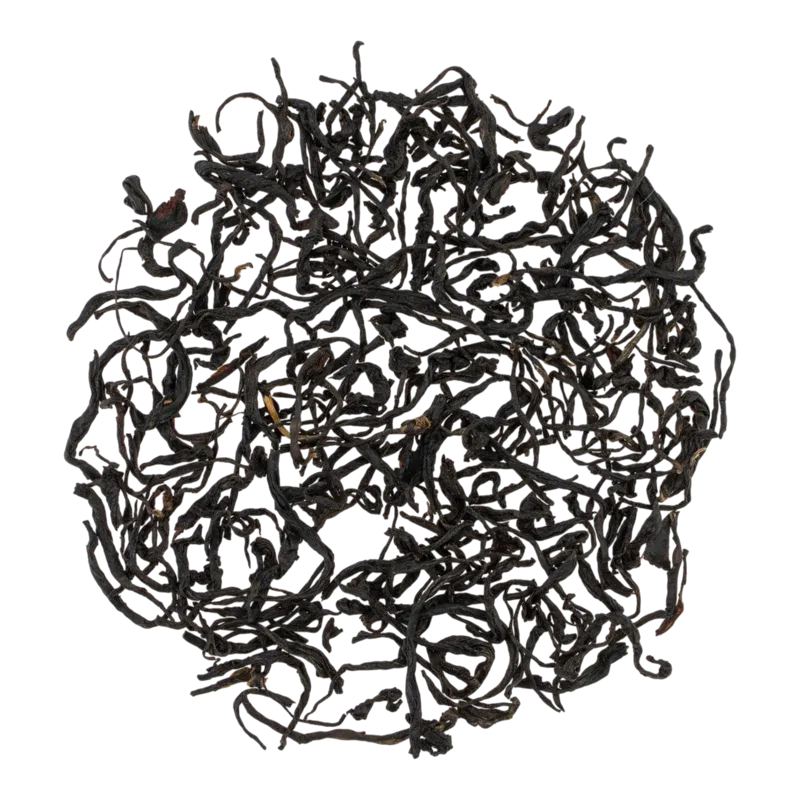
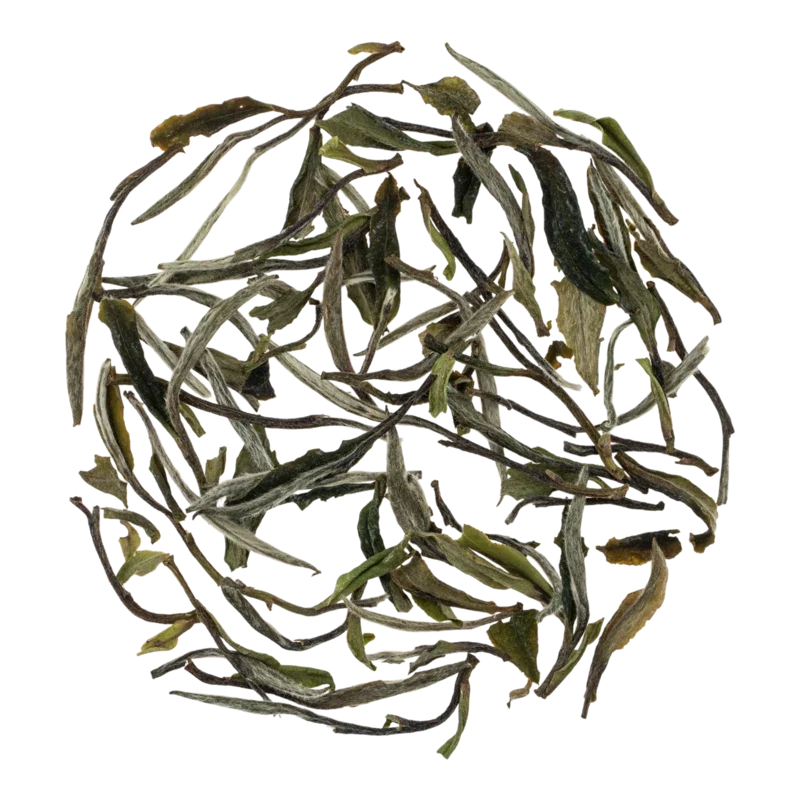
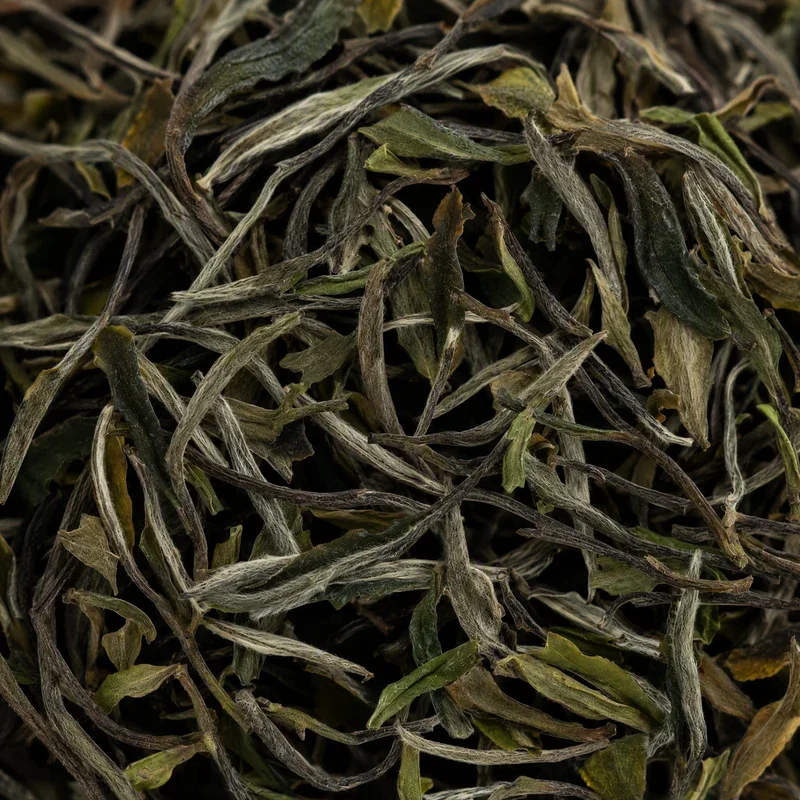
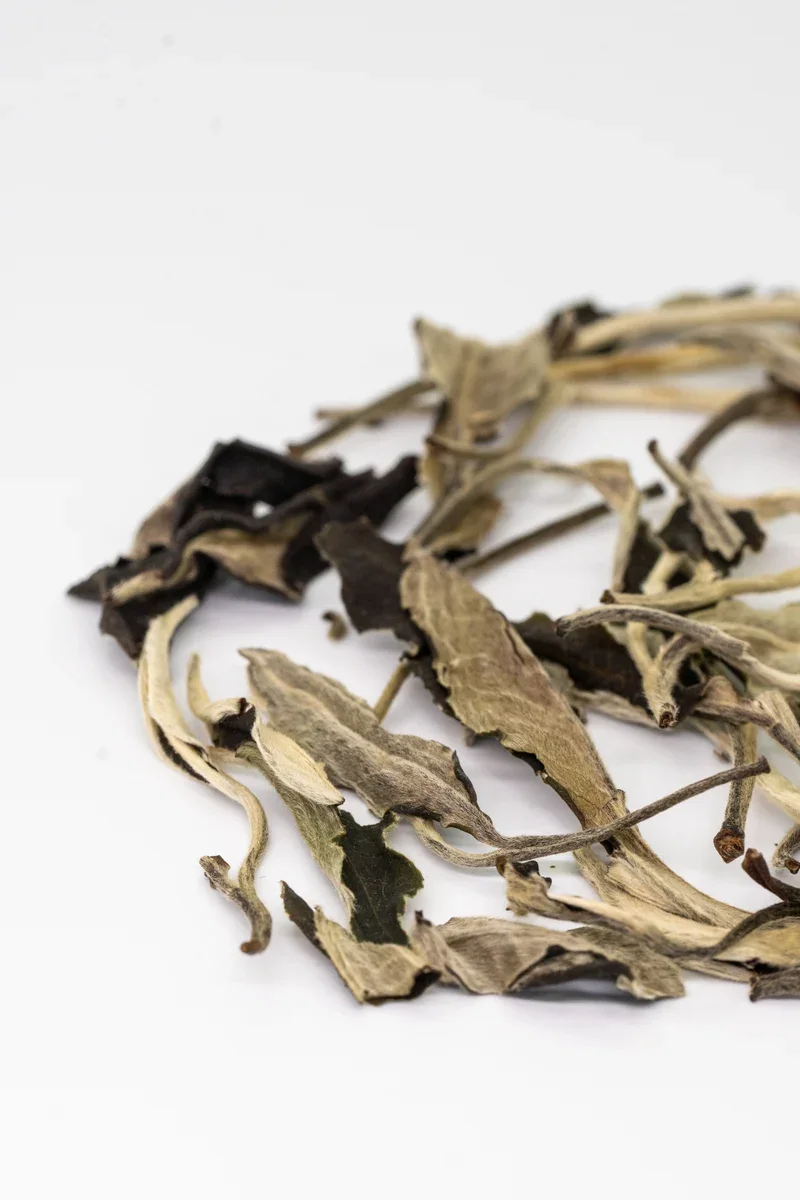
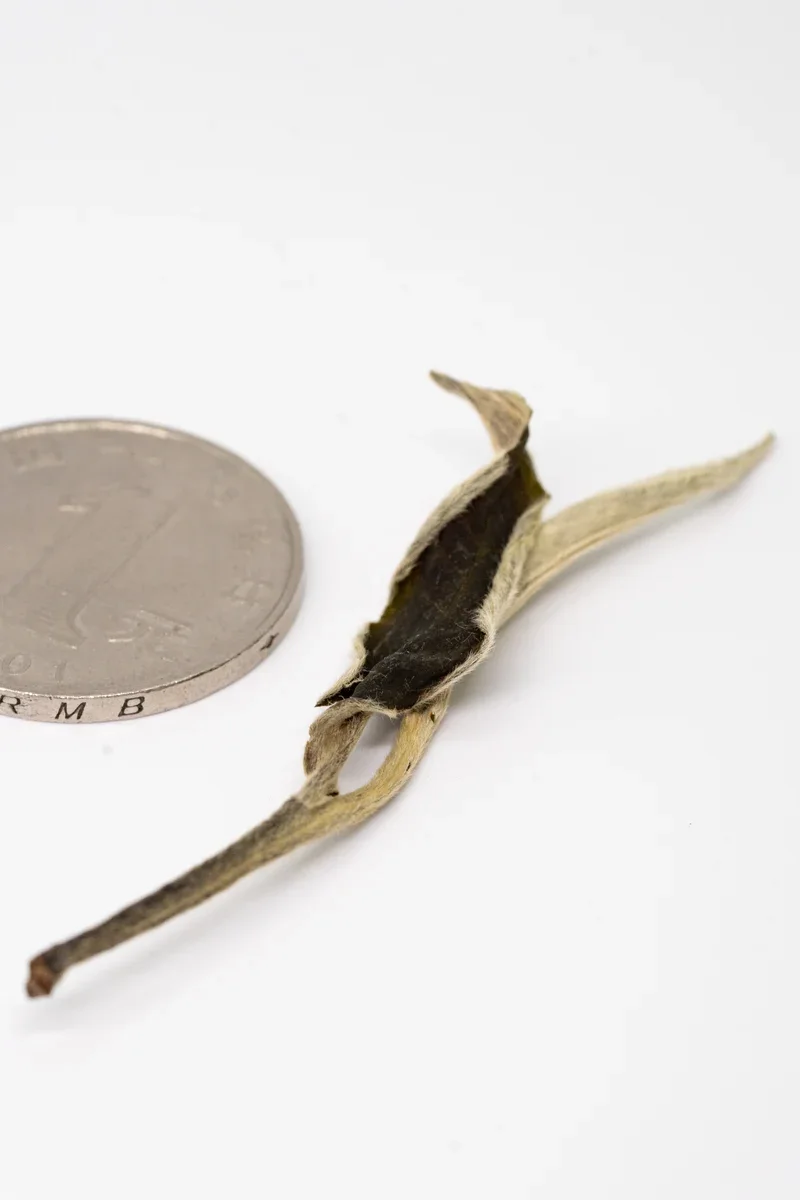
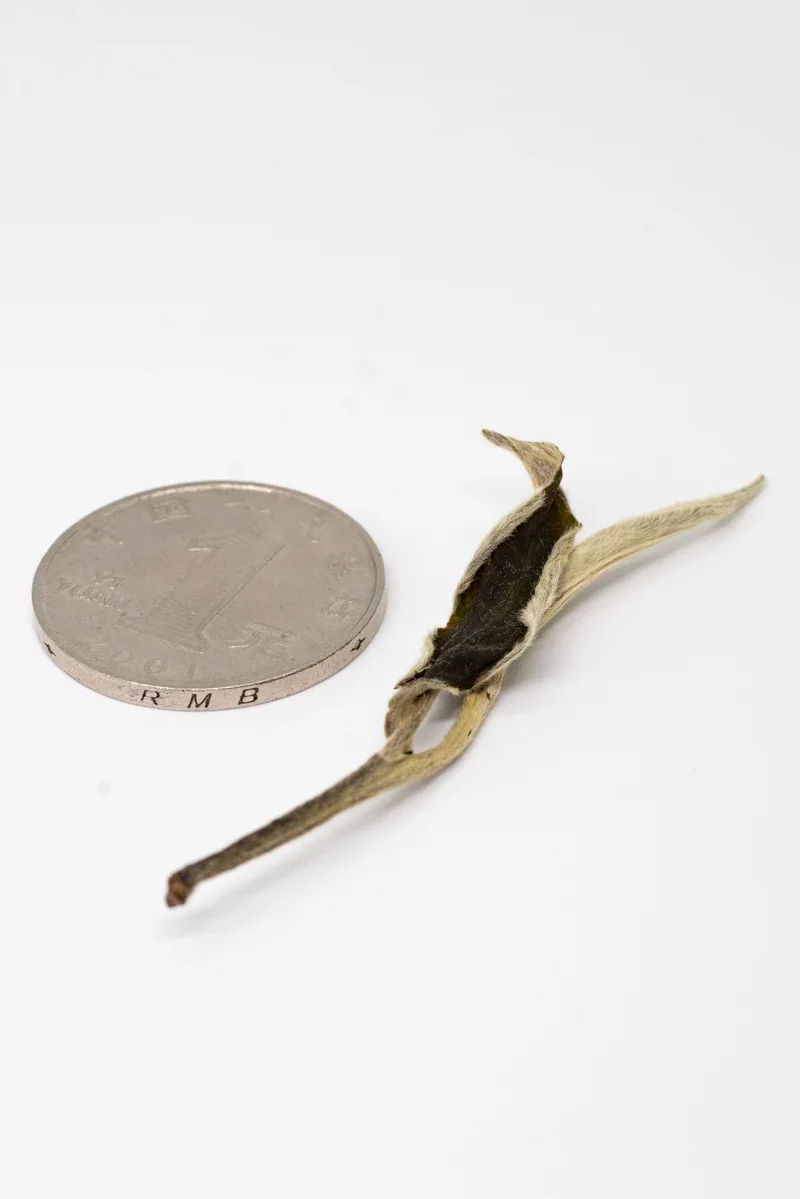
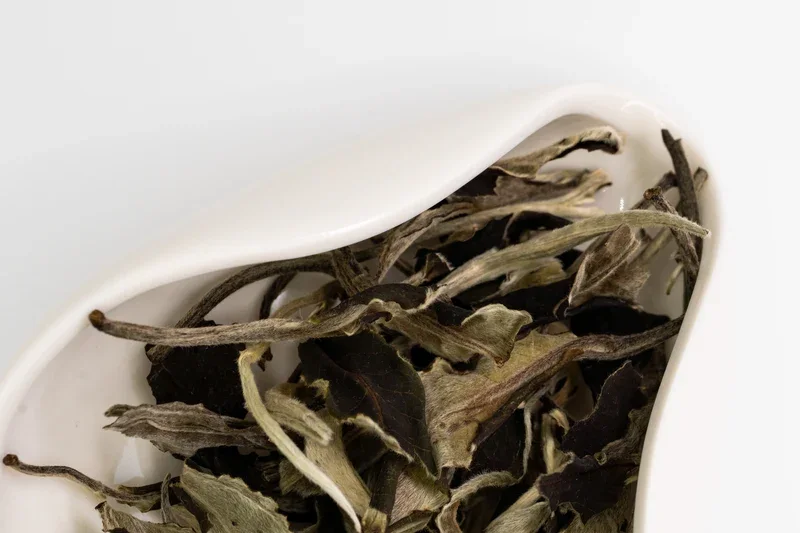
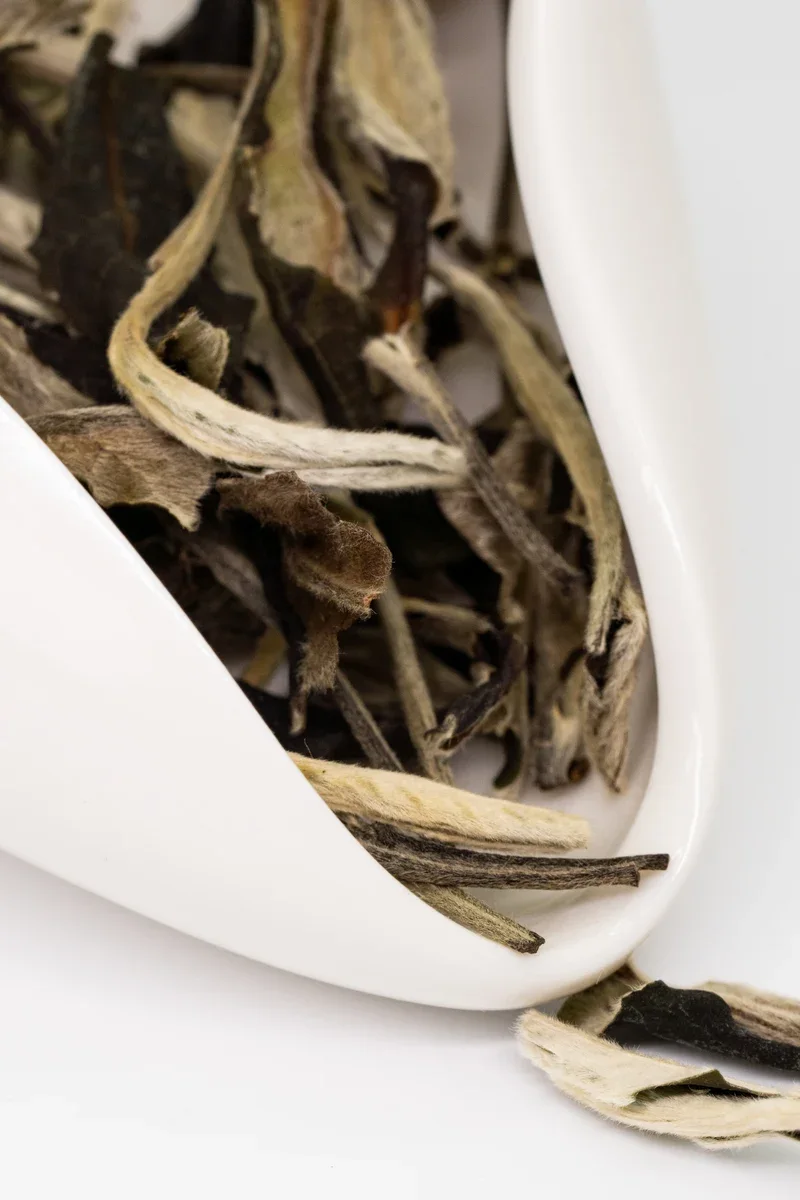
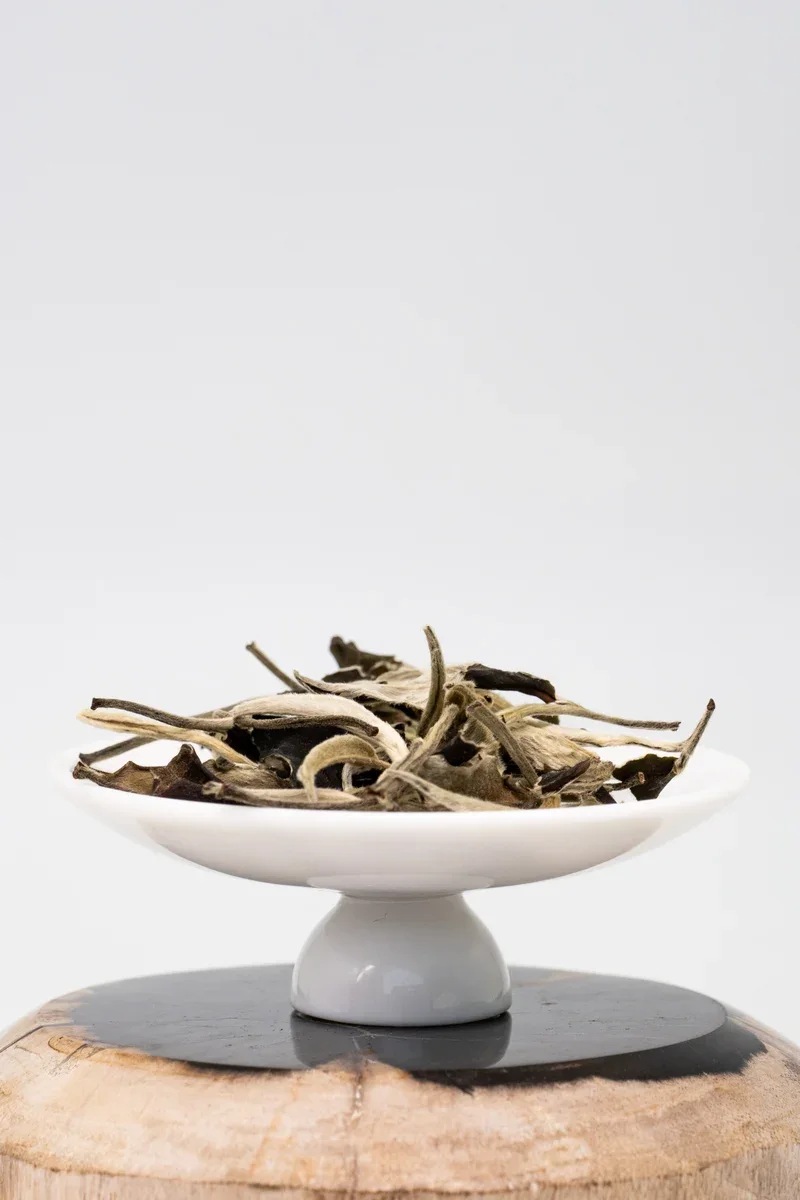
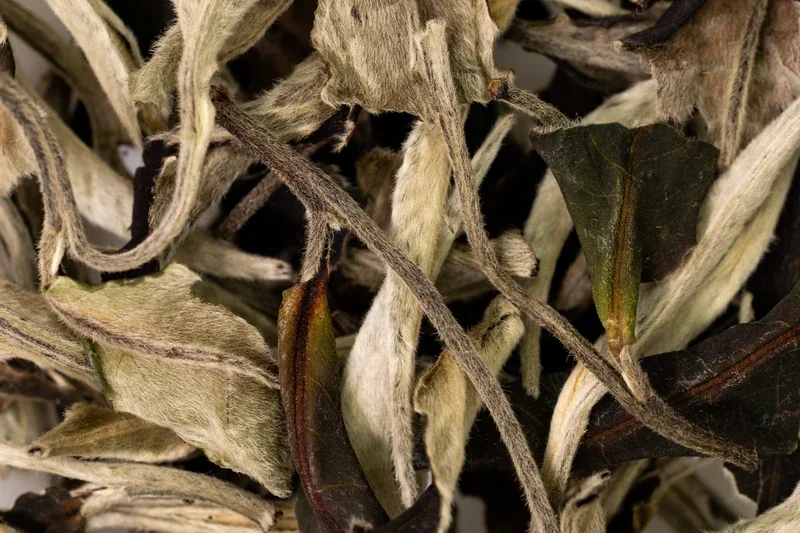
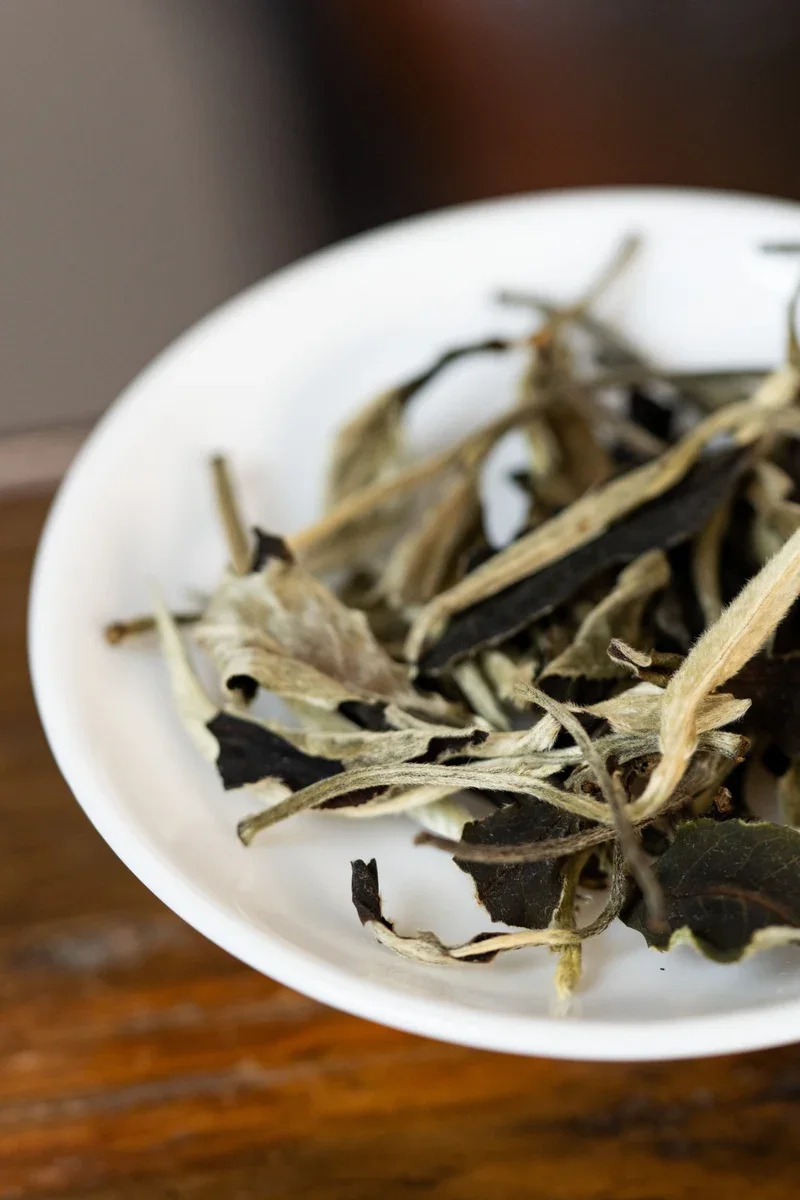
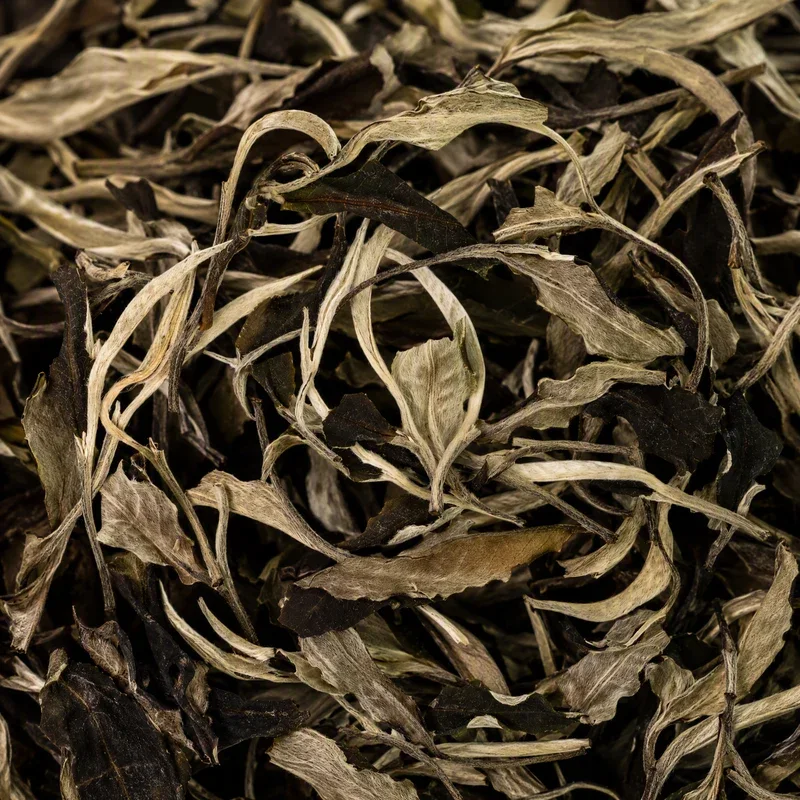
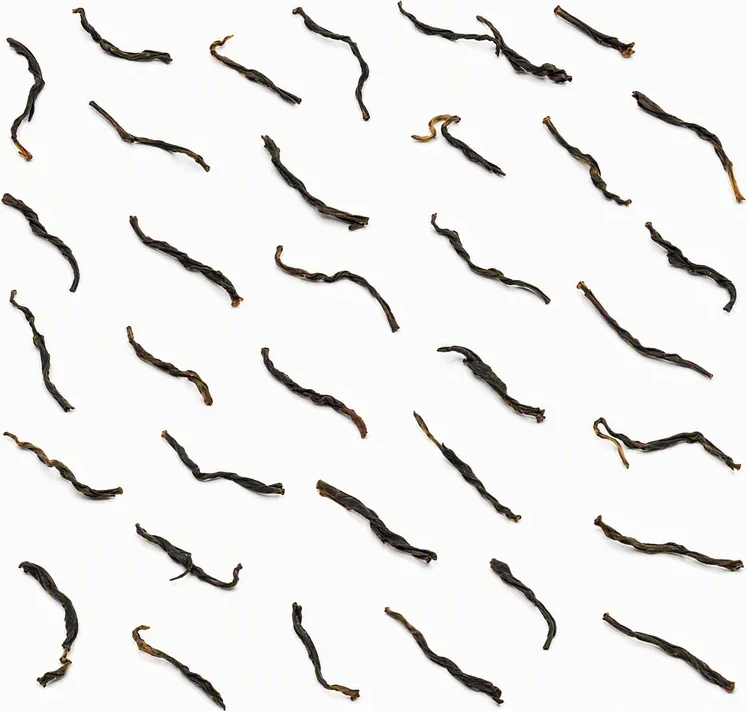
Dry Leaf Appearance: Dark, brown-black tea particles, tightly rolled into strips or granules (for broken format). Surface — oily-glossy (乌黑油润, wūhēi yóurùn). In some batches, small fragments of dried lychee or its skin are visible.
Dry Leaf Aroma: Bright, sweet, with dominant note of ripe lychee — floral-fruity, slightly musky. In background — warm malty and spicy aroma of red tea, honey notes. Aroma is harmonious, without harshness — sign of natural scenting.
Liquor Aroma: Intense, enveloping. Lychee dominates — juicy, exotic, with floral and honey overtones. Warm tea base creates depth and volume. Aroma is persistent but less lasting than unscented red teas.
Liquor Color: From bright golden-orange to rich ruby-red, clear, with beautiful luster.
Spent Leaves: Dark brown, soft, evenly opened leaves with residual lychee aroma. Color — reddish-brown.
Taste: Soft, sweetish, harmonious. Lychee flavor — juicy, fruity-floral, with notes of tropical fruits, rose petals, honey — organically combines with astringency and full-bodied character of red tea. Light fruit acidity adds refreshing liveliness. Aftertaste is long, sweet, with returning freshness.
Alkaloids: Caffeine (~3–4%), theobromine and theophylline in trace amounts.
Amino Acids: L-theanine and other free amino acids from tea base. Content varies depending on base tea.
Natural sugars (fructose, glucose, sucrose) and organic acids (malic, citric) from lychee give tea natural fruit sweetness and refreshing character.
Linalool, geraniol, citronellol (from tea) are supplemented by specific aromatic esters from lychee — geranyl acetate, cis-rose oxide and others, forming characteristic floral-fruity bouquet.
Minerals: Potassium (significant content in both tea and lychee), manganese, copper, magnesium, phosphorus, iron.
Polyphenols: From tea — theaflavins and thearubigins (key antioxidants responsible for color and astringency), from lychee — flavonoids (quercetin, kaempferol, rutin), possessing additional antioxidant and anti-inflammatory activity.
Vitamins: Particularly significant is vitamin C content from lychee fruits (one of the richest fruit sources — up to 70 mg/100 g fresh pulp). Also B vitamins (B₁, B₂, B₆), vitamin E, vitamin K.
High vitamin C content from lychee combined with tea polyphenols creates powerful immune-stimulating combination.
Double antioxidant potential — theaflavins/thearubigins from tea and flavonoids from lychee — provides comprehensive cellular protection from oxidative stress.
Caffeine combined with L-theanine gives mild, balanced alertness — increased concentration without excessive stimulation.
Red tea stimulates digestive enzyme secretion, while organic acids from lychee help improve appetite.
Pleasant sweet aroma and taste promote emotional relaxation and mood elevation. Aromatherapeutic effect of floral-fruity bouquet is well documented.
In chilled form, Lizhi Hong Cha is an ideal summer beverage, quenching thirst and restoring water-salt balance thanks to potassium content and natural electrolytes.
Tea polyphenols and lychee flavonoids jointly contribute to maintaining vascular elasticity and normalizing lipid profile.
Allergy to lychee fruits or tea components — rare but possible phenomenon. If reactions appear (skin rash, swelling, GI upset), consumption should be stopped.
People with insomnia, hypertension, tachycardia, anxiety disorders are recommended to limit consumption or drink tea in first half of day.
Natural fructose from lychee increases overall caloric content of beverage. People with diabetes should consider this, especially if tea is additionally sweetened.
Like any red tea, Lizhi Hong Cha may irritate stomach lining when consumed on empty stomach.
Tea Amount: 3–5 g per 150–200 ml water.
Teaware: Porcelain or glass teapot (glass allows admiring liquor color), porcelain gaiwan (盖碗). For cold brewing — glass carafe.
Water Temperature: 90–95°C.
Container: Airtight, opaque packaging — tin can, foil bag with valve. Glass containers undesirable due to light transmission.
Enemies: Moisture (accelerates aroma loss), light, high temperature, foreign odors.
Shelf Life: Recommended to consume within 6–12 months after production. Lychee aroma inevitably weakens over time — this is natural process for all scented teas. With prolonged storage, base red tea flavor remains.
Dry, cool place (not above 25°C), away from strong-smelling products and direct sunlight.
Classic and most authentic variant. Large-leaf base gives rich, full-bodied liquor where fruit sweetness of lychee harmoniously combines with malty power of Guangdong red tea. This is "native" combination — tea and fruit from same province.
More refined variant. Keemun base brings wine-fruity notes and characteristic "orchid" delicacy, against which lychee aroma sounds more elegant and subtle.
Yunnan base — powerful, honey-like, with "golden tips." Lychee adds tropical brightness to already rich profile. Less traditional but impressive variant.
Some producers add rose petals (玫瑰, méiguì), osmanthus (桂花, guìhuā), or other tropical fruits to Lizhi Hong Cha, creating complex multi-layered blends.
Mass variant, often used for tea bags and cold beverages. Aroma is bright but less deep; convenient for daily consumption.
Price Category: Lizhi Hong Cha occupies wide price range. Industrial batches based on broken red tea with flavoring — from 30–50 yuan per 500 g. Quality handmade product based on Yingde Hong Cha or Qimen with natural scenting using fresh fruits — from 150–300 yuan per 500 g. Key price factors: base tea quality, scenting method (natural/synthetic), brand and packaging.
Package should indicate natural components — "fresh lychee juice" (鲜荔枝汁), "dried lychee pulp" (荔枝干), "natural aroma" (天然香料). Label "nature-identical flavoring" or absence of composition information — reason for concern.
Natural lychee aroma — soft, rounded, fruity-floral, harmoniously woven into tea base. Artificial — sharp, "perfumery," one-dimensional, irritating to smell.
Naturally scented tea has clean aftertaste with returning sweetness. Synthetic flavoring leaves chemical "tail" in mouth.
Specialized tea shops, especially those with roots in Guangdong.
Quality naturally scented Lizhi Hong Cha is produced in limited quantities during lychee ripening season (June–July).
No reviews yet. Tell us what you think of this tea.
Rate this tea and share your impressions. We review each submission before publishing it.