Brewing
Gongfu brewing
- Water temperature
- 93 °C
- Tea amount
- 5 g
- Water volume
- 100 ml
- First steep
- 10 s
- Time added per infusion
- 5 s
- Infusions
- 4

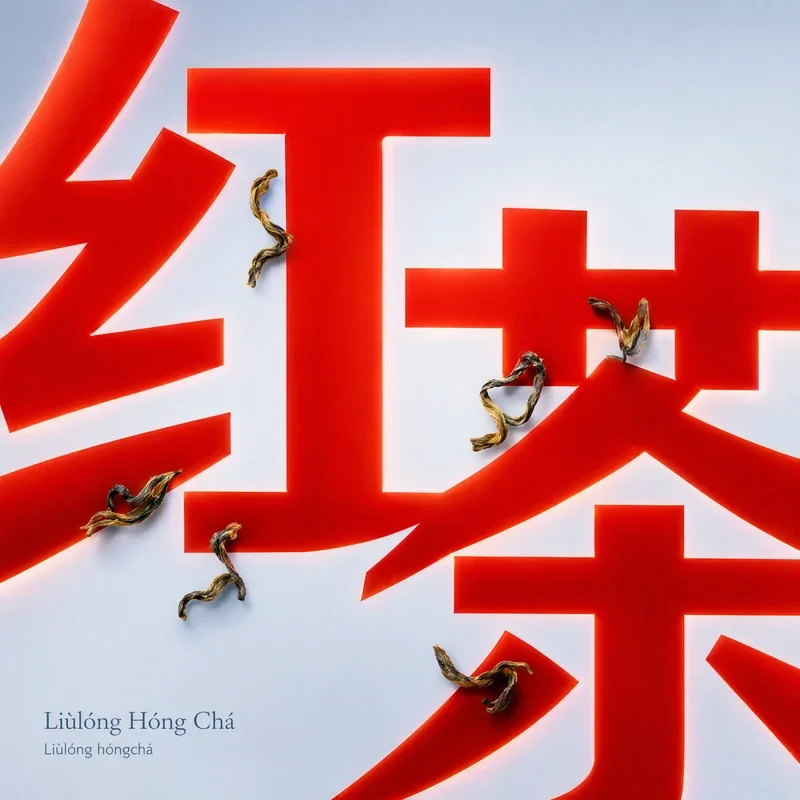
Liùlóng hóngchá
Choose a brewing method. Start with the recommended quantities and time, then adjust to taste.
Brewing
Brewing
Taste
Tea encyclopedia
Category: Regional Chinese red teas. "Liulong Cha" (六龙茶) is registered as a product with national geographical indication for agricultural products (国家地理标志农产品). Red tea is produced under the brand "Liulong Yanchi" (六龙岩赤, Liùlóng Yánchì, "Red Cliff of Liulong") and includes several varieties: "Golden Bud" (金芽红茶), "Golden Spiral" (金螺红茶), "Traditional Xiaozhong" (传统小种红茶).
Category: Regional Chinese red teas. "Liulong Cha" (六龙茶) is registered as a product with national geographical indication for agricultural products (国家地理标志农产品). Red tea is produced under the brand "Liulong Yanchi" (六龙岩赤, Liùlóng Yánchì, "Red Cliff of Liulong") and includes several varieties: "Golden Bud" (金芽红茶), "Golden Spiral" (金螺红茶), "Traditional Xiaozhong" (传统小种红茶).
Coordinates: ≈ 25.0° N, 107.5° E (reference point at the center of Nandan County; the original file contained erroneous coordinates — corrected).
Origin: China, Guǎngxī Zhuāng Autonomous Region (广西壮族自治区, Guǎngxī Zhuàngzú Zìzhìqū), Héchí Prefecture (河池市, Héchí Shì), Nándān County (南丹县, Nándān Xiàn). The historical homeland and production core — Liùzhài Township (六寨镇, Liùzhài Zhèn), Lóngmǎ Village (龙马村, Lóngmǎ Cūn). The protected zone also covers Mangchang Township (芒场镇), Yueli Township (月里镇), Chengguan Township (城关镇) and Zhongbao Miáo Township (中堡苗族乡) — a total of 5 township units and 70 administrative villages.
Type: Red tea (black tea) (红茶, hóngchá) — fully oxidized.
Cultural Significance: Nándān County is the homeland of the Baiku Yáo people (白裤瑶, Báikù Yáo, "white-trouser Yao"), one of the most distinctive ethnic groups of southern China, whose culture is recognized as a "living fossil" of ethnography. The tea traditions of Nándān are inseparably linked with Yáo and Miáo (苗族) life — tea accompanies rituals, festivals and everyday hospitality. Since 2018, the annual Nándān Tea Culture and Tourism Festival (南丹茶文化旅游节) has been held, combining tastings, master classes on tea picking and processing, tea incense making competitions (制香), RV routes and popularization of the "adopt a tea tree" program (认养茶树).
History: Tea cultivation in the Longma Village area spans approximately 800 years, dating back to the Song–Yuán period (宋元, 12th–14th centuries), when local residents began purposefully planting tea bushes on mountain slopes. Nandan County is located at the junction of Guangxi and Guizhou, near historical trade routes, which facilitated the spread of tea culture.
Name Breakdown: The name "Liulong" (六龙) has dual meaning. On one hand, it indicates the place of origin — Liùzhài Township (六寨), Lóngmǎ Village (龙马, "dragon horse"), from whose first characters 六龙 ("Six Dragons") is composed. On the other — the name refers to the classical text "I Ching" (《易经》), where in the Qiān hexagram (乾卦) it is said: "時乘六龍以御天" — "In due time ride six dragons to govern Heaven." This image symbolizes power, harmony and ascension — which resonates with the brand's ambitions. 红茶 (hóngchá) — "red tea." The red tea brand "Yanchi" (岩赤) literally means "red cliff," emphasizing the rocky mountain character of the terroir.
Cultivar: Predominantly local populations of Camellia sinensis (群体种, qúntǐzhǒng), adapted to the mountain conditions of northwestern Guangxi through centuries of naturalization. Selective cultivars with increased amino acid content are also used for producing elite green teas; for red tea, batches with sufficient polyphenol content are selected to ensure deep oxidation.
Picking: Spring (March–April) — main season. Summer and early autumn — additional harvests. Due to the relatively southern location (≈ 25° N) and mild climate, spring harvest begins 1–2 weeks earlier than in more northern areas of Guangxi.
Pluck Standard: For "Golden Bud" (金芽红茶) — single buds or bud with one half-opened leaf. For "Golden Spiral" (金螺红茶) — one bud and one–two leaves. For "Traditional Xiaozhong" (传统小种红茶) — one bud and two–three leaves, with more mature raw material allowing light smokiness.
Raw Material: Whole, fresh leaf without mechanical damage and signs of disease. Raw material passes certification as harmless (无公害) and "green" (绿色食品A级). Total area of certified plantations — 3,820 mu (≈ 255 hectares).
Altitude: About 700–900 meters above sea level; main gardens concentrated at ≈ 800 m elevation.
Climate: Subtropical monsoon with notable vertical zonation. Characterized by significant day-night temperature differences (diurnal amplitude 8–12°C), frequent fogs and cloudiness. Average annual temperature — about 17–19°C; average annual precipitation — 1,300–1,500 mm. Diffused light and high humidity promote amino acid accumulation and formation of delicate aromatic compounds.
Soil: Mountain yellow and red soils, weakly acidic (pH 4.5–6.0), with good organic matter content. Parent rocks — sandstones and shales, providing excellent drainage and mineral saturation. Soil stoniness contributes a characteristic mineral "cliff" note to the tea, reflected in the brand name "Yanchi" — "Red Cliff."
Ecological practices: hand picking, limited use of chemical protection agents, emphasis on organic fertilizers. The "company + cooperative + base + farming households" model involves local population in the tea production chain and ensures stable quality control.
Topography: Mountain-hilly landscape of northwestern Guangxi. Nandan County is located at the junction of the Yunnan-Guizhou Plateau and Guangxi Mountains, creating a complex mosaic of microclimates. Tea gardens are sheltered in river valleys and on gentle slopes protected from winds.
Hand selection of tender raw material according to the standard of the specific grade.
Reducing leaf moisture by 30–40%. Natural withering on bamboo sieves or combined (air + gentle heating) is used. The degree of turgor loss is controlled for precise adjustment of subsequent oxidation.
Leaf shaping; for "Golden Spiral" — characteristic spiral twist; for "Golden Bud" — more gentle rolling with emphasis on preserving bud down.
Controlled oxidation at 25–30°C and high humidity. Duration is individually selected: for "Golden Bud" — shortened, for "Traditional Xiaozhong" — deeper, with subsequent light smoky heating.
Profile fixation. For most lines — clean hot air; for "Traditional Xiaozhong" — final stage with minimal contact with smoke from coniferous species, imparting a light smoky note without aggressiveness.
Separation by fractions. Batches with high proportion of golden tips (金毫) are separately distinguished.
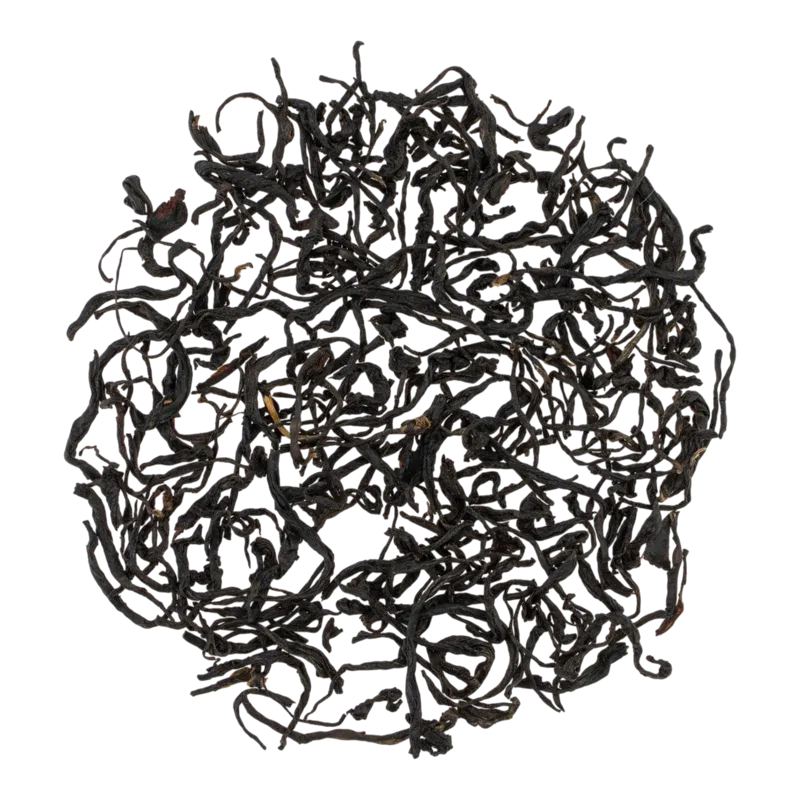
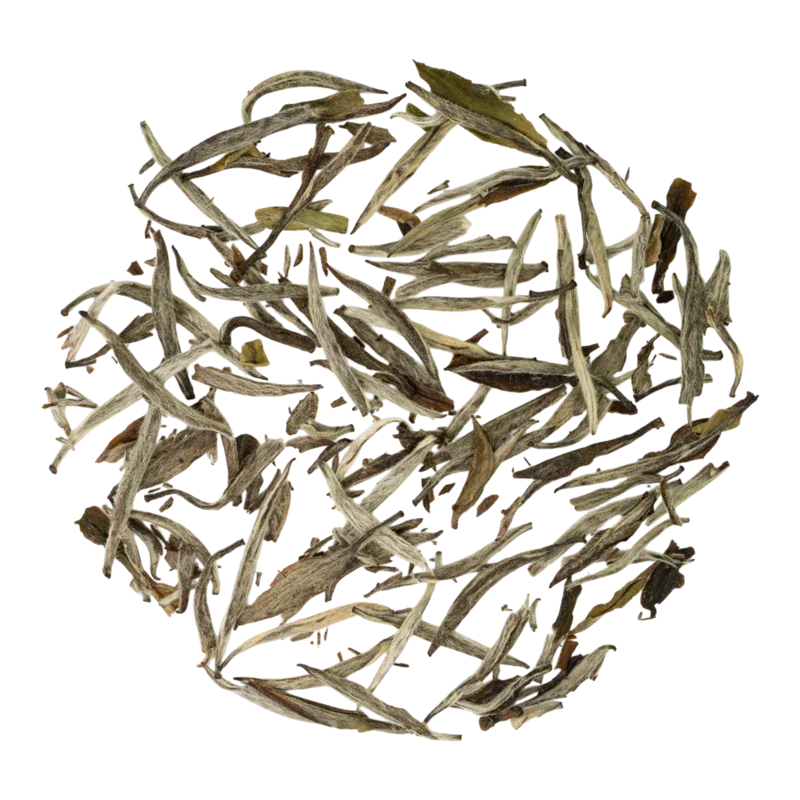
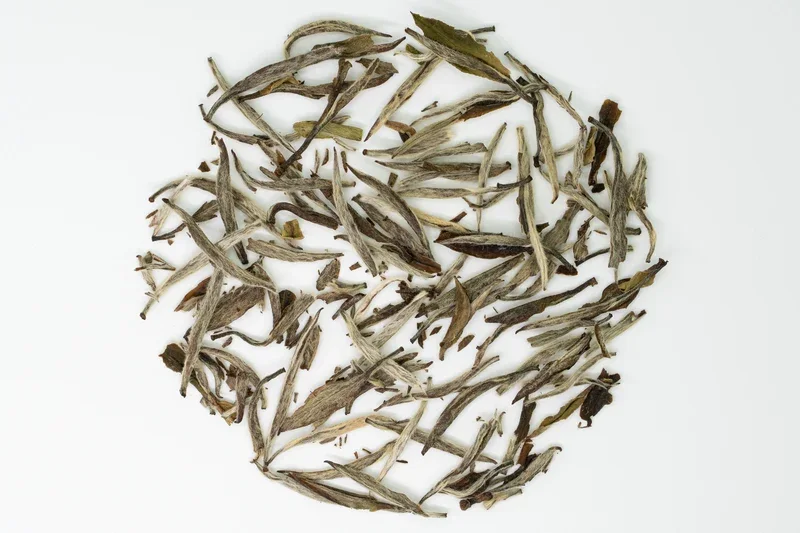
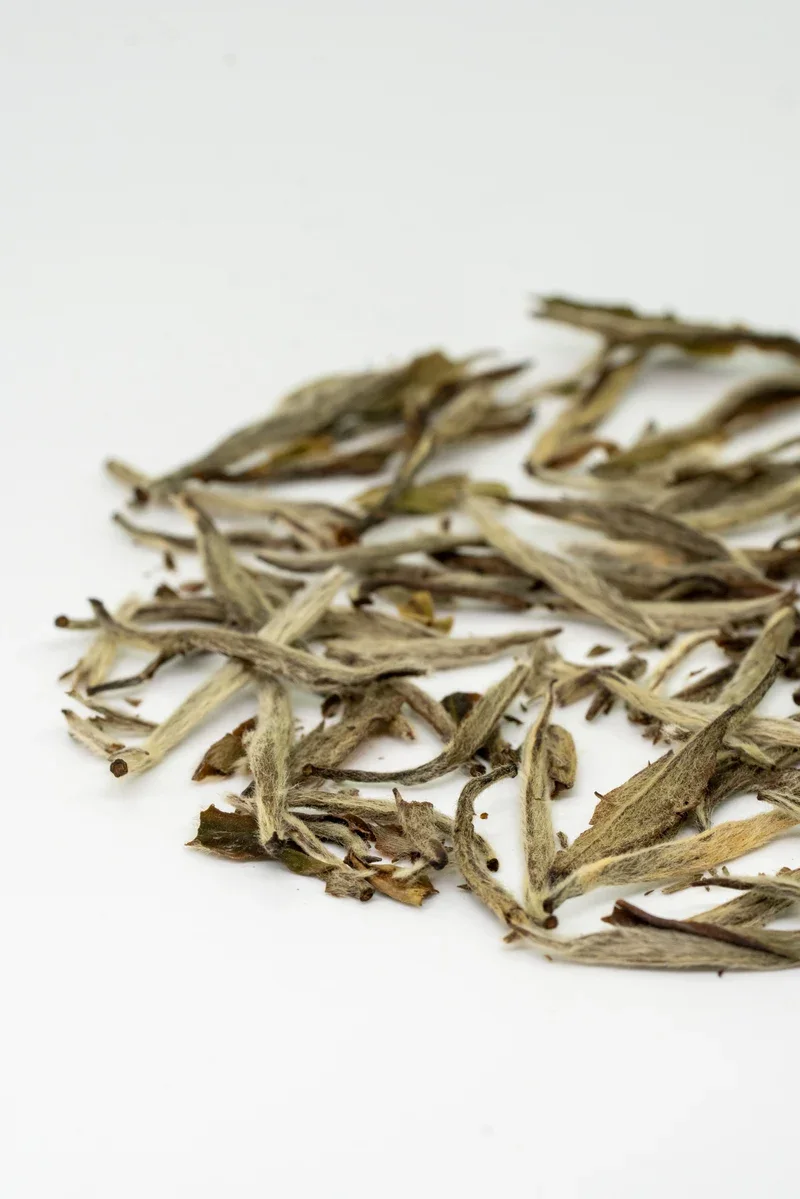
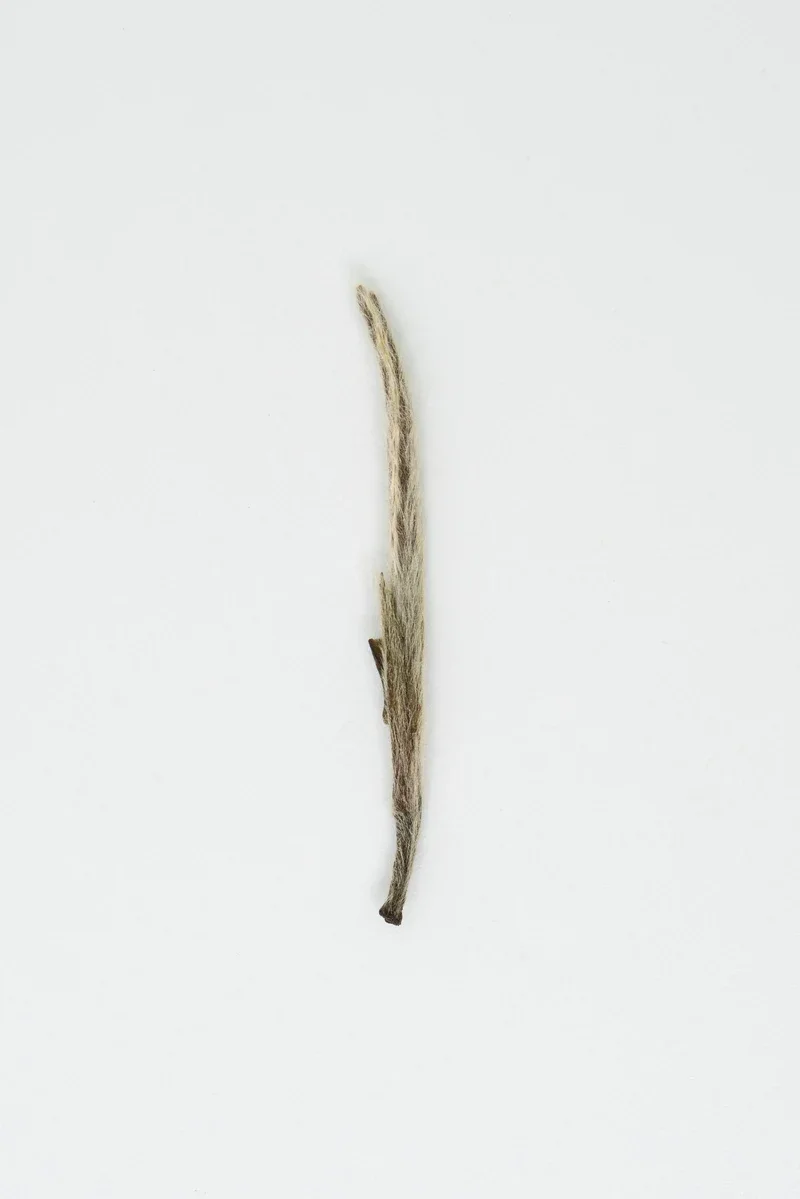
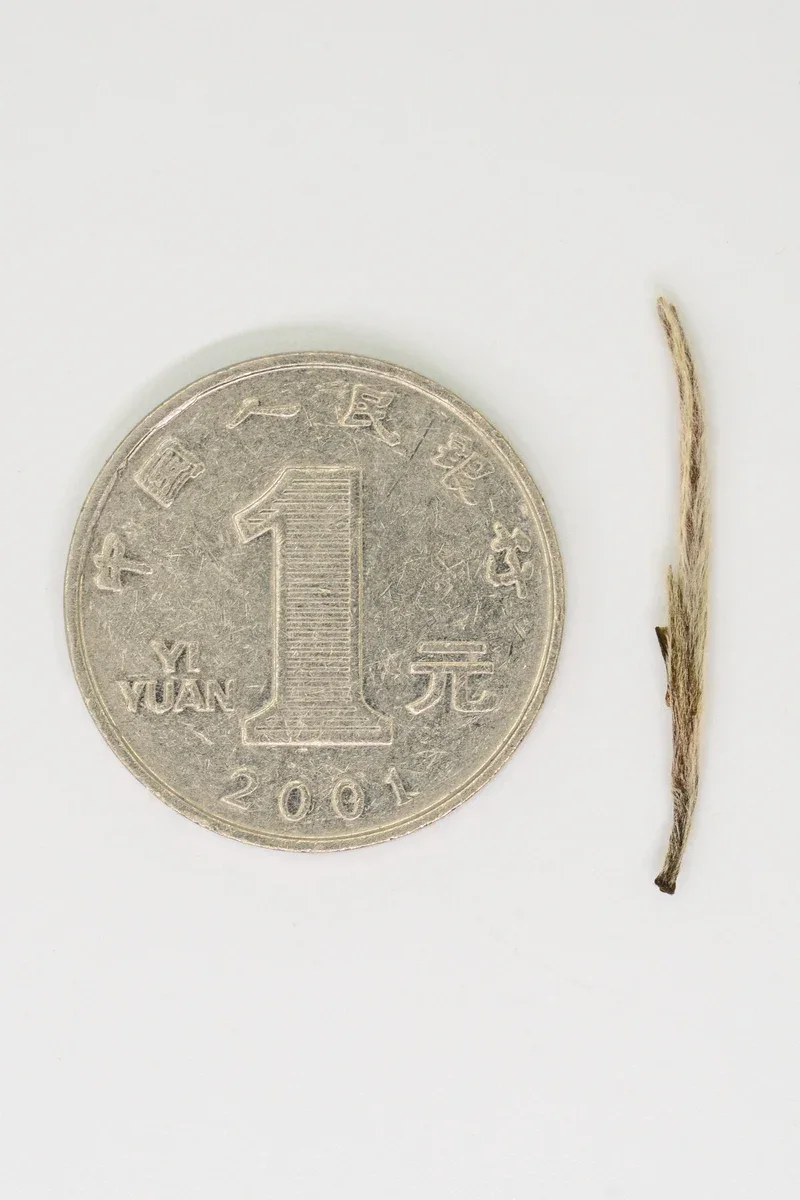
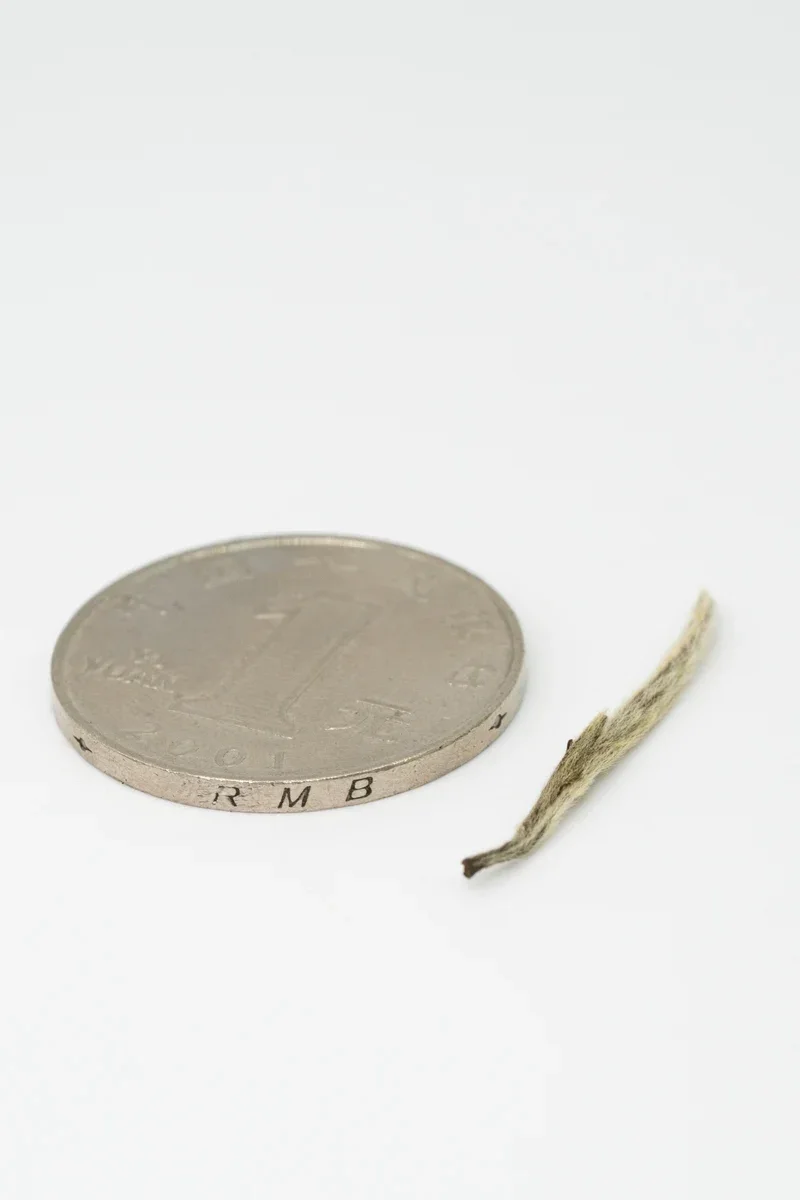
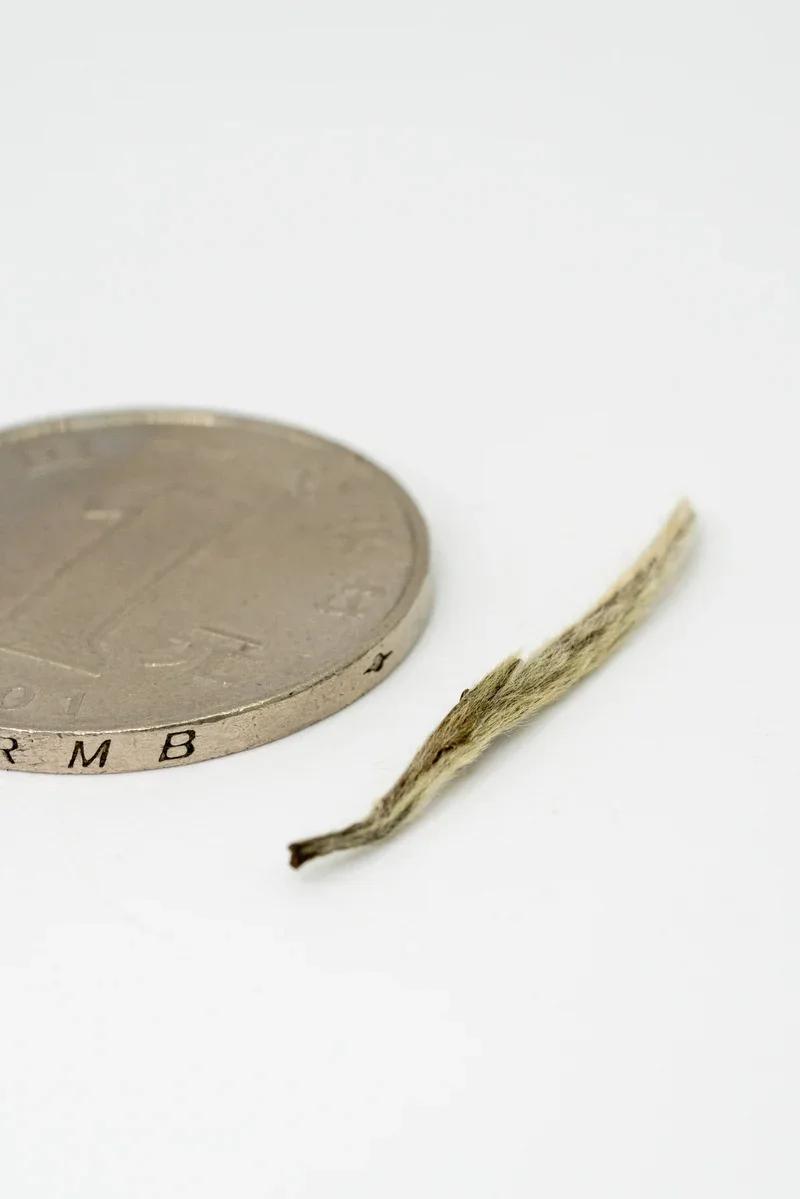
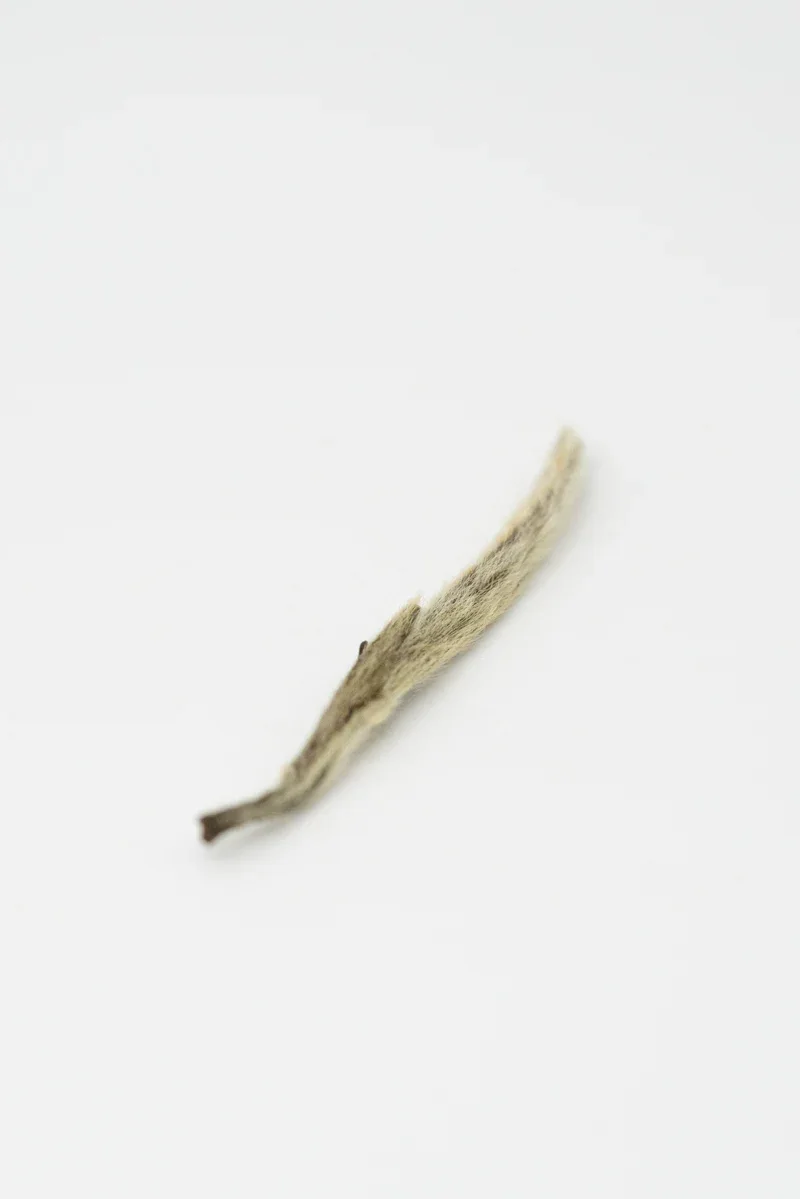
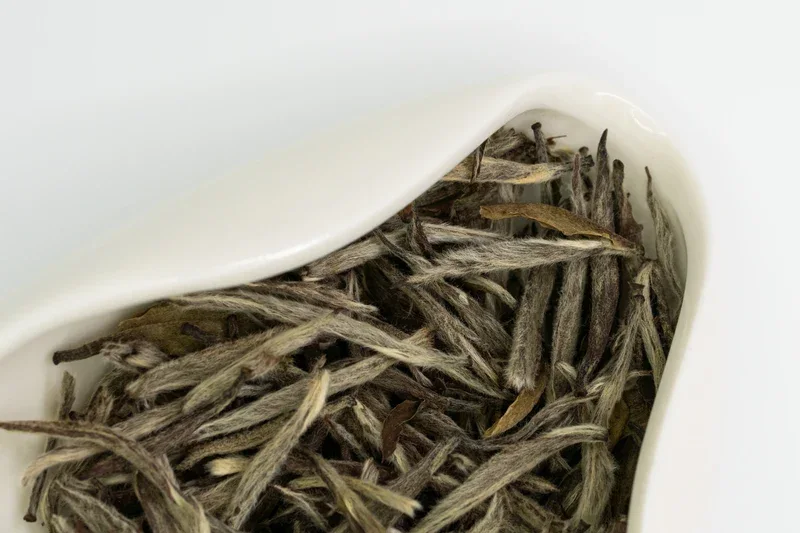
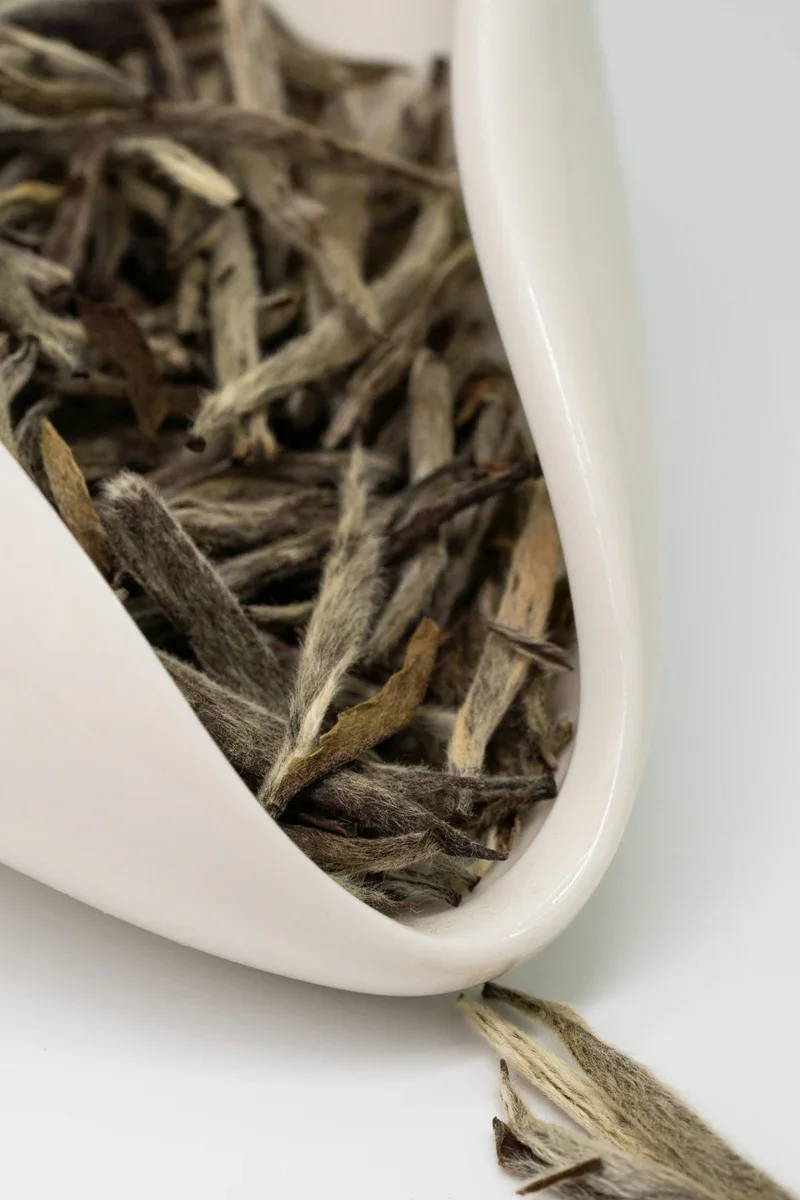
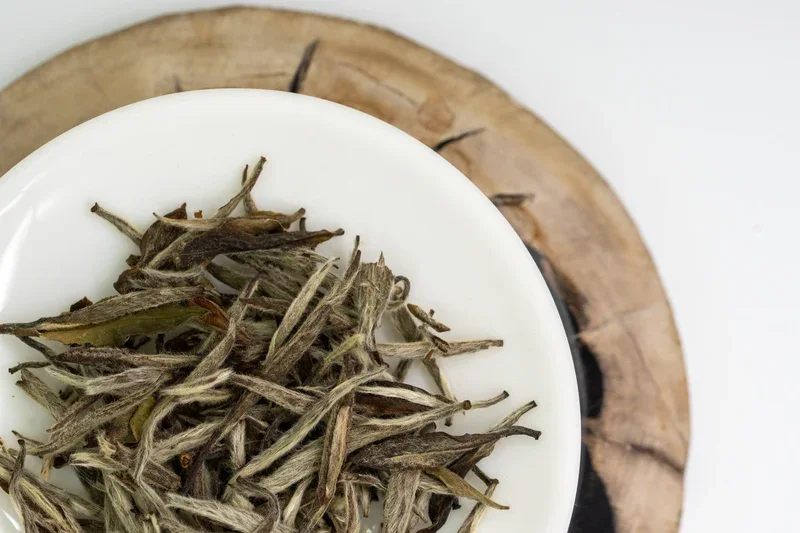
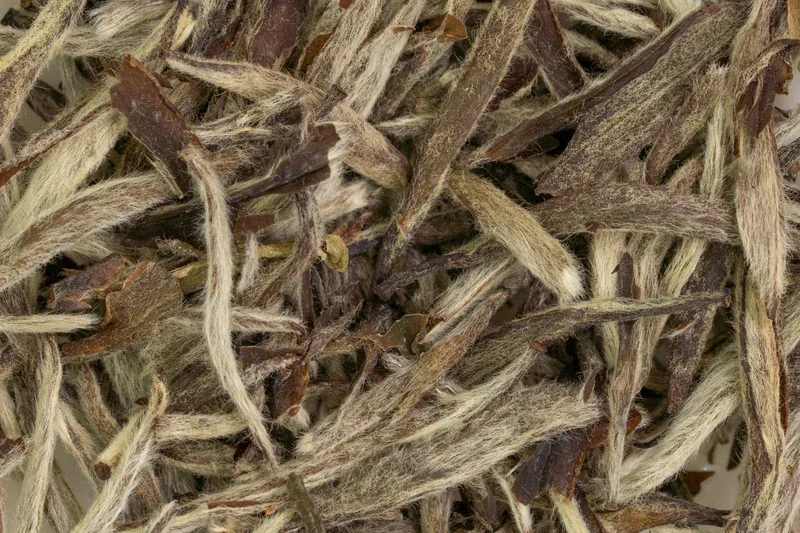
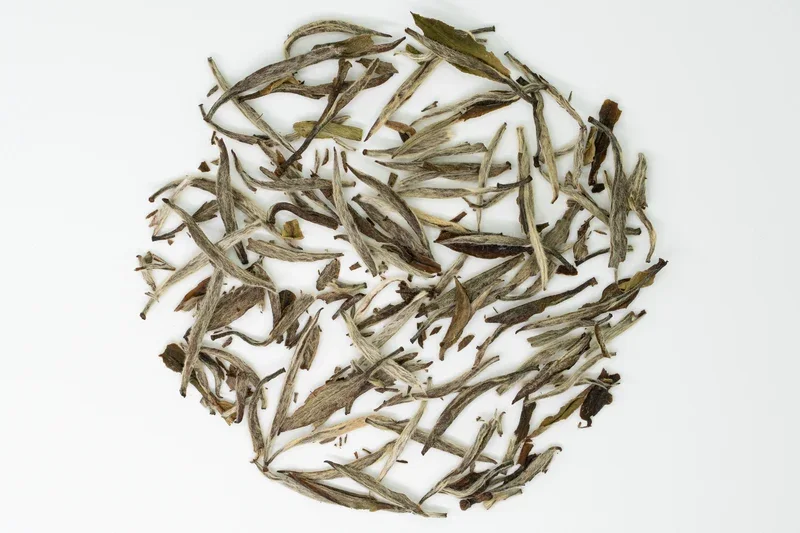
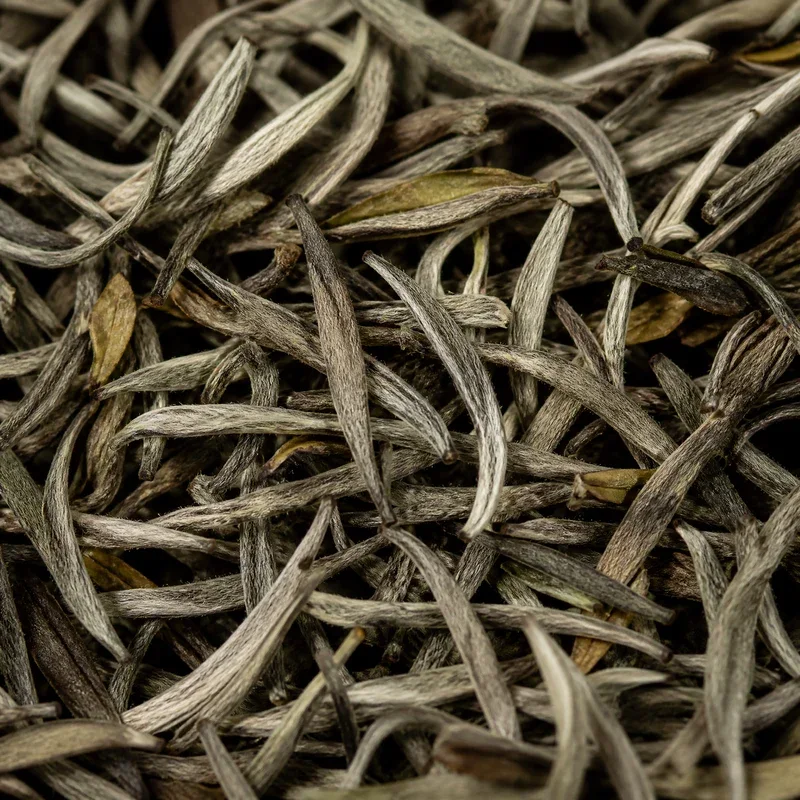
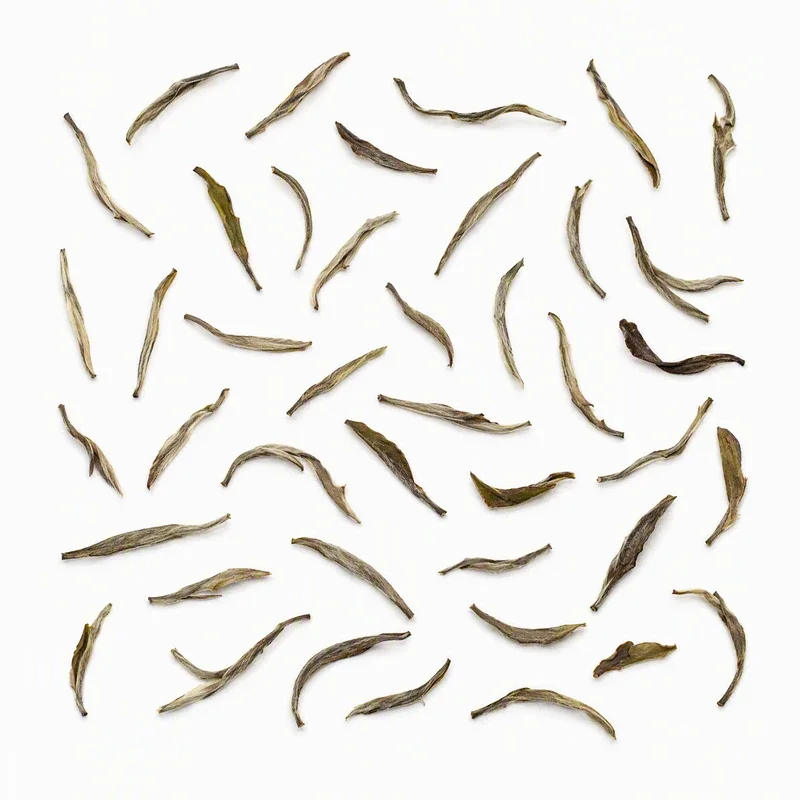
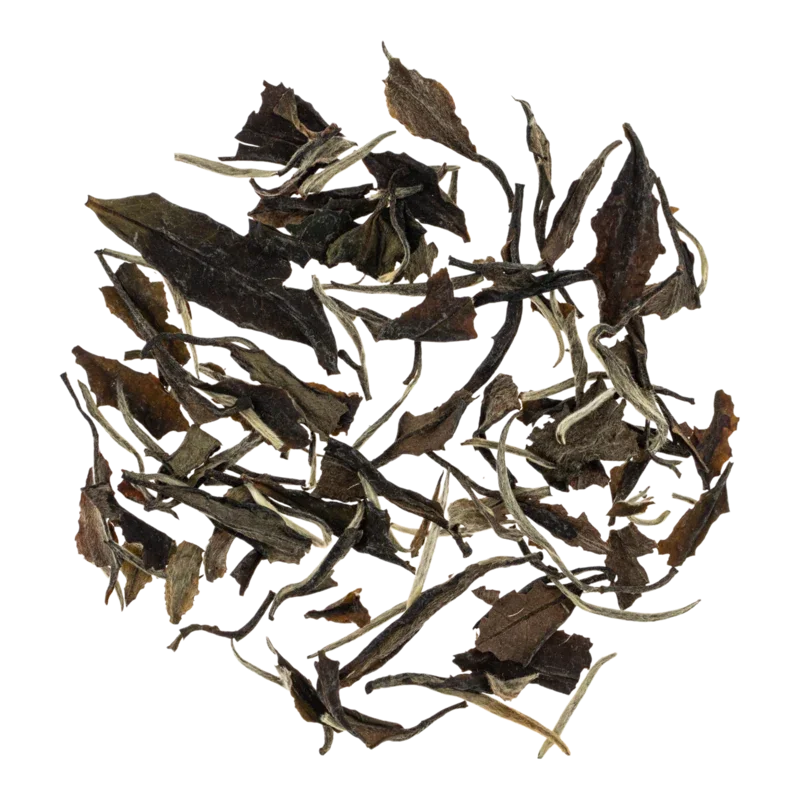
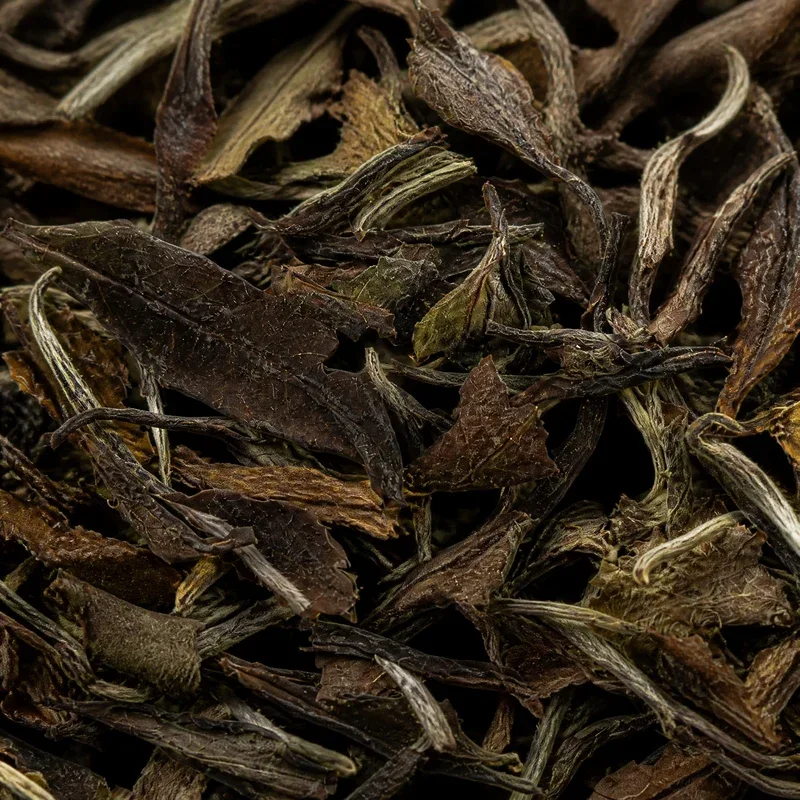
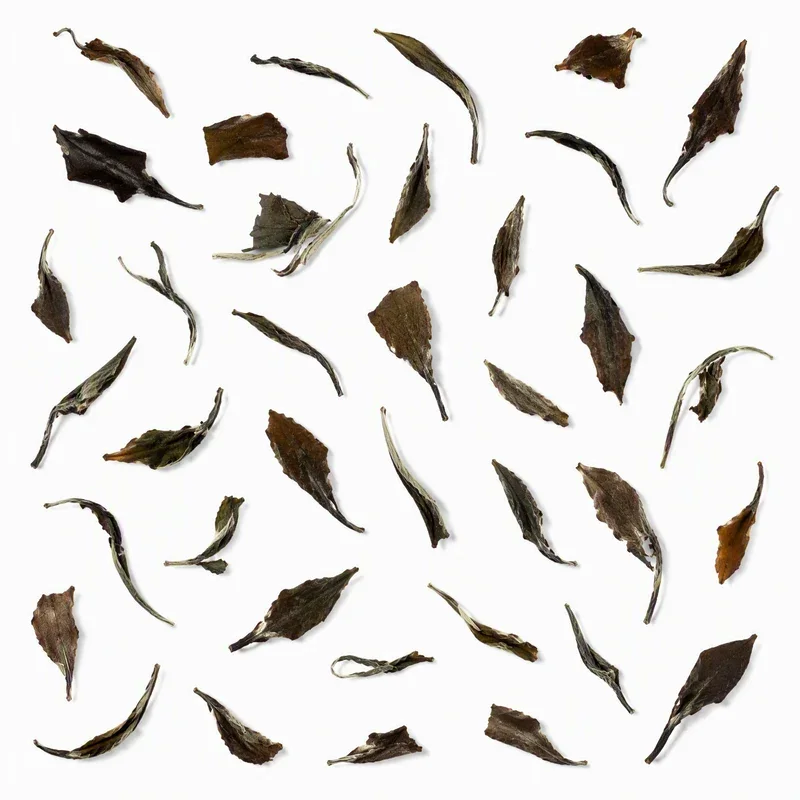
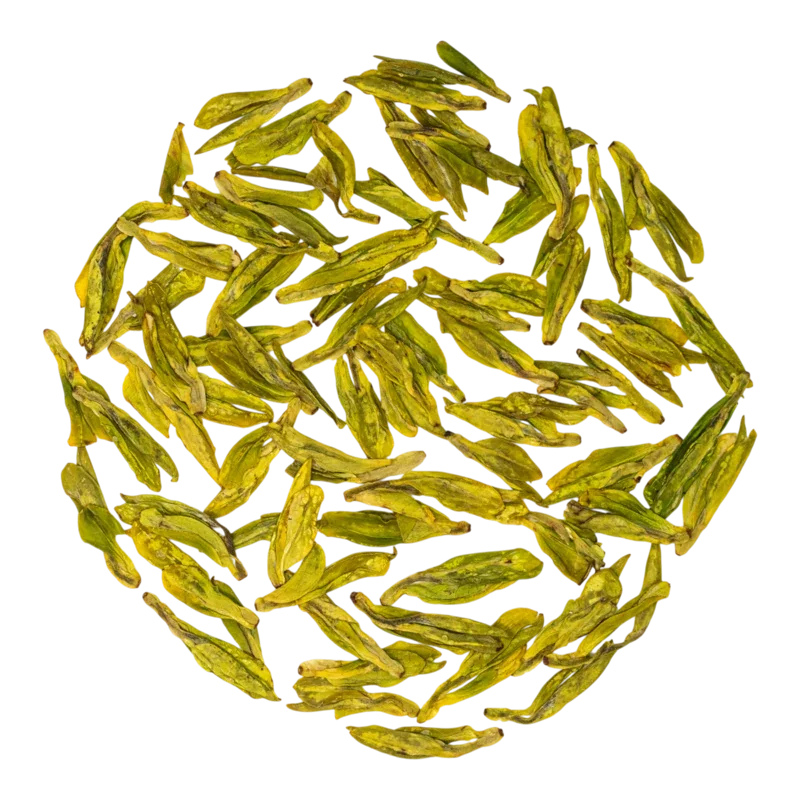
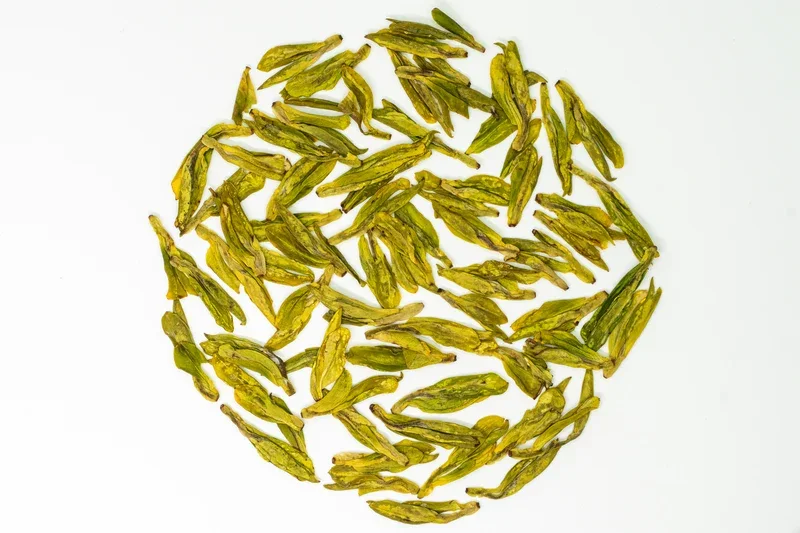
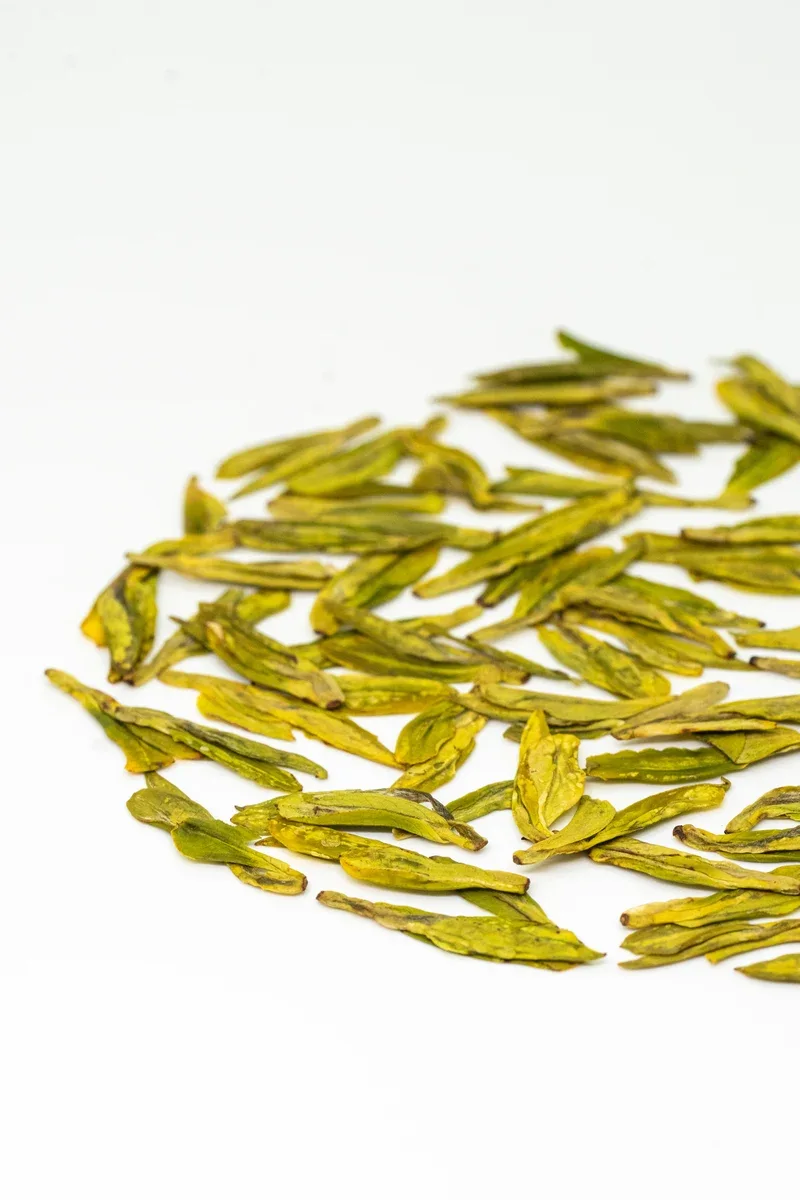
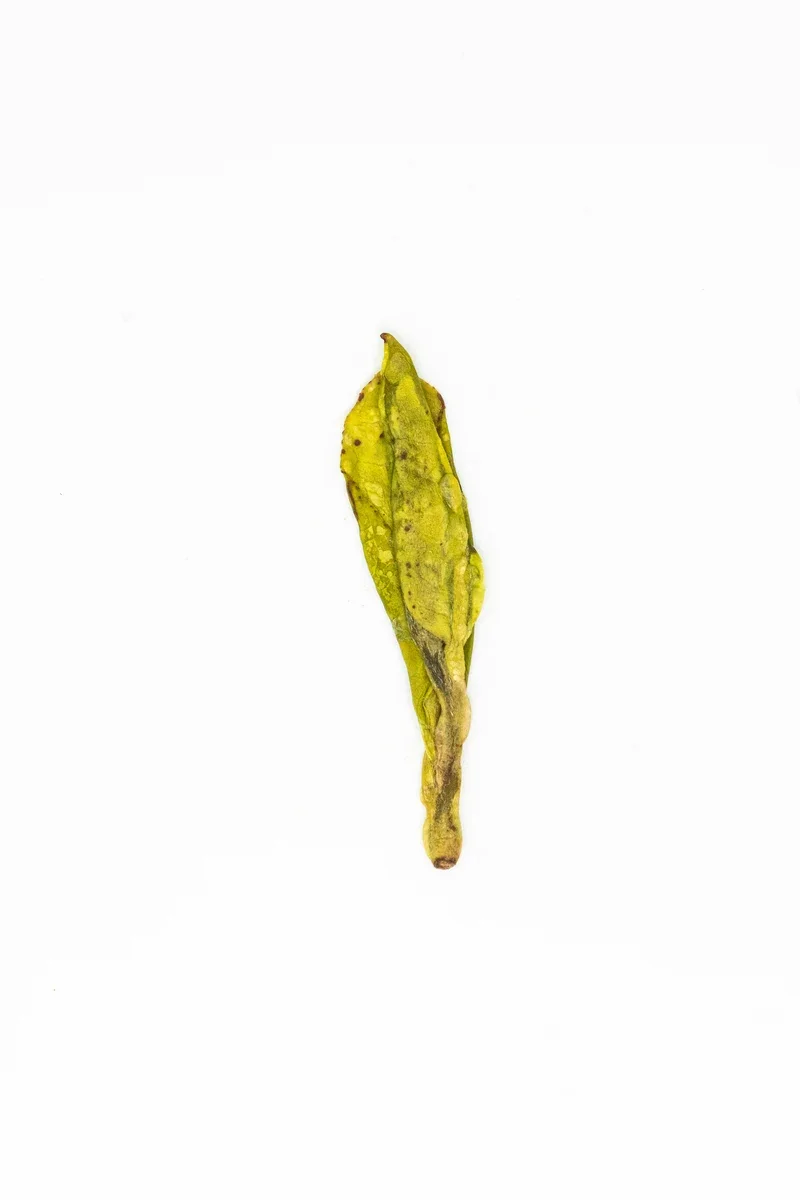
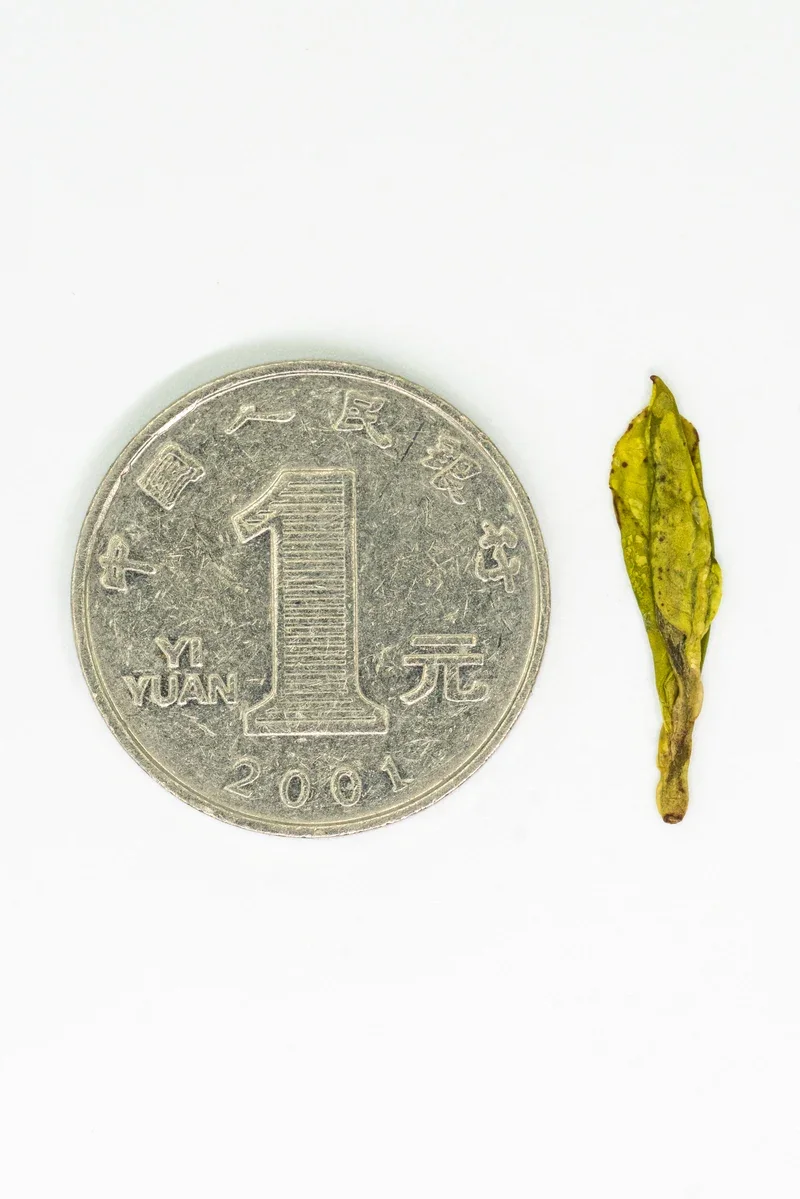
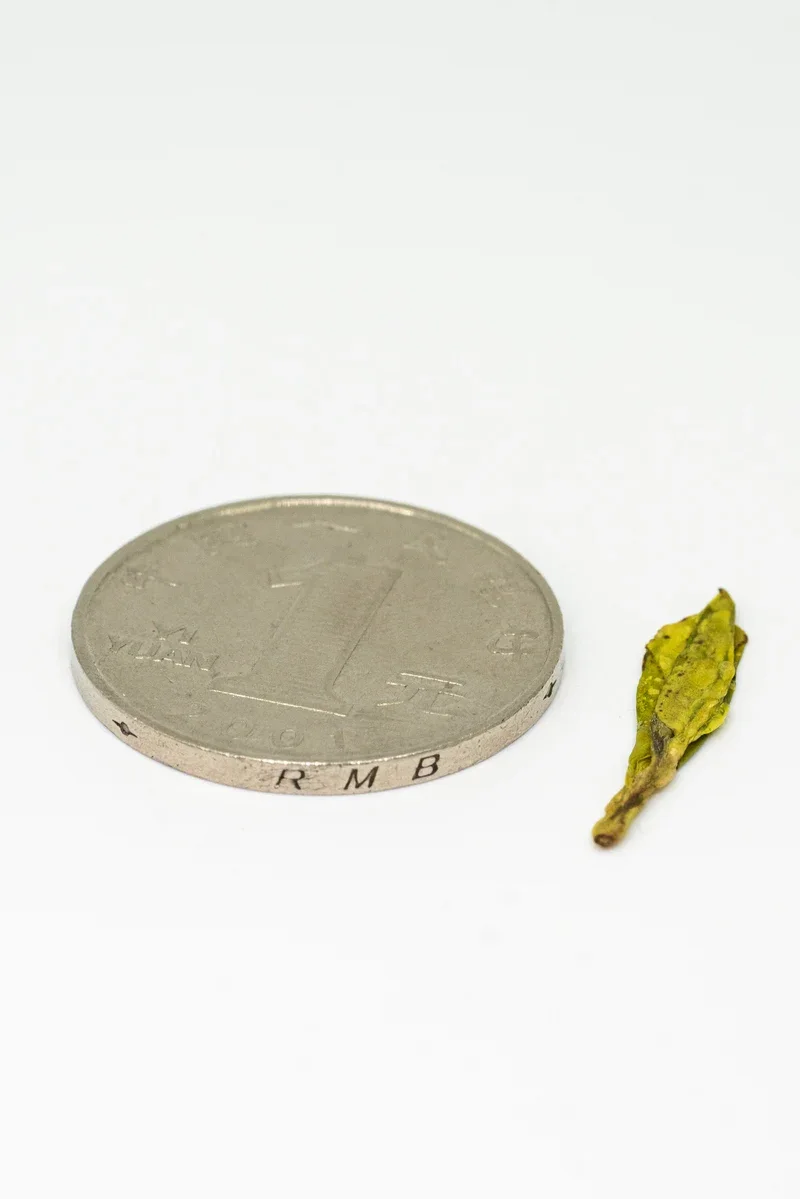
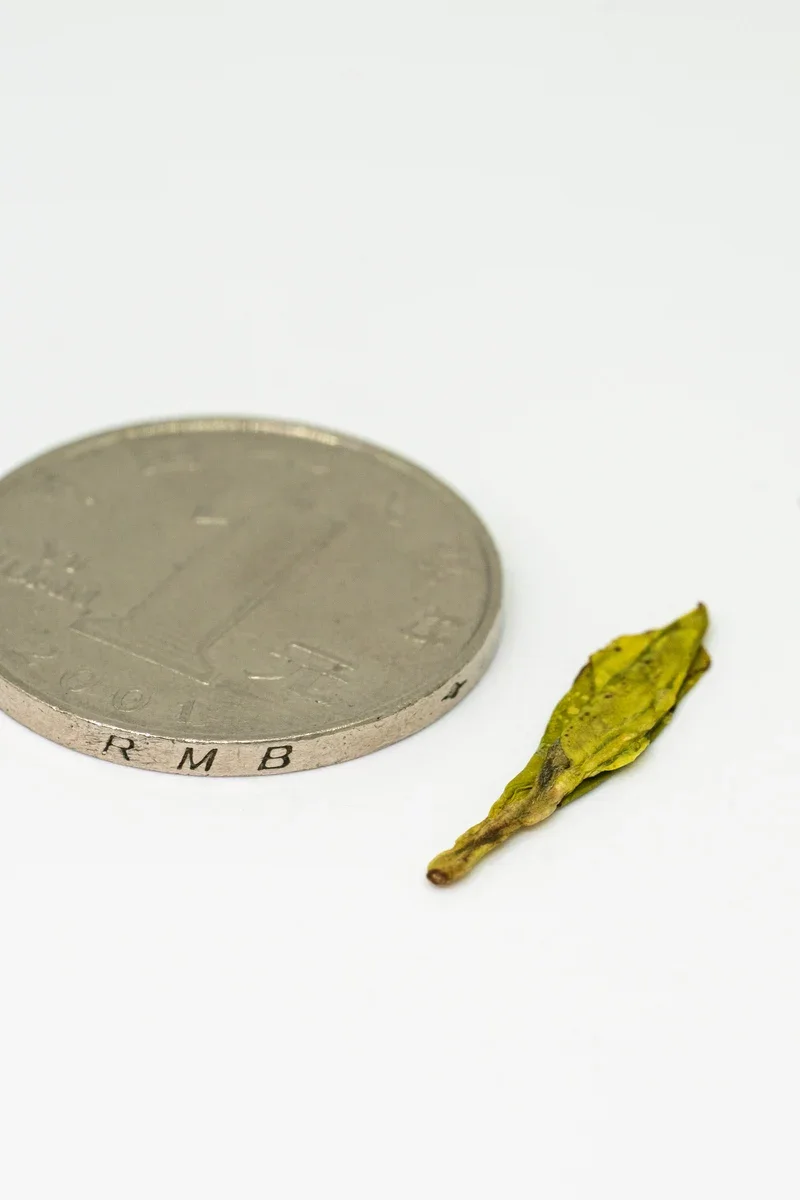
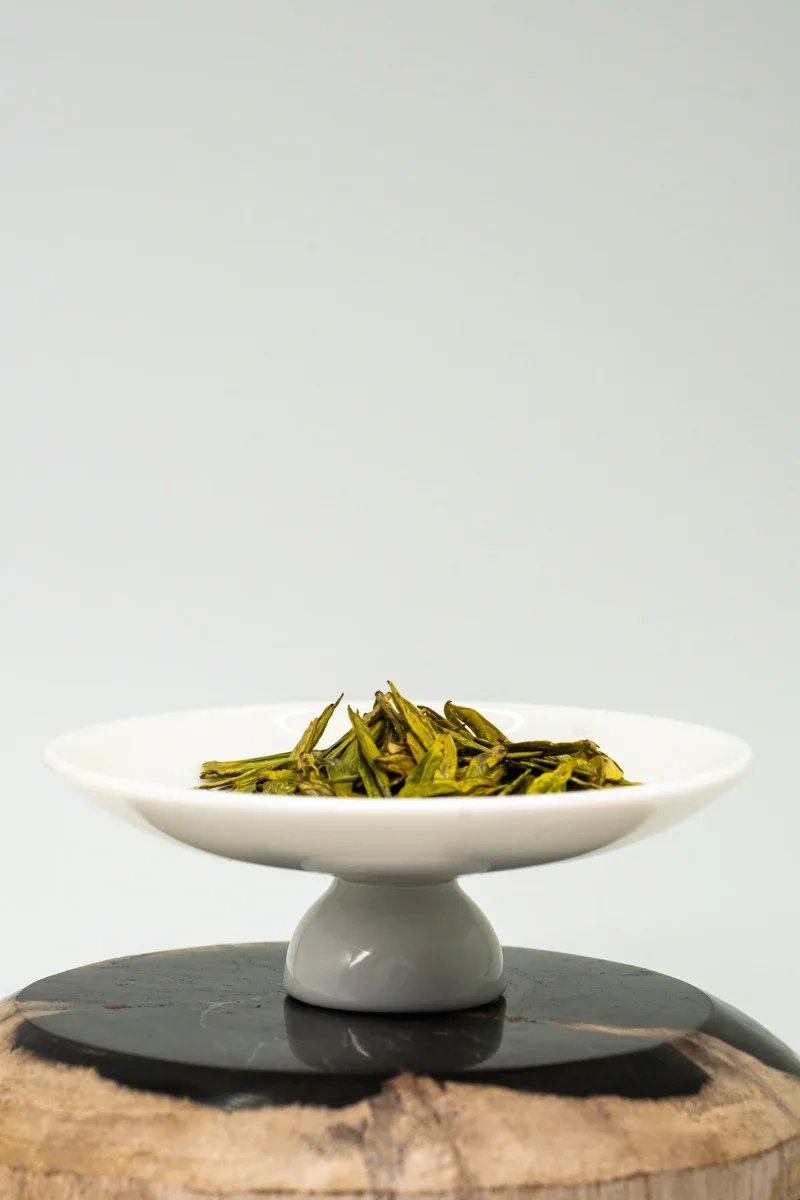
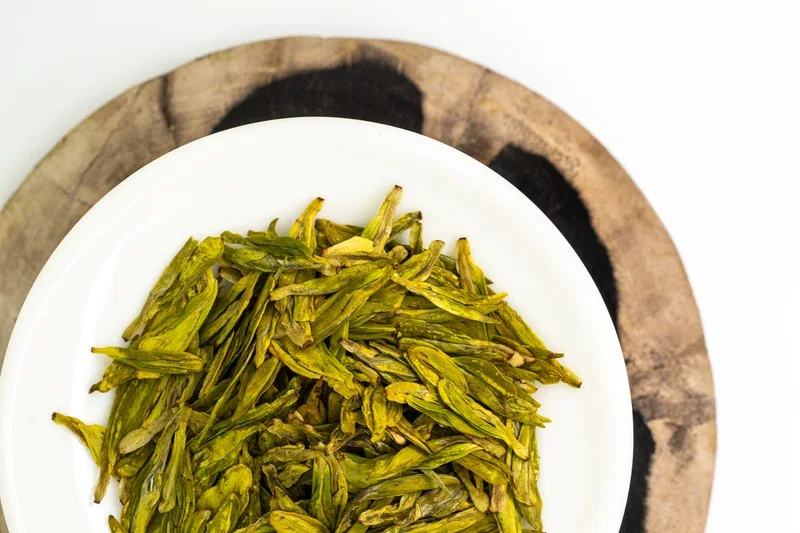
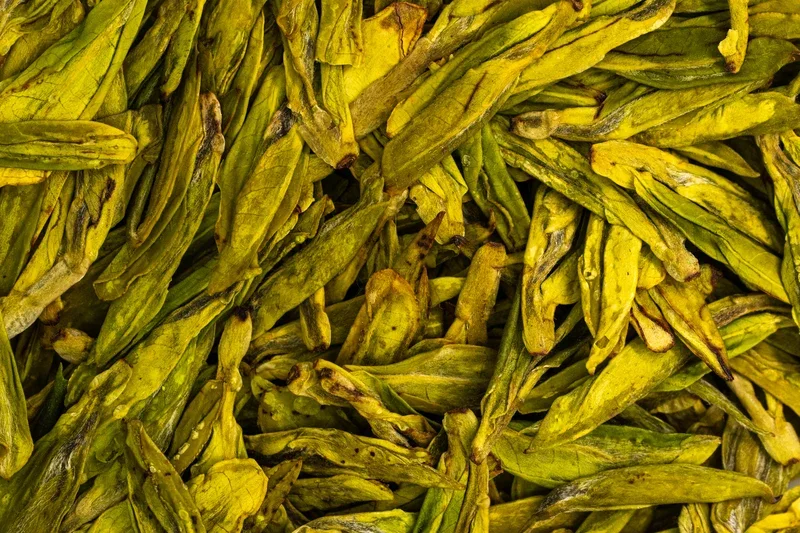
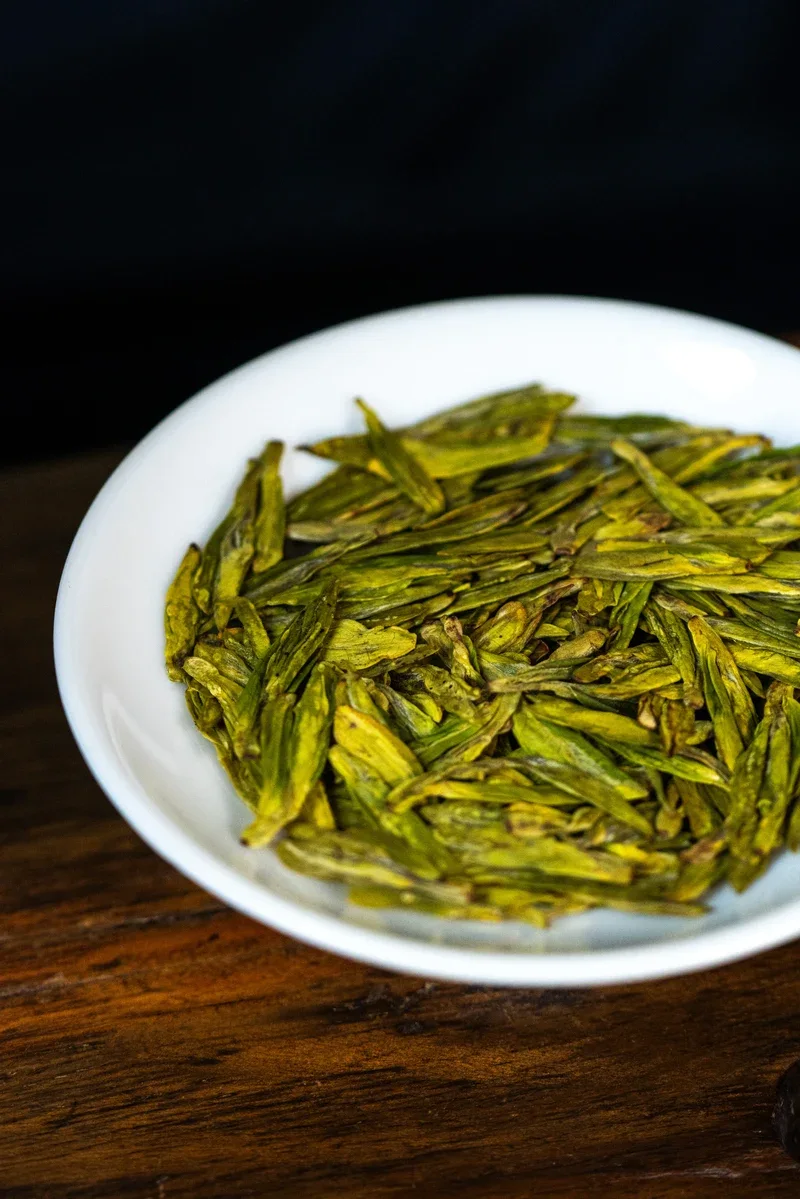
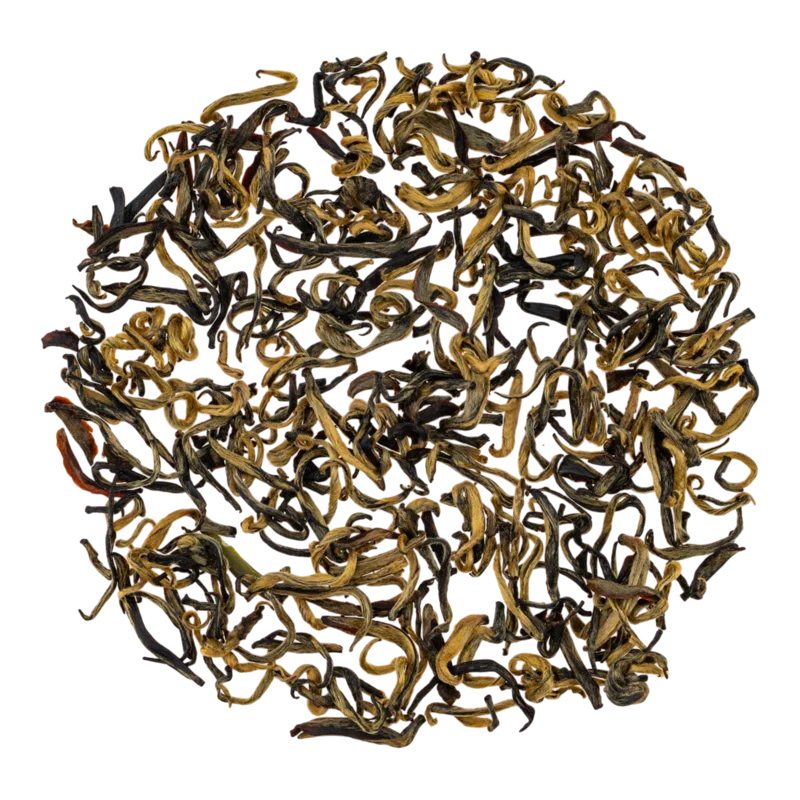
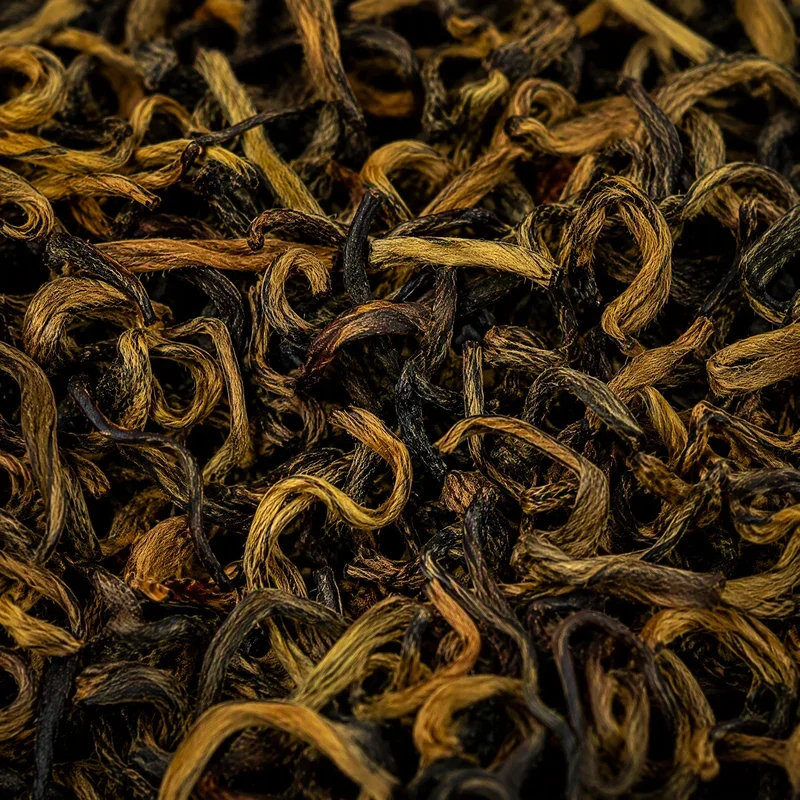
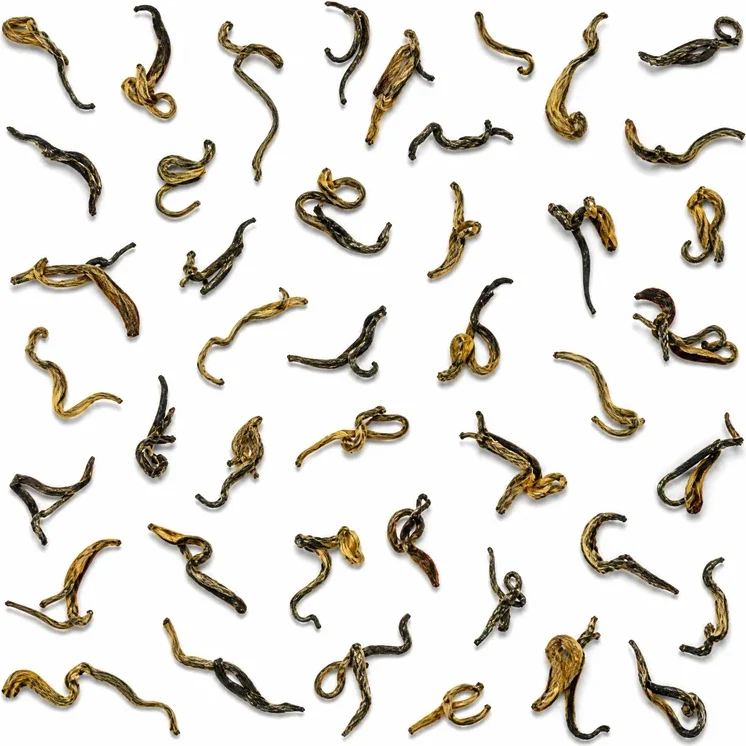
Dry Leaf Appearance: Thread-like, neat twist (条索, tiáosuǒ); for "Golden Spiral" — elegant spirals. Color — dark chestnut to black. Golden tips (金毫) are distinctly visible, especially in "Golden Bud" batches.
Dry Leaf Aroma: Warm, with honey base and distinct notes of dried fruits. "Traditional Xiaozhong" has light, delicate smokiness (轻烟香), without obtrusiveness.
Liquor Aroma: Multi-layered: opening wave — honey and dried fruits (apricots, raisins); middle — bread crust with caramel undertone; final — light woody tones. The smoky line adds a subtle pine-resinous touch.
Liquor Color: Red-amber (红琥珀色), bright and clear. "Golden Bud" — lighter, orange-golden.
Spent Leaves: Leaf opens elastically and evenly; shades from copper-brown to reddish-chestnut. Leaf integrity is preserved, testifying to quality hand picking and careful processing.
Taste: Dense, rounded, with clean natural sweetness. Astringency moderate and "velvety," without harshness. Aftertaste — warming, prolonged, with nuances of honey and roasted chestnut. "Golden Bud" — the softest and sweetest; "Traditional Xiaozhong" — the most "characteristic," with mineral depth and smoky aftertaste.
Alkaloids: Caffeine (typically 2.5–3.5%), theobromine and theophylline in trace amounts.
Amino Acids: Including L-theanine — provide softness, sweetness and "honey" aftertaste. High-altitude conditions with frequent fogs promote increased amino acid accumulation.
B-group vitamins; potassium, magnesium, manganese, zinc. Mountain soils of Nandan enrich the leaf with microelements.
Complex of terpenes (linalool, geraniol), aldehydes and Maillard reaction products. The smoky line is characterized by presence of guaiacol and syringol — products of coniferous wood combustion.
Moderately elevated content, characteristic of local mountain populations; gives the liquor a "rounded" texture.
Polyphenols: Catechin oxidation products — theaflavins (form brightness and "liveliness" of liquor) and thearubigins (color depth and taste "body"). Total polyphenol content — typical for mountain red teas of southern China (≈ 22–26%).
Caffeine combined with L-theanine provides steady alertness and concentration without nervousness, with a milder effect than coffee.
Theaflavins and thearubigins possess pronounced antioxidant potential; regular red tea consumption is associated with slowing oxidative stress.
Warm red tea with tannins gently stimulates digestive processes; especially comfortable after heavy or fatty meals.
Red tea polyphenols support vascular elasticity and normalize cholesterol levels with regular moderate consumption.
Full-bodied liquor with honey profile subjectively reduces feelings of cold and fatigue — ideal beverage for autumn-winter season.
L-theanine promotes generation of brain alpha waves, supporting a state of "calm alertness" — optimal for creative and intellectual work.
Tea Amount: 4–6 g per 100–120 ml.
Teaware: Gàiwǎn (盖碗) — optimal for revealing aromatic profile; porcelain or glass teapot; Yixing teapot for more rounded taste.
Water Temperature: 90–95°C.
Affordable — middle segment. Liulong Hong Cha — one of the most attractive red teas of southern Guangxi in terms of "price — quality" ratio. "Golden Bud" — most expensive in the line; "Traditional Xiaozhong" — slightly cheaper.
Harvest standard (single bud vs. bud with leaves); season (spring valued higher); grade and specific line of "Yanchi" brand.
No reviews yet. Tell us what you think of this tea.
Rate this tea and share your impressions. We review each submission before publishing it.