Brewing
Gongfu brewing
- Water temperature
- 75 °C
- Tea amount
- 5 g
- Water volume
- 100 ml
- First steep
- 10 s
- Time added per infusion
- 5 s
- Infusions
- 3

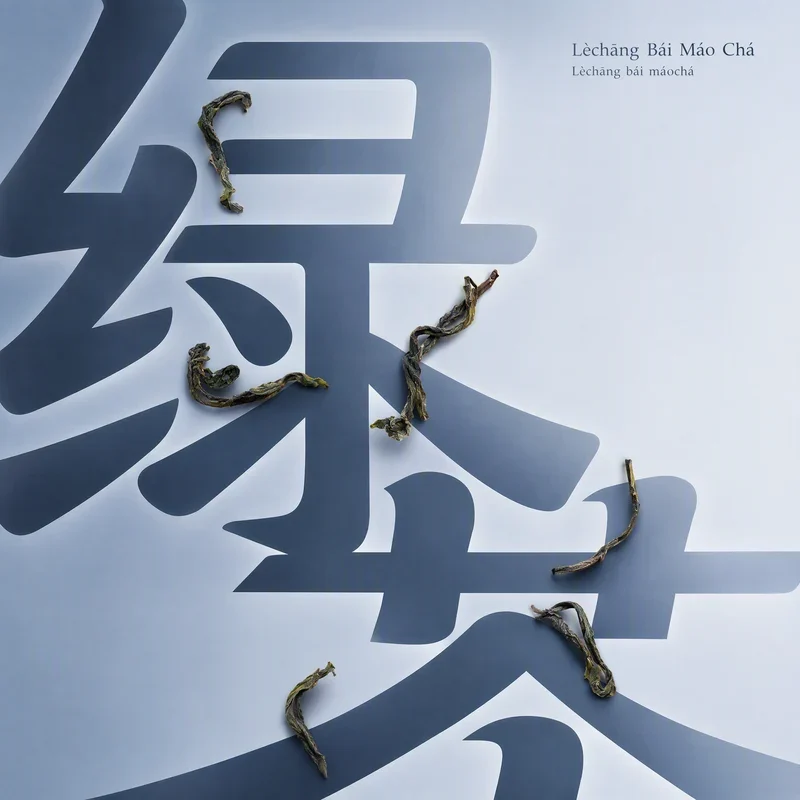
Lèchāng bái máochá
Choose a brewing method. Start with the recommended quantities and time, then adjust to taste.
Brewing
Brewing
Taste
Tea encyclopedia
Category: National Geographical Indication Product (国家地理标志产品, 2009). Product of "全国名特优新农产品" (2020). Cultivar — national superior variety (全国茶树良种, GS13015-1985). Forest coverage of core zone — 90%.
Category: National Geographical Indication Product (国家地理标志产品, 2009). Product of "全国名特优新农产品" (2020). Cultivar — national superior variety (全国茶树良种, GS13015-1985). Forest coverage of core zone — 90%.
Coordinates: 25th degree North latitude (北纬25°), Nanling mountain range area.
Origin: China, Guǎngdōng Province (广东, Guǎngdōng), Lèchāng City (乐昌市, Lèchāng Shì). GI zone — entire Lechang municipal district. Terroir core — Jiufengshan area (九峰山脉, Jiǔfēng Shānmài), Nanling mountain chain: villages of Dayuanzhen (大源镇), Jiufengzhen (九峰镇), Liangjiangzhen (两江镇) — over 60% of production. Yánxīshān Tea Farm (沿溪山茶场, Yánxīshān Cháchǎng) — location of mother tree discovery and core of GI protection. By 2025 — 23,900 mu of tea gardens, 1,233 tons of dry tea, total value — 2.55 billion yuan.
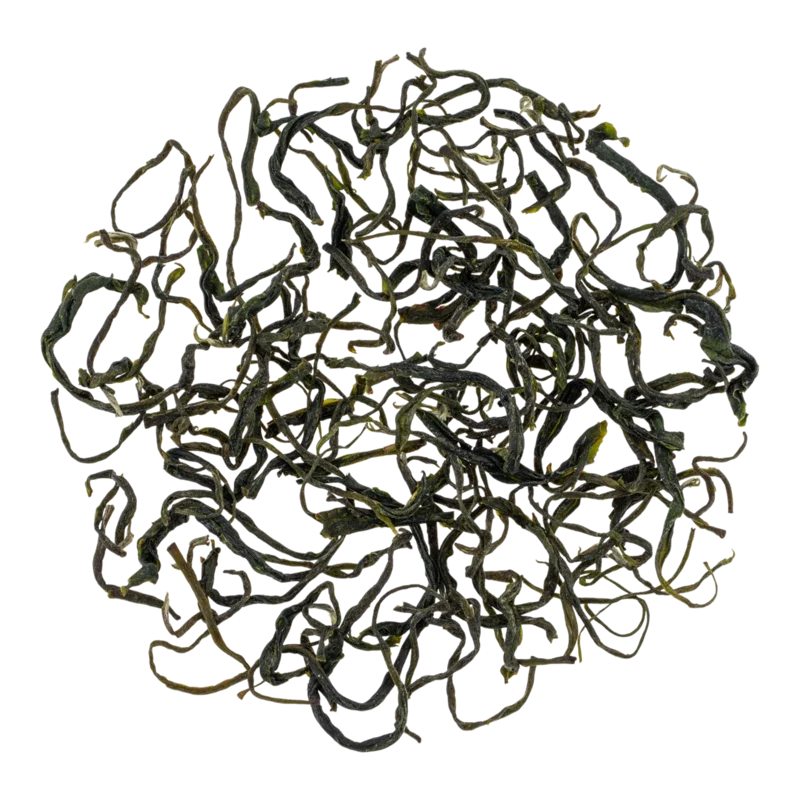
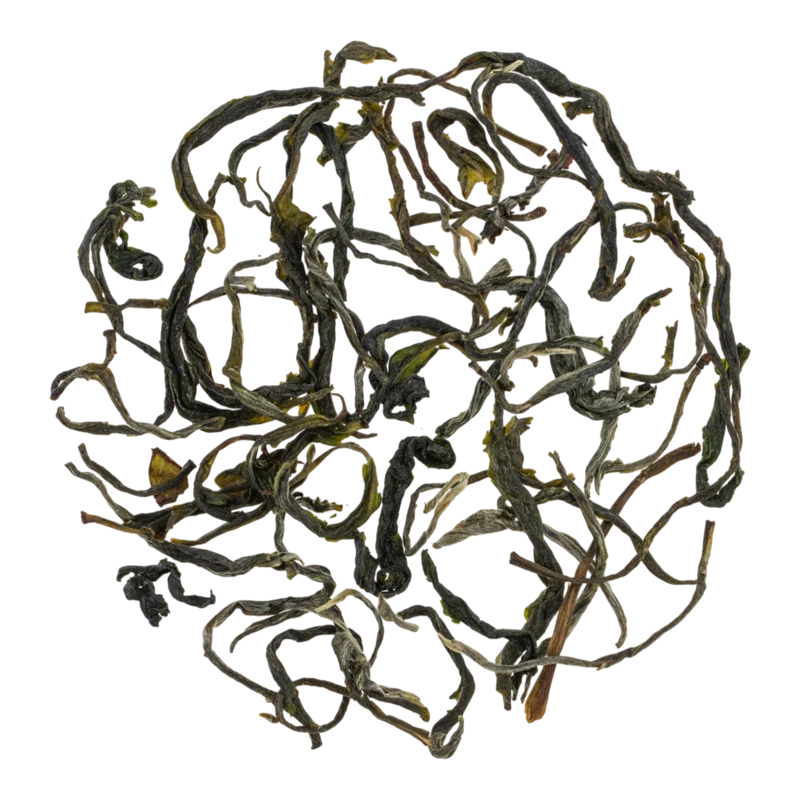
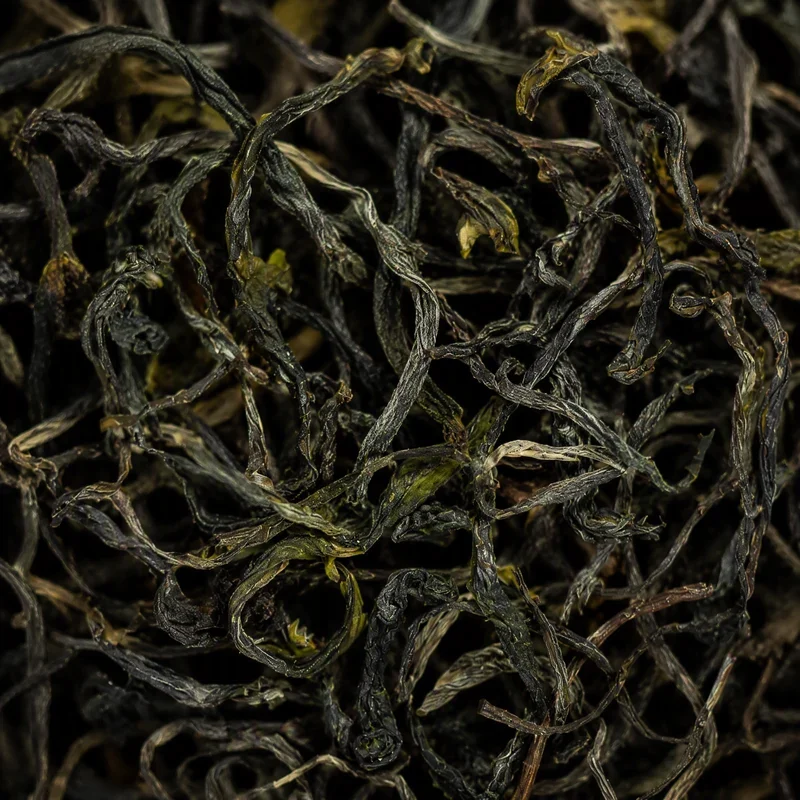
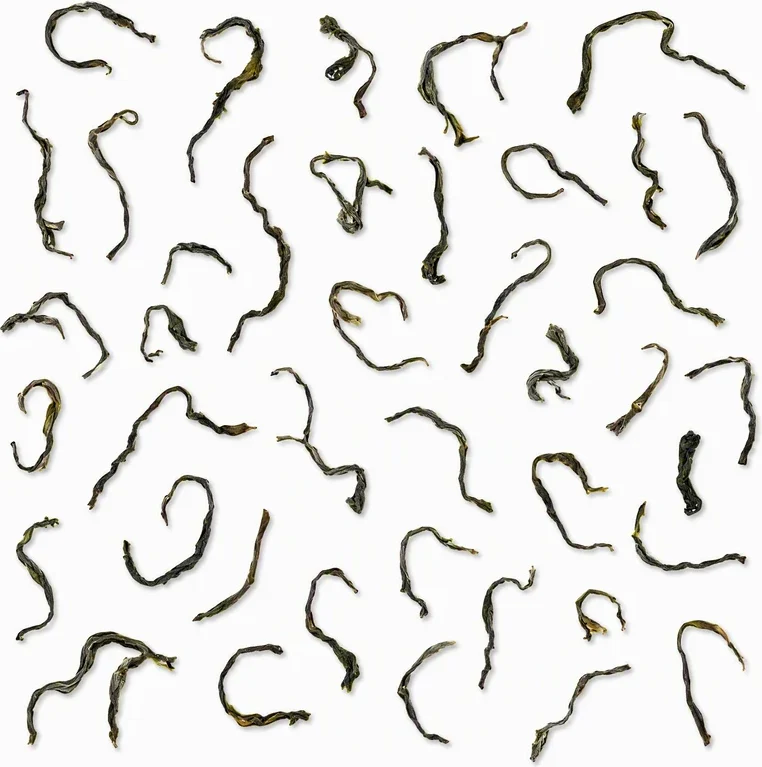
Type: Green tea (non-oxidized). Belongs to baked green teas (烘青绿茶, hōngqīng lǜchá). Form — plump, tight strips with abundant down (肥壮紧结,披毫显著).
Cultural Significance: Lechang Bai Mao Cha is one of the few teas whose history can be "tied" to a personal visit by Lu Yu — the greatest figure in world tea history. The inscription "枢室" on the rock is not legend, but material artifact. For Lechang and northern Guangdong, tea is the economic backbone and cultural symbol.
History: Tang Era (789 CE): The "tea sage" Lù Yǔ (陆羽) in "The Classic of Tea" (茶经) recorded that Sháozhōu (韶州, which included Lechang) produces tea and "its taste is extremely good" (其味极佳). Moreover, Lu Yu personally visited Lechang to study the local white downy tea and left the inscription "枢室" on the rock of Xishiyan Cave — one of the few places in China where material evidence of Lu Yu's presence is preserved.
Plump buds, most abundant down. Best quality. ~80% of plantings.
Elegant aroma. For mass green and red tea.
Frost-resistant. For white and yellow tea.
Cultivar: Lèchāng Baimacha Quntichong (乐昌白毛茶群体种) — national superior variety (全国茶树良种, GS13015-1985). Arboreal type (乔木型, qiáomù xíng), large-leaf (大叶类), early-maturing (早生种). Shoots — yellow-green, down — exceptionally abundant (茸毛特多). Weight of 100 shoots with three leaves — 130 g — one of the highest indicators among Chinese cultivars. Chemical profile of spring raw material: polyphenols — 38.0%, amino acids — 1.6%, caffeine — 3.9%, catechins — 22.6%.
Picking: Spring. For supreme grade — one bud with one leaf. For first grade — one bud with two leaves. For second grade — one bud with three leaves.
Altitude: 400–800 meters above sea level. Core — Jiufengshan area.
Climate: Average annual temperature — 19.6°C, annual precipitation — 1,500–1,900 mm, average annual number of foggy days — >180. Diurnal temperature variation — >10°C. Proportion of diffused light — 70%.
Soil: Red-yellow soils (花岗岩风化红黄壤) on granite foundation, pH 4.5–6.5. Organic content — ≥3%. Selenium — 0.018–0.066 mg/kg. Forest coverage — 90% — one of the highest indicators among tea-growing zones.
Nánlǐng mountain range (南岭山区), 25th degree North latitude — the northernmost part of Guangdong.
High-altitude "cloud belt" slows shoot growth — amino acids accumulate 20% more intensively than usual. Diurnal temperature variations stimulate synthesis of polyphenols and aromatic compounds.
Hand-picked spring shoots of "one bud — one to three leaves" standard.
On bamboo trays (竹筛), 4–16 hours — one of the longest spreading stages among green teas.
In rotating drum at 300°C — one of the highest fixation temperatures among green teas (for comparison: standard — 140–240°C). Extremely high temperature instantly inactivates enzymes, "locks in emerald color" (锁翠, suǒcuì) and reduces bitterness of large-leaf raw material with record polyphenol content (38.0%).
Following the principle "light → heavy → light" (轻-重-轻).
At 120°C.
Redistribution of internal moisture.
At 95°C, to moisture content ≤6%. Key and unique stage: drying is conducted on lychee wood charcoal (荔枝木, lìzhī mù) — this is intangible heritage (非遗技艺核心). Lychee wood when burning releases specific aromatic compounds that are absorbed by the tea leaves, forming the characteristic "honey note" (蜜韵, mìyùn) — unique to this tea.
Dry Leaf Appearance: Plump, tight, strong strips (肥壮紧结). Most abundant silvery down (披毫显著) — "calling card": Bai Mao Cha is one of the most "downy" green teas in China.
Dry Leaf Aroma: Pure, high, persistent (清香馥郁, qīngxiāng fùyù). Orchid note (兰花香). Chestnut overtone (栗香). Residual aroma in empty cup — >30 minutes. With aging, the "honey note" (蜜韵) emerges — unique marker of charcoal drying on lychee wood.
Liquor Aroma: High, orchid-chestnut, persistent. "Honey" depth.
Liquor Color: Tender green, bright and clear (嫩绿明亮) — for supreme grade; yellow-green — for standard grades.
Spent Leaves: Tender green, plump, strong shoots (嫩绿肥壮), uniform (匀整明亮).
Taste: Fresh and brisk (鲜爽). Mellow (醇和, chúnhé) — despite record polyphenol content (38.0%), "heavy" fixation at 300°C neutralizes harsh astringency. Returning sweetness — stable and long-lasting, with sensation of "high-mountain coolness" (高山韵清凉感, gāoshān yùn qīngliáng gǎn).
Amino Acids: 1.6% — below average (result of large-leaf cultivar and abundant sunshine). However, "heavy" fixation at 300°C compensates for this, softening astringency.
22.6% — suppress fat synthesis enzyme activity; according to research, lipid reduction efficiency — significantly higher than red tea.
3.9%.
High content — forms protective layer of "fluorapatite" (氟磷灰石, fú línhuī shí) on tooth enamel, increasing resistance to acid erosion by 40%.
0.018–0.066 mg/kg — natural enrichment from granite soils.
Polyphenols: 38.0% — one of the highest indicators among Chinese green teas. Free radical neutralization efficiency — 30% higher than ordinary green tea.
Vitamins: Vitamin C, carotenoids.
Polyphenols 38.0% — efficiency 30% higher than ordinary green tea.
High fluorine content — enamel resistance to acid increases by 40%.
Catechins 22.6% suppress fat synthesis — more effective than red tea.
Record polyphenols coagulate bacterial proteins with 30% higher efficiency than usual.
Caffeine 3.9%.
not medical advice.
Process: Rinse → first infusion 30 seconds → +10 seconds. 3–4 brewings.
Tea Amount: 3 g per 150 ml (1:50).
Teaware: Glass tumbler or white porcelain gaiwan.
Water Temperature: 80–85°C; for supreme grade — 75°C.
Fellow Guangdong native. Also from large-leaf cultivar. Yingde — from Yunnan introduced variety; Lechang — from local indigenous. Yingde — more "mild" (polyphenols 25–30%); Lechang — more "powerful" (38.0%).
Also large-leaf. Dianlü — more "raw"; Lechang — more "processed" thanks to 300°C fixation and lychee charcoal drying.
From Zhejiang. Also abundant down. Huimingcha — small-leaf, with milky-white buds; Lechang — large-leaf, with silvery down and "honey note".
No reviews yet. Tell us what you think of this tea.
Rate this tea and share your impressions. We review each submission before publishing it.