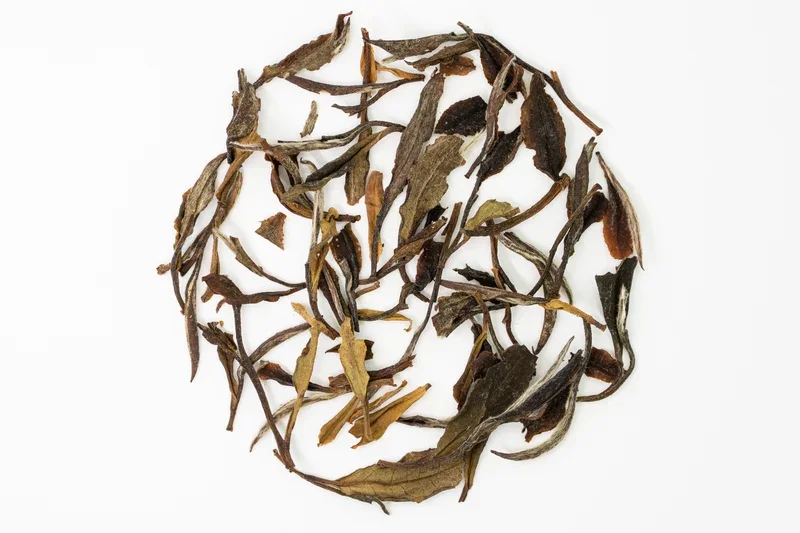
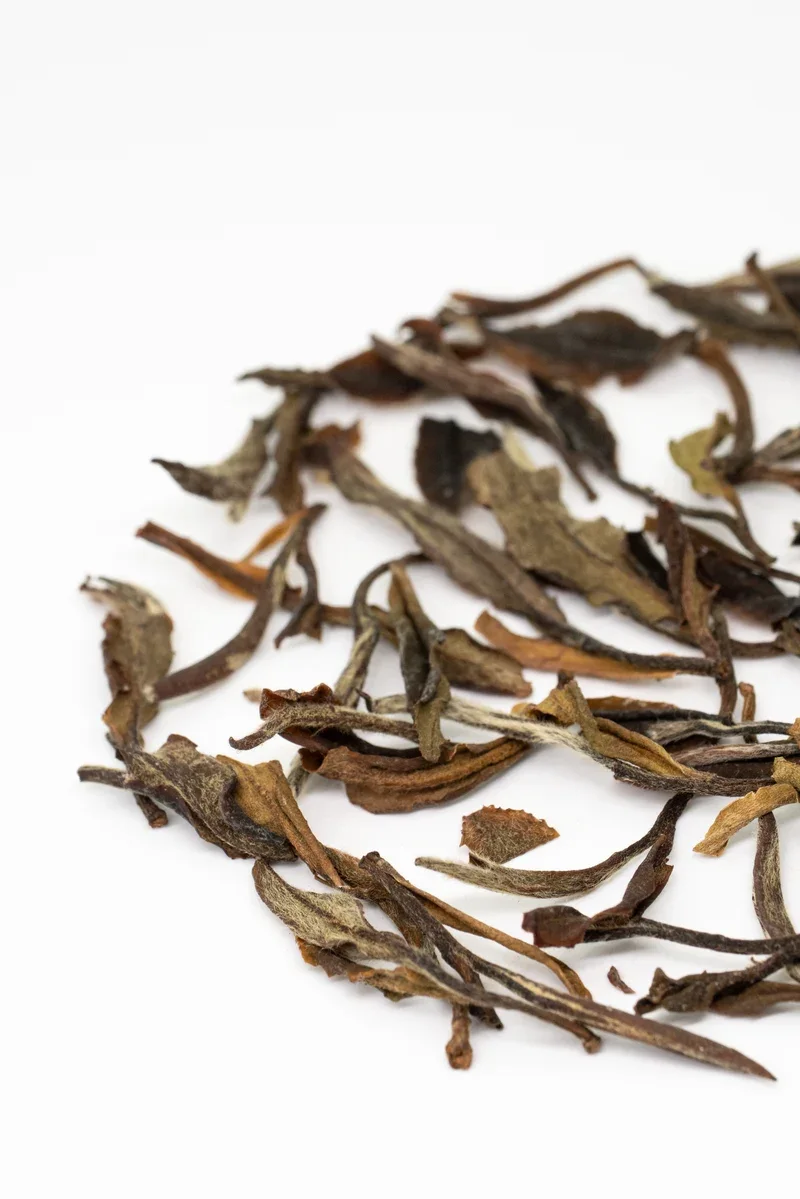
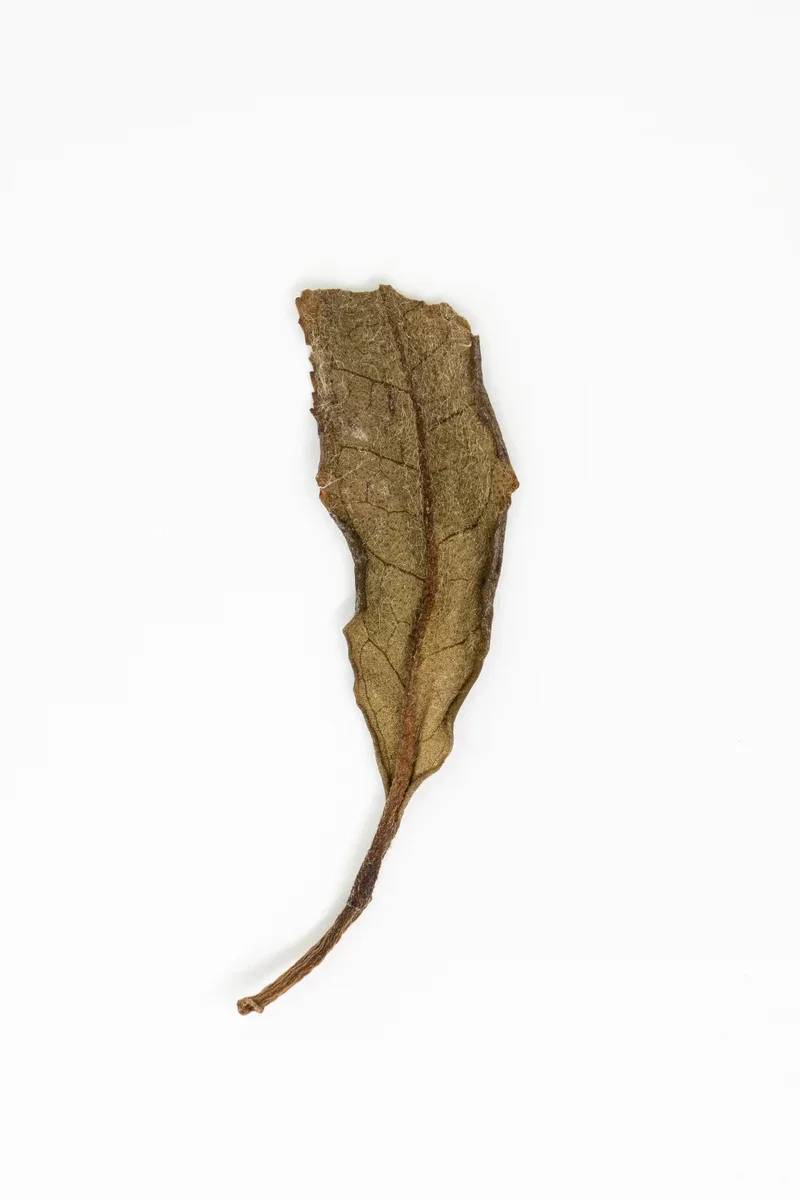
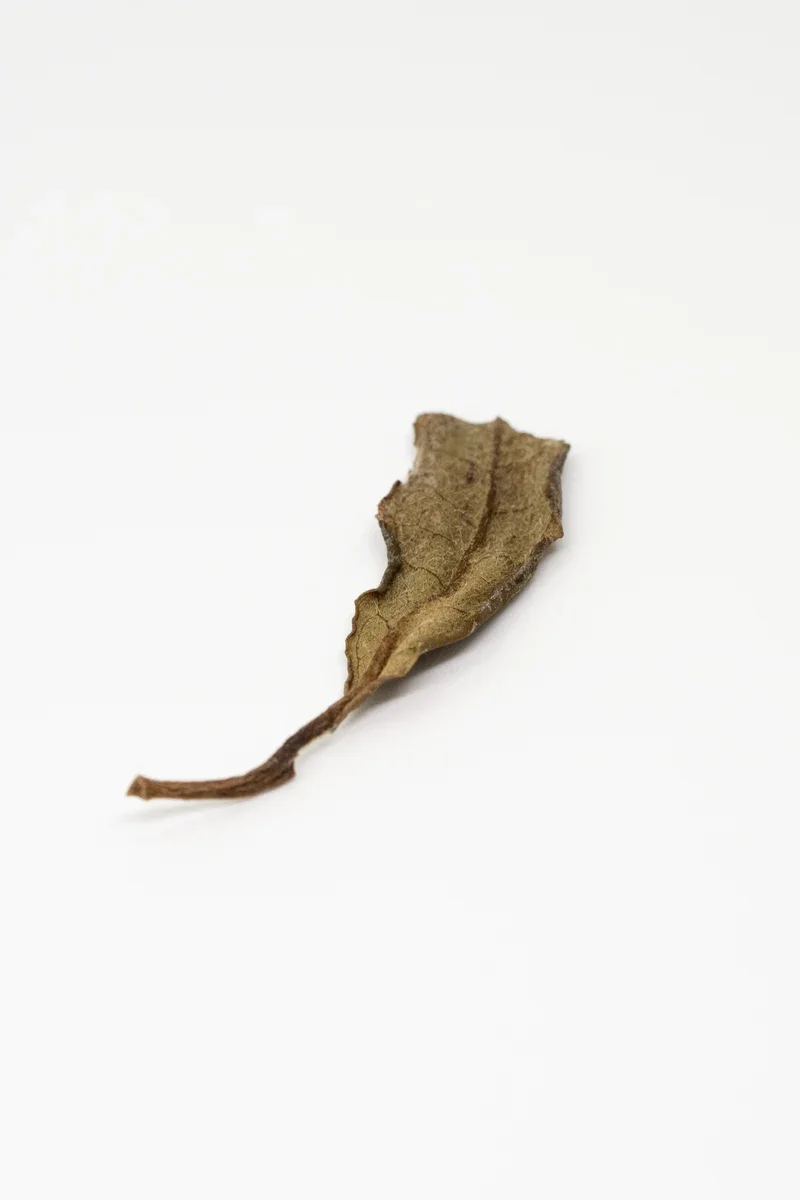
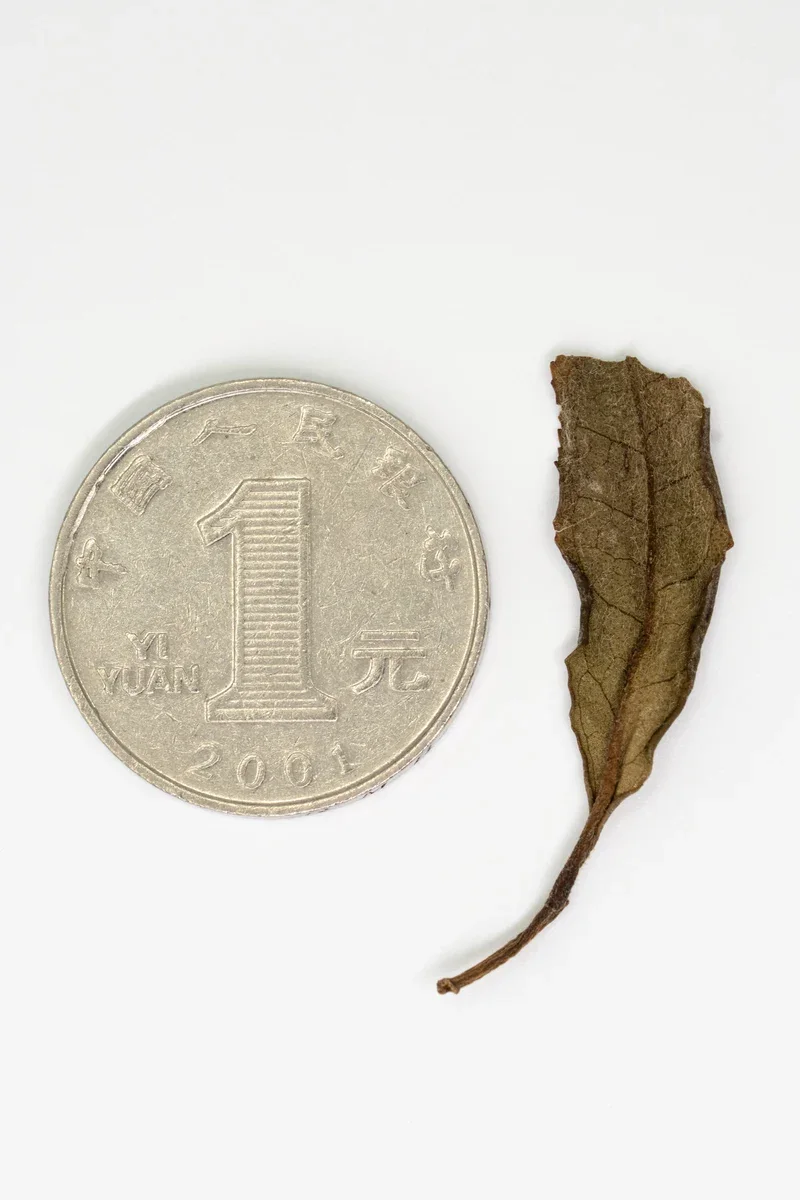
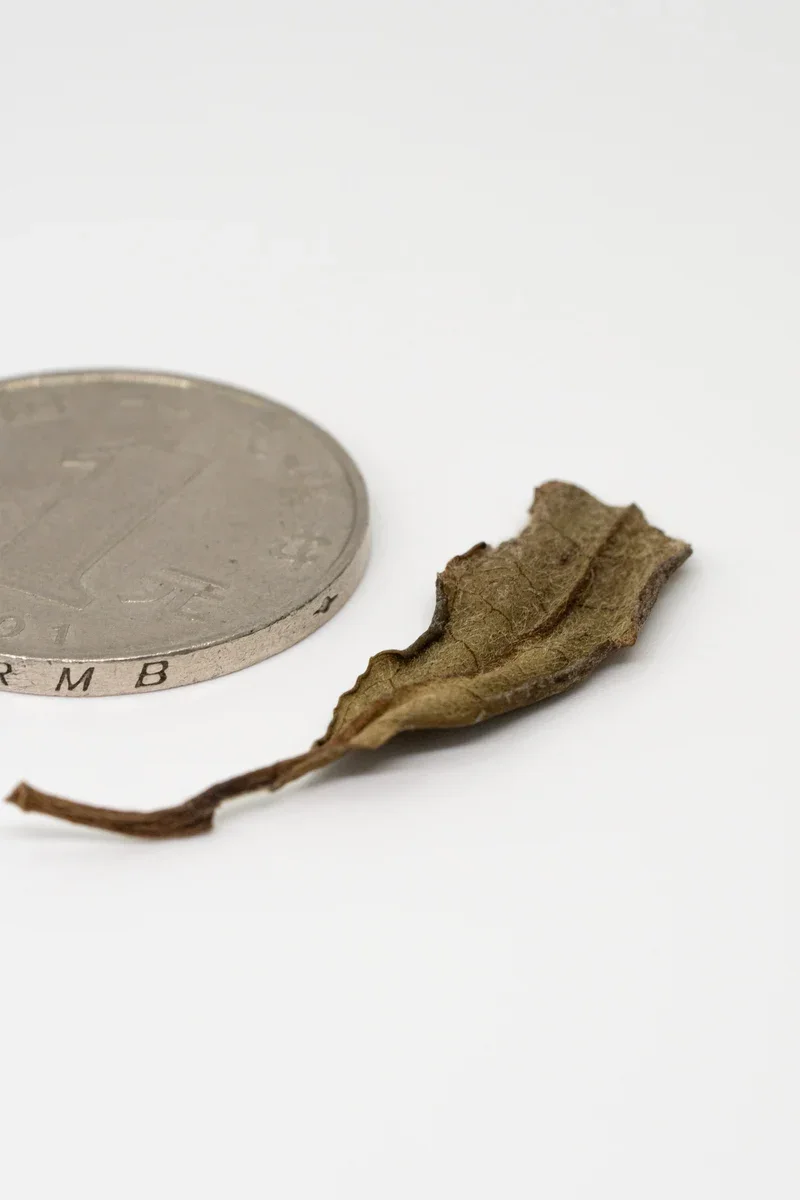
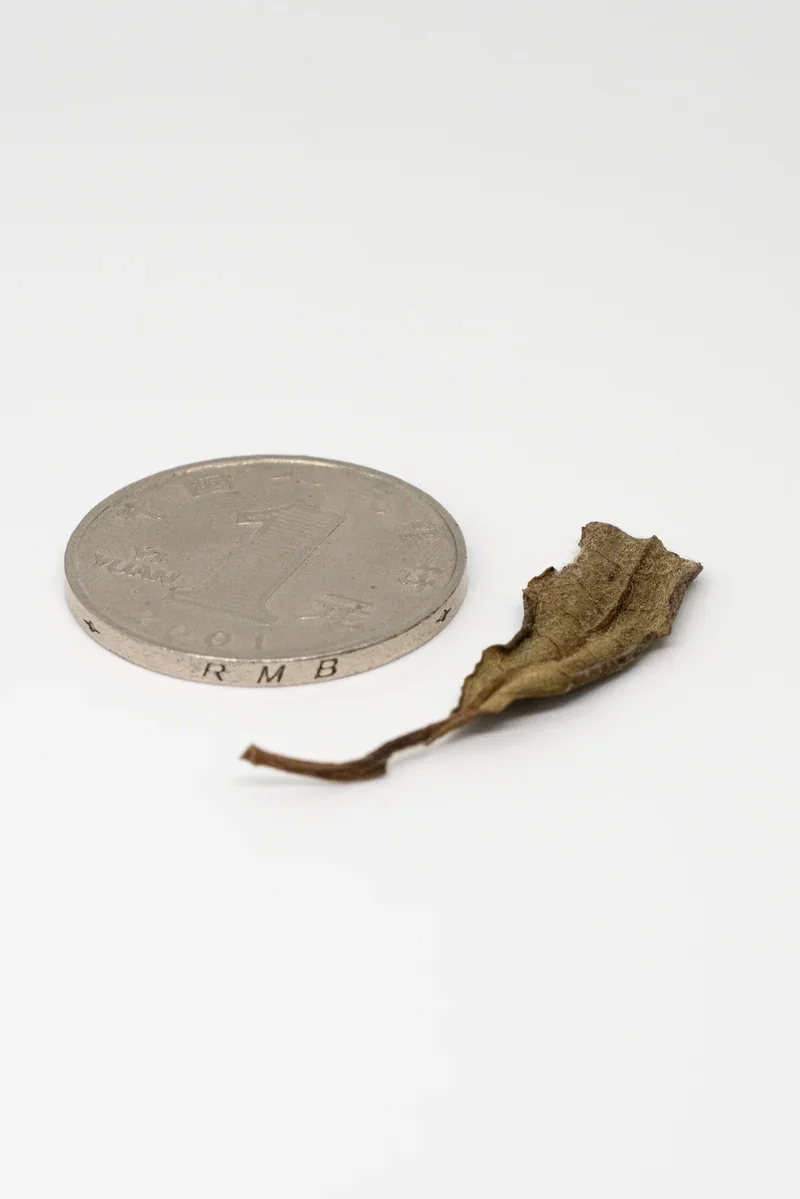
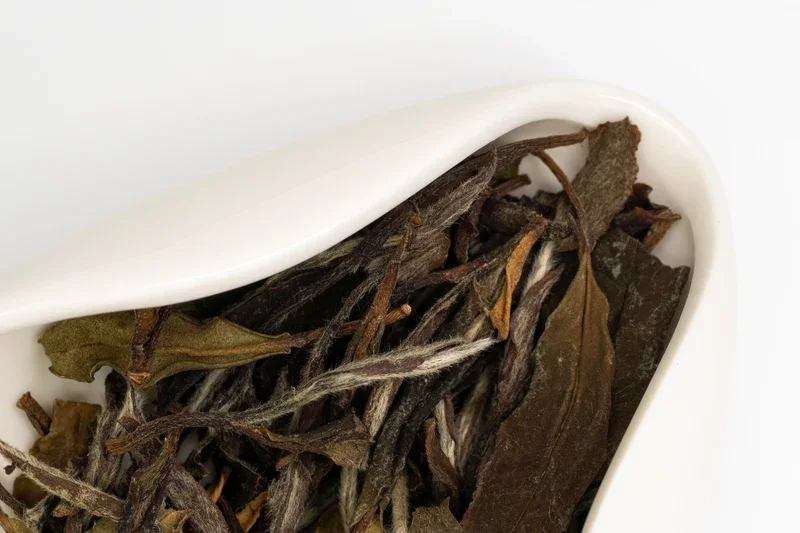
Brewing
Gongfu brewing
- Water temperature
- 98 °C
- Tea amount
- 7 g
- Water volume
- 100 ml
- First steep
- 10 s
- Time added per infusion
- 5 s
- Infusions
- 12

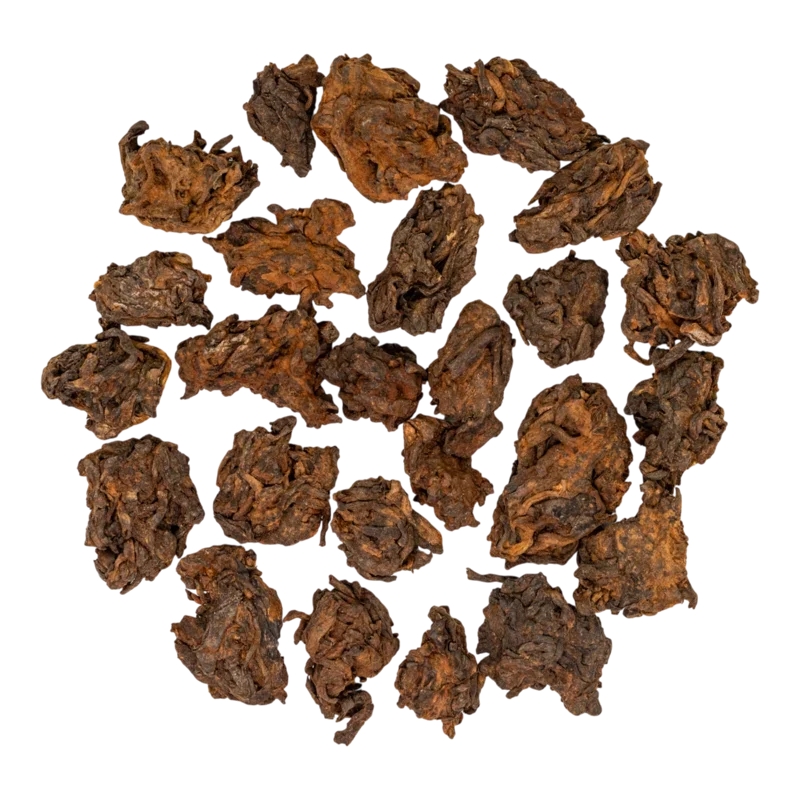
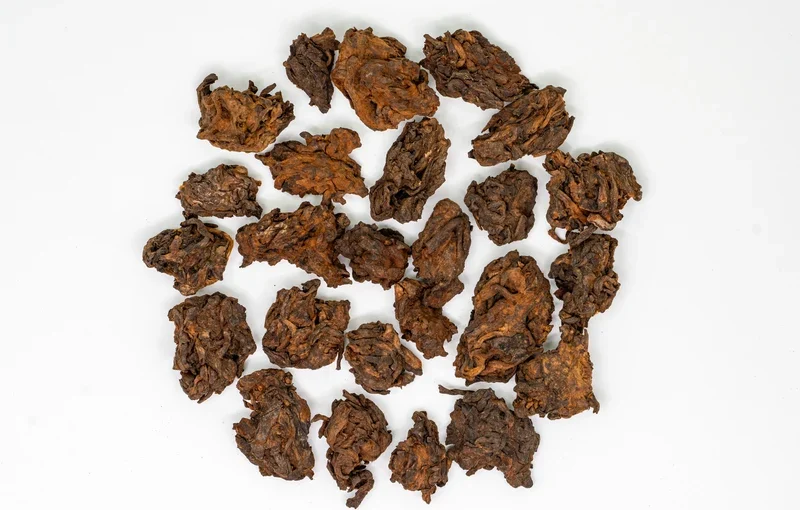
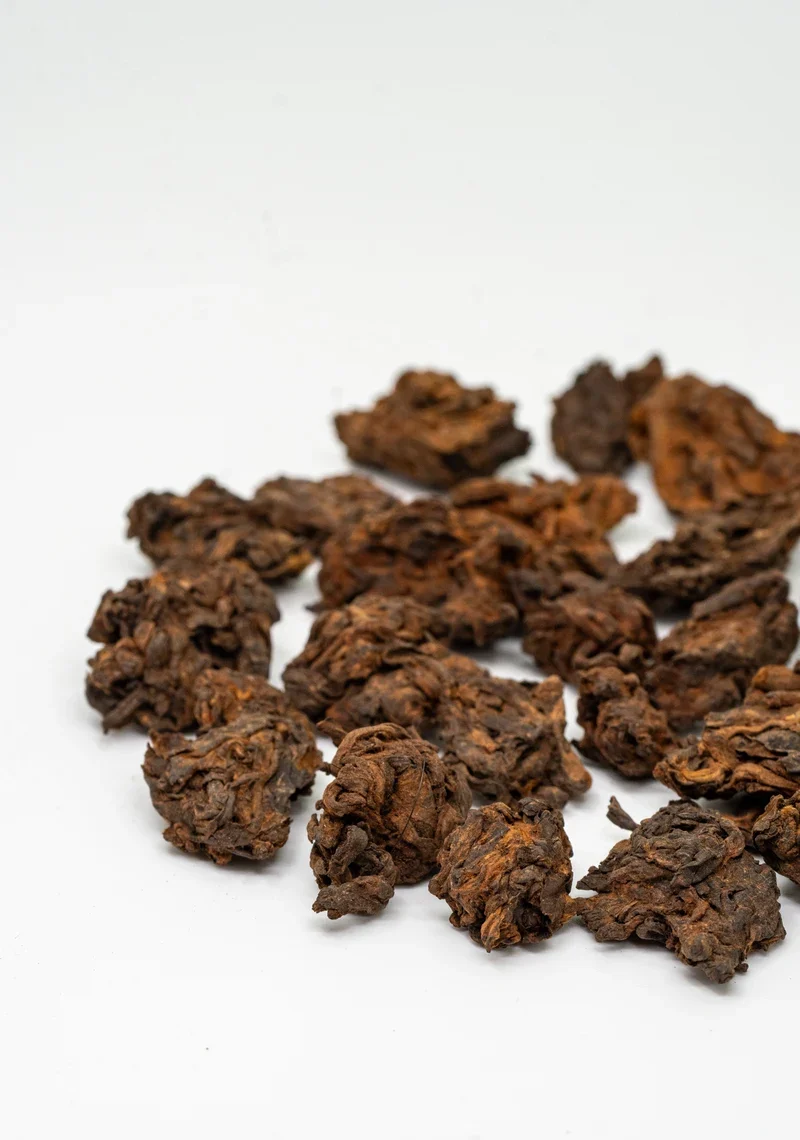
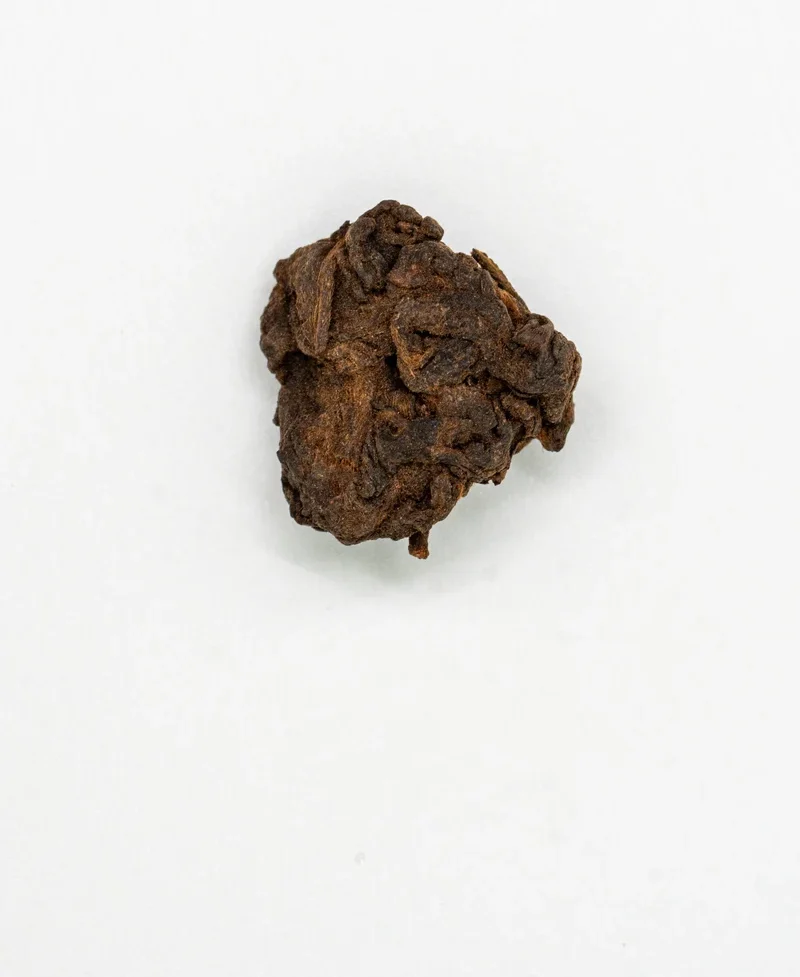
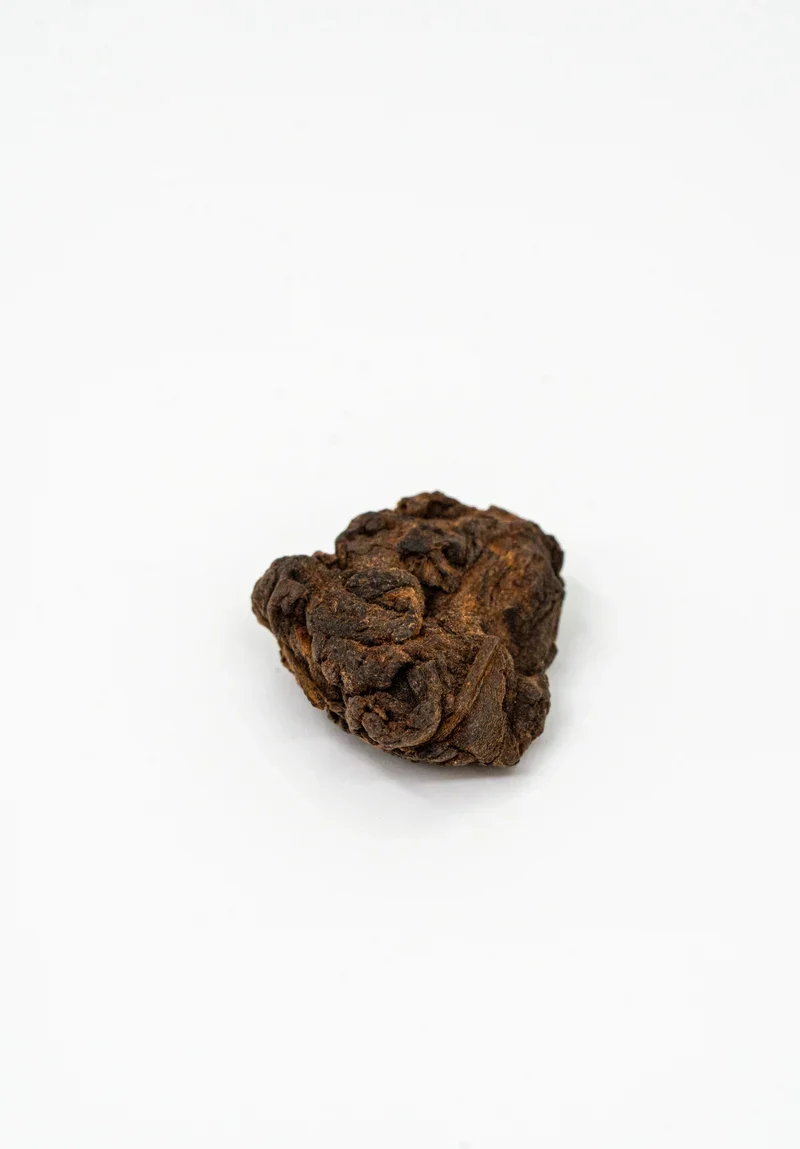
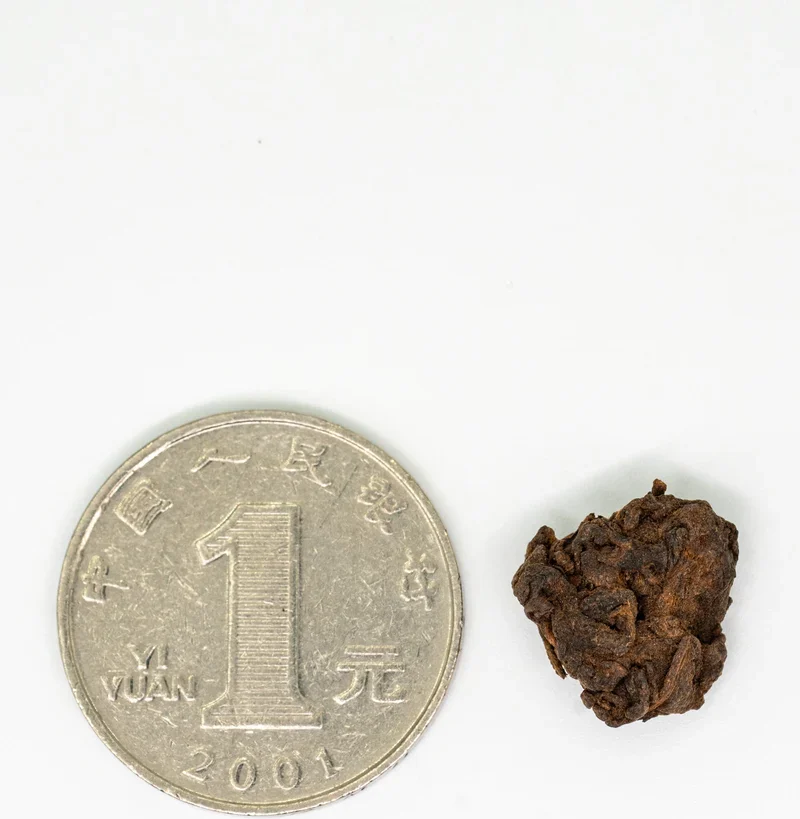
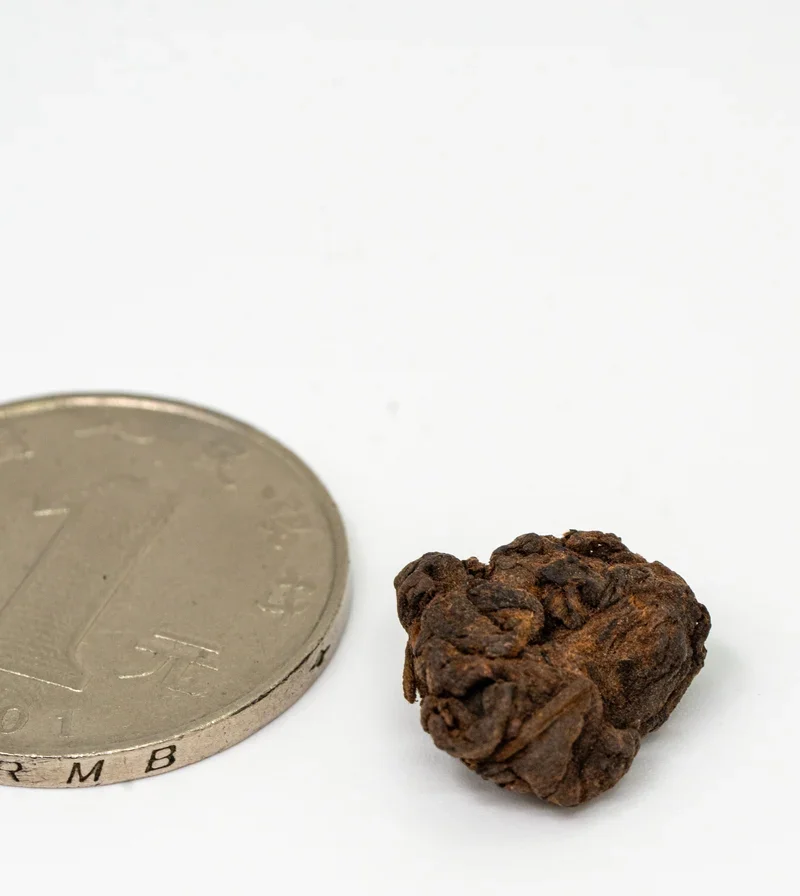
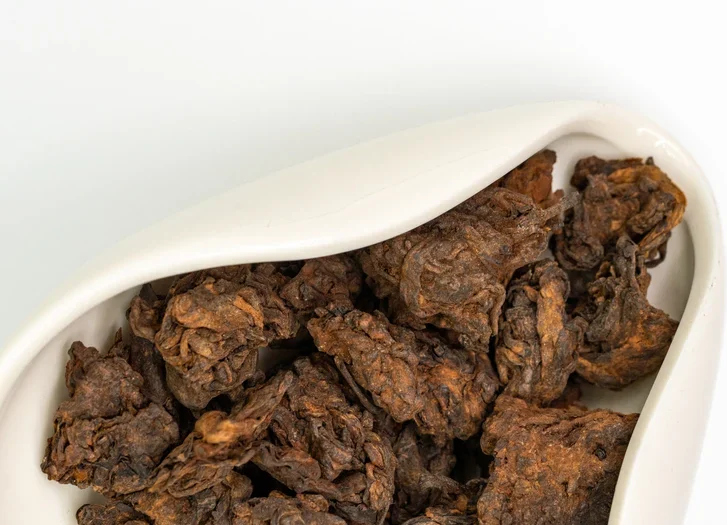
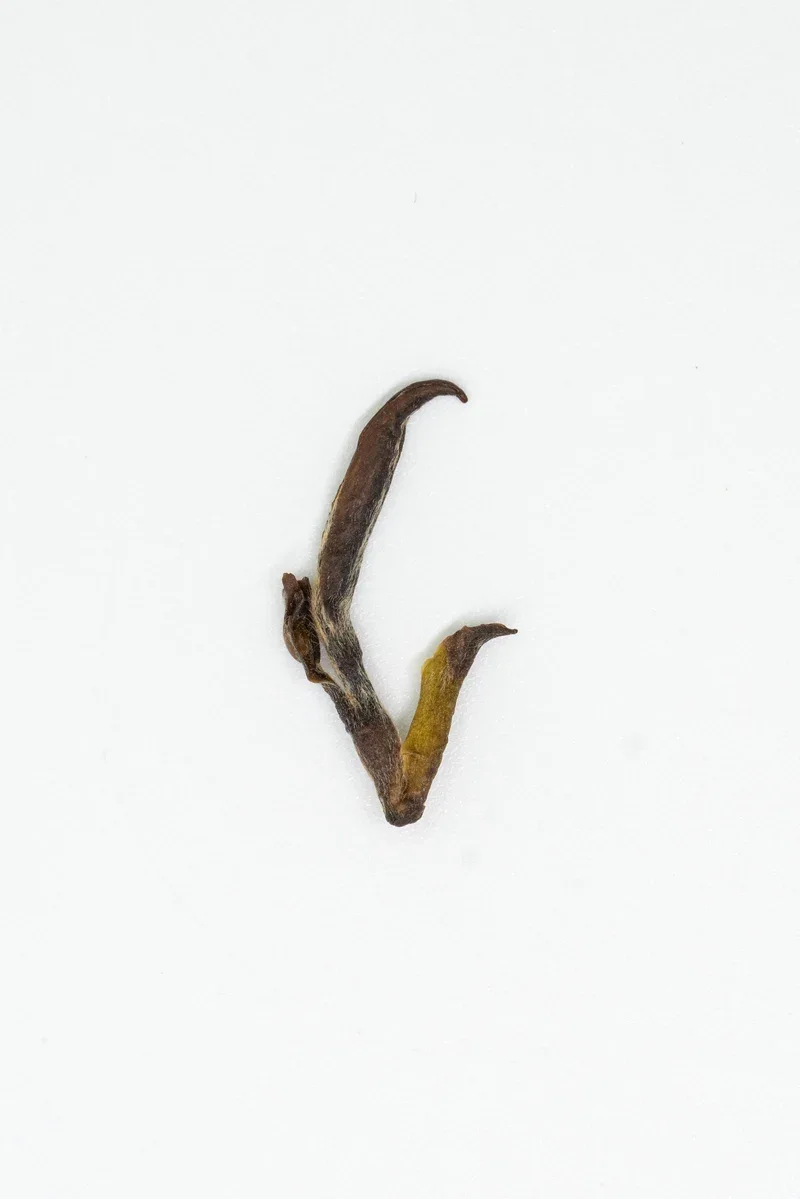
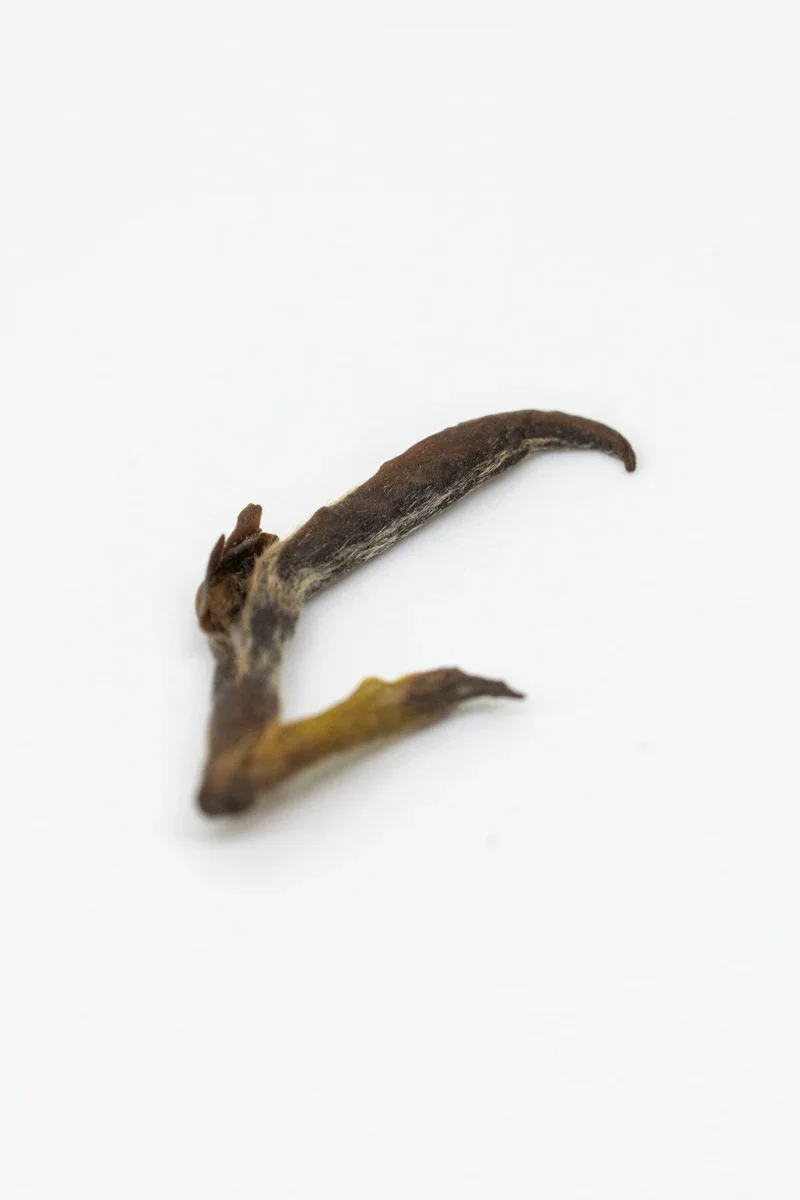
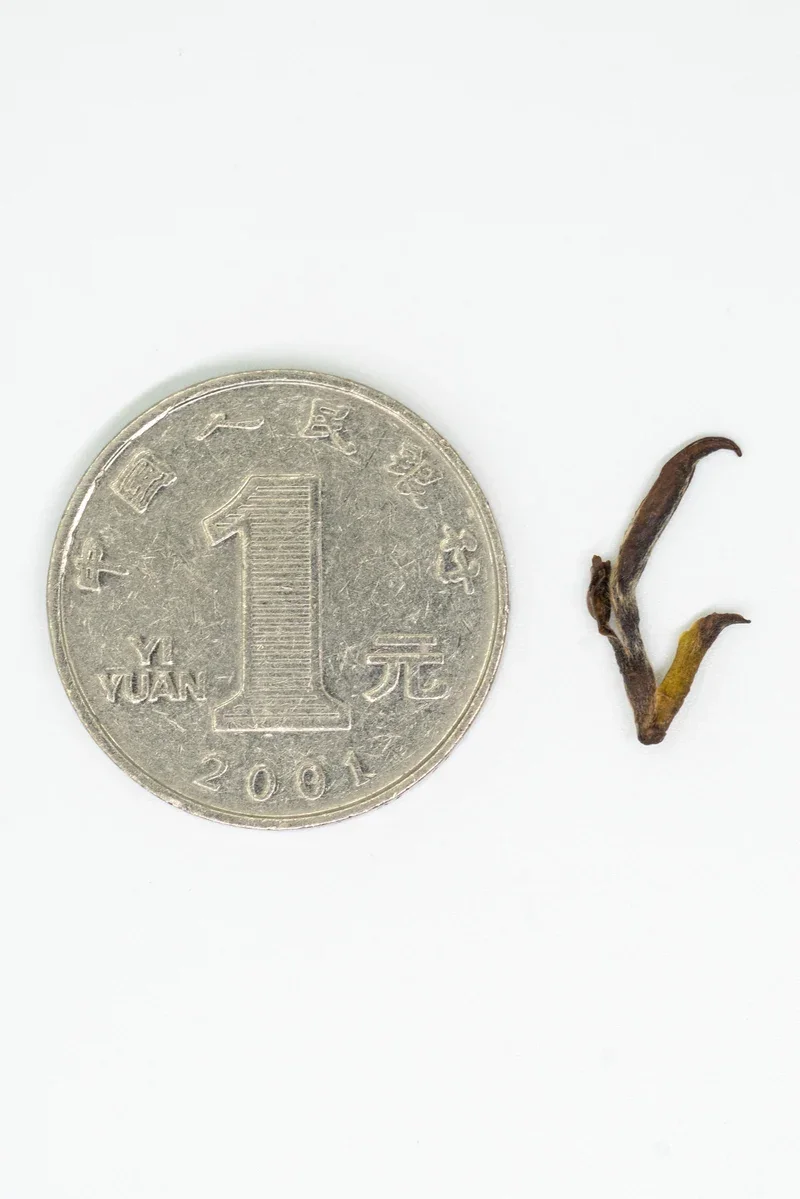
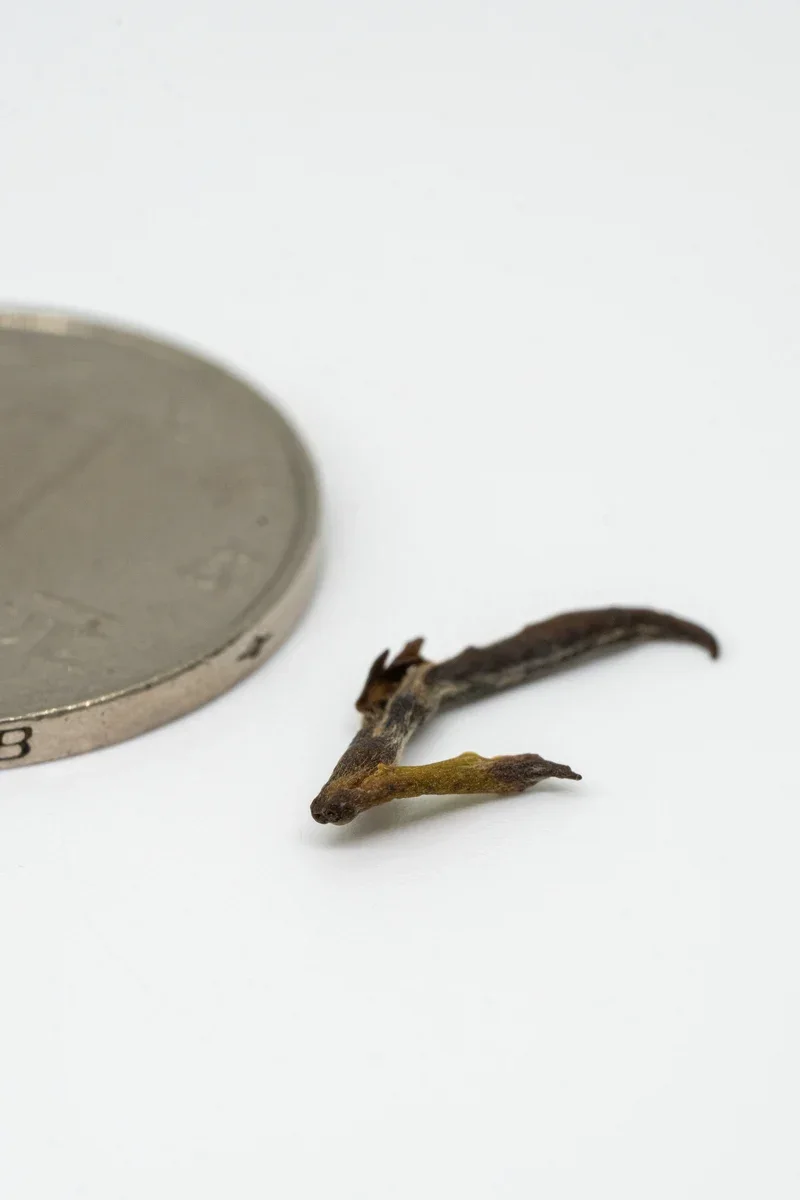
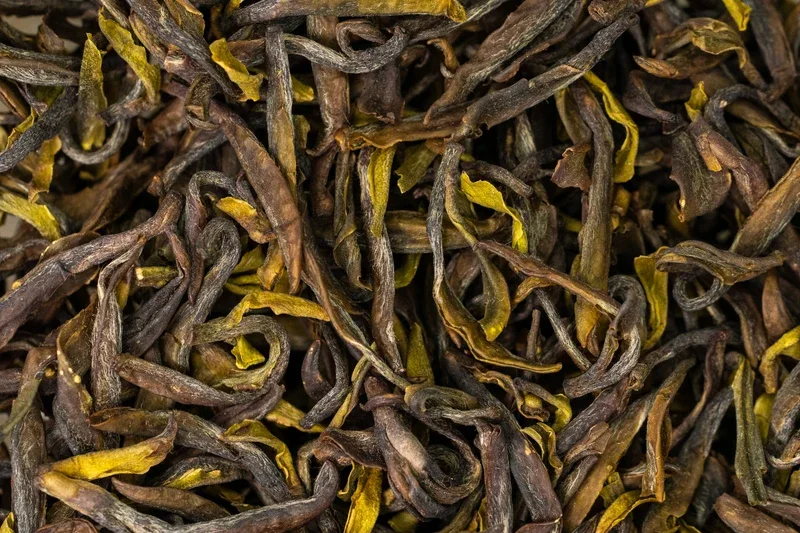
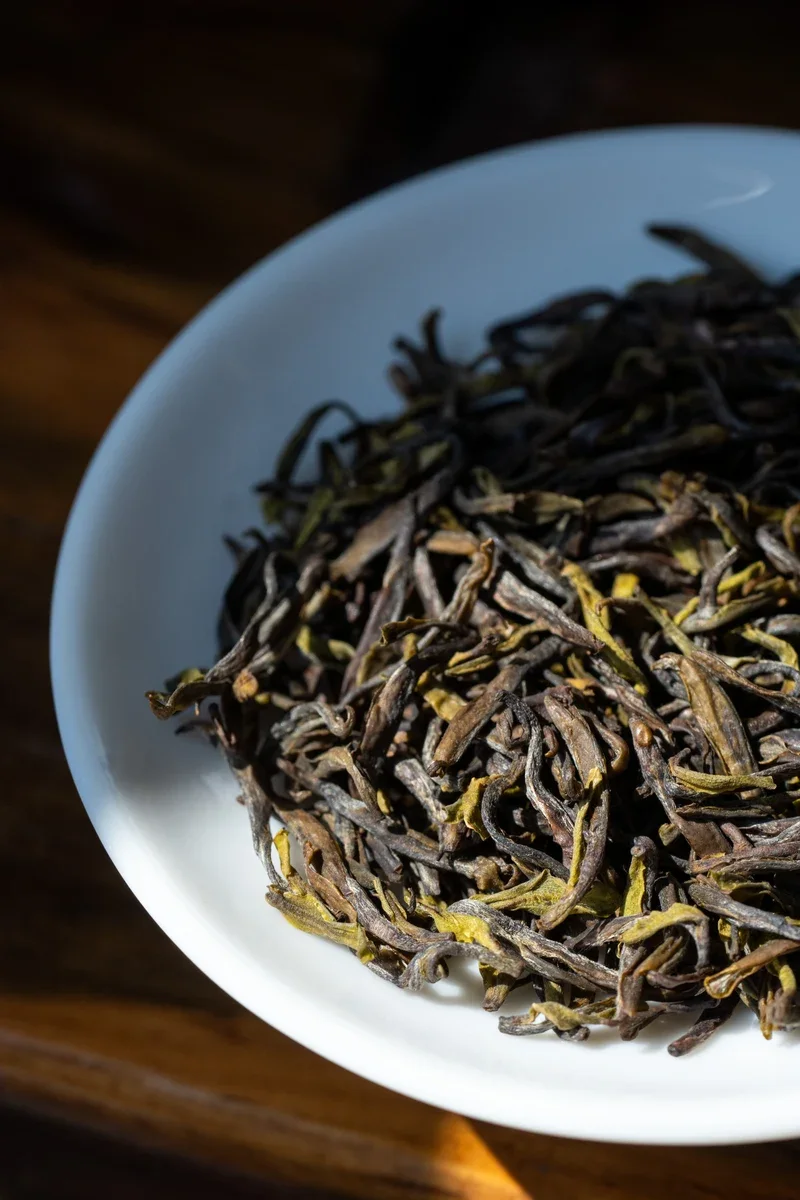
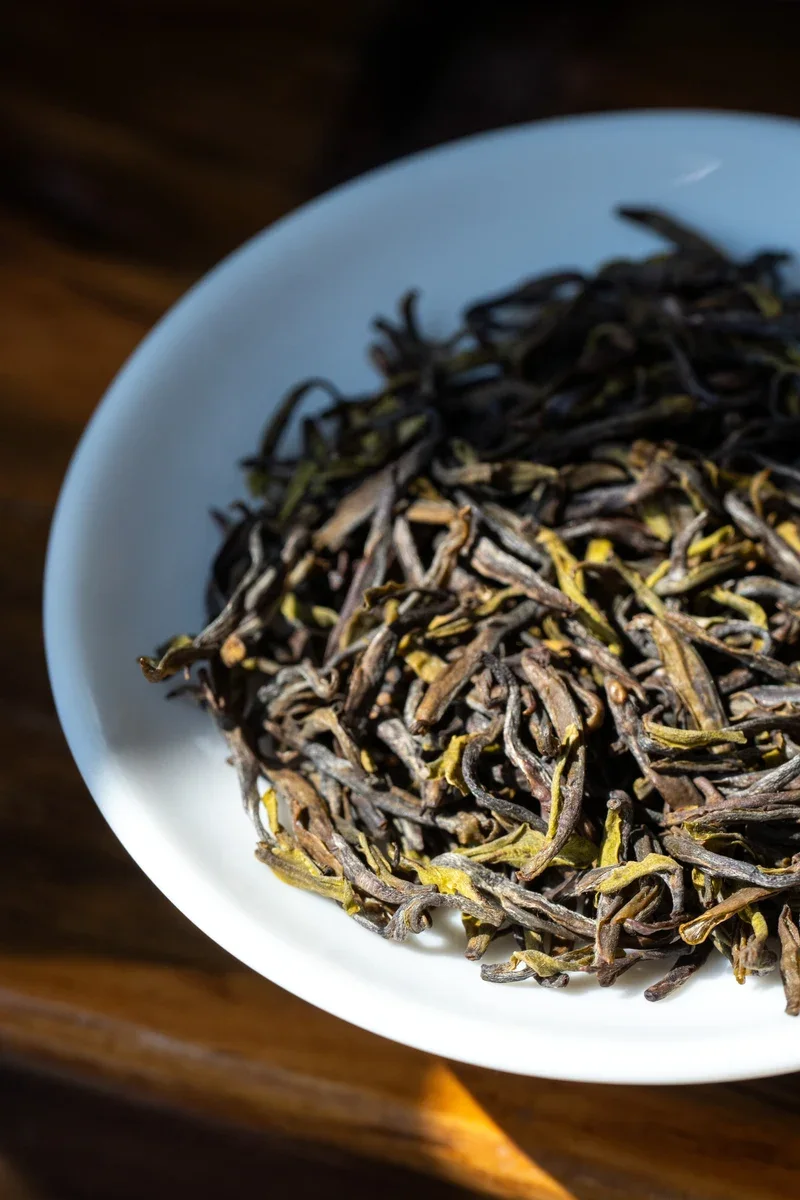
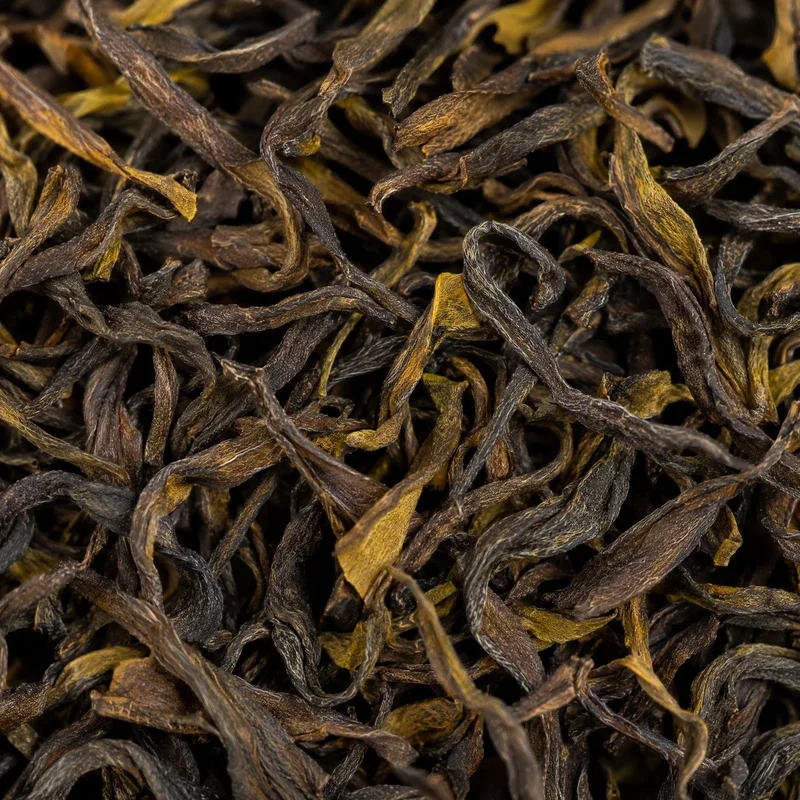
lǎo chá tóu
Choose a brewing method. Start with the recommended quantities and time, then adjust to taste.
Brewing
Brewing
Tea encyclopedia
Classification origin: What it is and where it comes from
Classification origin: What it is and where it comes from
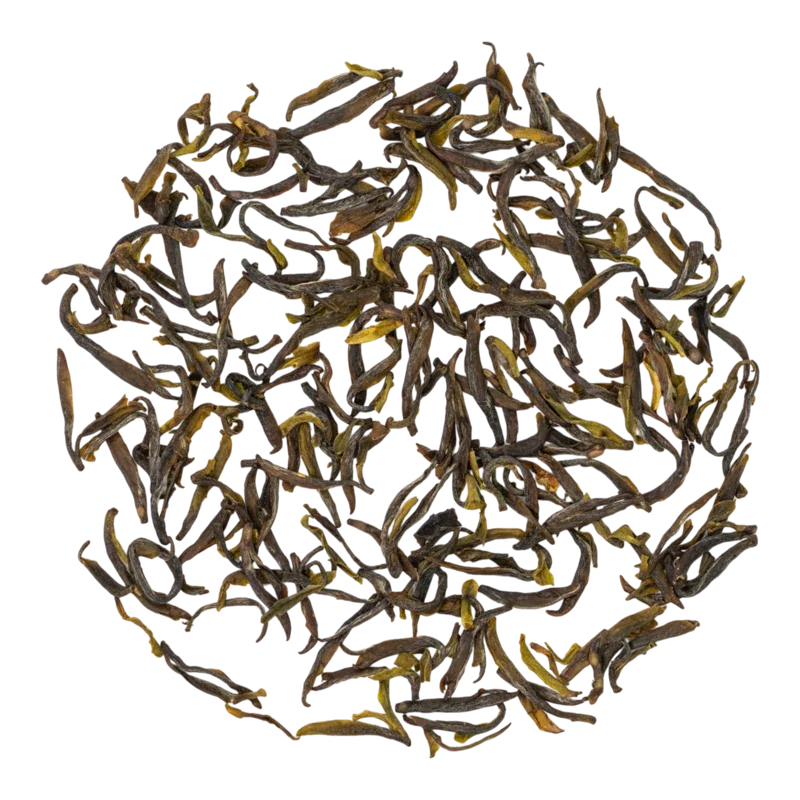
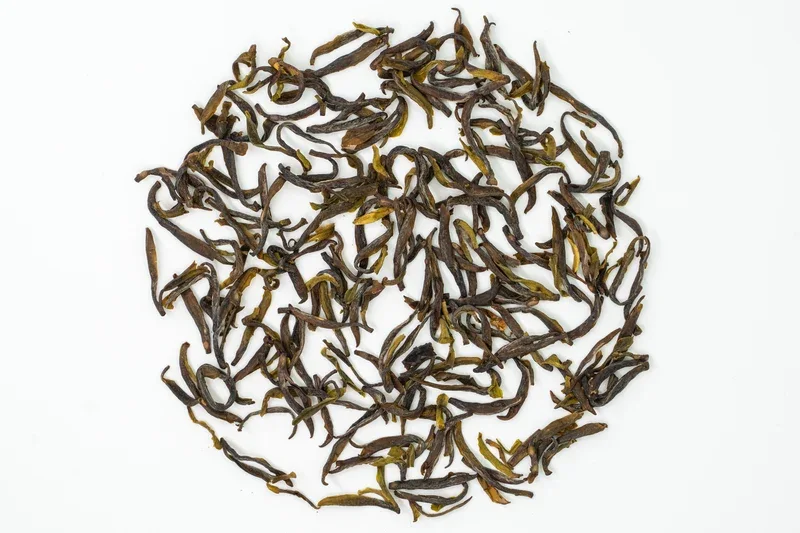
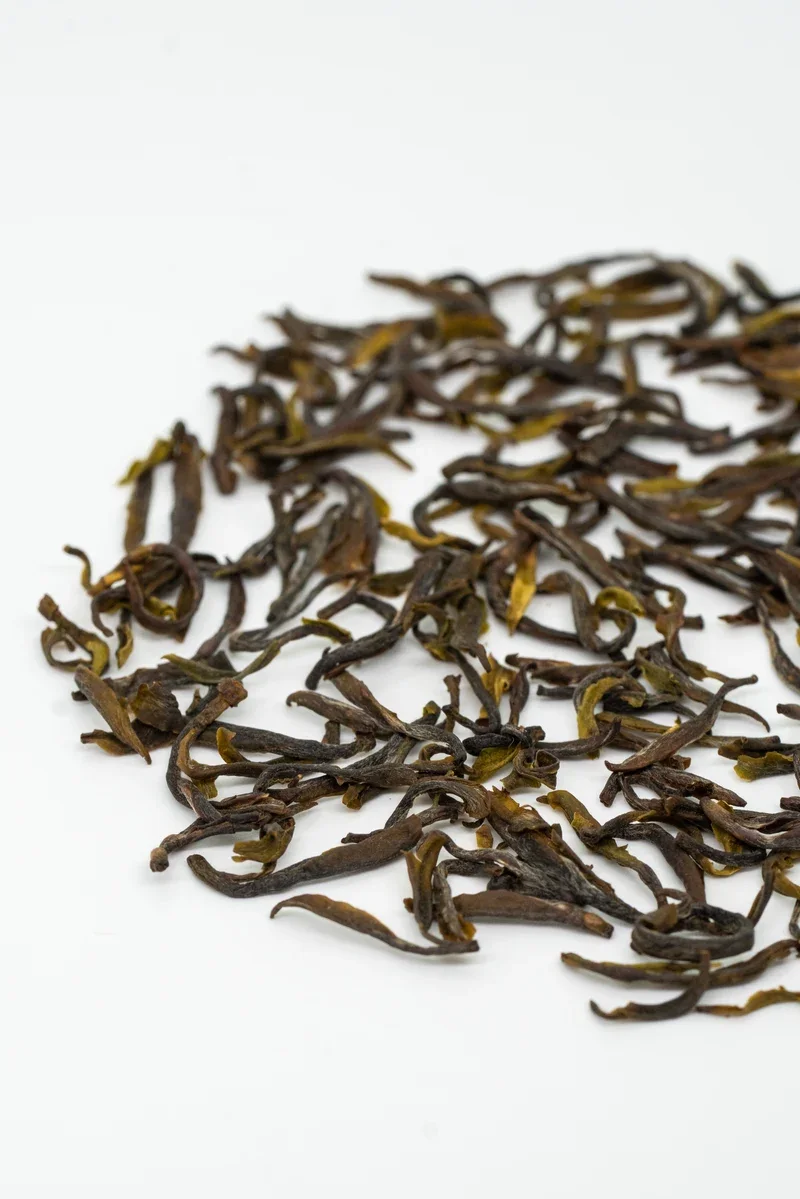
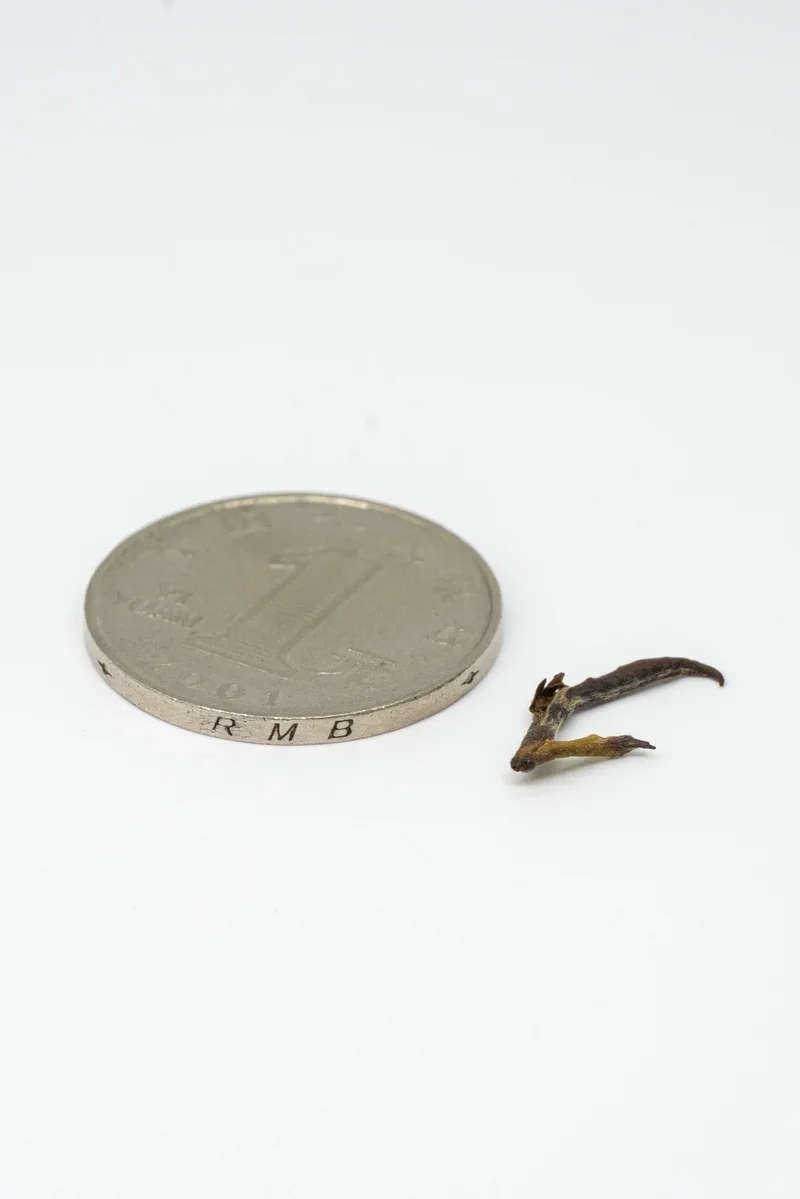
Shu pu-erh (熟普) is produced by artificially accelerated aging of raw material via the 渥堆 method — the leaves are moistened, stacked into large piles, and subjected to controlled microbial fermentation. Inside the pile, temperature and humidity are unevenly distributed: in the hottest and wettest zones, the leaf releases a significant amount of pectin (果胶, guǒ jiāo), which acts as a natural glue. As the pile is turned (翻堆) and matures, individual fragments sinter into dense nodules — these are 老茶头, literally "old tea heads."
In the classification of shu pu-erh, built around recipes-唛号 (7572, 7581, 8592, 7262) and the grading of raw material tenderness (from 宫廷 to common grades), 老茶头 stands apart: it is not a separate recipe or grade, but a by-product (by-prod.·loose) of the 渥堆 process. They are produced by "各家" — practically all factories that make shu, as lumps form in any sufficiently large pile.
History culture: Raw material and grade
The specificity of 老茶头 is that it does not have its "own" cultivar or plantation. The nuggets form from the same raw material that goes into the main batch of shu: leaves of the large-leaf variety of the Yunnan tea tree that have undergone wet-piling. Therefore, the profile of 老茶头 inherits the regional imprint of fermentation — what tradition describes as 味型 (flavor types): primarily "勐海味" (měng hǎi wèi) for a Menghai-type pile, less often "昆明味" or "临沧味". The water, the microflora of the workshop, and the manner of managing the pile at a specific factory are fixed in the lumps just as they are in the main tea — and sometimes even more so, as the nuggets mature in the very core of the pile.
It is important to understand that the tenderness of the original leaf is secondary here. Lumps more often form from juicier, pectin-rich fragments, so 老茶头 often turns out "fatter" and sweeter than the basic loose shu of the same batch.
Botany material: Technology: how a nodule is born
The key mechanism is pectin gelation. Under the influence of heat, moisture, and microbial activity, the pectic substances of cell walls partially dissolve and emerge on the leaf surface, and upon subsequent drying, they glue the fragments into a dense mass. The higher the pectin content and the more intense the pile regime, the larger and harder the lumps.
After the completion of 渥堆, the pile is broken down and sifted: the loose tea goes for sorting and pressing (into cakes, bricks, tuocha), while the stuck-together nodules are selected by hand. They are additionally dried and left to rest. Unlike pressed forms, 老茶头 is sold precisely in loose (散) form — as independent lumps of various sizes.
Separately worth noting is 茶化石 (chá huà shí, "tea fossil"). This is a later, market-driven interpretation of the 老茶头 idea: the raw material nodules are crushed and calibrated into small, uniform, dense "pebbles" of identical shape. In essence, this is the same fermentation material, but processed mechanically for convenience of brewing and a presentable appearance. If classic 老茶头 is "as it came out" of the pile, then 茶化石 is a "combed," size-standardized product.
Terroir: Standards and place in the system
老茶头 does not have its own grade scale and is not described by a separate recipe-唛号. In factory logic, it remains a derivative of the main shu batch, so its "passport" is the origin of the pile (factory, year, 味型 type), and not a nominal tenderness class like 宫廷 or 特级. This largely determines its position in the market: a niche, collection-oriented segment (mid), valued for character rather than formal grade.
Production: Taste and brewing
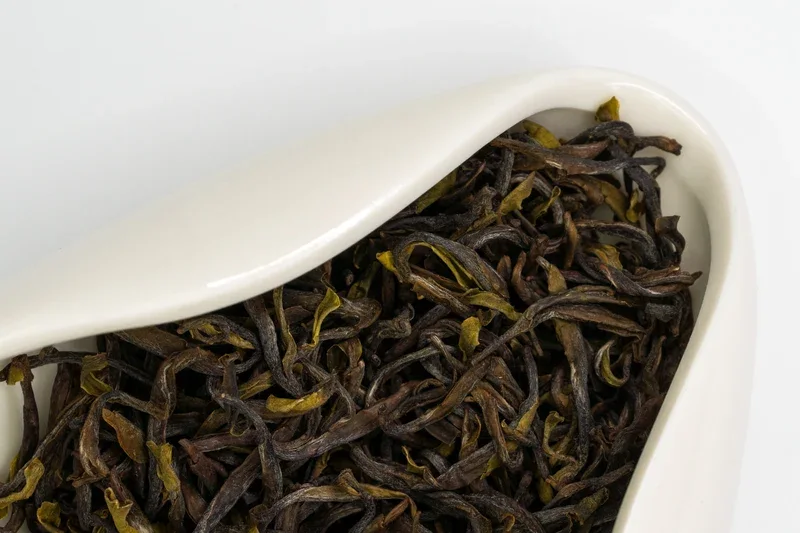
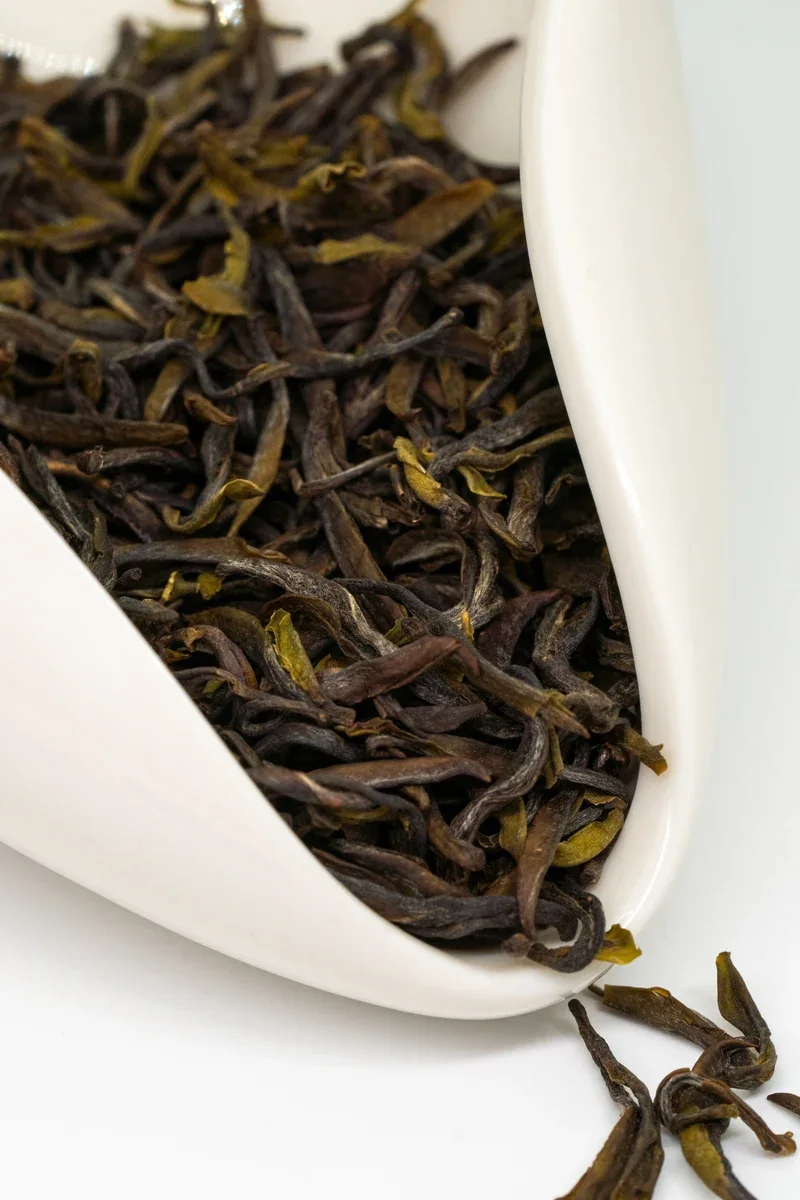
The canonical description of the 老茶头 profile is 糯甜醇厚 (nuò tián chún hòu): a sticky, "rice-sweet" texture, pronounced sweetness, soft roundness, and a dense, rich body of the infusion. The high content of dissolved pectin gives a characteristic oiliness and a "coating" sensation in the mouth, and the infusion itself is a deep red-chestnut, transparent.
Practical brewing notes:
Organoleptic: History and culture
老茶头 is a child of the 渥堆 era, meaning the count of its history begins with the establishment of shu pu-erh technology in the 1970s (the 1975 recipes — 7572, 7581 — became benchmarks for an entire category). For decades, lumps remained an internal "waste" of the workshop: they were not pressed, often left to workers, or sold at a bargain price. The turning point came when the shu pu-erh market began to value texture and "body density": it turned out that it was precisely the fermentation nodules that concentrated that very sticky sweetness sought after by enthusiasts. Thus, a former by-product turned into an independent, recognizable style, and the marketing name 茶化石 solidified its image as a "nugget compressed by time."
Chemistry: How to distinguish
老茶头 is a rare example of how a technological "sediment" of the process became an independent value. It is an honest portrait of a specific fermentation pile: everything in it that was most juicy and rich in pectin sintered into one dense nodule — and remained within it for a long time. ```
No reviews yet. Tell us what you think of this tea.
Rate this tea and share your impressions. We review each submission before publishing it.