Brewing
Gongfu brewing
- Water temperature
- 75 °C
- Tea amount
- 5 g
- Water volume
- 100 ml
- First steep
- 10 s
- Time added per infusion
- 5 s
- Infusions
- 3

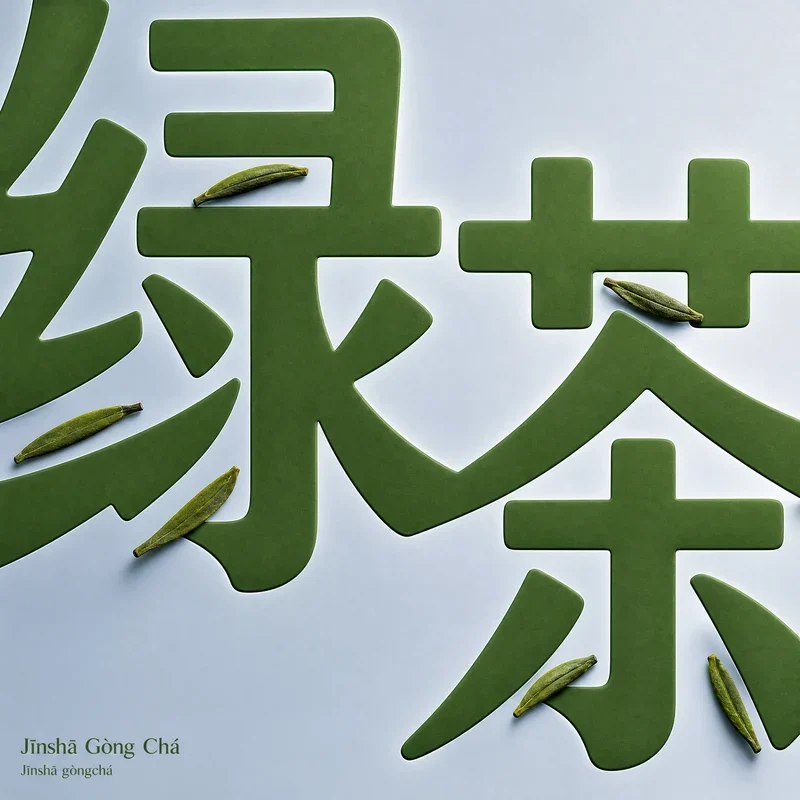
Jīnshā gòngchá
Choose a brewing method. Start with the recommended quantities and time, then adjust to taste.
Brewing
Brewing
Taste
Tea encyclopedia
Category: Chinese regional green teas; product with protected geographical indication.
Category: Chinese regional green teas; product with protected geographical indication.
Coordinates: 105°47′–106°44′ E, 27°07′–27°46′ N. Area of cultivation zone — approximately 1,250 km².
Origin: China (中国, Zhōngguó), Guìzhōu Province (贵州省, Guìzhōu Shěng), Bìjié City (毕节市, Bìjié Shì), Jīnshā County (金沙县, Jīnshā Xiàn). The production zone encompasses all 26 towns and townships of the county, with the core in Qīngchí Town (清池镇, Qīngchí Zhèn) — the historical cradle of tribute tea, where ancient tea trees are concentrated.
Type: Green tea (绿茶, lǜchá), unfermented. Oxidation level — less than 5%.
Cultivar: Main plantings (about 60%) are represented by the cultivar Fúdǐng Dàbáichá (福鼎大白茶, Fúdǐng Dàbáichá) — an ultra-early small-leaf variety of Camellia sinensis var. sinensis, well-suited for making flat tea (翠片, cuìpiàn). The cultivar Longjing 43 (龙井43, Lóngjǐng 43) is also widely used. Besides industrial varieties, local relict populations (本地群体种, běndì qúntǐ zhǒng) grow in Jinsha, including large-leaf, medium-leaf, and small-leaf forms. Local varieties awaken 10–15 days earlier than introduced cultivars, distinguished by soft leaf blades and ideally suited for making rolled teas of the maojian type (毛尖, máojiān).
Picking: Optimal period — early spring, around the Qīngmíng festival (清明, Qīngmíng), falling in early April. For highest grades, exclusively unopened buds or bud with one beginning-to-unfold leaf (一芽一叶初展, yī yá yī yè chū zhǎn) are used. For first-grade tea — bud with one fully opened leaf. Mass-market grades allow harvest of bud with two leaves.
Raw Material: Young, uniform, without mechanical damage and foreign odors. Particularly valued is raw material from ancient tea trees (古茶树, gǔ cháshù) from Qingchi — trees aged from one hundred to two thousand years are processed separately and used exclusively for producing highest-category tea.
Altitude: 800–1,100 m above sea level.
Soil: Red-brown rocky soils (岩性赤红壤, yánxìng chìhóng rǎng) predominate, occupying 35.1% of the county territory. Acidity — pH 5.0–6.5, soils enriched with zinc and selenium. Forest coverage of the county is 61.89%, industrial pollutants are absent.
Jinsha County is located on the "golden tea belt" of the 27th parallel north latitude. Average annual temperature is 12.5–16.5 °C, annual precipitation — 1,050–1,650 mm. The number of foggy days exceeds 180 per year, and the proportion of diffused sunlight reaches 70%, creating optimal conditions for slow ripening of tea leaves and accumulation of aromatic substances.
High-altitude location slows shoot growth, leading to increased amino acid content in spring raw material by approximately 20% compared to lowland teas. Many farms practice organic farming without pesticides and chemical fertilizers; several producers have passed certification according to Rainforest Alliance and European Union standards.
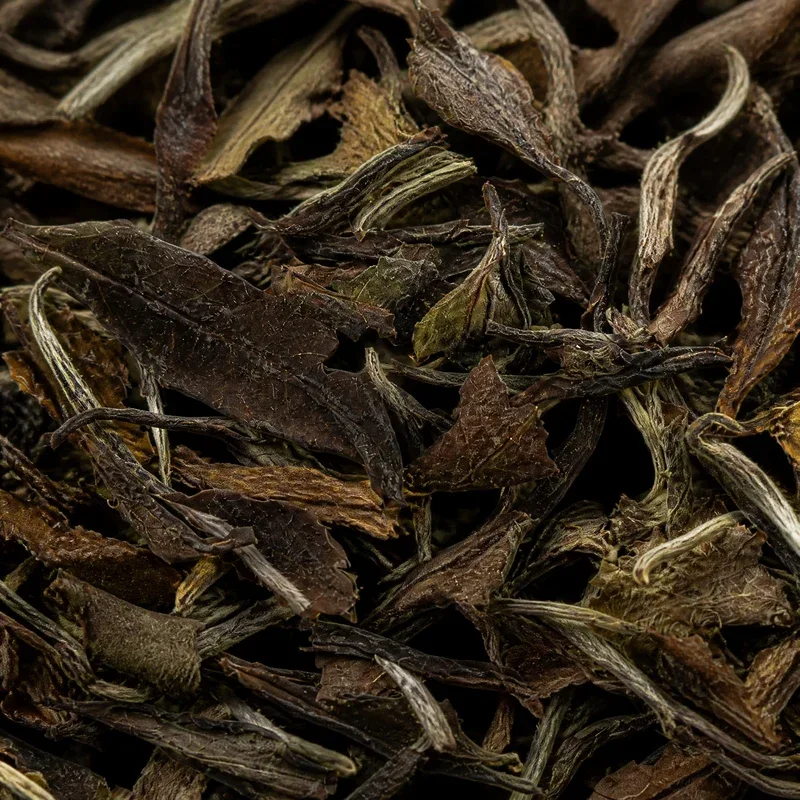
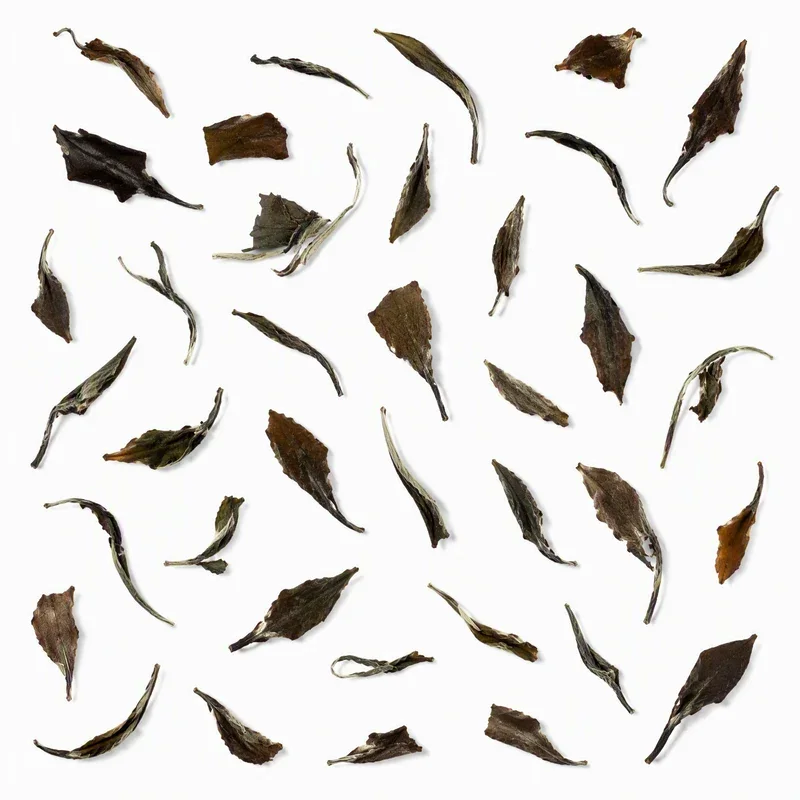
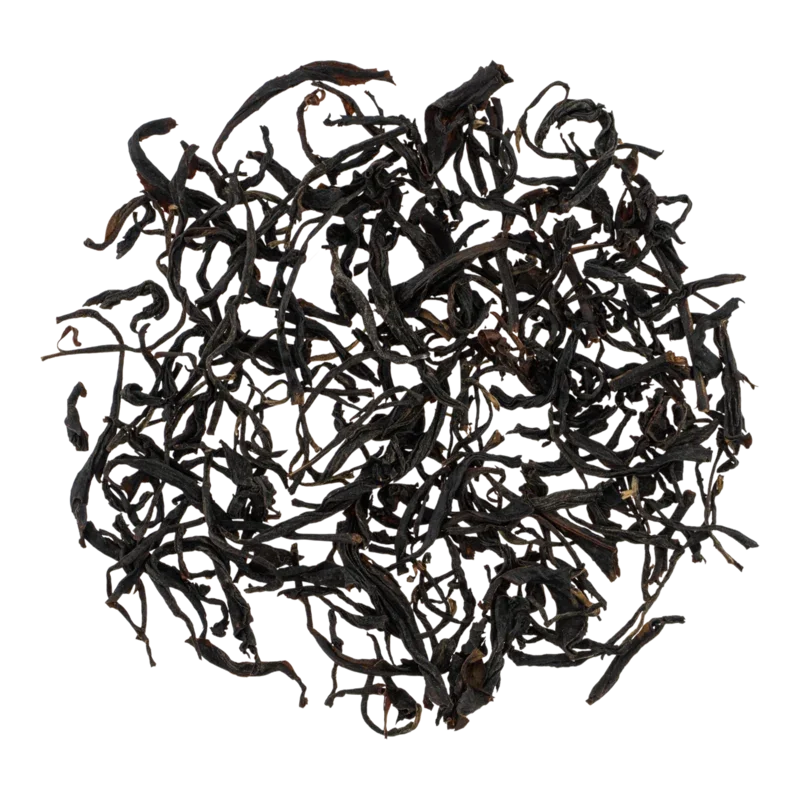
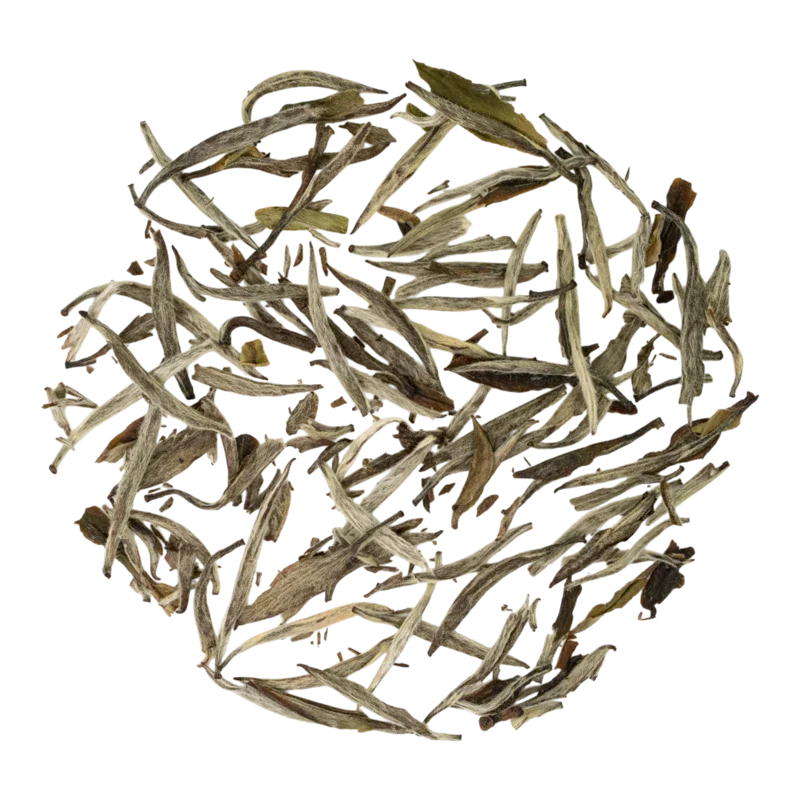
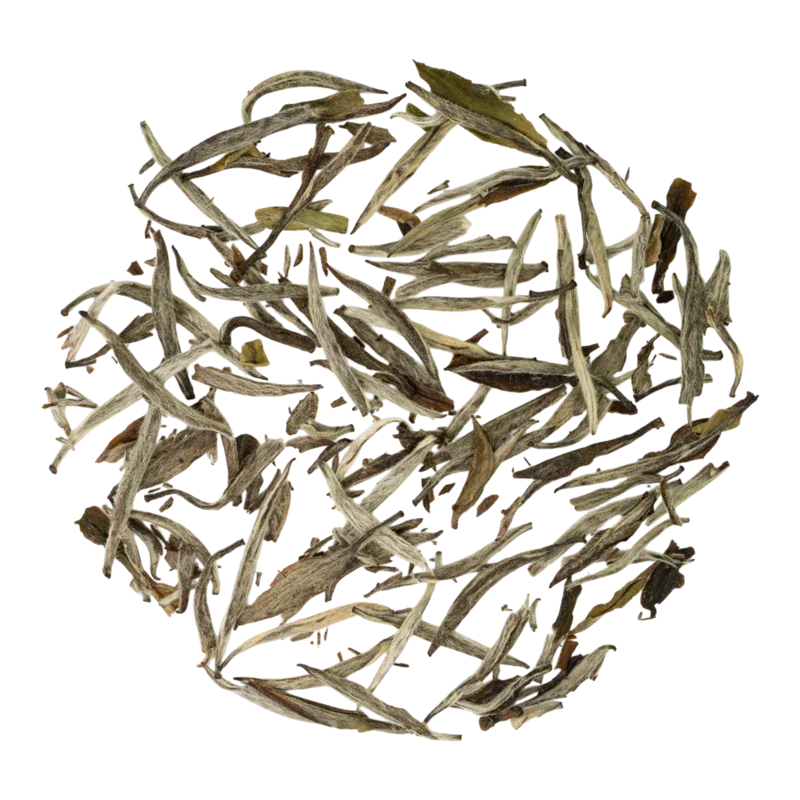
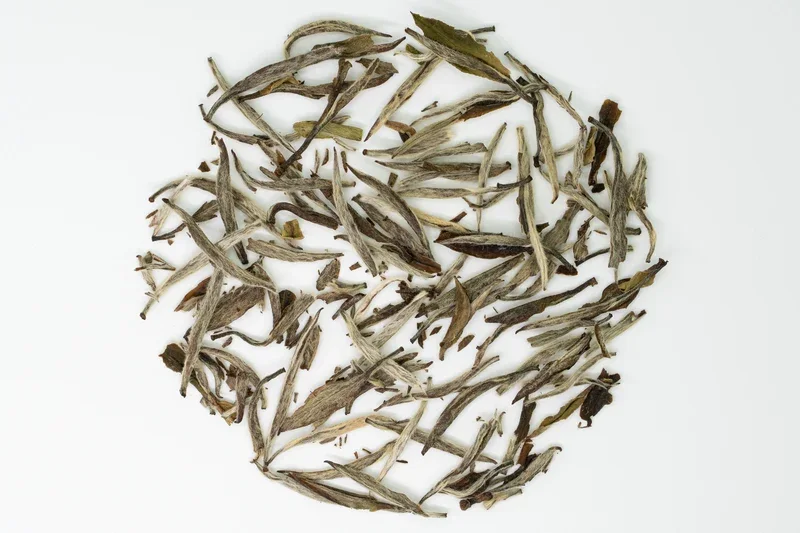
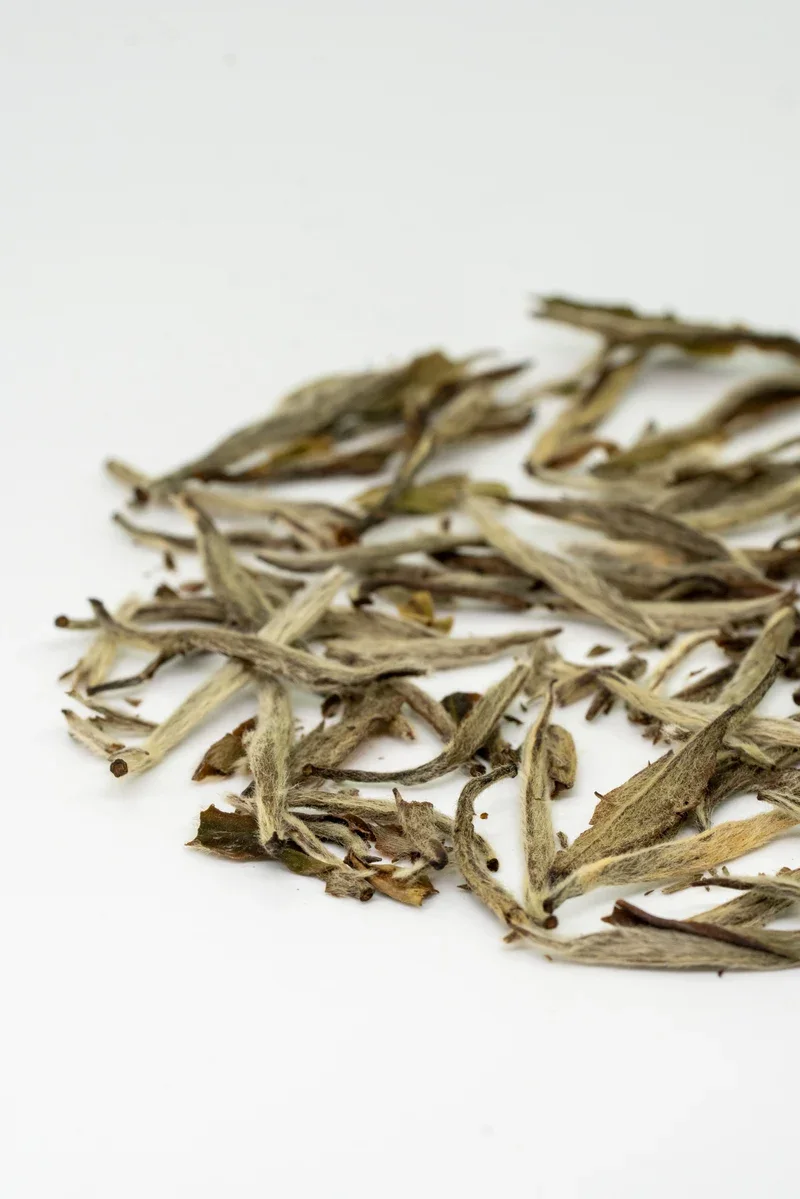
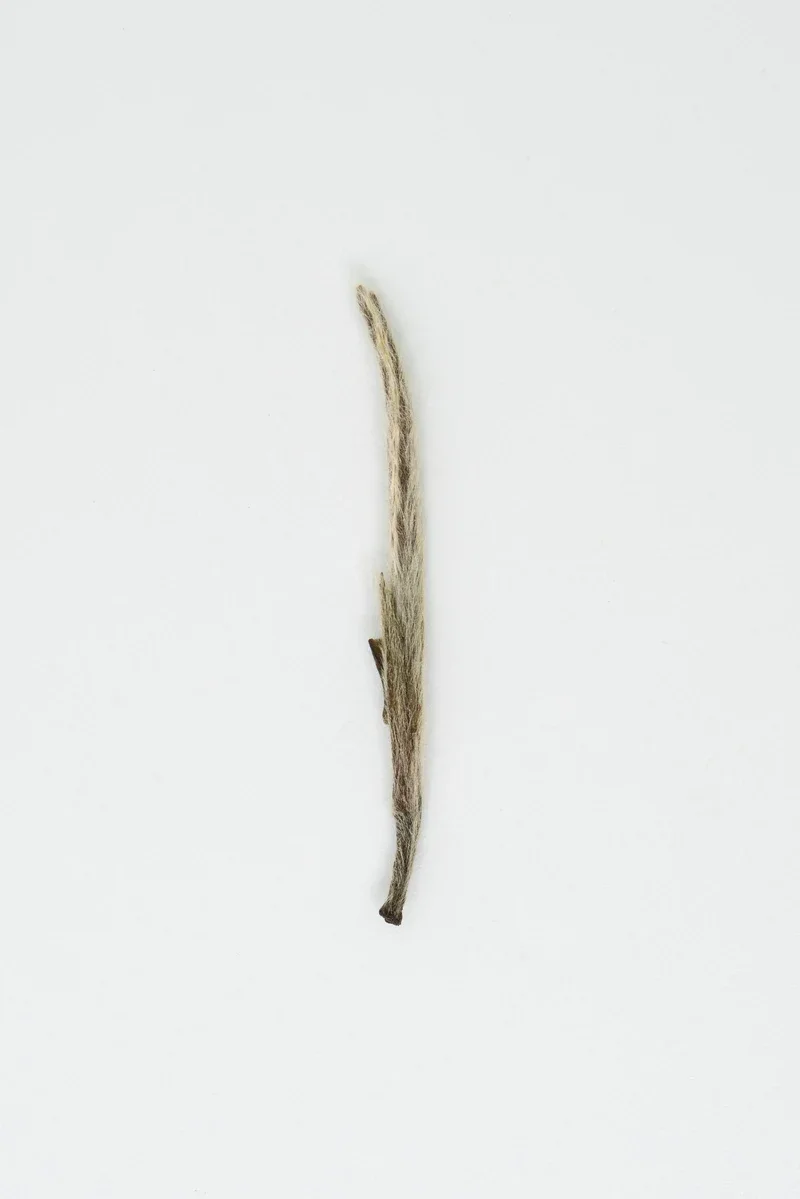
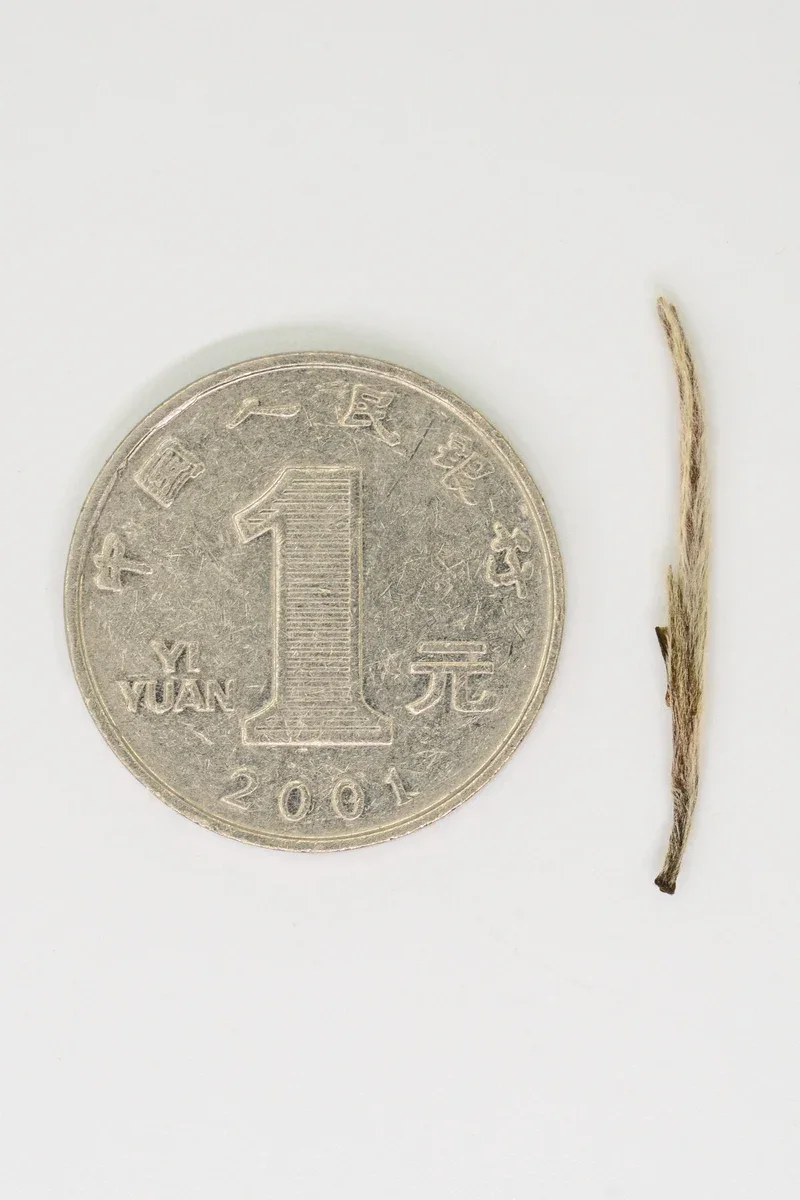
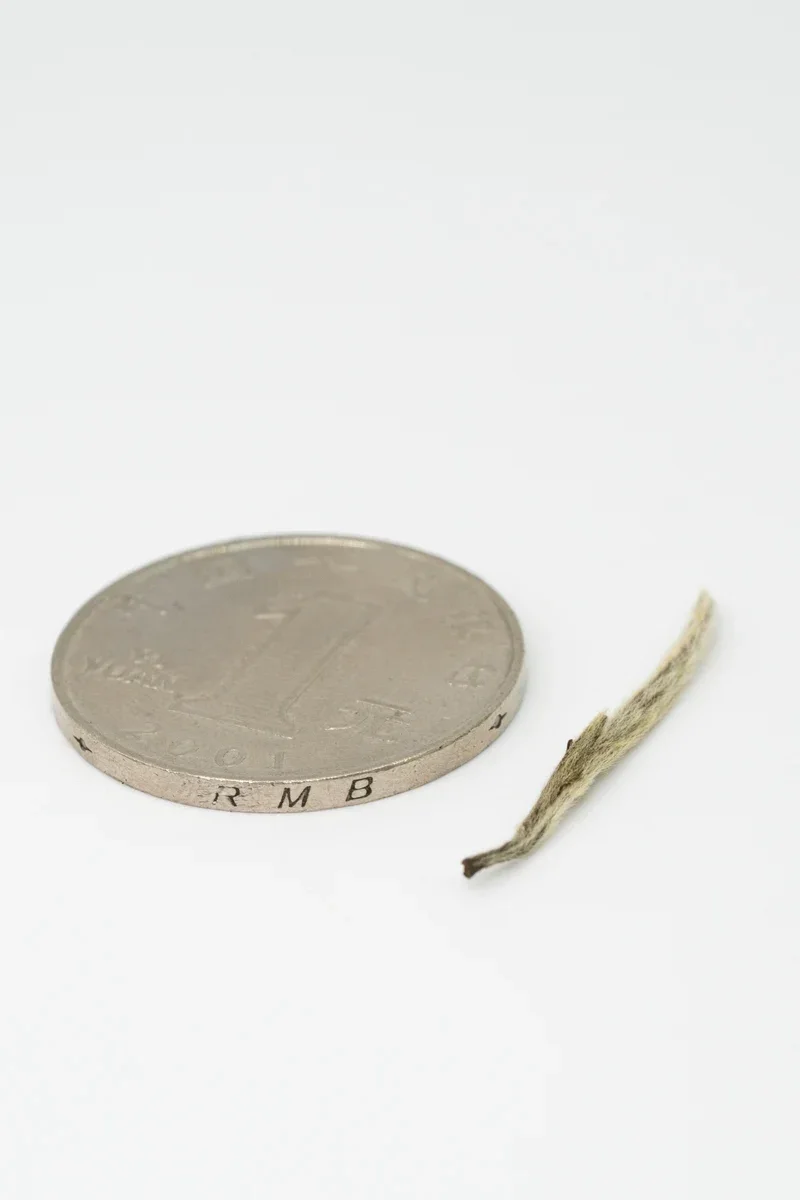
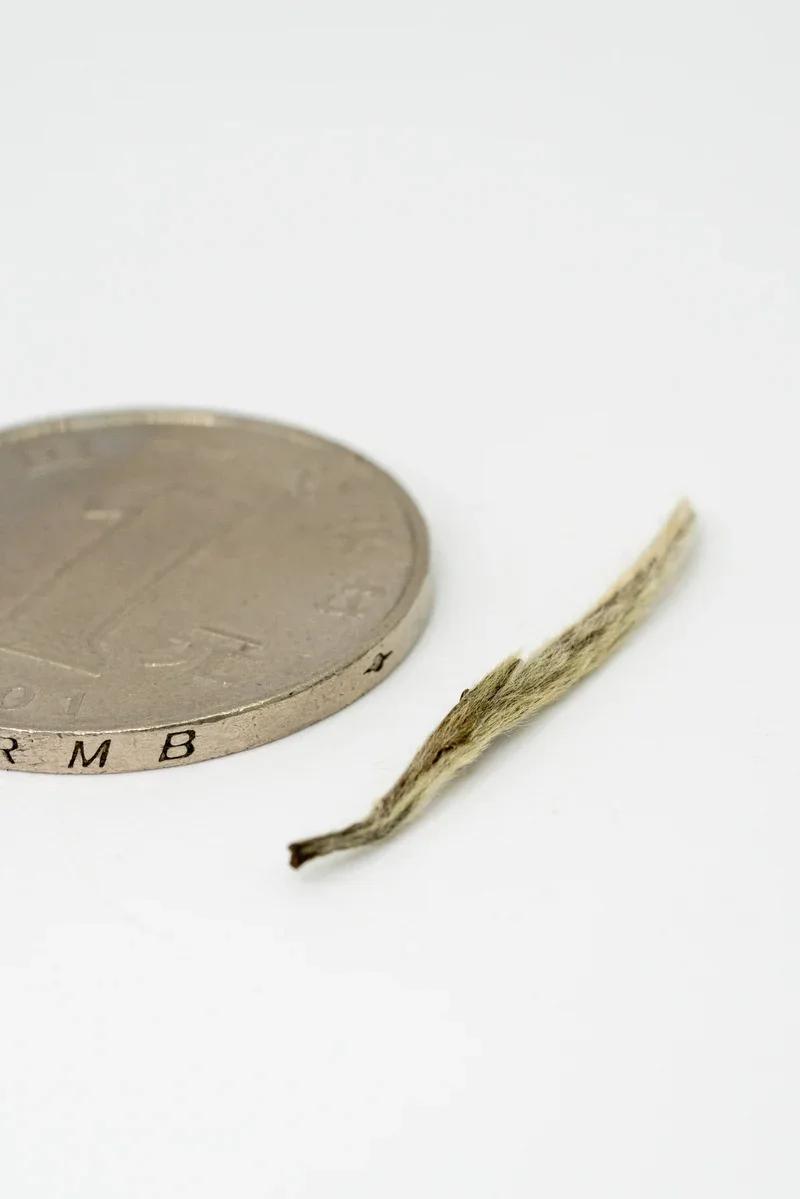
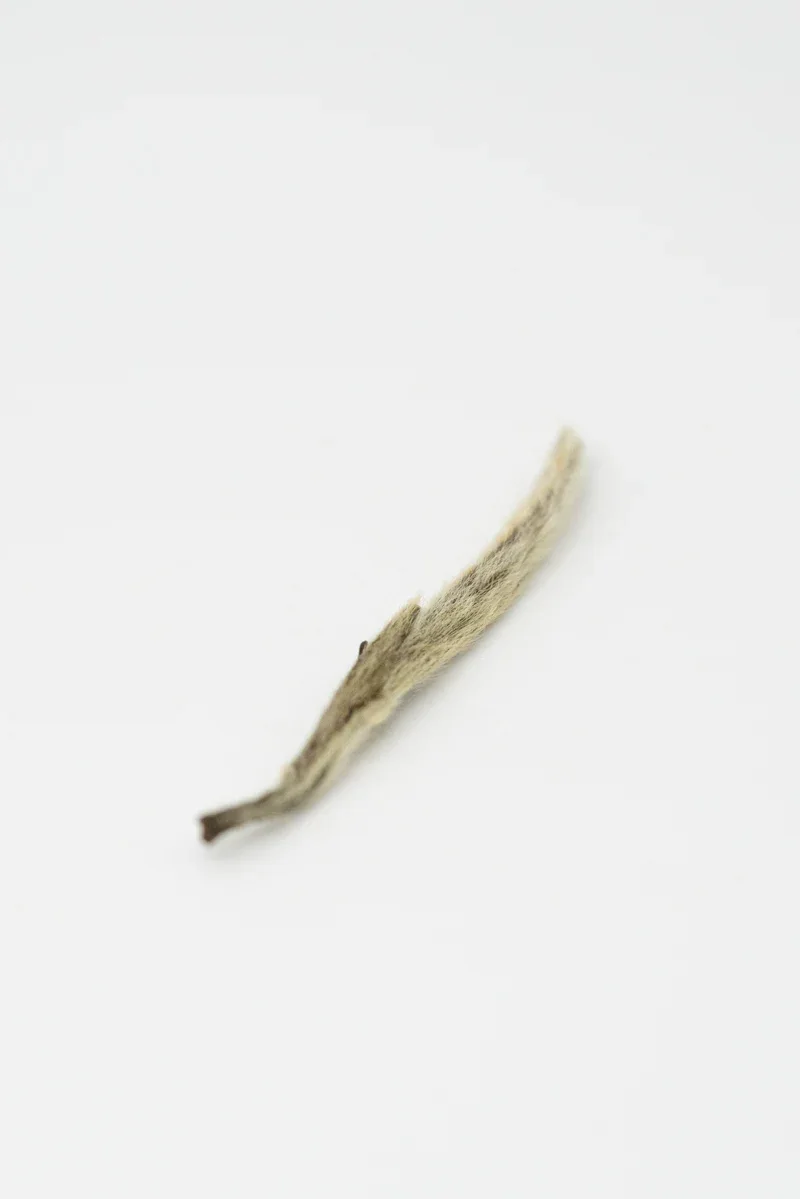
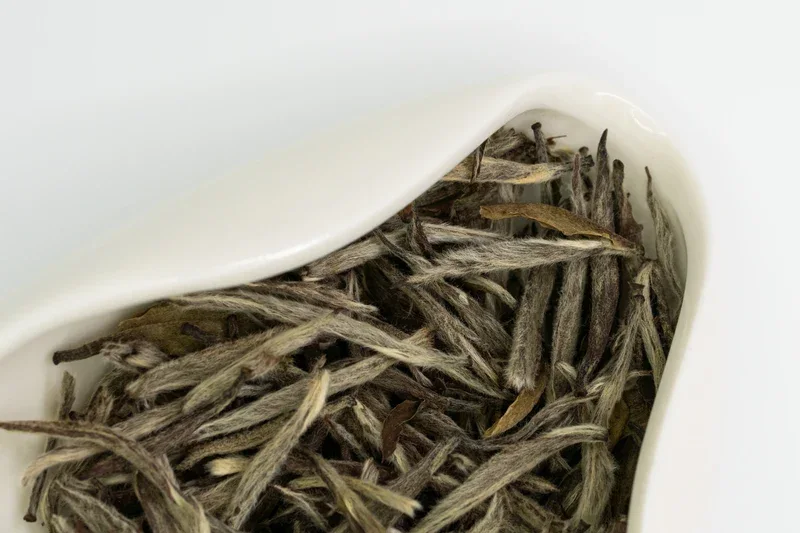
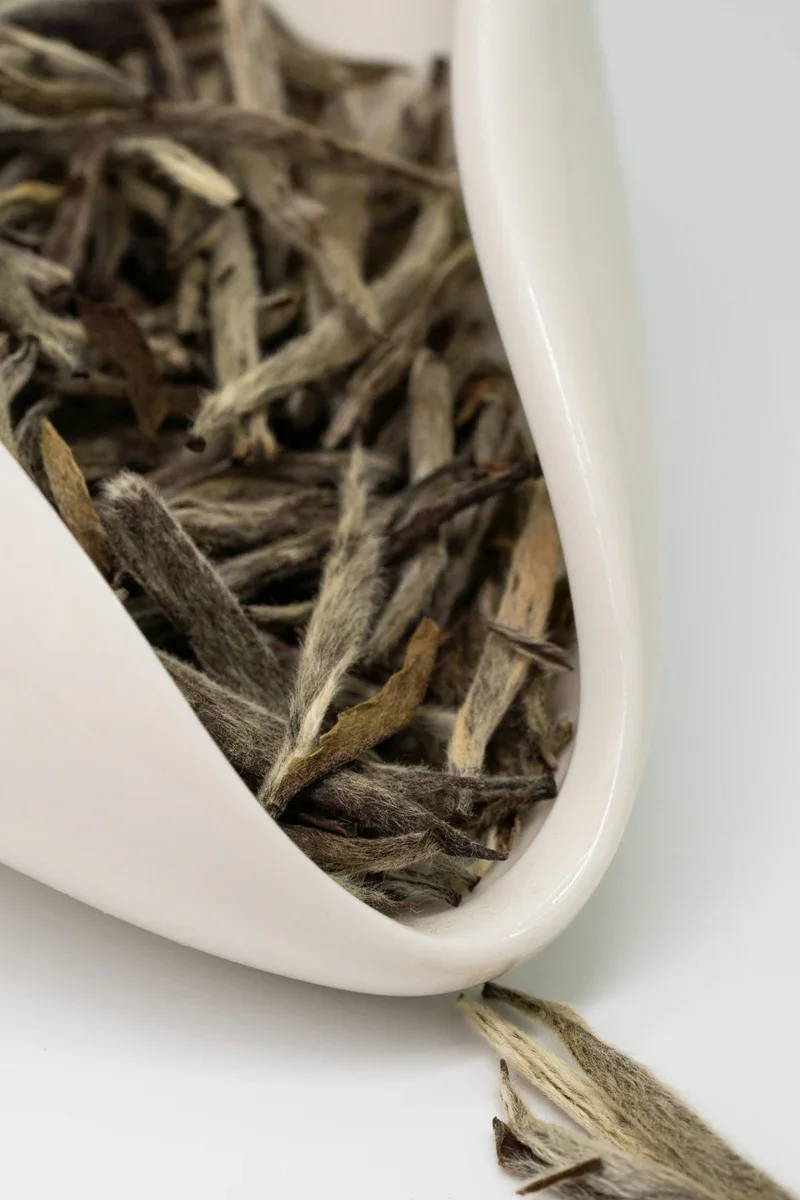
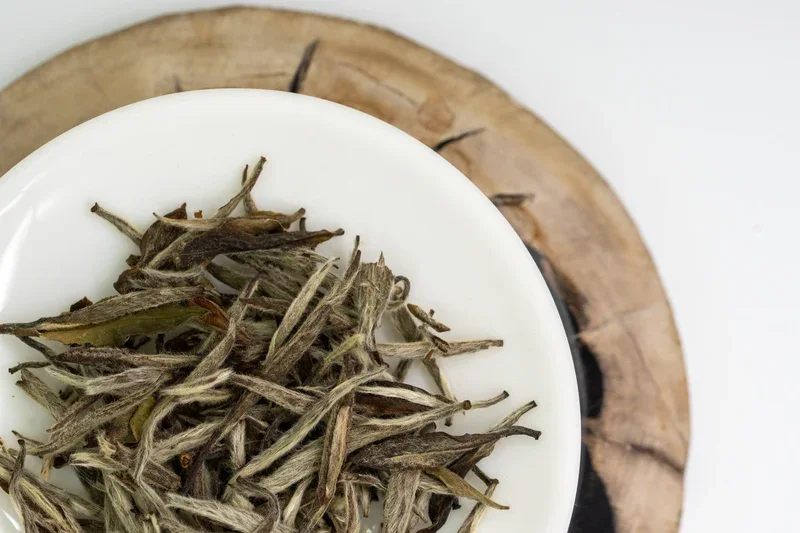
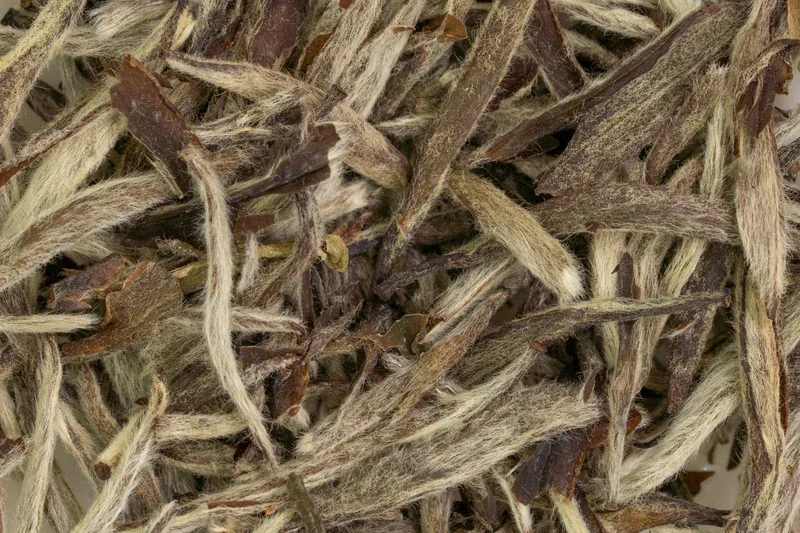
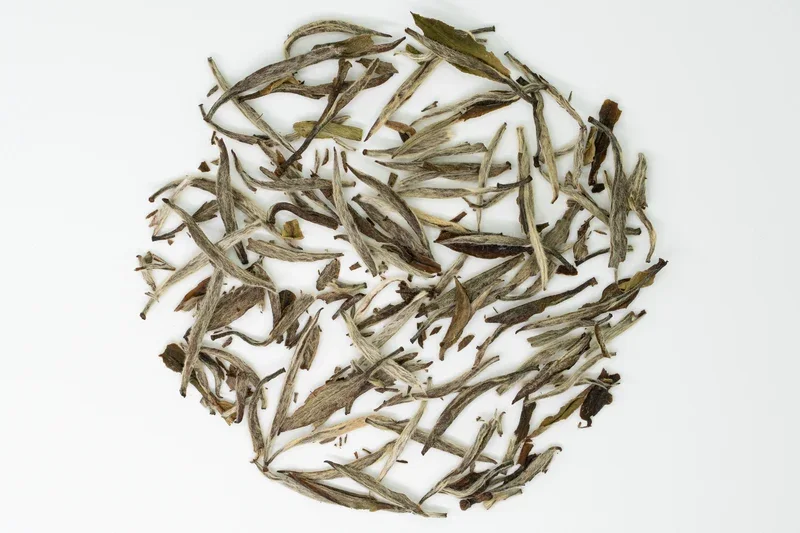
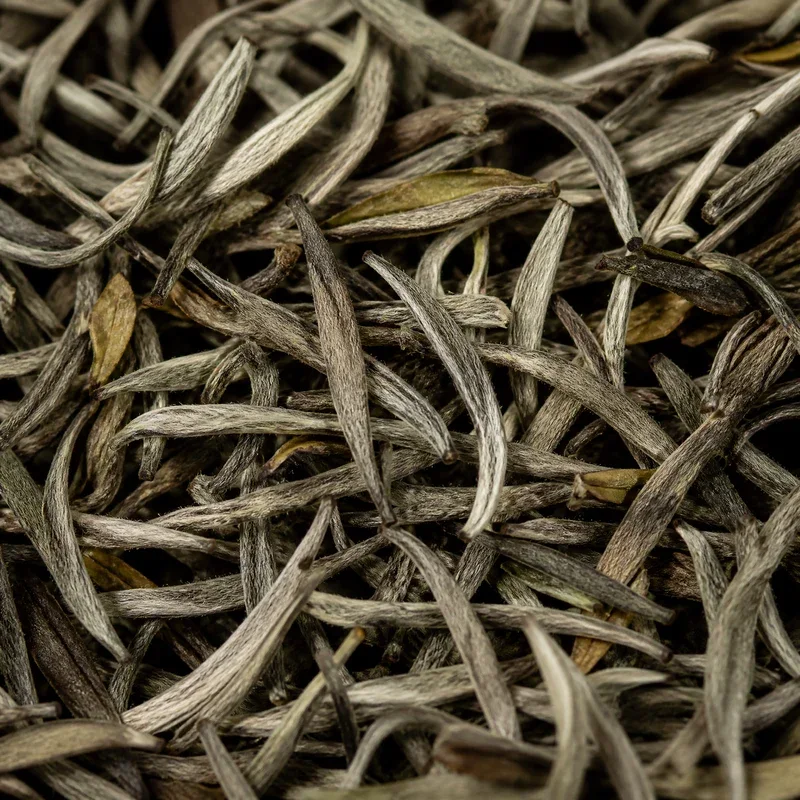
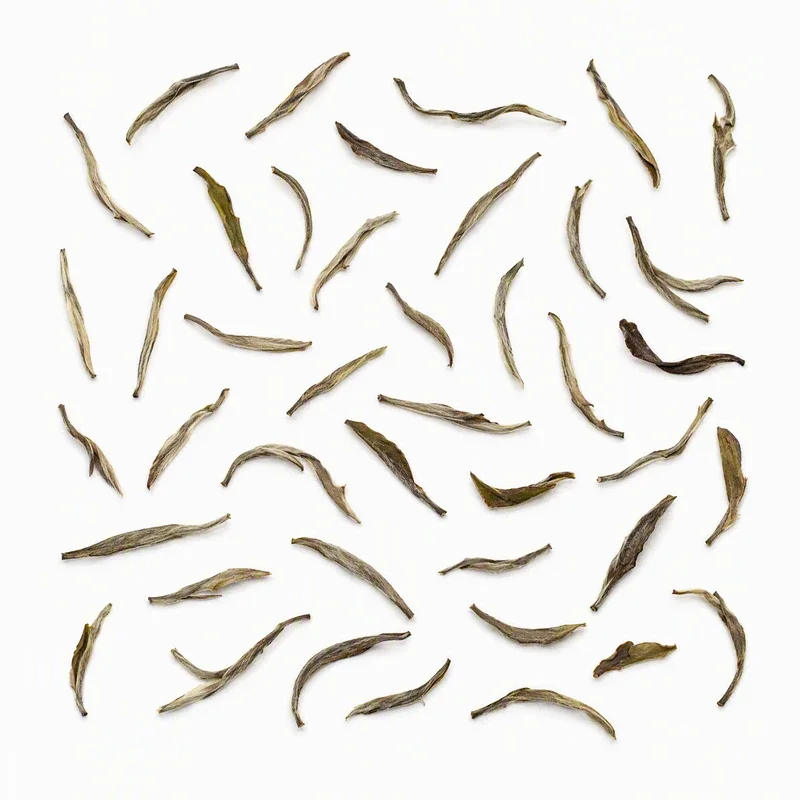
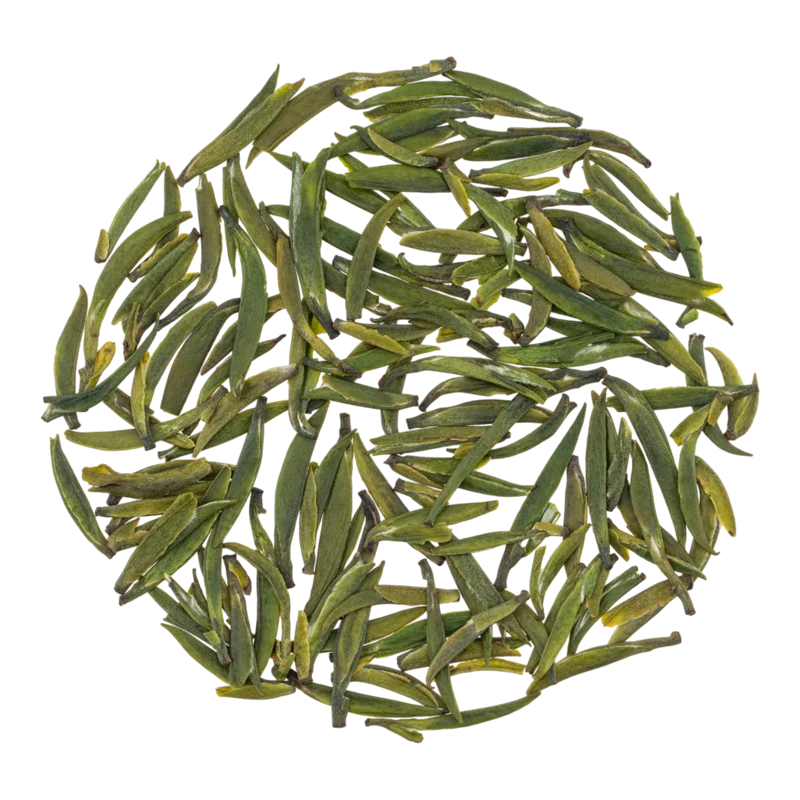
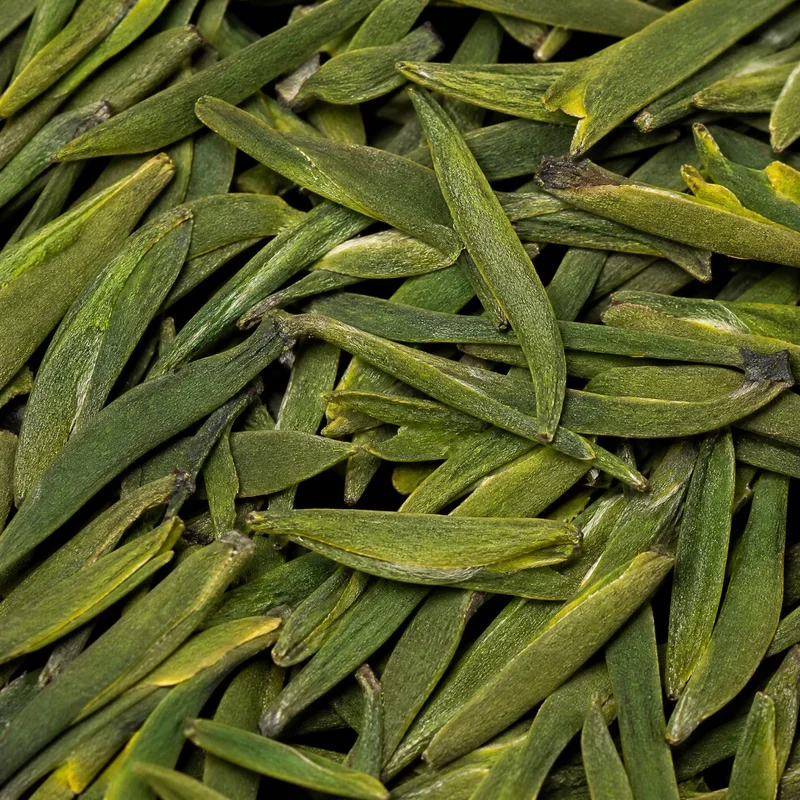
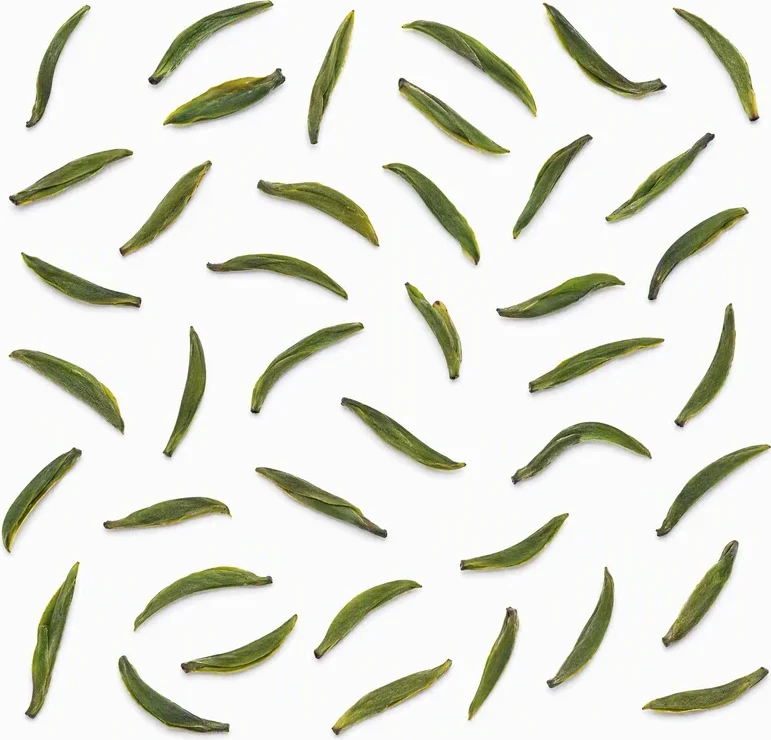
Dry Leaf Appearance: Two main forms are produced. Rolled tea (卷曲形, juǎnqū xíng) — "maojian" type: tight, thin, slightly curved "fishing hooks" (形似鱼钩, xíng sì yúgōu), green with noticeable white down. Flat tea (扁形, biǎn xíng) — "cuipian" type (翠片, cuìpiàn): straight, smooth, glossy plates of emerald-green color with oily luster.
Dry Leaf Aroma: Pronounced chestnut (栗香, lìxiāng) — signature marker of Jinsha Gong Cha. In highest-grade cuipian, the chestnut tone transitions to pure high floral-green aroma. Aroma from cold cup holds for more than 15 minutes.
Liquor Aroma: Intense, chestnut-nutty, with undertone of fresh greenery. In the best samples, delicate honey and floral overtones emerge.
Liquor Color: Yellow-green, clear and bright (黄绿明亮, huánglǜ míngliàng).
Spent Leaves: Tender green, even, elastic leaflets with good integrity; leaf flesh is fleshy and soft, testifying to high raw material quality.
Taste: Full-bodied, viscous (醇厚, chúnhòu), with pronounced freshness (鲜爽, xiānshuǎng), due to high amino acid content. Aftertaste — bright returning sweetness (回甘, huígān), long sweet return. Bitterness and astringency are minimal.
Alkaloids: Caffeine — 2.7–3.0%, theobromine and theophylline in trace amounts.
Amino Acids: Theanine (茶氨酸, cháānjīsuān) — 3.4–3.8 g/100 g dry matter, significantly higher than average for Chinese green teas and explaining pronounced sweetness and "body" of taste. Also contains glutamic acid (0.2–0.3 g/100 g), tyrosine (0.2–0.3 g/100 g) and arginine (0.1–0.2 g/100 g).
≥ 45% — high indicator, testifying to taste richness and extractability.
Fluorine content 30% higher than average for green teas, favorable for tooth enamel mineralization.
Minerals: Potassium, manganese, zinc. Special significance has increased selenium content (硒, xī), due to geochemical soil features: antioxidant activity of selenium-containing tea is evaluated 30% higher compared to green teas from Jiangsu and Zhejiang provinces.
Polyphenols: 14–15% — moderate indicator for green tea, ensuring taste softness without pronounced bitterness. Main fractions — epigallocatechin gallate (EGCG), epicatechin (EC) and epigallocatechin (EGC).
Vitamins: C (in fresh raw material), B group, K.
Catechins and selenium jointly neutralize free radicals, slowing cellular aging processes.
Combination of caffeine and L-theanine provides calm alertness without sharp rise and fall — effect of focused attention.
Polyphenols stimulate peristalsis and secretion of digestive enzymes; tea is good to drink one hour after meals.
Regular consumption promotes reduction of LDL cholesterol levels and maintenance of vascular elasticity.
Catechins inhibit glucose absorption, contributing to blood sugar level regulation.
Increased fluorine and polyphenol content provides anticaries effect.
Theanine increases dopamine and serotonin levels, improving concentration and emotional state.
Tea Amount: 3 g per 150 ml (European method, 1:50 ratio); 5–6 g per 100–120 ml (gongfu method).
Teaware: Glass tumbler or goblet (for observing "leaf dance"); white porcelain gaiwan (盖碗, gàiwǎn) for aroma concentration. Yixing teapots not recommended — porous clay may muffle delicate chestnut aroma.
Water Temperature: 75–85 °C for rolled forms (maojian); 80 °C for flat forms (cuipian). For highest grades from pure buds, reduction to 70–75 °C is acceptable.
Sichuan green tea with long "tribute" history. Mengding Gan Lu — rolled tea with soft, sweetish taste and floral aroma. Unlike Jinsha Gong Cha, it has less pronounced chestnut note and lower amino acid content; however, it is more delicate and refined in aroma.
Another famous Guizhou green tea, included in the "Ten Famous Teas of China." Duyun Mao Jian — finely rolled downy "hooks" with pronounced freshness, but less full body and less deep chestnut aroma than Jinsha Gong Cha.
Henan famous tea, also of rolled form with abundant down. Xinyang Mao Jian possesses more grassy profile with dominating note of fresh-cut greenery, while Jinsha Gong Cha is distinguished by nutty depth and noticeable minerality inherited from selenium-containing soils.
Guizhou flat green tea from Meitan County. In form resembles cuipian from Jinsha, but Meitan Cui Ya is grown at lower altitudes, giving less pronounced returning sweetness (huígān) and less full body.
Price Category: Jinsha Gong Cha covers a wide price range. Supreme grade (特级, tèjí) — whole buds or bud with beginning-to-unfold leaf, down covers more than 90% of surface, price over 600 yuan per jin (500 g). First grade (一级, yījí) — bud with one leaf, chestnut aroma, 200–400 yuan per jin. Mass-market tea (大宗茶, dàzōng chá) — bud with two leaves, 40–80 yuan per kilogram.
Price Factors: Growing altitude, harvest season (early spring more expensive), manual labor, tree age (raw material from centennial trees multiple times more expensive), grade level and processing.
No reviews yet. Tell us what you think of this tea.
Rate this tea and share your impressions. We review each submission before publishing it.