Brewing
Gongfu brewing
- Water temperature
- 75 °C
- Tea amount
- 5 g
- Water volume
- 100 ml
- First steep
- 10 s
- Time added per infusion
- 5 s
- Infusions
- 3

Huìdōng lǜchá
Choose a brewing method. Start with the recommended quantities and time, then adjust to taste.
Brewing
Brewing
Taste
Tea encyclopedia
Category: Regional green tea of China. "Huidong Lianhuashan Cha" (惠东莲花山茶) in 2020 received the status of "Famous Special Premium New Agricultural Product of Guangdong Province" (广东省名特优新农产品) at the third provincial competition. "Huidong Xianrencha" (惠东仙人茶) in 2023 received geographical indication (地理标志证明商标) from the State Intellectual Property Administration.
Category: Regional green tea of China. "Huidong Lianhuashan Cha" (惠东莲花山茶) in 2020 received the status of "Famous Special Premium New Agricultural Product of Guangdong Province" (广东省名特优新农产品) at the third provincial competition. "Huidong Xianrencha" (惠东仙人茶) in 2023 received geographical indication (地理标志证明商标) from the State Intellectual Property Administration.
Coordinates: Approximately 22°56′–23°15′ N, 114°33′–115°15′ E (territory of Huidong County).
Origin: China, Guǎngdōng Province (广东省, Guǎngdōng shěng), Huìzhōu City (惠州市, Huìzhōu shì), Huìdōng County (惠东县, Huìdōng xiàn). Main production zones are located in mountain townships: Baipenzhu (白盆珠镇), Baokou (宝口镇), Jiulongfeng (九龙峰旅游区), Duozhu (多祝镇), Gaotan (高潭镇), Andun (安墩镇), Lianghua (梁化镇). All are located in the Lianhuashan mountain system (莲花山脉, Lotus Mountain Range), in the upper reaches of the Xizhijiang River (西枝江).
Type: Green tea (non-oxidized). Predominantly "kejia chao lü" (客家炒绿) — green tea fixed by wok-firing according to Hakka tradition. Part of the production is also released as red tea and oolong (惠州岩茶), however this article examines specifically the green tea category.
Cultural Significance: Green tea is an integral part of Hakka hospitality culture: "yi cha hui you, yi cha dai ke" (以茶会友,以茶待客, "meet friends with tea, receive guests with tea"). Local tradition prescribes six steps of tasting: "look — smell — taste — stir — swallow — enjoy the aftertaste" (一看二闻三品四搅五咽六回味). Tea plays an important role in the economy of rural communities: over 3000 families in tea regions receive their main income from tea, and high-class examples of Xianrencha can cost up to several thousand yuan per jin.
History: Tea cultivation in Huidong has a centuries-old history, closely connected with Hakka culture of mountain settlements. According to "Lai-shi Zupu" (《赖氏族谱》, "Genealogy of the Lai Clan") from Hengkeng Village (横坑村) in Baipenzhu Township, ancestors of the Lái clan arrived in Hengkeng at the beginning of the Qīng era (清代) and began growing green tea during the reign of Emperor Kāngxī (康熙, 1661–1722). Over time, "Hengkeng Cha" (横坑茶) gained fame in Lǐngnán and spread along old postal roads (古驿道) of mountainous Huidong.
Name Breakdown: "Huidong Lü Cha" (惠东绿茶) — literally "green tea from Huidong". 惠东 (Huìdōng) — name of the county, literally "east from [Mount] Hui", from the eponymous administrative division; 绿茶 (lǜchá) — "green tea". The parallel brand 惠东莲花山茶 (Huìdōng Liánhuā Shān Chá) translates as "Lotus Mountain Tea of Huidong" and emphasizes mountain origin.
Cultivar: Diversity of varieties — one of Huidong's features:
Picking: Spring (early — before Qingming, main — before Guyu), summer ("Liuyuezi", 六月子) and autumn ("Bailuzi", 白露子, by the beginning of White Dew). Spring tea — most valuable, autumn — with characteristic floral notes.
Pluck Standard: Bud with one to two upper leaves (一芽一叶 – 一芽二叶). For Xianrencha — four leaves and a bud (四叶一芯).
Raw Material: Freshly picked, whole, without overheating and mechanical damage. For elite batches — only hand picking.
Altitude: 300–1200 m above sea level. Xianrencha — predominantly above 1000 m; Jinxuan and Meizhan plantations — 300–800 m.
Climate: Subtropical monsoon, with pronounced influence of the South China Sea. Average annual temperature — around 22 °C. Annual precipitation — 1700–2000 mm. Relative humidity — high (above 80%). Frequent fogs and cloudiness in the mountain zone — natural shading, promoting amino acid accumulation. Significant daily temperature variation in high mountains (up to 10–15 °C in summer) favors formation of aromatic compounds.
Soil: Red and lateritic soils with acidic reaction (pH 4.5–5.5), good aeration and high organic content. In areas with Danxia geology — stony, with increased microelement content, which gives tea a mineral character.
Huìdōng is located in the Lianhuashan mountain system (莲花山脉, Liánhuā Shānmài) — southern branch of the Nanling Range. Relief — medium and low mountains, with deep valleys, abundant watercourses and dense subtropical forests. Hengkeng Village is surrounded by mountains with average height around 1000 m. In the Baipenzhu area, Dānxiá (丹霞) geomorphology occurs — red sedimentary rocks, reminiscent of Wuyi rock tea terroir.
A significant part of tea plantations — semi-wild or extensive, especially Xianrencha. Jinxuan and Meizhan plantations are managed more systematically, with application of organic fertilizers. Mountain isolation and high biodiversity create natural protection from pests. A number of farms have organic production certification (7 enterprises according to county data).
Hand selection of young shoots. For Xianrencha — labor-intensive picking on steep mountain slopes; trees reach 3–5 m, requiring physical preparation.
Fresh raw material is spread in a thin layer in shade for moisture equalization and beginning of enzymatic transformation of aroma precursors.
Wok-firing (锅炒杀青, guōchǎo shāqīng) — traditional Hakka method. High temperature quickly inactivates oxidases, forming clean "green" character and chestnut aroma. Principles: "high temperature, evenness, no red stems" (高温、均匀、无红梗). Some producers still use wood firing, which imparts a light smoky note.
Leaf shaping and partial destruction of cell walls. Light rolling — to preserve integrity and softness of extraction.
Giving the leaf characteristic form (twisted, flat or needle-like depending on specific product).
Bringing to stable moisture content (≤ 6%) by roasting or hot air. Traditional charcoal drying adds additional aroma depth.
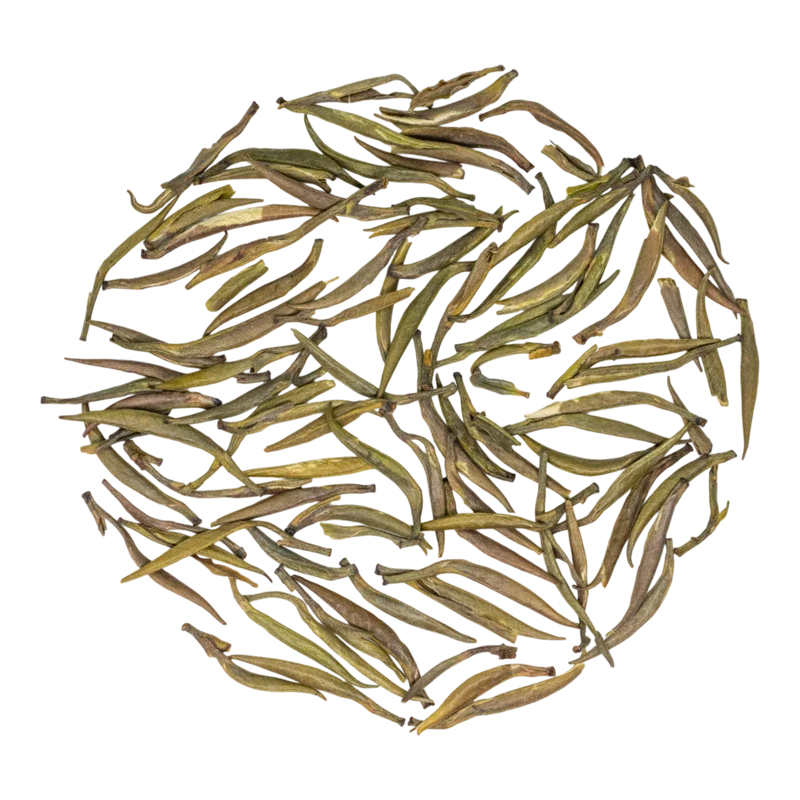
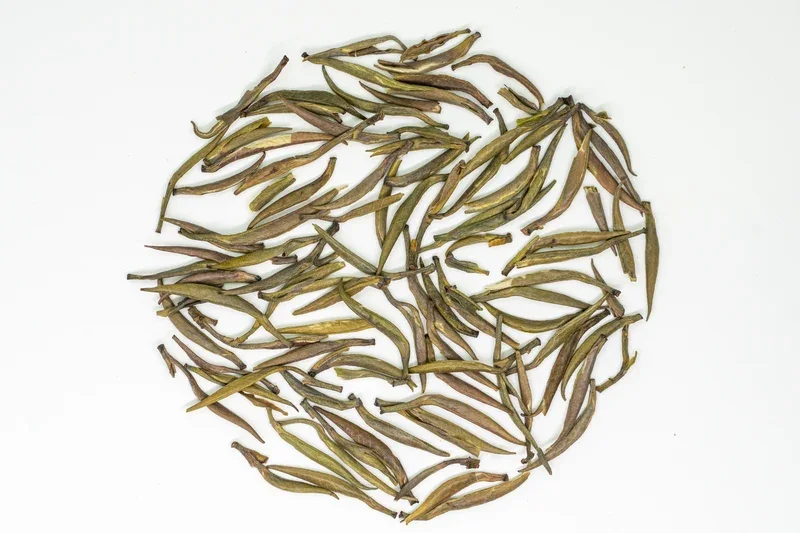
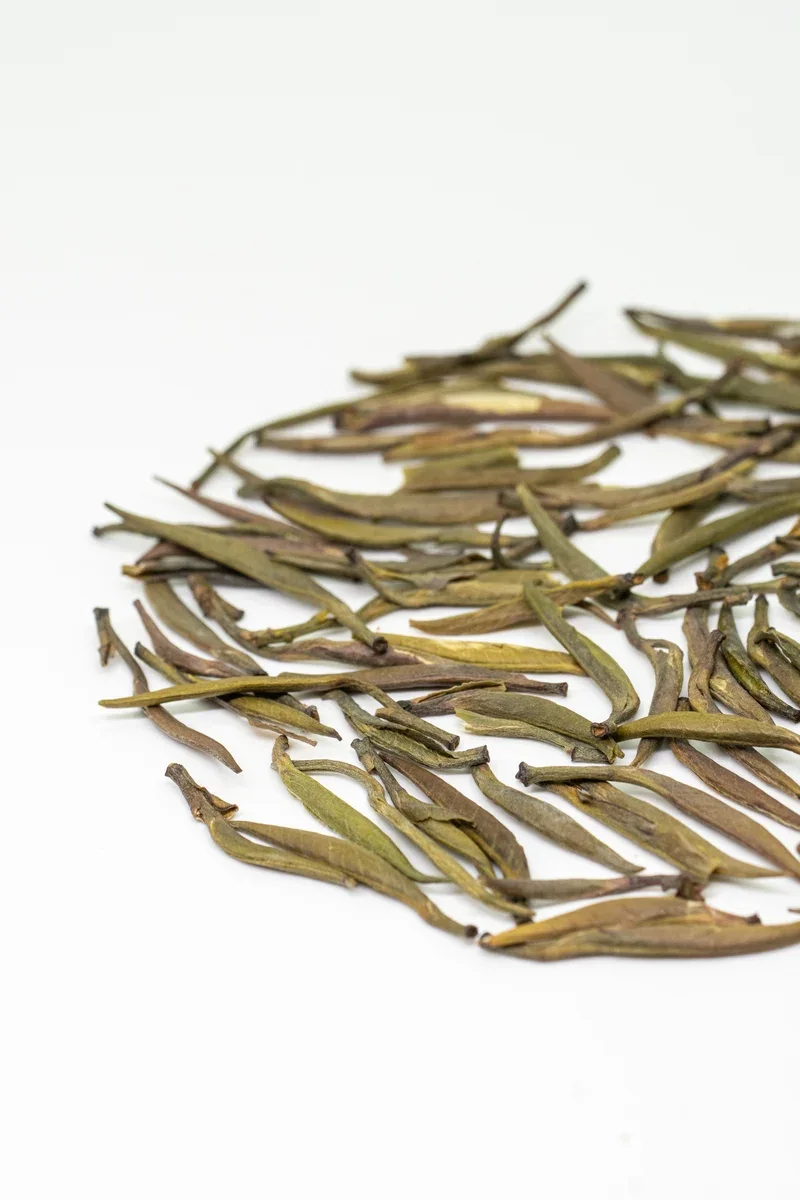
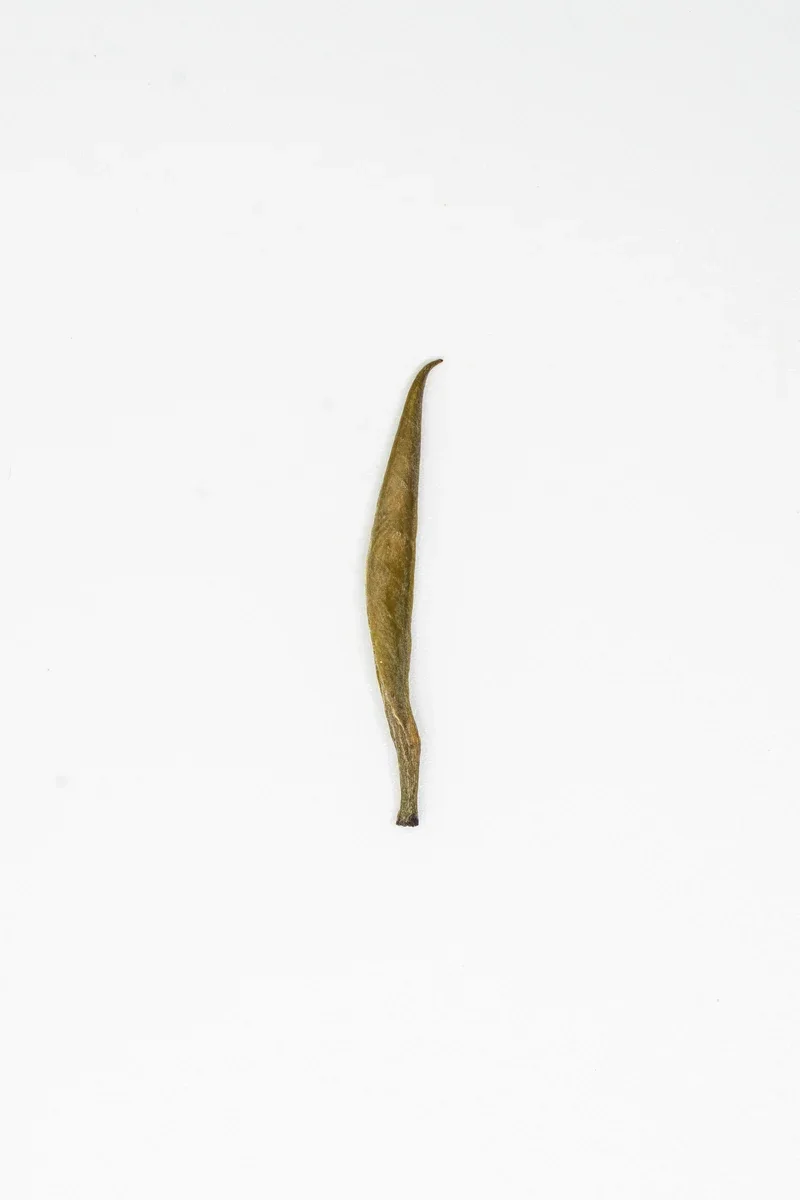
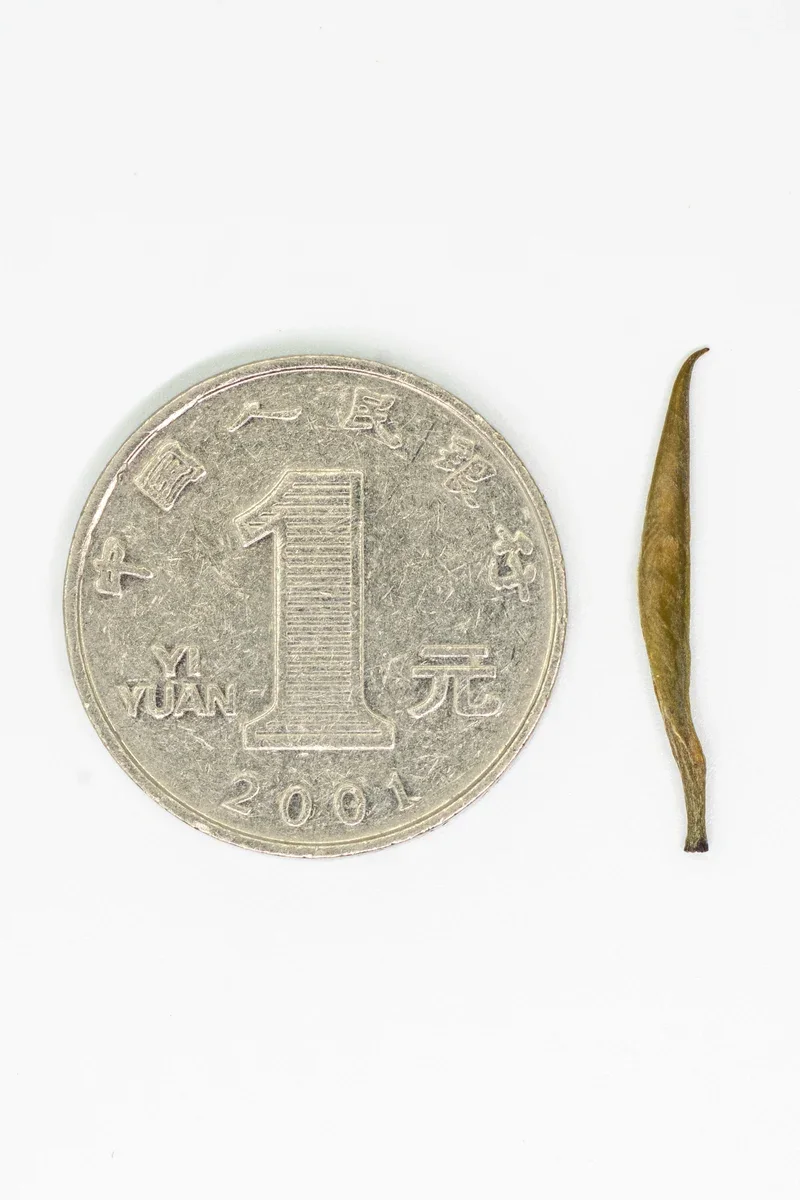
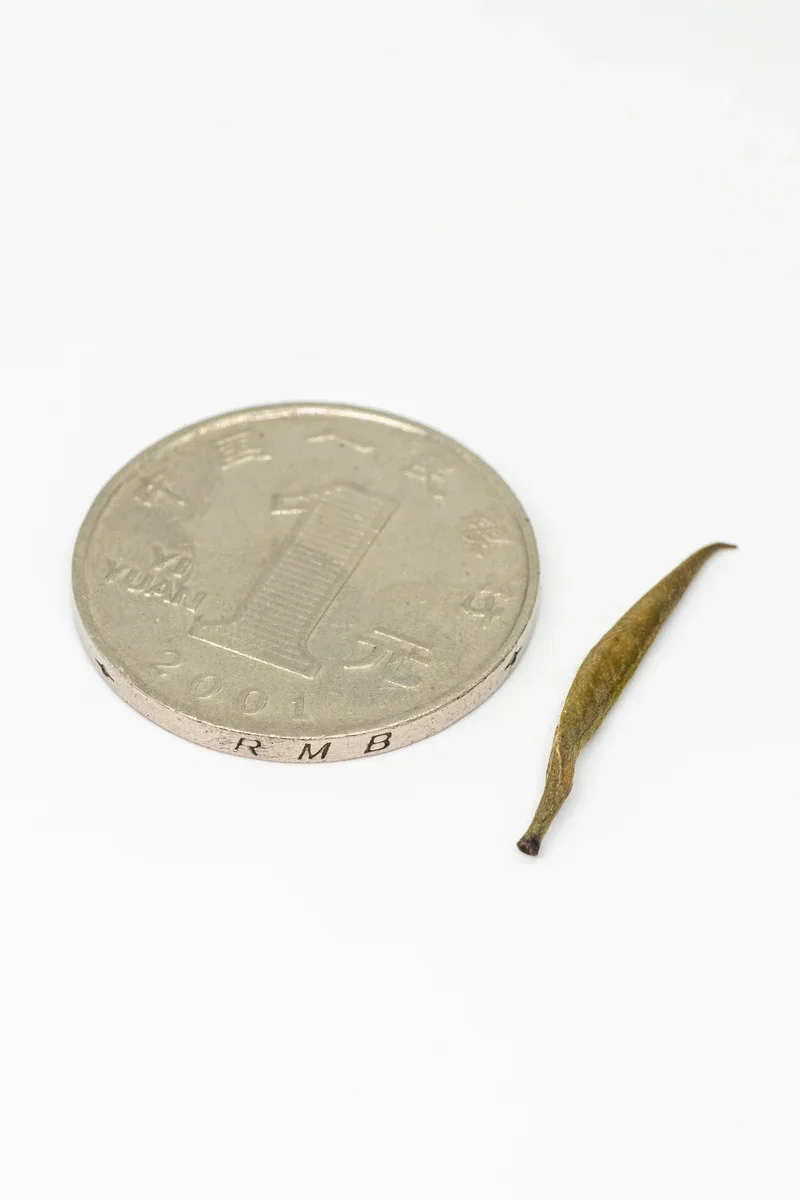
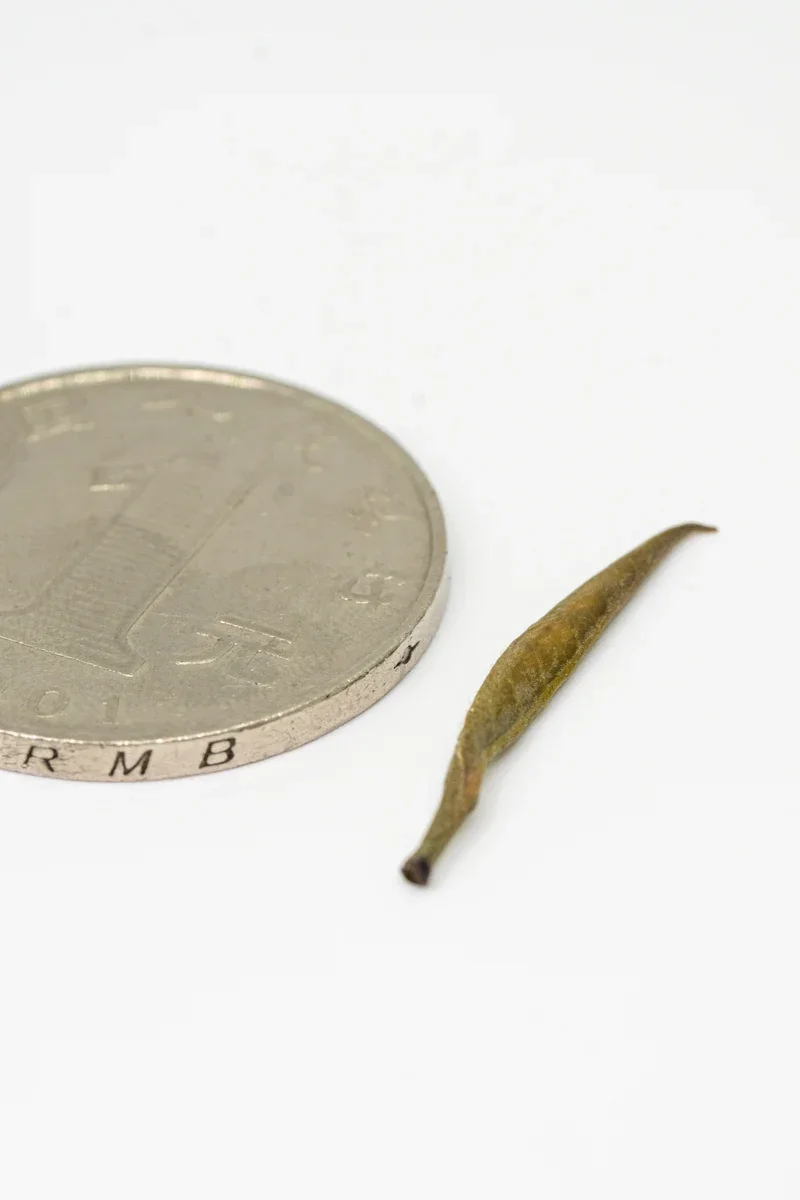
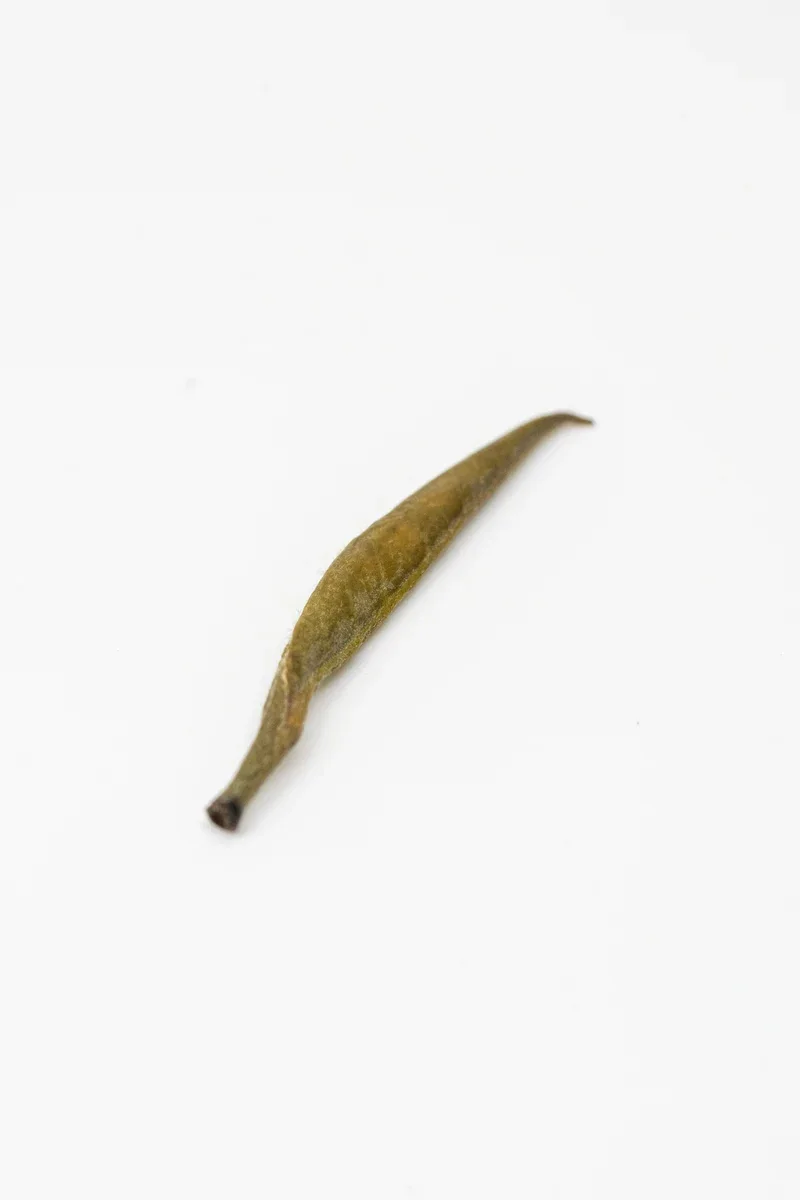
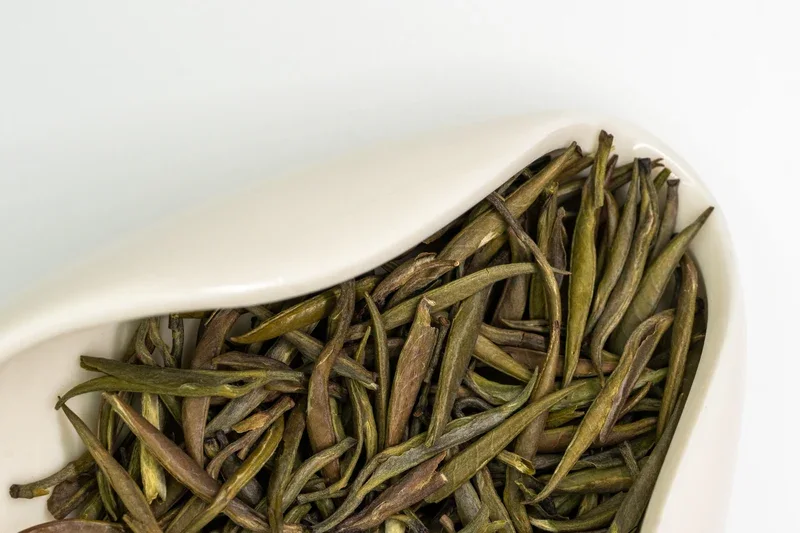
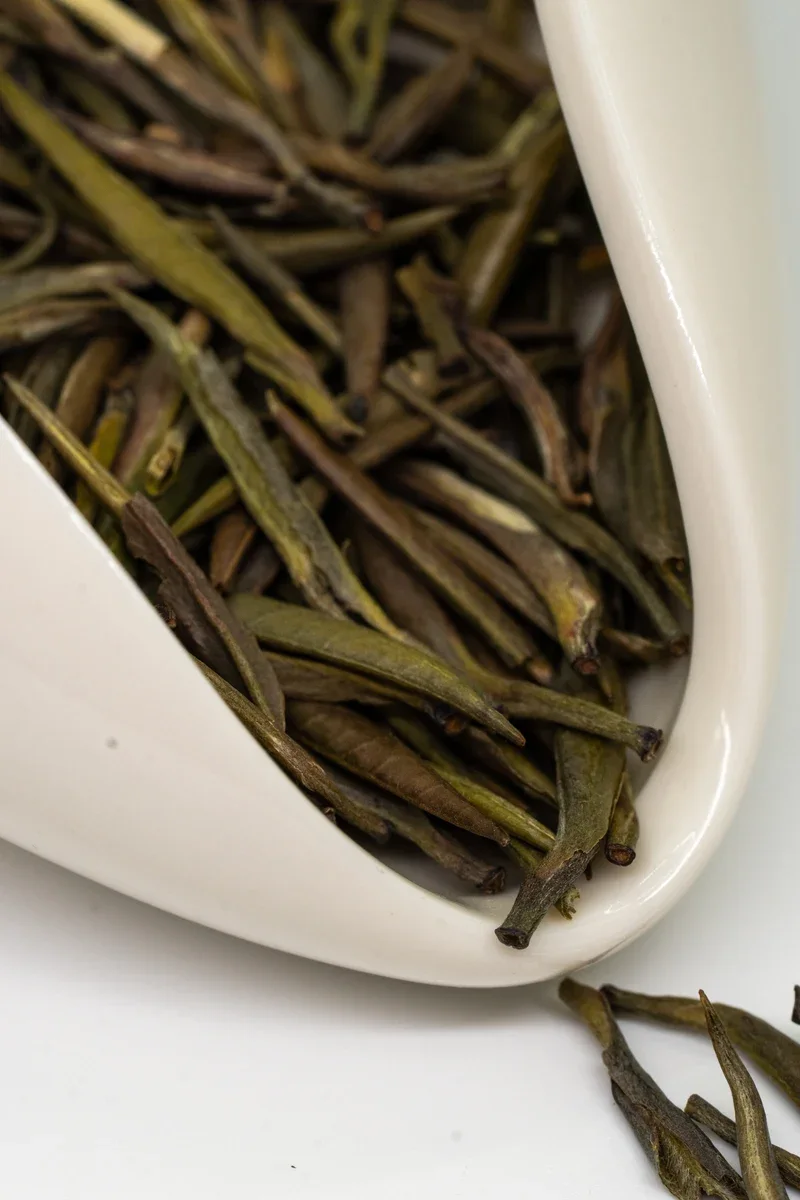
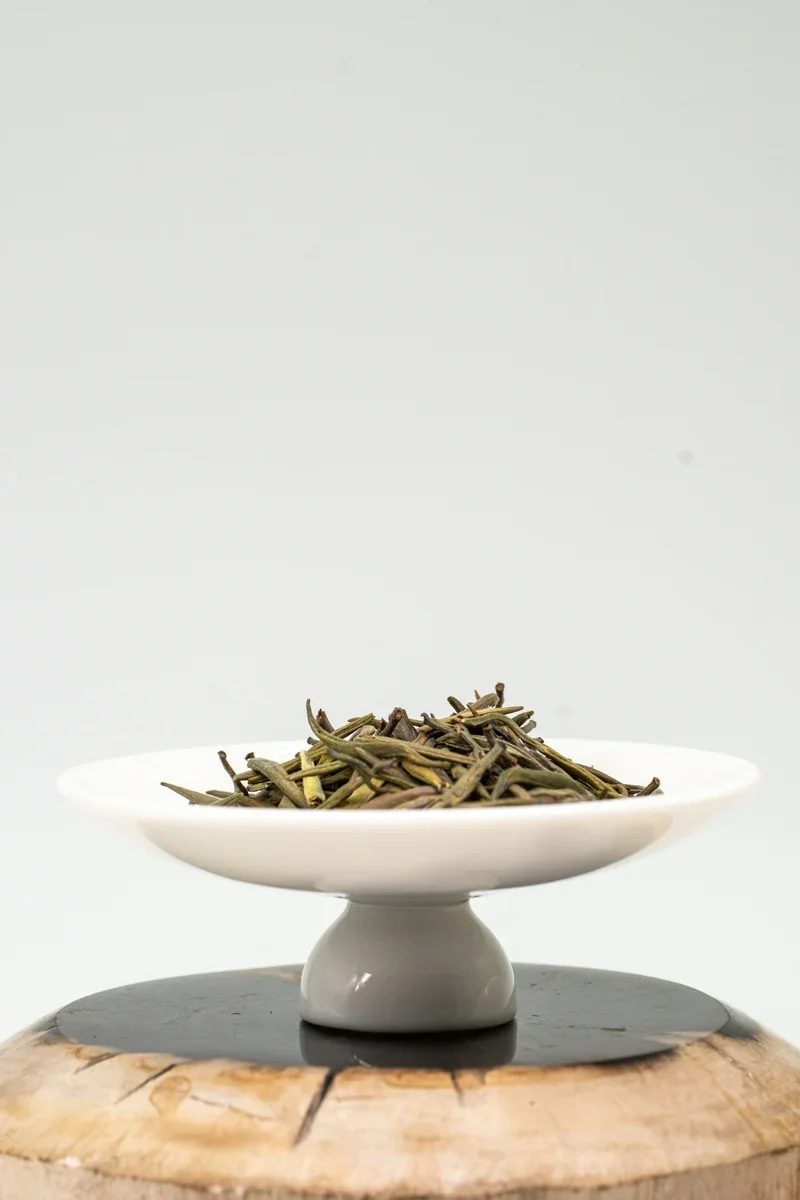
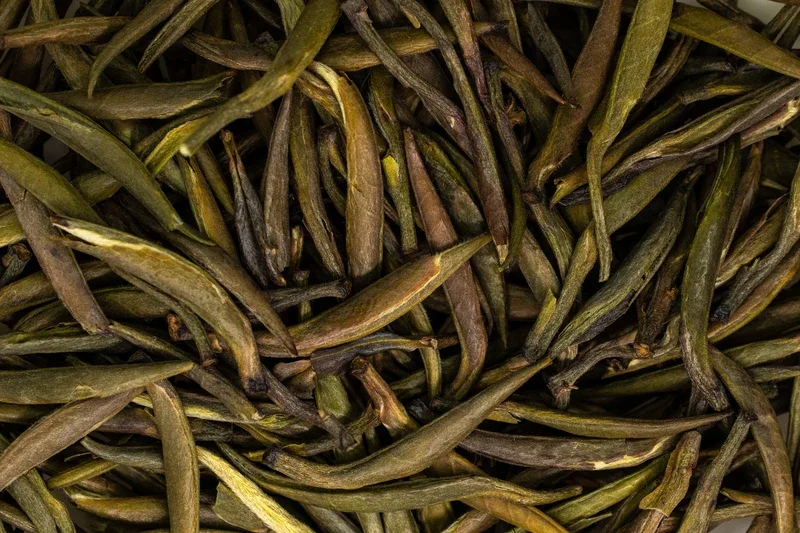
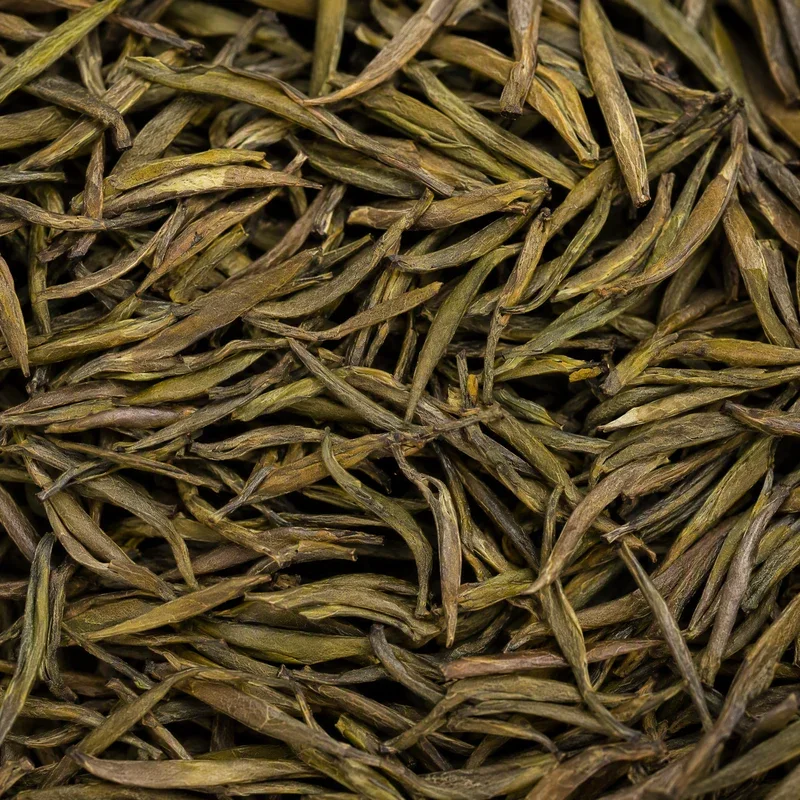
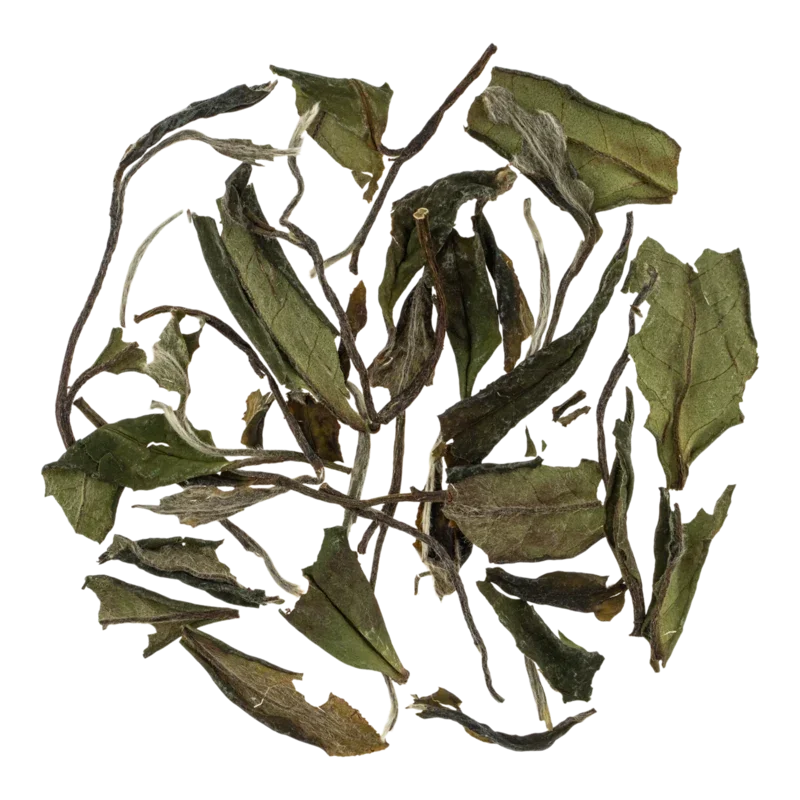
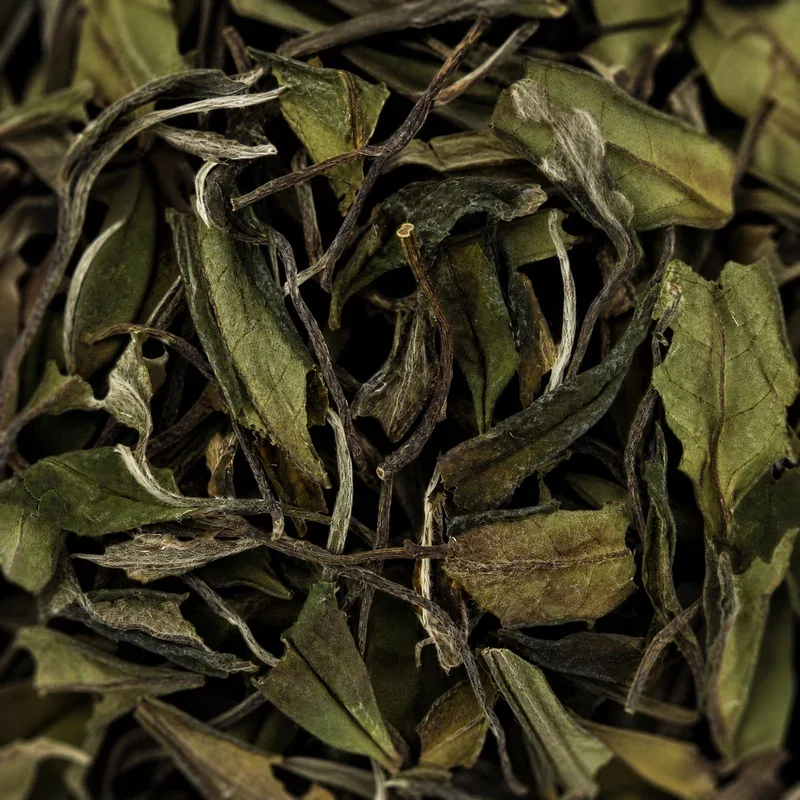
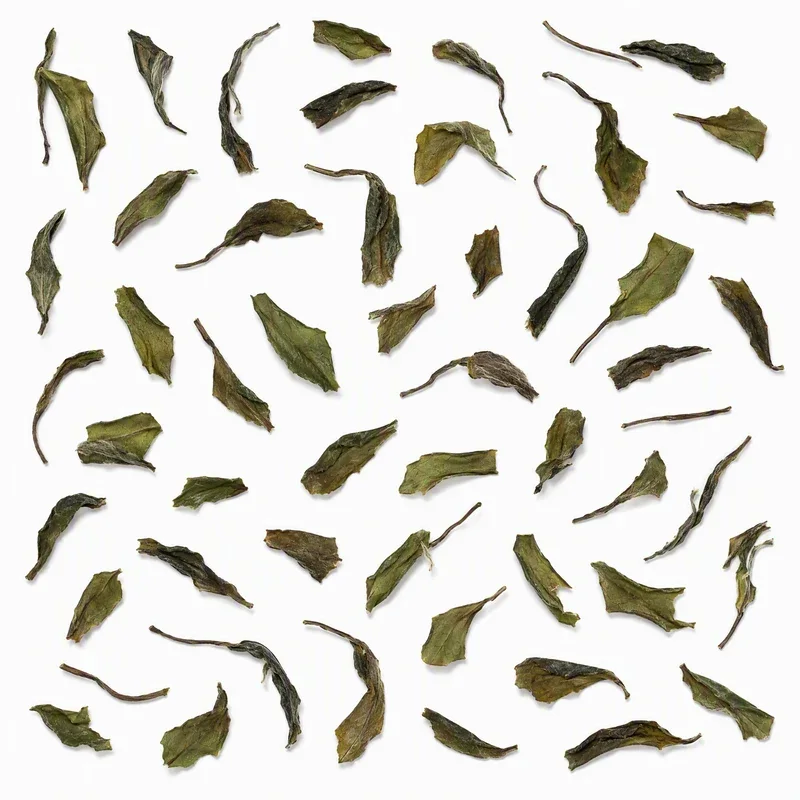
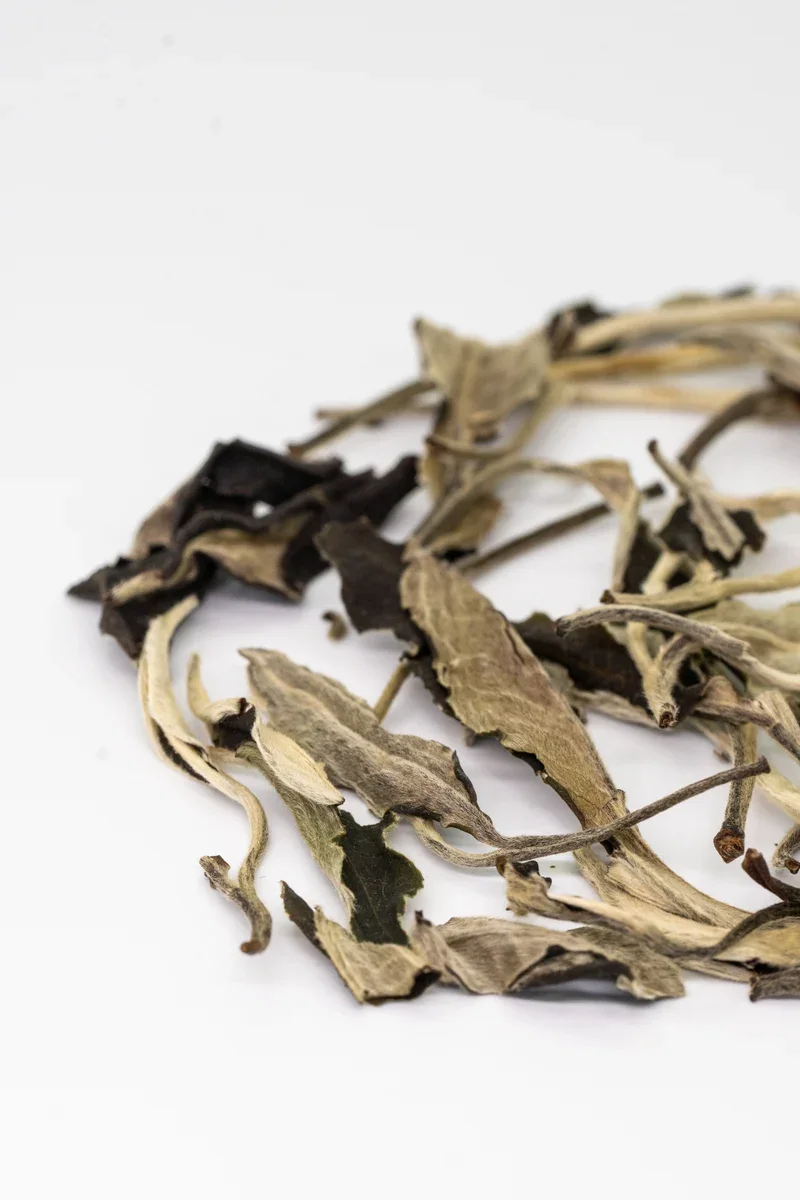
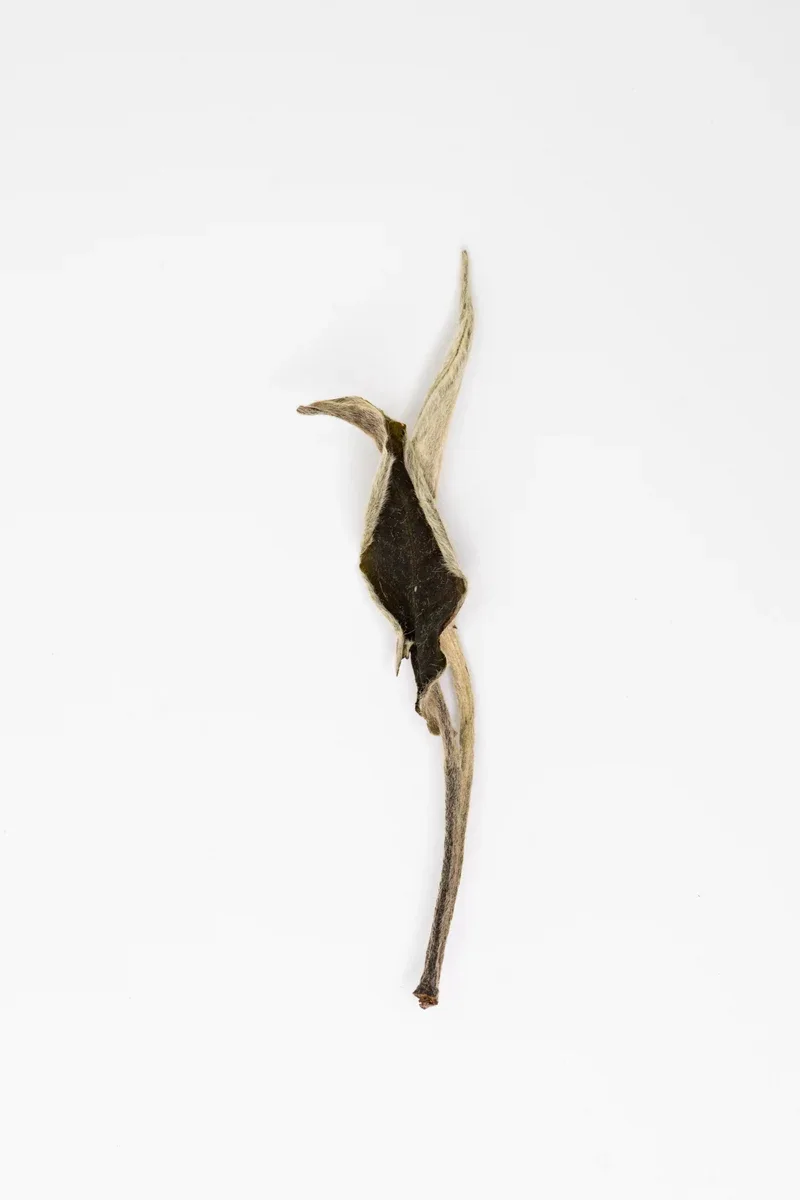
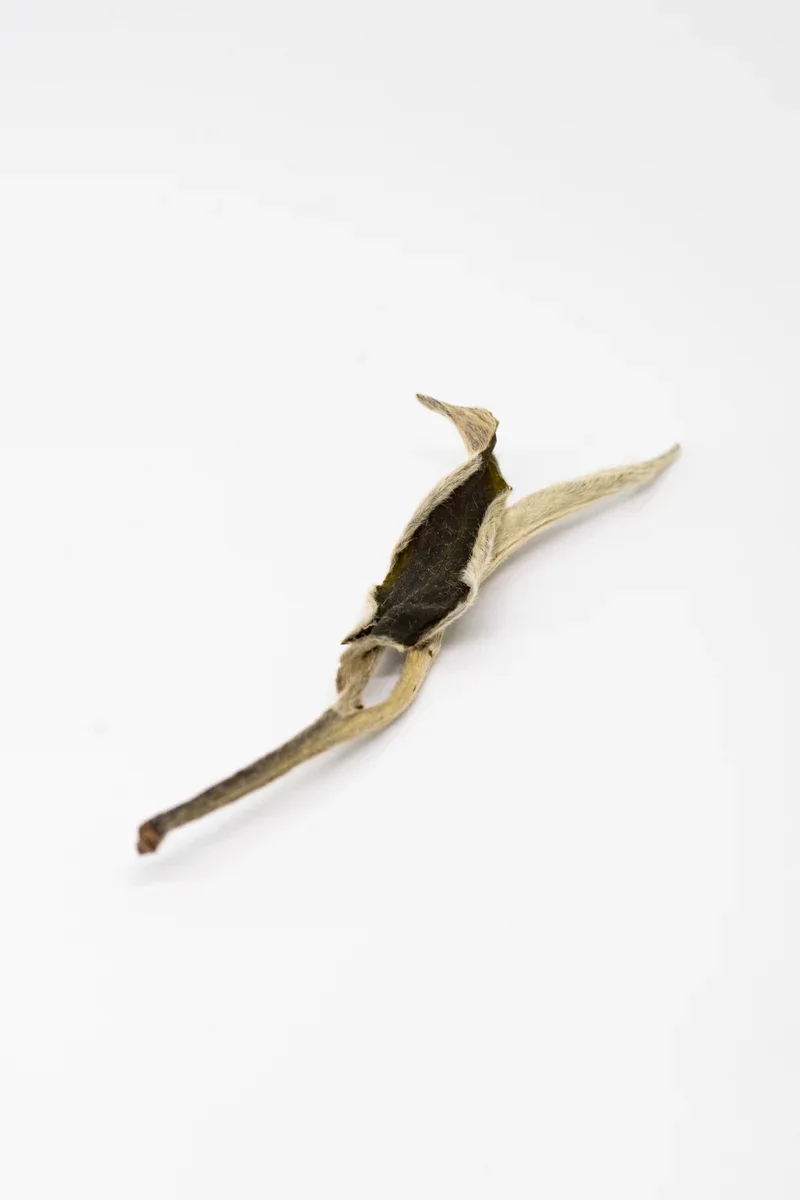
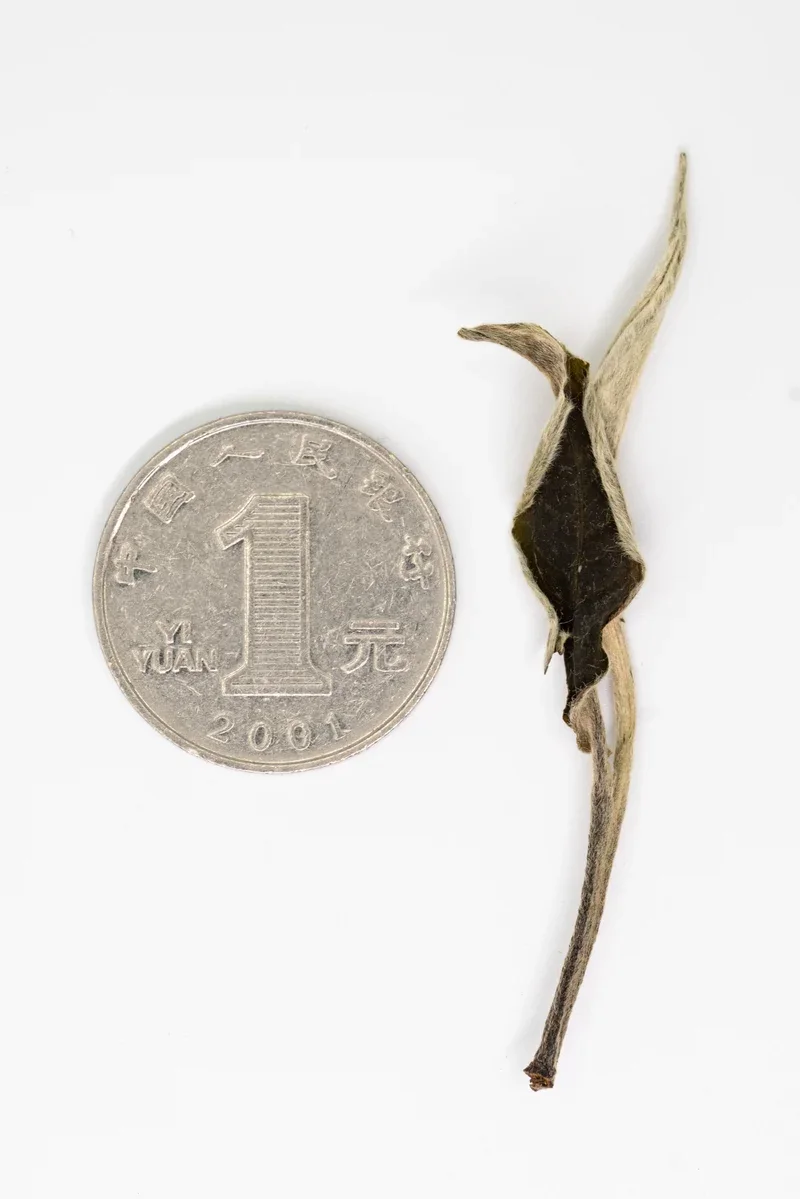
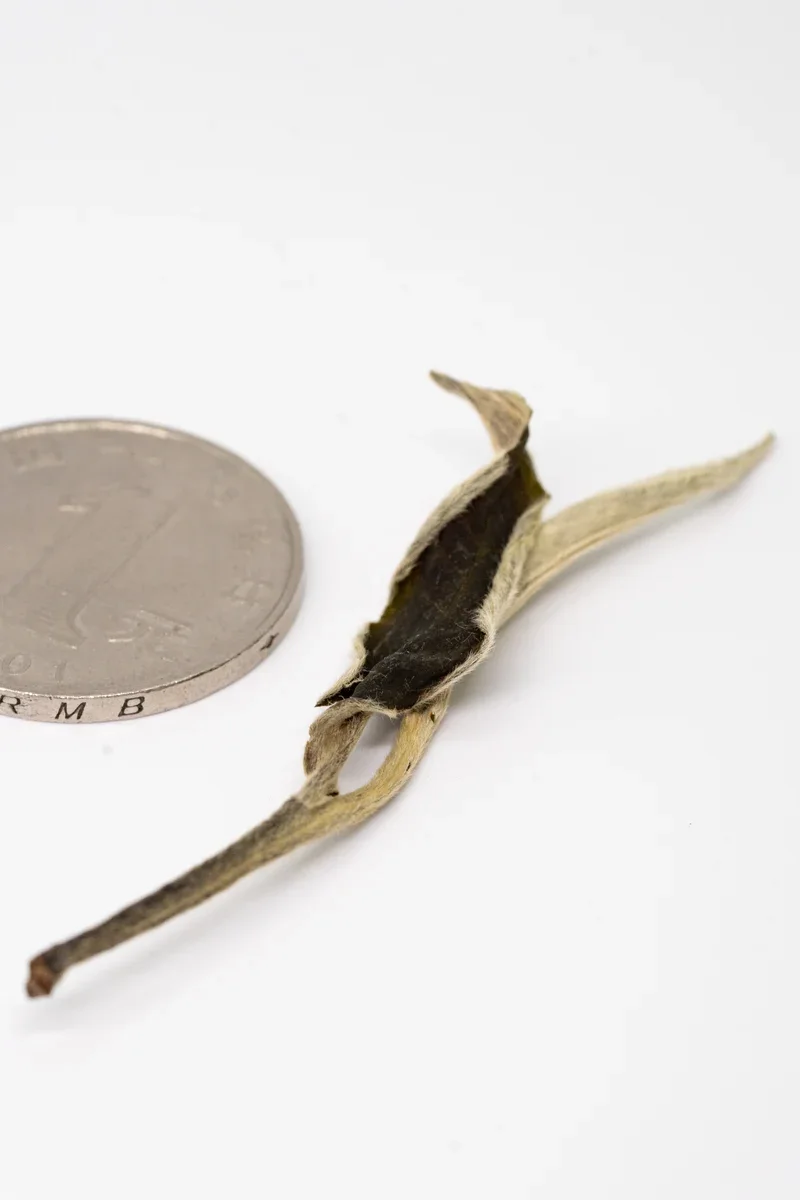
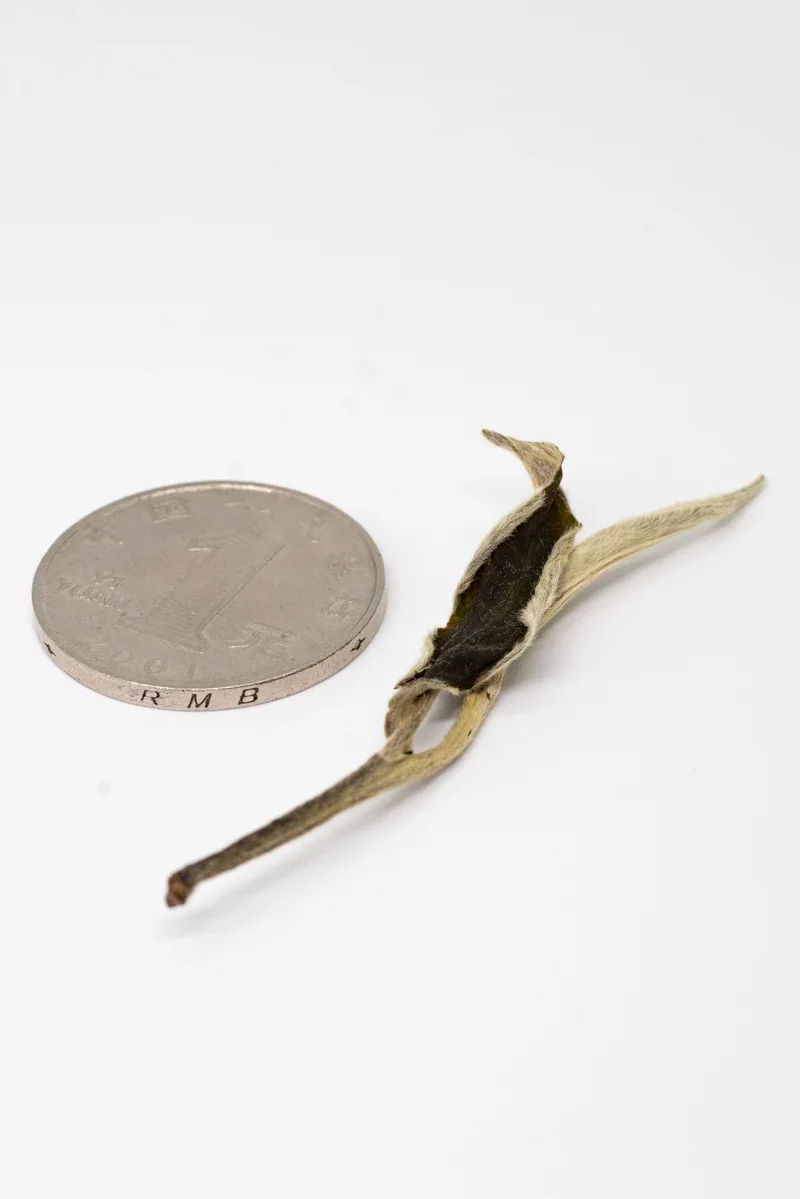
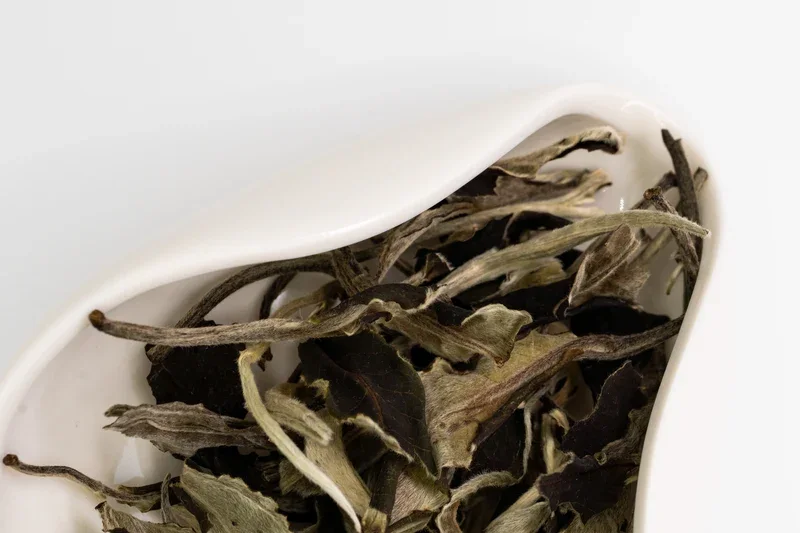
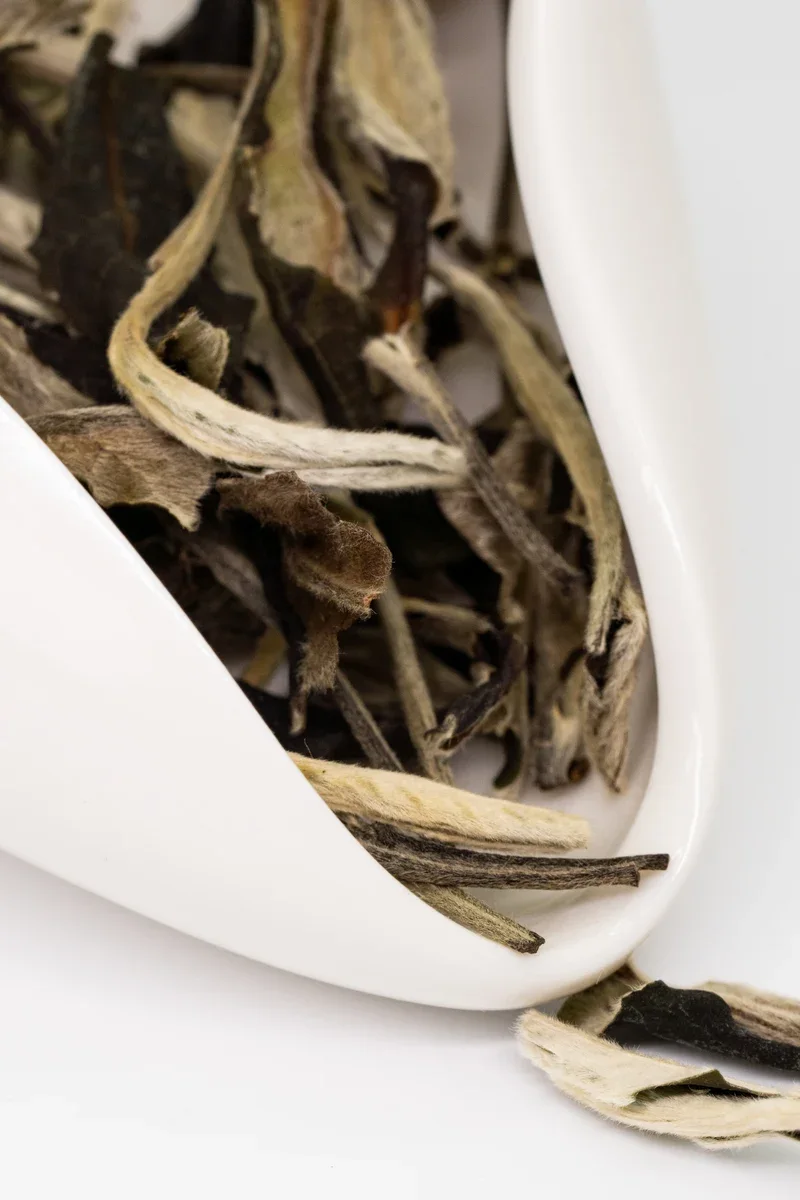
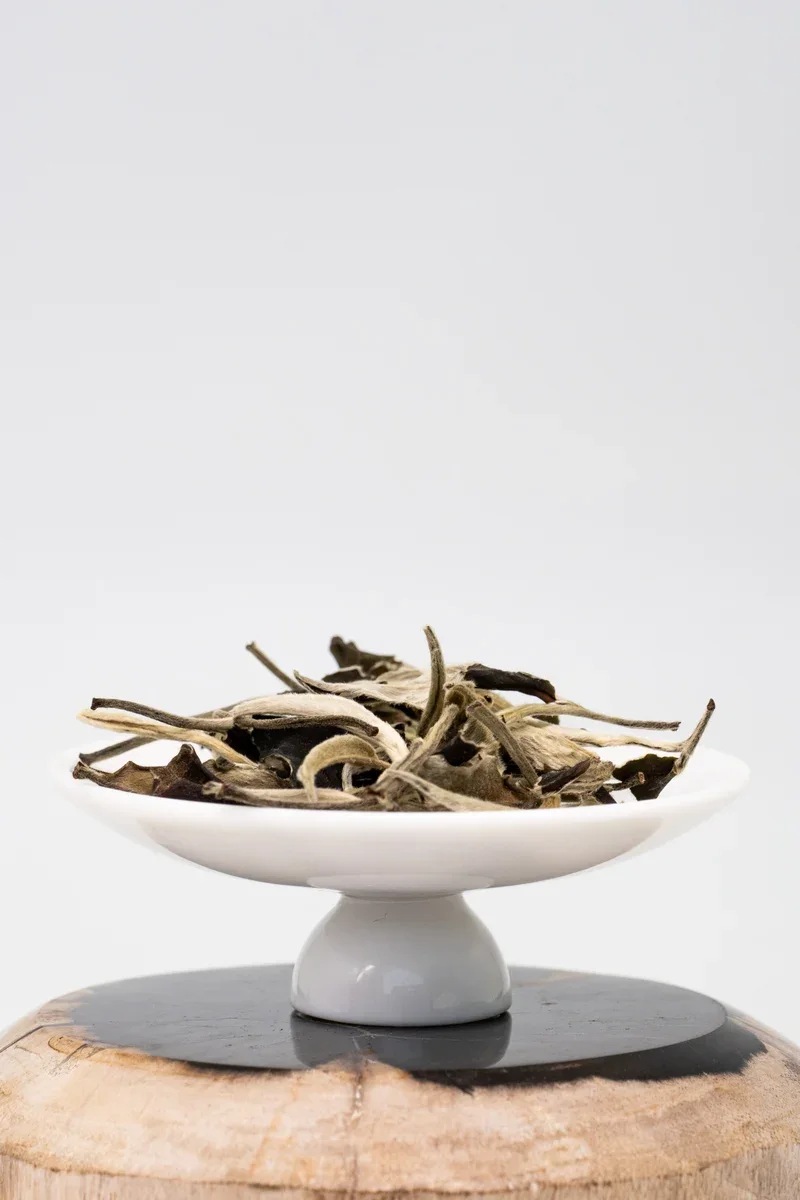
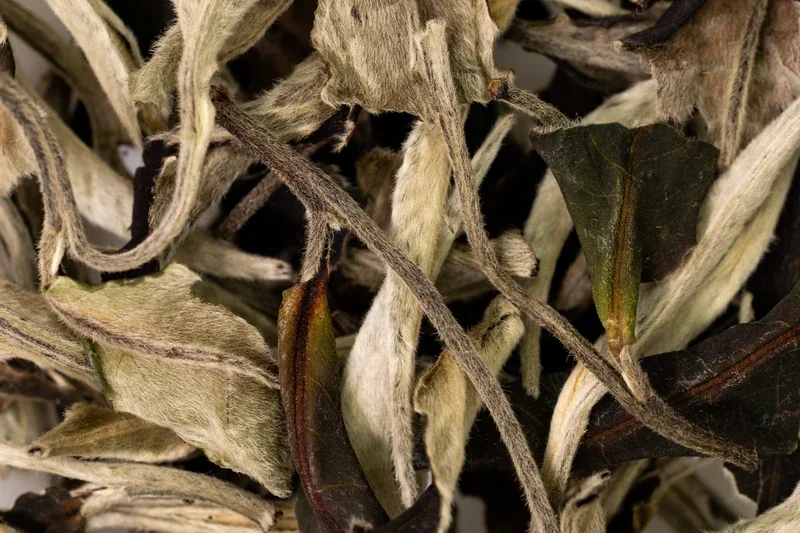
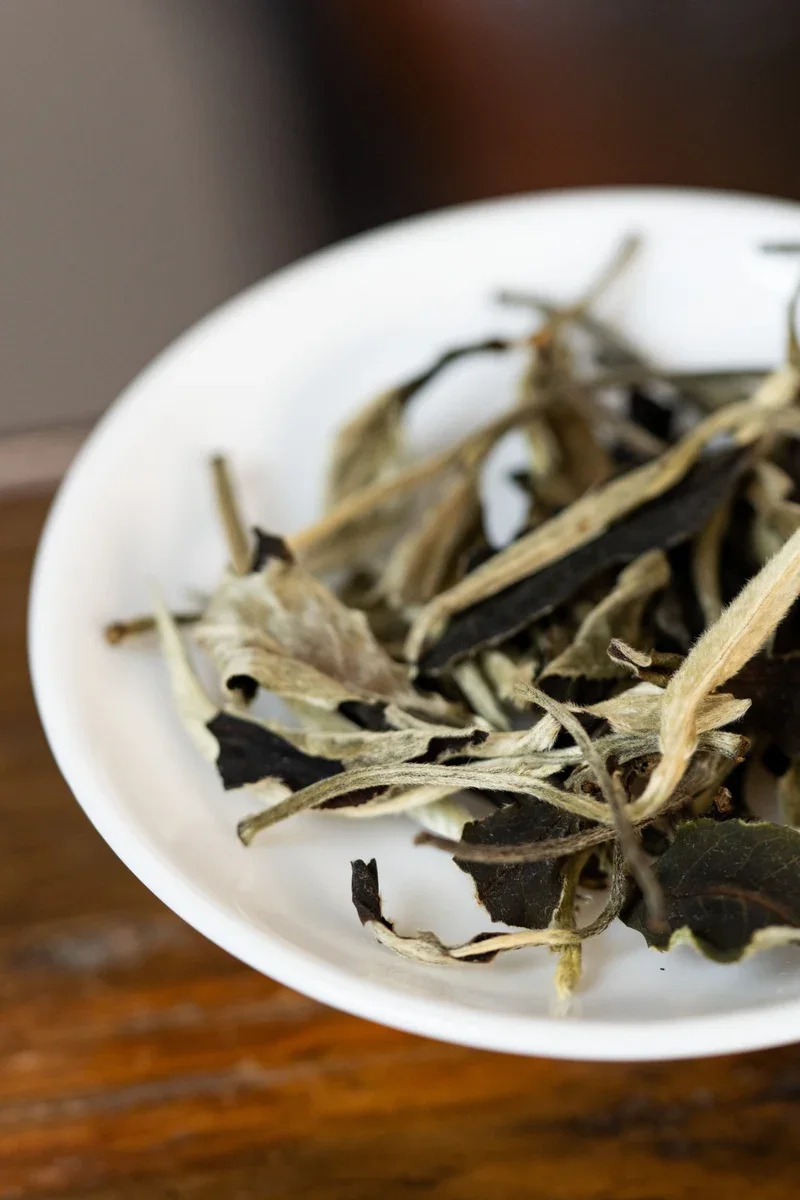
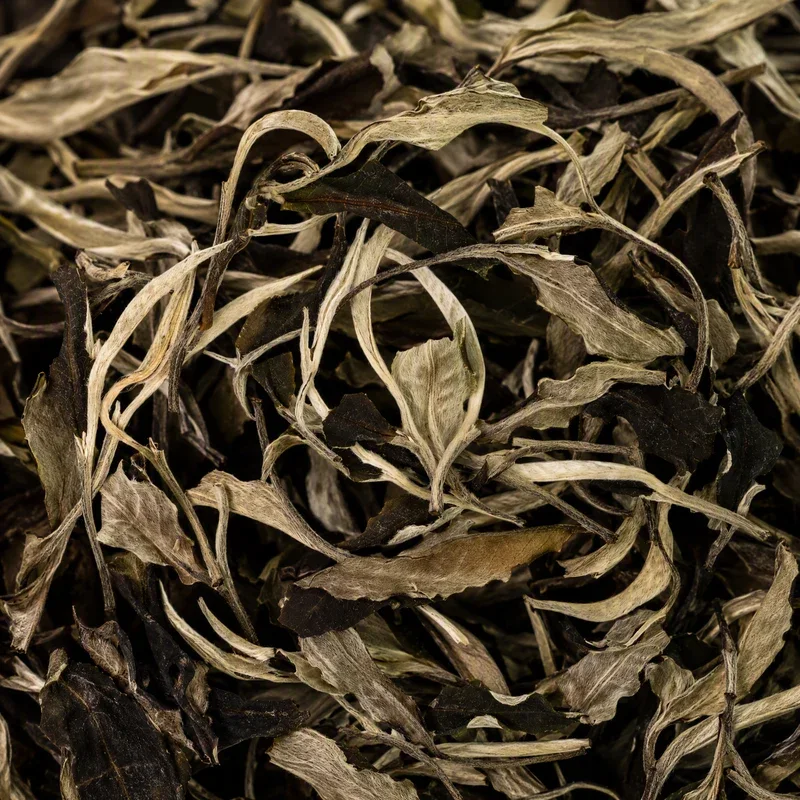
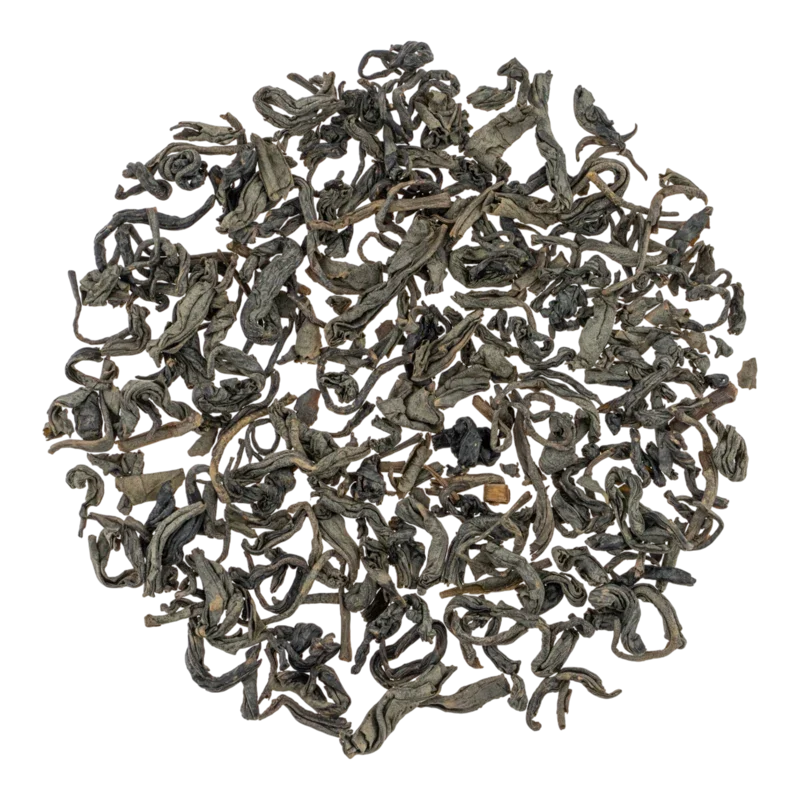
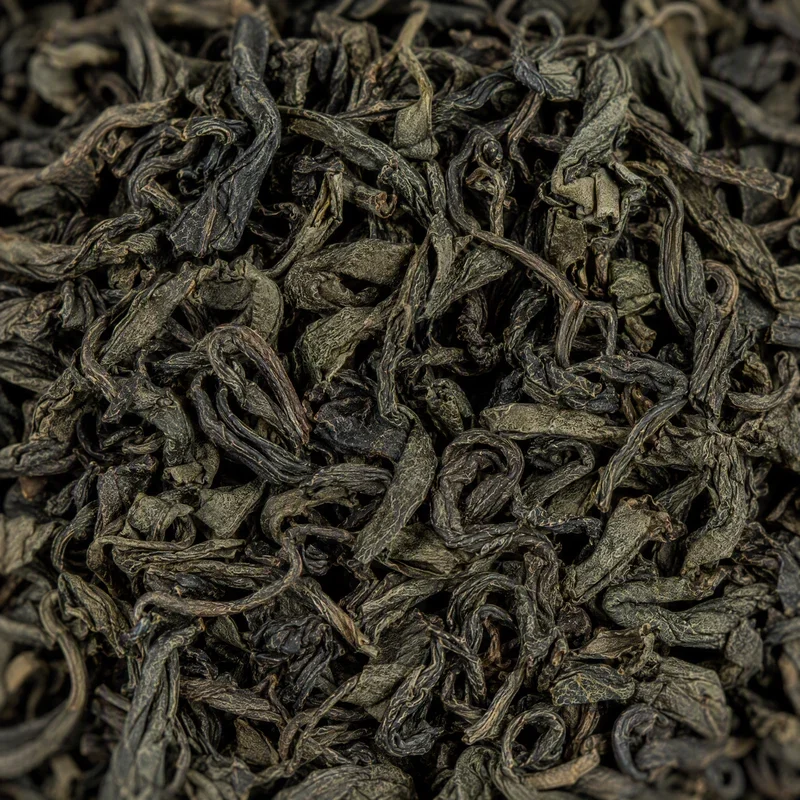
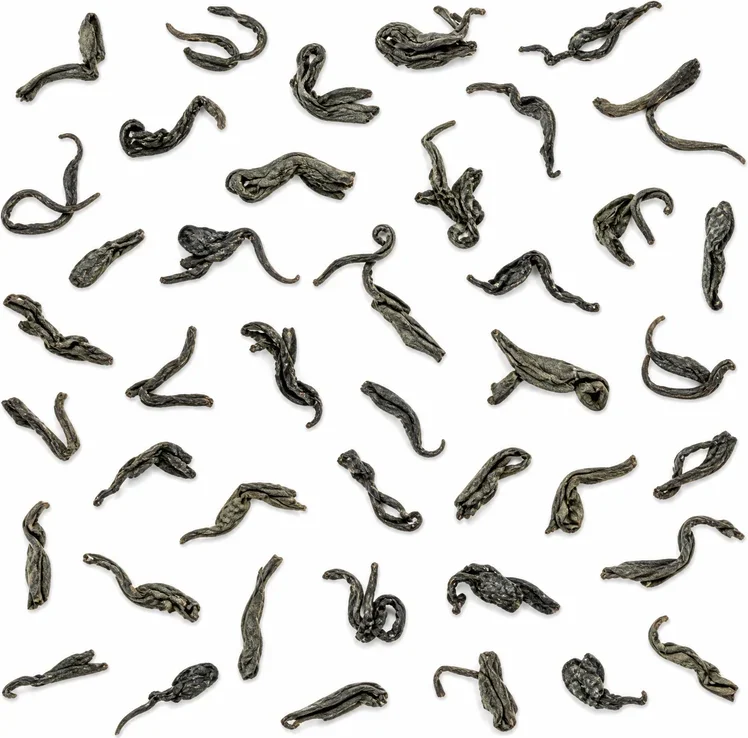
Dry Leaf Appearance: Varies from large, slightly twisted shoots (Xianrencha) to more compact, tightly rolled leaves (Jinxuan, groups). Color — from gray-green to bright dark green, with visible down on buds.
Dry Leaf Aroma: Fresh, clean, with chestnut notes (栗香). Hengkeng tea — honey tones; Xianrencha — pronounced caramel tone (焦糖香) with fruity undertone.
Liquor Aroma: High, bright, persistent. Chestnut base, floral tones (especially autumn harvest), fresh "greenness" of spring batches.
Liquor Color: Yellow-green to bright green, transparent and clear.
Spent Leaves: Tender, even, elastic leaves of bright green color. Xianrencha — noticeably larger, with characteristic concave leaf profile (resembles miniature "bowl"); underside may have reddish tint (红茵色).
Taste: Rich, full, yet without roughness. Characteristic formula: "甘而不苦,浓而不涩" — "sweet but without bitterness; dense but without astringent tartness". Hengkeng cha — honey sweetness, long returning aftertaste (回甘). Xianrencha — light initial bitterness with powerful, long return of sweetness. High-altitude batches demonstrate "gaoshan yun" (高山韵, "mountain melody").
Alkaloids: Caffeine — standard content (around 2.5–4% of dry mass). Xianrencha is distinguished by increased content of esterified catechins, which is connected with the strength of returning sweetness (回甘).
Amino Acids: Increased content in high-altitude batches (especially spring) due to cloud shading, low night temperatures and slowed vegetation. L-theanine — main carrier of sweetness and umami.
Essential Oils: Linalool, geraniol, nerolidol, phenylacetaldehyde. Xianrencha — pronounced caramel-fruity aromatic profile, connected with unique genotype.
Minerals: Potassium, magnesium, manganese, zinc, iron. Teas from areas with Danxia geology may contain increased amounts of microelements.
Polyphenols: Content in green tea from Huidong — around 18–25% of dry mass, characteristic for South Chinese green teas based on large-leaf and medium-leaf varieties. Main ones — catechins (EGCG, ECG, EC, EGC), providing astringency and antioxidant activity.
Vitamins: Vitamin C (well preserved with traditional wok firing), B vitamins, β-carotene.
High catechin content provides powerful neutralizing action against free radicals.
Combination of caffeine and L-theanine gives mild, prolonged alertness without sharp peaks. Local tradition notes effectiveness of Xianrencha in heat and heavy physical work for preventing heat stroke.
Polyphenols stimulate peristalsis, ease absorption of fatty food. In local practice Xianrencha is used for loss of appetite and GI discomfort.
Regular green tea consumption is associated with lowering LDL levels and maintaining vascular elasticity.
Complex of vitamins (C, B group), minerals and polyphenols has general strengthening action.
Catechins stimulate thermogenesis and energy expenditure.
Catechins and tannins suppress growth of pathogenic bacteria in oral cavity and GI tract.
Tea Amount: 3 g per 150 ml (gaiwan, flash steeping method); 2–3 g per 200 ml (glass, steeping method).
Teaware: Glass cup (for visual enjoyment), porcelain gaiwan (盖碗) or porcelain teapot. For Xianrencha — gaiwan preferable: large leaf opens better in wide vessel.
Water Temperature: 80–90 °C. For delicate spring tea — 80–85 °C; for more mature summer and autumn — 85–90 °C.
Price Category: suspiciously low price for "wild Xianrencha" — sure sign of substitution with ordinary green tea.
authentic Huidong green tea has clean chestnut aroma, often with honey notes. Artificial flavoring — sharp and unstable.
clean, transparent, yellow-green. Cloudy, dull — sign of low quality.
authentic Xianrencha is distinguished by large leaves of characteristic concave shape and reddish underside — this is hard to fake.
No reviews yet. Tell us what you think of this tea.
Rate this tea and share your impressions. We review each submission before publishing it.