Brewing
Gongfu brewing
- Water temperature
- 92 °C
- Tea amount
- 6 g
- Water volume
- 100 ml
- First steep
- 10 s
- Time added per infusion
- 5 s
- Infusions
- 8

guìhuā xiāng dāncóng
Choose a brewing method. Start with the recommended quantities and time, then adjust to taste.
Brewing
Brewing
Taste
Tea encyclopedia
Category: Guangdong oolongs. Fènghuáng Dāncóng (凤凰单丛, Fènghuáng Dāncóng) — one of the ten classical floral-honey aromatic types (十大花蜜香型, shí dà huā mì xiāngxíng). Belongs to the precious named clones (珍贵名丛, zhēnguì míngcóng).
Category: Guangdong oolongs. Fènghuáng Dāncóng (凤凰单丛, Fènghuáng Dāncóng) — one of the ten classical floral-honey aromatic types (十大花蜜香型, shí dà huā mì xiāngxíng). Belongs to the precious named clones (珍贵名丛, zhēnguì míngcóng).
Coordinates: Approximately 23°52′ N, 116°43′ E (Wudongshan, Fenghuangshan peak).
Origin: China, Guǎngdōng Province (广东省, Guǎngdōng shěng), Cháozhōu City (潮州市, Cháozhōu shì), Chao'an District (潮安区, Cháo'ān qū), Fènghuáng Town (凤凰镇, Fènghuáng zhèn), Fenghuangshan mountain range (凤凰山, Fènghuáng shān). The mother tree of Guihuaxiang (桂花香) grows in the tea gardens of Lǐzǎipíng Village (李仔坪村, Lǐzǎipíng cūn) in Wūdǒng Administrative Area (乌岽管区, Wūdǒng guǎnqū) — the high-altitude core of the Fenghuang tea region. In 2010, Fènghuáng dāncóng received the status of a product with protected geographical indication (地理标志产品, dìlǐ biāozhì chǎnpǐn).
Type: Oolong (semi-oxidized tea, 青茶, qīngchá). Oxidation level — medium and medium-high, approximately 30–50%, with final roasting (焙火, bèihuǒ) of varying intensity depending on the producer's style.
Cultural Significance: Gui Hua Xiang Dancong occupies a special place among the ten classical aromas: if Mi Lan Xiang is the most widespread and accessible, and Yá Shì Xiāng (鸭屎香, "duck shit") is the most fashionable, then Gui Hua Xiang is one of the most refined and literary. Osmanthus in Chinese culture is inseparably linked with autumn, full moon, and poetic solitude: its aroma is one of the "four noble scents" (四大香花, sì dà xiānghuā) alongside orchid, plum, and lotus. Tea that reproduces this aroma without a single petal is perceived by Chaozhou tea masters as the highest manifestation of the principle "nature surpasses craft" (天然胜于人工). In traditional Cháozhōu gōngfu chá (工夫茶, gōngfu chá), Fenghuang dancongs — including Gui Hua Xiang — are the main tea served to guests; this ritual is included among China's intangible cultural heritage objects.
History: The history of Fenghuang dancong is inseparable from the legend of the last emperor of Southern Song — Zhào Bǐng (赵昺, Zhào Bǐng), who, fleeing south from Mongol conquerors at the end of the 13th century, allegedly stopped at Mount Wudong. To the emperor, exhausted by thirst, local residents offered an infusion from red leaves of a wild tea tree; the drink quenched his thirst and restored his strength, after which the emperor named the tree "Song Zhong" (宋种, Sòng zhǒng — "Song breed"). Legend also states that the tea was brought by the "phoenix bird" (凤凰, phoenix), from which came the second historical name — "niaozui cha" (鸟嘴茶, niǎozuǐ chá — "tea from bird's beak").
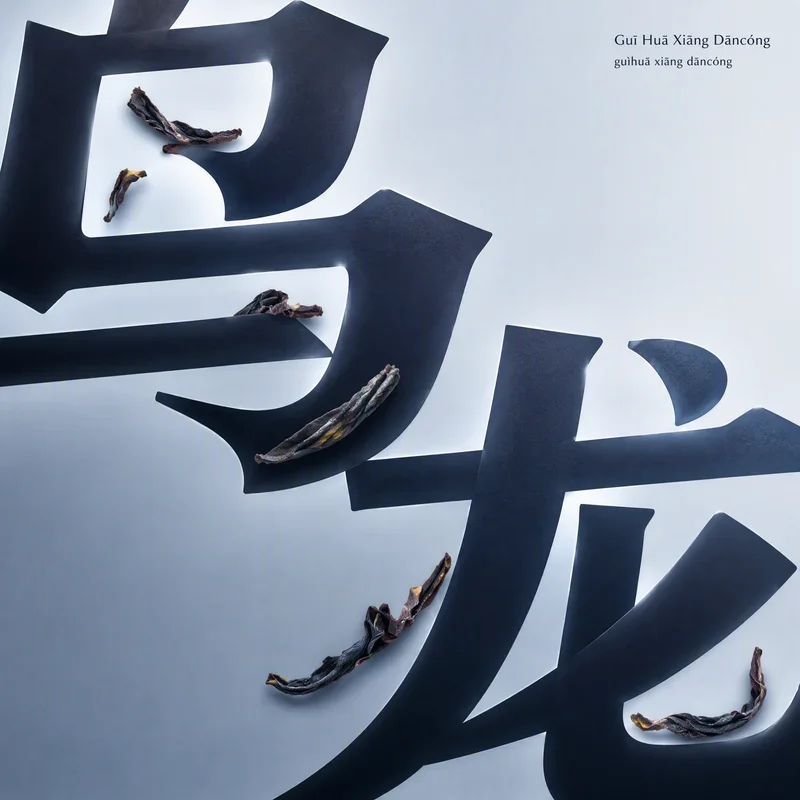
Name Breakdown: "Gui Hua" (桂花, guìhuā) — osmanthus flower (Osmanthus fragrans), one of the most revered aromatic plants in Chinese culture. 桂 (guì) — "cinnamon tree," "osmanthus"; 花 (huā) — "flower." "Xiang" (香, xiāng) — "aroma." "Dancong" (单丛, dāncóng): 单 (dān) — "solitary"; 丛 (cóng) — "bush, cluster." The full name means "dancong with osmanthus flower aroma." The tea is named so because its liquor naturally reproduces the characteristic sweet-spicy aroma of blooming osmanthus — without any flavoring.
Cultivar: Camellia sinensis var. sinensis, Fènghuáng Shuǐxiān group (凤凰水仙, Fènghuáng Shuǐxiān, Hua Cha No. 17, 华茶17号). Guī Huā Xiāng represents a clonal selection (无性株系, wúxìng zhūxì) from this polymorphic population. Life form — semi-arboreal type (小乔木型, xiǎo qiáomù xíng), large-leaf variety (大叶类, dàyè lèi), medium-maturing (中生种, zhōngshēng zhǒng). Leaf elliptical, yellow-green, with pronounced gloss; serration sparse and sharp. Buds and young shoots pale yellow-green, weak pubescence.
Picking: Medium-maturing type — harvest falls 4–5 days after Qīngmíng (清明, Qīngmíng — "Clear Brightness," usually April 4–5), simultaneously with other medium-maturing clones: Yóu Huā Xiāng (柚花香), Jiāng Huā Xiāng (姜花香), Xíng Rén Xiāng (杏仁香). Optimal harvest time — sunny days, from 13:00 to 16:00, when diffused afternoon light creates ideal conditions for subsequent withering.
Pluck Standard: When a "retained bud" (驻芽, zhùyá) forms at the shoot tip — a signal of maturity. Harvest 2–5 leaves per shoot (嫩对夹叶, nèn duìjiā yè). It is fundamentally important not to harvest too tender leaves (excess bitterness, lack of body) and not to allow overmaturity (coarseness, loss of aroma). Only hand harvesting — mechanical harvesting damages leaf integrity and disrupts subsequent oxidation.
Raw Material: Whole, undamaged shoot with evenly developed leaves. Dancongs fundamentally differ from other oolongs in the "one bush — one profile" approach: each tree (or clonal group) is harvested and processed separately to preserve unique character. Mixing raw material from trees of different profiles is inadmissible for dancong-level production; when standards are lowered, the tea transitions to "lan cai" (浪菜, lángcài) or "shuixian" (水仙, shuǐxiān) categories.
Altitude: 800–1,200 m for high-altitude premium raw material. The higher — the more pronounced the "mountain rhyme" (山韵, shānyùn) — that elusive but unmistakably recognizable mineral-honey tone that distinguishes authentic Fenghuang dancong from lowland imitators' production.
Climate: Subtropical monsoon oceanic. Average annual temperature about 20°C, annual precipitation about 1,800 mm. Above 1,000 m altitude — frequent fogs and clouds, significant diurnal temperature variation, abundant dew. These conditions slow vegetation, promoting accumulation of aromatic precursors and amino acids.
Soil: Deep, well-drained, acidic (pH 4.5–5.5). Yellow lateritic soils with high organic content and microelements predominate on Wudong. Characteristic "duck shit soil" (鸭屎土, yāshǐ tǔ) is found in places — yellow clay with white chalk inclusions (mineral salts), which gave its name to the famous Ya Shi Xiang.
Fenghuangshan mountain range — steep slopes covered with subtropical forest, with tea gardens scattered among rocks and trees. Territory greenness constitutes 96.4%, forest coverage — 85.1%. Highest point — Wudongshan (乌岽山, Wūdǒng shān), about 1,498 m. Lizaiping Village, where the mother tree of Gui Hua Xiang grows, is located in the upper part of Wudong.
Hand harvesting of shoots with retained buds, in afternoon hours of sunny days.
Harvested leaves are spread in thin layers on bamboo screens and exposed to diffused afternoon light. Duration — from 20 to 40 minutes depending on sun intensity. Leaves lose primary moisture, color transitions from bright green to dull olive, shoot tips droop. Overdrying or burning must not be allowed — withering quality directly affects aroma purity.
Leaves are moved to a cool shaded room for temperature equalization and moisture redistribution between veins and leaf blade. This is the "passive harmonization" stage, preparing raw material for the active phase.
Key and most complex stage. Guangdong tradition uses the "collision" method (碰青) — manual tossing and shaking of leaves in bamboo baskets or on bamboo screens, alternating with rest periods (静置). Mechanical action destroys cells at leaf edges, releasing polyphenol oxidase and initiating oxidation, but the center of the leaf blade remains green — hence the formula "green stem, green belly, red border" (青蒂绿腹红镶边, qīngdì lǜfù hóng xiāngbiān). For Gui Hua Xiang, the master strives to achieve that delicate oxidation balance where precisely osmanthus notes manifest — linalool (芳樟醇) and its oxides, β-ionone (β-紫罗兰酮) and traces of cis-jasmone (顺式茉莉酮), characteristic components of both osmanthus aroma and this unique tea tree clone. Number of cycles and their duration — each master's secret.
High-temperature treatment in wok or drum. Stops enzymatic oxidation and fixes the achieved aromatic profile.
Longitudinal rolling, forming the tight, straight, heavy strips (条索, tiáosuǒ) characteristic of Guangdong dancongs. Unlike Minnan oolongs (pellets) or Minbei (ribbons), Guangdong style — precisely straight "cords."
Loosening the rolled mass to prevent overheating and ensure even drying.
Primary drying on bamboo screens over charcoal or in electric dryer.
Removal of coarse stems, yellow leaves, and fragments.
Final roasting — "finishing" the tea to the needed degree of readiness. Light roasting preserves freshness of floral aroma; deeper roasting adds honey, caramel notes and increases storage stability. For Gui Hua Xiang, moderate roasting is more often applied, allowing preservation of characteristic "transparency" and "perfumery quality" of osmanthus aroma, without covering it with charcoal tones. After roasting, tea is aged about 15 days for "fire retreat" (退火, tuìhuǒ) and flavor harmonization.
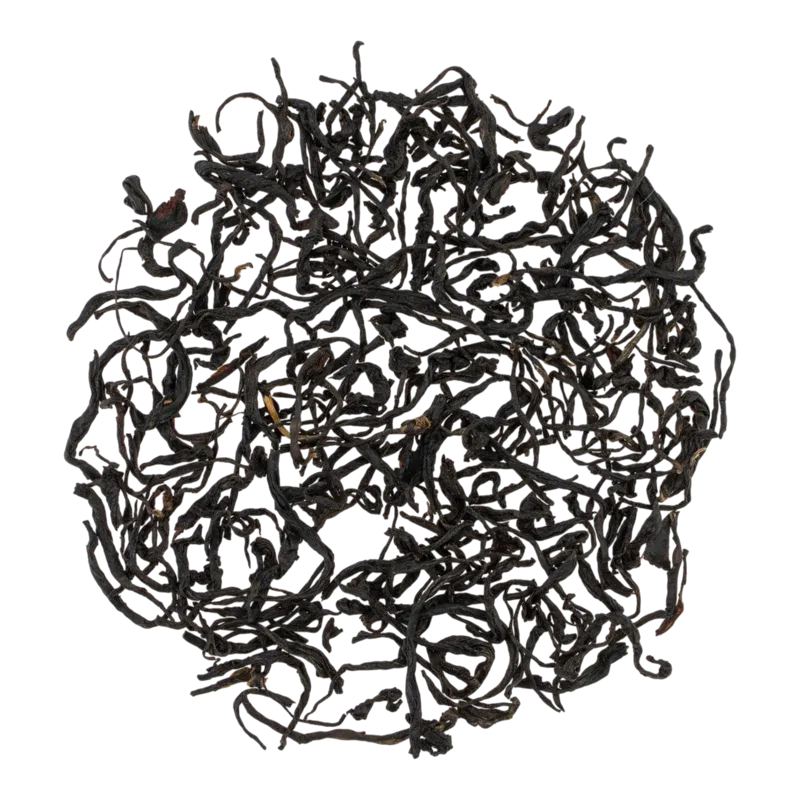
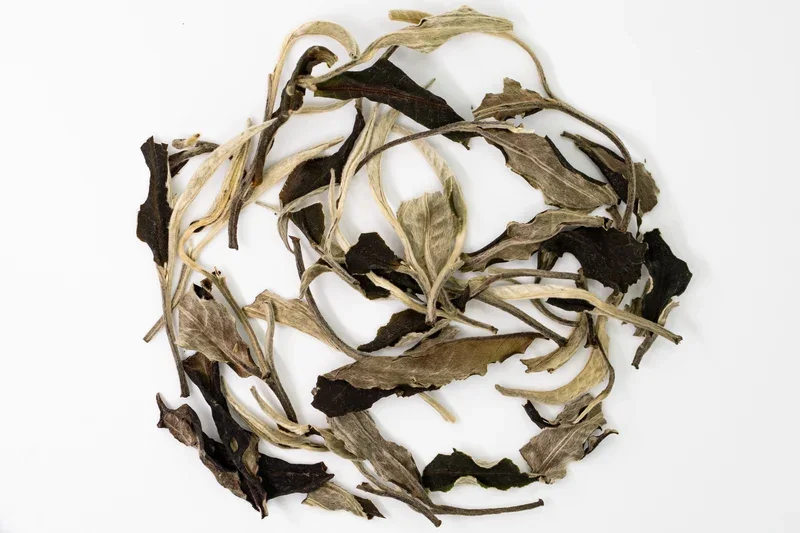
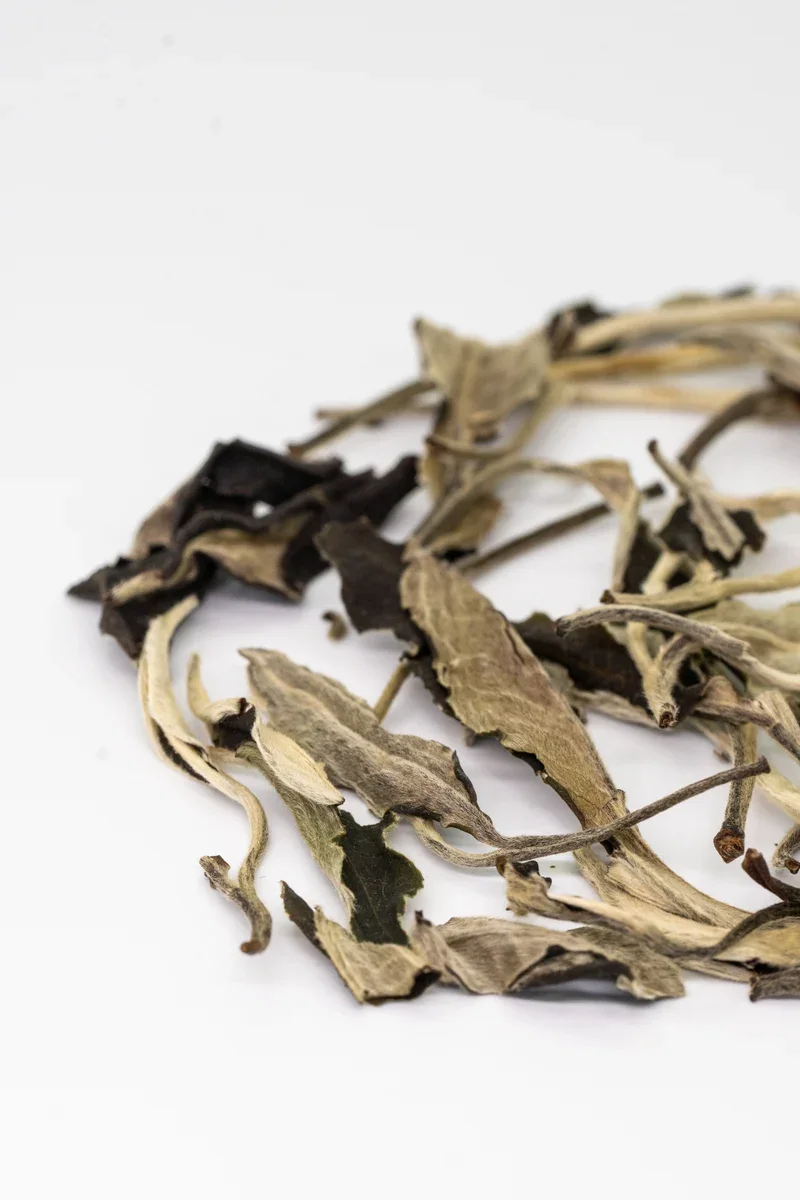
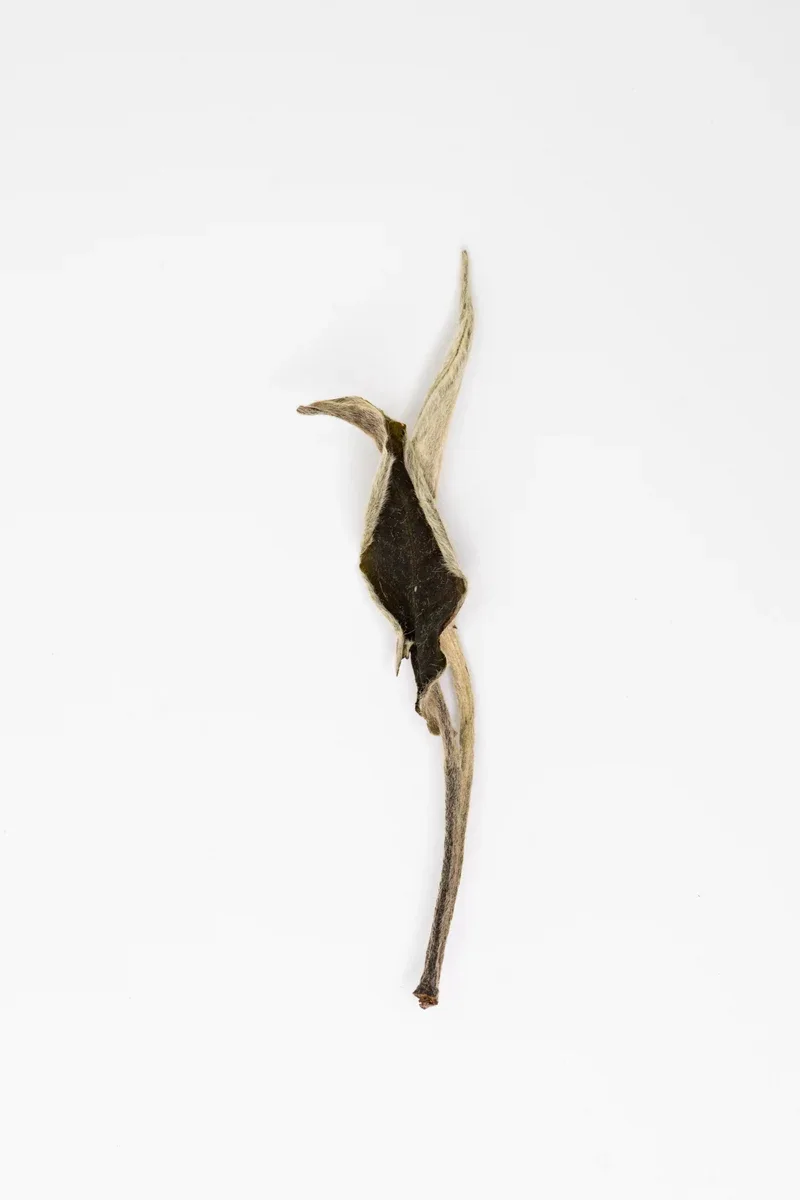
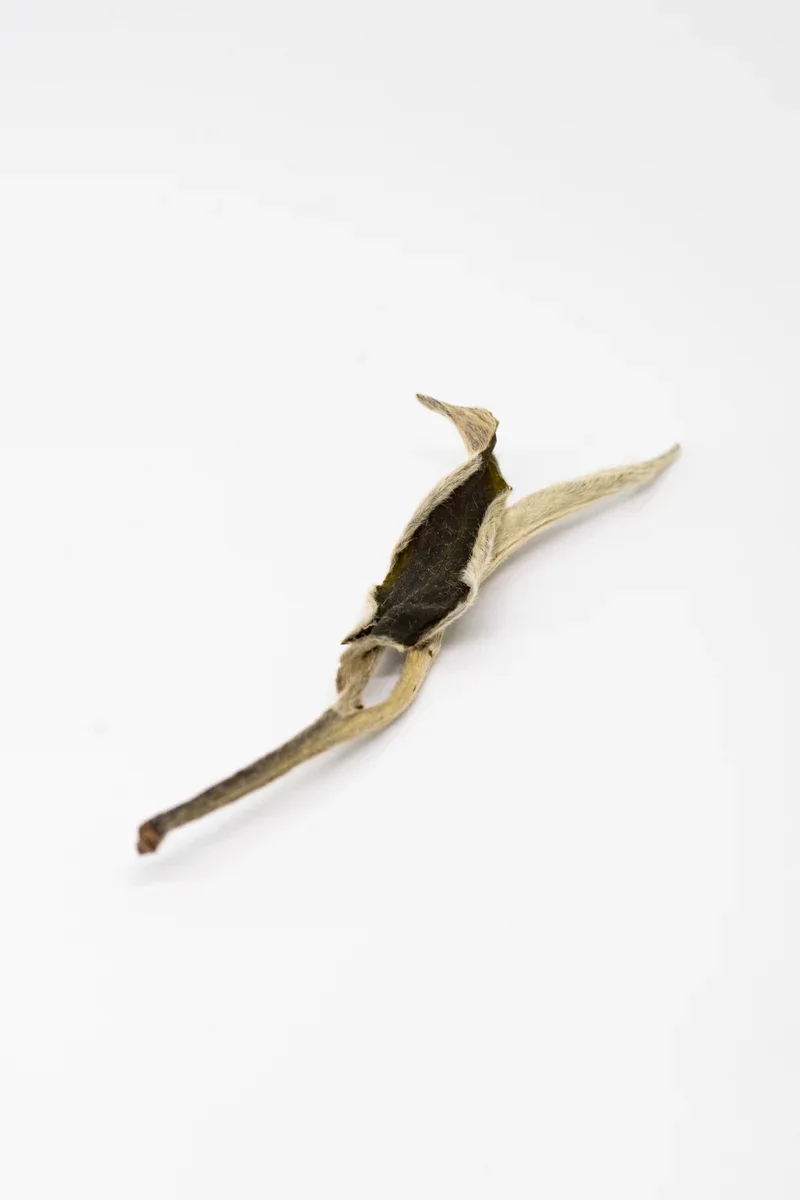
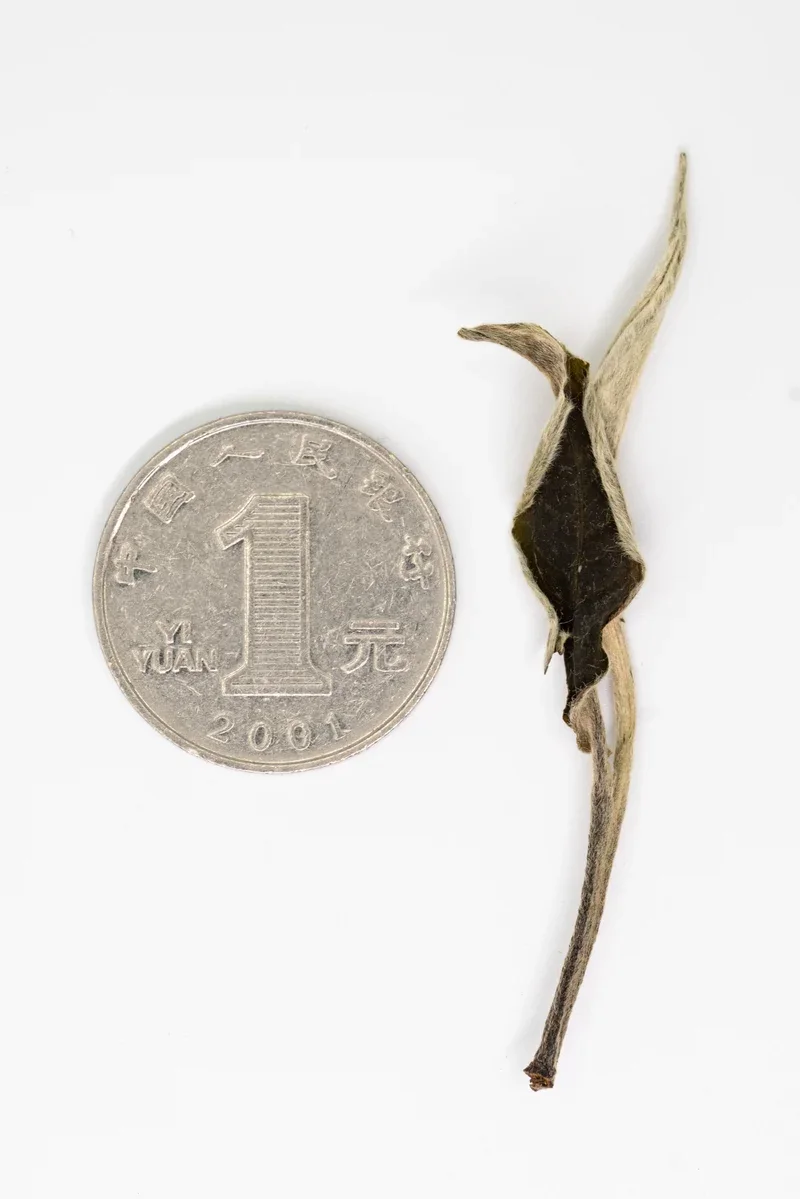
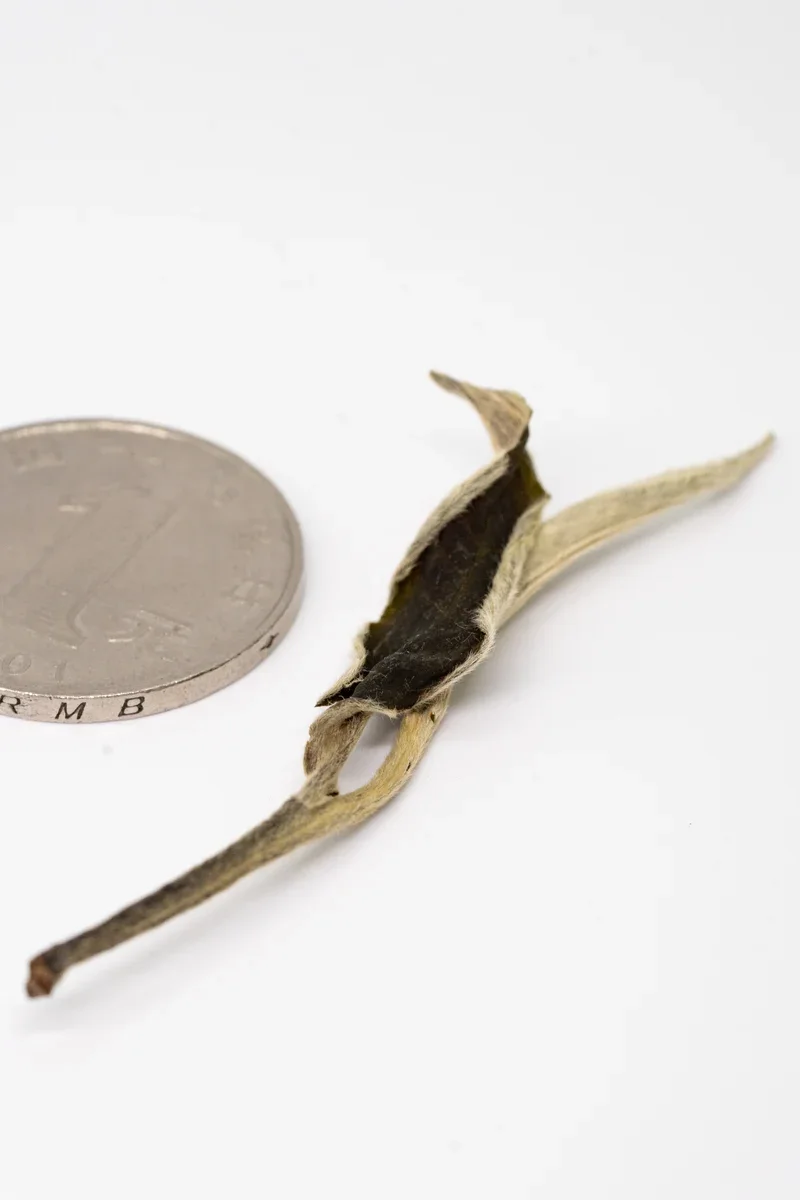
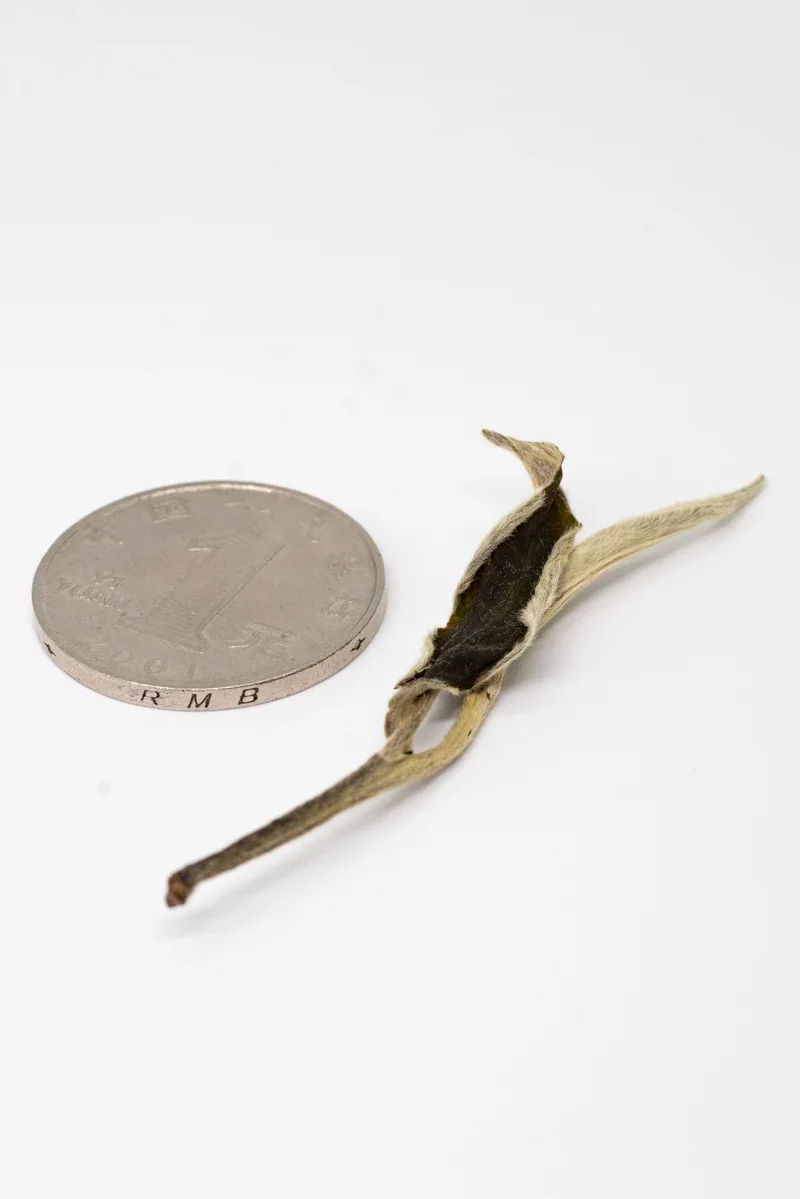
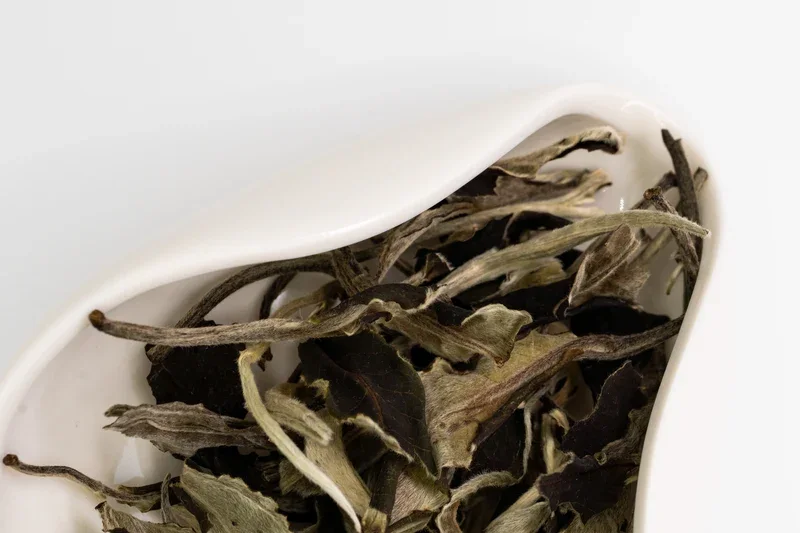
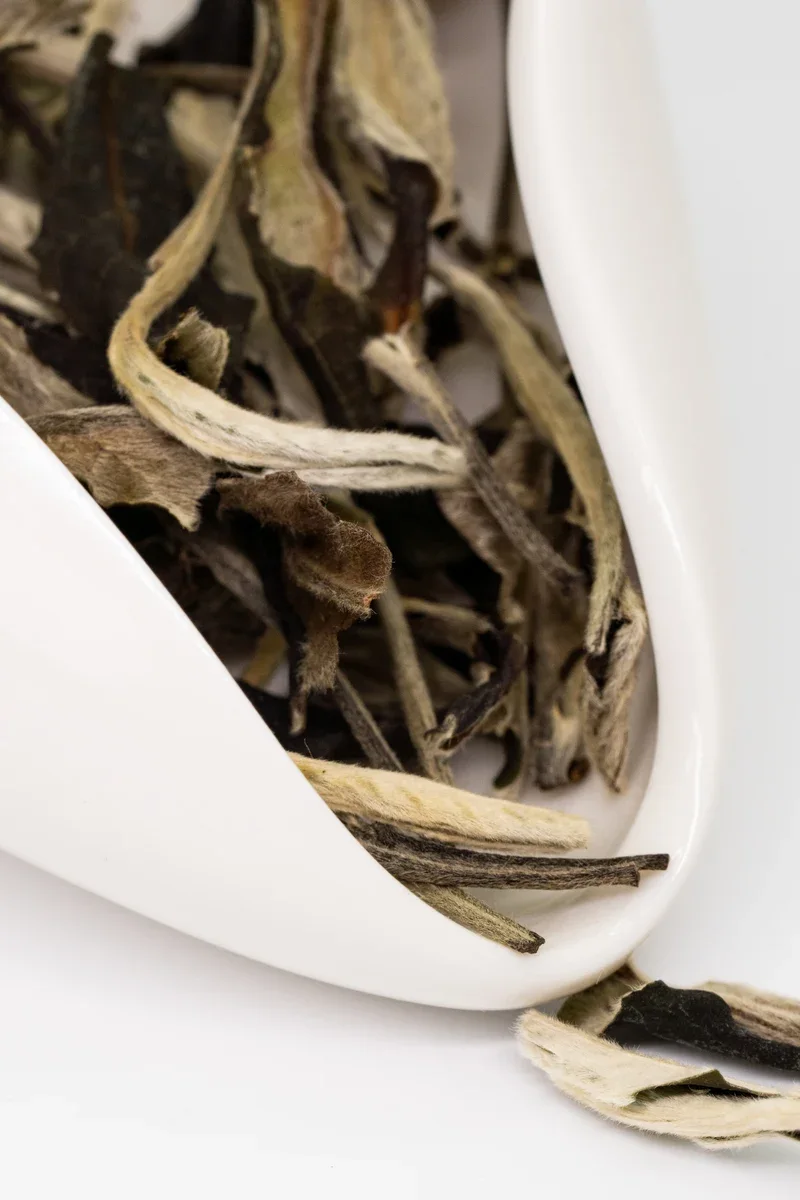
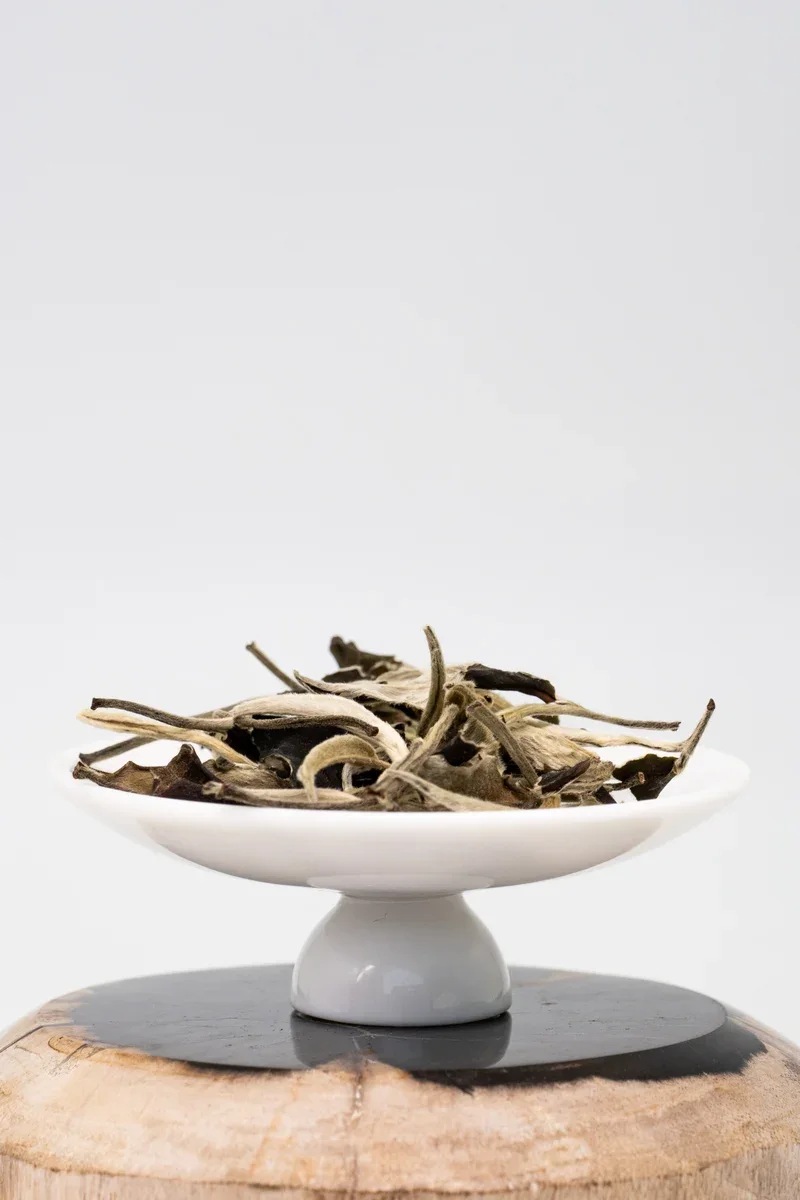
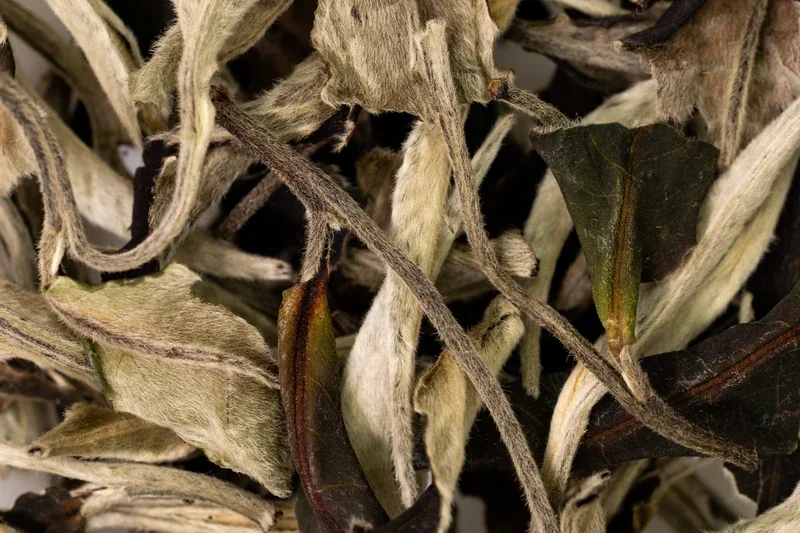
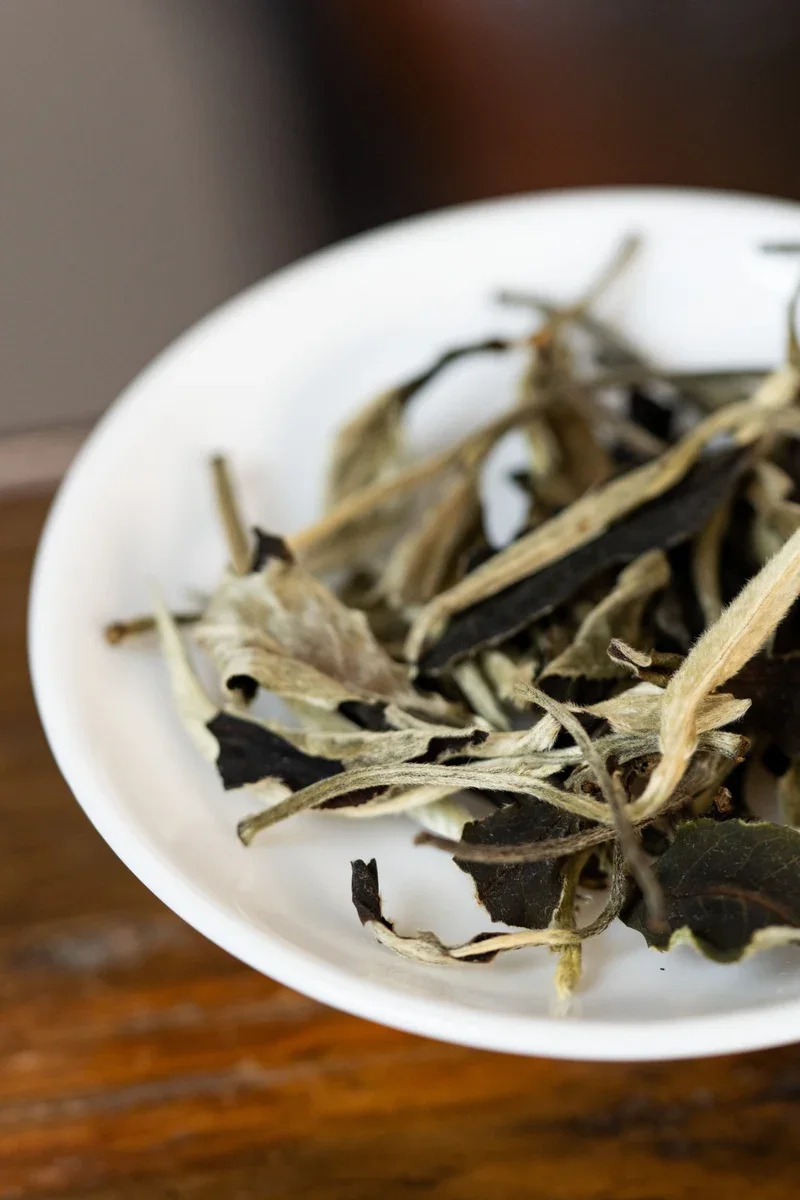
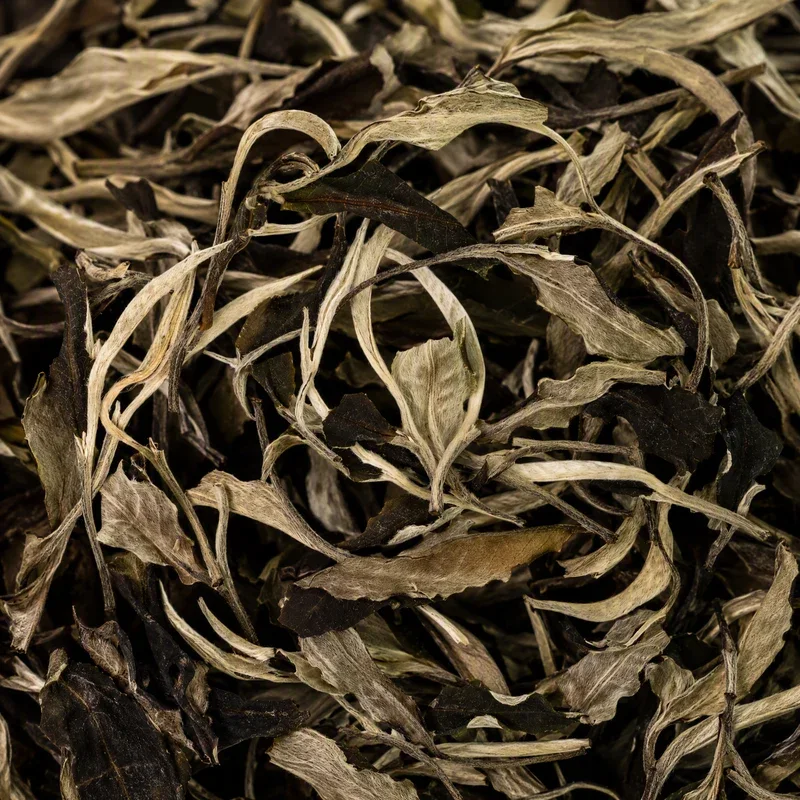
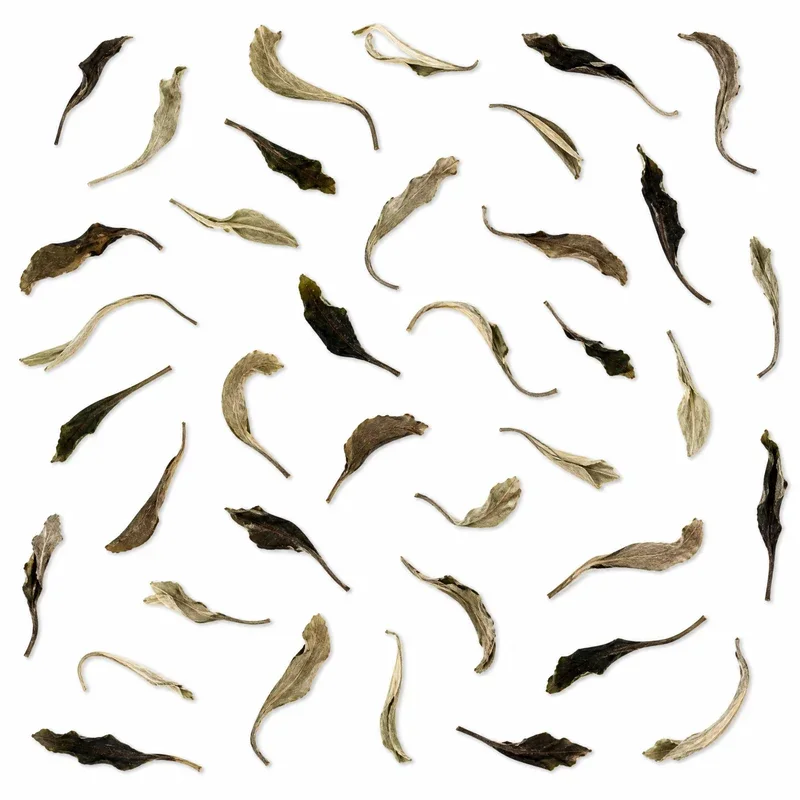
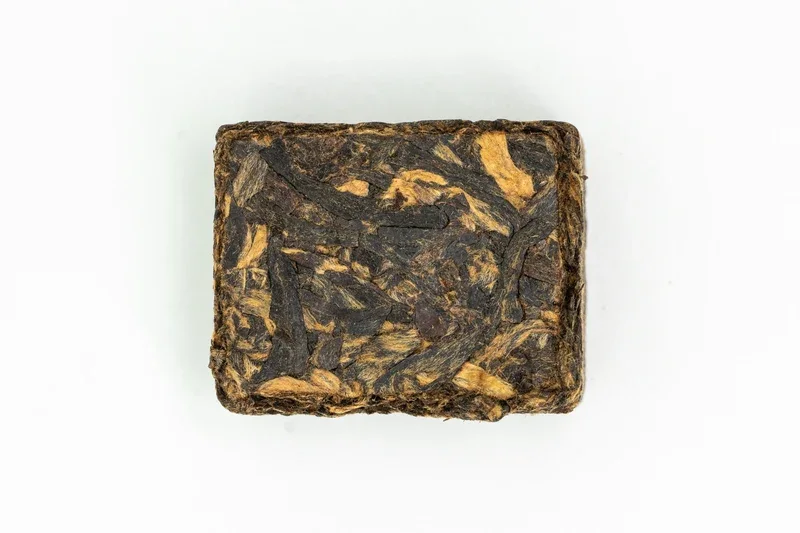
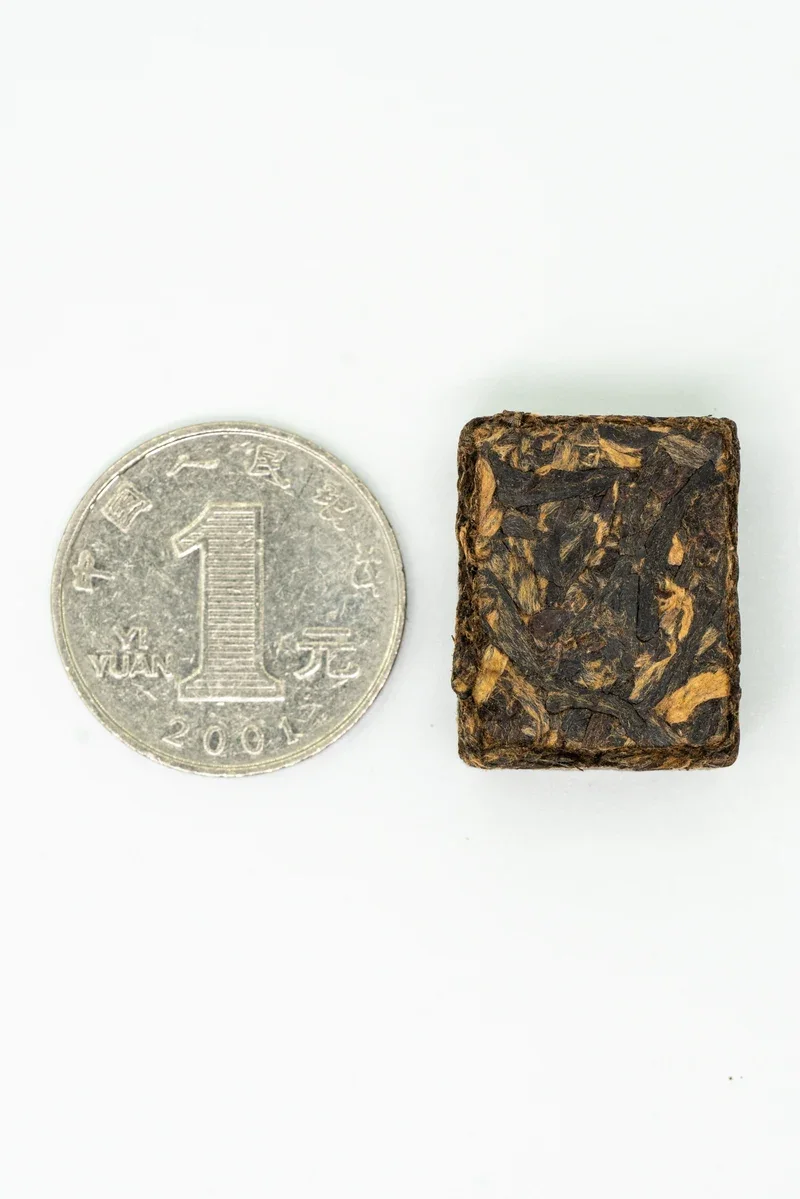
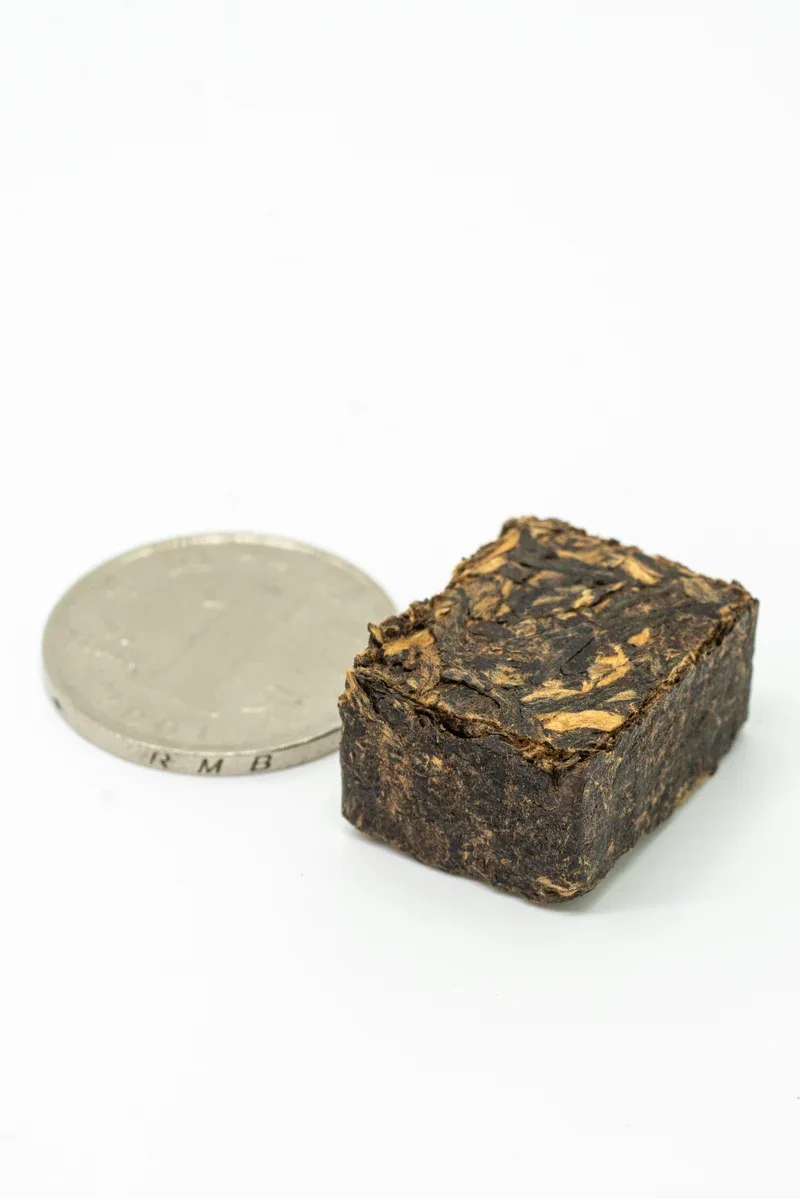
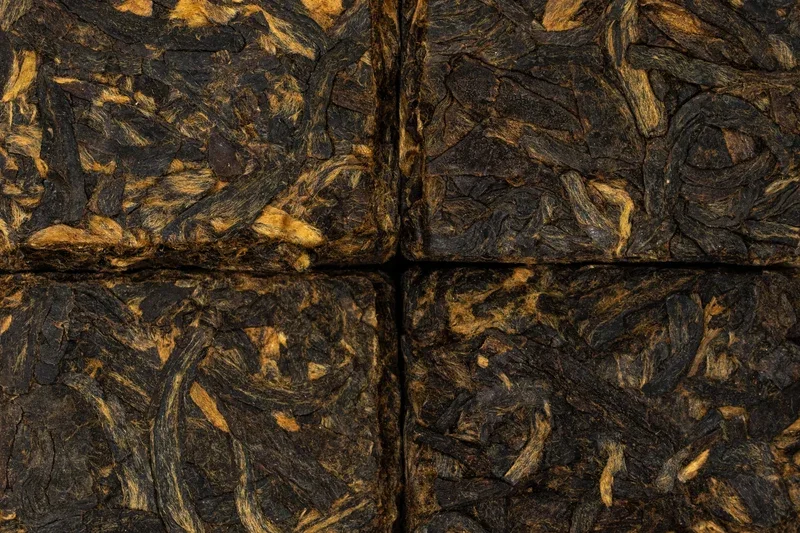
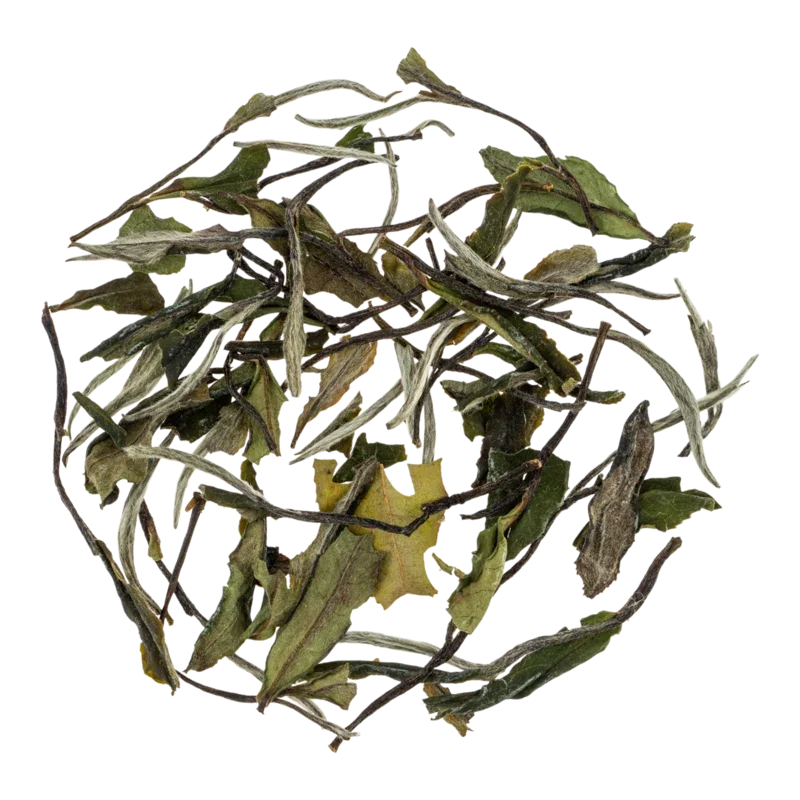
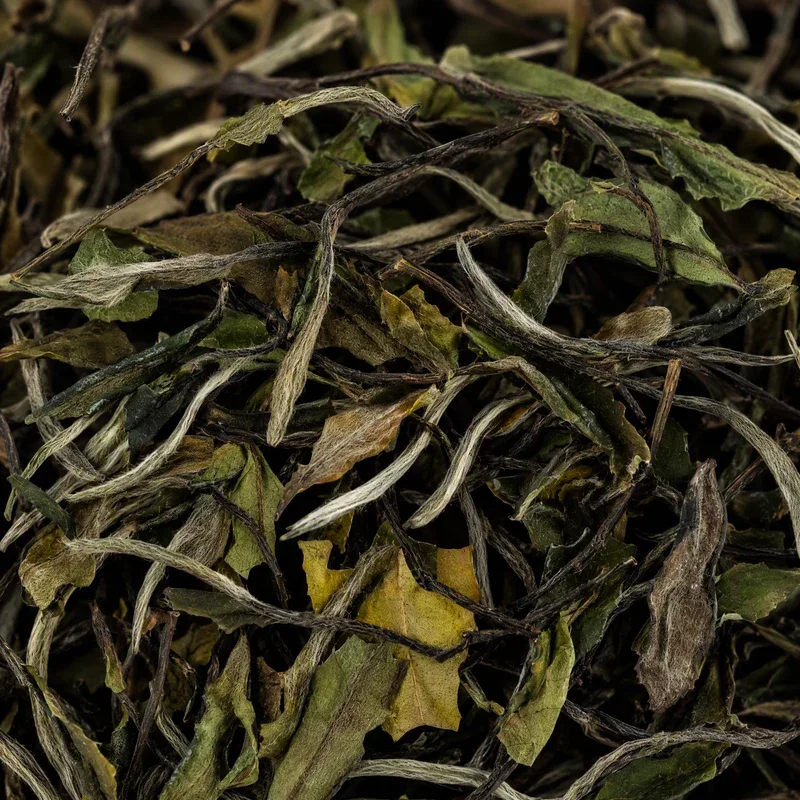
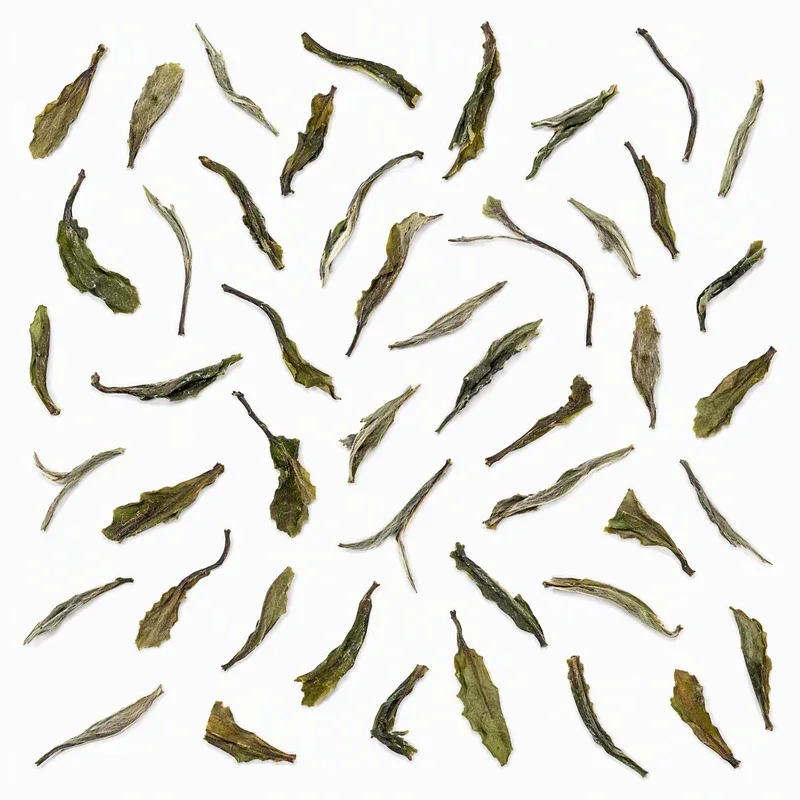
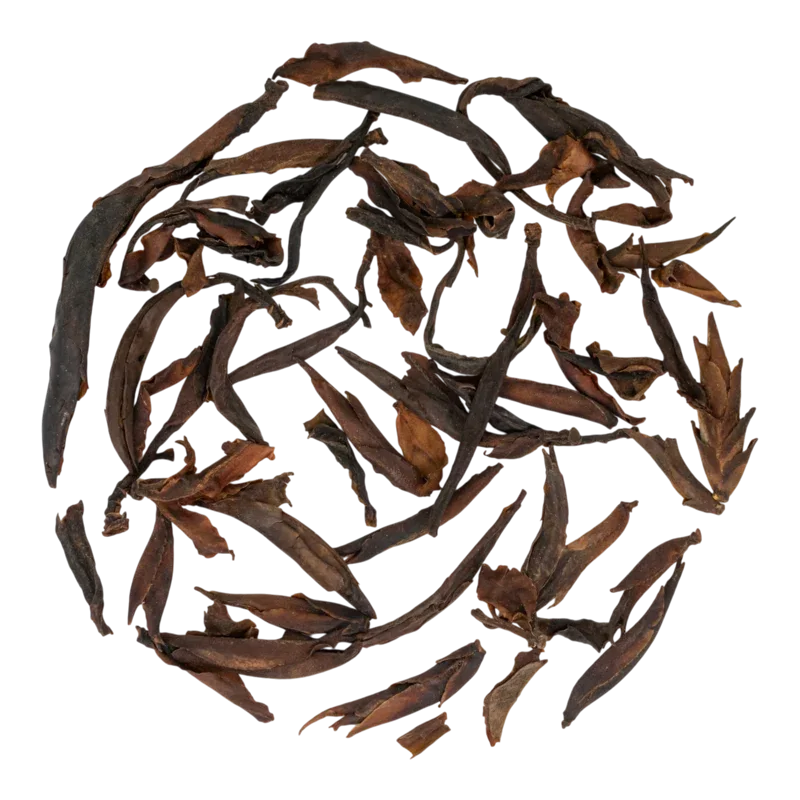
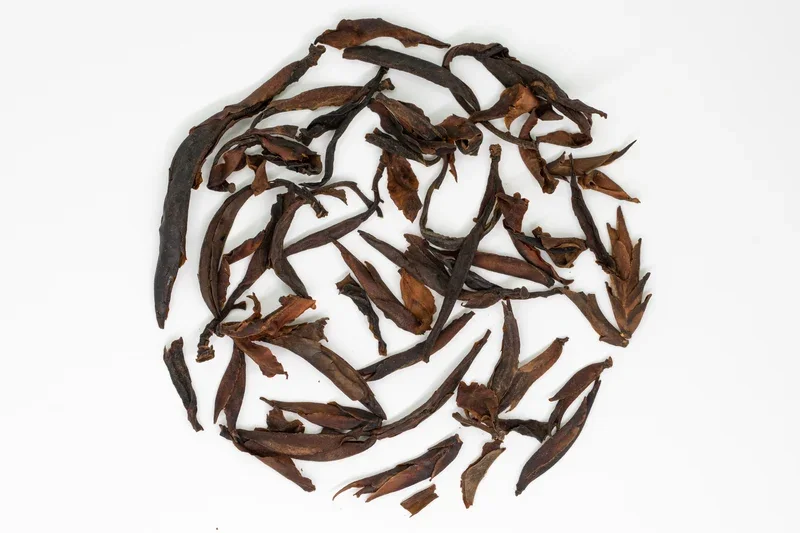
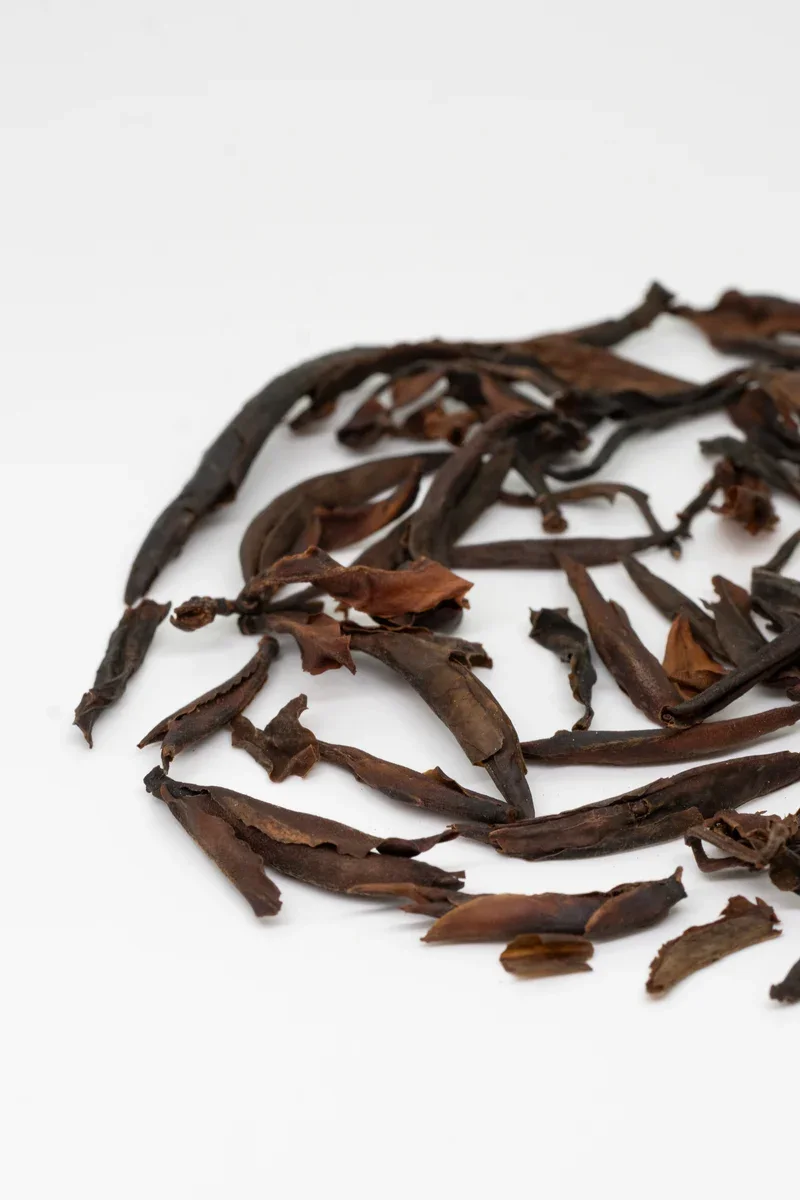
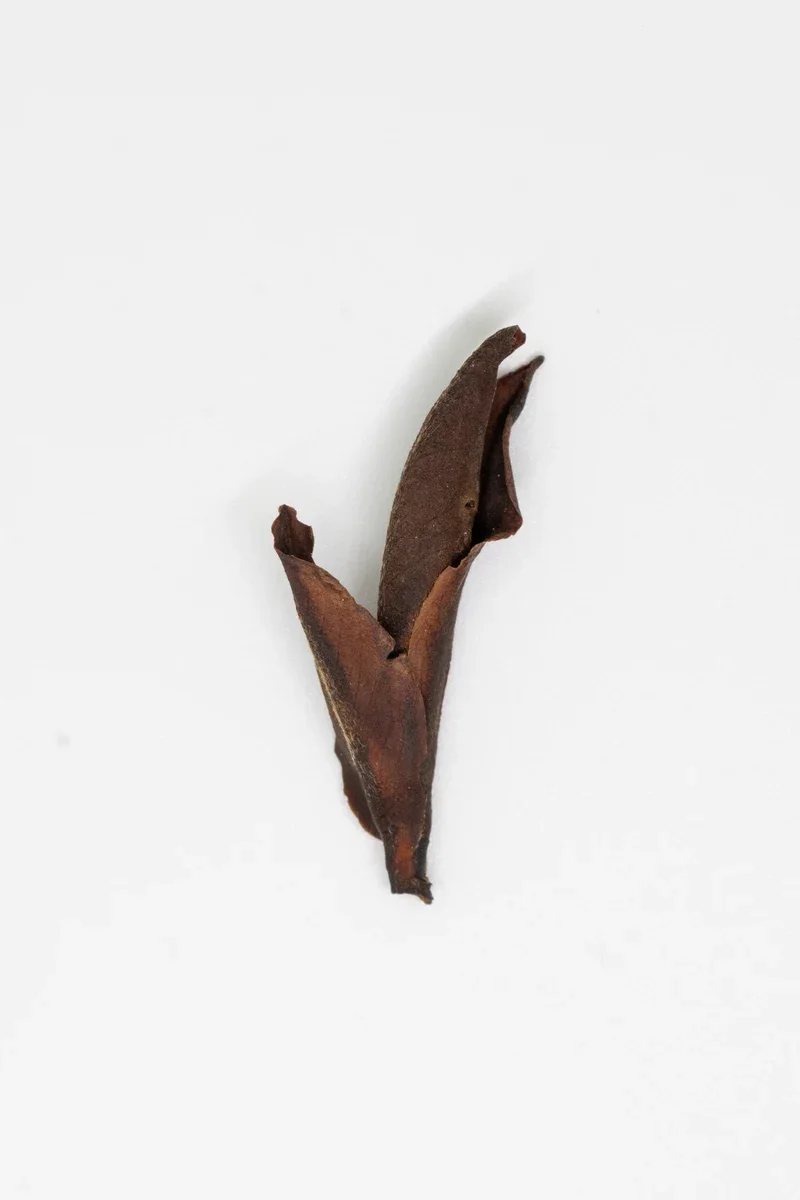
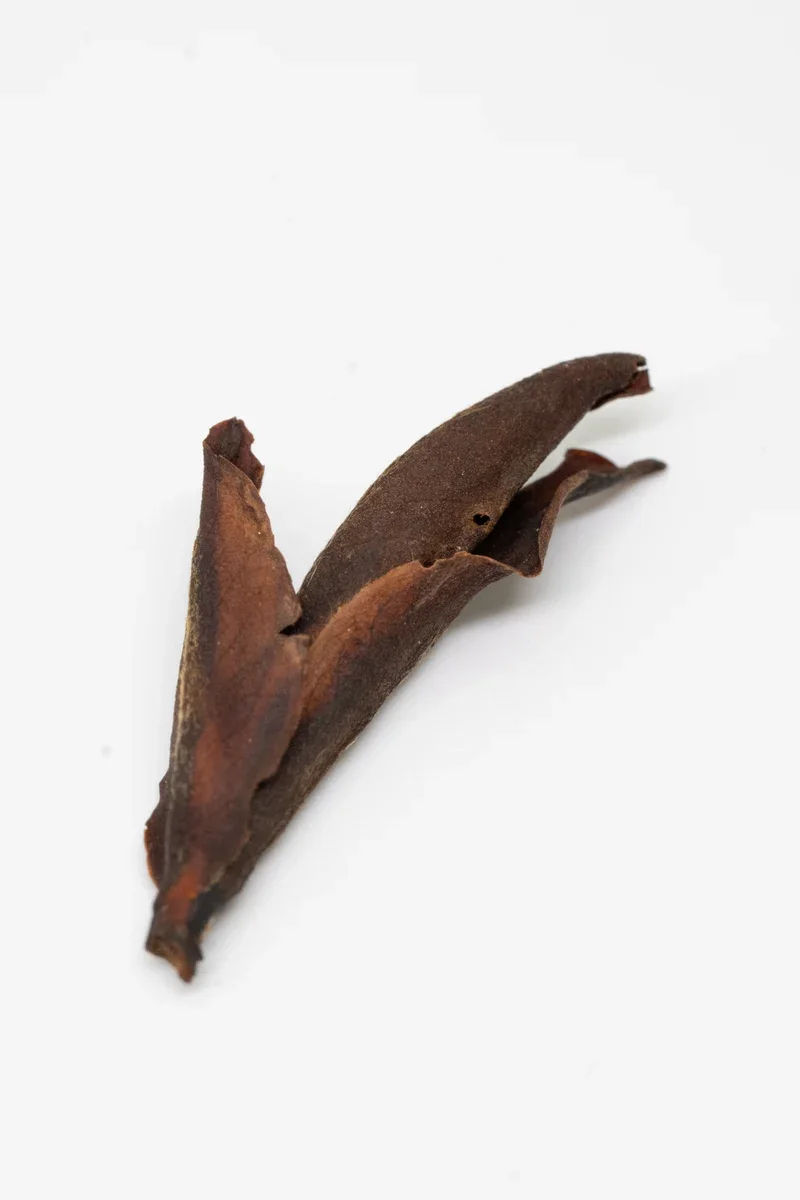
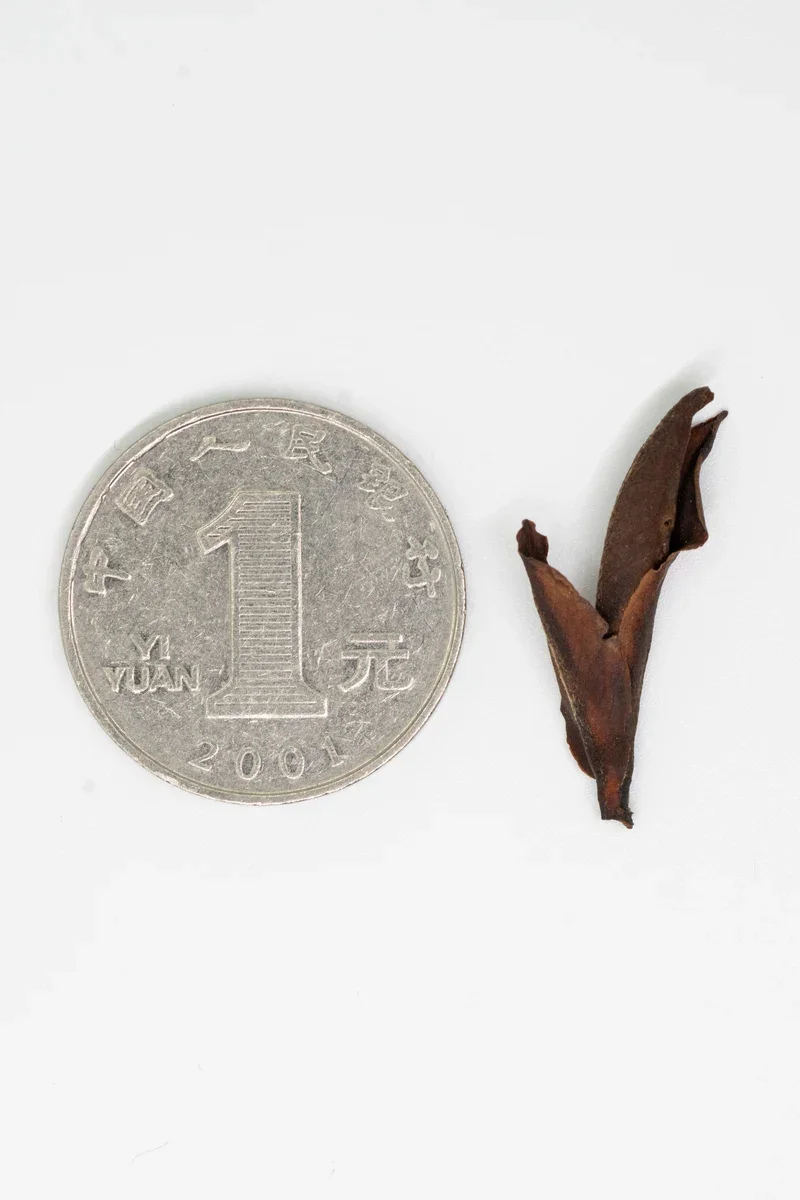
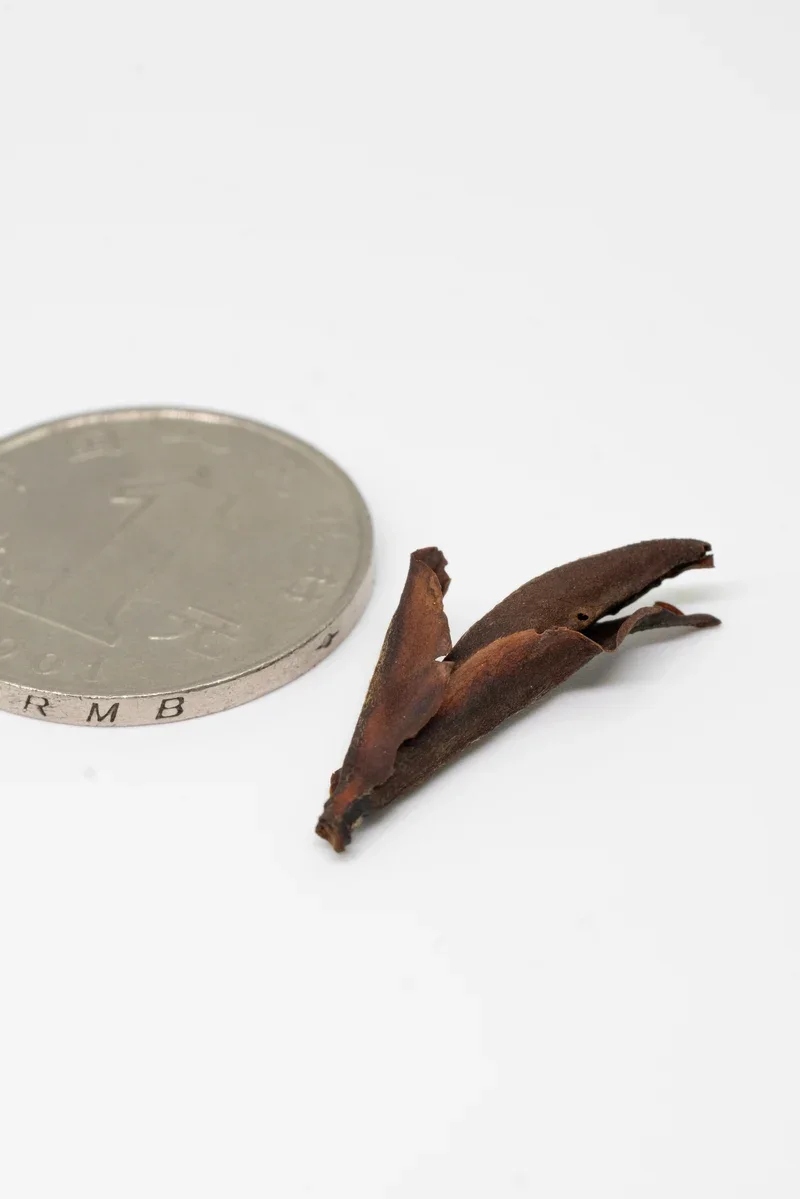
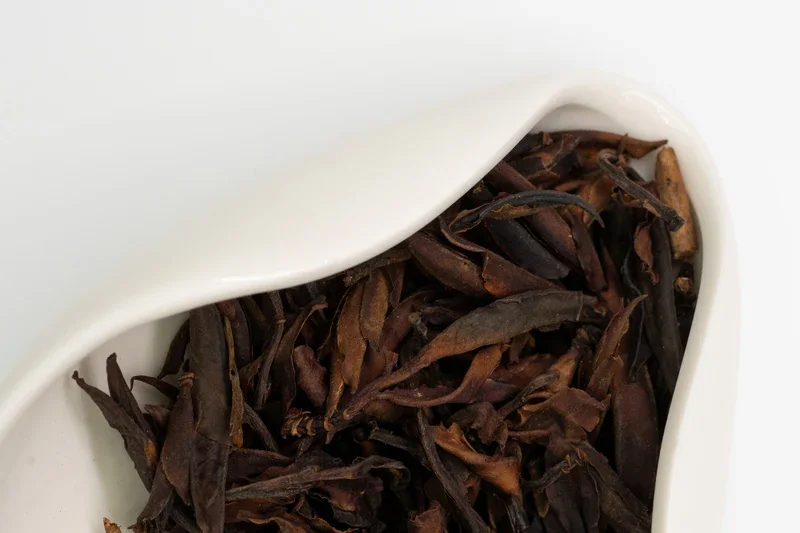
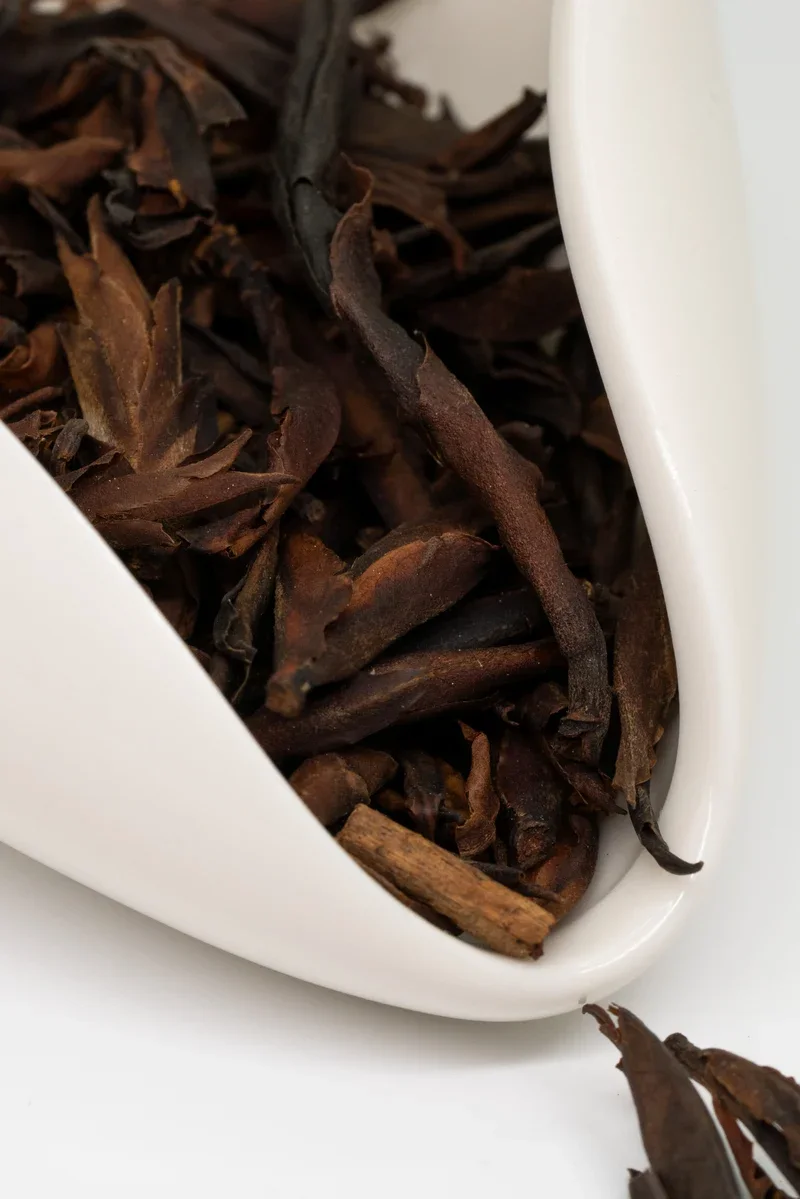
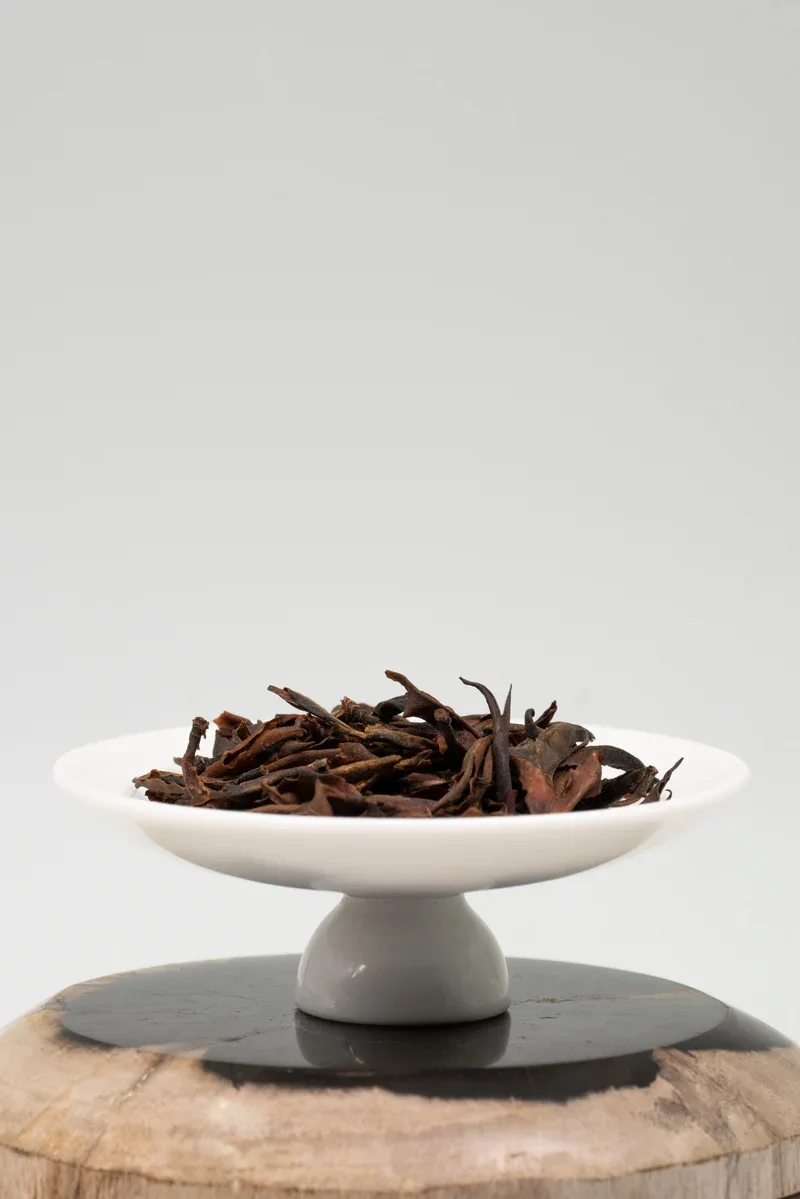
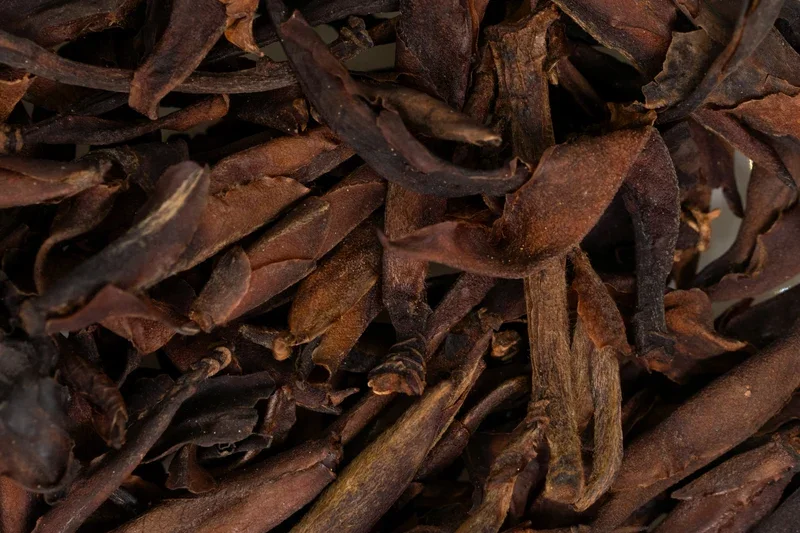
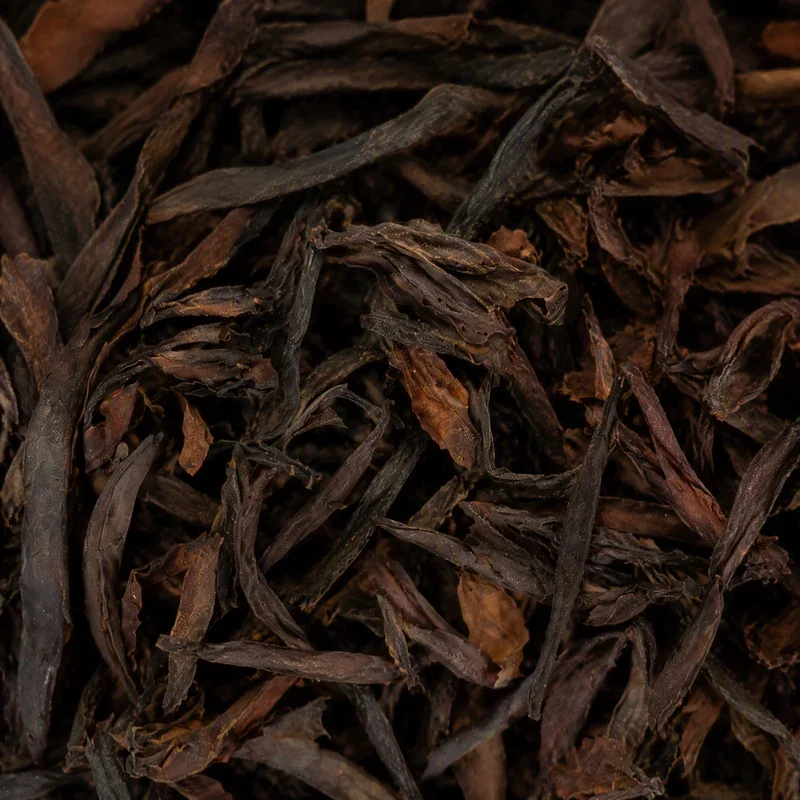
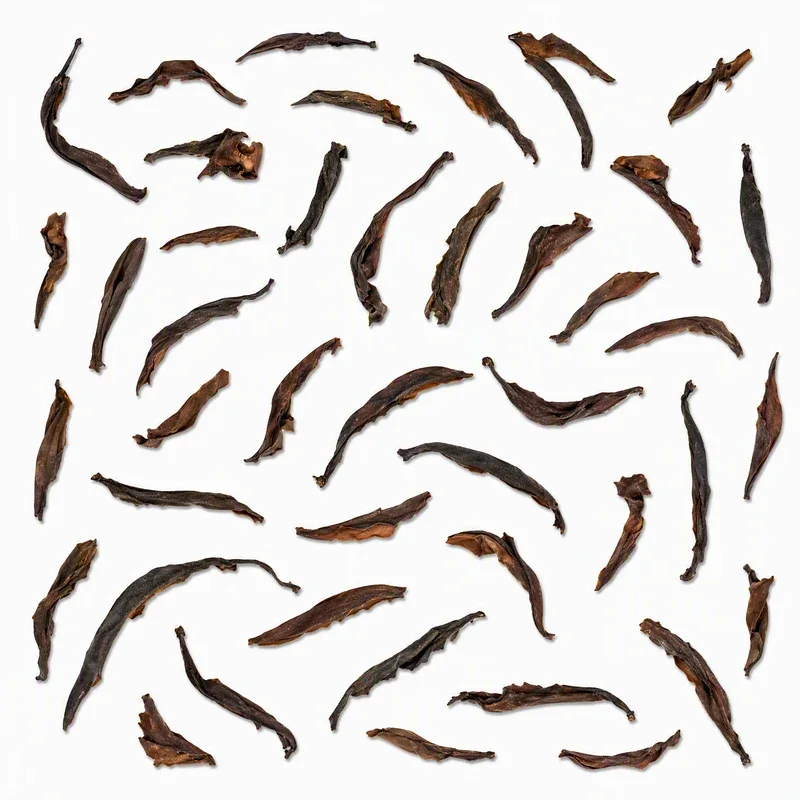
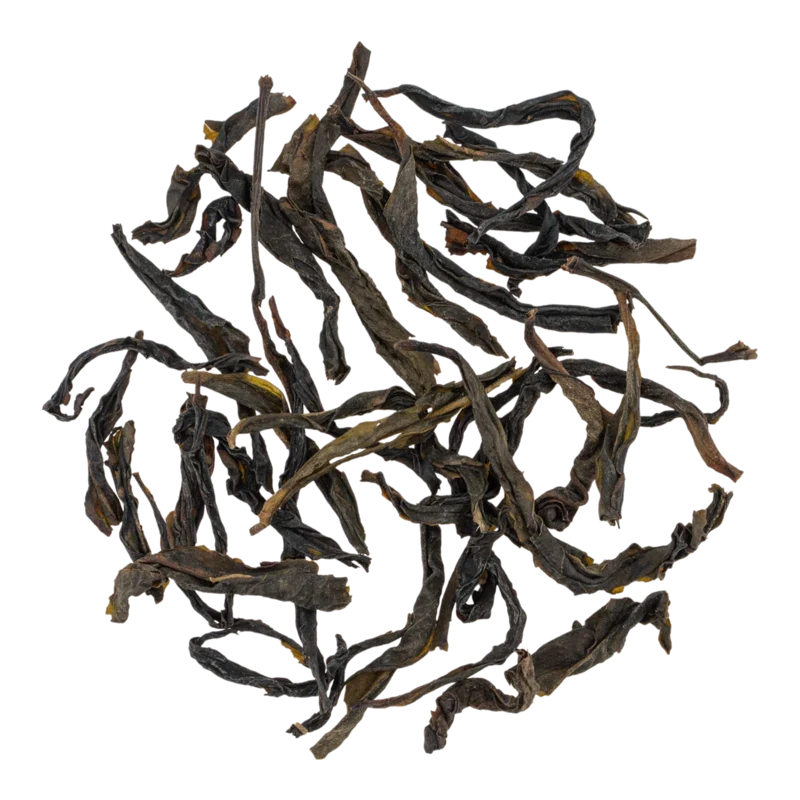
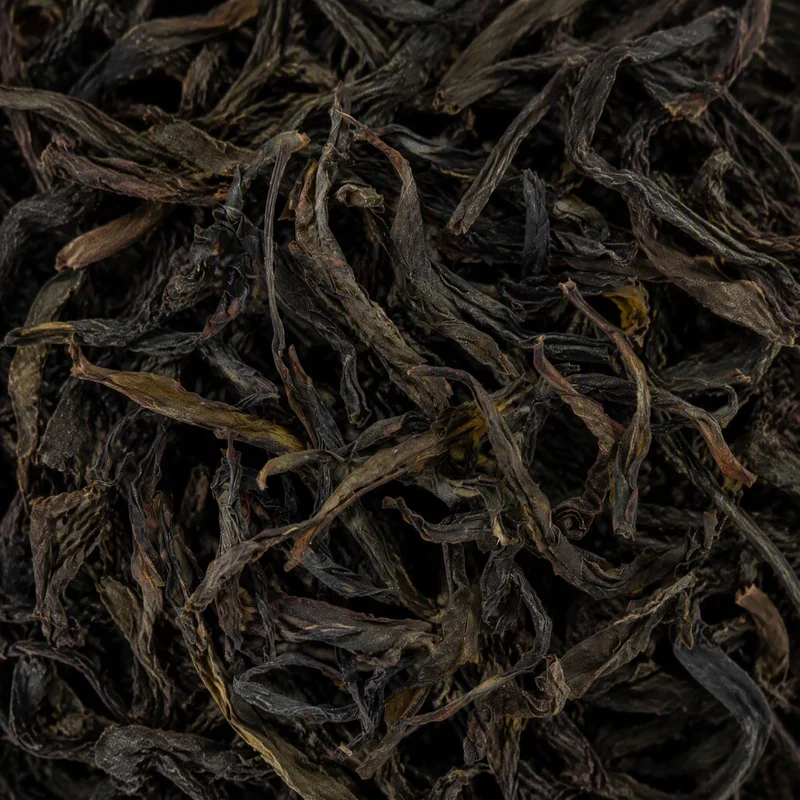
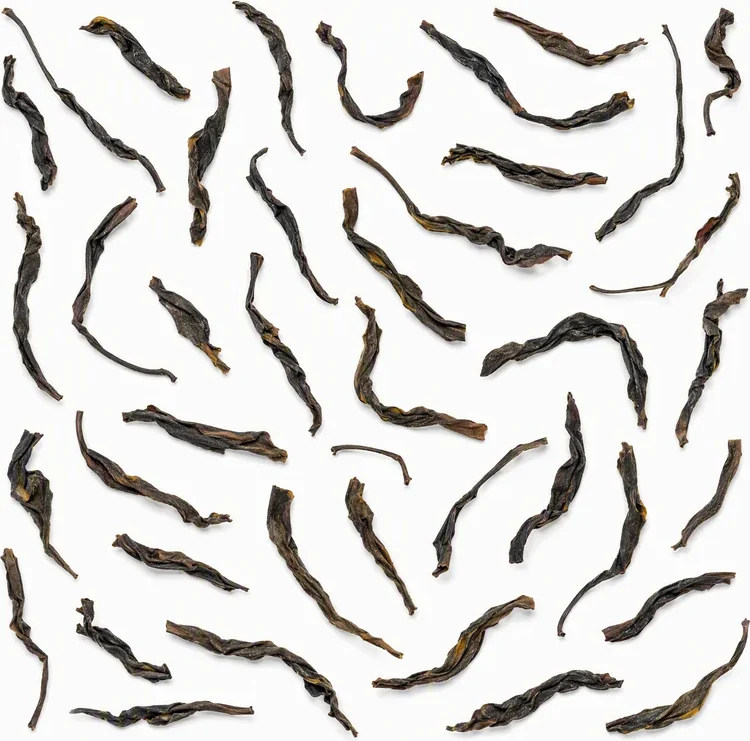
Dry Leaf Appearance: Tight, straight, dense strips (条索紧卷, tiáosuǒ jǐnjuǎn), even and heavy. Color — "eel skin" (鳝鱼皮色, shànyú pí sè) — characteristic yellowish-brown with olive tint and oily luster, transitioning to dark brown (乌褐色, wūhè sè) with more intensive roasting. Sometimes noticeable points of "cinnabar red" (朱砂红点, zhūshā hóng diǎn) — traces of oxidized leaf edges.
Dry Leaf Aroma: Pure, elegant, unmistakably recognizable aroma of osmanthus flowers (桂花, guìhuā). Sweet, honey-like, with light spiciness and delicate fruity undertone — reminiscent of golden osmanthus flowers drying in autumn sun. Trail — warm, "powdery," with ripe apricot shade.
Liquor Aroma: In first infusions — bright, "perfumery-pure" osmanthus tone: golden sweetness, honey softness, apricot and ripe pear shades. As it unfolds — deeper layers: floral spiciness, delicate sandalwood note, barely perceptible vanilla. In final infusions — pure honey sweetness with mineral "mountain" undertone.
Liquor Color: Orange-yellow to golden-amber (橙黄明亮, chénghuáng míngliàng), clear and transparent, with warm honey shade.
Spent Leaves: Classic dancong formula: "green stem, green belly, red border" (青蒂绿腹红镶边, qīngdì lǜfù hóng xiāngbiān). Leaves whole, soft, elastic, with even olive-green center and reddish-brown oxidized border at edges. Stem — light green.
Taste: Medium-bodied, oily-smooth. First impression — silky sweetness with floral "transparency." Middle palate — rich, with honey, ripe apricot, light spiciness shades. Bitterness and astringency minimal and elegantly integrated. Aftertaste (回甘, huígān) — prolonged and pure, with characteristic "mountain rhyme" (山韵蜜味, shānyùn mì wèi): mineral-honey tone felt in the depth of palate. Lips and tongue lǒng retain residual sweet aroma (唇舌留香, chúnshé liúxiāng).
Alkaloids: Caffeine — 2.3–5.3% of dry mass (significant variation explained by clone variability and growing conditions). Theobromine, theophylline — in trace amounts.
Amino Acids: Total content — 1.15–2.96% of dry mass. L-theanine provides taste softness and balance with caffeine. High-altitude raw material (Wudong) is distinguished by increased amino acid content due to natural shading by fogs.
Water extract of Fenghuang dancongs is distinguished by exceptionally high indicator — 35.6–49.4% of dry mass, explaining their multiple brewing capacity and liquor body density.
Essential Oils: Key aspect of Gui Hua Xiang. Gas chromatographic analysis (GC-MS) reveals dominance of linalool (芳樟醇, fāng zhāngnǎo) and its oxides, cis-jasmone (顺式茉莉酮, shùnshì mòlì tóng), farnesene (法呢烯, fǎní xī) and new diterpenes — a set characteristic of osmanthus aromatic profile. Precisely the coincidence of these components with the aroma chemistry of Osmanthus fragrans flowers (β-ionone, linalool, linalool oxides, cis-3-hexenol) explains the striking similarity of scents.
Minerals: Potassium, magnesium, manganese, zinc, fluorine, selenium. Mineral profile strongly depends on specific site; high-altitude Wudong soils are rich in microelements.
Polyphenols: Fenghuang dancongs are distinguished by high total polyphenol content — 22.6–39.1% of dry mass. Main components: catechins (partially oxidized), theaflavins and thearubigins, forming body density and characteristic "mountain" astringency. Flavonoid content — 8.3–14.1%.
Vitamins: Vitamins B₁, B₂, C, E — in standard amounts for oolongs. Vitamin C is partially destroyed during roasting, but with moderate firing a noticeable part is preserved.
High caffeine content combined with L-theanine provides alertness without nervousness — characteristic "dancong" tone: clear concentration, calm energy.
Rich polyphenol complex (catechins, theaflavins, flavonoids) — powerful free radical neutralizers. Polyphenol content in dancongs — one of the highest among oolongs.
Moderately oxidized oolongs are traditionally considered "stomach-friendly." In Chaozhou gongfu cha tradition, it is served after abundant meals precisely to aid digestion.
Oolong polyphenols can suppress pancreatic lipase activity and reduce dietary fat absorption — effect most pronounced with regular consumption.
Flavonoids and catechins possess antibacterial and antiviral properties.
Antioxidants and vitamin E contribute to protecting skin cells from oxidative stress.
B vitamins and antioxidants in tea composition help reduce visual fatigue.
Fenghuang dancongs, due to their aromatic complexity and prolonged series of infusions, are ideally suited for mindful tea drinking — a practice that reduces stress levels and promotes emotional regulation.
Tea Amount: 7–8 g per 100–120 ml (Chaozhou gongfu); 5 g per 150 ml (gaiwan). Traditional Chaozhou method assumes generous loading — tea fills teapot ⅔–¾ volume.
Teaware: Classic — Cháozhōu clay teapot (潮州壶, Cháozhōu hú) or thin-walled porcelain gaiwan (盖碗, gàiwǎn). Small thimble cups (若琛杯, Ruòchēn bēi) — mandatory attribute of Chaozhou gongfu. Porcelain gaiwan preferable for first acquaintance: it doesn't "steal" aroma and allows evaluation of floral profile purity.
Water Temperature: 95–100°C. Fenghuang dancongs require hot water for full aromatic potential revelation. Boiling water (100°C) — standard.
Container: Airtight tin cans, ceramic tea caddies or foil vacuum packaging. Cháozhōu tradition often uses tin cans (锡罐, xīguàn) — they provide excellent protection from moisture and odors.
Enemies: Moisture, foreign odors (dancongs exceptionally hygroscopic and absorb everything), direct sunlight, sharp temperature fluctuations.
Dry, cool, dark place. For lightly roasted dancongs — refrigerator storage (0–5°C) in airtight packaging acceptable. For medium and deeply roasted dancongs refrigerator unnecessary — room temperature (15–25°C) with stable humidity sufficient.
Fresh Gui Hua Xiang optimal in first 6–12 months. However, well-roasted specimens capable of aging: after a year of storage "fiery" sharpness disappears, deeper, "mature" honey sweetness manifests. Some collectors age dancongs for 3–5 years, periodically "warming" them with repeated light roasting.
The most widespread and recognizable type. Honey-orchid aroma — more open, "broad" and sweet. Gui Hua Xiang — more restrained, "powdery," with spicy depth and delicate elegance characteristic specifically of osmanthus.
Gardenia aroma (栀子花) — bright, high, slightly sharp. Gui Hua Xiang is softer and "warmer," with a more pronounced honey undertone. Huang Zhi Xiang — one of the "loudest" dancongs; Gui Hua Xiang — one of the most "quiet" and refined.
Magnolia aroma — pure, fresh, "white-floral." Gui Hua Xiang — warmer and more spicy; Yu Lan Xiang — cooler and more "transparent." Both types are distinguished by elegance, but Yu Lan is "spring," while Gui Hua is "autumn."
Cinnamon aroma — spicy, warming, "spice-like." Not to be confused with the Wǔyí variety of the same name (武夷肉桂). Rou Gui Xiang dancong — more "dark" and piquant; Gui Hua Xiang — more floral and sweet.
Ginger flower aroma — bright, "piercing," with slight pungency. The "loudest" dancong. Gui Hua Xiang — its complete opposite: quiet, soft, enveloping.
Price Category: Gui Hua Xiang belongs to medium and upper price segment of Fenghuang dancongs. Spring 2003 harvest from individual trees could reach 9,600 yuan per kilogram. Price-determining factors: tree age (old trees — 老丛, lǎocóng — significantly more expensive), growing altitude (Wudong — premium; foothills — lower), harvest season (spring — most expensive), individual processing (dancong — more expensive than lan cai or shuixian), roasting mastery.
No reviews yet. Tell us what you think of this tea.
Rate this tea and share your impressions. We review each submission before publishing it.