Brewing
Gongfu brewing
- Water temperature
- 75 °C
- Tea amount
- 5 g
- Water volume
- 100 ml
- First steep
- 10 s
- Time added per infusion
- 5 s
- Infusions
- 3


Gēlǎo yù cuì
Choose a brewing method. Start with the recommended quantities and time, then adjust to taste.
Brewing
Brewing
Taste
Tea encyclopedia
Category: Regional famous tea of Guizhou. Famous trademark of Guìzhōu Province (贵州省著名商标, 2015). Production regulated by local standard DB520325/T07-2009. Gold award at Shanghai International Tea Culture Festival (上海国际茶文化节, 2003). Silver award at International Tea Competition (国际名茶评比, 2005).
Category: Regional famous tea of Guizhou. Famous trademark of Guìzhōu Province (贵州省著名商标, 2015). Production regulated by local standard DB520325/T07-2009. Gold award at Shanghai International Tea Culture Festival (上海国际茶文化节, 2003). Silver award at International Tea Competition (国际名茶评比, 2005).
Coordinates: Approximately 28°52′ N, 107°36′ E.
Origin: China, Guìzhōu Province (贵州省, Guìzhōu Shěng), Zunyi Prefecture-level City (遵义市, Zūnyì Shì), Dàozhēn Gēlǎo and Miáo Autonomous County (道真仡佬族苗族自治县). The county is located at the junction of Guìzhōu Province and Chóngqìng Municipality (重庆), in the northeastern part of the province, on the northern slope of the Guizhou Plateau.
Type: Green tea (绿茶, lǜchá), unfermented. Belongs to flat hot-air dried green teas (扁形烘青绿茶, biǎnxíng hōngqīng lǜchá). Unique stage — "搭扁" (dā biǎn, "flattening"), forming the flat "sword-like" shape (扁平挺直). Final processing — "three dryings, three heatings" technology (三烘三提, sān hōng sān tí).
Picking: Spring harvest — primary. Pre-Qīngmíng tea (明前茶) — most valuable. Standard: highest grade — complete bud or one bud with barely opened leaf, silvery down ≥80%; first grade — one bud with one leaf; second — one bud with two leaves.
Climate: Subtropical humid monsoon. Average annual temperature — 15.6°C. Annual precipitation — 1070 mm. Frost-free period — 287 days. Relative humidity — 81%. Cloud cover — 80%. Extended frost-free period and high cloud cover ensure slow, steady accumulation of aromatic and flavor compounds in the leaf.
Soil: Siliceous yellow soils (硅质黄壤, guīzhì huángrǎng), pH 5.5–7.5, rich in organic matter. Key uniqueness — dual microelement enrichment: selenium (Se) — 2.5 mg/kg, strontium (Sr) — 7.0 mg/kg. This combination is due to the geochemical characteristics of the region's siliceous deposits and is extremely rare in global tea cultivation. Strontium — a microelement that promotes bone tissue strengthening — is practically absent in significant concentrations in other tea terroirs.
500–800 m a.s.l. (hilly terrain at the junction of the Guizhou Plateau and Sichuan Basin).
Forest cover — 44%. Cloud cover — 80%. The area is located far from major industrial centers, ensuring high ecological purity of the raw material. Guizhou overall ranks first among China's provinces in tea plantation area (approximately 7 million mu as of 2022), and the "Guizhou Green Tea" standard (贵州绿茶) — China's first provincial geographical indicator for green tea — sets a high quality bar: water-extractable substances ≥40%, organoleptic standard — "翡翠绿、嫩栗香、浓爽味" ("jadeite color, tender chestnut aroma, rich and fresh taste"). Daozhen, despite its remoteness, fully meets this standard.
3–5 hours. Leaf loses excess moisture, light surface fermentation begins.
280–320°C for 3 minutes — high-temperature pan-firing, significantly exceeding the standard for most green teas (usually 120–180°C). Rapid "killing" of oxidase at extremely high temperature — characteristic feature of the Guizhou school.
Removal of small fragments and dust.
80–120°C for 15 minutes. Initial formation of the tea leaf's linear structure.
150–180°C for 15 minutes — key proprietary stage, absent in most green teas. Forms the flat "sword-like" shape (扁平挺直) by which Gelao Yu Cui is unmistakably recognizable.
80–100°C for 30 minutes — final polishing of the tea leaf surface. Imparts oily luster (油润) and smoothness.
150°C for 40 minutes.
80–90°C for 40 minutes. "Three dryings, three heatings" technology (三烘三提, sān hōng sān tí): first heating removes "grassiness," second fixes the chestnut aroma base, third establishes "cold aroma" — a delicate cool note characteristic of high-altitude Guizhou teas.
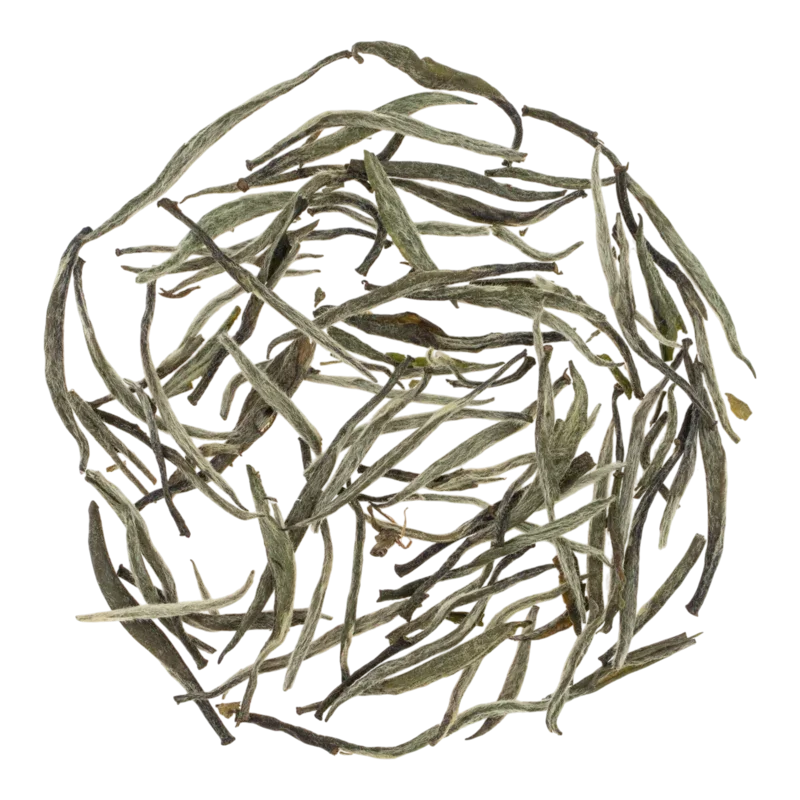
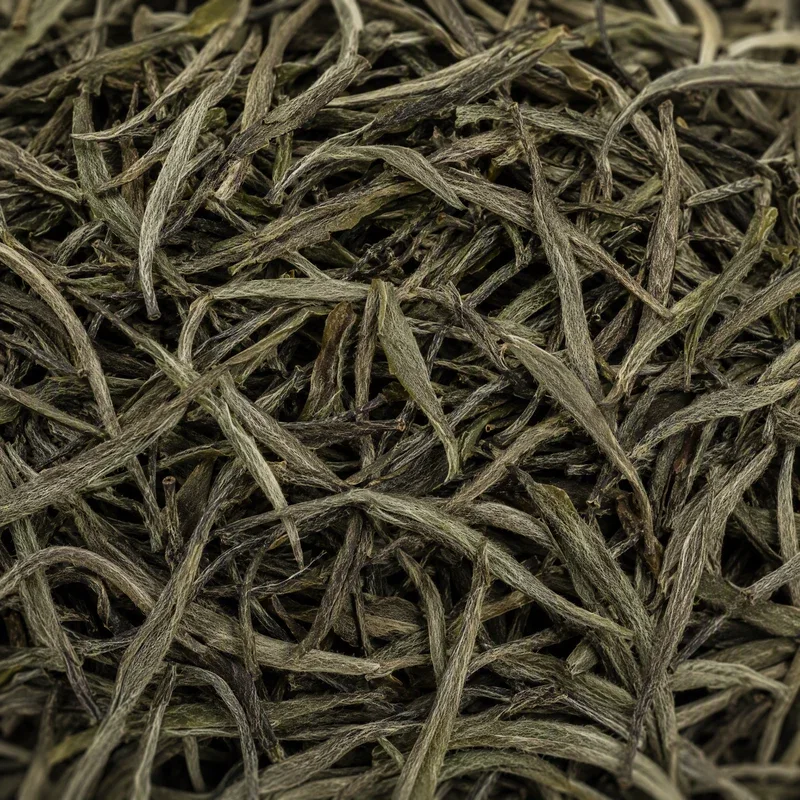
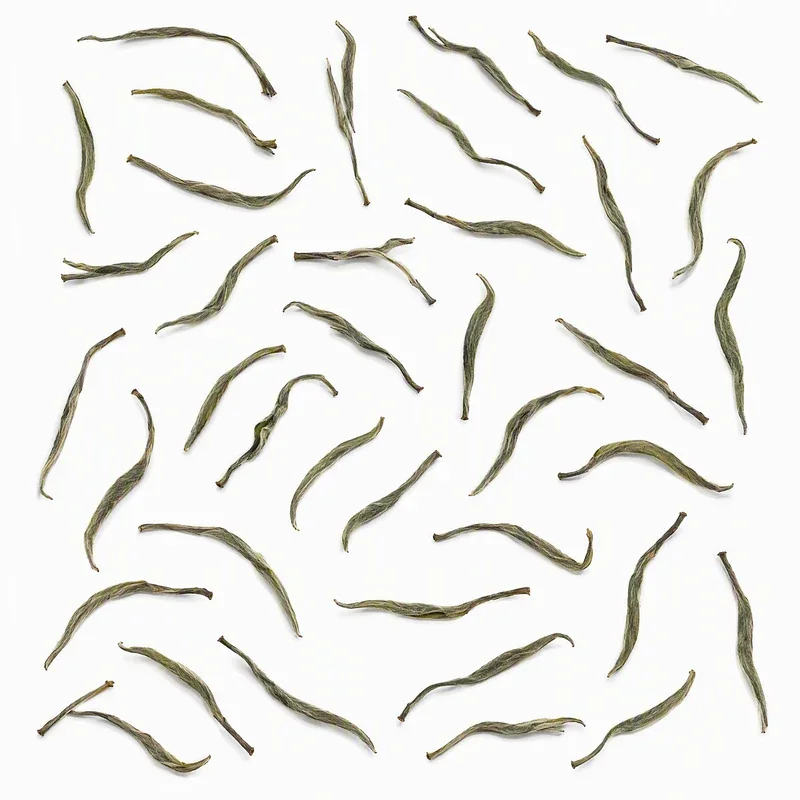
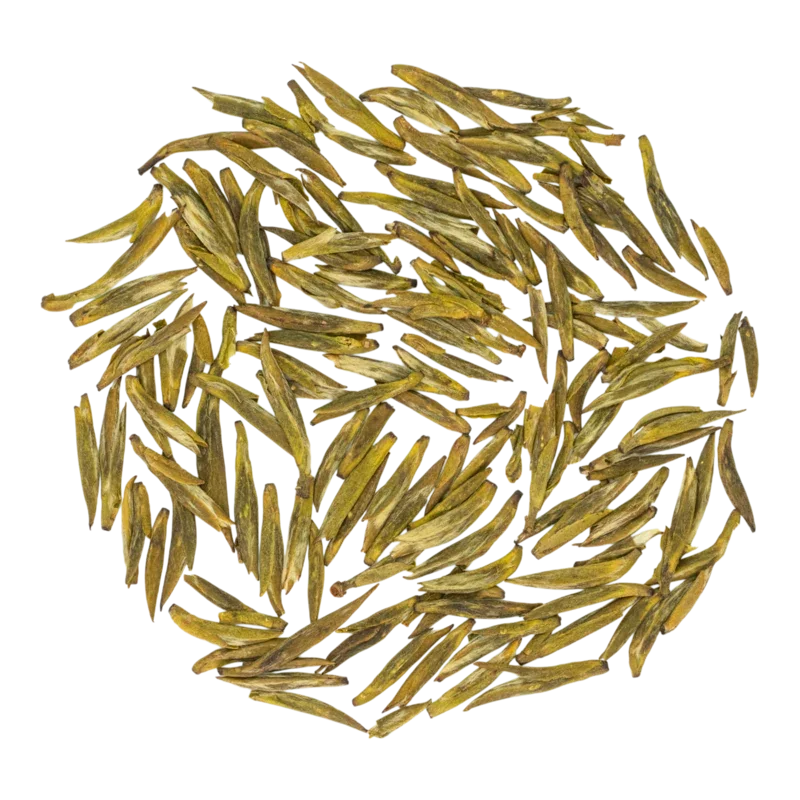
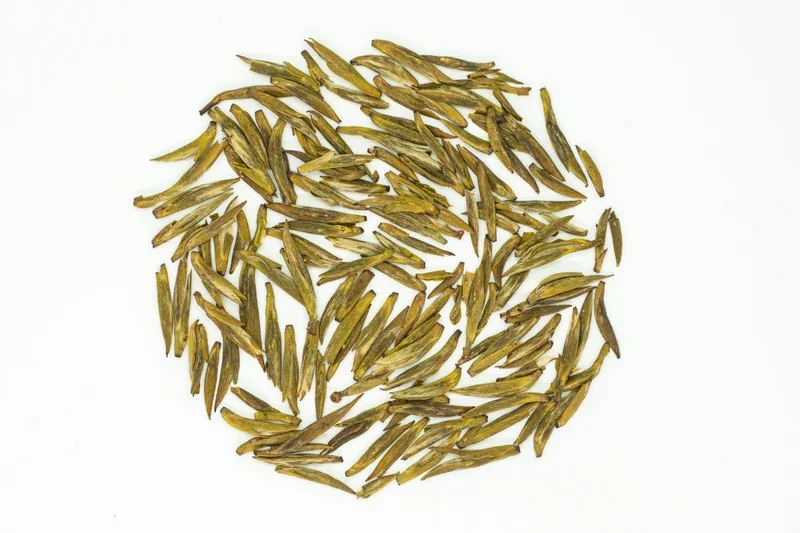
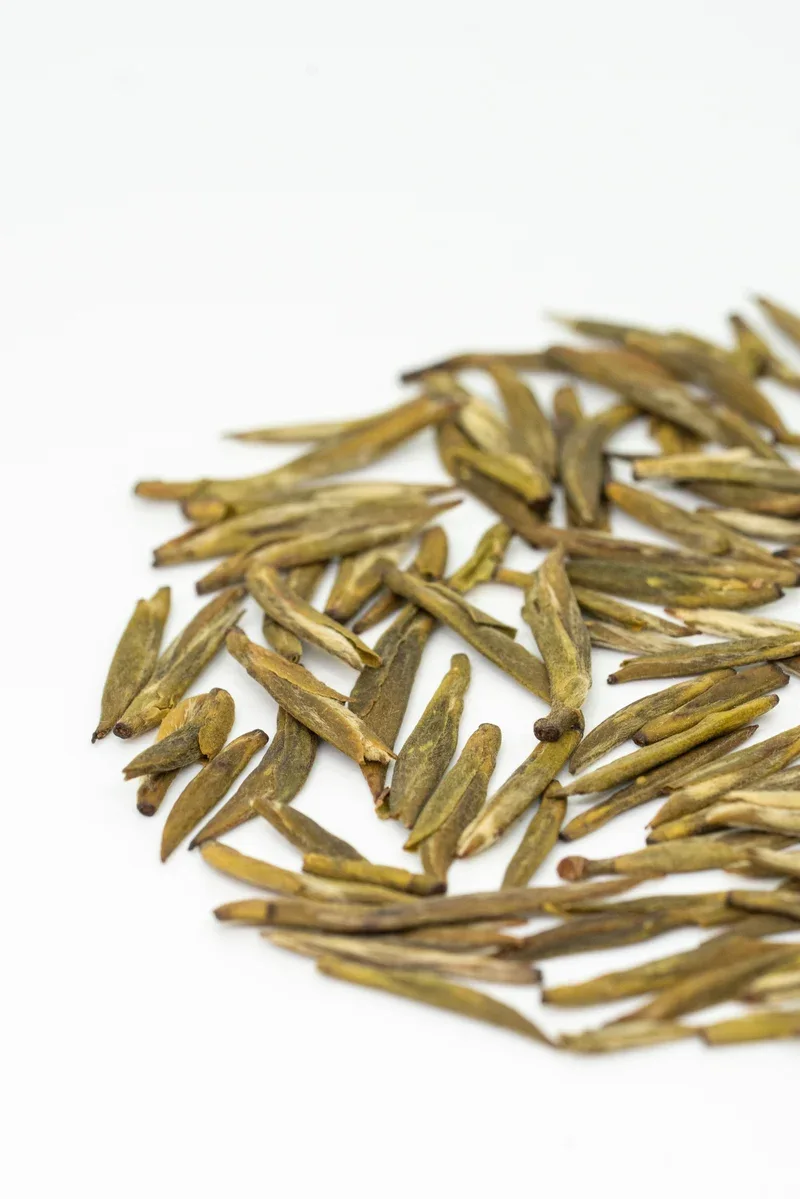
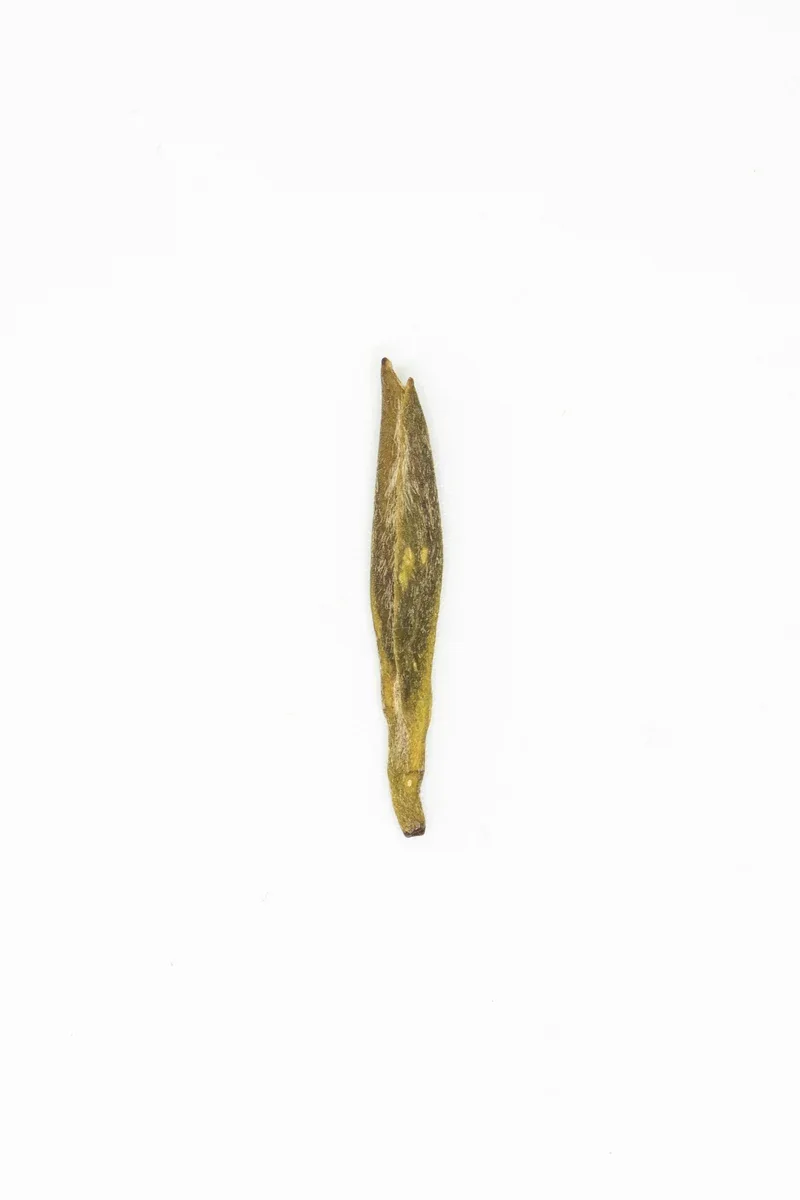
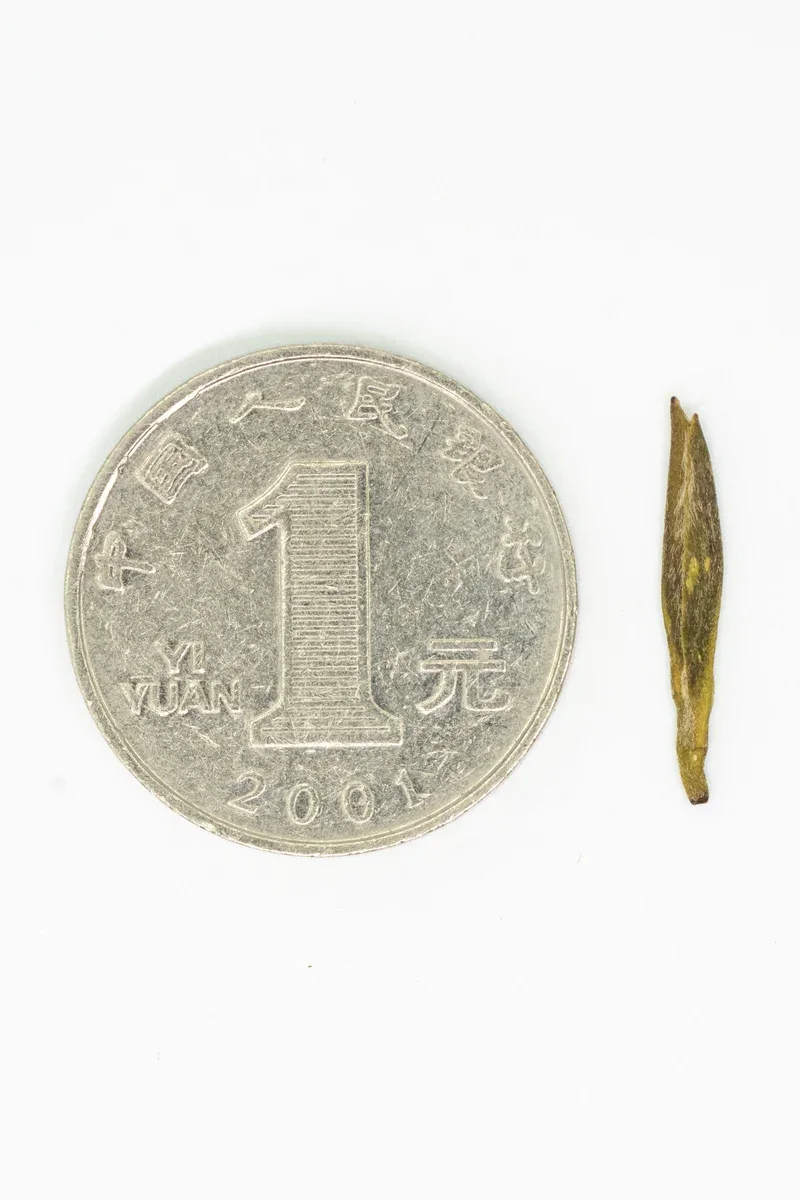
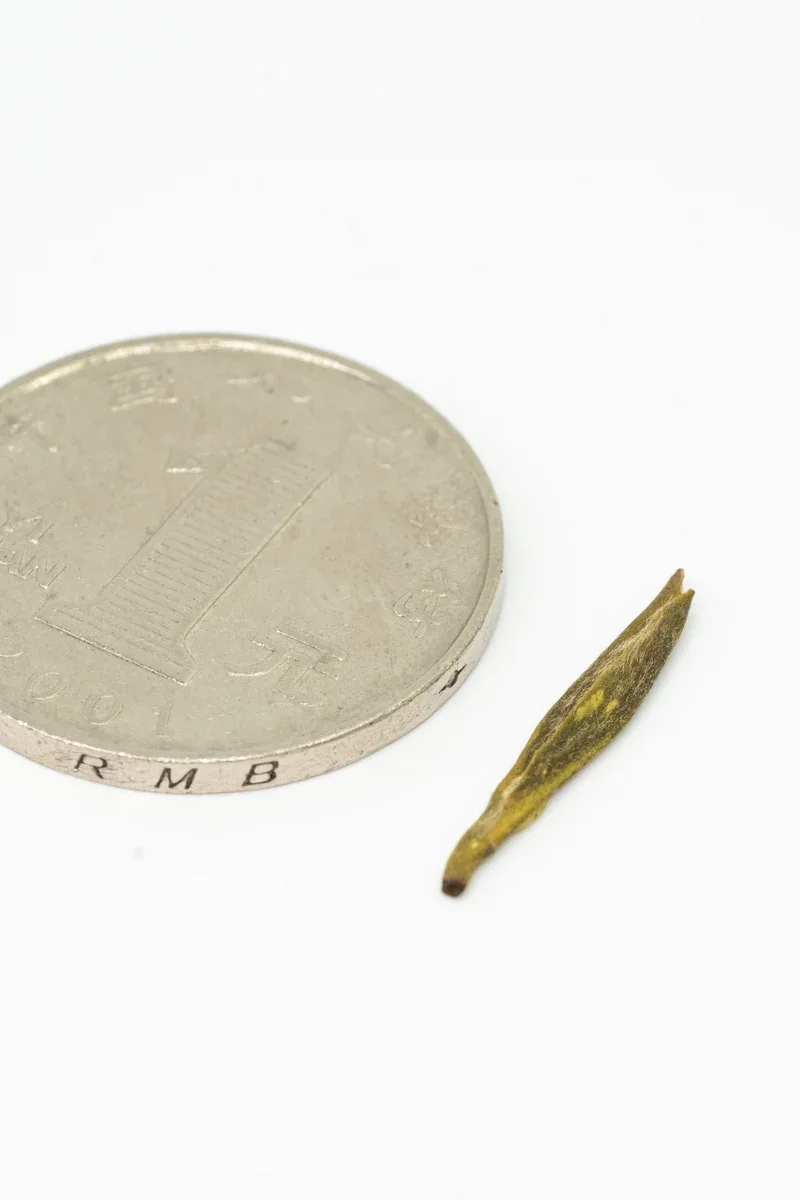
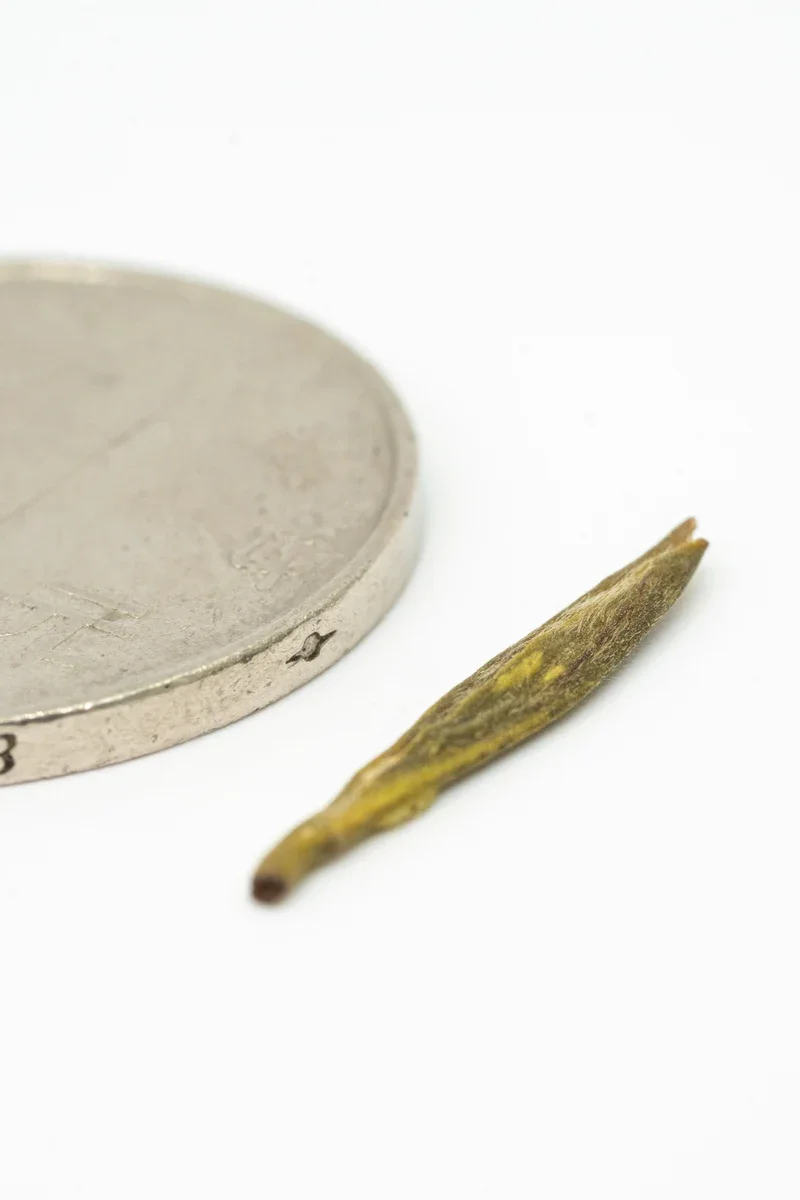
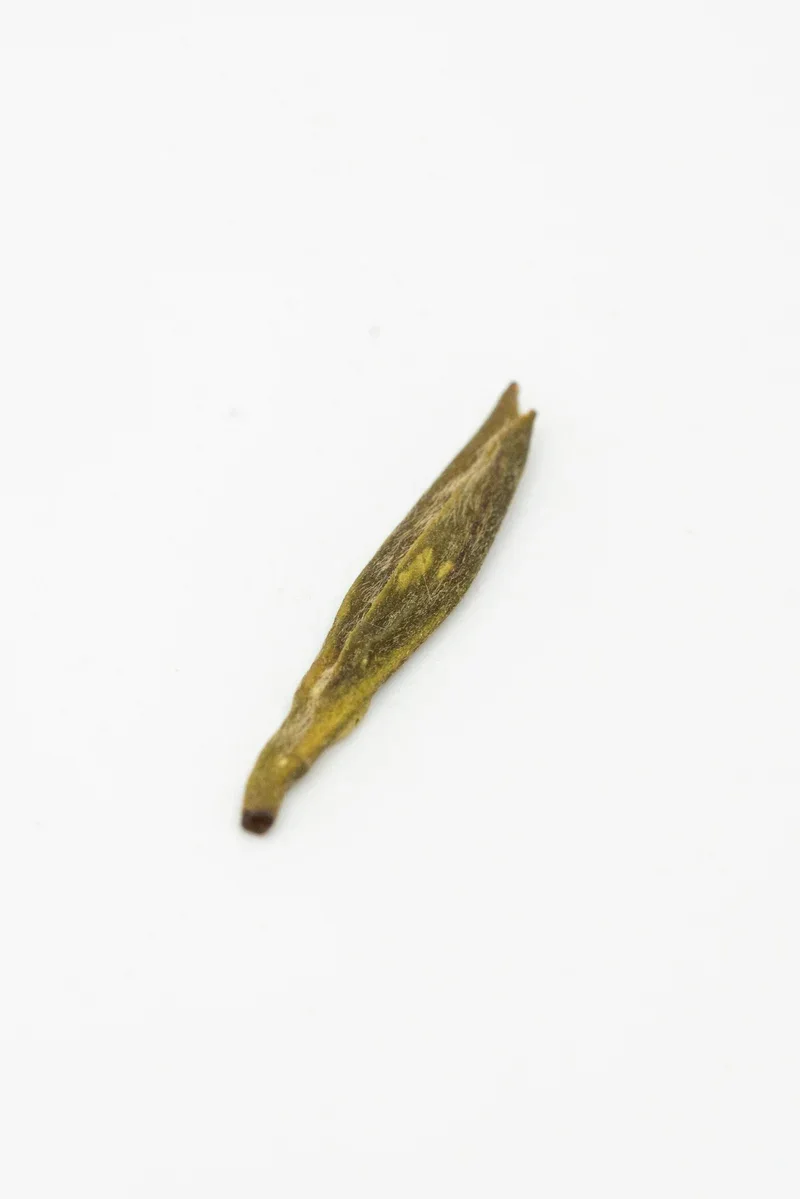
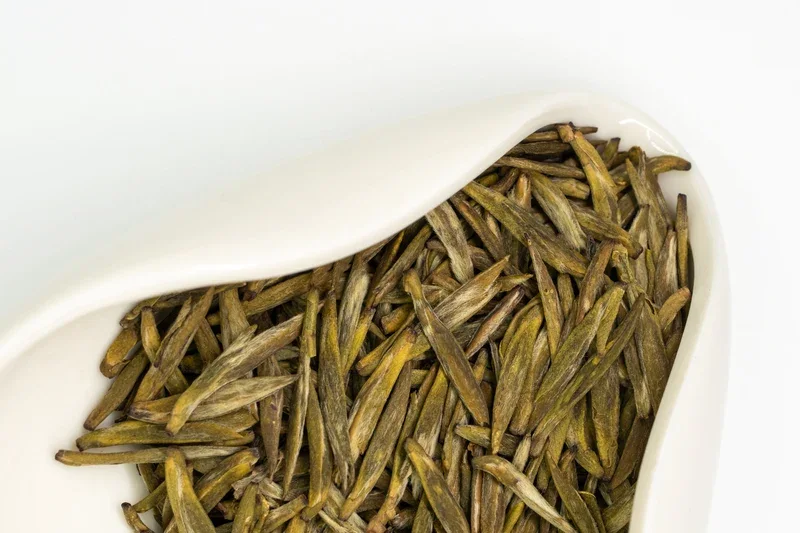
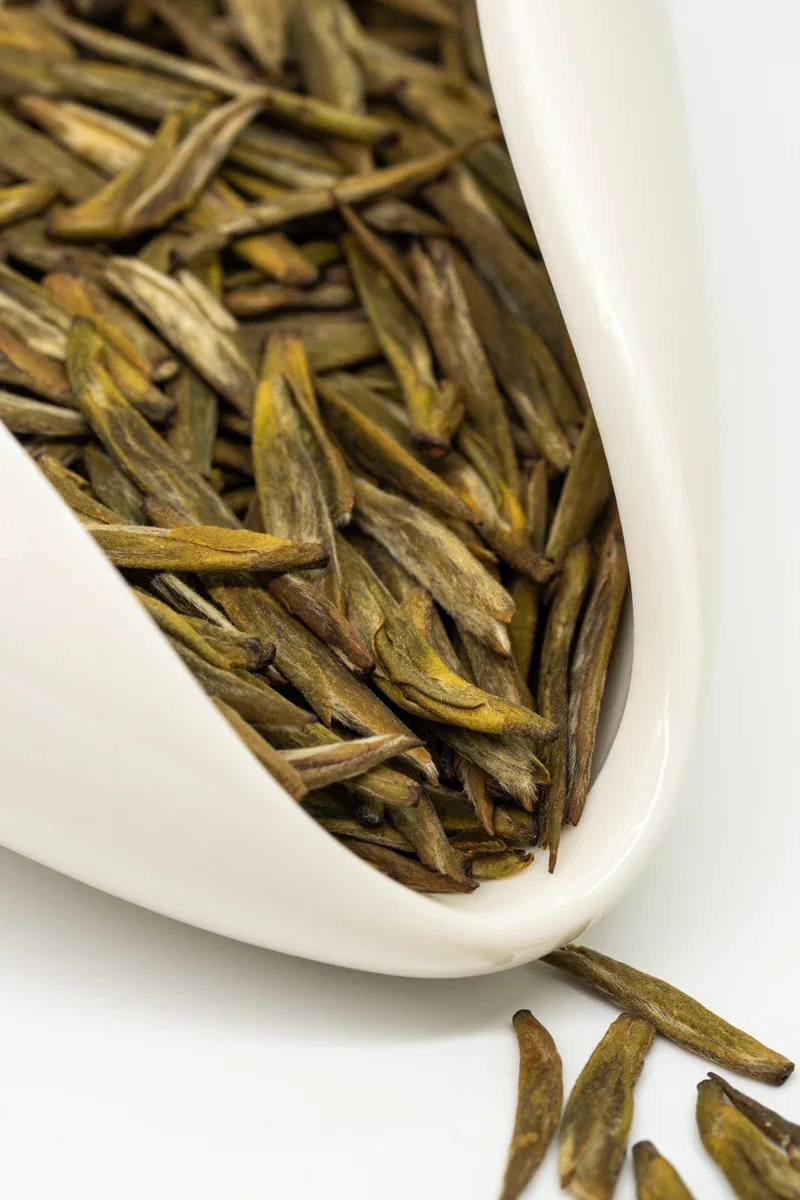
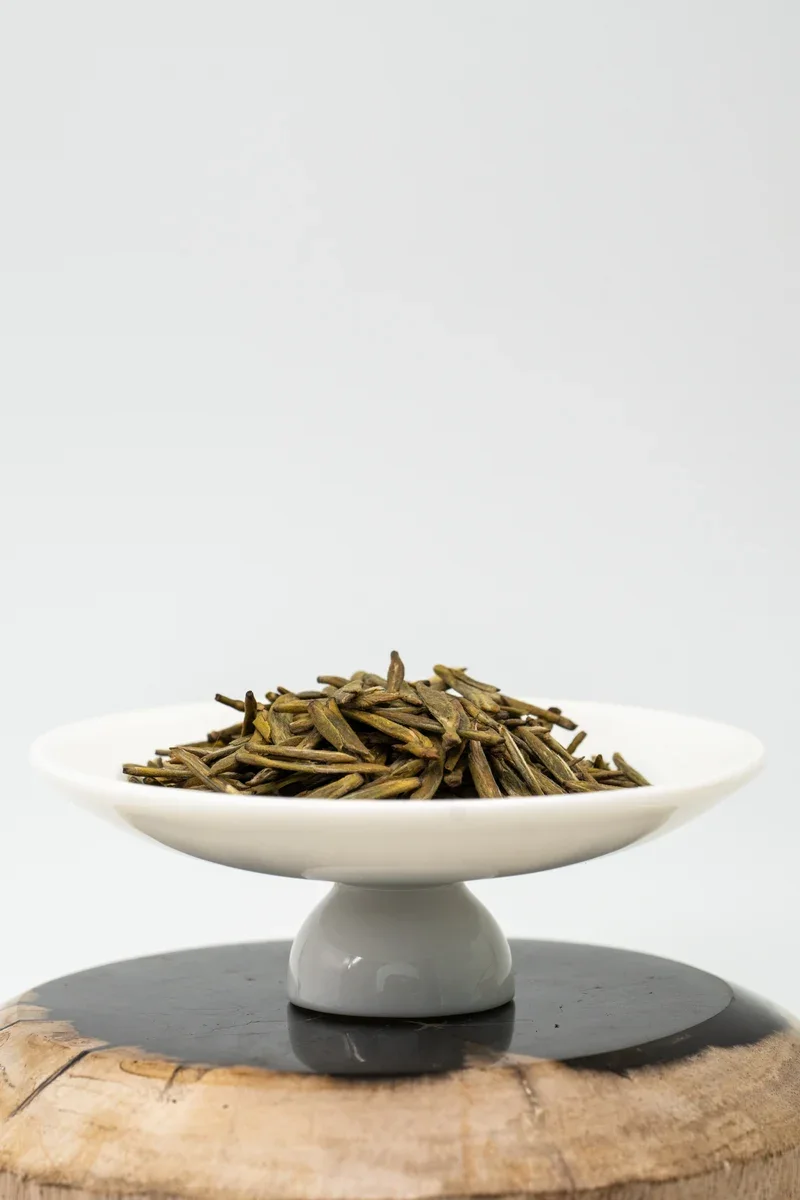
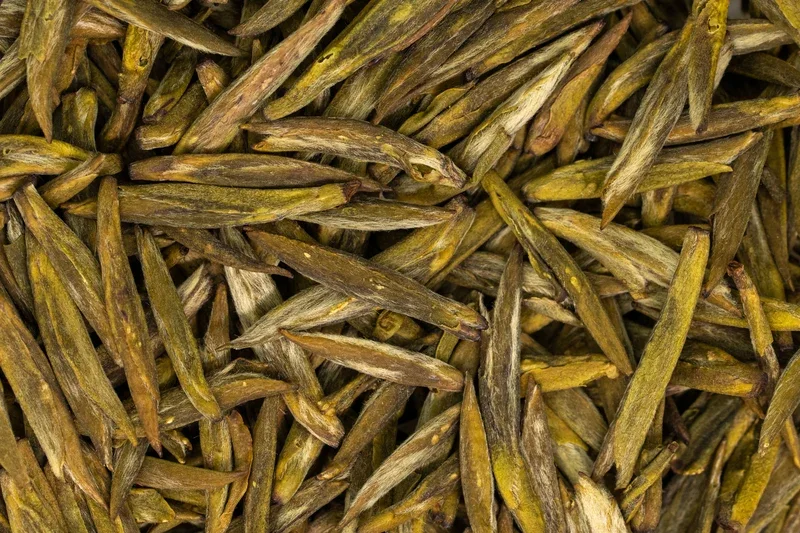
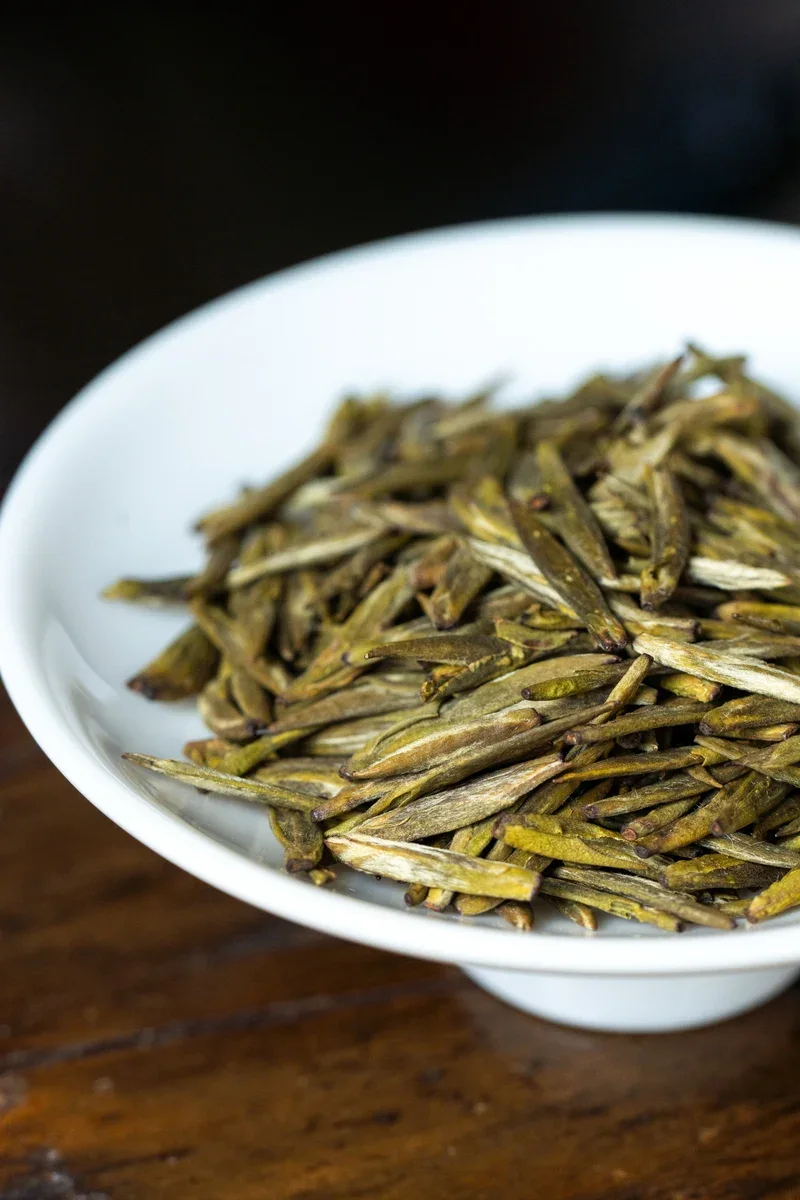
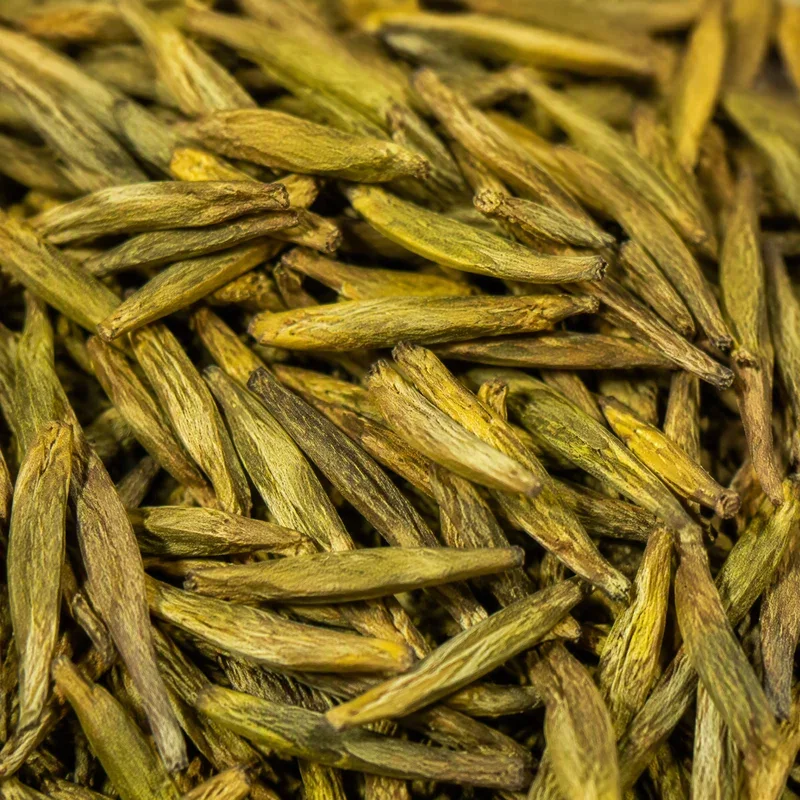
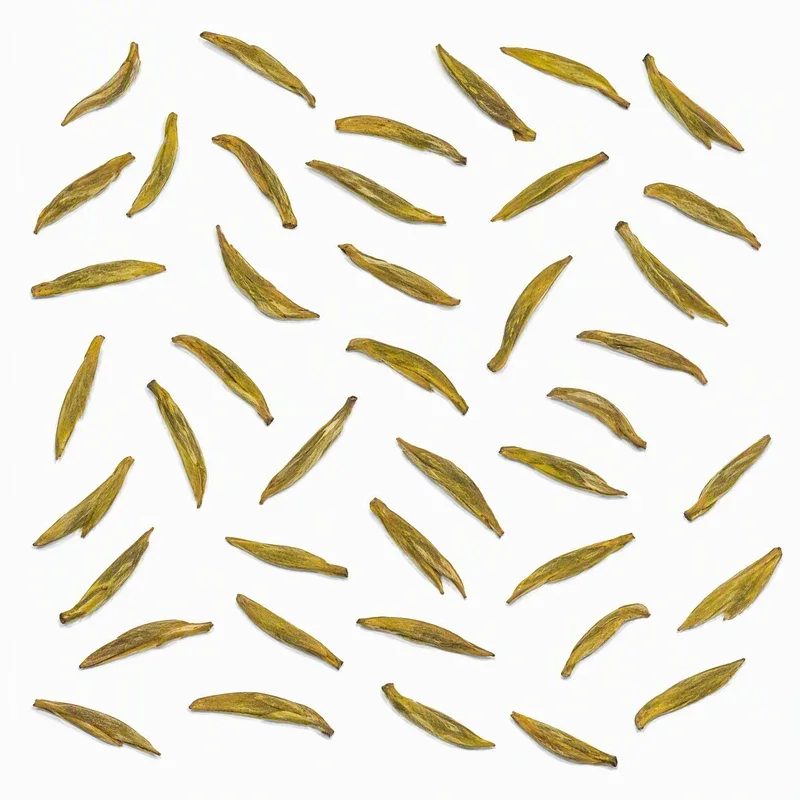
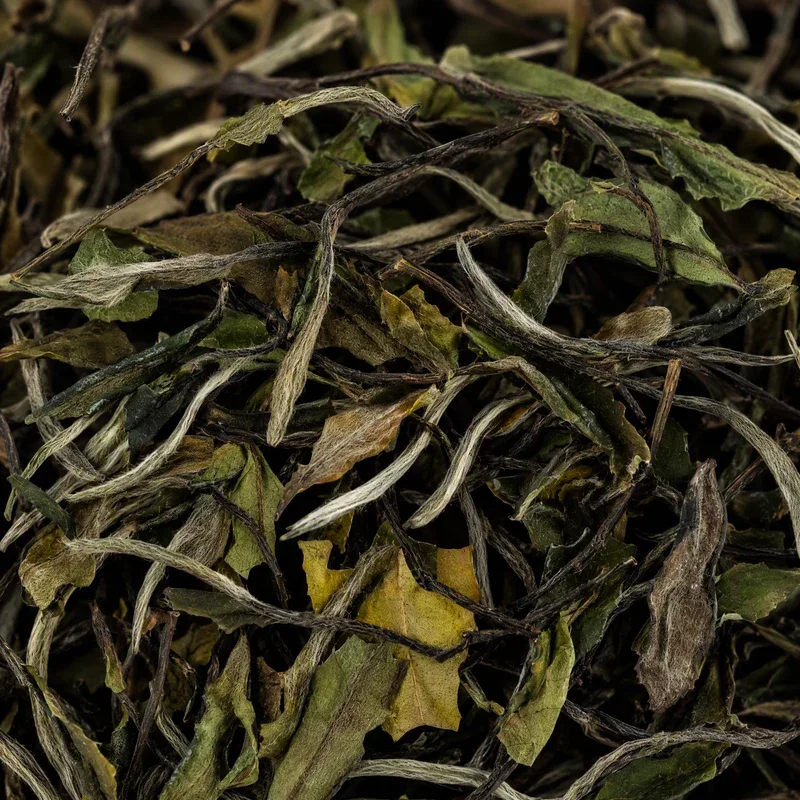
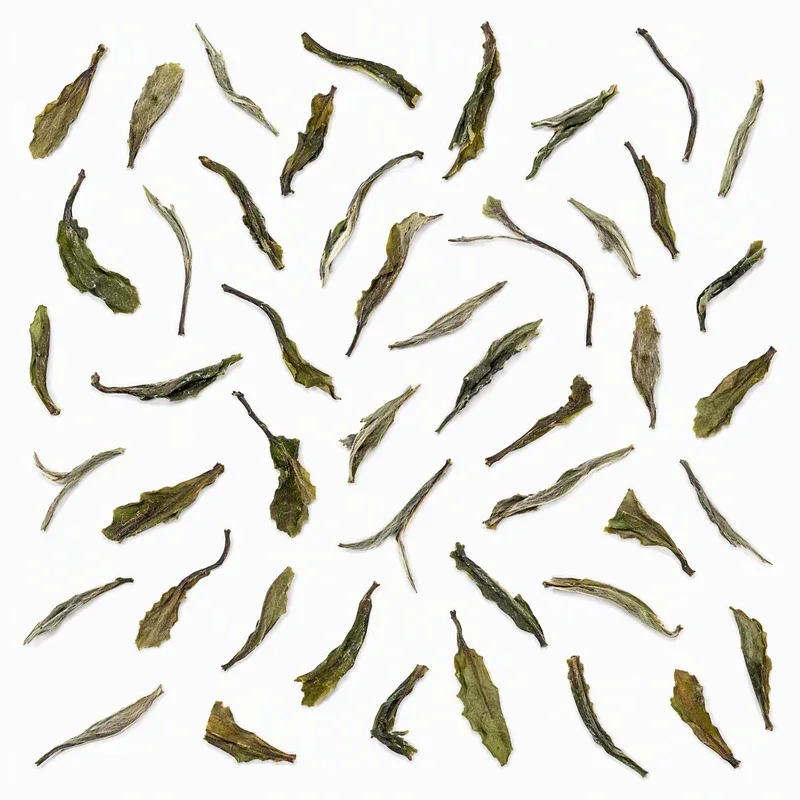
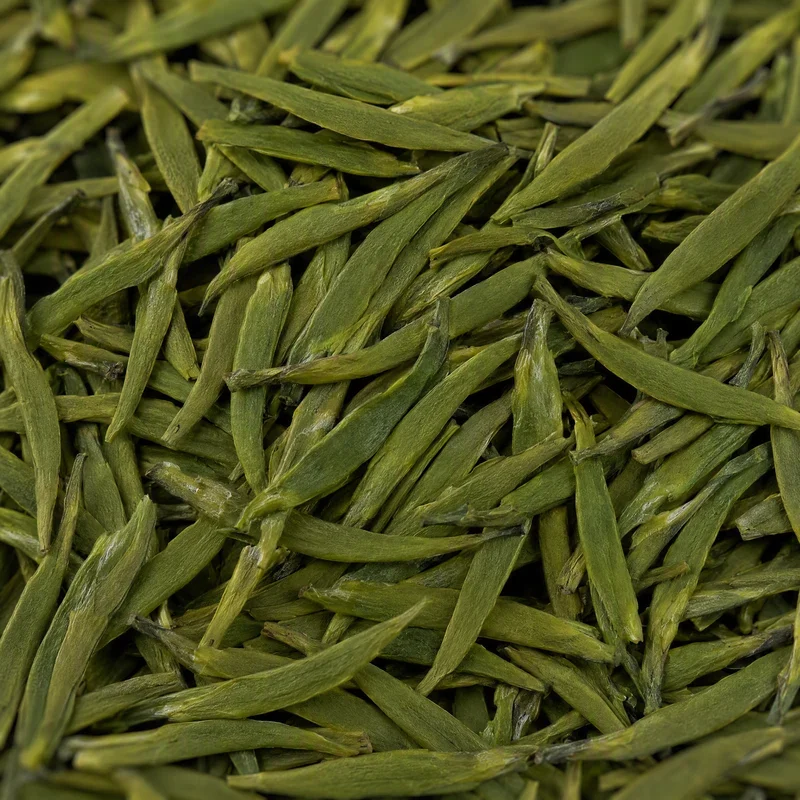
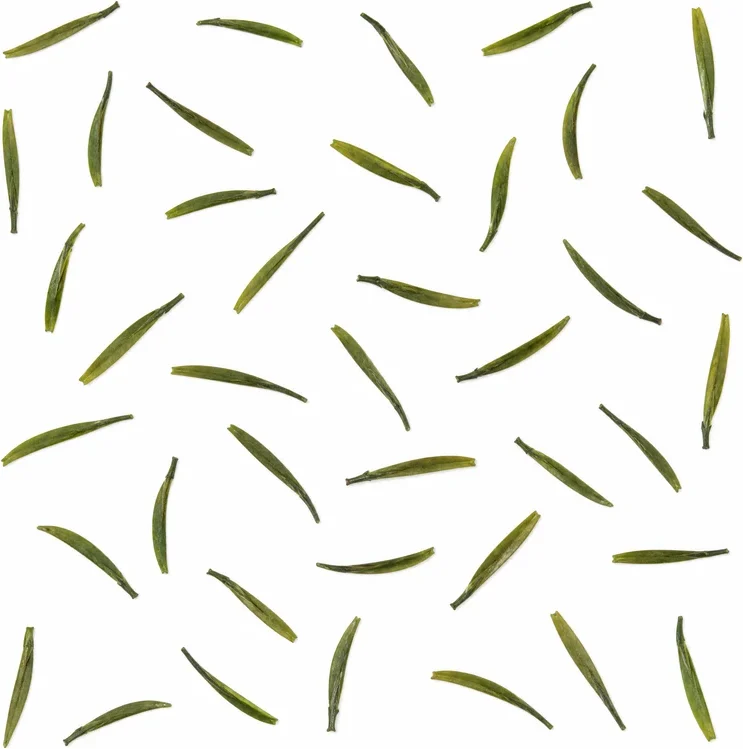
Dry Leaf Appearance: Flat, straight, smooth tea leaves (扁直光滑), resembling sword blades (如剑刃). Color — emerald green with oily luster (翠绿油润). Highest grade has abundant silvery down covering ≥80% of the bud surface.
Dry Leaf Aroma: Clean, high, persistent (清香持久). Characteristic mountain "ecological aroma" (山场气息, shānchǎng qìxī) — specific note of Guizhou highland teas, reminiscent of moist morning forest. Highest grade has additional "downy aroma" (毫香, háoxiāng), distantly reminiscent of young corn.
Liquor Aroma: Clean, medium height, with chestnut base and "cold" finish. "Cold aroma" — result of the third heating in "三烘三提" technology.
Liquor Color: Tender yellow, clear and bright (嫩黄透亮, nèn huáng tòu liàng) — for highest grade. First and second grades — more saturated yellow-green.
Spent Leaves: Tender green, uniform. Leaves unfold from "sword-like" form, revealing down.
Taste: Fresh and brisk (鲜爽, xiānshuǎng), with quick returning sweetness (回甘迅速). Body — mellow and rich (醇厚, chúnhòu), exceeding ordinary flat green teas, explained by the richness of internal substances accumulated in Se-Sr soils. Aftertaste — prolonged, mineral, with light coolness.
Amino Acids: Elevated content — characteristic feature of high-altitude Guizhou teas grown under high cloud cover and diffused light conditions.
2.5 mg/kg — exceptionally high level, one of the maximum among Guizhou green teas. Selenium is an essential microelement, part of glutathione peroxidase, a key antioxidant enzyme of the organism.
7.0 mg/kg — rare microelement for tea terroirs. Stable (non-radioactive) strontium participates in bone tissue mineralization and stimulates osteoblast activity.
The chemical uniqueness of Gelao Yu Cui is determined not so much by the content of classical tea components (polyphenols, amino acids, caffeine) as by its mineral profile: dual Se and Sr enrichment moves the tea from the "beverage" category to the "functional product" category. Selenium and strontium are not synthesized by the plant — they come exclusively from soil, making Daozhen's terroir an irreplaceable factor.
Minerals: Se, Sr, K, Mg, Zn. Dual Se + Sr enrichment — unique geochemical feature of Daozhen soils, not found in comparable concentrations in other Guizhou teas. Potassium (K) and magnesium (Mg) are present in standard amounts for green tea and contribute to maintaining electrolyte balance.
Polyphenols: Typical level for high-altitude Guizhou teas. "Guizhou Green Tea" standard (贵州绿茶) requires water-extractable substances ≥40%.
Vitamins: Vitamin C, B-group vitamins — standard set for quality green tea.
Selenium (Se) is part of glutathione peroxidase, while polyphenols (catechins) directly neutralize free radicals — two mechanisms working synergistically.
Stable strontium (Sr) stimulates osteoblast differentiation (cells forming bone tissue) and suppresses osteoclast activity — unique benefit practically absent in other teas.
Caffeine combined with L-theanine provides "gentle tone" — increased concentration without sharp nervous excitement.
High amino acid content and "cold aroma" create subjective sensation of coolness.
Tannins and catechins stimulate digestive enzyme secretion.
Selenium and vitamin C jointly strengthen immune response, supporting NK-cell activity.
Catechins (EGCG, ECG) show bacteriostatic activity.
Selenium is a cofactor of deiodinase, the enzyme converting thyroxine (T4) to active triiodothyronine (T3). Regular selenium intake from tea helps maintain normal thyroid function.
Polyphenols help reduce LDL cholesterol levels and maintain vascular wall elasticity. Selenium additionally protects vascular endothelium from oxidative damage.
L-theanine crosses the blood-brain barrier, promoting alpha-wave generation in the brain and improving attention concentration.
Tea Amount: 4 g per gaiwan of ~120 ml capacity (tea should occupy approximately ¼ of vessel volume).
Teaware: Glass tumbler — recommended for observing "floating swords" (tea leaves vertically suspended in water create spectacular view). Gàiwǎn (盖碗) 120–150 ml — for short infusions.
Water Temperature: 85–90°C.
Container: Airtight vacuum packaging of aluminum foil.
Enemies: Moisture, light, foreign odors, heat.
Shelf Life: 12 months with airtight storage. After opening — 1 month (flat leaf shape increases air contact area, accelerating oxidation).
Temperature: Refrigerator, 0–5°C.
Famous flat green tea from Meitan (Zunyi). Both flat, both from Zunyi region, but Cuiya uses Longjing-type pan-firing technology, while Yu Cui — hot-air drying technology with "搭扁" stage. Cuiya — more "sweet" and "soft"; Yu Cui — more "mineral" and "rich."
"Zinc-selenium tea" from neighboring Fenggang County, also part of Zunyi. Both are "mineral" teas, but Fenggang contains zinc (Zn) and selenium (Se), while Daozhen — selenium (Se) and strontium (Sr). Fenggang — predominantly twisted; Yu Cui — flat.
Main "name" tea of Guizhou, included in UNESCO's intangible cultural heritage list (as part of "Traditional Tea Processing Techniques in China," 2022). Twisted, downy, with "fish hook" shape (鱼钩形). Fundamentally different shape (twisted vs flat), different flavor profile ("brothy freshness" vs "mineral richness"), but comparable terroir level. Duyun Maojian is produced in southern Guizhou (Duyun City, Qiannan Buyi and Miao Autonomous Prefecture), while Yu Cui — in northeastern province, determining differences in soil composition and microclimate.
Modern proprietary tea from Guizhou, created by tea expert Mou Yìngshū (牟应书). Uses coarser raw material — one bud + two-three leaves — and shaped into pellets. Fundamentally differs from Yu Cui in raw material grade, shape, and price category, but shares "Guizhou" quality standard (水浸出物 ≥40%).
Highest grade (特级) — ~320 yuan per 100 g (~1600 yuan per 500 g). First grade — ~180 yuan per 250 g (~360 yuan per 500 g). Second grade — more affordable.
Raw material grade (highest — only buds with ≥80% down), harvest season, Se and Sr content (confirmed by laboratory analysis).
No reviews yet. Tell us what you think of this tea.
Rate this tea and share your impressions. We review each submission before publishing it.