Brewing
Gongfu brewing
- Water temperature
- 92 °C
- Tea amount
- 6 g
- Water volume
- 100 ml
- First steep
- 10 s
- Time added per infusion
- 5 s
- Infusions
- 8

dà yǔ lǐng wūlóng
Choose a brewing method. Start with the recommended quantities and time, then adjust to taste.
Brewing
Brewing
Taste
Tea encyclopedia
Category: Taiwanese high-mountain oolongs (高山烏龍, gāoshān wūlóng). Also belongs to the category of "high-altitude cold teas" (高冷茶, gāolěng chá) — a term applied to teas growing above 2000 m.
Category: Taiwanese high-mountain oolongs (高山烏龍, gāoshān wūlóng). Also belongs to the category of "high-altitude cold teas" (高冷茶, gāolěng chá) — a term applied to teas growing above 2000 m.
Coordinates: Approximately 24°09' N, 121°17' E.
Origin: Táiwān (台灣, Táiwān), Dàyǔlǐng mountain area (大禹嶺, Dà Yǔ Lǐng), located at the junction of three administrative units: Nántóu County (南投縣, Nántóu Xiàn), Taichung City (台中市, Táizhōng Shì) and Hualien County (花蓮縣, Huālián Xiàn). Tea plantations stretch along the section of the Central Cross-Island Highway (中橫公路, Zhōnghéng Gōnglù) from the 95K to 105K markers. The core of production is the 104K–105K area at an altitude of about 2600 m, where the oldest tea gardens with trees over 30 years old are concentrated.
Type: Oolong (semi-oxidized tea). Light oxidation level — from 15 to 25%, in individual batches up to 40%. Roasting is minimal or absent, which allows maximum preservation of the characteristic "cold" high-mountain aroma.
Cultural Significance: Dayuling occupies the pinnacle of the unofficial hierarchy of Taiwanese high-mountain teas. Its status is determined not only by the absolute altitude of cultivation (the highest-altitude oolong in the world), but also by the extreme limitation of supply. In Taiwanese tea culture, Dayuling is perceived as the standard of "mountain rhyme" (山韻, shān yùn) — that unique sensation of mineral coolness, purity and depth that high-mountain teas provide. It is considered "a peak that cannot be surpassed," since above 2600 m tea bushes are no longer able to grow.
History: The history of tea cultivation in the Dayuling area is relatively young and inextricably linked to the construction of the Central Cross-Island Highway. The highway was built by demobilized servicemen under the leadership of the Veterans Affairs Commission (退輔會, Tuìfǔ Huì) and was opened on May 9, 1960. The road first connected the eastern and western coasts of Taiwan through the Central Mountain Range and made previously inaccessible high-mountain territories suitable for agricultural development.
Cultivar: The main cultivar is Qīng Xīn Oolong (青心烏龍, Qīng Xīn Wūlóng), "Green Heart Oolong," occupying about 90% of the areas. This is a classic Taiwanese small-leaf variety (Camellia sinensis var. sinensis), originating from old Fujian oolongs brought to Taiwan in the 19th century. Qing Xin Oolong is distinguished by thin, compact leaves, high content of aromatic substances and exceptional responsiveness to high-mountain terroir — it is precisely this cultivar that best conveys the "cold mineral aroma" (冷礦香, lěng kuàng xiāng) characteristic of Dayuling. Jīn Xuān (金萱, Jīn Xuān) is also planted in insignificant volumes — a Taiwanese selection variety TTES №12, which gives the tea a light creamy shade.
Picking: Two main seasons — spring (late May — mid-June) and winter (late September — October). Winter harvest comprises about 70% of market volume and is valued for special density of taste and expressiveness of "cold minerality." Spring harvest attracts with bright floral aromatics and increased freshness. Due to harsh climatic conditions, summer and autumn harvests are practically not produced.
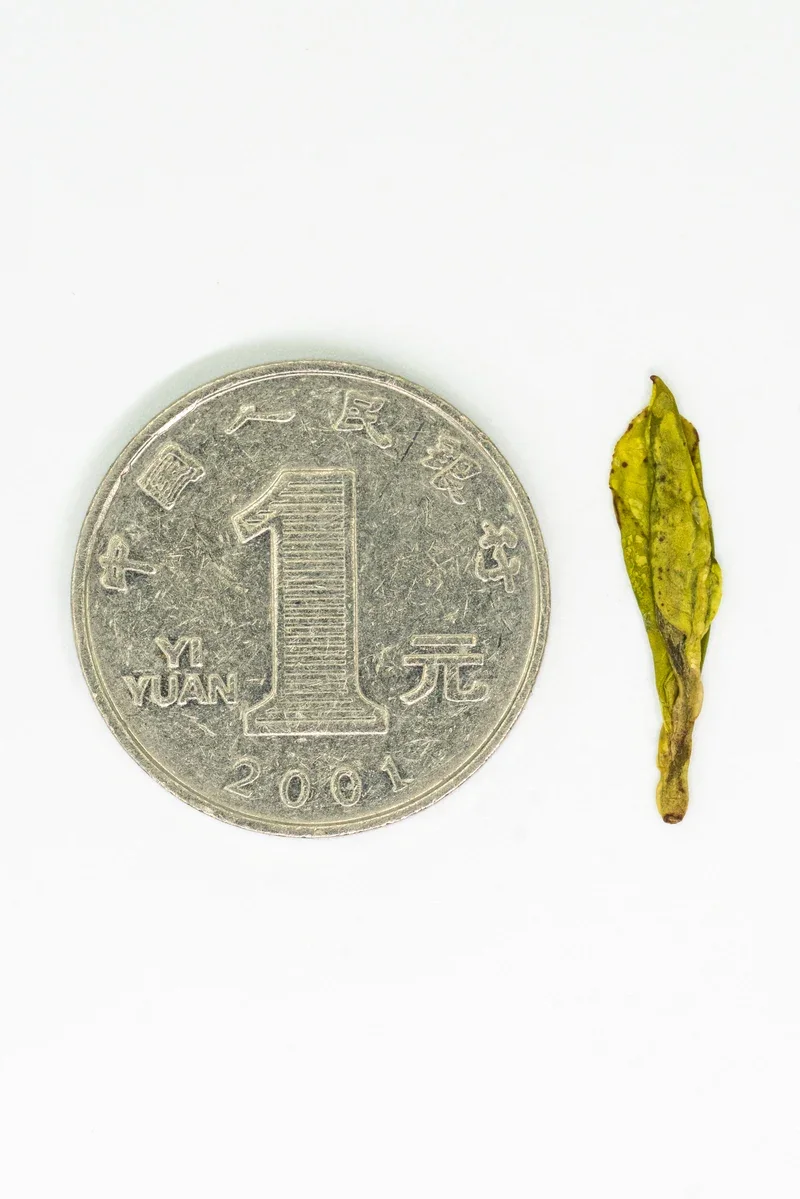
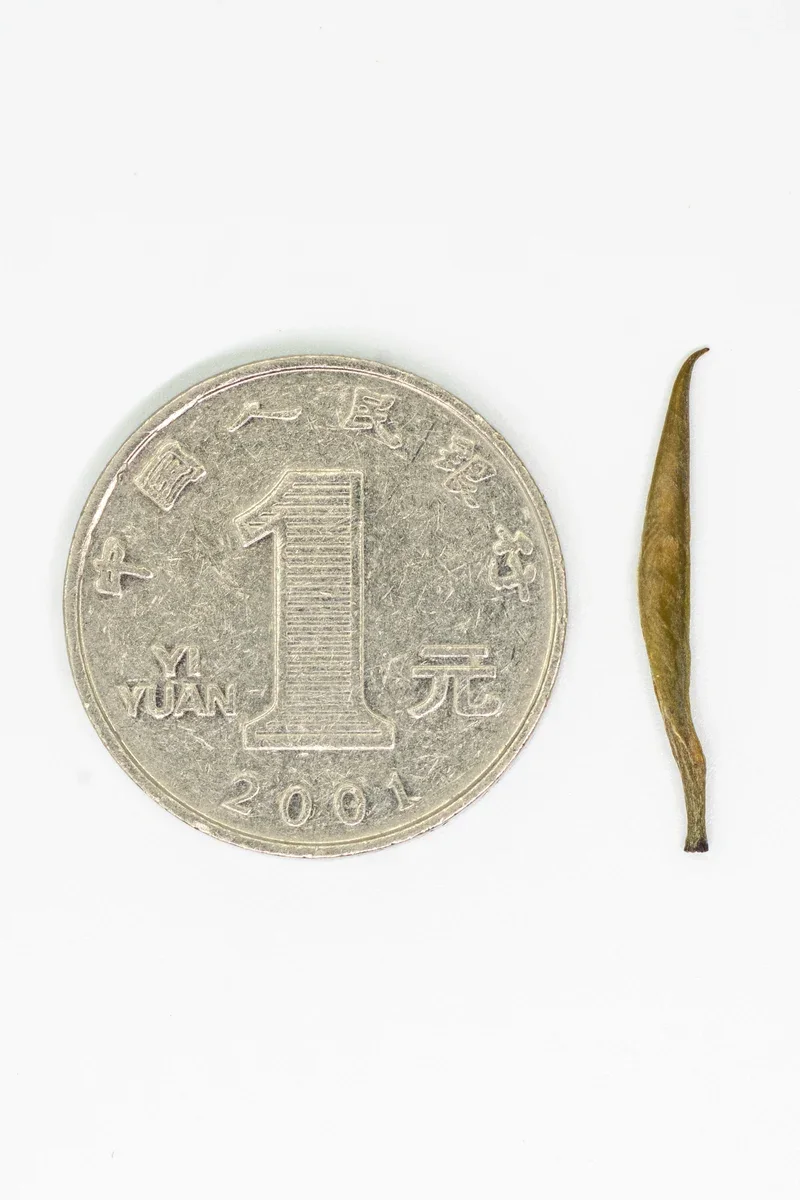
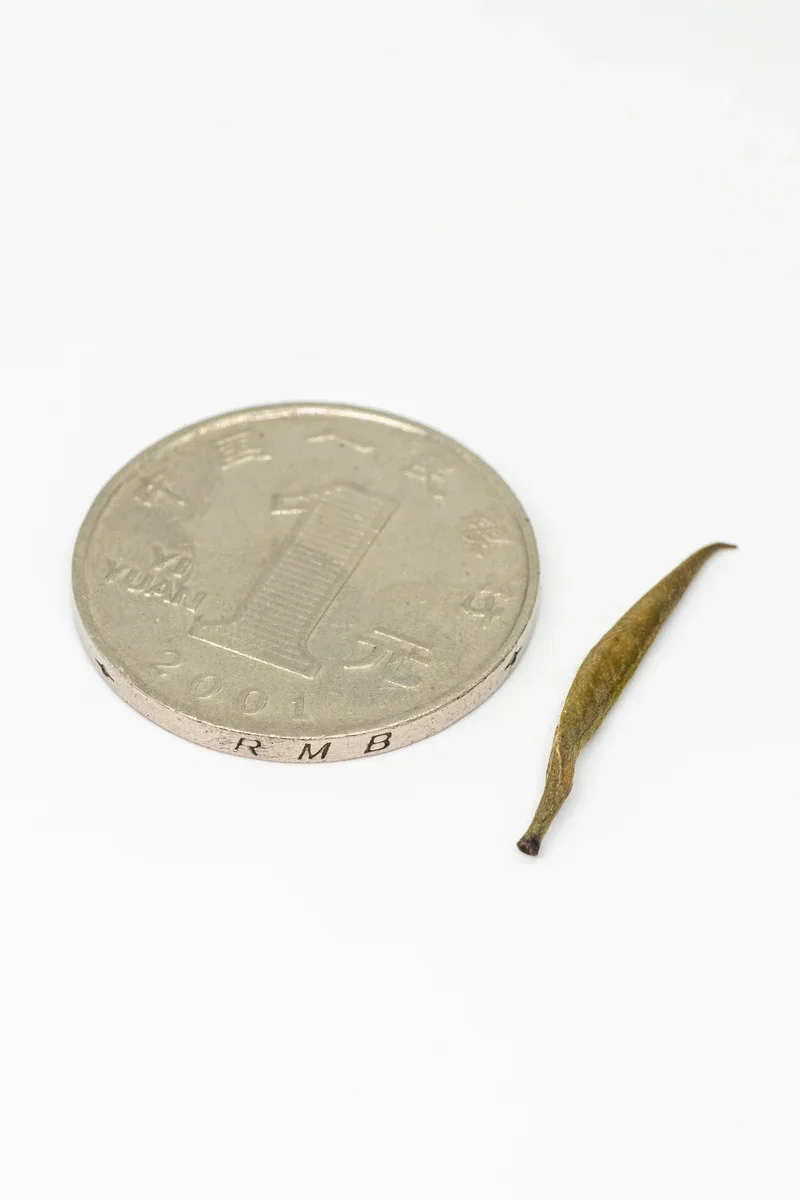
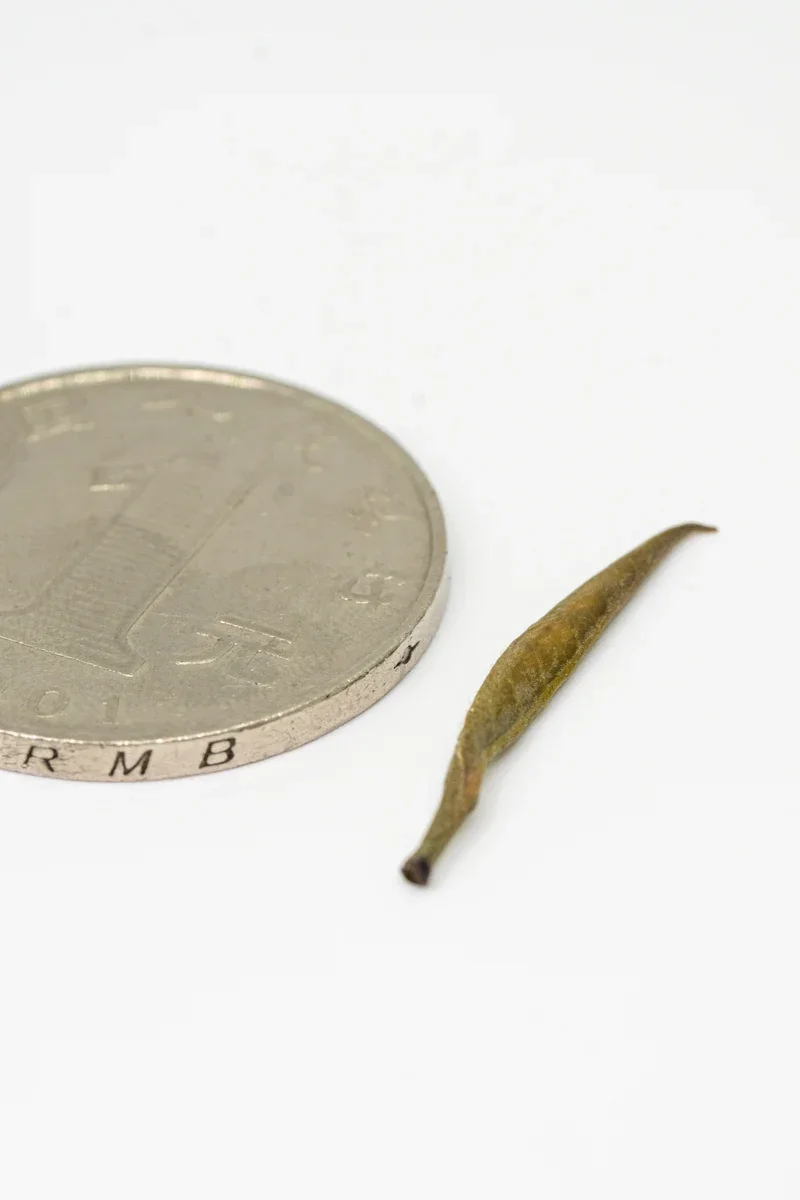
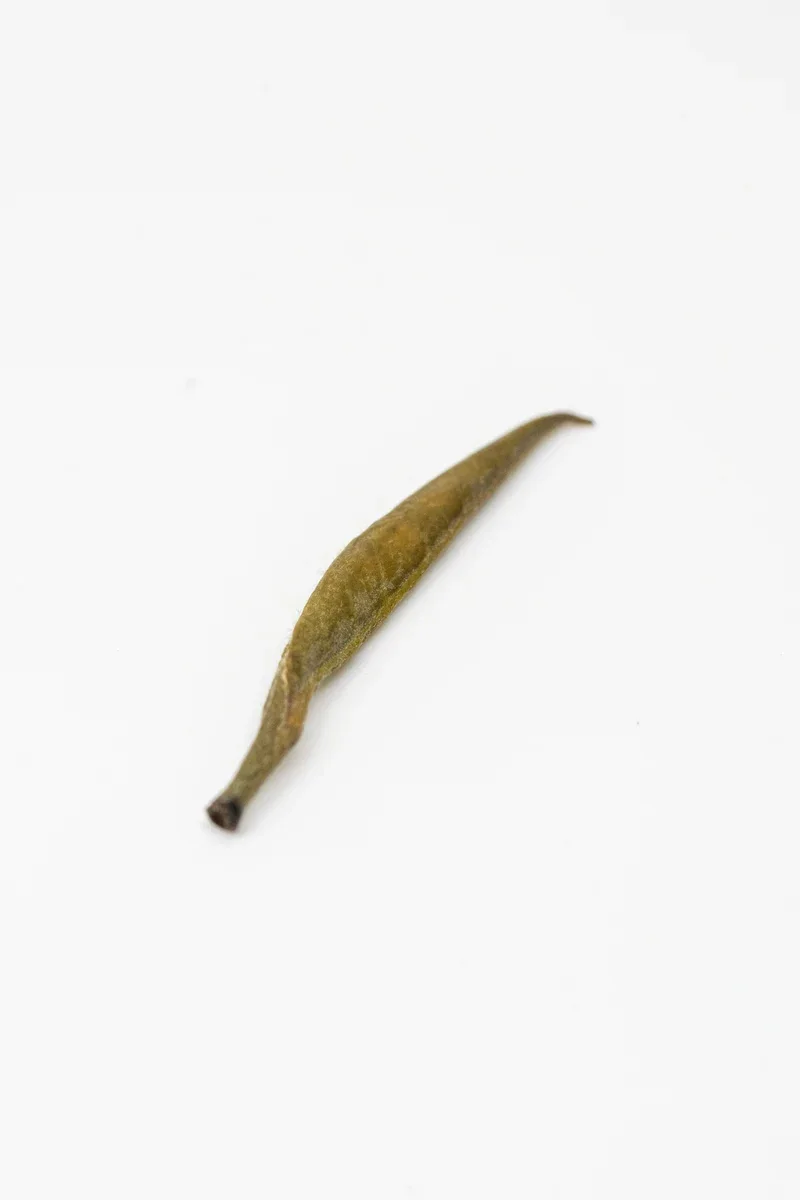
Pluck Standard: "One bud and two leaves" (一心二葉, yī xīn èr yè), shoot length 2.5–3 cm. At the varietal level "teji" (特級, tèjí), the proportion of shoots of "bud + two leaves" standard should be at least 95%. The underside of the leaf is covered with dense white down.
Raw Material: Exclusively hand-picking. Plantations often lack access roads, and all picked leaves must be transported manually. Only young, undamaged, juicy shoots with uniform degree of maturity are used, without traces of mechanical impact and foreign odors.
Altitude: 2200–2600 m above sea level. The core — plots at the 2600 m mark (104K–105K area of the Central Cross-Island Highway), representing the highest-altitude zone of oolong cultivation on the planet.
Climate: Subtropical high-mountain. Average annual temperature below 15°C, in winter temperature regularly drops below 0°C, snowfalls are frequent. Daily temperature variation reaches 15–20°C. Number of foggy days — over 200 per year; relative air humidity consistently exceeds 85%. Frost-free period — about 180 days. Ultraviolet radiation intensity is 30% higher than on the plains.
Soil: Red-yellow soils on volcanic foundation (火山岩母質紅黃壤). Acidity pH 4.5–5.5, organic matter content not less than 3%. Soils are rich in iron and magnesium, provide good drainage. The mineral composition of the soil makes a significant contribution to the formation of the characteristic "stony" aftertaste.
Tea gardens are located on steep slopes of the Central Mountain Range (中央山脈, Zhōngyāng Shānmài), in the saddle between Héhuān Mountain (合歡山, Héhuān Shān, 3417 m) and Bilu Mountain (畢祿山, Bìlù Shān, 3371 m). The region is surrounded by primary coniferous forests; forest cover of the territory is about 93%.
Hand-picking of shoots of "one bud — two leaves" standard. Harvested raw material is immediately delivered to the workshop, avoiding overheating and mechanical damage to the delicate high-mountain leaf.
Leaves are spread in the open air for about 30 minutes; under the action of the sun, gentle moisture loss and activation of enzymatic processes begins.
Transferred indoors for 4 hours for further controlled wilting. The leaf becomes pliable, the aroma foundation is formed.
Three cycles of gentle shaking on bamboo trays with intervals for leaf "rest." Mechanical action on the leaf edge triggers partial oxidation of cellular juice, forming a floral-fruity bouquet. For Dayuling, shaking is especially delicate — extremely tender high-mountain raw material is easily damaged.
Pan-firing at about 280°C stops enzymatic processes and fixes the aroma direction.
The leaf is rolled into characteristic semi-spherical form, the appearance of tea particles is formed and subsequent extraction is increased.
Drying at 80°C to stabilize the form.
Repeated shaping in a cloth bag — giving dense semi-spherical form to the granules.
Delicate finish drying at 60°C by the method of "low-temperature slow baking" (低溫慢焙, dī wēn màn bèi), fixing the "cold mineral" aroma. Throughout the process, contact of raw material with metal surfaces is avoided — bamboo, cloth and ceramics are used.
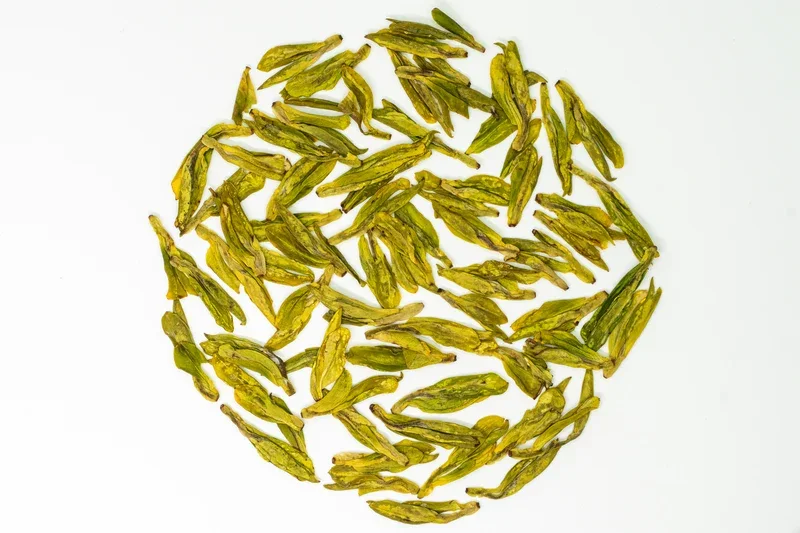
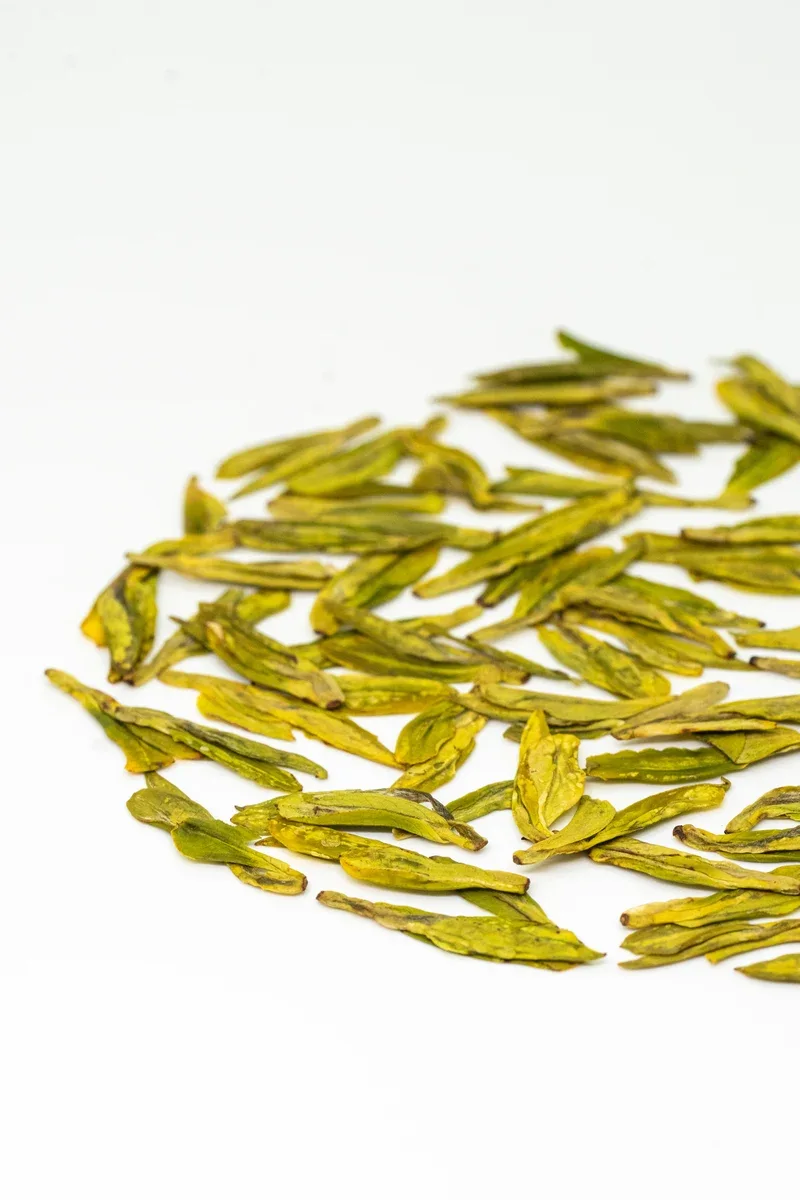
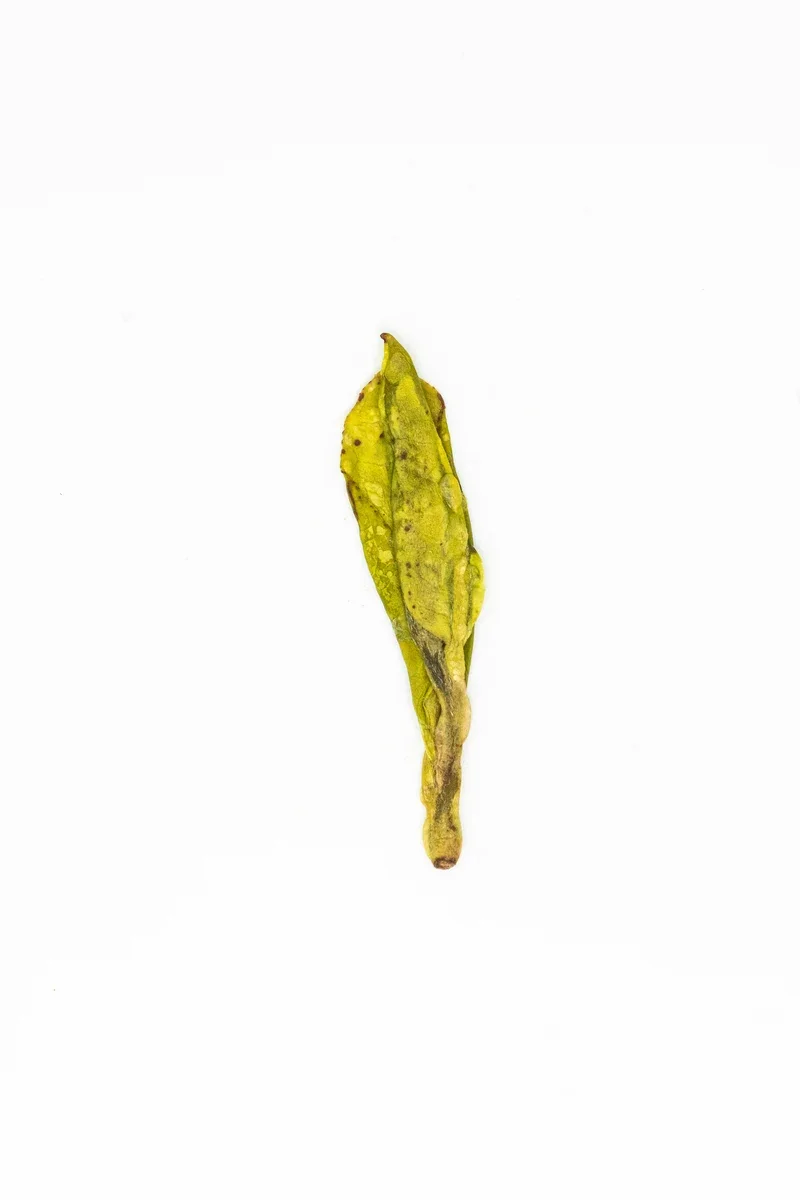
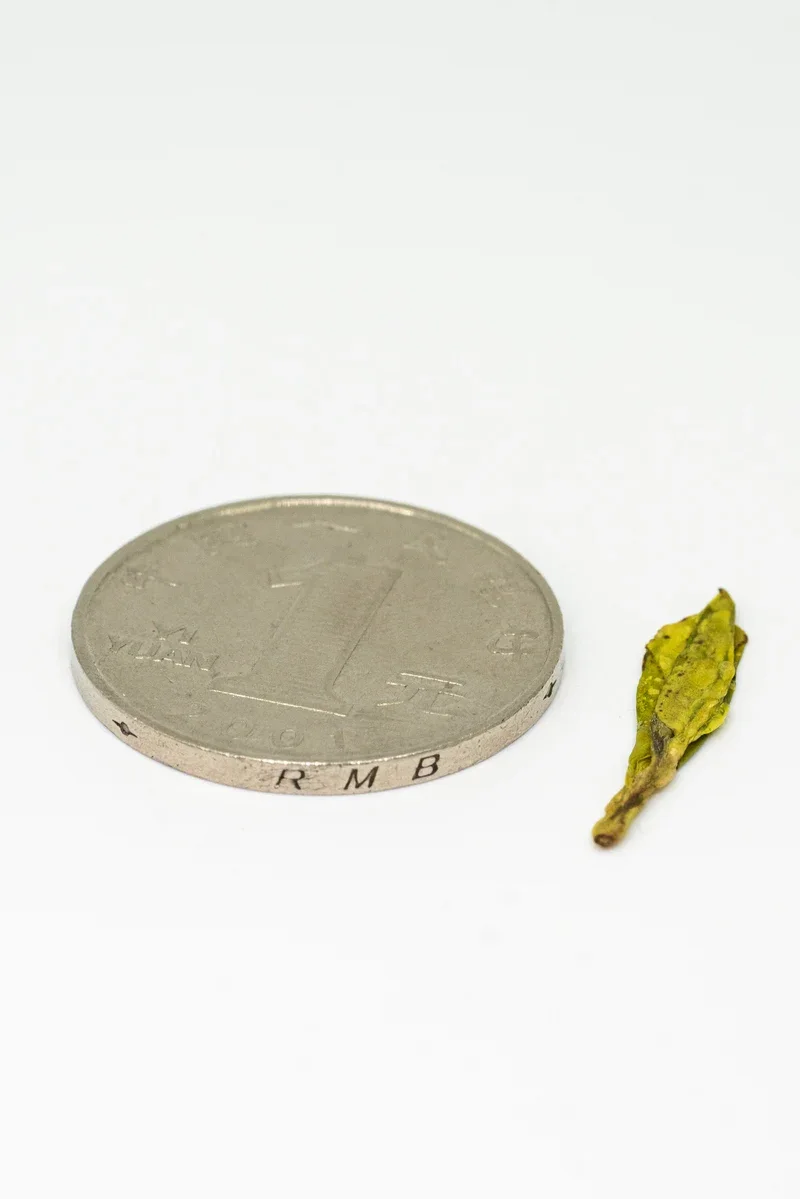
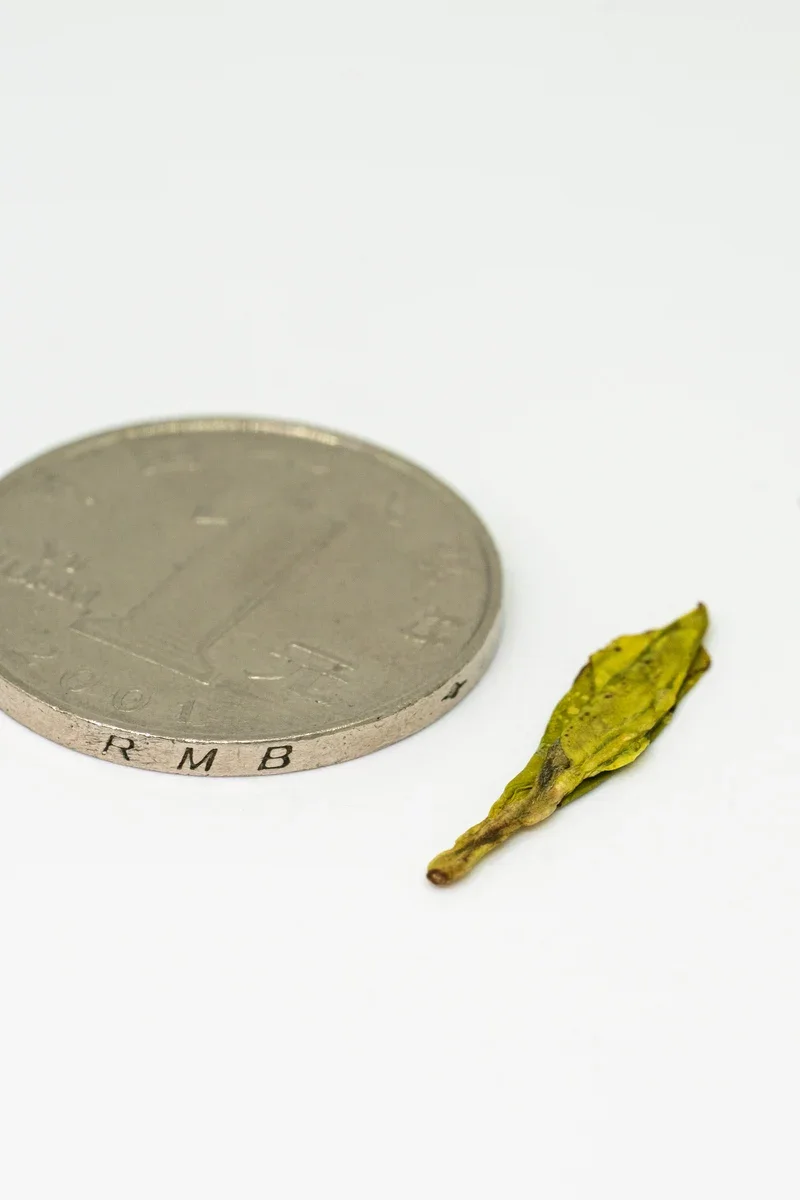
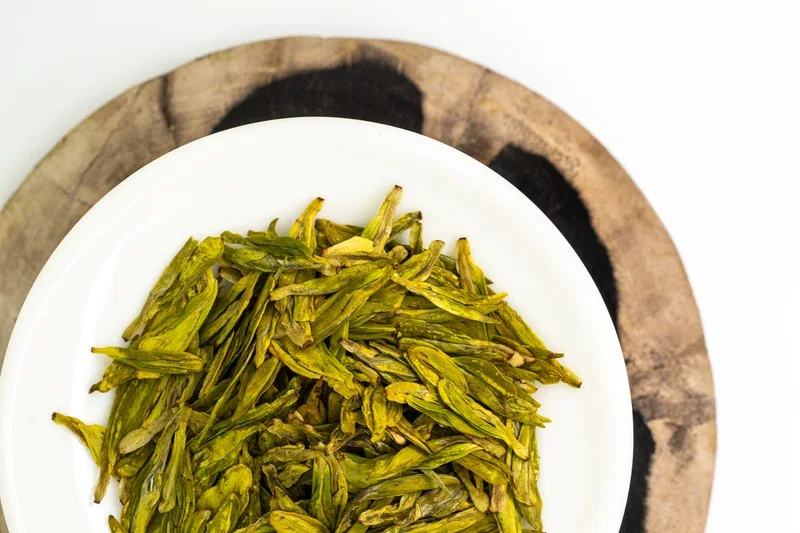
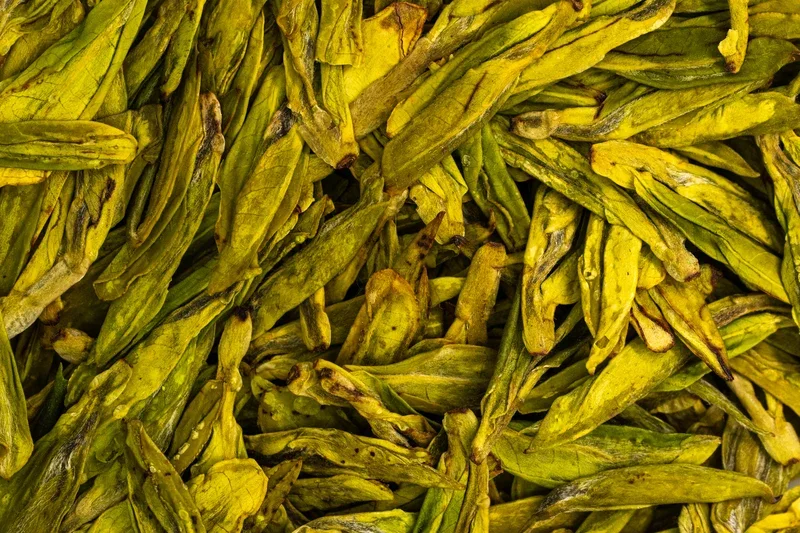
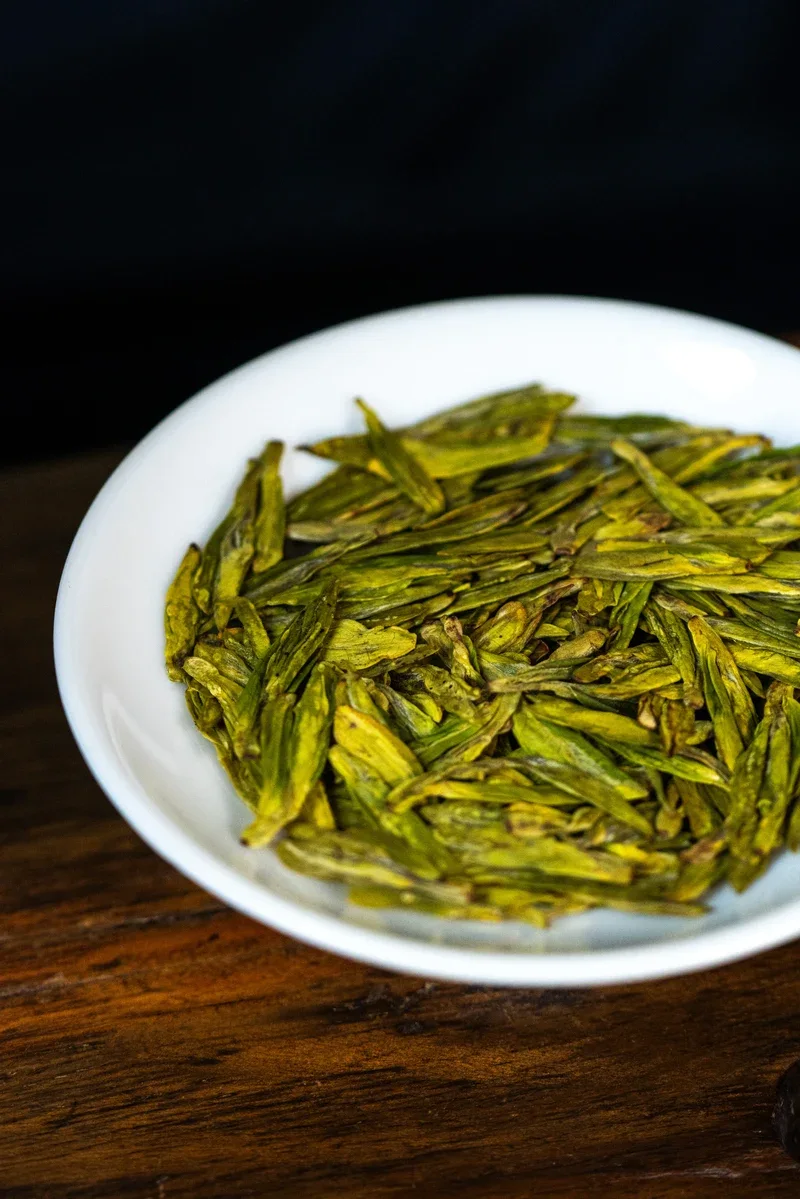
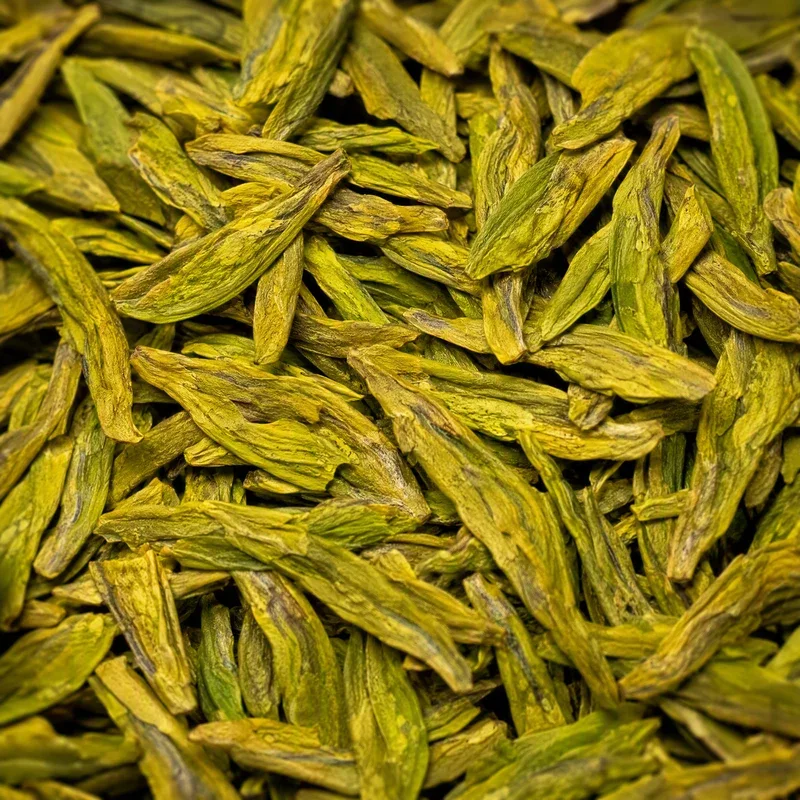
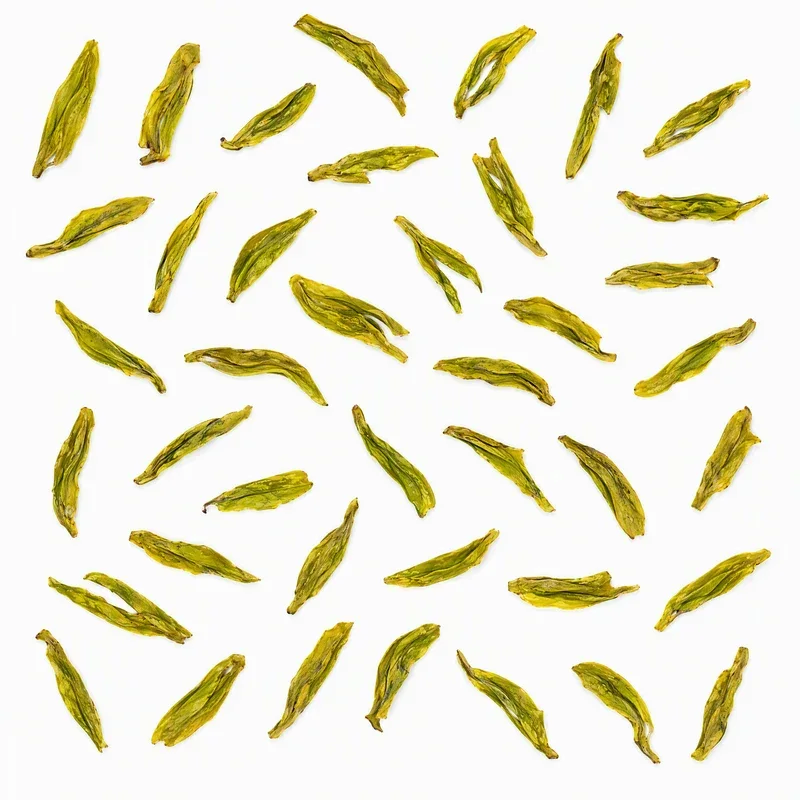
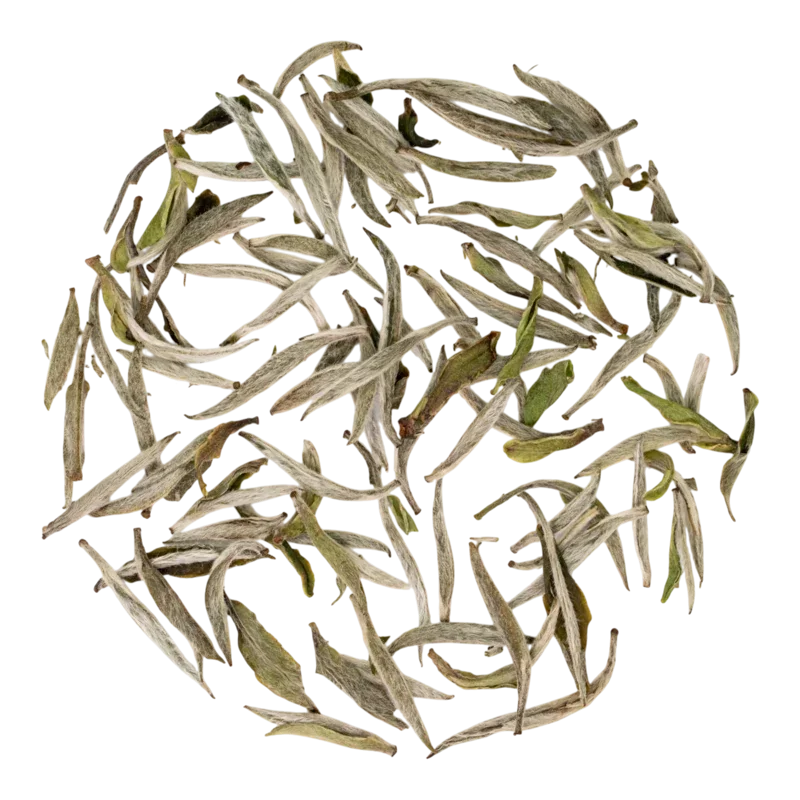
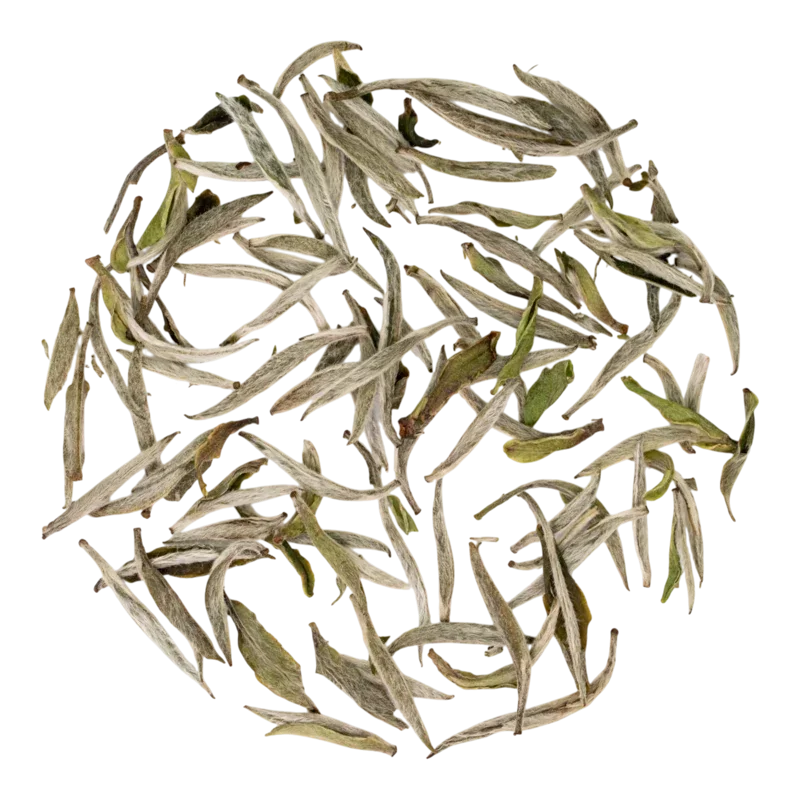
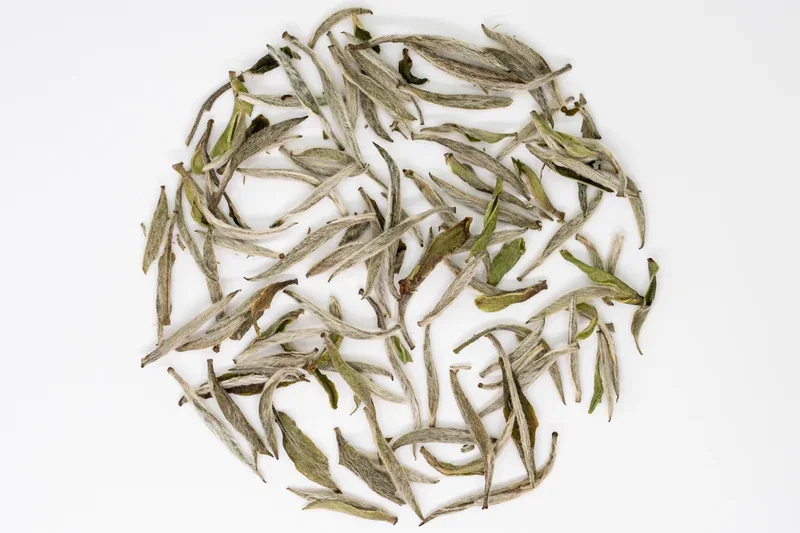
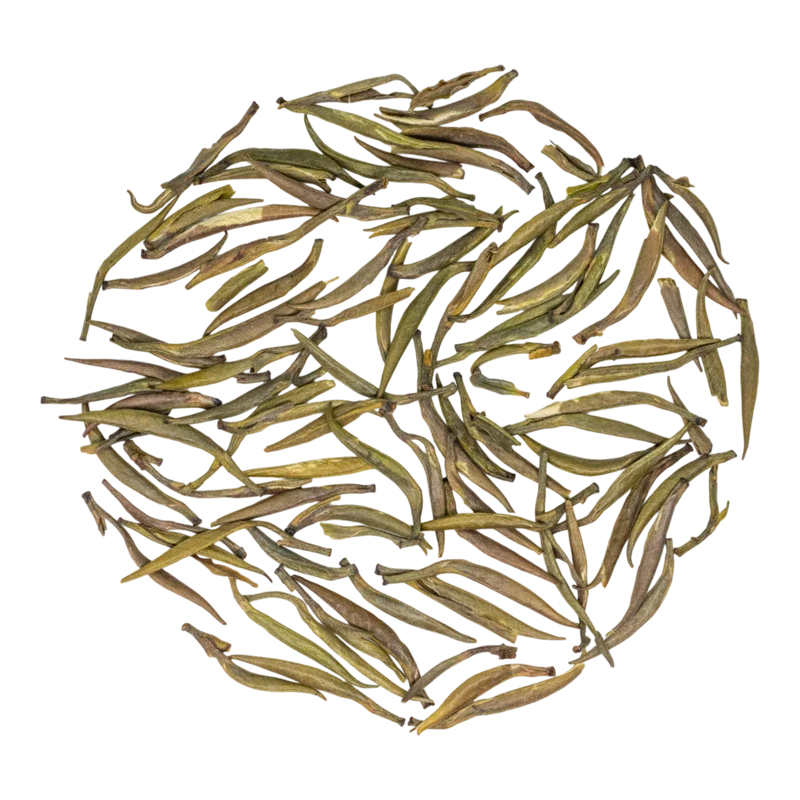
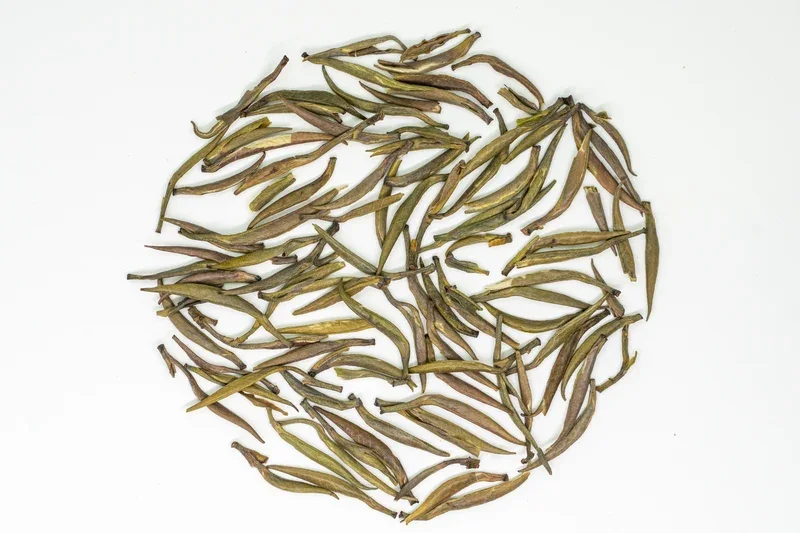
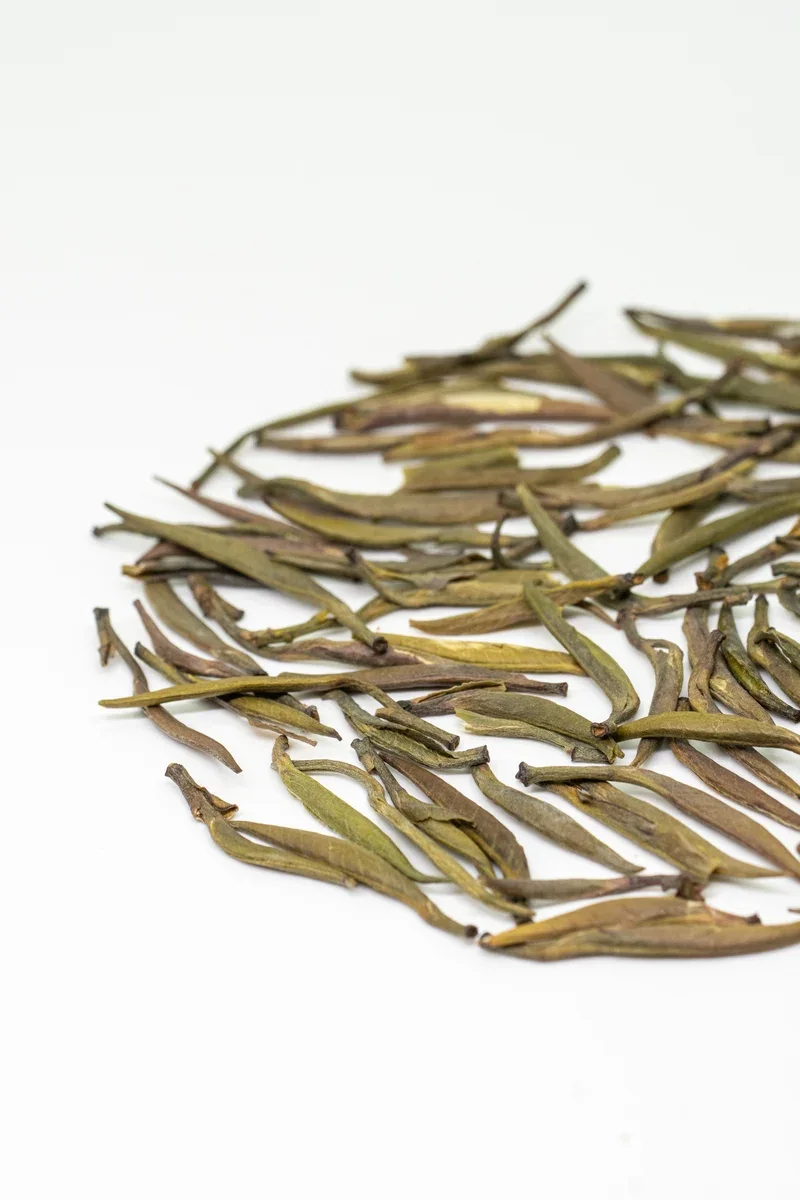
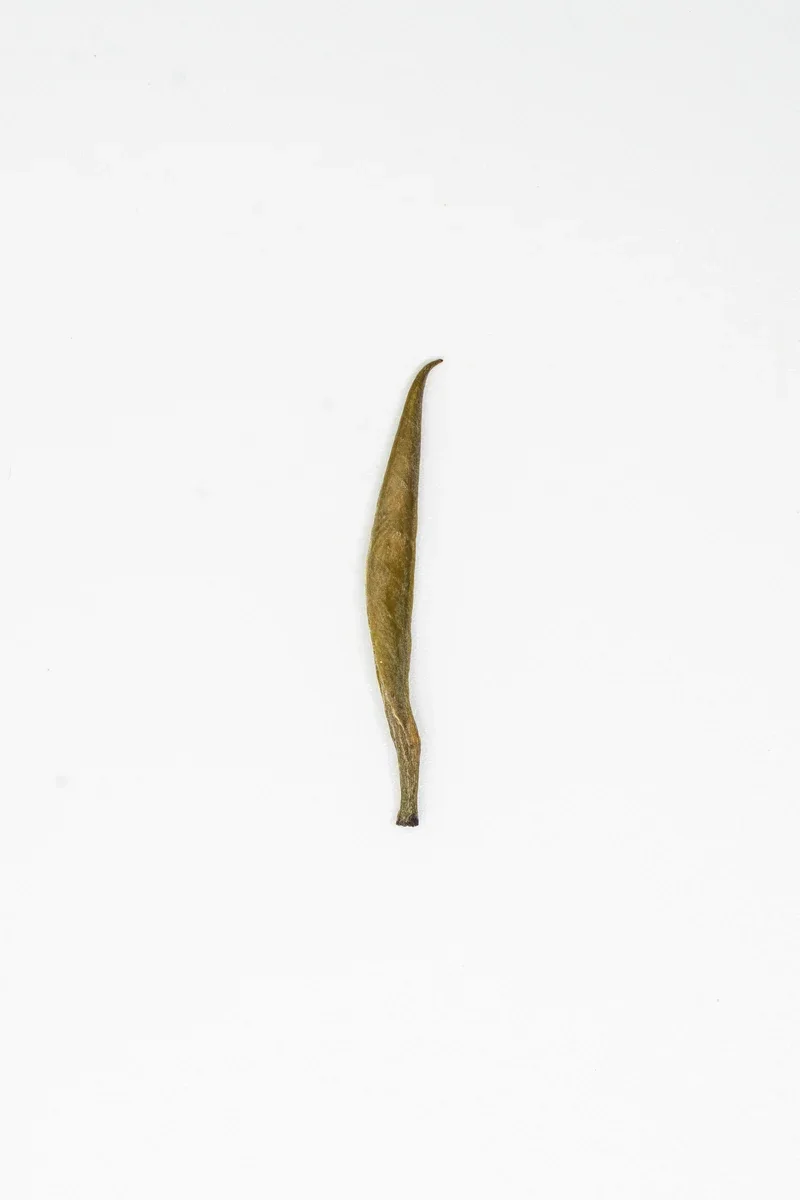
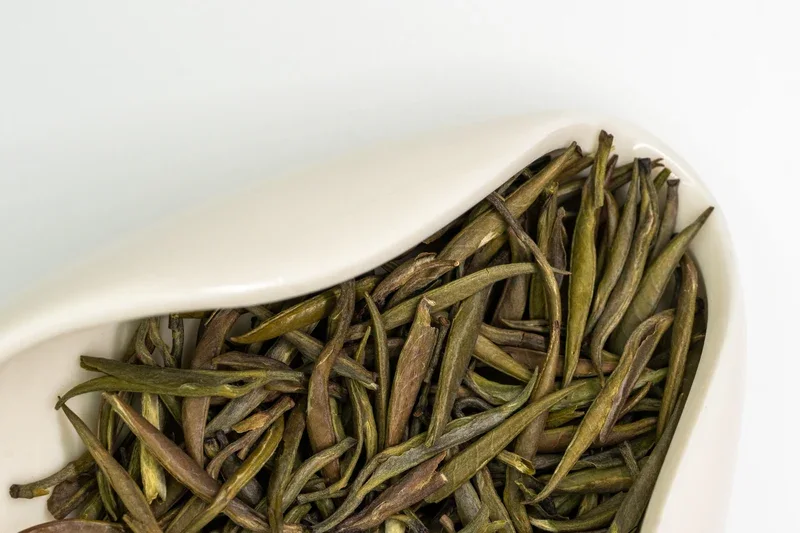
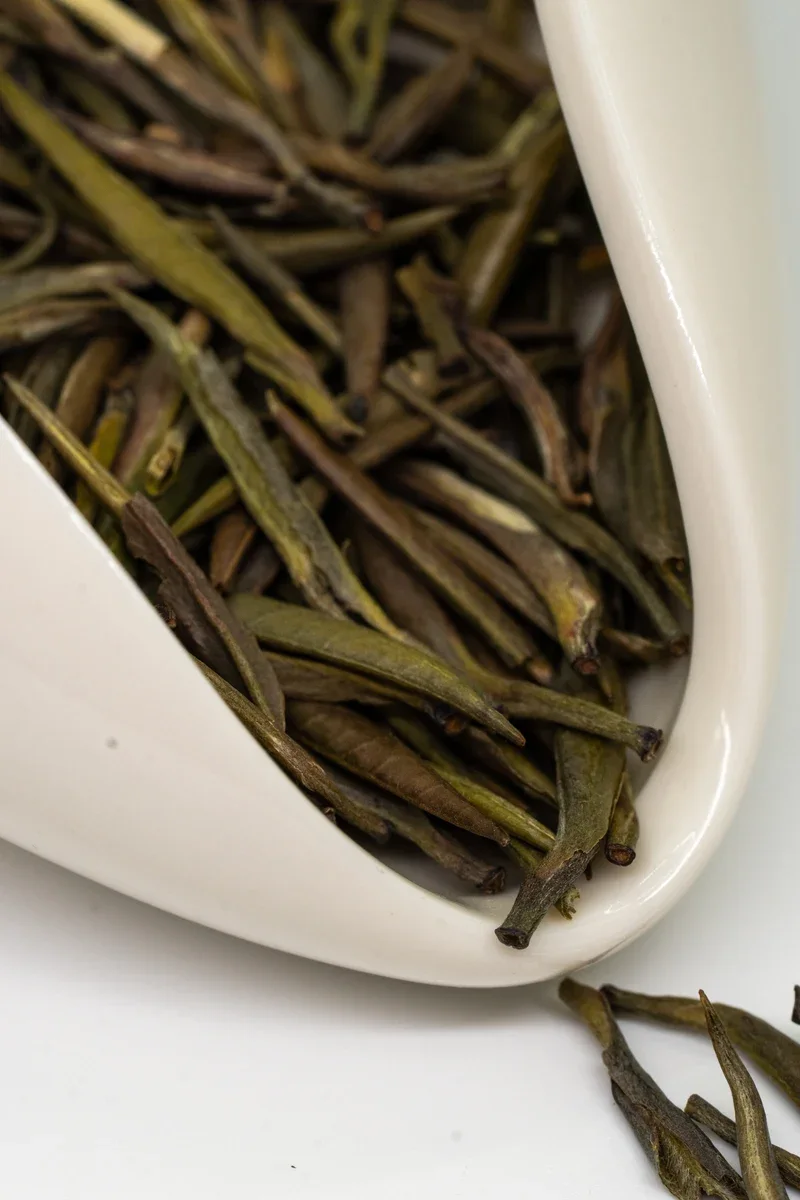
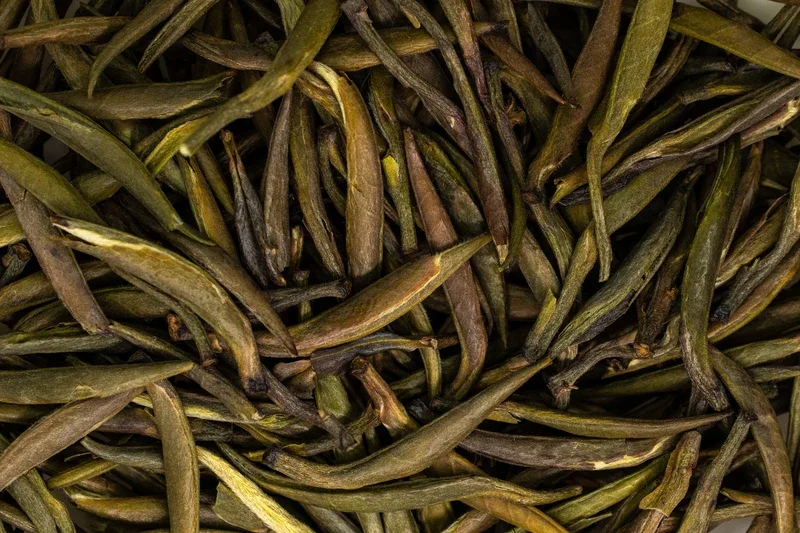
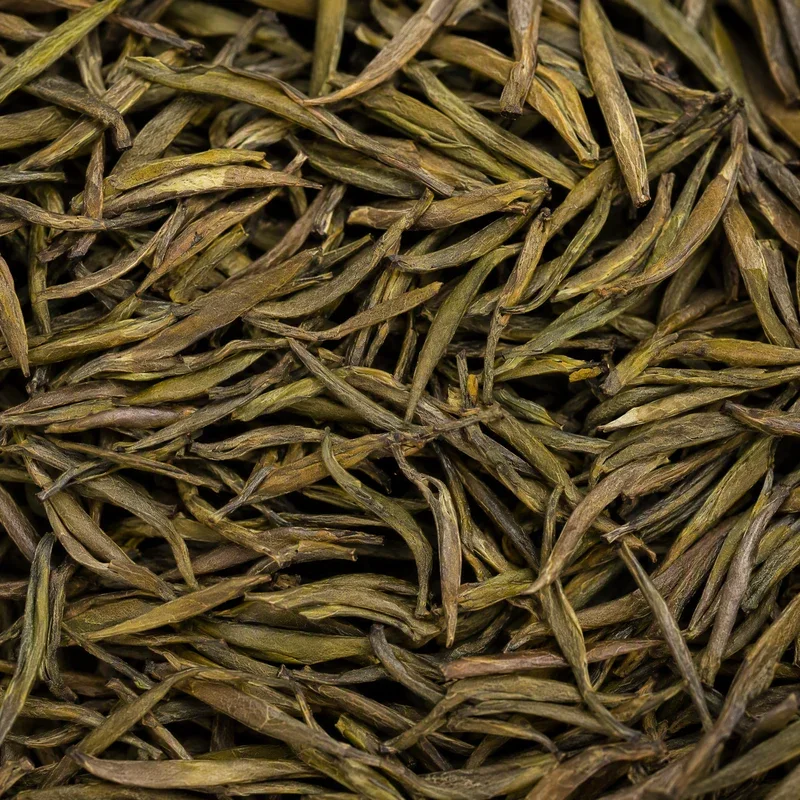
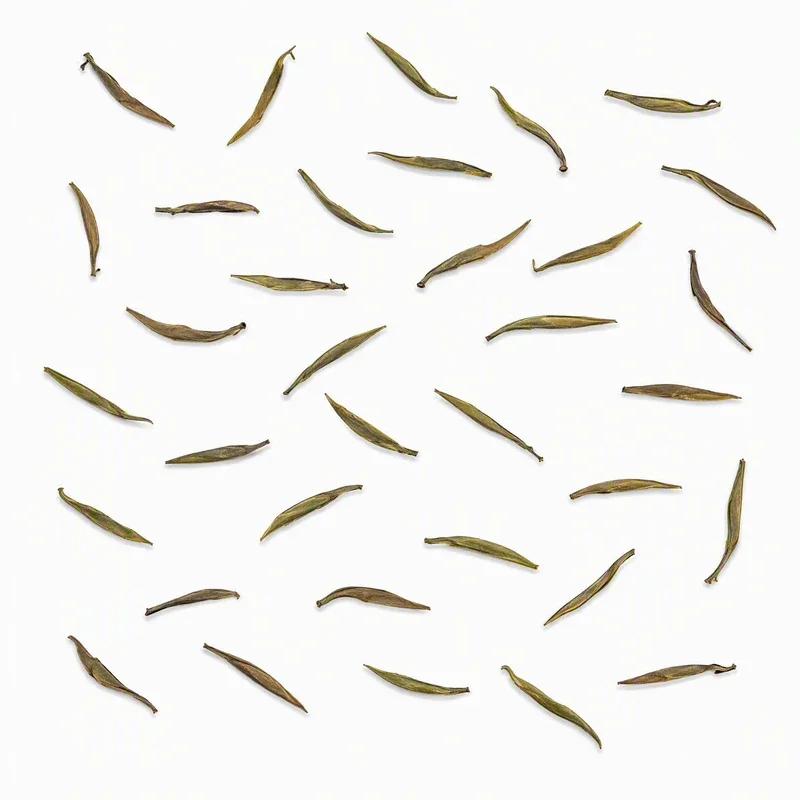
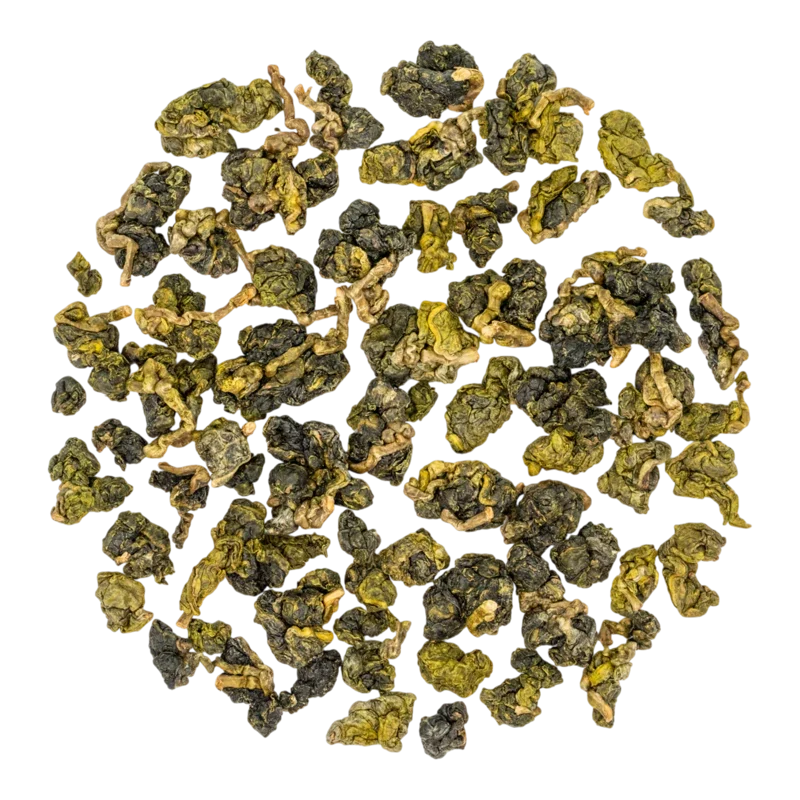
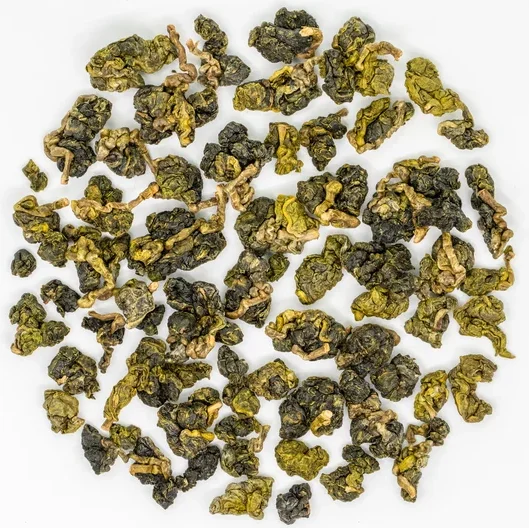
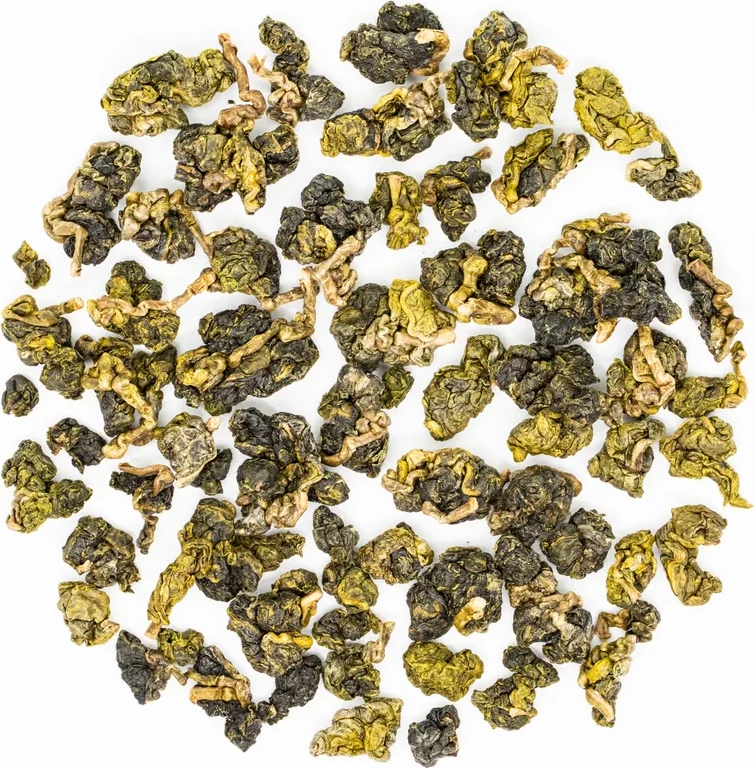
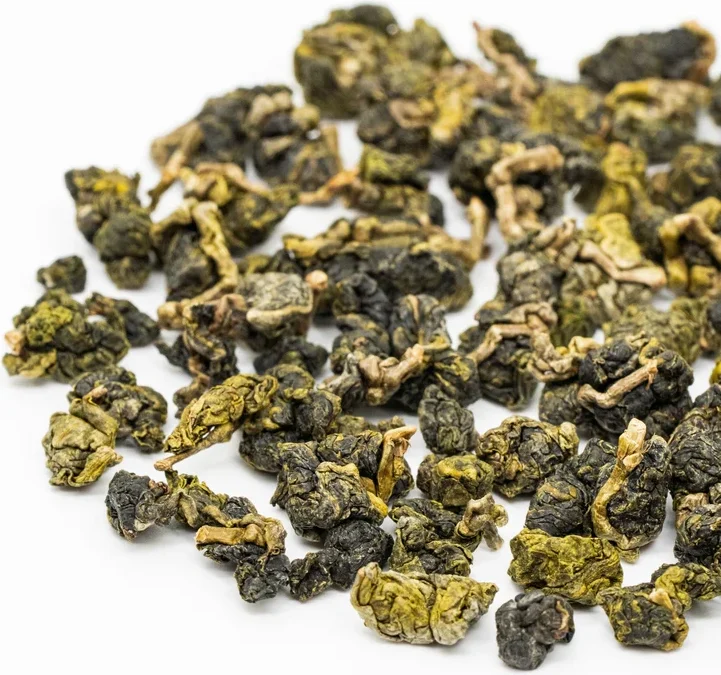
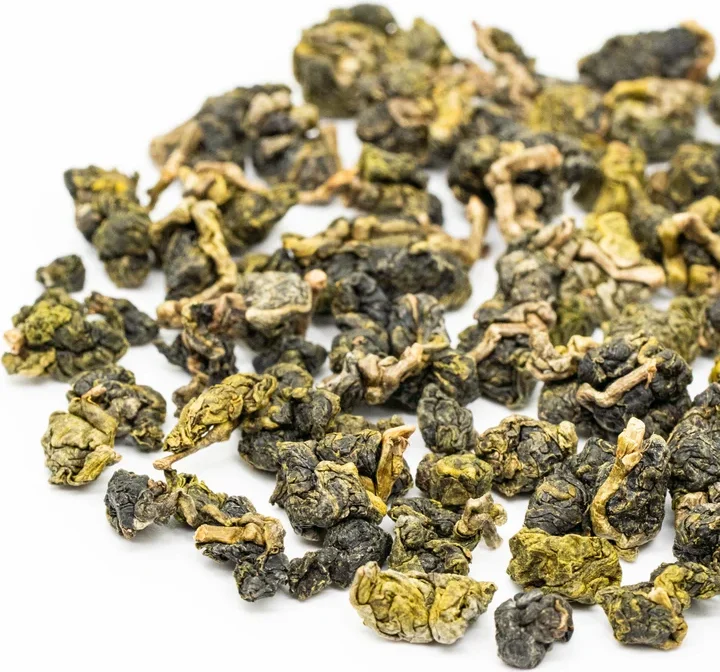
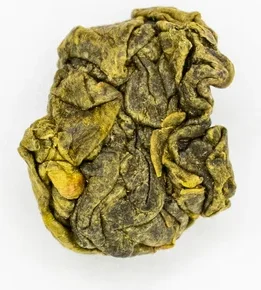
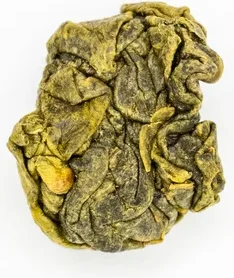
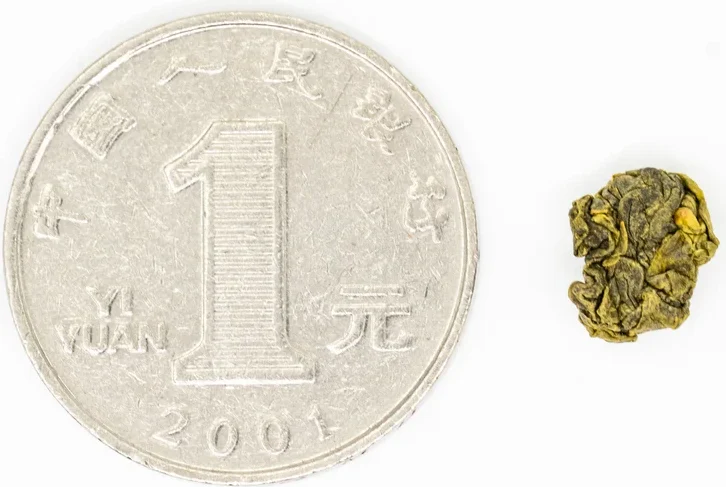
Dry Leaf Appearance: Tightly rolled semi-spherical granules, full and weighty. Color — from sandy-green to dark green with oily luster (砂綠油潤, shā lǜ yóu rùn). Uniform sizing, without breakage and dust.
Dry Leaf Aroma: Pure, cool and penetrating. Orchid dominates, supported by notes of green sugar cane (青甘蔗香, qīng gānzhè xiāng) — a specific "cold mineral" signature inherent only to the highest-altitude plots. In the background — lily of the valley, chestnut, light creamy sweetness. The aroma is persistent, preserved at the bottom of an empty cup after six-seven infusions.
Liquor Aroma: Rich floral spectrum with growing sweetness and characteristic "mountain coolness." Unfolds gradually: first infusions — orchid and delicate fruity notes; middle infusions — honey and cream; final — nutty and slightly toasted shades.
Liquor Color: From honey-green (蜜綠, mì lǜ) to golden-yellow with light jade radiance. Transparent, bright, with noticeable "oily" luster due to high pectin content.
Spent Leaves: Whole, elastic, fully opened leaves. Color — from bright green to olive, with characteristic reddish edge (綠葉紅鑲邊, lǜ yè hóng xiāng biān), indicating proper partial oxidation. Leaves are fleshy, juicy, demonstrating highest quality raw material.
Taste: Exceptionally soft, silky, enveloping. Body is dense, with pronounced "pectin" viscosity (膠質感, jiāozhì gǎn) — sensation of liquor resembling silk texture. Sweetness is intense, reminiscent of green sugar cane juice. Astringency is practically absent. Returning sweetness (回甘, huígān) is powerful and swift, accompanied by a light menthol cooling sensation in the throat (喉韻, hóu yùn). The taste reveals notes of white peach, lychee and melon. Dayuling's distinctive feature is special "transparency" and multidimensionality of taste, surpassing other high-mountain oolongs in purity and depth.
Alkaloids: Caffeine — moderate content, approximately 2–3% of dry mass. Theobromine and theophylline are present in trace amounts.
Amino Acids: Increased content — from 3.5 to 5.2% of dry mass (for varietal level "teji" ≥ 5.2%). L-theanine dominates, comprising more than 50% of the total amino acid pool. High L-theanine concentration is a key characteristic of ultra-high-altitude teas; it is responsible for pronounced natural sweetness, "silkiness" of liquor and relaxing effect without drowsiness. Glutamic acid, aspartic acid and arginine are also present.
Increased content due to slow growth; form the characteristic "oily" texture of the liquor.
Essential Oils: Linalool, geraniol, nerol and their derivatives form the floral-fruity bouquet. The "cold mineral" note is associated with a unique complex of terpene compounds formed under conditions of high-altitude ultraviolet stress.
Minerals: Potassium, magnesium, manganese, iron, fluoride (fluoride content about 15 mg/100 g).
Polyphenols: Content is lower than in low-altitude oolongs, which is explained by slowed metabolism in cold conditions. This reduces astringency and bitterness, forming a soft, sweet profile. Main catechins: EGCG, ECG, EGC. Total polyphenol content is approximately 12–18% of dry mass.
Vitamins: C, B group (B₁, B₂), E, K.
The combination of caffeine with high L-theanine concentration provides "clean" vigor, improved concentration and cognitive functions without sharp peaks and drops. L-theanine promotes generation of α-brain waves associated with relaxed attention state.
High L-theanine content helps reduce stress levels, improve mood and achieve a state of calm concentration — an effect for which high-mountain oolongs are especially valued in the gongfu tea tradition.
Catechins (EGCG) and polyphenolic complex provide cell protection from oxidative stress.
Mild stimulating effect on gastrointestinal tract motility, characteristic of lightly oxidized oolongs.
Regular oolong consumption is associated with maintaining normal cholesterol and blood pressure levels (according to several observational studies).
Oolong polyphenols promote lipid metabolism; high-mountain teas with increased pectin content have mild enveloping effect on mucous membranes.
Antioxidants and vitamins (C, E) contribute to maintaining healthy skin appearance.
Fluoride content in tea contributes to strengthening tooth enamel and suppressing cariogenic microflora activity.
Harvest in October–November. Comprises about 70% of market volume. Characterized by dense, thick taste with pronounced "sugar cane" sweetness, powerful "cold minerality" and deep throat aftertaste. Considered the "calling card" of Dayuling.
Harvest in May–June. More floral: orchid dominates with nuances of "tender bean" aroma (嫩豆香, nèn dòu xiāng). Increased freshness and lightness. Recommended to drink as fresh as possible.
Thick leaf, maximum pectins. Liquor with silk texture, pronounced green sugar cane note. Most expensive and rare.
Honey sweetness dominates the profile. Liquor color — honey-green with golden tint. Slightly more accessible, but also belongs to ultra-premium tea category.
Taste is pure and pleasant, but "mountain rhyme" is less pronounced.
Winter tea from 2600 m altitude. "Bud + two leaves" standard ≥ 95%. Granules weighty, dark green, oily. Penetrating "cold mineral" aroma. Brewing endurance — 8 and more infusions.
Blend of harvests from 1300–2500 m altitudes. Rolling is dense, aroma floral-fruity, elegant. Endurance — 8 infusions and more.
Gardens at 2200 m altitude. Taste is pure, but "mountain rhyme" is somewhat muted.
Tea Amount: 6–8 g per 150–200 ml water (gongfu method); 3–4 g per 250 ml (European method).
Teaware: Gàiwǎn (蓋碗, gàiwǎn) made of thin porcelain — optimal choice, allowing not to "absorb" delicate aromas and control extraction. Use of a small Yixing clay teapot is acceptable for denser, richer liquor. Glass teaware allows observation of leaf opening.
Water Temperature: 90–95°C. For Dayuling, water heated to boiling and slightly cooled is recommended. High temperature is necessary for full revelation of specific aromatic compounds of high-mountain tea. For the most delicate spring batches, reduction to 88°C is acceptable.
Enemies: Moisture, heat, foreign odors, direct light and oxygen. Dayuling is a tea with minimal roasting, which makes it especially sensitive to improper storage conditions.
Shelf Life: In unopened vacuum packaging at proper temperature — up to 2 years. However, highest taste potential is revealed in the first 6–12 months after production.
Vacuum packaging in aluminum foil bag — optimal variant. After opening the package, tea is recommended to be consumed within 72 hours to avoid loss of volatile aromatic components.
Temperature: Store in refrigerator at temperature about 0–5°C in separate compartment, isolated from products with strong odors. Before brewing, remove from refrigerator and let the package warm to room temperature without opening to avoid condensation formation on the leaf.
Altitude 1450–2490 m. Most tea gardens are located lower than Dayuling. Lishan possesses sweet, fruity profile with pronounced pectins, but "cold minerality" and aftertaste depth are noticeably brighter in Dayuling. Lishan price is significantly lower, and supply — considerably wider. Historically, the Dayuling area was included in the "greater Lishan tea district," however since 2016 the "梨山茶" zone has been officially demarcated and does not include Dayuling.
Altitude 1100–1600 m. The most accessible and widespread of Taiwanese high-mountain oolongs. Possesses bright floral aroma and pleasant sweetness, but yields to Dayuling in complexity, "mineral" depth and brewing endurance. Alishan is an excellent "entry point" for acquaintance with gaoshan tea, while Dayuling is its absolute pinnacle.
Altitude 1400–1800 m. Characterized by bright, "ringing" floral aroma and coniferous nuances. Taste is pure, but less multifaceted and "cool" than Dayuling. More accessible in price and supply.
Altitude about 2300 m, neighboring area with Dayuling in the Lishan massif. Tea from Cuiluan is famous for emphasized sweetness and softness, but somewhat yields to Dayuling in aromatic impact power and "mountain rhyme" depth.
Altitude about 2400–2600 m. Closest "competitor" in altitude. Also possesses pronounced "cold minerality," but differs with softer, "honey" profile. Production volumes are somewhat higher than Dayuling.
Price Category: Dayuling is the most expensive Taiwanese oolong. Price for varietal level "teji" (winter harvest, altitude 2600 m) starts from 8,000 yuan (≈ 1,100 USD) per jin (600 g) on the Taiwanese market. Factors determining cost: plot altitude, harvest season (winter more expensive than spring), tea tree age, batch volume and master's reputation. Extreme supply limitation (6–12 tons per year for the entire world market) makes any authentic Dayuling a premium category product.
Buy only from sellers capable of providing transparent information about the specific plot (kilometer marker on highway, altitude, farmer's name). Serious suppliers offer certificates of origin.
Dry tea particles should be dense, weighty, uniform color with oily luster, without breakage and dust.
Authentic Dayuling possesses pure, penetrating "cold" aroma without foreign and "perfumery" notes. Artificial flavoring betrays itself with sharp, unnatural smell.
Liquor is transparent, honey-green with bright luster. Spent leaves — whole, elastic leaves of bright green color. If after five-six infusions leaves turn yellow — growing altitude is most likely significantly lower than declared.
No reviews yet. Tell us what you think of this tea.
Rate this tea and share your impressions. We review each submission before publishing it.