Zetten
Gongfu zetten
- Watertemperatuur
- 100 °C
- Hoeveelheid thee
- 6 g
- Hoeveelheid water
- 100 ml
- Eerste infusie
- 10 s
- Extra tijd per infusie
- 5 s
- Infusies
- 10

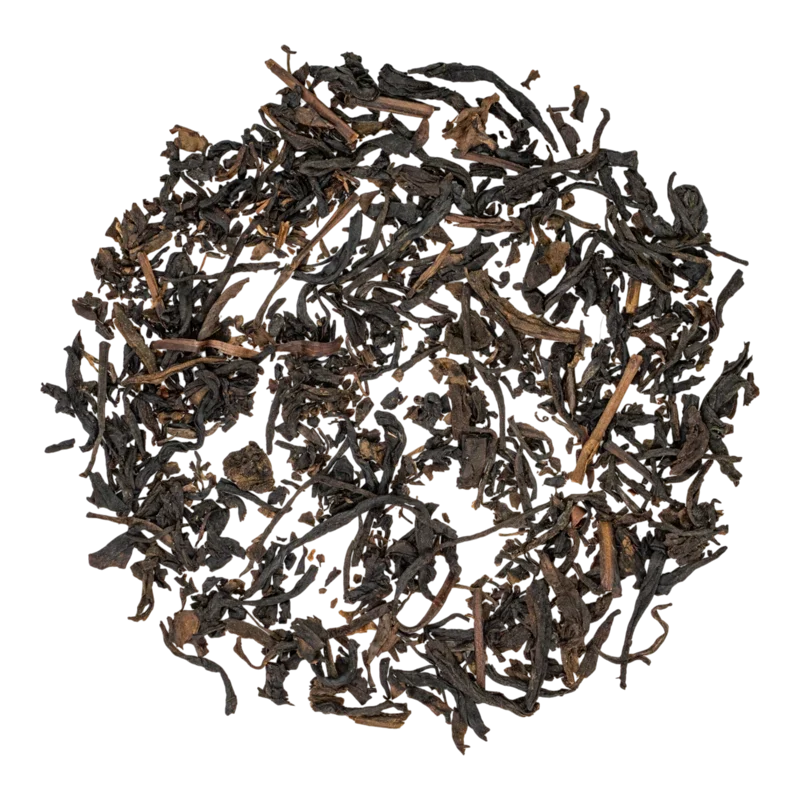
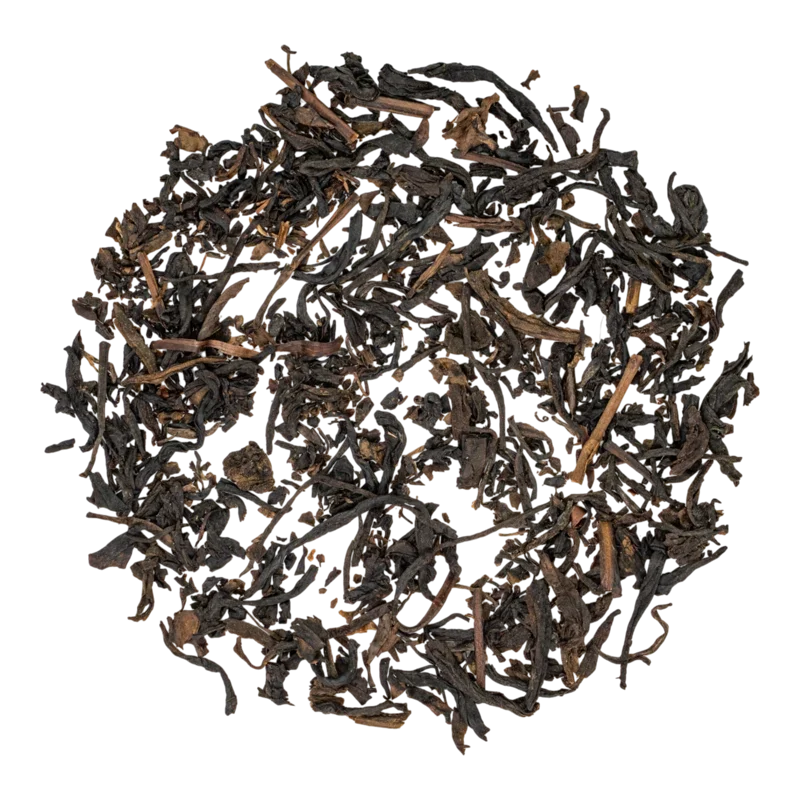
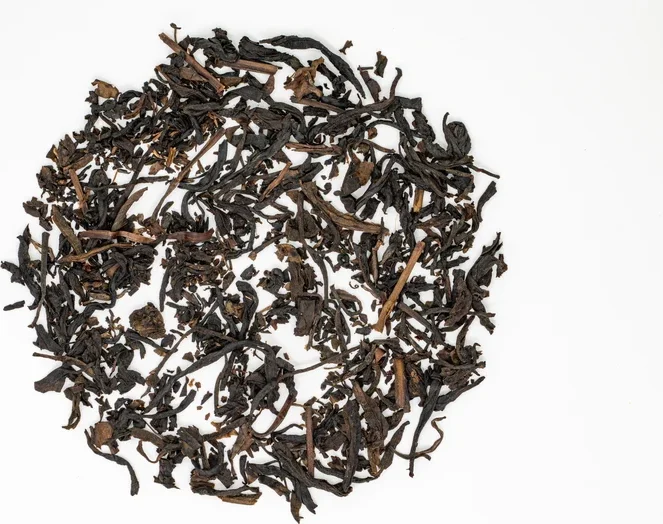
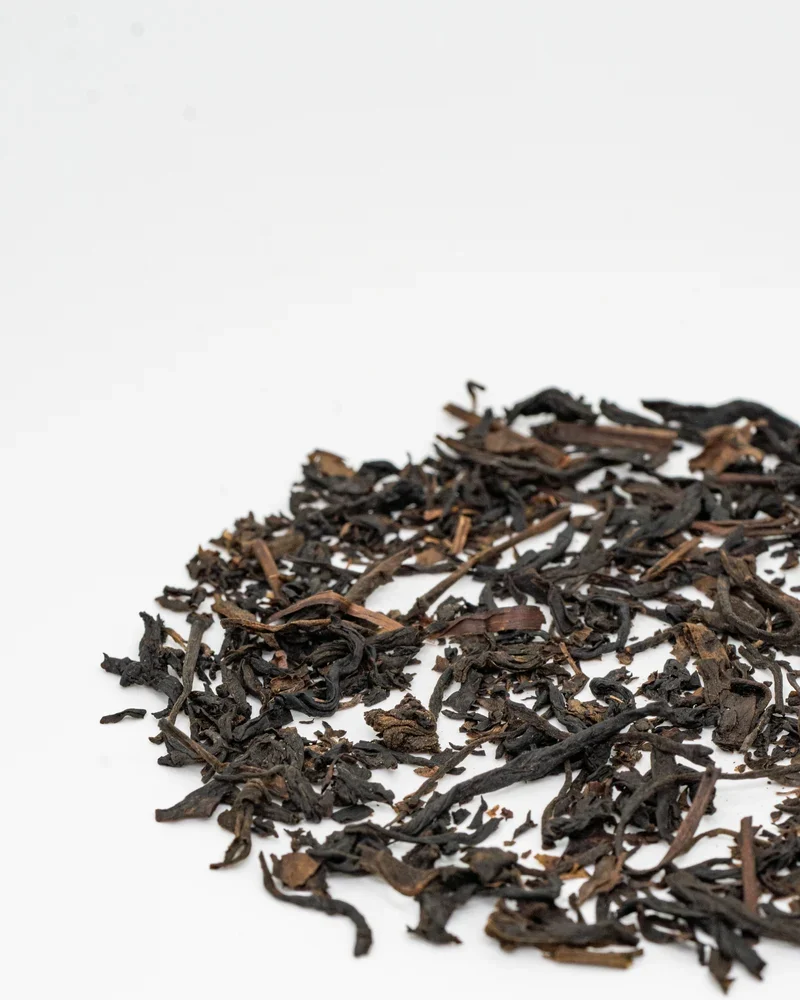
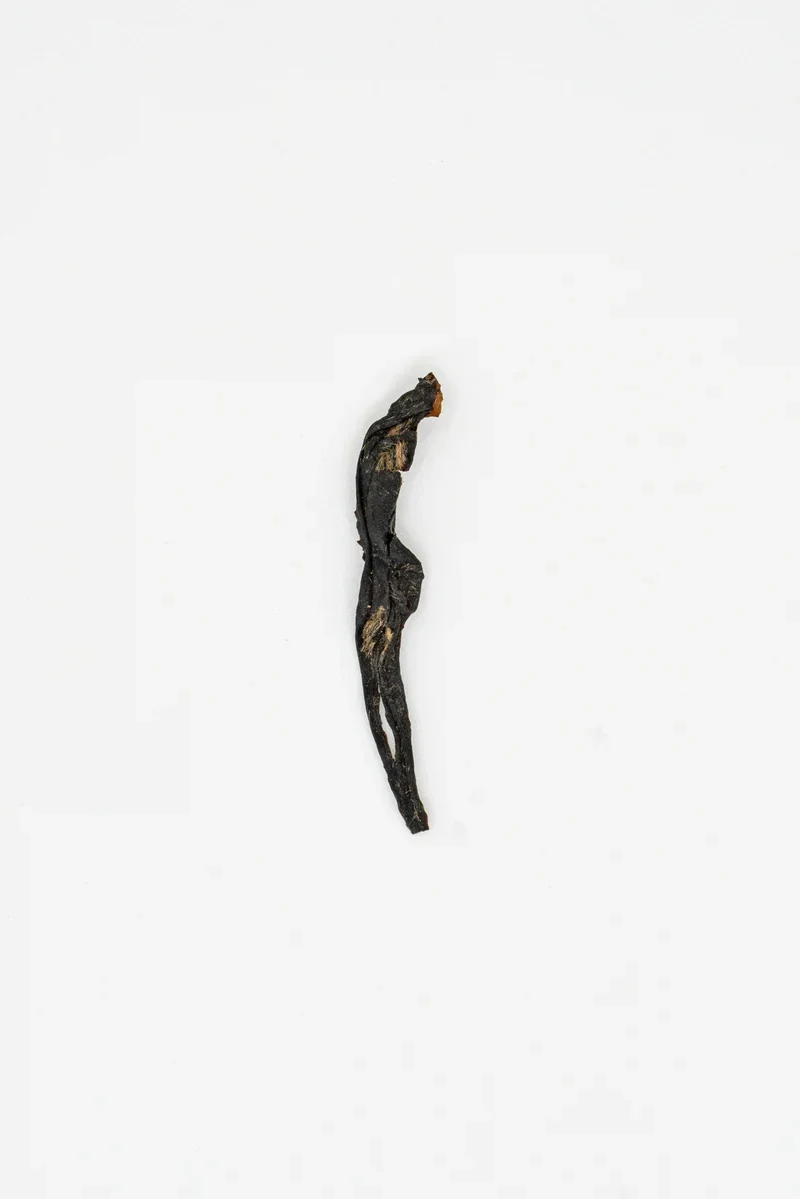
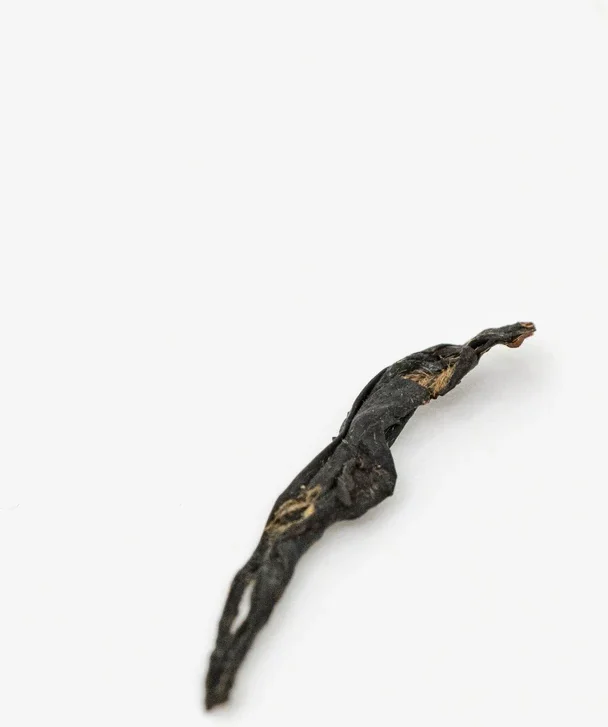
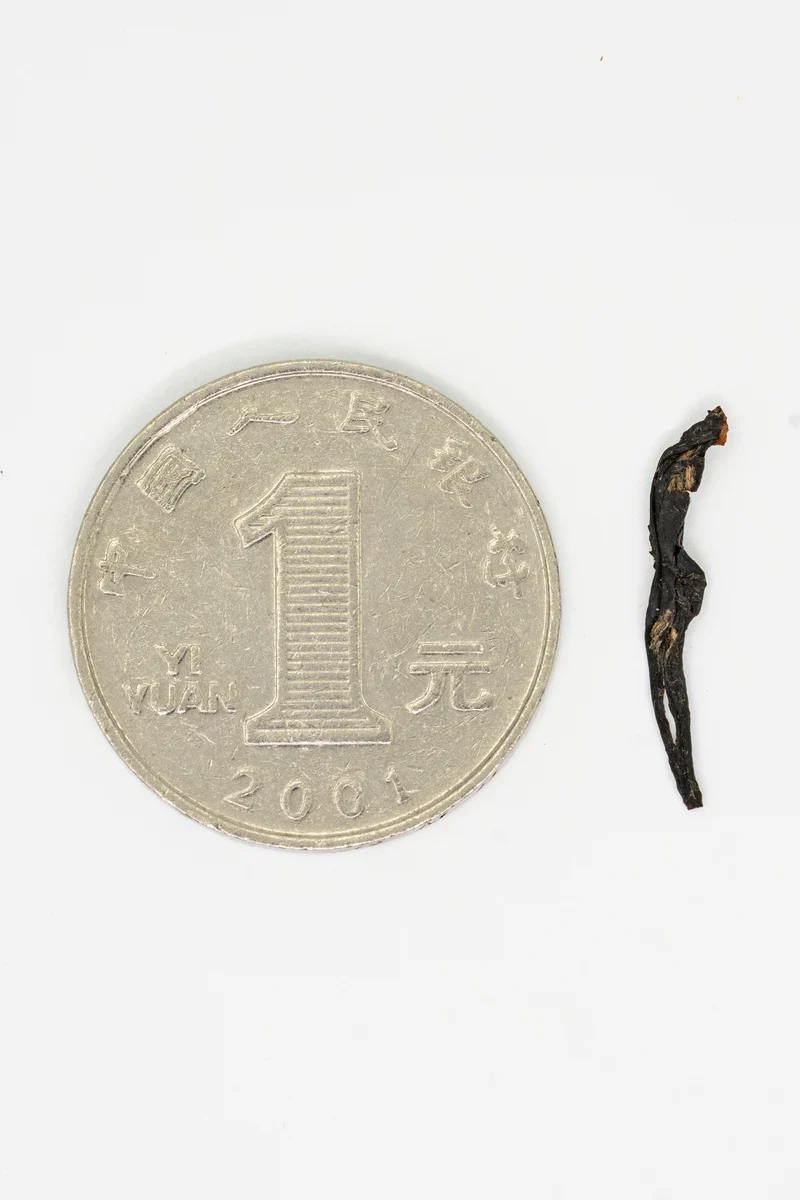
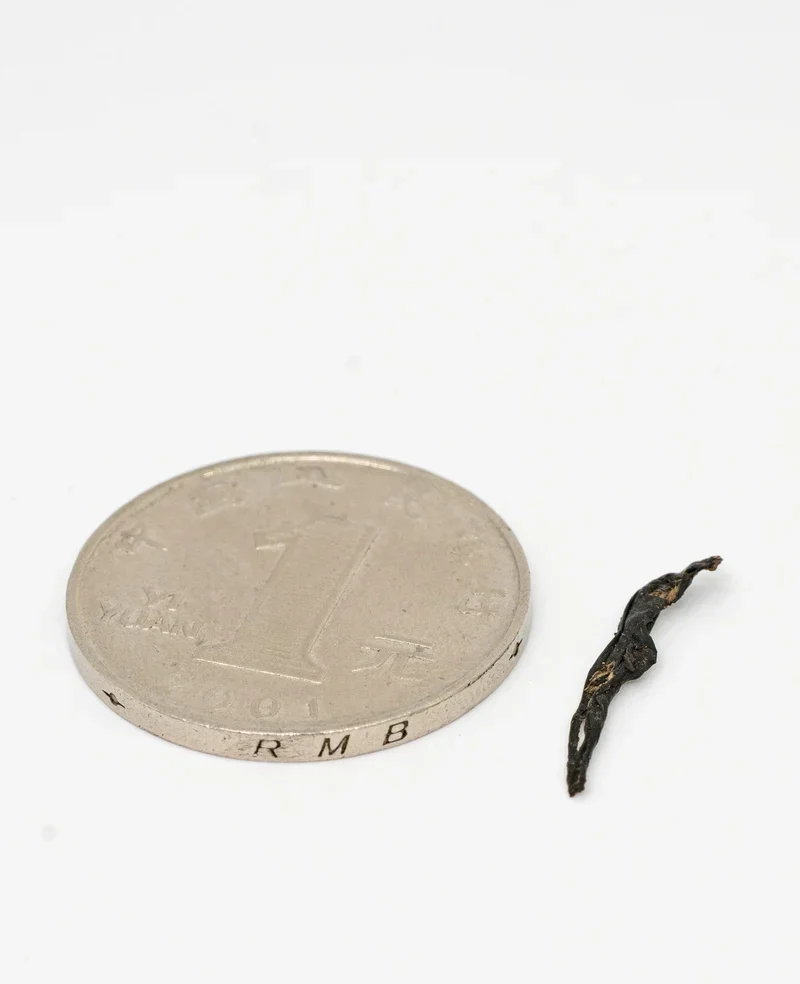
ānchá
Kies een zetmethode. Begin met de aanbevolen hoeveelheden en tijd en pas ze daarna aan naar smaak.
Zetten
Zetten
Thee-encyclopedie
Classification origin: What is Genuine 安茶
Classification origin: What is Genuine 安茶
In the precise sense, 安茶 (ān chá) is a dark tea (黑茶, hēi chá) from Qimen County (祁门) in the south of Anhui Province (安徽·祁门); the historical production center is the villages of Luxi (芦溪) and Rongkou (溶口). According to our reference typology, this is the heicha-anhui subfamily within the umbrella category of dark teas, and it is distinguished from other "dark axes" by a combination of three features: enzymatic maturation (越陈越好 — "the older, the better"), the traditional basket form (篮/篓, lán/lǒu), and distribution channels oriented not towards the domestic market, but towards overseas Chinese communities.
It is precisely this tea that suffers most from confusion because for decades it was sold under a borrowed name — "六安茶" (Lù'ān chá), although it has no direct relation to the city of Lu'an.
History culture: Terroir
Qimen is a mountainous, humid county within the Huangshan system, the very same that gave the world the black tea qí mén hóng chá (祁门红茶). The same factors — acidic foothill soils, frequent fogs, diffused light — also shape the raw material for ān chá. Within the heicha-anhui subfamily, several micro-zones are distinguished around Luxi and Rongkou; historically, the leaf came from here, which was then fermented, pressed into baskets, and aged.
Botany material: Raw Material and Cultivar
Ān chá is made from local bush populations of Qimen — these are medium- and small-leaf varieties (中小叶种), the same ones used for qí mén hóng chá. The leaf is picked comparatively late — this is not the tender spring harvest for green tea, but a coarser, more mature raw material suitable for prolonged fermentation and storage. The coarseness of the leaf is not a defect but a technological necessity: only a mature leaf gives the tea the dense, "woody" base that unfolds over years of aging.
Terroir: Production
The technology of ān chá combines primary processing, close to that of green tea, with subsequent maturation and packaging characteristic of the dark axis:
Within the heicha-anhui bundle, the attribute 发花/金花 (fā huā / jīn huā) is taken into account — the development of the beneficial mold "golden flowers." This is the same line that unites fú zhuān (茯砖) from Anhua and Shaanxi; for ān chá, "golden flowers" are a variable storage characteristic, not a mandatory attribute, and it is often overestimated when comparing it with Hunan dark teas (see below).
The forms of dark teas in this bundle are registered as 砖/散/篓/篮/柱 (brick / loose / large basket / small basket / column); for ān chá, the canonical form is the basket (篮/篓).
Production: Standards
Ān chá is considered in our taxonomy as a standardized dark tea: the planned subfamily structure provides for a gb field (link to a national standard) and a jinhua flag. The specific GB/T number is not disclosed in the source material, therefore it is deliberately omitted here — specifying an unverified number is unacceptable. The fundamental point is different: ān chá is classified as 黑茶 (dark), and any attribution of it to green or white teas is a categorical error.
Organoleptic: Taste and Brewing
Aged ān chá yields a dark amber, almost chestnut-colored infusion with age; the profile is soft, earthy, with a note of bamboo sedge from the packaging, without harshness and without "green" bitterness. The longer the aging, the smoother and warmer the body of the tea.
It should be brewed like a mature dark tea: boiling water, a quick rinse of the leaf, then many short infusions in a gaiwan or Yixing teapot; old basket samples also withstand boiling well. This is an "everyday," communal tea for a long mood, not a perfumery tasting of a single cup.
Chemistry: History and Culture: The Origin of the Name Confusion
The key to the topic of "同名异物" lies in trade history. At the turn of the 19th and 20th centuries, ān chá from Qimen went en masse to the south — to Guangdong, Hong Kong, and further into the Huaqiao communities of Southeast Asia (侨销, export, "overseas" channel, as opposed to domestic 内销 and border 边销 channels). In these markets, the tea was known and sold under the generalized brand "六安" / "六安篮茶" (Lù'ān lán chá, "Lu'an basket tea") — a name that in the south became a synonym for "good dark Anhui tea," regardless of the actual geography. Old Qimen trading houses (for example, the label 孙义顺, Sūn Yìshùn) cemented this marking.
The production of ān chá was largely interrupted in the mid-20th century and was revived only in later decades. But it was precisely the historical name "六安" that gave rise to the main modern confusion.
Health: How to Distinguish: Analysis of Homonyms
**1. 安茶 (ān chá) vs. 六安瓜片 (Lù'ān guāpiàn).** This is the most dangerous pairing. Lù'ān guāpiàn is a famous green tea from the city of Lu'an (六安), Anhui: single leaves without a bud or stem, an emerald dry leaf, a fresh, "roasted," herbaceous-chestnut taste. Ān chá is a dark, fermented, basket-packed, aged tea with a dark infusion. They are related only by Anhui Province and the syllable "安" in the name; categorically, these are opposite poles. The historical nickname of ān chá — "六安茶" — only increases the temptation to mix them up, but these are different teas.
**2. 安茶 vs. 安化黑茶 (Ānhuà hēichá).** Both are dark teas, both may have "golden flowers" (金花). But Ānhuà hēichá is Hunan, a different province and a different school of dark tea, where 金花 in fú zhuān (茯砖) is a mandatory, standardized feature. For ān chá, the homeland is Qimen (Anhui), the form is a bamboo basket, and 发花 is a variable aging characteristic. They should be distinguished by province, form (basket vs. brick), and the role of "golden flowers."
**3. 安茶 vs. 安吉白茶 (Ānjí báichá).** A pure coincidence of the character "安." Ānjí báichá is a green tea (despite the word "白" in the name) from Anji County, Zhejiang Province, made from a light-leafed albino cultivar, with a delicate, fresh, amino acid-rich profile. It has nothing in common with the dark Qimen ān chá, except for the first syllable.
Practical Criterion. Genuine ān chá
Nog geen beoordelingen. Vertel ons wat je van deze thee vindt.
Beoordeel deze thee en deel je indrukken. We bekijken elke inzending voordat we die publiceren.


