Brewing
Gongfu brewing
- Water temperature
- 100 °C
- Tea amount
- 6 g
- Water volume
- 100 ml
- First steep
- 10 s
- Time added per infusion
- 5 s
- Infusions
- 10

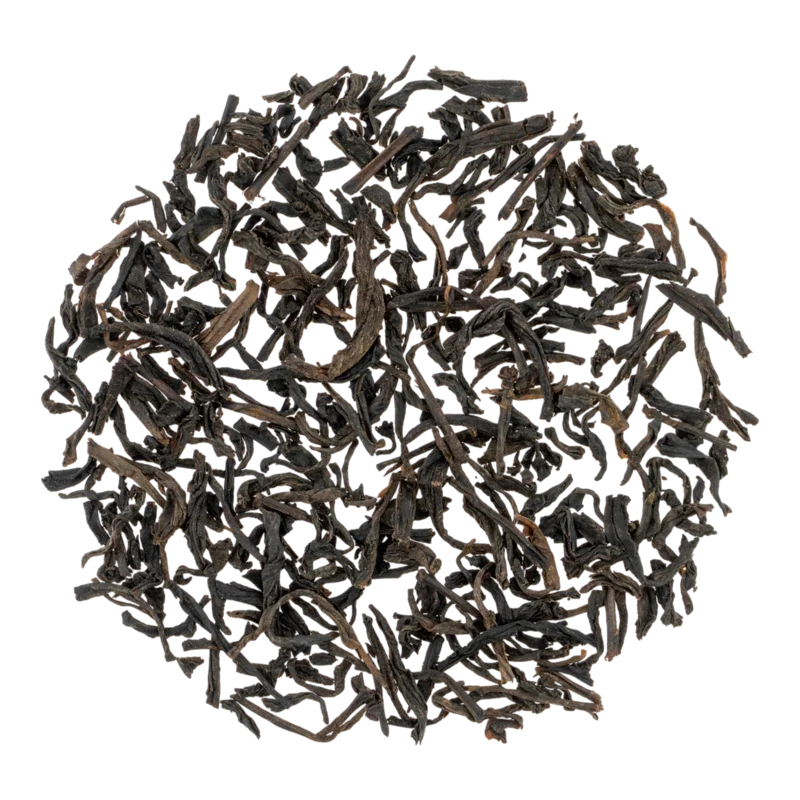
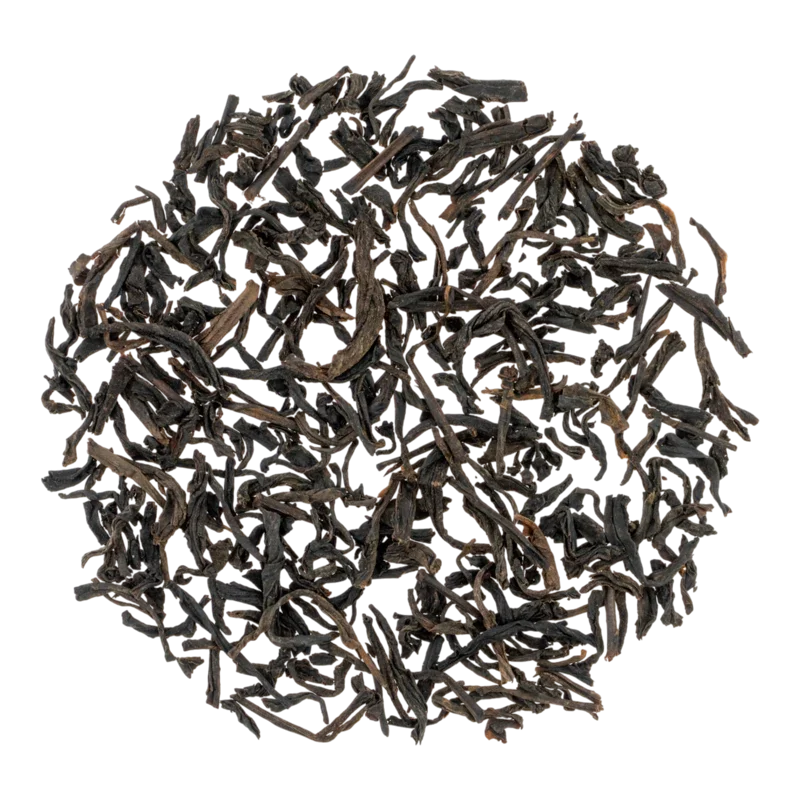
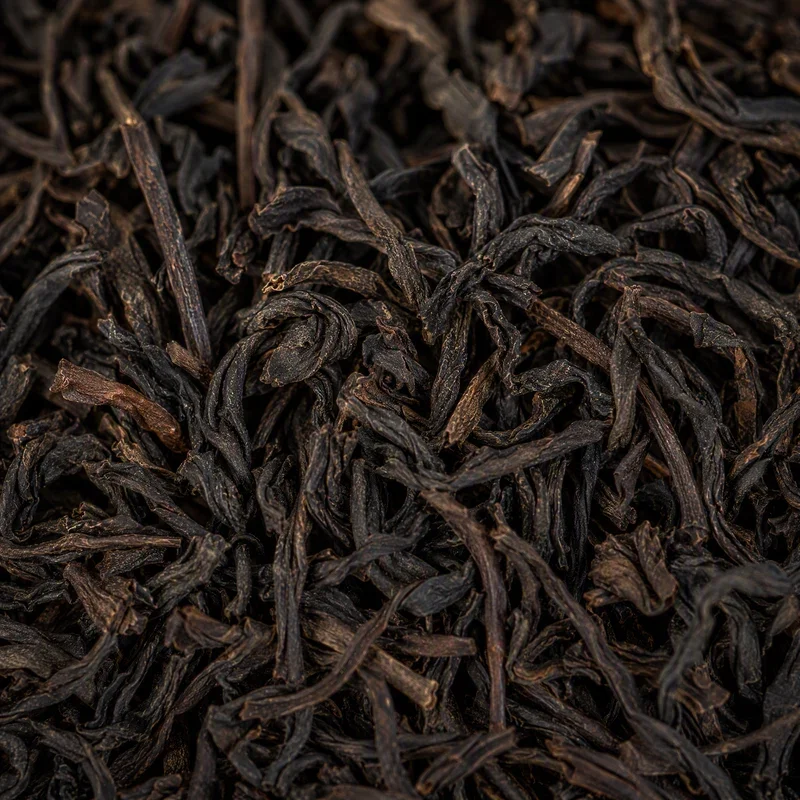
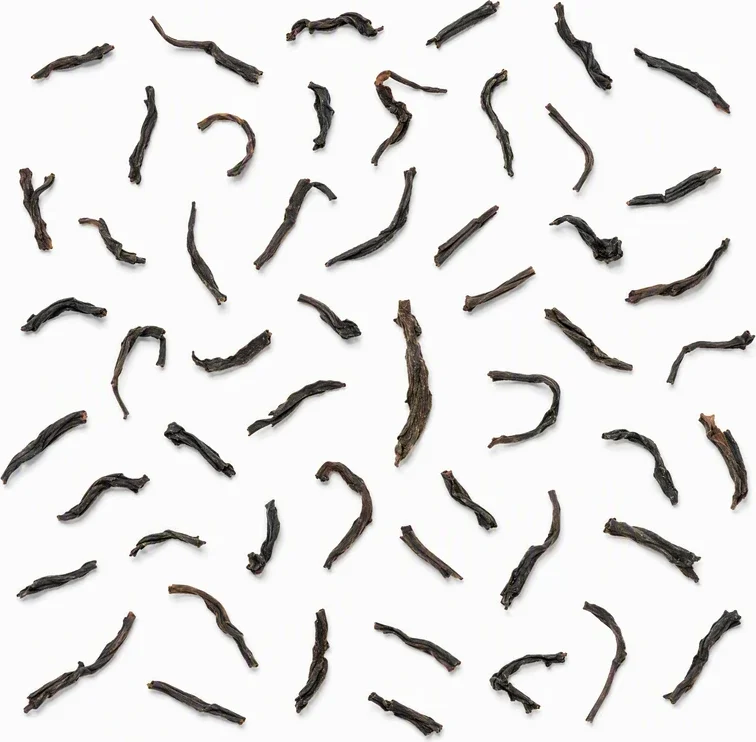
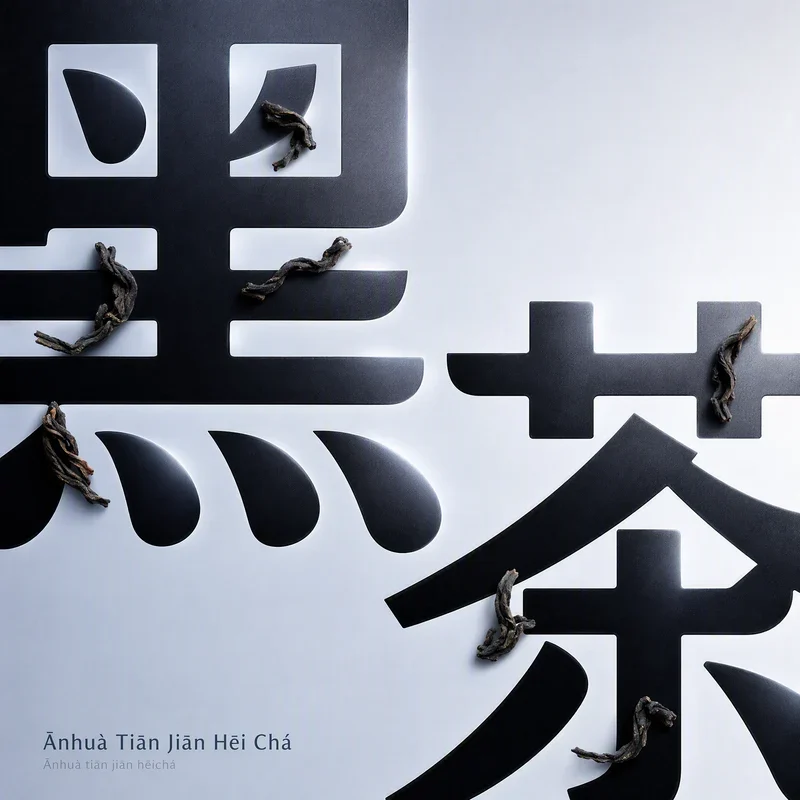
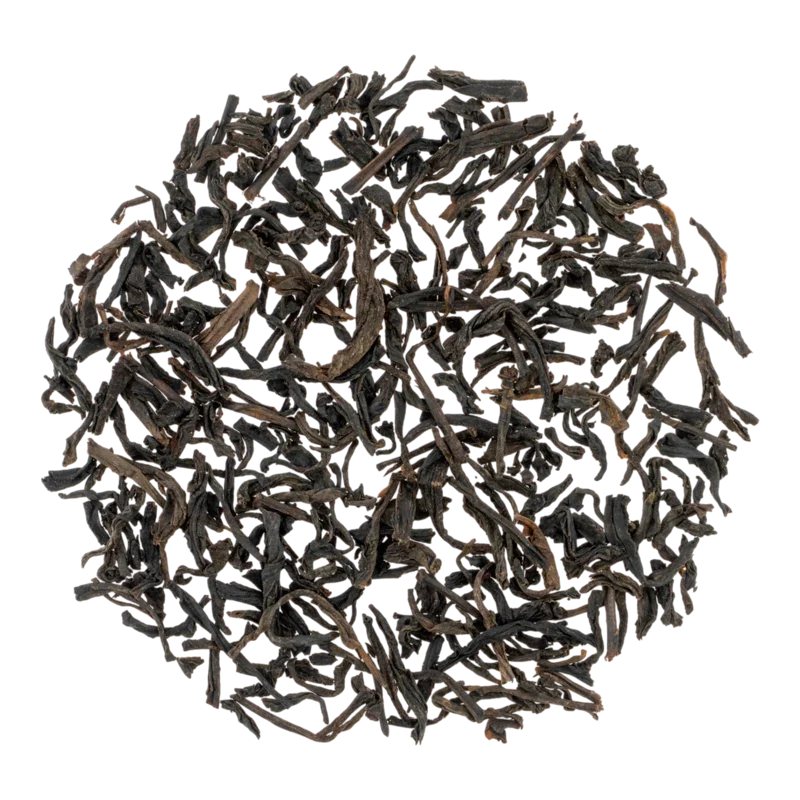
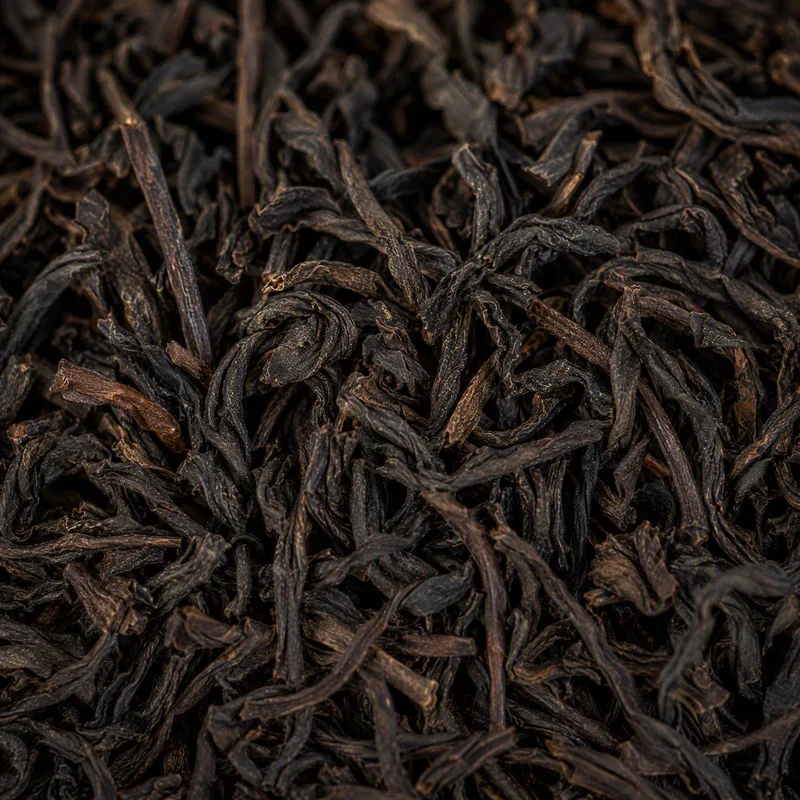
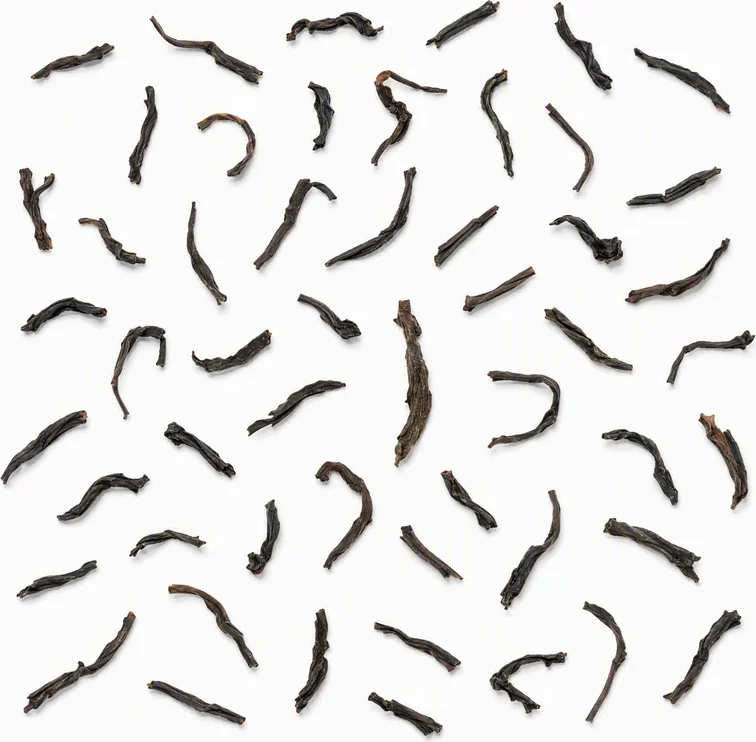
Ānhuà tiān jiān hēichá
Choose a brewing method. Start with the recommended quantities and time, then adjust to taste.
Brewing
Brewing
Taste
Explore the tea's aroma, flavor and aftertaste.
Click or tap a note to filter matching teas when interaction is enabled.
Tea encyclopedia
Category: Famous dark teas of China. Highest grade in the "San Jian" (三尖, Sān Jiān — Tian Jian, Gong Jian, Sheng Jian) lineup, also known as Xiāng Jiān Chá (湘尖茶, Xiāng Jiān Chá — "Hunan Points"). During the Cultural Revolution period (1967), classical names were replaced with numbers: Tian Jian became "Xiang Jian No. 1" (湘尖1号), Gong Jian — "Xiang Jian No. 2", Sheng Jian — "Xiang Jian No. 3". The historical designation was restored in 1983, but academic designations were retained in parallel.
Category: Famous dark teas of China. Highest grade in the "San Jian" (三尖, Sān Jiān — Tian Jian, Gong Jian, Sheng Jian) lineup, also known as Xiāng Jiān Chá (湘尖茶, Xiāng Jiān Chá — "Hunan Points"). During the Cultural Revolution period (1967), classical names were replaced with numbers: Tian Jian became "Xiang Jian No. 1" (湘尖1号), Gong Jian — "Xiang Jian No. 2", Sheng Jian — "Xiang Jian No. 3". The historical designation was restored in 1983, but academic designations were retained in parallel.
Coordinates: Approximately 27°59′–28°38′ N, 110°43′–111°59′ E. Ānhuà County is located on the northern slope of the Xuefengshan Range (雪峰山, Xuěfēng Shān), in the middle reaches of the Zīshuǐ River (资水, Zī Shuǐ).
Origin: China, Húnán Province (湖南省, Húnán Shěng), Yiyang Prefecture-level City (益阳市, Yìyáng Shì), Ānhuà County (安化县, Ānhuà Xiàn). Key production zones — "two ridges, two streams, six caves" (两山两溪六洞, liǎng shān liǎng xī liù dòng): Yúntáishān Mountains (云台山, Yúntái Shān) and Furongshan Mountains (芙蓉山, Fúróng Shān), Gaoma'erxi Stream (高马二溪, Gāomǎ Èr Xī) and Huangshaxi Stream (黄沙溪, Huángshā Xī), as well as six "caves" (mountain-type micro-valleys). Historical production center — Jiāngnán Township (江南镇), Xiaoyan Township (小淹镇), and Báishāxī (白沙溪).
Type: Post-fermented tea (houfajiao cha, 后发酵茶, hòu fājiào chá), belongs to the Hēi Chá category (黑茶, Hēichá — "dark tea"). Degree of fermentation — light post-fermentation, increasing during storage.
County name, literally — "peaceful transformation." Ancient name — Méishān (梅山). There is a saying: "First there was tea, then the county was established" (先有茶,后建县).
"Heavenly Point" — literally "highest grade." The character 天 (tiān, "heaven") indicates the highest quality — emperor level. Jiān (尖) — "point, tip, top" — refers to the form of tender buds and upper leaves used as raw material.
"Dark tea" — one of six basic categories of Chinese tea, uniting post-fermented teas.
Cultivar: The main raw material consists of leaves from Ānhuà group varieties (安化群体品种, Ānhuà qúntǐ pǐnzhǒng), primarily Yúntáishān Dàyèzhǒng (云台山大叶种, Yúntáishān Dàyè Zhǒng) — a large-leaf population recognized in 1965 as one of the first 21 national elite tea bush varieties (编号 GS13024-1985). Three national improved varieties were derived from it: Zhūyèqí (槠叶齐, Zhūyè Qí), Báimáozǎo (白毫早, Báimáo Zǎo), Xiangbolü (湘波绿, Xiāngbō Lǜ). Yuntaishan Dayezhong — large-leaf shrub (Camellia sinensis var. sinensis, population variety), distinguished by large, fleshy leaves (folk saying: "The stem can prop up a boat, the leaf can wrap salt" — 梗子撑得船,叶子包得盐) and high content of extractive substances. For Tian Jian, primarily the Zhuyeqi variety and other small- and medium-leaf representatives of the Anhua group are used, providing more tender, delicate raw material.
Picking: Harvest is conducted from mid-April (around the Guyu season — 谷雨, Gǔyǔ, "Grain Rains") to early May. For Tian Jian, the earliest and most tender spring raw material is used, collected after Qīngmíng (清明, Qīngmíng) and during the Guyu period. Precisely spring harvest ensures the highest concentration of amino acids and delicate aroma.
Pluck Standard: One bud and two-three leaves (一芽二三叶, yī yá èr sān yè) — first-class standard (一级, yī jí). For Tian Jian, primarily first-class black mao cha (一级黑毛茶, yī jí hēi máochá) is used with a small admixture of higher-quality second-grade mao cha. For comparison: Gong Jian is made from second-grade mao cha (二级), and Sheng Jian — from third-fourth grade, coarser and more stemmy.
Raw Material: Leaves must be whole, undamaged, with good tenderness (嫩度, nèndù). It is fundamentally important to use tea precisely of Anhua origin: "You can't say it's impossible to make from imported raw material, but after fermentation, quality and taste will noticeably decrease" — this maxim reflects the unique influence of local terroir on microbiological post-fermentation processes.
Dry Leaf Appearance: Tight, densely twisted longitudinal strips (条索紧结, tiáo suǒ jǐn jié), relatively straight, with good tenderness. Color — black, oily-lustrous (乌黑油润, wū hēi yóu rùn), with noticeable golden tips in high-quality batches.
Liquor Aroma: Clean and harmonious (醇和, chún hé), with dominating pine smoke. With age enriched with notes of honey, nuts, prunes, spices.
Liquor Color: Orange-yellow (橙黄, chéng huáng), clear and transparent. With aging deepens to orange-red (橙红带艳, chéng hóng dài yàn), maintaining clarity. In glass resembles aged red wine.
Spent Leaves: Yellow-brown (黄褐, huáng hè), relatively tender and even (尚嫩匀, shàng nèn yún). Leaves unfold, demonstrating wholeness and elasticity — indicator of raw material quality and careful processing.
Taste: Full-bodied and rich (醇厚, chún hòu), with characteristic sweetness (甘润, gān rùn) and pleasant smoothness (爽滑, shuǎng huá). Huígān (回甘, huí gān — returning sweetness) is felt distinctly, building from the throat. First steeps express smoky and woody notes; from 3rd-4th steep honey, nutty, and fruity nuances unfold. Tea is distinguished by high endurance: 10–15 full steeps.
Soft, purified; temperature 100 °C (rolling boil).
Tea Amount: 5–7 g per 150–200 ml water (short infusion method). For boiling or brewing in large teapot — 3–5 g per 500 ml.
Teaware: Yíxīng clay teapot (紫砂壶, zǐshā hú) — ideal choice: clay maintains high temperature and "absorbs" smoky note, refining the liquor. Also suitable are gaiwan, porcelain or glass teapot. For boiling — glass or ceramic pitcher.
Humidity: 40–60%; moderate — to maintain microbiological activity without mold risk.
Room should be aired. Categorically forbidden to use polyethylene bags, foil, parchment — any airtight packaging. Original bamboo basket — best container, ensuring tea "breathing."
Direct sunlight causes unwanted photochemical reactions.
Tea intensively absorbs aromas. Store separately from spices, coffee, perfumery, household chemicals, away from kitchen and freshly renovated rooms.
Temperature: 20–30 °C; avoid sharp fluctuations.
presence of "Anhua Hei Cha Geographic Indication" mark (安化黑茶地理标志), GB/T 22291 standard certification, mao cha grade indication (一级), production date and place.
purchase from certified dealers, check for geographic mark and labeling, evaluate spent leaves (should be tender, whole, without abundance of stems).
No reviews yet. Tell us what you think of this tea.
Rate this tea and share your impressions. We review each submission before publishing it.


